


NATURE AND WILDLIFE · TRANSYLVANIA
Saint Anne Lake (Lacul Sfânta Ana)

Harghita, Harghita County
Add location to your trip planner.

Practical access information

VISITING HOURS
Consultă programul local de vizitare

TICKET PRICE
Informații disponibile la casierie

RECOMMENDED VISIT DURATION
1 - 2 ore
Sources and external references
Wikipedia Encyclopedia (EN)
Visitor information and guide
 Navigate with Google Maps

ABOUT SAINT ANNE LAKE (LACUL SFÂNTA ANA)
Saint Anne Lake — The Volcanic Jewel of Central Europe
In the heart of Székely Land, where the Harghita Mountains rise majestically toward the sky and coniferous forests embrace the sleeping peaks, hides one of the most extraordinary wonders of European nature: Saint Anne Lake. The only intact volcanic lake in Central and Eastern Europe, situated in the crater of an extinct volcano, this place has fascinated travelers, scientists, and pilgrims alike for centuries. At an altitude of 946 meters, in a landscape that evokes the Nordic lands more than Southeastern Europe, the lake represents an open window to the continent's geological past and a sanctuary of Székely spirituality, while simultaneously being a symbol of the coexistence between humans and nature in one of Europe's most unique ecosystems.
The universal value of this place cannot be measured merely by its modest dimensions — a surface area of 19.50 hectares, an almost circular shape with a major axis of 620 meters and a minor axis of 464 meters, a maximum depth of only 7 meters. What makes Saint Anne Lake unique is its origin: its crystalline, almost distilled water comes exclusively from precipitation, having no spring or tributary. This rare hydrological characteristic, found in only a few volcanic lakes worldwide, places Saint Anne in a special category alongside Lake Pavin in Auvergne (France), the maars of Eifel (Germany), or the lakes in the craters of Vesuvius and Etna (Italy). However, unlike these western relatives, the Romanian lake remains the only intact example in all of Central and Eastern Europe, a silent witness to the last volcanic eruptions that shook the Carpathians approximately 30,000–42,000 years ago.
Historical Roots and Major European Connections
To fully understand the importance of Saint Anne Lake, one must look beyond the borders of today's Romania and place this location in the great story of Europe. The lake is located in the Ciomatu Massif (in Hungarian: Csomád), the youngest volcano in the volcanic chain of the Eastern Carpathians, situated on the border between Harghita and Covasna counties. Ciomadul is part of the Carpatho-Pannonian volcanic arc, a geological formation stretching approximately 700 kilometers, from the Călimani Mountains to southeastern Transylvania, representing the last episode of volcanic activity in Central Europe.
Volcanic activity began approximately one million years ago, and most of the volcanic edifice formed between 650,000 and 500,000 years ago. However, the geological glory moments of Ciomadul occurred between 56,000 and 32,000 years ago, when explosive sub-Plinian eruptions hurled volcanic ash as far as the Black Sea. The last eruption took place approximately 32,600–27,500 years ago, in the full glacial epoch, when ice had already covered the craters. Palynological studies — the analysis of pollen and spores trapped in the lake sediments — have revealed that the history of Saint Anne Lake began approximately 9,800–8,800 years ago, when at the bottom of the crater there was a peat bog and a shallow lake. The melting of glaciers trapped in the crater and the accumulation of precipitation led to the formation of today's lake, a process that took place at a time when Europe was still populated by Neanderthals and when the first Mesolithic communities were appearing in the Carpathian Basin.
From a geological perspective, Ciomadul is a complex of dacitic lava domes, with two twin craters: that of Saint Anne Lake and that of Mohoș Tinov. This twin-crater configuration is rare in the world, found only at a few volcanoes such as those in the Aeolian Islands (Italy) or in certain areas of Japan. What distinguishes Ciomadul from other European volcanic complexes, however, is that beneath the mountain there still exists a partially molten magma chamber, and post-volcanic activity — carbon dioxide and sulfur emissions — continues to shape the landscape and influence local ecosystems. The locals knew for centuries that the volcano "breathes": when atmospheric pressure drops, gases rise to the surface and flood the fissures with a pungent sulfur smell, a harbinger sign of rain. This traditional knowledge, transmitted from generation to generation, represents a fascinating example of pre-modern ecological wisdom, comparable to meteorological observations made around other active European volcanoes such as Etna or Vesuvius.
From a historical and cultural perspective, the area where Saint Anne Lake is located — Székely Land (Székelyföld) — was for centuries a border territory between the great empires of Europe. The Székelys, a people of Hungarian origin with a distinct historical identity, were settled here beginning in the 12th century as border guards of the Kingdom of Hungary, with the mission of defending the kingdom's eastern frontier against Tatar and Ottoman invasions. The first documentary mention of the Székelys dates from 1116, when they participated alongside the Pechenegs in the Battle of Olsava under the command of King Stephen II of Hungary. Over the centuries, the Székelys developed a military society organized into autonomous "seats," preserving their privileges even after the annexation of Transylvania to the Habsburg Empire in 1691 and integration into the Austro-Hungarian Empire after 1867.
Saint Anne Lake is located on the territory of Cozmeni commune, only 28 kilometers from the Băile Tușnad spa resort, one of the oldest and most renowned therapeutic centers in Transylvania. The resort, situated in the Olt defile between the Harghita Mountains and the Bodoc Mountains, was developed beginning in the mid-19th century, benefiting from mineral springs with curative properties for cardiovascular and nervous system ailments. The first treatment facility, named "Ștefania" (later "Saint Anne"), was built in 1890 according to the designs of architect Bela Kuklai, reflecting the architectural influences of the Austro-Hungarian era. The proximity between Băile Tușnad and Saint Anne Lake has created over time a unique tourist circuit, in which balneary therapy intertwines with spiritual pilgrimage and the exploration of volcanic nature.
The European context of the area is completed by the presence of the Balvanyos resort, located only 10 kilometers from the lake, in Covasna county. Balvanyos hosts the ruins of Bálványos Castle, built in the 11th century by the noble Apor family, one of the largest Székely fortifications that withstood Tatar attacks. The Balvanyos Resort complex, developed beginning in the 2000s, represents an example of fusion between Central European balneary tradition and modern wellness tourism, attracting visitors from all over Europe.
Natural Masterpiece and Cultural Heritage of the Area
Saint Anne Lake is not only a geological phenomenon, but also a landscape of special beauty, framed by slopes covered with spruce, fir, and Scots pine. Its almost circular shape, resembling a painter's palette, is surrounded by a crater wall up to 100 meters high, which completely isolates the lake from the outside world. The water, of almost distilled purity — with only 0.0029 ml of minerals per liter — has a dark blue color that changes according to light and weather, offering views of astonishing chromatic variety. During winter, the lake freezes into a crust up to one meter thick, transforming into a natural ice rink surrounded by snow.
However, the true treasure of the area is the ensemble formed by Saint Anne Lake and Mohoș Tinov, the two twin craters of the Ciomatu Massif. If the lake represents the living present of volcanism, Mohoș Tinov — located at 1,050 meters altitude, only a few hundred meters away — represents its frozen past. The Tinov is an 80-hectare oligotrophic peat bog, with a peat layer over 10 meters thick and a volume of approximately 3 million cubic meters. This peat bog formed in the other, older volcanic crater, which erupted first and whose lake was subsequently silted up by volcanic ash from the eruptions of the Saint Anne crater.
Mohoș Tinov is a true living museum of the Ice Age, a unique habitat in Europe that shelters Arctic relict species and carnivorous plants. Here we encounter the round-leaved sundew (Drosera rotundifolia and the hybrid Drosera obovata), a carnivorous plant that has adapted its metabolism to nitrogen-poor soils, capturing insects with its leaves covered in sticky glandular hairs. Alongside the sundew grow the bog cranberry (Vaccinium oxycoccos), the bog rosemary (Andromeda polifolia), the crowberry (Empetrum nigrum), the lingonberries (Vaccinium vitis-idaea), and numerous species of Sphagnum moss. The forest vegetation is dominated by Scots pine (Pinus sylvestris), dwarf birch (Betula nana), and downy birch (Betula pubescens), species that give the tinov the appearance of a strayed Nordic taiga in the heart of the Carpathians. The surface of the tinov is covered by a dense carpet of moss floating above 20 black water pools, creating the illusion that the earth itself is alive and in constant motion.
On the shore of the lake stands the Roman Catholic Saint Anne Chapel, a small place of worship with a history stretching over several centuries. Although the current chapel dates from 1977, replacing an old wooden chapel, the spiritual tradition of the place is much older. It is said that people came to pray here as early as the 12th century, when the area was considered a sacred place even from the pagan period, associated with the cult of a protective female deity. After the Christianization of the Székelys by King Stephen I of Hungary in the 11th century, the place was dedicated to Saint Anne, mother of the Virgin Mary, becoming an important pilgrimage center. In the 17th–18th centuries, during the period when Transylvania was part of the Habsburg Empire, between 30,000 and 40,000 pilgrims came annually to Saint Anne Lake, staying here for several days to participate in services and enjoy the healing powers attributed to the lake's waters.
The architecture of the chapel, although modest, reflects the tradition of Székely sacred constructions, with simple lines and natural materials — stone and wood — that integrate harmoniously into the volcanic landscape. Every year, on July 26, the feast of Saint Anne, the chapel becomes the center of a great pilgrimage that gathers thousands of believers from Székely Land and beyond borders. This pilgrimage, with roots in Central European Catholic tradition, recalls the great religious gatherings of Mariazell (Austria), Lourdes (France), or Częstochowa (Poland), being a witness to the continuity of Székely spirituality in the European context.
The fauna of the lake is equally interesting, although surprisingly poor. The only fish population consists exclusively of the brown bullhead (Ameiurus nebulosus), a predatory fish native to North America, introduced into the lake on November 30, 1908 by the Hungarian state. This introduction is part of a broader phenomenon of acclimatization of North American species in Europe, which took place in the second half of the 19th century and the beginning of the 20th century. The brown bullhead was first introduced to Europe in Germany in 1880, then in France, Belgium, and Austria, spreading rapidly across the continent. In Saint Anne Lake, this species found an ideal habitat — cold, acidic, oxygen-poor waters — in which it prospered, becoming the lake's only piscine inhabitant. Alongside the brown bullhead, the lake's fauna also includes the grass snake, the crested newt, the water bug, and various lower crustaceans, forming an isolated and fragile aquatic ecosystem.
Legends, Personalities, and Turning Points
Saint Anne Lake is shrouded in a veil of legends that have been transmitted orally from generation to generation, reflecting both Székely traditions and the tragic experiences of a community that lived for centuries in the shadow of a volcano. The best-known legend speaks of a young woman named Ana, forced by her parents to marry for interest to a wealthy but brutal young man. On the evening of the wedding, Ana fled and threw herself into the lake's waters, disappearing without a trace — her body was never found, and the lake received her name. This story, with echoes in the universal mythology of feminine sacrifice (found in the legends of Ophelia, Ofelia, or other drowned maidens from European folklore), explains why the lake is considered a place of encounter between love and death, a symbol of personal freedom against social constraints.
Another legend, less known but equally impressive, speaks of two noble brothers, lords of two castles in the area — one on the peak of Puciosu, the other on the place where the lake is today. The first brother had bought a wonderful carriage, won at dice, which aroused the envy of the second. To surpass his brother, the tyrant put in front of his carriage the twelve most beautiful maidservants in the region, instead of horses. When the carriage got stuck, and the girls could not pull it, the angry master cruelly whipped them. One of them, named Ana, cursed the master, and immediately a terrible storm broke out, with lightning and thunder, followed by an earthquake. The castle collapsed, and in its place Saint Anne Lake appeared as if by miracle, and the twelve girls were transformed into white swans that swam peacefully on the waters. Eleven of them hurried home, but Ana remained, giving the lake its name. This story reflects both the fear of nature's destructive power and the belief in divine justice that punishes injustice.
A third category of traditions concerns the miraculous powers of the lake. It is said that Saint Anne, the patroness of the chapel, helps young people find their suitable partner and sterile women become mothers after a pilgrimage to the lake. These beliefs, spread throughout Székely Land, have made Saint Anne Lake one of the most important pilgrimage sites in Transylvania, comparable to Nicula Monastery or the sanctuary of Șumuleu Ciuc, but with a special natural and mystical dimension.
From a scientific perspective, the lake has been studied since the 19th century by Austro-Hungarian geographers and geologists, who immediately recognized its unique value. In 1867, the lake's depth was 12 meters, however the natural process of silting and water level decrease reduced it to 6.4 meters in 2005 and to approximately 7 meters at present. Recent palynological studies have revealed that the lake's sediments preserve a climatic archive of over 9,000 years, providing valuable information about climate changes in Eastern Europe during the post-glacial period. These researches have placed Saint Anne Lake among the paleoclimatic sites of European importance, alongside the lakes of Eifel, Auvergne, or Scandinavia.
Practical Visitor Guide and Today's Tourist Experience
For the contemporary traveler who wishes to discover Saint Anne Lake, the experience usually begins from the Băile Tușnad resort, located 28 kilometers away, or from Balvanyos, only 10 kilometers away. From Băile Tușnad, one can reach the lake both by car, on an asphalted forest road of approximately 17 kilometers that passes through the village of Bixad, and on foot, on a trail marked with a red cross that takes approximately 2.5–3 hours and crosses coniferous forests and mineral springs. From Balvanyos, the distance is 7 kilometers on a well-maintained pedestrian trail.
Access to the Saint Anne Lake – Mohoș Tinov nature reserve (Natura 2000 site ROSCI0248) is regulated and is done against an entrance fee. Beginning in the summer of 2026, the visiting system was reorganized through the introduction of a single ticket valid for a full day, which includes access to the recently inaugurated Ecotourism Center, to Saint Anne Lake and to Mohoș Tinov, as well as three hours of free parking. Tickets can be purchased both on site and online, through a ticketing platform, with different rates for adults, pupils, students, children, and organized groups. Children under five years have free access. After the expiration of the three hours of free parking, parking is charged additionally.
The visiting schedule varies according to season: in the summer period (April 1 – October 31), the reserve is open between 09:00 and 19:00, with last entry at 18:30, while in the winter season (November 1 – March 31), the schedule is 10:00 – 18:00, with last entry at 17:00. It is important to know that swimming in the lake has been prohibited since April 2018, with the exception of sports events organized under special authorization, a measure taken to protect the fragile ecosystem and the purity of the water.
Vehicle parking is done exclusively in the parking area provided with a barrier access system, located in the pass between the two craters, approximately 1,400 meters from Saint Anne Lake and 300 meters from the entrance to Mohoș Tinov. From the parking lot, visitors must walk approximately 15–20 minutes to the lake shore, on a forest road that offers the first spectacular views of the crater.
Visiting Mohoș Tinov can be done individually, on the wooden boardwalks arranged along which electric fences have been installed for tourist safety and ecosystem protection, or with a specialized guide, for an additional fee. Guiding is recommended to fully understand the complexity of the peat bog ecosystem, to identify carnivorous plants and glacial relict species, and to learn the story of the formation of this unique habitat. The boardwalks cross the unstable surface of the tinov, offering access to the most interesting areas without damaging the moss carpet and rare vegetation.
For a complete experience, it is recommended to combine the visit to Saint Anne Lake with the exploration of other attractions in the area: the Stinking Cave on Puciosu Mountain, with its hydrogen sulfide and carbon dioxide emissions; the ruins of Bálványos Castle; the Băile Tușnad spa resort with its mineral springs and treatment facility; or the Varghis Gorges with the Daffodil Meadow, a natural monument. The Via Transilvanica trail, a long-distance hiking and cycling route that crosses all of Transylvania, passes through this area, offering additional exploration opportunities.
Accommodation can be found in the numerous guesthouses and hotels in Băile Tușnad and Balvanyos, from traditional Székely units to modern tourist complexes with spa and wellness facilities. The local gastronomy offers dishes specific to Székely Land: kürtőskalács (Székely spit cake), gulyás (beef soup), töltött káposzta (stuffed cabbage), and various fish dishes — including from the brown bullhead, which can be fished under certain conditions — along with wines from the nearby vineyards.
Saint Anne Lake thus remains a destination that uniquely combines science, spirituality, and natural beauty, offering the European traveler an authentic experience in a corner of the world where the continent's geological history meets the cultural traditions of a community that has kept alive the memory of centuries. Whether visited for the first time or rediscovered at each return, this volcanic lake continues to fascinate and inspire, being a true treasure of European natural heritage.
Media gallery
Discover Saint Anne Lake (Lacul Sfânta Ana) in pictures

20 photos · Architecture, courtyards and captivating details


Image source: Wikimedia Commons · Public domain photos · Free license
STAY A FEW DAYS, DISCOVER THE MAGIC
Stays near Saint Anne Lake (Lacul Sfânta Ana)

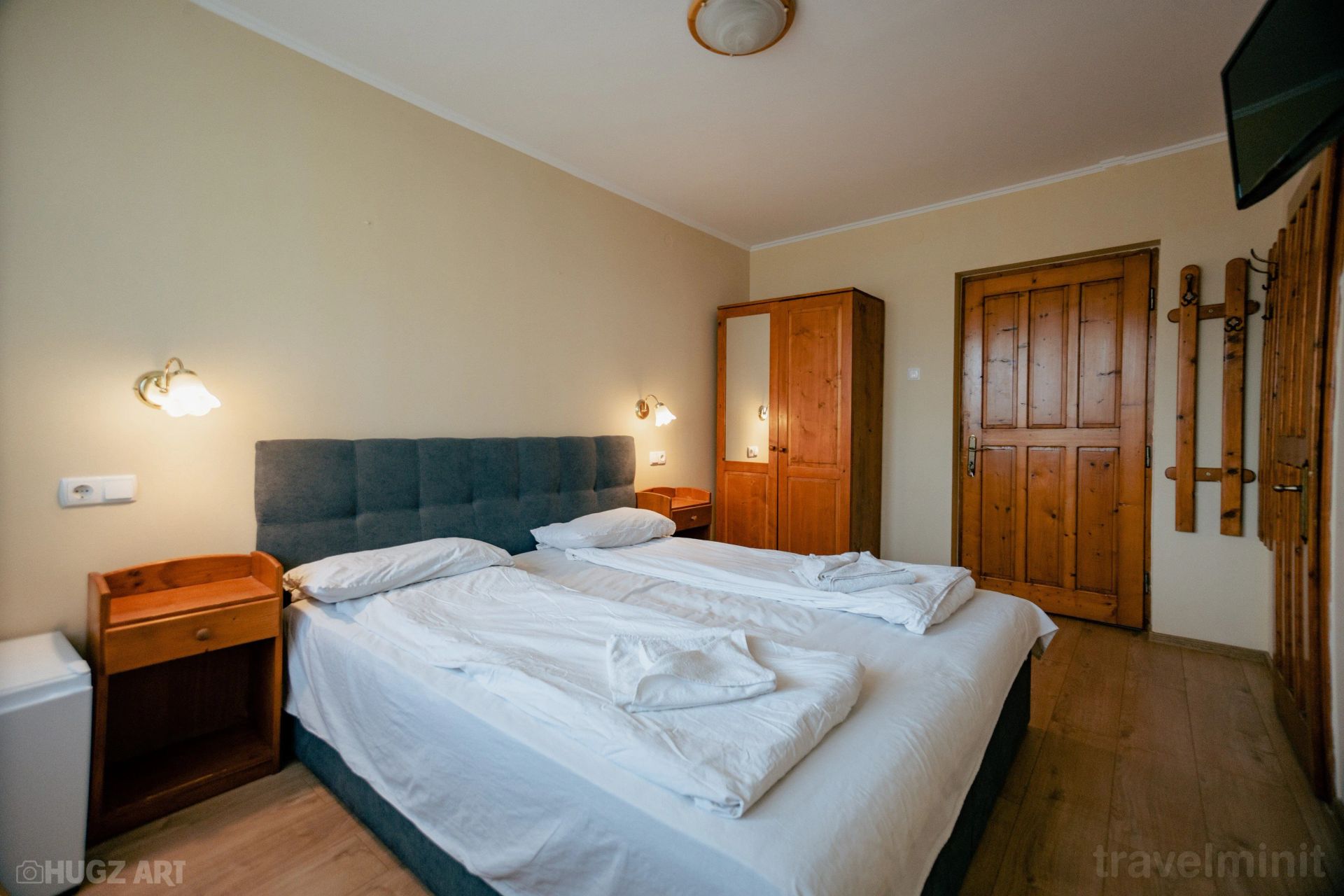
Pensiune · 2 stars

Băile Tușnad, Băile Tușnad County · 2.5 km
Pensiunea Viktoria Băile Tușnad
Desfășurată în una dintre cele mai pitorești stațiuni balneare din Transilvania, cunoscută sub numele de Perla Transilvaniei conform lui Orban Balazs, Pensiunea Viktoria se remarcă prin atmosfera sa naturală prietenoasă și liniștită. Aflat la doar 150 de metri distanță de pensiune, centrul SPA Wellness Tusnad reprezintă o oază de relaxare. Oferindu-vă un discount generos la prețul standard afișat la recepția centrului SPA pentru fiecare noapte de cazare, veți beneficia de o sesiune de 3 ore la doar 40 RON / persoana. Această reducere se aplică pentru fiecare noapte petrecută la pensiune. La Pensiunea noastră avem capacitatea de a găzdui diverse categorii de oaspeți, începând de la grupe de copii până la adulți, și oferim posibilitatea de a organiza petreceri private, activități de team building, sau evenimente de familie. Cu un restaurant ce poate găzdui până la 60 de persoane, vă asigurăm că veți avea parte de o exeperiență de neuitat la Pensiunea Viktoria.
FROM
190 RON / night

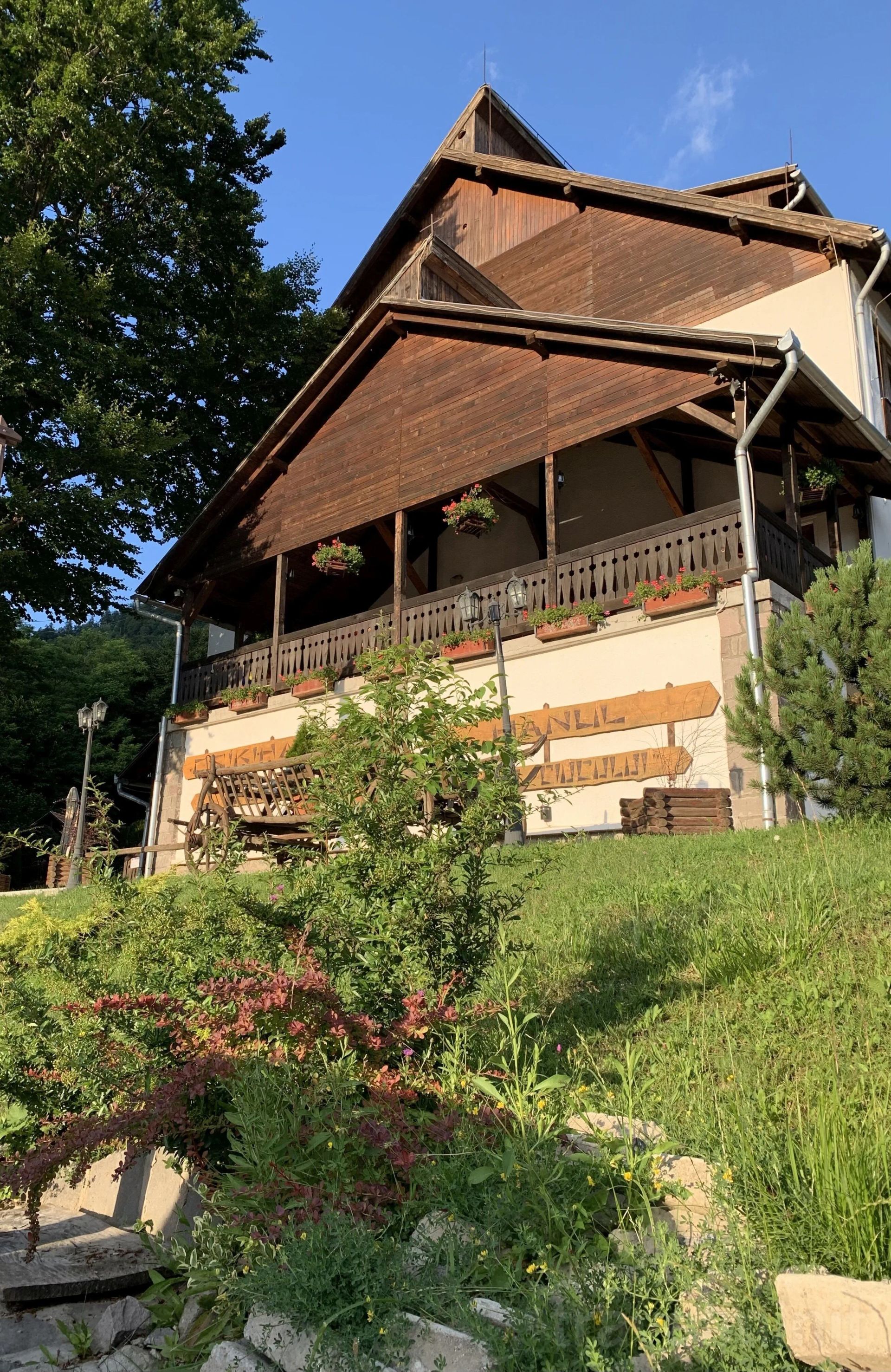
Pensiune · 3 stars
Bixad, Bixad County · 2.6 km
Hanul Hotarul Ciucului Bixad
Camere, serviciiHanul Hotarul Ciucului Bixad Bixad ofera camere confortabile si placut amenajate. Proprietatea pune la dispozitia oaspetilor parcare gratuita. Oaspetii au la dispozitie servicii wellness la pensiune. Pentru mai multe informatii studiati pagina de date. In unitate exista conexiune la internet wireless. Daca doriti sa obtineti mai multe informatii despre facilitatile oferite la aceasta unitate de cazare (inclusiv cele contra cost) si despre echiparea camerelor, consultati fisa de mai jos. Servicii de masăPreturile camerelor nu contin masa. PlatăPlata se poate efectua prin urmatoarele modalitati: numerar, card bancar, transfer bancar, card de vacanță, avans travelminit, voucher travelminit. Rezervarea devine ferma numai dupa efectuarea platii unui avans de 30%. Sosire, programIntrarea se face incepand cu ora 16:00 si iesirea pana la ora 10:00. La receptie se vorbeste limba: maghiară, română.
FROM
240 RON / night
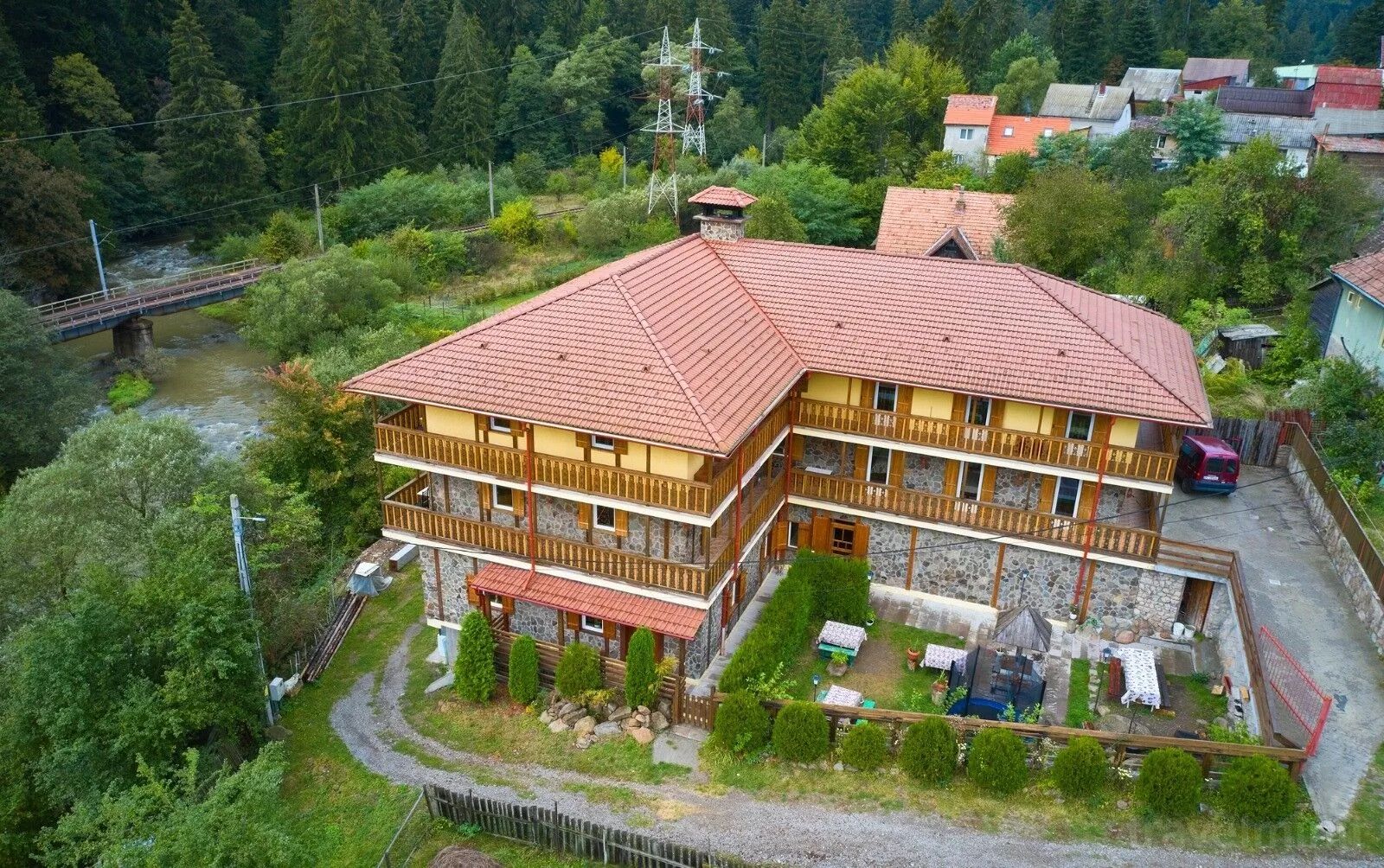
Casă de Vacanță · 3 stars
Băile Tușnad, Băile Tușnad County · 2.7 km
Casa Natura Băile Tușnad
Pensiunea Natura Tușnad este locul în care asculți murmurul apei, lăsându-te dezmerdat de mireasma lemnului verde de brad. Situată pe malul Oltului, aproape de inima pădurii, pensiunea noastră este locul ideal de recreere, drumeții și întâlniri cu prietenii.În stațiunea Băile Tușnad puteți să vă relaxați în băile teemale Wellness spa, aflată la o distanță de 1, 2 km față de pensiune. De asemenea este locul ideal pentru drumeții: Piatra Șoimului, Bastionul Apor, Lacul Sf. Ana, Tinovul Miloș. Stațiunea are numeroase izvoare minerale pentru diverse afecțiuni.
FROM
280 RON / night
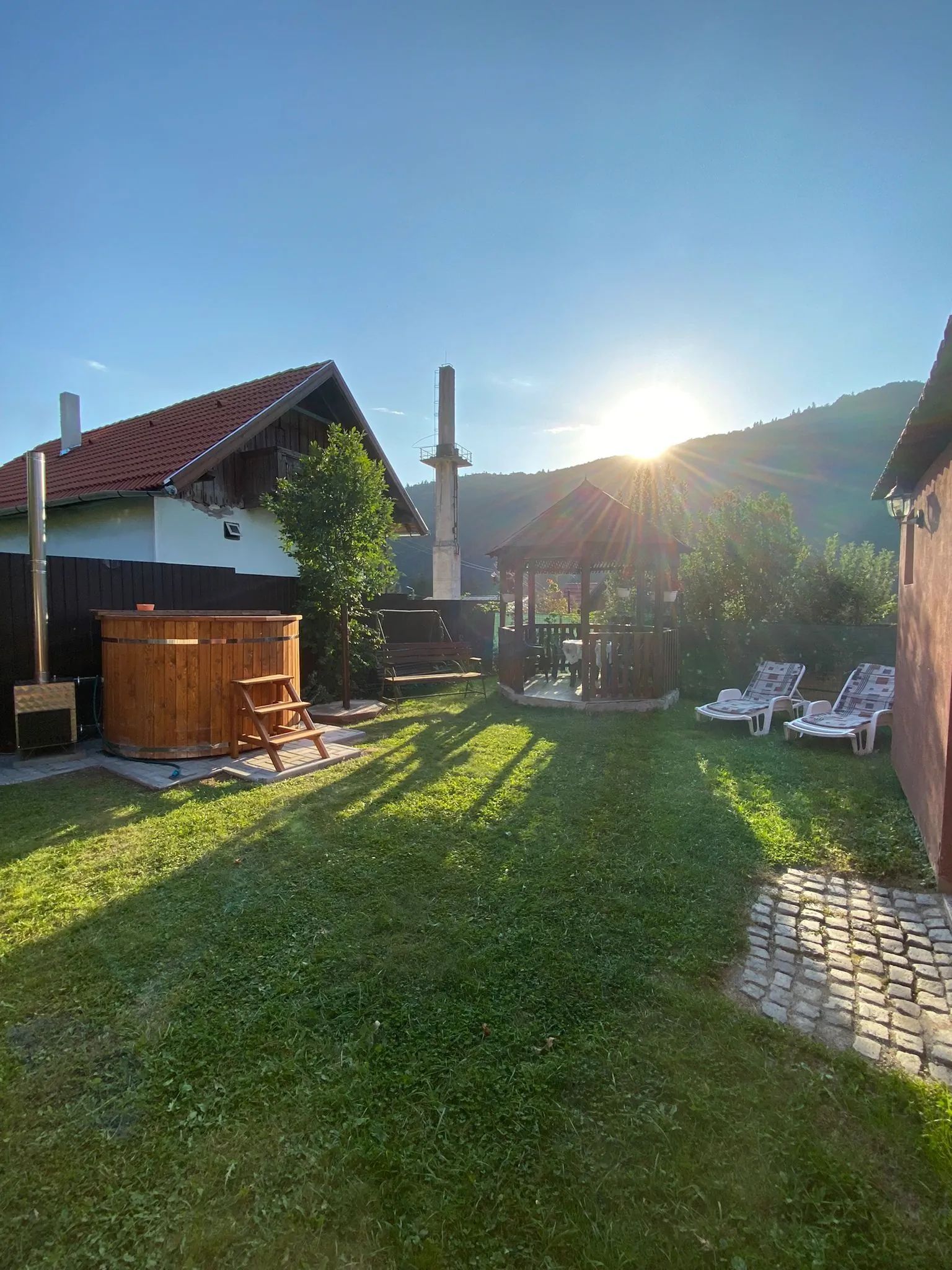
Casă de Vacanță · 3 stars
Băile Tușnad, Băile Tușnad County · 2.7 km
Casă de oaspeți Urkon Băile Tușnad
Camere, serviciiCasă de oaspeți Urkon Băile Tușnad Băile Tușnad dispune de 5 camere modern mobilate. Proprietatea ofera parcare gratuita. Este o locatie ideala pentru relaxare deoarece se ofera servicii wellness. Pentru detalii consultati pagina de date. Acces la internet wireless este disponibil la casă de oaspeți. Toate camerele sunt prevazute cu bai. Daca doriti sa obtineti mai multe informatii despre serviciile disponibile (inclusiv cele contra cost) in cadrul unitatii de cazare si despre echiparea camerelor, consultati fisa de mai jos. LocațiaComplexul Wellness Tusnad se situeaza la o distanta de 1.1 km , . Servicii de masăTarifele contin numai cazare. PlatăPlata rezervarii se poate face cu/prin: numerar, transfer bancar. Pentru asigurarea rezervarii este necesar sa achitati un avans de 30%. Sosire, programZiua hoteliera incepe de la ora 14:00 si se termina la ora 13:00. Personalul de la casă de oaspeți vorbeste limba: maghiară, engleză, română.
FROM
280 RON / night
Pensiune · 3 stars
Băile Tușnad, Băile Tușnad County · 2.8 km
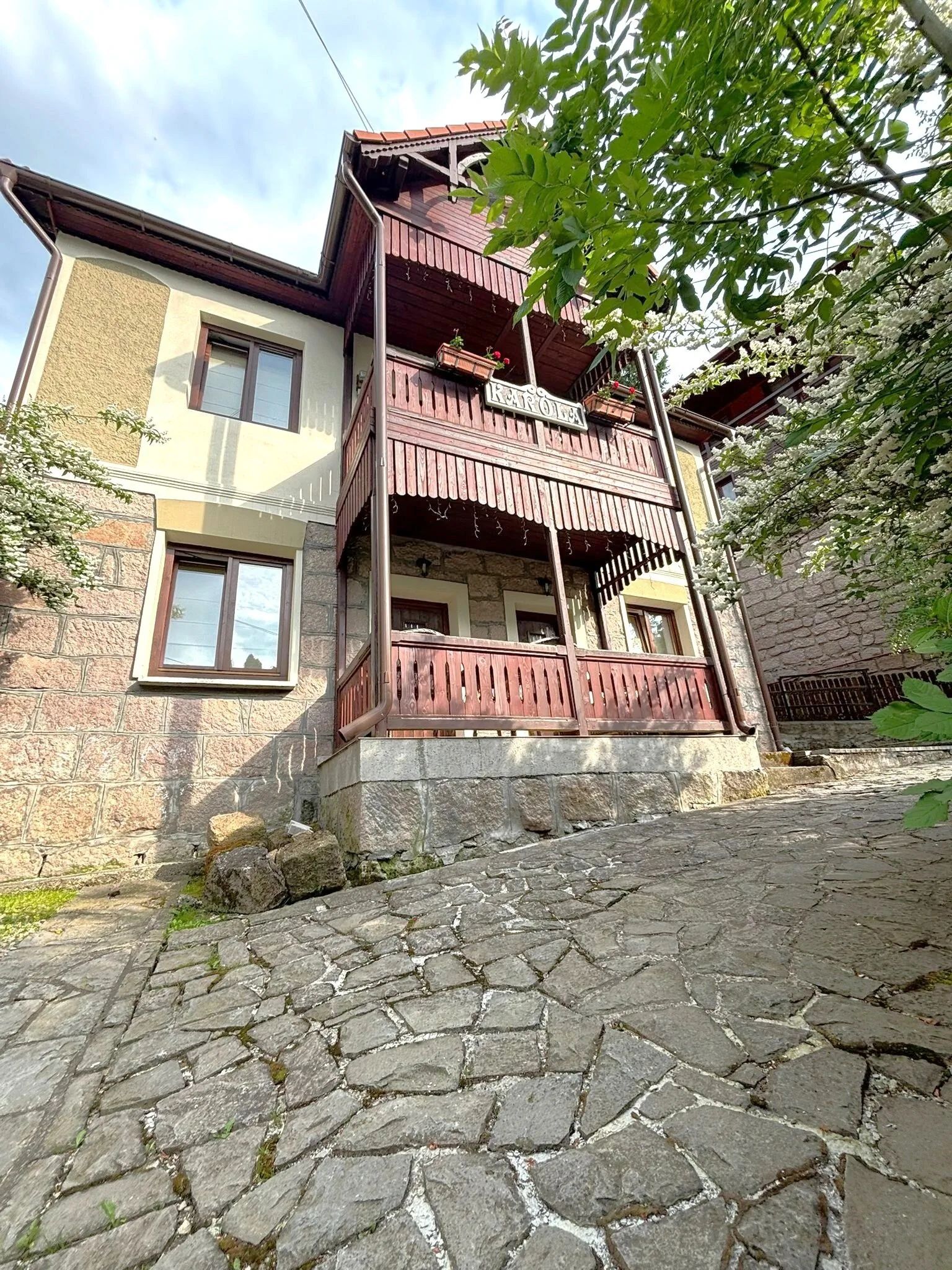
Pensiunea Karola Ház Băile Tușnad
Pensiunea Karola Haz este o alegere excelentă pentru cei care doresc să se bucure de o vacanță confortabilă și liniștită, fiind situată la doar 200 m (aproximativ 5 minute) de centrul orașului. Facilități: Camere: Pensiunea dispune de 4 camere spațioase, fiecare dotată cu pat matrimonial, televizor și baie proprie, asigurând intimitatea și confortul necesar. Bucătărie comună: Oferă posibilitatea de a prepara mese acasă, ideală pentru grupuri sau familii. Hol și Wifi: Acces la internet Wifi gratuit în întreaga pensiune, perfect pentru a rămâne conectat. Grădină și terasă: O grădină frumoasă cu grătar și terasă, unde oaspeții se pot relaxa și socializa. Parcare: Loc de parcare disponibil pentru 2-3 mașini, ceea ce este un avantaj pentru cei care călătoresc cu autoturisme. Capacitate: Pensiunea este ideală pentru un grup de 8 persoane, oferind un mediu confortabil și primitor pentru a petrece timp împreună. Fie că sunteți în căutarea unei escapade de weekend sau a unei vacanțe mai lungi, Pensiunea Karola Haz vă așteaptă cu brațele deschise!
FROM
240 RON / night
Hotel · 2 stars
Băile Tușnad, Băile Tușnad County · 2.9 km
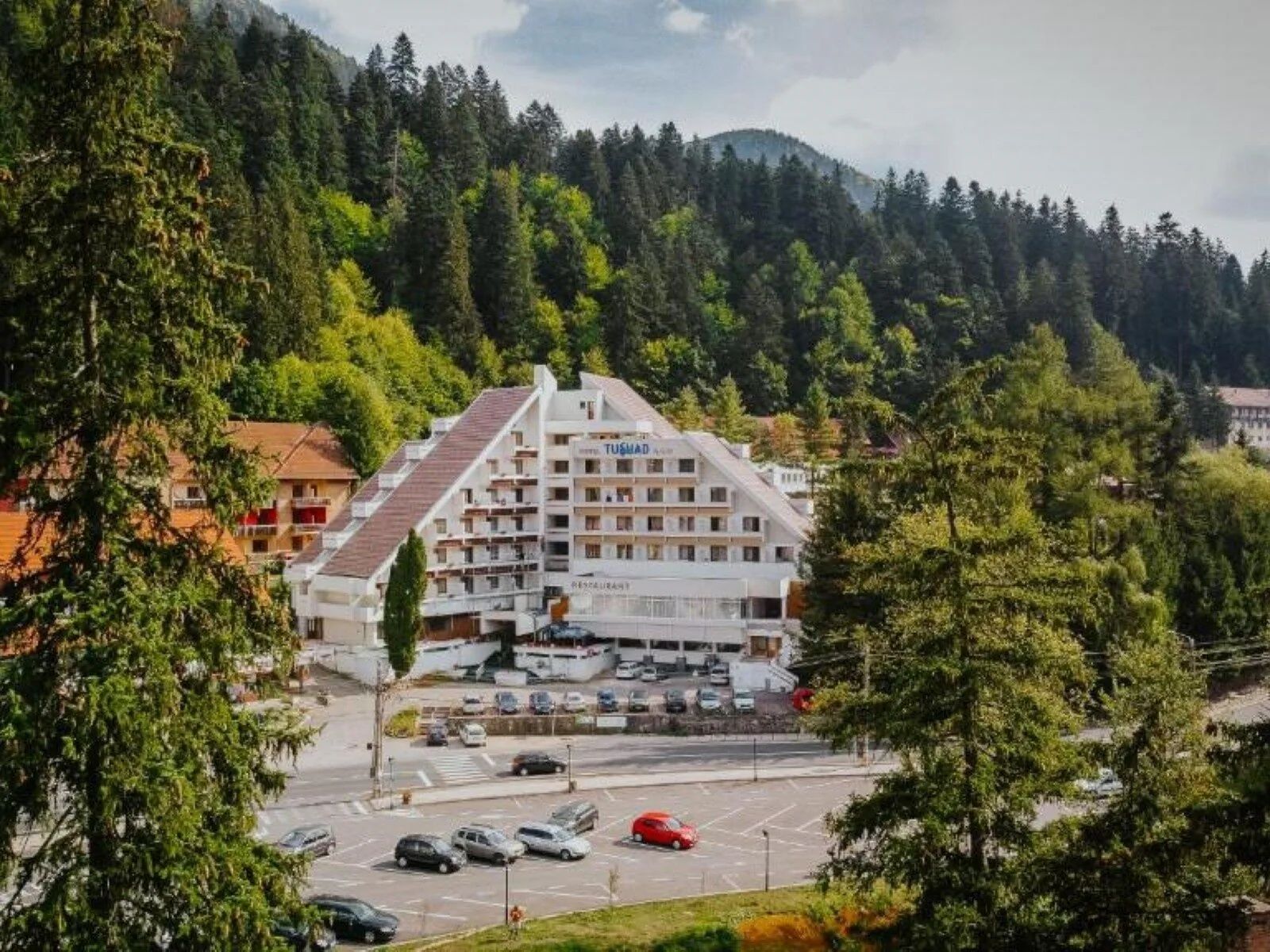
Hotel Tusnad Băile Tușnad
Camere, serviciiHotel Tusnad Băile Tușnad Băile Tușnad dispune de 20 camere modern mobilate. Se admit animale de companie (contra cost). Este disponibila o parcare gratuita. Oaspetii pot beneficia de servicii wellness. Pentru detalii cititi pagina de date. Va puteti conecta la internet prin reteaua wireless disponibila in hotel Daca doriti sa obtineti mai multe informatii despre serviciile disponibile (inclusiv cele contra cost) in cadrul unitatii de cazare si despre echiparea camerelor, consultati fisa de mai jos. LocațiaParcul Aventură se afla la o distanta de 300 m , . Servicii de masăPreturile afisate includ mic dejun. La efectuarea rezervarii aveti posibilitatea de a solicita urmatoarele tipuri de masa: mic dejun, pensiune completă, demipensiune. PlatăPlata o puteti efectua cu/prin: transfer bancar, card de vacanță, avans travelminit, voucher travelminit. Se retine un avans de 100% pentru garantarea rezervarii. Sosire, programCamera poate fi ocupata de la ora 14:00 iar predarea ei se face pana la ora 12:00 . Personalul de la hotel vorbeste limba: maghiară, engleză, română.
FROM
210 RON / night
BEFORE YOU HIT THE ROAD
Weather conditions in Harghita
Local forecast for Saint Anne Lake (Lacul Sfânta Ana), Harghita, Harghita

Real-time updated weather data
Much more to explore in this area
Nearby tourist attractions


0.1 km


Brasov, Brașov County
Prejmer Fortified Church
Situata in localitatea Prejmer, la 15 km de municipiul Brasov; cea mai mare biserica fortificata din sud-estul Europei; construita in secolul al XIII-lea; are...
45.9 km

Harghita, Harghita County
Mănăstirea Franciscană Șumuleu Ciuc
Situata pe strada Szek, municipiul Miercurea Ciuc; construita in cea de a doua jumatate a secolului al XVIII - lea; la inceout avea o singura aripa, cu coridor...
28.4 km

Harghita, Harghita County
Biserica complexului baroc Șumuleu Ciuc
Situata in nord - estul municipiului Miercurea Ciuc, la poalele dealului Sumuleul Mic; construita intre anii 1804 - 1834, este cel mai imprtant loc de...
28.4 km

Brasov, Brașov County
Biserica fortificată din Homorod
Situata in localitatea Homorod, judetul Brasov; ridicata in secolul al XIII - lea; este printre rarele biserici ce au planul in forma de sala romanica; sala...
47.7 km

Harghita, Harghita County
Stațiunea Băile Tușnad
Situata in partea sudica a Depresiunii Ciucului, intre muntii Harghita si Bodoc; amplasata la altitudinea de 650 m; este cea mai mica statiune...
3.1 km

Brasov, Brașov County
Biserica fortificată din Maieruș
Situata pe strada Morii, localitatea Maierus, judetul Brasov; construita intre secolele XIV - XV; a fost modificata si marita in secolele XVII - XVIII; din...
37.1 km

Harghita, Harghita County
Rezervația Tinovul Mohoș
Situata in craterul vechi al masivului Ciomatul Mare, in apropierea lacului Sfanta Ana; amplasata la altitudinea de 1.050 m; rezervatie naturala de tip...
1.6 km

Brasov, Brașov County
Biserica fortificată din Rotbav
Situata in localitatea Rotbav, la 20 km de municipiul Brasov, judetul Brasov; construita incepand cu anul 1250; la inceput a avut forma de basilica romanica,...
41.1 km

48.3 km

Covasna, Covasna County
Stațiunea balneoclimaterică Bălvaneos
Situata la o altitudine de 840-950m in masivul Puciosu, la 67 km de Sfantul Gheorghe si 31 km fata de Targu Secuiesc; Baile Blavanyos s-au format prin...
5.8 km
17.6 km
Cultural life and traditions
Events near Saint Anne Lake (Lacul Sfânta Ana)
Medieval festivals, traditional fairs, concerts and recommended local activities in Transylvania.

Patrimoniu și Istorie

Harghita, Jud. Harghita
Festivalul Cetăților Medievale și Zilele Porților Deschise
Tururi ghidate nocturne, ateliere de meșteșuguri tradiționale și reconstituiri istorice cu cavaleri și domnițe.
WHEN
15 - 17 Mai 2026


Tradiții și Gastronomie
Harghita, Jud. Harghita
Târgul Tradițiilor Săsești și Gastronomie Locală
Descoperă producătorii locali, plăcintele săsești coapte pe vatră, siropurile artizanale și dulceața de rubarbă.
WHEN
În fiecare weekend (Mai - Octombrie)

Ecoturism și Natură
Colinele Transilvaniei, Jud. Harghita
Drumeții Ghidate pe Traseul Colinele Transilvaniei
Excursii pe poteci nemarcate printre fânețe seculare, stejari multiseculari și sate cu biserici fortificate UNESCO.
WHEN
Vineri - Duminică (Sezon 2026)
On foot, exploration gains depth
Discover the surroundings and local geography
Explore trails, terrain and natural landmarks around Saint Anne Lake (Lacul Sfânta Ana).

Guides and practical tips
Useful travel articles
Travel guides, practical tips and itineraries for Transylvania.

Travel guide
Top 5 Atracții Turistice și Trasee Montane în Zona Moieciu - Bran
Descoperă cele mai spectaculoase peisaje carstice, chei adânci și cetăți medievale din imediata apropiere a stațiunii Moieciu.

Travel guide
Ghid de Drumeție: Traseul Moieciu de Sus spre Platoul Bucegi
Un itinerariu montan de o frumusețe rară ce urcă din Valea Băngăleasa spre Poiana Guțanu și crestele maiestuoase ale Bucegilor.

Travel guide
Castelul Bran: Istorie, Legende și Secrete Medievale
Află adevărata poveste a fortăreței medievale din Pasul Bran, reședința de suflet a Reginei Maria a României.
THE JOURNEY STARTS WITH AN IDEA
The next story is on the way.
From the first stop to the last stay, make room for a new Romania.
