


PÜHAKODA · MARAMUREŠ
Bârsana Monastery

Maramures, Maramureș County
Lisa asukoht oma seadete hulka.
Kasulik teave juurdepääsu kohta

KÜLASTUSGRAAFIK
Iga päev: 07:00–21:00

PILETI HIND
Tasuta sissepääs kompleksisse; ikoonimuuseum: 5 RON-i

SOOVITATAV KÜLASTUSE AEGA
1,5–2 tundi


Külastajate info ja juhend
 Kasuta Google Mapsi

UMBES BÂRSANA MONASTERY
A Wooden Sanctuary in the Heart of Maramureș: A Bridge Between Centuries
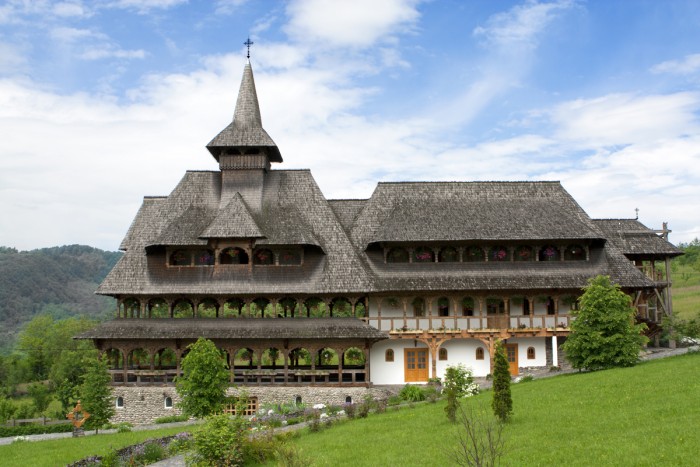
In the rural landscape of historic Maramureș, where the Iza Valley narrows toward the Slătioara Bridge, 22 kilometers southeast of Sighetu Marmației, Bârsana Monastery rises like a natural apparition from the fertile soil of this blessed region. This Orthodox monastic settlement for nuns, dedicated to the Synaxis of the Twelve Apostles, represents far more than a simple place of worship; it is a remarkable example of spiritual continuity and architectural renaissance in a region internationally acclaimed for its wooden heritage, inscribed on the UNESCO World Heritage List. As travelers navigate the winding roads of Maramureș—a region that has preserved archaic traditions within a constantly evolving European context—the silhouette of the monastery’s 57-meter tower emerges against the sky, heralding the approach of a place where Orthodox spirituality meets folk art in a perfect dialogue between past and present. This monastery is not merely a religious monument but a living center where the Byzantine tradition of prayer intertwines with the cultural specificity of Central Europe, offering visitors an authentic experience within a natural setting of unparalleled beauty, surrounded by the rolling hills of the Eastern Carpathians.
Deep Historical Roots and Connections to Europe’s Great Empires
The first documented mentions of a monastic community in the Bârsana area date back to July 21, 1390, when records concerning the properties of the voivodal family of Dragoș—a dynasty that laid the foundations of Moldavian statehood in the 14th century—reference a road branching toward the village and the monastic settlement, alongside names like Valea Mănăstirii (Monastery Valley) and Dealul Popii (Priest’s Hill). This attestation places the beginnings of monastic life in Bârsana within the context of the formation of the first Romanian medieval states, a period when Eastern Europe witnessed profound political and religious transformations, marked by the expansion of the Ottoman Empire and the consolidation of Christian kingdoms. Subsequent records, between 1405 and 1480, note the existence of a monastery field and close ties with Voivode Bartolomeu Dragfi, a key figure in medieval Moldavia’s history, whose conflicts with the Kingdom of Hungary and the Ottoman Empire shaped the destiny of this border region. These historical documents reflect the role of monasteries as centers of spiritual and economic power in the Middle Ages, akin to the abbeys of Western Europe, such as those in France or Germany, which held vast landed estates and influenced local politics.
In 1711, the monastic community relocated to Valea Slătinii, a moment coinciding with the intense activity of the Reformation and Counter-Reformation in Central Europe, when the Habsburg Empire was consolidating its influence over Transylvania and Maramureș. Subsequent changes in location reflect the historical turbulence this region endured, situated at the crossroads between the Orthodox and Latin worlds, between Byzantine and Western influences. The period of decline and abandonment that followed is part of the broader context of the dissolution of many monasteries in Central and Eastern Europe under the pressure of Josephine reforms in the Habsburg Empire or Ottoman occupation, when many monastic communities were disbanded or relocated. Nevertheless, the spirituality of the place survived in the collective memory of the local community, preserving the legacy of a sanctuary that once watched over the Iza Valley in continuous dialogue with the great spiritual currents of medieval and modern Europe.
The Spiritual Renaissance of 1993 and the Figures Who Shaped Its Destiny
The definitive revival of Bârsana Monastery took place in 1993, when His Grace Justinian Chira, the Orthodox Bishop of Maramureș and Sătmar, an emblematic figure of spiritual resistance during the communist era, consecrated the foundation stone of the new church. This choice was not coincidental, as 1993 marked a period of profound spiritual renewal in Eastern Europe following the fall of communist regimes, when Orthodox churches regained their freedom and central role in community life. On June 30, 1993, the feast day of the Synaxis of the Twelve Apostles, the monastery’s patronal feast was celebrated for the first time, a turning point that brought this sacred place back to the attention of the Orthodox world. At the helm of the new community was designated Nun Filofteia Oltean, arriving from Râmet Monastery in Alba County, bringing with her the spiritual tradition of Transylvanian monasticism, alongside Father Ioan Stoica, ordained for this special occasion. This combination of monastic experience from the ancient centers of Romanian Orthodoxy and local Maramureș roots created the foundation for a vibrant community capable of perpetuating ancient traditions in a contemporary context.
The reconstruction process was complex, involving not just the erection of buildings but the restoration of an entire spiritual and cultural ecosystem. Under the guidance of Abbess Filofteia and Father Stoica, the community grew in both numbers and spirituality, attracting nuns from various regions of the country, each contributing uniquely to the life of the monastery. The years that followed were marked by sustained efforts in construction and organization, transforming an empty plot of land into an impressive monastic complex that today houses dozens of nuns dedicated to prayer and labor. This renaissance is part of a broader European movement of monastic revival after the fall of the Iron Curtain, when monasteries in Poland, the Czech Republic, Hungary, and Romania experienced a period of flourishing, restoring their traditional role as centers of spirituality and culture.
An Architectural Masterpiece: The Neo-Maramureș Style and Its European Dimension
The monastic ensemble at Bârsana, constructed under the guidance of architect Cordoș Dorel, represents a remarkable synthesis between local Maramureș tradition and contemporary architectural innovations, in a style defined as neo-Maramureș, which transcends the mere reproduction of historical models. Built predominantly from oak wood and stone, the complex includes a monumental Maramureș-specific gate, a bell tower, the main church, a summer altar, the nuns’ cells, a multi-level chapel, the craftsmen’s house, and the artists’ workshop. Each element is designed to create a coherent sacred space where architecture serves liturgy and monastic life, reminiscent of the great medieval monastic complexes of Europe, such as Benedictine abbeys or the Orthodox monasteries of Mount Athos.
The dominant and most impressive element of the ensemble is the church tower, standing at 57 meters, ranking among the tallest wooden structures in Europe. This extraordinary verticality dialogues with the hilly landscape of Maramureș and aligns with the tradition of wooden churches in the region, recognized by UNESCO, offering visitors a perspective on how Romanian sacred architecture continues to inspire contemporary creation on the continent. The tower can be compared to the stave churches (stavekirker) of Norway, the UNESCO-listed wooden churches of Poland, or those of historic Maramureș, representing a unique contribution to the diversity of Europe’s cultural heritage. Its ingenious structure, based on traditional wood-joining techniques without metal nails, demonstrates the craftsmanship of local builders and their ability to adapt medieval techniques to modern requirements.
The monumental gates, hand-carved with solar motifs, are a true lesson in folk art and Christian symbolism, inviting contemplation of the ancestral symbols that connect the present to the ancient spirituality of the place. These motifs, representing the sun, the cross, and other cosmological symbols, reflect a worldview in which the sacred and the natural intertwine, similar to Romanesque and Gothic art in Europe, where symbolism played an essential role in conveying theological messages. The interior of the church, with its carved and painted iconostasis, exudes an atmosphere of profound tranquility, while light filtered through narrow windows creates visual effects reminiscent of Byzantine and Romanesque churches in Western Europe.
Living Tradition, Craftsmanship, and Intangible Cultural Heritage
Bârsana Monastery is not merely an architectural monument but a living center of spirituality and artistic creation, where tradition is transmitted through daily practice. Within its precincts operate two essential workshops—one for church painting and another for weaving—where the craft traditions of Maramureș are perpetuated by generations of nuns. The icon workshop continues the tradition of the Byzantine painting school, influenced by the iconographic art of Mount Athos and the Romanian Principalities, adapted to the local Maramureș specificity. The paintings created here adhere to traditional canons, using natural pigments and centuries-old techniques, ensuring the continuity of a sacred art that in Western Europe was largely lost or radically transformed during the modern period.
The weaving workshop preserves and perpetuates the traditional art of Maramureș weaving, with geometric and floral motifs specific to the region, rooted in both pre-Christian and Christian folk art. These textiles, woven on traditional wooden looms, reflect a unique aesthetic influenced by the textile art of Central and Eastern Europe, from Persian carpets to the folk embroideries of Poland or Hungary. The museum of icons and old books, housed within the monastery, safeguards exceptional heritage values, illustrating the evolution of sacred art in the Maramureș region over the centuries. The collection includes old icons, liturgical books printed in typographic centers of Transylvania and Moldavia, as well as manuscripts documenting the spiritual life of the region, offering insight into how written and visual culture developed in a borderland between civilizations.
The complex offers accommodation and dining facilities, welcoming both tourists and pilgrims, especially during the feast day on June 30. This openness to visitors reflects an ancient European tradition, when monasteries served as stopping places for pilgrims and travelers, similar to those along pilgrimage routes in Europe, such as the Camino de Santiago or Via Francigena. Monastic hospitality, based on the Christian principle of love for one’s neighbor, transforms the visit into a holistic experience where spirituality, art, and nature meet in harmony.
Practical Guide for Visitors and the Contemporary Traveler’s Experience
The monastic complex is open daily from 7:00 AM to 9:00 PM, with free access to the grounds—a generous policy reflecting the community’s desire to share the spirituality and beauty of the place with all interested visitors. The icon museum can be visited for a modest fee of 5 lei, a symbolic amount contributing to the maintenance of the collections and cultural activities of the monastery. For additional information, bookings for accommodation, or participation in services, visitors can consult the official website manastireabarsana.ro, which provides updated details on the liturgical schedule and special events.
The journey to Bârsana Monastery is itself a cultural experience, with the 22-kilometer drive from Sighetu Marmației offering spectacular views of the Iza Valley and traditional Maramureș villages, featuring wooden houses and carved gates. Visitors are encouraged to respect the tranquility and sacred atmosphere of the place, dress modestly, and participate, if they wish, in the daily services following the Byzantine Orthodox liturgical tradition. The most special time to visit is during the feast day on June 30, when the monastery welcomes thousands of pilgrims, and the patronal service, followed by a communal meal, offers an authentic experience of Maramureș Orthodox tradition.
For those wishing to explore the region more deeply, Bârsana Monastery is located near other UNESCO World Heritage sites, such as the wooden churches of Bârsana, Surdești, Plopiș, and Giulești, offering the opportunity for a journey through the history of sacred wooden architecture. Nearby is also the Merry Cemetery of Săpânța, famous for its colorful crosses and humorous epitaphs, representing another facet of Maramureș culture. Accommodation at the monastery provides a unique experience of living in a monastic environment, with meals served in the refectory and the opportunity to participate in the community’s prayer life.
A Symbol of Europe’s Cultural Continuity
Bârsana Monastery is an essential destination for understanding the cultural identity of Maramureș and Romania’s contribution to Europe’s wooden architectural heritage. In a Europe where monastic traditions and vernacular architecture are increasingly threatened by modernization and globalization, this complex demonstrates that it is possible to preserve and revitalize cultural heritage in a living and authentic way. From its medieval attestations in the 14th century, through periods of hardship and abandonment, to its spectacular renaissance in 1993, the monastery illustrates the resilience of Orthodox spirituality and local artistic traditions within a complex European context, marked by Byzantine, Western, and Eastern influences.
Visiting Bârsana Monastery, the European traveler discovers a place where history meets the present in a creative dialogue, where wood and stone become mediums for expressing faith and art, and the monastic community continues to serve as a beacon of spirituality in an ever-changing world. This monastery is not just a monument of the past but a bridge to the future, demonstrating that Europe’s cultural heritage can be not only conserved but also enriched and reinterpreted by new generations while preserving its essence and authenticity.
Meediagalerii
Avastage Bârsana Monastery piltidel

47 fotot · Arhitektuur, siseõued ja muinasjutulised detailid


Piltide allikas: Wikimedia Commons · Fotod ja avalik sisu · Vaba litsents
PEATU SIIN MÕNEKS PÄEVAKS JA AVASTA SEE VAHUV KOHT
Majutus piirkonnas Bârsana Monastery

Turismitalu · 3 tähte

Comuna Parva, Bistrița-Năsăud County · 10.6 km
Pensiune Agroturistica La Moara Parva
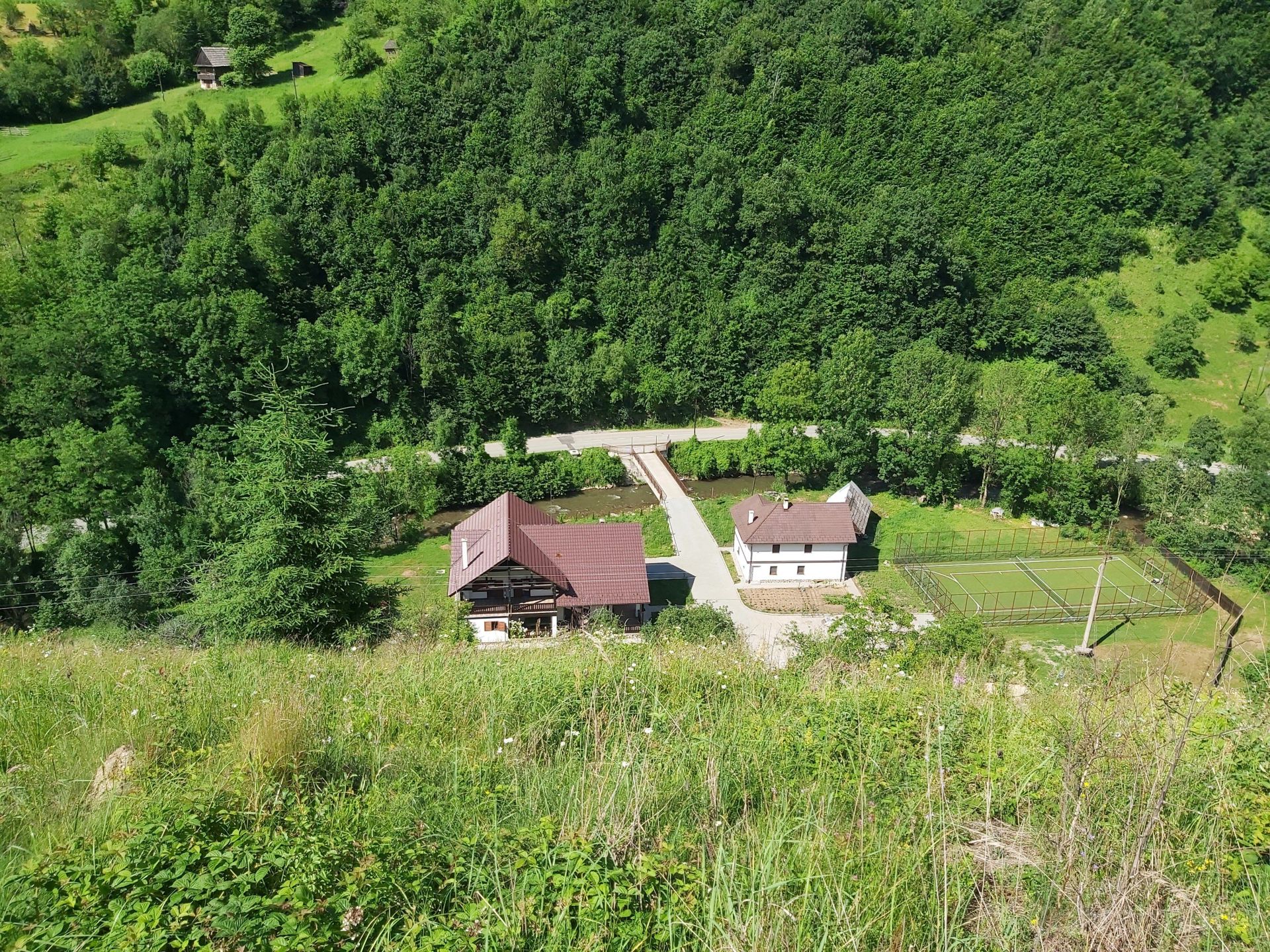
Pe strada Principală din comuna Parva, județul Bistrița-Năsăud, se află Pensiunea Agroturistică La Moara Parva, o unitate de trei stele care oferă cazare într-un cadru liniștit și intim, situată la marginea pădurii și pe malul râului Rebra, într-un loc ferit de aglomerație. Pentru momente de relaxare, dumneavoastră aveți la dispoziție un ciubăr din lemn tradițional, un foișor în curte și un grătar pentru preparate în aer liber, alături de un ceaun pentru gătit în aer liber. Curtea mare și grădina amenajată oferă un spațiu generos pentru plimbări și odihnă. Activitățile de timp liber includ tenis de masă, biliard, un teren de tenis și un teren amenajat de sport pentru fotbal. Copiii se pot distra în siguranță pe locul de joacă de la exterior, iar scaunul înalt pentru copii este disponibil la nevoie. Parcare privată gratuită și Wi-Fi gratuit asigură confortul dumneavoastră pe toată durata șederii. În apropiere puteți vizita Peștera Izvorul Tăușoarelor, Mănăstirea Bârsana, Munții Rodnei, Stațiunea Sângeorz-Băi și Biserica de lemn Sfinții Arhangheli Mihail și Gavriil din Runcu Salvei, obiective care transformă șederea dumneavoastră într-o experiență completă. Vă așteptăm la Pensiunea Agroturistică La Moara Parva.
Alates
240 lei / öö

Hotell · 1 täht
Fiad, Bistrița-Năsăud County · 10.7 km
Căsuța de pe Fiad
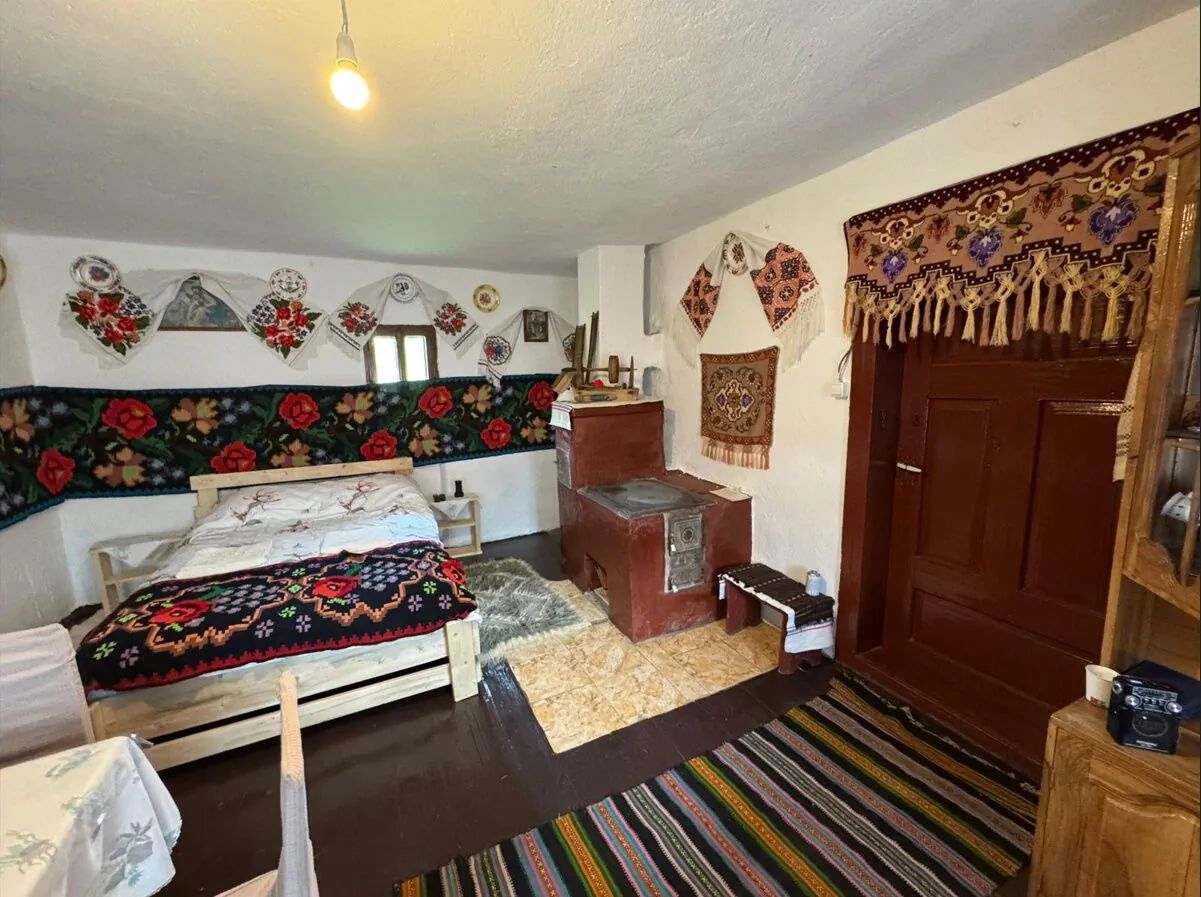
Mugavus, lõõgastus ja suurepärane vaade, kõik see asub peamiste vaatamisväärsuste lähedal.
Alates
210 lei / öö
Külalistemaja · 3 tähte
Telciu, Bistrița-Năsăud County · 10.8 km
Pensiunea Selbit - Șesul Domniței Telciu
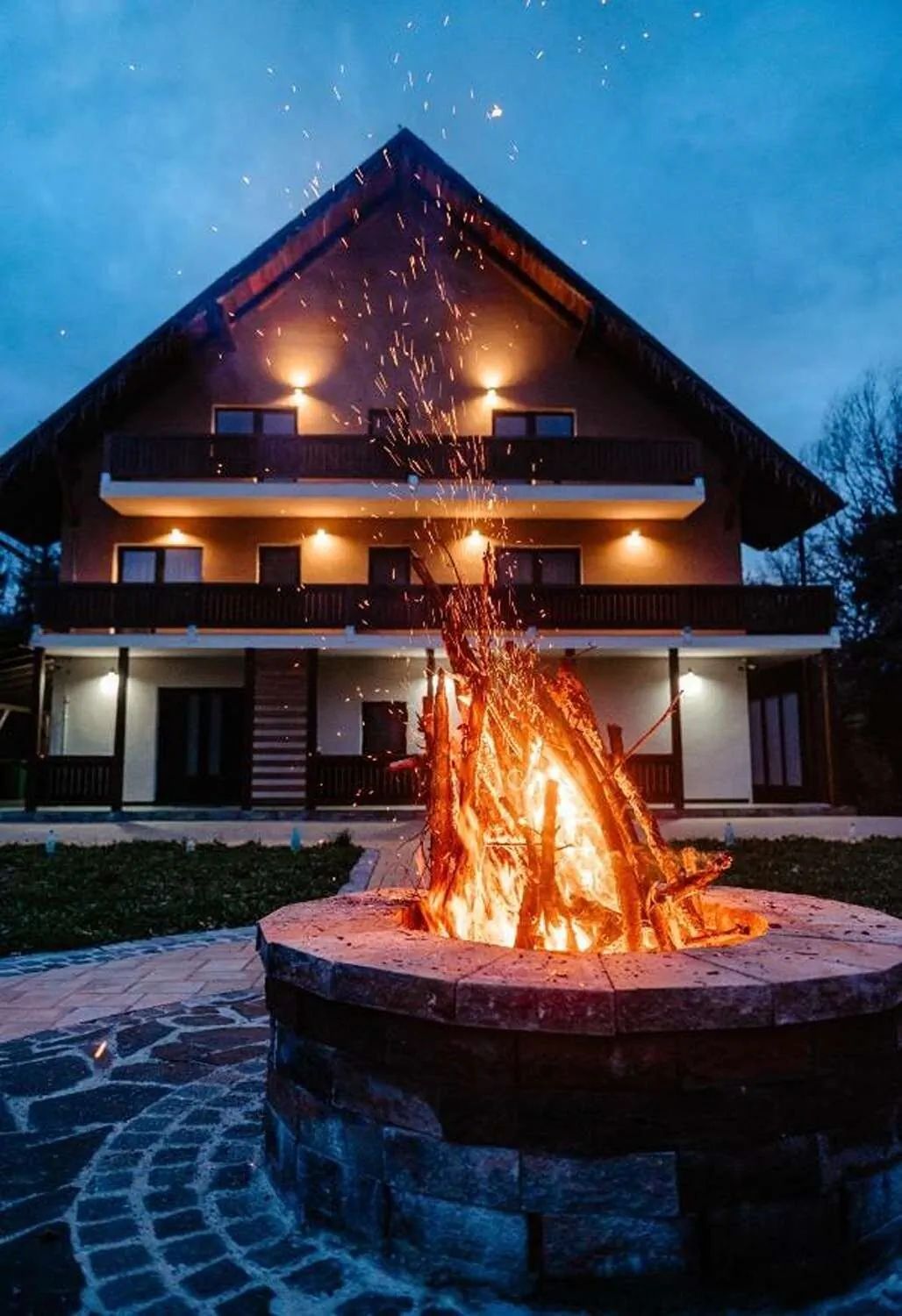
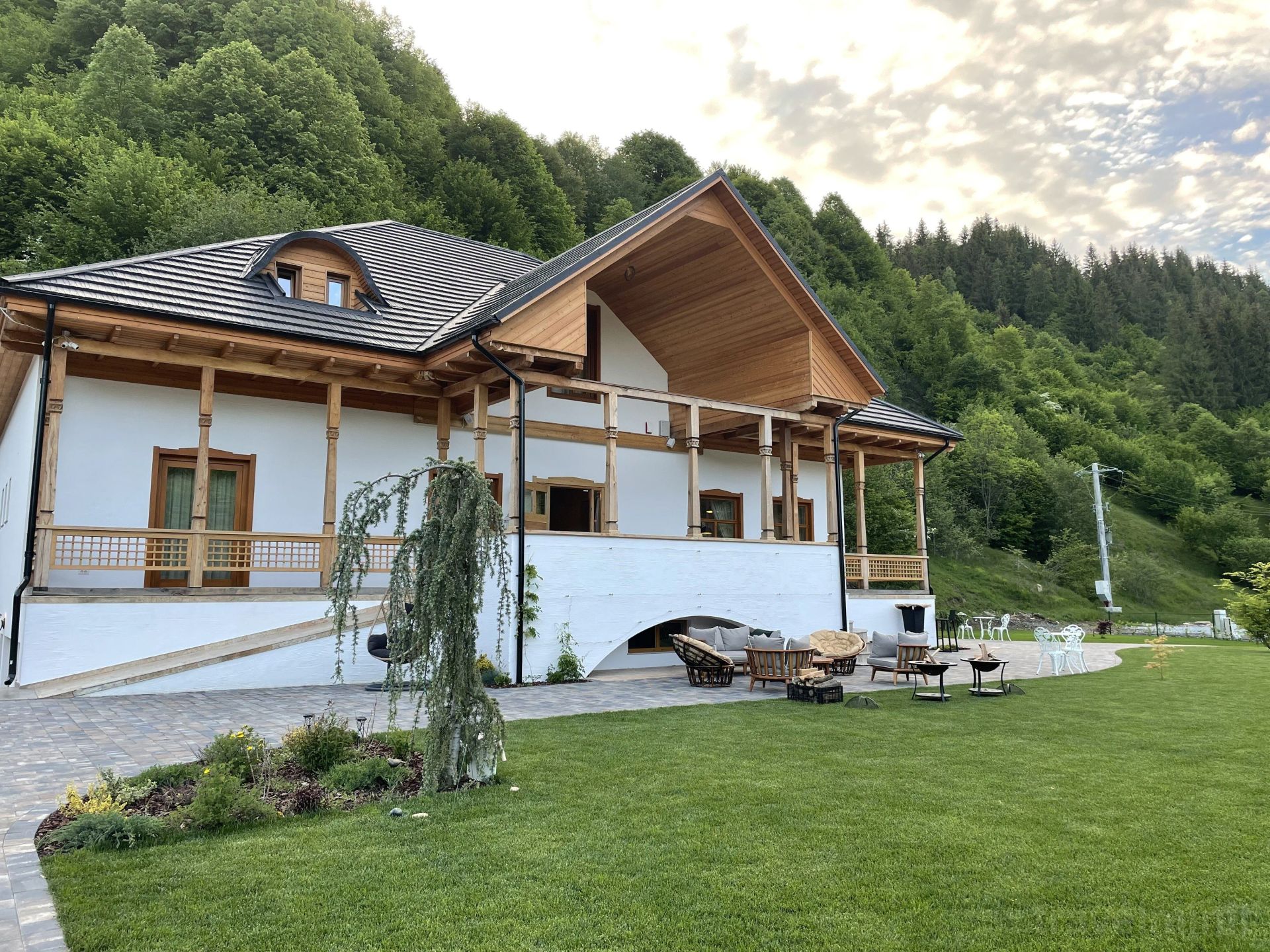
O zi la Pensiunea Selbit - Șesul Domniței din Telciu poate începe cu o partidă de tenis de masă în curtea largă și se poate încheia cu un grătar preparat la ceaun în aer liber, alături de vatră de foc. Pensiunea dispune de patru camere mobilate cu gust, fiecare dotată cu conexiune Wi-Fi gratuită pentru dumneavoastră. Beneficiați de parcare privată gratuită și de parcare pentru biciclete, iar în exterior găsiți o curte mare cu grădină amenajată, un foișor confortabil și un loc de joacă pentru copii. Pentru momente de relaxare, aveți la dispoziție sauna, iar pentru explorarea zonei, drumeții montane și trasee în natură prin păduri. De asemenea, sunt disponibile fier de călcat și scaun înalt pentru copii. În apropiere puteți vizita Peștera Izvorul Tăușoarelor, Mănăstirea Bârsana, Munții Țibleș, Biserica de lemn Sfinții Arhangheli Mihail și Gavriil din Runcu Salvei și Carpații Orientali. Seara, vă puteți relaxa lângă șemineul în aer liber sau puteți organiza un barbeque în curtea amenajată.
Alates
240 lei / öö
Külalistemaja · 3 tähte
Cormaia, Bistrița-Năsăud County · 13.3 km
Conacul Sanct Gurgh Cormaia
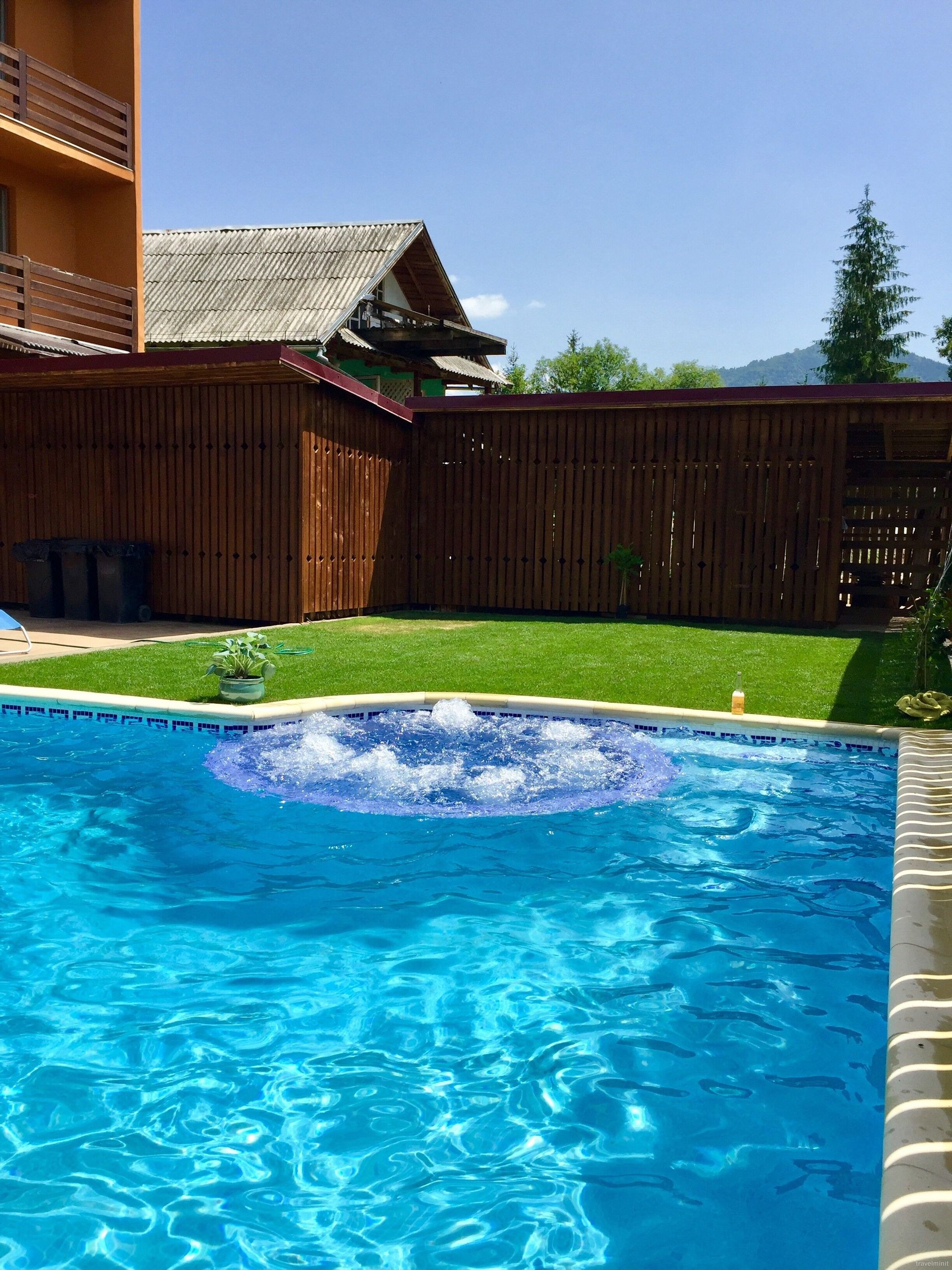
De la Peștera Izvorul Tăușoarelor puteți porni spre Conacul Sanct Gurgh Cormaia, o pensiune turistică de trei stele situată în localitatea Cormaia din județul Bistrița-Năsăud. De aici aveți un punct de plecare potrivit pentru a descoperi și alte atracții naturale și culturale din această zonă. În interior beneficiați de servicii wellness precum saună și cadă cu hidromasaj, perfecte pentru momente de relaxare după o zi plină de activități. Aveți la dispoziție Wi-Fi gratuit în întreaga proprietate, parcare privată gratuită și facilități pentru persoane cu dizabilități. De asemenea, puteți păstra bagajele în siguranță la depozitul special amenajat, iar hainele le puteți călca cu fierul pus la dispoziție. În exterior vă așteaptă o curte mare și o grădină amenajată, un loc de joacă pentru copii, dar și posibilitatea de a găti preparate tradiționale în aer liber la ceaun sau de a organiza un grătar cu cei dragi. De asemenea, drumețiile montane și traseele în natură pornesc chiar din apropierea unității. Pe lângă peștera menționată, în zonă puteți vizita Stațiunea Sângeorz-Băi, Mănăstirea Bârsana, Munții Rodnei și Carpații Orientali, fiecare dintre acestea oferind experiențe diferite pentru fiecare vizitator. Vă așteptăm la Conacul Sanct Gurgh Cormaia.
Alates
240 lei / öö
Külalistemaja · 3 tähte
Sângeorz-Băi, Cluj County · 15.0 km
Vila Luminița Sângeorz-Băi
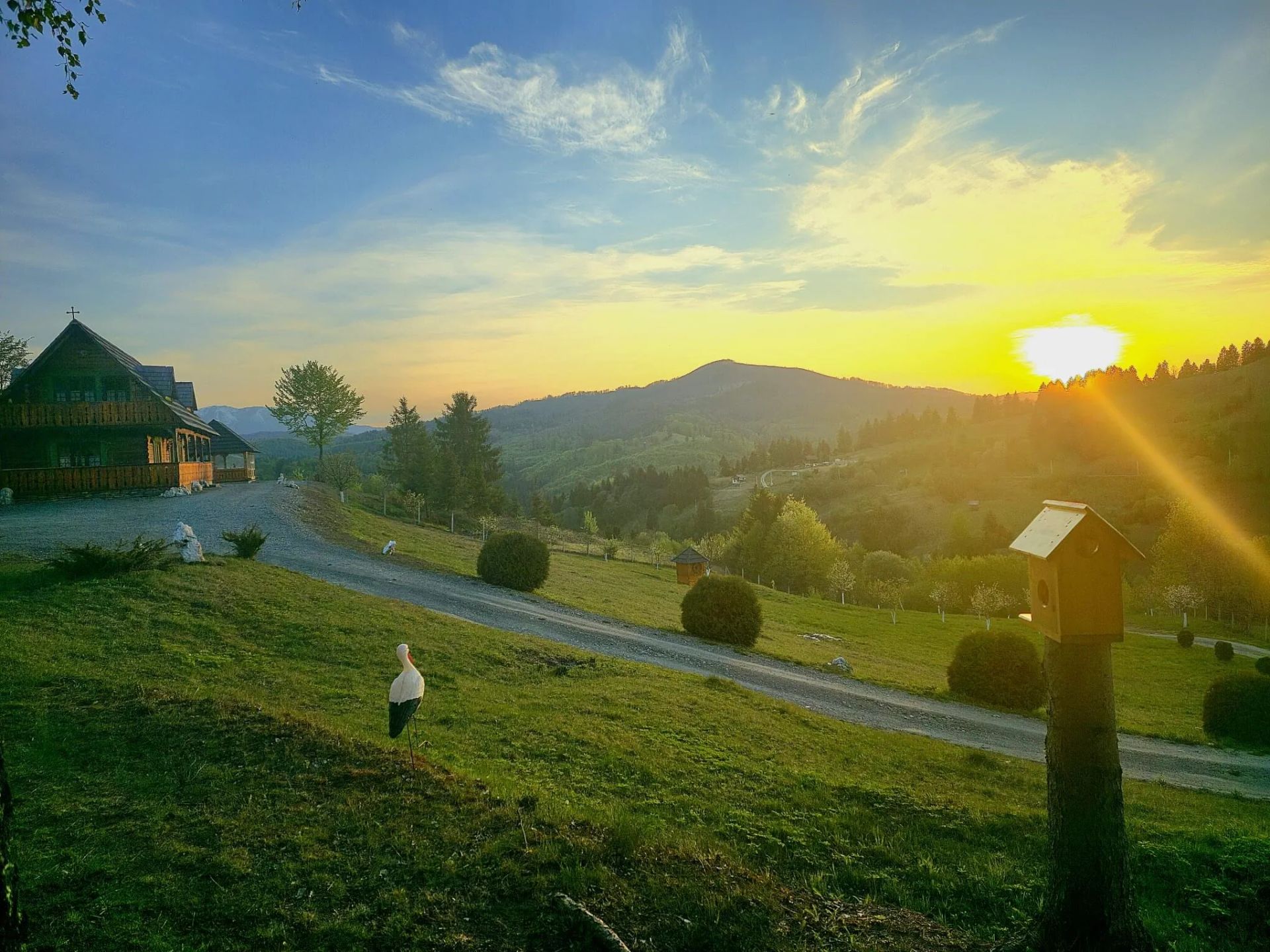
În curtea mare și grădina amenajată a Vilei Luminița din Sângeorz-Băi, verdele natural se îmbină cu liniștea unei seri de munte. Pensiunea de trei stele, situată pe strada Izvoarelor, pune la dispoziția dumneavoastră trei camere îngrijite cu atenție, într-un cadru retras și primitor. Pentru relaxare, aveți la dispoziție o cadă cu hidromasaj sau jacuzzi, iar terasa la soare este locul potrivit pentru momente de liniște. Grătarul din curte vă permite să organizați seri plăcute în aer liber, iar conexiunea Wi-Fi gratuită asigură acces la internet pe toată durata șederii. Familiile cu copii mici vor beneficia de un pătuț pentru bebeluș pus la dispoziție. Parcare privată gratuită vă așteaptă chiar în incintă, astfel încât mașina dumneavoastră rămâne în siguranță pe întreaga perioadă a cazării. În apropiere puteți vizita Peștera Izvorul Tăușoarelor, Stațiunea Sângeorz-Băi, Mănăstirea Bârsana, Munții Rodnei și Parcul Natural Munții Maramureșului, descoperind astfel atracțiile naturale și spirituale ale zonei. Check-in-ul se efectuează de la ora 14:00, iar check-out-ul până la ora 11:00, personalul fiind disponibil să vorbească în limba română pentru orice informație.
Alates
240 lei / öö
Palkmaja · 3 tähte
Săcel, Maramureș County · 15.4 km
Casa din Șetref Maramureș Săcel
Mugavus, lõõgastus ja suurepärane vaade, kõik see asub peamiste vaatamisväärsuste lähedal.
Alates
270 lei / öö
ENNE REISI ALGUST
Ilmatingimused piirkonnas Maramures
Kohalik ilmaprognoos Bârsana Monastery, Maramures, Maramureș

Reaalajas uuendatud ilmateave
Sel piirkonnal on veel palju näha
Läheduses olevad vaatamisväärsused


4.1 km
14.6 km
15.7 km

Maramureș, Maramureș County
Vârful Pietrosul Rodnei, Munții Rodnei
Highest point in the Rodna Mountains
16.0 km
20.8 km
37.5 km
41.9 km
48.1 km

Maramures, Maramureș County
Ieudi puukirik
Situata in localitatea Ieud; este cea mai veche biserica din Maramures, fiind construita in anul 1364, de catre familia nobiliara Balea;poarta hramul "Nasterea...
31.6 km
Bistrita Nasaud, Bistrița-Năsăud County
Bistrița Evangeelne Kirik
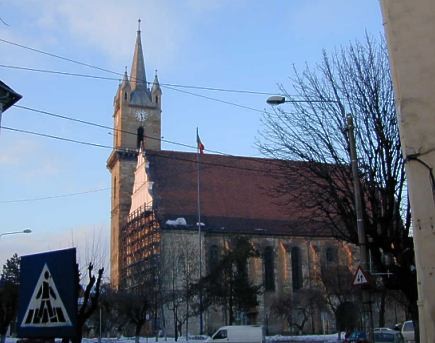
Amplasata in piata centrala a orasului Bistrita, judetul Bistrita-Nasaud;biserica de cult evanghelic-luteran; prima atestare documentara are loc intre anii...
38.0 km
Poienile, Maramureș County
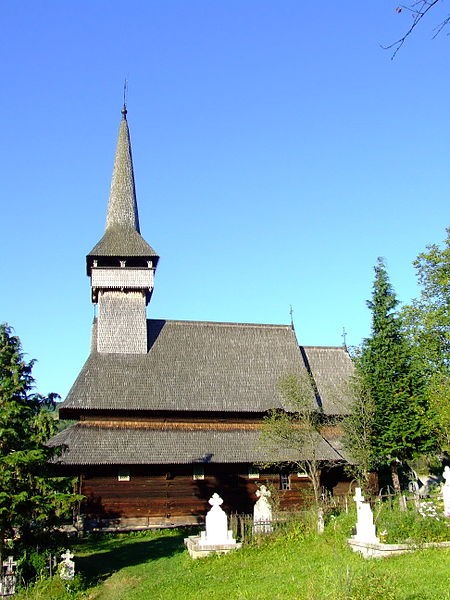
Poienile Izei puukirik
Situata in satul Poienile Izei; construita acum mai bine de 400 de ani pe locul unui vechi lacas de cult; corpul principal este construit pe un plan...
39.9 km
Rogoz, Maramureș County
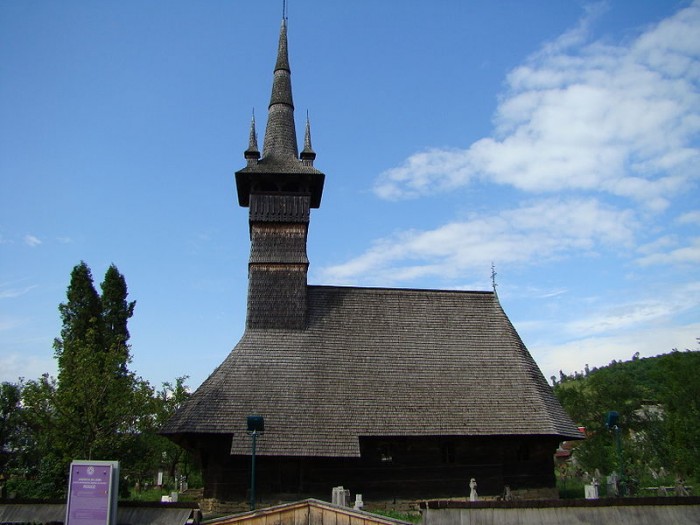
Rogozi puukirik
Situata in satul Rogoz; construita in anul 1663; poarta hramul "Sfintii Arhangheli Mihail si Gavriil"; construita pe locul unei biserici mai vechi, cu ajutorul...
45.1 km
Kultuurielu ja traditsioonid
Üritused piirkonnas Bârsana Monastery
Keskaegsed festivalid, traditsioonilised laatad, kontserdid ja kohalikud tegevused soovitatakse Maramureš piirkonnas.

Traditsioonid ja käsitöö

Maramures, Maramureș maakond
Kohaliku kultuuri ja traditsioonilise turismi päevad
Avatud töötoad, kus saab tegeleda savikarjaga, puidust skulptuuride valmistamise ja kohaliku autentset folkloori tutvustamisega.
MILLAL
15.–17. mai 2026


Traditsiooniline köök
Maramures, Maramureș maakond
Traditsiooniliste toodete ja kohaliku köögi laat
Traditsiooniliselt valmistatud tooted, küpsetatud juustud, mäekärr ja kohalikud hõrgutised, mis on valmistatud vanade retseptide järgi.
MILLAL
Igal nädalavahetuse lõpus

Kultuur ja fotograafia
Maramures, Maramureș maakond
Teemaline ja fotopõhine kultuuripärandi giidiga tuur
Juhendatud ekskursioon, mis on mõeldud ajaloo-, looduse- ja fotograafiahuvilistele ning mille käigus avastatakse piirkonna kõige muljetavaldavamaid vaatepunkte.
MILLAL
Päevane programm vastavalt soovile
Samm-sammult muutub uurimine põhjalikumaks
Avasta ümbrust ja selle piirkonna geograafiat
Avastage radu, maastikku ja looduslikke vaatamisväärsusi Bârsana Monastery ümbruses.

Praktilised juhendid ja nõuanded
Kasulikud reisiartiklid
Reisijuhendid, praktilised soovitused ja turismimarsruudid Maramurešile.

Turistijuhend
Top 5 Atracții Turistice și Trasee Montane în Zona Moieciu - Bran
Descoperă cele mai spectaculoase peisaje carstice, chei adânci și cetăți medievale din imediata apropiere a stațiunii Moieciu.

Turistijuhend
Ghid de Drumeție: Traseul Moieciu de Sus spre Platoul Bucegi
Un itinerariu montan de o frumusețe rară ce urcă din Valea Băngăleasa spre Poiana Guțanu și crestele maiestuoase ale Bucegilor.

Turistijuhend
Castelul Bran: Istorie, Legende și Secrete Medievale
Află adevărata poveste a fortăreței medievale din Pasul Bran, reședința de suflet a Reginei Maria a României.
TEE ALKAB ÜHE MÕTTEGA
Järgmine lugu on teel.
Alates esimesest peatuskohast kuni viimase ööbimiseni – avage end uuele Rumeeniale.
