


ÁIT ADHARTHA · TRASAILBHIA
Hărman Fortified Church

Hărman, Trasailbhia
Cuir an suíomh leis san ríomhaire do roghanna.

Eolas luachmhar maidir le rochtain

Clár Cuairte
Luan: 12:00–17:00 · Máirt–Domhnaigh: 09:00–17:00 (san samhradh go dtí 20:00)

Praghas Ticéad
Aos daonna: 45 RON · Daltaí / Mac Léinn: 11 RON · Pensiúnóirí: 23 RON · Cuideachta treoraithe san áireamh

Fad na hUaireanta Cuartha
30 - 60 nóim
Foinbhair agus tagairtí seachtracha
An Encyclopedia Wikipedia (GA)
Eolas do chuairteoirí agus treoir
 Nasclaigh le Google Maps

FAOI HĂRMAN FORTIFIED CHURCH
A Sanctuary of Faith and Resilience in the Heart of Transylvania
Rising to the north of the city of Brașov, in the picturesque village of Hărman, atop a gentle hill overlooking the broad and fertile valley of Țara Bârsei, the fortified church stands as one of the best-preserved, most impressive, and most moving medieval ensembles in all of Romania. It is a silent yet profound witness to an era when Christian spirituality was inextricably intertwined with the imperative of collective defense in a Europe under constant military threat. Initially constructed as a Romanesque basilica around 1250 by Cistercian monks—an monastic order originating from France that revolutionized architecture, agriculture, and social organization in medieval Europe—the edifice was later taken over by the Transylvanian Saxon community. These German settlers, brought to Transylvania by the kings of Hungary during the 12th and 13th centuries to defend the eastern frontier and develop the agricultural economy, gradually shaped the church into the religious fortress it is today. This profound and fascinating transformation reflects the tumultuous history of Transylvania, a strategic province situated at the crossroads between the Western Christian world and the ever-expanding Ottoman Empire, marked by the vital and perpetual need for protection against devastating Tatar and Ottoman invasions that shook Southeastern Europe for centuries.
Cistercian Roots and the Legacy of Saxon Colonization
The founding of the church around 1250 aligns perfectly with the great expansion of the Cistercian order, which, originating from the Abbey of Cîteaux in Burgundy in 1098, grew to encompass hundreds of monasteries across Western and Central Europe by the end of the 13th century. The order spread a new vision of sacred architecture based on simplicity, light, and harmony. Known as the "White Monks" due to their light-colored robes, the Cistercians brought to Transylvania not only the spiritual rigor of a contemplative and ascetic life but also advanced construction techniques, irrigation systems, and community organization that profoundly influenced the region’s development. The Romanesque basilica they built in Hărman, with its balanced proportions and light filtered through narrow windows, would later witness the arrival of Saxon colonists. These settlers, summoned by King Andrew II of Hungary and his successors, were tasked with strengthening the kingdom’s eastern frontier against Mongol and Tatar invasions and developing the fertile agricultural lands of the region. Coming from the Rhineland, Moselle, and Flanders, these colonists found in the Cistercian church a solid spiritual nucleus, which they gradually transformed to meet the specific needs of a rural community facing the harsh and unpredictable realities of the late Middle Ages. The Saxons’ takeover of the edifice marked the beginning of a new era in the site’s history, as the monastic abbey became the parish church of a prosperous and organized community capable of defending itself in an increasingly fragile and threatened geopolitical context.
Sacred Architecture and the Medieval Defensive System
The ensemble at Hărman impresses with its harmonious, sophisticated, and unique fusion of Romanesque religious architecture and medieval military design. It stands as a remarkable example of how rural communities in Central Europe adapted sacred structures to the vital security demands of an era marked by violence and instability. The church itself proudly retains the structure of a Romanesque basilica with three naves, featuring massive, sturdy semicircular arches and tall, narrow windows designed to maintain coolness in the sacred interior during summer and provide the characteristic, mysterious illumination of religious worship. These architectural elements are also found in major Romanesque churches along the Rhine Valley, in Alsace, and in northern Italy, bearing witness to an era of profound spirituality. In the 15th century, amid the growing and alarming Ottoman threat following the tragic fall of Constantinople in 1453 and the increasingly frequent and devastating Tatar raids, the Saxon community, aware of its vulnerability, surrounded the church with a powerful and imposing enclosure wall. Initially equipped with seven solid defensive towers, four of which remain in remarkable condition today, the fortifications offer exceptional and breathtaking panoramic views over the entire Țara Bârsei region and the imposing, mysterious contours of the Carpathian Mountains. The massive wooden guard gallery, known as the Wehrgang in German architectural tradition, and the tall bell tower, added in later periods, complete the ingenious and complex defensive system, definitively transforming the place of worship into a true community fortress. This military-religious architectural model is also found in other European regions such as the German lands, southern France, and Poland, but here it was developed in a specific and authentic form, perfectly adapted to the geographical and historical conditions of Transylvania.
The Treasure of Medieval Frescoes and International Gothic Art
The interior of the church safeguards one of the most valuable, best-preserved, and emotionally stirring cycles of mural painting in all of Transylvania—a true masterpiece of late medieval sacred art that reveals the sensibility and faith of a bygone era. Created during the 14th and 15th centuries by exceptionally talented anonymous masters influenced by the Vienna School and the flourishing international Gothic art at the imperial and princely courts of Central Europe, the frescoes depict moving and dramatic scenes from the life of Jesus Christ, expressive figures of protective saints and angels, as well as sophisticated and elegant ornamental motifs. They remain in a remarkably well-preserved state, thanks to the region’s dry and temperate climate and the careful stewardship of the community over the centuries. These paintings represent a rare and precious example of sacred art from the late medieval period, silent witnesses to an era when art served both fervent religious devotion and the education of largely illiterate believers. They reflect subtle Byzantine influences filtered through the refined sensibility of Western art and the international Gothic movement that artistically united Vienna, Prague, Budapest, and Kraków in a common and sophisticated cultural network. The delicate and expressive style of the figures, the subtle and rich color palette, and the complex, well-thought-out narrative compositions place these frescoes among the most important and significant achievements of mural painting in Southeastern Europe, offering contemporary visitors a unique and precious window into the artistic and spiritual sensibility of a fascinating transitional era between Byzantium and the Renaissance.
From Abbey to Community Fortress: Turning Points in History
The history of the church in Hărman is deeply marked by numerous pivotal moments that reflect the dramatic and profound transformations of Transylvanian society over the centuries. After the Protestant Reformation in the 16th century, which shook the foundations of Christian Europe, the church passed into the ownership of the Lutheran Saxon community. It underwent significant interior modifications to adapt the liturgical space to new religious practices and emerging theological sensibilities, while the fortification system was continuously strengthened and perfected in response to the growing and menacing pressure of Ottoman armies advancing relentlessly toward the heart of Central Europe. The 17th and 18th centuries brought new major challenges, including devastating religious conflicts and wars between the Habsburg Empire and the Ottoman Empire for control of Southeastern Europe. During this period, the church truly served as a safe and life-saving refuge for the entire village population in the face of frequent invasions and raids. In the 19th century, under the multicultural and complex administration of Austria-Hungary, the ensemble saw the first systematic and scientific conservation efforts. In the 20th century, following the gradual emigration of the Saxon population to Germany, the church came under the care of the local Romanian community and the Romanian state, benefiting from meticulous and professional restorations that highlighted both its solid architectural structure and its exceptional treasure of mural frescoes. International recognition of its universal and exceptional value came in 1993, when the church was inscribed on the prestigious UNESCO World Heritage List, alongside six other similar ensembles in Transylvania, definitively establishing its status as a monument of inestimable European and global importance.
A Monument in the European Heritage Network
Inscribed on the UNESCO World Heritage List in 1993 as an integral and essential part of the site "Villages with Fortified Churches in Transylvania," the church in Hărman exemplifies the community defense strategy developed by Saxon settlers in response to Ottoman and Tatar invasions. This architectural and social model finds interesting parallels in other European regions such as the German lands, southern France, and Poland, but here it takes on a truly unique and specific dimension. This complex architectural model, also found in six other localities in Brașov and Sibiu counties—such as Viscri, Biertan, Prejmer, Saschiz, Câlnic, and Valea Viilor—reflects the specific and ingenious adaptation of religious architecture to the conditions of insecurity and uncertainty of the late Middle Ages, when the boundaries between the sacred and the profane, between prayer and combat, blurred completely in the face of imminent and mortal danger. By harmoniously combining its liturgical function with that of a fortified refuge for the entire rural community, these monuments represent a distinct, original, and valuable contribution of Southeastern Europe to the continental architectural heritage. They are unique in their adopted defensive technical solutions and in the remarkable way the community managed to preserve its cultural, linguistic, and religious identity in the face of aggressive external pressures. The church in Hărman stands out within this select group for its exceptional and nearly miraculous preservation of interior frescoes and the impressive complexity of its fortification system, offering visitors an authentic, moving, and profound experience of medieval life in this fascinating part of Europe.
Visitor’s Guide and the Contemporary Traveler’s Experience
Located just ten kilometers north of the picturesque city of Brașov, along the European route E81 connecting Romania’s capital to the historic cities of northern Transylvania, the Hărman Fortified Church is generously open to visitors year-round. It offers the unique opportunity to explore both the church’s interior, with its world-unique medieval frescoes, and the fortified inner courtyard with its imposing towers that dominate the surrounding rural and enchanting landscape. The visiting schedule is flexible and adapted to the modern traveler’s pace, and entry is free, with warm encouragement for voluntary donations to support the ongoing conservation of this priceless heritage treasure, which requires constant care and attention. Visitors can benefit from specialized and passionate guided tours offered by the monument’s dedicated caretakers, who reveal in great detail the secrets of the frescoes, the story behind each defensive tower, and the fascinating intricacies of the ingenious defensive system. This provides a deeply cultural and memorable experience in the heart of one of the most authentic, well-preserved, and moving rural landscapes in all of Central Europe. We warmly recommend visiting in the morning hours, when the golden light delicately filters through the narrow windows of the Romanesque basilica, magically illuminating the frescoes, or at sunset, when the massive stone walls and tall towers are dramatically silhouetted against the open and pure sky of Țara Bârsei. Nearby, curious travelers can easily explore the charming and well-preserved medieval center of Brașov, the Râșnov Fortress, or the imposing Peleș Castle in Sinaia, completing a profound and fascinating journey into the rich history, art, and culture of Transylvania. Every stone, every fresco, and every tower of this sacred place speaks loudly of unyielding resilience, deep faith, and cultural continuity over the centuries, offering the modern visitor the rare and precious chance to literally and figuratively touch the living and palpable history of medieval Europe.
Galeria meáin
Faigh amach faoi Hărman Fortified Church i bpictiúir

1 grianghraf · Ailtireacht, cúirteanna inmheánacha agus mionsonraí scéala

Foinse na n-íomhánna: Wikimedia Commons · Grianghraif agus ábhar poiblí · Ceadúnas saor in aisce
Fan faoi cheann cúpla lá, agus déan iniúchadh ar an áit iontach seo
Lóistín i gceantar Hărman Fortified Church

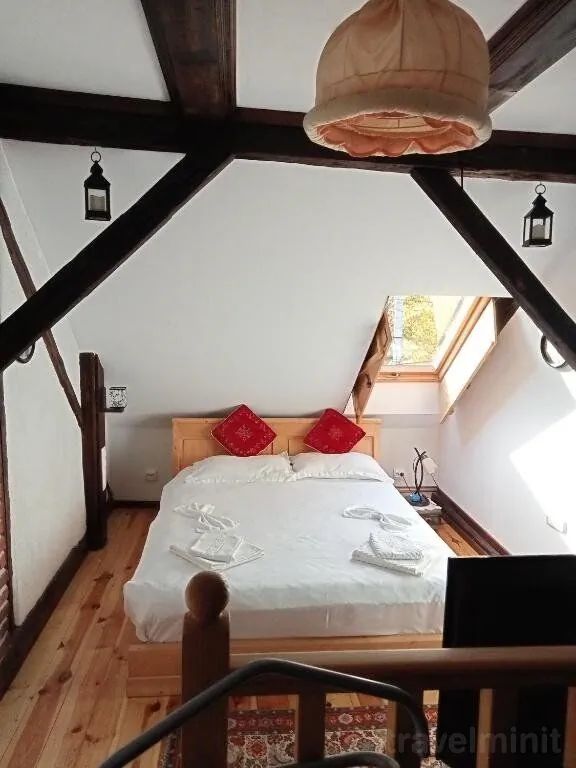
Teach saoire · 3 réalta

Sânpetru, Brașov County · 4.3 km
Residence Gölsch 161 Sânpetru
În apropiere puteți vizita Biserica Neagră, un monument impresionant din orașul Brașov. Residence Gölsch 161 Sânpetru, o casă de închiriat clasificată cu trei stele din localitatea Sânpetru, județul Brașov, reprezintă un punct de plecare potrivit pentru a descoperi atracțiile din zonă. Vila integrală vă pune la dispoziție două camere dotate cu bun gust, fiecare având grup sanitar propriu. În exterior, beneficiați de o curte mare și o grădină amenajată, ideale pentru relaxare. Aveți la dispoziție o vatră de foc sau șemineu în aer liber, precum și un grătar pentru prepararea mesei în aer liber. Pentru confortul dumneavoastră pe toată durata șederii, unitatea oferă Wi-Fi gratuit, parcare privată gratuită și posibilitatea de a închiria biciclete pentru a explora împrejurimile. De asemenea, sunt disponibile servicii precum room service, fierul de călcat este pus la dispoziție, iar accesul cu animale de companie este permis contra cost. Când sunteți gata să explorați mai departe, vă așteaptă Biserica fortificată din Prejmer, un obiectiv valoros din apropiere.
Ó
280 lei / oíche

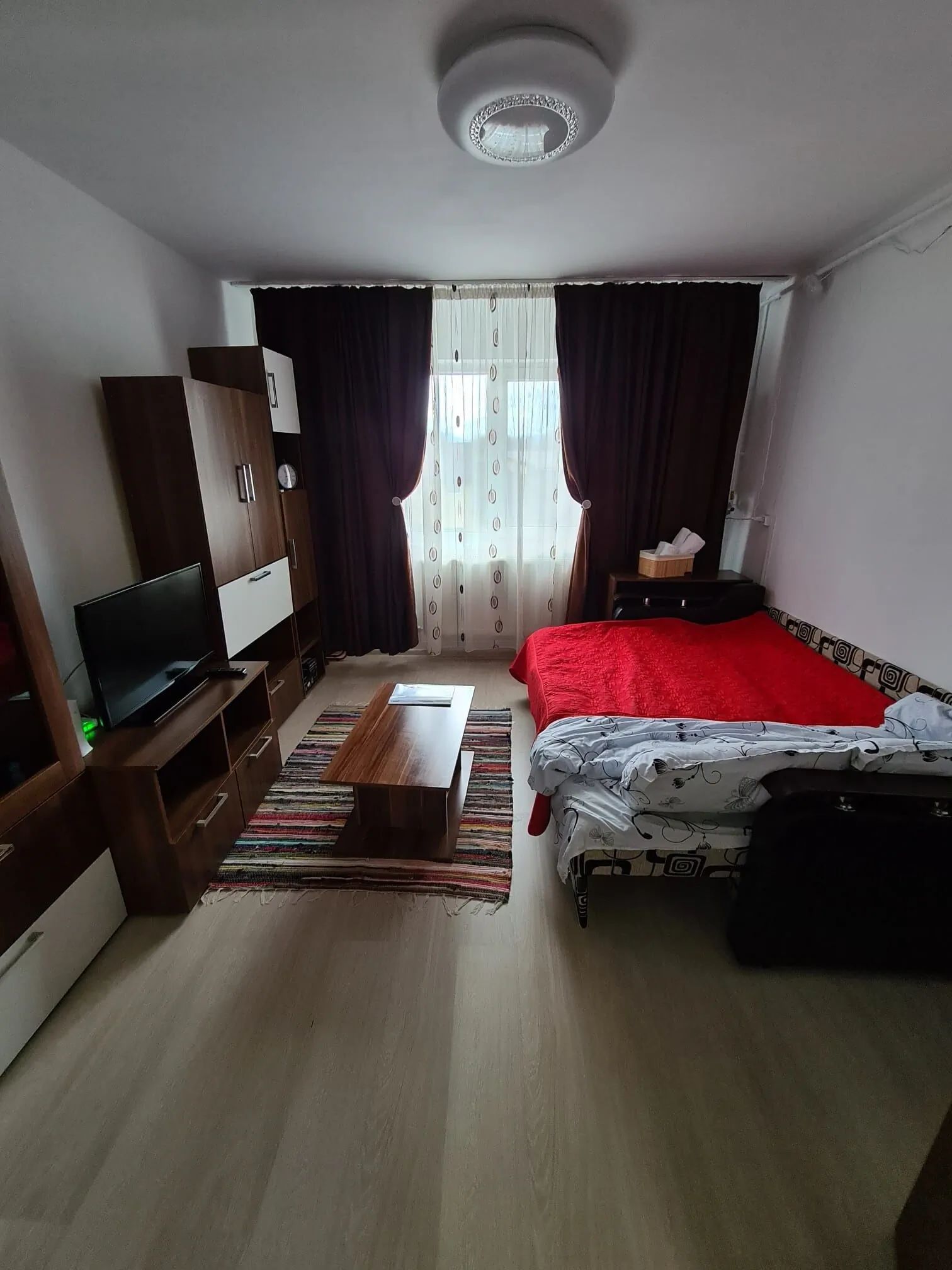
Árasán · 3 réalta
Brașov, Brașov County · 5.1 km
Apartament Vigaro Vgr Brașov
Áit chompordach le suaimhneas agus radharc álainn, díreach in aice na n-áiteanna is mó tairbhe.
Ó
230 lei / oíche
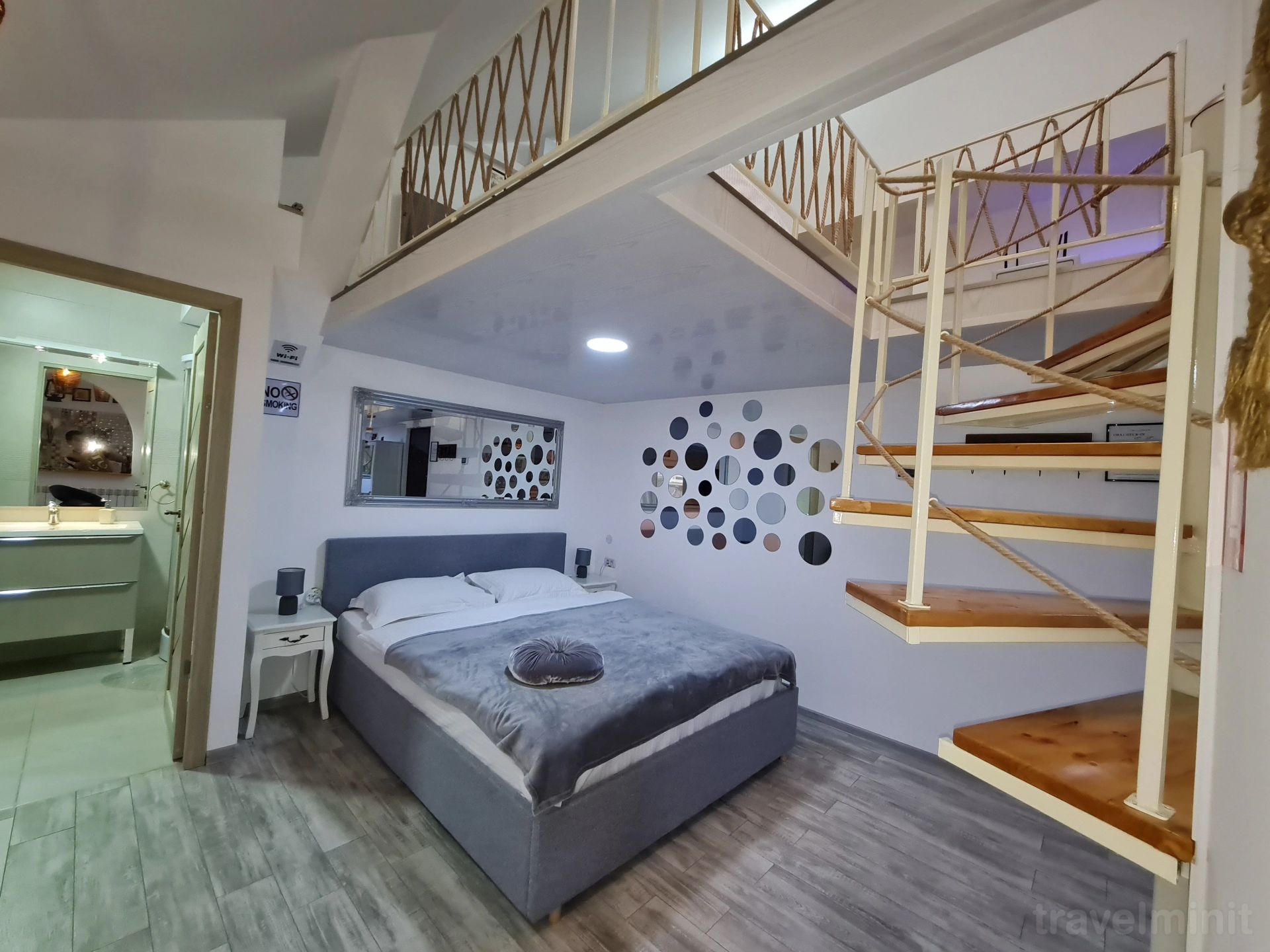
Teach saoire · 3 réalta
Sânpetru, Brașov County · 5.1 km
Casa Aryan Sânpetru
În curtea largă și grădina amenajată a Casei Aryan din Sânpetru, un foișor se ridică printre copaci, alături de un mic iaz care completează atmosfera liniștită a locului. Această casă de închiriat integral, clasificată cu trei stele, se află în localitatea Sânpetru din județul Brașov, într-o zonă rezidențială calmă. Interiorul pune la dispoziție camere cu chicinete dotate cu filtru de cafea, fierbător, cuptor cu microunde, tacâmuri, farfurii și pahare, ideale pentru un mic dejun sau o gustare rapidă, alături de baie proprie și balcon. Veți beneficia de Wi-Fi gratuit, fier de călcat și parcare privată gratuită. De aici puteți porni spre Biserica Neagră, Biserica fortificată din Prejmer, Cetatea Râșnov, Biserica fortificată din Hărman și Stațiunea Poiana Brașov, obiective care completează experiența șederii dumneavoastră în zonă. Vizavi de proprietate funcționează Restaurantul GUST, unde puteți gusta preparate tradiționale proaspete. Pentru a asigura liniștea tuturor oaspeților, nu se acceptă petreceri, echipe de muncitori sau animale de companie. Seara, după o zi de vizitat obiectivele din apropiere, vă puteți relaxa în foișorul din curte.
Ó
280 lei / oíche
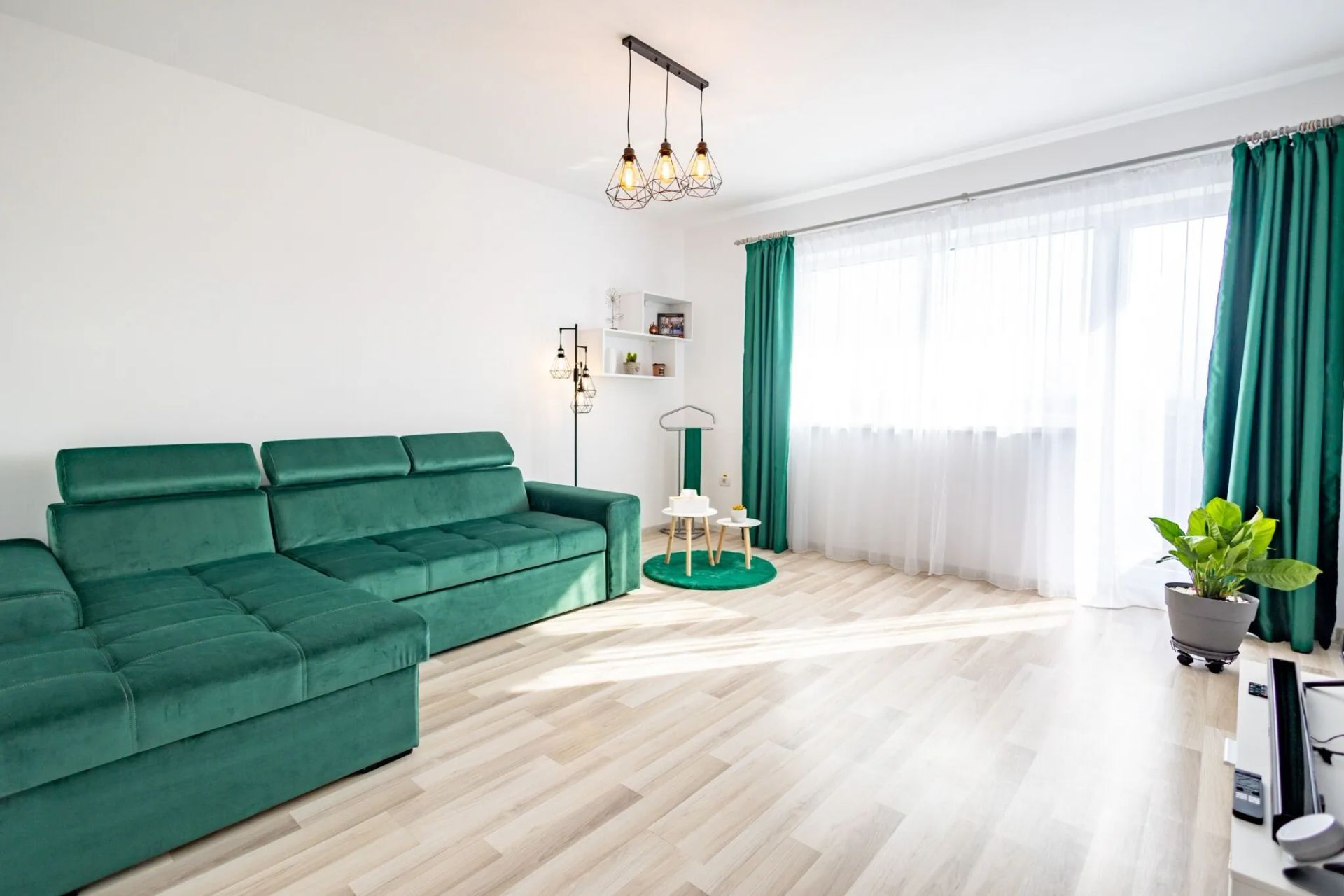
Árasán · 3 réalta
Sânpetru, Brașov County · 5.9 km
Apartament MrResidence Sânpetru
Apartament de închiriat clasificat cu 3 stele, situat în localitatea Sânpetru din județul Brașov. Unitatea se află pe strada Marin Preda numărul 1, într-un cartier rezidențial liniștit care oferă un cadru adecvat pentru odihnă și relaxare după zile de călătorie. Spațiul de cazare vă pune la dispoziție facilități esențiale pentru un sejur confortabil. Beneficiați de Wi-Fi gratuit pentru a rămâne conectat, parcare privată gratuită pentru vehiculul dumneavoastră și fier de călcat pentru pregătirea hainelor. Amplasarea în Sânpetru vă oferă acces facil către principalele atracții turistice ale zonei. Puteți vizita Biserica Neagră, Biserica fortificată din Prejmer, Cetatea Râșnov, Biserica fortificată din Hărman și Stațiunea Poiana Brașov, fiecare reprezentând o destinație deosebită pentru explorare. Fiecare dintre aceste obiective oferă o perspectivă unică asupra istoriei și naturii din județul Brașov. De la monumente arhitecturale impresionante până la peisaje montane spectaculoase, zona are multe de oferit vizitatorilor. Vă așteptăm să vă bucurați de șederea dumneavoastră în această unitate și să porniți apoi spre explorarea Cetății Râșnov.
Ó
230 lei / oíche
Teach aíochta · 3 réalta
Lancrăm, Alba County · 6.4 km
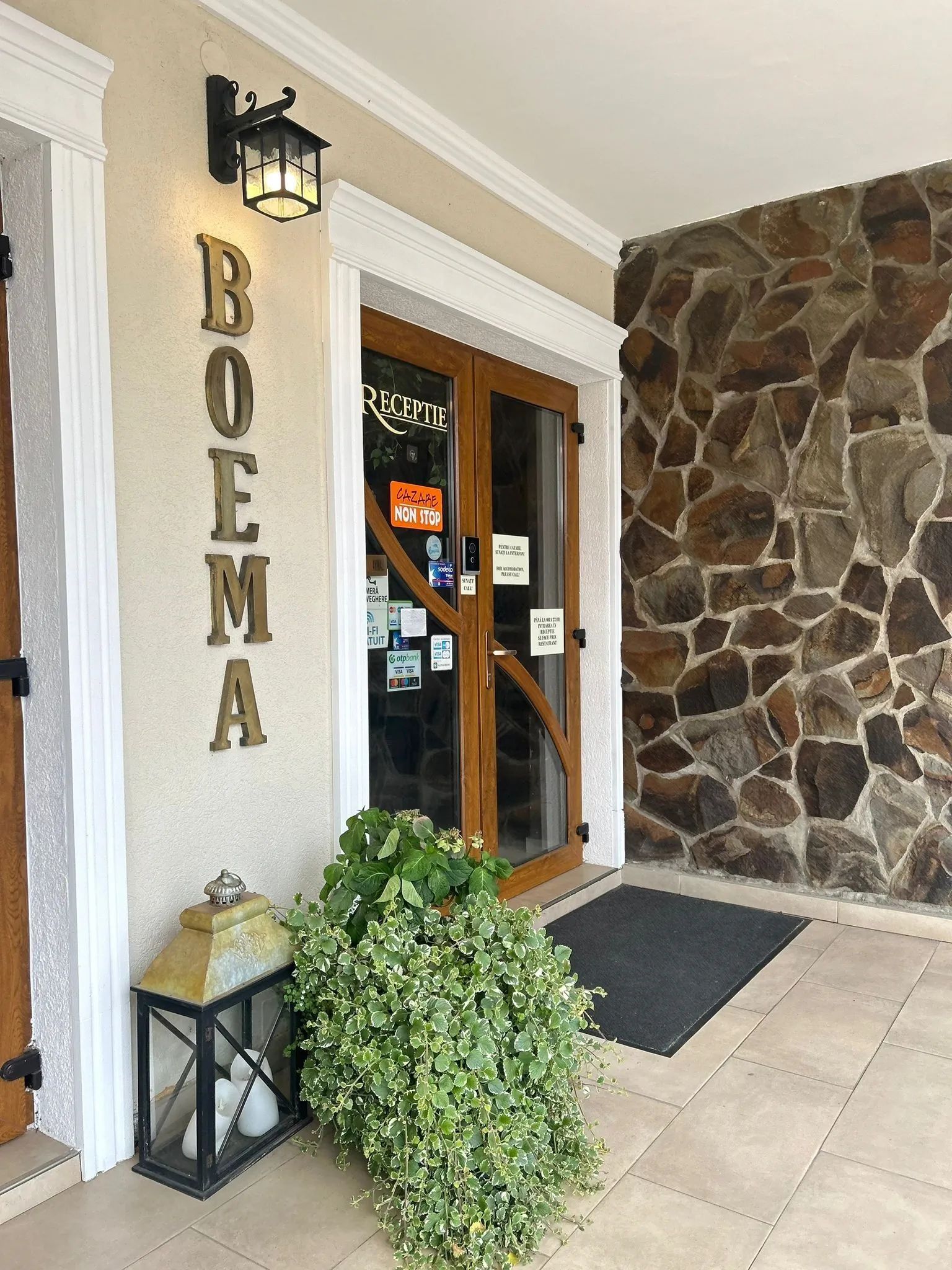
Pensiunea Boema Lancrăm
O dimineață răcoroasă pe terasă și o seară liniștită la vatră de foc în aer liber descriu perfect o zi petrecută aici. Pensiunea Boema Lancrăm din localitatea Lancrăm vă așteaptă să vă bucurați de acest ritm într-un cadru confortabil cu trei stele. Camerele single, duble și triple sunt amenajate cu grijă pentru confortul dumneavoastră, fiecare având baie proprie și dotări complete. Restaurantul din incintă, cafeneaua și barul vă oferă mese gustoase, iar room service-ul aduce preparatele direct în cameră atunci când doriți intimitate. Wi-Fi gratuit este disponibil în întreaga unitate, iar pentru familiile cu copii aveți la dispoziție meniu special și pătuț pentru bebeluș. Curtea mare și grădina amenajată sunt ideale pentru relaxare, iar grătarul și ceaunul vă permit să gătiți în aer liber. De asemenea, puteți practica pescuitul sau puteți explora drumețiile montane și traseele în natură din zonă. Depozitul pentru bagaje și parcarea pentru biciclete completează facilitățile oferite. În apropiere puteți vizita Biserica fortificată din Prejmer, Biserica Neagră, Biserica fortificată din Hărman, Cetatea Râșnov și Stațiunea Poiana Brașov, toate fiind destinații potrivite pentru excursii. Pensiunea beneficiază de parcare privată gratuită, acces pentru persoane cu dizabilități și fier de călcat la nevoie.
Ó
240 lei / oíche
Árasán · 3 réalta
Brașov, Brașov County · 6.9 km
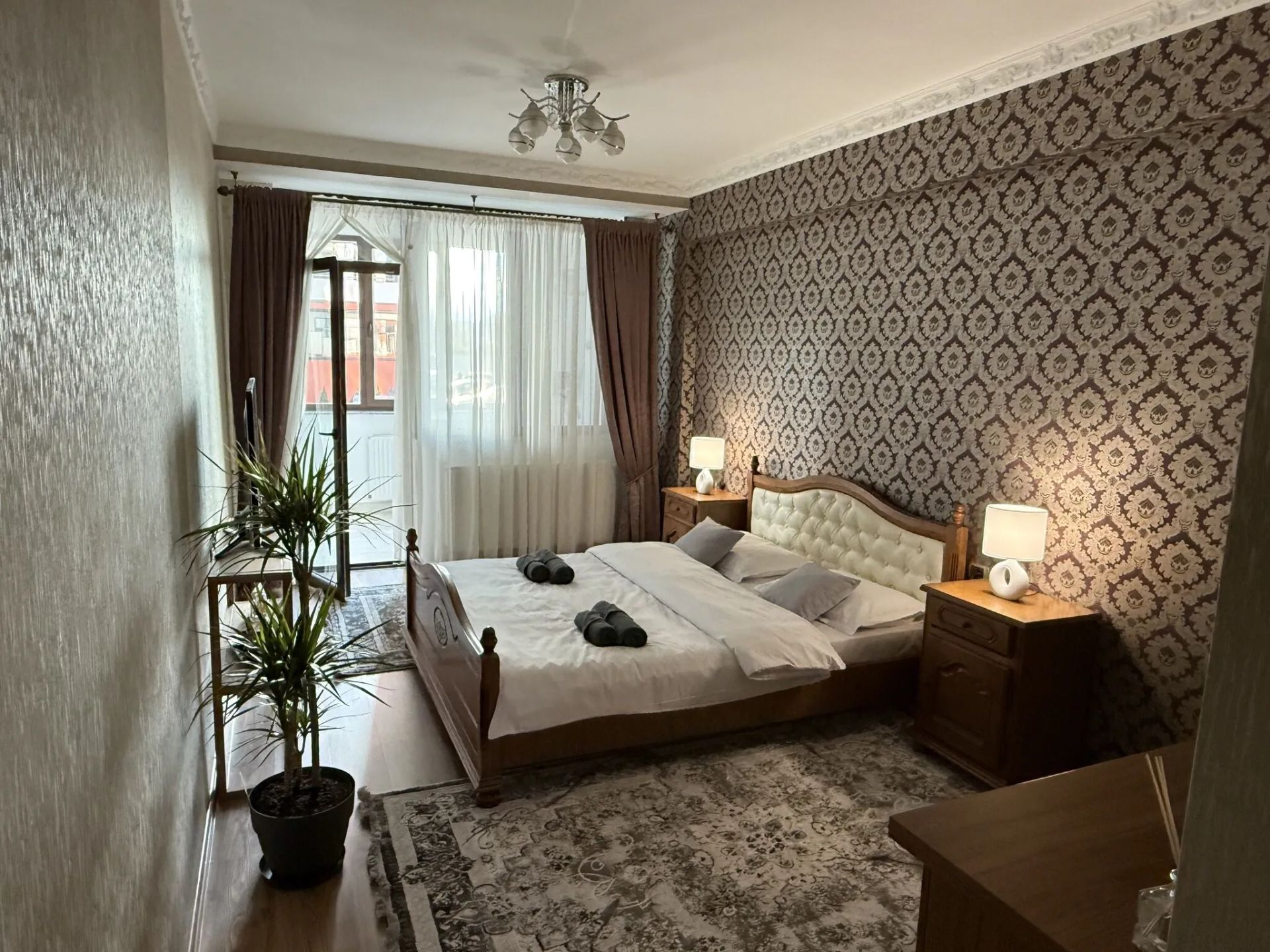
Apartament Isaran Brașov
Áit chompordach le suaimhneas agus radharc álainn, díreach in aice na n-áiteanna is mó tairbhe.
Ó
230 lei / oíche
ROimh do thosú ar an turas
Na coinnéala aimsire in Hărman
Tuairisc aimsire áitiúil do Hărman Fortified Church, Hărman, Hărman

Sonraí aimsire nuashunraithe i bhfad
Tá níos mó le feiceáil sa cheantar seo
Áiteanna turais in aice láimhe


Bran, Brașov County
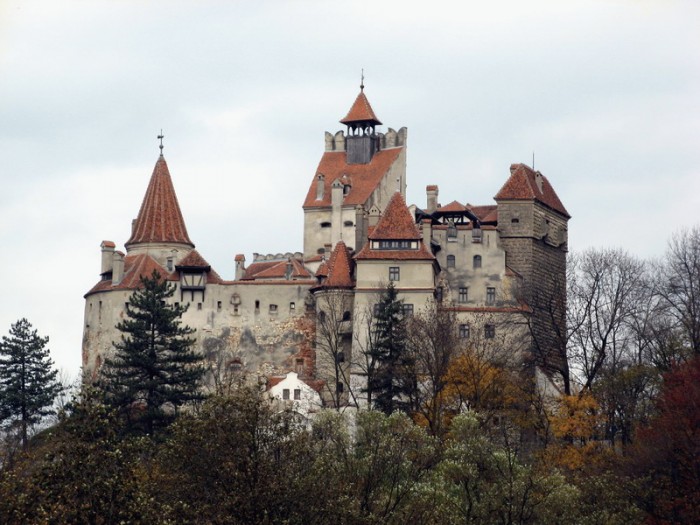
Caisleán Bran
Situat pe strada General Traian Mosoiu nr. 28 din localitatea Bran, la 30 km de municipiul Brasov; construit in anul 1377 in scop militar; in anul 1395, este...
33.3 km
Sinaia, Prahova County
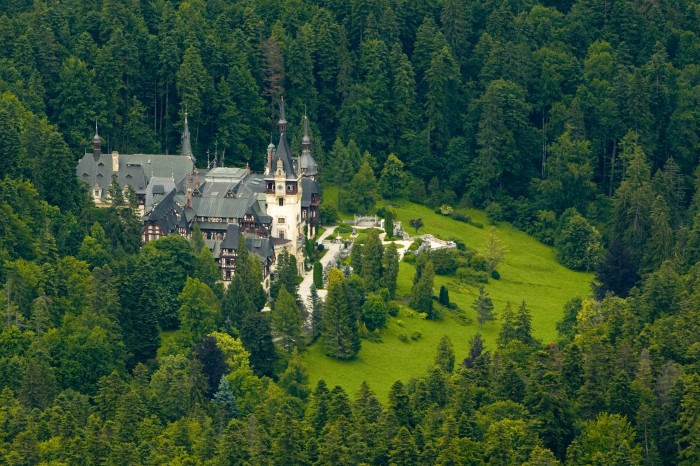
Caisleán Peleș
Situat pe strada Pelesului din Sinaia; piatra de temelie a castelului se pune in 1873, aici fiind ingropate si cateva zeci de monede de 20 de lei, din aur -...
41.1 km
Prahova, Prahova County
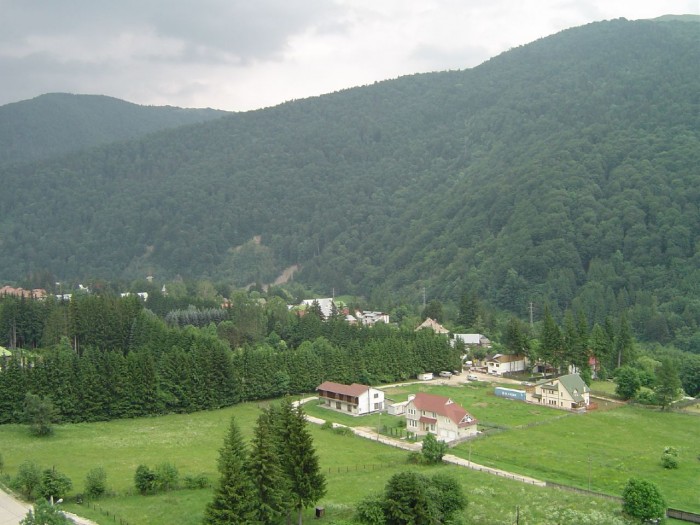
Sinaia
Situata pe valea superioara a Prahovei, la poalele Muntilor Bucegi (Carpatii Meridionali), la o altitudine ce variaza intre 798-971 m; este una din cele mai...
41.7 km
Brasov, Brașov County
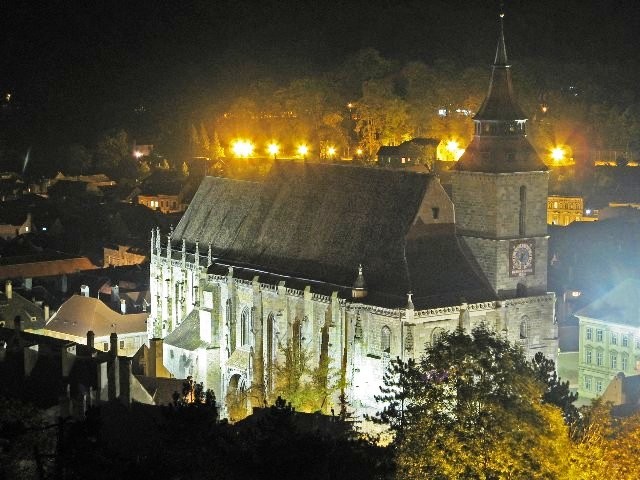
Eaglais Dhubh na Brașov (Die Schwarze Kirche / An Eaglais Dhubh)
Situata in curtea Honterus nr. 2 din municipiul Brasov; construita intre secolele XIV - XV; o inscriptie din interior il atesta ca prim ctitor pe Thomas; din...
10.4 km
Brasov, Brașov County
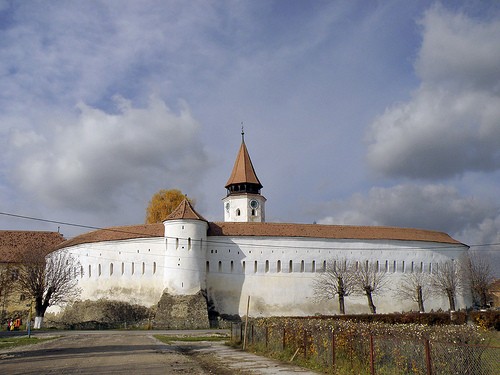
Eaglais dhaingnithe Prejmer (Tartlau)
Situata in localitatea Prejmer, la 15 km de municipiul Brasov; cea mai mare biserica fortificata din sud-estul Europei; construita in secolul al XIII-lea; are...
6.9 km

Harghita, Harghita County
Loch Naomh Áine
Situat pe teritoriul administrativ al comunei Cozmeni, la 28 km de Baile Tusnad, in zona centrala a masivului vulcanic Ciomatu; rezervatie complexa - naturala,...
48.3 km
Prahova, Prahova County
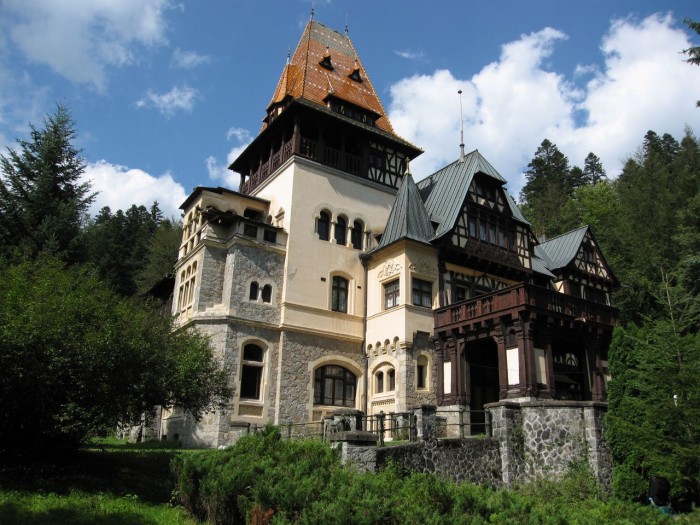
Caisleán Pelișor
Situat in parcul Castelului Peles, pe Valea Prahovei; ridicat intre anii 1899 si 1902; in 1903 a devenit resedinta de vara a principilor mostenitori;...
41.1 km
Râșnov, Brașov County
Dún Râșnov
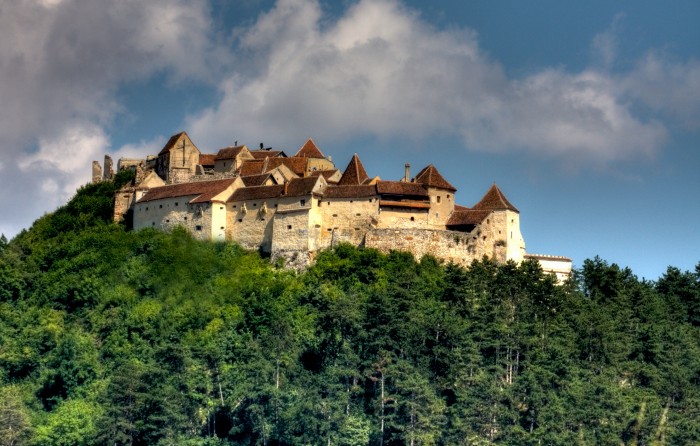
Situata in orasul Rasnov, la 15 km de municipiul Brasov; construita in secolele XIII - XIV de catre locuitorii zonei, in scopul apararii impotriva atacurilor...
21.8 km
Brasov, Brașov County
Páirc Nádúrtha na mBucegi
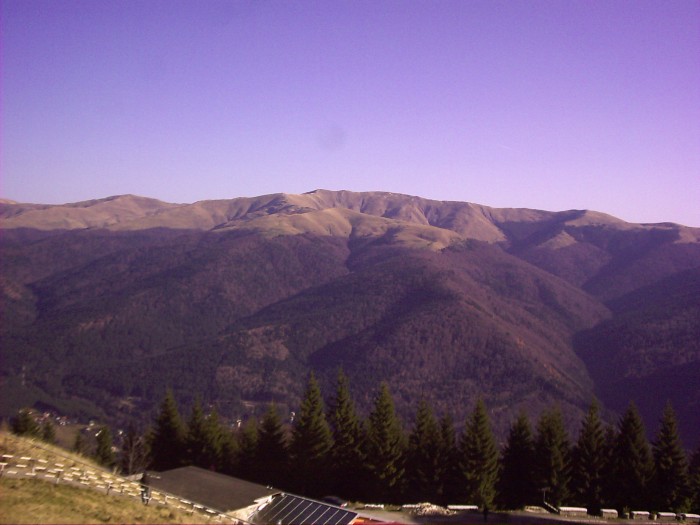
Situat in Muntii Bucegi, se intinde pe raza comunelor Rasnov, Bran, Moeciu; zona Muntilor Bucegi a fost propusa pentru protejare in anul 1936, dar initiativa s-...
35.2 km

Brasov, Brașov County
Poiana Brașov
Situata la poalele muntelui Postavaru, la 12 km de municipiul Brasov; amplasata la altitudinea de 1.030 m, statiunea turistica Poiana Brasov a fost infiintata...
16.8 km
Brasov, Brașov County
Páirc Náisiúnta Piatra Craiului
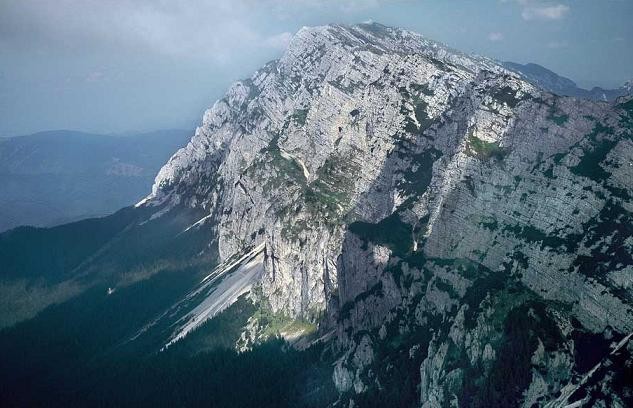
Situat in Carpatii Meridionali;include Creasta Pietrei Craiului in totalitate si spatiile din culoarele intramontane limitrofe, Rucar - Bran si Rucar -...
39.8 km

Brasov, Brașov County
Predeal, Balcóin na gCarpat
Situata pe Valea Prahovei, intre raurile Prahova si Timis, la 25 km de municipiul Brasov; amplasata la 1.100 m, este cea mai inalta asezare urbana din Romania;...
24.8 km
Saol chultúir agus traidisiúin
Imeachtaí i gceantar Hărman Fortified Church
Féilte meánaoiseacha, aontaí traidisiúnta, ceolchoirmeacha agus gníomhaíochtaí áitiúla molta i Trasailbhia.

Oidhreacht agus Stair

Hărman, contae Hărman
Féile na gCaisleán Meánaoiseach agus Lá na nDorais Oscailte
Siúlóidí treoite oíche, ceardlanna na gceardaíocht traidisiúnta agus athchruthuithe stairiúla le laochra agus banlaochra.
NU TREBUIE SĂ FII PREA SERIOS
15 - 17 Bealtaine, 2026


Traidisiúin agus Bia
Hărman, contae Hărman
An Margadh na gCeirníocht agus na n-Amanna Béarla agus Bia Áitiúil
Faigh amach na táirgeoirí áitiúla, na píotáin Transilvanacha a bhíonn bainte ar lascán, na siopaíochtí lámhdhearaithe agus an jam róibhe.
NU TREBUIE SĂ FII PREA SERIOS
Gach deireadh seachtaine (Bealtaine - Deireadh Fómhair)

Ecoturasóireacht agus an Domhan
Cnoic na Trasalváine, contae Hărman
Siúlóí Treoraithe ar Chosán na Sléibhte Transilvania
Siúlóidí ar chosáin gan marcáil trí fhánaithe seanbhunaithe, iarúna a bhfuil céadta bliain orthu agus sráideanna le h-eaglaisí faoi dhian cosanta atá liostaithe ag UNESCO.
NU TREBUIE SĂ FII PREA SERIOS
Aoine – Domhnach (Séasúr 2026)
Tréanú an fhoghlaim trí iniúlacht
Foghlaim faoi na timpeallachtaí agus tíreolaíocht an áite
Taiscéalaigh na bealaí, an tírdhreach agus na hionad nádúrtha timpeall Hărman Fortified Church.

Treoracha agus moltaí praiticiúla
Eiseamláirí úsáideacha taistil
Treoirleabhair taistil, comhairle praiticiúil agus bealaí turasóireachta do Trasailbhia.

Treoir turais
Top 5 Atracții Turistice și Trasee Montane în Zona Moieciu - Bran
Descoperă cele mai spectaculoase peisaje carstice, chei adânci și cetăți medievale din imediata apropiere a stațiunii Moieciu.

Treoir turais
Ghid de Drumeție: Traseul Moieciu de Sus spre Platoul Bucegi
Un itinerariu montan de o frumusețe rară ce urcă din Valea Băngăleasa spre Poiana Guțanu și crestele maiestuoase ale Bucegilor.

Treoir turais
Castelul Bran: Istorie, Legende și Secrete Medievale
Află adevărata poveste a fortăreței medievale din Pasul Bran, reședința de suflet a Reginei Maria a României.
An tur ag tosú le smaoineamh
Tá an scéal céad eile ar tí teacht.
Ón gcéad stad go dtí an oíche dheireanach den fhithis, déan spás do Rómáin nua.
