


NATURA U R-RIŻERVI NATURALI · TRANSILVANJA
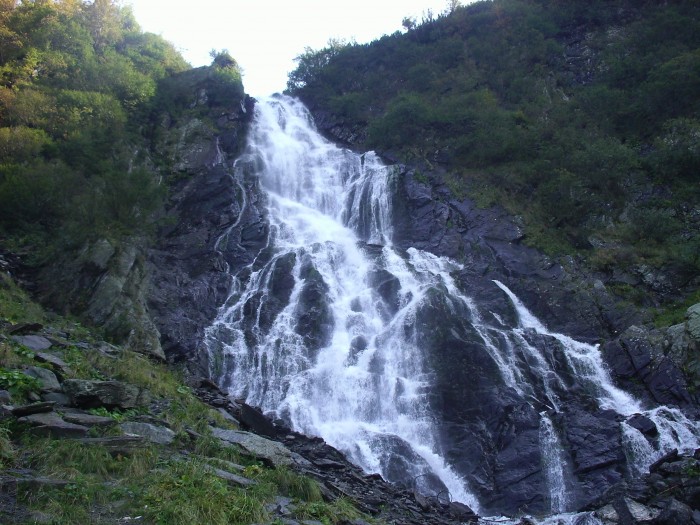
Bâlea Waterfall

Sibiu, Sibiu County
Żid il-lokazzjoni fis-settings tiegħek.
Informazzjoni prattika dwar l-aċċess

Skeda tal-viżiti
Iċċekkja l-iskeda lokali tal-viżiti

PREZZ TAL-BIĊĊA
L-informazzjoni hija disponibbli fil-kassa

Tul tal-viżta rakkomandat
1 – 2 sigħat
Sorsi u referenzi esterni
L-Enċiklopedija tal-Wikipedija (MT)
Informazzjoni għall-viżitaturi u gwida
 Ibbrovja billi tuża l-Google Maps

DWAR BÂLEA WATERFALL
Between the Sublime and History: Bâlea Waterfall as a European Natural Monument
In the heart of the Făgăraș Mountains, where the sky seems to touch the granite peaks of the Southern Carpathians, unfolds one of the most impressive natural spectacles on the continent. Bâlea Waterfall, known in local tradition as the "Roaring Bâlea," is situated at an altitude of 1,234 meters, within a natural amphitheater sculpted between the towering peaks of Moldoveanu, Romania’s highest at 2,544 meters, and Negoiu, the country’s second-highest summit at 2,535 meters. This 60-meter waterfall represents the most spectacular tiered cascade in the entire Carpathian range, a unique geological phenomenon that places Romania on the map of Europe’s great natural destinations, alongside the alpine waterfalls of Switzerland, Austria, and Slovenia. Its presence marks the lower step of the Bâlea glacial cirque, a geological monument preserving the imprint of the last ice ages that shaped the relief of the entire European continent approximately 2.5 million years ago.
The cultural significance of this place transcends geographical boundaries, deeply rooted in the European tradition of the natural sublime. Since the Romantic era, when artists and travelers sought intense emotions and spiritual revelations in wild landscapes, Bâlea Waterfall has been perceived as a symbol of primordial force and unspoiled grandeur. Its impressive acoustic phenomenon, which justifies the name "Roaring," evokes the threatening and hypnotic roar of falling waters, a sound that has fascinated generations of poets, painters, and explorers. Located approximately nine kilometers from Bâlea Lake, a glacial jewel of similar origin, the waterfall forms, together with the lake, a natural complex of rare beauty, spiritually akin to the landscapes of the Alps or the Scottish Highlands, yet preserving a deeply Carpathian authenticity rooted in the history and mythology of the region.
Geological Roots and Europe’s Glacial Legacy
The formation of Bâlea Waterfall dates back to the Pleistocene epoch, when massive alpine glaciers covered the heights of the Southern Carpathians, just as they did the Swiss, Austrian, and French Alps. Around 20,000 years ago, during the Würm glacial period, a powerful cirque glacier carved a colossal natural amphitheater into the granite and gneiss massif of the Făgăraș Mountains, leaving behind a landscape of unique wilderness. Glacial erosion processes, abrasion, and subglacial scouring sculpted the granite steps down which the waters of Bâlea now descend in a spectacular sequence, creating a rare geomophological phenomenon in Eastern Europe. This natural architecture recalls similar structures in the Mont Blanc massif, the Italian Dolomites, or the Pyrenees, where glaciers left the same dramatic imprint on the rocks.
The geology of the site reveals a complex history spanning millions of years, when the Făgăraș massif was part of an older mountain range formed by the collision of tectonic plates that gave rise to the Alps and the Carpathians. The metamorphic rocks and granites that form the structure of the waterfall stand as silent witnesses to these orogenic processes, and their presence explains the hardness and resistance of the steps that water has gradually eroded over the centuries. Today, the area is protected under the European Natura 2000 network, recognizing its exceptional value for the continent’s biodiversity and the conservation of specific alpine ecosystems. This European protection places Bâlea Waterfall in the same category as natural reserves in Switzerland or Norway, underscoring its transboundary importance for Europe’s natural heritage.
The Natural Architecture of a Tiered Waterfall
What distinguishes Bâlea Waterfall from other waterfalls is its unique tiered structure, a succession of granite ledges over which the waters of Bâlea plunge in a continuous 60-meter cascade. This natural architecture, the result of millennia of erosion, creates a dynamic visual spectacle where water breaks into countless silvery threads dancing across the rock surface, forming water curtains and small natural basins. During the snowmelt season in spring or after heavy summer rains, the waterfall’s flow increases considerably, transforming the cascade into a powerful liquid wall, while in autumn, the golden hues of beech and spruce forests frame the spectacle perfectly.
The most spectacular phenomenon occurs in the cold season, when temperatures drop below freezing and the waterfall partially or completely freezes, transforming into an impressive column of blue ice reaching heights of 40 to 50 meters. This winter metamorphosis has attracted amateur and professional climbers since the 1970s, who saw in the ice column a technical challenge worthy of the most renowned frozen waterfalls in the Alps, such as those in Kandersteg or the Ötztal Valley. The ice, with its deep blue and turquoise hues, reflects sunlight in a fascinating play of transparencies, offering a spectacle of fragility and ephemeral beauty that draws professional photographers from across Europe.
The specific microclimate of the area often generates a permanent mist around the base of the waterfall, creating a mysterious atmosphere reminiscent of landscapes from Gothic tales or Bram Stoker’s novels, whose Dracula is set in this region of Transylvania. The surrounding ecosystem hosts specific alpine flora, including rare endemic species such as edelweiss and gentian, adapted to the extreme conditions of altitude and cold climate, reflecting the remarkable biodiversity of the Southern Carpathians.
Historical Connections and Mountain Diplomacy
The modern history of Bâlea Waterfall is closely tied to the development of alpine tourism in Central and Eastern Europe, a phenomenon that gained momentum in the 19th century under the influence of the Romantic movement. Like the great waterfalls of Switzerland, such as those at Lauterbrunnen or Reichenbach, or those in Austria, Bâlea Waterfall attracted travelers, artists, and explorers as early as the late 19th century, when mountain tourism was flourishing across Europe. During that era, when the Austro-Hungarian Empire dominated Transylvania, Saxon and Hungarian nobles from Brașov and Sibiu organized expeditions into the Făgăraș Mountains, discovering and promoting the natural beauties of the region, thus contributing to the construction of a regional tourist identity in line with European trends.
A turning point in the history of access to the waterfall was the construction of the Transfăgărășan Highway, a strategic 90-kilometer artery built between 1970 and 1974, during the Cold War, under the direct supervision of the communist regime led by Nicolae Ceaușescu. Considered one of the most spectacular and challenging mountain roads in Europe, often compared to Italy’s Stelvio Pass or Austria’s Großglockner High Alpine Road, the Transfăgărășan was designed both as a strategic military route for territorial defense in the context of tensions with the Soviet Union and as a monument to the industrial ambition of the era. Its construction involved thousands of workers and soldiers, completed in record time but at a considerable human and financial cost, transforming the Bâlea area into an accessible attraction for the masses, thus democratizing access to the sublime Carpathian landscapes.
This infrastructure placed Bâlea Waterfall on the international tourist circuit, featured in Western guidebooks under names like "Dracula’s Road" or the "Transylvanian Highway," associations that contributed to the region’s tourist mythology, attracting visitors from around the world eager to explore the connections between nature and history in a setting that evokes both Gothic mystery and alpine grandeur.
Legends, Personalities, and Cultural Memory
The name "Roaring Bâlea" originates from an onomatopoeic phenomenon deeply rooted in Romanian folk culture, evoking the powerful and continuous sound of falling water, a roar that on quiet mountain nights can be heard from a distance, reminiscent of legends about mountain spirits from European folklore. In the tradition of Transylvanian shepherds, who for centuries traversed these heights with their flocks in search of alpine pastures, the waterfall represented a spiritual landmark and a resting place, associated with various beliefs about the purification of the soul through contact with flowing waters.
Prominent figures in Romanian and European culture have left their mark on the memory of this place. Poets such as Mihai Eminescu, who sought inspiration in the wild nature of the Carpathians, and visual artists from the Transylvanian school immortalized the beauty of the waterfall in their works, contributing to the construction of a cultural imaginary in which nature becomes a mirror of the national soul. During the communist era, the engineers and architects involved in the construction of the Transfăgărășan left testimonies about the technical and human challenges of building the road, transforming the area into a symbol of human resilience and ambition in the face of nature.
Romanian and foreign mountaineers, beginning in the 1970s, opened new climbing routes on the waterfall’s ice during the cold season, contributing to the development of a tradition of technical mountaineering that places Bâlea alongside established destinations in the Alps. French photographer Yann Arthus-Bertrand and other masters of aerial imagery have included Bâlea Waterfall in their documentary projects, presenting it to an international audience as part of Europe’s natural heritage worthy of protection and admiration.
Practical Guide to Exploring Bâlea Waterfall
For a complete and responsible visit to this natural monument, travelers should consider the specifics of the mountain climate and the characteristics of the terrain. Access is exclusively via the Transfăgărășan Highway, generally open between June and October, depending on weather conditions and snow levels, and closed during winter due to avalanches and dangerous ice. Up to Bâlea Waterfall Lodge, located approximately 38 kilometers from Bâlea Lake, the road offers dizzying views of deep valleys, coniferous forests, and the Făgăraș ridge, traversing landscapes that have inspired numerous international film productions.
From the parking lot at Bâlea Waterfall Lodge, a trail marked with a red dot, taking about 50 minutes round trip, descends through the forest toward the waterfall, offering a moderate hiking experience that allows for a gradual approach to the primordial force of the falling water. The trail passes by old springs and through alpine meadows, providing opportunities to observe the area’s specific flora. Visitors are advised to check the local visiting schedule and inquire at the ticket office about current access fees for the protected area, which contribute to the conservation of infrastructure and the natural environment.
It is recommended to wear appropriate gear for mountain hiking, including non-slip footwear with anti-skid soles and protective clothing against wind and cold, given the unpredictable weather conditions typical of alpine areas and temperature differences between the valley and the ridge. For photographers, early morning hours offer the best light for capturing the waterfall, while sunset bathes the granite rocks in warm shades of orange and pink.
The experience can be enhanced with a visit to Bâlea Lake, situated at an altitude of 2,034 meters, a glacial lake with an intense turquoise color, accessible either via a one-hour hike from the waterfall or by cable car connecting the two areas. Additionally, the Bâlea Plateau offers hiking opportunities toward Bâlea Peak or Capra Lodge, exploring the entire glacial complex. Accommodation is available at Bâlea Waterfall Lodge or Bâlea Lake Lodge, offering the chance to spend the night in the heart of the mountains and admire the sunrise over the waterfall or the lake.
In conclusion, Bâlea Waterfall is much more than a simple natural attraction; it is a place where the geological history of Europe, millennia-old cultural traditions, and modern aspirations for exploration converge in an unforgettable spectacle. Whether admired in the full force of spring waters, frozen into a crystal column in the heart of winter, or shrouded in the mysterious mist of an autumn morning, the Roaring Bâlea remains a symbol of the grandeur of the Carpathian nature and an essential reference point for any traveler seeking to discover the true essence of Romania and Europe’s mountain landscapes.
Gallarija tal-midja
Skopri Bâlea Waterfall f’stampi

20 stampep · Arkitettura, ġnien intern u dettalji ta' ħrafa


Sors tal-immaġni: Wikimedia Commons · Ritratti u kontenut pubbliku · Liċenzja ħielsa
IBQA GĦAL XI FTIT ĠURNATA, SKOPRI S-SEHR TAL-POST
Akkomodazzjoni fl-żona ta' Bâlea Waterfall

Lukanda · 3 stilel

Cârţişoara, Sibiu County · 3.6 km
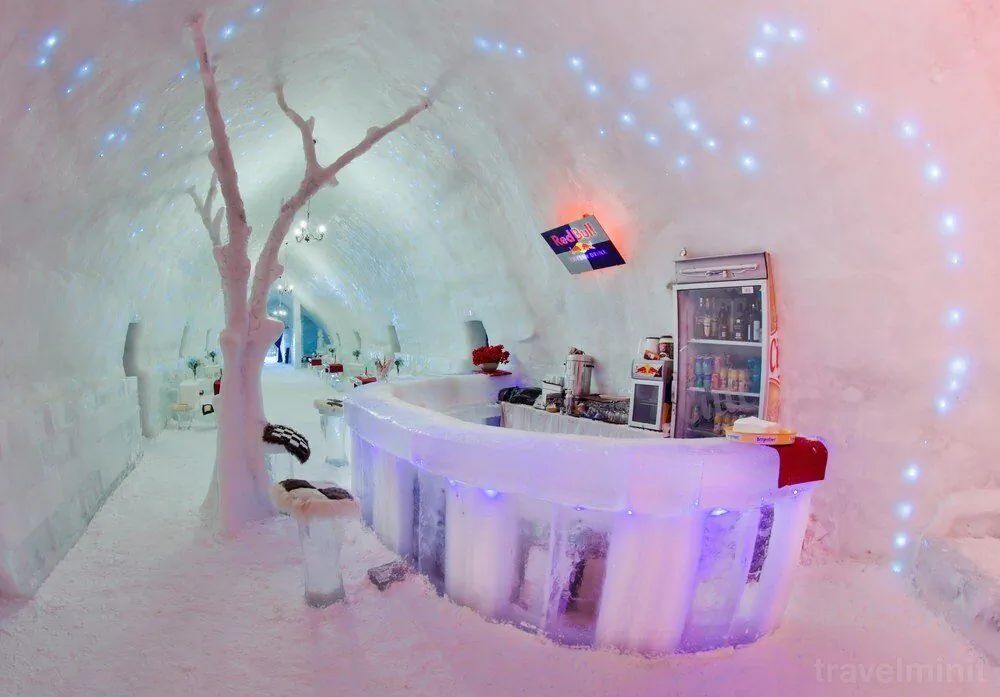
Hotel of Ice Cârțișoara
Pe traseul Bâlea Lac din localitatea Cârțișoara, județul Sibiu, se află Hotel of Ice Cârțișoara, o unitate de cazare de trei stele cu o arhitectură aparte. Construit în fiecare sezon din blocuri masive de gheață extrase direct din Lacul Bâlea și fixate cu zăpadă de pe versanți, hotelul reprezintă o experiență unică în turismul românesc. Fiecare iarnă aduce o nouă poveste, transpusă într-o structură cu design diferit pentru camere și spațiile comune. În incinta unității funcționează un restaurant unde oaspeții pot savura preparatele într-un cadru aparte, realizat integral din gheață și zăpadă. Pe lângă cazare, complexul oferă și alte spații amenajate pentru momente de liniște sau pentru organizarea unor evenimente speciale, toate construite din materiale oferite de natură. În apropiere se pot vizita Lacul Bâlea, Cascada Bâlea, Cascada Capra de pe Transfăgărășan, Vârful Lespezi din Munții Făgăraș și Stațiunea Bâlea. Aceste obiective naturale completează perfect șederea dumneavoastră, oferind peisaje spectaculoase și numeroase oportunități de explorare în aer liber. Vă așteptăm la Hotel of Ice Cârțișoara.
Minn
290 lei / lejl

Lukanda · 3 stilel
Arefu, Argeș County · 6.2 km
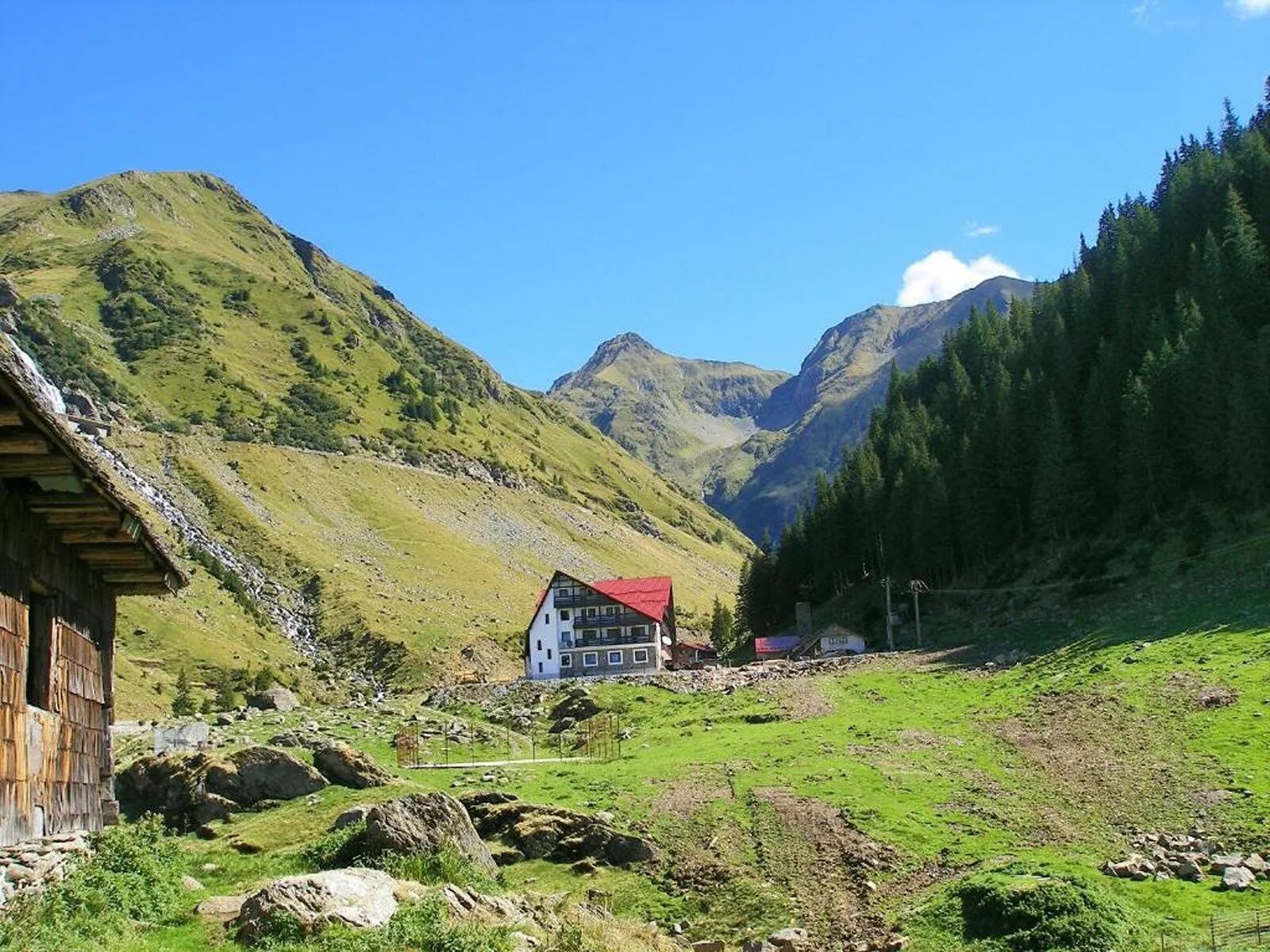
Hotel Pârâul Capra Arefu
Familiile cu copii și iubitorii de natură se vor simți bineveniți la Hotel Pârâul Capra din Arefu, județul Argeș. Situată pe Transfăgărășan, unitatea oferă un cadru potrivit pentru relaxare în mijlocul munților, cu aer curat și priveliști spectaculoase care invită la plimbări lungi și la explorarea împrejurimilor montane de pe acest drum celebru. Pentru confortul dumneavoastră, hotelul dispune de un loc de joacă pentru copii la exterior, de o curte mare și o grădină amenajată unde întreaga familie se poate bucura de timpul petrecut în aer liber. De asemenea, beneficiați de parcare privată gratuită pentru vehiculul dumneavoastră și de Wi-Fi gratuit, astfel încât să vă bucurați de o ședere confortabilă și fără nicio grijă. În apropiere puteți vizita Lacul Bâlea, Cascada Bâlea și Cascada Capra de pe Transfăgărășan, puteți urca spre Vârful Lespezi din Munții Făgăraș sau puteți explora Grupa montană Iezer-Păpușa-Făgăraș. Aceste obiective naturale oferă oportunități variate pentru drumeții, fotografii și descoperirea frumuseților autentice ale zonei montane, într-un cadru natural deosebit. Vă așteptăm la Hotel Pârâul Capra Arefu.
Minn
290 lei / lejl
Dar tal-mistednin · 3 stilel
Cârţişoara, Sibiu County · 6.5 km
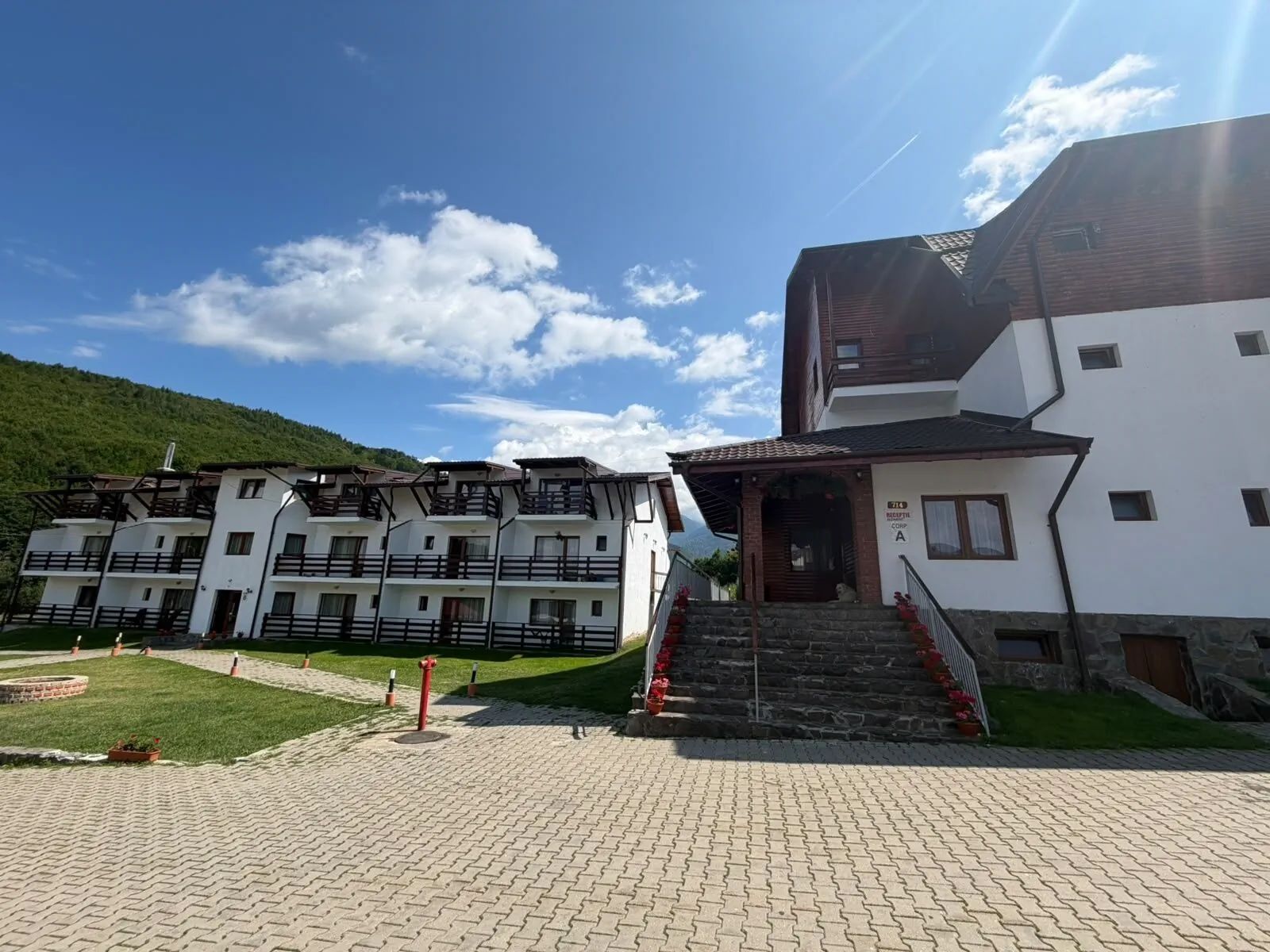
Hanul Patrisiei Cârțișoara
Hanul Patrisiei Cârțișoara este o pensiune turistică de trei stele situată în localitatea Cârțișoara din județul Sibiu. Unității îi stau la dispoziție un restaurant și un bar în incintă, o terasă la soare și un foișor în curte, locuri potrivite pentru a vă bucura de aerul curat după o zi petrecută în aer liber. Pentru cei mici există un loc de joacă pentru copii la exterior, iar dumneavoastră beneficiați de parcare privată gratuită pe toată durata șederii. Conexiunea Wi-Fi este disponibilă gratuit în întreaga proprietate, iar pentru bagaje aveți la dispoziție un depozit special amenajat. De asemenea, vă invităm să explorați numeroasele drumeții montane și trasee în natură care pornesc chiar din apropierea unității. În vecinătate puteți vizita Transfăgărășanul și Lacul Bâlea, Stațiunea Bâlea, Cascada Bâlea, Cascada Capra de pe Transfăgărășan, precum și Vârful Lespezi din Munții Făgăraș, destinații care oferă peisaje spectaculoase și trasee variate pe tot parcursul anului. Vă așteptăm la Hanul Patrisiei Cârțișoara, pe strada Principala numărul 714 din Cârțișoara, unde vă asigurăm parcare privată gratuită și acces facil către toate aceste obiective.
Minn
240 lei / lejl
Kabina tal-injam · 3 stilel
Porumbacu de Sus, Sibiu County · 7.0 km
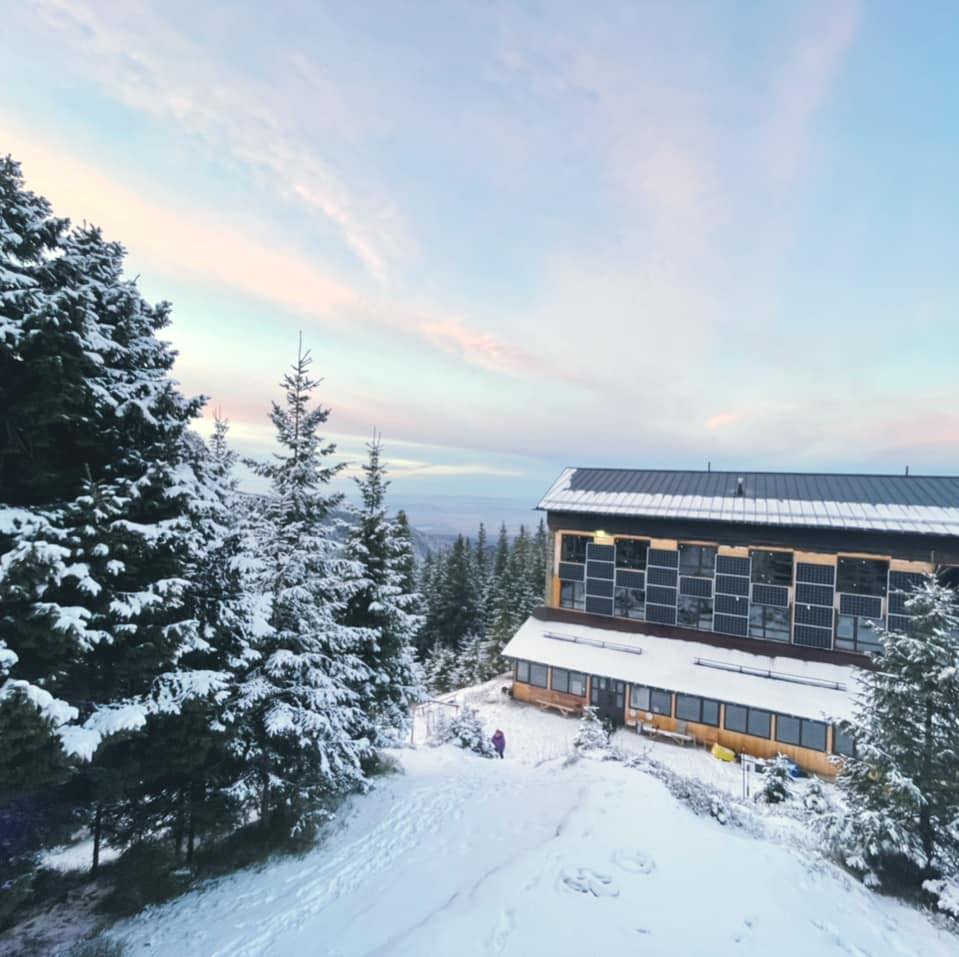
Cabana Negoiu
Cabana Negoiu se află la 1546 m altitudine, pe versantul nordic al Munților Făgăraș, pe Piscul Șerbotei, și este popasul celor care urcă spre Vârful Negoiu, Vârful Șerbota și creasta principală. La cabană se ajunge doar pe jos: mașina se lasă în zona Carierei de Marmură, la capătul drumului forestier din Porumbacu de Sus, apoi se urcă pe poteca marcată cu triunghi albastru. Cabana nouă are încălzire centralizată, camere cu baie proprie la mansardă și camere de 2 până la 10 locuri cu baie comună pe palier, iar cabana veche oferă condiții obișnuite de cabană montană. Oaspeții au la dispoziție restaurant cu șemineu, terasă, saună uscată și două terase mari la etaje, unde pot lua masa cu alimentele proprii. În interior se umblă în papuci, proprii sau oferiți de cabană. Istoria locului începe în 1881, când Asociația Carpatică Transilvană (SKV) din Sibiu a ridicat aici prima cabană. Clădirea de azi a fost construită între 1957 și 1962, inaugurată în 1963 și modernizată după 2017.
Minn
270 lei / lejl
Kabina tal-injam · 3 stilel
Cârţişoara, Sibiu County · 7.2 km
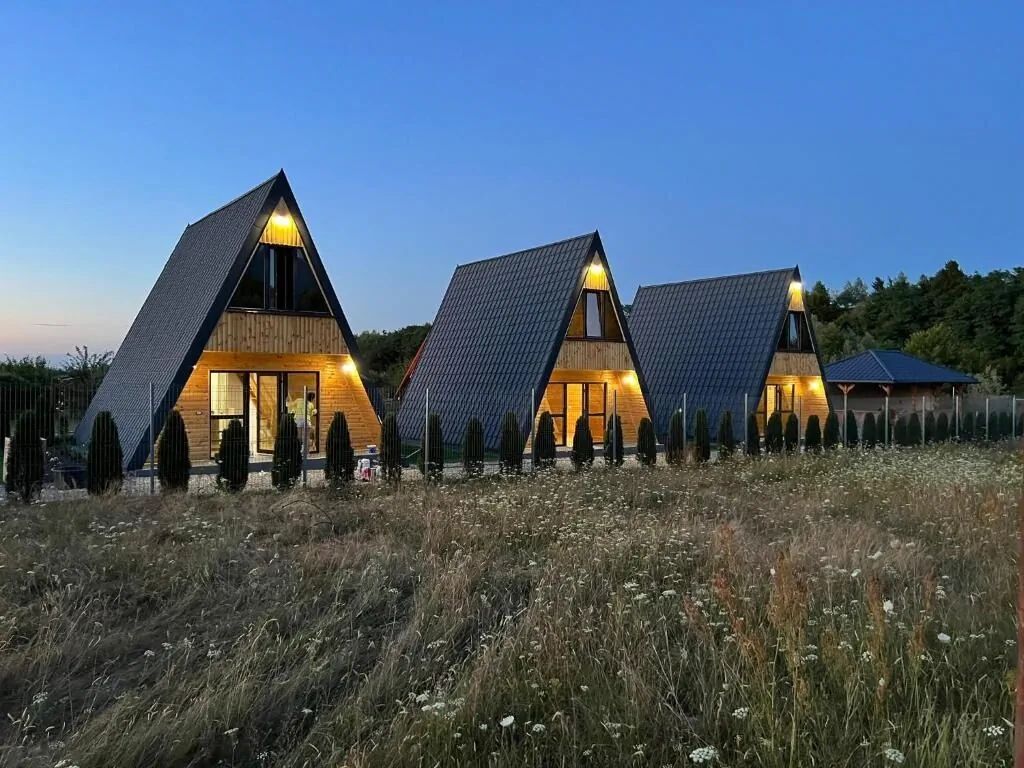
Cabana Liniștea Muntilor Cârţişoara
Ciubărul din lemn tradițional vă așteaptă la Cabana Liniștea Muntilor Cârţişoara din localitatea Cârţişoara, județul Sibiu, pentru momente de relaxare după zile petrecute în natură. Această cabană clasică clasificată cu trei stele oferă cazare confortabilă în trei camere mobilate plăcut, într-un cadru liniștit de munte. În curtea mare și grădina amenajată puteți organiza mese la grătar sau puteți prepara mâncăruri tradiționale în ceaun, în aer liber. Foișorul din curte oferă un loc perfect pentru odihnă, iar cei mici se pot distra în siguranță pe locul de joacă exterior, având la dispoziție și un scaun înalt pentru mese. Conexiunea Wi-Fi gratuită și cafeneaua din incintă vă pun la dispoziție servicii moderne, în timp ce parcarea privată gratuită vă asigură accesul facil cu mașina. Din acest punct puteți porni spre cele mai importante atracții din zonă. Veți găsi în apropiere Transfăgărășan și Lacul Bâlea, Stațiunea Bâlea, Cascada Bâlea, Cascada Capra de pe Transfăgărășan, dar și Mănăstirea Cisterciană de la Cârța, fiecare oferind experiențe unice în această zonă montană. Cabana este potrivită pentru familiile cu copii, pentru grupurile de prieteni și pentru toți cei care caută o bază confortabilă pentru a explora frumusețile zonei Cârţişoara.
Minn
270 lei / lejl
Kabina tal-injam · 3 stilel
Arefu, Argeș County · 7.5 km
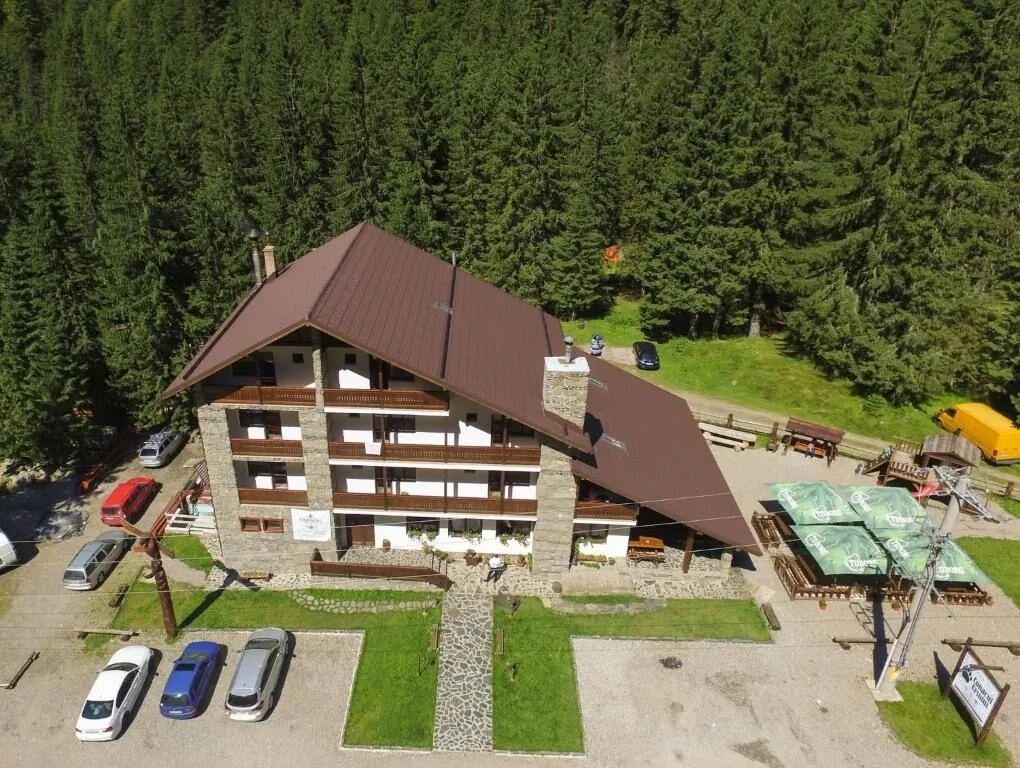
Cabana Conacul Ursului Arefu
O zi începută cu cafea în barul din incintă și încheiată cu o cină preparată în restaurantul cu bucătărie tradițională se desfășoară într-un cadru montan autentic la Cabana Conacul Ursului din Arefu, o cabană clasificată cu trei stele situată pe drumul principal Transfăgărășan la km 104. Spațiile de cazare asigură confortul necesar pentru un sejur plăcut, iar familiile cu copii beneficiază de un loc de joacă amenajat la exterior și de scaun înalt pentru cei mici. Conexiunea Wi-Fi gratuit funcționează în întreaga incintă, iar curtea mare și grădina amenajată oferă spațiu generos pentru relaxare și activități în aer liber. De aici pornesc drumeții montane și trasee în natură care conduc spre peisaje impresionante. În apropiere se află Lacul Bâlea, Cascada Bâlea, Cascada Capra de pe Transfăgărășan, Vârful Lespezi din Munții Făgăraș și Grupa montană Iezer-Păpușa-Făgăraș, obiective care completează experiența montană. Pentru acces, urmați drumul principal Transfăgărășan până la km 104, venind dinspre Curtea de Argeș sau, între iulie și noiembrie, dinspre Sibiu prin Cârțișoara, iar vă așteptăm să vă bucurați de șederea dumneavoastră.
Minn
270 lei / lejl
Qabel ma tibda l-vjaġġ
Il-kundizzjonijiet tat-temp f Sibiu
Previżjoni lokali għal Bâlea Waterfall, Sibiu, Sibiu

Data meteoroloġika aġġornata f’ħin reali
Għad hemm ħafna affarijiet li għandek tara f’din iż-żona
Attrazzjonijiet turistiċi fil-qrib


Cârțișoara, Sibiu County
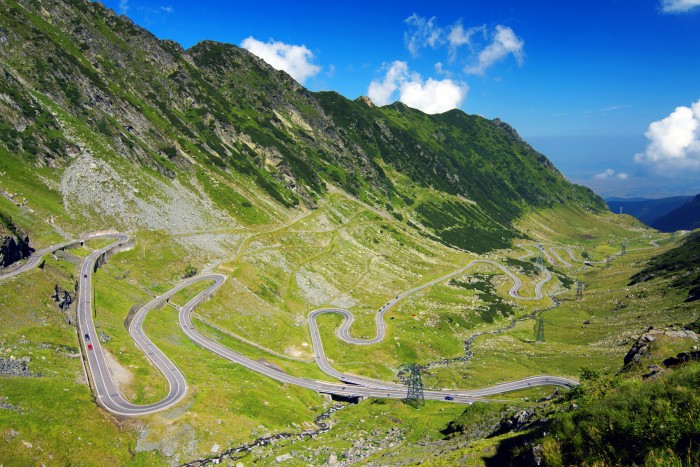
Transfăgărășan u l-Lag ta' Bâlea
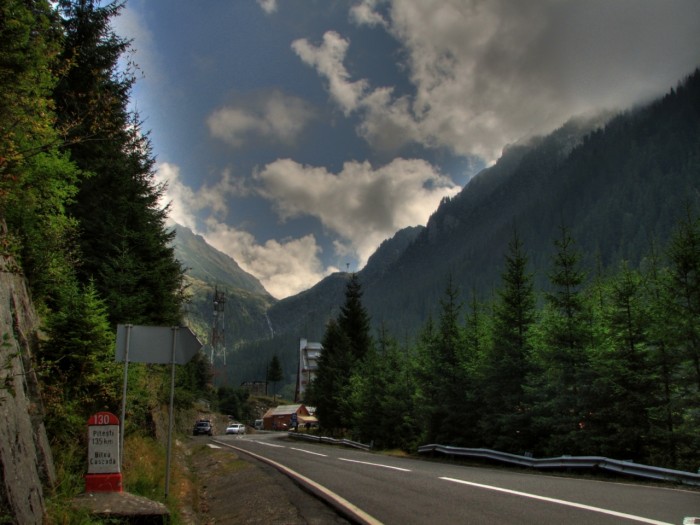
Incepe in comuna Bascov din judetul Arges de langa orasul Pitesti, in directia orasului Curtea de Arges si se termina la intersectia cu drumul DN1 intre Sibiu...
10.4 km
Sibiu, Sibiu County
Il-Lagħba Bâlea
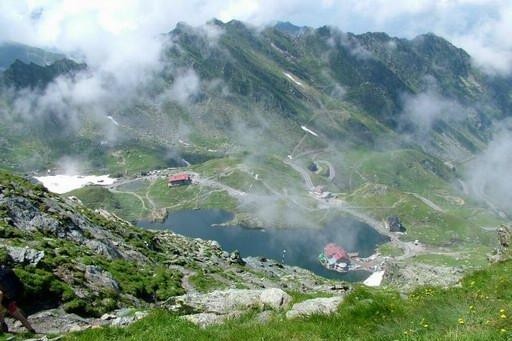
Situat in Muntii Fagaras, la Obarsia Cartisoarei, care se afla la o altitudine de 2.034 metri, langa soseaua Transfagarasan din judetul Sibiu; in perioada...
3.8 km

1.4 km
Sibiu, Sibiu County
Mużew tal-Ċivilizzazzjoni Popolari Tradizzjonali ASTRA
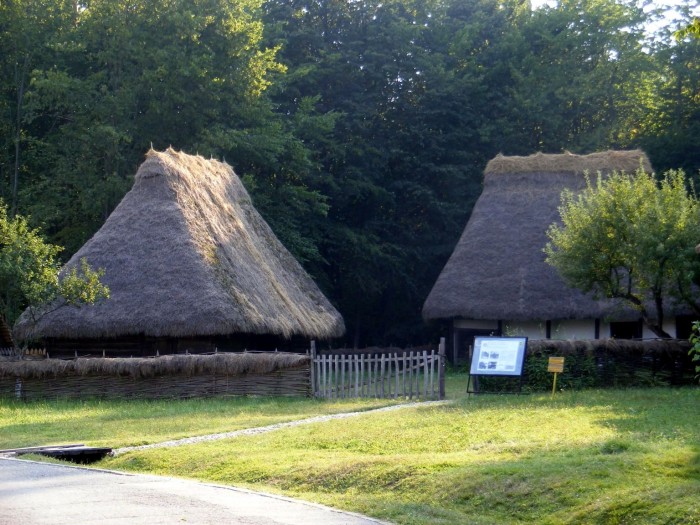
Situat pe Calea Rasinari din localitatea Sibiu; este un muzeu in aer liber; a fost organizat cu incepere din anul 1963, sub denumirea de Muzeul Tehnicii...
40.4 km
Sibiu, Sibiu County
L-Istazzjon ta' Bâlea – Il-Ġojjell Glaċjali tal-Karpazji u l-Bieb bejn Żewġ Istorji Ewropej
Situata in aria comunei Cartisoara din masivul Fagaras; se intinde pana la altitudinea de 2.500 m; include relieful alpin, lacul, flora si fauna din circul...
10.6 km

Brașov, Brașov County
Il-Knisja l-Iswed (Ansamblu tal-Knejjes Fortifikati Evanġeliċi)
Heritage site in Braşov County, Romania
46.8 km
Sibiu, Sibiu County
Knisja Parrokjali Evangelika ta' Santa Marija f'Sibiu
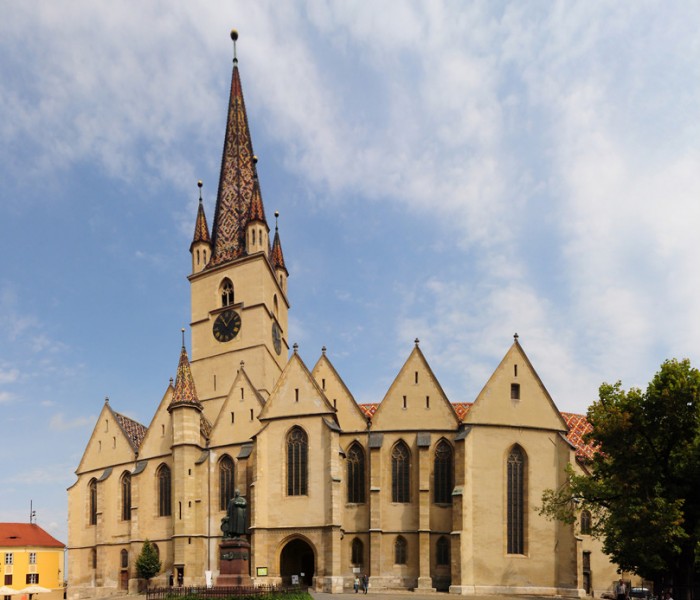
Situata in Piata Huet, localitatea Sibiu; a fost ridicata in secolul al-XIV-lea, pe locul unde exista o veche biserica inca din secolul al-XII-lea; cladirea...
39.7 km

Sibiu, Sibiu County
Mużew Brukenthal
Situat in Piata Mare nr.4-5; colectiile baronului von Brukenthal au luat nastere in principal intre anii 1759-1774, perioada pe care acesta a petrecut-o la...
39.7 km
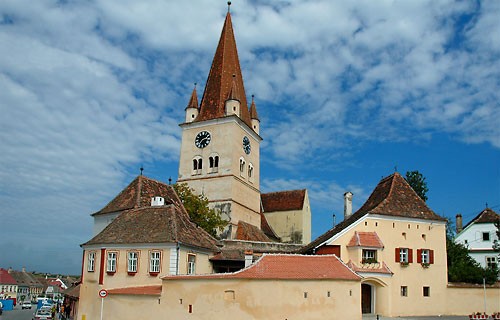
Sibiu, Sibiu County
Il-Knisja Ewangelijka Fortifikata ta' Ċiżnadie
Situata pe strada Cetatii nr.1-3, localitatea Cisnadie; construita in secolul al XIII-lea; fortificata dupa atacul turcesc din 1493: turnul central a fost...
36.4 km
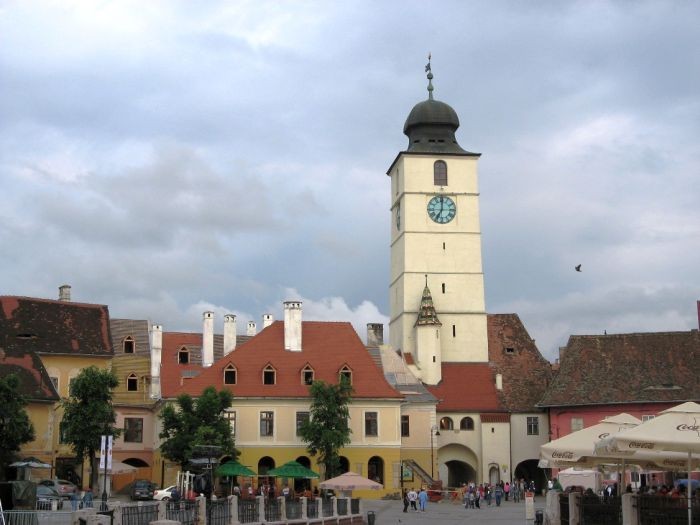
Sibiu, Sibiu County
Torri tal-Kunsill ta' Sibiu
Situat in Piata Mica nr.1, localitatea Sibiu; construit deodata cu cea de-a doua incinta fortificata, intre anii 1224 si 1241; este considerat simbol al...
39.6 km
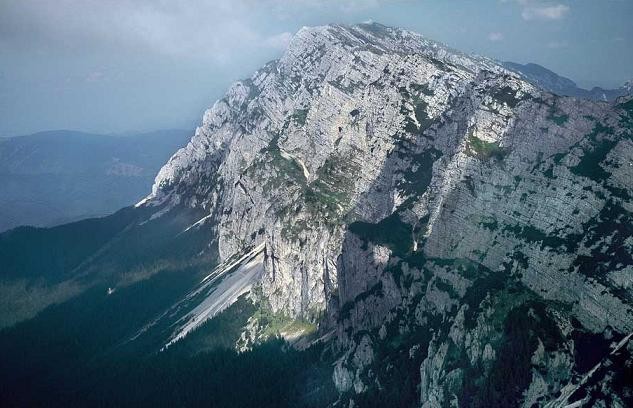
Brasov, Brașov County
Park Nazzjonali Pietra Craiului
Situat in Carpatii Meridionali;include Creasta Pietrei Craiului in totalitate si spatiile din culoarele intramontane limitrofe, Rucar - Bran si Rucar -...
49.8 km
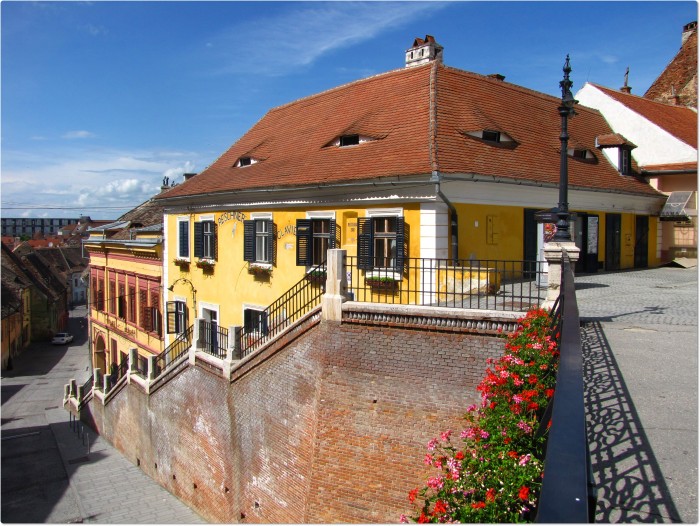
Sibiu, Sibiu County
Il-Pont tal-Kidba
Face legatura dintre Piata Mica si Piata Huet din Sibiu; a fost turnat in Laubach si montat in Sibiu in anul 1859; este primul pod din fonta din Romania;...
39.7 km
Ħajja kulturali u tradizzjonijiet
Eventi fl-inħawi ta' Bâlea Waterfall
Festi medievali, swieq tradizzjonali, konċerti u attivitajiet lokali rakkomandati f’Transilvanja.

Wirt u Storja

Sibiu, distrett Sibiu
Il-Festival tal-Fortezzi Medjevali u l-Jiem tal-Biebijiet Miftuħa
Tours bil-lejl b’gwida, workshops tal-artiġjanat tradizzjonali u rikreazzjonijiet storici bi kavalieri u sinjuri.
META
15 – 17 ta’ Mejju 2026


Tradizzjonijiet u Kċina Tradizzjonali
Sibiu, distrett Sibiu
Il-Fiera tat-Tradizzjonijiet tas-Sassani u tal-Kċina Lokali
Skopri l-produtturi lokali, il-pastizzi Sassi mħammra fuq in-nar, is-siropijiet magħmula bl-idejn u l-ġelew tar-rubarbu.
META
F’kull tmiem ta’ ġimgħa (Mejju – Ottubru)

Ekoturiżmu u n-Natura
Ħad-Duttranżivan, distrett Sibiu
Esplorazzjonijiet gwida fuq ir-rotot tal-għoljiet tat-Transilvanja
Esplorazzjonijiet fuq mogħdijiet mhux immarkati bejn għelieqi antiki, siġar tal-ballut li ilhom sekli u rħula b’knisijiet mwaqqfa u protetti mill-UNESCO.
META
Il-Ġimgħa – Il-Ħadd (Staġun tal-2026)
Meta tkun f’paċi, l-esplorazzjoni tieħu dimensjoni ġdida
Skopri l-ambjent u l-ġeografija taż-żona
Esplora t-toroq, ir-riljef u l-punti naturali madwar Bâlea Waterfall.

Gwidi u pariri prattiċi
Artikoli ta’ għajnuna għall-ivvjaġġar
Guidebooks tat-traġġ, pariri prattiċi u rotot turisticiċi għal Transilvanja.

Gwida turistika
Top 5 Atracții Turistice și Trasee Montane în Zona Moieciu - Bran
Descoperă cele mai spectaculoase peisaje carstice, chei adânci și cetăți medievale din imediata apropiere a stațiunii Moieciu.

Gwida turistika
Ghid de Drumeție: Traseul Moieciu de Sus spre Platoul Bucegi
Un itinerariu montan de o frumusețe rară ce urcă din Valea Băngăleasa spre Poiana Guțanu și crestele maiestuoase ale Bucegilor.

Gwida turistika
Castelul Bran: Istorie, Legende și Secrete Medievale
Află adevărata poveste a fortăreței medievale din Pasul Bran, reședința de suflet a Reginei Maria a României.
IL-VJAĠĠ JIBDA B’IDEA
L-istorja li jmiss hija fuq il-punt li tibda.
Mill-ewwel waqfa sal-aħħar lejl tal-akkomodazzjoni, agħti post għal Rumanija ġdida.
