


CASTLE · TRANSYLVANIA
Bran Castle

Bran, Brașov County
Add location to your trip planner.

Practical access information

VISITING HOURS
Vara (1 Apr - 31 Oct): Marți - Duminică 09:00 - 18:00, Luni 12:00 - 18:00; Iarna: Marți - Duminică 09:00 - 16:00, Luni 12:00 - 16:00

TICKET PRICE
Adulți: 70 RON, Seniori (65+): 50 RON, Studenți: 40 RON, Elevi: 20 RON; Tunelul Timpului: 30 RON

RECOMMENDED VISIT DURATION
1.5 - 2 ore


Visitor information and guide
For group bookings or access verification, you can call this number.

PHONE NUMBER
+40 268 237 700 Navigate with Google Maps

ABOUT BRAN CASTLE
Bran Castle: The Gateway between History, Legend, and European Royalty
Perched on a steep cliff approximately sixty meters high, thirty kilometers southwest of Brașov, Bran Castle dominates the mountainous landscape of the Rucăr-Bran Corridor, guarding the historic border between Transylvania and Wallachia. This architectural monument, known worldwide as "Dracula's Castle," represents far more than a simple medieval fortress: it is a veritable treasure trove of European cultural memory, a place where the destinies of empires meet, the artistic currents of the continent converge, and the diplomatic aspirations of the 20th century come to life. In 2026, Bran Castle was included by TUI Musement in the top ten most popular castles and palaces in Europe, alongside Buckingham Palace, Schönbrunn, Versailles, Prague Castle, and Neuschwanstein, ranking tenth and being the sole representative of Romania in this prestigious classification. This international recognition confirms its status as a world-class destination, attracting over one million visitors annually from all corners of the globe, fascinated by its authentic history, the legends surrounding it, and its unique architecture that blends medieval Gothic with royal elegance.
Historical Roots: From the Teutonic Knights to the Leopoldine Diploma
The Origins: The Teutonic Order and the Kingdom of Hungary
The story of Bran Castle begins in 1211, when King Andrew II of Hungary, of the Árpád dynasty, entrusted the Teutonic Knights — a Catholic military religious order founded by German crusaders in Palestine at the end of the 12th century — with the region of Bârsa Land, known in German as Burzenland. The purpose of this donation was to establish the Teutonic Knights in this strategic area to defend the southeastern border of Transylvania against invasions by the Cumans and Pechenegs. The knights built a first wooden fortress, called Dietrichstein or "Dietrich's Rock" (in Latin lapis Theoderici), after the name of their commander, frater Theodericus. This wooden castle, however, was destroyed by the Mongols in 1242, and the Teutonic Knights were expelled from the region in 1225, after King Andrew II accused them of intentions of political autonomy.
The Founding Act of 1377: Louis the Great and the Saxons of Brașov
The moment of Bran Castle's official entry into history is marked by the document issued on November 19, 1377, in Zvolen (today in Slovakia) by King Louis I of Hungary, known as "the Great" or "Louis the Hungarian," of the French Angevin dynasty. This royal act grants the Saxons of Brașov (Kronstadt, the "City of the Crown") the privilege of building a stone castle "with their own labor and expense" on the Bran rock, designated in the document as novum castrum in lapide Tydrici. The king promised the citizens of Brașov that if Wallachia were to come under his rule, the customs post would be moved from Rucăr to Bran. The construction of the stone castle, carried out by Saxon craftsmen from the Brașov Seat, was completed around 1388. The castle had a dual strategic role: on one hand, it was a customs checkpoint that collected a 3% tax on the value of goods entering and leaving Transylvania; on the other hand, it was a fortress destined to halt the expansion of the Ottoman Empire toward the heart of Christian Europe.
Sigismund of Luxembourg and the Diplomacy of the Holy Roman Empire
In 1395, Sigismund of Luxembourg, German Emperor of the Holy Roman Empire and King of Hungary, used Bran Castle as a strategic base for an incursion into Wallachia, as a result of which he deposed Voivode Vlad the Usurper, rival of Mircea the Elder. In 1407, Sigismund granted Mircea the Elder temporary ownership of Bran Castle (without the associated domain) and Bologa Fortress, allowing the Romanian voivode to retreat there in case of an Ottoman attack. Bran remained under the authority of Wallachia until 1419, when, after Mircea's death, political instability in Wallachia led Sigismund to take over the castle and entrust it to the princes of Transylvania. In 1427, the castle definitively passed into the ownership of the Hungarian Crown, and in 1498 it was leased to the Brașov Seat, the Saxons paying one thousand florins for the right of use for ten years, including the customs post. In 1441, the Ottomans undertook an incursion into Transylvania, but John Hunyadi, Voivode of Transylvania and father of King Matthias Corvinus, defeated them at Bran, demonstrating the strategic importance of the fortress in defending Europe against Ottoman expansion.
The Period of the Principality of Transylvania and Renaissance Influences
After the defeat of Hungary by the Ottomans at Mohács in 1526 and the transformation of Transylvania into an autonomous principality under Ottoman suzerainty, Bran Castle underwent numerous modifications. In 1622, Prince Gabriel Bethlen, who transformed Transylvania into a regional power and built numerous palaces in Renaissance style (such as the Magna Curia in Deva), initiated extensive restoration works at Bran, adding the south tower and rebuilding the gate tower, which became the rectangular east tower. These modifications reflected the Renaissance and Baroque architectural currents spreading in Central Europe, influenced by Italian and French models. In 1687, after Transylvania came under the rule of the Habsburg Monarchy, the property rights of the Transylvanian princes over the castle were reconfirmed through the Leopoldine Diploma, issued by Emperor Leopold I. Between 1883 and 1886, the castle roof was covered with tiles, and the castle continued to play a strategic military role until the mid-18th century.
Architectural Masterpiece: A Symphony of European Styles
Bran Castle impresses with its unique architecture, which blends Gothic, Renaissance, Baroque, Neoclassical, and eclectic elements, reflecting the transformations it underwent over six centuries of European history. Initially built as a military fortress, the castle had the shape of an irregular quadrilateral, with thick walls and defensive towers, characteristic of medieval military architecture in Central Europe, similar to those in the Saxony region or in Poland (such as Malbork, seat of the Grand Masters of the Teutonic Order). Its walls, built of cliff stone and red brick, are partially plastered, and its four towers (north, south, east, and west) are covered with red tiles and feature wooden balconies, evoking the late Gothic style specific to constructions from the 14th-15th centuries.
The Royal Transformation: Karel Liman and European Romanticism
The turning point in the castle's architectural history came with the donation made by the Brașov City Council to Queen Maria of Romania on December 1, 1920, in recognition of her contribution to the achievement of the Great Union. Queen Maria, a cosmopolitan personality and art lover, granddaughter of Queen Victoria of Great Britain and cousin to Tsar Nicholas II of Russia, King George V of England, and Emperor Wilhelm II of Germany, transformed the castle into a summer royal residence, initiating extensive restoration works between 1920 and 1929 (some sources mention continuation until 1932), under the coordination of Czech architect Karel Zdeněk Líman. Trained in the tradition of the architectural schools of Prague and Vienna, he was the same architect who had designed the Peleș and Pelișor castles in Sinaia, bringing to Bran influences of Art Nouveau and German Romanticism, similar to that which inspired the construction of Neuschwanstein Castle in Bavaria.
Karel Liman preserved the medieval volume of the castle, but transformed the embrasures into windows to allow natural light to penetrate, added a fourth level (mansard, wood-paneled in the Bavarian model), elegant loggias and terraces inspired by Italian Renaissance architecture and Viennese Biedermeier style. Among the modernizations introduced were an English-style park with two ponds and a Tea House (built in 1934), a hydroelectric power station built in 1932 on the Turcu Stream, as well as an electric lift installed in 1937 in the old well of the inner courtyard (57 meters deep), with a horizontal tunnel dug into the rock, creating a direct underground connection with the Royal Park. These technical innovations reflected the European modernist spirit of the interwar period, similar to those found at Schönbrunn Palace in Vienna or other European royal residences.
Royal Interiors and European Artistic Heritage
The interior of the castle is organized over four floors, with 57 rooms decorated with period furniture, stained glass, antique weapons, armor, and hunting trophies, collections that reflect Queen Maria's eclectic taste, influenced by European art. Among the most remarkable rooms are the Biedermeier Salon, decorated with furniture specific to the Viennese style, King Ferdinand's Bedroom, with an Italian terracotta stove dating from 1762, Prince Nicholas's Apartment, and the Great Hall (The Dining Room), with a Romanian-style fireplace and Baroque furniture from the 18th-19th centuries. Queen Maria's Library and the Music Salon evoke the atmosphere of Parisian or Viennese literary salons, while the collection of costumes and jewelry reflects European fashion from the royal courts of the time. The castle also houses an impressive collection of medieval weapons and armor, comparable to those at the Tower of London or Hohensalzburg Castle in Austria, as well as furniture pieces belonging to the Hohenzollern-Sigmaringen dynasty, from which the Royal House of Romania descends.
Legends, Personalities, and Turning Points in European History
The Dracula Myth: Bram Stoker, Emily Gerard, and Historical Truth
Although Bran Castle is known worldwide as "Dracula's Castle," its connection to the fictional character created by Irish writer Bram Stoker in 1897 is more of a literary and touristic construct than a historical one. Stoker, who never visited Romania, was inspired by descriptions in the book "The Land Beyond the Forest: Facts, Figures, and Fancies from Transylvania" by Scottish writer Emily Gerard (1885) and, according to some research, by illustrations of Bran Castle made by English painter Charles Boner for the 1865 edition of the same work. The name "Dracula" comes from the nickname of Vlad Țepeș's father, Vlad Dracul, a member of the Order of the Dragon, and the description of the castle in Stoker's novel — "on the very edge of a terrible precipice" — fits the dominant position of Bran on the cliff.
Vlad Țepeș, the Voivode of Wallachia who inspired the Dracula character, never lived in the castle. According to some historical sources, in the autumn of 1462, Vlad Țepeș was taken prisoner by King Matthias Corvinus of Hungary (Matthias Corvinus), son of John Hunyadi, and imprisoned for two months at Bran Castle, this being practically the only real connection between the ruler and the castle. However, modern historical research suggests that Vlad Țepeș was more likely imprisoned at Corvin Castle (Hunedoara Castle) in Hunedoara, an impressive Gothic-Renaissance fortress, considered one of the largest in Europe. The association between Bran and Dracula became popular in the 1960s-1970s, with Romania's opening to international tourism, and was amplified by aggressive promotion of the myth in American travel brochures and the Hollywood film industry.
Queen Maria: Granddaughter of Queen Victoria and Ambassador of Europe
Queen Maria of Romania (1875-1938), born Maria Alexandra Victoria of Saxe-Coburg and Gotha at Eastwell Park, Kent, England, had a special connection with Bran Castle, transforming it into a place full of European charm and elegance. Daughter of Prince Alfred, Duke of Edinburgh (son of Queen Victoria) and Grand Duchess Maria Alexandrovna of Russia (daughter of Tsar Alexander II), Maria was cousin to King George V of England, Tsar Nicholas II of Russia, and Emperor Wilhelm II of Germany. This position in the network of European dynasties allowed her to play a crucial role in European diplomacy, pleading for the international recognition of Greater Romania at the Paris Peace Conference of 1919.
At Bran Castle, Queen Maria created refined interiors in Gothic, Renaissance, and Biedermeier styles, bringing valuable furniture, art objects, and personal collections. She was the one who introduced modern comfort into the castle, installing electricity, running water, telephony, and the lift in the well, thus bringing the European modernist spirit to the heart of the Carpathians. The Queen was a member of the Académie des Beaux-Arts in Paris and patron of the arts, and at Bran she hosted political and cultural personalities of the time, transforming the castle into a European salon. After the Queen's death, which occurred on July 18, 1938, at Pelișor Castle in Sinaia, the castle was inherited by her favorite daughter, Princess Ileana.
Princess Ileana and the "Queen's Heart" Hospital
Princess Ileana (1909-1991), married in 1931 to Archduke Anton of Austria, from the Tuscan branch of the House of Habsburg-Lorraine, continued her mother's tradition, living at Bran Castle and transforming it during World War II into a military hospital called the "Queen's Heart Hospital" (The Queen's Heart Hospital), intended for the care of the wounded. After the cession of the Cadrilater to Bulgaria in 1940, Princess Ileana brought to Bran the casket with Queen Maria's heart, initially deposited in the Stella Maris chapel in Balchik, placing it in a crypt carved into the rock of Bran's Măgura, near the castle. The Queen's body was buried at Curtea de Argeș Monastery, according to her testamentary wish, while the heart remained at Bran until 1968, when, during the communist regime, the sarcophagus was opened, and the casket with the Queen's heart was transferred to the National Museum of Romanian History in Bucharest, and subsequently to Peleș Castle.
The Communist Period and Restitution to the Habsburgs
In 1948, after the expulsion of the royal family and the abdication of King Michael I, Bran Castle was nationalized by the communist regime and transformed into a museum of history and feudal art, being opened to the public starting in 1956. In 1987, the castle underwent extensive restoration works, completed in 1993. After the 1989 Revolution, on May 18, 2006, the castle was restituted to the legal heirs of Princess Ileana: Archduke Dominic of Habsburg-Lorraine and his sisters, Archduchess Maria Magdalena Holzhausen and Archduchess Elisabeta Sandhofer. The Romanian state continued to administer the castle through the Ministry of Culture until June 1, 2009, when it fully passed into the possession of the Habsburg family, becoming the first private museum in Romania.
In May 2026, the administrative structure underwent a major transformation: American businessman Joel Weinshanker, known for managing Elvis Presley's estate (Graceland), through his group Ad Populum, took over 80% of the shares of the Bran Domain Management Company (CADB), through the company VT Bran. The heirs of Princess Ileana retain 20% of the company's shares and continue to hold full ownership of the castle and the associated domain. This change aims to consolidate Bran Castle as an international tourist destination, with clear objectives of expanding tourism from America and Western Europe, drawing inspiration from the Graceland management model.
Practical Visitor Guide: The European Tourist Experience in 2026
Schedule and Admission Fees (2026 Season)
Bran Castle operates on two seasonal schedules, adapted to light conditions and European tourist flow:
Summer schedule (May 1 – October 31): Tuesday – Sunday: 09:00 – 19:00 (last entry at 19:00), Monday: 12:00 – 19:00 (last entry at 19:00).
Winter schedule (November 1 – April 30): Tuesday – Sunday: 09:00 – 16:00 (last entry at 16:00), Monday: 12:00 – 16:00 (last entry at 16:00).
Admission fees vary depending on the season and visitor category: adults pay between 90 and 120 lei (depending on the time of year and ticket type), seniors over 65 benefit from a discount (between 60 and 90 lei, with ID), students pay between 50 and 80 lei (with valid student ID), and children aged 5 to 17 pay between 30 and 60 lei. Children under 5 enter free. Organized school groups (minimum 20 people) benefit from reduced rates.
Additional attractions include the Tunnel of Time (approximately 30 lei extra), a unique multimedia experience that descends through the old 57-meter well, the Torture Chambers (approximately 20 lei), a themed exhibition with replicas of medieval punishment instruments, and Combo tickets with priority access (between 150 and 200 lei), which include fast entry to the castle, the Tunnel of Time, and the Torture Chambers. There is also the option of a Royal Guided Tour with Priority Access, which includes all of the above plus specialized guiding service.
The Tunnel of Time: Technological Innovation and Heritage
A special architectural and technological element is the Tunnel of Time, a multimedia lift dug into the rock beneath the castle, in the shaft of the old well. It offers an interactive experience of 31.5 meters (the longest licensed elevator ride in Romania), presenting 600 years of history through light effects, sound, and visual projections, including interactive holograms with historical figures such as Queen Maria, Vlad Țepeș, or Count Dracula. The Tunnel connects the inner courtyard to the Royal Park and is a 100% Romanian project carried out between 2014-2018, with an investment of approximately one million euros. The lift was initially installed in 1937 by architect Karel Liman to ease Queen Maria's journey — suffering from arthritis — between the castle and the park, and was later renovated and transformed into a multimedia attraction for tourists.
Visitor Route and Cultural Experiences
The visit to Bran Castle begins in the inner courtyard, where visitors are greeted by the medieval walls and imposing towers. The standard route includes exploring the castle's 57 rooms, organized over four floors, where collections of furniture, costumes, weapons, armor, and personal objects of the royal family are displayed. Visitors can explore the Royal Park, with its two ponds and the Tea House (built in 1934), which today functions as a restaurant and café. On the southern side of the castle hill is the Bran Village Museum, an open-air museum organized in 1962, which presents 18 monuments of traditional folk architecture and the basic occupations of the people of Bran: cattle breeding, wool processing, and wood crafts, including hydraulic installations such as the fulling mill, the sawmill, and the wool fulling mill.
Cultural Events and Seasonal Attractions
Bran Castle hosts numerous cultural events throughout the year, transforming itself into a living center of European culture:
Bran Jazz Festival: The 13th edition takes place between August 28 and 30, 2026, bringing international jazz, fusion, and experimental music artists to the Royal Park stage, including the legendary band Soft Machine, which influenced psychedelic rock and jazz-fusion since 1966.
Concerts on the Lake: July 11, 2026 — the first concert on the lake in the Royal Park, with the participation of the Gaudeamus Quartet of the Brașov Philharmonic, tenor Daniel Magdal, and guitarist Laurențiu Mara. August 8, 2026 — the second edition, with Haydn Deane and his Big Band.
Halloween at Bran Castle: The most anticipated event of the year takes place between October 24 – November 1, 2026, with emphasis on the night of October 31. The program includes themed night tours, special decorations, actors in vampire costumes, horror film projections, and parties in the Royal Park or even inside the castle (for the VIP Eclipse packages, limited to 100 people). Halloween party tickets start at 300 lei (day tour) and can reach 800-3000 lei for VIP packages with exclusive access to the castle between 23:00 and 04:00.
Summer Medieval Village: An event dedicated to the rediscovery of medieval traditions, with craft workshops, combat demonstrations, and medieval music, organized between July 6 – September 27, 2026.
How to Reach Bran Castle
Bran Castle is located 30 km from Brașov, on DN73, the road connecting Brașov to Câmpulung Muscel. By personal car, the journey takes approximately 35-40 minutes from Brașov, via Râșnov. By bus, from Brașov Bus Station 2 there are regular services to Bran-Moeciu, with departures every 30 minutes during the week and every hour on weekends, the travel time being approximately 45-55 minutes. By taxi or private transport, the price varies between 150 and 200 lei from Brașov. By train, one can reach Zărnești or Predeal station, then take a bus or taxi to Bran. Brașov-Ghimbav International Airport is open and offers easy connections to the destination.
Tips for Visitors
Book tickets online on the official website bran-castle.com to avoid long queues, especially in peak season (July-August) and during the Halloween period. Visit outside the busy season: spring (April-May) and autumn (September-October) offer the best conditions, with fewer tourists and pleasant weather. October is ideal for admiring autumn colors. Arrive early: the castle opens at 09:00 (Tuesday-Sunday), and maximum crowds are between 10:30 and 14:00, when tourist coaches arrive. Plan your visit: allow at least 2-3 hours to explore the castle, the Tunnel of Time, the Torture Chamber, and the Royal Park. Combine the visit with other attractions in the area: Râșnov Citadel, Dâmbovicioara Cave, Bran Monastery, Piatra Craiului National Park, and Zărnești Gorges. Dress comfortably: the castle has narrow, steep stairs and uneven floors, and temperatures inside can be lower, even in summer. Explore Bran village: near the castle there are numerous souvenir shops, traditional restaurants, and rustic guesthouses, where you can taste local specialties such as Bran cheese, mutton pastrami, or cheese pies.
Conclusion: A Symbol of Europe in the Heart of the Carpathians
Bran Castle is much more than a simple historical monument — it is a symbol of Romanian and European cultural identity, a gateway to the past and a magnet for lovers of history, legend, and architecture. From its strategic role in the Middle Ages as a border fortress and customs post between the Kingdom of Hungary, the Holy Roman Empire, and the Ottoman Empire, to its transformation into a royal residence under Queen Maria — granddaughter of Queen Victoria and cousin to the great monarchs of Europe —, then into a military hospital during World War II under Princess Ileana, a museum during the communist period, and finally private property of the Habsburg dynasty professionally administered, Bran has traversed centuries of European history, preserving its charm and mystery.
The association with the Dracula myth, although controversial from a historical point of view, has decisively contributed to its global notoriety, transforming it into an internationally recognized brand and placing it in 2026 in the top ten most popular castles in Europe, alongside Versailles, Schönbrunn, and Neuschwanstein. Its architecture, which blends medieval Gothic with 19th-century Romanticism and modern technological innovations (such as the Tunnel of Time), reflects the diversity and richness of European cultural heritage.
Today, Bran Castle continues to evolve, blending tradition with innovation. Under the new American administration, major investments are anticipated in infrastructure, immersive tourist experiences, and international promotion, aimed at consolidating its position as a benchmark tourist destination in Europe. Whether you are passionate about history, architecture, legends, or simply seeking a unique experience, Bran Castle awaits you to discover its fascinating stories and let yourself be carried on a journey through time, between stone, myth, and royalty, in the heart of the Carpathians, where Eastern Europe meets Western Europe.
Media gallery
Discover Bran Castle in pictures

23 photos · Architecture, courtyards and captivating details

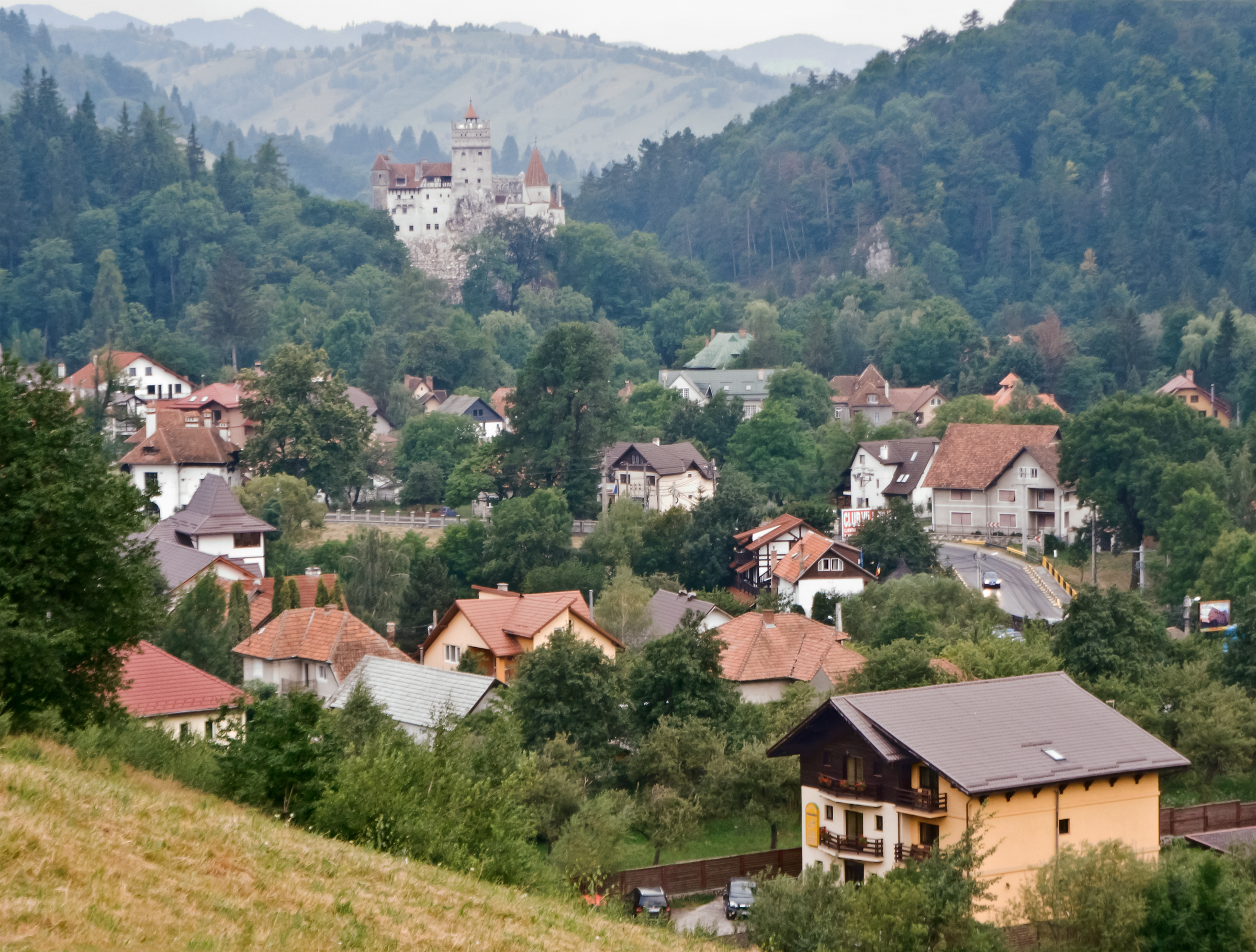
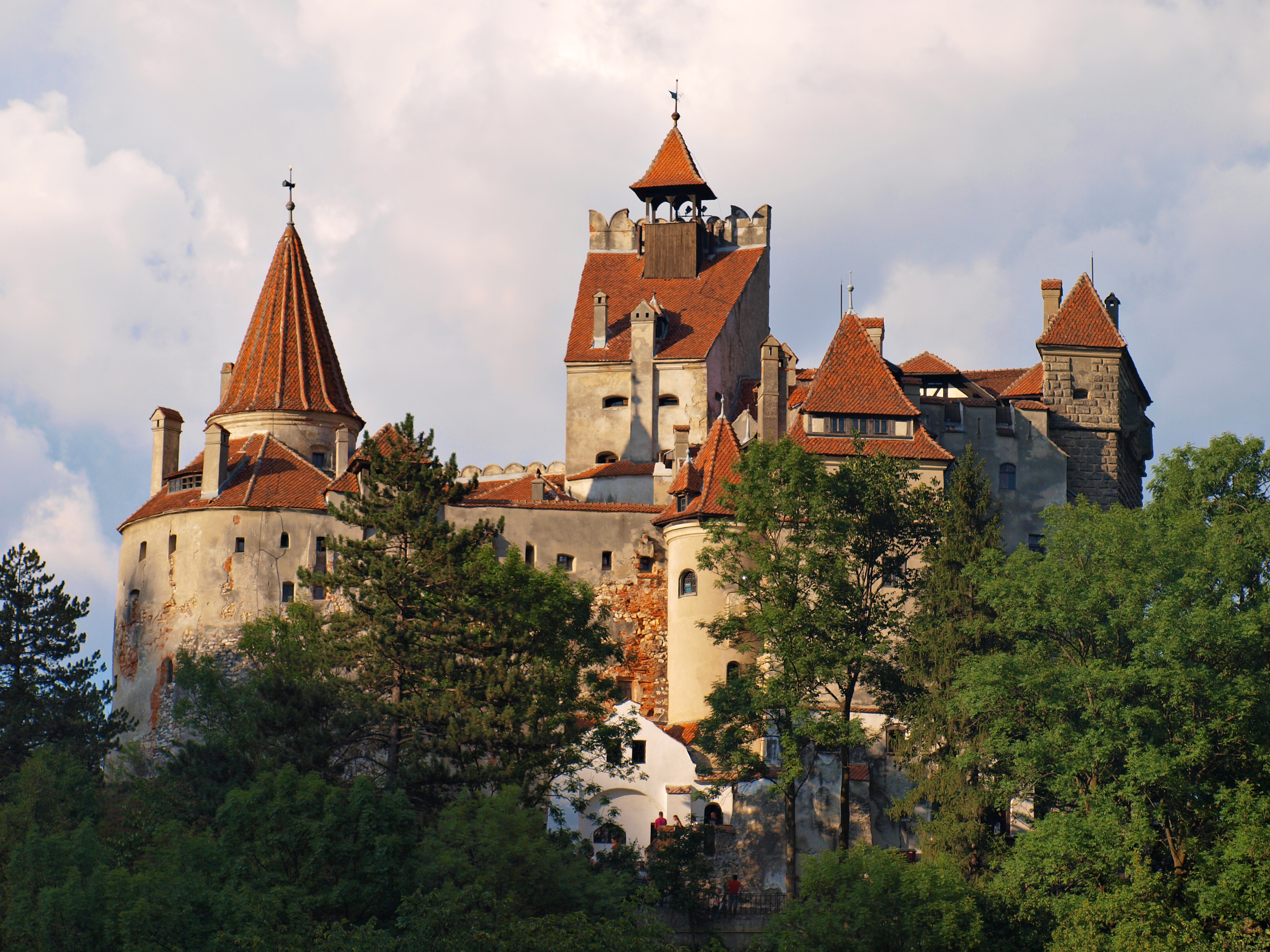


Image source: Wikimedia Commons · Public domain photos · Free license
STAY A FEW DAYS, DISCOVER THE MAGIC
Stays near Bran Castle

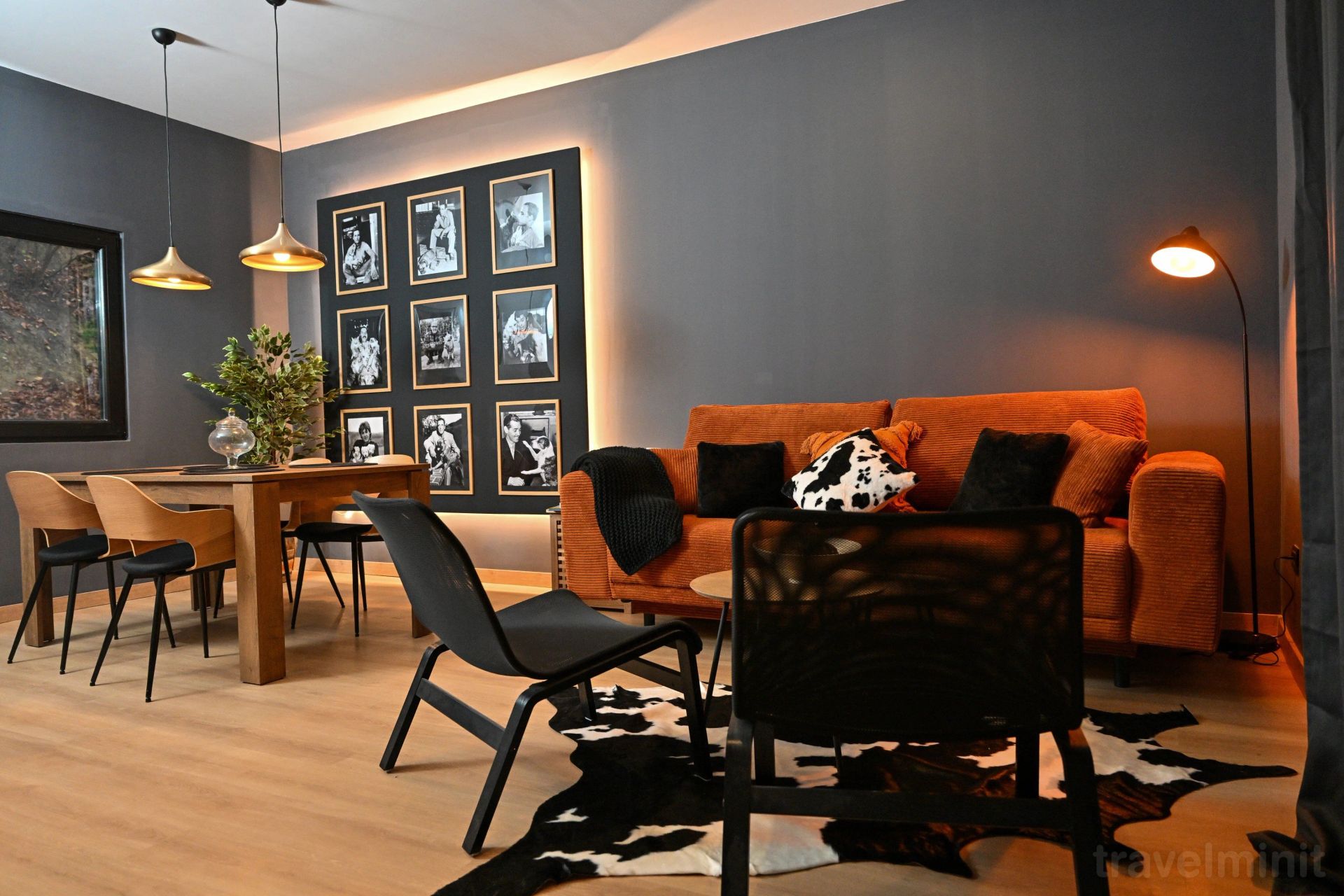
Casă de Vacanță · 3 stars

Bran, Bran County · 0.0 km
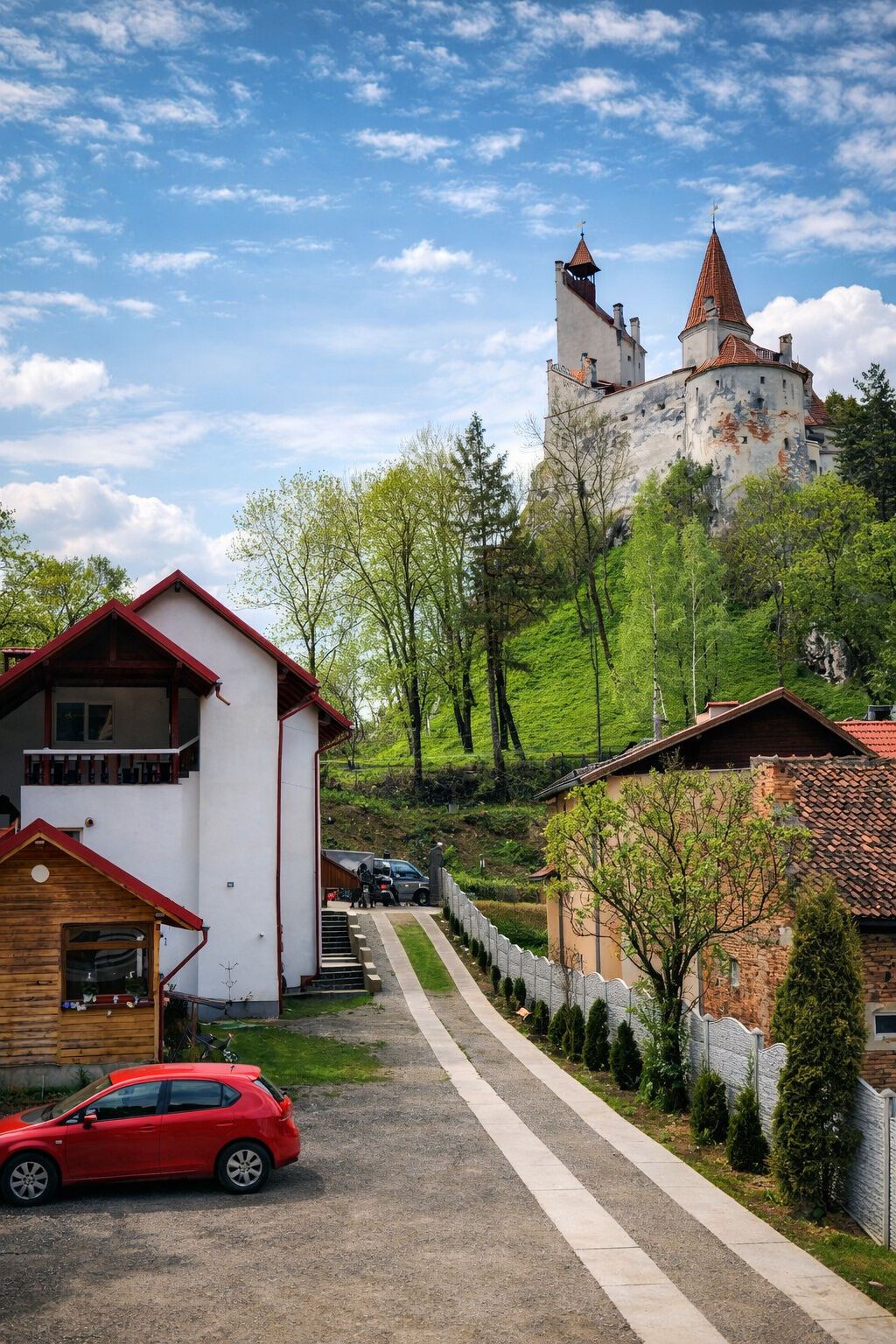
Casa La Tulipe Noire Bran
Camere, serviciiCasa La Tulipe Noire Bran Bran va pune la dispozitie o camera moderna si placut amenajata. Proprietatea ofera parcare gratuita. Oaspetii pot beneficia de servicii wellness. Pentru detalii cititi pagina de date. Va puteti aduce laptopul deoarece toate camerele dispun de internet. Mai multe detalii despre facilitatile oferite de Casa La Tulipe Noire Bran (inclusiv cele contra cost), cat si despre dotarile camerelor veti gasi mai jos. LocațiaMuzeul Satului se afla la o distanta de 200 m , . Servicii de masăPreturile afisate nu includ masa. PlatăPuteti efectua plata cazarii cu/prin: transfer bancar. Confirmarea rezervarii se face prin plata unui avans de 100%. Sosire, programZiua de cazare incepe la ora 15:00. Eliberarea camerei se face la ora 11:00. Limbi straine vorbite la receptie: engleză, română.
FROM
280 RON / night

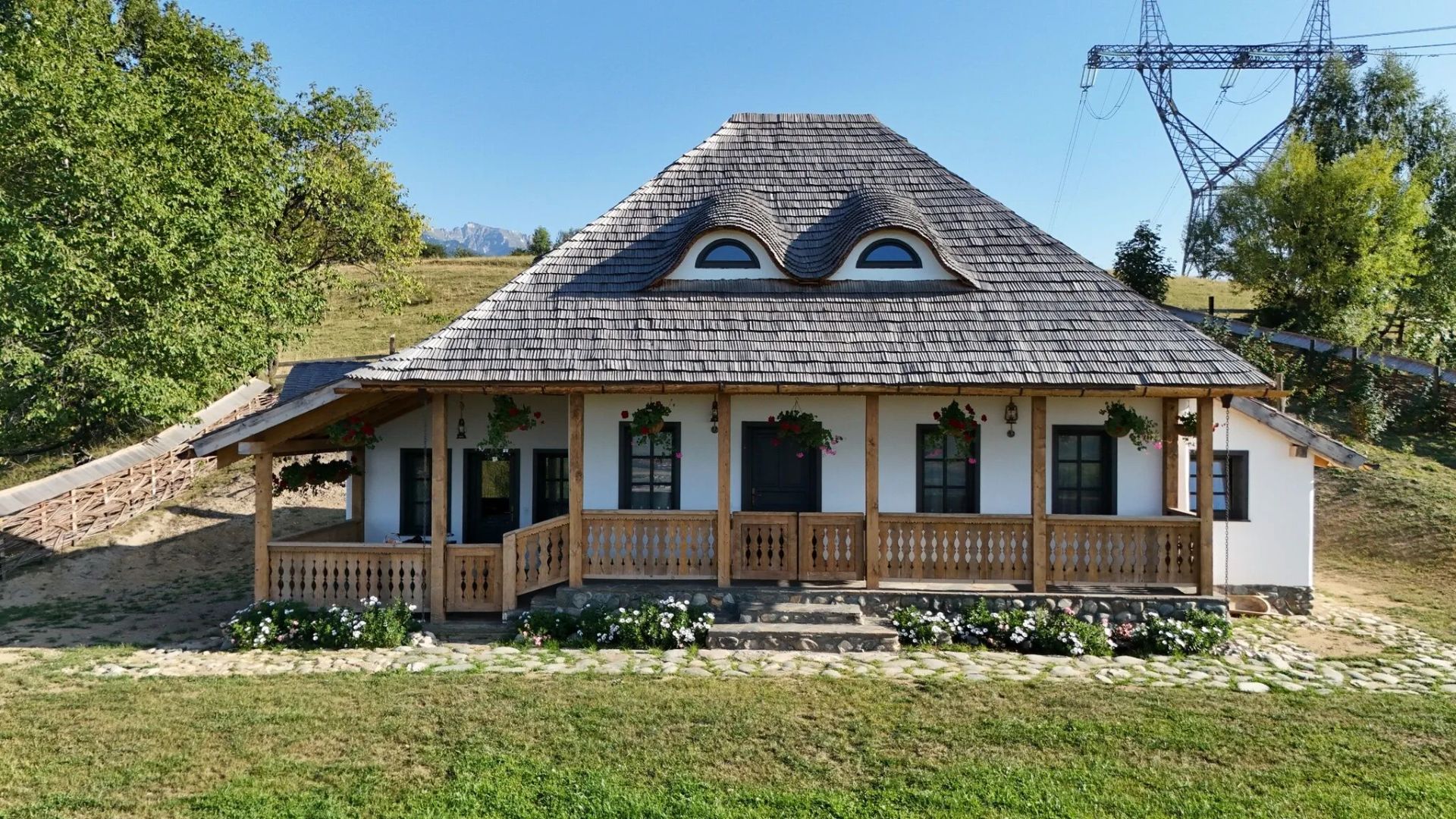
Casă de Vacanță · 3 stars
Bran, Bran County · 0.0 km
Casuță tradițională cu ciubăr, sauna - Casa de la Nuci Bran
Bine ai venit la Casa de la Nuci, refugiul tău tradițional cu ciubăr și saună, la doar 5 minute de Castelul Bran! Descoperă farmecul autentic al Transilvaniei într-o căsuță tradițională românească, construită în stilul satelor de altădată, cu elemente inspirate din Muzeul Satului. Casa de la Nuci îți oferă liniștea unei grădini imense, o priveliște superbă către munții Bucegi și Piatra Craiului, și intimitatea perfectă pentru o escapadă de neuitat. După o zi de explorat Branul, răsfață-te în ciubărul rustic cu apă caldă sub cerul liber sau relaxează-te în sauna privată din curte. Seara, savurează un vin local lângă soba tradițională sau admiră stelele de pe prispa casei. Casa are 2 dormitoare cu paturi duble confortabile, 2 băi, o bucătărie complet utilată cu sobă tradițională, zonă de relaxare cu board games, WiFi de mare viteză și parcare privată. Suntem pet-friendly – așa că prietenii blănoși sunt bineveniți! De ce să alegi Casa de la Nuci?️ Ciubăr privat încălzit și saună tradițională️ Căsuță autentică cu design rural autentic, dar confort modern️ Grădină mare cu livadă de nuci și fructe de pădure️ Aproape de Castelul Bran, Râșnov și trasee montane spectaculoase️ Ideală pentru cupluri, familii mici sau grupuri de prieteni (până la 4 persoane) Ne aflăm în Sohodol, un sat liniștit la poalele munților, perfect pentru plimbări în natură, picnicuri și momente de relaxare deplină. La cerere, îți putem recomanda experiențe locale autentice: plimbări pe cărări de munte, brunchuri tradiționale sau vizite la stânele din apropiere. Trăiește o experiență autentică și reconectează-te cu natura, tradițiile și liniștea!Casa de la Nuci te așteaptă cu ospitalitate, relaxare și aer curat de munte. Rezervă acum și pregătește-te să te îndrăgostești de Transilvania!
FROM
280 RON / night
Pensiune · 2 stars
Bran, Bran County · 0.1 km
Casa Krista Bran
Camere, serviciiCasa Krista Bran Bran va asteapta cu 5 camere amenajate cu bun gust si confortabile. Este disponibila o parcare gratuita. Unitatea este prevazuta cu internet wireless. Pentru a obtine mai multe detalii despre facilitatile locatiei (inclusiv cele contra cost) si despre dotarile camerelor, va rugam consultati fisa de mai jos. LocațiaMuzeul Satului este la o distanta de 400 m , . Servicii de masăPreturile afisate se refera doar la cazare. PlatăPuteti face plata cazarii cu/prin: numerar, transfer bancar, card de vacanță, avans travelminit, voucher travelminit. Pentru garantarea rezervarii se percepe un avans de 20%. Sosire, programIntrarea se face incepand cu ora 13:00 si iesirea pana la ora 11:00. Personalul de la receptie vorbeste limba: engleză, română.
FROM
190 RON / night
Pensiune · 3 stars
Bran, Bran County · 0.2 km
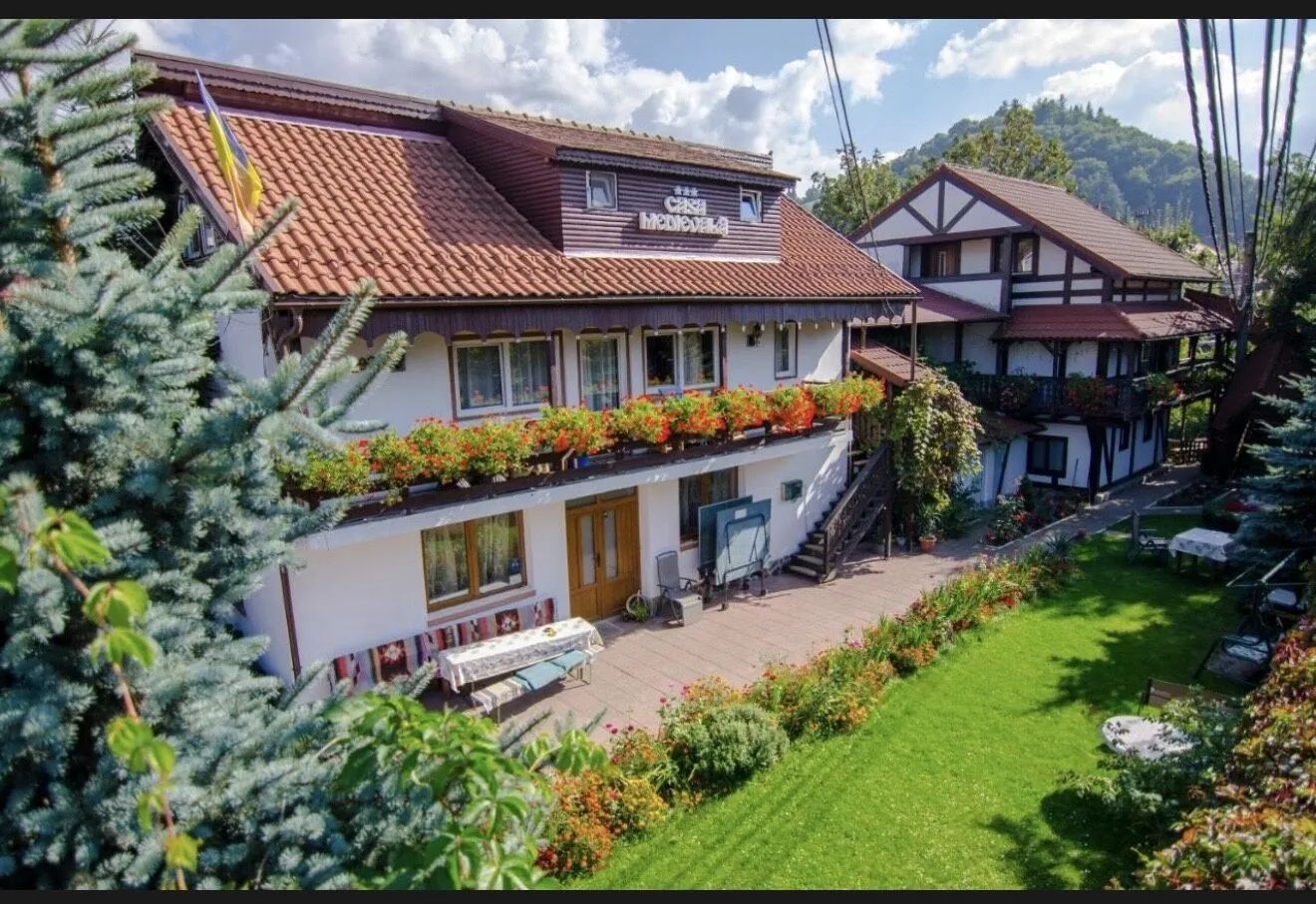
Casa Medievală Bran
**Casa Medievală Bran**Situată în Bran, la doar 9 minute de mers pe jos de Castelul Bran, Casa Medievală Bran oferă o experiență relaxantă, având la dispoziția oaspeților o grădină, un lounge comun, o terasă și parcare privată gratuită.**Facilități și servicii:** * **Recepție:** Disponibilă non-stop pentru confortul dumneavoastră. * **Conectivitate:** Acces WiFi gratuit în întreaga proprietate. * **Divertisment:** Teren de joacă pentru copii și masă de tenis. * **Relaxare în aer liber:** Zonă amenajată pentru grătar și foișor acoperit, ideale pentru momentele petrecute în aer liber. * **Diverse:** Bucătărie comună.**Dotările camerelor:**Fiecare unitate a acestei pensiuni de 3 stele este dotată cu zonă de relaxare, televizor cu ecran plat și canale prin cablu, zonă de luat masa și baie proprie. Baia este echipată cu articole de toaletă gratuite, duș și uscător de păr. Toate camerele sunt dotate cu lenjerie de pat și prosoape.**Localizare și împrejurimi:**Pensiunea este punctul ideal de plecare pentru explorarea zonei, fiind populară pentru activități de hiking. Distanțe față de principalele puncte de interes: * **Atracții locale:** Castelul Bran (9 min pe jos), Dino Parc (13 km), Piața Sfatului (29 km), The Black Tower (29 km), The White Tower (31 km), Aventura Parc Brașov (36 km). * **Aeroport:** Aeroportul Internațional Sibiu se află la 140 km.
FROM
240 RON / night
Vilă · 3 stars
Bran, Bran County · 0.4 km
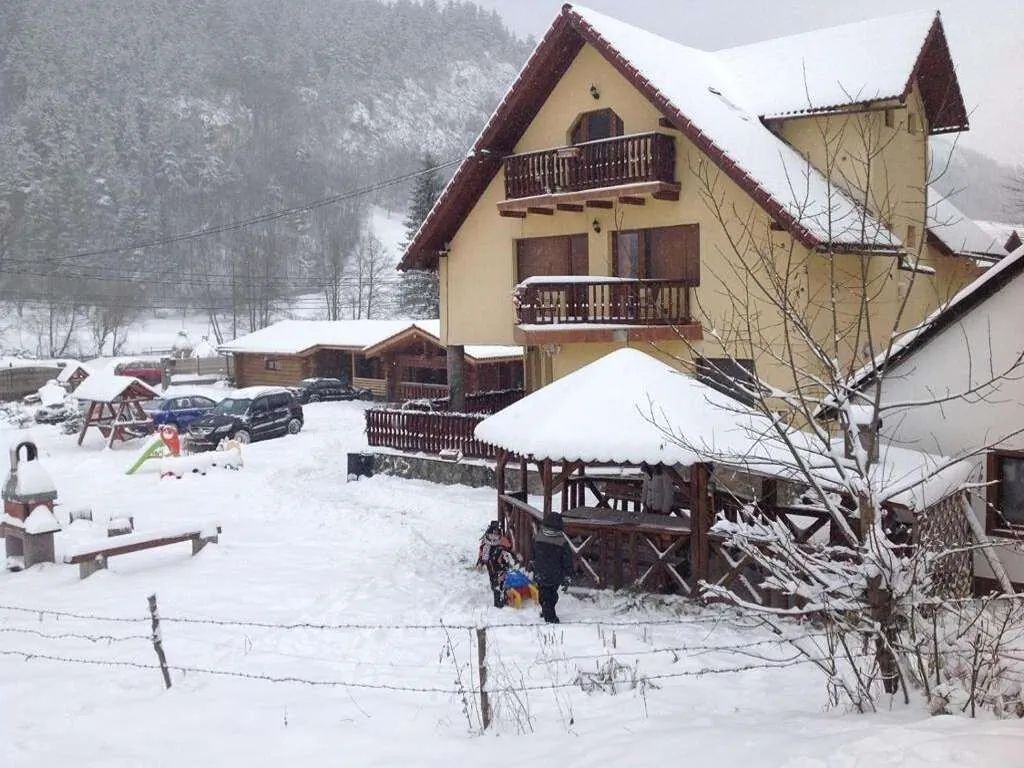
Vila Ianis Bran
Camere, serviciiVila Ianis Bran Bran va intampina cu 4 camere confortabile si placut amenajate. O lista detaliata despre facilitatile unitatii de cazare (inclusiv cele contra cost), cat si despre amenajarea camerelor gasiti in fisa de mai jos. LocațiaCastelul Bran se situeaza la o distanta de 400 m , . Servicii de masăPreturile afisate nu includ masa. PlatăPlata serviciilor se face prin urmatoarea metoda: transfer bancar. Pentru finalizarea rezervarii se achita un avans de 100%. Sosire, programPreluarea camerei se face de la ora 14:00 si iesirea pana la ora 11:30. Personal vorbitor de limba română.
FROM
280 RON / night
Casă de Vacanță · 3 stars
Bran, Bran County · 0.4 km
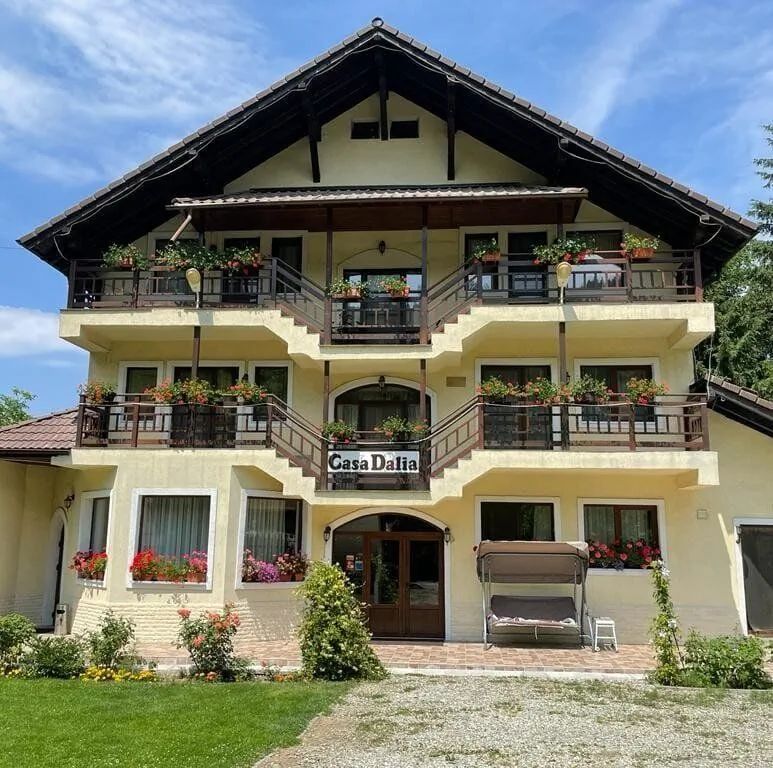
Casa Dalia Bran
Casa Dalia va ureaza bun venit! Casa Dalia va ofera cazare intr-o zona linistita cu peisaj frumos, avand vedere catre Muntii Bucegi si Muntele Bran. Casa este amplasata in apropierea Castelului Bran, ( aproximativ 10 minute de mers pe jos) intr-o zona linistita pe unde nu trec masini. Drumul de acces este asfaltat pana in apropiere, din Dn 73 se merge spre partia de sky Zanoaga (strada asfaltata)si la aproximativ 300 m, pe partea dreapa este str. Festung, este pietruita si ingusta, dar se circula bine. Casa este structurata astfel:- la parter living mare, bucatarie utilata pentru turisti, wc serviciu,- la primul etaj - 2 camere cu bai proprii si cu balcoane si un apartament (dintr-unhol se intra in 2 camere si o baie)camerele au Tv Lcd, pat matrimonial balcon numai la o singura camera.- la etajul doi - 2 camere cu bai proprii si cu balcoane si un apartamente ( dintr-un hol se intra in 2 camere si o baie) camerele au Tv Lcd, pat matrimonia, balcon numai la o singura camera. Toate camerele au Tv Lcd 82 cm, internet wireless in toata casa. Se pot caza 16 persoane.Bucatarie la dispozitia turistilor, dotata cu cele necesare, (frigider, aragaz, cuptor cu microunde, vesela, tacamuri, prajitor de paine, etc. ), acces nelimitat, se poate gati orice.Incalzire centrala si apa calda non-stop.In curte foisor si 2 gratare. In foisor mese , masa de ping pong si un leagan pentru copii, balansoar.Muzica in foisor la nivel mic.Nu acceptam animale de companie Parcare in curte. Primim vouchere de vacanta electronice Va asteptam si va dorim un sejur placut. Casa Dalia este mai mult decat un spatiu de oaspeti, este o casa dedicata dumneavoastra. Va aspteptam!
FROM
280 RON / night
BEFORE YOU HIT THE ROAD
Weather conditions in Bran
Local forecast for Bran Castle, Bran, Brașov

Real-time updated weather data
Much more to explore in this area
Nearby tourist attractions


Sinaia, Prahova County
Peleș Castle
Situat pe strada Pelesului din Sinaia; piatra de temelie a castelului se pune in 1873, aici fiind ingropate si cateva zeci de monede de 20 de lei, din aur -...
22.0 km

Prahova, Prahova County
Sinaia Resort
Situata pe valea superioara a Prahovei, la poalele Muntilor Bucegi (Carpatii Meridionali), la o altitudine ce variaza intre 798-971 m; este una din cele mai...
23.0 km

Brasov, Brașov County
Black Church
Situata in curtea Honterus nr. 2 din municipiul Brasov; construita intre secolele XIV - XV; o inscriptie din interior il atesta ca prim ctitor pe Thomas; din...
23.1 km

Brasov, Brașov County
Prejmer Fortified Church
Situata in localitatea Prejmer, la 15 km de municipiul Brasov; cea mai mare biserica fortificata din sud-estul Europei; construita in secolul al XIII-lea; are...
39.1 km

Prahova, Prahova County
Castelul Pelișor
Situat in parcul Castelului Peles, pe Valea Prahovei; ridicat intre anii 1899 si 1902; in 1903 a devenit resedinta de vara a principilor mostenitori;...
21.8 km

Brasov, Brașov County
Parcul natural Munții Bucegi
Situat in Muntii Bucegi, se intinde pe raza comunelor Rasnov, Bran, Moeciu; zona Muntilor Bucegi a fost propusa pentru protejare in anul 1936, dar initiativa s-...
5.2 km

Râșnov, Brașov County
Cetatea Râșnov
Situata in orasul Rasnov, la 15 km de municipiul Brasov; construita in secolele XIII - XIV de catre locuitorii zonei, in scopul apararii impotriva atacurilor...
11.6 km

Brasov, Brașov County
Stațiunea Poiana Brașov
Situata la poalele muntelui Postavaru, la 12 km de municipiul Brasov; amplasata la altitudinea de 1.030 m, statiunea turistica Poiana Brasov a fost infiintata...
17.1 km

Brasov, Brașov County
Parcul Național Piatra Craiului
Situat in Carpatii Meridionali;include Creasta Pietrei Craiului in totalitate si spatiile din culoarele intramontane limitrofe, Rucar - Bran si Rucar -...
11.0 km

Brasov, Brașov County
Stațiunea Predeal
Situata pe Valea Prahovei, intre raurile Prahova si Timis, la 25 km de municipiul Brasov; amplasata la 1.100 m, este cea mai inalta asezare urbana din Romania;...
16.5 km

Prahova, Prahova County
Rezervația naturală din Masivul Bucegi
Situata intre 1.000 - 2.505 m altitudine, in Masivul Bucegi; in cadrul ei se pot intalni vai si rape spectaculoase, chei intre stanci, poduri interfluviale si...
17.2 km

Prahova, Prahova County
Cazinoul din Sinaia
Situat in parcul "Dimitrie Ghica" din localitatea Sinaia; reprezinta si astazi unul dintre edificiile - simbol ale statiunii; construit in timp record, intre...
23.0 km
Cultural life and traditions
Events near Bran Castle
Medieval festivals, traditional fairs, concerts and recommended local activities in Transylvania.

Patrimoniu și Istorie

Bran, Jud. Brașov
Festivalul Cetăților Medievale și Zilele Porților Deschise
Tururi ghidate nocturne, ateliere de meșteșuguri tradiționale și reconstituiri istorice cu cavaleri și domnițe.
WHEN
15 - 17 Mai 2026

Tradiții și Gastronomie
Bran, Jud. Brașov
Târgul Tradițiilor Săsești și Gastronomie Locală
Descoperă producătorii locali, plăcintele săsești coapte pe vatră, siropurile artizanale și dulceața de rubarbă.
WHEN
În fiecare weekend (Mai - Octombrie)

Ecoturism și Natură
Colinele Transilvaniei, Jud. Brașov
Drumeții Ghidate pe Traseul Colinele Transilvaniei
Excursii pe poteci nemarcate printre fânețe seculare, stejari multiseculari și sate cu biserici fortificate UNESCO.
WHEN
Vineri - Duminică (Sezon 2026)
On foot, exploration gains depth
Discover the surroundings and local geography
Explore trails, terrain and natural landmarks around Bran Castle.

Guides and practical tips
Useful travel articles
Travel guides, practical tips and itineraries for Transylvania.

Travel guide
Top 5 Atracții Turistice și Trasee Montane în Zona Moieciu - Bran
Descoperă cele mai spectaculoase peisaje carstice, chei adânci și cetăți medievale din imediata apropiere a stațiunii Moieciu.

Travel guide
Castelul Bran: Istorie, Legende și Secrete Medievale
Află adevărata poveste a fortăreței medievale din Pasul Bran, reședința de suflet a Reginei Maria a României.
Travel guide
Gastronomia Tradițională din Culoarul Rucăr-Bran: Brânza de Burduf în Coajă de Brad
Delicatesele oieritului montan: bulz ciobănesc la jar, pastramă fragedă și renumita brânză în coajă de brad cu aromă de rășină.
THE JOURNEY STARTS WITH AN IDEA
The next story is on the way.
From the first stop to the last stay, make room for a new Romania.
