


NATURE AND WILDLIFE · TRANSYLVANIA
Turda Gorge

Apahida, Cluj County
Add location to your trip planner.

Practical access information

VISITING HOURS
Consultă programul local de vizitare

TICKET PRICE
Informații disponibile la casierie

RECOMMENDED VISIT DURATION
1 - 2 ore
Sources and external references
Wikipedia Encyclopedia (EN)
Visitor information and guide
 Navigate with Google Maps

ABOUT TURDA GORGE
Captivating Introduction and Universal Value
In the heart of Transylvania, where the Apuseni Mountains meet the Transylvanian Plateau, just six kilometers west of the city of Turda and fifteen kilometers southeast of Cluj-Napoca, unfolds one of Europe's most impressive natural spectacles: Turda Gorge. This limestone gorge, carved by the Hășdate River through a Jurassic limestone massif over 150 million years old, represents a destination of European significance, a place where the continent's history meets geological wilderness in a fascinating dialogue between millennia.
Across an area of 324 hectares, the nature reserve shelters a karst landscape of rare wilderness: vertical walls reaching up to 300 meters in height, knife-sharp ridges, stone towers, narrow valleys, and over sixteen mysterious caves. The biodiversity is remarkable: over 1,000 plant species and 67 animal species, including glacial relics, Carpathian endemics, and species protected at European level, such as the golden eagle, wallcreeper, and wild garlic. Turda Gorge has been included since 1938 in Romania's network of protected areas, subsequently inscribed on UNESCO lists among the most significant natural monuments, and currently corresponds to IUCN Category IV, being recognized as a mixed-type nature reserve of national interest.
The universal value of this place transcends geographical boundaries. Here, at the point called "Piatra Tăiată" (Cut Stone), in Antiquity stood the main limestone quarry that supplied the Roman city of Potaissa and the castrum of the Fifth Macedonian Legion, one of the most important fortifications of the Limes in Dacia. The legend of the mountain split by God to save King Saint Ladislaus from the Cuman armies in the battle of 1091 places Turda Gorge in the very royal hagiography of medieval Hungary. The Edict of Turda of 1568, the first decree of religious freedom in modern European history, issued just a few kilometers away, makes this region a land of tolerance in a century of bloody confessional conflicts. And the tradition of mountaineering, begun here in 1949, when Andrei Moldovan and Francisc Kovacs placed the first pitons, places Turda Gorge in the great tradition of European climbing, alongside the Alps, Dolomites, and the Pyrenees massifs.
Historical Roots and Major European Connections
The Imprint of Ancient Rome: Potaissa and the Limes of Dacia
The history of Turda Gorge is deeply anchored in Roman civilization, being a silent witness to the imperial presence in the Carpathians. In the 2nd century AD, in the context of the Marcomannic Wars waged by Emperor Marcus Aurelius against Germanic tribes, the Fifth Macedonian Legion was transferred from Moesia, from Troesmis, to Potaissa (today Turda), around 168 AD. Here, the legion built the largest castrum in Roman Dacia, with an area of 23.37 hectares, intended to house over 5,000 soldiers. The castrum, with sides of 573 meters by 408 meters, was strategically positioned on Cetății Hill, dominating the Arieș Valley and offering control over trade routes and the mineral resources of the area.
At the point "Piatra Tăiată" (Cut Stone), located approximately 1.5 kilometers from the entrance to Turda Gorge, stood the main limestone quarry that supplied the constructions in the castrum and the colony of Potaissa. The Romans extracted here ophiolites and ophiolitic tuffs, in addition to Mesozoic limestone, materials essential for raising fortifications, baths, and aqueducts. A tall column of 1.5 meters and with a diameter of 0.34 meters, extracted from this quarry, was later transported to the church in the neighboring village of Cheia, a silent witness to the continuity between Antiquity and the Middle Ages. Archaeological discoveries in the quarry have revealed tiles, oil lamps, keys, ceramic fragments, and coins — a tetradrachm, a denarius from the time of Emperor Domitian (81-96 AD), a denarius from the time of Macrinus (217-218 AD), and two other coins — all indicating the existence of a civilian settlement near the quarry. These vestiges place Turda Gorge in the economic network of the Roman Empire, connecting the province of Dacia to the great trade routes that linked Rome to the northern frontier of the empire, from Vindobona (Vienna) to Tomis (Constanța).
The archaeological site at the point "Dealul Alb" (White Hill) is inscribed on the list of historical monuments in Cluj County, and archaeological research has revealed traces of habitation from the Middle Paleolithic, Neolithic, Bronze Age, Iron Age, and the period of the Coțofeni culture. This continuity of over five millennia transforms Turda Gorge into a veritable palimpsest of European history, where each geological stratum and each cave preserves the memory of civilizations that succeeded one another through the ages.
The Kingdom of Hungary and the Legend of Saint Ladislaus
In the 11th century, after the defeat of the Cumans (a nomadic population of Turkic origin) in the battle of 1091, King Ladislaus I of Hungary (1077-1095), later known as "Saint Ladislaus" and canonized in 1192, founded on the heights of Petrid, near Turda Gorge, a chapel for prayers. This hagiographic tradition, shared by Hungarian historiography, places Turda Gorge at the center of a legend fundamental to Hungarian national identity, a story that illustrates the virtues of the king-knight: courage, faith, and divine protection.
The legend says that, one day, Saint Ladislaus broke away from his army and, riding through the Turda region, was pursued by a numerous army of Cumans. Reaching the mountain summit, with enemies breathing down his neck, the king prayed to God, and at that moment the mountain trembled and split in two right behind his horse, leaving a deep abyss between the king and his pursuers. This story, whose archetype is found in the Bible (Moses' prayer, when the waters of the Red Sea parted), is present in almost all Hungarian folklore related to Saint Ladislaus, the patron saint of Transylvania. On one of the crags of the Gorge, one can see a formation that resembles a giant horseshoe, called by locals "Ladislaus's Horse's Horseshoe," and the rosemary legend says that, at the moment of the jump over the abyss, a sprig of rosemary fell from the king's hat onto the edge of the cliff, which has bloomed ever since in the form of a tree.
Religious pilgrimages to the Petrid Monastery, located on the crest of the Gorge, took place twice a year: at Ascension, when the liberation of the people from Tatar conquest was celebrated, and at Pentecost, when the miraculous escape of Saint Ladislaus was commemorated. This pilgrimage tradition, which attracted Christians from all over Transylvania, highlights the role of Turda Gorge as a sacred place in the collective imagination of the region, a space where spirituality intertwines with wild nature.
Petrid Monastery: Bastion of Orthodoxy and School of Enlightenment
On the crest of Turda Gorge, between the villages of Sândulești and Petreștii de Mijloc, the Old Monastery of Petrid existed from the 13th century. The first Hungarian chancery act mentioning this monastery dates from October 6, 1278, when the Chapter of the Church of Oradea mentioned the lord of the Land of Hășdat (Terra Hasadat) and the monastery on Mount Petrid. Initially Roman Catholic, the monastery successively passed through three Christian confessions: Roman Catholic, Orthodox, and Greek Catholic, reflecting the confessional complexity of medieval Transylvania.
Historian Gheorghe Moldovan, a native of these places, dates the beginnings of the Romanian Orthodox monastery construction to the first half of the 16th century, 10-15 years before 1568. In that year, King John Sigismund II Zápolya, Prince of Transylvania, issued an act by which the monastery was obliged to pay annually a rent of one gold thaler, one fat ram, and one beehive to the Seat of Arieș. This feudal obligation places the monastery in the administrative system of the Principality of Transylvania, a multi-confessional state that was to become famous in Europe for its policy of religious tolerance.
In the second half of the 18th century, when Transylvania was occupied by the Austrian imperial army commanded by General Adolf von Buccow, the Orthodox monastery was spared from destruction only on the condition that its priests and monks hold school courses for the youth of the three villages at the foot of the mountain: Petreștii de Jos, Petreștii de Mijloc, and Petreștii de Sus. This monastic school practically ensured the survival of the monastery in the Habsburg era and transformed it into a bastion of Romanian identity, one of the most important factors in defending Romanian cultural identity in these lands. The monastery's priests held services in the surrounding villages, and at Ascension and Pentecost, Christians from all over Transylvania came to the monastery on pilgrimage.
Following the revolution of 1848, the monastery was destroyed, being rebuilt in 1933. After World War II, it was destroyed again. In 1997, Father Vasile Șteopei from Turda had the initiative to build a new Orthodox monastery, on land made available free of charge by the town hall, 3.3 km southwest of the old location of the Greek Catholic monastery. The New Petrid Monastery, with the patronage of the "Transfiguration," was built between 1998-2000 and today represents an Orthodox monastic place of worship, continuing the millennial spiritual tradition of these lands.
The Edict of Turda: Cornerstone of European Freedom
Just a few kilometers from Turda Gorge, in the city of Turda, in January 1568, an event took place that was to change the history of Europe. The Diet of Transylvania, convened at Turda between January 6 and 13, issued the Edict of Turda, the first decree of religious freedom in the modern history of the continent. Promulgated by Prince John Sigismund Zápolya, this edict proclaimed freedom of conscience and religious tolerance for all inhabitants of Transylvania, recognizing the equality of rights of four confessions: Roman Catholic, Lutheran, Calvinist (Reformed), and Unitarian.
The Edict of Turda was issued to avoid the bloody religious struggles that were ravaging Western Europe following Martin Luther's Protestant Reformation of 1517. While in France, the Netherlands, the Holy Roman Empire, and other regions of Europe confessional conflicts degenerated into civil wars, Transylvania became a land of inter-confessional peace, a refuge for persecuted believers from other countries. The Edict precedes by five years the similar document adopted at Warsaw in 1573, which instituted religious freedom within the Polish-Lithuanian union, and is many years before other important documents, such as the Edict of Nantes (1598) in France or the Religious Tolerance of Emperor Rudolf II of 1709.
Although the Edict of Turda did not explicitly include the Orthodox Church among the "recepta" (officially recognized) religions, but maintained it as a "tolerated" religion, this nevertheless represented significant progress compared to the situation in other parts of Europe, where Orthodox Christians were persecuted or marginalized. Petrid Monastery, with its monastic school, indirectly benefited from this atmosphere of tolerance, becoming a center of preservation of Romanian identity in an era of profound confessional transformations.
The Tradition of European Mountaineering: From the Alps to Turda Gorge
Turda Gorge represents an important chapter in the history of European mountaineering. While the first alpine club in the world was founded in England on December 22, 1857 (Alpine Club), followed by the Austrian Alpine Club (1862), Swiss Alpine Club (1863), Italian Alpine Club (1863), Norwegian Alpine Club (1868), and French Alpine Club (1874), in Romania the tradition of climbing was to take root later, but with remarkable intensity.
In 1873, just 15 years after the founding of the world's first alpine club, the Alpine Club of Transylvania (Siebenbürgischer Alpenverein in Kronstadt) was founded in Brașov, on the initiative of a group of Saxons. But the true tradition of technical rock climbing in Turda Gorge begins in 1949, when climbers Andrei Moldovan and Francisc Kovacs placed the first pitons to reach Sansil Cave. This moment marks the beginning of a heroic era of Cluj mountaineering, continued in 1961 by Gyongyosi Miklos with Rozsnyai Karoly, who completed the first full routes.
Turda Gorge today houses over 250-350 climbing and mountaineering routes, from beginner routes to extremely difficult routes, being considered "the keys of Romanian mountaineering." The Ungurească Cave area hosts one of the most difficult climbing routes in the country for the overhanging zone. Annually, prestigious competitions and memorials take place: the Andrei Moldovan Memorial (April), ATA Cup (May), Miși Szalma Memorial (September), and Hans Gora Memorial (end of November), which gather climbers from all over the country and from abroad.
The mountaineering section of the "U" Cluj Club, founded in October 1971 on the initiative of geologist Valentin Crăciun and doctor Dinu Mititeanu, trained over 100 climbers, some of whom made ascents in Tian-Shan, the Andes, Mont Blanc, and the Matterhorn. Ghiță Pop made one of the first modern climbing routes in Turda Gorge, and Cluj climbers participated in international competitions, placing the local tradition in direct dialogue with the great mountaineering schools of the Alps.
Architectural Masterpiece and Artistic Heritage
Geology as a Work of Art: 150 Million Years of Sculpture
Turda Gorge represents a masterpiece of geological architecture, a natural monument where time itself has worked as a perfect sculptor. Formed by the erosion of Jurassic limestone rocks by the Hășdate River, the gorge stretches for a length of approximately 2.9 kilometers (the main gorge sector measuring about 1,300 meters), with vertical walls reaching heights of up to 300 meters. The genesis of this landscape is linked to the process of epigenesis: the Hășdate stream initially deepened into softer rocks that covered the limestone, after which it continued its intense erosion in the limestone massif, gradually sculpting the impressive gorge.
The karst relief of Turda Gorge presents a wide variety of forms: lapiez (dissolution grooves on the limestone surface), dolines (collapse cavities), fossil caves, natural arches, stone towers, and scree slopes. The corrosion of limestones has generated rocky plateaus arranged in parallel, separated by narrow valleys. The formation process was influenced by the gradual lowering, beginning in the Pliocene, of the base level represented by Lake Pannon in the Transylvanian Basin, which allowed the river to continuously deepen its bed in the limestone massif.
From a geological point of view, Turda Gorge is part of the Trascău Mountains, the easternmost group of the Apuseni Mountains, which belong to the Carpathian chain. The Jurassic limestone, over 150 million years old, was subjected to orogenesis, faulting, and erosion processes that created this unique landscape. The comparison with other European karst regions — the Karst Plateau in Slovenia (which gave its name to the karst phenomenon), the Dinaric Alps in Croatia and Montenegro, the Karst region in Germany, or the limestone massifs in the Pyrenees — places Turda Gorge in a European network of geological heritage of universal value, a "natural laboratory" where karst processes can be studied and admired.
Biodiversity: A European Treasure of Plants and Animals
The nature reserve shelters over 1,000 floristic species, representing approximately one third of the entire flora of Romania in a space of only 324 hectares. This remarkable concentration of biodiversity is due to the variety of habitats: vertical limestone walls, scree slopes, narrow valleys, rocky plateaus, and forest areas. The flora includes glacial relics, steppe, Balkan, and Mediterranean elements, as well as numerous endemics and species protected at European level.
Among the rare and protected species are: wild garlic (Allium obliquum, popularly called "Crow's Onion from Cheie"), white pink (Dianthus spiculifolius), yew (Taxus baccata), jointfir (Ephedra distachya), rowan (Sorbus dacica), purple iris, cockspur, odolean, monkshood, vetchling, and numerous alpine species such as alpine aster and ranunculus oreophilus. The vegetation presents three natural habitats of community interest protected at European level: calcicolous rupicolous communities, subcontinental peri-Pannonian scrub, and rocky slopes with chasmophytic vegetation on limestone rocks.
The fauna is equally diverse, with 67 bird species identified, including rarities declared natural monuments: the wallcreeper (Trichodroma muraria), Alpine swift (Apus melba), rock thrush (Monticola saxatilis), rock bunting (Emberiza cia), and golden eagle (Aquila chrysaetos). The caves shelter bat colonies, including the long-winged bat and the Mediterranean horseshoe bat, both species protected at European level. Among mammals, one encounters the fox, weasel, stone marten, wild boar, hare, roe deer, red deer, wildcat, and polecat.
The Caves: Underground Archives of History
Turda Gorge shelters over 60 caves, niches, and arches, most of them small, the longest reaching 120-123 meters (Cetățuia Mare Cave, also known as Balică's Cave). These underground formations represent both speleological values and archaeological and historical archives. Archaeological research has revealed remains of mammals from the Copper, Bronze, and Iron Ages, as well as tools and pottery from prehistoric periods, attesting to human presence since the Middle Paleolithic.
Throughout history, the caves served as refuge for the local population in the face of invasions: Tatars, Ottomans, passing military troops. Cetățuia Mare Cave is linked to the legend of the hajduk Nichita Balică from Petreștii de Jos, participant in the anti-Austrian kuruc revolt (1703-1711), who sheltered here. Binder Cave houses the oldest inscription left by a visitor, dating from 1574, belonging to a certain V. Pato — an early witness to the attraction this place exerted on European travelers as early as the 16th century.
Among the best-known caves are: Ungurească Cave, Morarilor Cave, Liliecilor Cave (Bats' Cave), Feciorilor Cave (Virgins' Cave), Hornarilor Cave (Horn-makers' Cave), Călugărului Cave (Anton's Cave), Ascunsă Cave (Hidden Cave), Modoloaie Cave, Balică's Cave (Cetățuia Mare), Cetățuia Mică (Little Fortress), and Binder Cave. Each of these preserves traces of the past, whether geological, archaeological, or historical, contributing to the status of "living museum" of the reserve.
Emblematic Rock Formations: Rooster's Corner and the Towers
The landscape of Turda Gorge is defined by a series of rock formations with evocative names, each with its own personality and history. Colțul Cocoșului (Rooster's Corner), also known as the "Stone Cathedral," perhaps represents the most impressive of these formations — a rocky corner that rises majestically like a natural Gothic cathedral, with vertical walls and a sharp ridge that dominates the landscape. Alongside it rise Borș Tower (or Mihai Borș Tower), Yellow Tower (so named after the characteristic color of its upper part), Cetății Corner (Fortress Corner), Sansil Corner, Giant's Wall (which reaches 200 meters in height and is the most beloved by climbers), Staircase Wall (which reaches 300 meters), and Sharp Tower with Hili's Cave.
These rock formations are not only spectacular from an aesthetic point of view, but also represent playgrounds for the oldest climbing tradition in Romania. Giant's Wall, Goat's Wall, Pripoane Wall, Alghina Walls, and numerous other sectors host hundreds of climbing and mountaineering routes, each with its name and history, transmitting generations of climbers the passion for verticality.
Legends, Personalities, and Turning Points
The Legend of the Split Mountain and Saint Ladislaus
The best-known legend associated with Turda Gorge is that of the mountain split by God to save King Ladislaus I of Hungary from the Cuman armies. In popular tradition, both Romanian and Hungarian, the story presents the miraculous moment when, pursued by a horde of pagans, the king-knight prays, and the mountain cracks in two, leaving a chasm between him and his enemies. This legend, with roots in Hungarian medieval hagiography and Transylvanian folklore, transforms Turda Gorge into a sacred place, where nature itself seems to have intervened to protect a holy king.
The rosemary legend variant adds a poetic note: at the moment of the jump over the abyss, a sprig of rosemary fell from the king's hat onto the edge of the cliff, which took root and has bloomed ever since in the form of a tree, a symbol of resilience and divine blessing. The spring that gushes from the rock, attributed to Saint Ladislaus, is considered to be the one between Tureni and Petreștii de Jos, although several variants mention a spring that gushed from the depths of an abyss when the king touched the stone with his sword.
Another popular variant attributes the formation of the Gorge to the hoof of Alexander the Great's horse, which would have struck the immense limestone rock, splitting it in two. Although this version is anachronistic (Alexander the Great never reached Transylvania), it illustrates the fascination that these rock formations exerted on popular imagination over the centuries.
Personalities: Founders, Monks, and Climbers
Throughout history, Turda Gorge has been linked to numerous personalities who marked the destiny of this place. King Ladislaus I of Hungary (1040-1095), canonized in 1192, is the central figure of the founding legend, a king who united Hungary and Croatia, defeated the Pechenegs and Cumans, and laid the foundations of a strong kingdom in Central Europe. In 1091, the year of the battle of Petrid, Ladislaus was also proclaimed King of Croatia, opening Hungary's access to the Adriatic Sea.
Prince John Sigismund Zápolya (1540-1571), who issued the Edict of Turda in 1568, is closely linked to the history of the area. After being successively Catholic, Lutheran, and Calvinist, he converted to Unitarianism under the influence of his personal physician Giorgio Blandrata (Biandrata), an Italian who was to become one of the most important promoters of religious tolerance in Europe. His Edict of Turda proclaimed freedom of conscience and religion, an unprecedented act in the history of the continent.
General Adolf von Buccow (1699-1764), the Austrian military commander who occupied Transylvania in the 18th century, represents a controversial but important figure for the survival of Petrid Monastery. Although his military policy was repressive toward Orthodox Romanians, Buccow spared this monastery from destruction, on the condition that the priests teach the children of the neighboring villages — a decision that allowed the continuation of the Romanian school and spiritual tradition.
In the 20th century, the personalities of Cluj mountaineering gave new dimensions to Turda Gorge. Andrei Moldovan (known among friends as "Bandi bacsi"), together with Francisc Kovacs, placed the first pitons in 1949, opening the era of technical climbing. Andrei Moldovan was to re-establish the Romanian Alpine Club, Cluj Section, the first section re-established after 1989, continuing the tradition of European climbers. Dinu Mititeanu, doctor and climber, made ascents on Mont Blanc, and Alexandru-Brăduț Șerban conquered the Matterhorn in the Swiss Alps, demonstrating that the mountaineering school of Turda Gorge can form world-class climbers.
The hajduk Nichita Balică from Petreștii de Jos, participant in the kuruc revolt against Austrian domination (1703-1711), sheltered in Cetățuia Mare Cave, linking the social history of the area to the resistance of Romanians against foreign oppression.
Turning Points: Destructions and Rebirths
The history of Turda Gorge is marked by cycles of destruction and rebirth, mirroring the tumultuous history of Transylvania. Petrid Monastery was destroyed by Tatars in 1241, rebuilt, destroyed again following the revolution of 1848, rebuilt in 1933, and definitively destroyed after World War II. Each destruction was followed by a rebirth, symbolizing the spiritual resilience of the Romanian community.
The year 1938 marks a turning point in the history of conservation: Turda Gorge becomes a nature reserve, being among the first protected areas in Romania. This decision, taken in the full interwar period, when Europe was discovering the value of natural heritage, places Romania among the pioneering countries in nature protection, alongside the national parks of Switzerland, Austria, and Germany.
The year 1949 marks the beginning of the technical mountaineering era, and 2012, the inauguration of the "Sky Fly" via ferrata route in Hili's Cave, opens Turda Gorge to a wider public, democratizing access to verticality. This evolution reflects the modern European trend of transforming natural heritage into sustainable tourism destinations, where adventure intertwines with education and conservation.
Practical Visitor Guide and Today's Tourist Experience
Access and Infrastructure
Turda Gorge is located in Cluj County, 6 km west of the municipality of Turda and approximately 15 km southeast of Cluj-Napoca, being easily accessible both by car and by public transport. From Turda, one can reach the entrance to the reserve either from the locality of Cheia (the entrance from downstream), or from Petreștii de Jos (the entrance from upstream). County road 107L passes through the villages of Săndulești and Cheia, offering a picturesque route through the rural Transylvanian landscape.
For tourists coming from Cluj-Napoca, there are buses on route M71 Cluj-Napoca – Petreștii de Jos, departing from the Posada station (Piața Cipariu). The last bus stop (Petreștii de Jos Town Hall) is approximately 10 minutes' walk from the entrance to Turda Gorge. The bus schedule varies depending on the day of the week: on Saturdays and Sundays they run at 9:00 and 17:00 from Cluj-Napoca, and on working days at 5:30 and 17:30.
By car, from the direction of Cluj-Napoca, one follows DN1/E81 to Turda, then DN75 towards Câmpia Turzii and Alba Iulia. At the exit from Turda to the west, at the fork with the road to Câmpeni, one turns right and continues for approximately 10 kilometers to the sign for the village of Cheia or Petreștii de Jos. There are arranged parking lots at both entrances to the reserve.
The Trail Through the Gorge and the Four Bridges
The main trail through Turda Gorge, also called the "lower path" or the "Gorge Circuit," has a length of approximately 3-4 kilometers and can be covered in 1.5-2 hours, depending on pace and number of stops. The path is well marked and arranged, being accessible to tourists with average physical condition, although footwear with profiled soles (not smooth) is necessary to prevent slipping on wet stone.
Along the trail, four suspension bridges over the Hășdate River allow crossing from one bank to the other, offering varied perspectives on the gorge. Numbered in the direction of water flow (from upstream to downstream), these are: Podul Peșterilor (Bridge of the Caves, Bridge 1), Mijlocul Cheii (Middle of the Gorge, Bridge 2), Vizuina Spălată (Washed Den, Bridge 3), and Porțița Cheilor (Gate of the Gorge, Bridge 4). Each bridge has its own personality: the Bridge of the Caves is guarded by Cetățuia Mică Cave and Cetățuia Mare Cave; the Middle of the Gorge offers a dizzying perspective on the two slopes with almost straight walls rising toward the sky; the Washed Den leads to the path at the foot of Staircase Wall, which reaches 300 meters in height; and the Gate of the Gorge marks the exit from the gorge toward the gentle hills of the Transylvanian Plain.
In addition to the lower trail, there is also the possibility of traversing the Gorge on the "upper path," along the slopes, on Sândului Hill and the Monastery Crest, offering impressive panoramic perspectives on the gorge. This trail is more physically demanding, but rewards with exceptional views.
Tourist and Sports Activities
Turda Gorge offers a varied range of activities for all categories of tourists. Hiking on the marked trail is the basic activity, accessible to families with children and elderly people. For nature enthusiasts, the reserve offers excellent opportunities for birdwatching, nature photography, and botany, given the impressive number of rare plant species.
For climbers and mountaineers, Turda Gorge represents a paradise with over 250-350 routes of different difficulty grades, from beginner routes to extremely difficult routes. Practicing mountaineering and climbing requires adequate equipment (helmet, harness, ropes, pitons) and, for beginners, participation in initiation courses organized by authorized alpine clubs or with authorized mountain guides is recommended.
The "Sky Fly" via ferrata route in the Sharp Tower – Hiliod – Hili's Cave area, arranged and inaugurated in 2012 by the SkyFly Cluj-Napoca Sports Club, represents one of the most spectacular attractions of the reserve. With a length of approximately 350 meters and a height difference of about 200 meters, the route is rated with difficulty grade C (on a scale from A to E) and crosses a spectacular zone on the left slope of the gorge. The via ferrata is equipped with fixed cable and metal steps, being accessible to tourists with good physical condition, without previous climbing experience, but with adequate equipment (helmet, harness, lanyards with shock absorber). Equipment rental is available at the entrance to the reserve, and guiding can be provided by specialized clubs such as the Carpați Mountain Club.
For lovers of thrills, a zip-line also operates in the area, crossing the gorge, offering a unique aerial perspective on the limestone walls. Also, paragliders can take off from the slopes of the Gorge, especially from the Colțul Data area or from the base of the cliffs, in favorable meteorological conditions, landing inside the gorge or on the neighboring slopes.
Speleotourism is another available activity, with over 60 caves to explore, although most require speleological equipment and specialized guide. Binder Cave, with the oldest tourist inscription from 1574, and Cetățuia Mare Cave (Balică's Cave), with its link to the hajduk Nichita Balică, are among the most interesting from a historical point of view.
Fees, Schedule, and Practical Information
In the tourist season (approximately May-September), visiting the Turda Gorge nature reserve is charged at the entrance. The fees practiced are: 6 lei for adults and 4 lei for children (under 14 years). In the off-season, visiting the gorge is free. The visiting fee is intended to support Salvamont actions and trail maintenance. The entrance ticket is paid to the reserve employees, usually at the point located on the Hășdate River trail at the entrance from the locality of Cheia or at the entrance from Petreștii de Jos.
The visiting schedule is, in principle, daily, from sunrise to sunset, the reserve being open all year round. It is recommended, however, to consult the local visiting schedule at the ticket office or on official websites, as there may be temporary restrictions for safety reasons (extreme weather conditions, maintenance works, closure periods for fauna protection in certain periods).
For visiting, adequate equipment is recommended: footwear with profiled soles, clothing appropriate to the season (even in summer a warm spare sweater is recommended, due to the humidity and air currents in the gorge), drinking water container, backpack (not a bag) to have hands free, and possibly a raincoat. The trail can be slippery after rain, and in the narrow areas of the path, which pass over rock, metal ropes are placed for support, where increased attention is necessary.
The reserve is administered by the Cluj County Council, in collaboration with the Mihai Viteazu commune and with the support of Salvamont – Salvaspeo Cluj. Updated information about trail conditions, weather conditions, and organized events can be obtained at the information points in the reserve or on the official website turism-cheile-turzii.ro.
The Tourist Experience: What Not to Miss
For a complete visit, we suggest you not miss the following moments and places: sunrise or sunset seen from the Monastery Crest, when the sun's light colors the limestone walls in golden and orange hues; crossing the four bridges, each offering a different perspective; contemplating Rooster's Corner (the Stone Cathedral) and Borș Tower, the most photographed formations; visiting Binder Cave to see the oldest tourist inscription from 1574; traversing the via ferrata route for an unforgettable experience; and, if you are lucky, observing the golden eagle or the wallcreeper, symbols of preserved wilderness.
Nearby, just a few kilometers away, there are also other exceptional tourist attractions: Turda Salt Mine, a world-class underground theme park; the Roman Castrum Potaissa, with the ruins of the largest legionary castrum in Dacia; Ciucaș Waterfall, less than 2 km from the exit of Turda Gorge; Turda Valley and Borzești Valley, two other spectacular nature reserves; and the village of Rimetea, with its ethnographic museum and traditional architecture specific to the area.
Turda Gorge thus represents a complete destination, where wild nature, millennial history, spirituality, and adventure meet in a unique way, offering the European and international tourist an unforgettable experience in the heart of a continent rich in cultural and natural heritage. Whether you come for hiking, climbing, photography, spiritual pilgrimage, or simply to enjoy the tranquility of a place where time seems to have stood still, Turda Gorge will surely conquer you with its grandeur and authenticity.
Media gallery
Discover Turda Gorge in pictures

13 photos · Architecture, courtyards and captivating details


Image source: Wikimedia Commons · Public domain photos · Free license
STAY A FEW DAYS, DISCOVER THE MAGIC
Stays near Turda Gorge

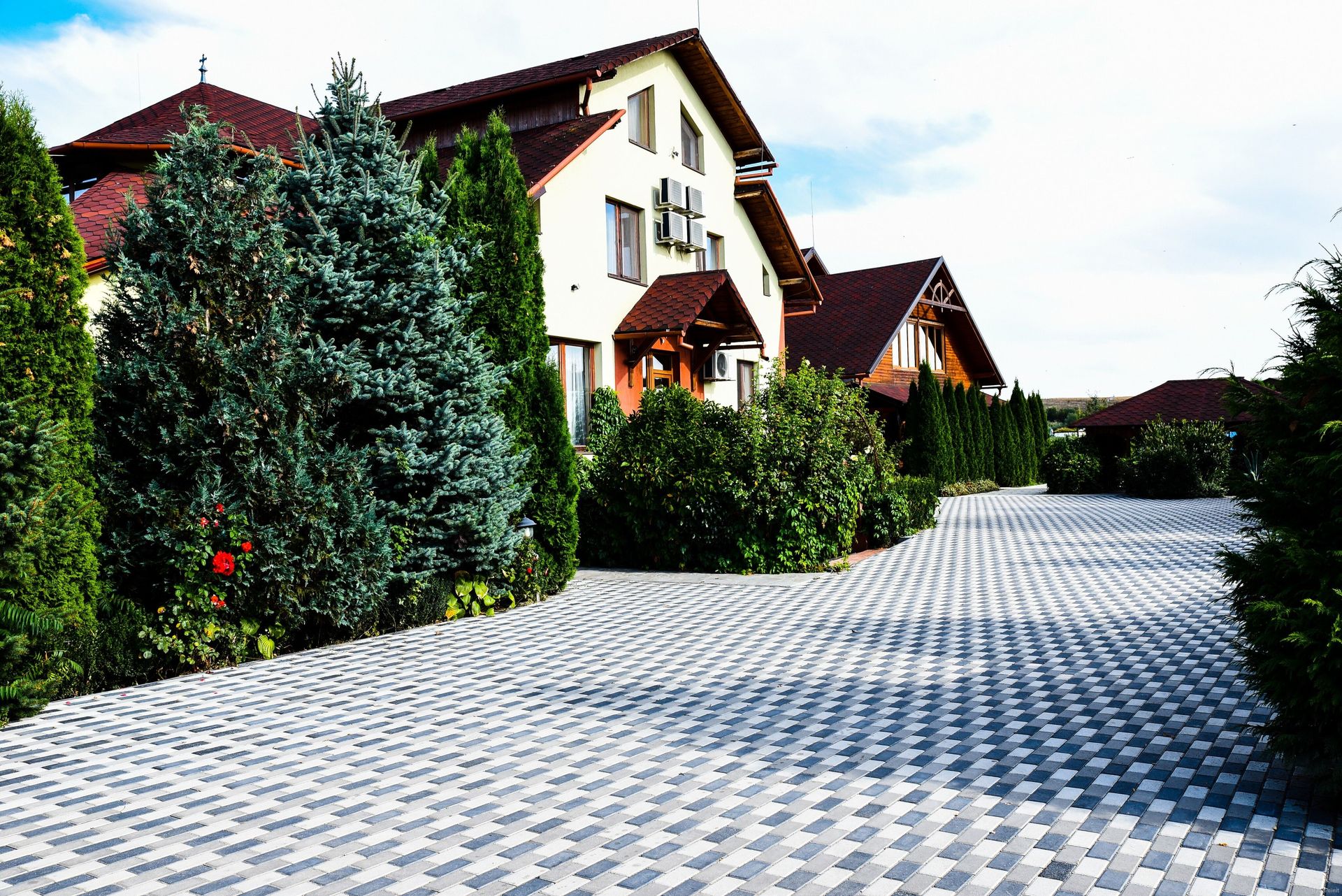
Pensiune · 3 stars

Cornești, Cornești County · 4.7 km
Pensiunea Casa Moțească Cornești
Pensiunea "Casa Moteasca" se numara printre pensiunile care ofera cazare turistilor ce viziteaza Cheile Turzii, Valea Ariesului, Salina Turda, sau alte obiective turistice din zona localitatii Turda, judetul Cluj. Privind in zare de pe terasa pensiunii, in partea dreapta poti vedea Rezervatia naturala Cheile Turzii, unul dintre cele mai frumoase locuri din Transilvania, iar din partea stanga simti adierea aerului curat, navalind de pe Valea Ariesului, mirificul traseu al Muntilor Apuseni. Pensiunea este deschisa turistilor pe toata durata anului, pentru a oferi cele mai bune conditii de cazare, mancaruri traditionale si o atmosfera relaxanta, intr-un decor de poveste. Fiind musafirii nostri, veti avea ocazia sa gustati preparatele culinare gatite de bucatari priceputi, dupa retete traditionale din Tara Motilor. Micul dejun se serveste in sistem bufet intre orele 8-10. Nu se accepta aducerea de alimente si bauturi din afara pensiunii. La plata cu vouchere se percepe un comision de 5% peste preturile oferite. Vouchere acceptate: SODEXO, UP ROMANIA (CHEQUE VACANCES) Va invitam cu drag la pensiunea noastra, ca sa petreceti o vacanta de care sa va amintiti cu placere.
FROM
240 RON / night

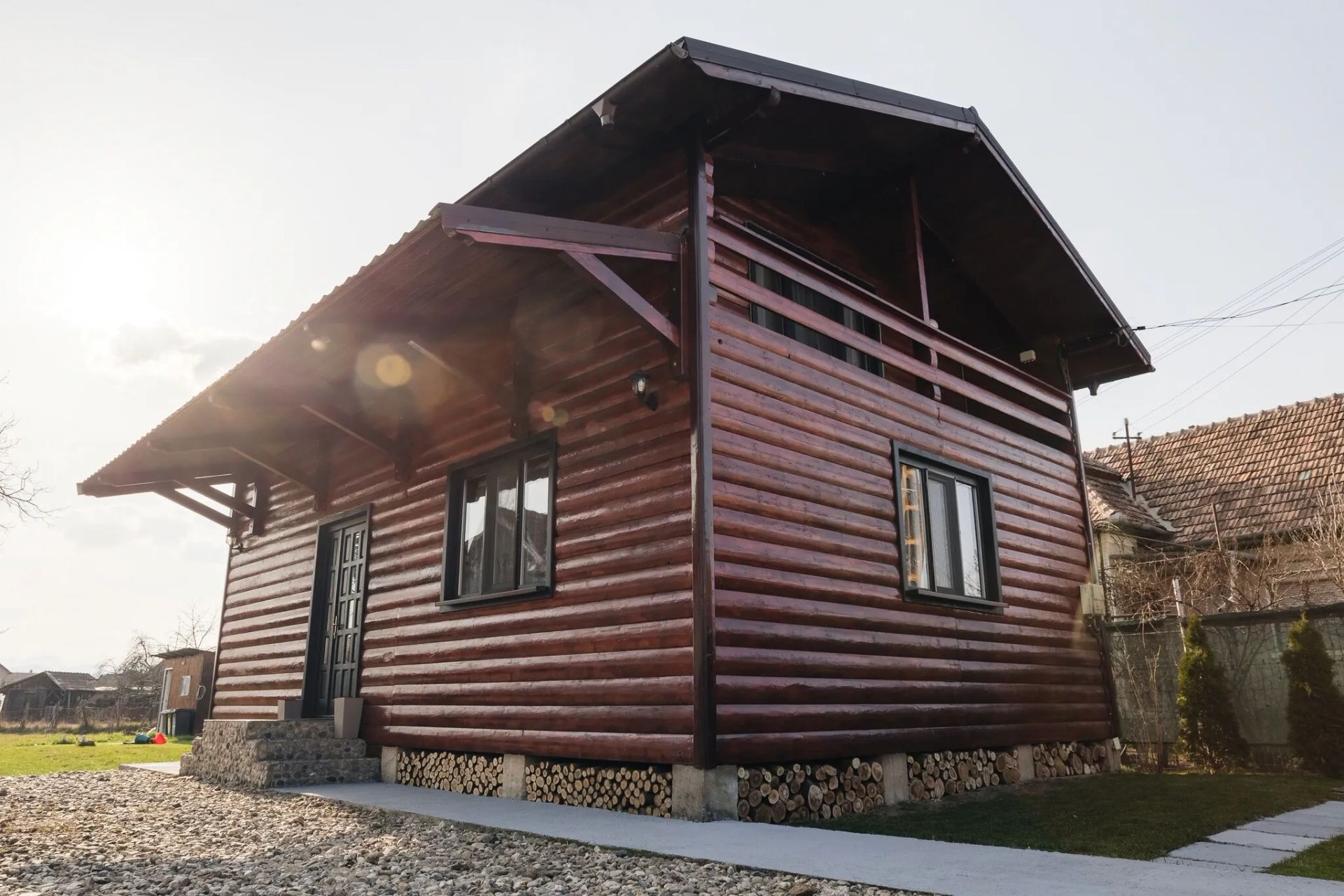
Casă de Vacanță · 3 stars
Mihaiu Viteazul, Mihaiu Viteazul County · 5.4 km
Zen Home Mihaiu Viteazul
Zen Home este o casă modernă situată într-o zonă liniștită, la doar 5 minute de Cheile Turzii, 15 minute de Salina Turda și 25 de minute de Cheile Trascăului. Este locul ideal pentru relaxare în natură, perfect atât pentru familii, cât și pentru grupuri de tineri. Casa oferă confort, liniște și acces rapid la atracții turistice importante din zonă. Este alegerea potrivită pentru o vacanță relaxantă sau un weekend departe de oraș.
FROM
280 RON / night
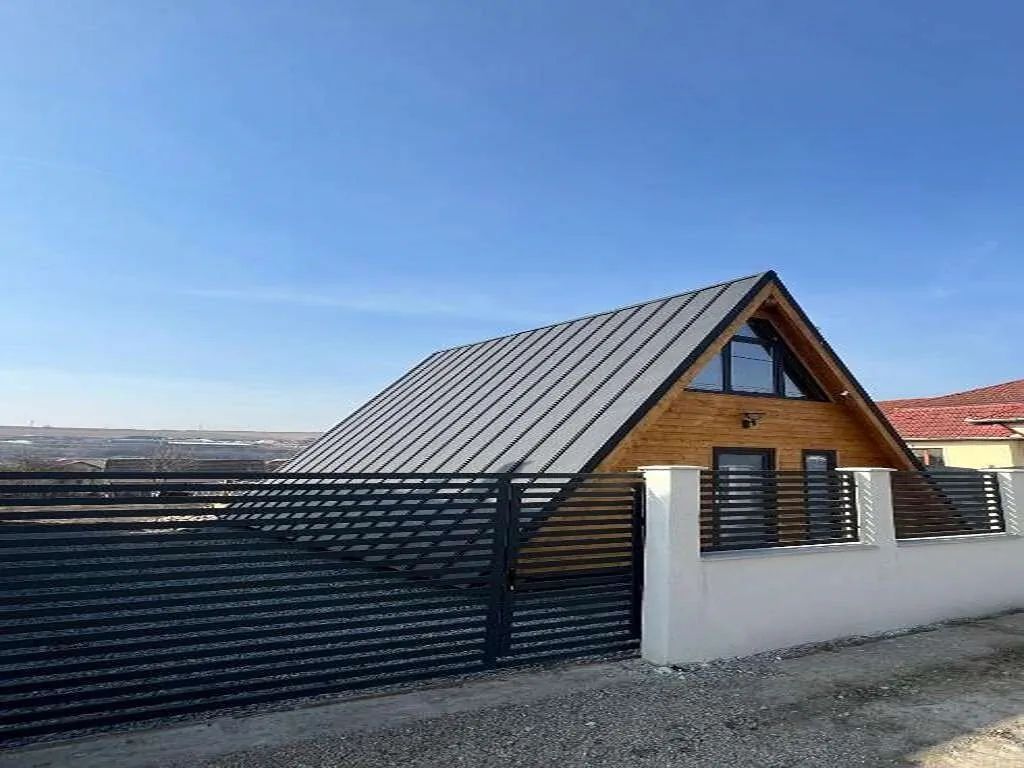
Cabană · 3 stars
Copăceni, Copăceni County · 6.3 km
Cabana Saltwood A-frame Copăceni
Descoperiți Saltwood A-frame, o cabină modernă perfectă pentru o evadare relaxantă. Situată în Copăceni, la doar 3,5 km de Salina Turda (intrare secundară), oferă o zonă de living confortabilă, ferestre mari și o terasă pentru a vă bucura de cafeaua la aer curat. Această cabină este dotată cu aer condiționat, smart TV, WI-FI, mașină de spălat vase, aparat de cafea, mașină de spălat, plită electrică, precum și vase și ustensile de gătit. De asemenea, oferă un grătar și un loc de joacă pentru copii. Un mic magazin este chiar vizavi de cabină, stația de autobuz este la 10 minute de mers pe jos, iar la fața locului este disponibilă o parcare privată. La aproximativ 1,4 km, există două restaurante și benzinării, în timp ce un supermarket este situat la 3,3 km. Indiferent dacă cauți aventură sau relaxare, aceasta este alegerea perfectă!Salut! Numele meu este Patricia, m-am născut și locuiesc în Turda. Sunt căsătorită și mamă a doi băieți minunați, jonglând astfel între rolul matern și cel de gazdă a trei proprietăți în frumosul oraș Turda. Mă descriu ca fiind o persoană sociabilă, dedicată și plină de energie.Copăceni este un sat pitoresc de lângă Turda, România, înconjurat de dealuri blânde și peisaje frumoase. Oferă un refugiu liniștit cu farmecul rural tradițional și acces ușor la atracții precum Salina Turda, Cheile Turului și Cheile Turzii. Cheile Turului, mai puțin cunoscute, dar la fel de spectaculoase, sunt perfecte pentru drumeții, alpinism și explorarea naturii sălbatice.
FROM
450 RON / night
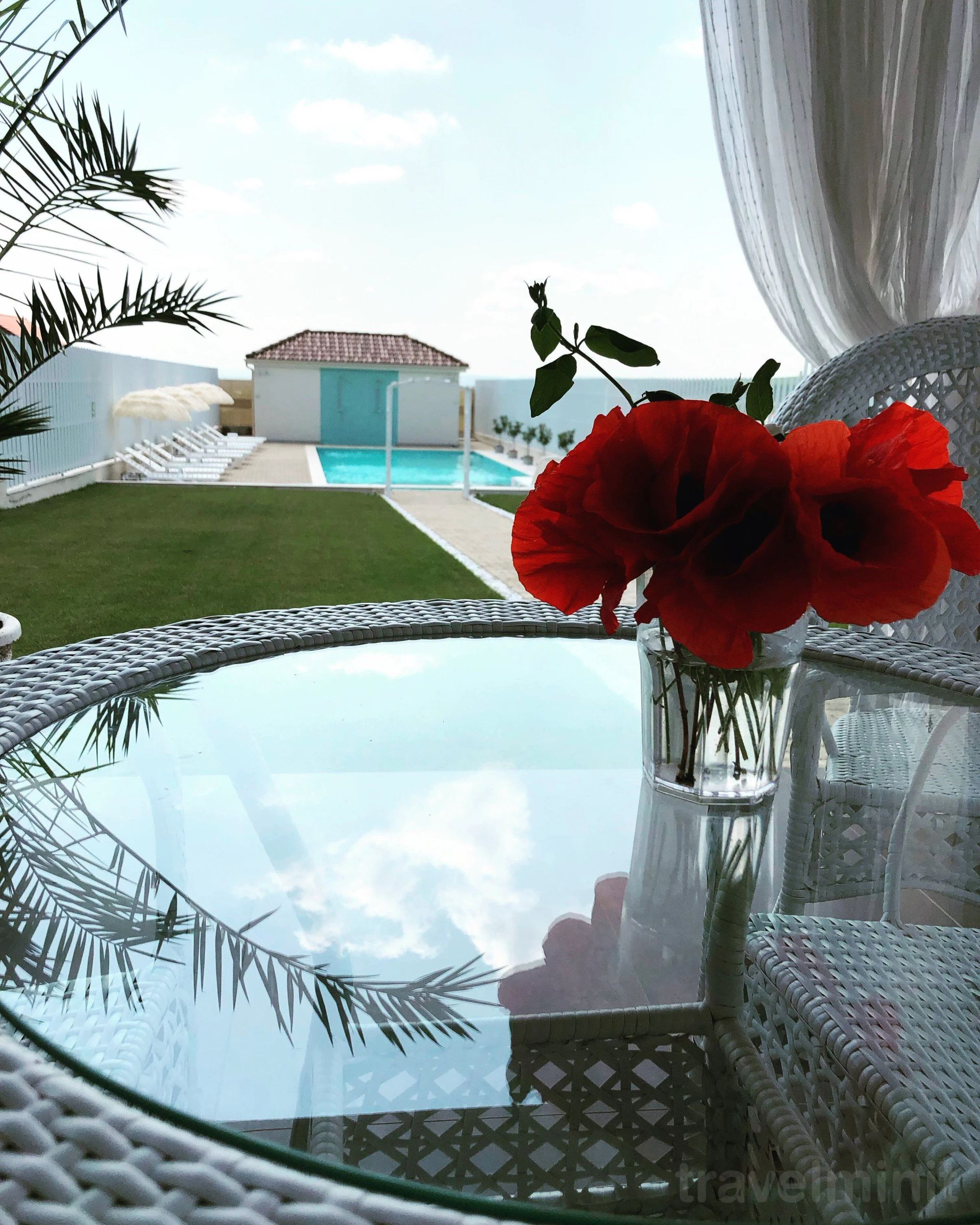
Pensiune · 3 stars
Turda, Turda County · 6.4 km
Alma Rezidence Turda
Camere, serviciiAlma Rezidence Turda Turda ofera cazare in 6 camere frumos amenajate. Proprietatea ofera parcare gratuita. Se ofera servicii wellness la pensiune. Pentru detalii consultati pagina de date. Anumite camere sunt echipate cu aer conditionat, pentru a va asigura tot confortul cuvenit pe perioada sejurului. (Pentru mai multe informatii consultati la fiecare tip de camera rubrica "detalii"). Acces la internet wireless este disponibil la pensiune. Daca doriti sa obtineti mai multe informatii despre facilitatile oferite la aceasta unitate de cazare (inclusiv cele contra cost) si despre echiparea camerelor, consultati fisa de mai jos. LocațiaUnitatea de cazare se gaseste la 3.9 km distanta fata de Salina Turda . Servicii de masăTarifele afisate se refera numai la cazare. PlatăPlata o puteti efectua cu/prin: numerar, card bancar, transfer bancar. Se retine un avans de 50% pentru garantarea rezervarii. Sosire, programZiua de cazare incepe la ora 13:30. Eliberarea camerei se face la ora 11:00. La receptie se vorbeste limba: engleză, română, italiană.
FROM
240 RON / night
Resort · 3 stars
Turda, Turda County · 6.6 km
Giandra Resort Turda
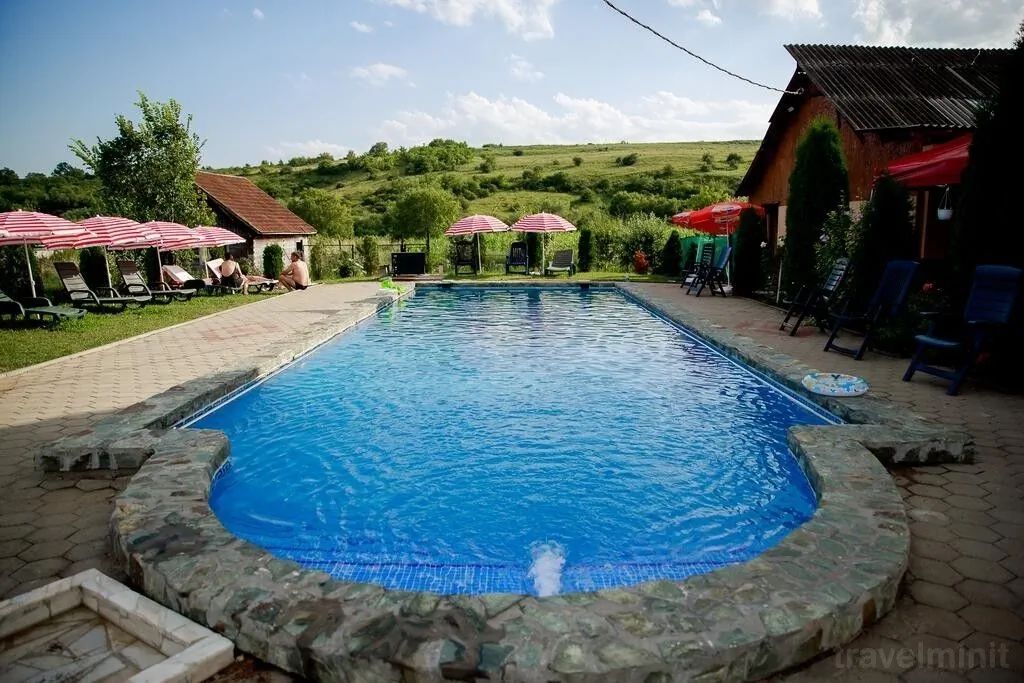
Camere, serviciiGiandra Resort Turda Turda va intampina cu 13 camere confortabile si placut amenajate. Exista parcare privata gratuita. Este o locatie ideala pentru relaxare si revigorare datorita serviciilor wellness. Pentru detalii consultati pagina de date. In unitate exista conexiune la internet wireless. Pentru a obtine mai multe detalii despre facilitatile locatiei (inclusiv cele contra cost) si despre dotarile camerelor, va rugam consultati fisa de mai jos. LocațiaSalina Turda se situeaza la o distanta de 1.8 km , . Servicii de masăPreturile includ doar cazare. PlatăPuteti face plata cazarii cu/prin: transfer bancar, card bancar, card de vacanță, numerar, card de vacanță, avans travelminit, voucher travelminit. Sosire, programPreluarea camerei se face de la ora 15:00 si iesirea pana la ora 10:30. Personal vorbitor de limba: engleză, spaniolă, română.
FROM
360 RON / night

Hotel · 3 stars
Turda, Turda County · 6.8 km
Hotel Sungarden Salin Turda
SunGarden Salin vă invită să descoperiţi frumusețea Cheilor Turzii și cea a Salinei Turda, într-o atmosferă naturală şi totodată elegantă. Șederea la noi vă va oferi o experienţă unică, fiind locul în care istoria se îmbină cu modernitatea, având şansa de a descoperii o serie de obiective turistice într-un ambient confortabil, modern şi totodată familiar.La doar 20 minute distanță de Cluj-Napoca, însă la doar câțiva pași de frumoasele monumente istorice, locația noastră vă așteaptă să-i călcați pragul.Design-ul distinct al celor 27 de camere ale hotelului vă vor determina să reveniți mereu.
FROM
290 RON / night
BEFORE YOU HIT THE ROAD
Weather conditions in Apahida
Local forecast for Turda Gorge, Apahida, Cluj

Real-time updated weather data
Much more to explore in this area
Nearby tourist attractions


Turda, Cluj County
Turda Salt Mine
Se gaseste in zona Durgau-Valea Sarata din Turda; prima atestare documentara a extragerii sarii in Turda dateaza din anul 1271; cele patru mine din adancurile...
8.1 km

Apahida, Cluj County
St. Michael's Church, Cluj-Napoca
Situata in Piata Unirii, Cluj-Napoca; istoria bisericii Sfantul Mihail coincide cu inceputurile Clujului ca si oras; biserica a fost inaltata pe un teren care...
23.9 km

Apahida, Cluj County
Muzeul Național de Istorie Cluj-Napoca
Situat pe strada Constantin Daicoviciu 2, Cluj-Napoca; cunoscuta si drept Casa Petrechevich-Horvath drept, este continuatorul primei asociatii muzeale din...
24.0 km

Apahida, Cluj County
Muzeul de Artă Cluj Napoca
Situat in Piata Unirii 30, Cluj Napoca; infiintat ca institutie in anul 1951, muzeul functioneaza din anul 1956 in Palatul Banffy, o cladire baroca construita...
24.7 km

Apahida, Cluj County
Cetatea Clujului
Pentru a construi cetatea romanii au folosit ca si hotare ale cetatii in primul rand Canalul Morilor si Paraul Tiganilor, care trece prin Gradina Botanica si...
23.5 km

Nicula, Cluj County
Mănăstirea Nicula
Situata in localitatea Nicula, orasul Gherla; manastire de calugari; poarta urmatoarele hramuri: Adormirea Maicii Domnului, Sfantul Nicolae, Buna Vestire;...
24.6 km

Apahida, Cluj County
Cetățuia din Cluj
La fel ca si Cetatea din Alba Iulia, Cetatuia a fost proiectata de arhitectul militar italian Giovanni Morandi Visconti, in timpul guvernarii militare a...
24.6 km

Apahida, Cluj County
Rezervația Naturală Cheile Turzii
Situate de-a lungul Vaii Hasdate; reprezinta una dintre cele mai cunoscute atractii turistice din Romania -privelistea, peretii inalti de stanca, vegetatia si...
0.6 km

Apahida, Cluj County
Muzeul Etnografic al Transilvaniei
Situat pe strada Memorandului nr. 21 din Cluj-Napoca; infiintat in 1922, detine colectii cu piese extrem de valoroase, achizitionate pe baza unor cercetari de...
23.9 km

23.9 km

24.0 km
28.9 km
Cultural life and traditions
Events near Turda Gorge
Medieval festivals, traditional fairs, concerts and recommended local activities in Transylvania.

Patrimoniu și Istorie

Apahida, Jud. Cluj
Festivalul Cetăților Medievale și Zilele Porților Deschise
Tururi ghidate nocturne, ateliere de meșteșuguri tradiționale și reconstituiri istorice cu cavaleri și domnițe.
WHEN
15 - 17 Mai 2026

Tradiții și Gastronomie
Apahida, Jud. Cluj
Târgul Tradițiilor Săsești și Gastronomie Locală
Descoperă producătorii locali, plăcintele săsești coapte pe vatră, siropurile artizanale și dulceața de rubarbă.
WHEN
În fiecare weekend (Mai - Octombrie)

Ecoturism și Natură
Colinele Transilvaniei, Jud. Cluj
Drumeții Ghidate pe Traseul Colinele Transilvaniei
Excursii pe poteci nemarcate printre fânețe seculare, stejari multiseculari și sate cu biserici fortificate UNESCO.
WHEN
Vineri - Duminică (Sezon 2026)
On foot, exploration gains depth
Discover the surroundings and local geography
Explore trails, terrain and natural landmarks around Turda Gorge.

Guides and practical tips
Useful travel articles
Travel guides, practical tips and itineraries for Transylvania.

Travel guide
Top 5 Atracții Turistice și Trasee Montane în Zona Moieciu - Bran
Descoperă cele mai spectaculoase peisaje carstice, chei adânci și cetăți medievale din imediata apropiere a stațiunii Moieciu.

Travel guide
Ghid de Drumeție: Traseul Moieciu de Sus spre Platoul Bucegi
Un itinerariu montan de o frumusețe rară ce urcă din Valea Băngăleasa spre Poiana Guțanu și crestele maiestuoase ale Bucegilor.

Travel guide
Castelul Bran: Istorie, Legende și Secrete Medievale
Află adevărata poveste a fortăreței medievale din Pasul Bran, reședința de suflet a Reginei Maria a României.
THE JOURNEY STARTS WITH AN IDEA
The next story is on the way.
From the first stop to the last stay, make room for a new Romania.
