


NATURE AND WILDLIFE · TRANSYLVANIA
Praid Salt Mine

Harghita, Harghita County
Add location to your trip planner.

Practical access information

VISITING HOURS
Consultă programul local de vizitare

TICKET PRICE
Informații disponibile la casierie

RECOMMENDED VISIT DURATION
1 - 2 ore
Sources and external references
Wikipedia Encyclopedia (EN)
Visitor information and guide
 Navigate with Google Maps

ABOUT PRAID SALT MINE
Captivating Introduction and Universal Value
In the heart of the Székely Land, where the Gurghiu Mountains stretch like a natural fortress over the ancient Udvarhely county, lies a place where the history of Europe is written in salt. Praid Salt Mine — known in Hungarian as Parajdi sóbánya and in German as Salzberg — is not only the largest underground rock salt mine in Romania, but a monument of European industrial heritage, a subterranean city carved over two and a half centuries ago that, until spring 2025, attracted over 200,000 visitors annually from around the world.
This salt mine represents a masterpiece of Habsburg mining engineering, a speleotherapy sanctuary of European stature — directly inspired by the legendary model of Wieliczka in Poland — and at the same time, a silent witness to turning points in continental history: from the economic strategies of the medieval Kingdom of Hungary, through the administrative reforms of the Habsburg Empire, to the ecological disaster caused by climate change in the 21st century.
Currently, following the catastrophic flood of May 2025, Praid Salt Mine finds itself in a dramatic period of transition. Closed to the public for an indefinite period, with a state of alert extended monthly in the Praid commune, the salt mine has become a symbol of a European struggle to save cultural heritage in the face of unleashed nature. On October 8, 2026, the European Commission approved the allocation of €14.3 million from the European Union Solidarity Fund for the restoration of this site, opening concrete prospects for the reopening of the construction site by the end of this year. Until then, the story of Praid Salt Mine remains a living lesson about the fragility and resilience of European heritage.
Historical Roots and Major European Connections
From Roman Dacia to the Habsburg Empire: A Continental History of Salt
The salt deposits of Praid formed 13.5 million years ago, during the middle Miocene period, when a shallow tropical sea covered the Transylvanian basin. The salt layer, with an original thickness of approximately 400 meters, was pushed toward the surface by tectonic forces, forming a diapiric body of impressive dimensions: 1.2 kilometers by 1.4 kilometers in horizontal plan and a depth of 2.6–2.8 kilometers — the largest salt massif in Romania and one of the most important in Central Europe.
The exploitation of this underground treasure has roots lost in the mists of history. As early as the Roman era, when Dacia was a province of the Roman Empire (106–274 AD), Roman legions extracted salt from the surface, in square pits 12–15 meters deep, after which they abandoned them to start others. Archaeologist Volker Wollmann, in his monumental monograph on mining in Transylvania, emphasizes that in the immediate vicinity of each salt deposit there was a Roman fortification. Thus, the Praetoria Augusta castrum at Inlăceni guarded the very salt exploitations of Praid, a silent witness to the imperial strategy of controlling the essential resources of the provinces.
The first written documentary attestation of the mine dates from 1291, in a letter of privilege issued by King Andrew III of Hungary, which confirmed the royal rights over the salt mines. However, the true revolution in Praid's history takes place in the 18th century, with the integration of Transylvania into the Habsburg Empire. After Habsburg troops occupied the Principality in 1690 and the Leopoldine Diploma of 1691 consecrated the new constitutional order, mineral resources became the direct property of the Vienna crown.
In 1762, under the guidance of Austrian mining engineer Johann Frendl (also mentioned as Frendl Aladar), the first systematic underground mine was opened — the Joseph mine (József), with a bell or ogival shape. The manually extracted salt was packed in buffalo hides and hauled to the surface with the help of a horse gin (Göpel) operated by four pairs of horses. This mechanism, unique in Romania and preserved today at the Dimitrie Leonida Technical Museum in Bucharest, operated uninterrupted between 1762 and 1950, being the oldest installation of its kind in the country.
In 1787, the salt of Praid officially became Austrian state property, marking the beginning of systematic exploitation organized according to the modern principles of Viennese imperial administration. From the bell-shaped Joseph mine, two lateral chambers were later opened, named the Charles (Károly) and Ferdinand mines, also in bell shape, demonstrating excavation techniques inspired by the mining tradition of Germany and Austria.
The Székelys' Right to Salt: Freedom within the Kingdom of Hungary
A fascinating chapter in Praid's history is the Székelys' right to salt exploitation — a freedom (libertas) that defined the identity of the Székely community within the medieval Kingdom of Hungary. In 1405, King Sigismund of Luxembourg (who would later also become Holy Roman Emperor) forbade great landowners from exploiting salt on their estates, and his successor issued a law by which the Székelys and Saxons of Transylvania were allowed to extract salt from Praid three times a year.
This legal provision reflects the privileged status of the Székelys as a military nation (natio militaris) within the Hungarian feudal system, a status similar to that of the Teutonic Knights or the chivalric orders of Western Europe. The right to salt was an integral part of Székely autonomy, and conflicts to preserve this privilege marked the history of the region for centuries. Even during Habsburg rule, when the centralized administration from Vienna took control of the salt mines, Székely communities continued to claim their traditional rights, and Transylvanian princes such as Gabriel Báthory (1603), Ștefan Bocskai (1605), Gabriel Bethlen (1613), or Gheorghe Rákóczi I (1631) were obliged to guarantee the freedom of the right to salt under the conditions of their election.
European Horizons: From Wieliczka to Solotvyno
Praid Salt Mine inscribes its history in a broader European context of salt exploitation, which shaped the continent's civilization from the earliest times. Salt was the "white gold" of the Middle Ages, essential for food preservation, the food industry, and international trade. Salt road networks (Salzstraßen) crossed Europe from the Baltic Sea to the Mediterranean, and entire cities — Hallein in Austria, Wieliczka and Bochnia in Poland, Bex in Switzerland, Hallstatt in Austria — owe their prosperity to this mineral.
The mine at Wieliczka, located near Kraków in Poland, represents the closest European model for Praid. Exploited continuously since the 13th century and included in the UNESCO World Heritage in 1978, Wieliczka is known as the "Underground Salt Cathedral," with chapels carved in salt, underground lakes, and a sanatorium for respiratory ailments at 135 meters depth. In the 1960s, directly inspired by the Polish model, the director of Praid Salt Mine, Telegdy Károly, together with physician Dr. Veres Árpád, laid the foundations of modern speleotherapy at Praid, transforming abandoned galleries into a therapeutic center of reference for Eastern Europe.
Other European speleotherapy centers include the underground hospital at Solotvyno (Aknaszlatina) in Ukraine — the largest center of its kind in the world, although now severely affected by war and floods — and various facilities in the Czech Republic, Germany, and Italy. Praid stands out for the impressive size of its exploitation chambers — the Parallel Mine, opened in 1864, is so vast that it could easily accommodate St. Michael's Cathedral in Cluj — and for its unique microclimate, with constant temperatures of 14–16°C, humidity of 66–70%, and strongly ionized air.
Architectural Masterpiece and Artistic Heritage
Underground Architecture: Salt Cathedrals and Habsburg Engineering
Praid Salt Mine represents a remarkable example of underground industrial architecture, developed over two and a half centuries according to the principles of Central European mining engineering. The system of galleries and chambers reflects the evolution of exploitation techniques from traditional methods of the 18th century to modern methods of the 20th century.
The classic technique of opening salt mines, described in detail by mining historians, followed a rigorous protocol inspired by Austrian and German practice. Before opening a new mine, exploration drilling was carried out; if salt was not intercepted within 36 meters (18 Klafter or 18 fathoms), the project was abandoned. The shafts were dug with a square profile, with a side of 2.8 meters, down to 4 meters below the sterile-salt contact, where the "foundation" of wooden beams was made. The walls were lined with buffalo hide to prevent water contact with the salt, and the mine took a conical-ogival shape, with as circular a cross-section as possible.
Joseph Mine (1762), with its bell shape, was followed by the Charles and Ferdinand chambers. In 1809, 140 meters southeast, the "New Mine" (Újbánya) was opened, which however was flooded and abandoned in 1811, only two years after inauguration — an early warning about the fragility of the system in the face of the waters of the Corund stream. In 1864, next to Joseph Mine, the Parallel Mine (Párhuzamos) was opened, with a trapezoidal profile, which remains today one of the largest underground cavities in Romania.
Special mention deserves the Elisabeth (Erzsébet) mine, opened in 1898 as a reserve mine in the northeastern part of Salt Hill. In 1939, exploitation attempts through dynamiting led to the collapse of the ceiling and the appearance of a large doline at the surface, which still exists today — a natural monument of the interaction between human activity and salt geology.
The Communist Era and Therapeutic Transformation
After World War II, the salt mine entered a new stage of development. Between 1947–1949, the Gheorghe Doja (Dózsa György) mine was opened, named after the leader of the 1514 peasant revolt — a symbolic gesture of the communist regime to honor popular figures of history. Salt transport was done through the Gh. Doja shaft and by narrow-gauge railway, and after the 1970s, with 16-ton dump trucks.
In 1978, at 40 meters below the level of the old mines, a new mine was opened, put into operation in 1980, with chambers 20 meters wide, 12 meters high, and hundreds of meters long. The deepest horizon was at 320 meters below the surface level. In 1991, work began on the Telegdy sector, put into operation in 1994 and named after the former director of the salt mine, Telegdy Károly. The exploitation method — "small rooms and square pillars" (Canadian method) — offered superior structural safety, with widths of 16 meters, heights of 8 meters, and pillars of 14x14 meters.
The Leisure Base: A European Underground City
The most impressive architectural achievement of Praid Salt Mine is the Leisure Base, arranged at "horizon 50," at 120 meters depth below ground level. The space, with a width of 20 meters, height of 14 meters, and length of hundreds of meters, was transformed into a true underground city, unique in Europe through the combination of industrial heritage, medical therapy, and leisure.
Access was made through a 1,250-meter transport gallery, traveled by special buses, followed by a descent of 247 steps to the seven visiting chambers. The exit was made through another route, climbing 179 steps. The specific microclimate — constant temperatures of 14–16°C, reduced humidity of 66–70%, atmospheric pressure higher than at the surface (735–738 mmHg), and strongly ionized air — made this space a sanctuary for the treatment of respiratory ailments.
Underground, tourists discovered a surreal universe: hundreds of tables and sofas of carved wood, a restaurant, cafés, billiard and ping-pong tables, a mining museum presenting extraction methods from the Romans to the present, a library, children's play areas, and, in a secluded corner, a wooden chapel built in 1993 for prayer. Club Aventura, the first adventure park in Europe arranged in a salt mine, offered routes between pillars up to 15 meters high and routes on natural salt rock. A wine gallery presented 275 varieties from 25 winemakers from six European countries, and an internet café ensured connectivity in the depths.
In peak season, the salt mine could receive up to 3,000 visitors per day, being in 2009 the most visited salt mine in Romania, with over 200,000 tourists annually.
Legends, Personalities, and Turning Points
Gheorghe Doja: The Shadow of the Revolt over the Salt Galleries
The name of a mine in Praid Salt Mine carries the echo of one of the most dramatic revolts in European history. Gheorghe Doja (in Hungarian Makfalvai Dózsa György, in German Georg Dózsa von Makfalva), born around 1470 in Dalnicul in the Székely Seat of Ciuc, was a minor Székely nobleman who led the great peasant revolt of 1514 against the Hungarian magnates.
The European context of those times was tumultuous: Pope Leo X had proclaimed a crusade against the Ottoman Empire, promising liberation from serfdom to peasants who joined. Over 100,000 peasants — Romanians, Hungarians, Székelys, Slovaks, Serbs — gathered under Doja's leadership, transforming the crusade into a social revolution against the feudal order. After the rebels conquered the fortress of Cenad and defeated the army of Bishop Csáky, Doja besieged Timișoara for two months in the summer of 1514. Defeated by the noble army led by John Zápolya, Doja was captured and, on July 20, 1514, executed in a barbaric manner: seated on a red-hot iron throne, crowned with a crown of fire, and forced to watch his comrades in arms — starved by the jailers — devouring him alive.
In 1949, the communist regime in Romania opened the Gheorghe Doja mine at Praid, naming it after this popular hero, in a gesture of historical propaganda that associated the miners' struggle for freedom with the memory of peasant revolts. The mine operated until 1970 for extraction, and later its chambers were transformed into a treatment and leisure base.
Telegdy Károly: The Visionary of Underground Therapy
The central figure in the transformation of Praid Salt Mine from a simple mining operation into a therapeutic and tourist center of European stature was Telegdy Károly, the director of the salt mine during the period of intensive development. Inspired by the consecrated model of the Wieliczka mine in Poland — which he studied in detail — Telegdy Károly, together with physician Dr. Veres Árpád, laid the foundations of modern speleotherapy in Romania in the 1960s.
Under his leadership, the abandoned galleries of the Gheorghe Doja mine were transformed into the underground treatment base, and in 1994 the mining sector bearing his name was put into operation. The "small rooms and square pillars" technique (Canadian method), with precise dimensions of 16 meters width, 8 meters height, and pillars of 14x14 meters, ensures the structural stability necessary for the arrangement of therapeutic and tourist spaces.
František Pošepný and the European Science of Salt
In 1867, the Czech geologist František Pošepný (also known as Franz Pošepný) carried out a detailed study of the active and inactive salt mines of Praid, contributing to the international scientific knowledge of Transylvanian deposits. Pošepný was part of a tradition of Central European researchers — alongside Paul Partsch, who visited the area in 1826, or Johann Fichtel, author of a contribution to the history of minerals in Transylvania in 1780 — who documented the geological heritage of the region for the European scientific community.
The May 2025 Catastrophe: The Turning Point
Spring 2025 brought the most serious episode in the recent history of Praid Salt Mine. After May 5, abundant precipitation caused the sudden increase in the flow of the Corund stream to approximately 60 m³/s — a level over one hundred times higher than the usual average. The surface of the salt massif, strongly karstified with numerous crevices, fissures, and dolines, allowed the waters to penetrate underground through collapses formed in the stream bed.
Between May 27 and 30, 2025, the entire volume of water of the Corund infiltrated into the salt mine, completely flooding the nine exploitation horizons, including the leisure base and the tourist area. Over 4 million cubic meters of water filled the galleries, destroying installations, salt stocks, and electrical infrastructure. The National Salt Company (Salrom) suspended all activity, and the Local Committee for Emergency Situations instituted the state of alert in the Praid commune — a measure that, in October 2026, remains still in force, being extended monthly.
The President of Romania, Nicușor Dan, visited the salt mine on May 31, 2025, promising support for reopening and compensation for the approximately 130 affected employees. The Hungarian government offered technical assistance for restoration, demonstrating cross-border solidarity in the face of a disaster that struck a common heritage of Central Europe.
Practical Visiting Guide and Today's Tourist Experience
Current Situation: October 2026
Currently, Praid Salt Mine remains closed to the public for an indefinite period. The state of alert instituted in the Praid commune on May 8, 2025, has been extended monthly, the last extension being valid until April 8, 2026, and subsequently extended again. Access to the salt mine area is restricted, and tourists can only visit the exterior of the perimeter and the open-air museum in the locality.
On October 8, 2026, the European Commission approved the allocation of €14.3 million from the European Union Solidarity Fund for Romania, destined in part for the restoration of Praid Salt Mine. The European Parliament had voted on this measure as early as July 7, 2026, with 642 votes in favor. The interim Minister of Environment, Diana Buzoianu, announced that she hopes the restoration construction site will be opened by the end of 2026, with plans that include the reopening of Joseph Mine (also known as the "Echo Hall") and the creation of a new connection to the Theresa Mine.
When Will It Reopen: Prospects for 2027
Although there is not yet an official deadline for the complete reopening of the salt mine, specialists estimate that the work of pumping water, stabilizing structures, and rearranging tourist infrastructure could take between 18 and 36 months from the start of the construction site. Given the approval of European funds and the involvement of central authorities, the prospect of a partial reopening in 2027 seems realistic, although the complete reopening of the leisure base and the therapeutic circuit could require another year or two.
What Tourists Can Visit in the Area Currently
Even in the absence of access underground, the Praid region offers a rich alternative tourist offer. The Sovata balneoclimatic resort, located only 10 kilometers away, hosts Lake Ursu — the largest heliothermal lake in Europe — and Lake Aluniș, with salty waters beneficial for health. The pottery center of Corund, renowned for its secular tradition, offers workshops and exhibitions of pottery. The village of Praid preserves historical monuments such as the former mine chancery (today a medical dispensary, historical monument code LMI HR-II-m-B-12935), the Reformed church from 1780, and the Lajos Áprily memorial house.
The Via Transilvanica trail, the longest hiking trail in Romania, passes through Praid, offering the opportunity to explore the specific landscape of the Székely Land, with its rolling hills, alpine pastures, and deciduous and coniferous forests of the Gurghiu Mountains. Salt Mountain, with its height of 576 meters, is declared a natural reserve of IUCN category III and can be explored on marked trails.
The Visitor Experience: What Awaits When the Salt Mine Reopens
When Praid Salt Mine reopens its gates, visitors will be able to relive a unique experience in Europe. Access will be made by special buses traveling the 1,250-meter gallery, descending 70 meters below the entrance level, at an angle of 3–4 degrees. From there, tourists will descend on foot approximately 250 steps — a test of endurance especially for elderly people — to the seven visiting chambers located 120 meters below the surface level.
The constant temperature of 15–16°C requires wearing thicker clothes, even in the height of summer. The salty, strongly ionized air offers proven therapeutic benefits for respiratory ailments — bronchial asthma, chronic bronchitis, allergies — and the standard cure lasts 18 days, taking place under permanent medical supervision.
Facilities will include: the wooden chapel for prayer (built in 1993), the mining museum with historical exhibits and the horse gin in reproduction, Club Aventura with adventure routes on salt rock and between pillars, restaurant and buffet, billiard and ping-pong tables, library, children's play areas, wine gallery with 275 varieties from six European countries, and internet café. The exit from underground is made through another route, climbing 179 steps to the transport gallery.
Rates and Schedule (Information for the Post-Reopening Period)
Although current rates are not available due to the closure, the price history indicates a flexible system: entrance tickets for tourists, subscriptions for speleotherapy cures (18 days), and special rates for groups and schools. The visiting schedule used to be 8:00–18:00, with the last bus entry at 16:30. Advance reservation is recommended, especially in the summer season and during the winter holidays, when the salt mine can receive up to 3,000 visitors per day.
Recommendations for Visitors
For those who wish to visit the Praid region during the salt mine reconstruction period, accommodation at guesthouses in Praid, Sovata, or Corund is recommended, which offer access to thermal waters, balneary treatments, and traditional Székely cuisine. The optimal season for visiting is summer (June–September), when outdoor temperatures make the contrast with the 15–16 degrees underground particularly pleasant, although the salt mine can be visited throughout the year due to the constant climate.
For history enthusiasts, a visit to the Dimitrie Leonida Technical Museum in Bucharest offers the opportunity to see the original horse gin from Praid, a witness to an era when animal power and human ingenuity shaped the underground of Europe. And for those interested in UNESCO heritage, a trip to Wieliczka in Poland or to Hallein in Austria offers the comparative context necessary to fully understand the universal value of Praid Salt Mine — a pearl of European industrial heritage, currently in a period of renaissance through the solidarity of the European Union.
Media gallery
Discover Praid Salt Mine in pictures

24 photos · Architecture, courtyards and captivating details


Image source: Wikimedia Commons · Public domain photos · Free license
STAY A FEW DAYS, DISCOVER THE MAGIC
Stays near Praid Salt Mine

Pensiune · 3 stars

Praid, Praid County · 0.2 km
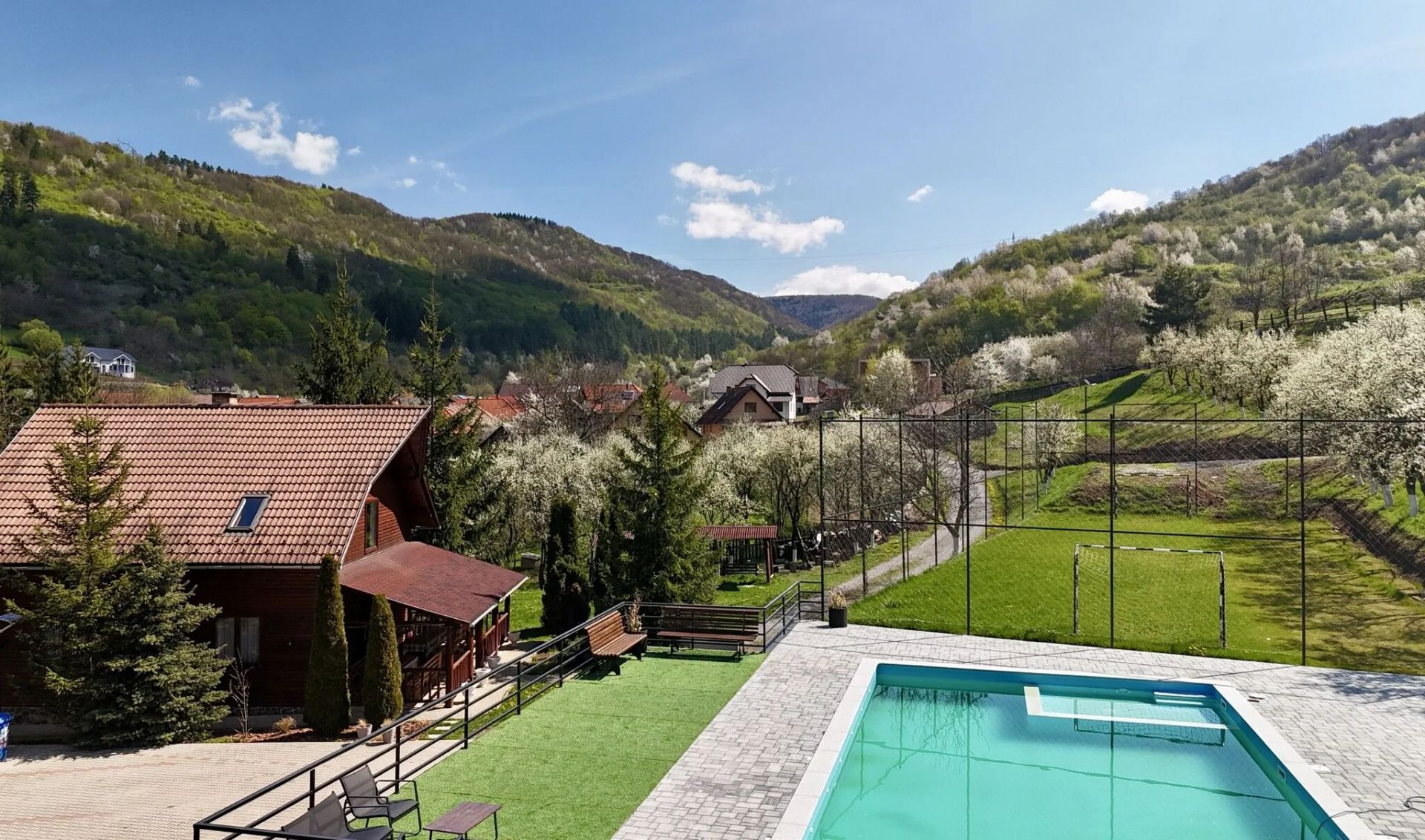
Pensiunea Patakparti 2.
Casa de Oaspeți Patakparti 2 este o alegere ideală datorită amplasamentului său convenabil, la doar 200 de metri de centrul orașului Praid, la 600 de metri de mina de sare și la aproximativ 1.500 de metri de centrul wellness-ului. Această unitate de cazare cu patru camere poate fi închiriată fie pe camere, fie ca întreaga casă de oaspeți. Fiecare cameră are baie proprie și o bucătărie complet utilată în zona de luat masa. Facilitățile includ o curte frumoasă, saună, baie de sare, grătar și parcare închisă. În plus, sunt disponibile încă trei case similare, astfel încât să poată fi cazate până la 56 de persoane, suficiente pentru un autocar de turiști.
FROM
240 RON / night

Pensiune · 3 stars
Praid, Praid County · 0.2 km
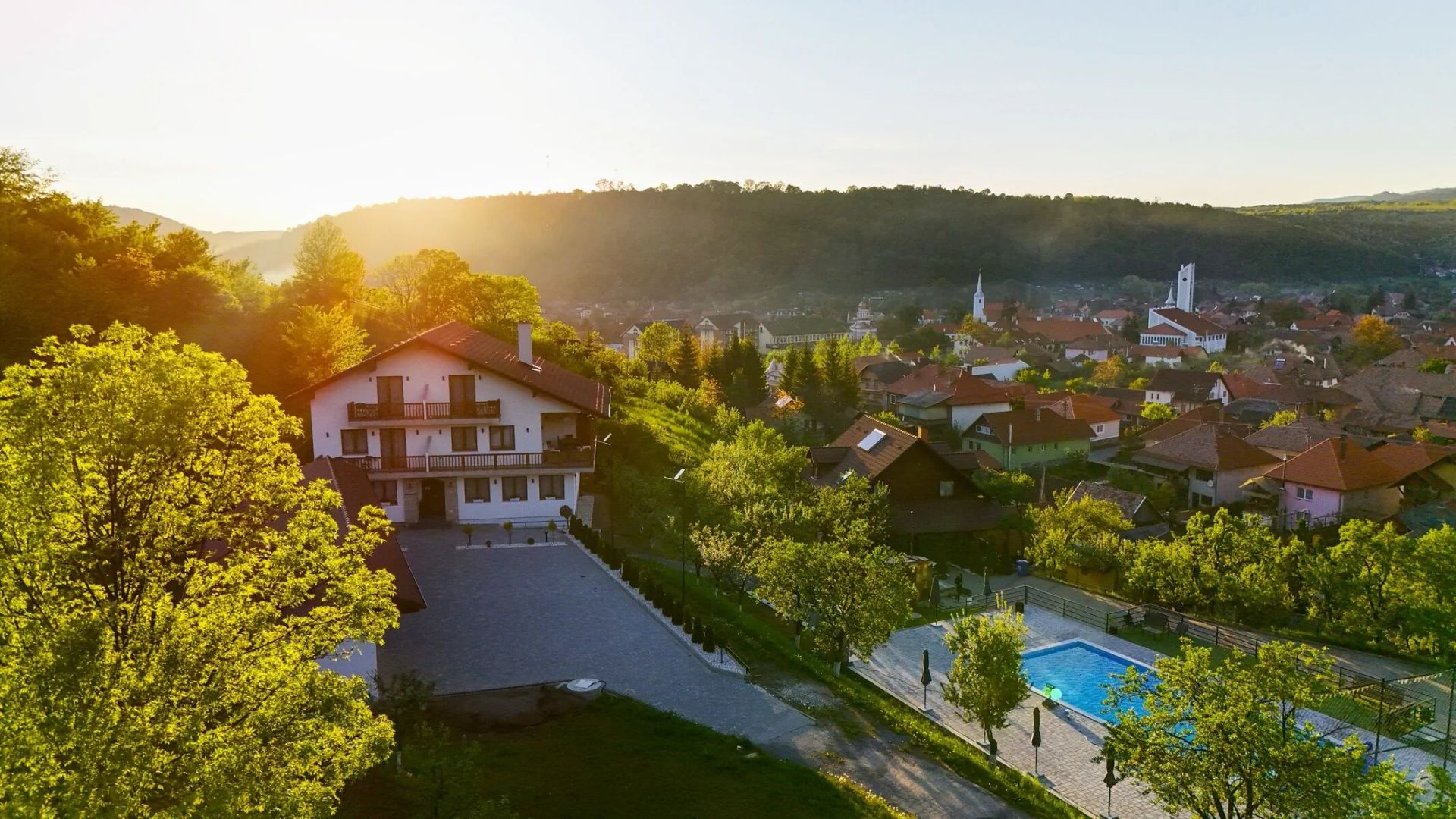
Pensiunea Patakparti 4.
Camerele sunt mobilate cu paturi duble și câteva canapele extensibile, astfel încât toți oaspeții să se simtă confortabil. Fiecare cameră este dotată cu un televizor de dimensiuni mari pentru relaxare, precum și acoperire WiFi completă și parcare închisă. Unitatea noastră de cazare are o bucătărie complet utilată, astfel încât oaspeții noștri să se bucure deplin de gătit. Sala de mese poate găzdui până la 26 de persoane, fiind locul ideal pentru întâlniri de familie sau reuniuni cu prietenii. Spațiile comune sunt confortabile și decorate cu gust, iar în sala de zi spațioasă fiecare își poate găsi modul preferat de relaxare. Băile sunt moderne și complet utilate, iar un uscător de păr este disponibil. Unitatea noastră de cazare respectă cele mai noi standarde pentru ca oaspeții noștri să petreacă timpul în deplin confort. Pentru cei care doresc să se relaxeze, avem la dispoziție o cadă cu hidromasaj, saună și teren de sport. În total, vă așteptăm cu 26 de locuri de cazare și 8 camere confortabile, iar în plus, avem la dispoziție încă 3 case similare, astfel încât putem primi un grup de până la 50-60 de persoane, inclusiv un grup organizat cu autocar.
FROM
240 RON / night
Pensiune · 3 stars
Praid, Praid County · 0.2 km
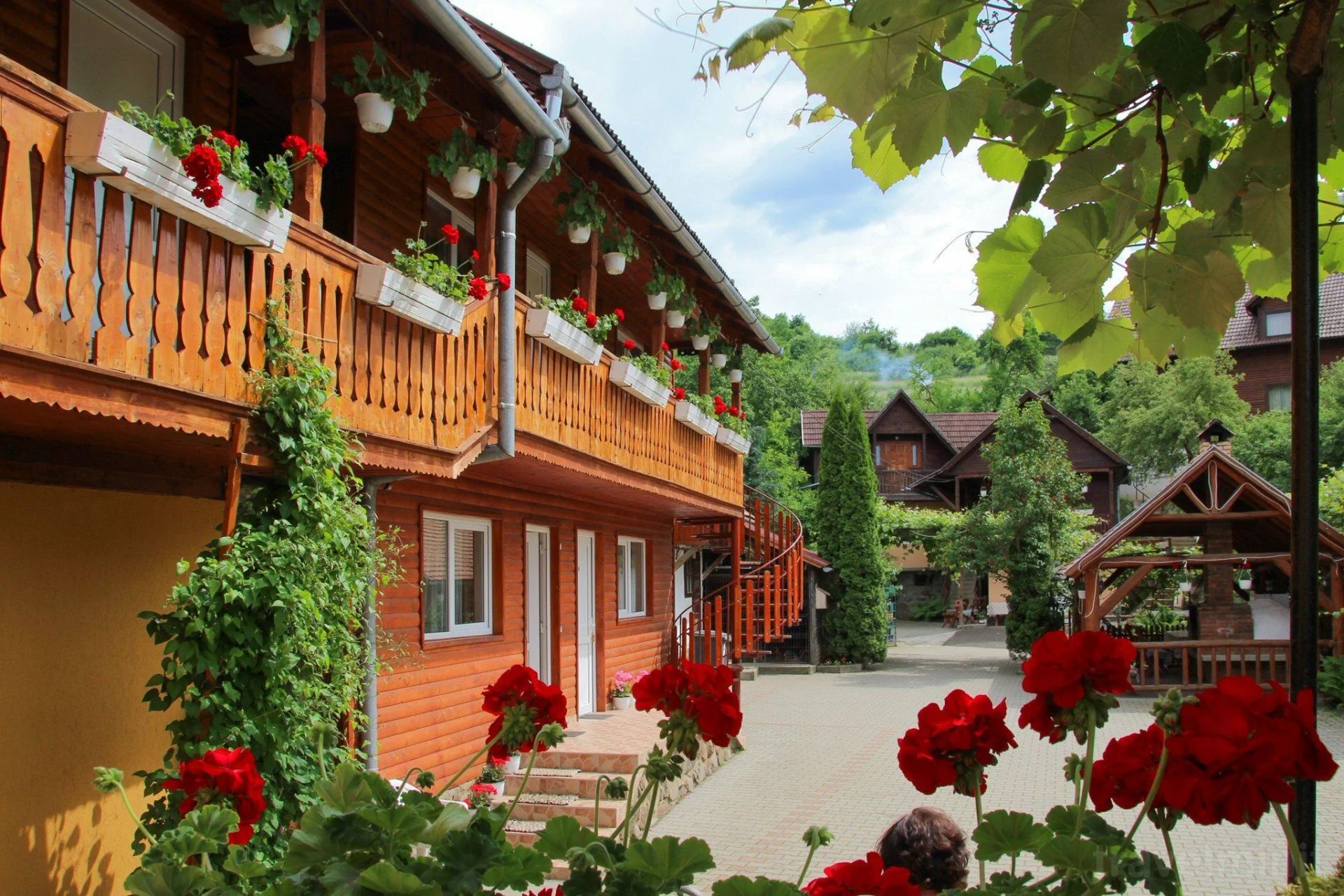
Pensiunea Patakparti
Ideal pentru Familii și Grupuri de Prieteni!O opțiune de cazare perfectă pentru familii și grupuri de prieteni în împrejurimile pitorești ale orașului Praid. Patakparti Vendégház este locul unde mamele și fiii, nurorile și rudele apropiate, precum și prietenii buni vin împreună să se relaxeze și să se destindă. Farmecul mediului și al naturii de aici oferă o experiență de neuitat pentru fiecare oaspete. Camere și Dotări:Fiecare cameră este echipată cu paturi duble și canapele extensibile, asigurând confort maxim. Băile complet utilate dispun de dușuri moderne, accesorii și uscătoare de păr. Servicii de Conveniență:O parte semnificativă din alimentele folosite pentru mesele oaspeților este produsă de familie, inclusiv legumele de bază, produse lactate și carne. Masa poate fi servită și în curtea verde, unde unitatea de cazare oferă facilități de grătar, mobilier de grădină și hamace. Activități la Fața Locului:Excursii organizate, experiențe gastronomice și programe culturale așteaptă oaspeții. Explorați atracțiile și evenimentele zonei din confortul cazării! Experimentați ospitalitatea noastră!
FROM
240 RON / night
Pensiune · 3 stars
Praid, Praid County · 0.2 km
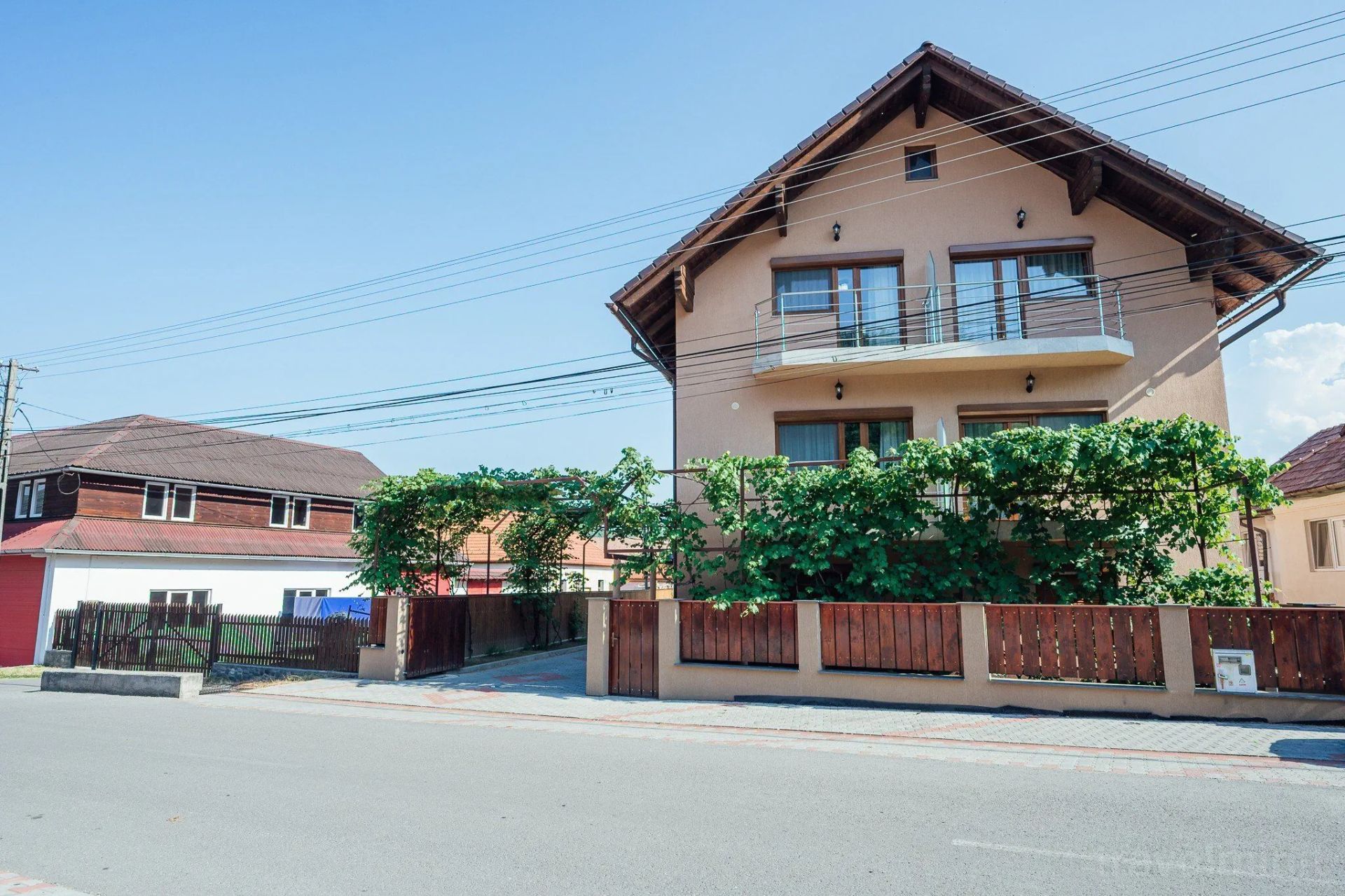
Pensiunea Sándor 2 Praid
Camere, serviciiPensiunea Sándor 2 Praid Praid ofera 6 camere confortabile si placut amenajate. Proprietatea ofera parcare gratuita. Unitatea va pune la dispozitie internet wireless. O lista detaliata despre facilitatile unitatii de cazare (inclusiv cele contra cost), cat si despre amenajarea camerelor gasiti in fisa de mai jos. LocațiaSalina Praid se situeaza la o distanta de 1 km , . Servicii de masăTarifele afisate se refera numai la cazare. PlatăPlata o puteti face cu/prin: numerar, card bancar. Sosire, programCamera poate fi ocupata de la ora 14:00 iar predarea ei se face pana la ora 10:00 . La receptie se vorbeste limba: maghiară, engleză, română.
FROM
240 RON / night
Apartament · 3 stars
Praid, Praid County · 0.2 km
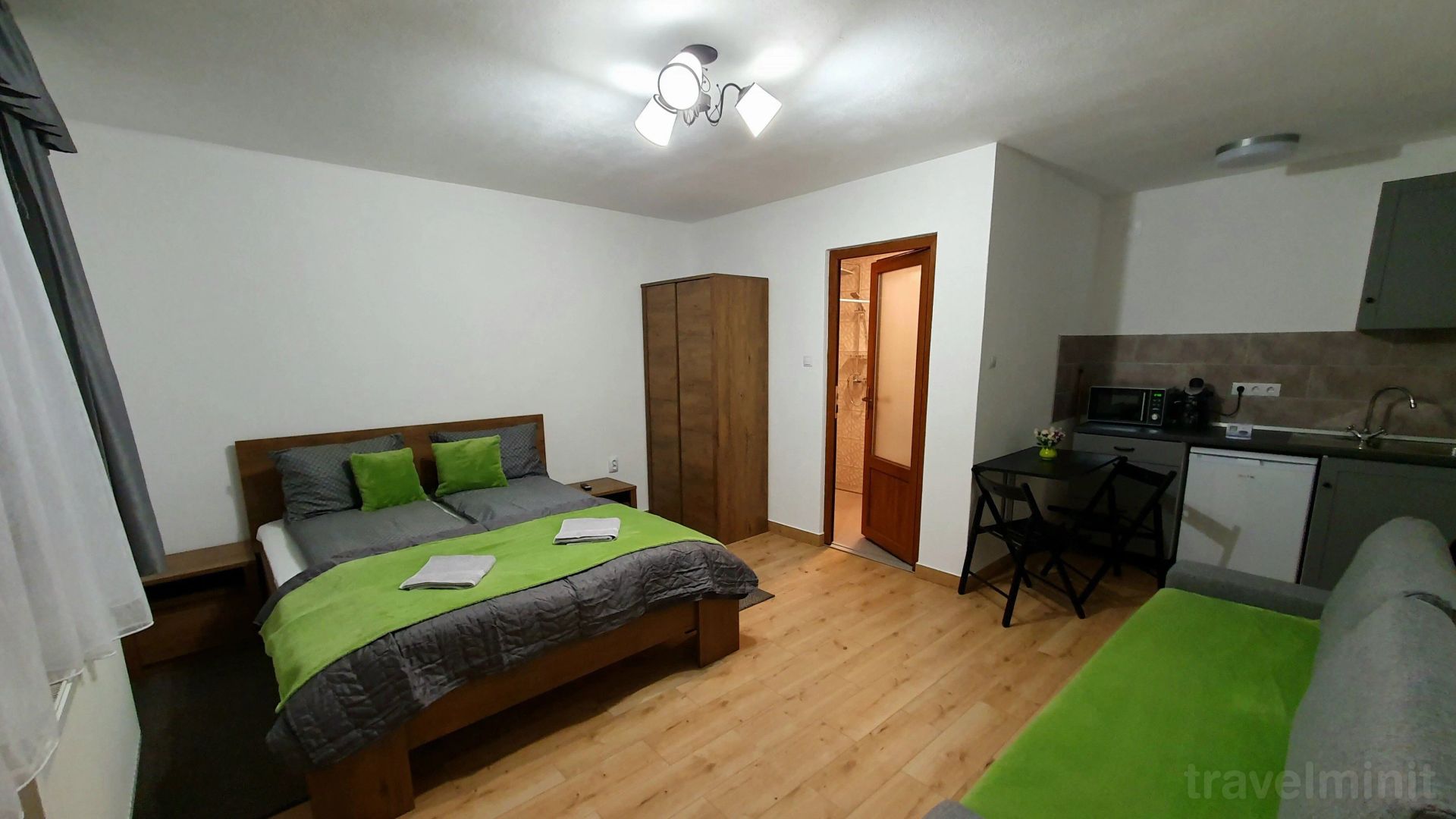
Casa de oaspeți Kodáros Praid
Să vă simţiţi ca acasă, cu aceste gânduri calde sunt primiţi pretutindeni clienţii bineveniţi! Noi nu numai că avem convingerea, dar ne şi străduim ca oaspeţii noştri să se simtă la noi ca ei acasă. Camere, servicii:Casa de oaspeti Kodaros - Praid ofera cazare in trei camere frumos amenajate. Este o locatie ideala pentru familii cu copii deoarece sunt disponibile dotari pentru cei mici. Sunt asteptati cu drag oaspeti insotiti de animale de companie (gratuit). Se ofera parcare gratuita. Camerele sunt echipate cu conexiune la internet, Tv, incalzire centrala si au o bucatarie comuna.
FROM
230 RON / night
Casă de Vacanță · 3 stars
Praid, Praid County · 0.2 km
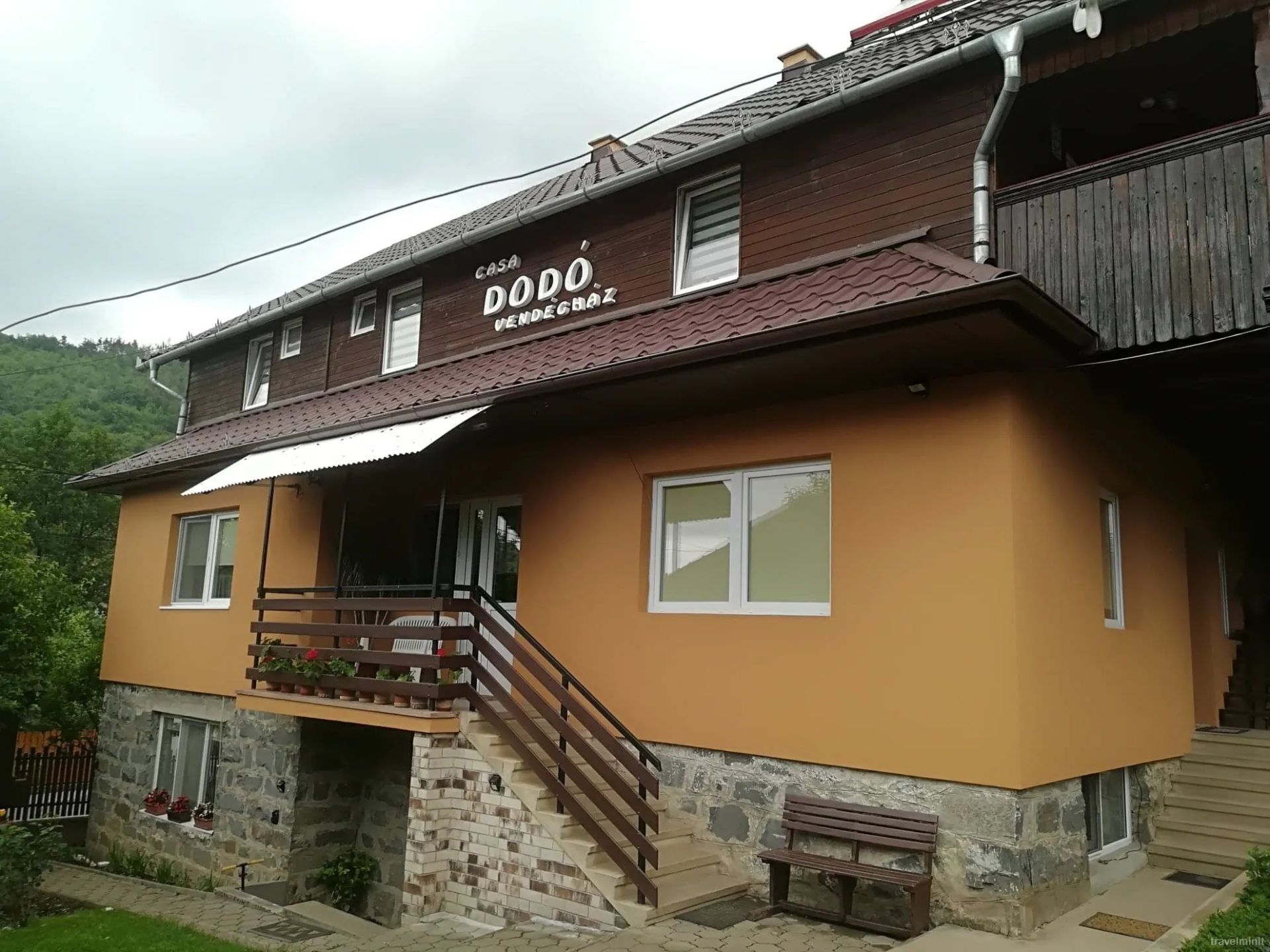
Casa de vacanță Dodo Praid
Camere, serviciiCasa de vacanță Dodo Praid Praid ofera 4 camere confortabile si placut amenajate. O lista detaliata despre facilitatile unitatii de cazare (inclusiv cele contra cost), cat si despre amenajarea camerelor gasiti in fisa de mai jos. LocațiaȘtrandul Praid se gaseste la o distanta de 1.3 km , . Servicii de masăPreturile afisate se refera doar la cazare. PlatăPlata serviciilor se poate efectua prin urmatoarele modalitati: numerar, transfer bancar. Sosire, programIntrarea se face incepand cu ora 14:00 si iesirea pana la ora 11:00. La receptie se vorbeste limba: maghiară, germană, română.
FROM
280 RON / night
BEFORE YOU HIT THE ROAD
Weather conditions in Harghita
Local forecast for Praid Salt Mine, Harghita, Harghita

Real-time updated weather data
Much more to explore in this area
Nearby tourist attractions


Sighișoara, Mureș County
Sighișoara Medieval Citadel
Situata in centrul municipiul Sighisoara; inca din secolul al III-lea i.Hr. a existat pe acest teritoriu o cetate dacica, numita Sandava; romanii au ridicat...
45.3 km

Harghita, Harghita County
Praid Salt Mine
Situata in depresiunea Praid, pe valea raului Tarnava Mica, la 9 km de statiunea Sovata; amplasata la altitudinea de 580 m; prima mentiune referitoare la...
0.2 km

Harghita, Harghita County
Dârjiu Fortified Church
Situata in localitatea Darjiu; construita intre secolele XIV - XV; initial, a fost ridicata in stil romanic, iar apoi a fost transformata in stil gotic; a...
39.1 km

Danes, Mureș County
Turnul cu ceas Sighișoara
Situat in partea de est a platoului inferior al Cetatii Sighisoara; construit in preajma secolului al XIV-lea, pentru a proteja poarta principala a orasului si...
45.3 km

Danes, Mureș County
Biserica fortificată Saschiz
Situata in localitatea Saschiz;construita pe locul unde in trecut exista o bazilica romanica;inaltata in anul 1493, in onoarea regelui Stefan I al Ungariei;din...
41.7 km

Danes, Mureș County
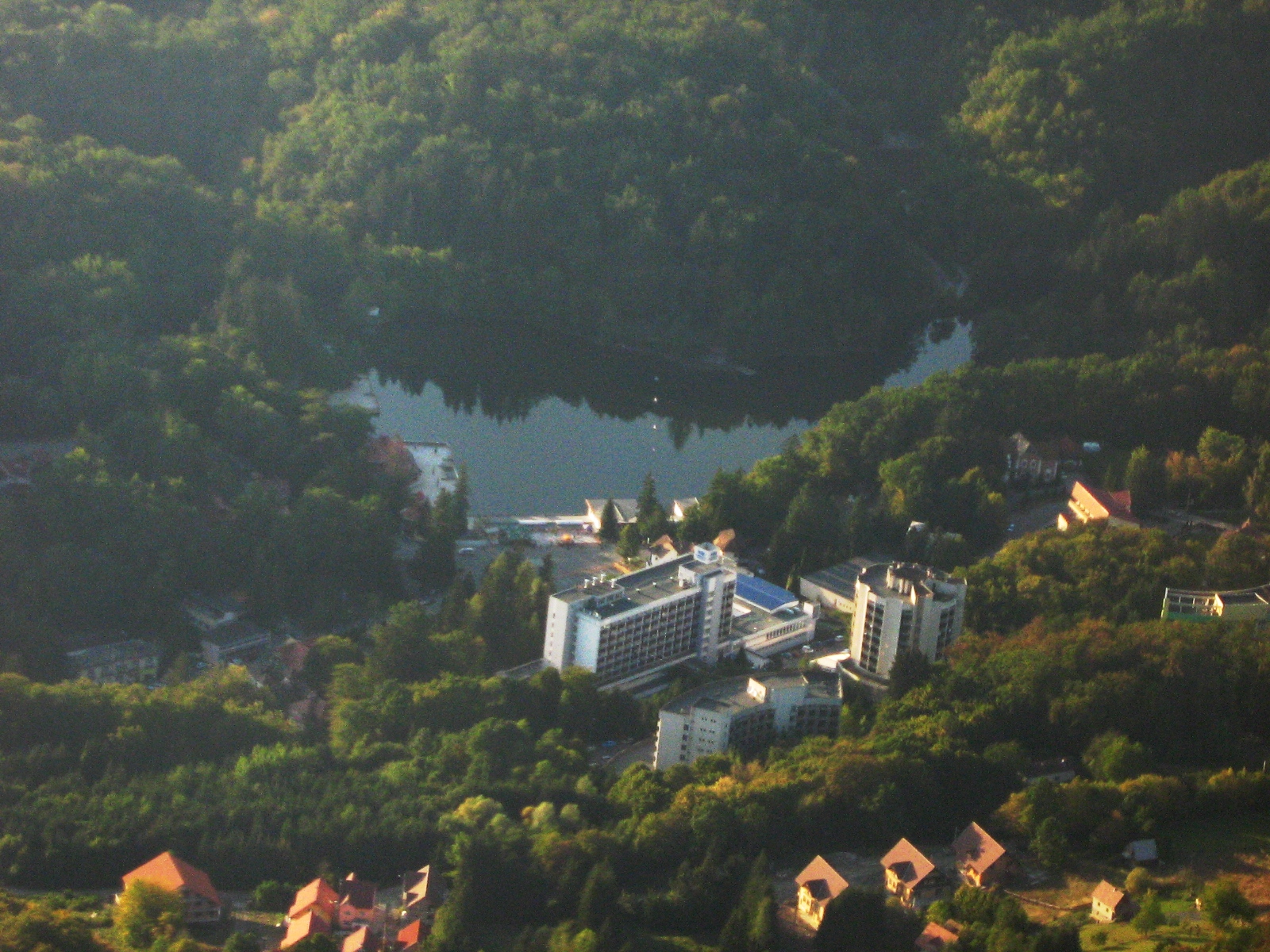
Stațiunea balneoclimaterică Sovata
Situata la poalele dinspre sud - vest ale Muntilor Gurghiu din Carpatii Orientali, la 60 de km est de municipiul Targu Mures; amplasata la altitudinea de 475 -...
6.9 km
România, Transylvania
Lacul Ursu și arboretele de pe sărături
Lacul Ursu și arboretele de pe sărături (lac) în județul România.
7.3 km

Danes, Mureș County
Cetatea Țărănească Saschiz
Situata pe aria localitatii Saschiz, la 2 km de vatra satului; lucrarile au inceput in 1347, fiind construita de comunitatea germana din zona; fortificatia a...
41.8 km

41.9 km

39.1 km
6.9 km
22.6 km
Cultural life and traditions
Events near Praid Salt Mine
Medieval festivals, traditional fairs, concerts and recommended local activities in Transylvania.

Patrimoniu și Istorie

Harghita, Jud. Harghita
Festivalul Cetăților Medievale și Zilele Porților Deschise
Tururi ghidate nocturne, ateliere de meșteșuguri tradiționale și reconstituiri istorice cu cavaleri și domnițe.
WHEN
15 - 17 Mai 2026


Tradiții și Gastronomie
Harghita, Jud. Harghita
Târgul Tradițiilor Săsești și Gastronomie Locală
Descoperă producătorii locali, plăcintele săsești coapte pe vatră, siropurile artizanale și dulceața de rubarbă.
WHEN
În fiecare weekend (Mai - Octombrie)

Ecoturism și Natură
Colinele Transilvaniei, Jud. Harghita
Drumeții Ghidate pe Traseul Colinele Transilvaniei
Excursii pe poteci nemarcate printre fânețe seculare, stejari multiseculari și sate cu biserici fortificate UNESCO.
WHEN
Vineri - Duminică (Sezon 2026)
On foot, exploration gains depth
Discover the surroundings and local geography
Explore trails, terrain and natural landmarks around Praid Salt Mine.

Guides and practical tips
Useful travel articles
Travel guides, practical tips and itineraries for Transylvania.

Travel guide
Top 5 Atracții Turistice și Trasee Montane în Zona Moieciu - Bran
Descoperă cele mai spectaculoase peisaje carstice, chei adânci și cetăți medievale din imediata apropiere a stațiunii Moieciu.

Travel guide
Ghid de Drumeție: Traseul Moieciu de Sus spre Platoul Bucegi
Un itinerariu montan de o frumusețe rară ce urcă din Valea Băngăleasa spre Poiana Guțanu și crestele maiestuoase ale Bucegilor.

Travel guide
Castelul Bran: Istorie, Legende și Secrete Medievale
Află adevărata poveste a fortăreței medievale din Pasul Bran, reședința de suflet a Reginei Maria a României.
THE JOURNEY STARTS WITH AN IDEA
The next story is on the way.
From the first stop to the last stay, make room for a new Romania.
