


PLACE OF WORSHIP · TRANSYLVANIA
Dârjiu Fortified Church

Harghita, Harghita County
Add location to your trip planner.

Practical access information

VISITING HOURS
Mon: 12:00–17:00 · Tue–Sun: 09:00–17:00 (summer until 20:00)

TICKET PRICE
Adults: 45 RON · Students: 11 RON · Seniors: 23 RON · Guided tour included

RECOMMENDED VISIT DURATION
2–3.5 hours
Visitor information and guide
 Navigate with Google Maps

ABOUT DÂRJIU FORTIFIED CHURCH
Dârjiu Fortified Church – The Bacon Castle: A Jewel of European Heritage in the Heart of Székely Land
In the midst of the gentle hills of the Homorod Subcarpathians, just twenty kilometres south-west of the city of Odorheiu Secuiesc, rises, like a stone fortress frozen in time, the Dârjiu Fortified Church (Székelyderzs in Hungarian). This monument, inscribed in 1999 on the prestigious UNESCO World Heritage List as part of the site "Villages with Fortified Churches in Transylvania", represents not only a remarkable example of medieval sacred architecture in Central and Eastern Europe, but also a living symbol of the resilience of a community that, for over seven centuries, has known how to blend spirituality with defence, art with survival, tradition with innovation. Dârjiu is the only secular fortified church (belonging to the Hungarian Székely community) among the seven included in the UNESCO heritage, the other six being those of the Transylvanian Saxons (Biertan, Câlnic, Prejmer, Saschiz, Valea Viilor and Viscri), which gives this place special value in the European cultural landscape.
Historical Roots and European Connections: From the Kingdom of Hungary to the Frontier Between Empires
The history of the church in Dârjiu fits into a broad European context, which transforms this apparently isolated village into an important node of continental history. The first documentary attestations of the locality date from 1274, and in 1334, the papal tithe register records the existence of a priest named Tamás who paid taxes for the initial stage of the construction of the church, situated at the turn of the 13th-14th centuries. This period corresponds to the era when the Kingdom of Hungary, under the Árpád dynasty, was consolidating its eastern borders and encouraging the colonisation of Transylvania with various populations – Hungarians (including the Székelys, considered defenders of the eastern frontier), Saxons brought from the Rhine region and the Low Countries, as well as other European colonists.
The church was initially built in the Romanesque style, characteristic of the 12th-14th centuries in Central Europe, with elements similar to those found in the basilicas of the Rhine region or northern Italy. However, its transformation into a military fortification reflects the troubled context of the 15th-16th centuries, when Eastern Europe was the theatre of devastating conflicts between Christianity and Ottoman expansion. Like the fortified churches (Wehrkirchen or Kirchenburgen) of Franconia, Bavaria and Austria, like the "tabors" of Slovenia (church fortifications raised against Ottoman raids between the 15th-17th centuries), or like the fortified churches of the Dordogne region in France (built during the Hundred Years' War between France and England), the church in Dârjiu illustrates the European phenomenon of the "church-fortress", an architectural response to external threats in an era when central authority was often weak, and rural communities had to defend themselves.
The fortification itself began around 1400 and reached its final form around 1530, in a period when the Ottoman Empire, after the fall of Constantinople in 1453, was threateningly extending its influence towards the Balkans and Central Europe. The Székelys, as a border people (határőrzők) of the Kingdom of Hungary, had the mission of defending the eastern frontier against Ottoman and Tatar (Crimean) raids. In 1419, King Sigismund of Luxembourg (Sigismund, Holy Roman Emperor and King of Hungary) issued a decree obliging one third of the nobles and one tenth of the peasants to take up arms in case of an Ottoman invasion to support the Székelys and Saxons in defending the borders. This military context explains why the church was surrounded with an impressive defensive system: a quadrangular enclosure with walls five metres high, provided with two successive gates (so that enemies could be trapped between them and burned with pitch, a tactic similar to that used in the Crusader castles of the Middle East), six towers and bastions arranged obliquely that projected outside the walls, offering effective flanking.
On the south-western tower one can still see today a sundial from 1662, a silent witness of an era when Transylvania was part of the Habsburg Monarchy, and local communities had to organise their lives under the permanent sign of danger. The gate tower preserves its original appearance, with strong masonry and arrow slits (meurtrières) provided with wooden shutters, architectural elements also found in the fortifications of the period of the Religious Wars in Germany or in the refuge castles of Switzerland.
Architectural Masterpiece and Artistic Heritage: The 1419 Frescoes and Italian Renaissance Influences
What transforms the church in Dârjiu from a simple defensive monument into a masterpiece of European artistic heritage is the exceptional ensemble of Gothic mural painting preserved inside it. These frescoes, precisely dated to 1419 by a Latin inscription, represent the most impressive and best-preserved medieval creations of this kind in the whole of Transylvania, being considered by specialists as some of the most significant examples of late Gothic mural art in Central and Eastern Europe.
The master of these frescoes, identified by his signature as "Paul son of Stephen from Ung" (Paulus de Ung or Magister Paulus), was an itinerant artist who worked in the region between Sighișoara and Odorheiu Secuiesc, influenced by the Italian artistic currents of the Early Renaissance. His style presents affinities with International Gothic art and with Venetian and Florentine influences, reflecting the circulation of ideas and artistic models through trade and travellers on the roads that linked Transylvania with the cultural centres of Europe. The frescoes were commissioned by the son of Ungi István, in a period when mural art was experiencing a renaissance throughout Europe, from the Scrovegni Chapel in Padua (Giotto, 1305) to the frescoes of Masaccio in Florence (1420).
The pictorial cycle unfolds on several registers and includes diverse themes: on the northern wall dominates the Legend of Saint Ladislaus (Ladislaus I of Hungary, 1077-1095), represented in five narrative sequences – the army's march, the battle with the Cumans, the pursuit of the Cuman warrior who had kidnapped a girl, the duel and the king's rest in the arms of the rescued girl. This legend, spread in the religious art of the entire medieval Kingdom of Hungary in the 14th-16th centuries, presents the victory of Christianity over paganism and illustrates the European chivalric ideal of the 11th century. On the southern wall is preserved the scene of the Conversion of Saint Paul the Apostle (the road from Damascus), a theme frequent in European art, from Michelangelo to Caravaggio, in which also appears the self-portrait of master Paul – a rarity in medieval mural art. Also represented are figures of episcopal saints, Saint Archangel Michael in armour (the spiritual patron of knights), and the scene of the Martyrdom of the Ten Thousand.
A particularly valuable element is the brick from 1419 with runic inscription discovered in the church wall, possibly belonging to a priest Nicholas from Dârjiu, which attests to the continuity of Székely runic writing (székely rovásírás) – a writing system unique in Europe, with roots in ancient Hungarian traditions and with parallels in Scandinavian runic writings or Irish ogham alphabets.
Legends, Personalities and Turning Points: From the Holy Knight to the Protestant Reformation
The central figure of the Dârjiu frescoes, Saint Ladislaus I of Hungary (1040-1095, canonised in 1192 by Pope Celestine III), represents one of the most popular characters of medieval European history. King of Hungary from 1077 and of Croatia from 1091, Ladislaus was a fervent defender of Christianity against the invasions of the Pechenegs and Cumans (Turkic nomadic populations from the north Pontic steppes), and the legend of the battle of Chiraleș (Kerlés), in which he saves a girl kidnapped by a Cuman warrior, became a model of European Christian chivalry. His cult spread throughout Central Europe, from Poland (where he is venerated as Saint Vladislav) to Croatia and Transylvania, and the frescoes depicting him were made in the period when Ladislaus was considered "the embodiment of the medieval Hungarian chivalric ideal" and a precursor of the crusaders, dying in 1095, shortly before the proclamation of the First Crusade at the Council of Clermont.
The discovery of these frescoes in 1887 by the historian and architect József Huszka (who also documented other Transylvanian fortified churches) revealed a hidden treasure beneath the layers of whitewash applied during the Protestant Reformation of the 16th century, when "Catholic" mural paintings were covered to conform to the new religious norms. This rediscovery fits into the European context of the 19th-century "renaissance" of interest in medieval art, when European Romanticism sought to recover the Gothic past, similar to the restorations of Viollet-le-Duc in France or the rediscovery of Byzantine art in Italy.
A crucial turning point in the history of the church was the Protestant Reformation and the Edict of Torda of 1568. While the other fortified churches of Transylvania belonged to Lutheran (Evangelical) Saxons, the church in Dârjiu became Unitarian, being one of the most vehement adepts of the new confession founded by the theologian Ferenc Dávid (Francis David, c. 1520-1579). He, initially a Roman Catholic priest, then Lutheran and Calvinist, came to reject the dogma of the Trinity, proclaiming the unity of God. In 1568, the Diet of Torda (Turda), under Prince John Sigismund Zápolya (a Unitarian king), issued the Edict of Religious Tolerance and Freedom of Conscience – the first act of its kind in the history of Europe, which officially recognised the Unitarian Church. This edict made Transylvania a pioneer of religious tolerance in a Europe devastated by the religious wars between Catholics and Protestants, from the Thirty Years' War in Germany to the massacres in France (Saint Bartholomew's Day, 1572).
Thus, the church in Dârjiu passed from Roman Catholic to Unitarian worship, however preserving the medieval frescoes as witnesses of a previous era, in a remarkable gesture of cultural continuity. This religious transformation places Dârjiu in the broader context of the European Reformation, alongside Wittenberg (where Ferenc Dávid studied), Geneva (the centre of Calvinism) and the Antitrinitarian communities of Poland (the Polish Brethren or Socinians), who found refuge in Transylvania after their expulsion from Poland in 1658.
The Living Tradition of the "Bacon Castle": A Model of Community Survival
One of the most fascinating aspects of the church in Dârjiu, which differentiates it from all other similar UNESCO monuments, is the fact that its function as a refuge fortress and storehouse has remained alive to this day. The locals still keep their cereals in the barns inside the fortified enclosure, and the bacon and smoked hams are preserved in the bastions, just as their ancestors did during the Ottoman and Tatar invasions. This tradition, unique in the world within the UNESCO heritage, has made the church known by the name of the "Bacon Castle" (Székelyderzsi szalonna vára in Hungarian).
The storage system is strictly organised: each family has been assigned a wooden "peg" (inherited from father to son) on which the pieces of smoked meat are hung, and the cereals can be taken home every morning, while the bacon is distributed only once a week. Each family has at least one peg, and the one who has more is considered a wealthy man. In the bastions is also kept plum brandy (pálinka), essential in Transylvanian Hungarian culture. This tradition reflects a model of community economy and social solidarity that allowed the survival of the community through centuries of historical turbulence, being an example of "living heritage" in the most authentic sense of the UNESCO concept.
Every Wednesday takes place the "bacon ceremony", a community ritual in which tourists can also participate (with prior booking), consisting of a traditional meal served in the bastions, beginning with plum brandy, continuing with sheep's cheese, ham, smoked bacon, sausages and other delicacies from the local gastronomy, accompanied by homemade wine. This experience offers visitors the possibility of tasting not only food products, but also the authentic atmosphere of a community that has preserved unaltered the ancestral traditions.
Practical Visitor Guide and the Contemporary European Traveller's Experience
For the contemporary European traveller who wishes to discover this unique corner of continental heritage, visiting the Dârjiu fortified church represents a complete cultural experience, which combines art, history, spirituality and gastronomy in a particularly beautiful natural setting. Location and access: The church is located in the centre of the village of Dârjiu, Dârjiu commune, Harghita county, approximately 18-20 km south-west of Odorheiu Secuiesc and about 30 km from Sighișoara (the birthplace of Vlad Țepeș, famous in European culture as inspiration for the legend of Dracula). The village is part of the Via Transilvanica hiking trail. Access is via DJ133, an asphalted road to the vicinity of the village, then on a well-maintained country road.
Schedule and fees: The church is open for visiting daily, generally between 10:00 and 18:00, however it is advisable to contact the custodian or parish in advance, as access can also be made by appointment, especially outside the summer season. The price of an entrance ticket is approximately 10 lei for adults and 6 lei for children (in 2026), the photo/video fee being included. For groups and for participation in the Wednesday "bacon ceremony", the reservation must be made a few days in advance, at the telephone number +40 744 664 386 or through the Visit Harghita platform. The cost of participating in the traditional feast is approximately 6 euros per person.
What you will see: The visit begins by entering through the bell tower tunnel, which preserves its original medieval appearance, with arrow slits and wooden shutters. Inside the church, of impressive dimensions (28 metres long, 7 metres wide, 20 metres high), the gaze unfolds towards the Gothic ribbed vaults in the form of a net, supported by consoles carved with symbolic motifs (the pelican with its young – Christian symbol of sacrifice, the sun and the moon – Székely cosmic symbols, symmetrical masks and ears of wheat). The frescoes on the northern wall, dated 1419, reveal the story of Saint Ladislaus in a cinematic succession of scenes: the king on horseback on the battlefield, the pursuit of the Cuman warrior, the duel, the rescue of the girl and the final rest. On the southern wall, the scene of the Conversion of Saint Paul impresses through the detail of master Paul's self-portrait, accompanied by a declaration of love in Latin written in tiny Gothic minuscule letters: "This work was painted and prepared by master Paul, son of Stephen from Ung, in the year of the Lord 1419; he wrote this inscription thinking of a beautiful girl".
The visitor can then climb the bell tower, a 40-metre-high construction with a triple role – access gate, observation post and belfry – accessible by almost vertical wooden stairs that offer thrills to adventure lovers. From the top opens a superb panorama of Székely Land, with rolling hills, deciduous and coniferous forests, and the villages scattered in the valley. In the bastions one can see the wooden "pegs" with the pieces of bacon and ham hanging, living witnesses of the secular tradition of storing provisions. On the south-western tower one can admire the sundial from 1662, a detail that links the monument to the technical and scientific history of the European Baroque era.
European context and thematic itineraries: For the European traveller, Dârjiu fits perfectly into a broader cultural itinerary. The visit can be combined with the other UNESCO fortified churches of Transylvania – Biertan (the largest Saxon church-fortress), Prejmer (the largest peasant fortress in south-eastern Europe), Viscri (the royal village, where King Charles III owns a property), Saschiz (with its unique tower of Kelemen), Câlnic and Valea Viilor – forming a unique circuit in Europe of Saxon and Székely heritage. One can also visit the city of Sighișoara (UNESCO medieval city, the only inhabited one today in Eastern Europe), the Rupea fortress, the medieval city of Odorheiu Secuiesc, or the cultural centres of the Székelys – Târgu Mureș (with the Palace of Culture, a superb example of Art Nouveau/Secession) and Miercurea Ciuc.
For lovers of military history, Dârjiu offers the context of the Transylvanian Military Frontier (Erdélyi határőrvidék) from the Habsburg period (1762-1851), when Székelys and Romanians from Transylvania were recruited into border guard regiments to defend the frontier against the Ottoman Empire, similar to the military system of the Austrian Military Frontier (Militärgrenze) in Croatia and Slovenia. For art enthusiasts, the 1419 frescoes fit into the broader context of late Gothic art in Central Europe, with parallels in the frescoes of Ghelința, Crăciunel, Chilieni (Transylvania), of Carinthia (Austria), Slovenia or northern Italy.
Accommodation and local experiences: In Dârjiu and the surroundings there are agro-tourism guesthouses offering accommodation in traditional Székely houses, with hand-painted furniture in the style specific to the area (predominantly blue and white), and the possibility of tasting the local cuisine – goulash, stew, smoked bacon, cheese, sheep's cheese, homemade bread baked in a clay oven, and of course, plum brandy. It is recommended to visit the village and the surroundings on foot or by bicycle, on the country roads that link Dârjiu with the neighbouring villages of Mujna and other Székely localities.
The Dârjiu Fortified Church is not just a historical monument, but a living place, where the past and the present coexist harmoniously. Here, the 1419 Gothic frescoes look across the centuries at the villagers who keep their bacon in the bastions, and the gate tower, witness of the Ottoman invasions, now hosts tourists from all over the world. In a Europe in search of roots and models of intercultural coexistence, Dârjiu offers the lesson of a community that knew how to transform vulnerability into strength, threat into tradition, and the church into a fortress of the soul and of provisions alike. It is, in essence, a window open onto European history, seen from the perspective of a border culture that knew how to preserve what is essential: faith, art and human solidarity.
Media gallery
Discover Dârjiu Fortified Church in pictures

7 photos · Architecture, courtyards and captivating details


Image source: Wikimedia Commons · Public domain photos · Free license
STAY A FEW DAYS, DISCOVER THE MAGIC
Stays near Dârjiu Fortified Church

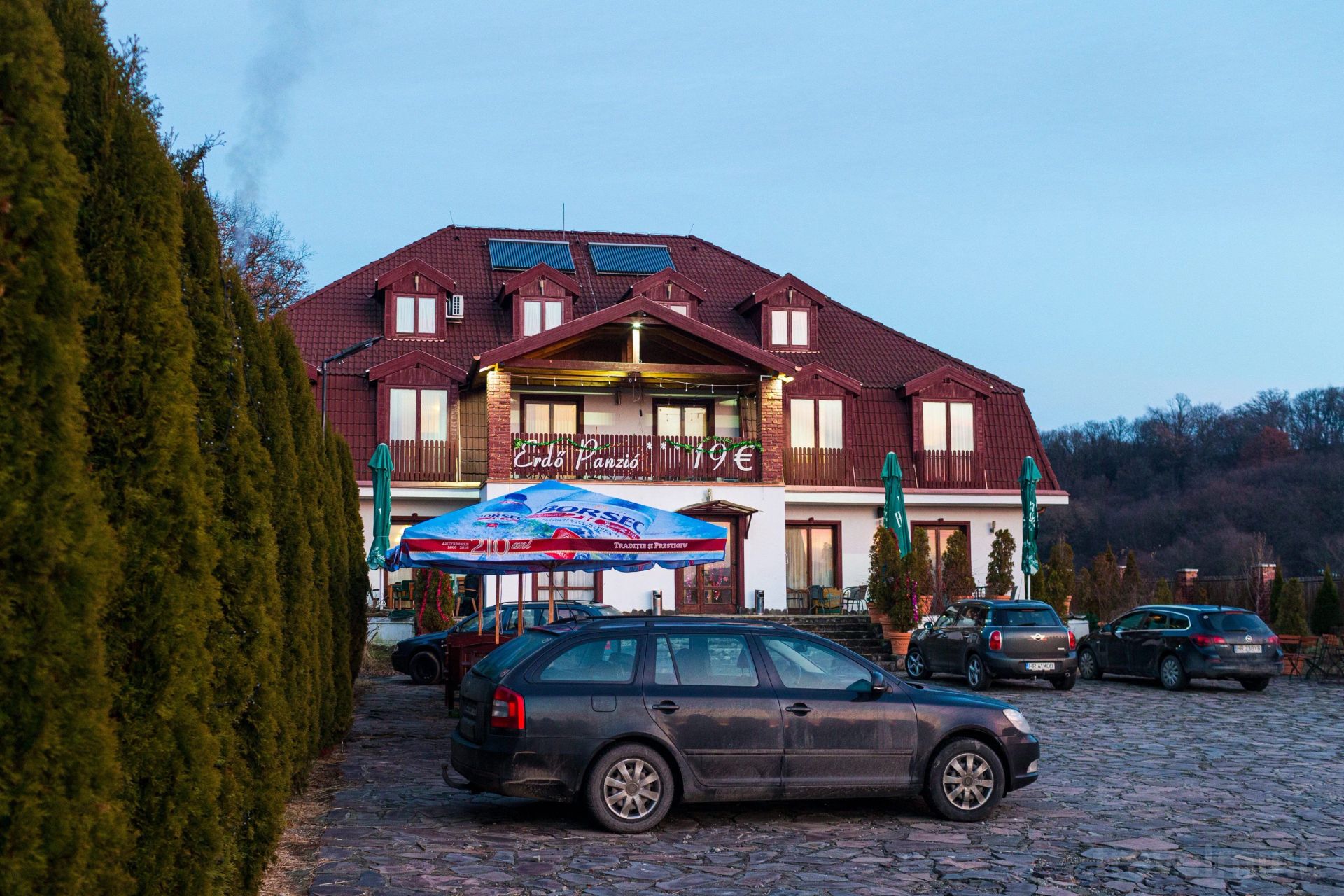
Pensiune · 2 stars

Mugeni, Mugeni County · 6.3 km
Pensiunea Erdő Mugeni
Camere, serviciiPensiunea Erdő Mugeni Mugeni dispune de camere modern mobilate. Este o locatie ideala pentru relaxare deoarece se ofera servicii wellness. Pentru detalii consultati pagina de date. O parte din camere sunt dotate cu aer conditionat pentru a satisface nevoile si celor mai exigenti clienti. (Pentru mai multe informatii consultati la fiecare tip de camera rubrica "detalii"). Mai multe detalii despre facilitatile oferite de Pensiunea Erdő Mugeni (inclusiv cele contra cost), cat si despre dotarile camerelor veti gasi mai jos. Servicii de masăTarifele camerelor nu includ nici o masa. Cand rezervati cazare aveti posibilitatea de a solicita urmatoarele mese: fără servicii de masă, mic dejun, demipensiune, pensiune completă, cină, prânz. PlatăPlata o puteti efectua cu/prin: card bancar, numerar, transfer bancar, card de vacanță, avans travelminit, voucher travelminit. Sosire, programCheck-in se face incepand cu ora 13:00 si check-out pana la ora 11:00. Personal vorbitor de limba: maghiară, engleză, spaniolă, franceză, română, italiană, greacă.
FROM
190 RON / night

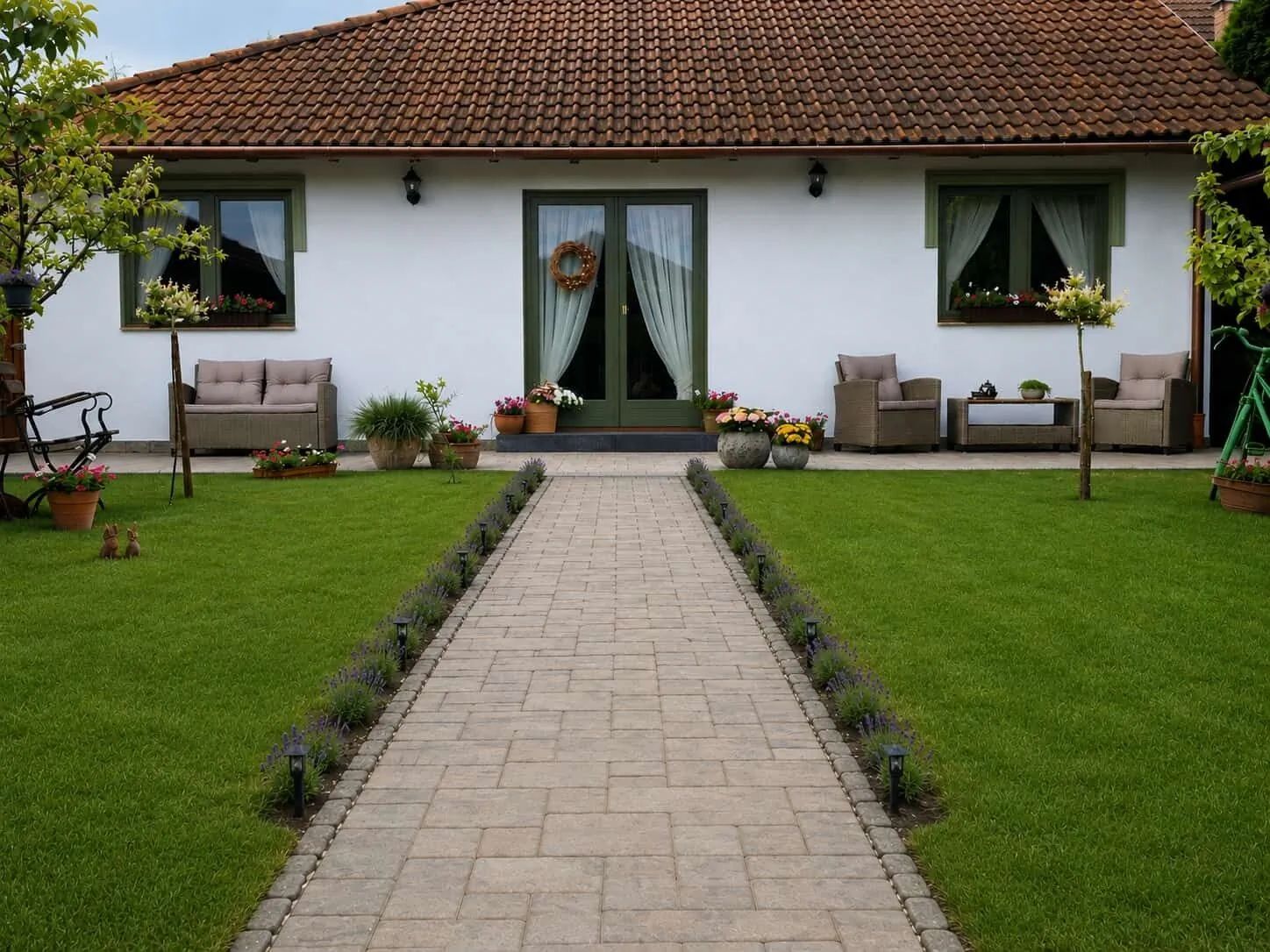
Apartament · 4 stars
Odorheiu Secuiesc, Odorheiu Secuiesc County · 9.3 km
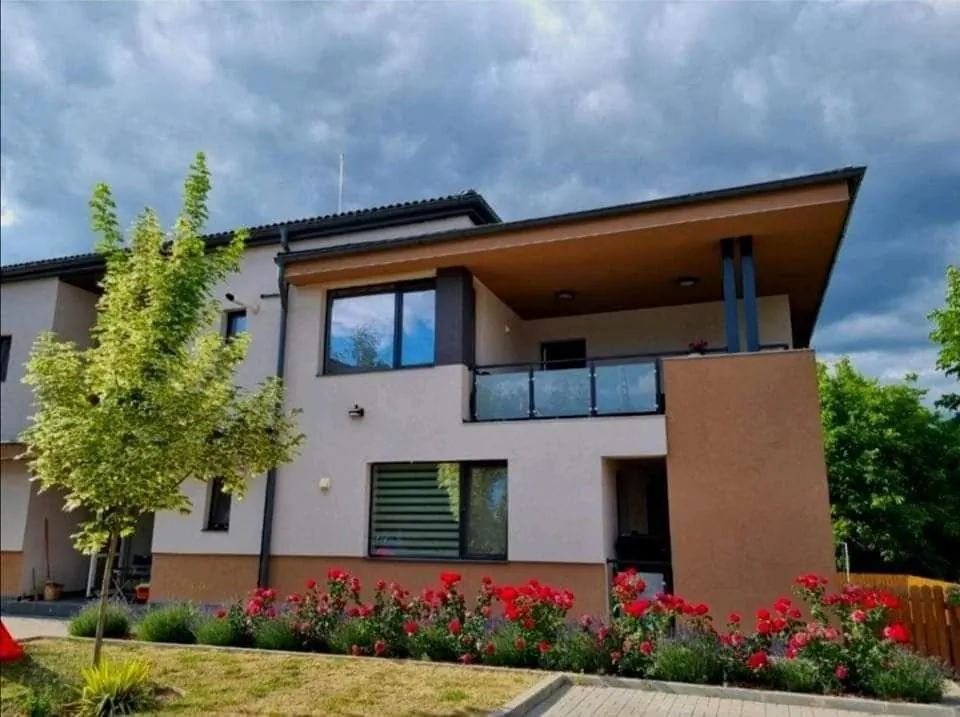
Apartment House Lányi Apartmanház
La doar 5 km de centrul orașului Odorheiu Secuiesc, oferim un apartament spațios de 90 mp, ideal pentru familii sau grupuri de prieteni. Apartamentul dispune de un living luminos, open-space, împreună cu zona de dining și o bucătărie complet utilată, oferind confort și o atmosferă primitoare. Cele două dormitoare confortabile au fiecare baie proprie, iar oaspeții beneficiază, de asemenea, de două terase și de un loc de parcare acoperit în curtea închisă.
FROM
320 RON / night
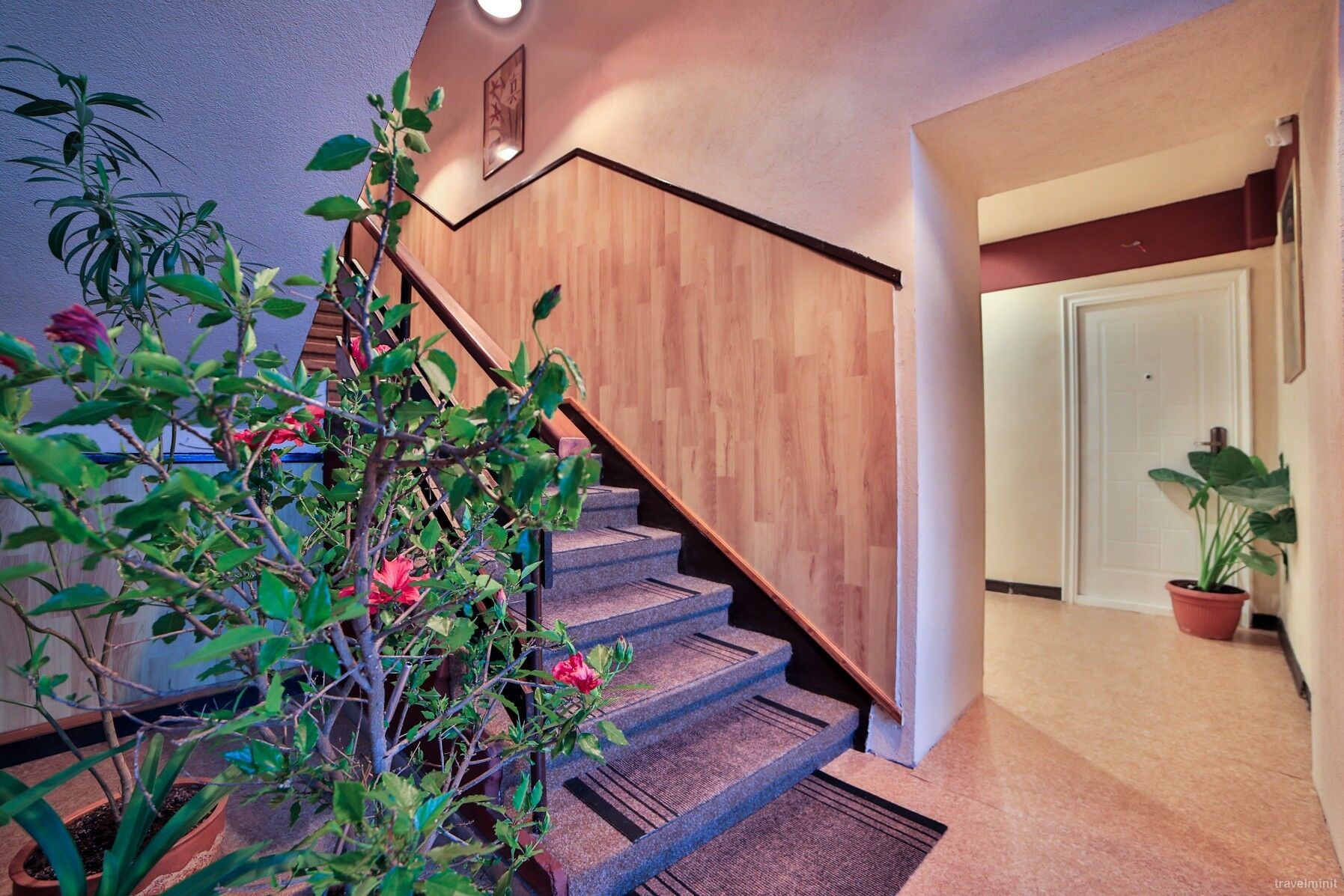
Hostel · 3 stars
Odorheiu Secuiesc, Odorheiu Secuiesc County · 12.2 km
Hostel Odorhei Odorheiu Secuiesc
Camere, serviciiHostel Odorhei Odorheiu Secuiesc Odorheiu Secuiesc dispune de 4 camere modern mobilate. Proprietatea ofera parcare gratuita. La unitate aveti posibilitatea de a accesa internetul wireless. Daca doriti sa aflati mai multe detalii despre facilitatile disponibile la Hostel Odorhei Odorheiu Secuiesc, respectiv despre amenajarea camerelor, va rugam consultati informatiile de mai jos. LocațiaMuzeul Rezső Haáz este la o distanta de 2.8 km , . Servicii de masăPreturile camerelor nu contin masa. PlatăPlata rezervarii se poate face cu/prin: numerar, transfer bancar, card de vacanță, avans travelminit, voucher travelminit. Pentru garantarea ferma a rezervarii se solicita un avans de 30%. Sosire, programZiua de cazare incepe la ora 13:00. Eliberarea camerei se face la ora 11:00. Personalul de la receptie vorbeste limba: maghiară, engleză, română.
FROM
170 RON / night
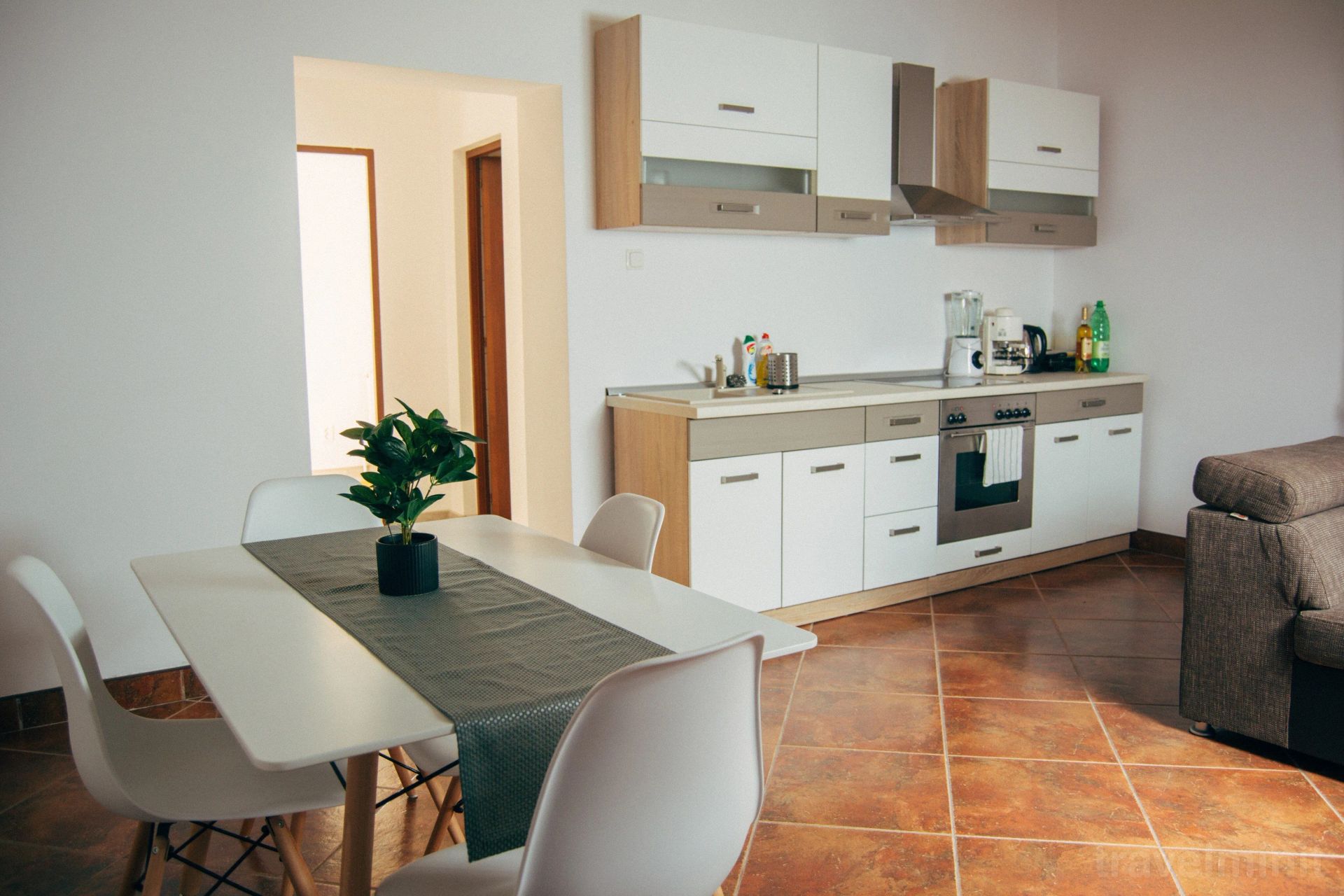
Apartament · 3 stars
Odorheiu Secuiesc, Odorheiu Secuiesc County · 12.5 km
Apartament Rákóczi Odorheiu Secuiesc
Camere, serviciiApartament Rákóczi Odorheiu Secuiesc Odorheiu Secuiesc va ofera o camera frumoasa si eleganta. Oaspetii au la dispozitie parcare gratuita. Camerele sunt echipate cu conexiune la internet. Camerele sunt echipate cu bai proprii. Daca doriti sa obtineti mai multe informatii despre serviciile disponibile (inclusiv cele contra cost) in cadrul unitatii de cazare si despre echiparea camerelor, consultati fisa de mai jos. LocațiaTeatrul Tomcsa Sándor este la o distanta de 1.4 km , . Servicii de masăTarifele afisate se refera numai la cazare. PlatăPuteti face plata cu/prin: transfer bancar. Rezervarea se considera finalizata numai dupa plata unui avans de 30%. Sosire, programPrimirea camerei se face incepand cu ora 14:00 si eliberarea camerei se face pana la ora 12:00. Personalul de la receptie vorbeste limba: maghiară, engleză, română.
FROM
230 RON / night
Apartament · 3 stars
Odorheiu Secuiesc, Odorheiu Secuiesc County · 12.7 km
Apartament Lotus I Odorheiu Secuiesc
Camere, serviciiApartament Lotus I Odorheiu Secuiesc Odorheiu Secuiesc dispune de o camera confortabila si moderna. Animalele de companie sunt binevenite (contra cost). Unitatea va ofera parcare gratuita. Camerele sunt echipate cu conexiune la internet. Fiecare camera are grup sanitar propriu. Daca doriti sa obtineti mai multe informatii despre serviciile disponibile (inclusiv cele contra cost) in cadrul unitatii de cazare si despre echiparea camerelor, consultati fisa de mai jos. LocațiaMuzeul Rezső Haáz este la o distanta de 2.3 km , . Servicii de masăPreturile includ doar cazare. PlatăPuteti efectua plata la receptie numai cash. Sosire, programZiua de cazare incepe la ora 15:00. Eliberarea camerei se face la ora 11:00. Personal vorbitor de limba: maghiară, engleză, română.
FROM
230 RON / night
Cabană · 3 stars
Odorheiu Secuiesc, Odorheiu Secuiesc County · 12.7 km
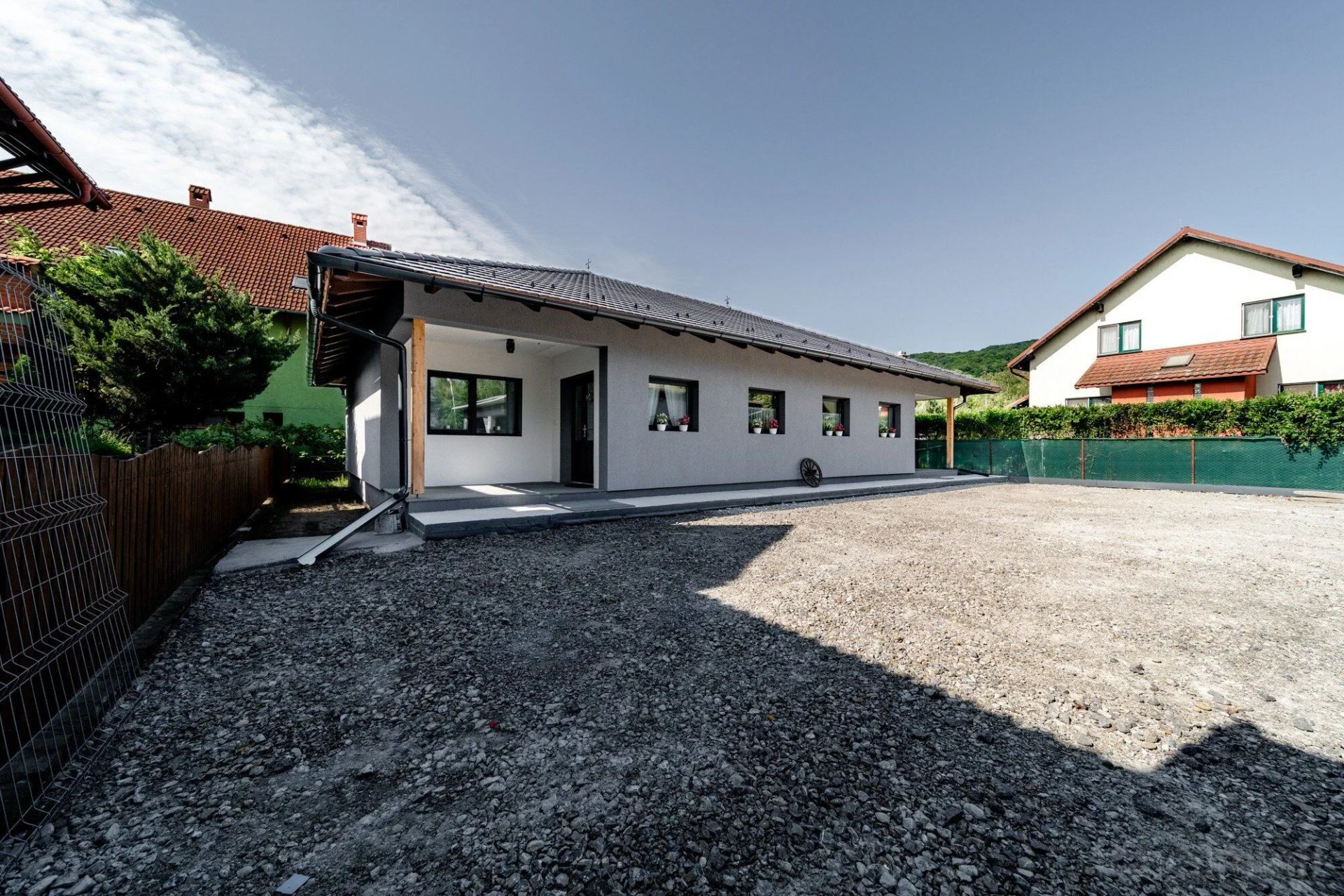
Cabana Kata Odorheiu Secuiesc
Camere, serviciiCabana Kata Odorheiu Secuiesc Odorheiu Secuiesc ofera doua camere dotate cu bun gust. Proprietatea ofera parcare gratuita. Accesul la internetul wireless este disponibil la unitatea de cazare. Daca doriti sa aflati mai multe detalii despre facilitatile disponibile la Cabana Kata Odorheiu Secuiesc, respectiv despre amenajarea camerelor, va rugam consultati informatiile de mai jos. LocațiaMuzeul Rezső Haáz se gaseste la o distanta de 2.4 km , . Servicii de masăPreturile includ doar cazare. PlatăPlata rezervarii se poate face cu/prin: numerar, transfer bancar. Rezervarea se considera finalizata numai dupa plata unui avans de 30%. Sosire, programCamera poate fi ocupata de la ora 13:00 iar predarea ei se face pana la ora 10:00 . La receptie se vorbeste limba: maghiară, română.
FROM
270 RON / night
BEFORE YOU HIT THE ROAD
Weather conditions in Harghita
Local forecast for Dârjiu Fortified Church, Harghita, Harghita

Real-time updated weather data
Much more to explore in this area
Nearby tourist attractions


Sighișoara, Mureș County
Sighișoara Medieval Citadel
Situata in centrul municipiul Sighisoara; inca din secolul al III-lea i.Hr. a existat pe acest teritoriu o cetate dacica, numita Sandava; romanii au ridicat...
31.4 km

Harghita, Harghita County
Praid Salt Mine
Situata in depresiunea Praid, pe valea raului Tarnava Mica, la 9 km de statiunea Sovata; amplasata la altitudinea de 580 m; prima mentiune referitoare la...
39.1 km

Harghita, Harghita County
Praid Salt Mine
Situata la 10 km de statiunea balneoclimaterica Sovata; accesul in interiorul muntelui se face cu autobuzul, printr-un tunel de 1.500 m lungime, iar in salina...
39.1 km

Brasov, Brașov County
Viscri Fortified Church
Situata in localitate Viscri; construita in secolul al XIII-lea; din punct de vedere arhitectural apartine stilului romanic; are un plan de tip sala romanica;...
18.5 km

Brașov, Brașov County
Black Church of Brașov (Evangelical Fortified Church Ensemble)
Heritage site in Braşov County, Romania
31.4 km

Danes, Mureș County
Turnul cu ceas Sighișoara
Situat in partea de est a platoului inferior al Cetatii Sighisoara; construit in preajma secolului al XIV-lea, pentru a proteja poarta principala a orasului si...
31.3 km

Danes, Mureș County
Biserica fortificată Saschiz
Situata in localitatea Saschiz;construita pe locul unde in trecut exista o bazilica romanica;inaltata in anul 1493, in onoarea regelui Stefan I al Ungariei;din...
18.5 km

Danes, Mureș County
Stațiunea balneoclimaterică Sovata
Situata la poalele dinspre sud - vest ale Muntilor Gurghiu din Carpatii Orientali, la 60 de km est de municipiul Targu Mures; amplasata la altitudinea de 475 -...
44.8 km

Brasov, Brașov County
Cetatea Rupea
Situata in vestul orasului Rupea, in zona rezervatiei geologice Dealul Cohalm, la 50 km de municipiul Brasov; prima atestare documentara dateaza din anul 1324 -...
18.4 km

18.4 km

Danes, Mureș County
Cetatea Țărănească Saschiz
Situata pe aria localitatii Saschiz, la 2 km de vatra satului; lucrarile au inceput in 1347, fiind construita de comunitatea germana din zona; fortificatia a...
19.0 km
România, Transylvania
Lacul Ursu și arboretele de pe sărături
Lacul Ursu și arboretele de pe sărături (lac) în județul România.
45.8 km
Cultural life and traditions
Events near Dârjiu Fortified Church
Medieval festivals, traditional fairs, concerts and recommended local activities in Transylvania.

Patrimoniu și Istorie

Harghita, Jud. Harghita
Festivalul Cetăților Medievale și Zilele Porților Deschise
Tururi ghidate nocturne, ateliere de meșteșuguri tradiționale și reconstituiri istorice cu cavaleri și domnițe.
WHEN
15 - 17 Mai 2026

Tradiții și Gastronomie
Harghita, Jud. Harghita
Târgul Tradițiilor Săsești și Gastronomie Locală
Descoperă producătorii locali, plăcintele săsești coapte pe vatră, siropurile artizanale și dulceața de rubarbă.
WHEN
În fiecare weekend (Mai - Octombrie)

Ecoturism și Natură
Colinele Transilvaniei, Jud. Harghita
Drumeții Ghidate pe Traseul Colinele Transilvaniei
Excursii pe poteci nemarcate printre fânețe seculare, stejari multiseculari și sate cu biserici fortificate UNESCO.
WHEN
Vineri - Duminică (Sezon 2026)
On foot, exploration gains depth
Discover the surroundings and local geography
Explore trails, terrain and natural landmarks around Dârjiu Fortified Church.

Guides and practical tips
Useful travel articles
Travel guides, practical tips and itineraries for Transylvania.

Travel guide
Top 5 Atracții Turistice și Trasee Montane în Zona Moieciu - Bran
Descoperă cele mai spectaculoase peisaje carstice, chei adânci și cetăți medievale din imediata apropiere a stațiunii Moieciu.

Travel guide
Ghid de Drumeție: Traseul Moieciu de Sus spre Platoul Bucegi
Un itinerariu montan de o frumusețe rară ce urcă din Valea Băngăleasa spre Poiana Guțanu și crestele maiestuoase ale Bucegilor.

Travel guide
Castelul Bran: Istorie, Legende și Secrete Medievale
Află adevărata poveste a fortăreței medievale din Pasul Bran, reședința de suflet a Reginei Maria a României.
THE JOURNEY STARTS WITH AN IDEA
The next story is on the way.
From the first stop to the last stay, make room for a new Romania.
