


PLACE OF WORSHIP · CRISANA
St. Mary's Roman Catholic Basilica of Oradea

Baile, Bihor County
Add location to your trip planner.
Practical access information

VISITING HOURS
Monday: 12:00 PM – 5:00 PM · Tuesday–Sunday: 9:00 AM – 5:00 PM (in summer until 8:00 PM)

TICKET PRICE
Adults: 45 RON · Students: 11 RON · Seniors: 23 RON · Guided tour included

RECOMMENDED VISIT DURATION
2-3.5 hours
Visitor information and guide
 Navigate with Google Maps

ABOUT ST. MARY'S ROMAN CATHOLIC BASILICA OF ORADEA
A Baroque Jewel in the Heart of Transylvania
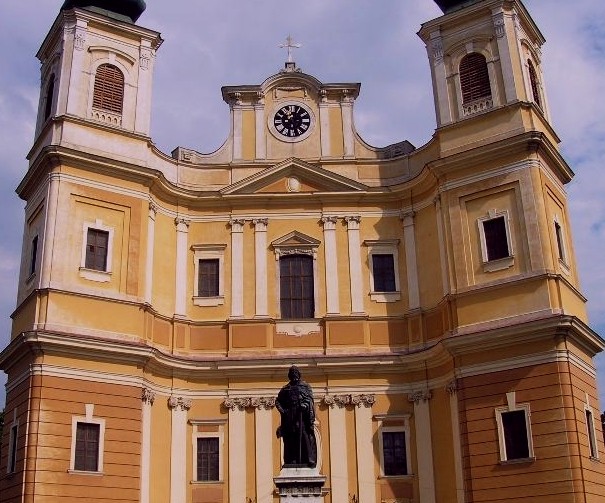
Rising on Șirul Canonicilor Street No. 2, in the historic center of Oradea, St. Mary’s Roman Catholic Basilica commands attention as Romania’s largest Baroque edifice and one of the most impressive sacred architectural achievements in Central Europe. With its two dominant towers soaring over sixty meters high, piercing the skyline of the city nestled along the banks of the Crișul Repede River, the building shapes the urban landscape with a presence reminiscent of the great imperial cathedrals of Central Europe. Viewed from Union Square, the basilica’s monumental façade engages in a dialogue with the nearby Roman Catholic Episcopal Palace and the Secessionist buildings, forming an urban ensemble of rare aesthetic cohesion that places Oradea on the map of Europe’s great historic cities.
This structure is not merely a place of worship but a true treasure of European heritage, a meeting point between Western Catholic tradition and the multicultural character of Transylvania. For the cultivated European traveler, the basilica offers a window into an era when the Habsburg Empire consolidated its cultural dominance over Central Europe, transforming border cities into centers of artistic refinement and spirituality. At a time when Vienna, Salzburg, and Prague set the standards for Baroque sacred art, Oradea received, through this foundation, a share of the imperial courts’ splendor, adapted to the local context of a diverse community comprising Hungarians, Germans, Romanians, and Jews.
Habsburg Roots and the European Context of the 18th Century
Construction of the basilica began in 1752 and was completed in 1780, a period that places the monument squarely within the Habsburg era, under the reign of Empress Maria Theresa of Austria and her son, Emperor Joseph II. This period marked the peak of Enlightenment reforms and the consolidation of central power in the Austrian Empire, when religious architecture became a tool for asserting imperial authority and promoting a shared cultural identity amid the ethnic diversity of the monarchy. The edifice was founded by the Pauline Order (Ordo Sancti Pauli Primi Eremitae), whose monks established an important monastery here, functioning until the communist era and preserving the order’s spiritual and intellectual traditions.
The historical context of the basilica’s construction is deeply tied to the religious policies of the Vienna Court. Following the Treaty of Karlowitz (1699) and the finalization of Habsburg dominance over Transylvania, Empress Maria Theresa launched an extensive campaign to reconstruct and renovate Catholic churches in the annexed territories, aiming to strengthen the spiritual presence of the crown in a region with strong Orthodox and Protestant traditions. The Oradea Basilica fits within this imperial strategy, conceived not only as a place of prayer but as a symbol of Western civilization in a frontier space. Its architecture reflects the influences of late Austrian Baroque, bringing to Transylvania the elegance and monumentality characteristic of the artistic currents of Vienna and Salzburg during a period of unprecedented cultural flourishing in the empire.
Compared to the great Baroque cathedrals of Europe, such as Karlskirche in Vienna (completed in 1737) or Salzburg Cathedral (consecrated in 1628 but renovated in the Baroque style in the 18th century), the Oradea basilica shares the same ambition to impress through scale and grandeur, adapting the architectural language to the urban context of a provincial city. Unlike the exuberance of Bavarian Rococo or the sobriety of French Classicism, the Transylvanian Baroque of the 18th century developed a unique synthesis, blending Austrian influences with local traditions and the decorative tastes of Oradea’s multiethnic bourgeoisie.
An Architectural Masterpiece: From Baroque Exuberance to Classical Elegance
The basilica represents the pinnacle of Baroque architecture in Romania, distinguished by its harmonious proportions and sophisticated decoration, which align it with the great sacred ensembles of Central Europe. Its basilican plan, featuring three naves and a pronounced transept, follows the tradition of Gothic cathedrals, though its spatial treatment and interior decoration belong entirely to the Baroque world. The main façade, oriented to the west, features two massive bell towers crowned with bulbous copper domes, reminiscent of the towers of St. Stephen’s Cathedral in Vienna or St. Peter’s Church in Salzburg. The central body of the façade is animated by giant Corinthian columns and a triangular classical pediment, while the lower registers are treated with rustication and monumental portals, creating a play of light and shadow characteristic of imperial architectural language.
While the exterior presents the dynamic volumes typical of Central European Baroque, with its two towers flanking the central nave and the church’s vertical development, the interior reveals a fascinating transition toward Classicism in the design of the altars and decor. This evolution from Baroque exuberance to Classical restraint illustrates the maturation of artistic tastes in the second half of the 18th century, reflecting the influence of new Enlightenment currents that favored order, symmetry, and reason over the theatrical emotion of the Baroque. The main altar, flanked by Corinthian columns and framed by a sculptural baldachin, demonstrates this transition, while the side altars retain the decorative richness characteristic of the golden age of Austrian Baroque.
The construction details deserve special attention. The massive walls, built of brick and stone, support an impressive cylindrical vault that spans the central nave. The tall windows, placed in the upper registers, allow light to enter in a calculated manner, creating dramatic effects on the decorated surfaces. The interior stuccowork, likely executed by Austrian or Italian masters brought to the region during construction, features vegetal motifs, angels, and religious symbols rendered with remarkable finesse, comparable to those in the imperial palaces of Vienna or Schönbrunn.
The Pauline Monastery and the Order’s Spiritual Legacy
The Pauline Order, founded in the 13th century in Hungary by the monk Eusebius of Esztergom, has always been a bastion of Catholicism in Central Europe, preserving ancient monastic traditions during a period of profound religious transformation. The establishment of the Paulines in Oradea in the 18th century was not coincidental but part of a broader strategy to reinforce the Catholic presence in Transylvania after centuries of Ottoman domination and religious conflict. The monastery built around the basilica functioned as a center of education and culture, housing a valuable library and schools where Latin, rhetoric, and theology were taught, contributing to the formation of the Catholic intellectual elite in northwestern Transylvania.
For nearly two centuries, the Pauline monks preserved the order’s specific liturgical traditions here, based on communal prayer and the study of Scripture. The monastery was dissolved during the communist era, when church properties were confiscated, but the basilica remained open for worship, becoming a spiritual refuge for the Catholic community of Oradea subjected to persecution. After 1989, the restitution process partially returned the monastic heritage to the ownership of the Diocese, though the spiritual memory of the Paulines remains alive in the architecture and atmosphere of this place.
The Imperial Organ and the Patronage of Maria Theresa
A priceless treasure of the basilica, placing it on the elite European musical circuit, is the monumental organ completed in 1780 by master builder Fridolin Festl. This exceptional instrument, with three manuals and a pedalboard, was a gift to the cathedral from Empress Maria Theresa of Austria herself, symbolizing the close ties between the Habsburg crown and the Catholic community of Oradea. The organ represents a remarkable example of the Baroque organ-building tradition in Central Europe, comparable to the legendary instruments in St. Stephen’s Cathedral in Vienna, Salzburg Cathedral, or St. Peter’s Basilica in Rome.
The imperial donation was not merely an act of generosity but part of Maria Theresa’s cultural policy to promote sacred music as a tool for education and the affirmation of imperial prestige. The Oradea organ was built according to the principles of the Viennese organ school, with flute, principal, and mixture stops that allow the interpretation of the German and Austrian Baroque repertoire, as well as contemporary music. Over the centuries, the instrument has hosted concerts by renowned masters, and recent restorations have returned the organ to its original splendor, now enabling performances of musical programs of the highest caliber, including works by Bach, Handel, and Mozart, as well as compositions by Transylvanian composers.
Frescoes and Sacred Art: Austrian Craftsmanship in Transylvania
The interior of the basilica houses frescoes of exceptional artistic value, created by Austrian painters or artists trained in the Viennese tradition, who worked in the region during the second half of the 18th century. These murals, arranged on the vaults of the nave and transept, depict scenes from the life of the Virgin Mary and the patron saints of the Pauline Order, executed in the fresco secco technique with a rich chromatic palette dominated by celestial blues, golds, and ochres. The style of these frescoes recalls the works of Franz Anton Maulbertsch, the famous Rococo painter active in Moravia and Austria, or Johann Baptist Wenzel Bergl, a master of Viennese sacred painting.
In addition to the frescoes, the liturgical furnishings and polychrome wood sculptures represent masterpieces of Baroque sacred art in the region. The statues of saints, placed in specially designed niches, are attributed to workshops in Bohemia or Lower Austria, displaying the expressiveness characteristic of the late Baroque period, when religious emotion was conveyed through theatrical gestures and physiognomies charged with pathos. The side altars, dedicated to saints popular in Central Europe such as St. John Nepomuk or St. Florian, reflect the devotion specific to the Habsburg era, when the cult of patron saints became a central element of popular spirituality.
Multicultural Oradea: A European Mosaic in the Heart of Crișana
As the seat of the Roman Catholic Diocese of Oradea Mare, the basilica represents the spiritual heart of the Catholic community in northwestern Romania, in a city that has always been a true ethnic and confessional mosaic. Its construction coincided with a period of religious revival and architectural splendor in the Habsburg Empire, paralleling similar developments in centers such as Vienna, Salzburg, Prague, and even Budapest and Cluj. In the 18th century, Oradea was a city in full development, with a mixed population of Hungarians, Germans, Romanians, Slovaks, and Jews, each community contributing to the cultural and economic life of the city.
The basilica is located in the immediate vicinity of the Secession (Art Nouveau) district, for which Oradea is renowned across Europe, with buildings such as the Darvas-La Roche House, the Moskovits Palace, and the Apollo House, forming one of the best-preserved architectural ensembles of this style in Central Europe. This proximity between the 18th-century Baroque and the early 20th-century Art Nouveau illustrates the continuity of interest in art and beauty in the city’s history, as well as its capacity to integrate diverse cultural influences into a coherent aesthetic dialogue. Today, the monument stands as a testament to the multicultural heritage of Transylvania, where Hungarian, Romanian, and German Catholic traditions have intertwined over the centuries alongside Orthodox, Protestant, and Jewish traditions, forming a unique cultural treasure in the European context.
Turning Points: From Splendor to Survival
The history of the basilica has been marked by numerous turning points that reflect the tumultuous history of Central Europe. During the Napoleonic Wars, the city of Oradea was occupied by French troops, and the Pauline monastery was temporarily converted into a barracks. The Revolution of 1848–1849 brought unrest to Transylvania, though the basilica remained a spiritual refuge for the population. The union of Transylvania with Hungary in 1867, as part of the Austro-Hungarian Compromise, strengthened the position of the Catholic diocese, and the basilica entered a period of flourishing, undergoing renovations and being enriched with new works of art.
The communist era, however, represented the most severe trial for the monument. In 1948, the monastery was dissolved, the monks were dispersed or imprisoned, and the properties were confiscated. The basilica was preserved as a parish church but suffered significant degradation, with frescoes covered in lime and some of the liturgical furnishings destroyed or stolen. After the fall of communism in 1989, an extensive restoration process began, returning the basilica to its original splendor. The restoration of the frescoes, the organ, and the façades was carried out with the support of international foundations and the local Catholic community, demonstrating the resilience of this heritage in the face of history’s vicissitudes.
Practical Guide for the European Traveler
The basilica is open to the public year-round, offering visitors the opportunity to admire its Baroque architecture, Classical altars, and famous historic organ. For a complete experience, attending an organ concert, periodically organized as part of the city’s musical festivals, is highly recommended. The magnificent sound of the instrument fills the central nave, creating an atmosphere of profound spirituality comparable to that of Europe’s great cathedrals. Visitors can also climb the south tower, where the panorama of Oradea’s historic center, with its red rooftops and Secessionist towers, offers a unique perspective on the city’s architectural mosaic.
The basilica’s central location in Oradea, near Union Square and the Secessionist architectural ensemble, makes it easily accessible and ideal for inclusion in a broader cultural itinerary. Nearby attractions include the Museum of the Criș Country, with its collections of history and art, the Moon Church, unique in Europe for its mechanism displaying the phases of the moon, and numerous cafés and restaurants offering traditional Transylvanian and international cuisine. For travelers wishing to explore the surrounding area, the thermal resorts of Băile Felix and Băile 1 Mai, known for their curative waters since Roman times, are just a few kilometers away. At the border with Hungary, the city of Debrecen offers another exceptional Baroque center, forming, together with Oradea, a remarkable transborder cultural corridor.
Whether viewed as an architectural masterpiece, a living place of worship, or a witness to European history, St. Mary’s Basilica in Oradea remains a symbol of spiritual continuity, artistic excellence, and intercultural dialogue in the heart of Europe. For the European traveler in search of authenticity and cultural depth, this monument is an essential destination, a place where the imperial past meets the multicultural present in unforgettable harmony.
Media gallery
Discover St. Mary's Roman Catholic Basilica of Oradea in pictures

2 photos · Architecture, courtyards and captivating details

Image source: Wikimedia Commons · Public domain photos · Free license
STAY A FEW DAYS, DISCOVER THE MAGIC
Accommodation in the St. Mary's Roman Catholic Basilica of Oradea area

Boutique hotel · 4 stars

Oradea, Bihor County · 0.3 km
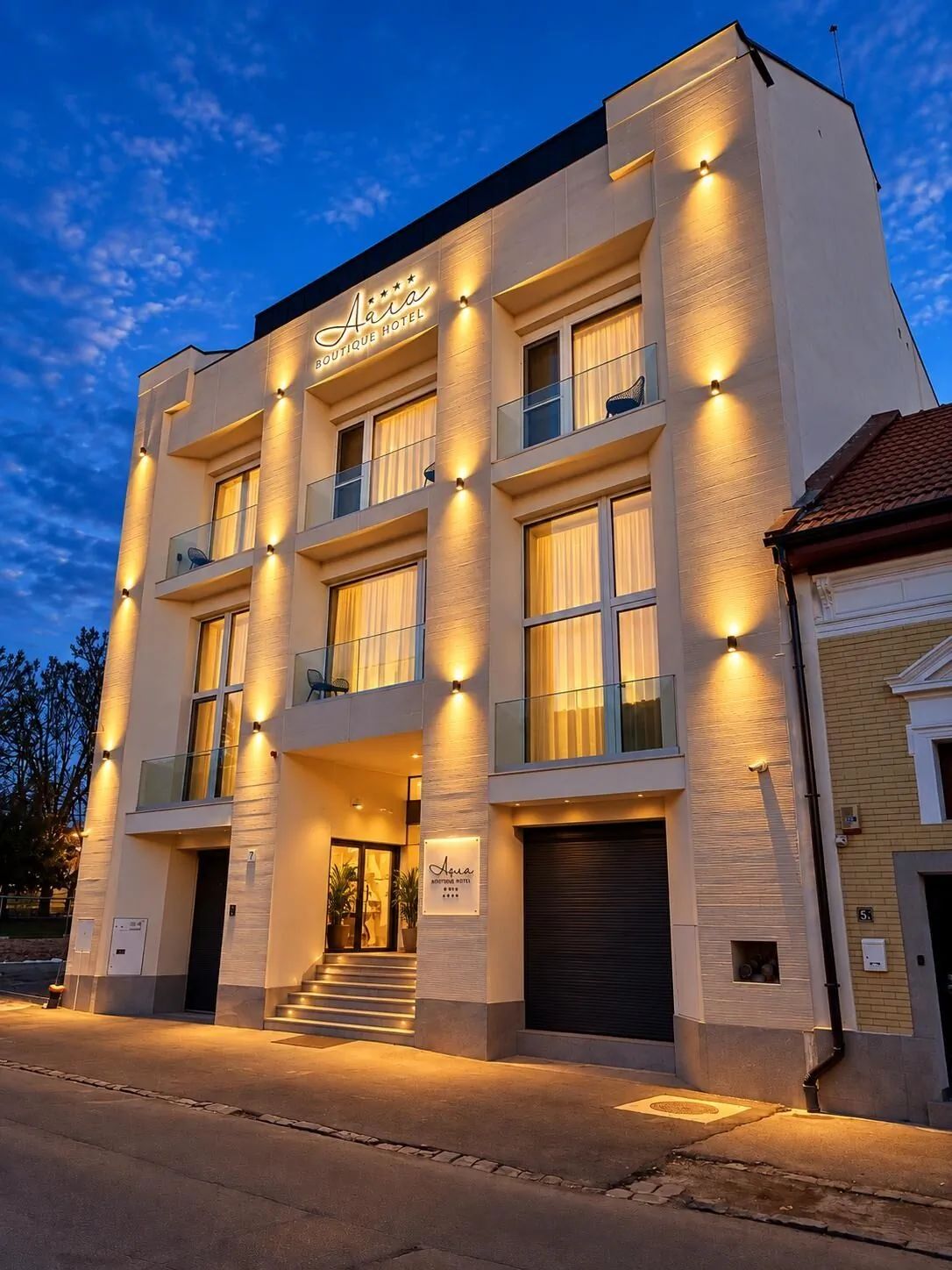
Aris Boutique Hotel & Spa Oradea
Terasa la soare de la Aris Boutique Hotel și Spa din Oradea oferă un spațiu plăcut pentru momente de relaxare în aer liber. Unitatea se află în localitatea Oradea, județul Bihor. Zona de spa pune la dispoziție saună și cadă cu hidromasaj, iar sala de fitness este disponibilă pentru menținerea tonusului. Aveți acces și la servicii de masaj, închiriere biciclete și teren de tenis. Restaurantul, barul și cafeneaua din incintă, împreună cu serviciul în cameră, asigură confortul dumneavoastră pe tot parcursul șederii. Camerele sunt dotate cu Wi-Fi gratuit, seif, fier de călcat și facilități pentru familiile cu copii precum pătuț pentru bebeluș și scaun înalt. Hotelul oferă parcare privată gratuită, parcare pentru biciclete, depozit pentru bagaje și acces pentru persoane cu dizabilități, inclusiv lift. În zonă se pot practica călărie și echitație, iar traseele de drumeții montane și natură sunt la îndemână. În apropiere puteți vizita Bazilica Romano-Catolică din Oradea, Cetatea Oradea, Biserica cu Lună din Oradea, Palatul Vulturul Negru și Catedrala Învierea Domnului din Oradea. Seara, zona de spa oferă un refugiu liniștit după o zi plină de activități.
FROM
420 lei per night

Apartment · 3 stars
Oradea, Bihor County · 0.3 km
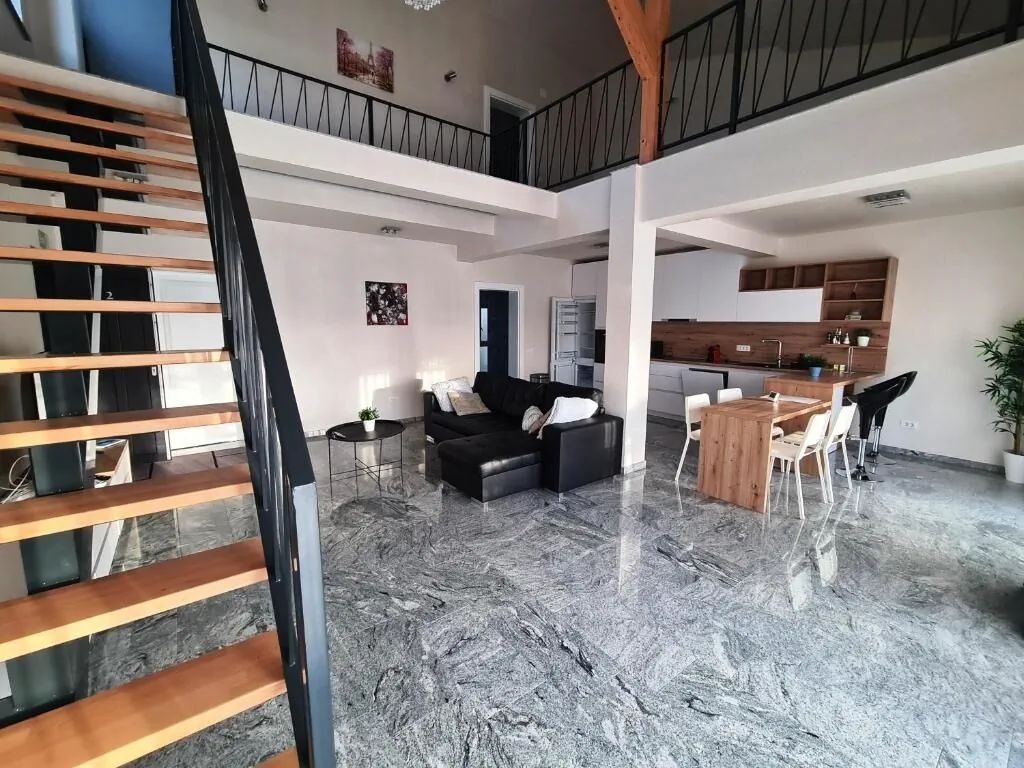
Swiss Apartments Oradea
Familiile și grupurile de prieteni se vor simți bine la Swiss Apartments Oradea, în orașul Oradea. Aici veți găsi apartamente spațioase și bine dotate, cu aer condiționat, ideale pentru un sejur confortabil și relaxant alături de cei dragi, într-un mediu primitor. Unitatea vă pune la dispoziție Wi-Fi gratuit, parcare privată gratuită și un fier de călcat pentru a vă asigura tot confortul necesar pe durata șederii. De asemenea, beneficiați de o curte mare și de o grădină amenajată, un spațiu plăcut unde puteți savura momente de liniște în aer liber. Fiecare apartament include un living primitor, o bucătărie echipată complet cu frigider și cafetieră, precum și o baie modernă cu duș și articole de toaletă gratuite. Lenjeria de pat și prosoapele sunt incluse în dotare, astfel încât să vă bucurați de un sejur complet lipsit de griji. În apropiere puteți vizita Bazilica Romano-Catolică din Oradea, Cetatea Oradea, Biserica cu Lună din Oradea, Palatul Vulturul Negru și Catedrala Învierea Domnului din Oradea, obiective care îmbogățesc experiența dumneavoastră în oraș. Vă așteptăm la Swiss Apartments Oradea.
FROM
230 lei per night
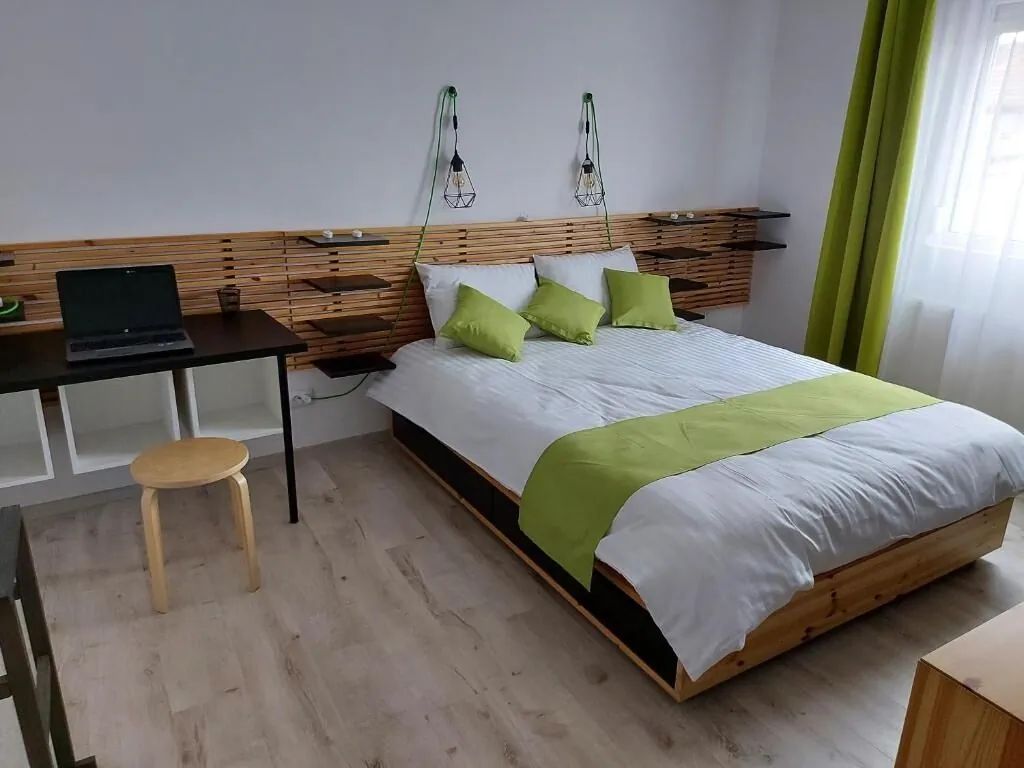
Holiday home · 3 stars
Oradea, Bihor County · 0.3 km
Casa Relax Spiral Oradea
Comfort, relaxation and stunning views, all just steps away from the main attractions.
FROM
280 lei per night
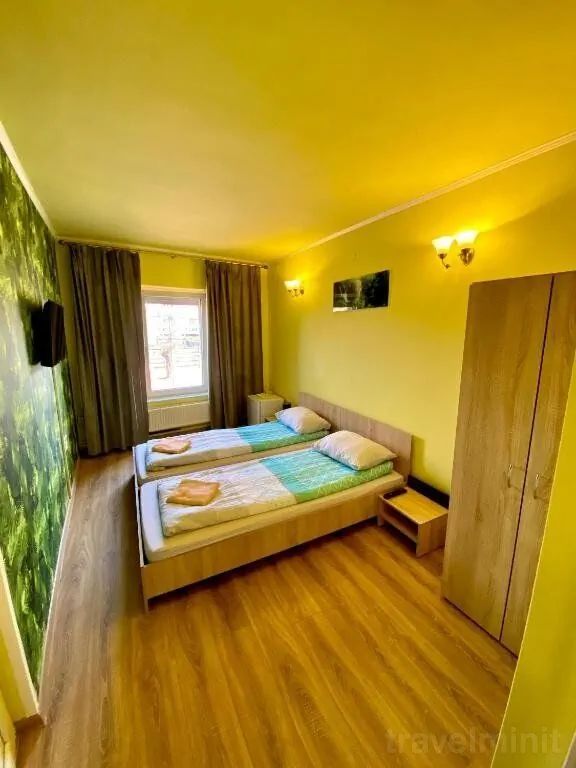
Guesthouse · 3 stars
Oradea, Bihor County · 0.4 km
Pensiunea Hubert Oradea
Pe Bulevardul Ștefan cel Mare din Oradea se află Pensiunea Hubert Oradea, o pensiune turistică clasificată cu trei stele care oferă un sejur confortabil în oraș. Locația reprezintă un punct de plecare potrivit pentru a explora centrul istoric și principalele atracții ale municipiului, fiind situată într-o zonă accesibilă și bine conectată cu restul orașului. Pensiunea pune la dispoziția dumneavoastră 14 camere confortabile și plăcut amenajate, ideale pentru odihnă după o zi plină de explorare. Beneficiați de Wi-Fi gratuit în întreaga proprietate, parcare privată gratuită pentru autoturism, precum și de un depozit pentru bagaje. Aerul condiționat asigură un climat plăcut în fiecare cameră, indiferent de sezon. Personalul de la recepție vorbește română, engleză și maghiară și vă poate oferi informații utile despre obiectivele turistice din zonă. În apropiere puteți vizita Bazilica Romano-Catolică din Oradea, Cetatea Oradea, Biserica cu Lună din Oradea, Palatul Vulturul Negru și Catedrala Învierea Domnului din Oradea. Preluarea camerelor se face începând cu ora 14:30, iar ieșirea până la ora 11:00. Vă așteptăm să vă bucurați de șederea dumneavoastră și să porniți apoi la descoperirea Cetății Oradea.
FROM
240 lei per night
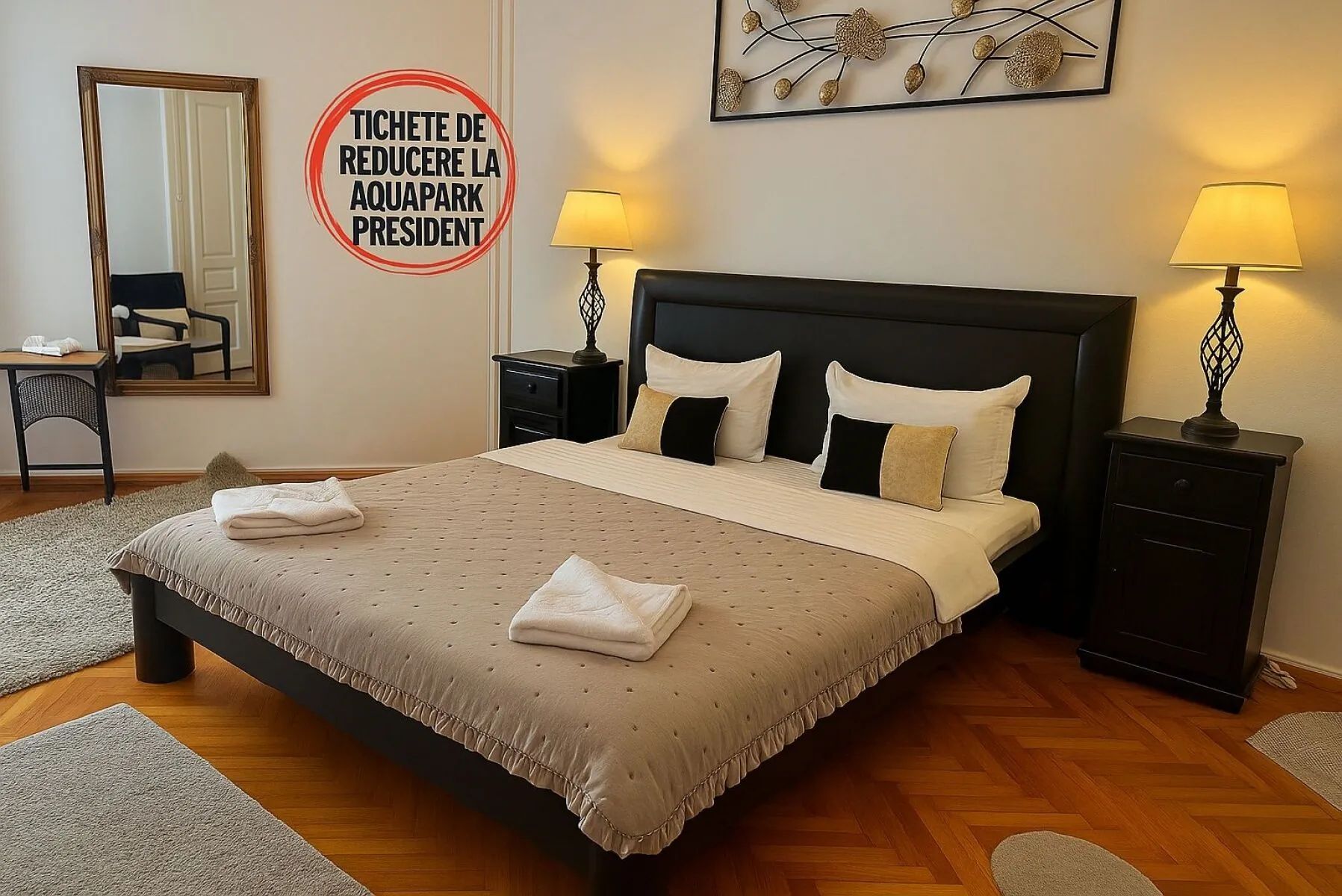
Apartment · 3 stars
Oradea, Bihor County · 0.5 km
Apartament Mid Ultra Central Residence Oradea
Într-o curte interioară liniștită, înconjurată de verdeață și lumină naturală, vă așteaptă Apartament Mid Ultra Central Residence Oradea, situat pe strada Nicolae Jiga 19, în centrul orașului Oradea din județul Bihor. Unitatea vă pune la dispoziție Wi-Fi gratuit și un fier de călcat pentru confortul dumneavoastră, alături de o curte mare și o grădină amenajată unde puteți savura momente de relaxare în aer liber. Pentru familiile cu copii mici este disponibil un pătuț pentru bebeluș, iar în incintă veți găsi un foișor confortabil, o cafenea și un bar unde puteți servi ceva de băut fără să părăsiți proprietatea. În apropiere puteți vizita Bazilica Romano-Catolică din Oradea, Cetatea Oradea, Biserica cu Lună din Oradea, Palatul Vulturul Negru și Catedrala Învierea Domnului din Oradea, toate situate în zona centrală a orașului. Clasificat cu trei stele, apartamentul oferă un spațiu potrivit pentru cazare confortabilă într-un cadru liniștit, departe de aglomerația stradală, dar în imediata apropiere a principalelor puncte de interes. Seara, după o zi de explorare a monumentelor din Oradea, vă puteți retrage în foișorul din curte pentru a vă bucura de liniștea grădinii amenajate.
FROM
230 lei per night
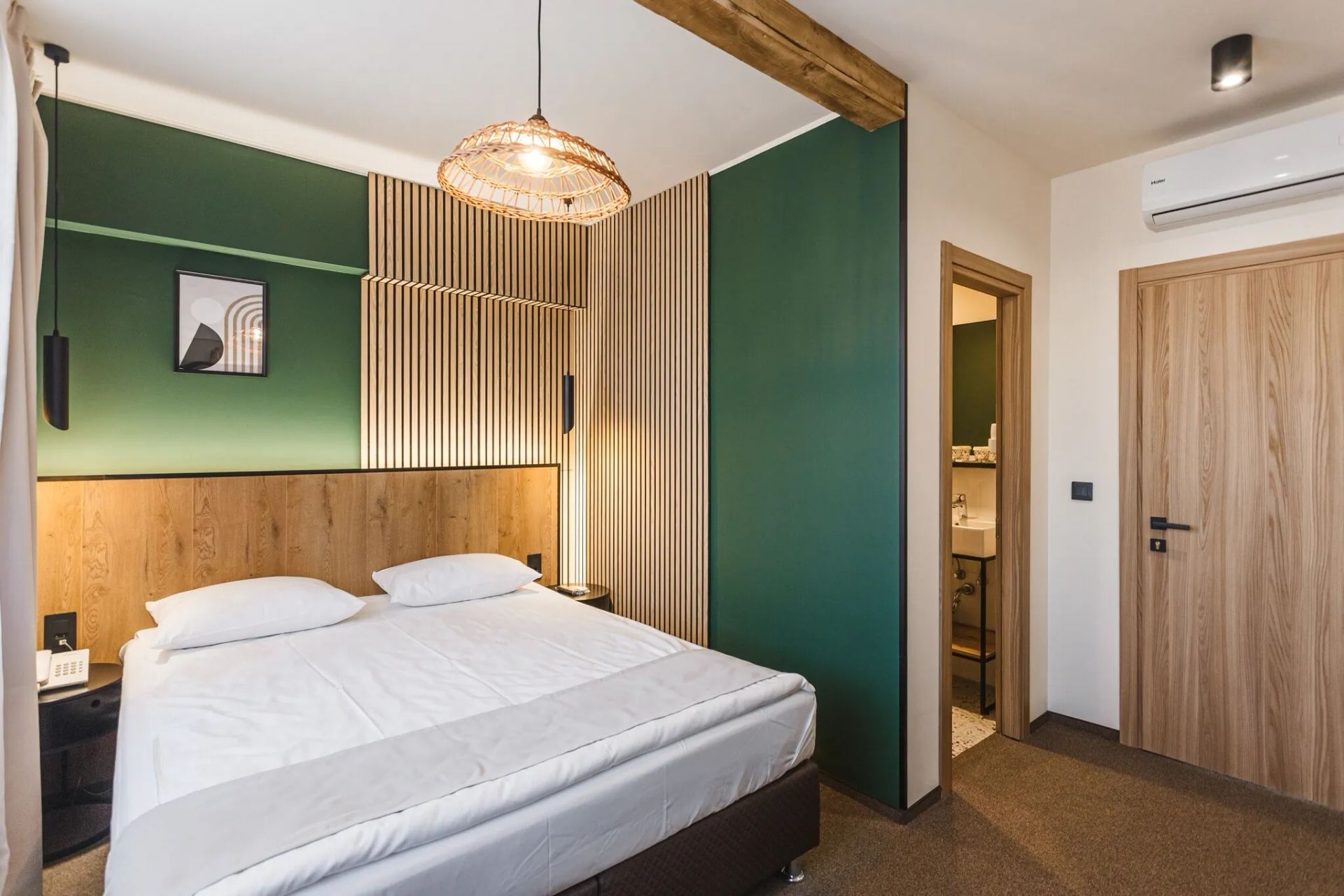
Hotel · 3 stars
Oradea, Bihor County · 0.5 km
Hotel Stokker Oradea
Comfort, relaxation and stunning views, all just steps away from the main attractions.
FROM
290 lei per night
BEFORE YOU HIT THE ROAD
Weather conditions in Baile
Local forecast for St. Mary's Roman Catholic Basilica of Oradea, Baile, Bihor

Real-time updated weather data
Much more to explore in this area
Nearby tourist attractions


9.5 km

Baile, Bihor County
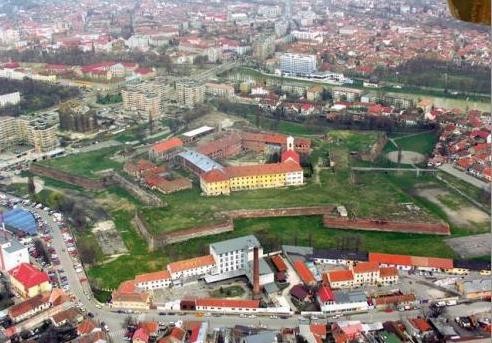
Oradea Fortress
Situata pe strada Grivitei, municipiul Oradea;reprezinta una dintre putinele cetati utilizate si in prezent;inclusa in patrimoniul UNESCO; se spune despre...
2.1 km
Baile, Bihor County
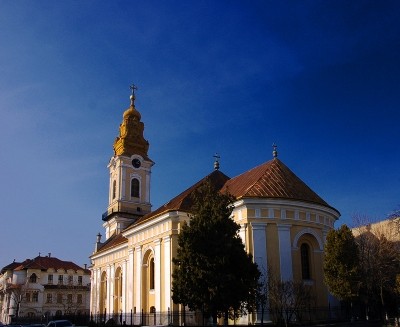
Moon Church of Oradea
Situata pe strada Iuliu Maniu, localitatea Oradea; constructia sa a inceput in anul 1800, cand episcopul greco-catolic Ignatiu Darabant a demolat biserica...
1.7 km

47.5 km

Baile, Bihor County
Black Eagle Palace
Situat pe strada Independentei nr.1, municipiul Oradea;este un monument arhitectonic reprezentativ al orasului; a fost construit intre 1907-1908; pe locul...
1.6 km

1.9 km

1.7 km

Baile, Bihor County
Church of the Order of Mercy (Archangel Church) in Oradea
Situata pe strada Independentei nr.1, localitatea Oradea;construita in secolul al- XVIII-lea; sculpturile sale de lemn sunt de o rara frumusete; in cripta...
1.6 km
Baile, Bihor County
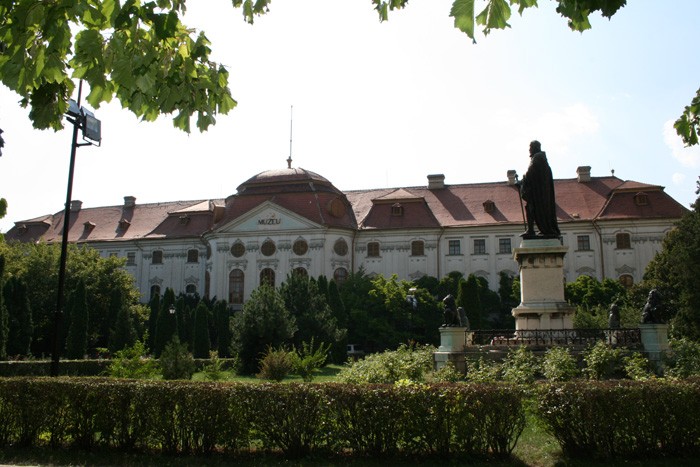
Criș Country Museum
Situat pe strada Armatei nr.1A, localitatea Oradea; organizat pe 5 sectii: Arheologie, Istorie, Stiintele naturii, Arta si Etnografie; Sectia de Arheologie:...
2.3 km
Baile, Bihor County
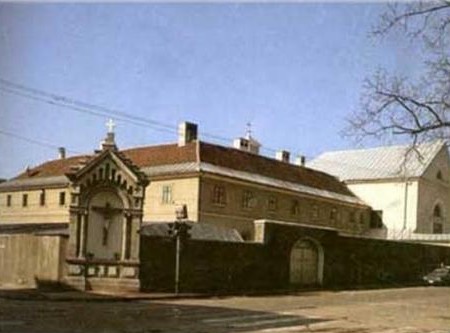
Capuchin Church in Oradea
Situata pe strada Traian Mosoiu nr.21, localitatea Oradea;cunoscuta si sub denumirea de biserica manastirii Capucinilor "Vizita Sfantei Fecioare" ; ordinul...
1.8 km
Baile, Bihor County
Archangels Michael and Gabriel Orthodox Church in Oradea
Situata in Piata Tineretului, localitatea Oradea;este una dintre cele mai vechi asezari de cult, de religie ortodoxa din oras; a fost construita in perioada...
1.4 km
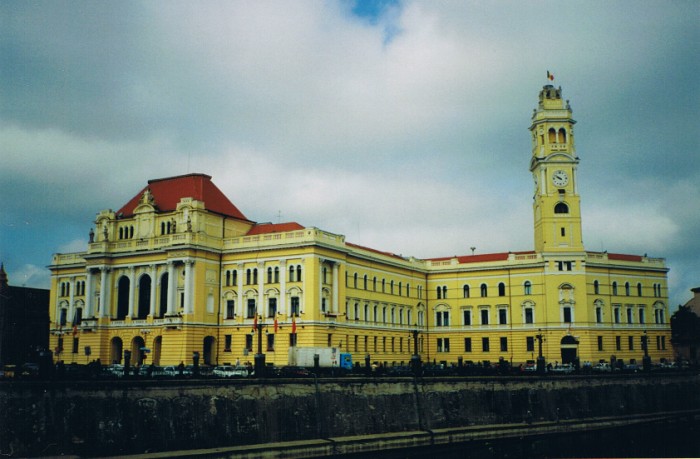
Baile, Bihor County
Oradea City Hall Palace
Amplasat in partea de nord-vest a Pietei Centrale (Unirii) din Oradea;a fost inaltat intre anii 1902-1903; se afla pe fostul amplasament al episcopiei catolice...
1.5 km
Cultural life and traditions
Events in the St. Mary's Roman Catholic Basilica of Oradea area
Medieval festivals, traditional fairs, concerts and local activities recommended in Crisana.

Traditions and Crafts

Baile, County of Bihor
Days of Local Culture and Traditional Tourism
Open workshops featuring pottery, wood carving, and authentic folklore demonstrations by local artisans.
WHEN
May 15-17, 2026


Traditional Cuisine
Baile, County of Bihor
The Fair of Traditional Products and Local Cuisine
Traditional products, aged cheeses, mountain honey and local delicacies prepared according to ancient recipes.
WHEN
Every weekend

Culture and Photography
Baile, County of Bihor
Themed and Photographic Guided Tour of Cultural Heritage
A guided tour designed for history buffs, nature lovers, and photography enthusiasts, showcasing the most spectacular views in the area.
WHEN
Daily schedule available upon request
On foot, exploration gains depth
Discover the surroundings and local geography
Explore the trails, terrain, and natural landmarks around St. Mary's Roman Catholic Basilica of Oradea.

Guides and practical tips
Useful travel articles
Travel guides, practical recommendations and tourist itineraries for Crisana.

Tourist guide
Top 5 Atracții Turistice și Trasee Montane în Zona Moieciu - Bran
Descoperă cele mai spectaculoase peisaje carstice, chei adânci și cetăți medievale din imediata apropiere a stațiunii Moieciu.

Tourist guide
Ghid de Drumeție: Traseul Moieciu de Sus spre Platoul Bucegi
Un itinerariu montan de o frumusețe rară ce urcă din Valea Băngăleasa spre Poiana Guțanu și crestele maiestuoase ale Bucegilor.

Tourist guide
Castelul Bran: Istorie, Legende și Secrete Medievale
Află adevărata poveste a fortăreței medievale din Pasul Bran, reședința de suflet a Reginei Maria a României.
THE JOURNEY STARTS WITH AN IDEA
The next story is on the way.
From the first stop to the last stay, make room for a new Romania.
