


CASTLE · DOBRUJA
Tropaeum Traiani, Adamclisi

Constanta, Constanța County
Add location to your trip planner.
Practical access information

VISITING HOURS
Check the local visiting schedule

TICKET PRICE
Information available at the cashier's desk

RECOMMENDED VISIT DURATION
1-2 hours


Visitor information and guide
 Navigate with Google Maps

ABOUT TROPAEUM TRAIANI, ADAMCLISI
Introduction: The Monument at the Edge of the Roman World
In the vast undulating landscape of Dobruja, where the Urluia Valley carves its path toward the Danube among gentle hills covered with steppe, rises with sober majesty the Tropaeum Traiani Museum Complex. This site is not merely an ancient ruin among many others, but a true meeting point between civilizations, a silent witness to the moment when the Roman Empire reached its eastern limits, and Mediterranean culture penetrated deep into the heart of South-Eastern Europe. For the cultivated European traveler, Adamclisi offers an experience profoundly similar to that offered by the imperial monuments in the center of Rome, but with a distinct flavor specific to the frontier, where classical grandeur meets the tumultuous spirit of the distant provinces. Here, stone speaks of imperial ambitions, of cultural resistance, and of the birth of a new world.
The Birth of an Imperial Monument: From Battlefield to Temple of Victory
The history of this place begins in the winter of 101-102 AD, when the legions led by Emperor Trajan definitively defeated the resistance of the Dacian king Decebalus in the decisive battle of Adamclisi. The victory was so significant that Trajan decided to transform the place into an eternal monument of Roman power. Between 106 and 109 AD, on the site of a destroyed ancient Dacian fortress, Tropaeum Traiani was erected, a triumphal complex of colossal dimensions, second in grandeur in the entire empire only to Trajan's Column in Rome, erected a few years later in the Imperial Forum. The monument was dedicated to the god Mars and commemorated the end of the Daco-Roman wars, being named thus according to the tradition that says the head of the defeated Dacian king would have been displayed here.
The initial architecture was impressive: a massive stone trophy surrounded by an altar, a temple dedicated to the deified Trajan, and an ensemble of civil constructions that housed the garrison and administration. This architectural program reflected the imperial policy of marking conquered territories not only through military force, but through monuments proclaiming the superior civilization of Rome. For today's visitor, understanding this European context is essential: Tropaeum Traiani is part of a network of triumphal monuments spread throughout the empire, from the Arch of Titus in Rome to the Tropaeum Augusti at La Turbie in the French Alps, all being expressions of the same imperial ambition to mark the boundaries of the known world.
From Legions to Municipium: A Flourishing Community on the Danube Frontier
Around the sacred monument, a civil settlement gradually developed that would become the largest and most prosperous Roman urban community ever discovered on the territory of Dobruja. Initially inhabited by the families of veterans of the V Macedonica and XI Claudia legions, who settled here after retiring from active military service, the settlement experienced remarkable development. Under the reign of the emperors from the Severan dynasty, in the 2nd-3rd centuries AD, Tropaeum Traiani received the status of municipium, becoming a vital administrative and economic center of the province of Lower Moesia.
Urban life flourished on the basis of intensive agriculture in the Dobrujan plain, trade in grain and olive oil with Mediterranean provinces, and local crafts. The city was crossed by Via Traiana, the main communication artery linking Rome to Constantinople and the Black Sea, making Adamclisi an essential node in the empire's commercial network. This evolution from military camp to civil city has exact parallels in other European frontier centers such as Carnuntum in today's Austria, Aquincum in Budapest, or Sirmium in Serbia, all representing models of the policy of Romanization through urbanization.
A Bridge Across Centuries: European Connections and the Hellenistic Heritage
The architecture and art of Adamclisi fit into a continuous dialogue with the great European artistic currents. The original triumphal monument presented a unique fusion between Italian classicism and Hellenistic artistic traditions, reflecting the empire's cultural policy of integrating elements from all provinces. The carved metopes, illustrating scenes of battle and the submission of barbarians, recall through their dynamic composition and the heroic treatment of figures the friezes of the Parthenon in Athens, as well as the relief of Trajan's Column in Rome, suggesting an artistic continuity from classical Greece to the Danubian frontier.
In the 4th century, under the reign of Constantine the Great, the fortress experienced a new period of flourishing and reconstruction, being refortified and endowed with a three-nave Christian basilica, proof of the transition from the pagan to the Christian world, a phenomenon that marked all of Europe in that era. This Byzantine continuity places Adamclisi on the map of the great sites of South-Eastern Europe, alongside Thessaloniki, Constantinople or Ravenna, all being centers where late Roman civilization transformed into Byzantine.
Until the year 587 AD, when Avar invasions put an end to urban existence, Tropaeum Traiani remained a witness to the way in which the Roman Empire, and then the Byzantine, maintained the cohesion of a multicultural Europe. Today, the site is part of the UNESCO World Heritage "Frontiers of the Roman Empire – The Danube Limes", along with other fortifications on the lower course of the river, underlining its importance in understanding the ancient European defensive system.
The Sculptural Masterpiece: The 54 Metopes and Narrative Art
What makes Adamclisi an exceptional site for art lovers is the sculptural program of the triumphal monument. The original was decorated with 54 marble metopes, each representing scenes from the Daco-Roman wars: sieges of fortresses, hand-to-hand combat, negotiations with barbarian chieftains, and triumphal processions. The style of these sculptures is characteristic of Roman "baroque" art, with dramatic compositions, figures in violent movement, and special attention to the expressive detail of faces and weapons.
The colossal statue of the trophy, which dominated the center of the monument, represented a pile of Dacian weapons – helmets, shields, spears and swords – arranged in a pyramidal manner, symbol of the definitive defeat of the barbarians. This representation has correspondences in Roman triumphal art from Rome, but also in the Oriental tradition of displaying the enemy's trophies, reflecting the cultural syncretism specific to the eastern provinces.
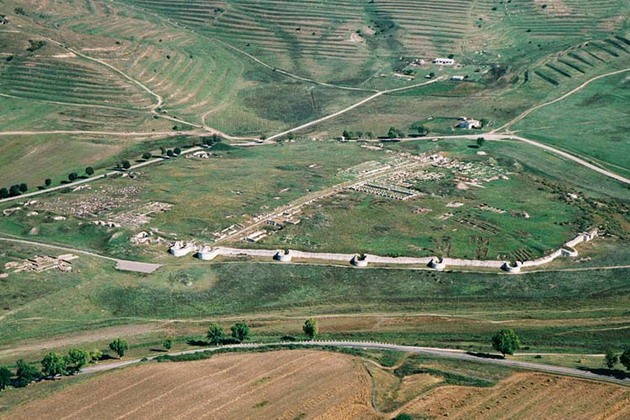
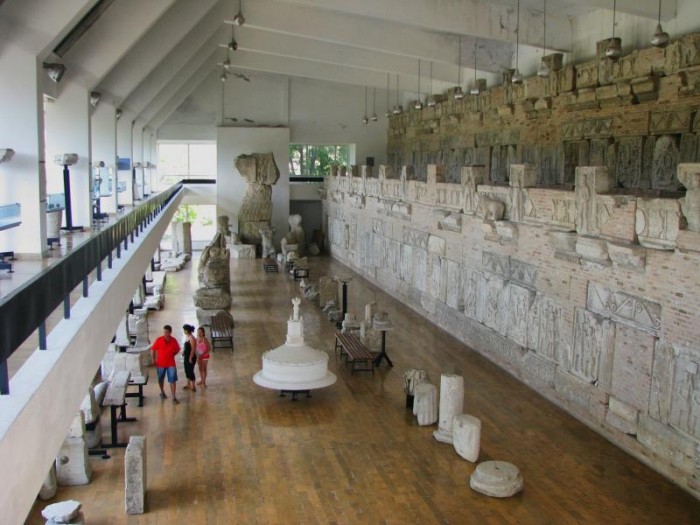
The museum complex inaugurated in 1977 houses the most precious original pieces discovered since the systematic excavations conducted by Grigore Tocilescu and Vasile Pârvan in 1911. The museum building, designed as a veritable lapidarium, presents the carved friezes in garlanded Attic style, the pilasters, the crenellations and the parapet blocks in an arrangement that recreates the solemn atmosphere of the ancient monument. In the open air, the visitor can contemplate the partial reconstruction of the monument, carried out according to the plans of architect Ștefan Ionescu, which gives an idea of the original grandeur of the ensemble.
Life on the Frontier: Archaeology, Commerce and Civilization
The museum collections depict the portrait of a cosmopolitan community located at the intersection of Mediterranean trade routes and Pontic culture. The ceramics discovered here – Italian terra sigillata, luxury vessels from workshops in Asia Minor, Greek and Roman amphorae originating from the Aegean islands and the Black Sea region – attest to the intensity of commercial exchanges. Household vessels, agricultural tools, feminine jewelry and cult objects illustrate the process of Romanization, but also the preservation of indigenous Daco-Getae traditions.
A particularly interesting element is the early Christian basilica with three naves, built in the 4th century and modified in the 5th-6th centuries, which demonstrates the existence of an organized Christian community on the empire's frontier. This discovery places Adamclisi in the context of the spread of Christianity in South-Eastern Europe, alongside centers such as Tomis (today's Constanța), where Bishop Evangelicus played a crucial role in the 4th-5th centuries.
Stories and Personalities: From Trajan to Tocilescu
The destiny of this place is linked to historical figures who marked turning points in European history. Emperor Trajan, conqueror of Dacia and architect of a new European order on the eastern frontier, left here his immortal signature. Then Decebalus, the Dacian king who resisted to the end, whose defeat opened the way to the Romanization of the entire Carpathian-Danubian space. Later, Constantine the Great, who transformed Christianity into the official religion of the empire and moved the capital to Constantinople, rebuilt and strengthened the fortress, demonstrating the strategic importance of this point on the map of Europe.
In modern times, personalities such as Grigore Tocilescu, pioneer of Romanian archaeology, and Vasile Pârvan, the scholar who laid the foundations of systematic research into Greco-Roman civilization in Dobruja, revealed the secrets of this site through their meticulous excavations of 1909-1911. Their efforts, continued by entire generations of Romanian and foreign archaeologists, transformed Adamclisi from a simple ruin into a museum of European importance.
Practical Guide: How to Visit the Tropaeum Traiani Museum Complex
Located approximately 400 meters north of the village of Adamclisi, in the eponymous commune of Constanța County, the complex is easily accessible from the road network of Dobruja. Travelers coming from Constanța can follow European route E87 towards Tulcea, then DN2A towards Adamclisi, the journey taking approximately an hour and a half. For those visiting the Danube Delta or the Black Sea coast, Adamclisi represents an essential cultural stop, located only a few kilometers from the ancient Greek city of Histria, the first Hellenic colony on the territory of Romania, and not far from the medieval fortress of Enisala.
The visit proper comprises two main components: the reconstructed monument in the open air, where one can admire the original metopes and the replica of the trophy, and the museum building, which houses the archaeological collections in a modern, adequately lit space. It is recommended to allocate at least two hours for a complete visit, benefiting from the specialized guidance offered by the museum staff, who reveal fascinating details about the sculptural technique, the history of the discoveries and the European context of the site.
For a complete experience, the visit to Adamclisi can be combined with the exploration of other Roman and Byzantine heritage sites in Dobruja: the ruins of the Roman city of Callatis in Mangalia, the Genoese fortress of Enisala with its superb panorama over the Delta, or the rock-cut monastic complex of Murfatlar, unique in Europe. The optimal period for visiting is spring or autumn, when the light of the Dobrujan sun highlights the colors of the stone and the blooming or golden steppes.
A journey to Adamclisi means an incursion into the heart of European history, where stone speaks of imperial ambitions, cultural resistance and civilizational continuity across two millennia. For the European traveler, this place offers a unique perspective on the way in which the Roman Empire integrated conquered territories, transforming a battlefield into a flourishing urban center, and for Romanian culture, it represents a fundamental pillar of historical identity, marking the beginning of the ethnogenesis of the Romanian people on these lands.
Media gallery
Discover Tropaeum Traiani, Adamclisi in pictures

10 photos · Architecture, courtyards and captivating details


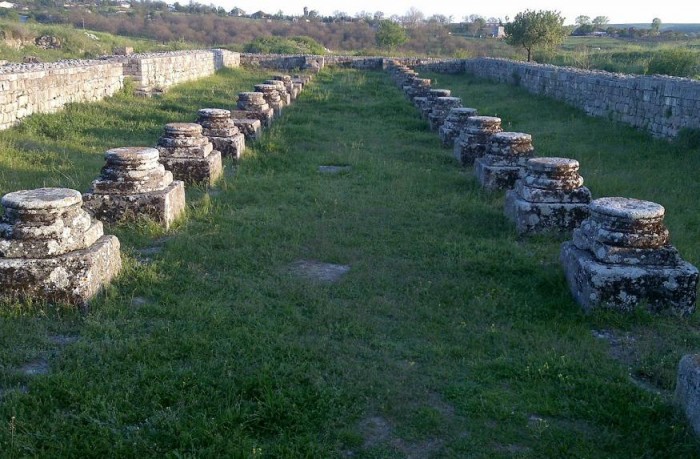


Image source: Wikimedia Commons · Public domain photos · Free license
STAY A FEW DAYS, DISCOVER THE MAGIC
Accommodation in the Tropaeum Traiani, Adamclisi area

Guesthouse · 3 stars

Culmea, Constanța County · 42.8 km
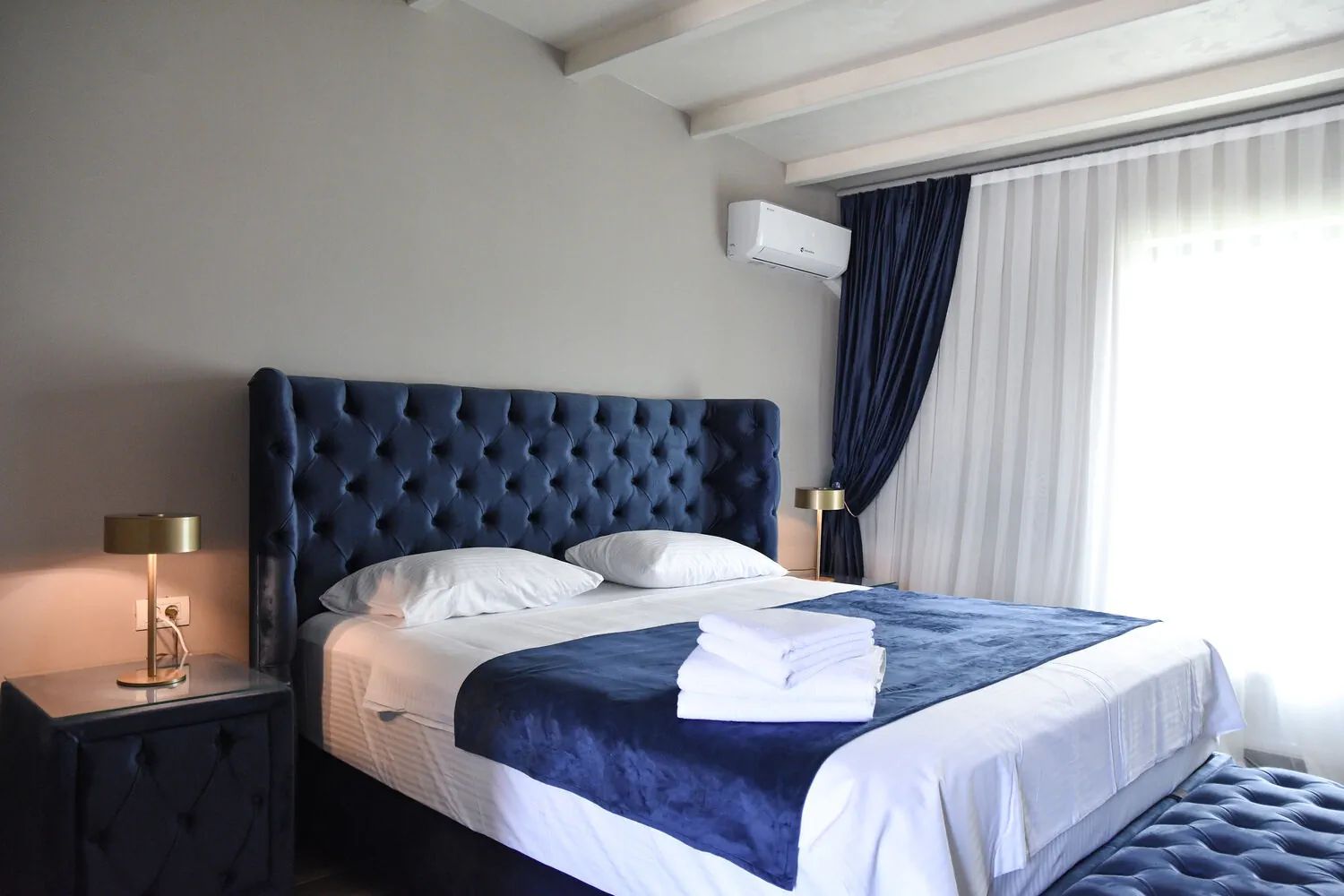
Pensiunea Black Sea Horses Equestrian Club Culmea
De la Complexul rupestru Basarabi-Murfatlar puteți porni într-o excursie care vă duce până în localitatea Culmea, unde Pensiunea Black Sea Horses Equestrian Club Culmea, o pensiune turistică de 3 stele, vă oferă un punct de plecare excelent pentru a descoperi frumusețile Dobrogei și pentru a vă bucura de activități în aer liber. Aici vă puteți dedica pasiunii pentru cai prin sesiuni de echitație organizate în zonă, într-un cadru natural pitoresc. Restaurantul din incintă prepară bucate delicioase din bucătăria locală și internațională, iar cafeneaua și barul sunt locuri perfecte pentru a vă relaxa după o zi plină de activități. Unitatea beneficiază de o curte mare și o grădină amenajată, ideale pentru momente de liniște și plimbări. Aveți la dispoziție parcare privată gratuită, Wi-Fi gratuit și scaune înalte pentru copii, astfel încât șederea dumneavoastră să fie confortabilă și practică pentru toți membrii familiei. În apropiere puteți vizita Rezervația Naturală Valul lui Traian, Lacul Siutghiol, Stațiunea Mamaia și Mamaia, completând astfel experiența dumneavoastră în această regiune încărcată de istorie. Vă așteptăm la Pensiunea Black Sea Horses Equestrian Club Culmea.
FROM
240 lei per night

Holiday villa · 3 stars
Techirghiol, Constanța County · 52.2 km
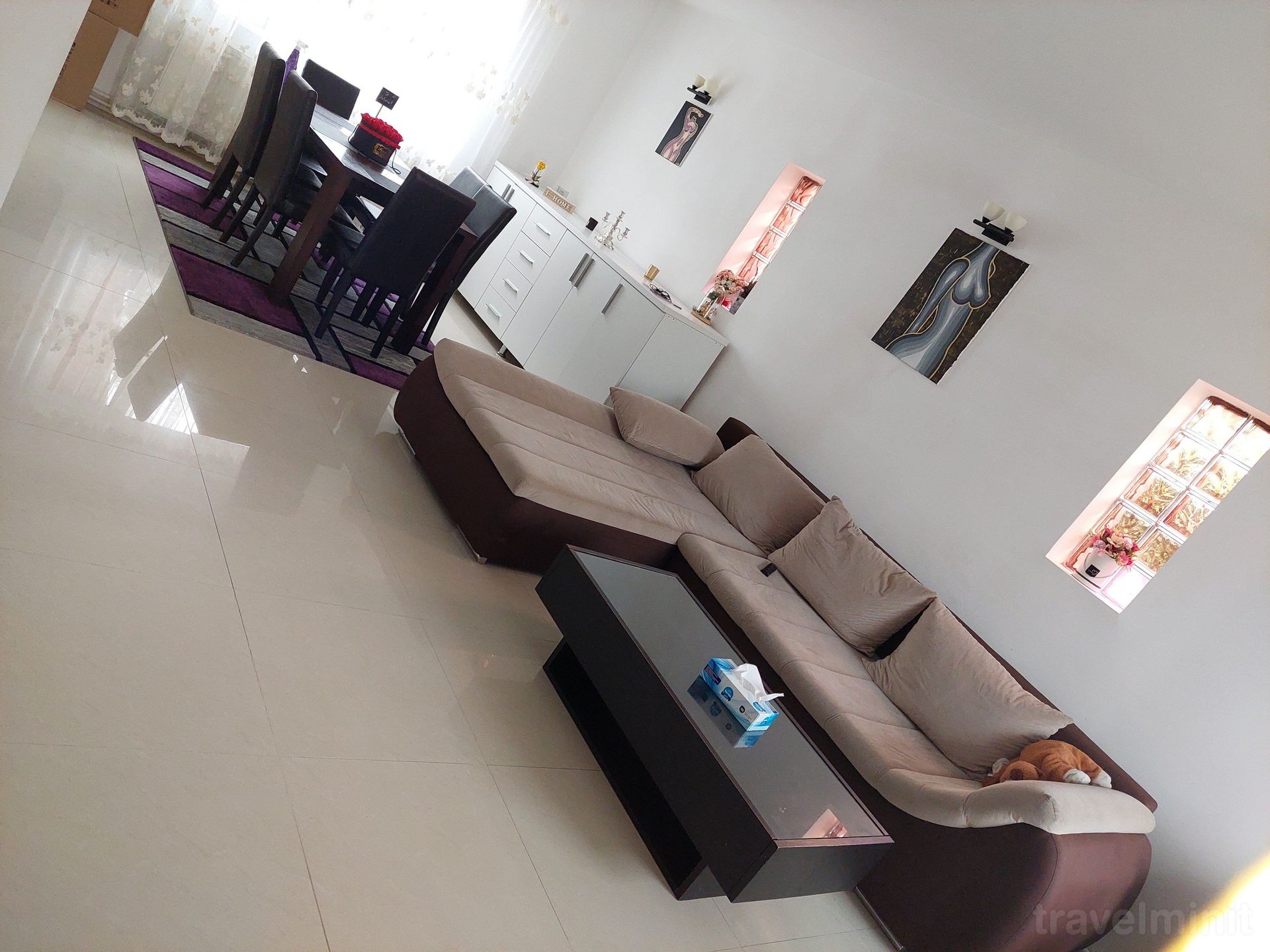
Vila Elena Techirghiol
Comfort, relaxation and stunning views, all just steps away from the main attractions.
FROM
280 lei per night
Guesthouse · 3 stars
Techirghiol, Constanța County · 52.5 km
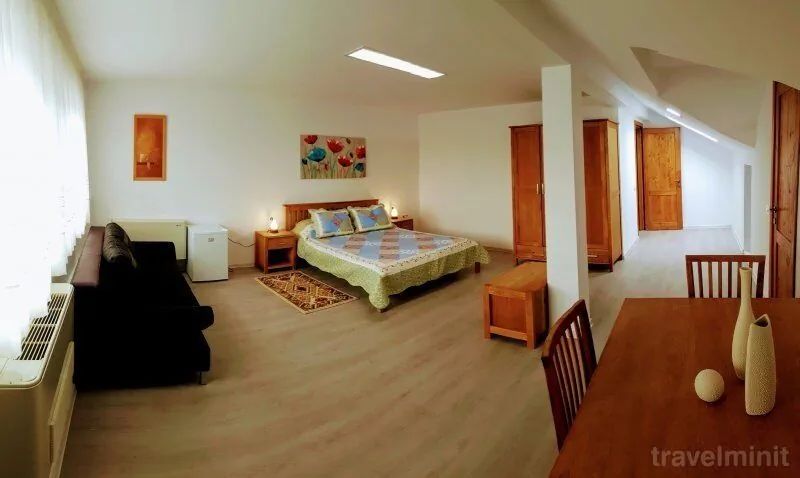
Vila Sanitas Techirghiol
O zi petrecută aici începe cu aerul proaspăt din grădina amenajată și curtea mare, unde puteți lua masa în aer liber la restaurantul din incintă, iar seara se încheie într-o cameră răcoroasă, datorită aerului condiționat. Vila Sanitas Techirghiol, o pensiune turistică de trei stele, vă așteaptă pe dumneavoastră în localitatea Techirghiol, județul Constanța, pentru a vă oferi un sejur confortabil. Unitatea pune la dispoziția dumneavoastră patru camere confortabile și plăcut amenajate, unele dintre ele fiind prevăzute cu aer condiționat pentru zilele călduroase. Conexiunea Wi-Fi gratuită este disponibilă în întreaga proprietate, iar la restaurantul din incintă puteți degusta preparate excelente, servite într-un ambient plăcut și relaxant. În apropiere se află Stațiunea Techirghiol, Lacul Techirghiol, Stațiunea Eforie Nord, Stațiunea Eforie Sud și Cazinoul din Constanța, oferind numeroase opțiuni pentru vizite și momente de relaxare pe litoralul Mării Negre. Check-in-ul se efectuează de la ora 14:00, iar predarea camerei până la ora 10:00, iar la recepție se vorbesc limbile română, germană și spaniolă.
FROM
240 lei per night
Hotel · 3 stars
Techirghiol, Constanța County · 52.6 km
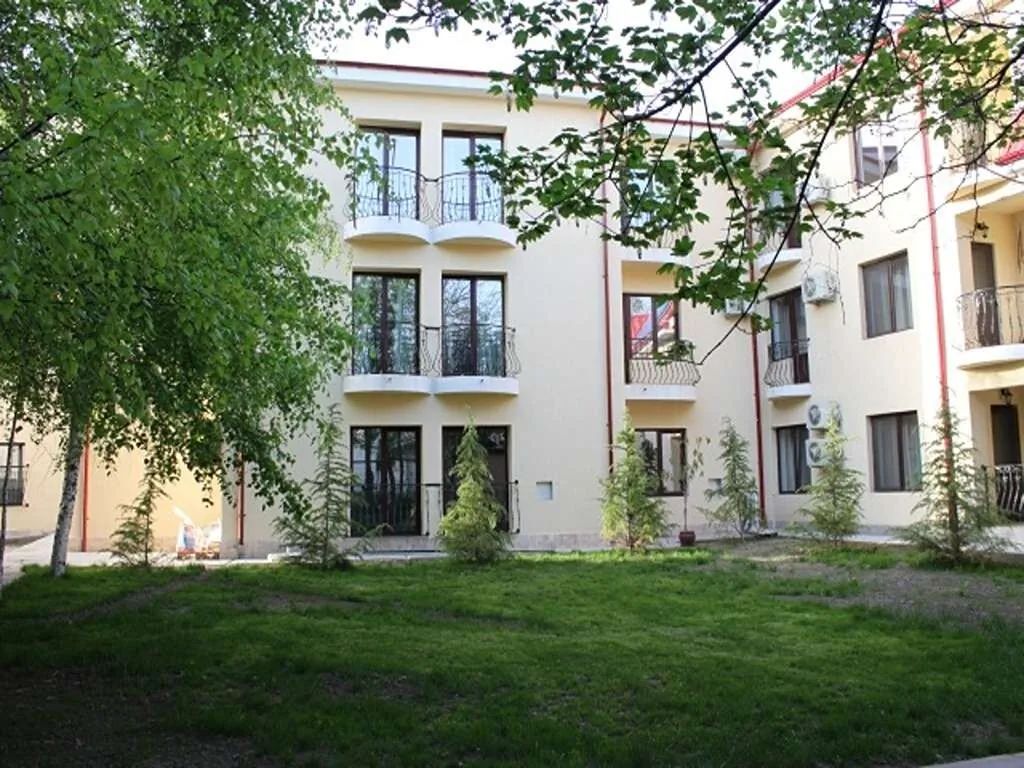
Hotel Anina Techirghiol
Familiile cu copii și călătorii care caută liniște și relaxare se vor simți bine la Hotel Anina din Techirghiol. Unitatea de trei stele, situată pe bulevardul Victoriei, vă oferă un cadru primitor pentru un sejur plăcut în această stațiune balneară de pe litoral. Pentru confortul dumneavoastră, hotelul pune la dispoziție Wi-Fi gratuit, ascensor și seif. Vă puteți relaxa în curtea mare și grădina amenajată, puteți servi masa la restaurantul din incintă sau vă puteți bucura de o băutură la bar. Pentru familiile cu cei mici este disponibil scaun înalt pentru copii, iar serviciile de masaj și depozitul pentru bagaje completează lista de facilități care fac șederea dumneavoastră mai plăcută. În apropiere se află Stațiunea Techirghiol, Stațiunea Eforie Nord, Lacul Techirghiol, Stațiunea Eforie Sud și Stațiunea Costinești. Aceste obiective turistice oferă oportunități variate pentru a explora zona și a vă bucura de atracțiile din vecinătate. Vă așteptăm să vă bucurați de șederea dumneavoastră la Hotel Anina, iar apoi să porniți să descoperiți Lacul Techirghiol.
FROM
290 lei per night
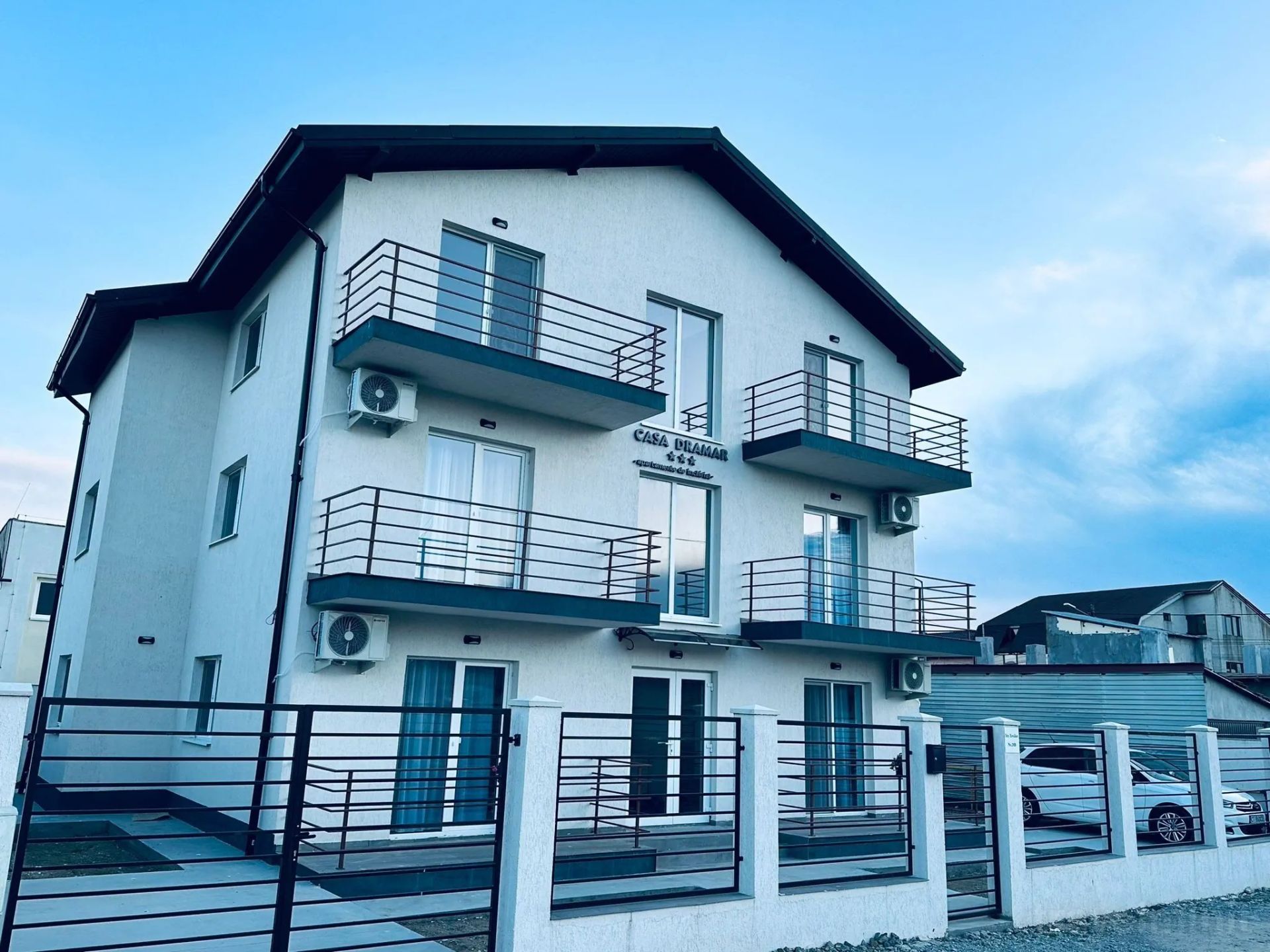
Apartment · 3 stars
Techirghiol, Constanța County · 52.7 km
Casa Dramar Techirghiol
Comfort, relaxation and stunning views, all just steps away from the main attractions.
FROM
230 lei per night
Cabin · 3 stars
Techirghiol, Constanța County · 53.1 km
Casa Lacul Sărat Techirghiol
Casa Lacul Sărat Techirghiol este o cabană clasică clasificată cu 3 stele, situată în localitatea Techirghiol din județul Constanța. Unitatea pune la dispoziție șapte camere amenajate cu grijă, într-un cadru liniștit potrivit pentru odihnă. Pentru confortul dumneavoastră, anumite camere sunt dotate cu aer condiționat, iar accesul este facilitat și pentru persoanele cu dizabilități. Familiile cu copii mici beneficiază de un pătuț pentru bebeluș, iar animalele de companie sunt acceptate gratuit. În exterior, cei mici se pot juca în siguranță la locul de joacă amenajat, iar curtea mare și grădina îngrijită oferă un spațiu generos pentru relaxare în aer liber. Grătarul sau barbeque-ul permit organizarea meselor în aer liber, iar conexiunea Wi-Fi gratuită este disponibilă în întreaga incintă. În apropiere puteți vizita Stațiunea Techirghiol, Lacul Techirghiol, Stațiunea Eforie Nord, Stațiunea Eforie Sud și Stațiunea Costinești, fiecare cu specificul său. Vă așteptăm să vă bucurați de sejur și să porniți într-o excursie spre Stațiunea Eforie Nord.
FROM
270 lei per night
BEFORE YOU HIT THE ROAD
Weather conditions in Constanta
Local forecast for Tropaeum Traiani, Adamclisi, Constanta, Constanța

Real-time updated weather data
Much more to explore in this area
Nearby tourist attractions

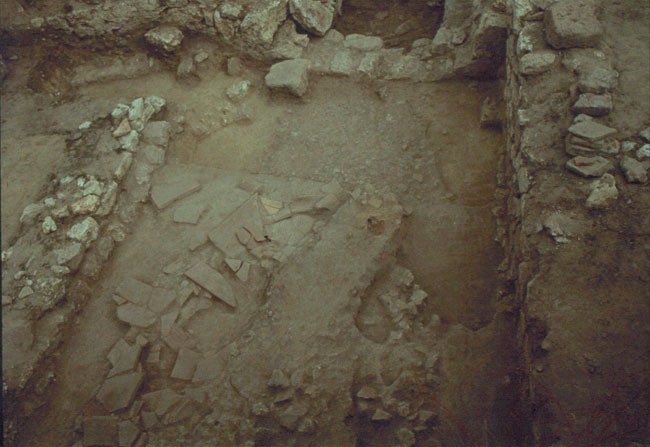

Constanta, Constanța County
Adamclisi Monument (Tropaeum Traiani)
Situat pe teritoriul Cetatii Adamclisi, in apropierea satului Adamclisi, pe Valea Urluia; primele sapaturi si cercetari au fost efectuate in anul 1882, de...
0.1 km
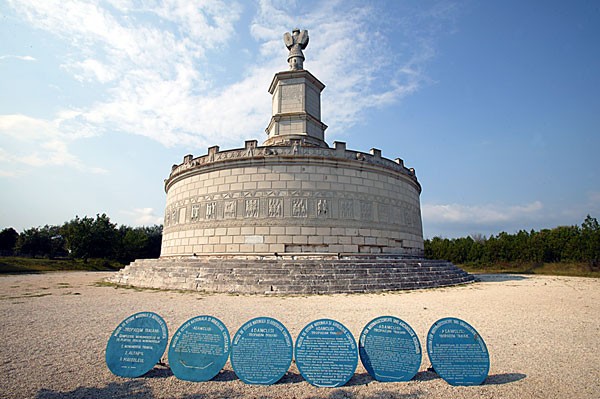
Constanta, Constanța County
Tropaeum Traiani Monument at Adamclisi
Situat langa localitate Adamclisi, la 60 km de municipiul Constanta; ridicat din ordinul imparatului Traian intre anii 106 - 109 d. Hr. pentru a comemora o...
1.5 km

Murfatlar, Transylvania
Complexul rupestru Basarabi-Murfatlar
Heritage site in Constanța County, Romania
37.7 km
40.4 km

Constanta, Constanța County
Trajan's Wall Nature Reserve
Situata la nord de comuna Valul lui Traian; rezervatie naturala de tipul botanic si sit arheologic; suprafata totala 5 ha; situl arheologic pastreaza resturi...
46.8 km
Constanta, Constanța County
Adamclisi Archaeological Museum and Tropaeum Traiani
Situat pe strada Muzeului, nr. 15, localitatea Adamclisi; inaugurat in anul 1977, cladirea este ridicata ca un lapidarium; este un complex muzeal format din...
1.0 km

Constanta, Constanța County
Saint Andrew's Cave
Situata in apropierea comunei Ion Corvin, la apoximativ 4 km de soseaua Constanta - Ostrov; se spune ca in aceasta grota a trait si a crestinat Sfantul Apostol...
9.8 km
Constanta, Constanța County
Capidava Fortress
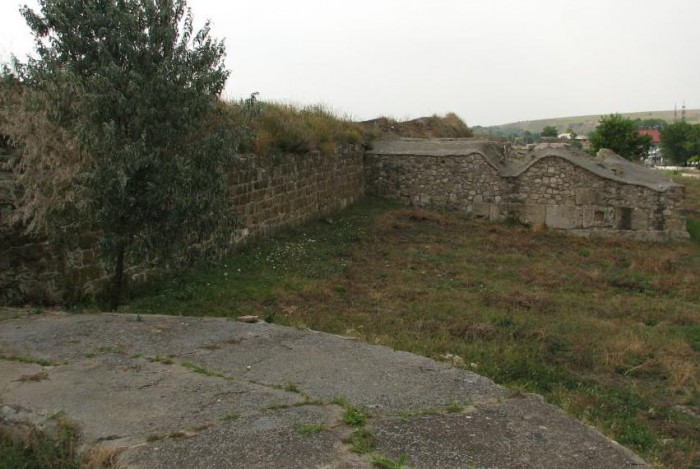
Situata la marginea de vest a satului Capidava, pe soseaua ce leaga Harsova de Cernavoda, teritoriul administrativ al comunei Topalu; ridicata in timpul...
46.2 km

18.1 km
31.1 km
Ialomita, Ialomița County
Situl arheologic Popina Bordușani
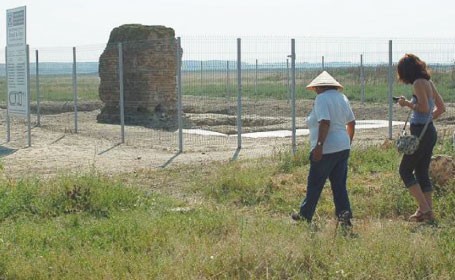
Localizat in insula Balta Ialomitei, la circa 2,5 km nord fata de malul drept al bratului Borcea; Balta Ialomitei este o insula formata intre bratele Borcea si...
45.3 km
Constanta, Constanța County
Cetatea bizantină Vicina din Insula Pacuiul lui Soare
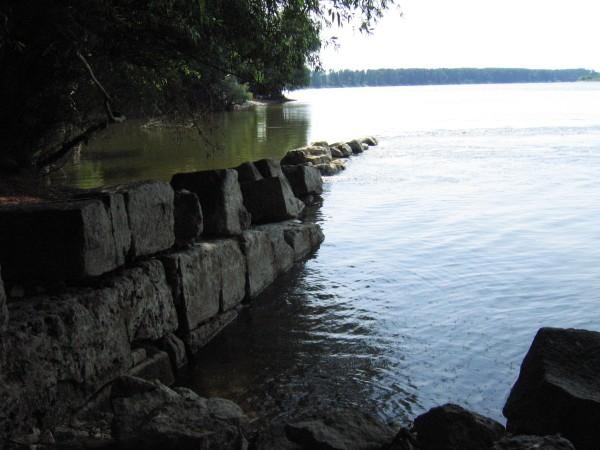
Situata pe teritoriul administrativ al localitatii Ostrov, pe insula Pacuiul lui Soare; ridicata intre anii 969 - 976, in timpul imparatului bizantin Ioan...
42.2 km
Cultural life and traditions
Events in the Tropaeum Traiani, Adamclisi area
Medieval festivals, traditional fairs, concerts and local activities recommended in Dobruja.

Traditions and Crafts

Constanta, County of Constanța
Days of Local Culture and Traditional Tourism
Open workshops featuring pottery, wood carving, and authentic folklore demonstrations by local artisans.
WHEN
May 15-17, 2026


Traditional Cuisine
Constanta, County of Constanța
The Fair of Traditional Products and Local Cuisine
Traditional products, aged cheeses, mountain honey and local delicacies prepared according to ancient recipes.
WHEN
Every weekend

Culture and Photography
Constanta, County of Constanța
Themed and Photographic Guided Tour of Cultural Heritage
A guided tour designed for history buffs, nature lovers, and photography enthusiasts, showcasing the most spectacular views in the area.
WHEN
Daily schedule available upon request
On foot, exploration gains depth
Discover the surroundings and local geography
Explore the trails, terrain, and natural landmarks around Tropaeum Traiani, Adamclisi.

Guides and practical tips
Useful travel articles
Travel guides, practical recommendations and tourist itineraries for Dobruja.

Tourist guide
Top 5 Atracții Turistice și Trasee Montane în Zona Moieciu - Bran
Descoperă cele mai spectaculoase peisaje carstice, chei adânci și cetăți medievale din imediata apropiere a stațiunii Moieciu.

Tourist guide
Ghid de Drumeție: Traseul Moieciu de Sus spre Platoul Bucegi
Un itinerariu montan de o frumusețe rară ce urcă din Valea Băngăleasa spre Poiana Guțanu și crestele maiestuoase ale Bucegilor.

Tourist guide
Castelul Bran: Istorie, Legende și Secrete Medievale
Află adevărata poveste a fortăreței medievale din Pasul Bran, reședința de suflet a Reginei Maria a României.
THE JOURNEY STARTS WITH AN IDEA
The next story is on the way.
From the first stop to the last stay, make room for a new Romania.
