

 Tourist attractions
 Transylvania
 Franciscan Monastery Church of the Visitation with Embedded Tombstone
PLACE OF WORSHIP · TRANSYLVANIA
Franciscan Monastery Church of the Visitation with Embedded Tombstone

Harghita, Harghita County
Add location to your trip planner.

Practical access information

VISITING HOURS
Monday: 12:00 PM – 5:00 PM · Tuesday–Sunday: 9:00 AM – 5:00 PM (in summer until 8:00 PM)

TICKET PRICE
Adults: 45 RON · Students: 11 RON · Seniors: 23 RON · Guided tour included

RECOMMENDED VISIT DURATION
30-60 minutes
ABOUT FRANCISCAN MONASTERY CHURCH OF THE VISITATION WITH EMBEDDED TOMBSTONE
A Franciscan Sanctuary at the Crossroads of Empires
In the heart of the Ciuc Depression, where the Harghita Mountains gently embrace the fertile valleys of Transylvania, the Franciscan Monastery Church of the Visitation in Șumuleu Ciuc rises majestically. This monument transcends mere architectural significance to become a pillar of spiritual identity for an entire region. A silent witness to centuries of tumultuous history, the church stands as one of the most profound landmarks of Roman Catholic faith in Eastern Europe. Here, the Franciscan tradition, born in the heart of Italy, has organically intertwined with the cultural identity of the Szekler Hungarian community. Built during a period when Europe was shaken by religious conflicts and Ottoman expansion, the church today presents itself as a fortress of the spirit, dominated by its massive tower that overlooks the Ciuc Depression, visible from miles away like a guiding beacon for souls seeking peace and transcendence.
The significance of this monument extends far beyond local boundaries, placing it on the map of Europe’s great Christian sanctuaries. In the Szeklerland, at the intersection of Western influences from the Habsburg Empire and Eastern influences from the Sublime Porte, a unique spiritual center has formed. Pilgrims from the entire Christian world gather here annually in a gesture of religious solidarity reminiscent of the great traditions of Fatima, Lourdes, or Częstochowa. The church is not merely a sacred edifice but a symbol of resilience for a community that, over the centuries, has preserved its identity through faith in a historically diverse region marked by the challenges of empires that have succeeded one another at the gates of the Carpathians.
Medieval Roots and Ties to Central Europe
The history of this sanctuary dates back to the 13th century, when the Franciscan Order, founded by Saint Francis of Assisi in the heart of Umbria, Italy, extended its network of monasteries beyond the Alps, reaching the Kingdom of Hungary under the reign of King Andrew II. This missionary expansion coincided with efforts to consolidate Western Christianity in the eastern territories of Europe, and the Franciscans quickly became bearers of a spirituality based on poverty, humility, and devotion to the Virgin Mary—elements that resonated deeply with the population of Szeklerland. Their presence in Șumuleu Ciuc gradually solidified, transforming the monastery into a center of religious culture and education that influenced generations of monks and believers.
The church in its current form was built in the 15th century, a period of architectural flourishing for all of Central Europe, when the late Gothic style permeated the territories of the Kingdom of Hungary, from Buda to Kraków and Prague. This era coincided with the period of maximum autonomy for the Szekler community, which enjoyed special privileges granted by the Hungarian crown for defending the kingdom’s eastern borders. Thus, the church was constructed not only as a place of prayer but also as a spiritual bastion against external threats, in a region situated at the border between the Catholic and Orthodox worlds, between Western and Byzantine influences. Ties with major Franciscan centers in Central Europe, such as the monasteries in Kraków and Prague, brought not only skilled architects and craftsmen to Șumuleu Ciuc but also an artistic vision that blended the German Gothic tradition with the local specificity of Transylvania.
An Architectural Masterpiece Between Gothic and Baroque
The architecture of the church presents a remarkable synthesis between the austerity of medieval Gothic and the opulence of early modern Baroque, offering visitors a journey through five centuries of European artistic history. The original structure, built in the 15th century, retains characteristic elements of late Gothic: the pointed arches that rise gracefully toward the ribbed vaults, the slender columns supporting the spacious central nave, and the tall, narrow windows through which light filters, creating plays of shadow and light typical of medieval spirituality. The massive tower, visible from a distance in the landscape of the Ciuc Depression, served both as a bell tower and an observation point in troubled times, recalling the defensive role that many Transylvanian churches played during the Ottoman invasions.
In the 17th and 18th centuries, under the influence of the Counter-Reformation and the patronage of the Szekler nobility, the church underwent major transformations that enriched it with Baroque elements. The interior was decorated with altars carved from linden wood, richly ornamented, with mural paintings in the style of the Austrian and Bavarian schools, reflecting the era’s taste for drama and the glorification of the sacred. These Baroque additions, emerging against the backdrop of a Europe divided between Catholicism and Protestantism, transformed the church into a temple of Catholic faith’s triumph, an artistic demonstration of spiritual resilience in a period of profound religious upheaval. A particularly valuable detail is the medieval tombstone embedded in the church’s outer walls, a slab carved in the 15th–16th centuries, likely belonging to a Szekler noble family that protected this monastic settlement over time.
This tombstone, crafted in the style of late Gothic funerary sculpture from Central Europe, bears traces of a relief sculpture, possibly depicting a knight in armor or a female figure in prayer, surrounded by vegetative ornaments typical of funerary art from the Kingdom of Hungary. Similar monuments can be found in the cathedrals of Esztergom or Buda, as well as in Franciscan churches in Transylvania, constituting material testimonies of the local aristocracy that financed and protected monasteries in the Middle Ages. The presence of this stone in the church’s structure underscores the close connection between the Szekler nobility and the Franciscan Order, an alliance that ensured the continuity of spiritual life in Șumuleu Ciuc over the centuries.
The Pentecost Pilgrimage: The European Dimension of a Spiritual Phenomenon
Annually, during the Pentecost celebration, the church becomes the center of the largest Roman Catholic pilgrimage in Eastern Europe, attracting hundreds of thousands of Hungarian believers from Romania, Hungary, the European diaspora, and even North America. This ritual blends centuries-old tradition with profound Marian devotion. The event, which began in 1567 during a period of Ottoman threat to Transylvania, has roots in a moment of deep spiritual and military crisis, when the Szekler community gathered in prayer to defend their homeland and faith. Legend has it that as the Szekler army prepared to confront the Ottoman forces, a statue of the Virgin Mary was brought before the church, and the faithful, seized by a mystical fervor, managed to repel the enemy, attributing the victory to divine intercession.
Since then, the pilgrimage to Șumuleu Ciuc has become a symbol of unity and resilience for the Hungarian community in Transylvania, a moment when cultural and religious identity manifests in all its splendor. The procession, which starts from Miercurea Ciuc and traverses the fields and forests of the Ciuc Depression, evokes the great medieval pilgrimages of Europe, such as those to Santiago de Compostela or Altötting in Bavaria, creating a spiritual bridge between East and West. The miraculous statue of the Virgin Mary, carved from wood in the 17th century and preserved in the church, is considered the source of many miracles and remains the center of pilgrims’ devotion, placing Șumuleu Ciuc on the map of the world’s great Marian sanctuaries, alongside Fatima in Portugal, Lourdes in France, and Częstochowa in Poland.
The European dimension of this pilgrimage is underscored by the participation of believers from numerous countries, from Poland and Slovakia to Germany and Austria, transforming Șumuleu Ciuc into a spiritual hub of Catholicism in Eastern Europe. During Pentecost, the church and its surroundings become a city of tents and prayer, where open-air services, sacred music, and folk traditions intertwine in a unique cultural experience that transcends religious boundaries to become a phenomenon of intangible heritage of humanity.
Stories, Personalities, and Turning Points
Over more than five centuries of existence, the church has witnessed pivotal moments in Central European history, each leaving deep marks in the stone and collective memory of the community. During the Protestant Reformation in the 16th century, when Transylvania was divided among different religious confessions, the Franciscan monastery remained a bastion of Catholicism, preserving the Latin liturgical tradition in a region where Calvinist and Unitarian influences were gaining ground. Franciscan monks, arriving from various parts of Europe, continued to serve here, keeping alive the flame of Assisi spirituality during a period of profound change.
The 17th and 18th centuries brought new challenges, including Ottoman invasions and plague epidemics, during which the church served as a spiritual refuge for the population. During this period, the Szekler nobility, represented by families such as Kálnoky, Apor, and Bethlen, continued to financially support the monastery, contributing to Baroque renovations and enriching the church’s artistic treasures. The tombstone embedded in the wall speaks of a member of this local aristocracy who chose to find eternal rest near the altar, a symbol of devotion that transcends death.
The 20th century brought the most severe trials with the establishment of the communist regime in Romania, when monasteries were dissolved, and monks were persecuted or imprisoned. In those times of hardship, the church continued to function as a parish church, preserving the tradition of the pilgrimage, albeit in a more limited form. After the fall of communism in 1989, Șumuleu Ciuc was reborn as a spiritual center, and the Pentecost pilgrimage experienced unprecedented expansion, becoming a mass phenomenon that attracts over 300,000 participants annually, many of whom come from Hungary, demonstrating the cross-border solidarity of the Hungarian community in the Carpathian Basin.
Visitor’s Guide and the Contemporary Traveler’s Experience
Located in Șumuleu Ciuc, just a few kilometers from the city of Miercurea Ciuc, the capital of Harghita County, the church is easily accessible via county roads connecting the towns of the Ciuc Depression. Travelers arriving by car can park near the monastic complex, in a landscape characteristic of the region, with forested hills, green meadows, and traditional Szekler houses that preserve the architecture specific to Szeklerland. For those who prefer public transportation, regular buses connect Șumuleu Ciuc to Miercurea Ciuc, providing easy access to this sanctuary.
Visitors are invited to explore both the interior of the church, with its magnificent Baroque altar and the miraculous statue of the Virgin Mary, and the exterior, where they can admire the Gothic tower and search for the medieval tombstone embedded in the southern wall. The adjacent monastic complex offers the tranquility of an inner garden and the opportunity to speak with the Franciscan monks who reside here, upholding the tradition of monastic hospitality. The liturgical schedule is especially vibrant during Pentecost, when special open-air services and processions provide an unforgettable cultural and spiritual experience, open to all interested in the religious heritage and cultural legacy of Transylvania.
The best time to visit Șumuleu Ciuc is undoubtedly the week of Pentecost, when the entire region pulses with spiritual energy, and pilgrims from around the world create a unique atmosphere of solidarity and joy. However, the church also offers a profound contemplative experience throughout the rest of the year, especially on quiet autumn days when the sunlight sets over the Gothic tower, and the stillness of the Ciuc Depression invites meditation. Nearby, travelers can visit Saint Anne’s Lake, the only volcanic lake in Romania, the mineral springs of Băile Tușnad, or the historic towns of Odorheiu Secuiesc and Gheorgheni, completing a journey through the heart of Szeklerland, a region where European history, spirituality, and nature meet in a unique and fascinating way.
Media gallery
Discover Franciscan Monastery Church of the Visitation with Embedded Tombstone in pictures

1 photos · Architecture, courtyards and captivating details

Image source: Wikimedia Commons · Public domain photos · Free license
STAY A FEW DAYS, DISCOVER THE MAGIC
Accommodation in the Franciscan Monastery Church of the Visitation with Embedded Tombstone area

Guesthouse · 3 stars

Izvoare, Harghita County · 0.3 km
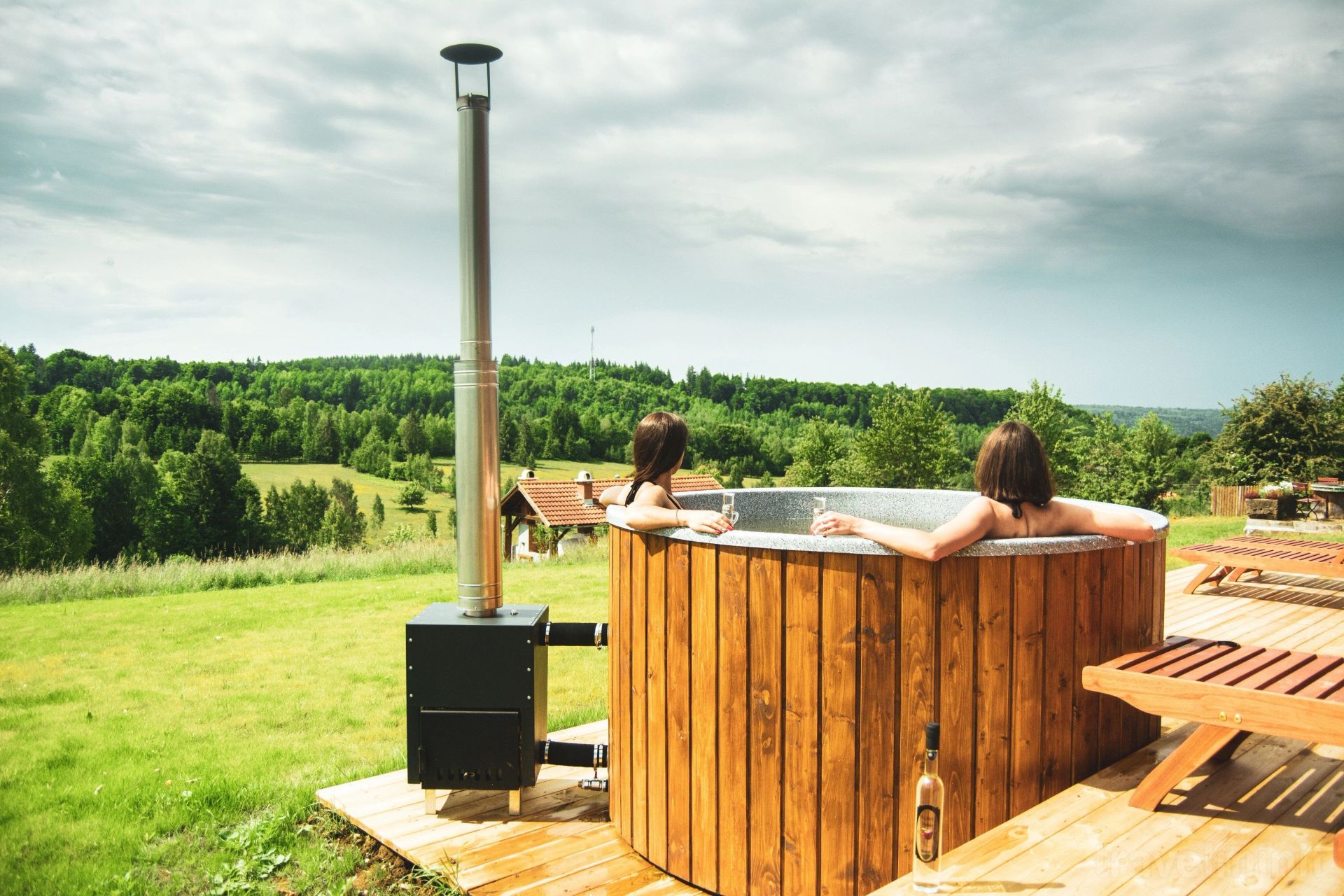
Honor Pensiune & Spa
La Honor Pensiune și Spa din Izvoare, județul Harghita, vă puteți bucura de un ciubăr din lemn tradițional, într-un cadru pitoresc care invită la relaxare profundă după o zi plină de activități în aer liber sau după explorarea zonei. Pensiunea vă pune la dispoziție și saună, cadă cu hidromasaj, sală de fitness sau gimnastică, precum și o curte mare cu grădină amenajată, foișor și bar în incintă. Pentru momente de răsfăț culinar, aveți la dispoziție restaurant în incintă, grătar, barbeque și ceaun pentru gătit în aer liber, iar meniurile pentru diete speciale și pentru copii sunt disponibile la cerere. Wi-Fi gratuit, seif în fiecare cameră și fier de călcat vă asigură confortul necesar pe toată durata șederii dumneavoastră, într-un ambient primitor. Activitățile în aer liber includ călărie sau echitație în zonă, drumeții montane și trasee în natură, iar personalul vă poate ghida în aceste experiențe sau vă poate ajuta să organizați ieșiri în zonă. În apropiere puteți vizita Stațiunea Praid, Salina Praid, Mănăstirea Franciscană Șumuleu Ciuc, Biserica complexului baroc Șumuleu Ciuc și Stațiunea balneoclimaterică Sovata, obiective care completează perfect șederea dumneavoastră. Beneficiați de parcare privată gratuită chiar în incinta unității, situată pe strada Principală numărul 101 B din localitatea Izvoare.
FROM
240 lei per night

Hotel · 3 stars
Praid, Harghita County · 0.7 km
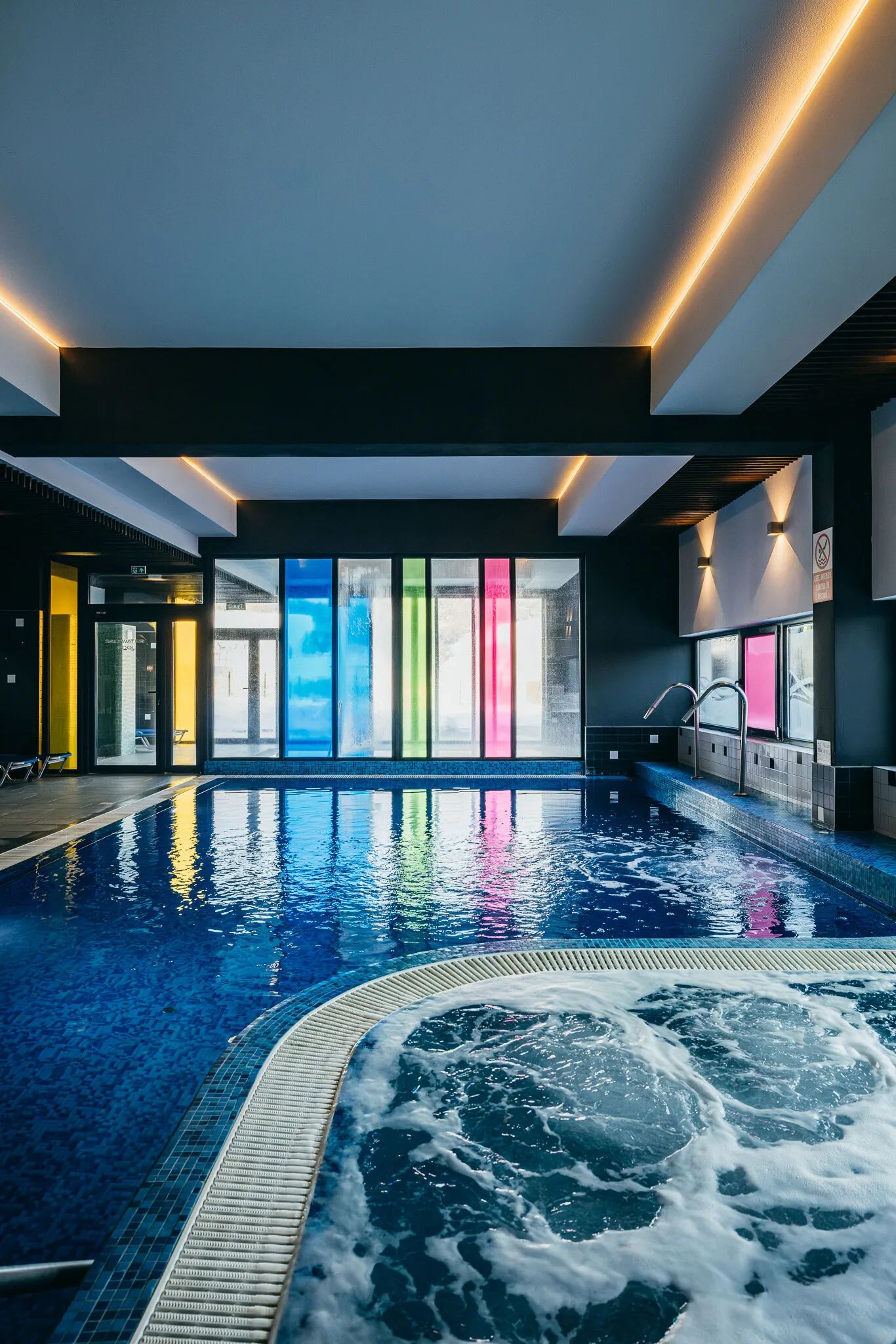
Altus Hotel & SPA Praid
Familiile cu copii și cei care caută relaxare într-un mediu natural se vor simți bine la Altus Hotel SPA Praid din localitatea Praid, județul Harghita. Situat într-o zonă liniștită la marginea stațiunii, departe de aglomerația centrală, hotelul oferă priveliște spre Dealul de Sare. Centrul SPA vă pune la dispoziție saună, baie de aburi, jacuzzi sau cadă cu hidromasaj și servicii de masaj pentru momente de destindere completă. Terasa la soare, curtea mare cu grădină amenajată și locul de joacă pentru copii la exterior completează spațiile dedicate relaxării. Pentru activități în aer liber aveți la dispoziție drumeții montane, trasee în natură, închiriere de biciclete, mini-golf sau pârtia de schi din zonă. Pătuțul pentru bebeluș și scaunul înalt pentru copii asigură confortul celor mici. Restaurantul din incintă, barul și facilitățile de grătar sau ceaun în aer liber răspund diverselor preferințe culinare. Parcare privată gratuită, Wi-Fi gratuit, depozit pentru bagaje și acces pentru persoane cu dizabilități adaugă comoditate șederii dumneavoastră. În apropiere puteți vizita Stațiunea Praid, Salina Praid, Stațiunea balneoclimaterică Sovata, Sovata și Lacul Ursu cu arboretele de pe sărături. Vă așteptăm la Altus Hotel SPA Praid.
FROM
290 lei per night
Guesthouse · 2 stars
Băile Tușnad, Harghita County · 1.1 km
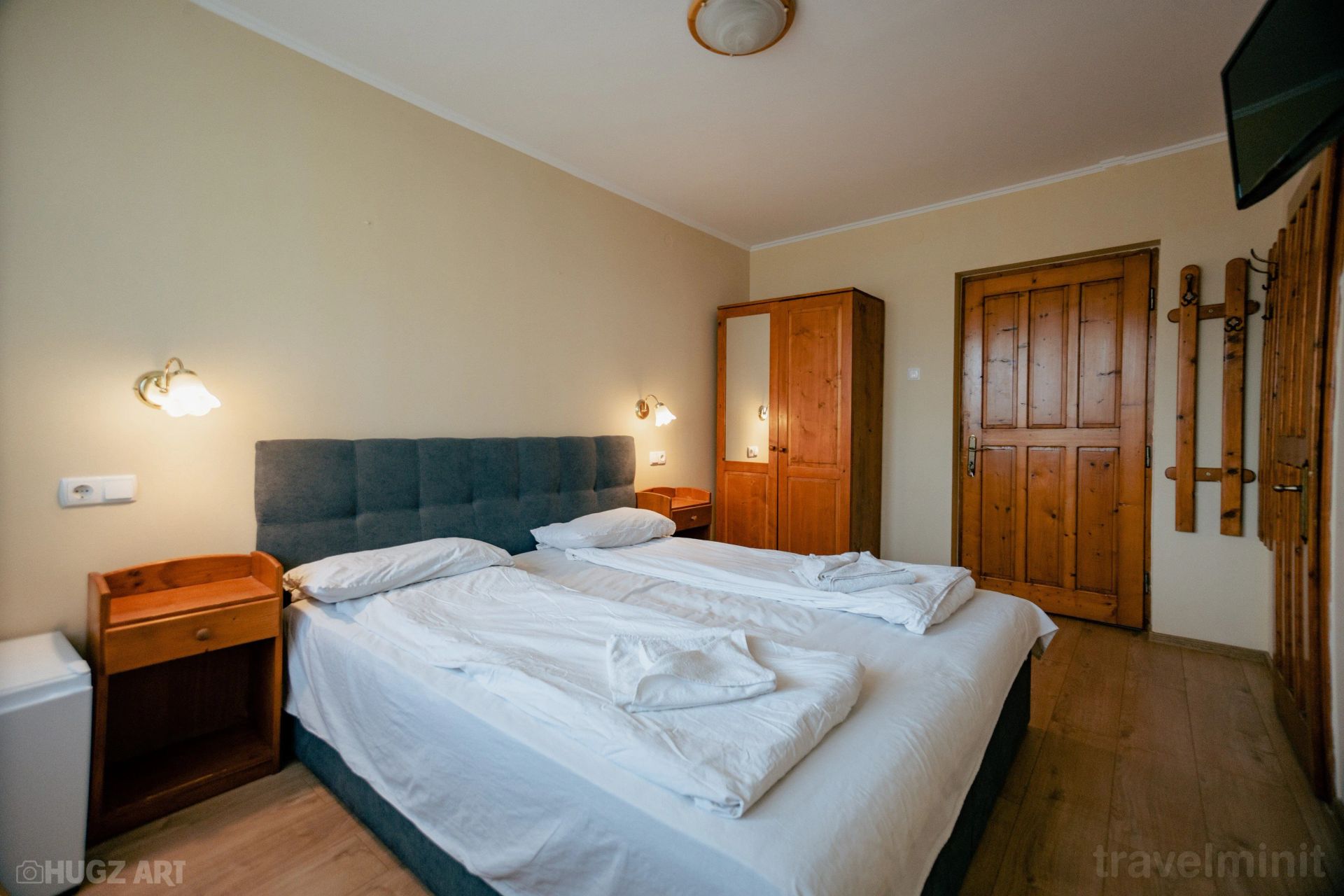
Pensiunea Viktoria Băile Tușnad
În apropierea Lacului Sfânta Ana, aveți ocazia să descoperiți unul dintre cele mai spectaculoase lacuri vulcanice din țară și să vă bucurați de liniștea și frumusețea naturii înconjurătoare. Pensiunea Viktoria, o pensiune turistică situată în stațiunea Băile Tușnad, reprezintă punctul de plecare potrivit pentru a explora această zonă pitorească din județul Harghita și pentru a descoperi atracțiile din împrejurimi. Pentru un sejur confortabil și relaxant, unitatea vă pune la dispoziție saună, saună umedă sau baie de aburi, jacuzzi sau cadă cu hidromasaj, precum și servicii de masaj profesionale. De asemenea, beneficiați de Wi-Fi gratuit în întreaga incintă, astfel încât să rămâneți conectați pe durata șederii. Restaurantul din incintă vă așteaptă să serviți masa într-un ambient plăcut. Pentru familiile cu copii mici sunt disponibile pătuț pentru bebeluș și scaun înalt, iar iubitorii de mișcare în aer liber pot parcurge drumeții montane și trasee în natură chiar din apropierea pensiunii. În zonă puteți vizita Rezervația Tinovul Mohoș, Stațiunea Băile Tușnad, Stațiunea balneoclimaterică Bălvaneos sau vă puteți plimba de-a lungul Râului Murgul Mare, descoperind peisaje variate și aer curat de munte. Vă așteptăm la Pensiunea Viktoria.
FROM
190 lei per night
Hotel · 3 stars
Harghita-Băi, Harghita County · 1.5 km
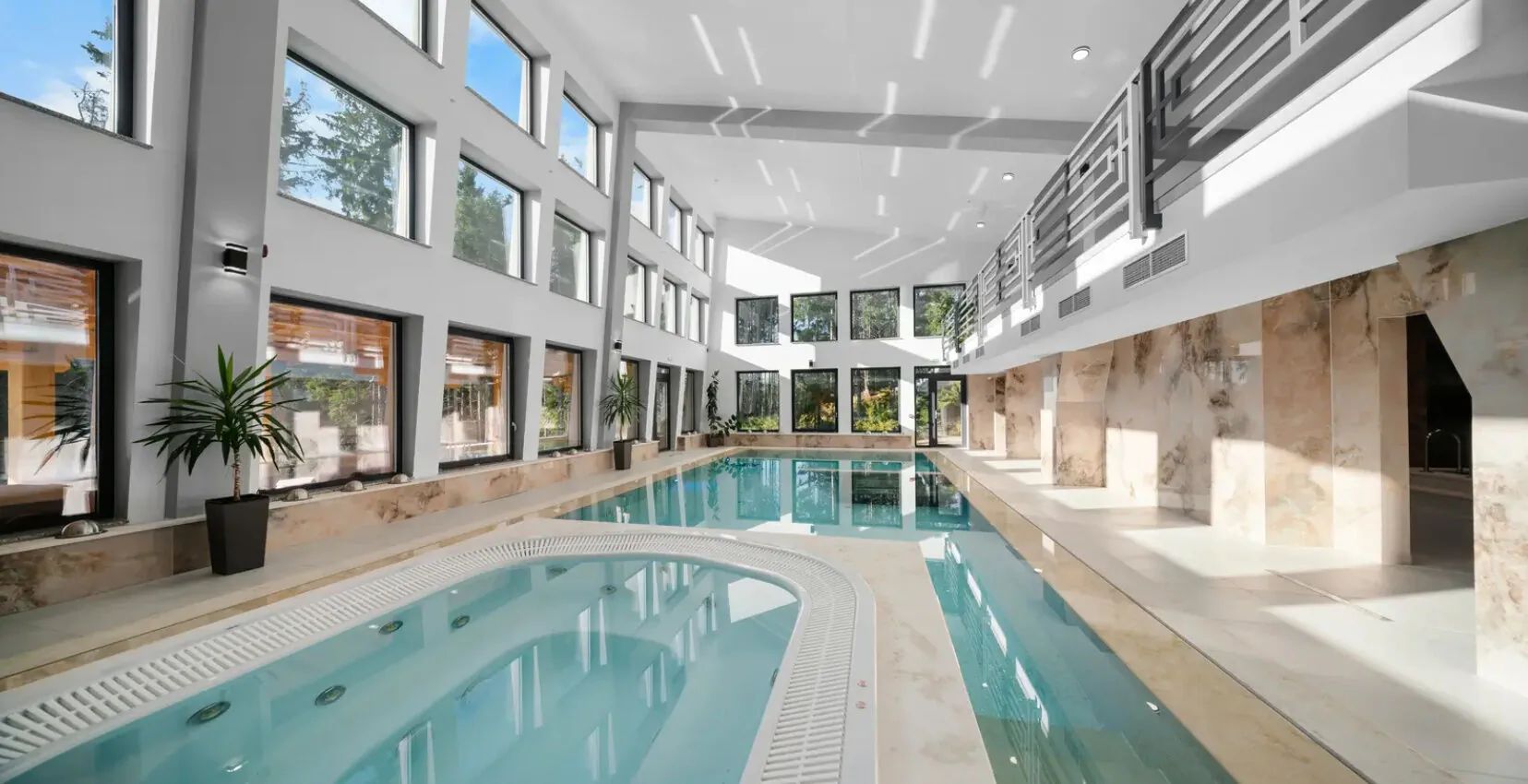
Hotel Ozon Harghita-Băi
O zi petrecută la Hotel Ozon Harghita-Băi începe cu relaxare în saună și continuă cu un masaj revigorant, într-un cadru liniștit din Harghita-Băi. Aerul curat al zonei montane și atmosfera plăcută fac din fiecare moment petrecut aici o ocazie bună de refacere și liniște. Unitatea pune la dispoziția dumneavoastră saună, saună umedă sau baie de aburi și servicii de masaj. Aceste facilități sunt ideale pentru a vă relaxa după o zi activă în natură sau după vizite culturale în zonă. Vă așteptăm să descoperiți cât de plăcut poate fi un sejur aici. În apropiere puteți vizita Mănăstirea Franciscană Șumuleu Ciuc, Biserica complexului baroc Șumuleu Ciuc, Munții Harghita, Catedrala Episcopală din Miercurea Ciuc și Muzeul Secuiesc al Ciucului. Fiecare dintre aceste obiective oferă o perspectivă diferită asupra istoriei, culturii și peisajelor naturale din această parte a țării. Hotelul este potrivit pentru familiile care caută un sejur confortabil, cu spații primitoare pentru copii și posibilități de relaxare pentru adulți, într-o destinație montană cu aer curat.
FROM
290 lei per night
Holiday home · 3 stars
Băile Homorod, Harghita County · 1.9 km
Casa Andreea Băile Homorod
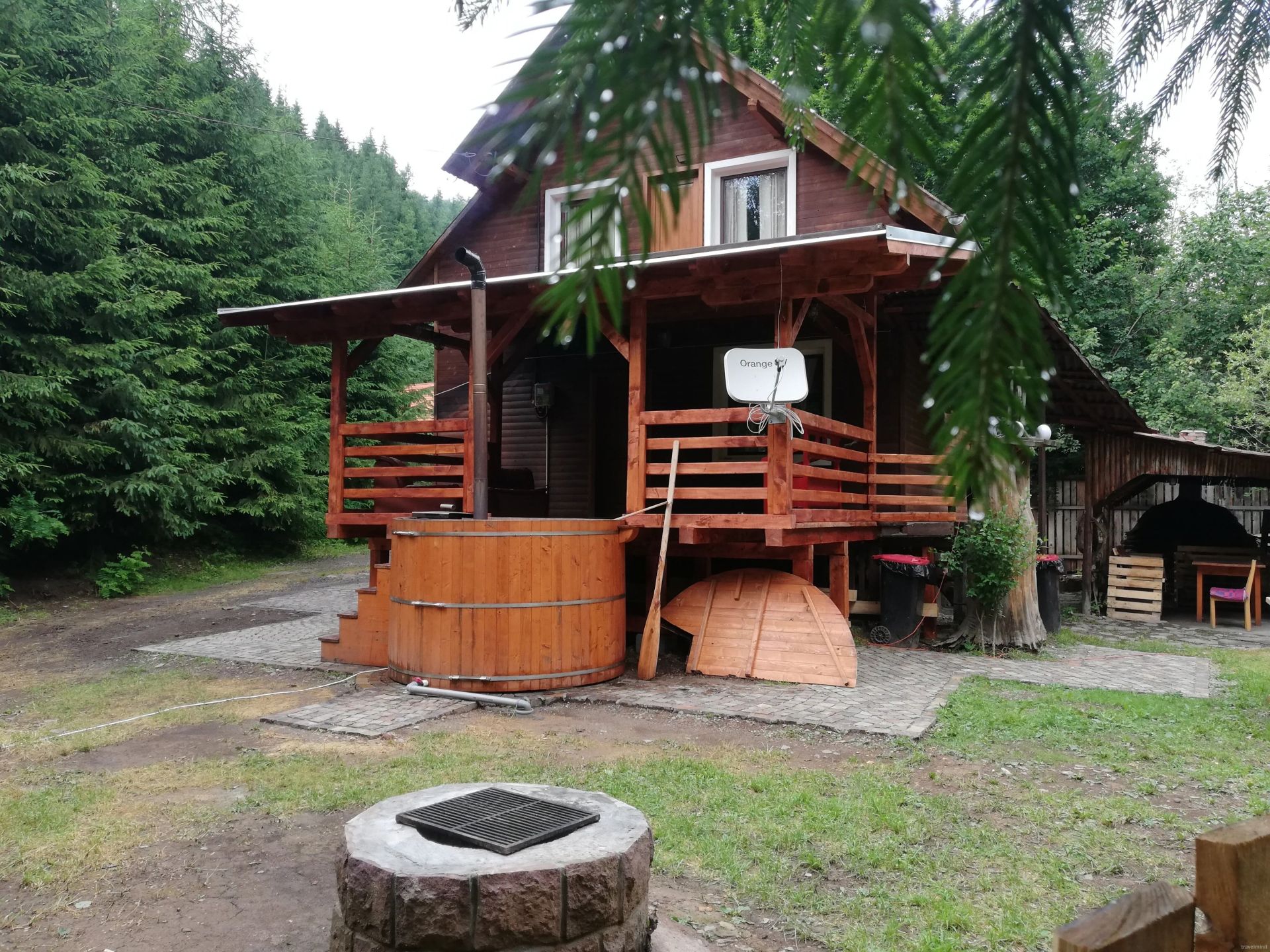
De la Casa Andreea din Băile Homorod aveți acces direct la Munții Harghita, un punct de plecare excelent pentru drumeții și explorarea naturii din zonă. Această vilă integrală de trei stele vă pune la dispoziție întreaga casă, oferind intimitate și confort într-un cadru liniștit din zona Valea Ilona. Proprietatea beneficiază de o curte mare și o grădină amenajată, perfecte pentru relaxare în aer liber alături de cei dragi. Vă puteți bucura de un ciubăr din lemn tradițional, ideal după o zi de explorare, iar pentru seri plăcute aveți la dispoziție grătar, barbeque și ceaun pentru gătit în aer liber. Parcare privată gratuită și Wi-Fi gratuit sunt incluse pentru a vă asigura confortul pe toată durata șederii. În apropiere puteți vizita Biserica fortificată Dârjiu, Mănăstirea Franciscană Șumuleu Ciuc și Biserica complexului baroc Șumuleu Ciuc, care oferă o perspectivă asupra patrimoniului cultural al zonei. Stațiunea Praid se află de asemenea în vecinătate, fiind o destinație potrivită pentru activități diverse pe tot parcursul anului. Vă așteptăm la Casa Andreea pentru un sejur liniștit în Băile Homorod.
FROM
280 lei per night
Holiday resort · 4 stars
Topliţa, Harghita County · 2.3 km
Terra Resort Toplița
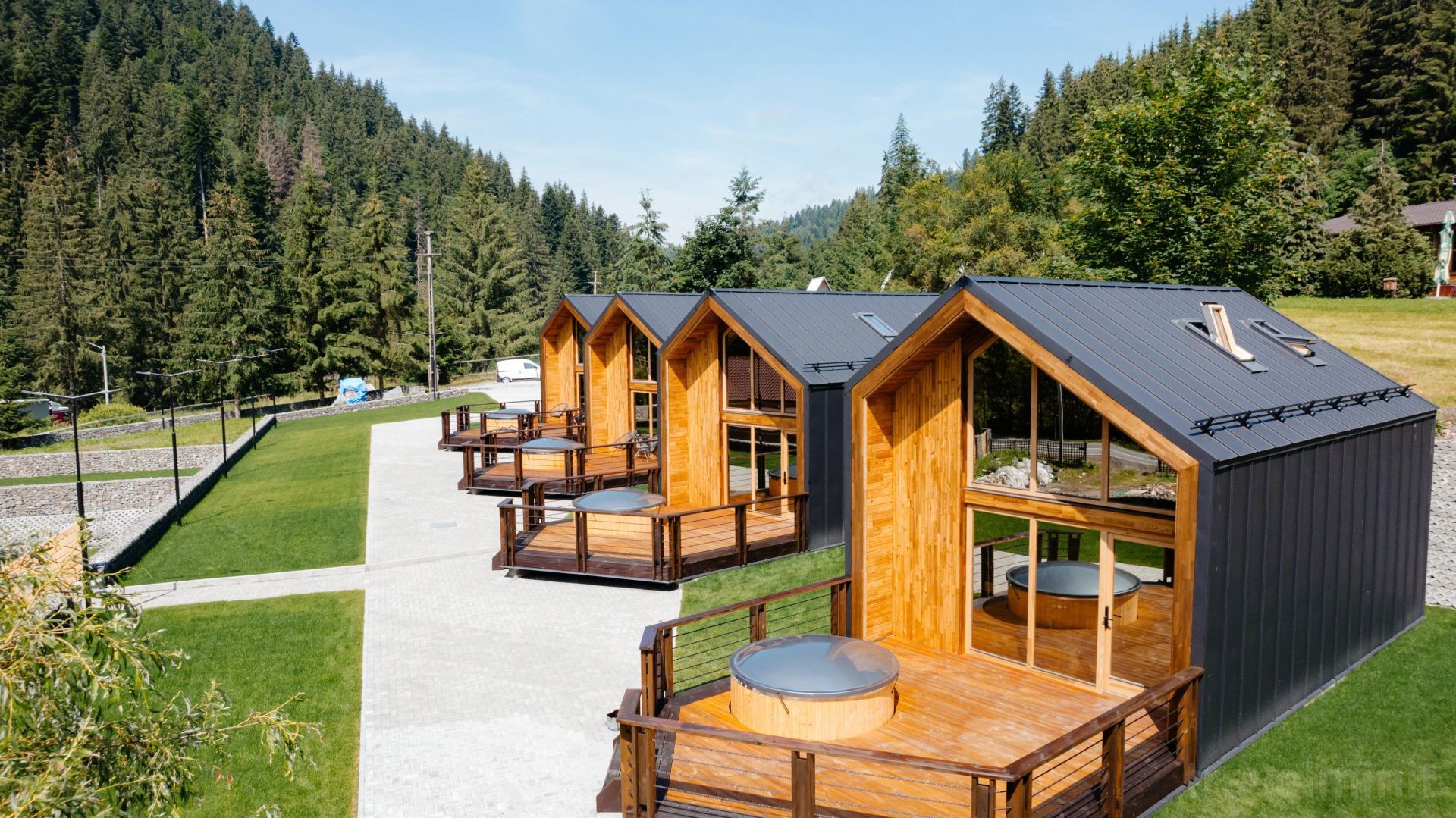
O zi petrecută aici începe relaxat într-o curte mare și grădină amenajată, cu parcare privată gratuită pusă la dispoziție, iar seara se încheie la restaurantul din incintă cu preparate alese. Terra Resort Toplița din Toplița vă oferă un cadru confortabil pentru șederea dumneavoastră în județul Harghita, într-o atmosferă liniștită departe de aglomerația urbană. Complexul turistic dispune de Wi-Fi gratuit în întreaga proprietate, astfel încât să rămâneți conectați pe toată durata sejurului. Camerele sunt amenajate cu grijă pentru confortul dumneavoastră, iar bucătăria pregătește meniuri pentru diete speciale, adaptate nevoilor alimentare specifice. Restaurantul din incintă servește preparate culinare într-un ambient plăcut. În apropiere puteți vizita Stațiunea Borsec, Lacul Roșu sau vă puteți aventura în Munții Carpați. Pentru iubitorii de drumeții sunt accesibile și Munții Bistriței, Munții Călimani și Vârful Pietrosul Călimanilor. Fiecare dintre aceste destinații oferă priveliști spectaculoase și trasee variate, iar natura din zonă permite numeroase activități în aer liber. Această unitate de patru stele este potrivită pentru turiști care doresc să combine confortul cazării cu explorarea peisajelor montane autentice din nordul Transilvaniei, într-un mediu liniștit și primitor.
FROM
490 lei per night
BEFORE YOU HIT THE ROAD
Weather conditions in Harghita
Local forecast for Franciscan Monastery Church of the Visitation with Embedded Tombstone, Harghita, Harghita

Real-time updated weather data
Much more to explore in this area
Nearby tourist attractions


12.0 km
16.0 km
20.0 km
24.0 km

Harghita, Harghita County
Biserica romano-catolică „Sf. Mihail”
Heritage site in Harghita County, Romania
28.0 km
Harghita, Harghita County
Biserica romano-catolică „Sf. Nicolae”
Heritage site in Harghita County, Romania
32.0 km
Harghita, Harghita County
Biserica romano-catolică „Sf. Nicolae”
Heritage site in Harghita County, Romania
36.0 km
Harghita, Harghita County
Biserica romano-catolică „Sf. Petru și Pavel”
Heritage site in Harghita County, Romania
40.0 km
44.0 km
48.0 km
Harghita, Harghita County
Monumentul funerar al istoricului Orbán Balázs
Heritage site in Harghita County, Romania
52.0 km

Harghita, Harghita County
Biserica reformată din Ocna de Sus
Heritage site in Harghita County, Romania
56.0 km
Cultural life and traditions
Events in the Franciscan Monastery Church of the Visitation with Embedded Tombstone area
Medieval festivals, traditional fairs, concerts and local activities recommended in Transylvania.

Heritage and History

Harghita, County of Harghita
The Festival of Medieval Fortresses and the Open Doors Days
Guided night tours, traditional crafts workshops and historical re-enactments featuring knights and ladies.
WHEN
May 15-17, 2026


Traditions and Cuisine
Harghita, County of Harghita
The Fair of Saxon Traditions and Local Cuisine
Discover local producers, traditional Saxon pastries baked in a wood-fired oven, artisanal syrups, and rhubarb jam.
WHEN
Every weekend (May - October)

Ecotourism and Nature
The hills of Transylvania, County of Harghita
Guided Hikes on the Transylvanian Hills Trail
Take excursions along unmarked trails through ancient meadows, centuries-old oak trees, and villages with fortified churches that are UNESCO World Heritage sites.
WHEN
Friday – Sunday (Season 2026)
On foot, exploration gains depth
Discover the surroundings and local geography
Explore the trails, terrain, and natural landmarks around Franciscan Monastery Church of the Visitation with Embedded Tombstone.

Guides and practical tips
Useful travel articles
Travel guides, practical recommendations and tourist itineraries for Transylvania.

Tourist guide
Top 5 Atracții Turistice și Trasee Montane în Zona Moieciu - Bran
Descoperă cele mai spectaculoase peisaje carstice, chei adânci și cetăți medievale din imediata apropiere a stațiunii Moieciu.

Tourist guide
Ghid de Drumeție: Traseul Moieciu de Sus spre Platoul Bucegi
Un itinerariu montan de o frumusețe rară ce urcă din Valea Băngăleasa spre Poiana Guțanu și crestele maiestuoase ale Bucegilor.

Tourist guide
Castelul Bran: Istorie, Legende și Secrete Medievale
Află adevărata poveste a fortăreței medievale din Pasul Bran, reședința de suflet a Reginei Maria a României.
THE JOURNEY STARTS WITH AN IDEA
The next story is on the way.
From the first stop to the last stay, make room for a new Romania.
