


NATURE AND WILDLIFE · DOBRUJA
Măcin Mountains National Park

Tulcea, Tulcea County
Add location to your trip planner.
Practical access information

VISITING HOURS
Check the local visiting schedule

TICKET PRICE
Information available at the cashier's desk

RECOMMENDED VISIT DURATION
1-2 hours
Sources and external references
Wikipedia Encyclopedia (EN)
Visitor information and guide
 Navigate with Google Maps

ABOUT MĂCIN MOUNTAINS NATIONAL PARK
Captivating Introduction and Heritage Significance
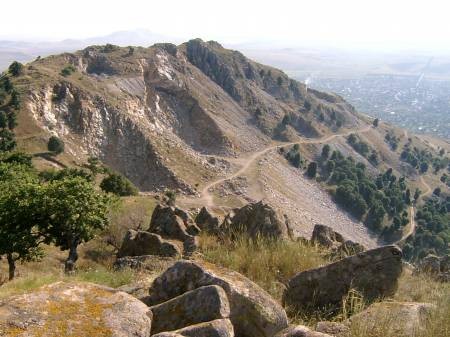
In the heart of Northern Dobruja, where the waters of the Danube prepare to merge with the Black Sea in a timeless spectacle of freshwater meeting saltwater, the Măcin Massif rises—a realm of stone and mystery where geological time seems to have paused hundreds of millions of years before the Alps or the Carpathians began their ascent toward the sky. Designated a national park in 2000, this 11,321-hectare protected area is not merely Romania’s oldest mountain formation but also one of Southeast Europe’s most valuable biodiversity sanctuaries, a true open-air living museum of the continent’s natural history. Unlike the young Alpine chains, whose peaks continue to rise under active tectonic forces, the Măcin Mountains stand as silent witnesses to a primordial era, formed during the Hercynian orogeny approximately 250–300 million years ago, when Europe’s continents coalesced into the supercontinent Pangaea.
This extraordinary antiquity places the massif in a rare category of European landscapes, alongside the Armorican Massif in Brittany, the Black Forest in Germany, and the Massif Central in France—Hercynian formations that have withstood millennia of erosion, offering modern travelers a unique window into the depths of geological time. While tourists flock to admire Alpine glaciers or the limestone peaks of the Carpathians, few realize that the continent’s true treasure lies here, in these modest elevations—ranging from 7 to 467 meters—where granite rock and crystalline schists reveal secrets of Europe’s very formation.
Historical Roots and Major European Connections
The geology of the Măcin Mountains finds direct parallels in the Hercynian chains of Western and Central Europe, forming part of the same Variscan orogenic province that gave rise to the Black Forest, the Vosges, the Bohemian Massif, and the Ardennes. These mountains, formed during the Carboniferous and Permian periods, represent the crystalline foundation upon which Europe’s Mesozoic and Tertiary sediments later settled, bearing witness to the birth and fragmentation of the supercontinent Pangaea. Historically, the Măcin Mountains’ geostrategic position at the intersection of the Danubian and Pontic worlds transformed them into a contested frontier territory for Europe’s great empires across the millennia.
In antiquity, these lands were part of the territory of the Getic peoples, later incorporated into the Roman province of Moesia Inferior. They were traversed by stone-paved roads connecting Danubian fortresses—such as Noviodunum (modern-day Isaccea) and Aegyssus (modern-day Tulcea)—to Greek colonies along the Black Sea coast, particularly Histria, the oldest Greek settlement on present-day Romanian territory, founded in the 7th century BCE. These Roman roads, comparable to Italy’s famed Via Appia but adapted to Dobruja’s rugged terrain, still cross the massif today, offering a fascinating parallel to the imperial infrastructure of Gaul, Hispania, or Britannia. During the Byzantine era and later under the First and Second Bulgarian Empires, the region served as a buffer between Constantinople and the Bulgarian principalities. From the 15th century onward, Dobruja came under Ottoman rule, becoming part of a unique multicultural mosaic in Europe.
Natural Masterpiece: Geology, Landscape, and Biodiversity
The geological complexity of the Măcin Mountains is remarkable for their modest size. The substrate consists of crystalline rocks such as granite, gneiss, and mica schists, alongside crystalline limestones that have given rise to spectacular landforms: deep gorges, sheer cliffs, jagged ridges, and undulating plateaus covered in steppe vegetation. These formations, sculpted by millennia of erosion, create a landscape of rare wilderness in Southeast Europe, reminiscent of the Mediterranean scenery of Provence or Portugal, but with vegetation specific to the transitional zone between continental and sub-Mediterranean climates.
Located at the border of the Danube Delta Biosphere Reserve, the park hosts six of the eight major ecosystem groups found on the European continent, from the Dobrujan steppe to beech forests with Mediterranean and Balkan influences, creating an ecological mosaic of continental rarity. The Dobrujan beech forest represents a global singularity: a hybrid species with intermediate traits between the European beech (Fagus sylvatica) and the Oriental beech (Fagus orientalis), found only in this area. It is considered a precious endemic relict of a warmer climatic era. The steppe meadows shelter wild orchids such as Ophrys insectifera and Orchis morio, wild irises (Iris pumila), the Dobrujan cornflower (Centaurea pontica), and rare endemic plants, while rocky slopes and wetlands provide habitat for relict species adapted to extreme conditions, similar to the flora of Slovenia’s karst regions or the Iberian Peninsula.
The fauna reflects the same exceptional richness, positioning the park as a crucial point on the Via Pontica migration route, one of Europe’s most important bird migration paths. Here live reptiles such as the spur-thighed tortoise (Testudo graeca), a survivor of the Tertiary era; the Dobrujan four-lined snake—a regional endemic with a restricted distribution in the Balkan Peninsula—and the horned viper (Vipera ammodytes), alongside mammals like the wildcat (Felis silvestris), the stone marten (Martes foina), the European ground squirrel (Spermophilus citellus), an endemic rodent of the Eastern European steppes, and the fallow deer (Dama dama), introduced to the area during the Ottoman period. Birds, represented by the lesser spotted eagle (Clanga pomarina), the rock thrush (Monticola saxatilis), the great tit (Parus major), and the white-backed woodpecker (Dendrocopos leucotos), complete a complex ecosystem where each species plays its role in a millennia-old ecological balance. This makes the park a major point of interest for ornithologists and biologists worldwide, comparable to avifaunal hotspots in the Rhine Delta or the Venetian lagoons.
Cultural Heritage and Millennia-Old Civilizations
Beyond its natural wonders, the Măcin Mountains preserve the imprints of civilizations that have traversed these lands throughout millennia, offering a profound anthropological dimension to the European visitor’s experience. Roman roads paved with stone, ruins of Getic fortresses—such as those at Slava Rusă or near Luncavița—and traces of ancient Greek colonies intertwine with traditional Dobrujan villages like Greci, Măcin, Hamcearca, and Cerna. These settlements reflect a unique rural architecture adapted to the region’s sub-Mediterranean climate: dazzling whitewashed houses with roofs of either reed (in more traditional areas) or red tile (under Western influence), featuring wide, high porches that provide shade during scorching summer days.
Ottoman, Aromanian, Lipovan, Greek, Tatar, and German influences are evident in the toponymy, local gastronomy, and pastoral customs, creating a multicultural tableau reminiscent of the ethnic complexity of the Banat or Transylvania, but with Dobruja’s distinct identity as a meeting point between East and West. The village of Greci, for example, owes its name to the Greek community brought to the area during the Phanariot period and especially in the 19th century, while Hamcearca has Turkish etymological roots, and Cerna has Slavic origins. This ethnic diversity has given rise to a rich traditional cuisine based on cereals, fish from the Danube and Black Sea, sheep’s wool, and fruits from walnut and apple orchards, reflecting a pastoral way of life that has endured for centuries, similar to traditions in Greece’s Pindus Mountains or rural Bulgaria.
Stories, Legends, and Turning Points
Every rocky corner of the Măcin Mountains holds stories and legends passed down through generations. Țuțuiatu Peak, the massif’s highest point at 467 meters, owes its name to a local tradition linked to its sharp shape that “juts” toward the sky like an ancient watchtower. Locals speak of hidden caves in the massif’s limestone, used over the centuries as refuges for isolated monks or outlaws who controlled trade routes between the Danube and the sea, much like the legends of the Balkan Mountains or the Southern Carpathians.
Another fascinating tale is that of the Dobrujan beech, a botanical enigma that has intrigued scientists since the 19th century, when explorers like Dimitrie Brândză and Grigore Antipa began studying the area’s unique flora. These pioneers of Romanian natural sciences recognized the massif’s exceptional importance, laying the foundation for knowledge about Dobruja’s biodiversity. The modern turning point came in 2000, however, when the park’s national designation represented not only scientific recognition but also an act of conservation at a time when many of these ecosystems risked disappearing under the pressures of urbanization and intensive agriculture, similar to processes observed in other rural areas of Eastern Europe during the transition period.
Practical Visitor Guide and the European Experience
The network of marked trails allows visitors to explore the park on foot, offering experiences suited to various fitness levels, from easy walks through oak and beech forests to more challenging ascents toward peaks like Pricopan (370 m) or Țuțuiatu (467 m). These routes provide breathtaking panoramas of the Danube Delta, nearby lakes such as Lake Golovița or Lake Iacob, and, on clear days, as far as the Black Sea coast, creating a visual continuity between Romania’s two great natural heritage sites. The proximity to the city of Tulcea—just a few kilometers away—facilitates integration into a broader cultural and natural itinerary, as Tulcea serves as the gateway to the Danube Delta, a UNESCO World Heritage site.
Spring, in April and May, and late autumn, in September and October, offer the most spectacular periods for hiking, when vegetation blooms into a carpet of wildflowers—orchids, steppe peonies, wild tulips—or turns shades of amber and gold, and wildlife is more active and easier to observe. For birdwatching enthusiasts, autumn and spring coincide with massive bird migrations along the Via Pontica, offering exceptional opportunities comparable to those in Hungary’s Hortobágy National Park or France’s Camargue wetlands. Information on admission fees and visiting hours is available at the visitor center in Tulcea or the park’s administration office, and local specialized guides can provide detailed explanations about the area’s geology, flora, and fauna.
Visiting the Măcin Mountains is an immersion in a landscape that connects the European traveler to the continent’s geological and cultural roots, offering a rare “deep time” experience in contemporary European tourism. It is a place where one can compare geological processes with those of the French Massif Central or the Black Forest, observe ecosystems similar to those of the Hungarian steppes, and experience the historical multiculturalism of a region that has always been at the frontier between empires, providing a unique perspective on the complexity and beauty of Southeast Europe.
Media gallery
Discover Măcin Mountains National Park in pictures

31 photos · Architecture, courtyards and captivating details


Image source: Wikimedia Commons · Public domain photos · Free license
STAY A FEW DAYS, DISCOVER THE MAGIC
Accommodation in the Măcin Mountains National Park area

Guesthouse · 2 stars

Măcin, Tulcea County · 6.0 km
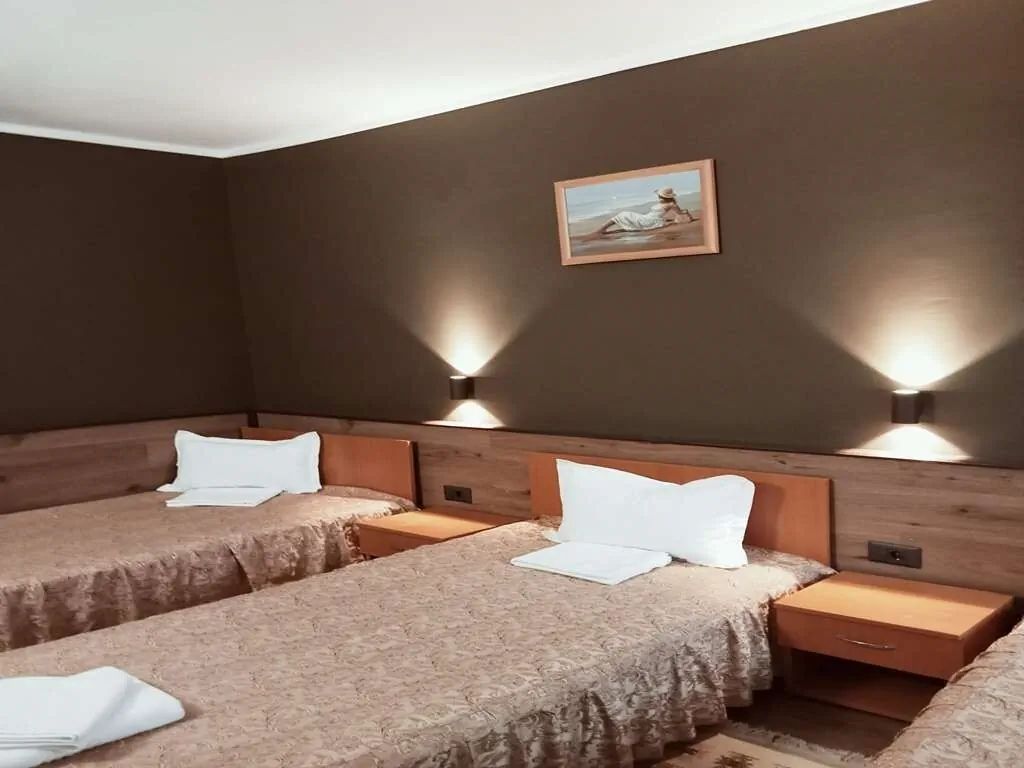
Pensiunea Turist Măcin
Comfort, relaxation and stunning views, all just steps away from the main attractions.
FROM
190 lei per night

Guesthouse · 3 stars
Greci, Tulcea County · 9.5 km
Pensiunea Happy Flowers Greci
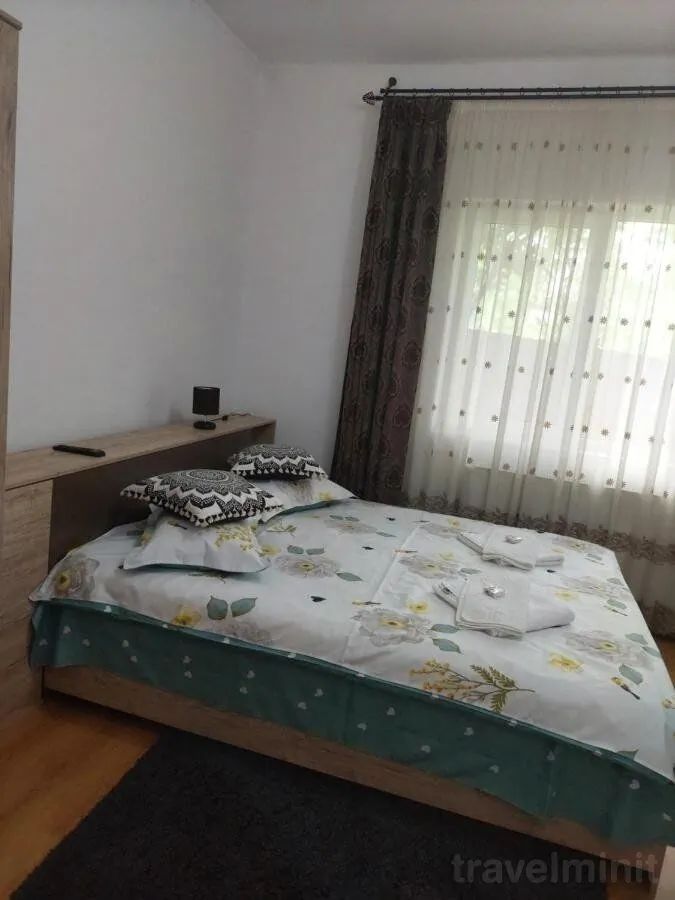
O zi petrecută la Pensiunea Happy Flowers din Greci începe cu aer condiționat în camere și se încheie la grătar în curtea mare, în timp ce copiii se joacă în siguranță pe locul de joacă din exterior. Această pensiune turistică de trei stele din județul Tulcea, situată pe strada Tineretului, vă așteaptă într-un cadru plăcut. Cele cinci camere sunt amenajate cu atenție și oferă condiții bune de odihnă. Aveți la dispoziție Wi-Fi gratuit și parcare privată gratuită pentru mașină. Pentru familiile cu bebeluși punem la dispoziție un pătuț, iar în grădina amenajată puteți folosi ceaunul pentru a găti în aer liber. În zonă puteți descoperi Parcul Național Munții Măcinului, Castrul roman Dinogetia, Castrul roman Noviodunum, Muzeul Brăilei și Cetatea Noviodunum. Aceste obiective vă permit să explorați atât natura, cât și vestigiile istorice ale Dobrogei. Pensiunea Happy Flowers Greci este potrivită pentru familiile cu copii și pentru călătorii care doresc să viziteze nordul Dobrogei într-o atmosferă relaxată și primitoare.
FROM
240 lei per night
Guesthouse · 3 stars
Greci, Tulcea County · 9.8 km
Pensiunea Relax Greci
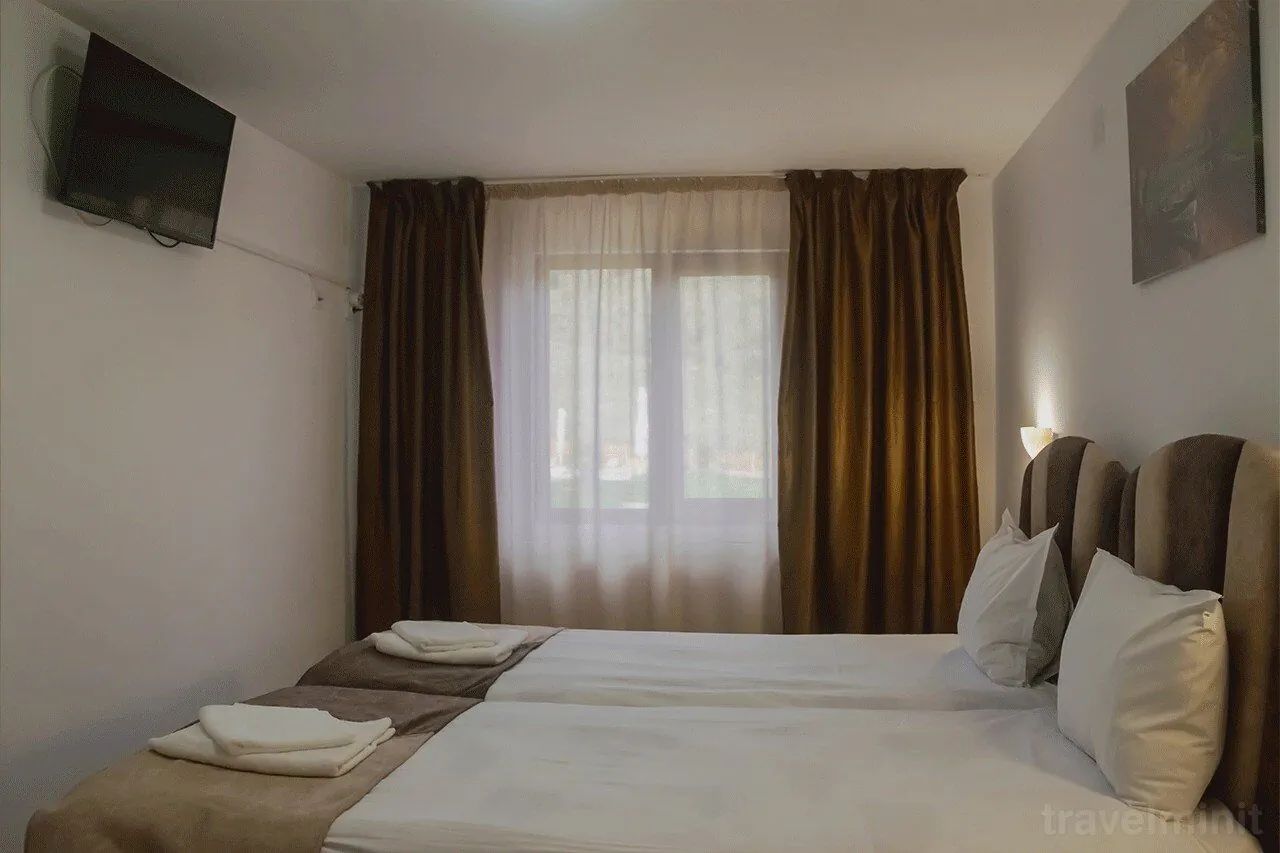
Pe strada Narcisei din localitatea Greci, județul Tulcea, vă așteaptă Pensiunea Relax Greci, o unitate de cazare clasificată cu trei stele care se așază armonios în peisajul liniștit al acestei localități. Proprietatea oferă o curte mare și o grădină îngrijită, un foișor în curte și o terasă primitoare unde puteți lua masa sau servi băuturi la barul și cafeneaua din incintă. Pentru momente de relaxare, aveți la dispoziție saună, jacuzzi sau cadă cu hidromasaj și un ciubăr tradițional din lemn. Conexiunea Wi-Fi gratuită este disponibilă în întreaga unitate. Familiile cu copii se vor bucura de locul de joacă amenajat în aer liber, iar posesorii de vehicule electrice pot folosi stația de încărcare din incintă. De asemenea, aveți la dispoziție parcare pentru biciclete și un spațiu dedicat pentru depozitarea bagajelor, astfel încât șederea dumneavoastră să fie cât mai confortabilă. În vecinătate puteți vizita Parcul Național Munții Măcinului, Castrul roman Noviodunum, Castrul roman Dinogetia, Cetatea Noviodunum și Muzeul Brăilei. Când sunteți pregătiți să explorați împrejurimile, porniți spre Castrul roman Dinogetia și descoperiți vestigiile antice ale zonei.
FROM
240 lei per night
Guesthouse · 3 stars
Rachelu, Tulcea County · 10.4 km
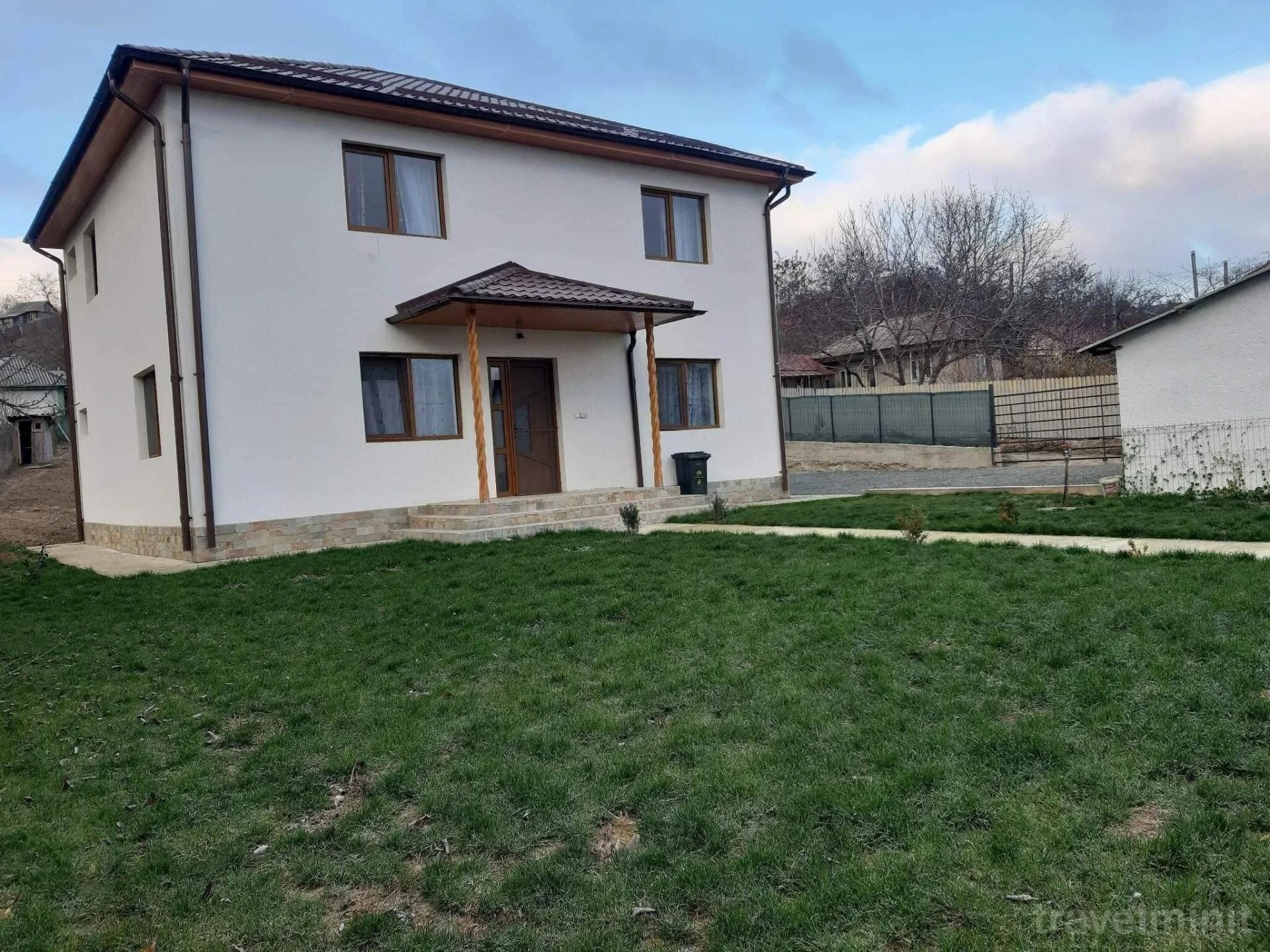
Pensiunea Ieduț Rachelu
Comfort, relaxation and stunning views, all just steps away from the main attractions.
FROM
240 lei per night
Hotel · 4 stars
Turcoaia, Tulcea County · 14.3 km
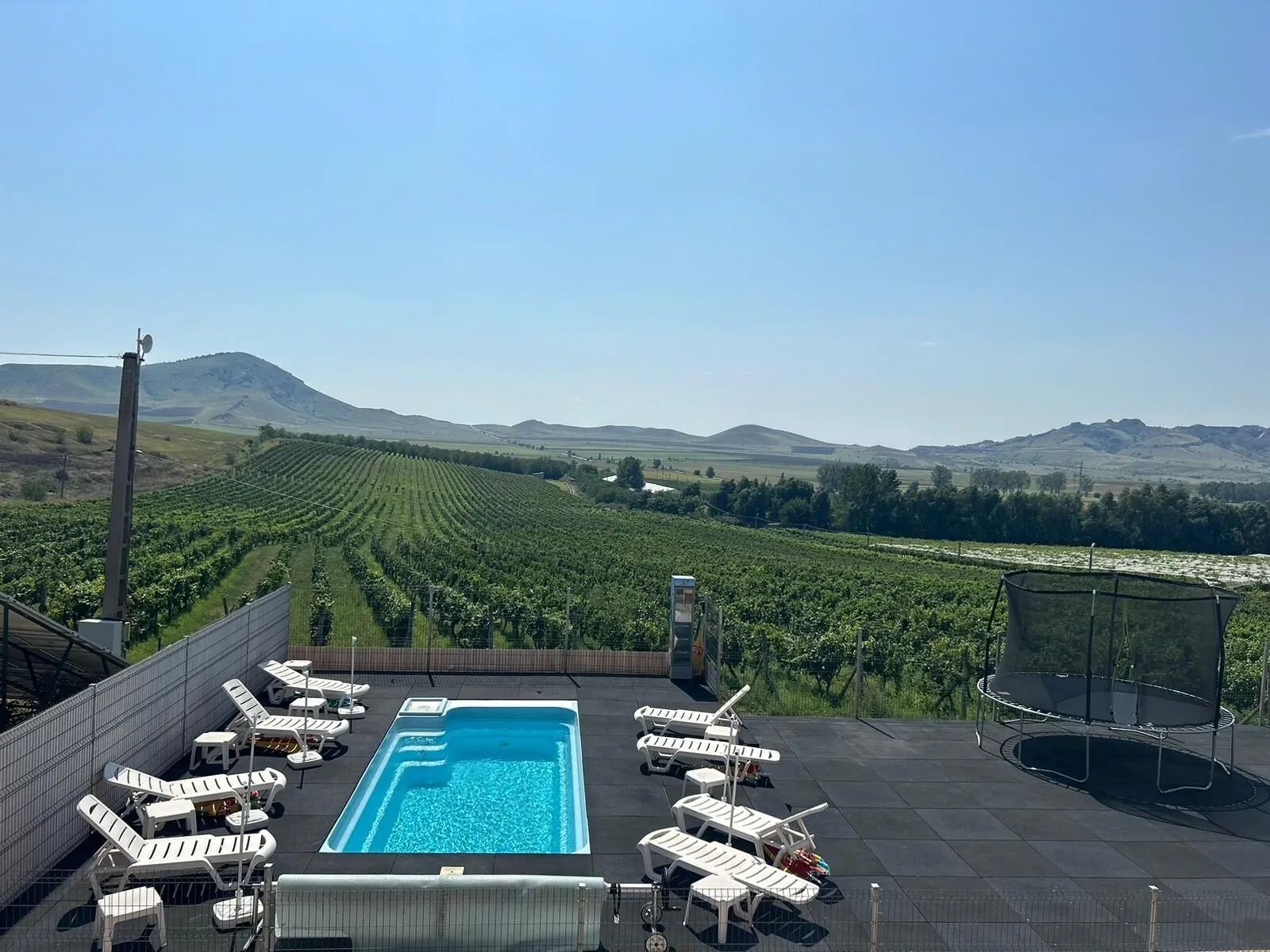
Hotel Troesmis Turcoaia
Hotel Troesmis Turcoaia este un hotel de patru stele situat în localitatea Turcoaia, județul Tulcea. Unitatea dispune de o curte mare și o grădină amenajată, oferind un spațiu generos pentru relaxare în aer liber. Vă puteți bucura de preparate alese în restaurantul din incintă, alături de cafenea și bar, iar pentru seri liniștite aveți la dispoziție grătar, vatră de foc în aer liber sau ceaun pentru gătit. Pentru confortul dumneavoastră, există saună și parcare privată gratuită. Familiile cu copii se vor bucura de locul de joacă la exterior și de meniul dedicat celor mici, în timp ce meniurile pentru diete speciale sunt disponibile la cerere. În curte găsiți și un foișor pentru momente plăcute în aer liber. Hotelul oferă Wi-Fi gratuit în întreaga unitate și stație de încărcare pentru vehicule electrice. În apropiere puteți vizita Parcul Național Munții Măcinului, Castrul roman Noviodunum, Castrul roman Dinogetia, Muzeul Brăilei și Cetatea Noviodunum. Accesul se face pe drumul DN22D km 14, iar parcarea privată este gratuită pentru toți oaspeții.
FROM
420 lei per night
Guesthouse · 3 stars
Smârdan, Tulcea County · 15.2 km
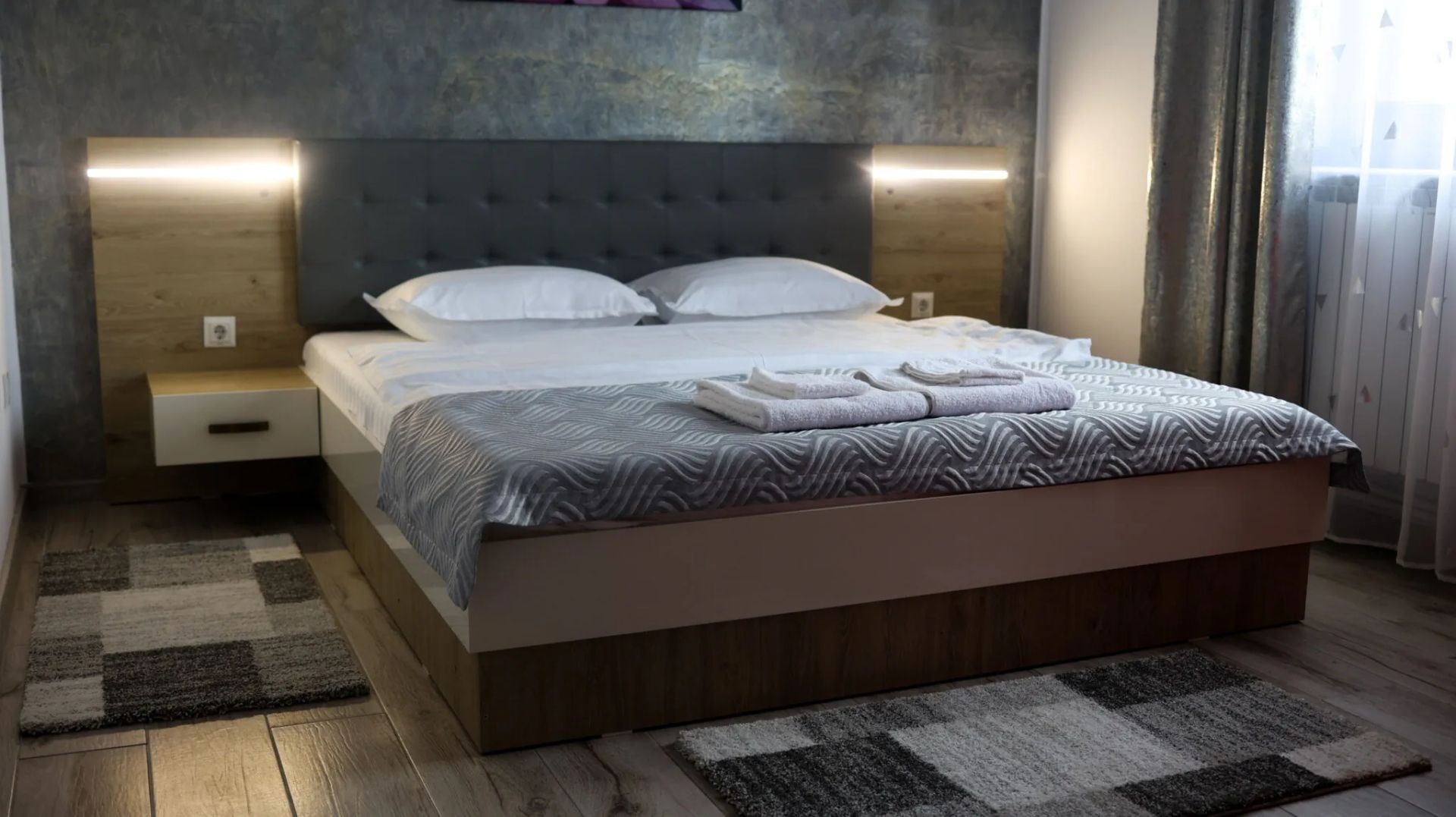
Pensiunea Lotus Smârdan
O zi petrecută aici poate începe cu drumeții montane pe trasee în natură și se poate încheia cu o cină preparată la grătar în curtea largă și amenajată, la Pensiunea Lotus Smârdan din localitatea Smârdan, județul Tulcea, un loc potrivit pentru odihnă și aer liber. Pentru confortul dumneavoastră, unitatea oferă Wi-Fi gratuit în toate spațiile, parcare privată gratuită și un foișor în curte, potrivit pentru servirea mesei în aer liber. De asemenea, aveți posibilitatea să pescuiți în zonă sau să pregătiți preparate într-un ceaun tradițional, direct în grădina amenajată. După o zi petrecută în drumeții sau la pescuit, vă puteți relaxa în saună sau într-un ciubăr din lemn tradițional, într-un spațiu verde bine întreținut care oferă liniște și aer curat. Aceste facilități vă ajută să vă recuperați energia pentru noi aventuri. În apropiere puteți vizita Muzeul Brăilei, Parcul Național Munții Măcinului, Palatul Navigației din Galați, Castrul roman Dinogetia și Catedrala Arhiepiscopală din Galați, obiective culturale și naturale care completează experiența șederii dumneavoastră în zonă. Pentru călătoria dumneavoastră cu mașina, aveți la dispoziție parcare privată gratuită chiar în incinta pensiunii.
FROM
240 lei per night
BEFORE YOU HIT THE ROAD
Weather conditions in Tulcea
Local forecast for Măcin Mountains National Park, Tulcea, Tulcea

Real-time updated weather data
Much more to explore in this area
Nearby tourist attractions


Galati, Galați County
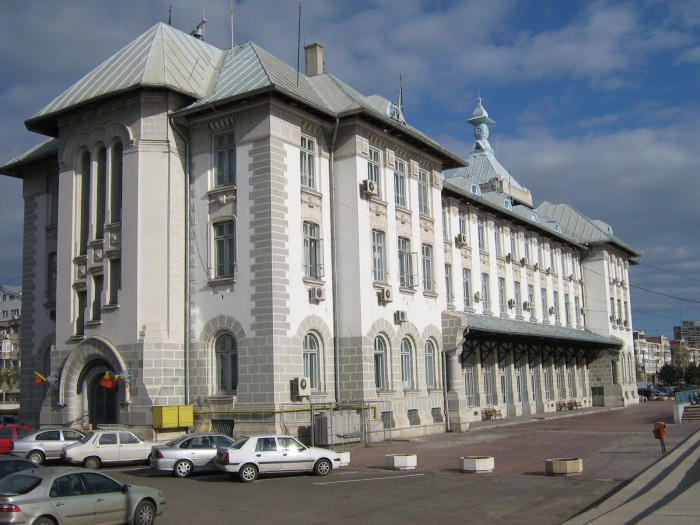
Navigation Palace in Galați
Situat pe strada Portului nr. 34, municipiul Galati; cladirea dateaza din anul 1912 si a fost proiectata de arhitectul Petre Antonescu (cel care a proiectat si...
19.6 km

Galati, Galați County
Galați Archdiocesan Cathedral
Situata pe strada Domneasca nr.104, municipiul Galati; piatra de temelie a fost pusa in data de 27 aprilie 1906, de catre printul Ferdinand si principesa Maria,...
21.4 km

11.7 km

22.8 km
Galati, Galați County
Mănăstirea Sfinții Arhangheli Mihail și Gavriil din Galați
Situata pe strada Egalitatii nr. 6, municipiul Galati; amplasata langa biserica "Sfantul Ierarh Nicolae" si la cca. 2 km de Catedrala Episcopala; construita ca...
19.9 km
Galati, Galați County
Biserica fortificată Sfânta Precistă din Galați
Situata pe strada Rosiori nr. 2, municipiul Galati; construita de niste negustori braileni intre anii 1643-1647, in timpul domniei lui Vasile Lupu, pe locul...
20.0 km
Tulcea, Tulcea County
Cetatea Noviodunum
Se afla la 2 km de orasul Isaccea, judetul Tulcea, pe malul drept al Dunarii, in punctul Pontonul Vechi, judetul Tulcea;drumul de acces presupune soseaua...
23.4 km

Tulcea, Tulcea County
Cetatea Dinogetia Garvăn
Situata pe raza comunei Jijila, la 11 km de Macin si 5 km de Garvan;drumul de acces presupune soseaua Tulcea-Macin-Isaccea;asezarea Dinogetia-Garvan, in forma...
12.2 km

Galati, Galați County
Castrul roman de la Tirighina-Bărboși
Situat pe dealul Tirighina, localizat pe malul stang al Siretului, la 300 m nord de gara din cartierul Barbosi, municipiul Galati; face parte dintr-un complex...
21.0 km

49.2 km
Tulcea, Tulcea County
Monumentul Independenței
Se afla in Parcul Monumentul Independentei, pe strada Gloriei, pe dealul Hora, numit si Dealul Monumentului, Tulcea;a fost ridicat intre anii 1879 si 1904,...
49.8 km
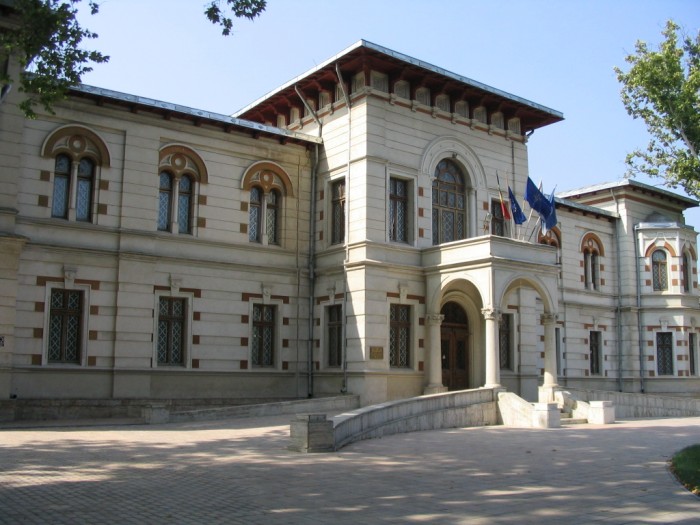
Galati, Galați County
Palatul Episcopal al Dunării de Jos
Situat pe strada Domneasca nr.141, municipiul Galati; a fost construit intre anii 1897-1900; inscris pe Lista monumentelor istorice; adaposteste, in prezent,...
21.9 km
Cultural life and traditions
Events in the Măcin Mountains National Park area
Medieval festivals, traditional fairs, concerts and local activities recommended in Dobruja.

Traditions and Crafts

Tulcea, County of Tulcea
Days of Local Culture and Traditional Tourism
Open workshops featuring pottery, wood carving, and authentic folklore demonstrations by local artisans.
WHEN
May 15-17, 2026


Traditional Cuisine
Tulcea, County of Tulcea
The Fair of Traditional Products and Local Cuisine
Traditional products, aged cheeses, mountain honey and local delicacies prepared according to ancient recipes.
WHEN
Every weekend

Culture and Photography
Tulcea, County of Tulcea
Themed and Photographic Guided Tour of Cultural Heritage
A guided tour designed for history buffs, nature lovers, and photography enthusiasts, showcasing the most spectacular views in the area.
WHEN
Daily schedule available upon request
On foot, exploration gains depth
Discover the surroundings and local geography
Explore the trails, terrain, and natural landmarks around Măcin Mountains National Park.

Guides and practical tips
Useful travel articles
Travel guides, practical recommendations and tourist itineraries for Dobruja.

Tourist guide
Top 5 Atracții Turistice și Trasee Montane în Zona Moieciu - Bran
Descoperă cele mai spectaculoase peisaje carstice, chei adânci și cetăți medievale din imediata apropiere a stațiunii Moieciu.

Tourist guide
Ghid de Drumeție: Traseul Moieciu de Sus spre Platoul Bucegi
Un itinerariu montan de o frumusețe rară ce urcă din Valea Băngăleasa spre Poiana Guțanu și crestele maiestuoase ale Bucegilor.

Tourist guide
Castelul Bran: Istorie, Legende și Secrete Medievale
Află adevărata poveste a fortăreței medievale din Pasul Bran, reședința de suflet a Reginei Maria a României.
THE JOURNEY STARTS WITH AN IDEA
The next story is on the way.
From the first stop to the last stay, make room for a new Romania.
