


MUSEUM · MOLDAVIA
Mărășești Heroes' Mausoleum

Vrancea, Vrancea County
Add location to your trip planner.
Practical access information

VISITING HOURS
Monday: 12:00 PM – 5:00 PM · Tuesday–Sunday: 9:00 AM – 5:00 PM (in summer until 8:00 PM)

TICKET PRICE
Adults: 45 RON · Students: 11 RON · Seniors: 23 RON · Guided tour included

RECOMMENDED VISIT DURATION
2-3.5 hours
Visitor information and guide
 Navigate with Google Maps

ABOUT MĂRĂȘEȘTI HEROES' MAUSOLEUM
Heritage Significance and Captivating Introduction
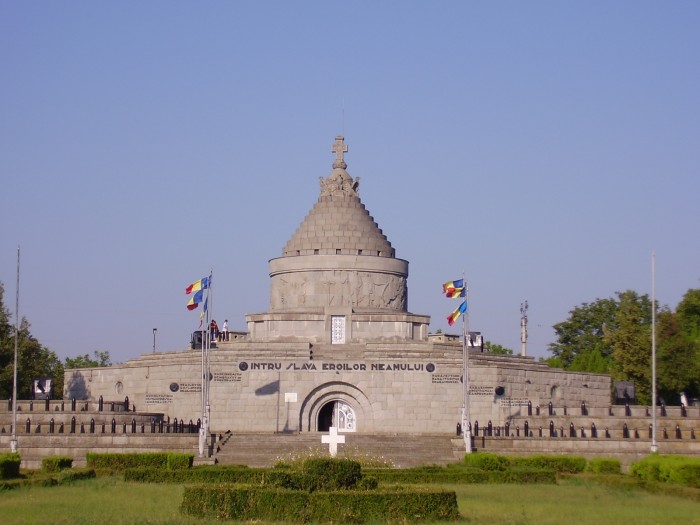
In the heart of Vrancea, where the gentle hills of Moldavia meet the blood-stained memories of history, stands a monument that defies the conventions of European funerary architecture: the Mărășești Heroes' Mausoleum. Erected on the very grounds where, in August 1917, one of the most dramatic and decisive battles of World War I unfolded, this sanctuary of memory presents itself to visitors as a truncated stone pyramid—a silhouette evoking the ancient funerary constructions of Egypt, reinterpreted through the lens of interwar modernism and the artistic sensibilities of Eastern Europe. In the memorial landscape of the Great War, where nations chose to eternalize supreme sacrifice through Latin crosses, neoclassical obelisks, or Doric temples inspired by antiquity, the Mausoleum at Mărășești remains a continental unicum in its pyramidal form, an architectural choice that speaks of the desire to unite heaven and earth, heroic past with grateful present.
This place is not merely a mausoleum but a temple of national gratitude, a spiritual convergence where the profound stillness of the dendrological park meets the solemn gravity of a structure meant to endure for eternity. Located in the commune of Mărășești, at the intersection of Vrancea’s military tradition and the European route E85, the monument addresses an international audience seeking to understand not only Romanian heroism but also Romania’s place in the grand narrative of European civilization. For the cultivated traveler arriving from Paris, Vienna, London, or beyond, Mărășești offers a deeply emotional experience, an immersion into a pivotal historical moment when the fate of an entire continent hung in the balance on these hills, and the resistance of a young nation saved not only Romania’s territorial integrity but also the ideal of national unity.
Historical Roots and Major European Connections
To grasp the depth of the Mărășești Heroes' Mausoleum, one must return to the summer of 1917, when Europe was in the throes of World War I. After Romania’s entry into the war on the side of the Entente in August 1916 and the military disaster of that autumn—when the Central Powers’ troops occupied Bucharest and part of Moldavia—1917 represented the supreme trial for the Romanian nation. Against the backdrop of the Russian Revolution and the withdrawal of the Tsarist army from the front, German and Austro-Hungarian forces, led by Field Marshal Mackensen, launched a massive offensive aimed at conquering all of Moldavia and reaching the Danube’s mouths, thereby opening the path to the Caucasus and its vital oil reserves.
In this critical context, the village of Mărășești became the "Gateway to Moldavia," the last bastion against invasion. Between August 6 and 19, 1917, under the brilliant command of General Eremia Grigorescu, the Romanian army, supported by retreating Russian divisions, succeeded in halting the imperial troops’ advance definitively. The Battle of Mărășești, often called the "Romanian Verdun" or the "Stalingrad on the Siret," was a victory bought with blood, costing thousands of lives but saving the country’s north from occupation and preserving the prospect of achieving the Great Union. This confrontation ranks among the great positional battles of the war, alongside Verdun, the Somme, and Passchendaele in Western Europe, representing the Eastern Front’s unique contribution to the Allies’ common effort.
The idea of building a mausoleum to honor the fallen heroes originated from the patriotic initiative of the Congress of the Romanian Orthodox Women’s Society, a civic organization that mobilized national resources and will in the immediate aftermath of the Great Union of 1918. This effort aligns with a broader European movement, similar to the Imperial War Graves Commission in Britain or France’s Le Souvenir Français, which erected numerous commemorative monuments across Europe after 1918. Construction began in 1923 on land generously donated by Georges Negroponte, a landowner of Greek origin who exemplified the ethnic mosaic of Romania’s interwar elite, and lasted fifteen years, concluding in 1938. This extended timeline reflects the ambition to create not just a monument but an architectural masterpiece worthy of comparison with the continent’s most impressive memorial achievements.
Culturally, the construction period (1923–1938) coincided with the apex of interwar Romania, a time when the Kingdom of Romania experienced remarkable artistic and architectural flourishing, influenced by European movements such as Art Deco, the Vienna Secession, and a renaissance of interest in Byzantine art and indigenous tradition. The Mausoleum thus emerged at the intersection of Romanian Orthodox tradition, modern Western influences, and the nationalist spirit of the era, destined to become a symbol of national unity achieved through supreme sacrifice. In a European context, the monument dialogues with France’s imposing Douaumont Ossuary, the British military cemeteries at Ypres, and Germany’s Tannenberg Memorial, yet offers a distinct vision—specific to Eastern European and Orthodox sensibilities—of how the memory of heroes can be eternalized through architecture.
Architectural Masterpiece, Style, and Constructive Details
The architecture of the Mărășești Heroes' Mausoleum represents a remarkable synthesis of Byzantine sacred tradition, European interwar modernism, and Romanian national identity. Designed by architect George Cristescu, the monument stands out for its truncated pyramid form, an extremely rare choice in the commemorative architecture of World War I, where crosses, obelisks, or classical temples predominated. This shape evokes the Egyptian pyramids and Mesopotamian ziggurats—universal symbols of eternity and ascension to the heavens—reinterpreted through the prism of 20th-century rationalism and pure geometry. The central pyramid, approximately thirty meters high, rises imposingly above the Vrancea landscape, visually dominating the entire area and offering an impressive perspective to those approaching along the stone-paved paths.
The architectural style harmoniously blends Neo-Romanian elements with Byzantine accents and Art Deco influences, reflecting the dominant artistic currents in Europe during the 1920s and 1930s. The façades are treated with monumental sobriety, adorned with stone bas-reliefs depicting scenes from the Battle of Mărășești, allegories of bravery and sacrifice, and ornamental motifs inspired by Romanian folk art. The main entrance is marked by a solemn portal, flanked by massive columns supporting a pediment decorated with national symbols, guiding the visitor along a meditative processional path. Around the pyramid, a complex ensemble of wide terraces, ceremonial platforms paved with high-quality stone, and shaded alleys of ancient trees leads to the entrance, creating a sacred space separated from the profane world by the dense vegetation of the dendrological park.
Inside the pyramidal crypt, the architecture attains a profound spiritual dimension. The central space is dominated by a monumental altar, while the walls are decorated with mosaics created by master artists of the time, depicting biblical scenes and Orthodox Christian symbols that blend faith with patriotism. Light filters discreetly through narrow windows in the upper part of the pyramid, creating an atmosphere of contemplative mystery akin to that of Byzantine churches or Renaissance funerary chapels. Here rest the earthly remains of heroes from over 250 major units of the Romanian Army, representing all the country’s historical provinces—from Transylvania to Bessarabia—symbolizing national unity forged through blood and sacrifice.
A particularly important element of the architectural ensemble is the Tomb of the Unknown Soldier, installed between 1950 and 1993, which adds a universal dimension of homage and reflection. Though added in a different historical period, it integrates harmoniously into the original composition, extending the monument’s significance beyond national borders to all of humanity. The statuary complex surrounding the mausoleum, created by renowned sculptors such as Oscar Han and other masters of the Romanian school, features allegorical figures of civic and military virtues, as well as relief portraits of commanders and anonymous heroes, all executed with remarkable technical mastery rivaling the finest sculptural achievements of interwar Europe.
Stories, Personalities, and Turning Points
At the heart of the Mărășești Heroes' Mausoleum’s narrative stands the legendary figure of General Eremia Grigorescu, commander of the Romanian First Army during the decisive battle of August 1917. Nicknamed the "Lion of Mărășești" or the "Napoleon of the Carpathians," Grigorescu succeeded, through strategic genius and personal courage, in halting the advance of a numerically and technologically superior army, defending at the cost of countless lives the last free territories of Romania. Legend has it that the general personally led the attacks, standing in the front line alongside his soldiers, and his victory at Mărășești was regarded by contemporaries as the moment when Romania earned its right to exist as a unitary state on the map of Europe.
Alongside the commander’s figure, the mausoleum’s crypt is the eternal resting place of soldiers from every corner of the country—peasants from Oltenia, workers from Transylvania, and intellectuals from Bessarabia—representing the social mosaic of Greater Romania. Each of the 250 military units mentioned in the monument’s registers has its own story of heroism, from the regiment of riflemen who resisted to the last cartridge to the artillery battery that fired its final shot with its last projectile. These personal stories, anonymized in collective graves, merge into a single national narrative of sacrifice and devotion.
The culmination of the monument’s history was its official consecration in 1938, a solemn ceremony attended by King Carol II and the Royal Family, which established the mausoleum as the national temple of memory. This inauguration, held in an atmosphere of profound emotion and national hope, marked the conclusion of fifteen years of construction, reflecting the ambition of a young nation to honor its heroes with European dignity. Architect George Cristescu, who personally oversaw every stage of construction, and the sculptors involved in creating the statuary complex contributed to a total work of art, where every stone, bas-relief, and alley contributes to the visitor’s emotional experience.
Over the decades, the monument has endured major historical trials. During World War II and the communist era, when many monuments with religious or monarchist character were either destroyed or altered, the Mărășești Heroes' Mausoleum survived due to its universal patriotic value. The addition of the Tomb of the Unknown Soldier between 1950 and 1993, though representing an intervention from a different era, was carried out with respect for the original design, demonstrating the spiritual resilience of this place. Today, after extensive restorations, the mausoleum has regained its original splendor, offering new generations the chance to connect with the history and values of their ancestors.
Practical Visitor’s Guide and Today’s Tourist Experience
For the European traveler wishing to discover the Mărășești Heroes' Mausoleum, the journey begins along the famed Heroes’ Road of Vrancea, a picturesque route connecting several commemorative monuments in the area and offering dramatic views of the hills where the battles unfolded. The mausoleum is located in the commune of Mărășești, at the intersection of National Road 2 (E85) and the county road to Soveja, easily accessible by car from Bucharest or Iași, as well as by public transport linking Focșani to Adjud. Entry to the complex is through a monumental gate, after which the visitor steps onto an alley of ancient linden and chestnut trees leading to the central pyramid, providing a moment of transition between the everyday world and the sacred space of memory.
The visit begins with the ascent of the wide steps surrounding the pyramid, each platform offering new perspectives on the monument and the surrounding landscape. At the base of the pyramid, visitors can admire the sculptural details of the bas-reliefs, each depicting crucial moments from the battle or symbols of military virtues. The entrance to the crypt is through an impressive portal, and inside, the atmosphere of profound stillness and diffused light invites meditation. Here, among the stone columns and shimmering mosaics, the silent presence of the fallen is felt, and moments of reflection may only be interrupted by the sound of the wind in the leaves of the park outside.
The memorial complex also includes the Museum of the Battles of Mărășești, located nearby, where visitors can explore an impressive collection of weapons, uniforms, personal documents, and photographs from the World War I era, providing detailed historical context for the confrontation on the Eastern Front. The museum features a model of the battlefield, original military maps, and testimonies from survivors, complementing the emotional experience of the mausoleum visit with rigorous historical information.
Around the monument, travelers can explore other cultural attractions in Vrancea, a region rich in heritage. Just a few kilometers away lies the Soveja balneoclimatic resort, with its mineral springs and ozone-rich air, as well as Soveja Monastery, an important Orthodox spiritual center. Further north, the road leads to Putna Monastery, the foundation of Stephen the Great, a symbol of Romanian resistance against the Ottoman and Habsburg empires, while to the east, visitors can explore the ruins of Trotuș Fortress or the vineyards of Odobești, where some of Romania’s most acclaimed wines are produced.
The most suitable time to visit is in autumn, when the warm colors of the dendrological park harmonize with the monumental gray of the stone, or in August, when the annual commemoration of the victory at Mărășești takes place through military and religious ceremonies. Visitors are advised to allow time for a quiet walk through the entire complex, wear comfortable shoes for climbing the steps, and respect the silence of the place, observing a moment of quiet reflection upon entering the crypt. For those seeking a complete experience, a visit to the nearby Heroes’ Cemetery, where the individual graves of many officers and soldiers who fell in battle are located, is also recommended.
The Mărășești Heroes' Mausoleum thus offers a high-caliber tourist experience, where history, art, and spirituality converge in a remarkable natural setting. For the European traveler seeking to understand the depth of human sacrifice in the service of freedom and national unity, this monument is an essential destination—a place where the memory of the past becomes a living present, and every visit leaves a profound imprint on the soul.
Media gallery
Discover Mărășești Heroes' Mausoleum in pictures

11 photos · Architecture, courtyards and captivating details
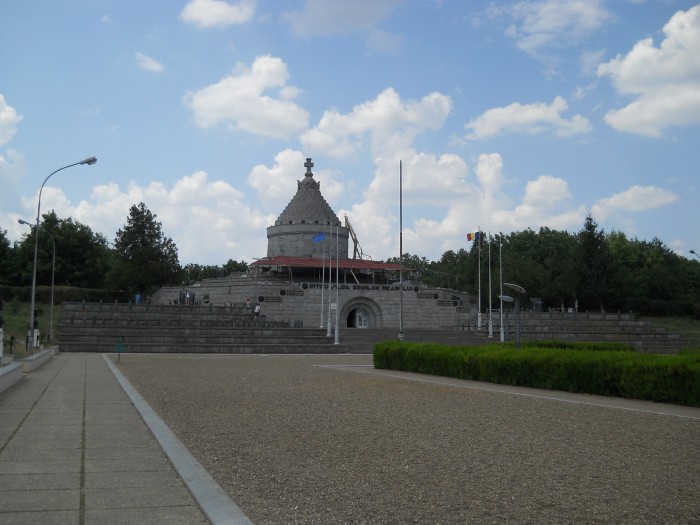
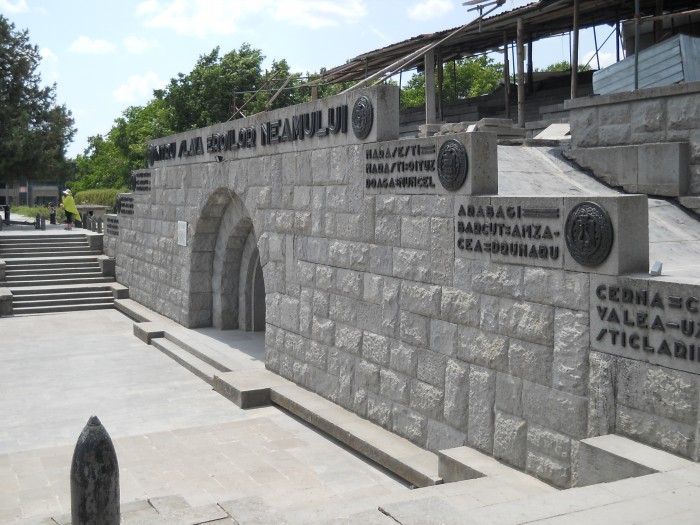
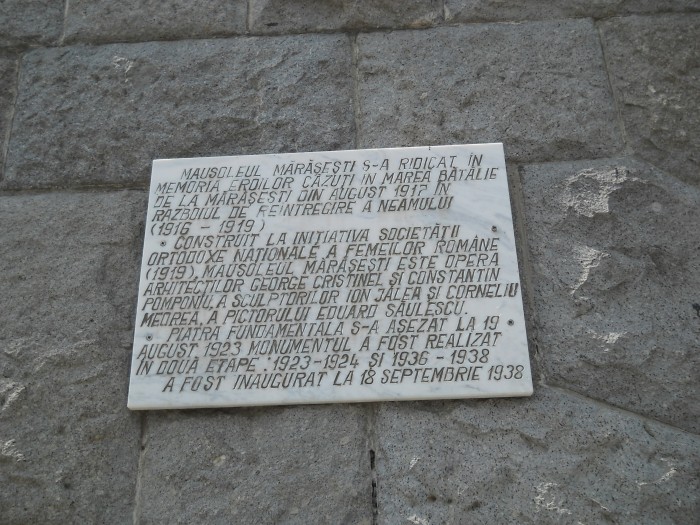
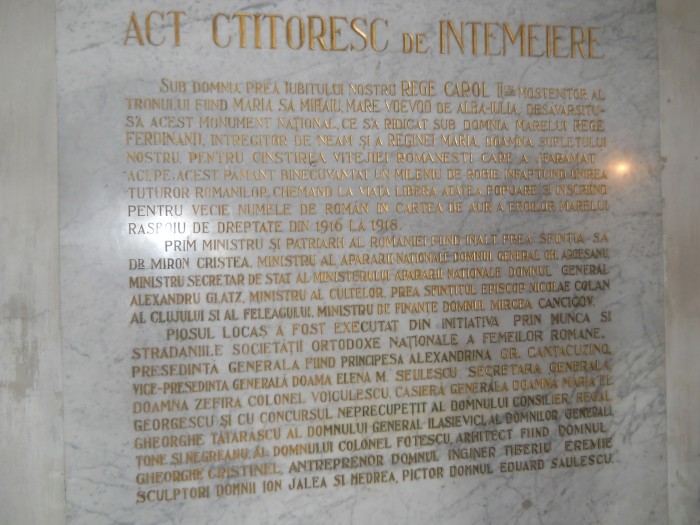
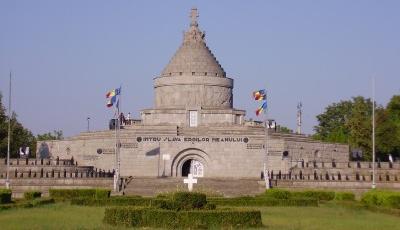


Image source: Wikimedia Commons · Public domain photos · Free license
STAY A FEW DAYS, DISCOVER THE MAGIC
Accommodation in the Mărășești Heroes' Mausoleum area

Hotel · 3 stars

Mărășești, Vrancea County · 9.7 km
Hanul dintre Vii Mărășești
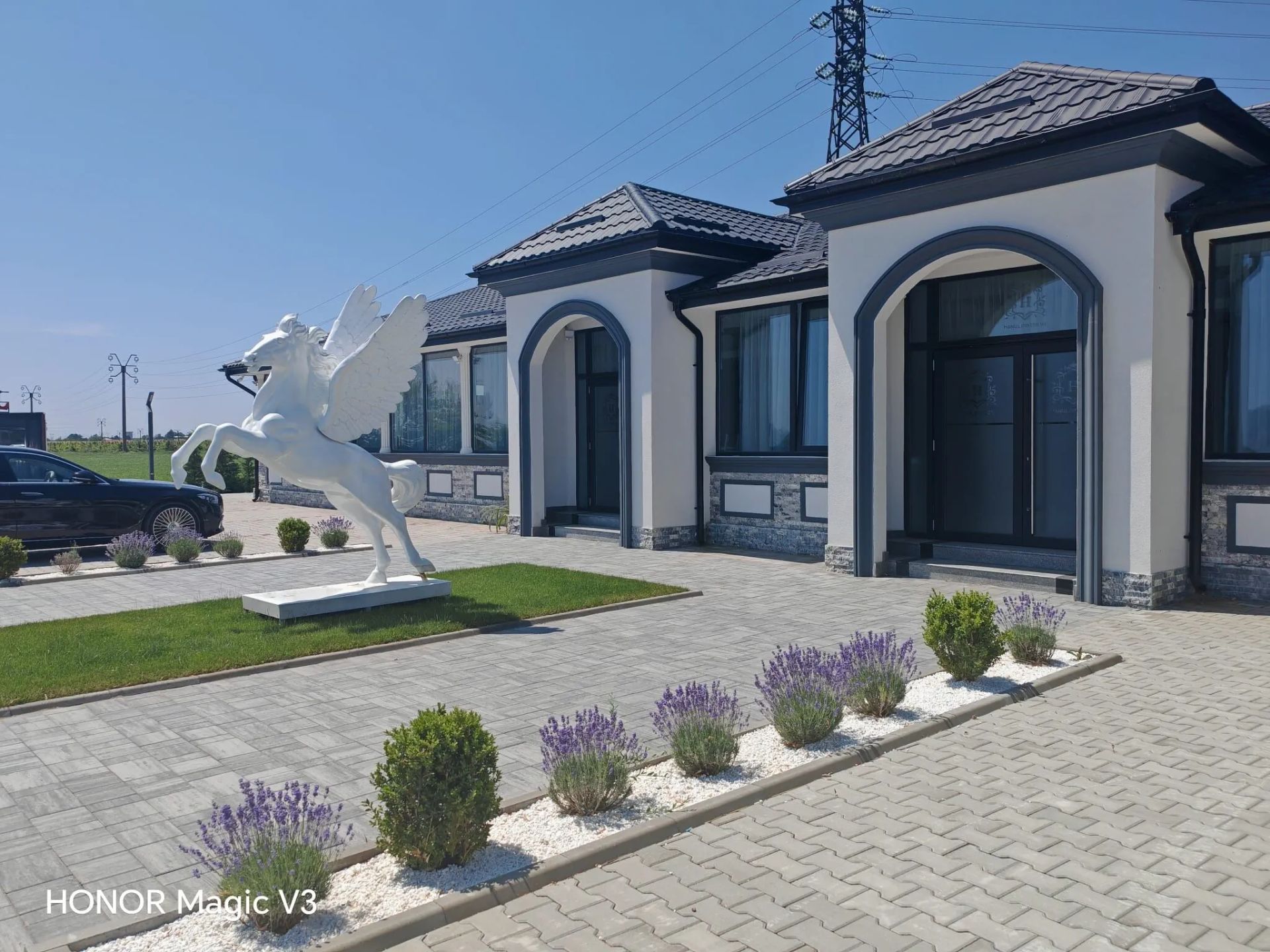
În apropiere puteți vizita Mausoleul Eroilor Mărășești, un monument dedicat eroilor căzuți. Hanul dintre Vii Mărășești, un hotel de trei stele situat în localitatea Mărășești din județul Vrancea, reprezintă punctul dumneavoastră de plecare confortabil pentru a descoperi aceste meleaguri. Proprietatea dispune de o curte mare și o grădină amenajată, perfecte pentru momente de liniște în aer liber. Puteți pregăti mese folosind grătarul sau barbeque-ul, vatra de foc ori șemineul în aer liber, sau ceaunul pentru gătit în aer liber. În incintă găsiți și un foișor și un bar unde vă puteți relaxa după o zi de explorare. Pentru un sejur fără griji, unitatea oferă Wi-Fi gratuit, parcare privată gratuită și parcare pentru biciclete. Aveți la dispoziție room service, depozit pentru bagaje și fier de călcat. Părinții cu copii mici vor aprecia scaunul înalt pentru copii și pătuțul pentru bebeluș disponibile la cerere, asigurând confortul întregii familii. Vă așteptăm să porniți în explorarea zonei și să vizitați Mausoleul Eroilor de la Mărăști.
FROM
290 lei per night

Holiday home · 3 stars
Nicoreşti, Galați County · 9.9 km
Casa Chr Vista Nicoreşti
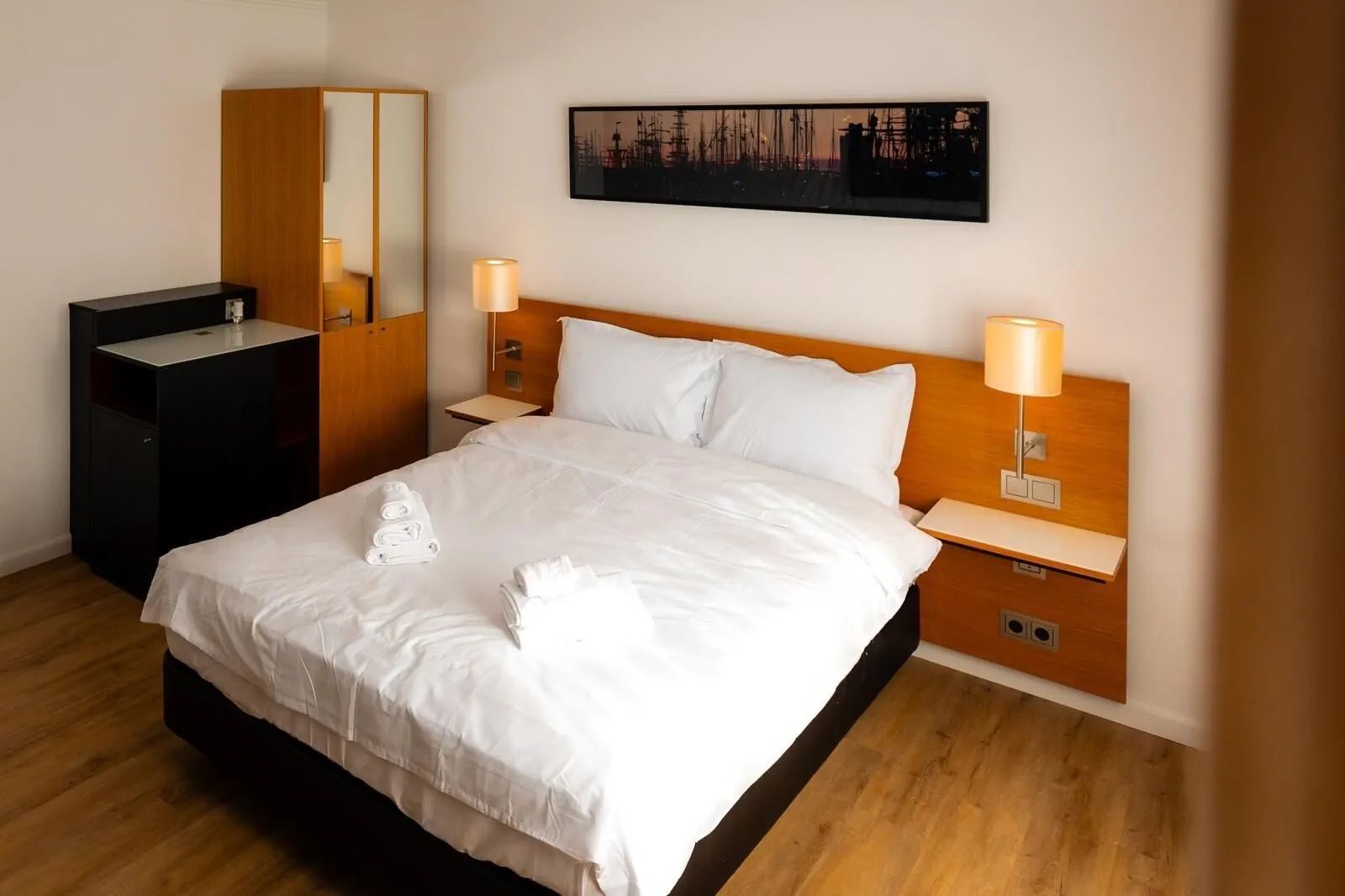
Familiile cu copii, grupurile de prieteni și iubitorii de natură se vor simți bine la Casa Chr Vista Nicoreşti din localitatea Nicoreşti, județul Galați. Această vilă integrală, clasificată cu trei stele, oferă un refugiu liniștit într-un cadru natural generos, departe de aglomerația orașelor. Pentru confortul dumneavoastră, unitatea pune la dispoziție Wi-Fi gratuit, un seif pentru păstrarea obiectelor de valoare și parcare privată gratuită. Bucătăria în aer liber este bine echipată cu grătar și ceaun, iar foișorul din curte reprezintă locul perfect pentru seri relaxante alături de cei dragi. Curtea mare și grădina amenajată invită la plimbări și activități în aer liber pe tot parcursul zilei. În plus, drumețiile montane și traseele în natură din apropiere sunt ideale pentru cei care doresc să exploreze peisajele pitorești ale zonei. Dacă doriți să descoperiți istoria și cultura locului, puteți vizita Mausoleul Eroilor Mărășești, Muzeul de Istorie Focșani, Monumentul Unirii din Focșani, Mausoleul Eroilor de la Mărăști și Mausoleul Eroilor Șoveja. Vă așteptăm cu drag la Casa Chr Vista Nicoreşti.
FROM
280 lei per night
Apartment · 3 stars
Tecuci, Galați County · 16.2 km
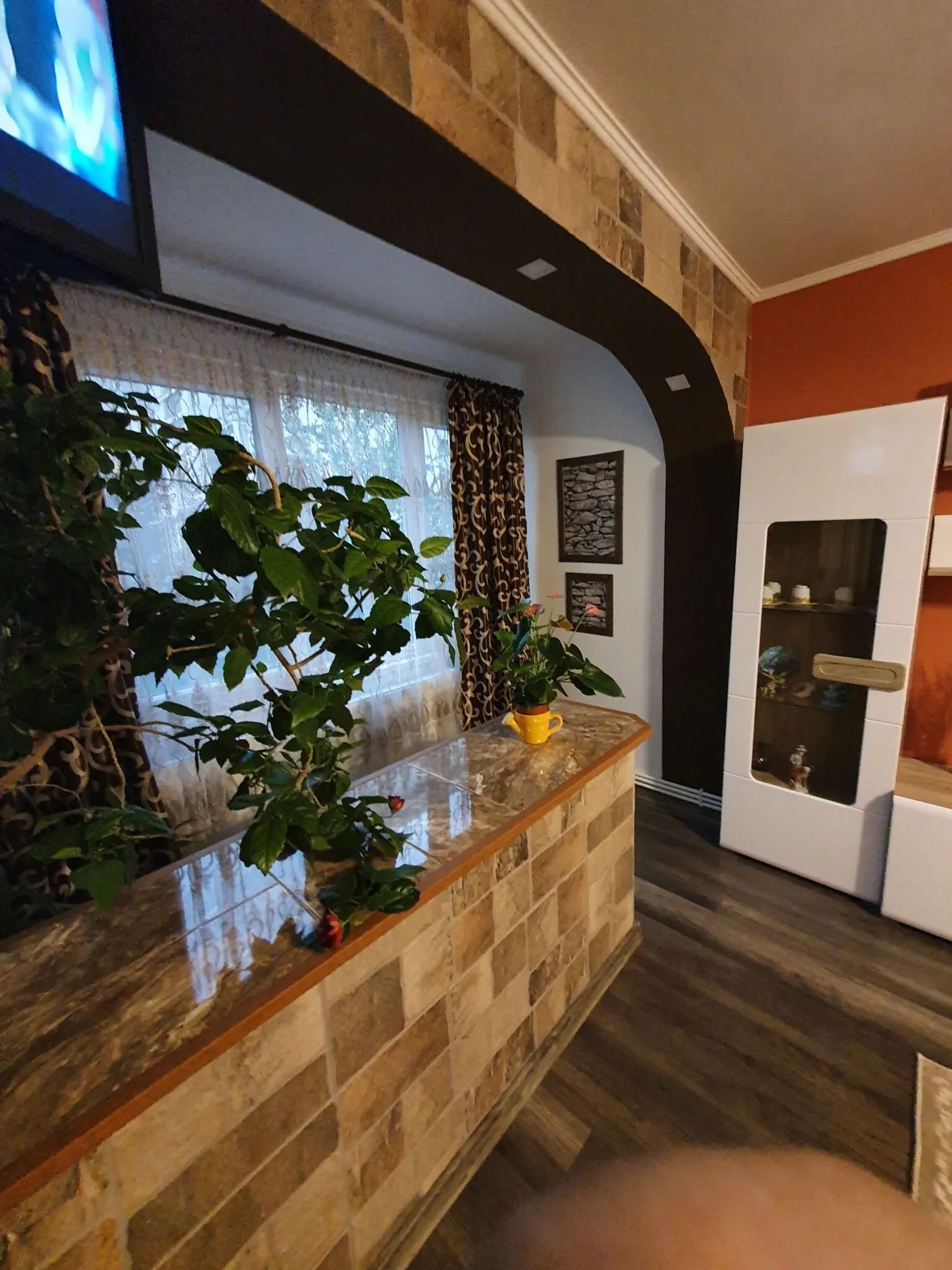
Casa Julieta Tecuci
În curtea mare și grădina amenajată a Casei Julieta din Tecuci, vă puteți bucura de aer liber într-un spațiu bine întreținut. Această unitate de cazare clasificată cu trei stele vă oferă un apartament modern, situat pe strada Gheorghe Petrascu, într-un cadru primitor. În exterior, aveți la dispoziție un foișor pentru momente de relaxare în aer liber, un loc de joacă pentru copii și parcare pentru biciclete. Pentru confortul celor mici, sunt disponibile scaun înalt și pătuț pentru bebeluș, iar bagajele dumneavoastră pot fi păstrate în siguranță în depozitul special amenajat. De asemenea, aveți la dispoziție fier de călcat pentru nevoile dumneavoastră. Camera este mobilată modern și dispune de baie proprie, oferind totodată acces la internet pentru confortul șederii dumneavoastră. Personalul unității vorbește atât limba română, cât și limba engleză, fiind pregătit să vă ajute. În apropiere se află obiective istorice și culturale importante precum Mausoleul Eroilor Mărășești, Muzeul de Istorie Focșani, Monumentul Unirii din Focșani, Mausoleul Eroilor de la Mărăști și Mausoleul Eroilor Șoveja, toate reprezentând opriri valoroase pentru vizitatori. Dimineața, puteți să serviți cafeaua în foișorul din curte, bucurându-vă de liniștea grădinii înainte de a porni spre obiective.
FROM
230 lei per night
Guesthouse · 3 stars
Tecuci, Galați County · 17.7 km
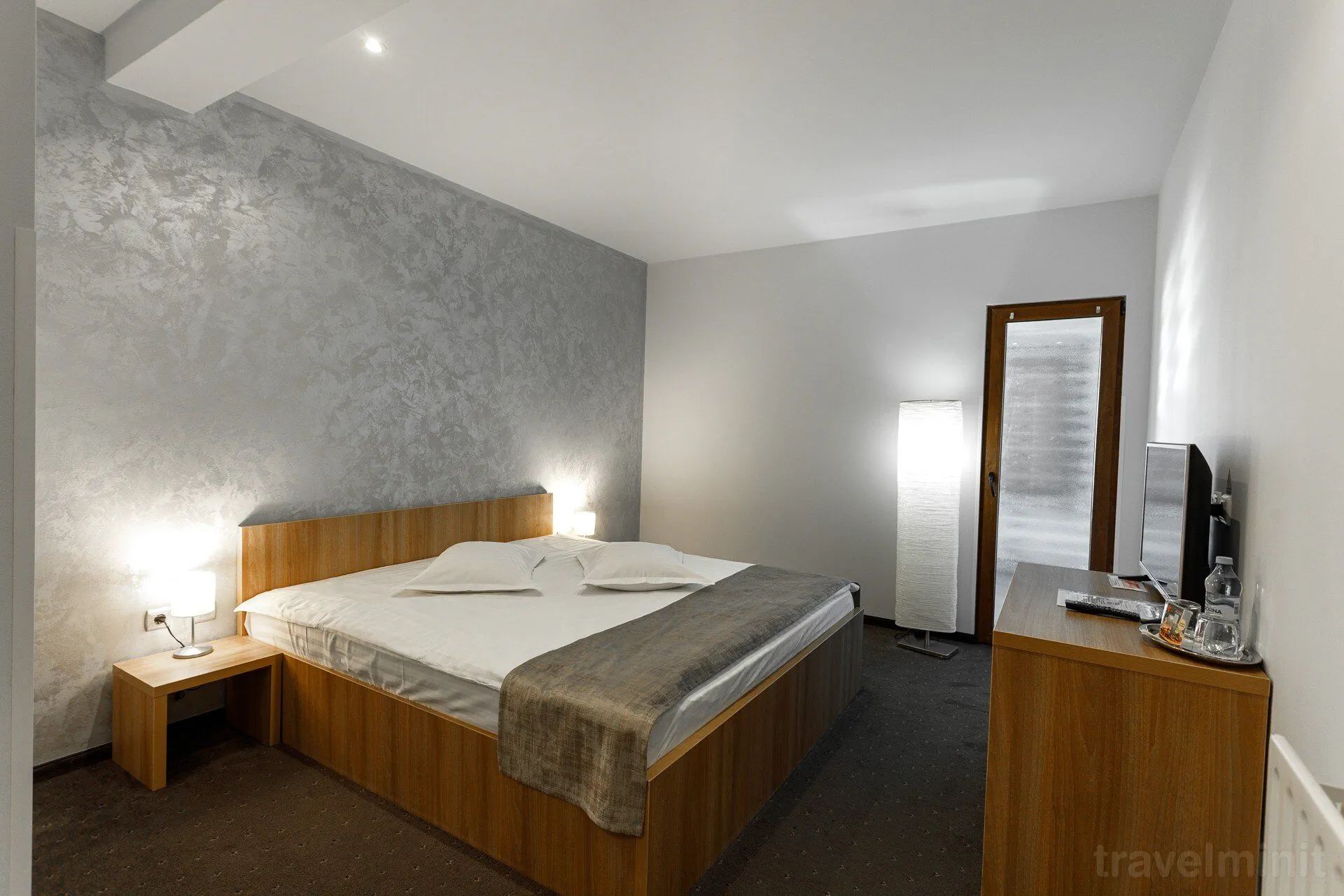
Pensiunea Kristall Tecuci
Pensiunea Kristall Tecuci este o pensiune turistică de 3 stele situată în Tecuci, județul Galați, pe strada Transilvaniei numărul 7. Camerele sunt dotate cu aer condiționat și oferă acces Wi-Fi gratuit, fiecare cameră beneficiind de baie proprie cu duș și articole de toaletă. Pentru confortul dumneavoastră, unitatea pune la dispoziție parcare privată gratuită, depozit pentru bagaje și un fier de călcat. De asemenea, aveți la dispoziție serviciul de room service și o stație de încărcare pentru vehicule electrice, iar televizorul cu ecran plat și dulapul pentru haine completează dotările fiecărei camere. În incintă găsiți un bar și o cafenea unde vă puteți relaxa într-un ambient plăcut, iar pentru deplasări pe două roți există parcare special amenajată pentru biciclete. Pătuțul pentru bebeluș este disponibil la cerere pentru familiile care călătoresc cu copii mici. În apropiere puteți vizita Mausoleul Eroilor Mărășești, Muzeul de Istorie Focșani, Monumentul Unirii din Focșani, Mausoleul Eroilor de la Mărăști și Mausoleul Eroilor Șoveja, obiective care îmbogățesc experiența culturală a șederii dumneavoastră în această zonă. Seara, barul din incintă oferă un ambient plăcut pentru a vă relaxa după o zi de explorare a monumentelor istorice din zonă.
FROM
240 lei per night
Apartment · 3 stars
Focșani, Vrancea County · 19.3 km
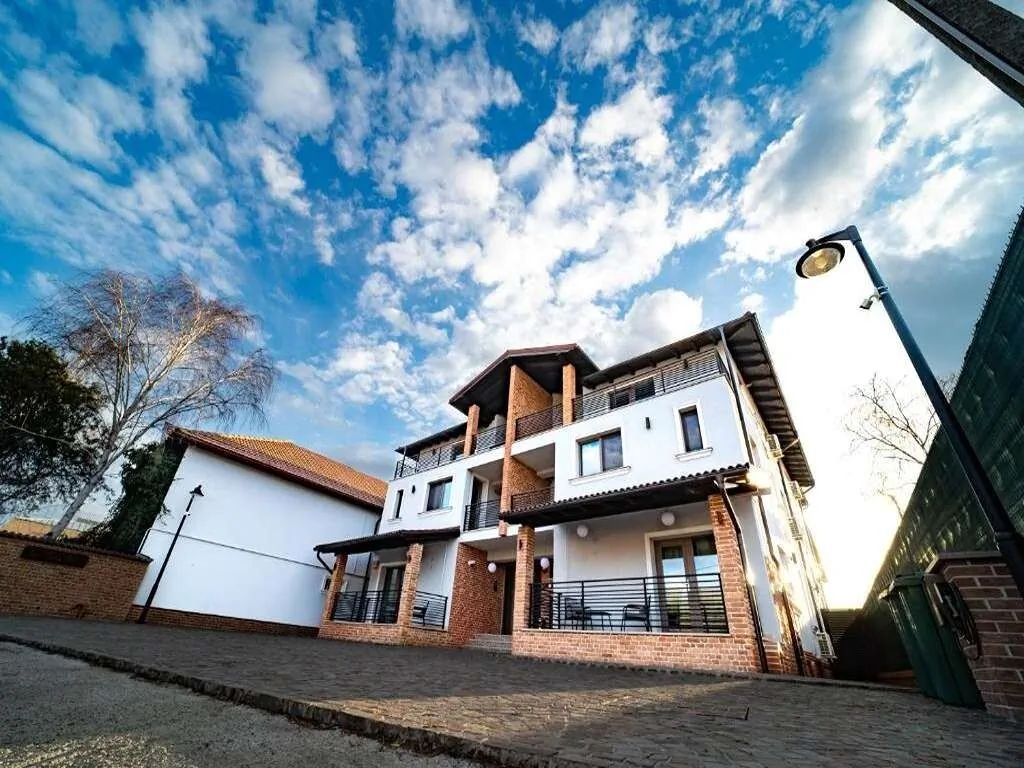
First Apartments Focșani
O zi petrecută aici începe cu un mic dejun comandat prin room service și se derulează în liniște, cu acces la Wi-Fi gratuit în fiecare apartament. First Apartments Focșani vă așteaptă în Focșani, pe strada Timiș 5, oferindu-vă un apartament de închiriat clasificat cu trei stele. Spațiile sunt amenajate cu băi proprii și pun la dispoziție facilități pentru întreaga familie, precum scaun înalt pentru copii, meniu pentru copii și meniuri pentru diete speciale. De asemenea, aveți la dispoziție fier de călcat, depozit pentru bagaje, parcare privată gratuită și parcare pentru biciclete, iar stația de încărcare pentru vehicule electrice vă ajută să vă continuați drumul fără griji. Pentru momentele de relaxare, restaurantul din incintă vă primește la masă, iar dacă preferați să rămâneți în apartament, room service aduce preparatele direct la dumneavoastră. În apropiere puteți vizita Muzeul de Istorie Focșani și Monumentul Unirii din Focșani, iar pentru o ieșire în afara orașului, mausoleele eroilor de la Mărășești, Șoveja și Mărăști oferă ocazia de a cunoaște mai bine trecutul regiunii. Dimineața, după ce vă încărcați vehiculul la stația pentru vehicule electrice din incintă, puteți porni spre obiectivele turistice din zonă.
FROM
230 lei per night
Hotel · 3 stars
Focșani, Vrancea County · 20.4 km
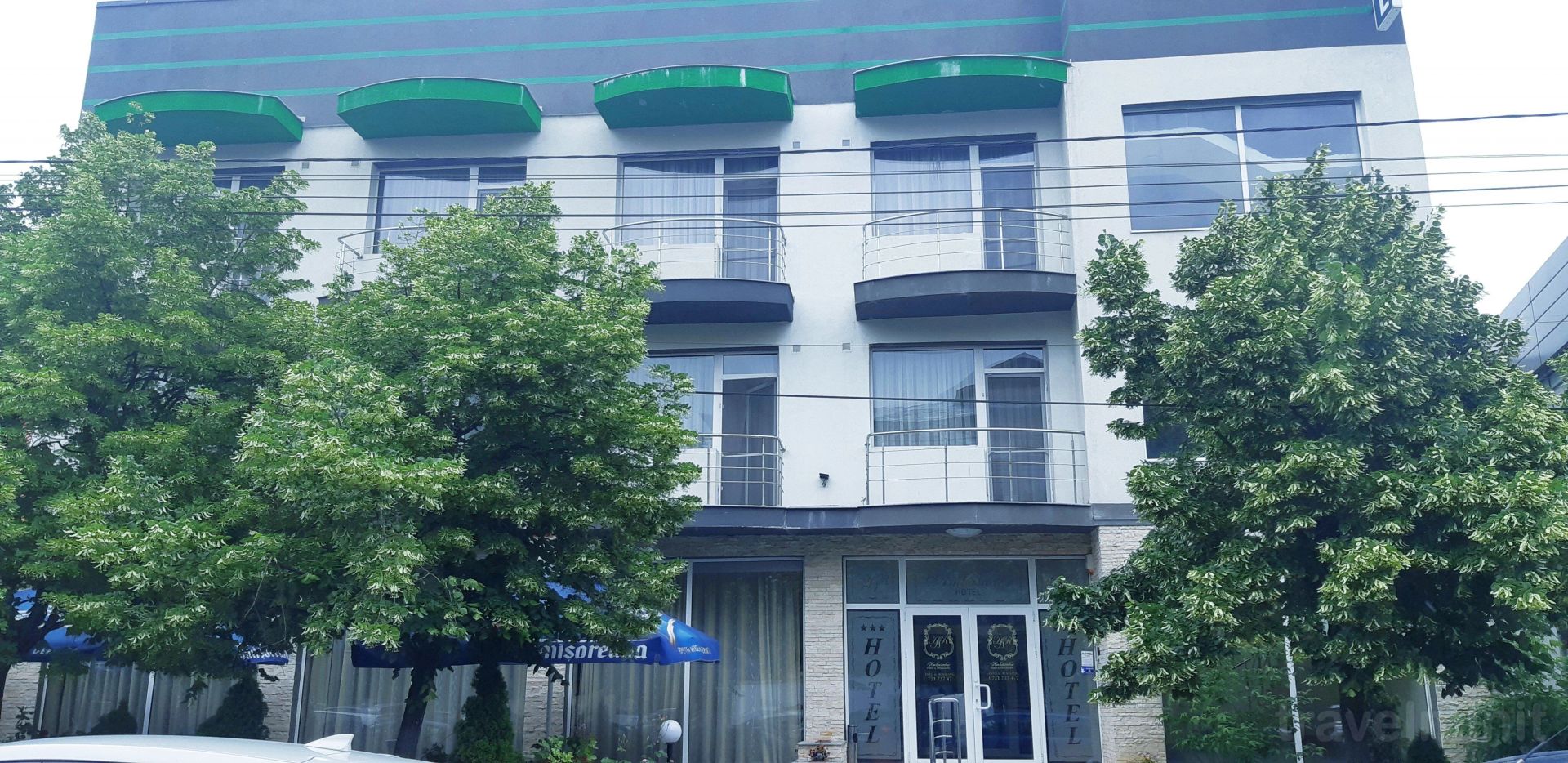
Hotel Ambasador Focșani
Pe strada Trotuș din Focșani se află Hotel Ambasador, o unitate de cazare cu trei stele care primește oaspeți într-un cadru urban accesibil și bine poziționat pentru explorarea orașului. Hotelul dispune de 28 de locuri de cazare, în camere single, duble și matrimoniale, fiecare dotată cu grup sanitar propriu, televizor, telefon cu linie internațională și conexiune internet wireless. Aerul condiționat funcționează atât în camere, cât și în restaurant, iar încălzirea centrală asigură confortul pe tot parcursul anului. Pentru o ședere comodă, aveți la dispoziție parcare privată gratuită, Wi-Fi gratuit și acces pentru persoane cu dizabilități. Personalul vă poate oferi informații turistice și culturale, precum și ajutor pentru comenzi de taxi sau rezervări. De asemenea, sunt disponibile servicii precum spălătorie, curățenie încălțăminte, room-service sau închiriere de mașini. În apropiere puteți vizita Muzeul de Istorie Focșani, Monumentul Unirii din Focșani și mausoleele eroilor din Mărășești, Șoveja și Mărăști, monumente care amintesc de momente importante din istoria Vrancei. Vă așteptăm la Hotel Ambasador Focșani, unde beneficiați de parcare gratuită și acces facil pentru persoanele cu dizabilități.
FROM
290 lei per night
BEFORE YOU HIT THE ROAD
Weather conditions in Vrancea
Local forecast for Mărășești Heroes' Mausoleum, Vrancea, Vrancea

Real-time updated weather data
Much more to explore in this area
Nearby tourist attractions


Vrancea, Vrancea County
Mărăști Heroes' Mausoleum
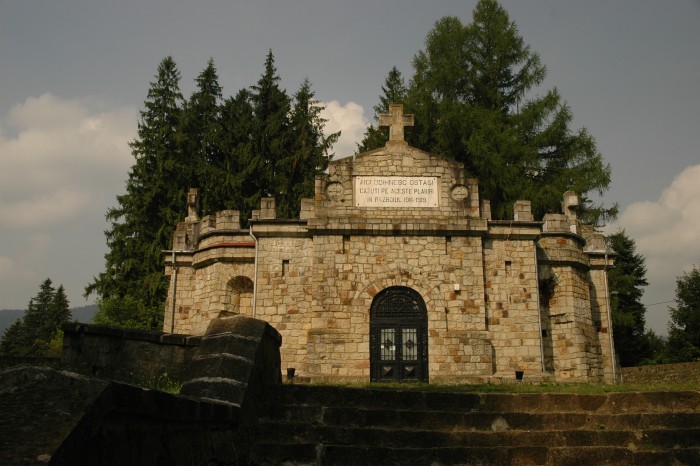
Situat in localitatea Marasti, judetul Vrancea; ridicat din initiativa unor ofiteri ai Armatei a-II-a romane, pentru glorificarea eroismului ostasilor romani...
32.1 km

Vrancea, Vrancea County
Focșani History Museum
Situat pe Blvd. Garii nr.1, localitatea Focsani, judetul Vrancea; din 2004, prezinta o expozitie de baza reorganizata intr-o forma tematica si estetica, apta...
19.4 km
Dragosloveni, Vrancea County
Mausoleul Eroilor Șoveja
Situat in satul Dragosloveni, comuna Soveja, judetul Vrancea; constructia sa a inceput in anul 1922, dupa proiectul unui arhitect italian, din fonduri adunate...
35.9 km
Vrancea, Vrancea County
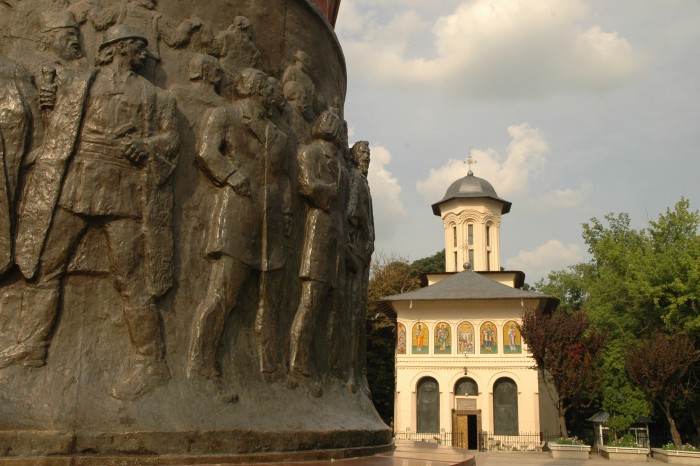
Monumentul Unirii din Focșani
Situat in Piata Unirii, localitatea Focsani; prim planul acestuia, pe toata suprafata torului, infatiseaza diferite categorii de sustinatori ai Unirii, dintre...
19.6 km

12.5 km
Vizantea, Vrancea County
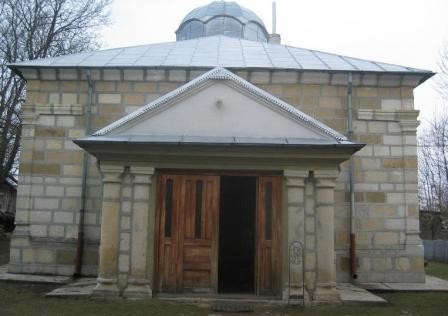
Ansamblul fostei Mănăstiri Vizantea
Situat in comuna Vizantea, judetul Vrancea; monument istoric de importanta locala, fiind considerat cel mai vechi nucleu monahal organizat in tinutul Vrancei;...
30.3 km

Bacau, Bacău County
Cetatea dacică Tamașidava
Situata pe malul stang al Siretului, intre localitatile Racatau de Jos si Pancesti; stratul de cultura materiala atinge o grosime de 1,8 m, iar cercetarile au...
40.4 km

Galati, Galați County
Casa memorială Costache Negri
Situata in localitatea Costache Negri; reprezinta casa in care a locuit Costache Negri (1812-1876), scriitor si om politic roman, prieten al lui Alexandru Ioan...
43.8 km
10.0 km
Vrancea, Vrancea County
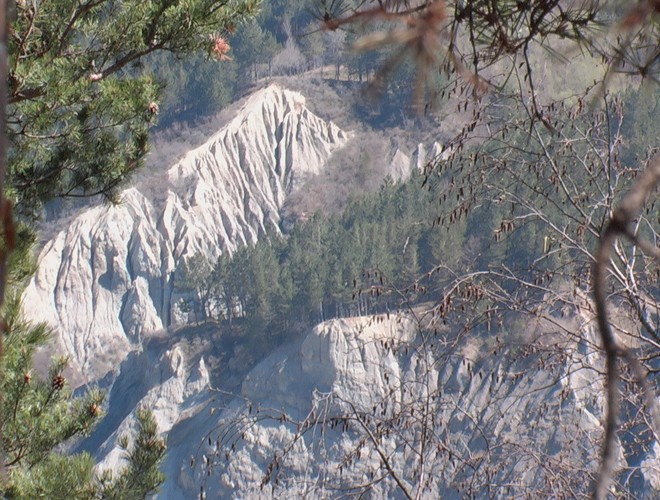
Rezervația naturală Râpa Roșie
Este situata pe un sector al versantului drept al Putnei in aval de confluenta cu Paraul Coza; adaposteste microforme efemere de tipul ogaselor,...
41.9 km
Vrancea, Vrancea County
Stațiunea Lepșa
Situata la poalele Muntilor Vrancei, pe Valea Putnei; se spune ca prin aceste locuri s-a nascut balada "Miorita";in trecut a fost asezare de padurari si...
50.0 km
46.3 km
Cultural life and traditions
Events in the Mărășești Heroes' Mausoleum area
Medieval festivals, traditional fairs, concerts and local activities recommended in Moldavia.

History and Voivodeship Heritage

Vrancea, County of Vrancea
The Medieval Festival of Neamț Fortress
Re-enactments of Ștefan’s battles, archery demonstrations with traditional bows, displays of courtly guards, and performances of old court music.
WHEN
July 3-5, 2026


Prehistoric Crafts and Art
Vrancea, County of Vrancea
The National Pottery Fair “Cucuteni 5000”
The most skilled ceramic artists recreate the spectacular motifs of Europe’s oldest civilisation.
WHEN
June 26-28, 2026

Gastronomy and Wines
Vrancea, County of Vrancea
The Traditional Festival of Moldovan Wine
A fair featuring wine tastings from the vineyards of Cotnari, Bucium and Panciu, “poale-n brau” pies, and roasted meats cooked on a spit.
WHEN
October 2-4, 2026
On foot, exploration gains depth
Discover the surroundings and local geography
Explore the trails, terrain, and natural landmarks around Mărășești Heroes' Mausoleum.

Guides and practical tips
Useful travel articles
Travel guides, practical recommendations and tourist itineraries for Moldavia.

Tourist guide
Top 5 Atracții Turistice și Trasee Montane în Zona Moieciu - Bran
Descoperă cele mai spectaculoase peisaje carstice, chei adânci și cetăți medievale din imediata apropiere a stațiunii Moieciu.

Tourist guide
Ghid de Drumeție: Traseul Moieciu de Sus spre Platoul Bucegi
Un itinerariu montan de o frumusețe rară ce urcă din Valea Băngăleasa spre Poiana Guțanu și crestele maiestuoase ale Bucegilor.

Tourist guide
Castelul Bran: Istorie, Legende și Secrete Medievale
Află adevărata poveste a fortăreței medievale din Pasul Bran, reședința de suflet a Reginei Maria a României.
THE JOURNEY STARTS WITH AN IDEA
The next story is on the way.
From the first stop to the last stay, make room for a new Romania.
