


NATURE AND WILDLIFE · MUNTENIA (WALLACHIA)
The Mud Volcanoes Natural Reserve

Buzau, Buzău County
Add location to your trip planner.

Practical access information

VISITING HOURS
Monday: 12:00 PM – 5:00 PM · Tuesday–Sunday: 9:00 AM – 5:00 PM (in summer until 8:00 PM)

TICKET PRICE
Adults: 45 RON · Students: 11 RON · Seniors: 23 RON · Guided tour included

RECOMMENDED VISIT DURATION
2-3.5 hours
Visitor information and guide
 Navigate with Google Maps

ABOUT THE MUD VOLCANOES NATURAL RESERVE
Captivating Introduction and Universal Value
At the foothills of the Curvature Subcarpathians, between the communes of Berca and Scorțoasa in Buzău County, lies one of Europe’s most bizarre and emotionally stirring natural monuments: the Mud Volcanoes Natural Reserve. Here, at altitudes ranging from 300 to 550 meters, across approximately 30 hectares, the earth appears to breathe, its breath taking the form of grey cones, perpetually bubbling craters, and vast fields of cold mud stretching as far as the eye can see in a quasi-lunar, almost Martian landscape. There is no lava, no fire, no scorching smoke—only methane gas rising from depths of over 3,000 meters, originating from ancient hydrocarbon reserves formed in the Miocene epoch. This gas pushes saline groundwater to the surface, mixed with clay, in a continuous geological spectacle—a so-called "cold volcanism" that few places on the continent can offer at this scale and visual intensity.
For the cultivated European traveler, the Mud Volcanoes represent far more than a geological curiosity. They are a nexus where the military history of Habsburg Europe, the 19th-century Franco-Czech and Romanian scientific tradition, the European Natura 2000 network, UNESCO’s World Heritage through the Buzău Land Geopark, and ultimately, the climatic and geological memory of the entire continent converge. The reserve is a mixed geological and botanical protected area, classified under IUCN Category IV, declared a natural monument as early as 1924, and part of the European Natura 2000 network as a Site of Community Importance (ROSCI0272), spanning over 900 hectares. Four distinct areas make up this universe: Pâclele Mari (The Great Mud Volcanoes), Pâclele Mici (The Small Mud Volcanoes), the Berca Boiling Springs, and the Beciu Boiling Springs, each with its own unique character and millennia-old story. Visitors stepping onto the arid plateau feel a fragile crust cracking underfoot, hear a deep, almost organic bubbling in the distance, and smell the air laden with sulfur and methane—a paradoxical atmosphere that evokes both the depths of the Black Sea and the surface of Mars, where NASA researchers study similar formations to understand the Red Planet’s geological history.
Historical Roots and Major European Connections
A Frontier Between Empires, Mapped by Vienna
The Buzău Valley and the Berca Depression lie in a space that, for centuries, was a borderland between worlds: the Ottoman Empire to the south and east, the Habsburg Monarchy to the west and northwest, the Russian Empire advancing toward the Balkans, and the Kingdom of Hungary guarding the gates of Transylvania. The settlements here lived for centuries under the shadow of border fortresses, trade routes, and frontier guards, while this soil—poor for agriculture and known to locals as "bad lands"—remained outside major urban centers, preserving its wildness. Precisely for this reason, it was recorded early on by a Europe that measured and knew its territories in the era of enlightened absolutism.
On the Austrian military map known as the Specht map, created in 1791–1792, four areas with mud volcanoes or "pâcle" are marked, two of which have since disappeared. This is an extraordinary document: the map belongs to the great tradition of military topographic surveys of the Habsburg Monarchy, continuing the oldest Josephinische Landesaufnahme from 1764–1787, commissioned by Emperor Joseph II—the same monarch who introduced administrative and fiscal reforms in the spirit of Viennese Enlightenment. These military engineers, part of the imperial army’s technical corps, systematically mapped the empire’s frontiers during the wars with the Ottomans and the eastward expansion, creating remarkably precise maps that form the basis of modern knowledge of Central Europe. The fact that two of the four areas marked by the Viennese engineers no longer exist today reveals something essential about this place: the Mud Volcanoes are a living landscape in constant metamorphosis, where cones are born, extinguish, and reborn, and the map from two centuries ago no longer fully coincides with today’s plateau. This territorial dynamism recalls other European border zones, such as those in Alsace or Galicia, where imperial borders shifted over the centuries, leaving behind ever-changing landscapes.
European Science at the Pâcle: From Oil Prospecting to the Global Geopark Network
The scientific story of this place is deeply European, rooted in the great currents of the 19th century. The first scientific mention of the phenomenon was made in 1867 by the Frenchman Henri Cognard during oil prospecting, at a time when, just a few dozen kilometers away in the Ploiești Basin, Europe’s modern oil industry was being born. There, in 1856–1857, the world’s first industrial refinery was inaugurated, and Wallachia reported its first oil production in official statistics in 1857, thus entering the oil race alongside Pennsylvania (where Edwin Drake drilled in 1859 at Titusville) and the Russian Caucasus (Baku, 1859). Thus, the Mud Volcanoes entered European scientific history in the very decade when oil transformed the continent’s economy, and the presence of crude oil on the surface of some craters remains a vivid reminder of this ancestral link to Europe’s energy revolution.
Later, the phenomenon was described by Grigore Cobălcescu in 1883, the founder of Romanian geology, born in Iași in 1831, a central figure of the Romanian scientific Enlightenment and a founding member of the Romanian Academy, comparable to his European contemporaries such as Charles Lyell in Britain or the Swiss Arnold Escher von der Linth. Cobălcescu explained the genesis of the volcanoes as the result of the mixture of groundwater and natural gases, which, in their expansion toward the surface, dissolve rocks and transform them into a muddy paste that gives rise to the cones. His contribution entered the circuit of Central European science, and in 1935, the Czech geologist Karel Krejčí-Graf, part of the Prague tradition of earth sciences, dedicated a study to them in German, titled "Die Salsen von Beciu-Berca." The very term used in the specialized literature—"salze" in Romanian and German, "salse" in Italian, "salses" in French—reveals a common linguistic and scientific family of the phenomenon across the continent, from the Mediterranean to the Black Sea.
Viewed in a European context, the phenomenon is not isolated. In Italy, the "salse" of Emilia-Romagna, such as the Salse di Nirano and Salse di Regnano at the foothills of the Northern Apennines, or the "bolle" of Sicily, like the Macalube di Aragona near Caltanissetta, are close relatives. In 2013, a mud volcano even appeared in a roundabout in Fiumicino, at the gates of Rome, demonstrating that geological processes continue to shape even the continent’s major metropolises. In Ukraine, the Kerch Peninsula hosts entire fields of such formations, as does the Taman Peninsula in Russia, both areas of strategic and geological interest since the Crimean Wars. Above all stands Azerbaijan: the Gobustan Reserve near Baku, a UNESCO World Heritage site, shelters hundreds of mud volcanoes, approximately half of the global total, and NASA researchers use Azerbaijani mud volcanoes as analogs for Martian landforms in Gale Crater. In this continental context, the common assertion in Romanian tourism that Berca is the "only place in Europe" with such a phenomenon should be viewed with poetic nuance. However, what is truly verifiable and remarkable is that Pâclele Mari shelter the tallest mud volcano cone in Europe, while Pâclele Mici host the most extensive field of such formations on the continent—the most spectacular and accessible of all European mud volcano fields.
The protection of this site also has a solid European history. Declared a natural monument in 1924, the reserve belongs to IUCN Category IV and is included in the Natura 2000 network as a Site of Community Importance (ROSCI0272), under the European Council’s Habitats Directive 92/43/EEC, proof that the plateau’s biodiversity is recognized as a heritage of the entire European Union. In April 2022, the UNESCO Executive Board, meeting in Paris, validated Buzău Land as an International UNESCO Geopark, Romania’s second after Țara Hațegului (2015), among only 8 candidates admitted out of 16. Today, the Mud Volcanoes are part of the European and Global Geoparks Network, alongside territories such as Țara Hațegului, with the Buzău Land Geopark spanning over 1,000 square kilometers, 18 communes, and approximately 43,000 inhabitants. Earlier, in 2012, the region was designated a European Destination of Excellence within the European Commission’s EDEN project, in the rural tourism category, thus recognizing the European value of this unique landscape.
The Natural Masterpiece and the Living Heritage of the Plateau
The Anatomy of a Volcano Without Magma
The geology of this place is, in itself, a lesson in the Earth’s history on a continental scale. The Mud Volcanoes lie along the Berca-Arbănași anticline, a geological fold raised in the shape of a dome, cut by longitudinal and transverse faults that give the region a tectonic labyrinth aspect, at the heart of a north-south-oriented depression approximately 18 kilometers long. This anticline belongs to the great folded belt of the Eastern Carpathians, born in the same Alpine orogeny that raised the Alps, Apennines, and Pyrenees. The gases that traverse it originate from depths of over 3,000 meters, escaping from an oil and natural gas reserve formed in Miocene strata. Their composition is dominated by methane, with approximately 2% carbon dioxide and between 2% and 15% nitrogen—a mixture similar to that of the gas fields of Northern Europe or the Pannonian Basin. The gas, pushed through layers of clay combined with saline groundwater, forces a mixture of mineral water and mud to the surface; upon contact with air, the mud dries and gradually builds conical structures that mimic the silhouette of a true volcano. The mud is cold because it comes from the continental crust, not the mantle—hence the fascinating paradox of a "volcano" that never burns, only breathes.
On the ground, the eruptive apparatuses take various forms, classified by specialists according to an international taxonomy: proper cones (pâcle), simple salses, isolated cones up to 6 meters high that can expel breccia and mud, muddy craters, boiling springs (small craters about half a meter in diameter with continuously bubbling liquid mud), gloduri (water eyes that boil without prominence), and mud torrents. Erosion from runoff waters carves gullies and deep channels up to seven meters into the dried mud crust, shaping a "badlands" relief reminiscent of the arid landscapes of the Italian Mediterranean, such as the calanchi of Sicily, or those of Anatolia. During summer droughts, the evaporation of water from the erupted mud leaves behind a saline efflorescence, a white veil of salt that glistens on the grey surface of the plateau, creating a visually striking, almost surreal contrast. The activity never ceases: in an episode recorded in November 2014, the volcanoes erupted approximately 130,000 cubic meters of mud per day, and the reserve’s custodian observed that after earthquakes in the Vrancea zone—one of Europe’s most active seismic areas, with major earthquakes in 1940, 1977, 1986, 1990, and 2004—a volcano considered extinct began spewing mud to the surface again. This land is thus connected to the deepest seismic rhythms of the continent, resonating with the tectonic forces that shaped the Alps.
Pâclele Mari and Pâclele Mici: Two Faces of the Same Realm
The two main plateaus offer complementary experiences, each with its own geological and aesthetic personality. Pâclele Mari, located at coordinates 45.3399 N, 26.7081 E, in the central part of the Berca Depression, on an arid, almost circular plateau spanning about 22 hectares, present a landscape of astonishing complexity, where numerous active apparatuses 2–3 meters high coexist with fossil cones 6–8 meters tall, witnesses to earlier geological epochs. Here stands the tallest mud volcano in Europe: a "shield volcano" type cone with a broad base and gentle slopes, on whose surface several smaller cones have developed—a miniature eruptive system that perfectly illustrates the process of successive mud accumulation. Pâclele Mici, located at coordinates 45.3587 N, 26.7114 E, at an altitude of 341 meters, spanning about 16 hectares, form the most extensive field of mud volcanoes in Europe: a series of independent cones, dominated in the central part by a prominent, slender cone topped with two large active craters from which columns of gas and mud droplets rise. Both plateaus are traversed by thematic trails equipped with informational panels, and at Pâclele Mici, the paved trail even allows visitors to observe the sunset above the field of cones—a sight that has become one of the most photographed and iconic images of rural Romania, reminiscent of the lunar landscapes studied by astronauts. The other two areas, the Berca Boiling Springs and the Beciu Boiling Springs—the latter a small area of only 20 by 40 meters at 280 meters altitude near the Beciu-Arbănași road—complete the picture with the image of true "mud lakes" that bubble incessantly, some craters even showing visible traces of crude oil on the surface, a vivid reminder of the ancestral link between this soil and hydrocarbon reserves, in a landscape where oil wells and installations still operate in places, witnesses to an industry that began here in the 19th century.
Nitraria schoberi, the Plant That Conquered the Salt
While the geology impresses with its force and dynamism, the botany impresses with its resilience and adaptation, offering a lesson in European biogeography. The sulfuric and saline soil is usually inhospitable to plant life, and the plateau appears, at first glance, as a grey, sterile desert. In reality, it shelters an exceptional flora, with approximately 596 species of higher plants recorded by the Buzău Environmental Protection Agency, many of which are protected under the European Directive 92/43/EEC on the conservation of natural habitats. The botanical star of the place is Nitraria schoberi, a halophytic shrub 1–2 meters tall, declared a natural monument, whose small, oval, fleshy leaves and yellowish or greenish-white flowers gather in inflorescences at the tips of the branches. Berca represents the westernmost point of the species’ global range, which extends across the saline steppes of Central Asia, Kazakhstan, and Siberia. Thus, at Pâcle, the traveler encounters, in the heart of Europe, a living relic of the great Eurasian saline steppes—a botanical "living fossil" from an era when Central Europe’s climate was more arid. Alongside it grows the prickly sea-blite (Obione verrucifera, or "lamb’s tongue"), also a natural monument, and the West-Pontic plant communities with Nitraria schoberi and wormwood (Artemisia santonicum) form a unique habitat at the national level and very likely at the European level—a living bridge to the saline steppes of the Pannonian Basin in Hungary, such as those in Hortobágy National Park, a UNESCO World Heritage site, where similar saline meadows host comparable biodiversity. Among the halophytes populating the plateau are wild orache (Atriplex tatarica), joint pine (Ephedra distachya), Tatar bread plant (Crambe tataria), steppe iris (Iris aphylla ssp. hungarica), broadleaf pepperweed (Lepidium latifolium), sea lavender (Limonium gmelinii)—"sea lavender" that can be smelled high on the hill, far from any Mediterranean shore—Bessarabian dandelion (Taraxacum bessarabicum), sea aster (Aster tripolium), spotted carnation (Dianthus guttatus), Mediterranean barley (Hordeum hystrix), and marsh iris (Iris sintenisii), alongside a small lilac grove that, in spring, perfumes the edge of the plateau with a sweet scent contrasting with the sulfurous emanations. All these species live here at the western limit of their range, in soils where saline water and sulfur have learned to be home, not enemy, demonstrating the adaptive power of life in extreme conditions.
The Carpathian Scorpion and the Mediterranean Termite
The plateau’s fauna also holds surprises worthy of a European naturalist’s attention, offering examples of "biogeographical islands" in the heart of the continent. In the cracks of the warm, dry clay lives the Carpathian scorpion (Euscorpius carpathicus), a species endemic to the Romanian Carpathians, found in isolated populations in Banat, the Cozia area, and the Buzău Subcarpathians—a harmless survivor whose studies have shown that its distribution is dictated by the warm, dry microclimate, not other conditions. This scorpion represents, in Europe, a relic of a broader, predominantly Mediterranean fauna spread across the Iberian Peninsula, Italy, and the Balkans, and its presence at Berca illustrates the concept of "climatic refugia" from glacial periods. Meanwhile, in the warm, dry soil, among the roots of the halophytes, the subterranean termite (Reticulitermes lucifugus) digs its galleries—a species that, in Europe, is eminently Mediterranean, found in southern France and Italy, and which at Berca represents a relic of warmer Holocene epochs, when Central Europe’s climate allowed the existence of species now limited to the Mediterranean Basin. Together, the scorpion and the termite tell the story of a Europe with a different climate, preserved in the microclimate of a saline plateau at the boundary between the Carpathian and Pontic-Balkan worlds—a living witness to millennia of climatic change.
Legends, Personalities, and Turning Points
The Dragon of the Dragon Hills
Before science explained them, the locals gave the phenomenon names and meanings, incorporating it into their indigenous mythology. The locals called these formations "pâcle," "fierbători" (boiling springs), or "salze," and the surrounding hills became known as the Dragon Hills, evoking mythological creatures from Dacian-Thracian and Slavic traditions. The legend tells of the hero Arbănaș who set out to fight a dragon wreaking havoc in the land—a figure reminiscent of dragons in Romanian folklore and those in European medieval mythology, such as the ones slain by Saint George in Western Christian tradition. Terrified by the hero’s courage and wounded in battle, the dragon retreated to its lair at Berca and remained there for eternity. Since then, nothing grows around its den, and the earth is dry and wrinkled—the grey, cracked back of the Beast—while small muddy eyes bubble here and there, the dragon’s wounds still bleeding mud. Local legends attribute the "pâcle" to dragons and the "fierbători" to ogres. On the thematic trail at Pâclele Mici, panels tell the tale of the seven-headed dragon, and the geopark invites visitors to meet "today’s dragon," the mud volcano itself, alive and in constant motion. It is a beautiful and profound way of saying that myth and geology, here, are two languages of the same truth, two ways of reading the same story of the earth.
Odobescu, Cobălcescu, and the Birth of a Science
A literary description of European caliber was offered in the 19th century by the great scholar Alexandru Odobescu, archaeologist, writer, and statesman of modern Romania, in his historical novella "Pseudokinegeticos," published in 1874: "If you do not know and have not seen, let me tell you that there the devil has set his cauldrons of boiling pitch; beneath the earth, the muddy sludge gurgles and boils, colder than ice, blacker than fog; then, through gaping mouths, all around that valley without outlet, the mud spurts upward…" Odobescu, who had traveled through Europe and was familiar with French and German travel literature, knew how to see what others overlooked, transposing into a romantic, almost Gothic language the grotesque and sublime of a land that boils without fire, forever fixing the image of the place in the cultural memory of Southeastern Europe. Science followed: Grigore Cobălcescu, the founder of Romanian geology, explained the physical mechanism of the phenomenon, and in 1935, the Czech geologist Karel Krejčí-Graf made essential contributions in German, placing the Buzău plateau on the international map of gas geology. A particular turning point is also paleontology: from the Berca deposit come mammoth osteological remains, witnesses to a glacial epoch when great mammals roamed these hills, some of which, recovered in 1924 by Grigore Cobălcescu himself, are preserved at the Grigore Antipa National Museum of Natural History in Bucharest, an institution founded in 1834 and part of the tradition of Europe’s great natural history museums, such as those in Paris, London, or Vienna. Thus, a visit to the Mud Volcanoes can be complemented, in Bucharest, by an encounter with the bones of the Berca mammoth—a bridge between the glacial millennia and the present in which the mud still boils.
Practical Visitor’s Guide and Today’s Tourist Experience
How to Get There and When to Visit
The Mud Volcanoes are located approximately 130–145 kilometers north of Bucharest, about a two-hour drive, and 30–45 kilometers from the city of Buzău. Road access is via National Road DN10 (Buzău-Brașov), part of the trans-Carpathian route connecting Wallachia to Transylvania, as far as Sătuc in Berca commune, then on county and communal roads for another 20 kilometers, via the route DJ Sătuc-Berca-Joseni-Policiori and DC Policiori-Pâcle: about 3 kilometers to the left for Pâclele Mici and 1 kilometer before for Pâclele Mari. The area is also served by railway line 504 Buzău-Nehoiașu, which crosses Berca and the villages of the Buzău Valley, offering a picturesque journey through the Buzău Gorge. The best time to visit is during dry weather: after rains, the plateau becomes impassable due to mud, except for the thematic trail at Pâclele Mari, specially designed to remain accessible. In spring, lilacs and halophytes bloom, coloring the plateau in shades of purple and yellow; in summer, the heat reveals saline efflorescence and accentuates the lunar and surreal character of the landscape, while in autumn, the sunset at Pâclele Mici is particularly photogenic, with the sky burning above the field of grey cones.
Opening Hours, Tickets, and Trails
The reserve is open daily, from 08:00 to 20:00 in the summer season and from 08:00 to 16:00 in the winter season. At Pâclele Mari and Pâclele Mici, a modest entrance fee is charged—approximately 4 lei for adults, 2 lei for students, and 1 leu for children—paid in cash at the entrance, while the Berca Boiling Springs and the Beciu volcanoes are unsupervised and freely accessible. A visit lasts between one and two hours for a single plateau, half a day for both Pâcle areas, and a full day if you also include the other two areas. On both main plateaus, there are thematic trails with explanatory panels in Romanian and English, and at Pâclele Mici, the paved trail tells the tale of the seven-headed dragon through artistic installations and narrative panels. The golden rule for responsible visitors: step only on marked trails, as the dried mud crust, though seemingly solid, is fragile and can collapse under weight, and the protected flora—Nitraria schoberi and its companions—must not be picked or damaged, as they are legally protected under European directives.
In the Heart of the Buzău Land UNESCO Global Geopark
The Mud Volcanoes are the star attraction of a broader territory designated as a UNESCO Global Geopark since April 2022, Romania’s second after Țara Hațegului and a member of the European and Global Geoparks Network, as well as a European Destination of Excellence (EDEN) since 2012. A full day in the area can continue with the Living Fire at Lopătari, eternal flames fueled by natural gases rising from the ground—relatives of Yanar Dag in Azerbaijan or the Chimaera in ancient Lycia, sacred places linked to the cult of fire in European and Oriental mythology; with the Trovant Stones at Ulmet, bizarre geological formations of cemented sandstone; with the Meledic Plateau and its salt caves, similar in salt presence to the Wieliczka Salt Mine in Poland or Salzburg, though formed by different karstic processes; with the Amber Museum at Colți, evoking the "Amber Road" that connected the Baltic to the Mediterranean in antiquity; with the cave settlements at Aluniș, Colți, and Bozioru in the "Land of Luana," rock-hewn churches similar to those in Cappadocia or Meteora; with the Grunj at Mânzălești; with Rătești Monastery in Berca commune, a 17th-century foundation housing a museum with a multilingual Bible from 1629, the Bucharest Bible—the first Romanian printed book, a witness to the European Reformation and Renaissance; or with the Sărata-Monteoru spa resort and the vineyards of Dealu Mare. The main entrances to the geopark are through Berca and Colți, and each of these destinations speaks the same language: of a land that has preserved, for millennia, the memory of fire, salt, amber, and life that has learned to adapt where others have given up.
In the end, the Mud Volcanoes remain what they have always been for those who have looked upon them with attention: a lesson in humility before nature and a bridge between worlds. In their cold cones, the military history of a Habsburg Europe is reflected; in their gas, the saga of European oil is read; in their Nitraria schoberi, the memory of the Eurasian steppe is preserved; and in the mud dragon that still bubbles, perhaps the oldest story of these lands is hidden. For today’s traveler, arriving here from any corner of Europe, the Berca plateau offers an experience as accessible as it is universal: that of contemplating, just two hours from Bucharest, a land that is still being born, breathing, and transforming—a silent witness to the deep history of the continent.
Media gallery
Discover The Mud Volcanoes Natural Reserve in pictures

5 photos · Architecture, courtyards and captivating details


Image source: Wikimedia Commons · Public domain photos · Free license
STAY A FEW DAYS, DISCOVER THE MAGIC
Accommodation in the The Mud Volcanoes Natural Reserve area

Guesthouse · 3 stars

Pârscov, Buzău County · 11.8 km
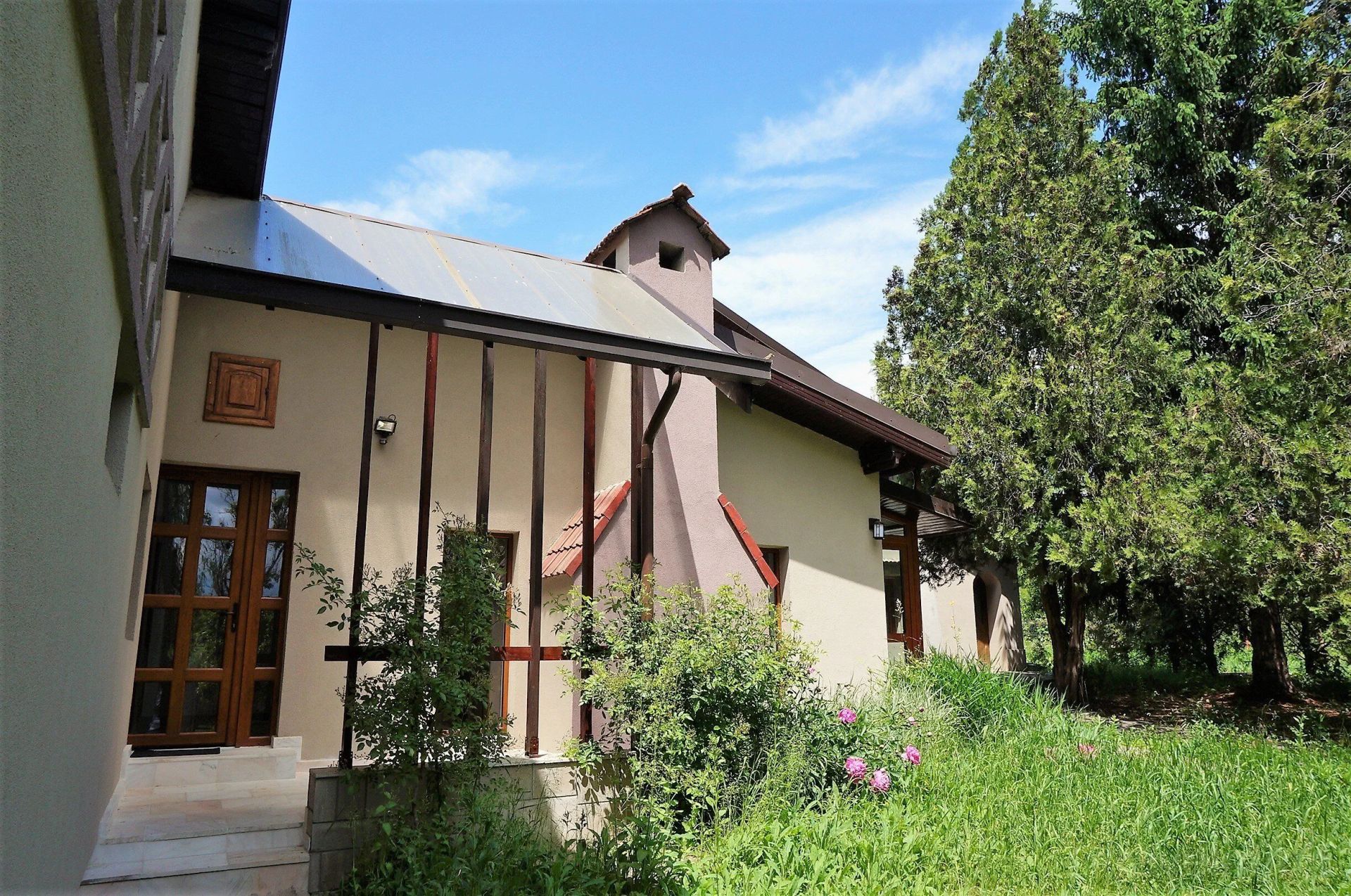
Casa Galand Pârscov
Înconjurată de brazi la poalele munților Buzăului, pe șoseaua principală din localitatea Pârscov, Casa Galand vă primește într-un cadru natural deosebit. Proprietatea se întinde pe două hectare, incluzând o vie și o livadă, și oferă o curte mare cu grădină amenajată, foișor și grătar pentru momente petrecute în aer liber. Vă stau la dispoziție și un ceaun pentru gătit, un loc de joacă pentru copii la exterior, o masă de biliard și un ciubăr din lemn tradițional. Parcare privată gratuită, Wi-Fi gratuit, fier de călcat și stație de încărcare pentru vehicule electrice completează dotările, iar accesul este asigurat și pentru persoanele cu dizabilități. Cazarea se realizează în camere cu grup sanitar propriu sau în camere stil apartament cu două camere decomandate și intrare separată, ideale pentru familii sau grupuri mici. De asemenea, aveți la dispoziție sală de mese și sală de conferințe. În apropiere puteți vizita Rezervația naturală Vulcanii noroioși, Biserica Sfântul Dimitrie a fostei Mănăstiri Bradu, Castrul roman Pietroasele, Catedrala Episcopală Adormirea Maicii Domnului din Buzău și Muzeul Județean Buzău. Este o alegere potrivită pentru familii, grupuri de prieteni sau participanți la evenimente care doresc să exploreze zona Buzăului într-un cadru liniștit.
FROM
240 lei per night

Cabin · 4 stars
Măgura, Buzău County · 13.8 km
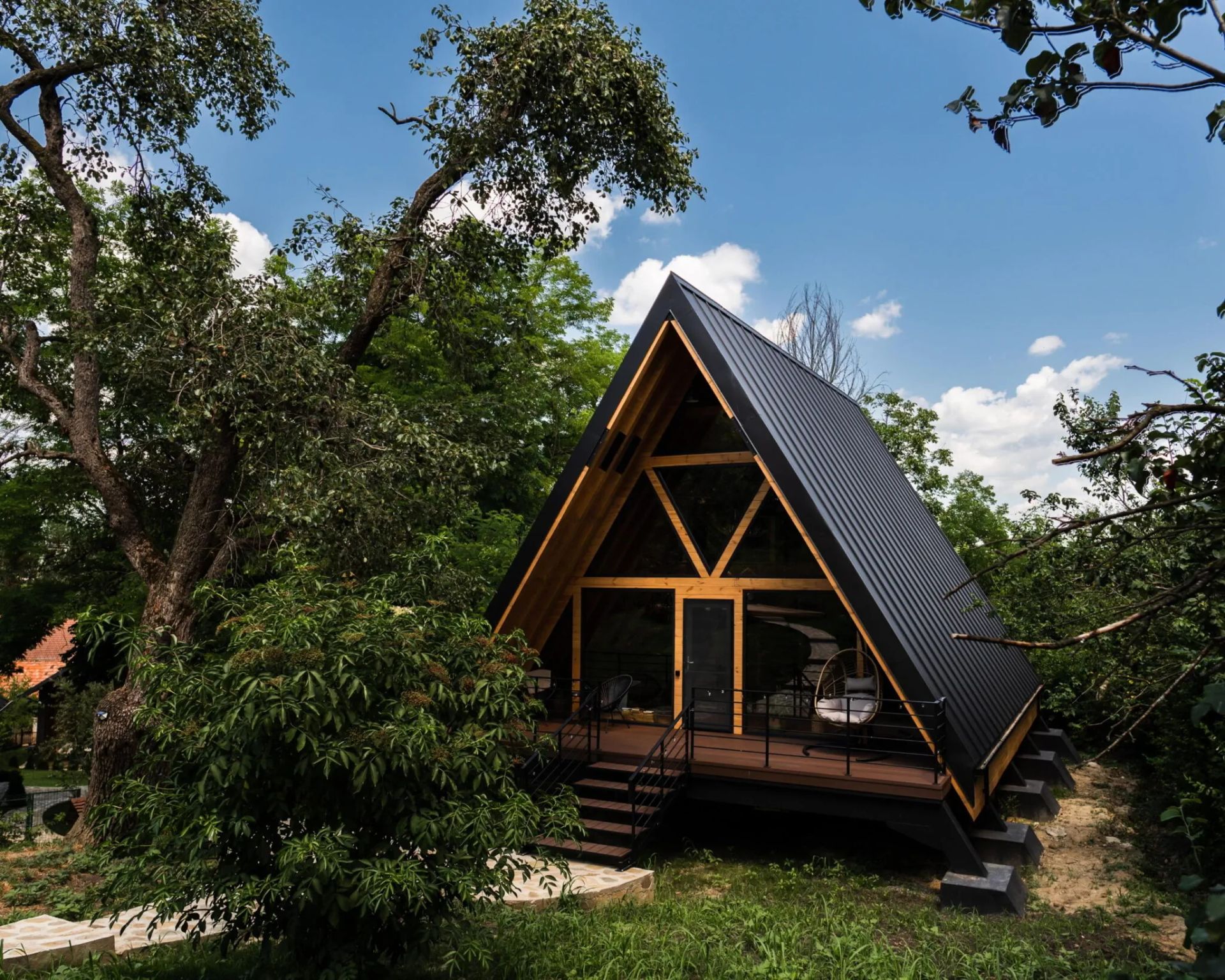
Cabana Cervus Măgura
Comfort, relaxation and stunning views, all just steps away from the main attractions.
FROM
380 lei per night
Apartment · 3 stars
Măgura, Buzău County · 13.9 km
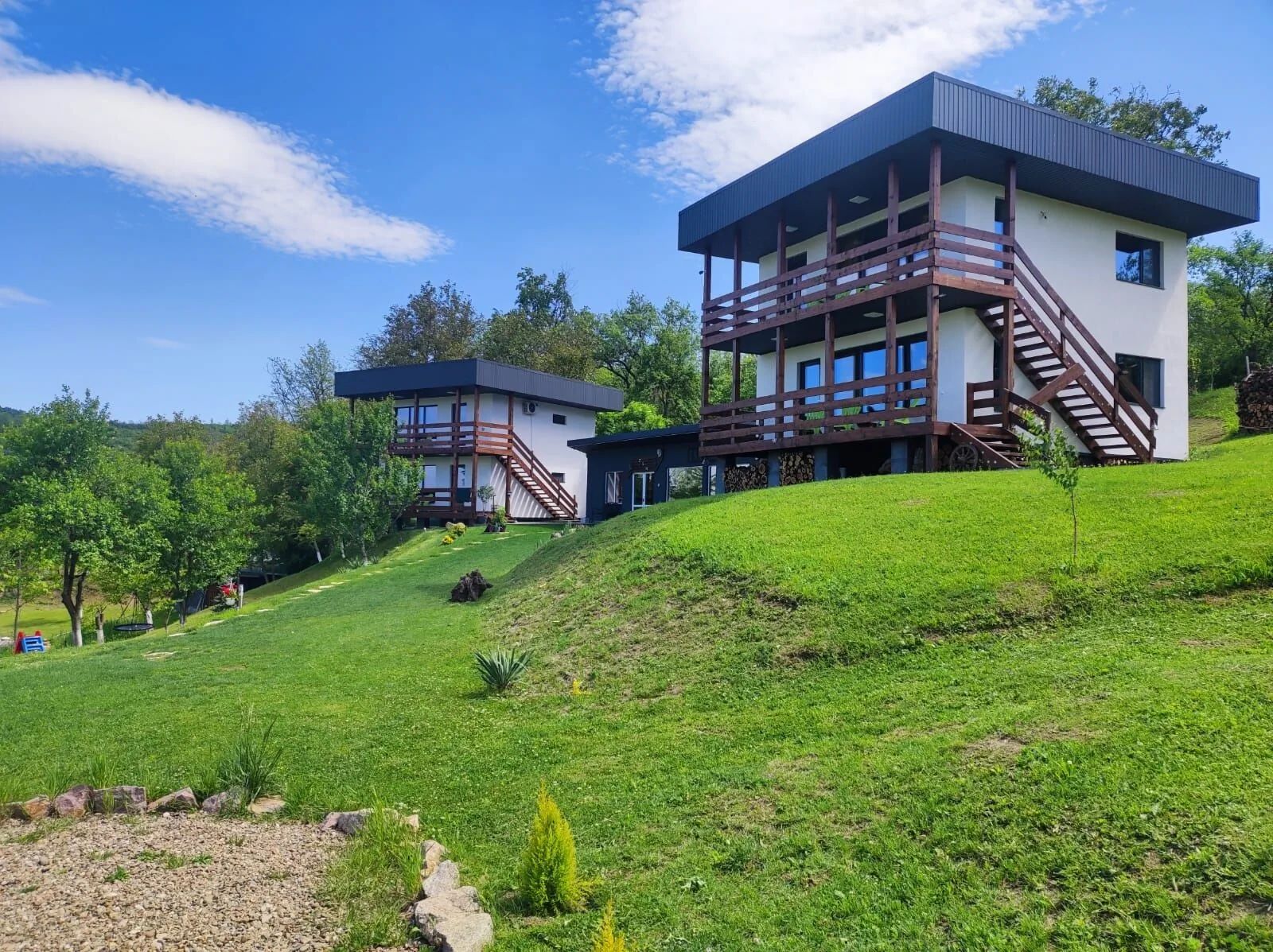
ZEN Apartments Măgura
ZEN Apartments Măgura este un apartament de închiriat clasificat cu trei stele, situat în localitatea Măgura din județul Buzău. Proprietatea pune la dispoziția dumneavoastră patru apartamente dotate cu bun gust, într-un cadru liniștit și primitor. Curtea mare și grădina amenajată oferă spațiu generos pentru relaxare, iar foisorul, grătarul și vatra de foc în aer liber sunt perfecte pentru seri petrecute în aer liber. Ceaunul pentru gătit vă permite să preparați mese gustoase direct în natură. Aveți la dispoziție Wi-Fi gratuit, parcare privată gratuită și parcare pentru biciclete, iar fierul de călcat asigură confortul dumneavoastră zilnic. Pentru iubitorii de mișcare și natură, unitatea oferă posibilitatea de a practica pescuitul, tenisul de masă, precum și drumeții montane și trasee în natură în împrejurimi. În apropiere puteți descoperi Rezervația naturală Vulcanii noroioși, Biserica Sfântul Dimitrie a fostei Mănăstiri Bradu, Castrul roman Pietroasele, Catedrala Episcopală Adormirea Maicii Domnului din Buzău și Muzeul Județean Buzău. Seara, după o zi de explorare, vă puteți retrage în curte pentru a vă bucura de liniștea grădinii și de atmosfera unui foc de tabără.
FROM
230 lei per night
Cabin · 3 stars
Ciuta, Buzău County · 15.2 km
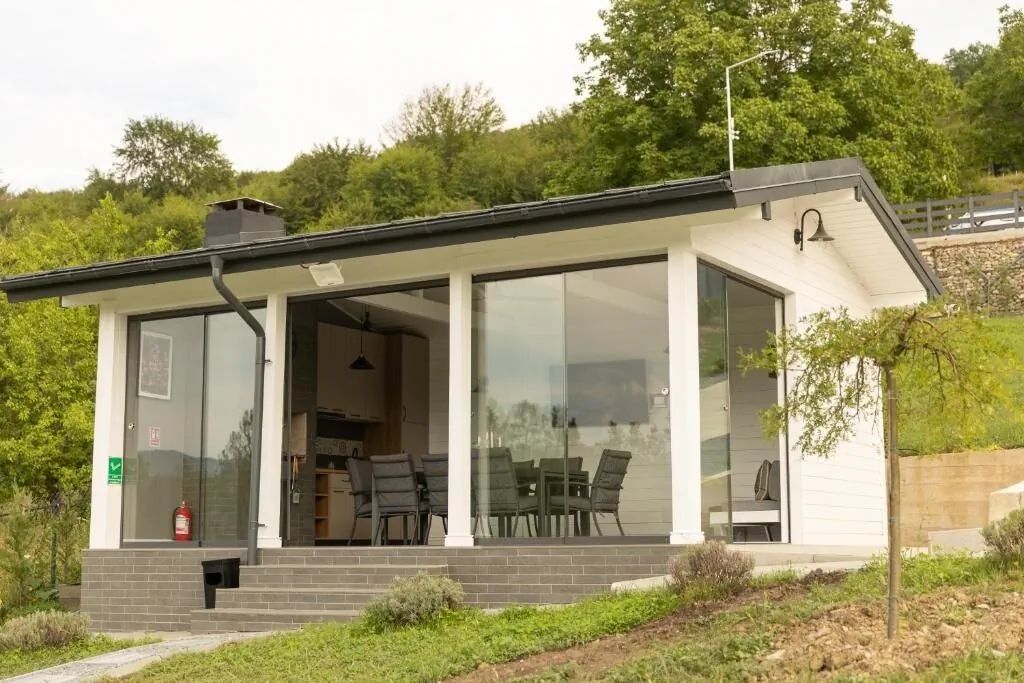
Cabana Rai Land Măgura
Într-o curte cu grădină și terasă, la strada Bradul 6B din Ciuta, Cabana Rai Land Măgura oferă două unități de cazare într-un cadru liniștit și primitor. Această cabană clasică de trei stele din județul Buzău pune la dispoziția dumneavoastră spații amenajate cu grijă pentru un sejur confortabil și relaxant. Fiecare unitate beneficiază de baie proprie, televizor cu ecran plat și bucătărie complet utilată, iar accesul la internet WiFi gratuit și climatizare asigură confortul necesar în orice sezon. De asemenea, aveți la dispoziție o grădină cu terasă unde puteți savura aerul curat al zonei, iar parcarea privată gratuită vă permite să lăsați mașina în siguranță pe toată durata șederii dumneavoastră. În apropiere puteți explora Rezervația naturală Vulcanii noroioși, puteți vizita Biserica Sfântul Dimitrie a fostei Mănăstiri Bradu sau Castrul roman Pietroasele. De asemenea, în orașul Buzău se află Catedrala Episcopală Adormirea Maicii Domnului și Muzeul Județean Buzău, oferind numeroase posibilități de a descoperi istoria și tradițiile zonei. Cabana Rai Land Măgura este potrivită pentru călătorii care doresc să combine relaxarea într-un mediu natural cu vizitarea monumentelor istorice și a rezervațiilor naturale din județul Buzău.
FROM
270 lei per night
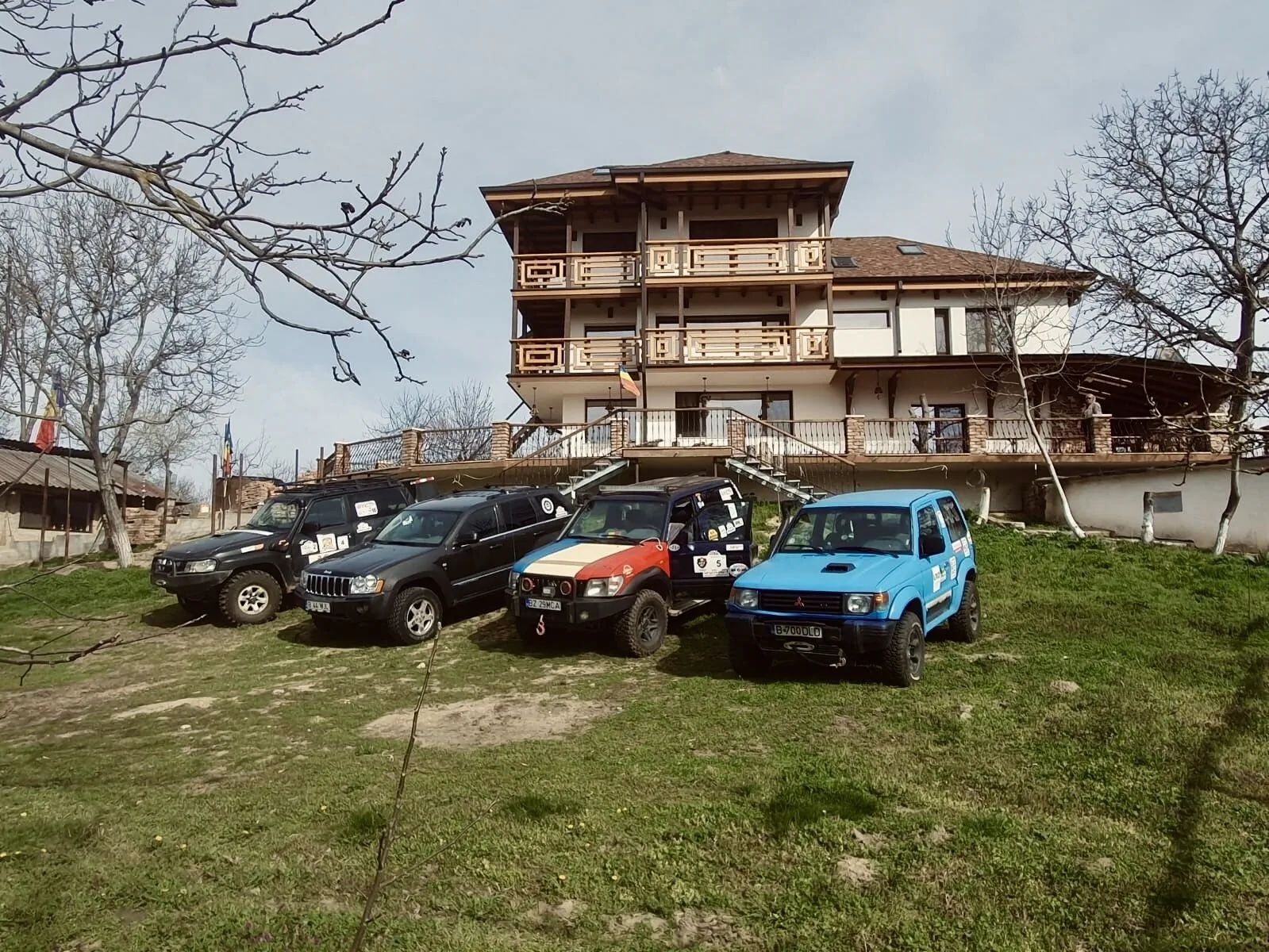
Guesthouse · 3 stars
Nișcov, Buzău County · 15.3 km
Pensiunea Domeniul Mortasifu Nișcov
O zi petrecută aici poate începe cu micul dejun servit în restaurantul din incintă și se poate încheia cu o relaxare în ciubărul din lemn tradițional, iar Pensiunea Domeniul Mortasifu Nișcov din Nișcov vă pune la dispoziție toate condițiile pentru astfel de clipe liniștite și pline de prospețime. Unitatea dispune de nouă camere modern mobilate, fiecare pregătită pentru odihnă confortabilă după o zi de explorare. Vă puteți bucura de Wi-Fi gratuit în întreaga proprietate și de parcare privată gratuită, astfel încât șederea dumneavoastră să fie lipsită de griji logistice. Curtea mare și grădina amenajată oferă spațiu generos pentru plimbări de dimineață sau seri răcoroase, iar cei mici se pot distra în siguranță la locul de joacă de la exterior. Pentru familiile cu copii mici, sunt disponibile și scaune înalte în restaurant. În apropiere puteți vizita Rezervația naturală Vulcanii noroioși, Catedrala Episcopală Adormirea Maicii Domnului din Buzău, Muzeul Județean Buzău, Catedrala Ortodoxă Municipală Sfântul Sava din Buzău sau Biserica Sfântul Dimitrie a fostei Mănăstiri Bradu, descoperind astfel bogăția culturală și naturală a zonei Buzăului. Seara, după o zi plină de explorări în împrejurimi, vă puteți retrage în curtea liniștită a pensiunii pentru a vă bucura de aerul curat și de atmosfera specifică satului.
FROM
240 lei per night
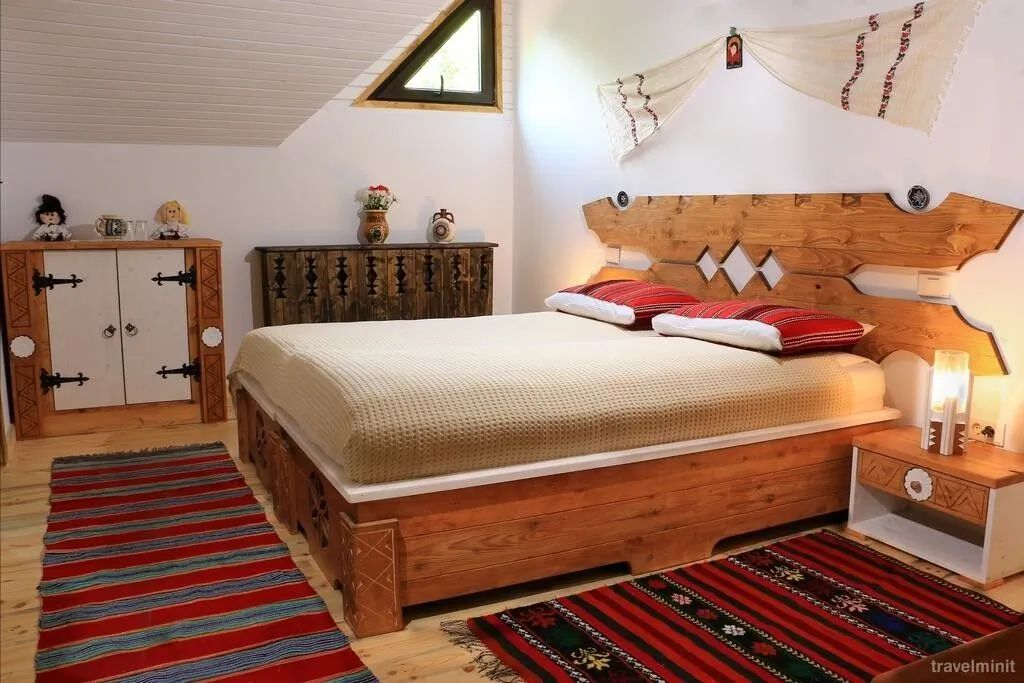
Guesthouse · 3 stars
Izvoranu, Buzău County · 16.8 km
Cabana Izvoranu Izvoranu
Cabana Izvoranu Izvoranu este o pensiune turistică de trei stele situată în localitatea Izvoranu din județul Buzău, într-un cadru natural liniștit. Unitatea oferă 16 camere confortabile și plăcut amenajate, unele dintre acestea fiind echipate cu aer condiționat pentru confortul dumneavoastră pe tot parcursul sejurului. Familiile cu bebeluși au la dispoziție pătuțuri speciale, iar cei mici se pot juca în siguranță în locul de joacă amenajat în aer liber. Beneficiați de Wi-Fi gratuit în întreaga incintă și de parcare privată gratuită, astfel încât mașina dumneavoastră rămâne în siguranță pe toată durata șederii. În curtea mare și grădina amenajată puteți petrece momente de relaxare departe de zgomot, iar la restaurantul din incintă puteți servi diverse preparate culinare tradiționale preparate cu grijă. În apropiere puteți descoperi Rezervația naturală Vulcanii noroioși, Biserica Sfântul Dimitrie a fostei Mănăstiri Bradu, Castrul roman Pietroasele, Catedrala Episcopală Adormirea Maicii Domnului din Buzău și Muzeul Județean Buzău, toate reprezentând puncte de interes pentru dumneavoastră. Seara, după o zi de explorare a obiectivelor turistice din zonă, vă puteți bucura de liniștea și aerul proaspăt al grădinii amenajate.
FROM
240 lei per night
BEFORE YOU HIT THE ROAD
Weather conditions in Buzau
Local forecast for The Mud Volcanoes Natural Reserve, Buzau, Buzău

Real-time updated weather data
Much more to explore in this area
Nearby tourist attractions


42.7 km
43.9 km
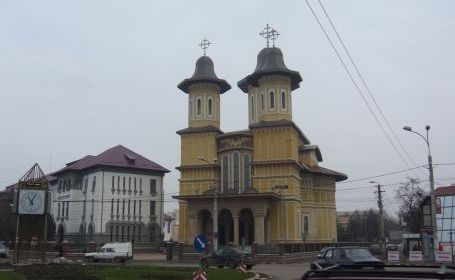

Buzau, Buzău County
Dormition of the Mother of God Episcopal Cathedral in Buzău
Situata pe Aleea Episcopiei nr. 2, Buzau; ctitorita de catre Matei Basarab in anul 1649;poarta hramul "Adormirea Maicii Domnului";a trecut prin numeroase...
23.5 km
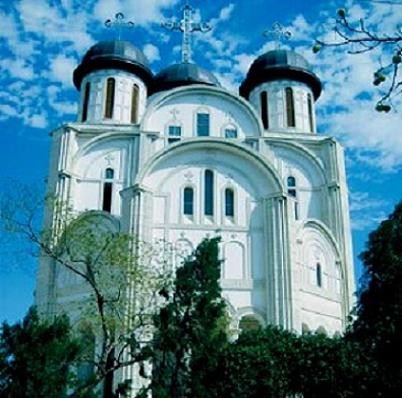
Buzau, Buzău County
Saint Sava Orthodox Cathedral
Situata pe strada Unirii nr. 186, Buzau; piatra de temelie a fost pusa in 1991;i se mai spune si "Mireasa orasului"; poarta hramul "Sfantul Sava" (12 aprilie);...
23.4 km
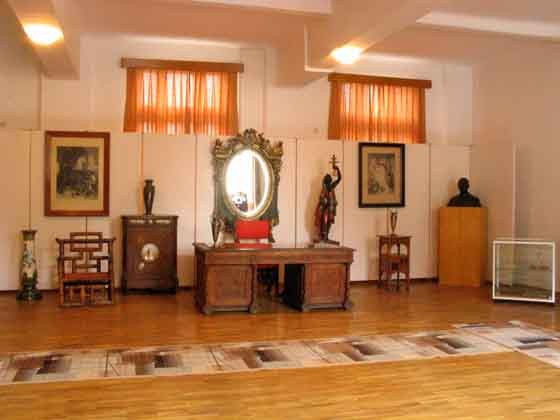
Buzau, Buzău County
Buzău County Museum
Situat pe strada Nicolae Balcescu nr.50, Buzau; incepand cu data de 3 mai 2010, ca urmare a inceperii lucrarilor de reabilitare a cladirii, monument istoric,...
23.8 km
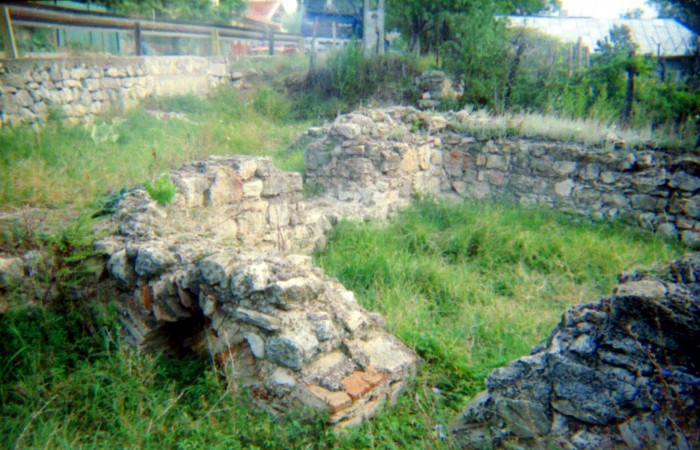
Pietroasele, Buzău County
Pietroasele Roman Fort
Situat in comuna Pietroasele, la 25 km de municipiul Buzau; urmele de locuire de pe teritorul comunei se intind in timp pana in neo-eneolitic, fiind astfel...
30.3 km
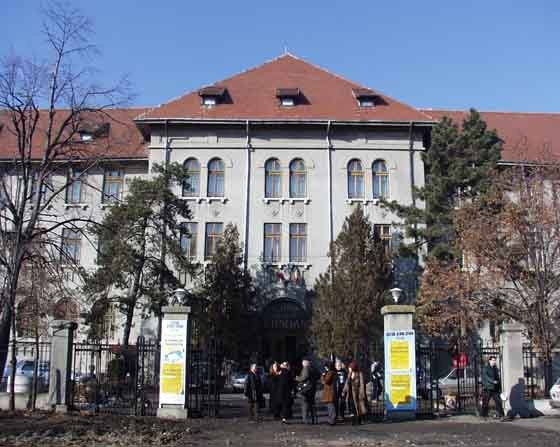
Buzau, Buzău County
Clădirea Muzeului Județean Buzău
Situata pe strada Nicolae Balcescu nr.50, municipiul Buzau; construita intre 1928-1937; de-a lungul timpului, a gazduit Scoala Normala de fete (pana in 1949),...
23.8 km
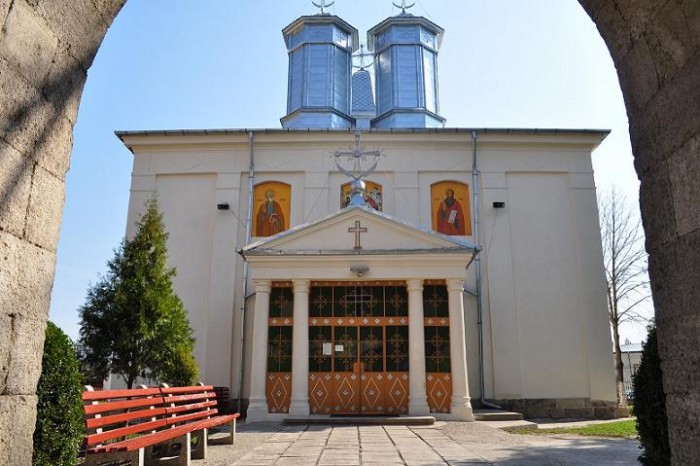
Buzau, Buzău County
Biserica Greci (Biserica Negustori) din Buzău
Situata pe strada Clementei nr. 20, Buzau; dateaza din 1585; poarta hramul "Nasterea Maicii Domnului"; a fost una dintre cele mai bogate biserici din oras,...
24.0 km
Buzau, Buzău County
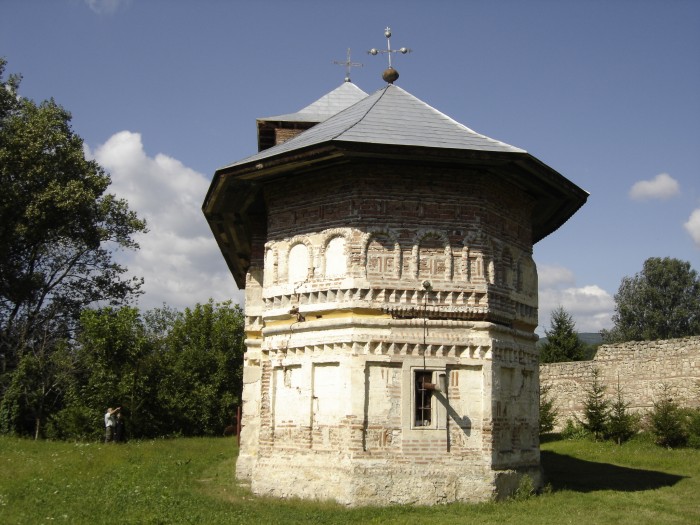
Biserica Sfântul Dimitrie a fostei Mănăstiri Bradu
Situata pe raza satului Hales, comuna Tisau, pe malul stang al paraului Niscov; contruita in anul 1634 si pictata intre 1640-1641, apartine fostei manastiri-cet...
17.2 km
Buzau, Buzău County
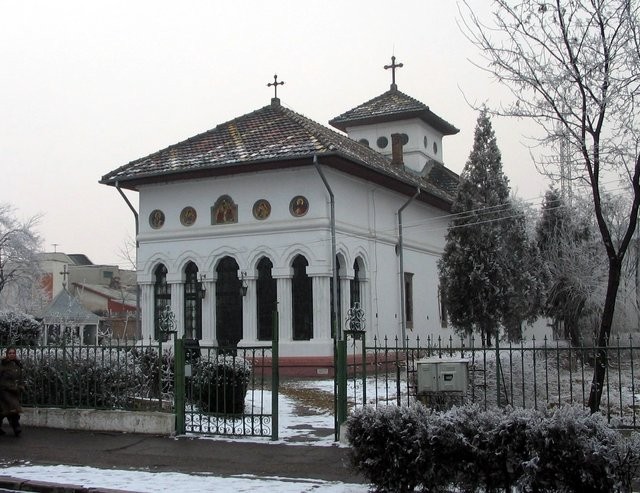
Biserica Banu (Banului) din Buzău
Biserica Banu este situata pe strada Bistritei nr. 52, Buzau; poarta hramul "Buna Vestire"; mentionata in documente ca datand din anul 1571; la inceput a fost...
24.4 km

Buzau, Buzău County
Biserica Sfinții Îngeri din Buzău
Situata pe strada Ostrovului nr. 10, Buzau; poarta hramul "Sfintii Ingeri"; a fost construita in preajma anului 1619; intrucat in acea vreme Codrii Vlasiei,...
23.7 km
Dragosloveni, Vrancea County
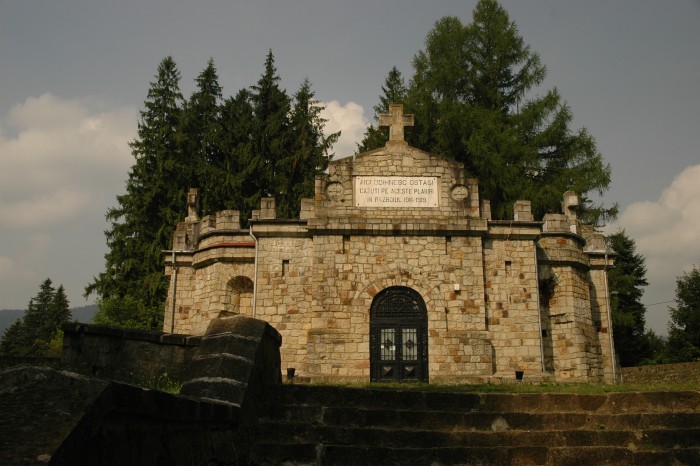
Mausoleul Eroilor Șoveja
Situat in satul Dragosloveni, comuna Soveja, judetul Vrancea; constructia sa a inceput in anul 1922, dupa proiectul unui arhitect italian, din fonduri adunate...
37.4 km
Cultural life and traditions
Events in the The Mud Volcanoes Natural Reserve area
Medieval festivals, traditional fairs, concerts and local activities recommended in Muntenia (Wallachia).

History and Royal Architecture

Buzau, County of Buzău
Days of Royalty and Heritage in the Prahova Valley
Historical conferences open to the public, themed tours of royal architecture, documentary screenings and exhibitions of vintage photographs.
WHEN
May 10-12, 2026


Gastronomy and Oenology
Dealu Mare, County of Buzău
The Prahova Wine Festival on the Wine Route
Guided tastings of Fetească Neagră along the famous Wine Route, visits to historic wineries, and meetings with leading winemakers.
WHEN
Every weekend (September - October)
Hiking and Adventure
Bucegi Mountains, Buzău County
Guided Mountain Tour in the Bucegi Mountains
Guided mountain tours led by mountain rescue personnel to iconic panoramic viewpoints and spectacular alpine waterfalls.
WHEN
Daily during the season (June - October)
On foot, exploration gains depth
Discover the surroundings and local geography
Explore the trails, terrain, and natural landmarks around The Mud Volcanoes Natural Reserve.

Guides and practical tips
Useful travel articles
Travel guides, practical recommendations and tourist itineraries for Muntenia (Wallachia).

Tourist guide
Top 5 Atracții Turistice și Trasee Montane în Zona Moieciu - Bran
Descoperă cele mai spectaculoase peisaje carstice, chei adânci și cetăți medievale din imediata apropiere a stațiunii Moieciu.

Tourist guide
Ghid de Drumeție: Traseul Moieciu de Sus spre Platoul Bucegi
Un itinerariu montan de o frumusețe rară ce urcă din Valea Băngăleasa spre Poiana Guțanu și crestele maiestuoase ale Bucegilor.

Tourist guide
Castelul Bran: Istorie, Legende și Secrete Medievale
Află adevărata poveste a fortăreței medievale din Pasul Bran, reședința de suflet a Reginei Maria a României.
THE JOURNEY STARTS WITH AN IDEA
The next story is on the way.
From the first stop to the last stay, make room for a new Romania.
