


NATURE AND WILDLIFE · DOBRUJA
Danube Delta and Letea Forest

Tulcea, Tulcea County
Add location to your trip planner.
Practical access information

VISITING HOURS
Check the local visiting schedule

TICKET PRICE
Information available at the cashier's desk

RECOMMENDED VISIT DURATION
1-2 hours
Visitor information and guide
 Navigate with Google Maps

ABOUT DANUBE DELTA AND LETEA FOREST
Captivating Introduction and Universal Value
Where the old Danube, after a journey of 2,860 kilometers through ten European nations and four capitals — Vienna, Bratislava, Budapest, and Belgrade — finally finds its peace, its waters spread into an endless fan of channels, lakes, reed beds, and floating forests, giving birth to the youngest land in Europe: the Danube Delta. This realm, inscribed on the UNESCO World Natural Heritage List in 1991, declared a Biosphere Reserve under the "Man and the Biosphere" Programme since 1990, and recognized as a wetland of international importance through the Ramsar Convention, represents not only the largest and best-preserved delta in Europe — the second largest on the continent after the colossal Volga Delta in Russia — but also a true living museum of biodiversity, a sanctuary where time seems to have forgotten to flow with the haste of the modern world.
Stretching over approximately 4,340 square kilometers on Romanian territory and another 710 square kilometers in Ukraine, with a total area of over 5,000 square kilometers including the Razim-Sinoe lagoon complex, the Danube Delta is the wettest and lowest place in all of Europe, with an average altitude of only 31 centimeters above the Black Sea level and with 21% of its surface lying below this level. Here, the Danube advances ceaselessly into the sea, gaining approximately four meters of new land annually, a fresh soil loaded with alluvium, which nature slowly conquers, transforming it into a labyrinth of 1,830 species of plants, over 2,440 species of insects, 320 species of birds, and 44 species of mammals. All known aquatic plant species in Europe are found in this unique habitat, and migratory birds, coming from Siberia, from the Nordic countries, or from Africa, find here a vital stopover on their transcontinental routes.
In the heart of this aquatic universe, on the Letea sandbank, hides the Letea Forest — the oldest nature reserve in Romania, protected since 1930 and declared a nature reserve in 1938, a unique subtropical deciduous forest in Europe, where sand dunes intertwine with centuries-old oaks, Mediterranean lianas, and herds of wild horses. Together, the Danube Delta and Letea Forest form one of the most spectacular and best-preserved natural ecosystems on the continent, a heritage not only of Romania but of all Europe, a place where the history of empires meets the tranquility of untouched nature.
Historical Roots and Major European Connections
Antiquity: Rome and Byzantium at the Mouths of the Danube
The story of the Danube Delta begins long before the first stone of modern Europe was laid. As early as the 5th century BC, Herodotus of Halicarnassus described the mouths of the river Ister — the Greek name for the Danube — as a mysterious realm, surrounded by waters and unknown peoples. Later, the Roman historian Tacitus mentioned in "Germania" a seventh mouth of the Danube, which, unlike the six more southerly ones, did not reach the sea but was lost in marshes, while the geographer Claudius Ptolemy calculated with mathematical precision the point where the northern branch split into two distributaries. These ancient accounts place the Delta in a broader European context: the Danubian limes of the Roman Empire, stretching from the Black Sea to Bavaria, was the backbone of a civilization that, for centuries, defended Europe from invasions from the east.
After the Roman withdrawal, the region of Dobrogea — in which the Delta is also located — entered the orbit of the Byzantine Empire, becoming part of the province of Scythia Minor and, later, of the theme of Paristrion. The Byzantine emperor Constantine Porphyrogenitus, in his treatise "De Administrando Imperio" from the 10th century, mentioned for the first time the name Selinas — a river mouth that corresponds today to the Sulina branch, called in antiquity Pseudostoma. Byzantium maintained fortifications here and controlled, as far as its forces allowed, navigation on the Lower Danube, in a period when Constantinople was the center of the Christian world. These connections with the Byzantine Empire left deep traces in toponymy, in the architecture of the fortresses on the riverbank, and in the collective memory of the inhabitants.
The Genoese and Mediterranean Trade
In the 14th-15th centuries, when Byzantine power was weakening, Italian merchants — especially the Genoese — took control of Black Sea trade. They established important trading posts at Chilia and at Licostomo, near the present-day Sulina mouth, trading in grain, fish, salt, and other goods. Their presence transformed the Delta into a Mediterranean commercial hub, connecting Northern Europe with the East, in a period when the Black Sea trade routes were essential for the European economy. The connection with the Italian world, especially with Venice and Genoa, brought architectural and commercial influences to the region that are still felt today in the structure of fishing villages and in the way of life of delta communities.
The Ottoman Empire and Turkish "hasmaci"
In 1484, Sultan Bayezid II conquered the fortress of Chilia, and all of Dobrogea, including the Danube Delta, came under the rule of the Ottoman Empire for almost four and a half centuries. The Ottoman period was marked both by military conflicts — frequent Russo-Turkish wars — and by an administration that left visible traces in local culture. An eloquent example is the term "hasmac" or "hasmaci", used by locals to designate the strips of forest that develop in the depressions between the sand dunes on the Letea and Caraorman banks. This word comes from the Turkish language, being a linguistic heritage of the centuries of Ottoman administration, when Dobrogea was a pashalik on the periphery of the empire.
In the 18th century, to ensure the connection between the Ottoman capital and the mouths of the Danube, the grand vizier Beșir Aga built in Sulina, in 1802, a first lighthouse on the right bank of the river, and in 1745 established a lighthouse administration service. These constructions mark the beginning of an era in which the Delta began to be integrated into the European navigation network, albeit in a peripheral way and subject to the interests of a single imperial power.
The Russian Empire and the Crimean War
The 19th century brought dramatic changes. After the Russo-Turkish war of 1812, the Russian Empire annexed Bessarabia and the northern branch of the Danube, Chilia, thus becoming a direct neighbor of the Delta. The successive Russo-Turkish wars — concluded by the treaties of Bucharest (1812), Adrianople (1829), and, later, Paris (1856) — transformed Dobrogea and the Delta into a theater of military operations, but also into a sensitive border zone between two great empires. The Crimean War (1853-1856), concluded by the Treaty of Paris of March 30, 1856, had direct and revolutionary consequences for the Danube Delta.
The Treaty of Paris (1856) and the European Danube Commission — "Europolis"
The turning point in the modern history of the Delta was the Treaty of Paris of 1856, which ended the Crimean War and created the European Danube Commission (EDC), with its initial headquarters in Galați and, later, in Sulina. This institution, formed by representatives of Great Britain, France, Austria (later Austria-Hungary), Prussia (Germany), Russia, Italy (Sardinia/Piedmont), and the Ottoman Empire, was one of the first international organizations in European history — a precursor of the idea of European cooperation that would lead, a century later, to the creation of the European Union. The EDC had broad powers over navigation, drainage, maintenance, and legal supervision of the Danube mouths, being tasked with ensuring free circulation on the river and free access to the Black Sea.
Under EDC administration, Sulina — a simple fishing village — transformed into a cosmopolitan city, a true "Europolis", as the writer Jean Bart called it. In its period of glory, between 1856 and the beginning of the 20th century, Sulina hosted between 24 and 32 nationalities, seven consulates, 22 religious communities — Orthodox, Catholics, Anglicans, Lipovans, Greeks, Armenians, Muslims, Jews — and a free port, free of taxes and duties. French was the first official language, and the lifestyle was eminently European, comparable to that of the great Mediterranean ports. The Palace of the European Danube Commission, built in neoclassical style in the 1860s, and the EDC Lighthouse, erected between 1869-1870 by British engineers such as Sir Charles Hartley — nicknamed the "Father of the Danube" — under whose supervision the Sulina branch was dredged and made navigable for seagoing vessels, are monuments that still remind us today of this golden age of European cosmopolitanism.
The cemetery in Sulina, laid out by the EDC in 1864, is unique in Europe: here rest citizens belonging to 21 nationalities and six religious confessions, divided into Catholic, Orthodox, Protestant, Muslim (created in 1871), Jewish, and Lipovan sections. This "maritime cemetery", also nicknamed a small Romanian Père-Lachaise, is a silent witness to the cultural diversity that characterized Sulina in the EDC era, a place where the borders between nations and religions dissolved in the face of the universality of death.
The British engineer Sir Charles Hartley, the "Father of the Danube", was the man who designed and supervised the works to regulate the Sulina branch, transforming it into the main navigation route to the Black Sea. His bust still stands in Sulina today, next to the EDC Palace, reminding us of the British contribution to the development of European river infrastructure. The old lighthouse in Sulina, with a height of 17.34 meters and a truncated cone shape, today houses a museum that presents the history of the EDC, but also the study of the writer Jean Bart (Eugeniu P. Botez, 1877-1933), maritime commissioner, port captain, and author of the novel "Europolis", who immortalized this vanished cosmopolitan world.
The Lipovan Russians — Exiles of the Old Faith
A special chapter in the cultural history of the Delta is represented by the Lipovan Russian community — Old Believers (staroveri) persecuted in Russia after the religious reform of Patriarch Nikon in 1667. They began to arrive in Dobrogea and the Danube Delta as early as the 18th century, seeking religious freedom and a place where they could preserve their traditions. The Lipovan villages — such as Mila 23, Sarichioi, Jurilovca, or Sfântu Gheorghe — have preserved to this day a distinct culture, with Old Rite churches, traditional wooden architecture, specific dress, and customs that recall 17th-18th century Russia. This Russian presence in the Danube Delta is a cultural bridge between Eastern and Western Europe, a living example of religious tolerance and the survival of an identity in a multiethnic environment.
European Naturalists and the First Conservation Measures
At the end of the 19th century and the beginning of the 20th century, the Danube Delta attracted the attention of European naturalists and geographers. The French geographer Élisée Reclus, in his geography treatise and ethnographic map of Dobrogea published in 1876, showed that the population of the Delta was predominantly Romanian, contributing to the identity awareness of this space in a European context. The Romanian naturalist Grigore Antipa, a disciple of Ernst Haeckel (inventor of the term "ecology"), laid the foundations for the rational management of natural resources in wetland areas as early as 1898, with the support of King Carol I. Antipa developed a management system that aimed to facilitate navigation, increase fish production, and reduce the mosquito population, without disturbing ecological balances — a visionary approach for the era, which influenced conservation policies throughout Europe.
After 1944 and especially after 1989, European and international awareness of the Delta's value grew exponentially. In 1990, the Danube Delta was declared a Biosphere Reserve under the UNESCO "Man and the Biosphere" Programme, and in 1991 it was inscribed on the UNESCO World Natural Heritage List and on the Ramsar Convention list of wetlands of international importance. In 2000, the reserve received the European Diploma of Protected Areas, and in 2007 it was included in the European Union's Natura 2000 network. These recognitions place the Danube Delta and Letea Forest among the most protected and valuable natural sites in Europe, alongside the Volga Delta, the Rhine Delta, the Po Delta, or Doñana National Park in Spain.
Natural Masterpiece and Artistic Heritage
Anatomy of a Living Delta
The Danube Delta is a living organism, in constant transformation, an aquatic labyrinth that stretches between the three main branches of the river: Chilia, to the north, which forms the border with Ukraine and carries 60% of the Danube's flow; Sulina, the central, straight branch, permanently dredged and maintained for maritime navigation, which carries 18% of the waters; and Sfântu Gheorghe, the oldest and wildest, oriented to the southeast, which carries 22% of the flow. At Ceatalul Ismail (today in Ukraine), the Danube splits into the Chilia and Tulcea branches, and after approximately 17 kilometers, the Tulcea branch splits in turn into Sulina and Sfântu Gheorghe, at Ceatalul Sfântul Gheorghe — in Turkish Çatal Çedırlez.
Between these branches unfolds a complex universe of banks (raised sandy islets, such as Chilia, Letea, Caraorman, Saraturile), marshes, ghiols (deep ponds), canals (Dranov, Dunăvăț, Caraorman, Litcov), gârle (Sontea, Papadia, Litcov), and lakes (Merhei, Mățița, Gorgova, Fortuna, Roșu, Puiu). The Delta advances constantly into the Black Sea, gaining approximately 40 square meters of new land each year in the area of the river mouths, a geological process that has continued for approximately 10,000 years, since the sea level stabilized after the last glaciation.
Biodiversity — A European Treasure
The Danube Delta harbors the greatest biodiversity in Europe. Here live 1,830 species of trees and plants, over 2,440 species of insects, 11 species of reptiles, 91 species of mollusks, 133-150 species of fish, 320 species of birds, and 44-54 species of mammals. The vegetation is dominated by extensive reed beds and sedges, by aquatic plants such as water lilies (Nymphaea alba and Nuphar lutea), by willows, poplars, and other floodplain species. All known aquatic plant species in Europe are found in this habitat, and 30 habitats are protected at European level through the Habitats Directive (92/43/EEC), of which 8 are strictly protected.
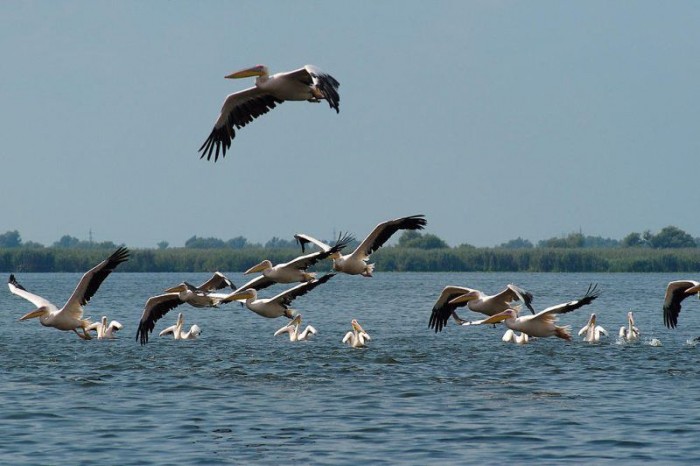
The bird world is particularly impressive. The Delta hosts the largest colonies of pelicans in Europe — both the great white pelican (Pelecanus onocrotalus), with a wingspan of up to 3.3 meters, and the Dalmatian pelican (Pelecanus crispus), an emblematic species of the Delta, with its characteristic curly plumage. Alongside them, one encounters egrets, herons, cormorants, spoonbills (Platalea leucorodia), white and black storks, cranes, swans, wild geese, ducks, red-breasted geese (Branta ruficollis) — a rare species that winters almost exclusively in the Danube Delta and on the southern coast of the Black Sea — and the white-tailed eagle (Haliaeetus albicilla), whose wingspan reaches 2.5 meters. The Delta is located at the intersection of several major migration routes, being a vital stopover point for birds traveling between Europe, Asia, and Africa.
The fish fauna is equally remarkable, the Delta being an important refuge for sturgeons — prehistoric fish, "living fossils" that date back over 200 million years. Here live six species of sturgeons: the beluga (Huso huso), the largest freshwater fish in the world, which can exceed 6 meters and 1,000 kg; the Russian sturgeon (Acipenser gueldenstaedtii); the starry sturgeon (Acipenser stellatus); the sterlet (Acipenser ruthenus); the Atlantic sturgeon (Acipenser sturio); and the ship sturgeon. These giants, famous for producing caviar — the black roe so prized in European luxury gastronomy, from the royal courts of France and Russia to the great restaurants of London and Vienna — are today strictly protected species, symbols of the fight for biodiversity conservation.
Among mammals are the European otter (Lutra lutra), the European mink (Mustela lutreola), the muskrat (Ondatra zibethicus), the stoat (Mustela erminea), the raccoon dog (Nyctereutes procyonoides), the wild boar, the fox, the wildcat, the beaver, and bats. The Delta is also an important refuge for rare reptiles such as the slow worm (Anguis fragilis), the sand lizard (Eremias arguta), and the Orsini's viper (Vipera ursinii renardi).
The Protection System — A European Model
The Danube Delta is divided into a complex system of protection zones, a management model inspired by the best European and international practices. In total, there are 18 integral protection zones, of which 15 in Tulcea County: Roșca-Buhaiova (9,625 ha) — the largest colony of great white pelicans in Europe; Letea Forest (2,825 ha); Lake Răducu (2,500 ha); Lake Nebunu (115 ha); Vatafu-Lungulet (1,625 ha); Caraorman Forest (2,250 ha); Erenciuc Alder Grove (50 ha); Popina Island (98 ha) — a unique volcanic cone in Europe, a geological reserve; Sacalin-Zătoane (21,410 ha) — a complex of islands and banks almost inaccessible, a true sanctuary of nature; Periteasca-Leahova (4,125 ha); Cape Doloșman (125 ha); Round Lake (228 ha); Lake Potcoava (652 ha); and Lake Belciug (110 ha). The total area of strictly protected zones and buffer zones is 273,900 hectares, representing one of the most extensive systems of protected areas in the European Union.
Letea Forest — Europe's "Jungle" on Sand
In the northern heart of the Delta, on the Letea bank — a sand island formed from the Danube's alluvium and from the aeolian deposits left behind by the retreat of the Black Sea — lies Letea Forest, the oldest nature reserve in Romania and a unique natural monument in Europe. Protected since 1930, when approximately half of its surface was placed under protection, and declared a nature reserve in 1938, when 500 hectares in the area known as "Hasmacul Mare" received protected status, Letea Forest today stretches over approximately 2,825 hectares in the strictly protected zone, part of a total area of over 5,000 hectares.
What makes Letea Forest absolutely unique in Europe is the bizarre and fascinating combination of sand dunes — which reach heights of 3 to 12.4 meters and give the impression of a North African or Arab landscape — and subtropical deciduous forest vegetation, the only one of its kind on the continent. The forest developed in the form of wide strips, called by locals "hasmaci" — a term inherited from the Ottoman period — in the depressions between the dunes, where the sandy soil retains enough moisture to sustain life.
The arboretum is dominated by the pedunculate oak (Quercus robur) and the Hungarian oak (Quercus pedunculiflora), some of these being 400-700 years old, with knotty and twisted trunks, diameters of up to 150 cm, and heights of over 25 meters. Alongside the oaks grow the white poplar and the grey poplar (over 28 meters tall), the common ash and the downy ash, the white lime, the black alder, the elm, and, more rarely, the willow. The understory is rich in shrubs such as hawthorn, dogwood, dog rose, wayfaring tree, soft spindle, and hazel.
But the true magic of Letea Forest is the abundance of climbing plants — lianas — that wrap around tree trunks up to heights of 25 meters, creating a "mini-jungle" Mediterranean landscape. Among these are the Greek silk vine or Greek swallow-wort (Periploca graeca), which reaches here its northernmost limit of distribution in Europe, the wild grape (Vitis silvestris), ivy (Hedera helix), hops (Humulus lupulus), and the traveller's joy (Clematis vitalba). These lianas, together with wild orchids, with sand bindweed, sand crocus, and endemic plants such as Centaurea pontica, transform Letea Forest into a relict ecosystem, a window to a warmer climatic past, when these Mediterranean and subtropical species were more widespread in Europe.
The fauna of Letea Forest is equally remarkable. Here live over 3,000 species of animals, of which over 2,000 species of insects. Among birds are the white-tailed eagle (Haliaeetus albicilla), which nests here, the saker falcon (Falco cherrug), the evening falcon, the hoopoe, the wood pigeon, the golden oriole, the great spotted woodpecker, the raven, the tawny owl, the goldfinches, the blackbirds, the reed buntings, and the osprey. Among herpetological rarities, here live the sand lizard (Eremias arguta) and the Orsini's viper (Vipera ursinii renardi), both species protected at European level.
But the absolute symbol of Letea Forest is the wild horses. It is estimated that between 2,000 and 4,000 horses live freely in the Danube Delta, a large part of the herds being concentrated on the Letea bank. These are the descendants of domestic horses abandoned by locals in the communist period, which became feral and adapted remarkably to the conditions of steppe and subtropical forest. The Letea horses have brown or black coats, are of medium size, often with white spots on the muzzle and legs, have hooves adapted to the sandy terrain, and extraordinary resistance. The sight of a herd of wild horses galloping over the sand dunes, among the centuries-old oaks wrapped in lianas, is one of the most emotional and memorable experiences that European nature can offer. To protect the reserve from the impact of the horses — which eat tree bark and shoots — the strictly protected zone of Letea Forest is fenced with barbed wire, while the horses live freely in the surrounding areas.
Legends, Personalities, and Turning Points
Jean Bart and "Europolis"
Among the personalities who gave brilliance to the Delta and Sulina is the writer Jean Bart, the literary pseudonym of Eugeniu P. Botez (1877-1933). Born in Moldova, adopted by Sulina, Jean Bart was a maritime commissioner at the mouths of the Danube, a ship commander, a port captain, and, later, a writer and corresponding member of the Romanian Academy. His novel "Europolis", published in 1933, is a literary fresco of cosmopolitan Sulina in the era of the European Danube Commission, a tribute to that city-symbol of peaceful coexistence between nations, religions, and cultures. Jean Bart was also a skilled diplomat, managing to maintain the balance of the Great European Powers at the mouths of the Danube during the First World War. His study, preserved in the museum in the Old Lighthouse of Sulina, is a literary sanctuary that reminds us of the times when this corner of the world was "Europolis" — Europe in miniature.
Sir Charles Hartley, the "Father of the Danube"
The British engineer Sir Charles Hartley (1808-1883) was the man who made modern navigation on the Lower Danube possible. Under his supervision, between 1856 and 1870, the Sulina branch was dredged, embanked, and regulated, transforming it from a silted and dangerous branch into a navigable route of European importance. Hartley was named the "Father of the Danube" for his decisive contribution to the development of river infrastructure, and his bust in Sulina, next to the EDC Palace, still reminds us today of the crucial role of Great Britain in opening the Danube to international trade.
Grigore Antipa and the Birth of Modern Conservation
The naturalist Grigore Antipa (1867-1944), founder of the "Grigore Antipa" National Museum of Natural History in Bucharest that bears his name, was the visionary who laid the foundations for the scientific management of the Delta. As early as 1898, with the support of King Carol I, Antipa developed a system of rational management of wetland areas that sought the balance between navigation, fish farming, and nature conservation — a revolutionary approach for the era, which influenced environmental policies throughout Europe. Antipa was a disciple of Ernst Haeckel, the inventor of the term "ecology", and brought to Romania the most modern European concepts regarding nature protection.
The Lipovan Russians — Keepers of the Old Faith
The Lipovan Russian community, which came to the Delta in the 18th century to escape religious persecution in Tsarist Russia, represents a fascinating chapter of European history. These "Old Believers" (staroveri), who refused the reform of Patriarch Nikon in 1667, found in Dobrogea — then part of the Ottoman Empire — a refuge where they could preserve their religious rite, language, costumes, and traditions. The Lipovan villages in the Delta — Mila 23, Sarichioi, Jurilovca, Letea, Sfântu Gheorghe — are today living witnesses of a vanished multicultural Europe, a model of peaceful coexistence between different confessions and ethnicities, in a space where the Old Rite church, the mosque, and the Orthodox church have coexisted for centuries.
Turning Points
The history of the Delta is marked by several essential moments that changed its destiny. The first was the Treaty of Paris of 1856 and the creation of the European Danube Commission, which transformed Sulina into an international port and opened the Danube to European trade. The second was the construction of the EDC Lighthouse in 1870, a symbol of modernization and international cooperation. The third was the communist period, when the Delta was subjected to intensive exploitation policies — drainage, embankments, artificial canals — which severely affected the ecosystem, but also the abandonment of domestic horses, which were to later become the symbol of the Delta's reborn wildness. The fourth turning point was the year 1990, when the Delta was declared a Biosphere Reserve, followed in 1991 by inclusion in the UNESCO World Heritage — the international recognition of the universal value of this place.
Practical Visitor Guide and Today's Tourist Experience
How to Reach the Delta
The gateway to the Danube Delta is the city of Tulcea, located on the right bank of the river, at the bifurcation between the Chilia and Tulcea branches. Tulcea — founded in antiquity by Greek colonists under the name Aegyssus and known in the Roman period as Noviodunum, a fortress in the chain of the Danubian limes — is today a city of approximately 90,000 inhabitants, with a museum of history and archaeology, a promenade on the Danube bank, and an active river port. From Tulcea, tourists can take fast boats to all points of the Delta: Sulina, Sfântu Gheorghe, Crișan, Mila 23, Letea, or Chilia Veche. The "Danube Delta" International Airport in Tulcea (TCE) offers regular flights to Bucharest and seasonal flights to other European destinations, and the city is connected by railway and roads to Constanța (approximately 120 km) and Bucharest (approximately 280 km).
Alternatively, tourists can reach the Delta through Constanța and then by car to Jurilovca, from where they embark for Gura Portiței and the Razim-Sinoe lagoon complex, or through Brăila/Galați, going up the Danube towards the upper area of the Delta.
Permits and Access Rules in 2026
Tourist access to the Danube Delta Biosphere Reserve is permitted only with obtaining an access permit issued by the Danube Delta Biosphere Reserve Administration (ARBDD). Starting in 2026, the permit system has been digitized and simplified: permits can be purchased online on the ddbra.ro platform or by SMS to the number 7494, also being available at physical terminals in Tulcea and at other points in the Delta. The fees for 2026 are: 5 lei per day, 15 lei for seven days, and 30 lei per year. Children, pupils, students, pensioners, war veterans, former political prisoners, persons with disabilities, and locals domiciled within the reserve perimeter or in the bordering localities of Tulcea, Constanța, and Galați counties are exempt from paying the fee.
It is essential to know that visiting the strictly protected zones — including Letea Forest and Caraorman Forest — is permitted exclusively on foot, on marked tourist trails, and only with an authorized companion (certified local guide). Smoking is prohibited (high fire risk), climbing trees, collecting plants, camping, loud noise, and any activity that may disturb the fauna. Leaving the marked trails is strictly prohibited and is sanctioned with fines. Also, navigation on secondary canals, lakes, and minor branches is subject to a maximum speed of 5 km/h, according to a law adopted in 2026, to protect the banks and fauna.
The Excursion to Letea Forest — A Unique Experience
Visiting Letea Forest is one of the most requested experiences in the Danube Delta. The classic excursion starts from Tulcea early in the morning, with a fast boat that crosses the Delta's canals and lakes — among reeds, water lilies, and bird colonies — to the village of Letea, located on the bank of the Letea Canal. From here, tourists are picked up by locals with horse-drawn carts or with specialized 4×4 vehicles, for a route of approximately 7-8 kilometers to the edge of the reserve.
Entry into Letea Forest is on foot, on a marked trail of approximately one kilometer to the sand dunes and deep into the forest. The local guide presents the unique ecosystem: centuries-old oaks, the lianas that wrap around the trunks, sand dunes partially covered with vegetation, rare plant species, and, if luck is on the visitor's side, herds of wild horses that cross the paths or rest in the shade of the trees. The strictly protected zone is fenced with barbed wire to keep the horses at a distance, but they can be observed in freedom in the areas around the reserve.
The excursion lasts a total of 8-9 hours, with departure around 8:30-10:00 from Tulcea and return in the evening, around 18:30-19:00. Many operators offer the possibility of a stop at Mila 23 — an authentic Lipovan village, where a traditional fish lunch can be served at one of the agritourism guesthouses. The price of such an excursion varies depending on the operator, the type of boat, and the services included, and advance booking is essential in the peak season.
Sulina and the Lighthouse of the European Danube Commission
A complete visit to the Delta cannot miss the city of Sulina — the easternmost city of Romania and of the European Union, located at the mouth of the Danube into the Black Sea, at an average altitude of only 4 meters above sea level. Sulina can only be reached by water, either on the Sulina branch from Tulcea, or from the Black Sea. Here, tourists can visit the Old Lighthouse of the European Danube Commission — today a museum, with Jean Bart's study and a hall dedicated to EDC history — the Palace of the European Danube Commission, the Cosmopolitan Cemetery (or "Maritime Cemetery"), where citizens of 21 nationalities rest, the wild beach on the Black Sea shore, with the finest sand in the Delta, and the historic churches: Orthodox, Lipovan, Roman Catholic, and Greek.
Authentic Experiences and Gastronomy
The Danube Delta offers a wide range of experiences for the cultivated tourist: birdwatching with specialized guides, rowing boat trips through the narrow and quiet canals, traditional fishing with locals, visiting fishing villages and Lipovan communities, nature and sunset photography over the waters, and accommodation in agritourism guesthouses or with locals, where one can experience an authentic way of life, connected to water and nature.
The gastronomy of the Delta is a chapter apart. Fresh fish — carp, catfish, pike, zander, perch, bream, mackerel — is prepared in the most diverse ways: fish soup ("borș de pește"), fish brine, grilled fish, fried fish, fish "plachie". The locals, especially the Lipovans, also prepare "ugnaca" (a kind of fish pie), "salo" (smoked bacon), and various preparations from reed (roasted reed roots, pickled reed buds). Neither should one miss "mushroom soup" or "poplar mushroom stew". Desserts include "pumpkin pie", "colivă" (in the sweet version), and wild berries.
Visitor and Information Centers
The Danube Delta Biosphere Reserve has centers for information and ecological education in Tulcea (the Biosphere Reserve Visitor Center, within the History and Archaeology Museum), Chilia Veche, Crișan, Sulina, Sfântu Gheorghe, and Murighiol. These centers offer information about biodiversity, tourist trails, visiting rules, and educational programs. The "Grigore Antipa" National Museum of Natural History in Bucharest hosts a permanent exhibition dedicated to the Danube Delta, with impressive dioramas presenting delta ecosystems.
The Best Time to Visit
The best time to visit the Danube Delta is the months of May-June, when migratory birds are in full nesting season, the vegetation is lush, and the temperatures are pleasant. September-October also offers excellent conditions, with fewer tourists, with birds in migration, and with spectacular autumn colors. In winter, the Delta takes on a mysterious air, with frozen lakes and wild geese that winter here, while summer can be very hot and very humid, and mosquitoes can be bothersome — therefore, protective equipment (sprays, long-sleeved clothing) is essential.
The Danube Delta and Letea Forest remain, in 2026, one of the most authentic and best-preserved natural destinations in Europe — a place where the history of empires (Roman, Byzantine, Ottoman, Russian, Austro-Hungarian), European diplomacy (the European Danube Commission), science (Grigore Antipa, Élisée Reclus), and untouched nature meet in a landscape of overwhelming beauty, offering the European traveler a profound, memorable, and transformative experience.
Media gallery
Discover Danube Delta and Letea Forest in pictures

29 photos · Architecture, courtyards and captivating details


Image source: Wikimedia Commons · Public domain photos · Free license
STAY A FEW DAYS, DISCOVER THE MAGIC
Accommodation in the Danube Delta and Letea Forest area

Holiday resort · 5 stars

Crișan, Tulcea County · 7.8 km
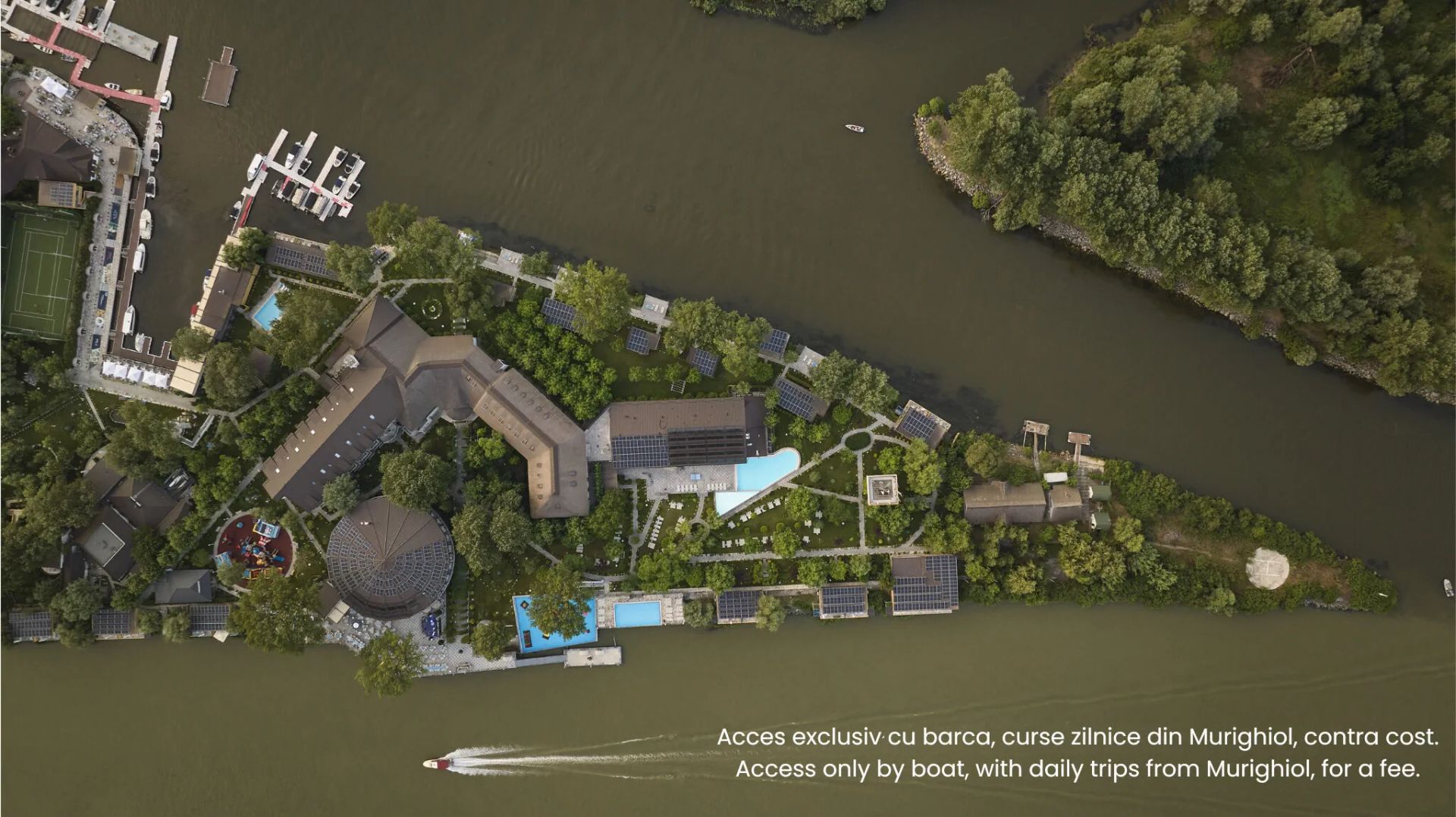
Lebăda Luxury Resort and Spa Crișan
Pe malul Mal Stang din localitatea Crișan, județul Tulcea, se află Lebăda Luxury Resort and Spa Crișan, un complex turistic de cinci stele care îmbină eleganța cu natura exuberantă a Deltei Dunării. Vă punem la dispoziție facilități diverse pentru un sejur plăcut: aer condiționat, Wi-Fi gratuit, parcare privată gratuită și acces facilitat pentru persoane cu dizabilități. Puteți servi masa la restaurantul din incintă, vă puteți bucura de bar sau room service, iar terasa la soare și pescuitul sunt opțiuni disponibile pentru relaxare. Centrul de wellness include saună, jacuzzi sau cadă cu hidromasaj, sală de fitness și teren amenajat de sport. Pentru familiile cu copii, există loc de joacă la exterior, cameră de joacă la interior și pătuț pentru bebeluș, astfel încât cei mici să se simtă bine. De asemenea, aveți la dispoziție masă de biliard, tenis de masă, lift, fier de călcat și o curte mare cu grădină amenajată, ideale pentru momente de liniște în aer liber. În vecinătate puteți explora Delta Dunării și Pădurea Letea, Pădurea Caraorman, Christian Basilica of Halmyris, Sacalin Zătoane și Insula Popina. Vă așteptăm să vă bucurați de acest refugiu și să porniți apoi într-o excursie spre Delta Dunării și Pădurea Letea.
FROM
490 lei per night

Guesthouse · 3 stars
Crișan, Tulcea County · 7.8 km
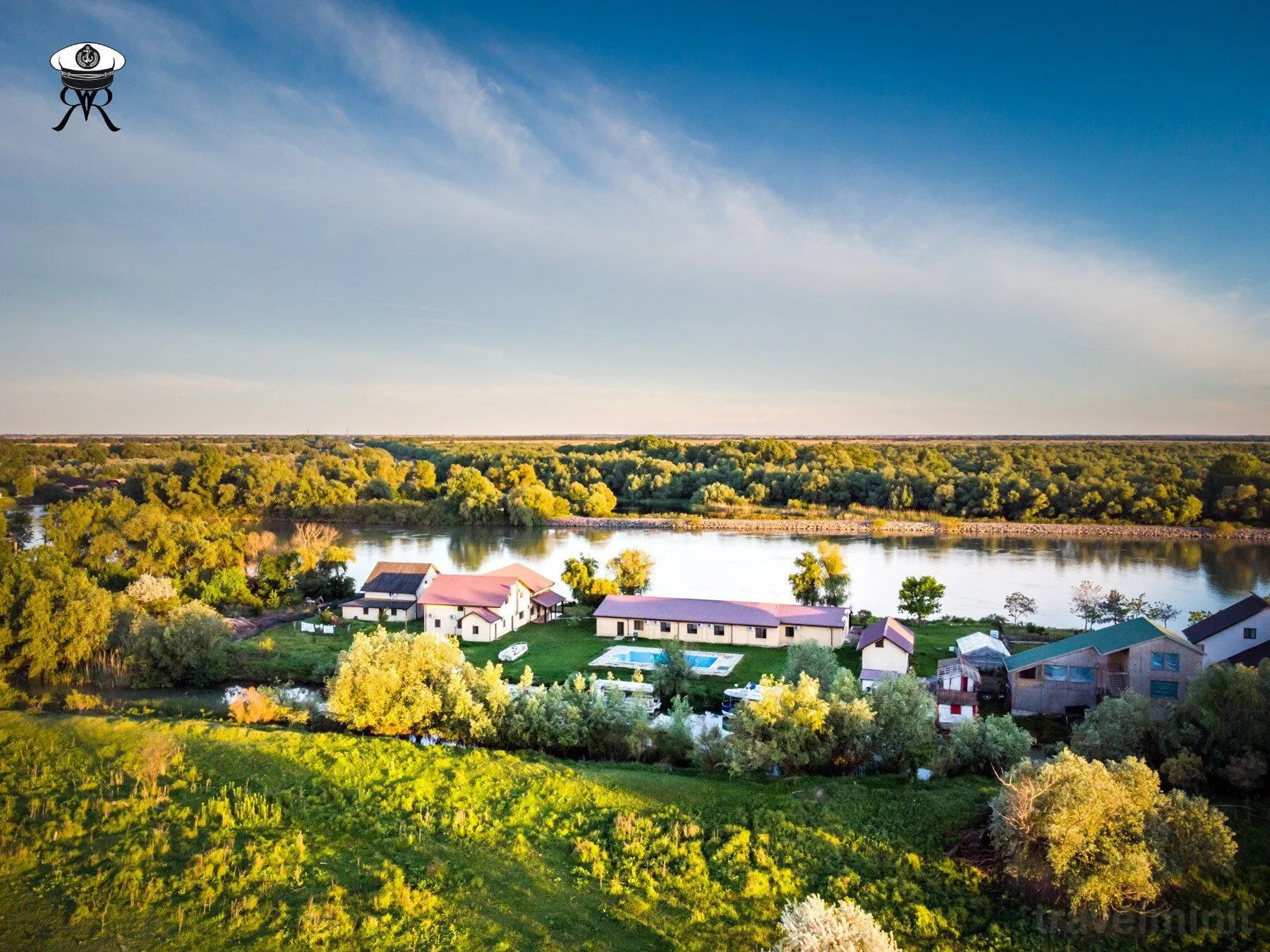
La Dunăre Ricks Crișan
În cantonul de pe malul stâng al Dunării, la Crișan, vă așteaptă La Dunăre Ricks Crișan, o pensiune turistică de trei stele cu 18 camere confortabile și bine amenajate. La unitate aveți la dispoziție Wi-Fi gratuit, aer condiționat în anumite camere și o terasă la soare unde puteți petrece timp în aer liber. Curtea mare și grădina amenajată oferă spațiu pentru relaxare și mese în aer liber, iar pentru gătit aveți la dispoziție grătar, barbeque sau un ceaun. Pentru explorarea Deltei, puteți închiria barcă direct de la unitate, iar animalele de companie sunt acceptate gratuit. În apropiere puteți vizita Delta Dunării și Pădurea Letea, Pădurea Caraorman, Christian Basilica of Halmyris, Sacalin Zătoane și Insula Popina. Pe lângă serviciile de cazare, oaspeții beneficiază de servicii wellness pentru un plus de relaxare. Personalul de la recepție vorbește româna și engleza, iar plățile se pot efectua prin numerar, transfer bancar, card de vacanță sau voucher. Primirea camerei se face începând cu ora 16:00, iar eliberarea până la ora 11:00.
FROM
240 lei per night
Apartment · 3 stars
Crișan, Tulcea County · 8.1 km
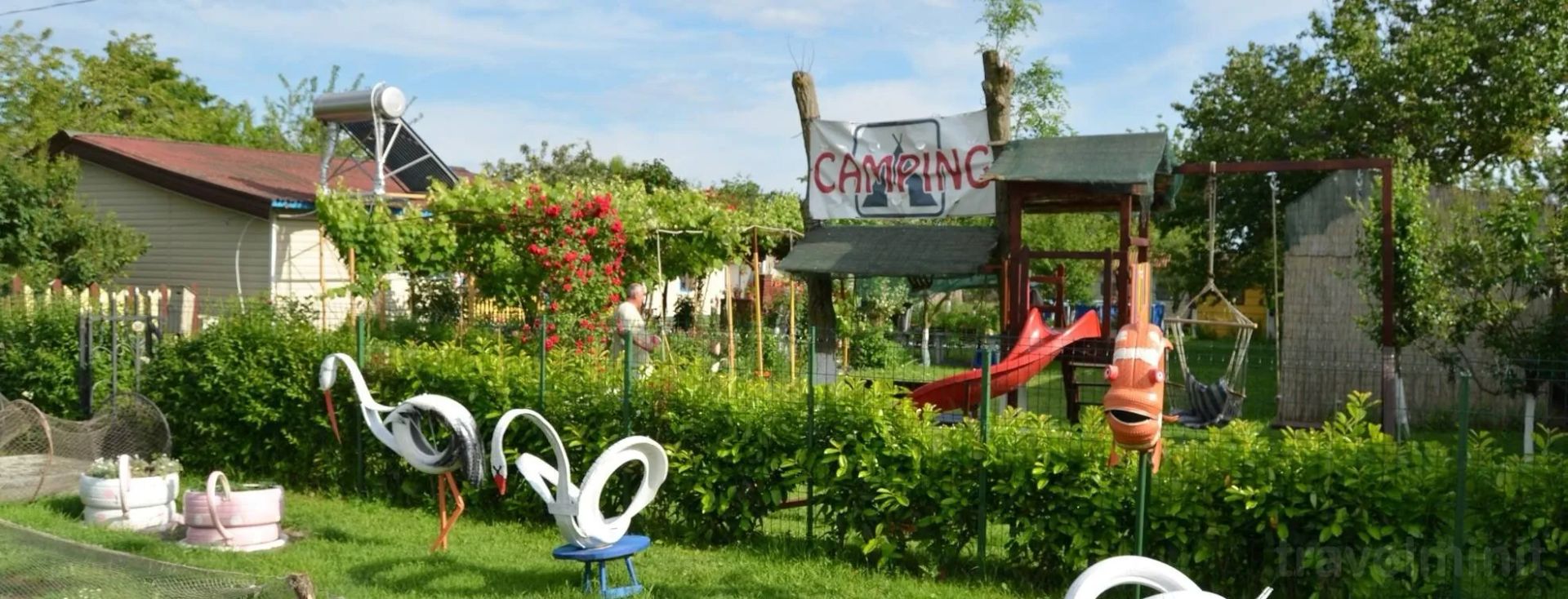
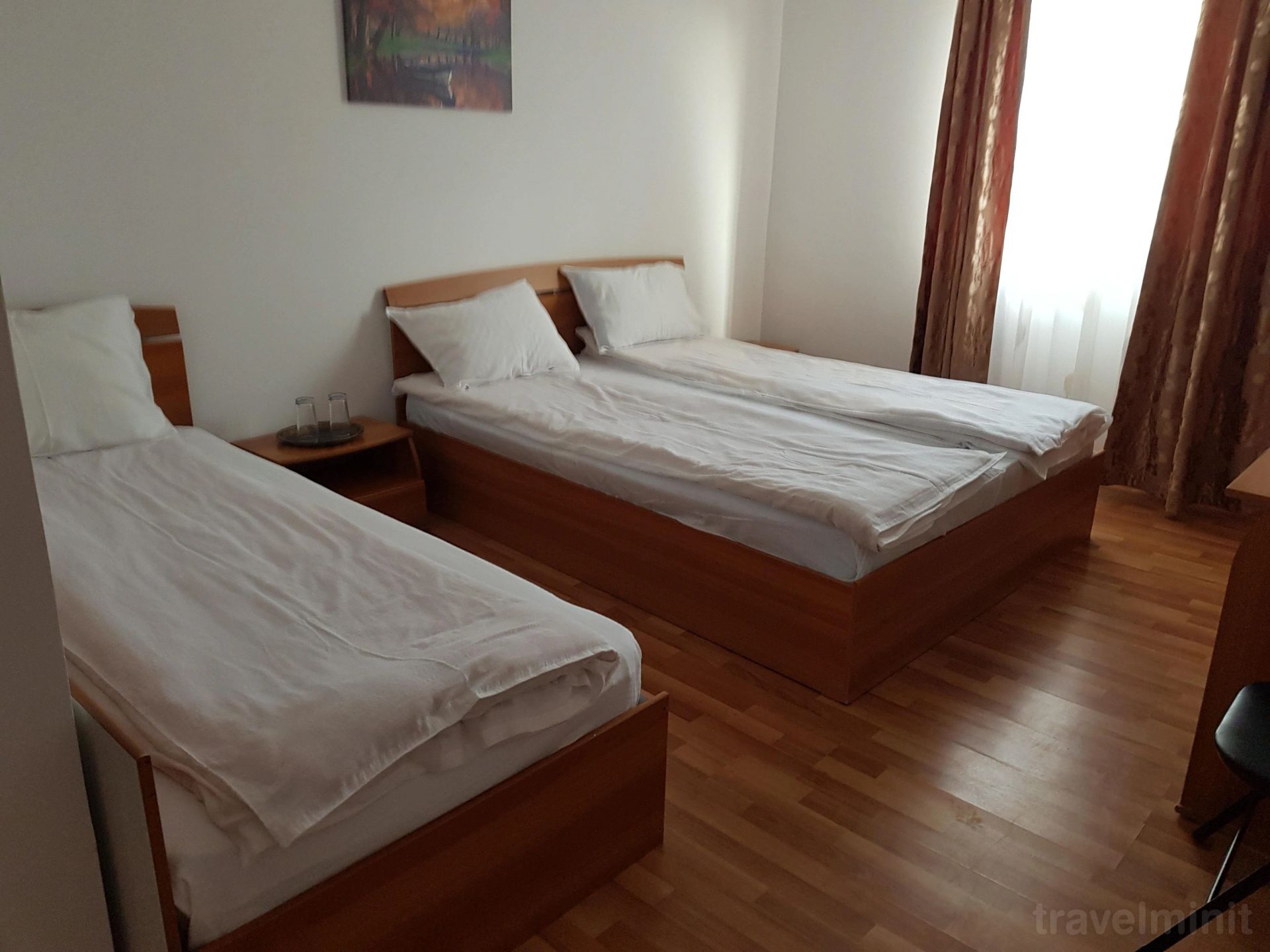
Camping Căsuța Mihaela Crișan
Comfort, relaxation and stunning views, all just steps away from the main attractions.
FROM
230 lei per night
Guesthouse · 3 stars
Crişan, Tulcea County · 8.2 km
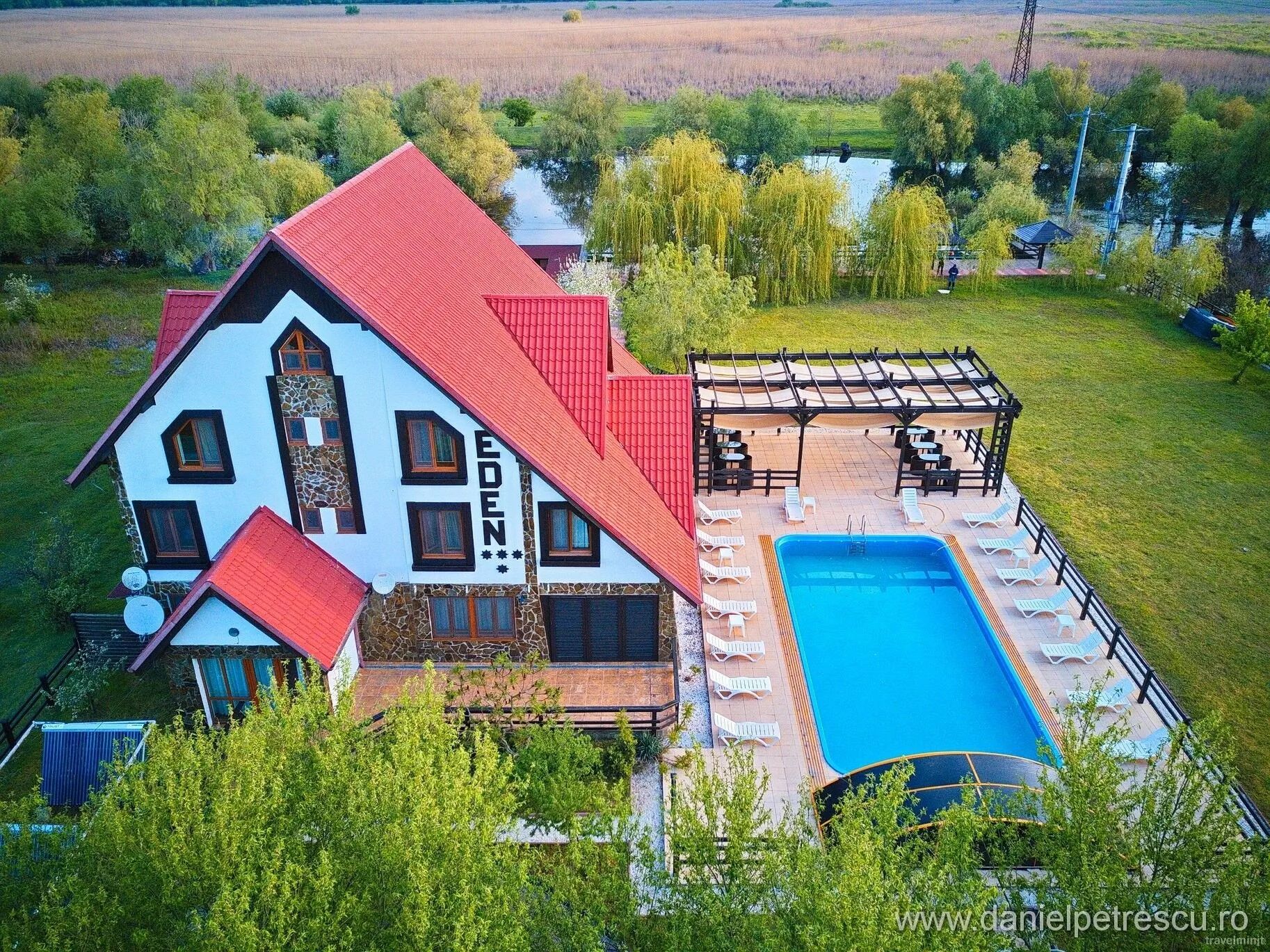
Pensiunea Delta Crisan Flamingo Crișan
O zi petrecută în grădina amenajată, cu o cafea dimineața și cină la restaurantul din incintă, sună bine pentru oricine ajunge la Pensiunea Delta Crisan Flamingo din Crișan, o unitate de cazare clasificată cu trei stele situată pe strada Principală. Pensiunea pune la dispoziție 11 camere, iar în interior aveți acces la Wi-Fi gratuit în toate spațiile. Curtea mare și grădina amenajată sunt locuri perfecte pentru a vă relaxa după plimbări, iar restaurantul din incintă vă așteaptă cu mese pentru fiecare moment al zilei. În apropiere puteți explora Delta Dunării și Pădurea Letea, Pădurea Caraorman, Christian Basilica of Halmyris, Sacalin Zătoane și Insula Popina. Fiecare dintre aceste obiective turistice vă oferă ocazia de a descoperi frumusețea naturală și istoria bogată a zonei. Vă așteptăm cu drag la Pensiunea Delta Crisan Flamingo, unde puteți beneficia de un sejur confortabil cu toate facilitățile necesare într-un cadru natural deosebit din Delta Dunării. Check-in-ul se efectuează de la ora 14:00, iar check-out-ul până la ora 10:00, iar personalul vorbește limba română și vă poate ajuta cu orice informație despre cazare sau obiectivele din zonă.
FROM
240 lei per night
Guesthouse · 3 stars
Crișan, Tulcea County · 8.7 km
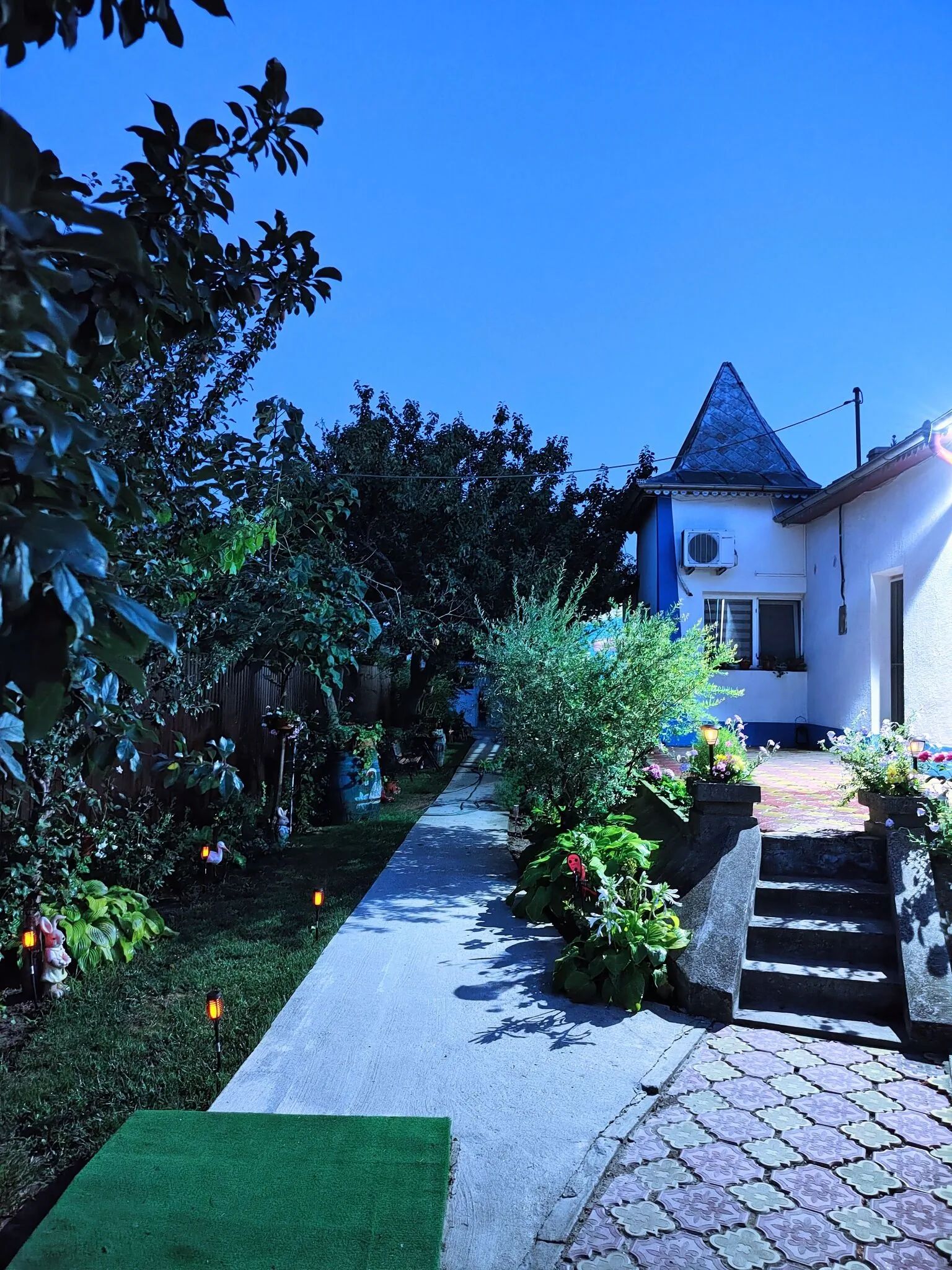
Pensiunea Eden Crișan
În spatele clădirii se întinde un canal liniștit unde puteți pescui în liniște, iar în față se deschide priveliștea malului stâng al brațului Sulina. Pensiunea Eden Crișan vă așteaptă în localitatea Crișan din județul Tulcea, într-un cadru natural autentic specific Deltei Dunării. Curtea mare și grădina amenajată oferă un spațiu generos pentru relaxare în aer liber, iar terasa la soare este locul perfect pentru a vă bucura de razele soarelui. Restaurantul din incintă pregătește meniuri pentru diete speciale și un meniu dedicat copiilor. Toate camerele dispun de aer condiționat, iar conexiunea Wi-Fi este gratuită în întreaga unitate. De asemenea, aveți posibilitatea de a închiria barcă pentru plimbări pe ape sau de a practica pescuitul direct din canalul liniștit din spatele pensiunii. Poziția centrală în Delta Dunării facilitează accesul către obiectivele din apropiere: Delta Dunării și Pădurea Letea, Pădurea Caraorman, Christian Basilica of Halmyris, Sacalin Zătoane și Insula Popina. Seara, vă puteți relaxa în curtea mare și grădina amenajată, savurând cina la restaurantul din incintă.
FROM
240 lei per night
Holiday home · 2 stars
Crișan, Tulcea County · 8.9 km
Casa Pescărușul Albatros Crișan
Casa Pescărușul Albatros din Crișan vă oferă acces direct la lac prin propriul ponton, un avantaj rar pentru o vilă integrală situată în județul Tulcea, pe strada Principală. De aici puteți porni direct spre ape sau vă puteți bucura de liniștea apei chiar din curtea casei, într-un cadru natural autentic specific Deltei Dunării. Unitatea pune la dispoziția dumneavoastră patru camere mobilate confortabil și bine întreținute, Wi-Fi gratuit în întreaga proprietate și un spațiu amenajat pentru grătar în aer liber. Vă așteptăm să vă bucurați de șederea dumneavoastră într-un loc retras, unde fiecare cameră oferă intimitate și liniște departe de aglomerație. În apropiere puteți explora Delta Dunării și Pădurea Letea, Pădurea Caraorman, Christian Basilica of Halmyris, Sacalin Zătoane și Insula Popina. Toate aceste obiective se află la îndemână, iar pentru deplasările în deltă este necesar accesul cu barca, un detaliu important pentru cei care vizitează zona pentru prima dată. Check-in-ul se face de la ora 08:00, iar predarea camerelor până la ora 10:00, cu plata prin transfer bancar și personal vorbitor de limbă română.
FROM
280 lei per night
BEFORE YOU HIT THE ROAD
Weather conditions in Tulcea
Local forecast for Danube Delta and Letea Forest, Tulcea, Tulcea

Real-time updated weather data
Much more to explore in this area
Nearby tourist attractions


Tulcea, Tulcea County
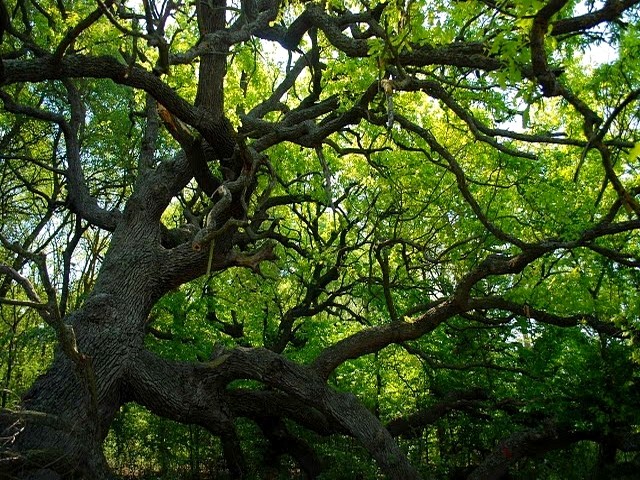
Caraorman Forest
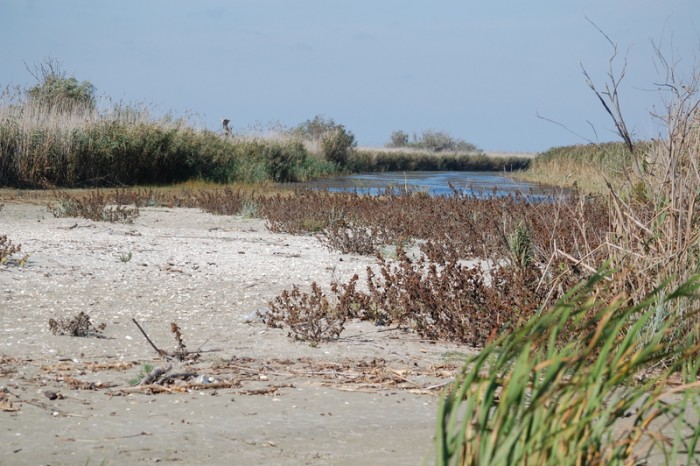
Se afla in partea centrala a grindului Caraorman, in sudul Bratului Sulina;face parte din Rezervatia Biosferei Delta Dunarii si este una dintre cele 15 zone...
19.7 km
Tulcea, Tulcea County
Sacalin Zătoane Wetlands
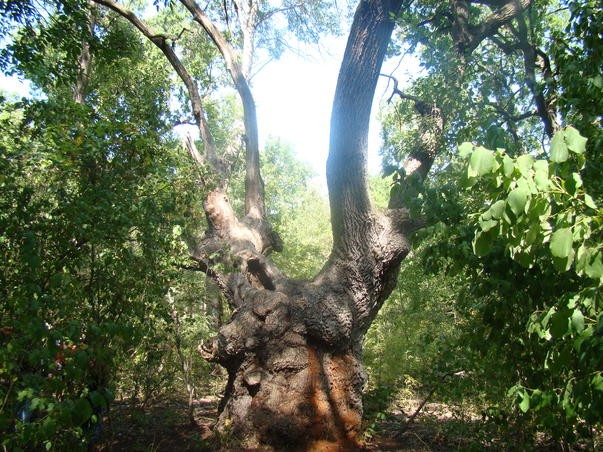
Face parte din Rezervatia Biosferei Delta Dunarii, aflandu-se in partea sudica a deltei;se intinde pe o suprafata de 21410 hectare;este formata dintr-un...
44.9 km
Tulcea, Tulcea County
Pădurea Letea
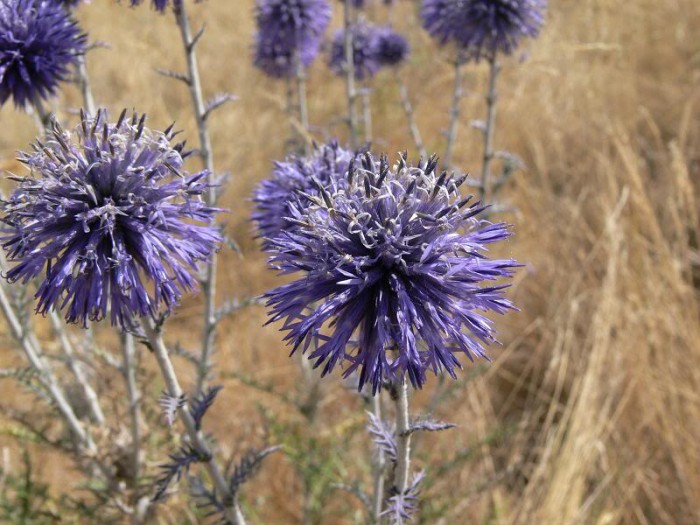
Situata in partea de nord a Deltei si in partea de est a comunei C.A. Rosetti;face parte din Rezervatia Biosferei Delta Dunarii; zona strict protejata, pusa...
15.3 km
Tulcea, Tulcea County
Insula Popina
Face parte din Rezervatia Biosferei Delta Dunarii, fiind situata la nordul Lacului Razelm aproape de localitatea si amenajarea piscicola Iazurile si Sarinasuf;e...
41.7 km

Dobrogea, Transylvania
Christian Basilica of Halmyris
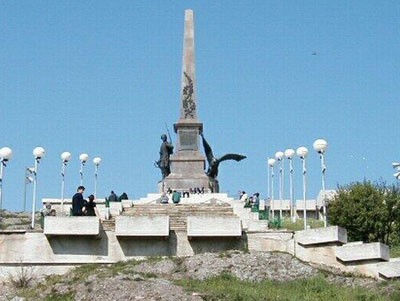
4th c. martyrial basilica at Halmyris. Found in the northern part of the fortress.
27.1 km
Tulcea, Tulcea County
Monumentul Independenței
Se afla in Parcul Monumentul Independentei, pe strada Gloriei, pe dealul Hora, numit si Dealul Monumentului, Tulcea;a fost ridicat intre anii 1879 si 1904,...
41.7 km

42.6 km

Tulcea, Tulcea County
Muzeul de Istorie și Arheologie Tulcea
Se afla pe strada Gloriei, in Parcul Monumentul Independentei, pe locul fostei cetati antice Aegyssus, judetul Tulcea;a fost infiintat in 1975;este structurat...
41.7 km
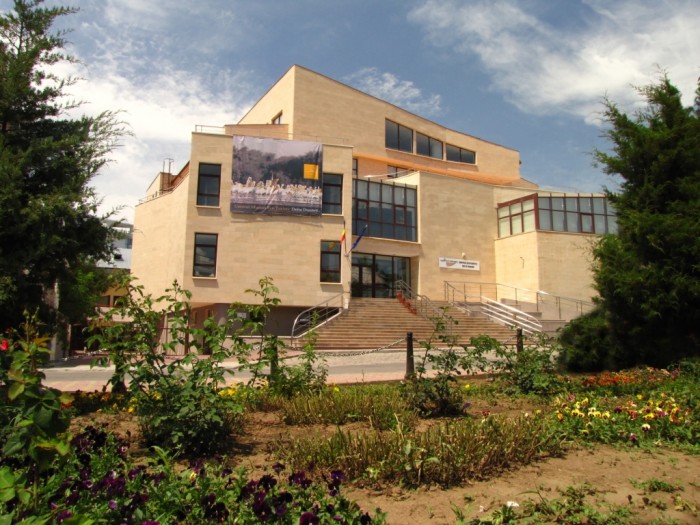
Tulcea, Tulcea County
Centrul Muzeal Ecoturistic Delta Dunării
Se afla in Tulcea, pe strada 14 noiembrie, nr.1, judetul Tulcea;s-a deschis in februarie 2009 si are la baza structura Muzeului de Stiintele Naturii Delta...
42.5 km

8.1 km
27.1 km
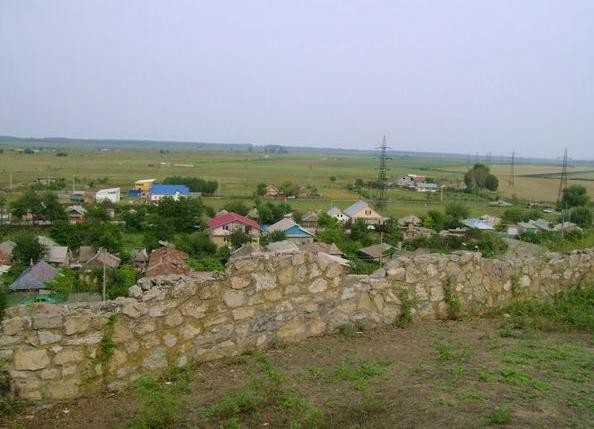
Tulcea, Tulcea County
Cetatea Aegyssus
Situat in partea de est a orasului Tulcea, pe dealul Hora, actualul deal al Monumentului;se presupune, in urma descoperirilor stiintifice, ca cetatea Aegyssus...
41.7 km
Cultural life and traditions
Events in the Danube Delta and Letea Forest area
Medieval festivals, traditional fairs, concerts and local activities recommended in Dobruja.

Traditions and Crafts

Tulcea, County of Tulcea
Days of Local Culture and Traditional Tourism
Open workshops featuring pottery, wood carving, and authentic folklore demonstrations by local artisans.
WHEN
May 15-17, 2026


Traditional Cuisine
Tulcea, County of Tulcea
The Fair of Traditional Products and Local Cuisine
Traditional products, aged cheeses, mountain honey and local delicacies prepared according to ancient recipes.
WHEN
Every weekend

Culture and Photography
Tulcea, County of Tulcea
Themed and Photographic Guided Tour of Cultural Heritage
A guided tour designed for history buffs, nature lovers, and photography enthusiasts, showcasing the most spectacular views in the area.
WHEN
Daily schedule available upon request
On foot, exploration gains depth
Discover the surroundings and local geography
Explore the trails, terrain, and natural landmarks around Danube Delta and Letea Forest.

Guides and practical tips
Useful travel articles
Travel guides, practical recommendations and tourist itineraries for Dobruja.

Tourist guide
Top 5 Atracții Turistice și Trasee Montane în Zona Moieciu - Bran
Descoperă cele mai spectaculoase peisaje carstice, chei adânci și cetăți medievale din imediata apropiere a stațiunii Moieciu.

Tourist guide
Ghid de Drumeție: Traseul Moieciu de Sus spre Platoul Bucegi
Un itinerariu montan de o frumusețe rară ce urcă din Valea Băngăleasa spre Poiana Guțanu și crestele maiestuoase ale Bucegilor.

Tourist guide
Castelul Bran: Istorie, Legende și Secrete Medievale
Află adevărata poveste a fortăreței medievale din Pasul Bran, reședința de suflet a Reginei Maria a României.
THE JOURNEY STARTS WITH AN IDEA
The next story is on the way.
From the first stop to the last stay, make room for a new Romania.
