


PLACE OF WORSHIP · TRANSYLVANIA
St. Nicholas Church - Brâncoveanu

Brașov, Brașov County
Add location to your trip planner.

Practical access information

VISITING HOURS
Monday: 12:00 PM – 5:00 PM · Tuesday–Sunday: 9:00 AM – 5:00 PM (in summer until 8:00 PM)

TICKET PRICE
Adults: 45 RON · Students: 11 RON · Seniors: 23 RON · Guided tour included

RECOMMENDED VISIT DURATION
30-60 minutes
ABOUT ST. NICHOLAS CHURCH - BRÂNCOVEANU
A Stone Fortress of Romanian Identity in the Heart of Transylvania
St. Nicholas Church in Brașov, also known by its multiple names—Brâncoveanu Church or the Șchei Church—represents one of the most emotionally resonant and symbolically rich monuments of Romania’s religious heritage. Built in 1292 in the Șchei district, just outside the walls of the Saxon citadel, this sacred site marks the beginnings of an organized and visible Romanian presence in medieval Brașov, at a time when Romanians were systematically excluded from the fortified city. More than a mere place of worship, the church stands as a true stone fortress of identity, a silent witness to over seven centuries of history during which the Romanian community in Brașov gradually carved out its own spiritual and cultural space within an urban landscape dominated by other ethnic groups. Its strategic location, on the edge of the fortifications, symbolizes the historical status of Romanians in medieval Transylvania: present in the territory but marginalized within the urban power structures, finding in faith and education the levers of survival and cultural affirmation.
Medieval Roots and the European Context of the 13th Century
The year 1292, when the church is first documented, places its construction within a tumultuous and fascinating European context. During this period, Central and Eastern Europe were undergoing profound transformation: the Kingdom of Hungary, under the Árpád dynasty, was consolidating its dominance over Transylvania through a systematic policy of colonization with Saxon populations brought from the Rhine and Moselle regions to defend the eastern borders of the Christian kingdom against Mongol expansion and Byzantine influence. Brașov, known as Corona or Kronstadt, was one of the seven Saxon cities (Siebenbürgen) founded during this era, alongside Sibiu, Sighișoara, Mediaș, Bistrița, Sebeș, and Orăștie, forming an urban network that would play a crucial role in trade between Central Europe and the Balkans.
In this complex ethnic and political landscape, the Romanian community, already present in the rural areas surrounding the citadel, built its first stone church in the Șchei district. The etymology of the name "Șchei" remains a subject of historical debate, possibly deriving from the Slavic term "șeia" (plain, valley) or the Latin "Scheia," referring to its status as a suburb, a settlement located outside the city walls. This spatial segregation was not accidental but reflected a deliberate policy by Hungarian and Saxon authorities to maintain strict ethnic separation in Transylvanian cities, where Romanians were legally considered "tolerated" but excluded from full citizenship rights and the fortified enclosure. Thus, the church built in 1292 represents not only an act of faith but also a gesture of identity affirmation in a European context marked by confessional and ethnic intolerance. Constructed in a late Gothic style reminiscent of Central European architectural influences, it was modest in scale, befitting a community deprived of privileges.
From a broader European historical perspective, the construction of this church aligns with the great era of mature Gothic architecture, when cathedrals like those at Chartres, Reims, or Cologne were rising to unprecedented splendor, while in the eastern part of the continent, Byzantine architecture continued to dominate. St. Nicholas Church thus represents a bridge between two worlds: the Latin, Western one, embodied by the thriving Saxon city within the walls, and the Orthodox, Eastern one, preserved by the Romanian community at its periphery. The pointed-arch windows, massive buttresses, and robust stone structure reflected the Saxon influences from the neighborhood, while its eastward orientation and basilical plan reflected the Byzantine tradition, creating a unique architectural hybrid in the European religious landscape of the 13th century.
Architectural Evolution: From Central European Gothic to Brâncovenesc Baroque
The architecture of the church exemplifies a remarkable evolution over more than seven centuries, mirroring the historical, political, and spiritual transformations of the region. The original structure, built in the late Gothic style typical of Transylvanian architecture, featured characteristics such as pointed-arch windows, massive buttresses, and a robust stone structure that echoed the Saxon influences from nearby landmarks, particularly the imposing Black Church, located just a few hundred meters away. This early phase reflected a period when the Romanian community sought to integrate into Brașov’s urban fabric while adopting architectural elements of the dominant elite, all while preserving its Orthodox confessional identity.
Major transformations occurred in the 17th and 18th centuries, when Baroque currents had penetrated the Principality of Transylvania, then under the growing influence of the Habsburg Monarchy. During this era, the church was significantly expanded and enriched with an imposing tower topped by an onion-shaped dome, an architectural element characteristic of Eastern Baroque and Byzantine styles, which starkly contrasted with the austere lines of the original Gothic structure. This tower, with its distinctive silhouette, became a visual landmark in Brașov’s urban landscape, symbolizing the increasingly visible presence of the Romanian community in the city. Additionally, decorative exterior elements and a wide porch, typical of Romanian Orthodox architecture, were added, providing shelter from the elements and a communal gathering space.
The resulting architectural style represents a unique fusion of Central European Gothic and Brâncovenesc Baroque, an artistic movement specific to Wallachia that profoundly influenced religious architecture in Transylvania during the 18th century. The connection to the name of Prince Constantin Brâncoveanu (1654–1714) stems from the period when he, as a great patron of culture, arts, and Orthodoxy in Wallachia, financially supported the restoration and consolidation of the church. Brâncoveanu, one of the most refined founders of his era, saw the churches of Transylvania not merely as places of worship but as bastions of Romanian identity in a region subjected to the confessional and political pressures of the Habsburg Empire. Thus, the church became a monument of cultural resistance, blending Viennese Baroque elegance with Eastern Orthodox spirituality.
The Iconographic Treasure and the Romanian School of 1560
The interior of the church houses a valuable and distinctive iconographic heritage, reflecting the artistic richness of the Wallachian and Transylvanian painting schools of the 17th and 18th centuries. The icons, created by anonymous masters of the Brâncovenesc era, follow the Byzantine tradition of Orthodox iconography, featuring a rich color palette dominated by gold, ultramarine blue, and cinnabar red. The iconostasis, carved from linden wood and gilded, is a masterpiece of Romanian sacred art, with twisted columns and vegetal motifs inspired by Romanian folk art as well as Western Baroque ornamentation. Traces of interior frescoes preserve evidence of centuries-old mural paintings, executed in the fresco-secco technique, depicting scenes from the life of St. Nicholas and the history of salvation, influenced by both the Byzantine tradition and the Italian Renaissance art that had penetrated the Romanian Principalities through Greek and Italian masters.
Of particular significance is the cultural and educational dimension of this site. Beginning in 1560, the church hosted the first Romanian school in Brașov, founded under the auspices of Protopope Mihai, one of the pioneers of education in the Romanian language in Transylvania. This institution represents a turning point in European cultural history, being one of the oldest schools teaching in the vernacular language in all of Central and Eastern Europe. While in most European countries education was conducted exclusively in Latin, Greek, or the national languages of the dominant elites (German for the Saxons, Hungarian for the nobility), the school at St. Nicholas Church offered Romanian children the opportunity to learn reading, writing, and catechism in their mother tongue, using the Cyrillic alphabet, specific to the Slavic and Romanian Orthodox tradition.
This initiative fits into the broader context of the European Reformation and Counter-Reformation, when Protestant and Catholic churches were developing schools in national languages to spread faith. However, the Romanian school in Brașov represents a unique case: an Orthodox school in a predominantly Catholic and Reformed region, intended for an ethnic minority that was marginalized. Over the centuries, this school became the nucleus of the First Romanian School Museum, preserving old books printed in Romanian with Cyrillic characters, manuscripts, and didactic objects that illustrate the uninterrupted effort to educate and cultivate the Romanian community in Transylvania.
The Martyr Prince and Protector: The Connection with Constantin Brâncoveanu
The profound connection between St. Nicholas Church and Prince Constantin Brâncoveanu (1654–1714) transcends mere financial donation, representing an essential spiritual and political link for understanding Romanian history and the relations between Wallachia and Transylvania. Constantin Brâncoveanu, ruler of Wallachia between 1688 and 1714, was one of the most enlightened leaders of his time, a true patron of the arts and a skilled diplomat who navigated masterfully between the ambitions of the Ottoman Empire, the pressures of the Habsburg Monarchy, and the aspirations for independence of the Balkan peoples. As a protector of Orthodoxy throughout the Balkan and Carpathian regions, he provided substantial financial support for the restoration and consolidation of Romanian churches in Transylvania, seeing in them bastions of national identity in a region under foreign domination.
His reign coincided with an unprecedented cultural flourishing in Wallachia, known as the "Brâncovenesc era," characterized by a harmonious fusion of Byzantine tradition with Renaissance and Baroque Western influences. The Brâncovenesc style, developed during this period, profoundly influenced religious architecture and art in Transylvania, and St. Nicholas Church in Brașov is one of the most representative examples of this influence. Brâncoveanu’s support for this church reflected not only personal piety but also a conscious political strategy to affirm the Romanian presence in the heart of Transylvania, at a time when Romanians in the region were subjected to intense confessional pressures from Habsburg authorities and the Roman Catholic Church.
The culmination of this historical connection is marked by Brâncoveanu’s martyrdom, which occurred on August 15, 1714, in Constantinople, when the prince, along with his four sons and the boyar Ianache Văcărescu, was executed by order of Sultan Ahmed III for refusing to convert to Islam and for supporting the Christian cause amid the Russo-Turkish wars. This tragic episode, which deeply marked the Romanian national consciousness, transformed St. Nicholas Church into a place of commemoration and pilgrimage for believers from across the country, symbolizing the supreme sacrifice for faith and nation. The year 1714 thus marks a turning point in the church’s history, which became not only a place of worship but also a monument to spiritual resistance and solidarity between Romanians in Wallachia and those in Transylvania.
Intercultural Dialogue in the Heart of Europe
From a European perspective, St. Nicholas Church exemplifies the complexity and richness of intercultural dialogue in Central and Eastern Europe, a region characterized over the centuries by the coexistence—and often tension—between multiple ethnic and confessional communities. Built outside the Saxon fortifications at a time when Romanians were marginalized within the city’s power structures, the church stands as a powerful symbol of Romanian identity resilience in a cosmopolitan and often hostile urban context. Medieval and early modern Brașov was a true cultural mosaic, hosting communities of Saxons, Hungarians, Romanians, Armenians, and Jews, each with their own religious institutions, schools, and commercial traditions.
The church’s hybrid architecture, blending Central European Gothic elements with Eastern Baroque ornamentation, reflects Brașov’s strategic position as a commercial and cultural hub at the crossroads of routes between Central Europe, the Ottoman Empire, and the extra-Carpathian Romanian lands. While the great Gothic cathedrals of Western Europe symbolized ecclesiastical and royal power, and the Ottoman mosques of the Balkans expressed Islamic dominance, St. Nicholas Church represented a unique form of cultural adaptation and synthesis, preserving Orthodox tradition in a predominantly Latin environment. This position can be compared to other minority communities in early modern Europe, such as the Huguenots in France, Protestants in the Catholic territories of the Habsburg Empire, or Sephardic Jews in the Iberian Peninsula, who maintained their religious and cultural identity under conditions of marginalization or persecution.
During the Habsburg period, after 1711, when Transylvania came under the direct rule of the House of Habsburg, the church continued to play a crucial role in preserving Romanian identity, resisting the pressures for union with the Roman Catholic Church (Uniate) promoted by imperial authorities. Remaining faithful to Orthodox tradition, it became a spiritual refuge for Romanians in Brașov, offering not only religious services but also a space for communal gathering and the transmission of national culture through its school and library. Thus, the church survived as a witness to Romanian spiritual continuity through tumultuous periods of European history, from Ottoman invasions and wars between empires to the communist era and the democratic transition, remaining a living symbol of resilience and intercultural dialogue in an ever-changing Europe.
Practical Guide for the Contemporary Visitor
St. Nicholas Church is located in St. Nicholas Square, in the heart of the historic Șchei district, just a few minutes’ walk from Council Square and the imposing Black Church, the largest Gothic monument in Romania. Access to the church is free, and visiting hours are daily from 8:00 AM to 6:00 PM, except during religious services, when visitors are asked to respect the quiet and privacy of worshippers. Morning visits are recommended, when sunlight streams through the original Gothic windows, creating spectacular plays of light and shadow on the interior frescoes and the gilded iconostasis, offering a particularly contemplative experience.
For a deeper understanding of this monument’s significance, visitors are encouraged to pay attention to architectural details: observe how Gothic elements blend with Baroque features, admire the iconostasis’s carvings, and look for traces of ancient frescoes on the interior walls. Inside the church, commemorative plaques and inscriptions recall important historical moments and the contributions of founders, including Constantin Brâncoveanu. Foreign visitors will particularly appreciate the authentic atmosphere of this place, which offers a unique perspective on Brașov’s multicultural history and the role played by the Romanian community in the city’s cultural development.
Nearby, the First Romanian School Museum, housed in the historic building of the school founded in 1560, displays old books printed in Romanian with Cyrillic characters, manuscripts, and didactic objects from the 16th to 18th centuries. Additionally, the Museum of Urban Civilization in Brașov, located nearby, provides further context about the city’s multicultural life over the centuries. For those wishing to explore the Șchei district, the narrow, cobbled streets lined with traditional Romanian houses and blooming gardens offer an authentic atmosphere, far from the bustle of the historic center. A visit to the Black Church and Council Square, just a few minutes’ walk away, is also recommended to complete the cultural experience with a comprehensive view of Brașov’s extraordinary heritage—a city that has always been a bridge between East and West, tradition and modernity.
Media gallery
Discover St. Nicholas Church - Brâncoveanu in pictures

1 photos · Architecture, courtyards and captivating details

Image source: Wikimedia Commons · Public domain photos · Free license
STAY A FEW DAYS, DISCOVER THE MAGIC
Accommodation in the St. Nicholas Church - Brâncoveanu area

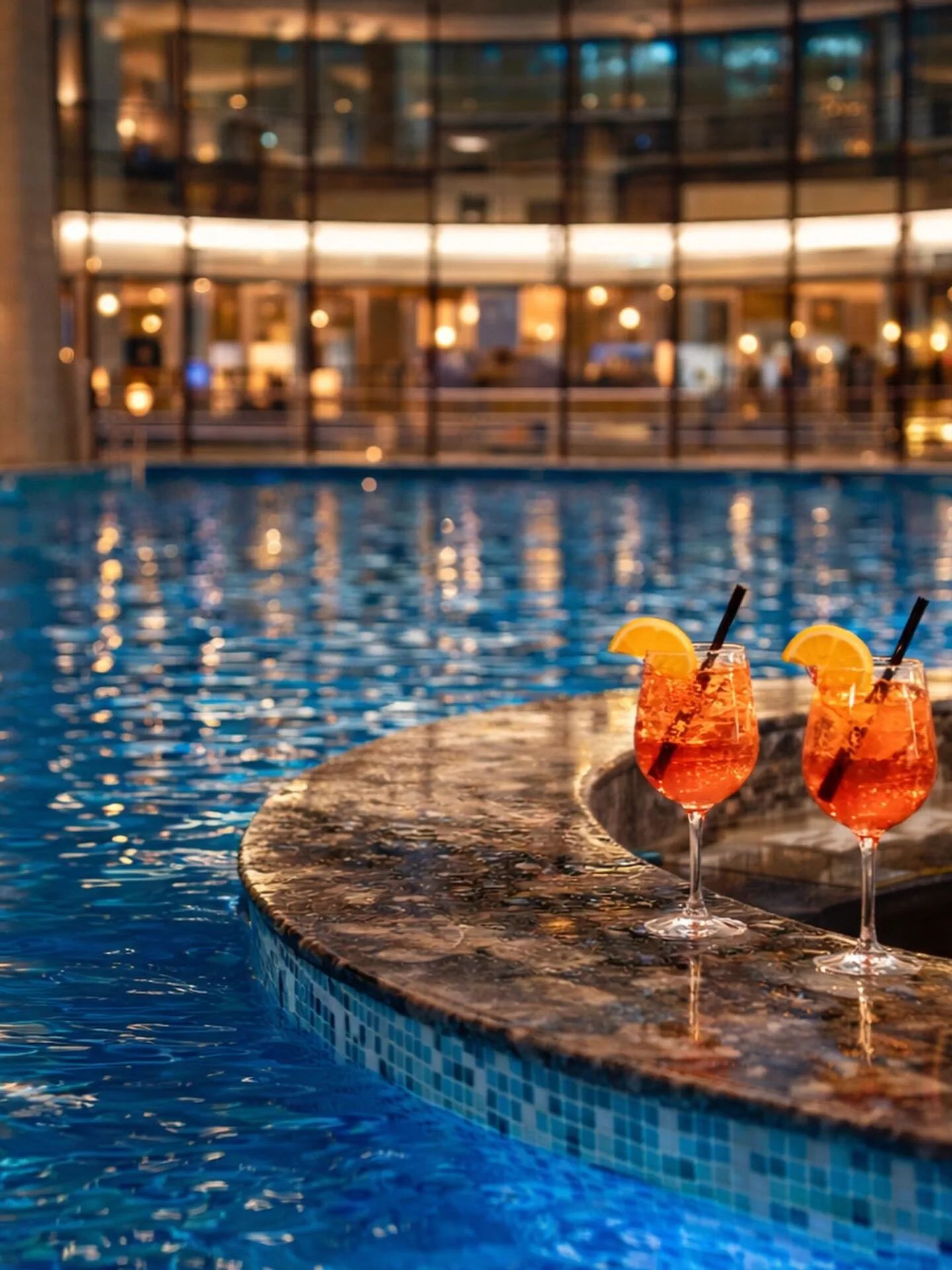
Hotel · 4 stars

Poiana Brasov, Brașov County · 0.3 km
Hotel Piatra Mare Poiana Brașov
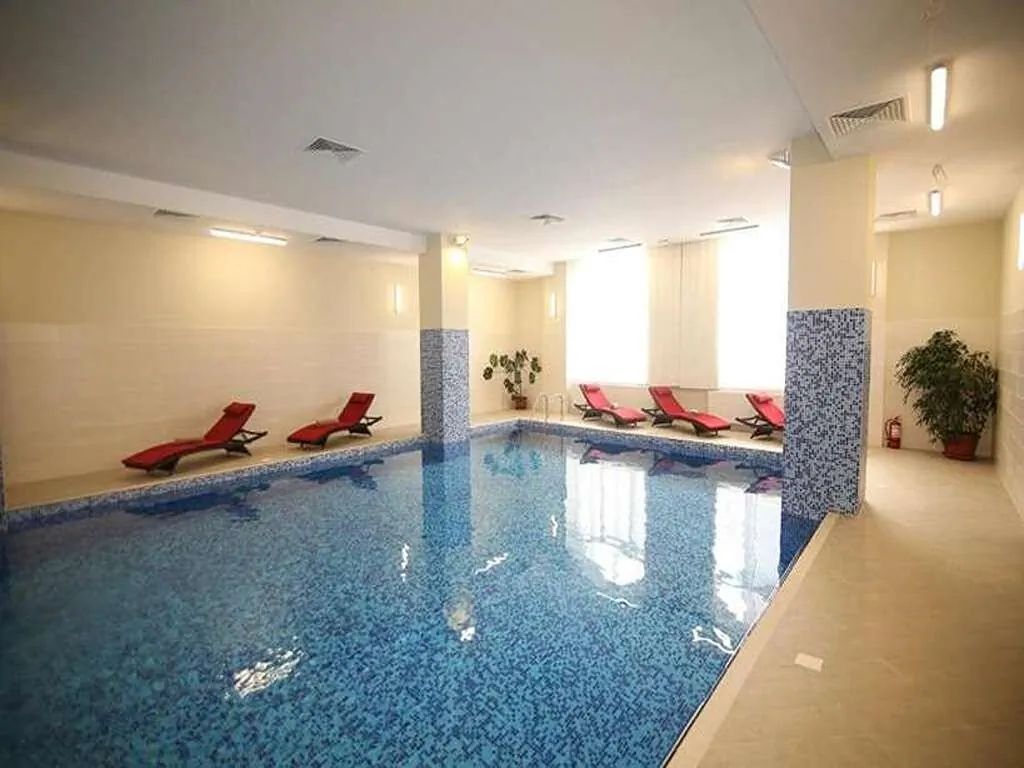
Înconjurat de păduri de brad și cu priveliști spre masivul Piatra Mare, Hotel Piatra Mare din Poiana Brașov vă oferă un refugiu la patru stele unde natura se întâlnește cu confortul modern și facilitățile complete. Hotelul pune la dispoziția dumneavoastră o sală de fitness bine echipată, saună umedă și saună, un bar în incintă și o terasă la soare unde puteți savura băuturi răcoritoare. Vă puteți bucura de servicii de masaj, puteți închiria biciclete pentru explorarea traseelor din natură sau vă puteți deplasa cu vehiculul electric, având la dispoziție o stație de încărcare în incintă. Restaurantul din incintă, curtea mare și grădina amenajată completează experiența, iar parcarea privată gratuită și Wi-Fi-ul gratuit vă asigură confortul necesar pe toată durata șederii. În apropiere puteți vizita Cetatea Râșnov, Biserica Neagră, Castelul Bran, Stațiunea Poiana Brașov și Pârtia Șulinar din Poiana Brașov, oferindu-vă numeroase opțiuni pentru zile pline de descoperiri și activități în aer liber. Pentru familiile cu copii mici sunt disponibile scaune înalte și pătuțuri pentru bebeluși, iar depozitul pentru bagaje și seiful din cameră vă permit să călătoriți fără griji. Seara, după o zi petrecută pe pârtia de schi sau la drumeții montane, vă puteți relaxa în sauna umedă sau pe terasa la soare.
FROM
420 lei per night

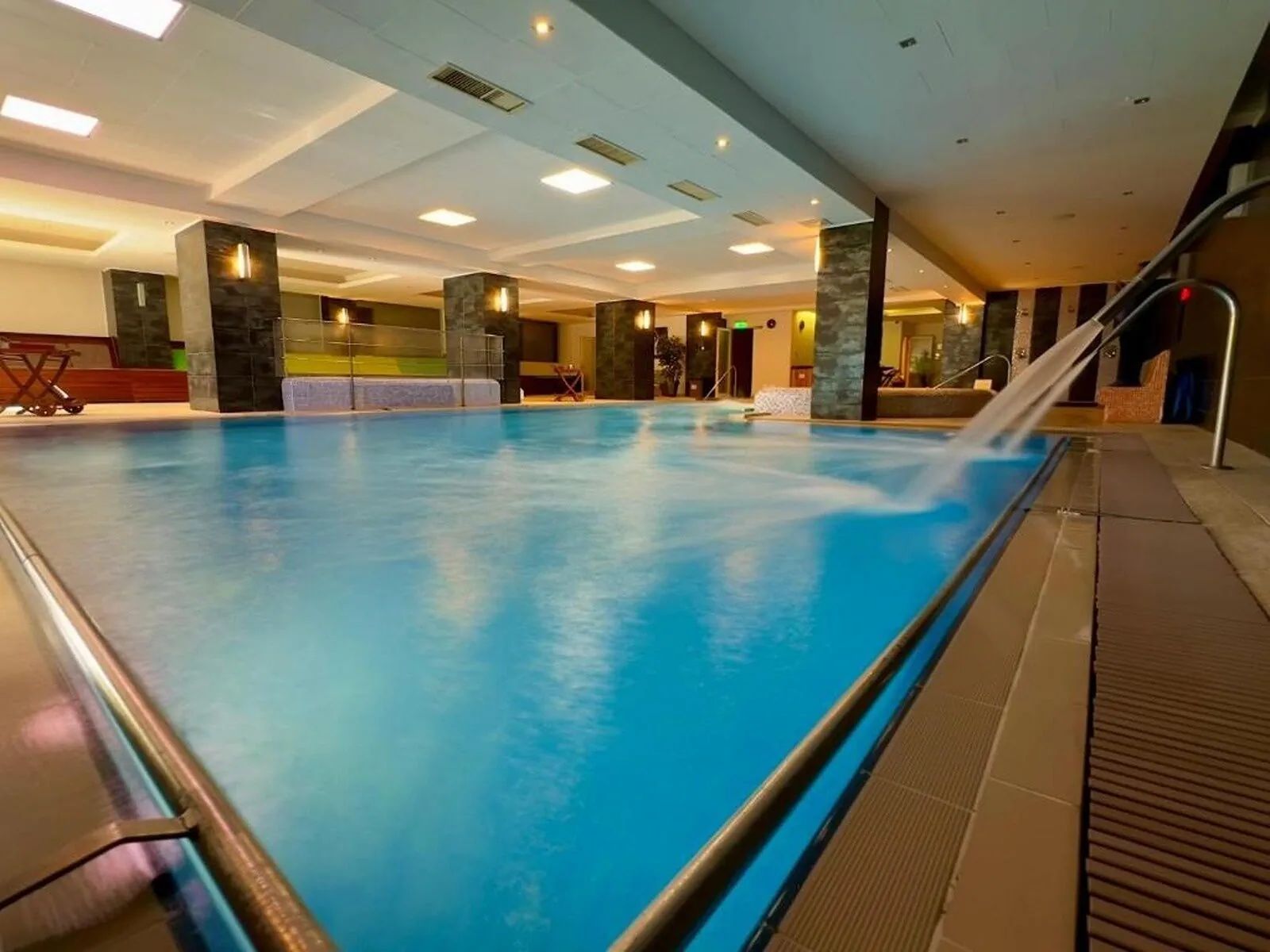
Hotel · 4 stars
Poiana Brasov, Brașov County · 0.7 km
Hotel Escalade Poiana Brașov
Singura pistă de bowling din Poiana Brașov vă așteaptă la Hotel Escalade Poiana Brașov, un hotel de patru stele situat în această stațiune montană. Aici puteți combina relaxarea cu momente de distracție într-un peisaj montan, indiferent de sezon. Pentru relaxare completă, hotelul pune la dispoziție un centru wellness cu jacuzzi, saună uscată și umedă, sală de fitness și servicii de masaj. Terasa la soare și curtea mare cu grădină amenajată oferă spații plăcute pentru a vă bucura de aerul curat al Carpaților, iar masa de biliard și tenisul de masă adaugă opțiuni de divertisment. Familiile cu copii se vor simți binevenite datorită locului de joacă exterior și interior, camerei de joacă, pătuțului pentru bebeluș și scaunului înalt disponibil. Restaurantul din incintă servește preparate pentru diete speciale, iar room service-ul și Wi-Fi-ul gratuit asigură confortul dumneavoastră pe toată durata șederii. Parcare privată gratuită, depozit pentru bagaje și acces pentru persoane cu dizabilități completează facilitățile. În apropiere puteți vizita Cetatea Râșnov, Biserica Neagră, Castelul Bran, Stațiunea Poiana Brașov și Pârtia Șulinar din Poiana Brașov. Hotel Escalade Poiana Brașov este potrivit pentru familii cu copii, turiști activi și cei care doresc să organizeze evenimente într-un cadru montan.
FROM
420 lei per night
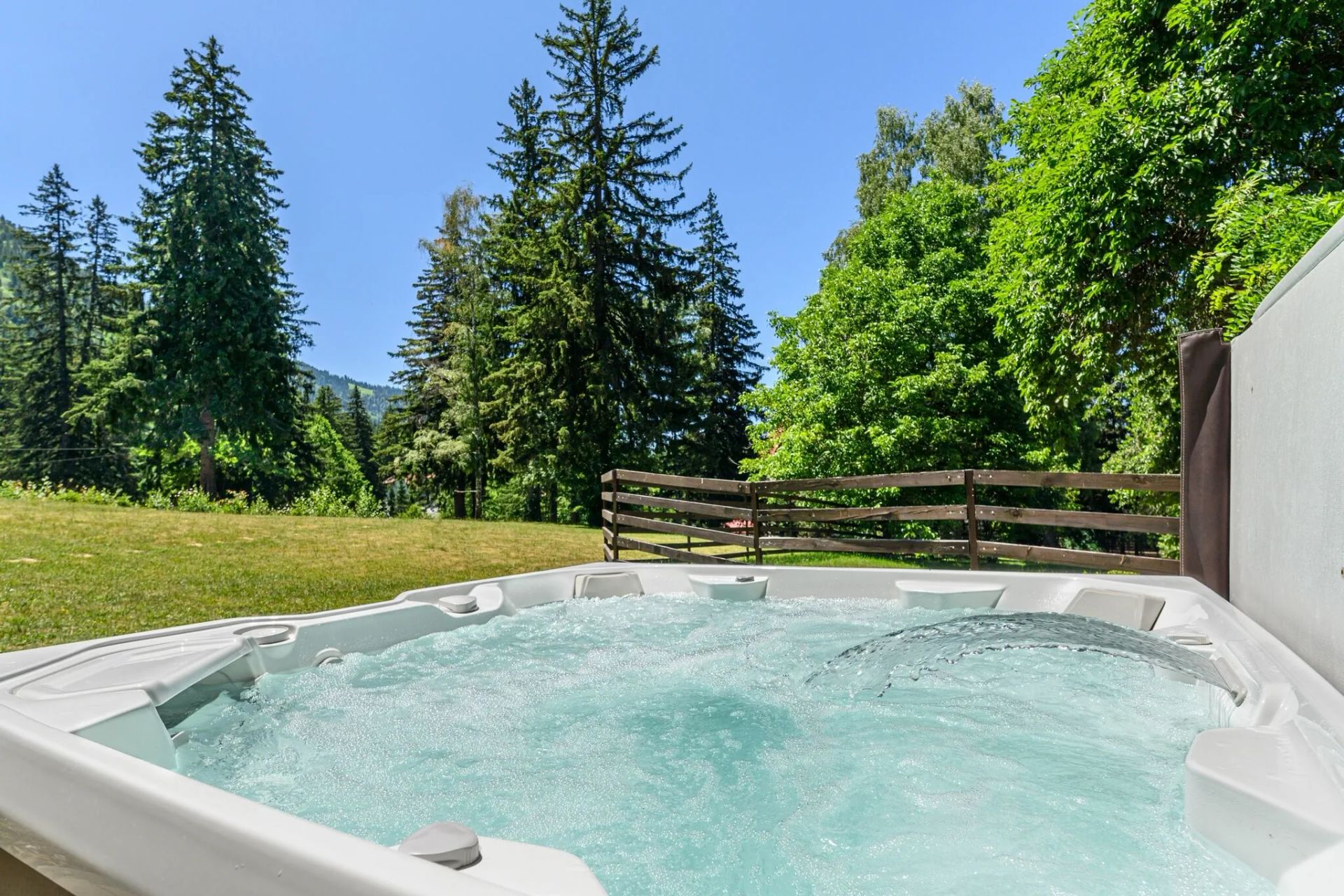
Hotel · 3 stars
Poiana Brasov, Brașov County · 1.1 km
Hotel Casa Viorel Poiana Brașov
O zi petrecută la Hotel Casa Viorel din Poiana Brașov poate începe cu o baie relaxantă în cadă cu hidromasaj, urmată de un mic dejun savurat în restaurantul propriu, într-un cadru înconjurat de pădure și munți, unde aerul curat completează atmosfera de vacanță. Unitățile de cazare sunt spațioase și luminoase, fiecare având balcon privat cu vedere spre pădure și munți, baie cu aerisire naturală, seif și canapea extensibilă. Pentru confortul dumneavoastră sunt disponibile Wi-Fi gratuit în toată incinta, parcare privată gratuită, fier de călcat și depozit pentru bagaje. Pentru familiile cu copii sunt disponibile camera de joacă la interior, pătuț pentru bebeluș, scaun înalt, meniu pentru copii și meniuri pentru diete speciale. Zona de wellness include saună, saună umedă sau baie de aburi, iar pentru momente de relaxare aveți la dispoziție barul din incintă, masa de biliard și curtea mare cu grădină amenajată. Există și stație de încărcare pentru vehicule electrice. În apropiere puteți vizita Biserica Neagră, Cetatea Râșnov, Castelul Bran, Stațiunea Poiana Brașov și Pârtia Șulinar din Poiana Brașov, oferind oportunități diverse de explorare a zonei montane. Dimineața, după o noapte odihnitoare, vă puteți bucura de cafea în timp ce încărcați vehiculul electric la stația din incintă.
FROM
290 lei per night
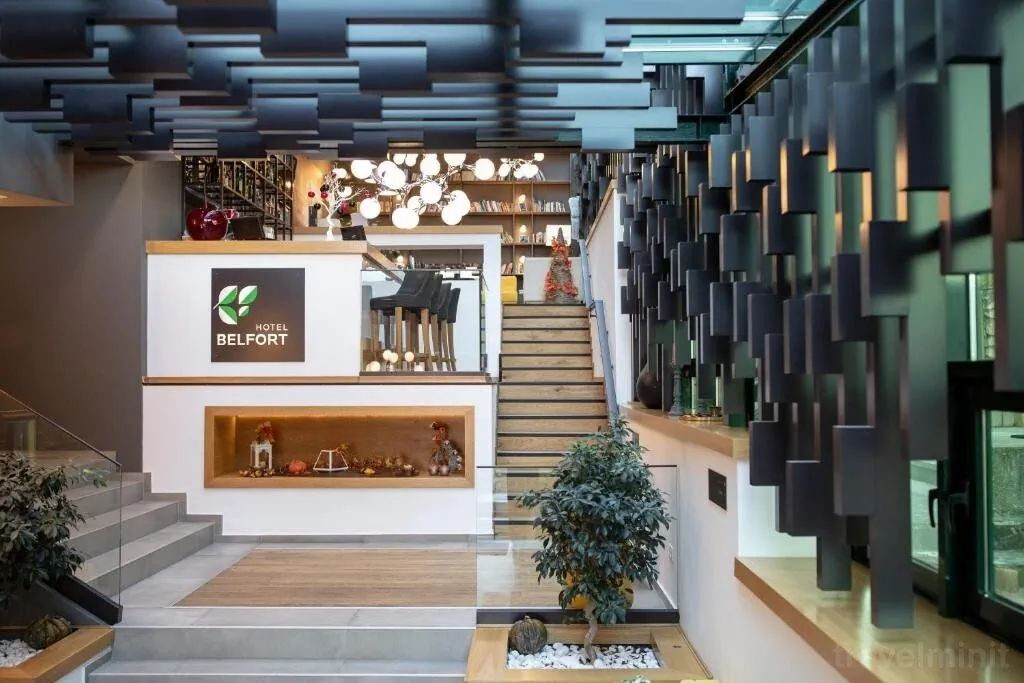
Hotel · 3 stars
Brașov, Brașov County · 1.5 km
Belfort Hotel Brașov
Pe strada Constantin Dobrogeanu Gherea din Brașov se află Belfort Hotel Brașov, un hotel de trei stele care îmbină confortul modern cu proximitatea naturii. Situat la poalele Tâmpei, în apropierea lizierei pădurii, hotelul oferă un refugiu liniștit, departe de aglomerația urbană, dar totodată aproape de principalele puncte de interes ale orașului. Oaspeții dumneavoastră beneficiază de aer condiționat în camere, Wi-Fi gratuit și parcare privată gratuită. Hotelul pune la dispoziție și un bar, o cafenea în incintă, lift, seif în cameră, fier de călcat, pătuț pentru bebeluș și depozit pentru bagaje, asigurând astfel toate condițiile necesare pentru un sejur confortabil și lipsit de griji. Pentru călătoriile în interes de afaceri sau de relaxare, unitatea oferă recepție disponibilă non-stop și servicii de concierge. Vă așteptăm să vă bucurați de facilitățile noastre într-un ambient plăcut, gândit pentru nevoile dumneavoastră. În apropiere puteți vizita Biserica Neagră, Cetatea Brașovului, Muzeul Județean de Istorie din Brașov, Cetatea Râșnov sau Stațiunea Poiana Brașov, fiecare oferind o experiență diferită în această regiune. La plecare, porniți într-o plimbare spre Biserica Neagră și descoperiți istoria și atmosfera unică a orașului Brașov.
FROM
290 lei per night
Hotel · 4 stars
Predeal, Brașov County · 1.9 km
Hotel Carmen Predeal
De la Cetatea Râșnov puteți porni într-o excursie prin munți și prin istoria bogată a zonei. Hotel Carmen Predeal, un hotel de patru stele situat în Predeal, reprezintă un punct de plecare confortabil pentru a explora atracțiile turistice din împrejurimi. Facilitățile hotelului răspund diverselor nevoi ale dumneavoastră de relaxare și confort. Vă puteți bucura de saună, saună umedă, jacuzzi sau cadă cu hidromasaj, iar sala de fitness vă permite să vă mențineți condiția fizică pe durata șederii. Pentru familiile cu copii mici există o cameră de joacă la interior și pătuțuri pentru bebeluși. Unitatea oferă Wi-Fi gratuit în toate spațiile, parcare privată gratuită, lift și depozit pentru bagaje. Accesul persoanelor cu dizabilități este asigurat, iar restaurantul din incintă prepară bucate tradiționale. Mic dejunul este inclus în tariful camerei. În vecinătate puteți vizita Stațiunea Predeal, Castelul Bran, Castelul Peleș și Biserica Neagră, pe lângă Cetatea Râșnov menționată anterior. Vă așteptăm la Hotel Carmen Predeal pentru un sejur plăcut în Predeal.
FROM
420 lei per night
Hotel · 4 stars
Brașov, Brașov County · 2.3 km
Hotel Victoria Bulevard Brașov
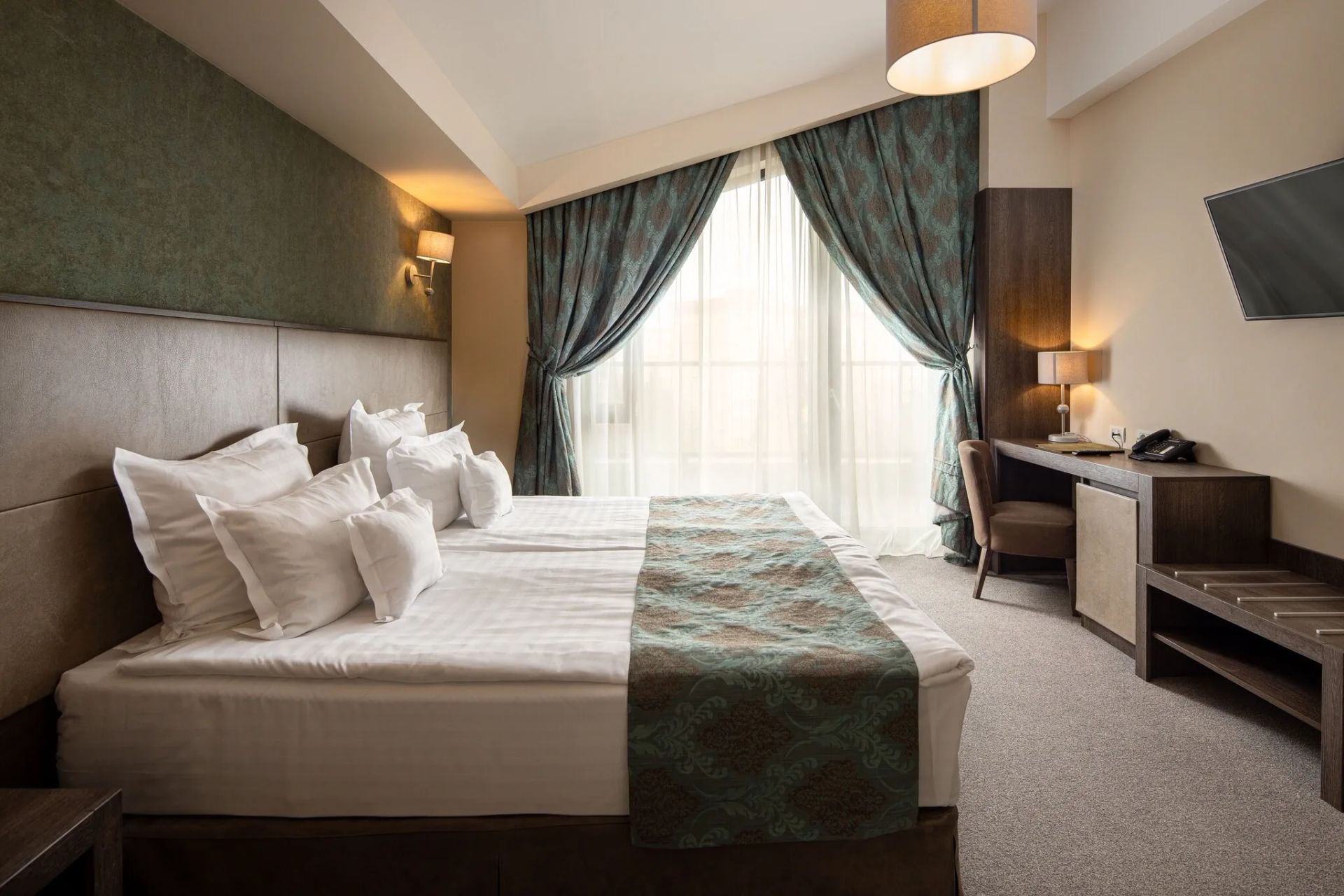
Familiile cu copii și călătorii care caută liniște și confort se vor simți bineveniți la Hotel Victoria Bulevard din Brașov. Unitatea oferă condiții potrivite pentru diverse tipuri de sejur, într-un cadru modern, adaptat atât nevoilor copiilor, cât și celor ale adulților. Pentru relaxare după o zi de explorare, aveți la dispoziție saună, cadă cu hidromasaj și servicii de masaj profesionale, iar sala de fitness este dotată pentru antrenamente eficiente. Barul din incintă reprezintă locul potrivit pentru a vă bucura de un pahar într-o atmosferă plăcută. Pentru confortul dumneavoastră, camerele sunt dotate cu aer condiționat, seif și fier de călcat, iar accesul este facilitat de lift și de facilități pentru persoane cu dizabilități. Pătuțul pentru bebeluș, Wi-Fi-ul gratuit și parcarea privată gratuită adaugă un plus de comoditate, la fel ca depozitul pentru bagaje. În apropiere puteți vizita Biserica Neagră, Cetatea Brașovului, Cetatea Râșnov, Biserica fortificată din Prejmer și Stațiunea Poiana Brașov. Aceste obiective oferă oportunități variate de explorare culturală și de relaxare în natură. Vă așteptăm la Hotel Victoria Bulevard pentru un sejur plăcut în Brașov.
FROM
420 lei per night
BEFORE YOU HIT THE ROAD
Weather conditions in Brașov
Local forecast for St. Nicholas Church - Brâncoveanu, Brașov, Brașov

Real-time updated weather data
Much more to explore in this area
Nearby tourist attractions


12.0 km
16.0 km
20.0 km
24.0 km
28.0 km
32.0 km
36.0 km
40.0 km
44.0 km
48.0 km
52.0 km
56.0 km
Cultural life and traditions
Events in the St. Nicholas Church - Brâncoveanu area
Medieval festivals, traditional fairs, concerts and local activities recommended in Transylvania.

Heritage and History

Brașov, County of Brașov
The Festival of Medieval Fortresses and the Open Doors Days
Guided night tours, traditional crafts workshops and historical re-enactments featuring knights and ladies.
WHEN
May 15-17, 2026


Traditions and Cuisine
Brașov, County of Brașov
The Fair of Saxon Traditions and Local Cuisine
Discover local producers, traditional Saxon pastries baked in a wood-fired oven, artisanal syrups, and rhubarb jam.
WHEN
Every weekend (May - October)

Ecotourism and Nature
The hills of Transylvania, County of Brașov
Guided Hikes on the Transylvanian Hills Trail
Take excursions along unmarked trails through ancient meadows, centuries-old oak trees, and villages with fortified churches that are UNESCO World Heritage sites.
WHEN
Friday – Sunday (Season 2026)
On foot, exploration gains depth
Discover the surroundings and local geography
Explore the trails, terrain, and natural landmarks around St. Nicholas Church - Brâncoveanu.

Guides and practical tips
Useful travel articles
Travel guides, practical recommendations and tourist itineraries for Transylvania.

Tourist guide
Top 5 Atracții Turistice și Trasee Montane în Zona Moieciu - Bran
Descoperă cele mai spectaculoase peisaje carstice, chei adânci și cetăți medievale din imediata apropiere a stațiunii Moieciu.

Tourist guide
Ghid de Drumeție: Traseul Moieciu de Sus spre Platoul Bucegi
Un itinerariu montan de o frumusețe rară ce urcă din Valea Băngăleasa spre Poiana Guțanu și crestele maiestuoase ale Bucegilor.

Tourist guide
Castelul Bran: Istorie, Legende și Secrete Medievale
Află adevărata poveste a fortăreței medievale din Pasul Bran, reședința de suflet a Reginei Maria a României.
THE JOURNEY STARTS WITH AN IDEA
The next story is on the way.
From the first stop to the last stay, make room for a new Romania.
