


PLACE OF WORSHIP · BANAT
Timișoara Metropolitan Cathedral

Timis, Timiș County
Add location to your trip planner.
Practical access information

VISITING HOURS
Monday: 12:00 PM – 5:00 PM · Tuesday–Sunday: 9:00 AM – 5:00 PM (in summer until 8:00 PM)

TICKET PRICE
Adults: 45 RON · Students: 11 RON · Seniors: 23 RON · Guided tour included

RECOMMENDED VISIT DURATION
2-3.5 hours
Visitor information and guide
 Navigate with Google Maps

ABOUT TIMIȘOARA METROPOLITAN CATHEDRAL
Captivating Introduction and Heritage Significance
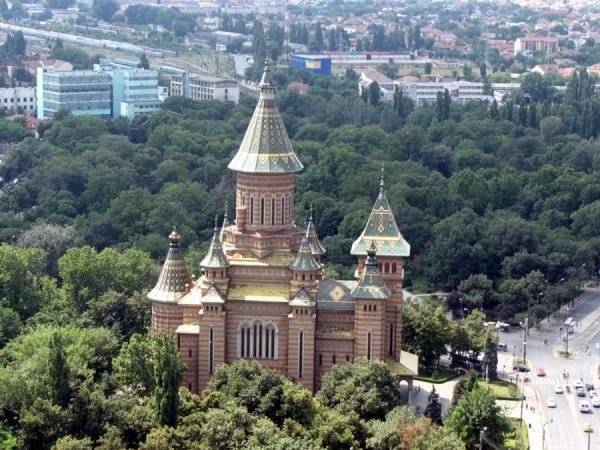
In the heart of Timișoara, a city proudly known as the "Little Vienna" of the Banat region, where Habsburg Baroque architecture meets the multicultural spirit of Central Europe, stands the Metropolitan Cathedral of the Three Holy Hierarchs. Located on King Ferdinand Boulevard, in the immediate vicinity of Union Square, this imposing structure represents far more than a place of worship: it is a monument to Romania’s spiritual renaissance following the Great Union of 1918, an architectural assertion of Orthodox identity in a region historically dominated for centuries by Habsburg and Ottoman influences. With a length of 63 meters, a width of 32 meters, and a staggering height of 83.7 meters, the cathedral can accommodate up to 5,000 worshippers, ranking it among the largest Orthodox cathedrals in all of Southeast Europe. Its silhouette, dominated by nine large and four smaller towers, rises above the red rooftops of the historic center like a bridge between the Byzantine East and the Romanian national character, at a time when European nations sought to redefine their cultural identities in the aftermath of World War I.
Historical Roots and Major European Connections
The history of this cathedral is inseparable from the tumultuous fate of the Banat region, a borderland that for centuries oscillated between the Ottoman Empire and the Habsburg Monarchy. Following its liberation from Ottoman rule in the 18th century, Banat was organized as part of the Austrian Military Frontier, and the Romanian and Serbian Orthodox populations fell under the spiritual jurisdiction of the Metropolitanate of Karlovci, which was influenced by the Patriarchate of Peć. A fundamental shift occurred with the union of Banat with Romania in December 1918, when the Romanian Orthodox Church initiated an extensive administrative reorganization in this historic region. The reestablishment of the parish in the Citadel in 1926, its elevation to an episcopate in 1939, and ultimately its promotion to the dignity of the Metropolis of Banat in 1947 marked essential moments in the consolidation of Romanian Orthodox presence in the west of the country. Built between 1936 and 1940, the cathedral thus belongs to a broader European movement of constructing grand national cathedrals during the interwar period, reflecting the aspirations of the new Romanian state to assert its spiritual identity within the multicultural context specific to this border region. This era was marked across Eastern Europe by the search for a national architectural style that would blend Byzantine tradition with modernity, as seen simultaneously in Yugoslavia with the construction of Saint Sava Cathedral in Belgrade or in Poland with the reconstruction of Warsaw Cathedral, each nation seeking to express its spiritual sovereignty through monumental architecture.
Architectural Masterpiece and Artistic Details
Designed by architect Ion Traianescu, the Metropolitan Cathedral represents a remarkable synthesis between the Neo-Byzantine style and traditional Romanian elements, particularly Moldavian influences visible in the interior decoration. Its volumetric composition, with nine large and four smaller towers arranged in a sophisticated play of proportions, evokes the great Byzantine churches of Constantinople and Thessaloniki, such as Hagia Sophia or Saint Sava Church, yet adapted to the sensibilities of traditional Romanian architecture. The façade, constructed from brick and stone, features rich sculptural decoration reminiscent of the portals of the monastic churches of Bucovina, creating an artistic dialogue between the spirituality of the Orthodox East and the national character. Inside, the gallery of sacred art reveals the frescoes of master Atanasie Demian, whose interior and exterior paintings reinterpret the Byzantine iconographic tradition in a modern vision specific to the 20th century, akin to the Russian artistic circles or the medieval Serbian fresco school of Studenica and Gračanica. However, the true sonic jewel of the cathedral is its seven bells, with an impressive total weight of 8,000 kilograms, cast from a special alloy brought from the islands of Sumatra and Borneo, the former Dutch East Indies. This exotic choice reflects the global connections of the Orthodox community and the Romanian Church at a time when European colonial trade extended to Southeast Asia. The harmonization of these bells was entrusted to composer Sabin Drăgoi, an emblematic figure of Romanian and European music, who gave the ensemble a unique acoustic resonance, integrating the local sonic heritage into the continental cultural landscape alongside the great choral traditions of Europe, from the patriarchal choir of Constantinople to the Russian choral school.
Stories, Personalities, and Turning Points
Beneath the cathedral’s floor lies a museum of ecclesiastical art that preserves the relics of Saint Joseph the New of Partoș, the spiritual protector of Banat. Born in Albania at the end of the 16th century, Joseph became a monk on Mount Athos, then abbot of the Partoș Monastery near Timișoara, where he performed numerous miracles and where he remained after his death in 1656, becoming one of the most beloved saints of Romanian Orthodoxy, officially canonized in 1956. The presence of these relics transforms the cathedral into a site of national pilgrimage, attracting worshippers from across the country and the diaspora. The museum’s collection includes over 3,000 rare ecclesiastical books, more than 130 liturgical objects, ten precious metal artifacts, and ten priestly vestments, alongside a liturgical temple that recreates the atmosphere of a traditional church. Among the precious manuscripts are the "New Testament of Bălgrad" from 1648 and "Varlaam’s Homiliary" from 1643, documents that attest to the continuity of written Romanian culture and the deep connection of the local community with the European tradition of old books and Renaissance printing, inherited from Coresi and continued in the Romanian principalities. The period of construction, between 1936 and 1940, coincided with a time of great political upheaval in Europe, and the completion and consecration of the cathedral in 1940 represented an act of hope and spiritual resilience in the face of the totalitarian threats looming on the horizon. The personality of Sabin Drăgoi, who studied in Leipzig and Paris and was a member of the Romanian Academy, places the cathedral in dialogue with the major currents of European ethnomusicology, akin to Béla Bartók or Zoltán Kodály in neighboring Hungary, seeking to preserve and elevate folk musical heritage through the prism of cultivated art.
Spiritual Center and Cultural Landmark
Dedicated to the Three Holy Hierarchs—Saint Basil the Great, Saint Gregory the Theologian, and Saint John Chrysostom, celebrated in the Orthodox calendar on January 30—the cathedral serves as the seat of the Metropolis of Banat and an essential landmark for religious life in western Romania. These three saints, known as the "Great Cappadocians" and the "Pillars of Orthodoxy," are venerated in both the Orthodox and Roman Catholic Churches as Doctors of the Church, symbolizing the theological wisdom that founded early Christianity, a spiritual bond that transcends confessional boundaries in a historically divided Europe. Strategically positioned in Timișoara’s historic center, near Union Square, the cathedral invites travelers to discover a living page of history, where Byzantine art, choral music, and Orthodox faith converge in a space that breathes European history. In Union Square, visitors encounter a microcosm of Central Europe’s religious diversity: alongside the Orthodox Metropolitan Cathedral stand the Baroque Roman Catholic Cathedral of Saint George, the Serbian Orthodox Cathedral, and the Greek Catholic Church, each representing communities that coexisted here under Habsburg rule. This proximity symbolizes the interfaith dialogue specific to Banat, a region where the boundaries between Catholicism, Orthodoxy, and Protestantism have blurred in favor of peaceful coexistence.
Practical Visitor Guide and Tourist Experience
For the European traveler in Timișoara, visiting the Metropolitan Cathedral offers a profound experience that begins on the Boulevard of the 1989 Revolution, formerly King Ferdinand Avenue, where the Neo-Byzantine silhouette of the edifice contrasts impressively with the Secessionist and Baroque architecture of the surrounding buildings. Entering the cathedral reveals a vast space flooded with light filtered through high windows, where the eye is drawn to the monumentality of the iconostasis and the brilliance of Atanasie Demian’s frescoes. Visitors are invited to attend Sunday services or Vespers, when the cathedral choir, under the baton of conductors trained in the Romanian musical tradition, performs Byzantine music, offering a unique acoustic experience thanks to the seven bells harmonized by Sabin Drăgoi. Descending to the basement, the museum of ecclesiastical art unveils hidden treasures: old Gospels in Church Slavonic, icons on wood and glass, and liturgical vestments embroidered with gold thread, illustrating the artistic continuity of the Orthodox community in Banat over the centuries. Outside, Union Square provides a remarkable urban setting, surrounded by the historic palaces of Habsburg merchants and Viennese-style cafés, allowing for a cultural stroll that connects Orthodox spirituality with Timișoara’s multicultural heritage. For a complete experience, it is recommended to visit the cathedral during the feast of its patron saints on January 30, when the procession with the relics of Saint Joseph the New transforms the area into a vibrant pilgrimage center, or during the periodic concerts of sacred music that showcase the space’s remarkable acoustics. Thus, the Timișoara Metropolitan Cathedral presents itself not only as an impressive architectural monument but as a living space where the history of Southeast Europe, Byzantine art, and the spiritual aspirations of a community converge in a symphony of stone, color, and sound.
Media gallery
Discover Timișoara Metropolitan Cathedral in pictures

5 photos · Architecture, courtyards and captivating details
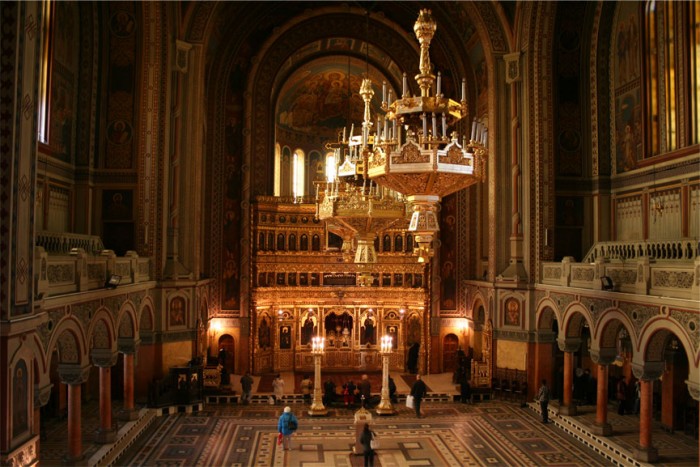


Image source: Wikimedia Commons · Public domain photos · Free license
STAY A FEW DAYS, DISCOVER THE MAGIC
Accommodation in the Timișoara Metropolitan Cathedral area

Hotel · 4 stars

Timișoara, Timiș County · 0.3 km
Hotel Savoy Timișoara
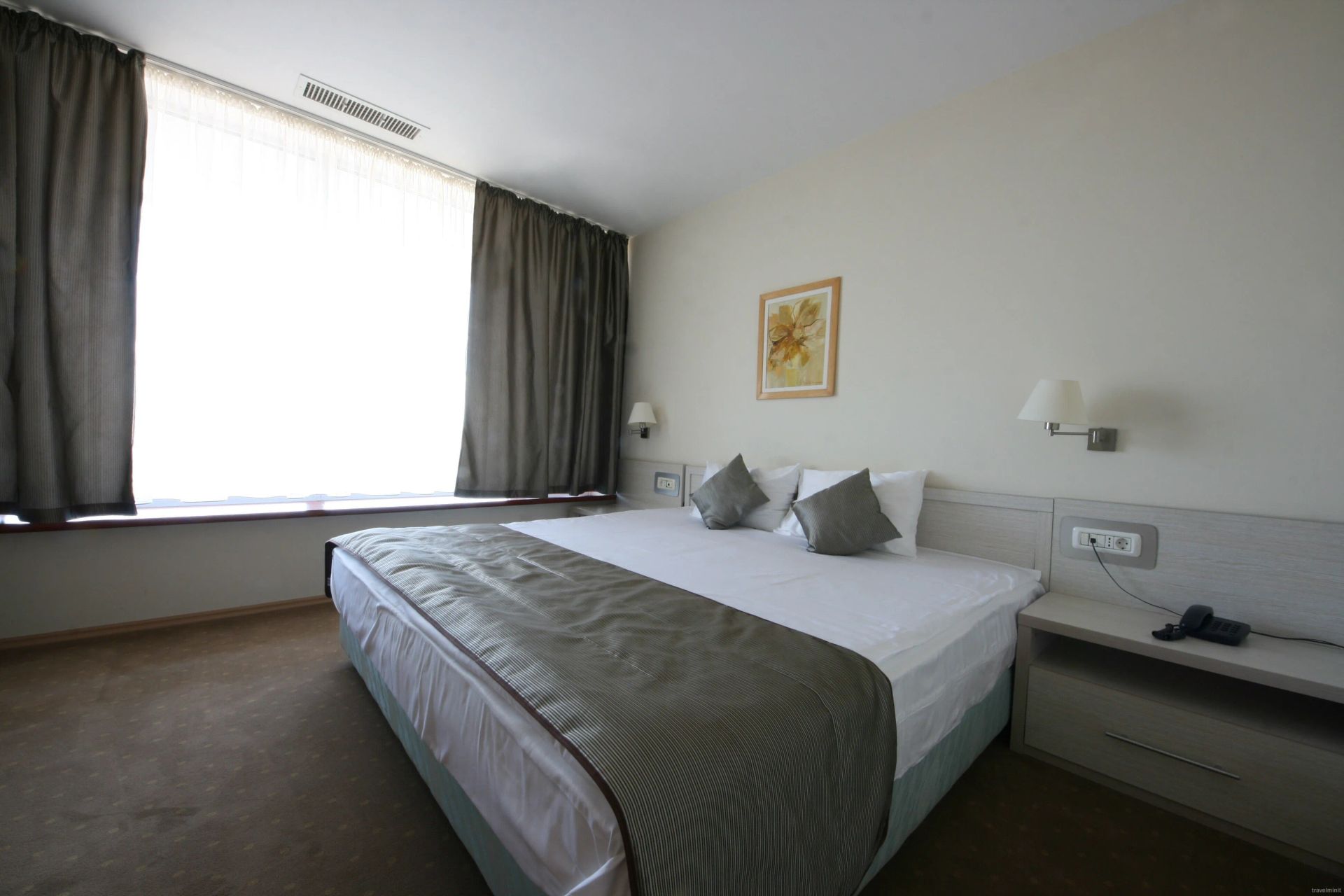
Clădirea situată pe strada Tudor Vladimirescu din Timișoara găzduiește Hotel Savoy, un hotel de patru stele care pune la dispoziție 55 de camere amenajate cu atenție pentru confortul dumneavoastră. În interior, fiecare cameră este dotată cu aer condiționat, iar conexiunea Wi-Fi este disponibilă gratuit în toate spațiile. Parcare privată este oferită fără plată suplimentară, iar printre serviciile disponibile se numără room service și depozit pentru bagaje. Pentru relaxare, aveți acces la sală de fitness, saună și baie de aburi, iar serviciile de wellness vă ajută să vă simțiți bine după o zi plină de activități. Familiile care călătoresc cu bebeluși pot solicita pătuț special la recepție. În apropiere puteți vizita Domul Romano-Catolic, Catedrala Mitropolitană, Statuia Sfânta Maria și Sfântul Ioan Nepomuk, Clădirea Teatrului Național Mihai Eminescu și Muzeul Banatului, toate situate în zona centrală a orașului și ușor accesibile. Este potrivit pentru turiștii care doresc să descopere patrimoniul cultural al Timișoarei într-un ambient confortabil, cu facilități moderne de cazare și relaxare.
FROM
420 lei per night

Hotel · 4 stars
Timișoara, Timiș County · 0.3 km
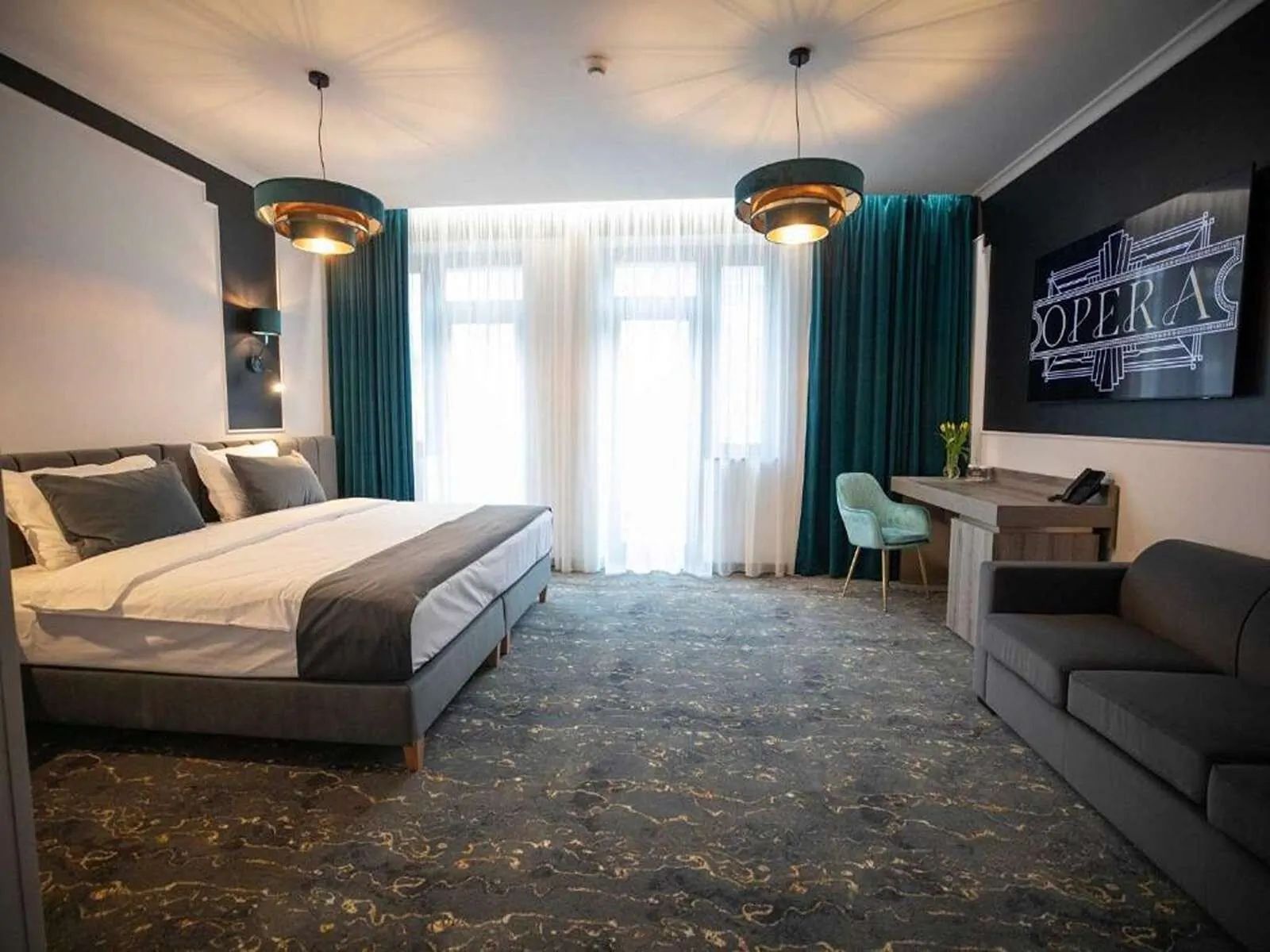
Opera Hotel Timișoara
În apropierea Domului Romano-Catolic din Timișoara se află Opera Hotel, un hotel de 4 stele situat în Timișoara, pe bulevardul Republicii. Acesta reprezintă un punct de plecare potrivit pentru a descoperi atracțiile culturale și istorice ale orașului, într-un cadru confortabil. Pentru confortul dumneavoastră, hotelul pune la dispoziție Wi-Fi gratuit în întreaga proprietate, parcare privată gratuită și servicii de room service. Veți găsi și facilități precum seif, fier de călcat, depozit pentru bagaje, acces pentru persoane cu dizabilități și lift. Restaurantul din incintă oferă meniuri pentru diete speciale, iar pentru familiile cu copii sunt disponibile pătuț pentru bebeluș și scaun înalt pentru copii. În vecinătate puteți vizita Catedrala Mitropolitană din Timișoara, Statuia Sfânta Maria și Sfântul Ioan Nepomuk, Clădirea Teatrului Național Mihai Eminescu din Timișoara și Muzeul Banatului din Timișoara. Toate aceste obiective se află la îndemână, oferindu-vă ocazia de a cunoaște îndeaproape istoria și arhitectura remarcabilă a municipiului. Vă așteptăm să porniți de aici în explorarea zonei, începând cu o vizită la Muzeul Banatului din Timișoara.
FROM
420 lei per night
Hotel · 4 stars
Timișoara, Timiș County · 0.4 km
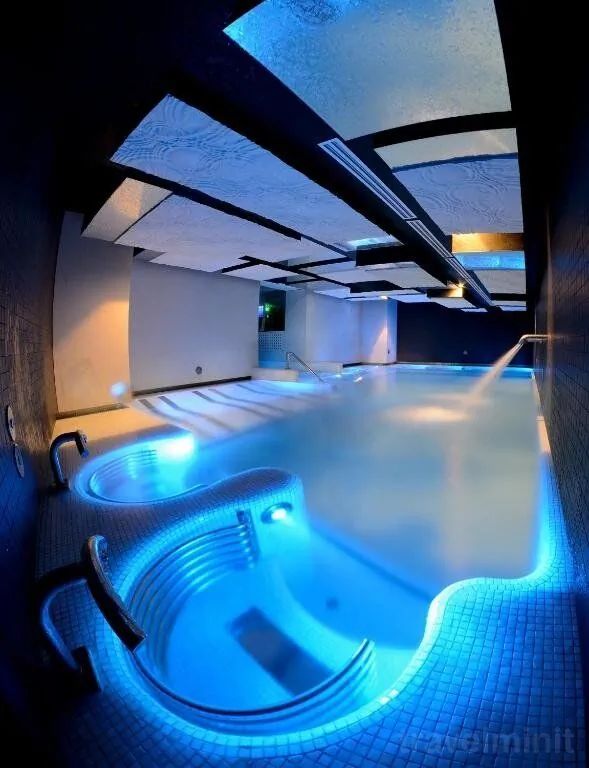
Hotel Timisoara Timisoara
La câțiva pași de Domul Romano-Catolic din Timișoara se află Hotel Timisoara Timisoara, un hotel de patru stele situat în centrul orașului Timișoara. De aici puteți porni spre descoperirea Catedralei Mitropolitane din Timișoara, a Statuii Sfânta Maria și Sfântul Ioan Nepomuk, a Clădirii Teatrului Național Mihai Eminescu sau a Muzeului Banatului. Unitatea oferă cazare în douăzeci de camere frumos amenajate, iar accesul cu animale de companie este permis. Beneficiați de servicii wellness complete: saună, saună umedă, jacuzzi, cadă cu hidromasaj și servicii de masaj, alături de o sală de fitness pentru menținerea formei fizice. Pe lângă Wi-Fi gratuit și room service, aveți la dispoziție parcare privată gratuită și depozit pentru bagaje. Unele camere sunt prevăzute cu aer condiționat, iar accesul persoanelor cu dizabilități este asigurat. La cerere sunt disponibile pătuț pentru bebeluș și fier de călcat. Personalul de la recepție vorbește română, engleză, germană și italiană. Camera poate fi ocupată de la ora 13:00, iar predarea se face până la ora 12:00. Vă așteptăm la Hotel Timisoara Timisoara.
FROM
420 lei per night
Apartment · 1 star
Timișoara, Timiș County · 0.6 km
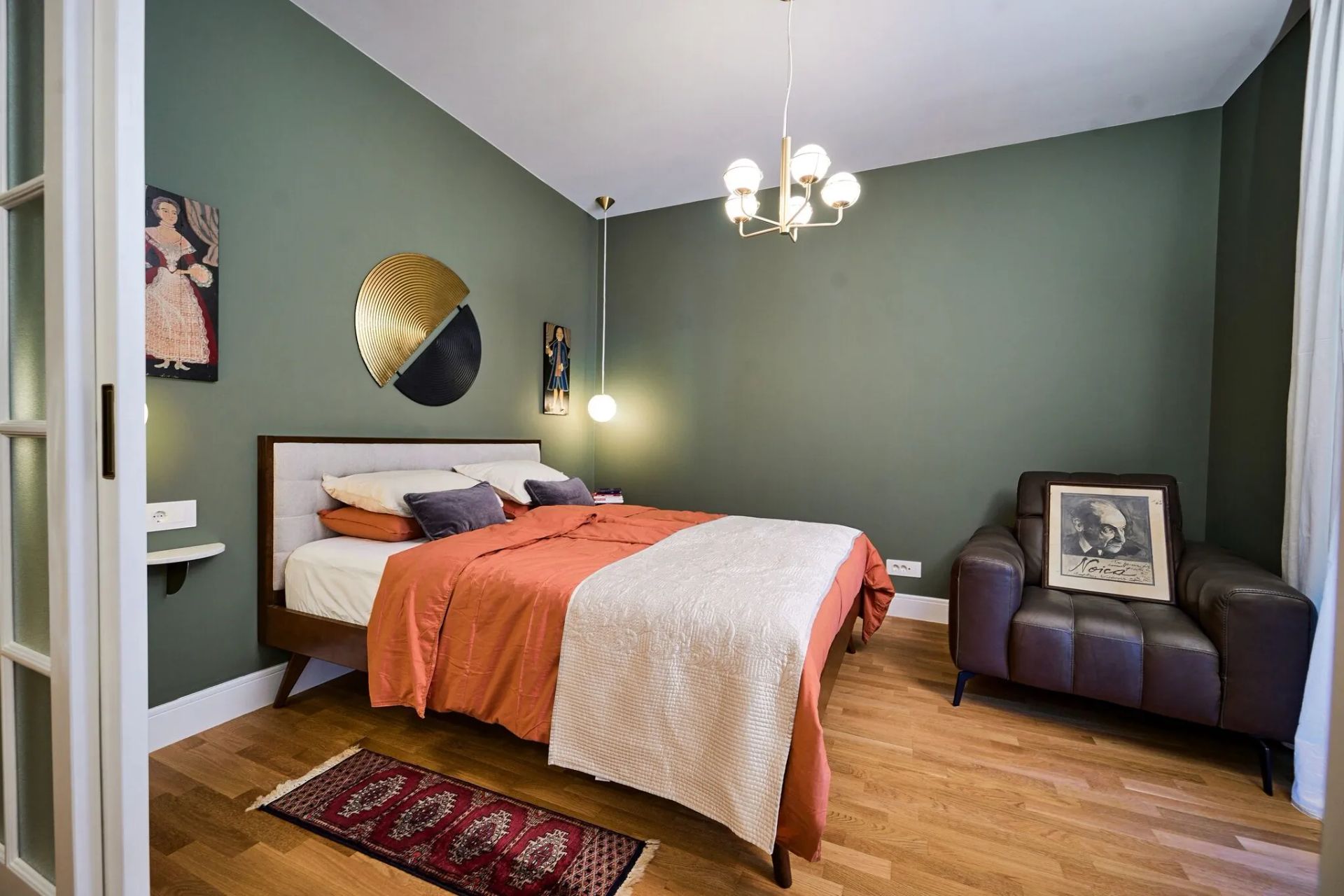
Central Oliv Apartment Timișoara
Comfort, relaxation and stunning views, all just steps away from the main attractions.
FROM
230 lei per night
Apartment · 3 stars
Timișoara, Timiș County · 0.6 km
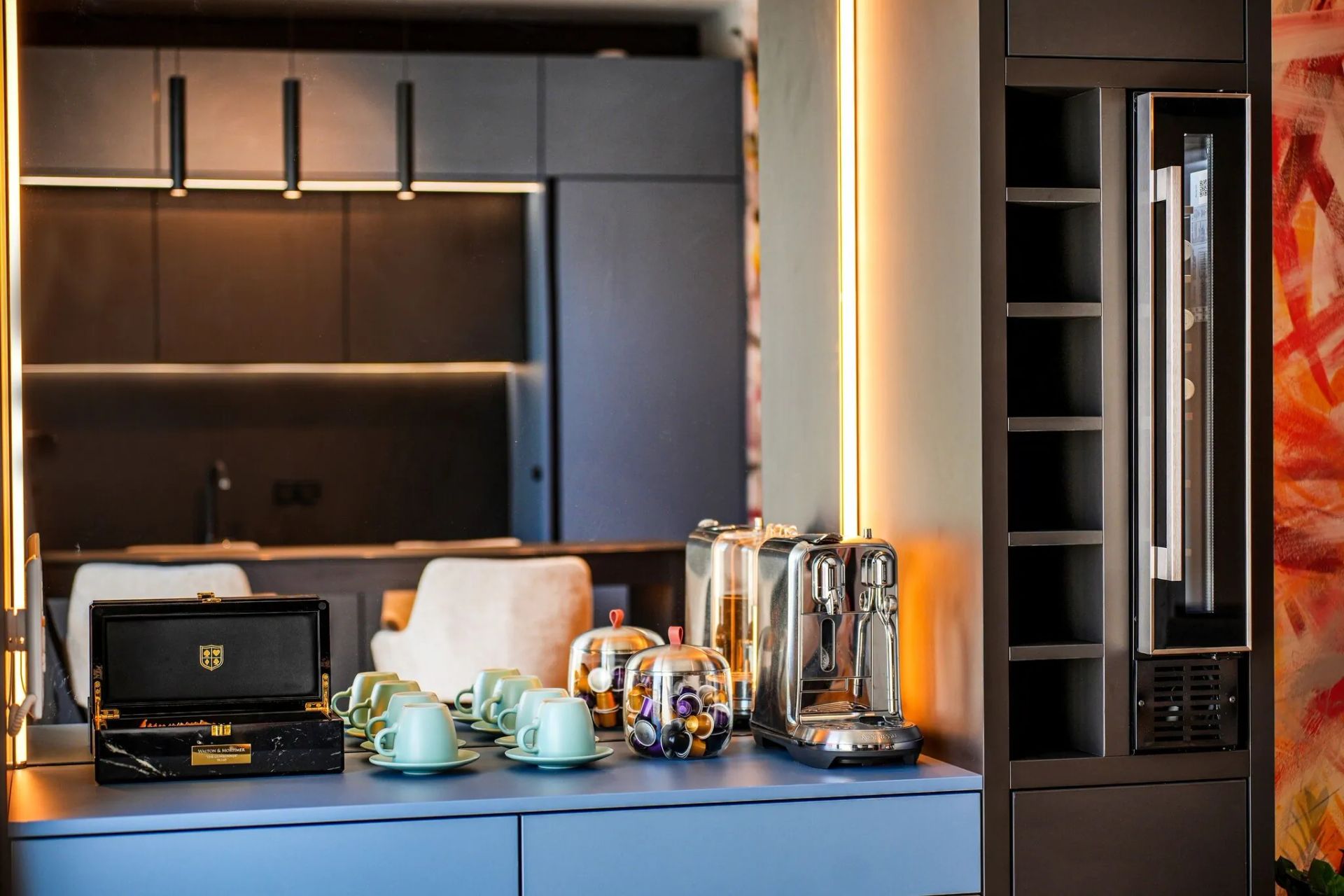
Central Paul Deluxe Apartament Timișoara
Comfort, relaxation and stunning views, all just steps away from the main attractions.
FROM
230 lei per night
Boutique hotel · 4 stars
Timișoara, Timiș County · 0.7 km
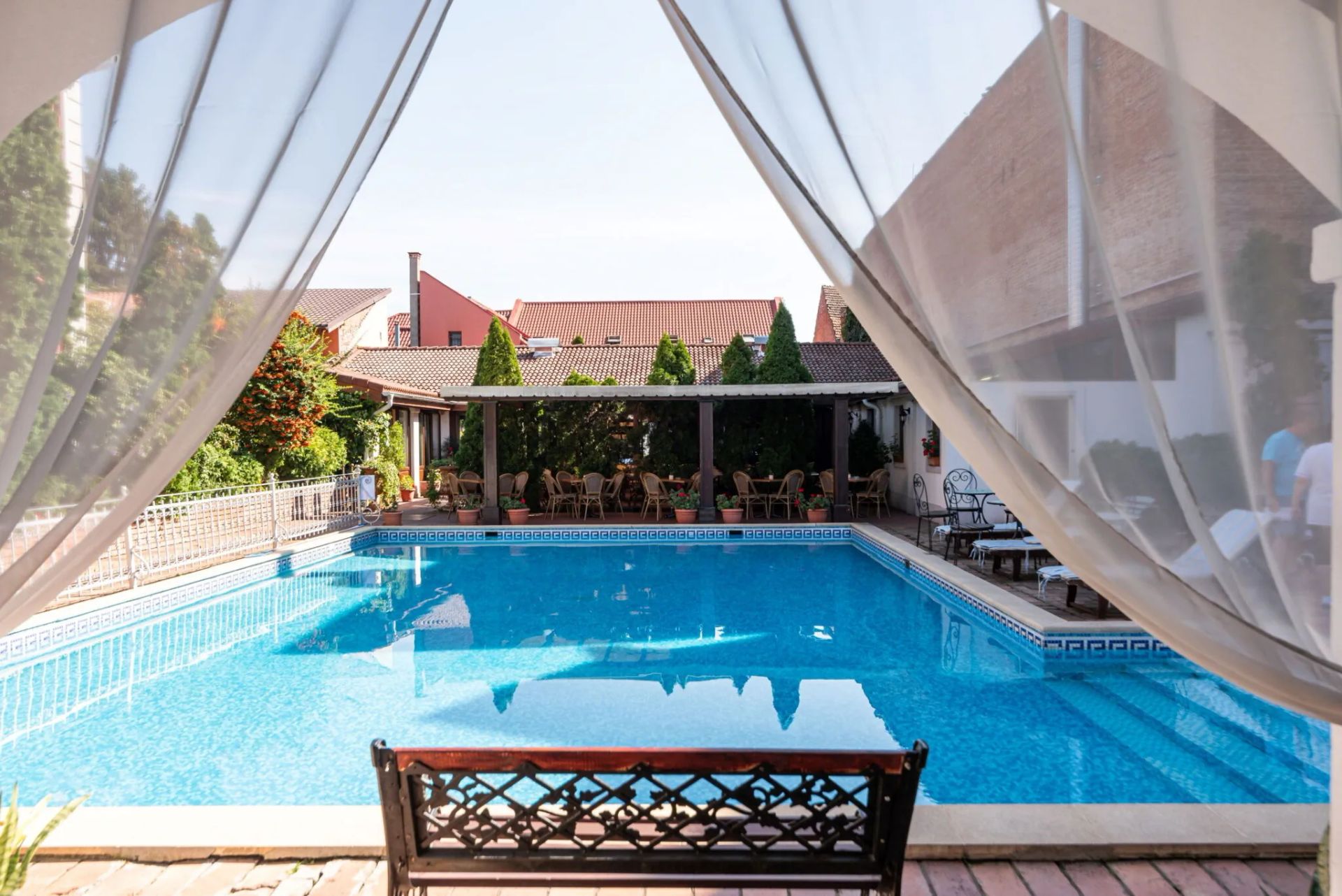
Hotel Boutique Casa del Sole Timișoara
În apropierea Hotelului Boutique Casa del Sole din Timișoara se află Catedrala Mitropolitană, un reper spiritual și arhitectural deosebit al orașului. Din această locație aveți un punct de plecare excelent pentru a descoperi centrul istoric și atmosfera vibrantă a Timișoarei. Unitatea oferă condiții moderne pentru relaxare și îngrijire personală. Vă puteți bucura de saună, baie de aburi și cadă cu hidromasaj, iar sala de fitness este disponibilă pentru menținerea tonusului fizic. Aerul condiționat asigură confortul necesar în fiecare cameră. Grădina amenajată și curtea mare reprezintă spații generoase pentru momente de liniște, iar terasa la soare este perfectă pentru dimineți însorite. Beneficiați de Wi-Fi gratuit în întreaga unitate, room service, parcare privată gratuită și depozit pentru bagaje. Sunt disponibile și facilități pentru persoane cu dizabilități, precum și pătuț pentru bebeluș. În vecinătate puteți vizita Domul Romano-Catolic, Statuia Sfânta Maria și Sfântul Ioan Nepomuk, Clădirea Teatrului Național Mihai Eminescu sau Muzeul Banatului, fiecare oferind o perspectivă unică asupra patrimoniului local. Vă așteptăm să porniți de aici într-o călătorie prin istoria și cultura Timișoarei, cu Domul Romano-Catolic printre primele opriri.
FROM
420 lei per night
BEFORE YOU HIT THE ROAD
Weather conditions in Timis
Local forecast for Timișoara Metropolitan Cathedral, Timis, Timiș

Real-time updated weather data
Much more to explore in this area
Nearby tourist attractions


Timis, Timiș County
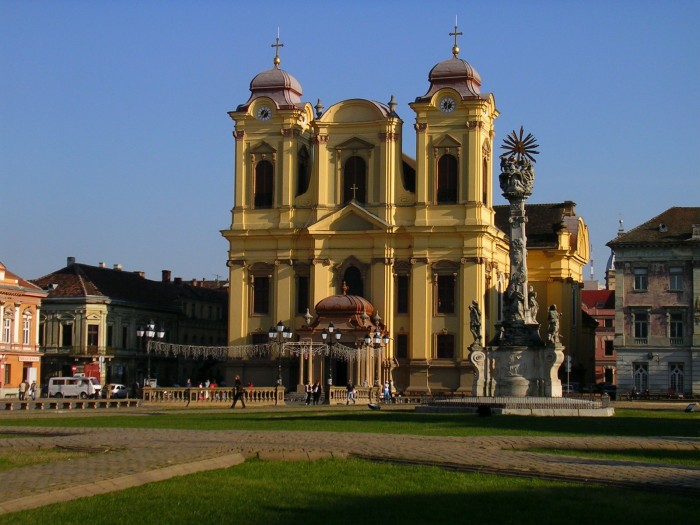
Timișoara Roman Catholic Cathedral
Situat in Piata Uinrii, nr. 12, municipiul Timisoara; este Catedrala Episcopiei Romano-Catolice din Timisoara si a fost construita intre anii 1736 - 1774;...
1.0 km
Timis, Timiș County
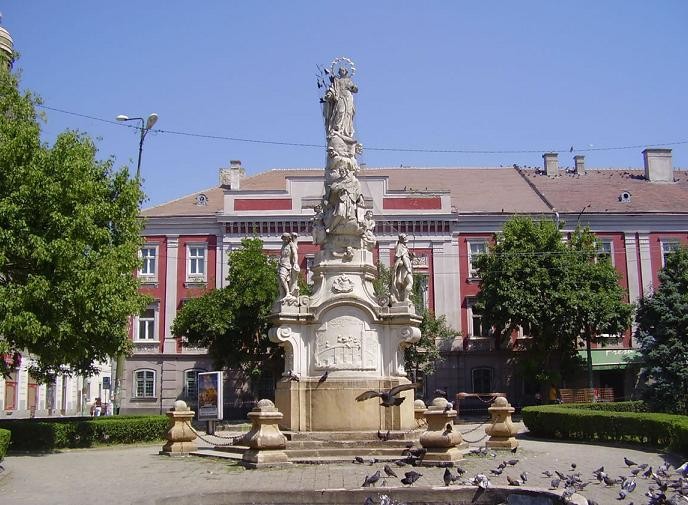
Statue of Saint Mary and Saint John of Nepomuk in Timișoara
Situata in Piata Libertatii din municipiul Timisoara; a fost montata in anul 1756 in fata Primariei Vechi; realizata la Viena de catre F.Blim si E....
0.6 km

Timis, Timiș County
Mihai Eminescu National Theatre in Timișoara
Situat pe strada Alba Iulia, nr. 2, municipiul Timisoara; ridicat intre anii 1872 - 1875; a fost inaugurat la 22 septembrie 1876; din punct de vedere...
0.4 km
Arad, Arad County
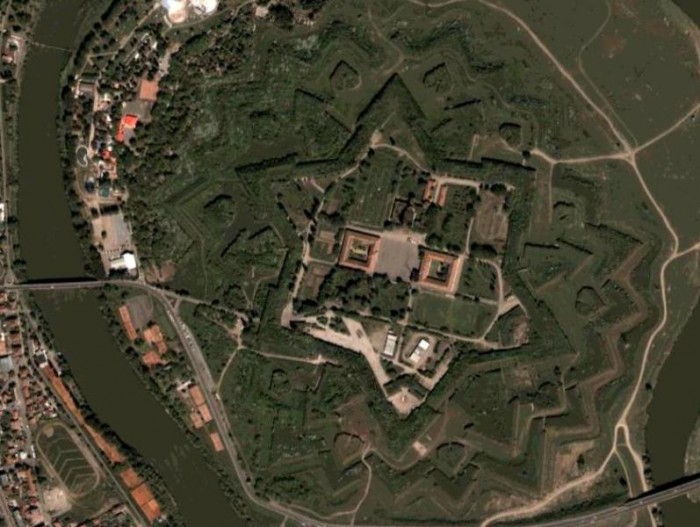
Arad Fortress
Situata pe malul stang al Muresului, in municipiul Arad; ridicata la cererea imparatesei Maria Tereza; proiectata de arhitectul militar Ferdinand Philipp...
47.5 km
Timis, Timiș County
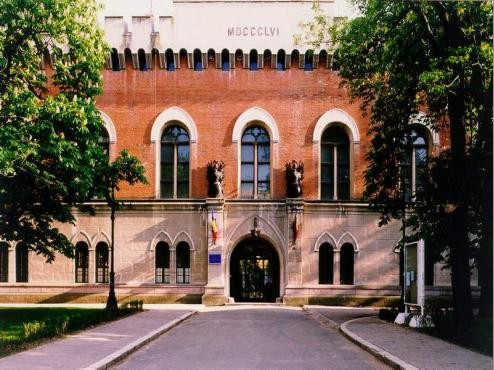
Banat Museum in Timișoara
Situat in Piata Huniade, nr. 1, municipiul Timisoara; bazele muzeului au fost puse in anul 1872, prin infiintarea Societatii de Istorie si Arheologie din Banat;...
0.3 km
Timis, Timiș County
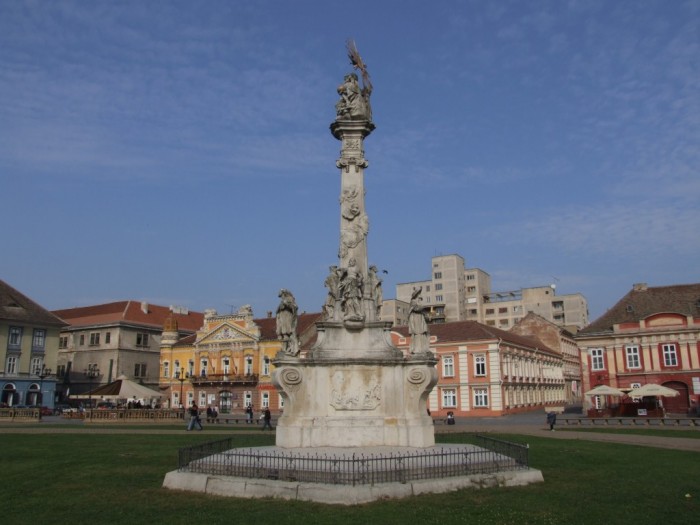
Holy Trinity Monument (Plague Column) in Timișoara
Situat in Piata Unirii din municipiul Timisoara; piatra de fundatie a monumentului a fost pusa la 21 noiembrie 1740, iar monumentul a fost montat in Piata...
0.9 km

1.0 km
Timis, Timiș County
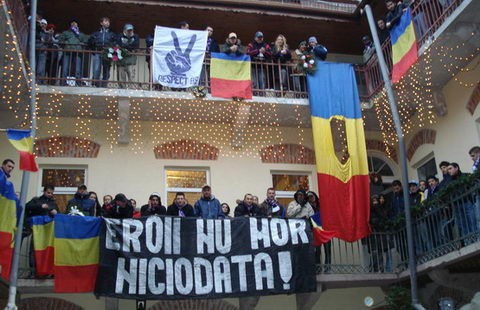
Timișoara Revolution Memorial
Situat pe str. Oituz nr. 2B din localitatea Timisoara; reprezinta cel mai important punct de depozitare si prezentare a informatiilor referitoare la Revolutia...
1.1 km
Timis, Timiș County
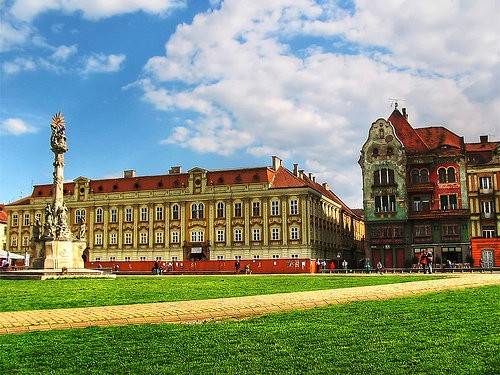
Timișoara Baroque Palace
Situat in Piata Unirii, din municipiul Timisoara; reprezinta unul dintre cele mai importante si mai frumoase monumente ale orasului; din punct de vedere...
0.8 km
Timis, Timiș County
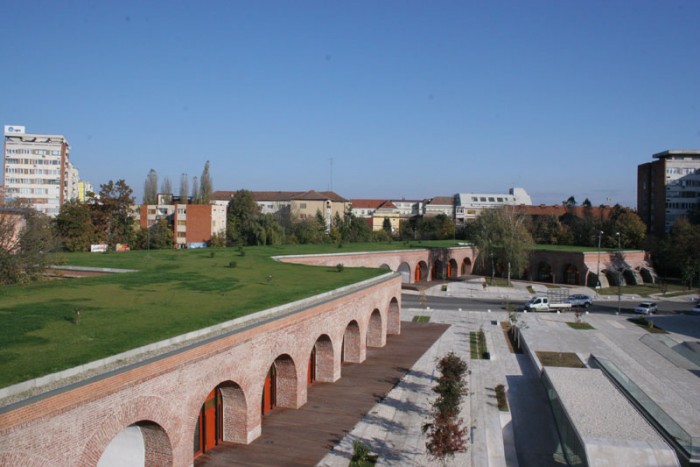
Maria Theresia Bastion
Situat pe strada Hector, municipiul Timisoara; construit intre anii 1730 - 1735; din punct de vedere arhitectural apartine stilului baroc; este cea mai mare...
1.0 km
Arad, Arad County
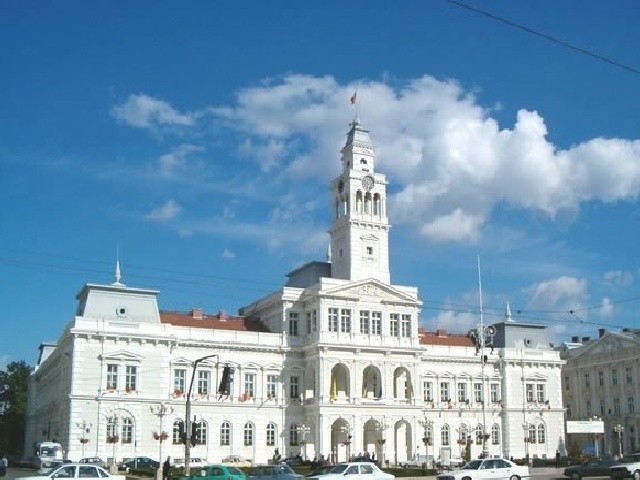
Arad Administrative Palace
Situat pe Bulevardul Revolutiei nr. 75, Arad; construit intre anii 1872-1874, in stil renascentist, turnul interior cu orologiu (adus din Elvetia) fiind...
47.8 km

Arad, Arad County
Arad Museum Complex
Situat in incinta Palatului Cultural, localizat in Piata George Enescu nr. 1, Arad; deschis in 1983; detine peste 125.000 de piese; la sectia de arheologie si...
48.6 km
Cultural life and traditions
Events in the Timișoara Metropolitan Cathedral area
Medieval festivals, traditional fairs, concerts and local activities recommended in Banat.

Traditions and Crafts

Timis, County of Timiș
Days of Local Culture and Traditional Tourism
Open workshops featuring pottery, wood carving, and authentic folklore demonstrations by local artisans.
WHEN
May 15-17, 2026


Traditional Cuisine
Timis, County of Timiș
The Fair of Traditional Products and Local Cuisine
Traditional products, aged cheeses, mountain honey and local delicacies prepared according to ancient recipes.
WHEN
Every weekend

Culture and Photography
Timis, County of Timiș
Themed and Photographic Guided Tour of Cultural Heritage
A guided tour designed for history buffs, nature lovers, and photography enthusiasts, showcasing the most spectacular views in the area.
WHEN
Daily schedule available upon request
On foot, exploration gains depth
Discover the surroundings and local geography
Explore the trails, terrain, and natural landmarks around Timișoara Metropolitan Cathedral.

Guides and practical tips
Useful travel articles
Travel guides, practical recommendations and tourist itineraries for Banat.

Tourist guide
Castelul Bran: Istorie, Legende și Secrete Medievale
Află adevărata poveste a fortăreței medievale din Pasul Bran, reședința de suflet a Reginei Maria a României.

Tourist guide
Top 5 Atracții Turistice și Trasee Montane în Zona Moieciu - Bran
Descoperă cele mai spectaculoase peisaje carstice, chei adânci și cetăți medievale din imediata apropiere a stațiunii Moieciu.

Tourist guide
Ghid de Drumeție: Traseul Moieciu de Sus spre Platoul Bucegi
Un itinerariu montan de o frumusețe rară ce urcă din Valea Băngăleasa spre Poiana Guțanu și crestele maiestuoase ale Bucegilor.
THE JOURNEY STARTS WITH AN IDEA
The next story is on the way.
From the first stop to the last stay, make room for a new Romania.
