


PLACE OF WORSHIP · MARAMURES
Wooden Churches of Maramureș

Maramureș, Maramureș County
Add location to your trip planner.

Practical access information

VISITING HOURS
Monday: 12:00 PM – 5:00 PM · Tuesday–Sunday: 9:00 AM – 5:00 PM (in summer until 8:00 PM)

TICKET PRICE
Adults: 45 RON · Students: 11 RON · Seniors: 23 RON · Guided tour included

RECOMMENDED VISIT DURATION
30-60 minutes
Sources and external references
Wikipedia Encyclopedia (EN)
ABOUT WOODEN CHURCHES OF MARAMUREȘ
Horizons of Wood and Light: Chapters from Maramureș’s Vertical Spirituality
In the highest and most secluded heart of the Eastern Carpathians, where the valleys of the Iza, Lăpuș, and Cosău rivers lie hidden between forested ridges and tradition seems to have preserved time in a sweet memory, eight wooden churches rise toward the heavens. These structures represent, without doubt, the most impressive achievement of vernacular sacred architecture in all of Eastern Europe. Inscribed on the UNESCO World Heritage List in 1999, these monuments are not mere religious buildings but true vertical cathedrals—silent witnesses to a civilization that understood spirituality could be sculpted from massive oak and fir trunks, transforming raw material into an aspiration for transcendence. Built between the 17th and 18th centuries, these churches—from the venerable Church of "Saint Nicholas" in Budești, dating to 1643 and still preserving original frescoes of rare intensity, to the imposing church in Șurdești, whose tower soars to 54 meters, the tallest wooden structure in Europe at the time of its construction in 1766—constitute a living treasure of human cultural heritage, an unbroken dialogue between earth and sky, between humanity and the divine.
Historical Roots in the Heart of Central Europe
To understand the depth of these monuments, we must return to the tumultuous history of Transylvania, a region at the crossroads of Europe’s great empires. Maramureș, situated on the border between the Kingdom of Hungary and the Principality of Transylvania, later under the dominion of the Habsburg Monarchy and the Austro-Hungarian Empire, was for centuries a frontier territory where Orthodoxy, Catholicism, and Protestantism met, clashed, and ultimately learned to coexist. The 17th and 18th centuries represented a golden age for the construction of these churches, set against a historical backdrop marked by the Counter-Reformation and the Habsburg authorities’ efforts to unify religious rites. Rural communities, often isolated in narrow valleys and protected by mountains, found in wood—the most accessible and resilient material against harsh winters—the ideal means to express their faith and identity. These churches are not merely isolated local creations but part of a vast European tradition of wooden sacred architecture, engaging in direct dialogue with the stave churches of Norway—such as those at Borgund or Urnes, built in the 12th and 13th centuries—and with the wooden church traditions of Poland, Slovakia, Carpathian Ukraine, and northern Hungary. They demonstrate how mountain communities across Central and Eastern Europe, facing the same severe climatic challenges and spiritual aspirations, developed convergent architectural solutions based on verticality, local carpentry craftsmanship, and adaptation to rugged terrain. In this sense, the churches of Maramureș represent a living bridge between East and West, between the Byzantine tradition of sacred space and the Gothic influences that penetrated Transylvania through monastic orders and trade with the cities of the Holy Roman Empire.
An Architectural Masterpiece Between East and West
The architecture of these monuments represents a unique hybrid, a sophisticated fusion of Western Gothic elements—ogival arches, stylized buttresses, an accentuated verticality striving to reach the heavens—and the Byzantine tradition of organizing sacred space, resulting in a style unmatched elsewhere on the continent. Each church follows a well-defined plan: the altar (separated by an iconostasis), the nave (the central space for the faithful), the porch or târnaț (an open gallery on one or more sides, a specific feature of Maramureș architecture that offers protection from the elements and a space for meditation between the sacred and the profane), and, dominating the entire ensemble, the bell tower. The latter, covered in wooden shingles called draniță and crowned with a masterfully forged metal cross, rises gracefully above the steeply pitched roofs, creating unmistakable silhouettes against the mountain backdrop. The tower at Șurdești, with its 54 meters, remains a European record for wooden sacred structures, a testament to the communities’ ambition to express their faith through monuments visible from afar, guiding travelers and announcing prayer. The construction technique is equally remarkable: anonymous master carpenters, keepers of traditions passed down through generations, used exclusively oak and fir wood, joining beams with mortise-and-tenon systems without metal nails, a technique that gives the structures remarkable flexibility against earthquakes and mountain winds.
Inside, the space reveals an atmosphere of profound intimacy and mystery. The wooden walls are adorned with mural paintings created by local iconographic schools in the 17th and 18th centuries, which developed a specific artistic language capable of transposing complex biblical scenes into an expressive, often naive style in form but deeply emotional in impact. From the Last Judgment depicted on the western wall to scenes from the life of the Savior and the Virgin Mary, the frescoes cover nearly the entire interior surfaces, transforming the church into a "Bible in images" for a largely illiterate population. The iconostasis, the separator between the altar and the nave, is often intricately carved and painted, while the open porch invites contemplation, offering breathtaking views of the surrounding valleys and allowing sunlight to filter through narrow windows, creating a subtle interplay of shadows and light that animates the frescoes in a magical way.
Painting, Craftsmanship, and Living Memory
The art of these churches extends beyond architecture. The painting schools of Maramureș, particularly active in the 18th century, produced anonymous masters of extraordinary sensitivity, capable of blending the Byzantine iconographic tradition—with its hieratic lines and symbolic colors—with Western Baroque influences and a profound local perception of the sacred. The painters of these churches, often monks or peasant iconographers, worked directly on fresh wood, using natural pigments and specific application techniques, preserving a rich chromatic palette dominated by ochre, Prussian blue, emerald green, and cinnabar red. Each church has its own artistic "personality": Budești impresses with the antiquity of its 1643 paintings, while Bârsana, though built later (in the early 18th century) as part of a monastic complex, features painting of a distinct expressiveness by the local school. The church in Ieud, perched on a hill with panoramic views, preserves fragments of painting that reveal diverse stylistic influences, reflecting its position at the intersection of trade routes. These paintings are not mere decorations but true visual catechisms, intended to educate the faithful and instill the awe and reverence necessary for salvation in an era when access to sacred texts was limited.
Chronicles, Craftsmen, and Resilience Through Time
The story of these churches is also the story of a community’s resilience in the face of historical vicissitudes. Built during a period of religious turmoil, when Orthodox and Greek Catholics were subjected to pressures to unite with the Roman papacy, these monuments survived world wars, foreign occupations, and, more gravely, the communist regime, which in the 1950s and 1960s attempted to demolish or repurpose many of them as atheist museums or left them to decay. The fact that eight of them were preserved, restored, and inscribed on the World Heritage List in 1999 represents a crucial turning point, an international recognition of their universal value. The craftsmen who built them—anonymous carpenters whose names have been lost to time but whose art still speaks—were true architects of the sacred, capable of transforming tree trunks into vertical poetry. Local legends tell of builders who worked day and night, guided by divine visions, or of how towers were raised with the help of entire communities, men, women, and children pulling ropes in an impressive collective effort. The painters, in turn, such as Ștefan of Șugatag, left behind not only works of art but a spiritual legacy that continues to inspire generations.
A Guide for Pilgrims and Travelers
A journey through historical Maramureș offers the unique opportunity to discover these sanctuaries in their native villages, along well-marked thematic routes following the courses of the Iza and Lăpuș rivers. The eight UNESCO-listed churches—Bârsana, Budești, Desești, Ieud, Plopiș, Șurdești, Budeni, and Poienile Izei—are scattered across a landscape of wild beauty, each accessible via country roads winding through hills and forests. It is recommended to visit in the early morning or late afternoon, when sunlight filters through narrow windows, illuminating the interior frescoes in a fascinating interplay of shadows and light, creating an atmosphere of profound tranquility and meditation. Visitors should wear comfortable footwear for unpaved roads and respect the silence of these sacred places, maintaining an attitude of humility before these monuments. For a complete cultural experience, the journey should be combined with exploring the intricately carved wooden gates of Maramureș—true works of folk art marking the entrance to homesteads—and visiting traditional villages, thus keeping alive the memory of a civilization where wood becomes stone and stone, in turn, pays homage to the heavens. Nearby, in Săpânța, the Merry Cemetery offers another facet of Maramureș spirituality, while in Sighet, the Memorial to the Victims of Communism and Resistance completes a deeper understanding of the region’s history. Thus, the wooden churches of Maramureș are not merely monuments to visit but gateways to a world where art, faith, and nature together created a civilization unique in Europe.
Media gallery
Discover Wooden Churches of Maramureș in pictures

1 photos · Architecture, courtyards and captivating details

Image source: Wikimedia Commons · Public domain photos · Free license
STAY A FEW DAYS, DISCOVER THE MAGIC
Accommodation in the Wooden Churches of Maramureș area

Hotel · 3 stars

Vişeu de Sus, Maramureș County · 0.3 km
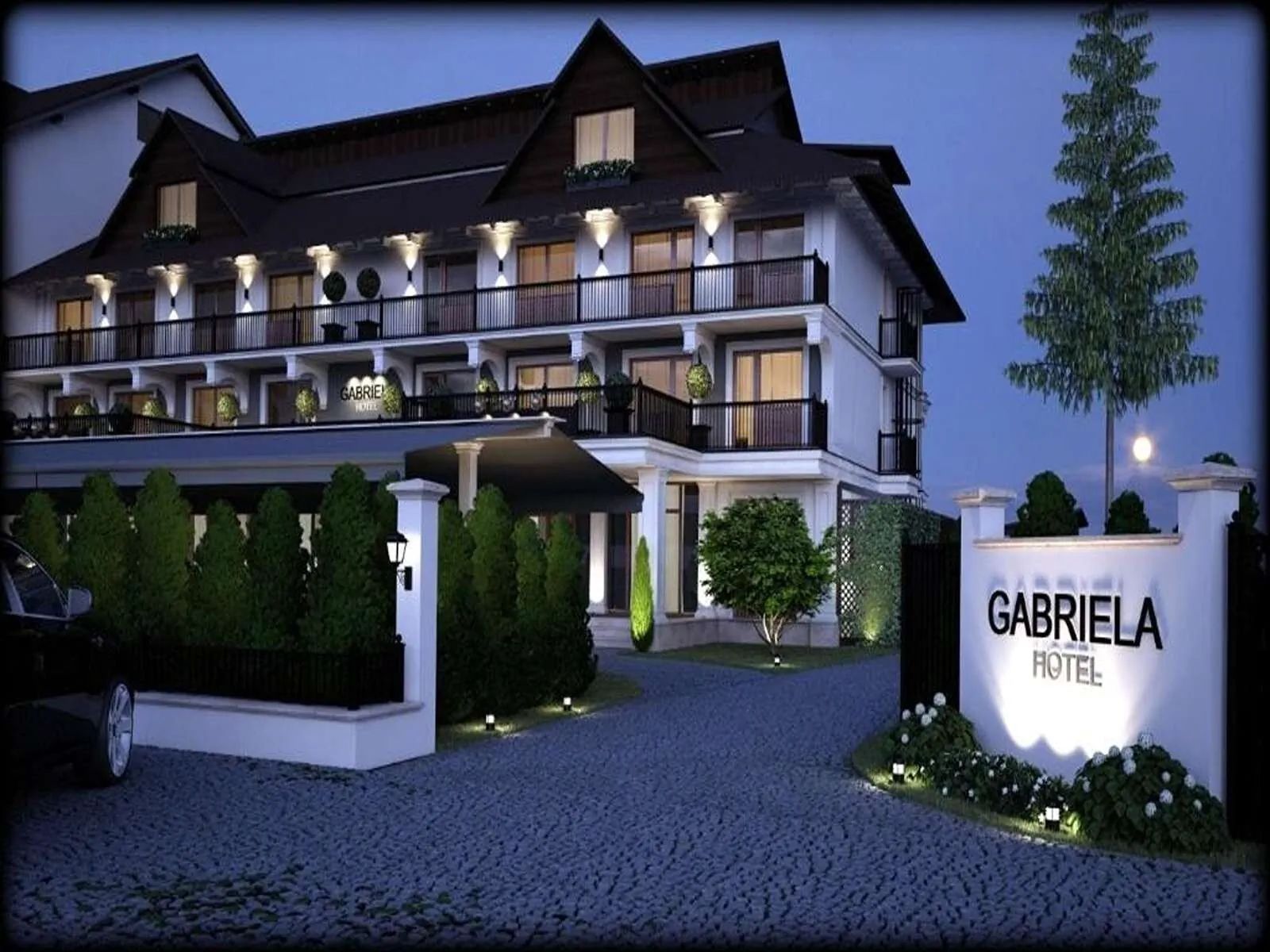
Hotel Gabriela Vișeu de Sus
Jacuzzi sau cadă cu hidromasaj vă așteaptă la Hotel Gabriela din Vişeu de Sus, județul Maramureș. Aici veți găsi un refugiu liniștit, departe de aglomerația urbană, unde confortul întâlnește ospitalitatea specifică zonei și atmosfera caldă a unei locuințe primitoare, potrivită pentru relaxare după zile lungi de drumeții. După o zi petrecută explorând Vârful Pietrosul Rodnei din Munții Rodnei sau vizitând Biserica de lemn din Ieud, vă puteți relaxa în saună, în sauna umedă sau în baia de aburi pusă la dispoziția dumneavoastră. Unitatea oferă și sală de fitness pentru cei care doresc să își mențină rutina zilnică, Wi-Fi gratuit în toate spațiile și parcare privată gratuită pentru oaspeți. Toate aceste facilități contribuie la un sejur confortabil și lipsit de griji, într-un ambient plăcut. În apropiere se află și Mănăstirea de la Moisei, Peștera Izvorul Tăușoarelor și Carpații Orientali, oferind numeroase posibilități de explorare a naturii sălbatice, a peisajelor montane și a tradițiilor autentice ale Maramureșului. Seara, după o zi plină de activități în aer liber, vă puteți bucura de momente de relaxare profundă în cada cu hidromasaj.
FROM
290 lei per night

Holiday resort · 3 stars
Cicârlău, Maramureș County · 0.7 km
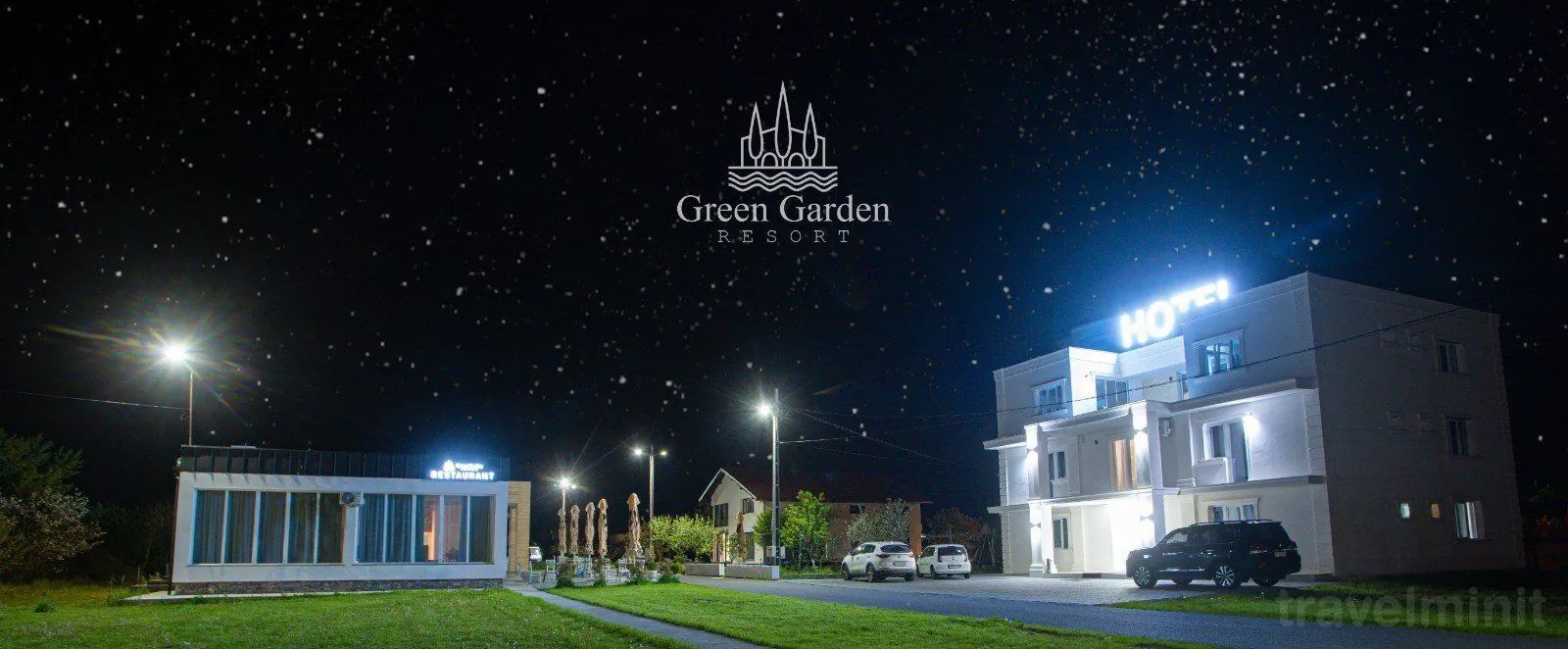
Green Garden Resort Cicârlău
Familiile cu copii se vor simți binevenite la Green Garden Resort Cicârlău, situat în localitatea Cicârlău din județul Maramureș. Complexul de trei stele oferă o curte mare și o grădină amenajată, împreună cu un loc de joacă pentru copii la exterior, unde cei mici se pot distra în siguranță pe tot parcursul zilei. Unitatea pune la dispoziția dumneavoastră Wi-Fi gratuit, parcare privată gratuită și aer condiționat în camere. Vă puteți relaxa în saună sau în ciubărul din lemn tradițional, iar în aer liber aveți la dispoziție un grătar și un ceaun pentru a pregăti mese gustoase împreună cu cei dragi. Copiii au și o cameră de joacă la interior, iar persoanele cu dizabilități beneficiază de acces facilitat. Animalele de companie sunt acceptate în anumite condiții. Întreaga proprietate este înconjurată de un spațiu verde generos, oferind un mediu liniștit și plăcut pentru relaxare departe de aglomerația urbană. În apropiere puteți vizita Muzeul Județean de Artă - Centrul Artistic Baia Mare, Muzeul de Etnografie și Artă Populară Baia Mare, Muzeul Județean de Istorie și Arheologie Maramureș, Cimitirul Vesel din Săpânța și Cetatea Baia Mare. Vă așteptăm să vă bucurați de o ședere confortabilă la resort, după care puteți porni să descoperiți Cimitirul Vesel din Săpânța.
FROM
360 lei per night
Guesthouse · 3 stars
Breb, Maramureș County · 1.1 km
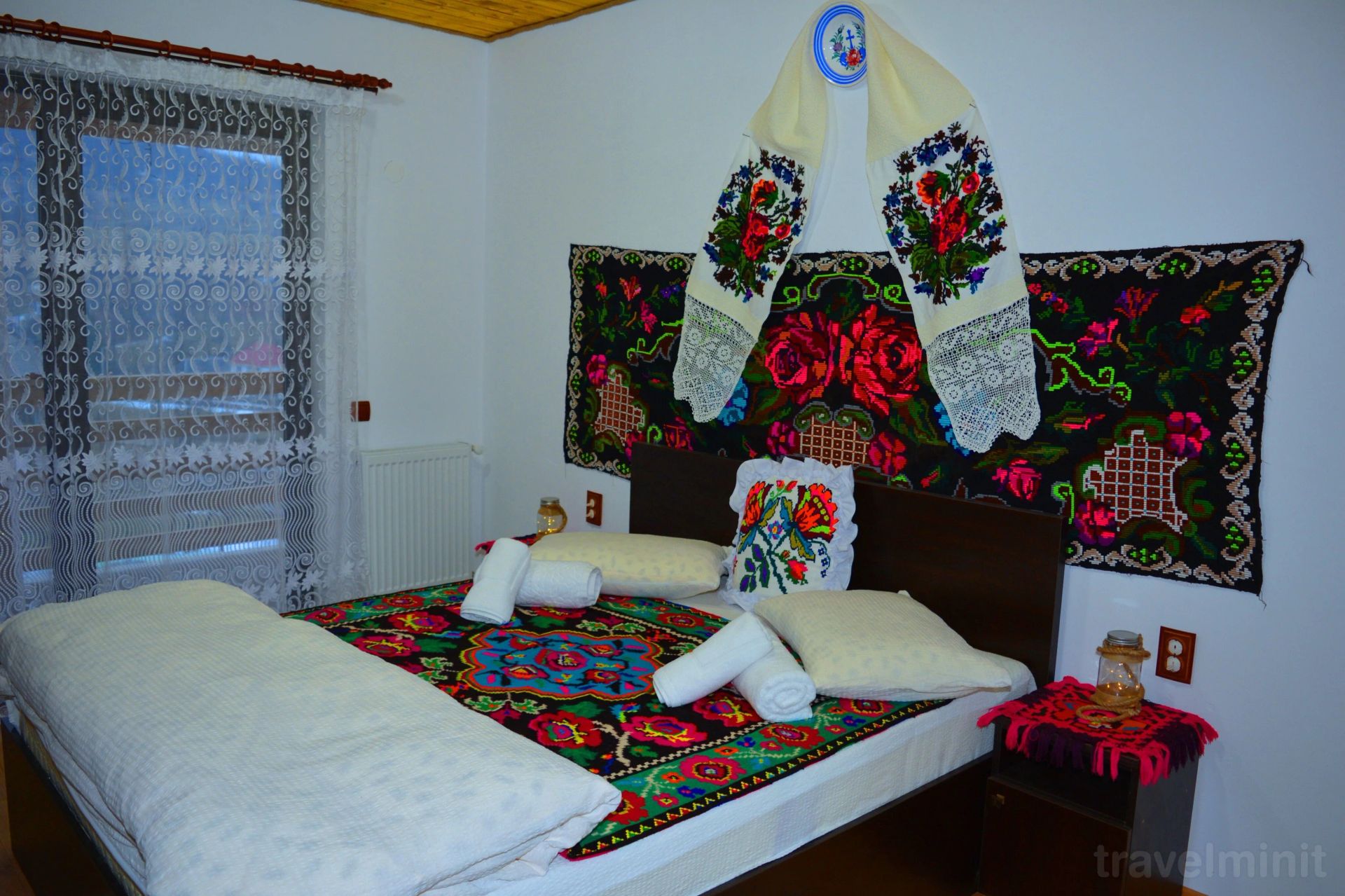
Pensiunea La Matei Breb
În curtea largă și grădina amenajată a Pensiunii La Matei Breb din Breb, Maramureș, cele șase camere confortabile și plăcut amenajate vă oferă un refugiu liniștit și primitor după o zi plină de explorări în zonă. Beneficiați de Wi-Fi gratuit și parcare privată gratuită pe toată durata șederii dumneavoastră. Pentru momente de relaxare, aveți la dispoziție un ciubăr din lemn tradițional, un foișor în curte și un șemineu în aer liber. Grătarul, barbeque-ul și ceaunul pentru gătit în aer liber vă permit să pregătiți mese gustoase împreună cu cei dragi, în timp ce copiii se bucură de siguranța locului de joacă de exterior. De aici pornesc numeroase drumeții montane și trasee în natură care vă conduc spre Munții Gutâi. În vecinătate puteți descoperi Biserica de lemn din Budești-Josani, Biserica de lemn din Desești, Memorialul Sighet și Muzeul Memorial Sighet, obiective care completează perfect experiența culturală a zonei. La cerere, puteți opta pentru mic dejun, demipensiune sau puteți alege să nu serviți masa în cadrul pensiunii. Personalul vorbește limba română și vă stă la dispoziție cu informații utile despre obiectivele din zonă. Seara, după o zi petrecută în natură, vă puteți retrage în foișorul din curte sau lângă șemineul din aer liber.
FROM
240 lei per night
Guesthouse · 3 stars
Borşa, Maramureș County · 1.5 km
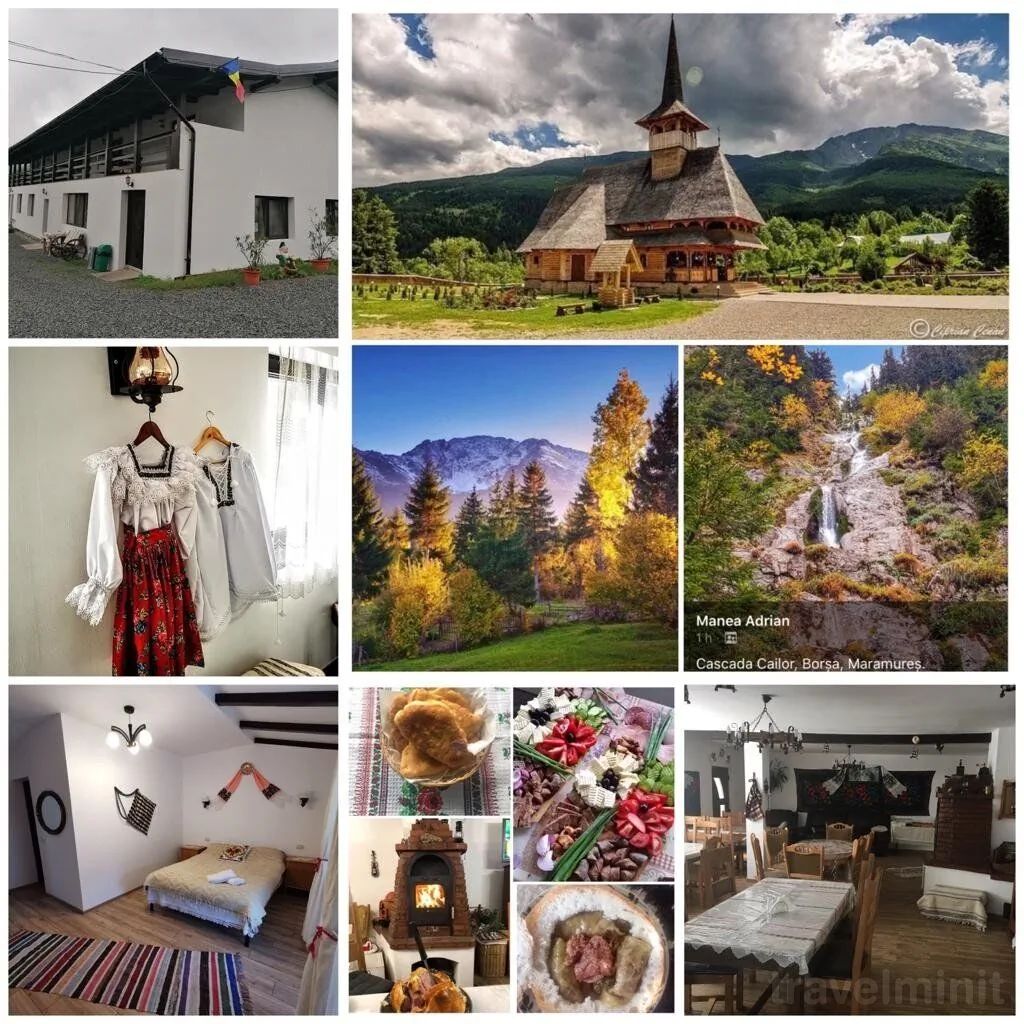
Casa Firuța Borșa
La poalele impresionanților Munți Rodnei, puteți porni într-o drumeție spre Vârful Pietrosul Rodnei, puteți vizita Peștera Izvorul Tăușoarelor sau puteți explora peisajele spectaculoase din Parcul Național Munții Rodnei. Casa Firuța Borșa, o pensiune turistică de trei stele situată în localitatea Borșa, reprezintă punctul dumneavoastră de plecare pentru aceste experiențe în mijlocul naturii. Unitatea vă oferă o curte mare și o grădină amenajată, perfecte pentru a vă relaxa după o zi plină de explorare. În curte veți găsi un foișor confortabil, un loc de joacă pentru copii la exterior și un ciubăr din lemn tradițional, ideal pentru momente de răsfăț după activitățile din zonă. Pentru serile răcoroase de munte, aveți la dispoziție o vatră de foc în aer liber, iar pentru preparate gustoase preparate în aer liber, un grătar și un ceaun. Facilitățile includ Wi-Fi gratuit disponibil în întreaga proprietate, parcare privată gratuită și acces facilitat pentru persoane cu dizabilități. De asemenea, puteți juca tenis de masă în timpul liber, beneficiați de parcare pentru biciclete, aveți la dispoziție un pătuț pentru bebeluș și un fier de călcat pentru confortul dumneavoastră complet. Vă așteptăm la Casa Firuța Borșa.
FROM
240 lei per night
Hotel · 3 stars
Baia Mare, Maramureș County · 1.9 km
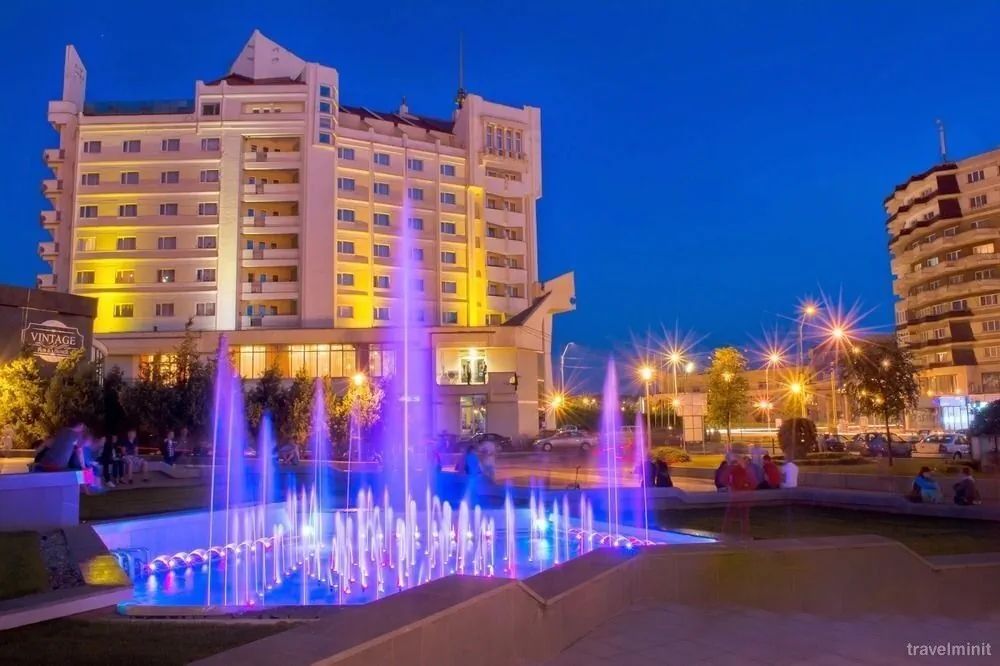
Hotel Mara Baia Mare
Hotel Mara Baia Mare este un hotel de trei stele situat în Baia Mare. Unitatea pune la dispoziția dumneavoastră camere confortabile dotate cu aer condiționat, iar accesul la internet Wi-Fi este gratuit în întreaga incintă. Pentru relaxare, aveți la dispoziție saună, baie de aburi, sală de fitness și servicii de masaj. Familiile cu copii se pot bucura de camera de joacă amenajată la interior și de pătuțul pentru bebeluș disponibil la cerere, iar fierul de călcat este pus la dispoziție în cameră. În incintă funcționează o cafenea și un bar, iar room service-ul asigură confortul direct în cameră. Hotelul oferă și depozit pentru bagaje și ascensor pentru acces facil între etaje. Persoanele cu dizabilități beneficiază de acces special amenajat în întreaga unitate. În apropiere puteți vizita Muzeul Județean de Artă - Centrul Artistic Baia Mare, Muzeul de Etnografie și Arta Populară Baia Mare, Muzeul Județean de Istorie și Arheologie Maramureș, Turnul Ștefan Baia Mare și Cetatea Baia Mare. Parcarea privată este gratuită, iar curtea mare și grădina amenajată completează facilitățile pentru un sejur confortabil.
FROM
290 lei per night
Guesthouse · 3 stars
Borşa, Maramureș County · 2.3 km
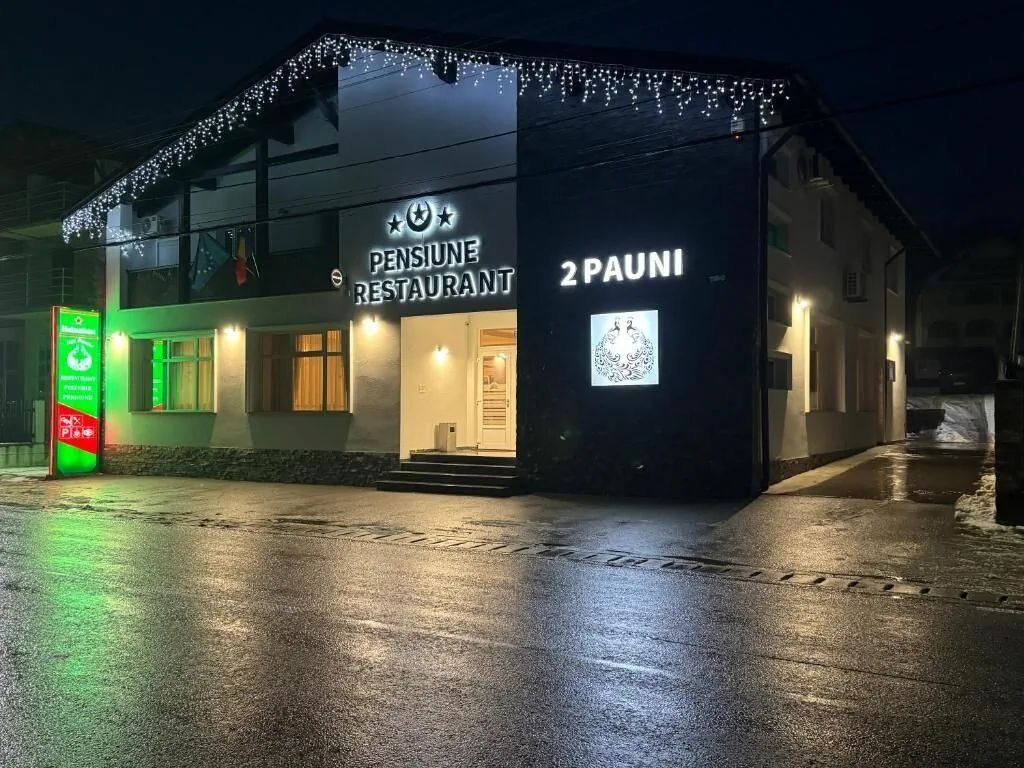
Restaurant - Pizzerie - Pensiune 2 Păuni Borșa
Familiile cu copii și iubitorii de natură se vor simți bine la Restaurant - Pizzerie - Pensiune 2 Păuni din Borșa, județul Maramureș. Pensiunea pune la dispoziție opt camere amenajate cu atenție, fiecare dotată cu grup sanitar propriu, iar unele dintre acestea beneficiază și de aer condiționat pentru un confort sporit în zilele călduroase de vară. În incintă funcționează un restaurant, o cafenea și un bar, astfel încât dumneavoastră puteți lua masa fără să părăsiți proprietatea. Bucătăria pregătește cu atenție meniuri pentru diete speciale și oferă un meniu dedicat copiilor. De asemenea, aveți la dispoziție Wi-Fi gratuit în toate spațiile, parcare privată gratuită și fier de călcat pentru a vă simți confortabil pe toată durata șederii. Localitatea Borșa se află într-o zonă montană din Maramureș, iar în apropiere puteți explora Carpații Orientali, puteți urca spre Vârful Pietrosul Rodnei din Munții Rodnei, puteți vizita Parcul Național Munții Rodnei, Peștera Izvorul Tăușoarelor și Mănăstirea Bârsana. Vă așteptăm la 2 Păuni Borșa pentru un sejur plăcut în Maramureș.
FROM
240 lei per night
BEFORE YOU HIT THE ROAD
Weather conditions in Maramureș
Local forecast for Wooden Churches of Maramureș, Maramureș, Maramureș

Real-time updated weather data
Much more to explore in this area
Nearby tourist attractions

12.0 km

Maramureș, Maramureș County
Monument pentru cinstirea Eroilor din primul război mondial
Heritage site in Maramureș County, Romania
16.0 km

Maramureș, Maramureș County
Monumentul Eroilor căzuți pentru Unirea tuturor românilor
Heritage site in Maramureș County, Romania
20.0 km
Maramureș, Maramureș County
Monumentul scriitorului Petru Dulfu
Heritage site in Maramureș County, Romania
24.0 km
Maramureș, Maramureș County
Obelisc în memoria Eroilor din primul război mondial
Heritage site in Maramureș County, Romania
28.0 km
Maramureș, Maramureș County
Troița de lemn în memoria Eroilor din primul război mondial
Heritage site in Maramureș County, Romania
32.0 km
Maramureș, Maramureș County
Troița de lemn în memoria Eroilor din primul și al doilea război mondial
Heritage site in Maramureș County, Romania
36.0 km
Maramures, Maramureș County
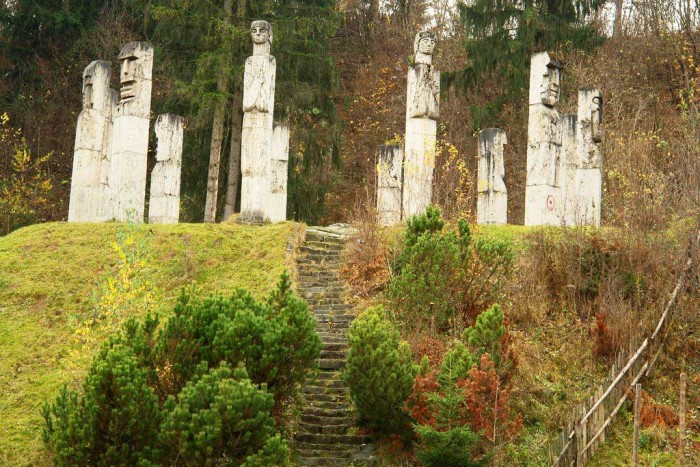
Monumentul Eroilor din Moisei
Situat pe raza localitatii Moisei, judetul Maramures;realizat de sculptorul Vida Gheza; monumentul a fost ridicat in memoria martirilor din Moisei ucisi de...
40.0 km
Maramures, Maramureș County
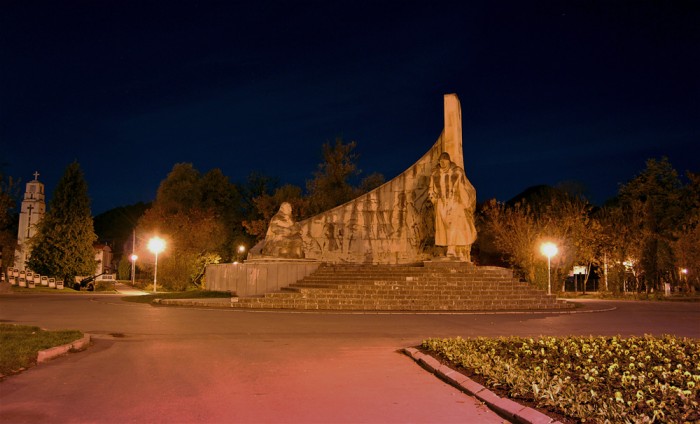
Monumentul Ostașului Român
Amplasat in Campia Tineretului din Baia Mare, judetul Maramures; opera comemorativa realizata de Andrei Ostap a fost dezvelit in anul 1960; dedicat militarilor...
44.0 km

48.0 km

Maramureș, Maramureș County
Biserica Cuvioasa Paraschiva din Cetățele
Heritage site in Maramureș County, Romania
52.0 km
Maramureș, Maramureș County
Biserica romano-catolică „Sf. Vasile”
Heritage site in Maramureș County, Romania
56.0 km
Cultural life and traditions
Events in the Wooden Churches of Maramureș area
Medieval festivals, traditional fairs, concerts and local activities recommended in Maramures.

Traditions and Crafts

Maramureș, County of Maramureș
Days of Local Culture and Traditional Tourism
Open workshops featuring pottery, wood carving, and authentic folklore demonstrations by local artisans.
WHEN
May 15-17, 2026


Traditional Cuisine
Maramureș, County of Maramureș
The Fair of Traditional Products and Local Cuisine
Traditional products, aged cheeses, mountain honey and local delicacies prepared according to ancient recipes.
WHEN
Every weekend

Culture and Photography
Maramureș, County of Maramureș
Themed and Photographic Guided Tour of Cultural Heritage
A guided tour designed for history buffs, nature lovers, and photography enthusiasts, showcasing the most spectacular views in the area.
WHEN
Daily schedule available upon request
On foot, exploration gains depth
Discover the surroundings and local geography
Explore the trails, terrain, and natural landmarks around Wooden Churches of Maramureș.

Guides and practical tips
Useful travel articles
Travel guides, practical recommendations and tourist itineraries for Maramures.

Tourist guide
Top 5 Atracții Turistice și Trasee Montane în Zona Moieciu - Bran
Descoperă cele mai spectaculoase peisaje carstice, chei adânci și cetăți medievale din imediata apropiere a stațiunii Moieciu.

Tourist guide
Ghid de Drumeție: Traseul Moieciu de Sus spre Platoul Bucegi
Un itinerariu montan de o frumusețe rară ce urcă din Valea Băngăleasa spre Poiana Guțanu și crestele maiestuoase ale Bucegilor.

Tourist guide
Castelul Bran: Istorie, Legende și Secrete Medievale
Află adevărata poveste a fortăreței medievale din Pasul Bran, reședința de suflet a Reginei Maria a României.
THE JOURNEY STARTS WITH AN IDEA
The next story is on the way.
From the first stop to the last stay, make room for a new Romania.
