


PLACE OF WORSHIP · TRANSYLVANIA
Black Church of Brașov (Evangelical Fortified Church Ensemble)

Brașov, Brașov County
Add location to your trip planner.

Practical access information

VISITING HOURS
Mon: 12:00–17:00 · Tue–Sun: 09:00–17:00 (summer until 20:00)

TICKET PRICE
Adults: 45 RON · Students: 11 RON · Seniors: 23 RON · Guided tour included

RECOMMENDED VISIT DURATION
30 - 60 min
Visitor information and guide
 Navigate with Google Maps

ABOUT BLACK CHURCH OF BRAȘOV (EVANGELICAL FORTIFIED CHURCH ENSEMBLE)
A Gothic cathedral in the heart of the Carpathians: first impressions and universal value
In the historic center of Brașov, where the Carpathians meet the Transylvanian plain, rises the dark and imposing silhouette of the Evangelical Church, known as the Black Church. This monument represents the largest Latin-rite Gothic church between Vienna and Constantinople, unique in its impressive dimensions and the richness of the artistic heritage it houses. For the European traveler, it constitutes a fascinating meeting point between the late Gothic architecture of Central Europe, the spirituality of the Protestant Reformation, and the Ottoman influences that have traversed the centuries, transforming this place of worship into a true treasure of continental memory. Its darkened silhouette, marked by the patina of centuries and the devastating fire of 1689, bears witness to a history of cultural resilience, while its collection of Anatolian tapestries, the most important outside Turkey's borders, illustrates the commercial and diplomatic ties between the Ottoman Empire and Central Europe.
From the Rhine to the Crown of the Carpathians: imperial roots and the Saxon migration
The construction of this edifice can only be understood when placed in the context of the great migration of the Transylvanian Saxons, a demographic and cultural phenomenon that profoundly marked the history of South-Eastern Europe. In the 12th century, during the reign of King Géza II of Hungary, communities of German colonists from the Rhine valley, the Moselle region, and the Netherlands of the Holy Roman Empire were invited to settle in Transylvania, around the year 1141, under the protection of the Hungarian crown. These colonists, known as Saxons, founded the city of Kronstadt (today's Brașov) as a strategic commercial fortress on the eastern border of the Kingdom of Hungary, an integral part of the Holy Roman Empire.
The Black Church was built on the site of an older Romanesque basilica, beginning around 1383, under the patronage of the Saxon community and with the financial support of the city's guilds. Its architecture reflects the influences of late Gothic (Spätgotik) from the German lands, particularly from the Rhine region, adapted to the specific character of a hall church (Hallenkirche), a rare architectural type in this part of Europe, characterized by three naves of equal height. This architectural choice underlines the community's desire to affirm the equality of its members before God, an idea profoundly influenced by the bourgeois ethos of the Hanseatic cities of northern Germany.
In the following centuries, Transylvania became an outpost of Western Christianity in the face of Ottoman expansion, and the Black Church represented the spiritual and civic center of this cultural resistance. The city of Brașov, as a member of the Hanseatic League and a commercial center of primary importance on the route between Central Europe and Constantinople, developed a cosmopolitan identity, and the church witnessed the passage through the region of Italian merchants, Habsburg diplomats, and master craftsmen from all over Europe.
Masters of late Gothic and the tragic fresco of 1689
The construction of the church unfolded over several decades, being completed around 1477, with the addition of the northern tower between 1539 and 1543. The building measures 89 meters in length, being the longest church in Romania, and the height of the central naves reaches 21 meters. The western façade, with its Renaissance portal sculpted in 1477, presents influences of the Italian Renaissance, brought to Transylvania by masters and merchants coming from the Italian peninsula, while the southern tower, built later, already reflects Baroque tendencies.
The turning point in the monument's history was the Great Fire of April 21, 1689, when the Austrian troops of Emperor Leopold I of the Holy Roman Empire, in conflict with the Prince of Transylvania Mihály Apafi I, set fire to the city of Brașov. The fire devastated almost the entire fortress, destroying the majority of wooden houses and severely affecting the church's structure. The exterior walls, built of stone, withstood, but were blackened by soot, hence the name "Black Church" (Schwarze Kirche), which has been preserved to this day. The towers and roofs were destroyed, and the interior was severely damaged.
The reconstruction, carried out in the 18th and 19th centuries under Habsburg Monarchy domination, brought Baroque modifications, but preserved the essential Gothic structure. The black walls were never painted or plastered, thus becoming a living memorial of that tragic moment, but also a symbol of the resilience of the Saxon community in the face of catastrophes. In the 19th century, the church received a new altar in Neo-Gothic style, and in 1858 a monumental organ was installed, built by master Johannes Prause of Brașov, with 4,000 pipes, one of the largest instruments of its kind in South-Eastern Europe at that time.
Artistic treasures: from Renaissance altars to Ottoman tapestries
The interior of the Black Church houses an artistic heritage of exception, which illustrates the cultural dialogue between Western, Central, and Eastern Europe. Beyond the impressive Gothic structure, with its ribbed vaults and slender columns, the visitor discovers a unique collection of 116 Anatolian tapestries, dating from the 17th to the 19th centuries. These carpets, brought from Anatolia (especially from the Ușak region and Ottoman Transylvania), represent the largest collection of its kind outside Turkey and constitute testimonies to the commercial prosperity of Brașov and its ties with the Ottoman Empire. Many of these tapestries were donated by the city's guilds or by merchants as votive offerings, being displayed inside the church as a sign of gratitude and devotion.
The altar art, influenced by the Italian Renaissance and Austrian Baroque, was severely affected by the fire of 1689, when the main altar, a remarkable work of art, was destroyed. Today, visitors can admire side altars carved in wood, portraits of religious personalities, and a Renaissance pulpit, all reflecting the artistic taste of an era when Transylvania was a meeting point between Western and Eastern styles.
Another special element is the astronomical clock in the tower, installed in the 16th century, which presents not only the time, but also the positions of the planets, reflecting the interest in exact sciences specific to the European Enlightenment. The organ, built in 1858 by Johannes Prause, remains a prestigious concert instrument, hosting international recitals and being used in the liturgy of the Evangelical community.
Johannes Honterus and the Reformation: turning points in spiritual history
No presentation of the Black Church can be complete without mentioning the figure of Johannes Honterus (1498-1549), the most important Protestant reformer in Transylvania and founder of the Latin school of Brașov. Honterus, a humanist educated at the University of Vienna and influenced by Erasmus of Rotterdam, introduced in 1535 the first printing press in Transylvania, in the church precinct, publishing books in Latin, German, and Hungarian. He was the one who brought the Lutheran Reformation to Brașov, transforming the Black Church, until then Roman Catholic, into a center of Evangelical worship starting in 1542.
Under Honterus's influence, the church became a symbol of the new religious identity of the Saxon community, and its tower housed the first public library in Transylvania. The reformer was also a skilled cartographer, making maps of Transylvania that circulated throughout Europe, contributing to the knowledge of this region in Western chancelleries. After his death, the Evangelical community had to face the pressures of the Counter-Reformation and Habsburg domination, but the Black Church remained a bastion of Saxon cultural identity, preserving its Protestant character to this day.
Legends, personalities, and collective memory
The history of the Black Church is shrouded in numerous legends and popular traditions that enrich the visitor's experience. One of the best known is the legend of the great bell, named "Maria," cast in 1461, of which it is said that the devil tried to steal it, but the bell would have fallen on him, leaving him trapped under the tower. This story reflects the tensions between good and evil, so present in the European medieval imagination.
Another tradition concerns the southern tower, which appears slightly tilted, like the Leaning Tower of Pisa, although to a lesser degree. The legend says that the master builder, disappointed by the fact that he could not equal the perfection of the northern tower, would have committed suicide by throwing himself from the roof, and the tower would have remained tilted as a monument to human vanity.
Queen Marie of Romania, wife of King Ferdinand I, had a special connection with the Black Church, visiting it several times and particularly appreciating the tapestry collection. Her personality, which combined British royal blood (granddaughter of Queen Victoria) with a deep attachment to the Romanian people and Transylvanian traditions, contributed to the promotion of this monument in international circles.
The Anatolian tapestries also have their own stories: some come from donations by Turkish merchants who traded in Brașov, others were brought as diplomatic gifts from the Ottoman sultans to the Transylvanian princes, in the context of the vassal relations between Transylvania and the Ottoman Porte. These carpets, with their geometric and floral motifs specific to Ottoman art, represent a silent dialogue between two civilizations, Christian and Muslim, in an era marked by conflicts, but also by intense commercial exchanges.
Visitor guide: how to discover the Black Church today
The Black Church is located in Piața Unirii (Honterus Courtyard), in the heart of Brașov's historic center, just a few steps from Piața Sfatului, the medieval center of the city. Access is on foot from any direction of the old center, and the main entrance is through the Renaissance portal on the western façade.
Upon arrival, the first impact is visual: the massiveness of the black walls, the impressive height of the central nave, and the two towers that dominate the urban landscape. Visitors are invited to admire first the exterior: the portal sculpted in stone, with vegetal motifs and biblical figures, the northern tower with the astronomical clock, and the southern tower, lower, which houses the bells. A walk around the church allows observation of the Gothic architectural details, the buttresses, and the tall windows with tracery.
Inside, the visiting route begins through the main nave, where the gaze is drawn by the height of the vaults and the light that penetrates through the Gothic windows. Along the side walls unfolds the collection of Anatolian tapestries, organized chronologically and thematically, each carpet being accompanied by information about its origin and donor. Visitors can admire the specific patterns of Ușak tapestries, with their stylized geometric motifs, or those from Transylvania, which present local influences.
Continuing the route, one reaches the main altar, in Neo-Gothic style, installed in the 19th century, and the monumental organ, whose pipes extend over several levels. The wooden staircase leading to the church choir offers a different perspective on the nave and allows observation of the sculptural details. Visitors can also climb the southern tower, from where the panorama over Brașov's historic center, with the red roofs of the Saxon houses and Mount Tâmpa in the background, is particularly impressive.
The visiting schedule is usually from Tuesday to Sunday, with different hours depending on the season, and entry is based on a ticket. The church frequently hosts organ concerts, choral music recitals, and cultural events, especially during Brașov's summer festivals, such as the Transilvania International Film Festival or the Golden Stag. For those passionate about history, the visit can be complemented with a walk in Piața Sfatului, to the Baiul House (the oldest stone house in the city), to the White Tower and the Black Tower, or to St. Bartholomew's Church, the oldest church in Brașov, located outside the medieval walls.
The experience of visiting the Black Church is a deeply moving one for the European traveler, offering a living lesson in history about cultural resilience, intercultural dialogue, and spiritual continuity in a region that has always been at the border between worlds. Each black stone, each Anatolian carpet, and each musical note emitted by the historic organ tell of a past in which Transylvania was a true crossroads of Europe, and the Black Church remains today one of the most impressive monuments of this common heritage.
Media gallery
Discover Black Church of Brașov (Evangelical Fortified Church Ensemble) in pictures

1 photos · Architecture, courtyards and captivating details

Image source: Wikimedia Commons · Public domain photos · Free license
STAY A FEW DAYS, DISCOVER THE MAGIC
Stays near Black Church of Brașov (Evangelical Fortified Church Ensemble)

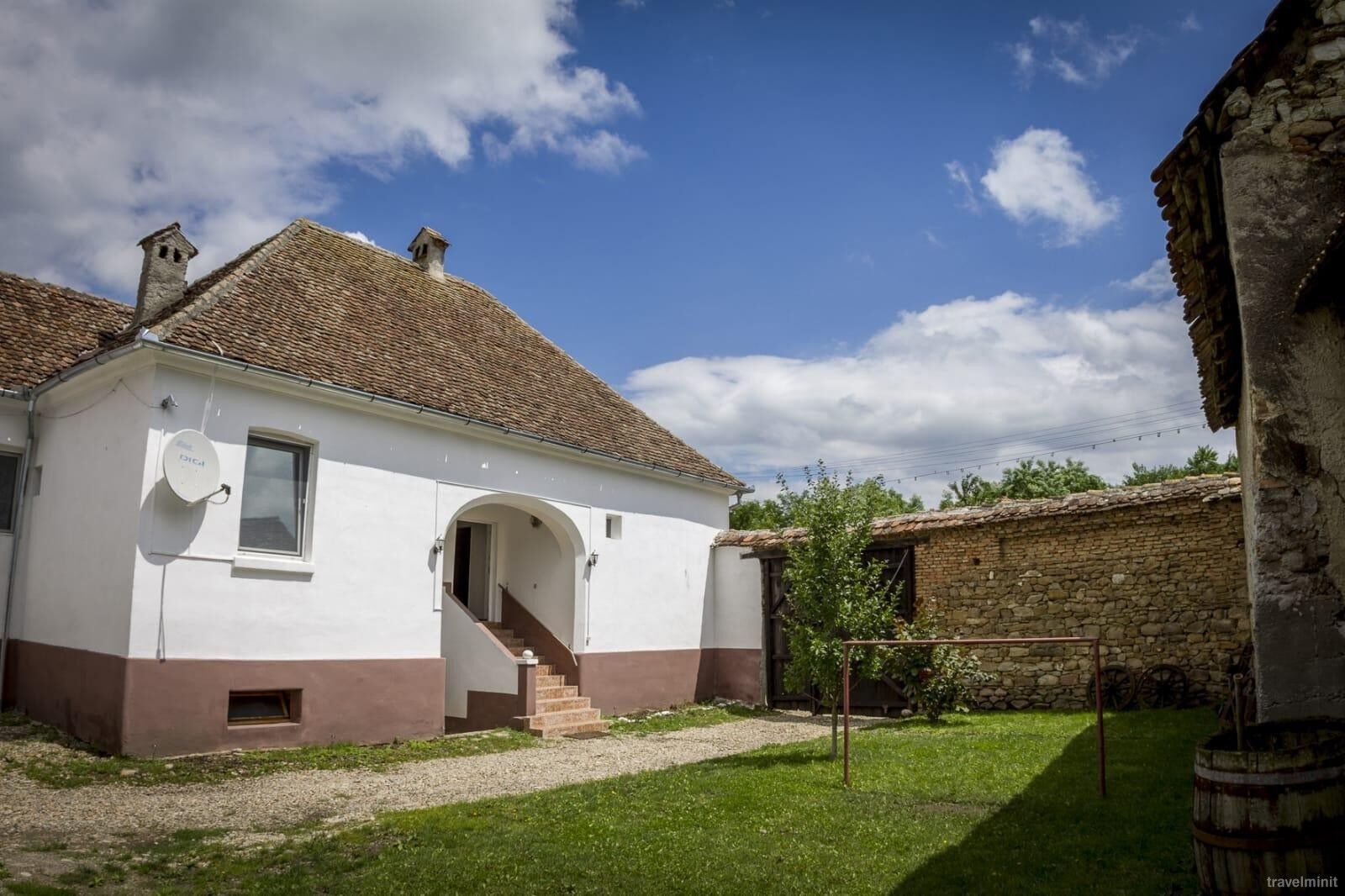
Casă de Vacanță · 3 stars

Bărcut, Bărcut County · 0.3 km
Casa din Bărcuț
Camere, serviciiCasa din Bărcuț Bărcut ofera 6 camere confortabile si placut amenajate. Se admit animale de companie (contra cost). Proprietatea pune la dispozitia oaspetilor parcare gratuita. Clientii pot beneficia de servicii wellness. Pentru detalii va rugam consultati pagina de date. La unitate aveti posibilitatea de a accesa internetul wireless. Mai multe detalii despre facilitatile oferite de Casa din Bărcuț (inclusiv cele contra cost), cat si despre dotarile camerelor veti gasi mai jos. Servicii de masăPreturile afisate nu includ masa. PlatăPlata se face prin urmatoarele metode: transfer bancar, numerar, card bancar. Confirmarea rezervarii se face prin plata unui avans de 100%. Sosire, programCamera poate fi ocupata de la ora 14:00 iar predarea ei se face pana la ora 12:00 . Personal vorbitor de limba: engleză, română.
FROM
280 RON / night

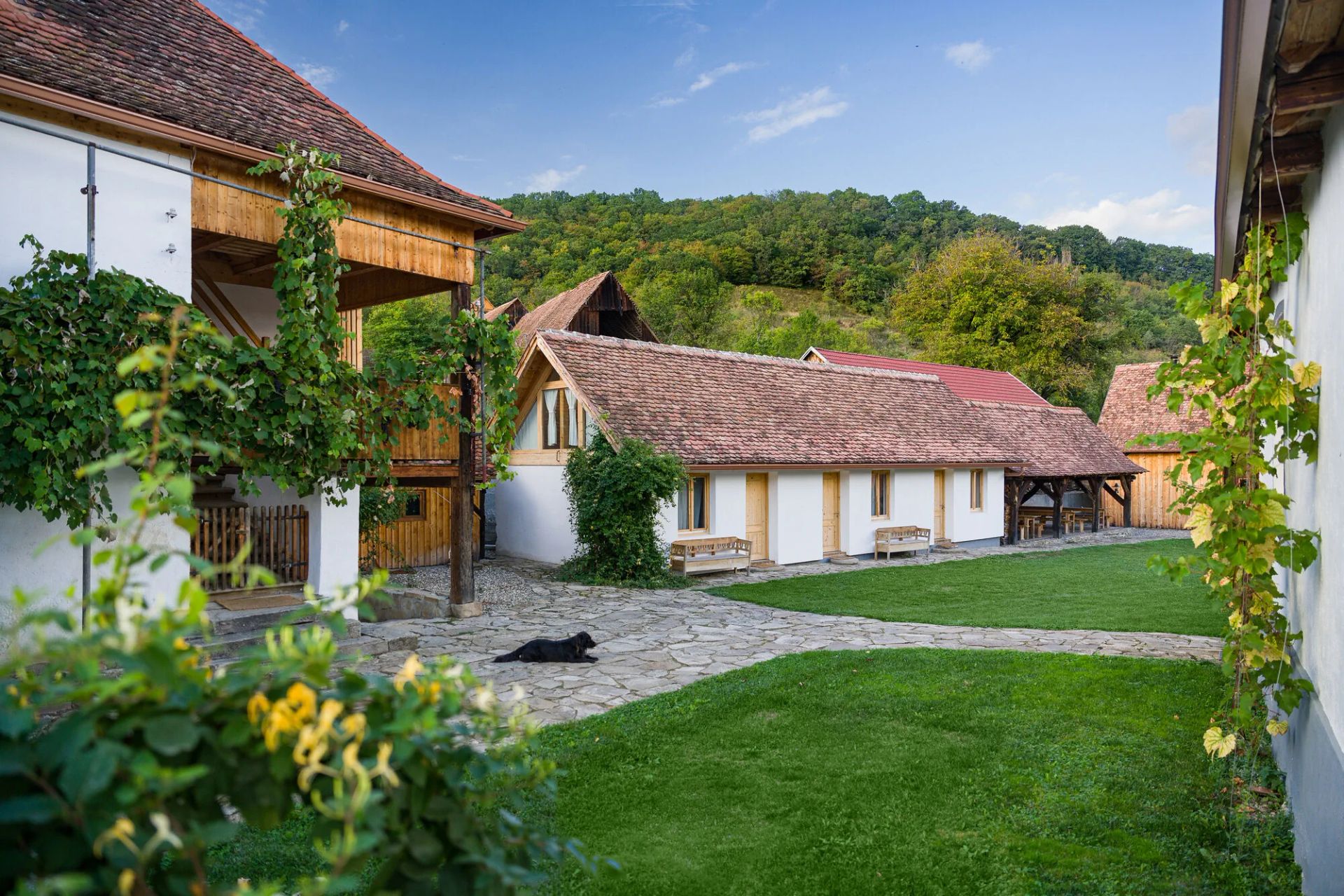
Casă de Vacanță · 4 stars
Meșendorf, Meșendorf County · 11.4 km
Mesendorf Gasthaus Meșendorf
Camere, serviciiMesendorf Gasthaus Meșendorf Meșendorf ofera cazare in camere placut mobilate si confortabile. Proprietatea pune la dispozitia oaspetilor parcare gratuita. Accesul la internetul wireless este disponibil la unitatea de cazare. Daca doriti sa obtineti mai multe informatii despre serviciile disponibile (inclusiv cele contra cost) in cadrul unitatii de cazare si despre echiparea camerelor, consultati fisa de mai jos. Servicii de masăPreturile afisate includ mic dejun. PlatăModalitati de plata acceptate: transfer bancar, card de vacanță, avans travelminit, voucher travelminit. Sosire, programPreluarea camerei se face de la ora 16:00 si iesirea pana la ora 11:00. Limbi straine vorbite la receptie: engleză, română.
FROM
390 RON / night
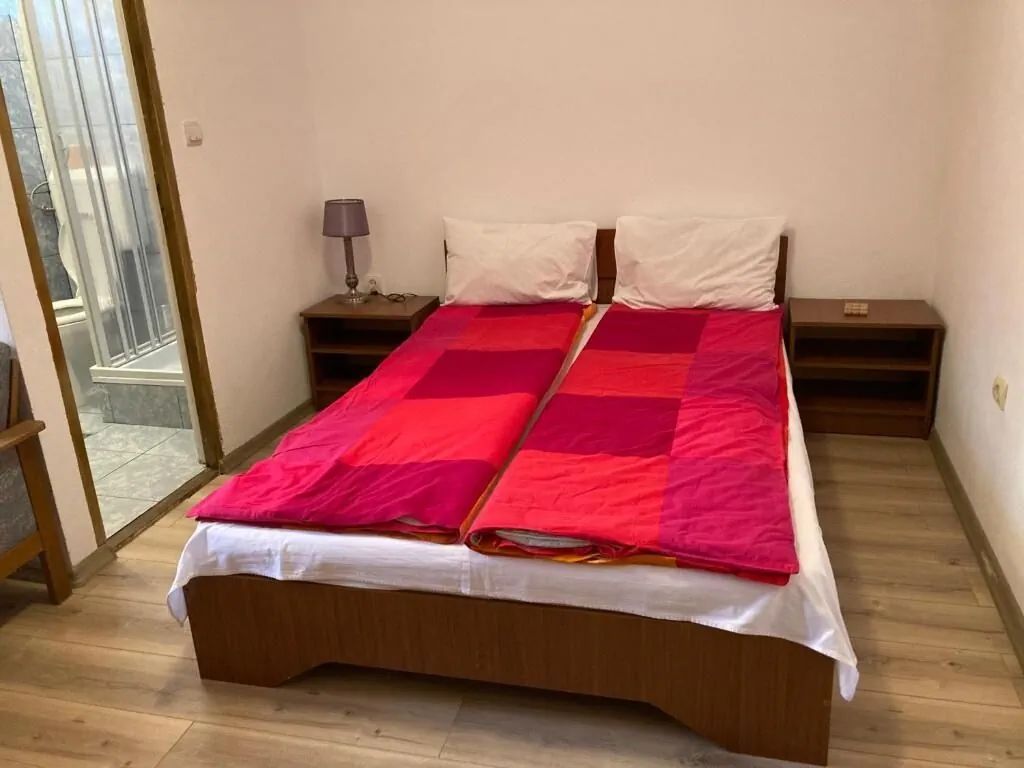
Pensiune · 3 stars
Cincu, Cincu County · 12.7 km
Pensiunea La Maison Concordia Cincu
In zona aveti ocazia să descoperiți o serie de atracții turistice deosebite de la Castelul Bran și Cetatea Făgăraș, până la frumoasele zone montane precum Valea Sebeșului sau Cabana Bâlea , Cabana Valea Sambetei , traseul montan catre Vf. Moldoveanu . Obiective turistice: Cetatea Făgăraș ( Mănăstirea Berivoii Mari Mănăstirea Dejani (Dejani) Muzeul de Pânze și Povești (Mândra) Cetatea Rupea (Rupea) Mănăstirea Rupestră (Sincă Veche) Mănăstirea Brâncoveanu - Sâmbăta de Sus și Cabana Valea Sâmbetei Herghelia de Lipițani Sâmbăta de Jos Transfăgărășan și Bâlea Lac (Hotelul de Gheață) Muzeul Badea Cârțan (Cârțișoara) La Văltori (Lisa) Mănăstirea Cisterciană (Carta) Moara pe Apă cu Noroc (Ohaba) Cetatea Sighișoara Castelul de Lut (Porumbacul de Sus) Povestea Calendarului (Porumbacul de Sus) Ferma de Cerbi (Avrig) Palatul Brukenthal (Avrig) Lacul de Smarald (Racoș) Biserici fortificate din Satele Transilvaniei Sudice (unele fac parte din patrimoniul UNESCO) - Cincu, Soars, Cincșor, Viscri, Săsmaș, Hârman, Apold, Agnita, Stejărișu, Richiș, Biertan, Bârța Vulcanul Stins Movinele de la Șona Coloanele de Bazalt de la Racoș Acestea sunt doar câteva dintre obiectivele turistice din zonă. Vă recomand să consultați ghidurile turistice locale pentru a obține mai multe informații și a vă planifica călătoria în funcție de interesele dvs.
FROM
240 RON / night
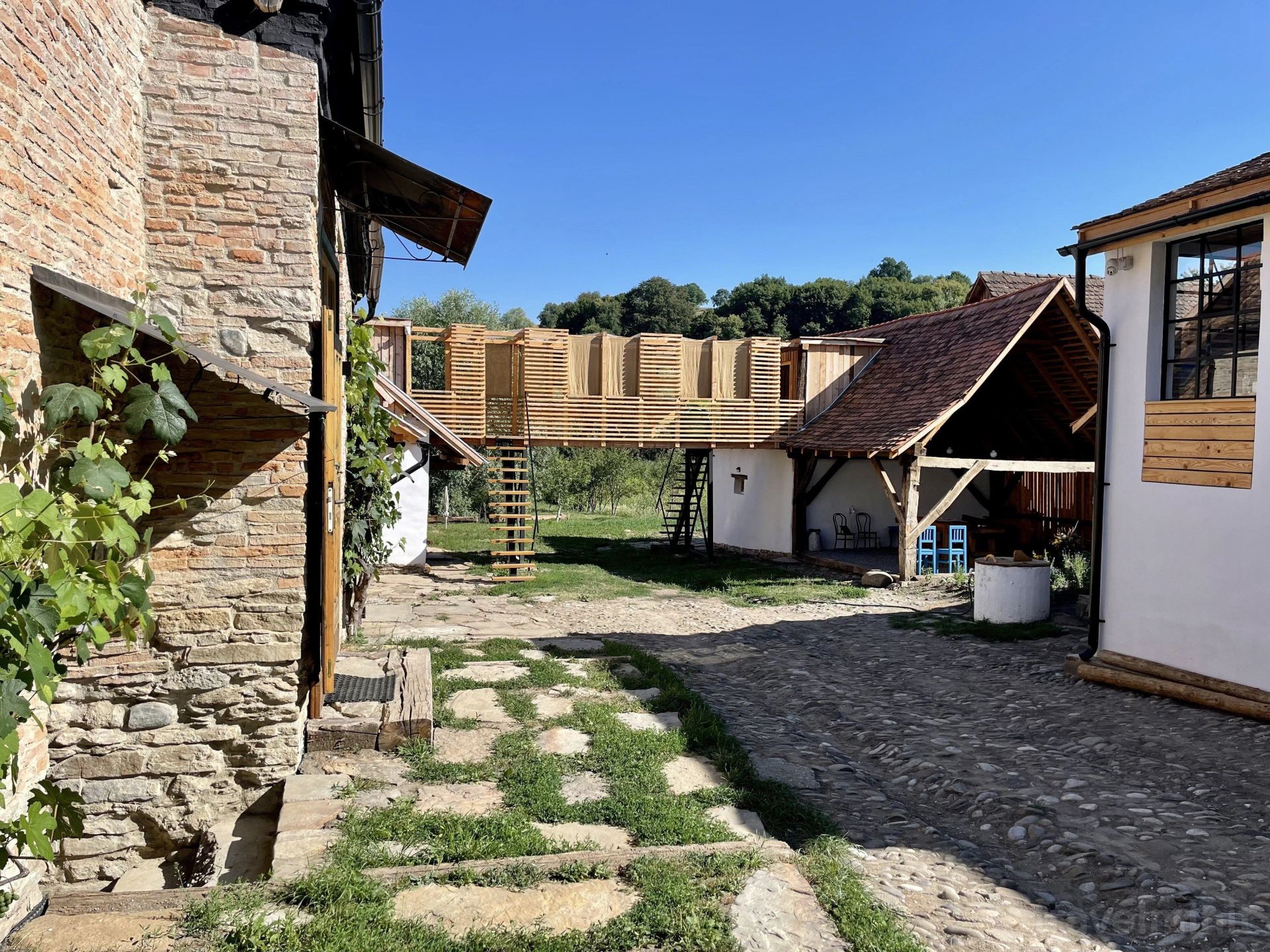
Casă de Vacanță · 3 stars
Criț, Criț County · 15.1 km
Critz Cross Criț
Camere, serviciiCritz Cross Criț Criț va asteapta cu 4 camere amenajate cu bun gust si confortabile. Fiecare camera are grup sanitar propriu. Mai multe informatii despre serviciile unitatii de cazare (inclusiv cele contra cost) si despre dotarea camerelor gasiti in fisa de mai jos. Servicii de masăPreturile afisate se refera la cazare cu mic dejun. PlatăPuteti face plata cazarii cu/prin: numerar, card bancar, transfer bancar, card de vacanță, avans travelminit, voucher travelminit. Pentru finalizarea rezervarii se achita un avans de 100%. Sosire, programCamera poate fi ocupata de la ora 15:00 iar predarea ei se face pana la ora 11:00 . La receptie se vorbeste limba: engleză, română.
FROM
280 RON / night
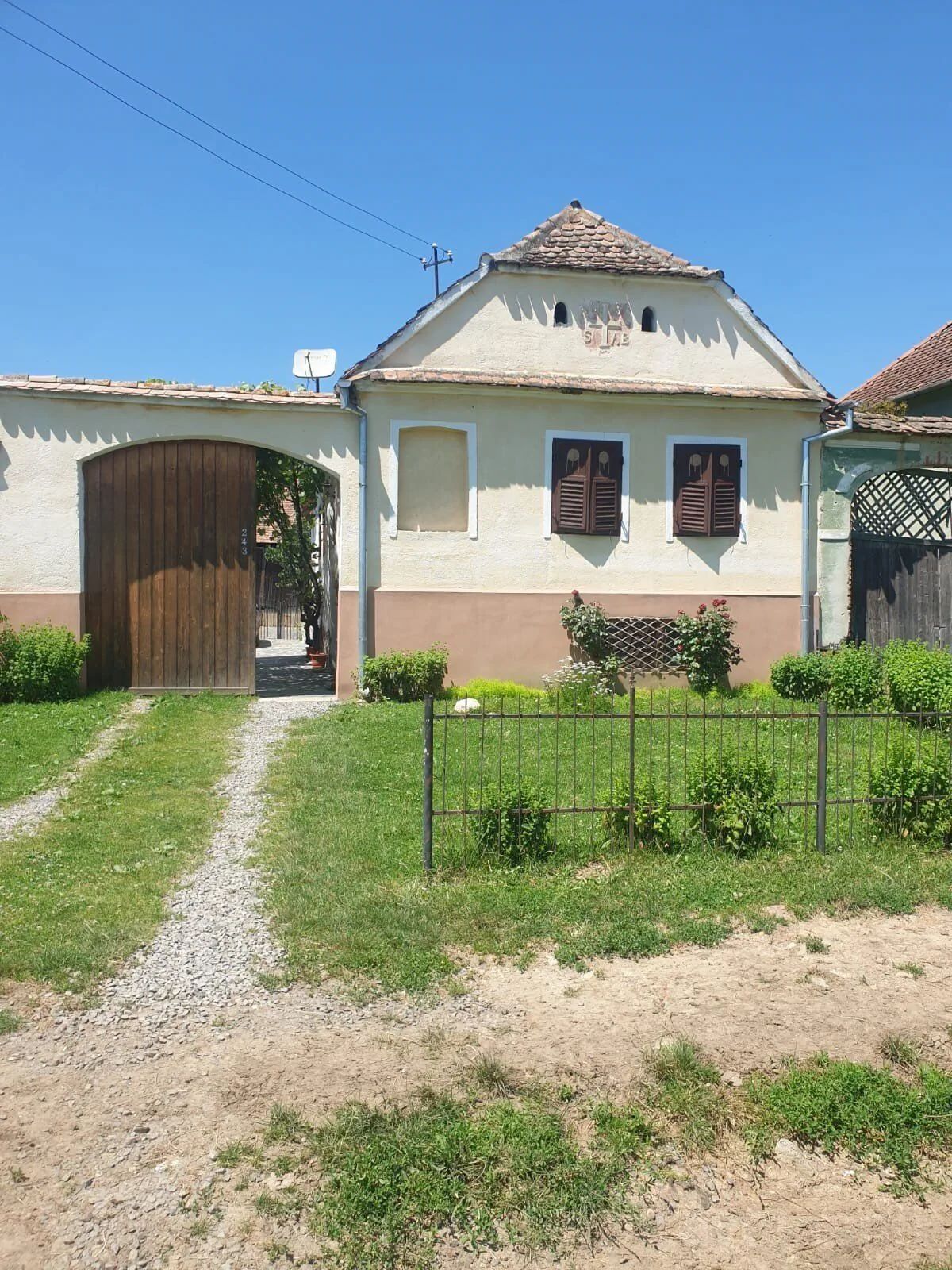
Casă de Vacanță · 3 stars
Viscri, Viscri County · 15.3 km
Casa Viscri
Camere, serviciiCasa Viscri Viscri ofera doua camere confortabile si placut amenajate. Puteti beneficia de parcare gratuita. Unitatea este prevazuta cu internet wireless. O lista detaliata despre facilitatile unitatii de cazare (inclusiv cele contra cost), cat si despre amenajarea camerelor gasiti in fisa de mai jos. LocațiaBiserica fortificată de la Viscri se afla la 700 m. Servicii de masăPreturile camerelor contin mic dejun. La trimiterea rezervarii se poate solicita urmatoarele mese: mic dejun, demipensiune, cină, fără servicii de masă, pensiune completă, prânz. PlatăPlata se face prin urmatoarele metode: numerar, transfer bancar. Rezervarea se considera finalizata numai dupa plata unui avans de 100%. Sosire, programZiua de cazare incepe la ora 14:00. Eliberarea camerei se face la ora 12:00. Limba vorbita la receptie română.
FROM
280 RON / night
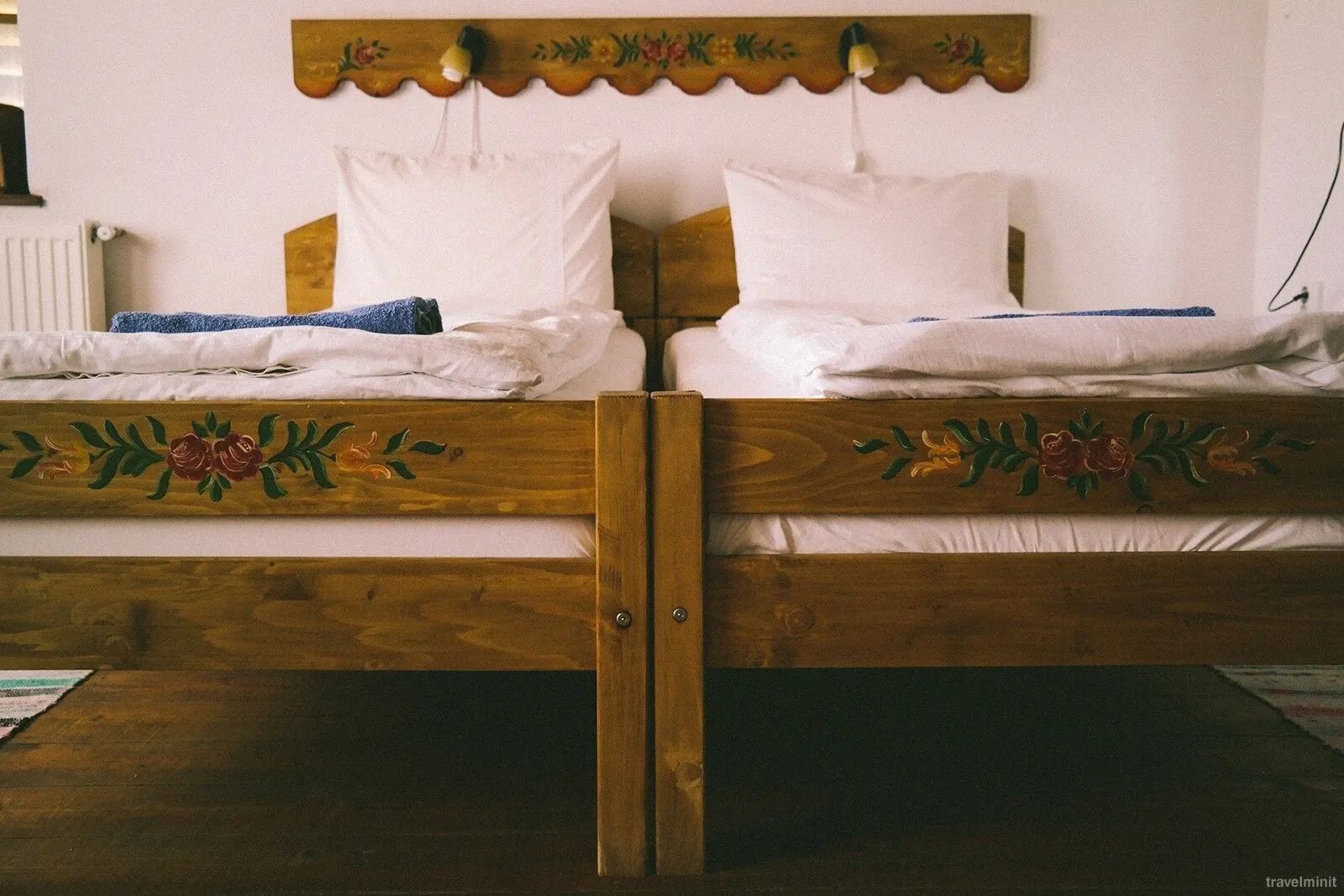
Pensiune · 3 stars
Viscri, Viscri County · 15.4 km
Pensiunea Viscri 195 - Adults Only +14
Camere, serviciiPensiunea Viscri 195 - Adults Only +14 Viscri va asteapta cu 4 camere amenajate cu bun gust si confortabile. Este disponibila o parcare gratuita. Unitatea este prevazuta cu internet wireless. Daca doriti sa obtineti mai multe informatii despre facilitatile oferite la aceasta unitate de cazare (inclusiv cele contra cost) si despre echiparea camerelor, consultati fisa de mai jos. LocațiaUnitatea de cazare este amplasata la 800 m distanta fata de Biserica fortificată de la Viscri. Servicii de masăPreturile afisate includ mic dejun. La efectuarea rezervarii se poate solicita demipensiune contra cost. PlatăPuteti face plata cazarii cu/prin: numerar, card bancar, transfer bancar, card de vacanță, avans travelminit, voucher travelminit. Pentru garantarea rezervarii se percepe un avans de 50%. Sosire, programCheck-in se face incepand cu ora 14:00 si check-out pana la ora 12:00. Personalul de la pensiune vorbeste limba: engleză, română.
FROM
240 RON / night
BEFORE YOU HIT THE ROAD
Weather conditions in Brașov
Local forecast for Black Church of Brașov (Evangelical Fortified Church Ensemble), Brașov, Brașov

Real-time updated weather data
Much more to explore in this area
Nearby tourist attractions


Sighișoara, Mureș County
Sighișoara Medieval Citadel
Situata in centrul municipiul Sighisoara; inca din secolul al III-lea i.Hr. a existat pe acest teritoriu o cetate dacica, numita Sandava; romanii au ridicat...
26.7 km

Cârțișoara, Sibiu County
Transfăgărășan Highway and Bâlea Lake
Incepe in comuna Bascov din judetul Arges de langa orasul Pitesti, in directia orasului Curtea de Arges si se termina la intersectia cu drumul DN1 intre Sibiu...
40.1 km

Sibiu, Sibiu County
Bâlea Lake
Situat in Muntii Fagaras, la Obarsia Cartisoarei, care se afla la o altitudine de 2.034 metri, langa soseaua Transfagarasan din judetul Sibiu; in perioada...
49.6 km

Brasov, Brașov County
Viscri Fortified Church
Situata in localitate Viscri; construita in secolul al XIII-lea; din punct de vedere arhitectural apartine stilului romanic; are un plan de tip sala romanica;...
14.6 km
47.6 km

Harghita, Harghita County
Dârjiu Fortified Church
Situata in localitatea Darjiu; construita intre secolele XIV - XV; initial, a fost ridicata in stil romanic, iar apoi a fost transformata in stil gotic; a...
31.4 km

Sibiu, Sibiu County
Bâlea Lake Resort
Situata in aria comunei Cartisoara din masivul Fagaras; se intinde pana la altitudinea de 2.500 m; include relieful alpin, lacul, flora si fauna din circul...
39.9 km

34.3 km

Sibiu, Sibiu County
Biertan Fortified Church
Situata in localitatea Biertan; construita pe locul unei alte biserici, intre 1492-1516, in stil gotic tarziu, cu elemente de arhitectura renascentista in...
34.4 km

Danes, Mureș County
Turnul cu ceas Sighișoara
Situat in partea de est a platoului inferior al Cetatii Sighisoara; construit in preajma secolului al XIV-lea, pentru a proteja poarta principala a orasului si...
26.6 km

Danes, Mureș County
Biserica fortificată Saschiz
Situata in localitatea Saschiz;construita pe locul unde in trecut exista o bazilica romanica;inaltata in anul 1493, in onoarea regelui Stefan I al Ungariei;din...
22.3 km

41.8 km
Cultural life and traditions
Events near Black Church of Brașov (Evangelical Fortified Church Ensemble)
Medieval festivals, traditional fairs, concerts and recommended local activities in Transylvania.

Patrimoniu și Istorie

Brașov, Jud. Brașov
Festivalul Cetăților Medievale și Zilele Porților Deschise
Tururi ghidate nocturne, ateliere de meșteșuguri tradiționale și reconstituiri istorice cu cavaleri și domnițe.
WHEN
15 - 17 Mai 2026

Tradiții și Gastronomie
Brașov, Jud. Brașov
Târgul Tradițiilor Săsești și Gastronomie Locală
Descoperă producătorii locali, plăcintele săsești coapte pe vatră, siropurile artizanale și dulceața de rubarbă.
WHEN
În fiecare weekend (Mai - Octombrie)

Ecoturism și Natură
Colinele Transilvaniei, Jud. Brașov
Drumeții Ghidate pe Traseul Colinele Transilvaniei
Excursii pe poteci nemarcate printre fânețe seculare, stejari multiseculari și sate cu biserici fortificate UNESCO.
WHEN
Vineri - Duminică (Sezon 2026)
On foot, exploration gains depth
Discover the surroundings and local geography
Explore trails, terrain and natural landmarks around Black Church of Brașov (Evangelical Fortified Church Ensemble).

Guides and practical tips
Useful travel articles
Travel guides, practical tips and itineraries for Transylvania.

Travel guide
Top 5 Atracții Turistice și Trasee Montane în Zona Moieciu - Bran
Descoperă cele mai spectaculoase peisaje carstice, chei adânci și cetăți medievale din imediata apropiere a stațiunii Moieciu.

Travel guide
Ghid de Drumeție: Traseul Moieciu de Sus spre Platoul Bucegi
Un itinerariu montan de o frumusețe rară ce urcă din Valea Băngăleasa spre Poiana Guțanu și crestele maiestuoase ale Bucegilor.

Travel guide
Castelul Bran: Istorie, Legende și Secrete Medievale
Află adevărata poveste a fortăreței medievale din Pasul Bran, reședința de suflet a Reginei Maria a României.
THE JOURNEY STARTS WITH AN IDEA
The next story is on the way.
From the first stop to the last stay, make room for a new Romania.
