


PLACE OF WORSHIP · TRANSYLVANIA
Black Church

Brasov, Brașov County
Add location to your trip planner.

Practical access information

VISITING HOURS
Consultă programul local de vizitare

TICKET PRICE
Informații disponibile la casierie

RECOMMENDED VISIT DURATION
1 - 2 ore
Sources and external references
Wikipedia Encyclopedia (EN)
Visitor information and guide
 Navigate with Google Maps

ABOUT BLACK CHURCH
Captivating Introduction and Universal Value
In the heart of the Carpathians, where Mount Tâmpa has watched over a settlement with deep roots in European history for centuries, stands a cathedral that has far transcended the boundaries of a simple parish church. The Black Church of Brașov — Die Schwarze Kirche in German, Fekete templom in Hungarian — represents not only the most imposing Gothic monument in South-Eastern Europe, but also a living bridge between the great civilizational currents of the continent: from the Italian Renaissance and the German Protestant Reformation, to the Baroque splendor of the Habsburg Empire and the cosmopolitan trade of the Hanseatic League. With its 89 meters of length and a surface area of over 2,500 square meters, this place of worship, built between 1383 and 1477, was proclaimed at the time of its inauguration "the largest church between Vienna and Constantinople" — a phrase that definitively places it on the map of first-rank European heritage, alongside the cathedrals of Cologne, Prague, or Milan.
What fascinates, beyond the colossal dimensions that allow it to accommodate approximately 5,000 worshippers, is the unique capacity of this edifice to have survived and transformed through the most dramatic moments of European history. Its soot-blackened walls, silent witnesses to the Great Fire of April 21, 1689, conceal within an Anatolian carpet collection that rivals that of the Topkapı Palace in Istanbul, a monumental organ built by Berlin craftsmen in the midst of European Romanticism, and a treasure of liturgical vestments comparable to the great collections of Danzig, Halberstadt, or Stralsund. The Black Church is therefore not a simple isolated monument, but a cultural palimpsest where East and West meet, German Gothic and Austrian Baroque, medieval Catholic faith and Lutheran evangelism, trade in Ottoman spices and the craftsmanship of the Saxon guilds.
Historical Roots and Major European Connections
Brașov — Kronstadt, Free Royal City of the Kingdom of Hungary
To understand why a church of such proportions was erected in this corner of Europe, we must return to the 13th century, when King Andrew II of Hungary decided to strengthen the eastern border of his kingdom by colonizing the Bârsa region with Germans — the Saxons. This decision was part of a broader process of Ostsiedlung, of German expansion eastward, similar to that which led to the formation of the Hanseatic cities on the shores of the Baltic Sea. Brașov, known as Corona in Latin or Kronstadt ("City of the Crown") in German, acquired the status of free royal city (libera regia civitas) — a privilege granted by the Hungarian crown to major urban centers, similar to that of the free imperial cities of the Holy Roman Empire. This status conferred administrative autonomy, the right to self-govern through a City Council (Rat), and essential commercial privileges that would transform Brașov into the most important economic center in medieval Transylvania.
In the 14th century, Brașov was already a crucial commercial node on the road between Central Europe and the Byzantine Empire, and later with the Ottoman Empire. The Saxon merchants of Brașov traveled as far as Constantinople, bought spices, textiles, and Anatolian carpets, and brought them to the city, where they were donated to the parish church. King Sigismund of Luxembourg — who was at the same time King of Hungary, Holy Roman Emperor, and future King of Bohemia — granted Brașov special commercial privileges through treaties signed in 1395 and subsequently, allowing merchants to cross the territory without paying customs duties. Moreover, in 1395, the anti-Ottoman alliance treaty between Sigismund of Luxembourg and Mircea the Elder, ruler of Wallachia, was signed in Brașov — an alliance that illustrates the strategic role of the city in the confrontation between European Christianity and Ottoman expansion.
European Craftsmen and Late Gothic Architecture
The construction of the Black Church, initially dedicated to Saint Mary (Marienkirche), began in 1383, on the site of a 13th-century Romanesque church destroyed in the Tatar invasion of 1241. The project was influenced by architectural trends from the German space, being inspired by the model of the choir of St. Sebaldus Church (Sebalduskirche) in Nuremberg, and an organization of master builders (Bauhütte) from Košice (now in Slovakia, then part of the Kingdom of Hungary) was involved in the construction of the nave. The architectural type chosen — the hall church (Hallenkirche) with three naves of equal height — was preferred in the 15th-16th centuries in Germany and reflected the democratic ideal of prosperous urban communities, in which worshippers had equal visibility of the altar.
The works were interrupted by the Ottoman invasion of 1421, when Sultan Murad II penetrated into Transylvania, and the city had to focus on strengthening its fortifications. A major earthquake in 1471 prevented the construction of the second, western tower, as had been foreseen in the initial plan. The year 1477 marks the completion of the main works, and the church, with the patronage of Saint Mary, becomes the spiritual and civic emblem of the Saxon community.
Inside the church, frescoes and coats of arms are still preserved today that attest to the close ties between Brașov and the Hungarian royal court. The mural painting above the south portal, dating from around 1476, depicts the Virgin Mary with the Child, alongside Saint Catherine and Saint Barbara, and in the corners of the composition appear the coats of arms of King Matthias Corvinus (Mátyás király) and his wife, Beatrice of Aragon (Beatrix of Naples). The presence of these coats of arms suggests that King Matthias Corvinus, the greatest monarch of Renaissance Hungary, was a benefactor of the city of Brașov, consolidating relations between the Hungarian crown and the Saxon community.
The Protestant Reformation and Johannes Honterus
In the mid-16th century, Europe was shaken by the Protestant Reformation, and Transylvania did not remain indifferent. The humanist and pedagogue Johannes Honterus (1498-1549), a central figure of the Renaissance in this part of Europe, brought the reformist ideas to Brașov. Studying at the University of Vienna and that of Krakow, Honterus was influenced by Italian humanism and the teachings of Erasmus of Rotterdam, and later came into contact with the ideas of Martin Luther. In October 1542, the first evangelical-Lutheran service in the German language was celebrated in the Black Church — a moment that marked the transition of the Saxon community from Roman Catholicism to Lutheranism, in a process similar to that which took place in the German cities on the Rhine or in Saxony.
Honterus founded in 1541 the first humanist school in Transylvania, the gymnasium that bears his name today and which has functioned uninterrupted for almost five centuries. His statue, placed in 1898 in front of the south tower of the church, reminds us of his role in the spiritual and educational transformation of the community. After the Reformation, the church was stripped of its secondary altars, and the interior was rearranged in the spirit of Protestant sobriety, although preserving the essential Gothic structure.
The Fire of 1689 and Habsburg Intervention
The most dramatic moment in the history of the church was the Great Fire of April 21, 1689, which consumed a large part of the city of Brașov and destroyed the roof and interior furnishings of the church. The historical context was tumultuous: after the Treaty of Karlowitz (1699), Transylvania had passed under the domination of the Habsburg Empire, and in 1688 the Austrian general Caraffa had sent the people of Brașov a threatening letter, telling them that, in case they opposed the installation of imperial troops, their city would be "made dust and ashes." Numerous eyewitnesses, including the priest Markus Fronius in his chronicle of 1689-1691, claimed that the fire was deliberately provoked by Habsburg soldiers as reprisals against the Lutheran population and the refusal of the people of Brașov to receive the imperial garrison. The smoke definitively blackened the stone walls, and from then on the church was called Schwarze Kirche — the Black Church, a name officially adopted only in the 19th century.
The reconstruction of the church lasted over three decades and was carried out with the help of craftsmen who came from the Hanseatic city of Danzig (now Gdańsk, Poland) — the same city that was part of the Hanseatic League and that possessed advanced techniques for constructing large vaults. The local craftsmen no longer knew how to close such vast vaults, so northern German expertise was called upon. The new vaults were made in Baroque style, not Gothic, representing an interesting dialogue between the medieval construction tradition and the Austrian Baroque aesthetic of the 18th century. The works were completed in 1722, with the new inauguration, and the interior received a Baroque appearance, with galleries for parishioners and new furnishings.
Architectural Masterpiece and Artistic Heritage
Gothic Structure and Colossal Dimensions
The Black Church is the largest Gothic-style place of worship in South-Eastern Europe, measuring 89 meters in length, 38 meters in width, and having exterior walls 21 meters high, with the roof ridge rising to 42 meters. It is a hall-type church (Hallenkirche) in Late Gothic style, consisting of choir, nave, and tower. Of the total length, 31 meters are represented by the choir, 42 meters by the nave, and 16 meters by the base of the tower. The choir ends in a nine-sided section of a hexadecagon, and three pairs of columns divide it into three naves of equal height, supported by 15 exterior buttresses, each decorated with statues of saints under canopies and provided with pinnacles at the top.
The nave is divided by five pairs of columns into six bays, and in the side naves, at approximately half the height, are the galleries, and on the western side, the organ gallery. Of the two towers foreseen in the initial plan, only the southern one was raised, to a height of 44 meters, with the dome rising to 65 meters. The main portal, located on the southern side, is enriched with Gothic ornamental sculptures, and the five portals — dating from 1477 — are among the few original elements that survived the fire of 1689.
The Anatolian Carpet Collection — European Treasure
The interior of the Black Church is dominated by the chromatic splendor of approximately 110-156 Oriental (Anatolian, Ottoman, and Caucasian) carpets, dating from the 15th-17th centuries. With the exception of the Topkapı Museum in Istanbul, the Black Church possesses the largest collection of Oriental carpets in Europe — a unique treasure that reflects the wealth of Brașov's trade with the Levant. The Saxon merchants, traveling on the trade routes between Central Europe and the Ottoman Empire, brought precious textiles from Anatolia to the city — prayer-niche carpets (Transylvanian carpets), "Cintamani," "Bird," or "Scorpion" carpets — which they donated to the parish church as a sign of piety and social status.
After the Protestant Reformation, which rejected the cult of icons, these carpets were used to decorate the walls and choir stalls of the church, replacing the old secondary altars. Some of them bear inscriptions mentioning the names of the donors. In the 19th century, the art professor E. Kühlbrandt inventoried the collection, coming into contact with the Viennese expert A. Riedl, who recognized the exceptional value of these pieces. Many carpets come from workshops in Anatolian cities such as Ușak, Gördes, or Bergama, representing a separate category of Ottoman textile art, known as "Transylvanian carpets" precisely because they have been preserved in large numbers in this region.
The Buchholz Organ — Masterpiece of European Musical Romanticism
Between 1836 and 1839, the Berlin firm Buchholz, led by Carl August Buchholz, installed on the western gallery a monumental organ that was to become the largest in South-Eastern Europe. The instrument has approximately 3,993 pipes (the largest being about 13 meters high), 4 manuals with 56 keys each, a pedalboard with 27 keys, and 76 stops, of which 63 are sounding. Inaugurated on April 17, 1839, in the presence of over a thousand people, the organ was presented by Carl August Buchholz himself, who performed improvisations and cantatas by the composers Friedrich Schneider and Johann Lucas Hedwig, as well as fragments from Handel's "Messiah."
The Buchholz organ represents a German sonic conception from the early 19th century, at a moment of transition between the Baroque tradition and European musical Romanticism — Beethoven had died only twelve years earlier, and Mendelssohn, Schumann, Chopin, and Liszt were in full affirmation. Restored by Carl Hesse between 1997 and 2001, when all 3,993 pipes were dismantled and individually restored, the organ falls into the category of Baroque organs and has survived almost unchanged from construction to the present. Since 1953, the Black Church has hosted organ recitals, and in the summer period concerts take place three times a week, attracting organists from all over Europe.
The Treasure of Sacred Art and Liturgical Vestments
The Black Church houses a treasure of church objects of European value. Among these is the bronze baptismal font from 1472 — one of the few objects remaining from the period before the fire and a valuable example of medieval foundry art, with a Gothic inscription mentioning the name of the founder, the Catholic parish priest Johannes Reudel. The pulpit from 1696, donated by the master butcher Laurenz Bömches, bears his monogram on the ornamental crown.
The main altar, built between 1865 and 1866 by the Viennese firm Schönthaler according to the plans of the local engineer Peter Bartesch, is made in Neo-Gothic style and presents as its central theme the Sermon on the Mount. The altar from Feldioara, a fragment from the retable of a 15th-century Transylvanian altar, preserves painted scenes from the life of Christ. The fresco of Mary above the south portal, dating from the 14th century, depicts the Virgin Mary with the Child, alongside Saint Catherine and Saint Barbara, flanked by the coats of arms of King Matthias Corvinus and his wife Beatrice of Aragon.
Particularly valuable is also the treasure of liturgical vestments — priestly vestments, pluvials, and altar coverings made of medieval and Baroque luxury textile materials. These pieces, discovered in their value only in 2002, include embroideries in gold thread and silk from Italian weaving mills, Turkish productions, and Moldavian or Central European works. The collection is in no way inferior to the great textile treasures of Danzig, Halberstadt, Brandenburg, and Stralsund — Hanseatic cities with which Brașov maintained close commercial and cultural ties.
The Bell and Symbolism
In the bell tower of the south tower is a bronze bell weighing 6 tons, the third largest in Romania. Added in 1514, alongside the tower clock, it survived the fire of 1689 and continues to ring over the centuries, marking time for the Brașov community. The choir, supported by exterior buttresses decorated with aedicules that house statues of saints, constitutes one of the few examples of this type in Transylvania, reflecting the influence of Gothic architecture from the German space.
Legends, Personalities, and Turning Points
The Legend of the Master Builder
Like many medieval European cathedrals, the Black Church also has its own legend about the master builder and his apprentice. It is said that the master builder, jealous of his apprentice's talent, pushed him off the roof of the church, in an act of envy that was punished by the collapse of his own work. Another version claims that the apprentice — or even the builder's son — fell accidentally while working at height. These legends, present in the folklore of many European cities with Gothic cathedrals, from Strasbourg to Cologne, reflect the mystery and human sacrifice associated with the construction of such monuments.
Johannes Honterus — The Reformer and Humanist
Johannes Honterus (1498-1549) remains the most emblematic personality associated with the Black Church. Humanist, geographer, theologian, and pedagogue, Honterus was one of the most important representatives of the Renaissance in Transylvania. He studied in Vienna and Krakow, traveled to Italy, and came into contact with the humanist circles of Central Europe. Returning to Brașov, he became judge (mayor) of the city and initiated school reform, founding in 1541 the gymnasium that bears his name — one of the oldest educational institutions in Romania. He edited the "Book of Reformation" (Reformationsbüchlein), the first Lutheran catechism in the German language for Transylvania, and introduced printing to Brașov, contributing to the spread of reformist ideas.
Honterus was buried in the Black Church, and his statue, made by the sculptor Harro Magnussen and placed in 1898 in front of the south tower, represents him as a peaceful reformer, with the Bible in his hand. His spiritual and educational legacy continues to live through the "Johannes Honterus" National College, located in the immediate vicinity of the church, on the site of the first humanist school founded by him.
Matthias Corvinus and Beatrice of Aragon
The presence of the coats of arms of King Matthias Corvinus (1443-1490) and his wife, Beatrice of Aragon, in the fresco above the south portal, attests to the close relations between Brașov and the Hungarian royal court in the period of the apogee of the Kingdom of Hungary. Matthias Corvinus, one of the greatest Renaissance monarchs of Europe, was a patron of the arts and sciences, and his library at Buda (Bibliotheca Corviniana) was one of the most valuable in Europe. The ties between Brașov and the court at Buda explain the presence of these coats of arms in the church, suggesting royal donations or the Italian cultural influence brought by the queen, originally from Naples.
General Caraffa and the Great Fire of 1689
The year 1689 remains in the collective memory of Brașov as the year of catastrophe. The Austrian general Donato Caraffa, commander of the Habsburg troops in Transylvania, sent in 1688 a threatening letter to the people of Brașov, warning them that, in case they opposed the installation of the imperial garrison, the city would be destroyed. In April 1689, in the midst of the Austro-Turkish War (1683-1699), a devastating fire engulfed the city. The priest Markus Fronius, in his chronicle, describes with astonishment how the fire consumed the roof of the church, while the vaults remained standing, burning inside. Numerous witnesses claimed that the fire was deliberately provoked by Habsburg soldiers, as reprisals against the Lutheran population that had refused to receive the imperial troops. The smoke definitively blackened the stone walls, and the church received the name Schwarze Kirche, although the official name remained until the 19th century "Church of Saint Mary."
Carl August Buchholz and the Birth of a Musical Masterpiece
In 1839, in the midst of European Romanticism, the organ builder Carl August Buchholz from Berlin inaugurated in the Black Church the instrument that was to become the largest organ in South-Eastern Europe. The presence of over a thousand people at the inauguration, Buchholz's improvisations, and the performance of Handel's "Messiah" marked the entry of Brașov into the European musical circuit. The organ, built at a moment of transition between the Baroque tradition and the Romantic one, represents a bridge between German sacred music and the cultural heritage of Transylvania.
Practical Visitor Guide and Today's Tourist Experience
Visiting Hours and Admission Fees (2026)
The Black Church is open to the public throughout the year, with a schedule that varies according to the season. In the summer period (April 1 – October 15), the visiting hours are Tuesday to Saturday between 10:00 and 19:00, and Sunday and Monday between 12:00 and 19:00. In the winter season (October 16 – March 31), the church is open Tuesday to Saturday between 10:00 and 18:00, and Sunday and Monday between 12:00 and 18:00. The last entry is 20 minutes before closing time. On days with organ concerts, the visiting schedule ends 30 minutes before the start of the concerts, and for religious ceremonies it is interrupted for two hours.
Admission fees for 2026 are: 25-30 RON for adults, 20-25 RON for students and pensioners (upon presentation of student ID or pension coupon), and 15-20 RON for pupils up to 18 years old (upon presentation of report card). Children up to 7 years old, persons with disabilities, and group escorts benefit from free admission. Tickets are purchased at the ticket office located in the Johannes Honterus Courtyard, opposite the entrance to the church, or online through the official platform. For private guided tours, one can contact [email protected], and guiding is offered free of charge, depending on availability, in Romanian, German, English, and Hungarian.
Organ Concerts — European Cultural Experience
One of the most moving experiences offered by the Black Church is attending an organ concert. The tradition of organ recitals began in 1953, initiated by the organist Viktor Bickerich and continued by Hans Eckart Schlandt, who has held for over five decades the honor of playing this unique instrument. In the summer period, as part of the "Organ Nights" program, concerts take place three times a week — usually Wednesday, Friday, and Saturday — attracting organists from Romania and abroad. The year 2026 marks the 74th edition of the summer Organ Nights season, with concerts scheduled between June 6 and October 22. Tickets for concerts cost approximately 12-15 RON, and children under 7 and pupils have free admission. The exceptional acoustics of the Gothic space, combined with the sonic power of the Buchholz organ, offer an unforgettable musical experience, in which Bach, Handel, Mozart, or contemporary music acquire new dimensions in an authentic European historical setting.
Visitor Route and Must-See Elements
Visiting the Black Church takes between one hour and one and a half hours for a complete tour. It is recommended to enter through the south portal, where one can admire the fresco of Mary with the royal coats of arms of Matthias Corvinus and Beatrice of Aragon, as well as the Gothic portals from 1477 with vegetal ornaments and fantastic figures. Inside, the gaze is immediately drawn to the organ gallery and the 3,993 pipes of the Buchholz instrument, the largest being 13 meters high. The walls and choir stalls are adorned with Anatolian carpets, each with its own story and its own pattern — from prayer-niche carpets to "Cintamani" ones with dragon or bird motifs.
In the choir one can admire the Neo-Gothic altar from 1866, with the painting of the Sermon on the Mount, and the carved wooden choir stalls. The bronze baptismal font from 1472, with the Gothic inscription of parish priest Johannes Reudel, deserves special attention, as does the altar from Feldioara, a fragment from a medieval retable. The mural frescoes, the tombstones of Brașov personalities, and the treasure of liturgical vestments complete the image of a space where European art, history, and spirituality meet.
Outside, it is recommended to take a walk in the Johannes Honterus Courtyard, the quiet alley that surrounds the apse of the church, from where one can admire the buttresses with statues of saints and the portions of facade intentionally blackened by smoke — a visual, brutal reminder of the fire of 1689. The statue of Johannes Honterus, placed in front of the south tower, offers a moment of reflection on the role of the reformer in the spiritual history of South-Eastern Europe.
Tourist Connections and European Context
The Black Church is located in the heart of the old town of Brașov, only a few steps from Council Square (Burgplatz), the Council House, and the other monuments of the medieval city. In the immediate vicinity is the Church of Saint Bartholomew, the oldest church in Brașov, built by the Teutonic Knights in the 13th century, and the walls of the medieval citadel, which remind us of the strategic role of the city in the defense of Europe against Ottoman expansion. For lovers of European heritage, a visit to the Black Church can be complemented with excursions to the fortified churches in the Saxon villages around Brașov — Prejmer, Hărman, Cristian, Viscri, or Biertan — included in the UNESCO World Heritage under the name "Villages with Fortified Churches in Transylvania." These monuments, together with the Black Church, form a unique ensemble in Europe, witness to an urban and rural civilization that resisted for centuries at the border between Western Christianity and the Ottoman world.
The Black Church of Brașov is not only a Gothic monument of impressive dimensions, but a living symbol of European cultural resilience, a place where history is written in stone, in the sound of the organ, and in the colors of the Anatolian carpets, inviting the traveler to discover an essential part of Europe's common memory.
Media gallery
Discover Black Church in pictures

21 photos · Architecture, courtyards and captivating details


Image source: Wikimedia Commons · Public domain photos · Free license
STAY A FEW DAYS, DISCOVER THE MAGIC
Stays near Black Church

Apartament · 3 stars

Brașov, Brașov County · 0.2 km
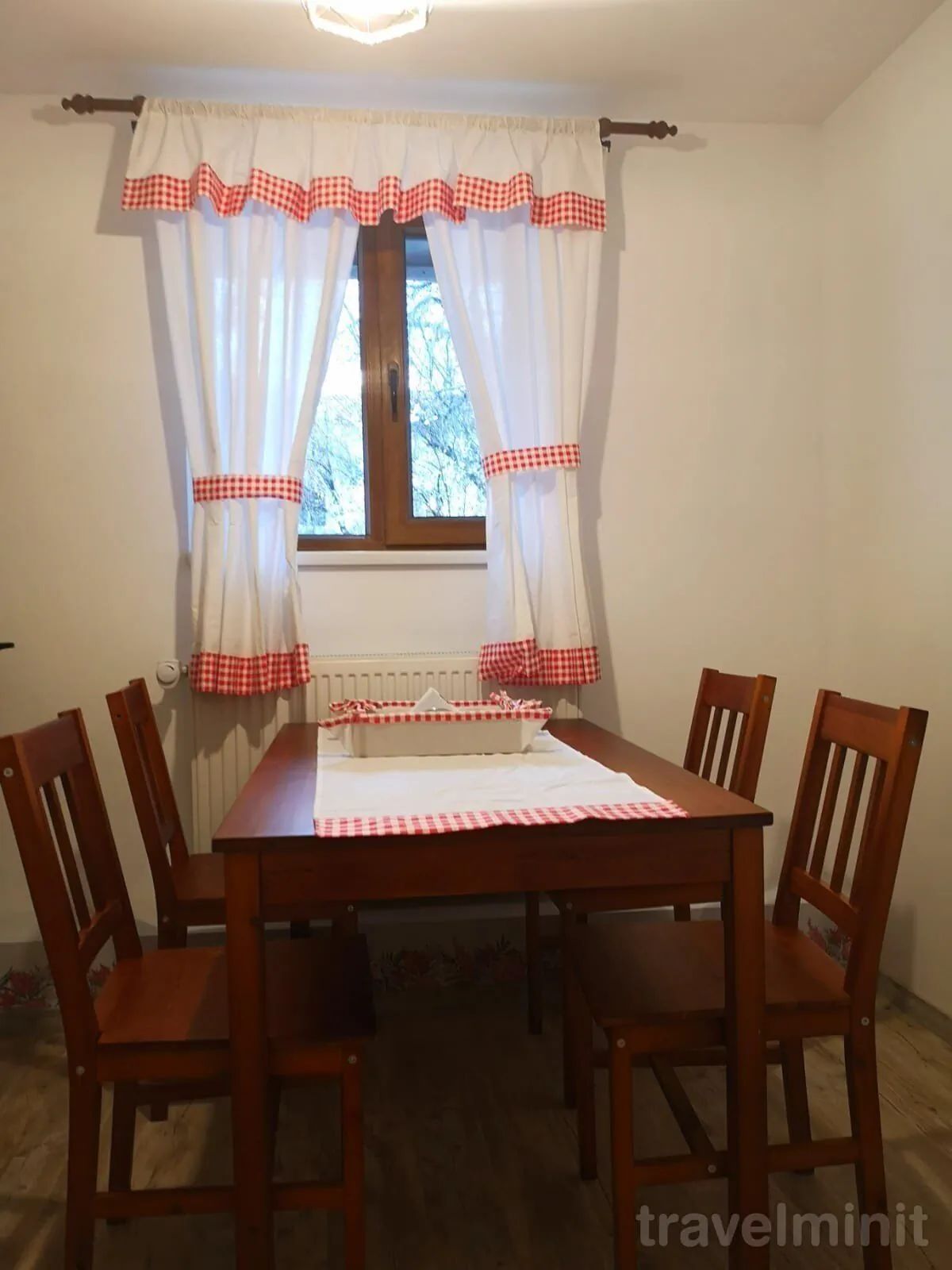
Apartament Traditional Boutique Brașov
Camere, serviciiApartament Traditional Boutique Brașov Brașov va pune la dispozitie o camera frumos mobilata si confortabila. Vi se pune la dispozitie parcare contra cost. Camerele sunt dotate cu conexiune la internet. Fiecare camera are grup sanitar propriu. Pentru a obtine mai multe detalii despre facilitatile locatiei (inclusiv cele contra cost) si despre dotarile camerelor, va rugam consultati fisa de mai jos. LocațiaBiserica Adormirea Măicii Domnului se afla la 800 m distanta fata de apartament. Servicii de masăPreturile camerelor nu contin masa. PlatăPlata serviciilor se poate efectua prin urmatoarele modalitati: transfer bancar, card de vacanță, avans travelminit, voucher travelminit. Se retine un avans de 100% pentru garantarea rezervarii. Sosire, programCheck-in se face incepand cu ora 15:00 si check-out pana la ora 10:00. Personalul de la receptie este cunoscator a mai multor limbi: engleză, germană, spaniolă, franceză, română, italiană.
FROM
230 RON / night

Hotel · 3 stars
Brașov, Brașov County · 0.2 km
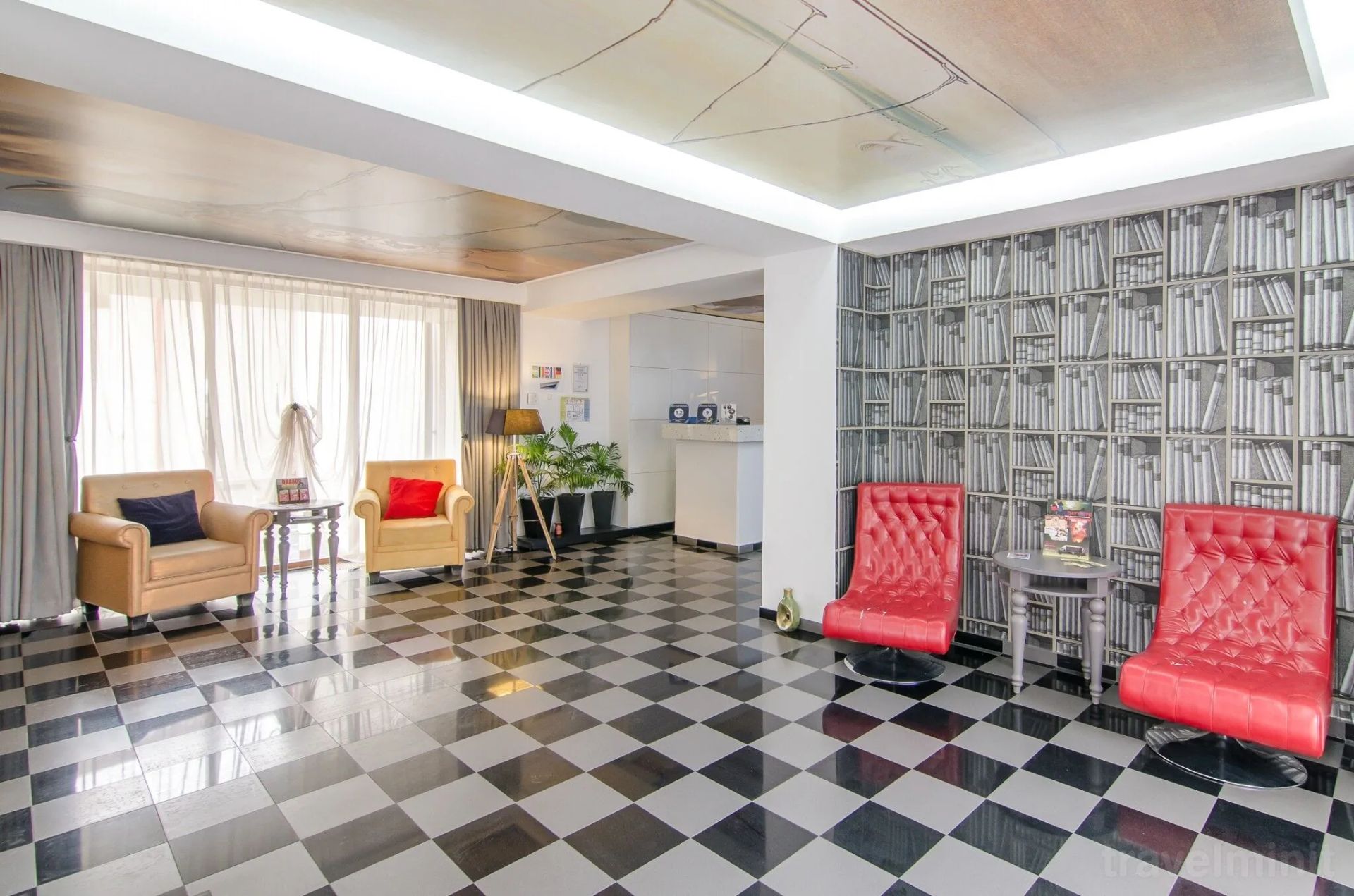
Apart Hotel Vlad Țepeș Brașov
Camere, serviciiApart Hotel Vlad Țepeș Brașov Brașov va pune la dispozitie o camera moderna si placut amenajata. Proprietatea pune la dispozitia oaspetilor parcare gratuita. Locatia ofera cateva camere prevazute cu aer conditionat. (Pentru mai multe informatii consultati la fiecare tip de camera rubrica "detalii"). In unitate exista conexiune la internet wireless. Mai multe detalii despre facilitatile oferite de Apart Hotel Vlad Țepeș Brașov (inclusiv cele contra cost), cat si despre dotarile camerelor veti gasi mai jos. LocațiaBiserica Adormirea Măicii Domnului se afla la 800 m. Servicii de masăTarifele camerelor nu includ nici o masa. PlatăPlata o puteti face cu/prin: transfer bancar, card de vacanță, avans travelminit, voucher travelminit. Sosire, programCheck-in se face incepand cu ora 14:00 si check-out pana la ora 11:00. Personal vorbitor de limba: maghiară, engleză, română.
FROM
290 RON / night
Apartament · 3 stars
Brașov, Brașov County · 0.2 km
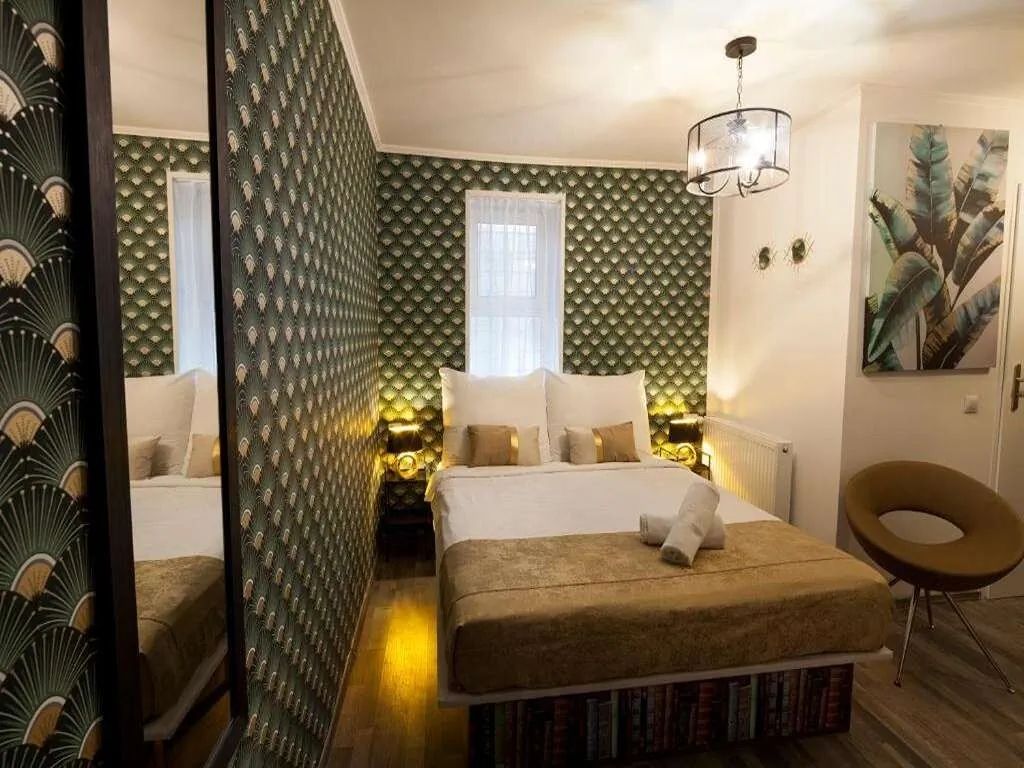
Apartament Classy Boutique Brașov
Classy Boutique are cazare cu WiFi gratuit în Brașov, la 12 minute de mers pe jos de Piaţa Sfatului, la 1,3 km de Strada Sforii și la 19 minute de mers pe jos de The Black Tower. Acest apartament se află la 7 km de Aventura Parc Brașov și la 12 km de Biserica Fortificată din Hărman. Acest apartament oferă un televizor cu ecran plat și 1 dormitor. Acest apartament se află la 17 minute de mers pe jos de The White Tower și la 4,1 km de Paradisul Acvatic. Cel mai apropiat aeroport este Aeroportul Internaţional Sibiu, situat la 145 km de Classy Boutique.
FROM
230 RON / night
Apartament · 3 stars
Brașov, Brașov County · 0.2 km
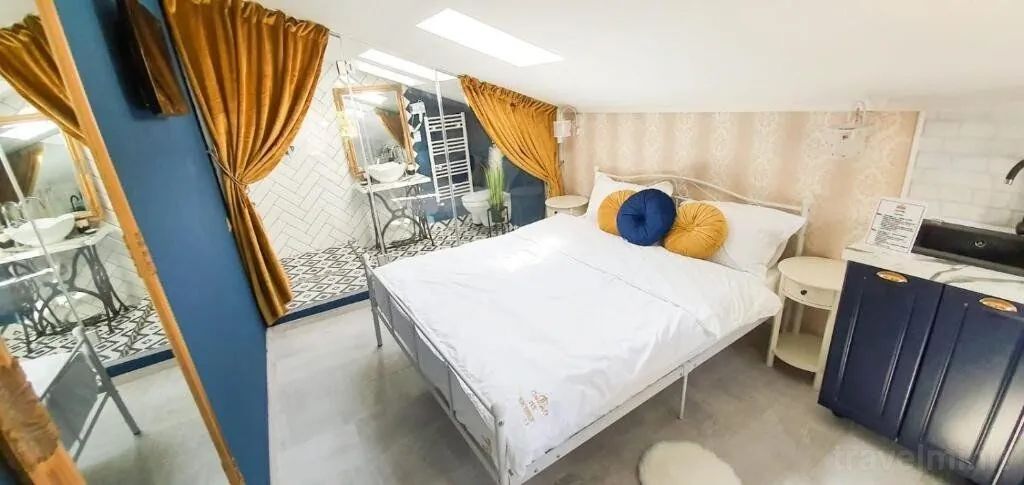
Apartament Ivy Boutique Brașov
Camere, serviciiApartament Ivy Boutique Brașov Brașov va ofera o camera frumoasa si eleganta. Va puteti aduce laptopul deoarece toate camerele dispun de internet. Camerele sunt prevazute cu bai proprii. Daca doriti sa obtineti mai multe informatii despre serviciile disponibile (inclusiv cele contra cost) in cadrul unitatii de cazare si despre echiparea camerelor, consultati fisa de mai jos. LocațiaUnitatea de cazare este amplasata la 800 m distanta fata de Biserica Adormirea Măicii Domnului. Servicii de masăPreturile camerelor nu contin masa. PlatăModalitati de plata acceptate: transfer bancar, card de vacanță, avans travelminit, voucher travelminit. Pentru asigurarea rezervarii este necesar sa achitati un avans de 100%. Sosire, programCamera poate fi ocupata de la ora 15:00 iar predarea ei se face pana la ora 10:00. Personalul de la apartament vorbeste limba: engleză, germană, spaniolă, română, italiană.
FROM
230 RON / night
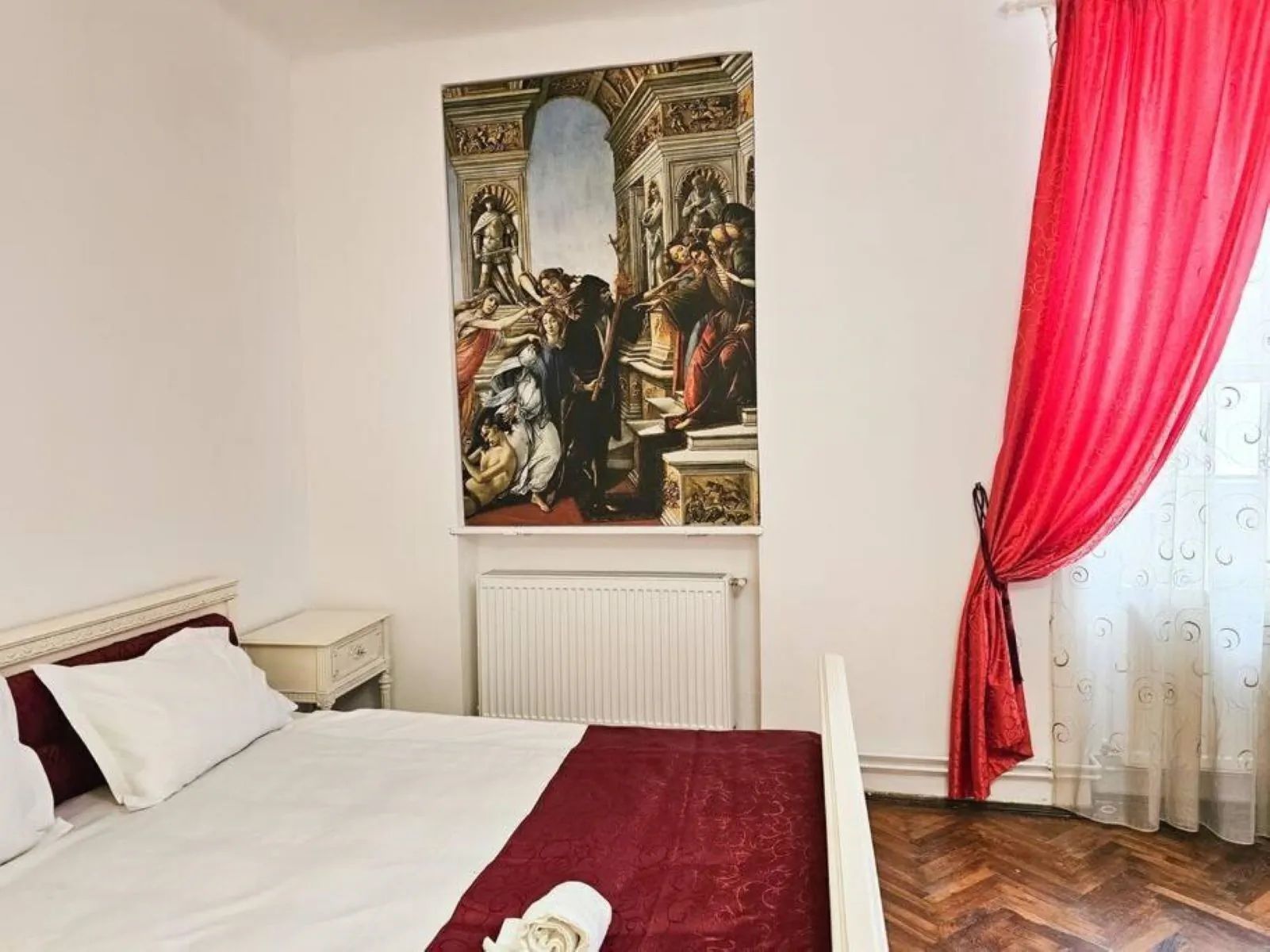
Apartament · 3 stars
Brașov, Brașov County · 0.2 km
Ludovic Boutique Brașov
Camere, serviciiLudovic Boutique Brașov Brașov va ofera o camera mobilata cu bun gust. Puteti beneficia de parcare cu plata. In fiecare camera aveti posibilitatea de a accesa internetul. Camerele sunt prevazute cu bai proprii. Mai multe detalii despre facilitatile oferite de Ludovic Boutique Brașov (inclusiv cele contra cost), cat si despre dotarile camerelor veti gasi mai jos. LocațiaLudovic Boutique Brașov se afla la 800 m distanta fata de Biserica Adormirea Măicii Domnului. Servicii de masăPreturile afisate se refera doar la cazare. PlatăPlata rezervarii se poate face cu/prin: transfer bancar, card bancar, card de vacanță, avans travelminit, voucher travelminit. Se retine un avans de 100% pentru garantarea rezervarii. Sosire, programPreluarea camerei se face de la ora 15:00 si iesirea pana la ora 10:00. Limbi straine vorbite la receptie: engleză, germană, spaniolă, franceză, română, italiană, portugheza.
FROM
230 RON / night
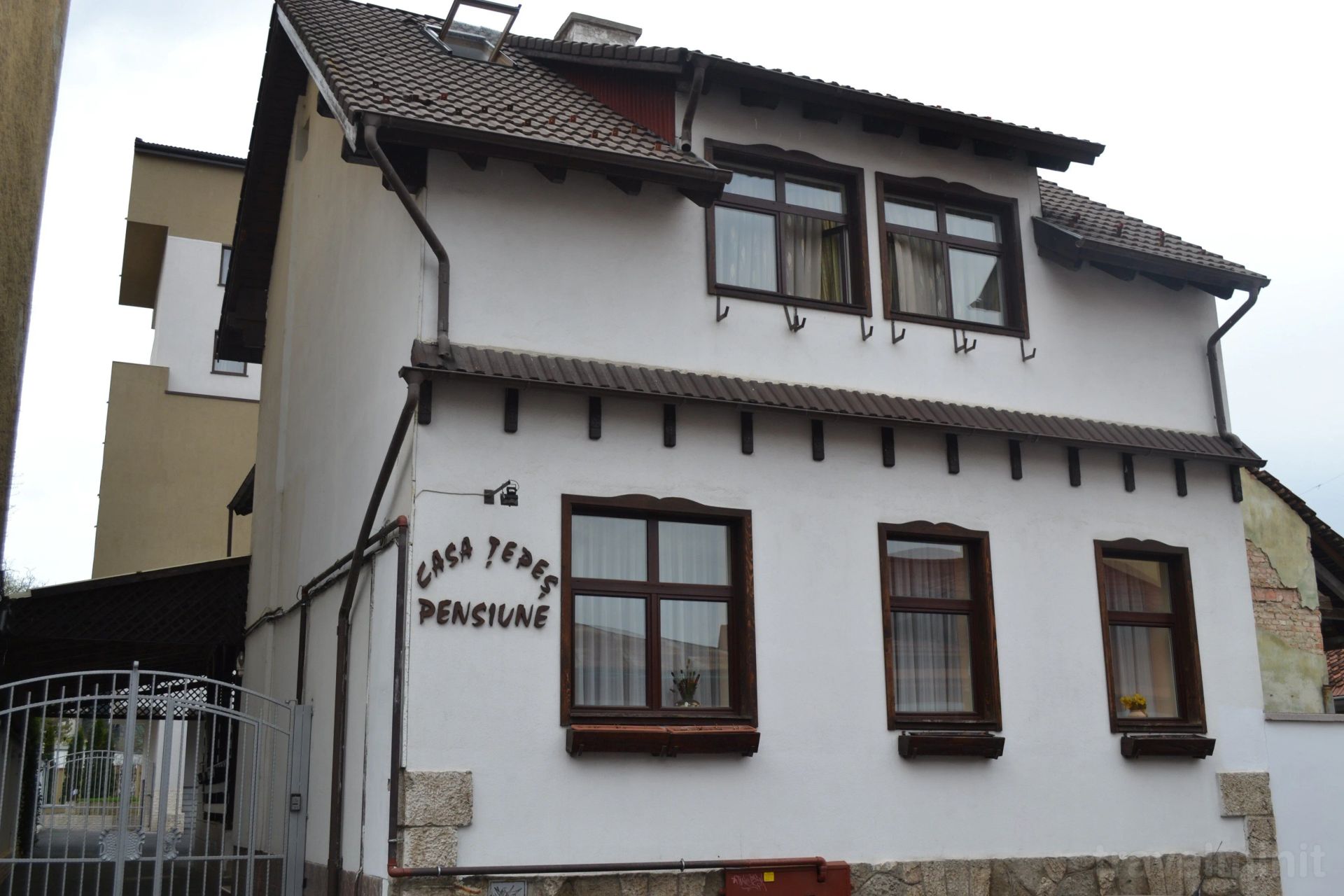
Pensiune · 3 stars
Brașov, Brașov County · 0.2 km
Pensiunea Casa Tepes Brașov
Camere, serviciiPensiunea Casa Tepes Brașov Brașov va intampina cu 5 camere confortabile si placut amenajate. Proprietatea ofera parcare gratuita. In unitate exista conexiune la internet wireless. Mai multe detalii despre facilitatile oferite de Pensiunea Casa Tepes Brașov (inclusiv cele contra cost), cat si despre dotarile camerelor veti gasi mai jos. LocațiaBiserica Adormirea Măicii Domnului se afla la 800 m. Servicii de masăTarifele contin numai cazare. PlatăPlata serviciilor se poate efectua prin urmatoarele modalitati: transfer bancar, card de vacanță, avans travelminit, voucher travelminit. Sosire, programCheck-in se face incepand cu ora 14:00 si check-out pana la ora 11:00. La receptie se vorbeste limba: maghiară, engleză, română.
FROM
240 RON / night
BEFORE YOU HIT THE ROAD
Weather conditions in Brasov
Local forecast for Black Church, Brasov, Brașov

Real-time updated weather data
Much more to explore in this area
Nearby tourist attractions


Bran, Brașov County
Bran Castle
Situat pe strada General Traian Mosoiu nr. 28 din localitatea Bran, la 30 km de municipiul Brasov; construit in anul 1377 in scop militar; in anul 1395, este...
23.1 km

Sinaia, Prahova County
Peleș Castle
Situat pe strada Pelesului din Sinaia; piatra de temelie a castelului se pune in 1873, aici fiind ingropate si cateva zeci de monede de 20 de lei, din aur -...
32.1 km

Prahova, Prahova County
Sinaia Resort
Situata pe valea superioara a Prahovei, la poalele Muntilor Bucegi (Carpatii Meridionali), la o altitudine ce variaza intre 798-971 m; este una din cele mai...
32.9 km

Brasov, Brașov County
Prejmer Fortified Church
Situata in localitatea Prejmer, la 15 km de municipiul Brasov; cea mai mare biserica fortificata din sud-estul Europei; construita in secolul al XIII-lea; are...
16.2 km

Prahova, Prahova County
Castelul Pelișor
Situat in parcul Castelului Peles, pe Valea Prahovei; ridicat intre anii 1899 si 1902; in 1903 a devenit resedinta de vara a principilor mostenitori;...
32.1 km

Râșnov, Brașov County
Cetatea Râșnov
Situata in orasul Rasnov, la 15 km de municipiul Brasov; construita in secolele XIII - XIV de catre locuitorii zonei, in scopul apararii impotriva atacurilor...
11.7 km

Brasov, Brașov County
Parcul natural Munții Bucegi
Situat in Muntii Bucegi, se intinde pe raza comunelor Rasnov, Bran, Moeciu; zona Muntilor Bucegi a fost propusa pentru protejare in anul 1936, dar initiativa s-...
24.9 km

Brasov, Brașov County
Stațiunea Poiana Brașov
Situata la poalele muntelui Postavaru, la 12 km de municipiul Brasov; amplasata la altitudinea de 1.030 m, statiunea turistica Poiana Brasov a fost infiintata...
6.6 km

Brasov, Brașov County
Parcul Național Piatra Craiului
Situat in Carpatii Meridionali;include Creasta Pietrei Craiului in totalitate si spatiile din culoarele intramontane limitrofe, Rucar - Bran si Rucar -...
30.3 km

Brasov, Brașov County
Stațiunea Predeal
Situata pe Valea Prahovei, intre raurile Prahova si Timis, la 25 km de municipiul Brasov; amplasata la 1.100 m, este cea mai inalta asezare urbana din Romania;...
15.7 km

Prahova, Prahova County
Rezervația naturală din Masivul Bucegi
Situata intre 1.000 - 2.505 m altitudine, in Masivul Bucegi; in cadrul ei se pot intalni vai si rape spectaculoase, chei intre stanci, poduri interfluviale si...
26.3 km

Brasov, Brașov County
Biserica fortificată din Maieruș
Situata pe strada Morii, localitatea Maierus, judetul Brasov; construita intre secolele XIV - XV; a fost modificata si marita in secolele XVII - XVIII; din...
28.4 km
Cultural life and traditions
Events near Black Church
Medieval festivals, traditional fairs, concerts and recommended local activities in Transylvania.

Patrimoniu și Istorie

Brasov, Jud. Brașov
Festivalul Cetăților Medievale și Zilele Porților Deschise
Tururi ghidate nocturne, ateliere de meșteșuguri tradiționale și reconstituiri istorice cu cavaleri și domnițe.
WHEN
15 - 17 Mai 2026

Tradiții și Gastronomie
Brasov, Jud. Brașov
Târgul Tradițiilor Săsești și Gastronomie Locală
Descoperă producătorii locali, plăcintele săsești coapte pe vatră, siropurile artizanale și dulceața de rubarbă.
WHEN
În fiecare weekend (Mai - Octombrie)

Ecoturism și Natură
Colinele Transilvaniei, Jud. Brașov
Drumeții Ghidate pe Traseul Colinele Transilvaniei
Excursii pe poteci nemarcate printre fânețe seculare, stejari multiseculari și sate cu biserici fortificate UNESCO.
WHEN
Vineri - Duminică (Sezon 2026)
On foot, exploration gains depth
Discover the surroundings and local geography
Explore trails, terrain and natural landmarks around Black Church.

Guides and practical tips
Useful travel articles
Travel guides, practical tips and itineraries for Transylvania.

Travel guide
Top 5 Atracții Turistice și Trasee Montane în Zona Moieciu - Bran
Descoperă cele mai spectaculoase peisaje carstice, chei adânci și cetăți medievale din imediata apropiere a stațiunii Moieciu.

Travel guide
Ghid de Drumeție: Traseul Moieciu de Sus spre Platoul Bucegi
Un itinerariu montan de o frumusețe rară ce urcă din Valea Băngăleasa spre Poiana Guțanu și crestele maiestuoase ale Bucegilor.

Travel guide
Castelul Bran: Istorie, Legende și Secrete Medievale
Află adevărata poveste a fortăreței medievale din Pasul Bran, reședința de suflet a Reginei Maria a României.
THE JOURNEY STARTS WITH AN IDEA
The next story is on the way.
From the first stop to the last stay, make room for a new Romania.
