


MUSEUM · TRANSYLVANIA
ASTRA Museum of Traditional Folk Civilization

Sibiu, Sibiu County
Add location to your trip planner.

Practical access information

VISITING HOURS
Mon: 12:00–17:00 · Tue–Sun: 09:00–17:00 (summer until 20:00)

TICKET PRICE
Adults: 45 RON · Students: 11 RON · Seniors: 23 RON · Guided tour included

RECOMMENDED VISIT DURATION
2–3.5 hours
Visitor information and guide
 Navigate with Google Maps

ABOUT ASTRA MUSEUM OF TRADITIONAL FOLK CIVILIZATION
Captivating Introduction and Universal Value
In the heart of the Dumbrava Forest, just a few kilometers south of the medieval city of Sibiu — former capital of the Principality of Transylvania and European Capital of Culture in 2007 — stretches Romania's largest open-air museum and one of the most impressive in all of Europe: the ASTRA Museum of Traditional Folk Civilization. Spread across a generous 96 hectares, with an exhibition circuit of approximately 10 kilometers of shaded pathways, the museum shelters over 400 authentic monuments of folk architecture and technology, accompanied by an inventory of more than 20,000 ethnographic pieces of inestimable value. From the floating water mills brought from Maramureș to the wooden church of Bezded, dating from 1754, from the Transylvanian sheepfolds to the fishermen's taverns of the Lipovan Russians in the Danube Delta, from the Dobrogean windmills to the cellars and inns that animated centuries along the Carpathian roads, ASTRA offers a profound incursion into the universe of pre-industrial Romanian rural civilization.
This museum is not merely a collection of relocated old buildings, but a true "museum vivum" — a living museum, as defined by the modern European concept — in which tradition is not only displayed, but lived, felt, and retransmitted. The Michelin Green Guide has awarded it three stars, the equivalent of the distinction "worth a special journey," and annually over 400,000 visitors cross its threshold, making it the second most visited museum in Romania after Bran Castle. For the European traveler, ASTRA represents an essential bridge between Romanian rural heritage and the great European current of open-air museums — that "skansen" which was born in Scandinavia at the end of the 19th century and which today brings together similar institutions from Stockholm, Oslo, Copenhagen, Warsaw, or Budapest. Through its Transylvanian specificity, the museum masterfully illustrates the way in which Romanian rural civilization developed at the confluence of Western (Saxon, Hungarian, Habsburg), Byzantine and Ottoman influences, as well as those of the migratory peoples who traversed this region over the centuries, situated at the frontier between the Habsburg Empire and the Ottoman Empire.
Historical Roots and Major European Connections
The story of the ASTRA Museum does not begin in 1963, but much earlier, with the dream of the Transylvanian Romanians to affirm their cultural identity in a period when Transylvania was under the domination of the Habsburg Empire. In 1861, in Sibiu — then Hermannstadt, the city of the Transylvanian Saxons — the Transylvanian Association for Romanian Literature and the Culture of the Romanian People was founded, known by the acronym ASTRA. Founded at the initiative of Metropolitan Andrei Șaguna, with Timotei Cipariu as vice-president and George Barițiu as secretary, this cultural association played a crucial role in the cultural and political emancipation of the Romanians of Transylvania, in an era when they represented the demographic majority but were deprived of equal political rights within the Habsburg system. The declared purpose of ASTRA was "the material and spiritual advancement of the Romanians," and one of the essential means of this process was the preservation and valorization of the cultural-national heritage. In 1897, the association decided to establish a museum of Romanian civilization, "a shelter for the preservation of the past," and in 1905, under the supervision of Cornel Diaconovici, the first Museum of the Association opened in a building constructed specifically for this purpose, through public subscription, in the central park of Sibiu.
This first ethno-historical museum of the Romanians of Transylvania functioned until 1950, when it was closed by the communist regime for "ideological" reasons, and its collections were transferred to the Brukenthal Museum. But the idea did not die. In 1956, the ethnographer Cornel Irimie — a prominent personality of the Romanian school of sociology — re-established the Folk Art Section, valorizing the inherited ethnographic heritage. In 1963, the State Committee for Culture approved the organization of the Museum of Folk Technology in Dumbrava Sibiului, under the scientific authority of Cornel Irimie, alongside a team of museographers led by Herbert Hoffmann and architect Paul Niedermaier. The first monument transferred to Dumbrava is a hydraulic mill with a vertical wheel and lower intake, brought from the village of Dăbâca, Hunedoara County — this mill can still be found today in the museum's logo. The museum was officially inaugurated on October 17, 1966, on the occasion of the 150th anniversary of the Brukenthal Museum, and opened to the public in 1967.
A European turning point occurred in September 1966, when the museum organized the International Symposium "Organization of the Ethnographic Open-Air Museum — Principles and Methods." The extraordinary success of this symposium, attended by specialists from all over Europe and which included the first international visit to the Dumbrava Sibiului museum, led to the founding, in 1967, of the European Association of Open-Air Museums, headquartered in Bocryk, Belgium. Thus, the ASTRA Museum enters history not only as a national institution, but as one of the pioneers of the European network of "skansens," alongside the famous Scandinavian predecessors: Skansen in Stockholm, founded by Artur Hazelius in 1891, and Norsk Folkemuseum in Oslo, opened in 1894. This concept of "skansen" — a Swedish term that has become generic for open-air museums throughout Europe — spread in the 20th century to countries such as Poland (Muzeum Wsi Opolskiej), the Czech Republic, Hungary, or Germany, and ASTRA represents the contribution of South-Eastern Europe to this museographic tradition.
The historical context of Transylvania — a region situated for centuries along the border between the Habsburg Empire, the Kingdom of Hungary, and the Ottoman Empire — is profoundly reflected in the museum's heritage. Sibiu itself was between 1692–1791 and 1849–1865 the capital of the Principality of Transylvania, and in 1940, after the Vienna Dictate and the loss of Northern Transylvania to Hungary, the establishment of a new ethnographic museum in Sibiu was proposed to replace the one in Cluj. The Second World War and the establishment of the communist regime postponed this project by two decades. In 1971, the museum oriented its activity toward folk civilization, adding complex households and craft workshops, and in 1989 public utility monuments were added — the church, the school, the tavern, the bowling pavilion — transforming the museum into a complete, functional village. On February 17, 1990, the Municipality of Sibiu, with the approval of the Ministry of Culture led by Andrei Pleșu, decided to establish the Museum of Traditional Folk Civilization, as a standalone institution, separated from the Brukenthal Museum Complex. From 2001, the museum became the basic unit of the National Museum Complex "ASTRA," which also brings together the Franz Binder Museum of Universal Ethnography (1993), the ASTRA Museum of Transylvanian Civilization (1993), and the Emil Sigerus Museum of Saxon Ethnography and Folk Art (1998), thus reflecting the multiculturalism specific to Transylvania — Romanians, Saxons, Hungarians, Roma, and other communities.
Architectural Masterpiece and Artistic Heritage
The ASTRA Museum fundamentally distinguishes itself from other European open-air museums through its organization into six major thematic sectors, which do not seek the reconstruction of a particular village, but illustrate the system of values and the modes of production of Romanian folk civilization in all its regional diversity. These sectors are: food production and animal husbandry, raw material production, means of transport, the manufacture of household objects and tools, public utility monuments, and an open-air monumental sculpture exhibition.
The first sector, dedicated to food production and animal husbandry, presents specific households such as the sheepfolds of the Carpathians, with their characteristic huts, cellars for preserving wine and fruit, and installations for processing milk. Here one can see enormous presses for grapes, fruit, and oil, true monuments of folk engineering. The second sector, that of raw material production, houses workshops for processing wool, fulling mills, silk processing workshops, forges, and pottery workshops. The museum's milling collection is remarkable: it comprises 33 grain mills, representing almost all types of energy known in the Eurasian space, with the exception of tidal mills — from water mills with vertical wheels and lower or upper intake, to windmills and floating mills.
The floating mills, brought from the localities of Lucăcești (Maramureș County) and Munteni (Vâlcea County), are unique at the national level and among the few represented in European open-air museums. These ingenious constructions were used on larger rivers and on the Black Sea, being anchored to the bank and adapting to variations in water level. Another spectacular exhibit is the group of windmills from Dobrogea, which illustrates the evolution of wind energy capture technology, from mills with rotating sails to those with more complex mechanisms. These mills reflect the multiculturalism of Dobrogea, a historical region populated by Romanians, Turks, Tatars, Lipovans (Old Believer Russians), and other communities, situated at the intersection of Ottoman and European influences.
The means of transport sector presents carts, covered wagons, horse-drawn sleds, floating bridges, and a rowboat brought from Topalu, Constanța County — a traditional vessel used for crossing waters. The household objects manufacturing sector includes weaving, sewing, leatherworking, wheelwright, cooperage, and tinsmith workshops, each equipped with functional tools and installations. The public utility monuments sector comprises a wooden church, a school, a tavern, a bowling pavilion (a form of ancient bowling), and an inn.
The wooden church of Bezded, Sălaj County, dating from 1754, is one of the most valuable pieces of the museum. Brought to the museum between 1990–1992 and reconsecrated, this Orthodox church reflects the architectural tradition specific to northern Transylvania, with its slender tower and interior mural painting. The wooden religious architecture of this region illustrates the spiritual resistance of Orthodox communities in a context dominated by Habsburg Catholic and Protestant influences. Next to the church stands the Tavern of Bătrâni, Prahova County, a monument dating from 1850, which evokes the world of inns and taverns along the old roads of the Carpathians, meeting places for travelers, merchants, and pilgrims, similar to the Hanseatic inns of Germany or the French inns along the royal roads.
Special mention deserves the fishermen's tavern of the Lipovans of Mahmudia, Tulcea County, brought from the Danube Delta. These fishermen, Old Believer Russians, fled in the 17th–18th centuries from Tsarist Russia in search of religious freedom, finding shelter in the Danube Delta, at the border between the Ottoman and Habsburg Empires. The tavern illustrates the way of life specific to these communities, based on fishing, with houses built on stilts, traditional fishing tools, and a distinct communal organization. The presence of this monument in the museum underlines the links between Romanian rural civilization and the great European migrations, of which that of the Lipovan Russians is one of the most fascinating.
Finally, the sixth sector is dedicated to an exhibition of modern wood sculpture, spread over 3 hectares, with works created by renowned Romanian and foreign artists, inspired by the universe of the traditional village. This exhibition represents a living dialogue between contemporary art and folk heritage, demonstrating that tradition is not a closed museum, but a continuous source of inspiration. The interiors of the dwellings are preserved in their original form, with furniture, textiles, ceramics, and everyday objects that illustrate folk art in all its expressions — from weavings and carpets to icons, oil lamps, and crosses. Folk art is represented both in the decoration of interiors and in the craft workshops, through textile, ceramic, wooden, metal, or glass pieces.
Legends, Personalities, and Turning Points
The central figures in the history of the ASTRA Museum are personalities who transformed a dream into a lasting reality, contributing to the construction of an institution of European prestige. Cornel Irimie (1913–1983) is considered the founder of the open-air museum. Ethnographer, sociologist, and museographer, Irimie was the one who, in the 1950s, valorized the ethnographic heritage inherited from the old ASTRA Museum and laid the foundations of the Dumbrava museum project. Under his scientific coordination, in 1963 the organization of the Museum of Folk Technology was approved, and in 1966 the international symposium took place that laid the foundations of the European Association of Open-Air Museums. The publication "Cibinium," founded under his coordination in 1966, became one of the most important periodicals of ethnography in South-Eastern Europe.
Alongside Irimie, the museographer Herbert Hoffmann and the architect Paul Niedermaier were the artisans of the museum concept and the plan for organizing the Dumbrava grounds. Niedermaier elaborated the museum's landscaping plan, integrating the monuments into a harmonious natural landscape, while Hoffmann coordinated the transfer and reconstitution of the monuments. Corneliu Bucur, appointed head of the Open-Air Section of the Brukenthal Museum in 1970, continued and developed the activity, reorienting the museum toward the concept of "museum vivum" — living museum — beginning in 1984, through the reconstruction and original functionalization of public utility monuments.
Another essential personality is Andrei Șaguna, the Orthodox Metropolitan of Transylvania and the first president of the ASTRA Association in 1861. Șaguna was one of the most important figures of the cultural emancipation of the Transylvanian Romanians, and without his vision and that of the association he led, the museum could not have existed. Timotei Cipariu, vice-president of ASTRA, philologist and scholar, and George Barițiu, historian and publicist, were also key figures of the Romanian cultural movement in Transylvania.
The turning points of the museum include: the transfer of the first monument in 1963 (the hydraulic mill from Dăbâca), the official inauguration on October 17, 1966, the international symposium of September 1966 and the founding of the European Association of Open-Air Museums, the opening to the public in 1967, the addition of households in 1971, the addition of public monuments in 1989, the change of name in 1990, and the constitution of the National Museum Complex "ASTRA" in 2001. Another significant moment was the designation of Sibiu as European Capital of Culture in 2007, alongside Luxembourg, when the museum hosted numerous international events and exhibitions.
Behind each monument lie stories and legends. The floating mill of Lucăcești recalls the ingenuity of the Maramureș peasants who adapted technology to the specific conditions of mountain waters. The church of Bezded speaks of the spiritual resistance of Orthodox communities in a region marked by confessional conflicts. The tavern of Mahmudia evokes the exodus of the Lipovan Russians and the drama of religious refugees. The Dobrogean windmills recall the multicultural coexistence in a border region. Each household, each workshop, each tool preserves the memory of the anonymous craftsmen who built them and of the generations of peasants who used them.
Practical Visitor Guide and Today's Tourist Experience
The ASTRA Museum is located approximately 3–4 kilometers south of the historic center of Sibiu, in the Dumbrava Sibiului natural reservation, on the road connecting Sibiu to Rășinari and the Păltiniș resort. The exact address is Strada Pădurea Dumbrava no. 16, Sibiu, and the geographic coordinates are 45°45′14.8″N 25°6′46.5″E. The museum is easily accessible by car (there are 4 parking lots on the premises), by public transport — buses and trams (line 13) stop at the "Dumbrava Sibiului" station, at the main entrance — by bicycle (on the Sibiu BikeCity cycling paths, bicycle access being permitted in the first and last two hours of the program, between 08:00–10:00 and 16:00–18:00, or throughout for children under 12), or on foot, along the forest paths.
The visiting schedule varies according to the season. In the summer period (starting May 1, 2026), the museum is open daily between 08:00 and 20:00, offering 12 hours of exploration. In the autumn season (September 21 – October 26, 2026), the schedule is 08:00–18:00. In the winter period (October–April), the schedule is 09:00–17:00, with last entry at 17:00. The Folk Art Galleries, located at the main entrance, are open from Tuesday to Sunday, between 09:00 and 17:00. The museum is also open on holidays, including International Workers' Day (May 1).
Tickets can be purchased both at the ticket offices on the premises and online, on the official platform pay.muzeulastra.ro or muzeulastra.funticket. For 2026, the adult entrance fee is 50 lei. Children under 7 benefit from free entry, as do persons with disabilities and their companions, as well as pensioners with pensions below 700 lei. There are also annual passes and family passes (around 300 lei), which offer unlimited access throughout the year. Visitors are advised to keep their ticket throughout the visit, as checks are carried out.
A complete visit to the museum requires between 3 and 5 hours, depending on each person's pace and interest in certain sectors. The pathways are paved with stone and earth, with unevenness, so sports footwear is mandatory. Comfortable clothing is recommended, and in summer, a hat and sun umbrella. The route can be traversed in both directions, and the thematic panels — PĂLĂRIA (THE HAT), ROATA (THE WHEEL), GRÂUL (THE WHEAT), TÂRGUL (THE MARKET), VREMEA (THE WEATHER), GARDUL (THE FENCE), NUIAUA (THE CLUB), PIATRA (THE STONE), FLOAREA (THE FLOWER) — offer detailed information about each aspect of traditional rural life.
The visitor experience is enriched by numerous facilities and activities. On the 6-hectare lake, rowboat rides can be taken, and in the cold or festive season, sleigh rides pulled by horses. Traditional carriages offer rides through the museum, evoking times when travel was done by slow means, at the rhythm of nature. Two restaurants operate on the premises — the Tavern of Bătrâni and the Inn of Dumbrava — where traditional culinary preparations can be savored: soups, sarmale, polenta with cheese and sour cream, sausages, pastrami, apple pies, and other delicacies according to authentic recipes. For those who wish to extend their stay, the museum offers accommodation in two guesthouses located on the premises, allowing the unique experience of sleeping in a traditional atmosphere, away from urban bustle.
The museum hosts numerous cultural events annually. The best known is the Fair of Folk Creators (Craftsmen's Festival), which takes place in August, around the feast of the Dormition of the Mother of God (August 15). For a week, approximately 350 peasant-performers, invited from all counties of the country and from the Republic of Moldova, perform in the museum on the "seven arts" of the Academy of Traditional Arts: religious arts, literary arts, musical arts, ludic arts, plastic arts, mechanical arts, and culinary arts. This festival, inspired by the Smithsonian Folk Life Festival model in Washington DC, transforms the museum into a living space, where tradition is practiced and shared. Also, on the stage set up on the lake, with an open-air amphitheater, folk performances, concerts, and film screenings take place. The museum organizes interactive workshops for children and adults, craft demonstrations, team-building sessions, and summer camps for students of plastic arts and architecture.
For foreign visitors, the museum offers specialized guided tours, the mobile application "ASTRAMuseumApp" (available on Android and iOS) with information in several languages, thematic brochures, and a tourist information center at the main entrance. The application allows listening to the stories of the households directly from the phone, offering a multimedia experience. The museum is inscribed on the List of Historical Monuments in Sibiu County with the code SB-II-a-A-12012, being officially recognized as a monument of national importance.
Visiting the ASTRA Museum can be complemented with exploring the historic center of Sibiu — the Large Square, the Small Square, the Bridge of Lies, the Evangelical Cathedral, the Council Tower — all located just a few kilometers away, accessible by tram or bus. Also, the road to Rășinari and the Păltiniș mountain resort passes right near the museum, offering the opportunity for a complete excursion in the Transylvania region.
In conclusion, the ASTRA Museum of Traditional Folk Civilization in Sibiu represents much more than a simple collection of rural monuments. It is a living institution, a member of the European network of open-air museums, which illustrates the specificity of Romanian folk civilization in dialogue with the great European cultural currents, from the Transylvanian Enlightenment represented by ASTRA in the 19th century, to the modern concept of "museum vivum" and contemporary European multiculturalism. For the European traveler, a visit to ASTRA means stepping into a universe in which the history of the Habsburg and Ottoman Empires, Saxon and Romanian traditions, folk art, and folk technical innovation intertwine in a fascinating tableau of common European heritage.
Media gallery
Discover ASTRA Museum of Traditional Folk Civilization in pictures

7 photos · Architecture, courtyards and captivating details


Image source: Wikimedia Commons · Public domain photos · Free license
STAY A FEW DAYS, DISCOVER THE MAGIC
Stays near ASTRA Museum of Traditional Folk Civilization

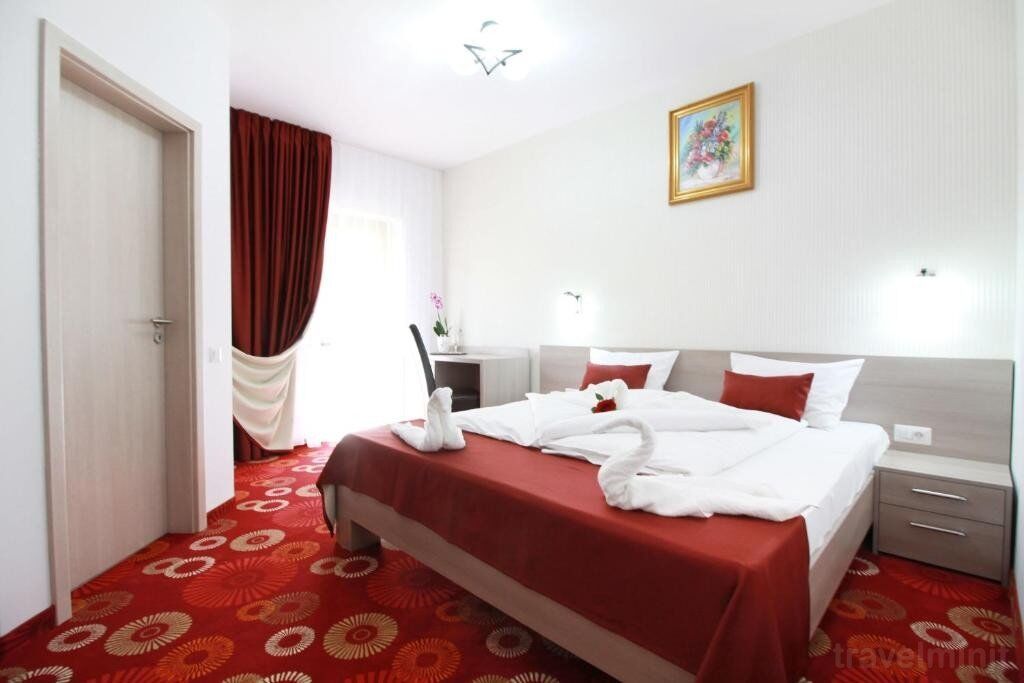
Pensiune · 3 stars

Sibiu, Sibiu County · 0.9 km
Pensiunea Amso Residence Sibiu
Camere, serviciiPensiunea Amso Residence Sibiu Sibiu va intampina cu 7 camere confortabile si placut amenajate. Proprietatea ofera parcare gratuita. Vi se pune la dispozitie si cateva camere dotate cu aer conditionat. (Pentru mai multe informatii consultati la fiecare tip de camera rubrica "detalii"). Acces la internet wireless este disponibil la pensiune. Pentru a obtine mai multe detalii despre facilitatile locatiei (inclusiv cele contra cost) si despre dotarile camerelor, va rugam consultati fisa de mai jos. Servicii de masăTarifele contin numai cazare. La trimiterea rezervarii puteti alege urmatoarele tipuri de masa: demipensiune, pensiune completă, mic dejun, fără servicii de masă. PlatăPlata o puteti efectua cu/prin: card de vacanță, numerar, card bancar, transfer bancar, card de vacanță, avans travelminit, voucher travelminit. Pentru finalizarea rezervarii se achita un avans de 100%. Sosire, programIntrarea se face incepand cu ora 14:00 si iesirea pana la ora 11:00. Personal vorbitor de limba: engleză, germană, română.
FROM
240 RON / night

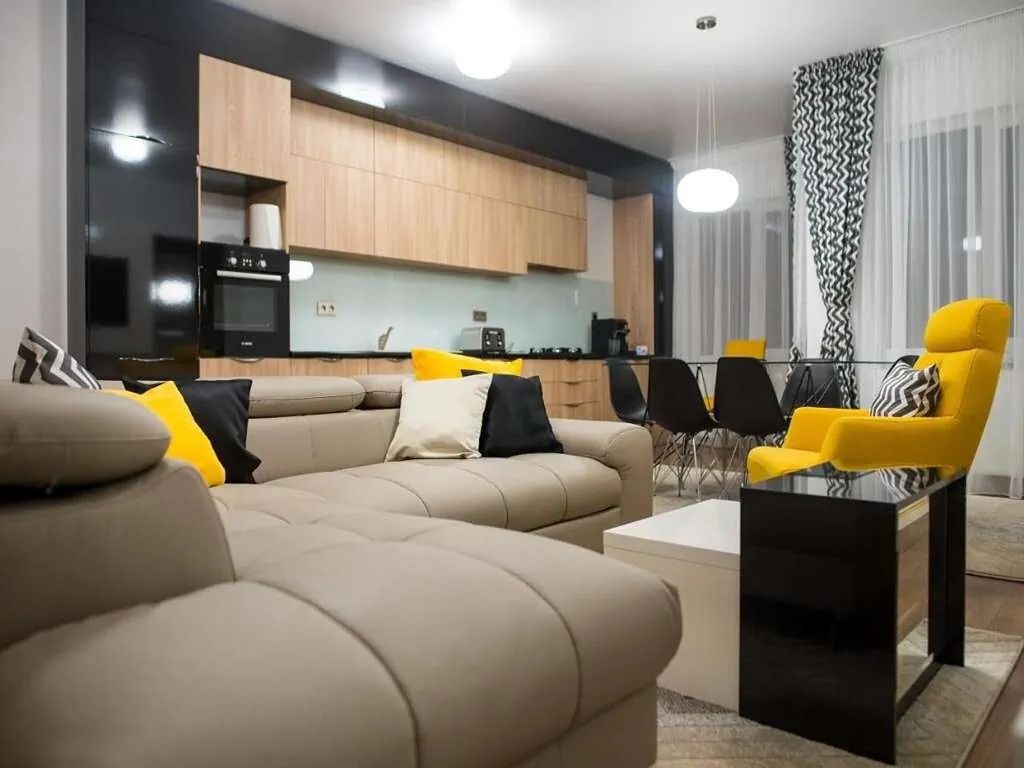
Apartament · 3 stars
Sibiu, Sibiu County · 0.9 km
Apartament Dumbrava Residence Sibiu
Camere, serviciiDumbrava Residence Sibiu va ofera o camera frumoasa si eleganta. Proprietatea ofera parcare gratuita. Fiecare camera are baie proprie. Daca doriti sa obtineti mai multe informatii despre serviciile disponibile (inclusiv cele contra cost) in cadrul unitatii de cazare si despre echiparea camerelor, consultati fisa de mai jos. Servicii de masăTarifele camerelor nu includ nici o masa. Sosire, programIntrarea se face incepand cu ora 14:00 si iesirea pana la ora 12:00. Personal vorbitor de limba: engleză, română.
FROM
230 RON / night
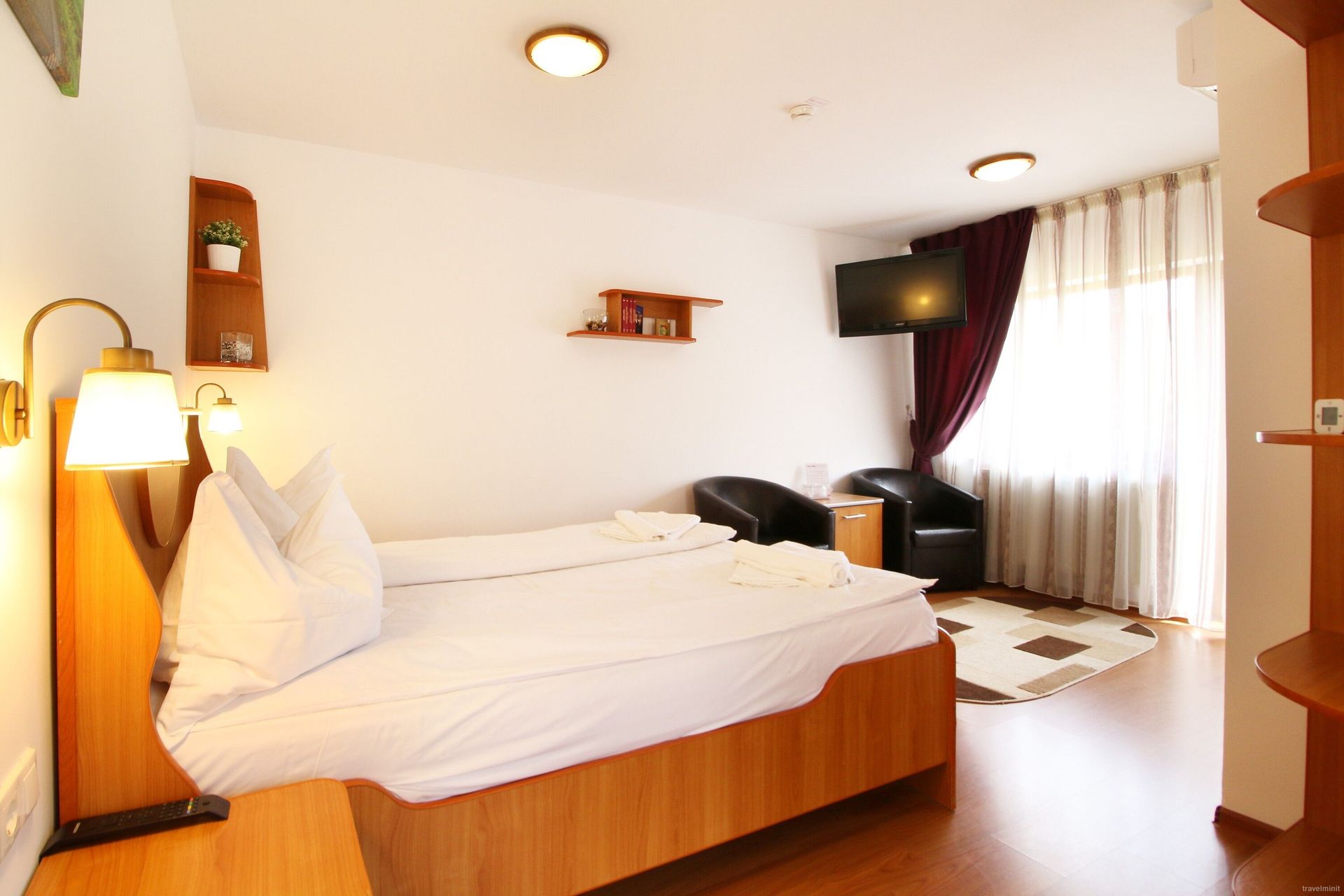
Pensiune · 3 stars
Sibiu, Sibiu County · 1.0 km
Pensiunea Casa Micu Sibiu
Sunt 2 camere cvadruple, una dintre ele la mansarda, iar cealalta la parter, iar acestea vor fi distribuite oaspetilor in functie de disponibilitate.
FROM
240 RON / night
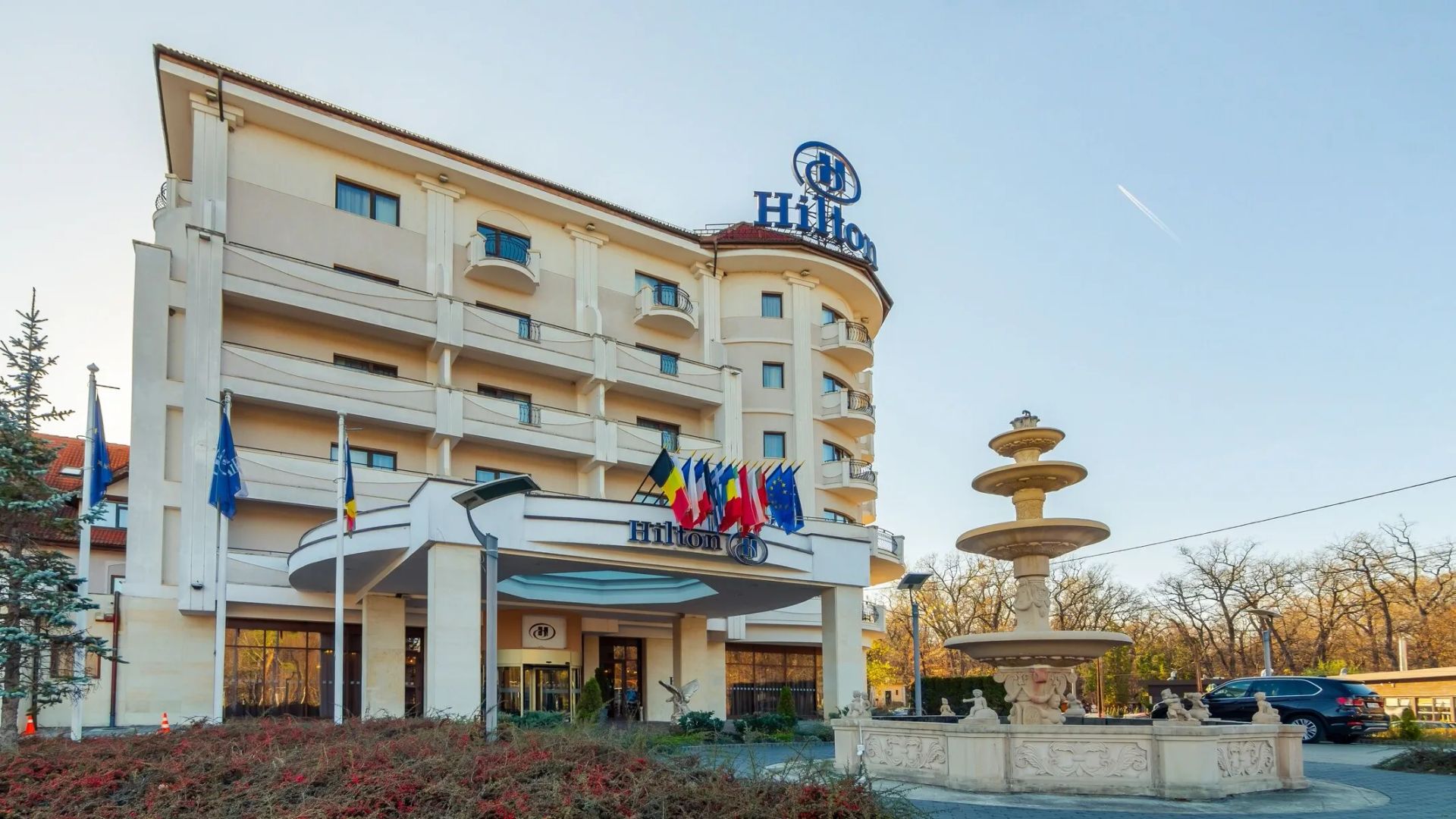
Hotel · 5 stars
Sibiu, Sibiu County · 1.1 km
Hilton Hotel Sibiu
Camere, serviciiHilton Hotel Sibiu Sibiu va asteapta cu 114 camere amenajate cu bun gust si confortabile. La restaurant puteti servi preparate delicioase. Proprietatea ofera parcare gratuita. Este o locatie ideala pentru relaxare deoarece se ofera servicii wellness. Pentru detalii consultati pagina de date. Anumite camere sunt echipate cu aer conditionat, pentru a va asigura tot confortul cuvenit pe perioada sejurului. (Pentru mai multe informatii consultati la fiecare tip de camera rubrica "detalii"). La unitate aveti posibilitatea de a accesa internetul wireless. Daca doriti sa aflati mai multe detalii despre facilitatile disponibile la Hilton Hotel Sibiu, respectiv despre amenajarea camerelor, va rugam consultati informatiile de mai jos. Servicii de masăPreturile afisate includ mic dejun. PlatăPlata o puteti efectua cu/prin: numerar, card bancar, transfer bancar, card de vacanță, avans travelminit, voucher travelminit. Pentru finalizarea rezervarii se achita un avans de 100%. Sosire, programIntrarea se face incepand cu ora 15:00 si iesirea pana la ora 12:00. Personalul de la receptie este cunoscator a mai multor limbi: engleză, germană, română, italiană.
FROM
580 RON / night
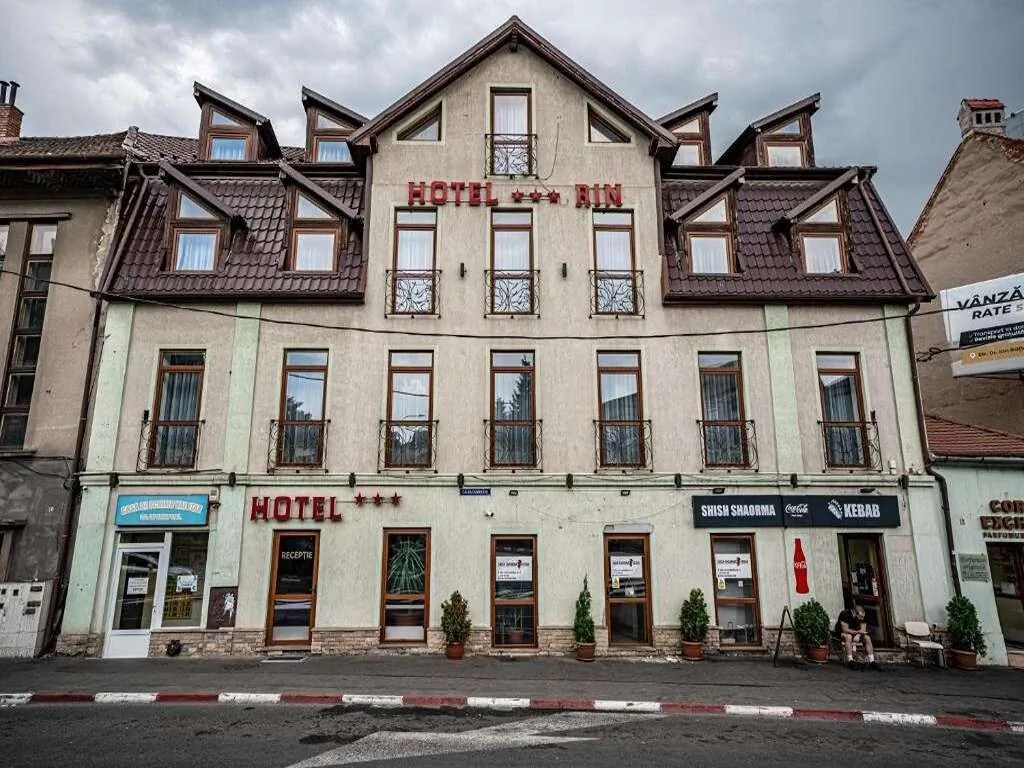
Hotel · 3 stars
Sibiu, Sibiu County · 2.1 km
Hotel Rin Sibiu
Se acceptă plata cu cardul de vacanță la fața locului Situat in zona centrala a orasului Sibiu, hotel Rin va ofera o ambianta incantatoare. Hotel RIN*** ia naștere in 2011, aproape de centrul istoric al orașului cultural Sibiu fiind alegerea potrivită pentru vizitatorii care caută o combinație de farmec, pace și liniște, și o poziție convenabilă pentru a explora orașul. Camerele sunt calde, primitoare, liniștite și foarte încăpătoare. Vei ști că ai ales locul potrivit, locul unde diminețile de concediu îți asigură cele mai frumoase și relaxante zile de vacanță. Și vei mai ști că toate întâlnirile de business la care vei participa vor fi un succes. Pentru că dacă tu te simți bine, totul va merge bine. Iar noi facem tot posibilul ca tu să ai o ședere excelentă.
FROM
290 RON / night
Apartament · 3 stars
Sibiu, Sibiu County · 2.1 km
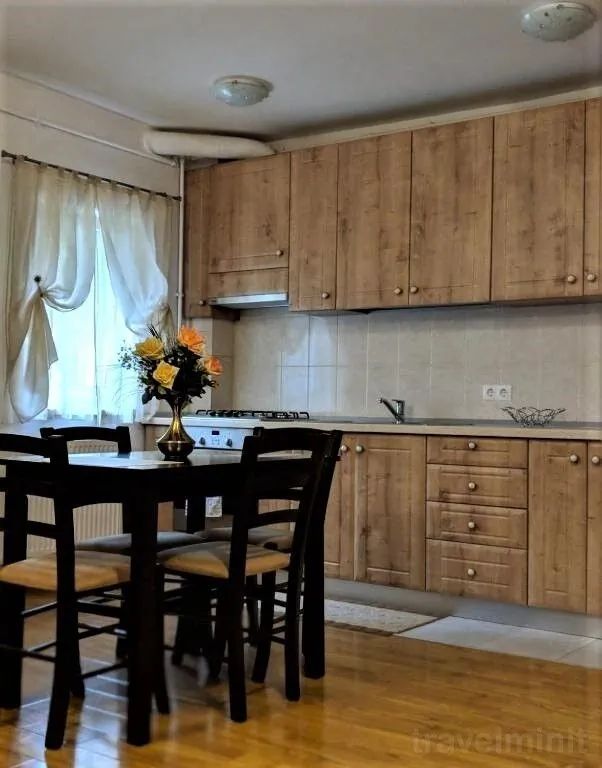
Apartament Giulio Sibiu
Apartamentul Giulio este amplasat în Valea Aurie, una dintre cele mai frumoase zone ale orașului, aproape de Muzeul Astra, Grădina Zoologică si Parcul Sub Arini.Fiind situat la marginea Pădurii Dumbrava, aproape de natură, unde aleile, liniștea și aerul curat oferă un sejur plăcut în acest oraș pe tot parcursul anului.Este un apartament compus din 2 dormitoare cu paturi matrimoniale, unul dintre ele cu acces la balcon, bucătărie utilată cu zonă de servit masa, balcon, baie cu cadă.Obiectivele turistice și centrul orașului se află la doar 4,8 km fiind ușor accesibile.
FROM
230 RON / night
BEFORE YOU HIT THE ROAD
Weather conditions in Sibiu
Local forecast for ASTRA Museum of Traditional Folk Civilization, Sibiu, Sibiu

Real-time updated weather data
Much more to explore in this area
Nearby tourist attractions


Cârțișoara, Sibiu County
Transfăgărășan Highway and Bâlea Lake
Incepe in comuna Bascov din judetul Arges de langa orasul Pitesti, in directia orasului Curtea de Arges si se termina la intersectia cu drumul DN1 intre Sibiu...
35.7 km

Sibiu, Sibiu County
Bâlea Lake
Situat in Muntii Fagaras, la Obarsia Cartisoarei, care se afla la o altitudine de 2.034 metri, langa soseaua Transfagarasan din judetul Sibiu; in perioada...
42.4 km
41.2 km

Sibiu, Sibiu County
Bâlea Lake Resort
Situata in aria comunei Cartisoara din masivul Fagaras; se intinde pana la altitudinea de 2.500 m; include relieful alpin, lacul, flora si fauna din circul...
35.8 km

Sibiu, Sibiu County
Biserica Parohială Evanghelică Sfânta Maria din Sibiu
Situata in Piata Huet, localitatea Sibiu; a fost ridicata in secolul al-XIV-lea, pe locul unde exista o veche biserica inca din secolul al-XII-lea; cladirea...
5.4 km

Sibiu, Sibiu County
Muzeul Brukenthal
Situat in Piata Mare nr.4-5; colectiile baronului von Brukenthal au luat nastere in principal intre anii 1759-1774, perioada pe care acesta a petrecut-o la...
5.3 km

Sibiu, Sibiu County
Biserica Fortificată din Valea Viilor
Situata in localitatea Valea Viilor; a fost construita in secolul al XII-lea, urmand sa fie fortificata in secolul al XV-lea si al XVI-lea; inconjurata de o...
38.8 km

43.3 km

Sibiu, Sibiu County
Biserica Evanghelică Fortificată din Cisnădie
Situata pe strada Cetatii nr.1-3, localitatea Cisnadie; construita in secolul al XIII-lea; fortificata dupa atacul turcesc din 1493: turnul central a fost...
5.4 km

Sibiu, Sibiu County
Turnul Sfatului
Situat in Piata Mica nr.1, localitatea Sibiu; construit deodata cu cea de-a doua incinta fortificata, intre anii 1224 si 1241; este considerat simbol al...
5.6 km

Sibiu, Sibiu County
Podul Minciunilor
Face legatura dintre Piata Mica si Piata Huet din Sibiu; a fost turnat in Laubach si montat in Sibiu in anul 1859; este primul pod din fonta din Romania;...
5.5 km

Sibiu, Sibiu County
Biserica Parohială Romano-Catolică Sfânta Treime din Sibiu
Situata in Piata Mare nr.1, localitatea Sibiu; a fost construita de iezuti intre anii 1726-1733 in spiritul barocului timpuriu vienez pe locul cladirii in care...
5.4 km
Cultural life and traditions
Events near ASTRA Museum of Traditional Folk Civilization
Medieval festivals, traditional fairs, concerts and recommended local activities in Transylvania.

Patrimoniu și Istorie

Sibiu, Jud. Sibiu
Festivalul Cetăților Medievale și Zilele Porților Deschise
Tururi ghidate nocturne, ateliere de meșteșuguri tradiționale și reconstituiri istorice cu cavaleri și domnițe.
WHEN
15 - 17 Mai 2026

Tradiții și Gastronomie
Sibiu, Jud. Sibiu
Târgul Tradițiilor Săsești și Gastronomie Locală
Descoperă producătorii locali, plăcintele săsești coapte pe vatră, siropurile artizanale și dulceața de rubarbă.
WHEN
În fiecare weekend (Mai - Octombrie)

Ecoturism și Natură
Colinele Transilvaniei, Jud. Sibiu
Drumeții Ghidate pe Traseul Colinele Transilvaniei
Excursii pe poteci nemarcate printre fânețe seculare, stejari multiseculari și sate cu biserici fortificate UNESCO.
WHEN
Vineri - Duminică (Sezon 2026)
On foot, exploration gains depth
Discover the surroundings and local geography
Explore trails, terrain and natural landmarks around ASTRA Museum of Traditional Folk Civilization.

Guides and practical tips
Useful travel articles
Travel guides, practical tips and itineraries for Transylvania.

Travel guide
Top 5 Atracții Turistice și Trasee Montane în Zona Moieciu - Bran
Descoperă cele mai spectaculoase peisaje carstice, chei adânci și cetăți medievale din imediata apropiere a stațiunii Moieciu.

Travel guide
Ghid de Drumeție: Traseul Moieciu de Sus spre Platoul Bucegi
Un itinerariu montan de o frumusețe rară ce urcă din Valea Băngăleasa spre Poiana Guțanu și crestele maiestuoase ale Bucegilor.

Travel guide
Castelul Bran: Istorie, Legende și Secrete Medievale
Află adevărata poveste a fortăreței medievale din Pasul Bran, reședința de suflet a Reginei Maria a României.
THE JOURNEY STARTS WITH AN IDEA
The next story is on the way.
From the first stop to the last stay, make room for a new Romania.
