


MONUMENT · TRANSYLVANIA
Praid Salt Mine

Harghita, Harghita County
Add location to your trip planner.

Practical access information

VISITING HOURS
Mon: 12:00–17:00 · Tue–Sun: 09:00–17:00 (summer until 20:00)

TICKET PRICE
Adults: 45 RON · Students: 11 RON · Seniors: 23 RON · Guided tour included

RECOMMENDED VISIT DURATION
2–3.5 hours
Visitor information and guide
 Navigate with Google Maps

ABOUT PRAID SALT MINE
Deep within the salt mountain: a cathedral of European memory
In the heart of Transylvania, where the Praid Depression narrows between the Gurghiu, Harghita, and Ciucului Mountains, along the Târnava Mică valley, just nine kilometers from the Sovata resort, one of the most impressive encounters between geology, history, and medicine in all of Europe unfolds. The Praid resort, situated at an altitude of approximately 580 meters, in a depression sheltered from strong winds, with cool summers and frosty winters, owes its existence and fame to a single but extraordinary gift: a rock salt massif of slightly elliptical shape, with diameters of 1.2 and 1.4 kilometers, descending to the astonishing depth of 2.7 kilometers underground. This deposit, formed 20–22 million years ago, in the geological period of the Lower Badenian, when the Transylvanian basin was a shallow tropical sea, represents one of the largest compact bodies of halite in Central Europe, with estimated reserves of about three billion tons of salt — enough to supply the continent for hundreds of years. Beyond the figures, Praid is a place where the history of Europe is read in layers of salt: from the Roman "salarium" that gave the world the word "salary," to the "white gold" that financed empires, from medieval Székely privileges to the Habsburg monopoly, from the tradition of speleotherapy born in Polish and Austrian mines to the ecumenical chapel unique in Europe, carved in salt 120 meters underground.
Historical roots: from Roman salt to the Habsburg monopoly of "white gold"
The story of Praid salt begins, according to archaeological research, as early as the Daco-Roman era, when surface "salt cuts" were worked by so-called "cancelari" — officials tasked with coordinating the operations. The ancient memory of the place is thus linked to the great civilization of Rome, for which salt was the foundation of food, preservation, and commerce, and the Latin word "sal" gave birth to the entire semantic family of salt in Romance languages and beyond. After the Roman withdrawal, the tradition of salt mining was taken up by the Avars and, later, by migrating peoples, and medieval chronicles record that the spies of the Hungarian chieftain Töhötöm, on his way to the Carpathian Basin, reported that in Transylvania "salt is dug." Starting in 1003, the salt boats of King Stephen I of Hungary — the first Christian king of the Hungarians, canonized as a saint — circulated regularly on the Mureș River, transporting the precious commodity to the center of the kingdom. The first indirect written attestation of salt exploitation in the so-called "Salt Mines Area" dates from 1222, when King Andrew II granted the German knights — Teutonic and Saxon, whose privileges would later be consolidated by the famous Andreanum Diploma — the right to use six boats each on the Mureș and Olt rivers for the transport of salt, along with other goods. This document places Praid in the great network of medieval European salt trade, alongside the great "salt roads" — from Rome's Via Salaria to Germany's "Alte Salzstraße" and the Hanseatic routes of the Baltic.
The documentary turning point comes in 1405, when King Sigismund of Luxembourg — king of Hungary, Croatia, Dalmatia, and Bohemia, and from 1433 Emperor of the Holy Roman Empire — forbade the nobility from opening salt mines on their own estates, thus centralizing control over this vital resource. His decision fits the logic of the great European monarchies of the time, which understood salt as an instrument of state power. At the same time, the document attests to an older and profound privilege: the "free right to salt" of the Székelys, a common wealth of the Székely nation that ensured them free salt supply, a right consecrated and strengthened in 1463 by King Matthias Corvinus (Mátyás Hunyadi), the great Renaissance monarch of Hungary, whose court at Buda rivaled the most brilliant courts of Europe, and whose Corvina Library remains a symbol of European humanism. The salt privilege was so precious that it figured among the criteria for electing the princes of Transylvania: Gábor Báthory (1603), István Bocskai (1605), Gábor Bethlen (1613), and György Rákóczi I were, among others, elected also because they respected the Székelys' right to salt. But history was not without drama: in 1562, after the suppression of the Székely uprisings, King John Sigismund II requisitioned the Praid salt mine for the Royal Chamber, and the free right to salt returned to the Székelys only for the duration of the independence war led by Rákóczi II. After 1661, Prince Apafi Mihály successfully defended the Transylvanian salt mines from repeated Turkish attacks, in an era when the Ottoman Empire controlled central Hungary, while Transylvania defended its autonomy under Habsburg protection.
The rise of the Habsburg dynasty fundamentally changed the destiny of Praid salt. In 1714, salt exploitation became a Habsburg privilege, and in 1762, in the southwestern part of Salt Hill, under the direction of Austrian mining engineer Johann Frendl, the József (Joseph) mine was opened — a "bell" mine that marked the entry of modern underground mining into Transylvania. The extracted salt, tied in buffalo hides, was hauled to the surface with the help of a sieve operated by four pairs of horses, a technique reminiscent of traditional methods in Alpine mines. In 1787, the Praid salt mine became the property of the Vienna Treasury (Hofkammer), thus entering the Habsburg monopoly system of "white gold" — a network of state salt mines, customs duties, and trade routes that supplied the imperial treasury from Vienna to the farthest corners of Europe. The parallel with other great European salt centers is striking: in the same period, the mines of the Austrian Salzkammergut — Hallstatt, with its 7,000 years of uninterrupted exploitation and today a UNESCO heritage site, Hallein, with its salt-carved chapel and its links to the Christmas carol tradition, Bad Ischl, the imperial resort of Empress Elisabeth, or Altaussee, with the Chapel of Saint Barbara located 71 meters underground — were integrated into the same salt economy controlled by the Habsburg crown, just like Wieliczka and Bochnia in Poland, which came under Austrian rule in 1772, at the first partition of Poland. In 1861, according to local historian Orbán Balázs, the entire area inhabited by Székelys and Saxons used salt from Praid, and in 1864, next to the József mine, the Parhuzamos (Parallel) mine was opened, one of the largest artificial underground cavities of its time. Praid salt, called since the 15th century "Székely salt," gave its name to the entire microregion — the "Salt Land," a toponym recorded for the first time in 1659 and encompassing the localities of Sovata, Praid, Upper and Lower Salt Mines, Corund, Sărățeni, and the surroundings. After World War I and the Treaty of Trianon of June 4, 1920, by which Transylvania returned to Romania, the old methods of exploitation were reorganized by the Romanian state, and in 1945 the blasting method was introduced, definitively ending traditional Hungarian mining — a technique that, for centuries, had shaped not only the underground galleries but the entire identity of the place.
The underground masterpiece: architecture, art, and the science of healing
Viewed from the perspective of European heritage, the Praid Salt Mine is more than a simple mining operation: it is a true masterpiece of the interaction between nature and culture, an underground landscape in which mining engineering, art, and medicine have built together a unique universe. The salt body, with its "mushroom hat" shape raised along geological faults due to its lower specific gravity compared to the surrounding rocks, houses galleries 20 meters wide, 12 meters high, and hundreds of meters long, the deepest exploitation horizon being located 320 meters below ground level. In the Telegdy mine, exploitation is carried out using the "Canadian method," with small chambers and square pillars of 14 by 14 meters, the floor between horizons being 8 meters thick — proof of the engineering precision that accompanied the transformation of a medieval operation into a modern industrial complex. Above, Salt Mountain (Sóhát), a protected area of national interest in IUCN category III, extending over approximately 60 hectares, harbors extremely rare flora, with species unique in Romania, developed on the salty soil of the slopes.
What gives the Praid Salt Mine its truly European dimension, however, is its role as a therapeutic sanctuary. As early as 1960, the first aerosol treatment base was opened in the mine's underground, and in 1980, at "Horizon 50," located 120 meters deep, the treatment base intended for tourists and patients was established. The microclimate of this space — a constant temperature of 14–16 degrees Celsius, low humidity, air of sterile purity, saturated with salt aerosols, iodides, potassium, and magnesium, free of allergens and irritants — has made the Praid Salt Mine one of the most important centers of speleotherapy and climatotherapy in Eastern Europe. The tradition in which this therapeutic role is inscribed is profoundly European: it originates in Poland, at Wieliczka — a UNESCO heritage site since 1978 — where doctor Feliks Boczkowski observed as early as 1839, then in 1843, that salt miners rarely suffered from respiratory ailments and opened the first underground spa establishment, and where, in 1958, Professor Mieczysław Skulimowski laid the foundations of "subterraneotherapy" — the method that bears his name — inaugurating in 1964 the world's first underground allergology hospital, "Kinga." The research of German doctor Karl Hermann Spannahel, conducted from 1949 based on observations of people who sheltered in salt caves during World War II, scientifically grounded modern speleotherapy, spread today in a network of centers throughout Central and Eastern Europe — from Solotvino in Ukraine and Soligorsk in Belarus, to Zlate Hory in the Czech Republic, Turda, Slănic, and Târgu Ocna in Romania. At Praid, the beneficial effects of the saline microclimate, scientifically demonstrated in the last decades of the 20th century, are used in the treatment of bronchial asthma, chronic bronchitis, allergic rhinitis and sinusitis, silicosis, pulmonary emphysema and bronchiectasis without hemoptysis, degenerative rheumatic conditions, and certain gynecological conditions, cures traditionally lasting 18 days, with daily sessions of three to four hours.
In this underground landscape, art and spirituality have found fertile ground. The ecumenical chapel, arranged in one of the salt mine's chambers and consecrated in 1993, is unique in Europe: its altar, carved in salt, has a triangular base symbolizing the Holy Trinity, and its patron — Saint John of Nepomuk, the Bohemian martyr of Charles Bridge in Prague, the saint of silence and keeper of secrets — links the place to the spiritual tradition of Central Europe. The chapel was consecrated by priests of three denominations — Orthodox, Roman Catholic, and Reformed — in a gesture of profound symbolic weight for Székely Land, and inside are preserved two 18th-century statues, the Virgin with the Child and Saint Anthony, while six stained-glass windows create the illusion of natural light filtered through salt. Next to the chapel, the visitor discovers a museum rich in salt crystals, in tools and instruments used in the exploitation and transport of salt from the 18th century onward, as well as in folk art objects — a museum founded by the miners and technical staff of the salt mine, with the contribution of photographer István Plajas. An art gallery hosts salt sculptures created during annual creation camps, and "Club Aventura" — the first adventure park in Europe arranged in a salt mine — offers climbing routes on natural salt rock and zip lines, some of them raised up to 15 meters. The underground leisure base, extending over 1,300 meters, is equipped with all the comfort of a small town: children's playgrounds, billiard and ping-pong tables, library, café, restaurant with wine tasting, wireless connection, 3D cinema, and a pharmacy with natural products, while at the surface a saltwater swimming pool completes the relaxation offer. On the exit route, at "Horizon 60," the "Mina Iosif" Belvedere Panorama offers the melancholic view of the old collapsed mine, a silent witness to centuries of exploitation.
Legends, personalities, and turning points
The history of Praid is populated by figures whose lives intersected with the destiny of the salt mountain, in a series that links local history to the great currents of European history. King Sigismund of Luxembourg, with his diploma of 1405, laid the foundations of royal centralization of salt, in an era when the thrones of Europe — from Prague to Buda, from Vienna to Kraków — were consolidating themselves through control over vital economic resources. King Matthias Corvinus, with his Renaissance splendor and his diploma of 1463, represented the apogee of an era in which the courts of Central Europe rivaled Florence and Paris in promoting the arts and diplomacy. Transylvanian princes — Apafi Mihály, Báthory, Bocskai, Bethlen, Rákóczi — defended or claimed the "right to salt" as a symbol of Székely autonomy and dignity, in a period when Transylvania navigated between the Ottoman Empire and the Habsburg Monarchy. Austrian engineer Johann Frendl, opening the József mine in 1762, represented the technical vanguard of Habsburg Enlightenment, and historian Orbán Balázs, in the 19th century, preserved the memory of a community for whom salt was bread, right, and identity. With the arrival of the railway — the Târgu Mureș–Sărățeni line being extended to Praid in 1905 — the entire region, including neighboring Sovata, entered the circuit of the great European spa resorts, the number of guests tripling in just a few years, in a period when the baths of Vichy, Baden-Baden, or Karlsbad set the standards of European health tourism.
The turning points of the salt mine mark its history with impressive regularity: in 1811, a first new mine, "Ocna Nouă" (Ujbánya), opened between 1809 and 1811, was abandoned after being flooded; in 1945, the explosive method put an end to traditional mining; in 1960 and 1980, the opening of treatment bases transformed the operation into a medical sanctuary; in 1993, the consecration of the ecumenical chapel added the spiritual dimension; and in 2009, the Praid Salt Mine became the most visited salt mine in Romania, with over 200,000 tourists annually, attracting between 2,500 and 3,000 visitors daily in the summer months. But the most dramatic episode of its recent history took place in May 2025, when, after weeks of infiltrations caused by the Corund stream, its swollen waters broke through the artificial bed and, between May 27 and 30, completely flooded the mine's underground galleries, approximately four million cubic meters of water pouring into the entire mining system. About 130 employees were evacuated, exploitation and tourism were halted, and the Praid commune entered a state of alert, successively extended to the present. Hydrogeology experts from Romania and abroad, gathered at Mathias Corvinus Collegium in Cluj, analyzed the consequences of the catastrophe and identified as an essential condition for saving the mine the complete diversion of the Corund stream's course, while the European Union allocated Romania 14.3 million euros from the Solidarity Fund for repairing the affected infrastructure. A remarkable detail, highlighted by specialists, offers a ray of hope: the water that penetrated the mine is already saturated with salt, so it can no longer dissolve additional quantities unless fresh water penetrates — a scientific argument for the efforts to save the "salt cathedral."
Practical visiting guide and the tourist experience of today
For the European traveler who wishes to discover the Praid Resort, journey planning begins with geographic positioning: the resort is located in Harghita County, in the heart of Székely Land, approximately 9–10 kilometers from Sovata, about 60–70 kilometers from Târgu Mureș, and approximately 150 kilometers from Cluj-Napoca, being accessible on national roads DN13 and DN13A, near the former narrow-gauge railway Sovata–Câmpu Cetății, today traversed by the famous Mocăniță. The climate specific to the depression — cool summers, cold winters, tonic and dry air, sheltered from strong winds — recommends Praid as a balneoclimatic resort, the natural curative factors being mineral waters, salt, and climate, alongside the therapeutic resources of the nearby Sovata resort, with its Lake Ursu, the largest heliothermal salt lake in Europe, nicknamed the "Dead Sea of Europe."
An essential clarification is necessary for the traveler visiting this page in 2026: following the catastrophic floods of May 2025, the Praid Salt Mine remains closed, with no official reopening date announced until the end of September 2026, the commune remaining in a state of alert, and access to the Salt Canyon being restricted. The rescue works, although financed through the European Union Solidarity Fund, ceased in autumn 2025 after the realization of a temporary diversion of the Corund stream through pipes, and experts continue to monitor the microseismicity of the area and the salinity of the watercourse. The informed traveler will check before departure the updated status of the attraction on the official website salinapraid.ro or at SALROM, the mine's administrator, because reopening depends on the completion of the definitive hydro-technical diversion works of the Corund and on the assessment of the risk of ceiling collapse. During this period, however, the area retains its attractiveness through the Sovata resort, through the ceramic centers of Corund, through Borsec — the "pearl of the Carpathians" with its springs awarded at international exhibitions since the 19th century —, through Lake Saint Anne, through the Bicaz Gorges, and through the numerous mountain trails of the Harghita Mountains.
When the salt mine's gates reopen — and its history, marked by so many rebirths, gives grounds for hope — the visitor's experience will follow a special ritual. The visiting program is daily, between 8:00 and 18:00, extendable to 20:00 in the summer season, and transport underground is by special salt mine buses, which travel through a 1,250-meter tunnel to the entrance gate of the leisure base, from where visitors descend a staircase of about 200–300 steps carved in salt, to "Horizon 50," located 120 meters underground. Entrance fees — approximately 50 lei for adults and 35 lei for children, with daily passes of 40 and 28 lei for cures of at least five days, prices that include underground transport — are subject to change, and parking is charged separately. The visitor must know that the constant temperature of 14–16 degrees Celsius requires warm clothing even in the height of summer, and pets are not admitted underground. A complete visit lasts between three and four hours and can include, besides traversing the 1,300-meter route, a stop at the ecumenical chapel for service, a game of billiards or ping-pong, a coffee at the "Coffee with Salt" café, a visit to the museum and art gallery, a walk through the adventure park, or a bath in the surface saltwater pool. For those who want a complete cure, the resort offers 18-day speleotherapy packages, with daily sessions in the saline microclimate, benefiting from the same therapeutic principles consecrated at Wieliczka, in the heart of Europe.
Praid thus remains more than a tourist destination: it is a place where the memory of Europe gathers in layers of salt — from the "salarium" of the Roman legions to the "white gold" of the Habsburgs, from Székely privileges to the ecumenical chapel, from the science of Polish speleotherapy to the art of salt sculpture — a living monument of European cultural heritage, waiting, temporarily under waters, to reopen its gates to the world.
Media gallery
Discover Praid Salt Mine in pictures

7 photos · Architecture, courtyards and captivating details


Image source: Wikimedia Commons · Public domain photos · Free license
STAY A FEW DAYS, DISCOVER THE MAGIC
Stays near Praid Salt Mine

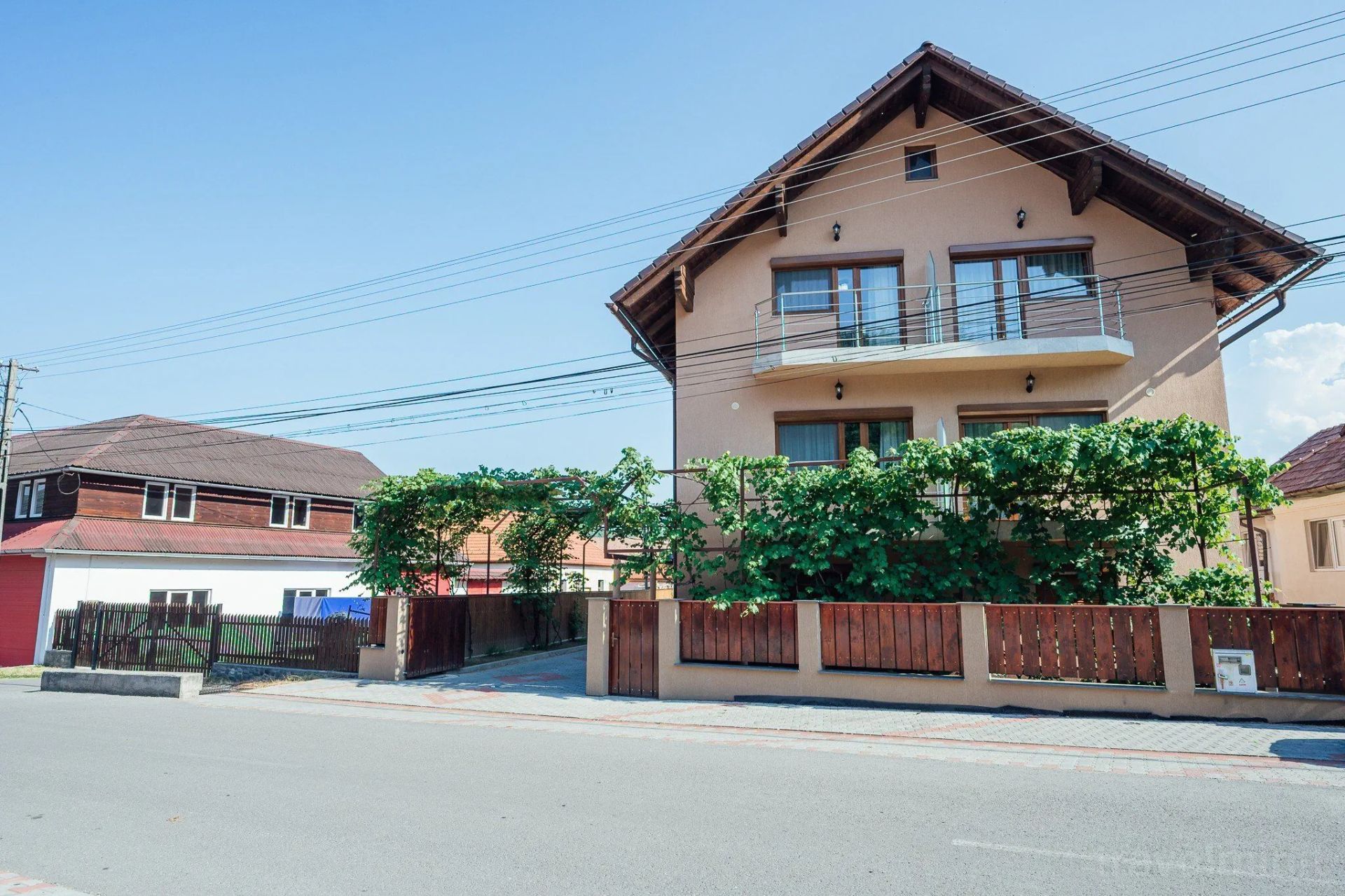
Pensiune · 3 stars

Praid, Praid County · 0.0 km
Pensiunea Sándor 2 Praid
Camere, serviciiPensiunea Sándor 2 Praid Praid ofera 6 camere confortabile si placut amenajate. Proprietatea ofera parcare gratuita. Unitatea va pune la dispozitie internet wireless. O lista detaliata despre facilitatile unitatii de cazare (inclusiv cele contra cost), cat si despre amenajarea camerelor gasiti in fisa de mai jos. LocațiaSalina Praid se situeaza la o distanta de 1 km , . Servicii de masăTarifele afisate se refera numai la cazare. PlatăPlata o puteti face cu/prin: numerar, card bancar. Sosire, programCamera poate fi ocupata de la ora 14:00 iar predarea ei se face pana la ora 10:00 . La receptie se vorbeste limba: maghiară, engleză, română.
FROM
240 RON / night

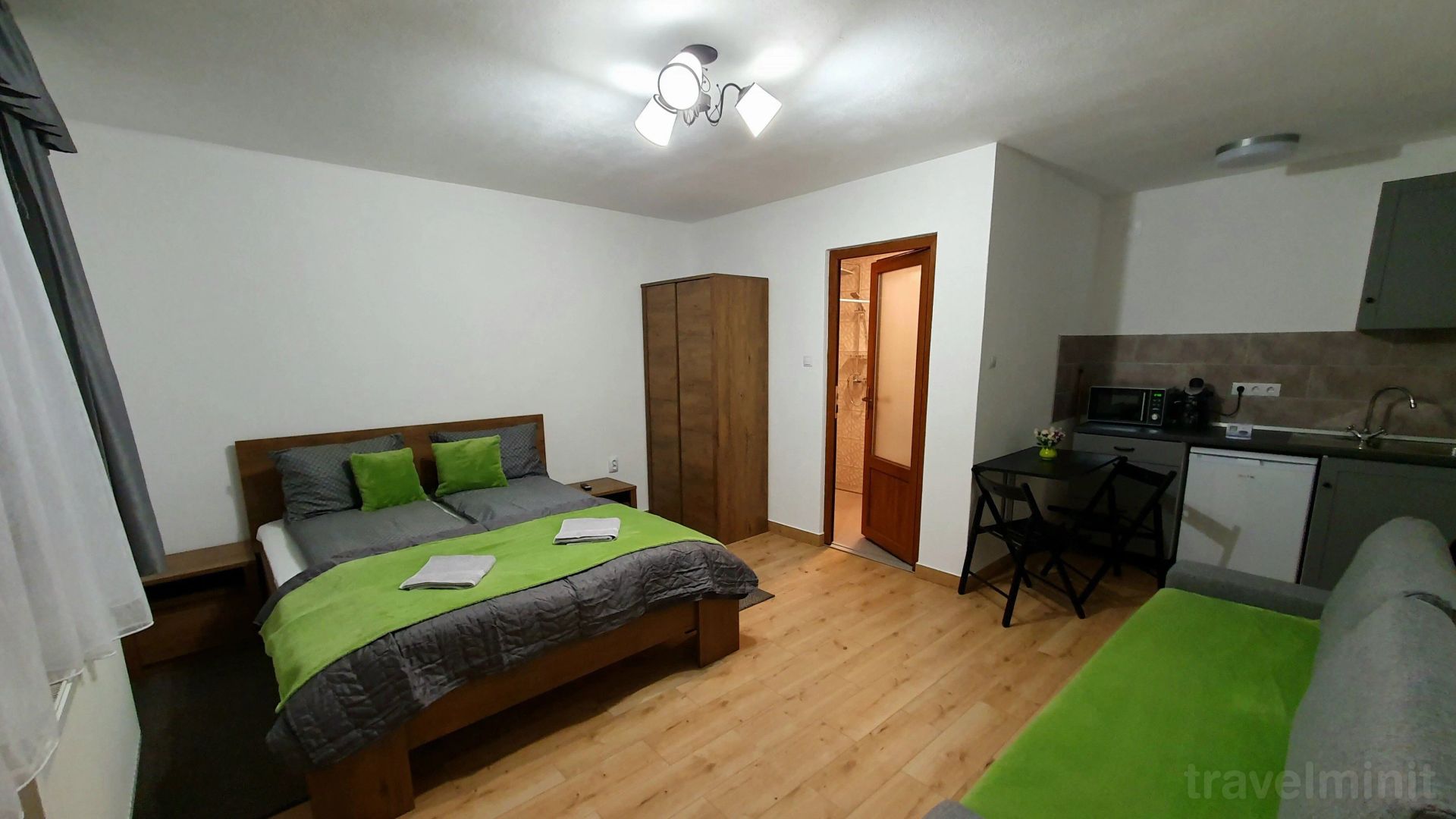
Apartament · 3 stars
Praid, Praid County · 0.0 km
Casa de oaspeți Kodáros Praid
Să vă simţiţi ca acasă, cu aceste gânduri calde sunt primiţi pretutindeni clienţii bineveniţi! Noi nu numai că avem convingerea, dar ne şi străduim ca oaspeţii noştri să se simtă la noi ca ei acasă. Camere, servicii:Casa de oaspeti Kodaros - Praid ofera cazare in trei camere frumos amenajate. Este o locatie ideala pentru familii cu copii deoarece sunt disponibile dotari pentru cei mici. Sunt asteptati cu drag oaspeti insotiti de animale de companie (gratuit). Se ofera parcare gratuita. Camerele sunt echipate cu conexiune la internet, Tv, incalzire centrala si au o bucatarie comuna.
FROM
230 RON / night
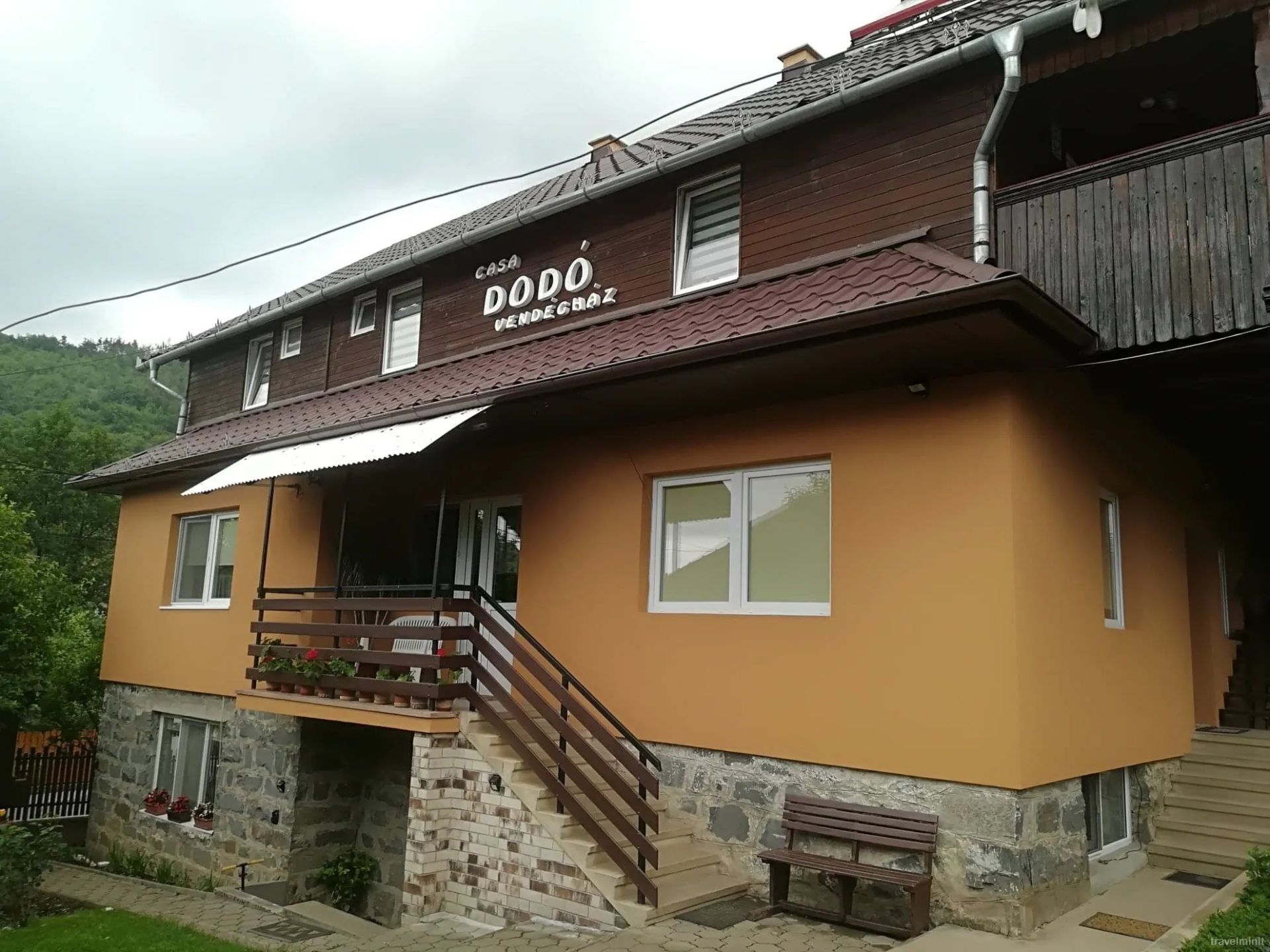
Casă de Vacanță · 3 stars
Praid, Praid County · 0.0 km
Casa de vacanță Dodo Praid
Camere, serviciiCasa de vacanță Dodo Praid Praid ofera 4 camere confortabile si placut amenajate. O lista detaliata despre facilitatile unitatii de cazare (inclusiv cele contra cost), cat si despre amenajarea camerelor gasiti in fisa de mai jos. LocațiaȘtrandul Praid se gaseste la o distanta de 1.3 km , . Servicii de masăPreturile afisate se refera doar la cazare. PlatăPlata serviciilor se poate efectua prin urmatoarele modalitati: numerar, transfer bancar. Sosire, programIntrarea se face incepand cu ora 14:00 si iesirea pana la ora 11:00. La receptie se vorbeste limba: maghiară, germană, română.
FROM
280 RON / night
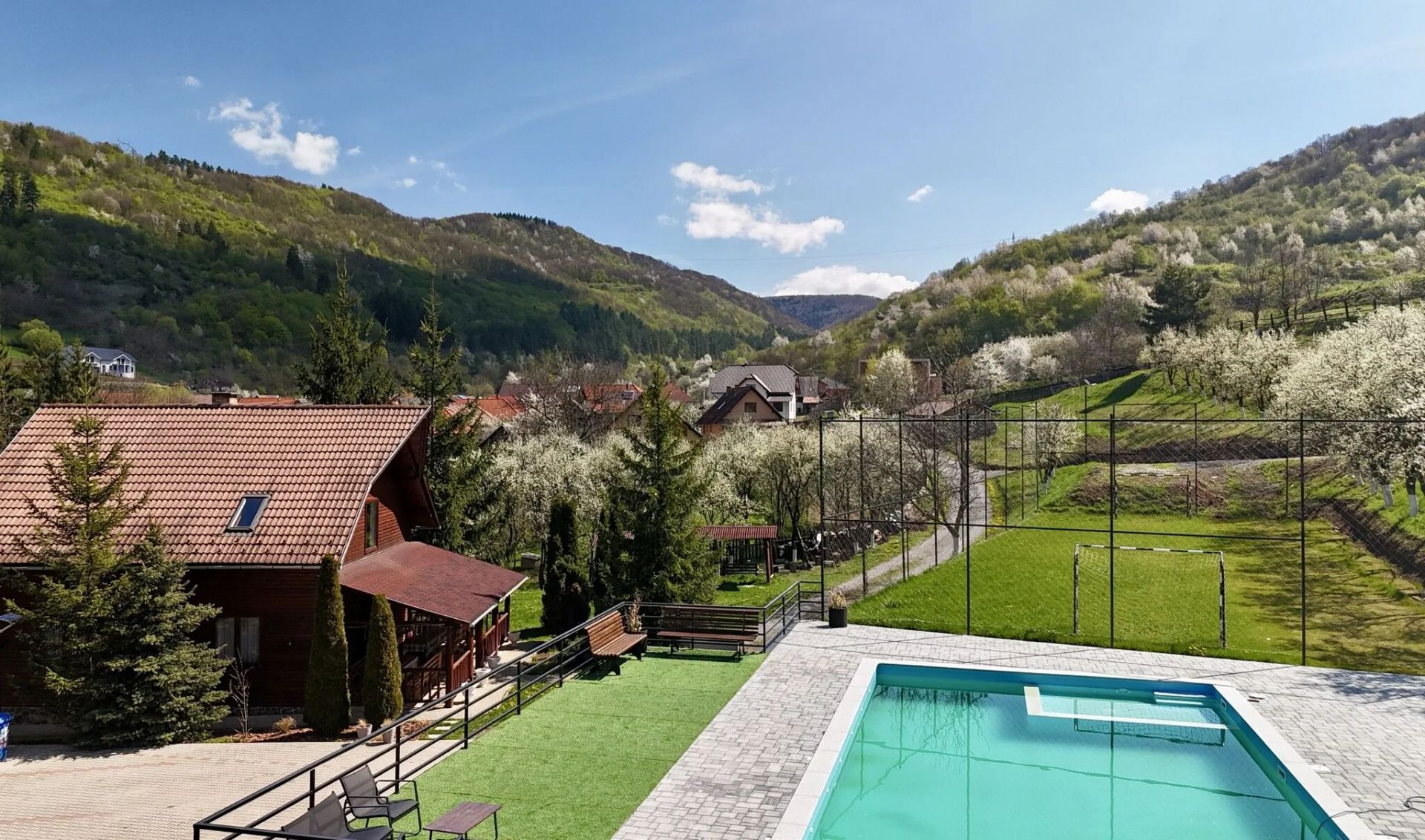
Pensiune · 3 stars
Praid, Praid County · 0.1 km
Pensiunea Patakparti 2.
Casa de Oaspeți Patakparti 2 este o alegere ideală datorită amplasamentului său convenabil, la doar 200 de metri de centrul orașului Praid, la 600 de metri de mina de sare și la aproximativ 1.500 de metri de centrul wellness-ului. Această unitate de cazare cu patru camere poate fi închiriată fie pe camere, fie ca întreaga casă de oaspeți. Fiecare cameră are baie proprie și o bucătărie complet utilată în zona de luat masa. Facilitățile includ o curte frumoasă, saună, baie de sare, grătar și parcare închisă. În plus, sunt disponibile încă trei case similare, astfel încât să poată fi cazate până la 56 de persoane, suficiente pentru un autocar de turiști.
FROM
240 RON / night
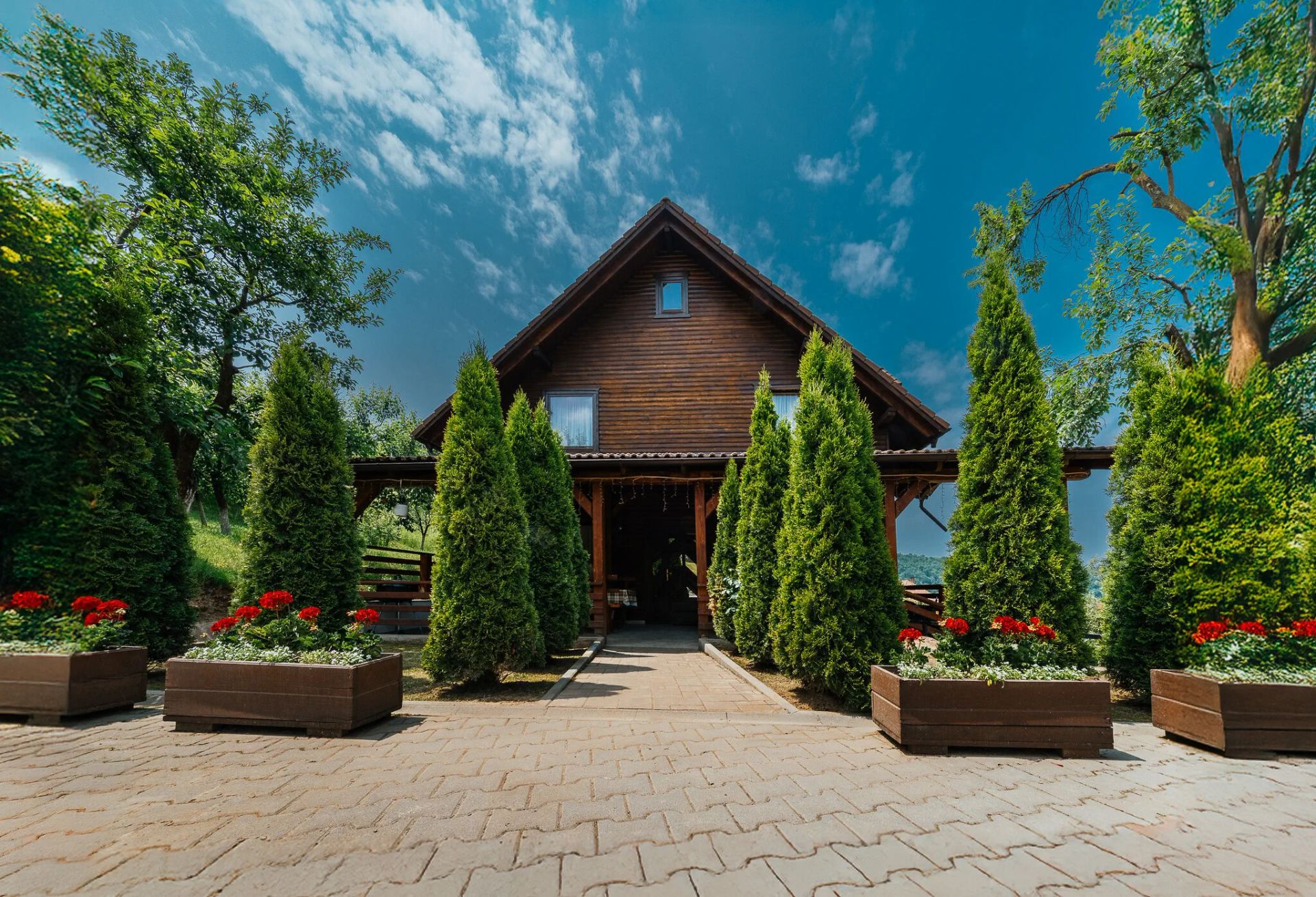
Pensiune · 3 stars
Praid, Praid County · 0.1 km
Pensiunea Patakparti 1.
Casa de Oaspeți Patakparti 1 - situată la doar 200 de metri de centrul orașului Praid, la 600 de metri de mina de sare și la aproximativ 1.500 de metri de centrul spa. Această unitate de cazare cu cinci camere poate fi închiriată fie pe camere, fie ca întreaga casă de oaspeți. Fiecare cameră are baie proprie și o bucătărie complet utilată în zona de luat masa. Facilitățile includ o curte privată, saună, baie de sare, grătar și parcare închisă.
FROM
240 RON / night
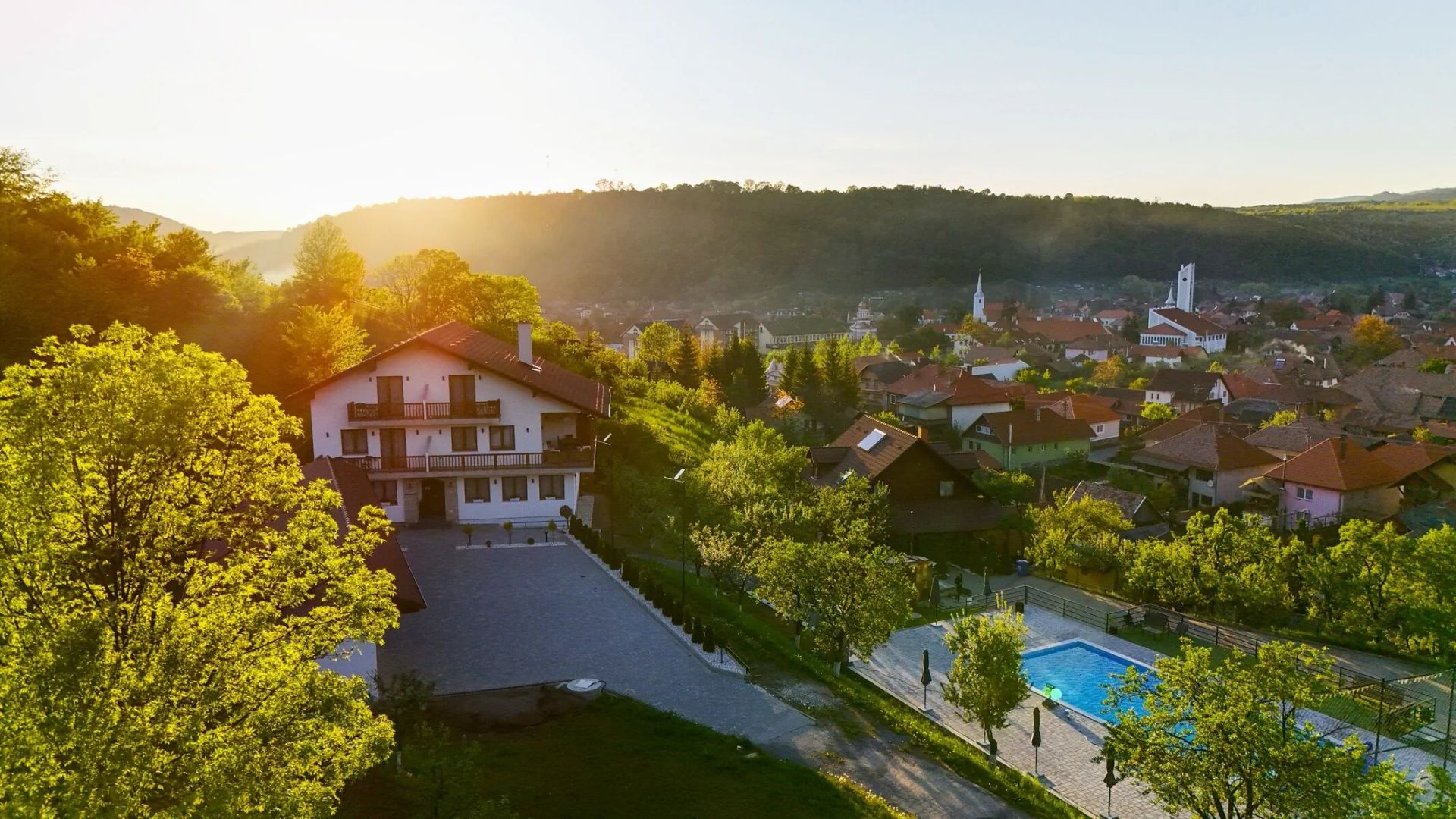
Pensiune · 3 stars
Praid, Praid County · 0.1 km
Pensiunea Patakparti 4.
Camerele sunt mobilate cu paturi duble și câteva canapele extensibile, astfel încât toți oaspeții să se simtă confortabil. Fiecare cameră este dotată cu un televizor de dimensiuni mari pentru relaxare, precum și acoperire WiFi completă și parcare închisă. Unitatea noastră de cazare are o bucătărie complet utilată, astfel încât oaspeții noștri să se bucure deplin de gătit. Sala de mese poate găzdui până la 26 de persoane, fiind locul ideal pentru întâlniri de familie sau reuniuni cu prietenii. Spațiile comune sunt confortabile și decorate cu gust, iar în sala de zi spațioasă fiecare își poate găsi modul preferat de relaxare. Băile sunt moderne și complet utilate, iar un uscător de păr este disponibil. Unitatea noastră de cazare respectă cele mai noi standarde pentru ca oaspeții noștri să petreacă timpul în deplin confort. Pentru cei care doresc să se relaxeze, avem la dispoziție o cadă cu hidromasaj, saună și teren de sport. În total, vă așteptăm cu 26 de locuri de cazare și 8 camere confortabile, iar în plus, avem la dispoziție încă 3 case similare, astfel încât putem primi un grup de până la 50-60 de persoane, inclusiv un grup organizat cu autocar.
FROM
240 RON / night
BEFORE YOU HIT THE ROAD
Weather conditions in Harghita
Local forecast for Praid Salt Mine, Harghita, Harghita

Real-time updated weather data
Much more to explore in this area
Nearby tourist attractions


Sighișoara, Mureș County
Sighișoara Medieval Citadel
Situata in centrul municipiul Sighisoara; inca din secolul al III-lea i.Hr. a existat pe acest teritoriu o cetate dacica, numita Sandava; romanii au ridicat...
45.2 km

Harghita, Harghita County
Praid Salt Mine
Situata la 10 km de statiunea balneoclimaterica Sovata; accesul in interiorul muntelui se face cu autobuzul, printr-un tunel de 1.500 m lungime, iar in salina...
0.2 km

Harghita, Harghita County
Dârjiu Fortified Church
Situata in localitatea Darjiu; construita intre secolele XIV - XV; initial, a fost ridicata in stil romanic, iar apoi a fost transformata in stil gotic; a...
39.1 km

Danes, Mureș County
Turnul cu ceas Sighișoara
Situat in partea de est a platoului inferior al Cetatii Sighisoara; construit in preajma secolului al XIV-lea, pentru a proteja poarta principala a orasului si...
45.2 km

Danes, Mureș County
Biserica fortificată Saschiz
Situata in localitatea Saschiz;construita pe locul unde in trecut exista o bazilica romanica;inaltata in anul 1493, in onoarea regelui Stefan I al Ungariei;din...
41.7 km

Danes, Mureș County
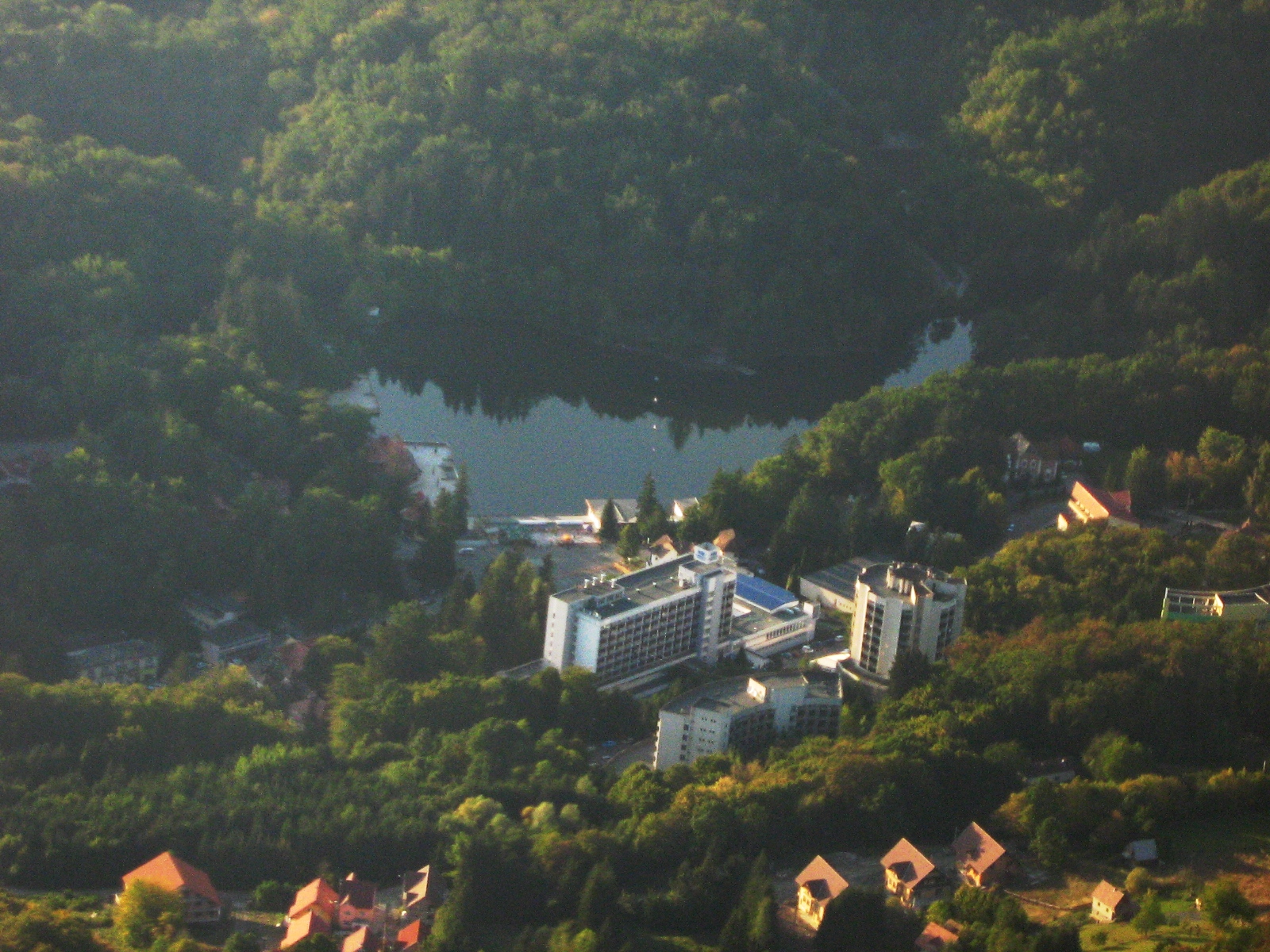
Stațiunea balneoclimaterică Sovata
Situata la poalele dinspre sud - vest ale Muntilor Gurghiu din Carpatii Orientali, la 60 de km est de municipiul Targu Mures; amplasata la altitudinea de 475 -...
6.8 km
România, Transylvania
Lacul Ursu și arboretele de pe sărături
Lacul Ursu și arboretele de pe sărături (lac) în județul România.
7.2 km

Danes, Mureș County
Cetatea Țărănească Saschiz
Situata pe aria localitatii Saschiz, la 2 km de vatra satului; lucrarile au inceput in 1347, fiind construita de comunitatea germana din zona; fortificatia a...
41.8 km

41.8 km

39.1 km
6.8 km
22.6 km
Cultural life and traditions
Events near Praid Salt Mine
Medieval festivals, traditional fairs, concerts and recommended local activities in Transylvania.

Patrimoniu și Istorie

Harghita, Jud. Harghita
Festivalul Cetăților Medievale și Zilele Porților Deschise
Tururi ghidate nocturne, ateliere de meșteșuguri tradiționale și reconstituiri istorice cu cavaleri și domnițe.
WHEN
15 - 17 Mai 2026


Tradiții și Gastronomie
Harghita, Jud. Harghita
Târgul Tradițiilor Săsești și Gastronomie Locală
Descoperă producătorii locali, plăcintele săsești coapte pe vatră, siropurile artizanale și dulceața de rubarbă.
WHEN
În fiecare weekend (Mai - Octombrie)

Ecoturism și Natură
Colinele Transilvaniei, Jud. Harghita
Drumeții Ghidate pe Traseul Colinele Transilvaniei
Excursii pe poteci nemarcate printre fânețe seculare, stejari multiseculari și sate cu biserici fortificate UNESCO.
WHEN
Vineri - Duminică (Sezon 2026)
On foot, exploration gains depth
Discover the surroundings and local geography
Explore trails, terrain and natural landmarks around Praid Salt Mine.

Guides and practical tips
Useful travel articles
Travel guides, practical tips and itineraries for Transylvania.

Travel guide
Top 5 Atracții Turistice și Trasee Montane în Zona Moieciu - Bran
Descoperă cele mai spectaculoase peisaje carstice, chei adânci și cetăți medievale din imediata apropiere a stațiunii Moieciu.

Travel guide
Ghid de Drumeție: Traseul Moieciu de Sus spre Platoul Bucegi
Un itinerariu montan de o frumusețe rară ce urcă din Valea Băngăleasa spre Poiana Guțanu și crestele maiestuoase ale Bucegilor.

Travel guide
Castelul Bran: Istorie, Legende și Secrete Medievale
Află adevărata poveste a fortăreței medievale din Pasul Bran, reședința de suflet a Reginei Maria a României.
THE JOURNEY STARTS WITH AN IDEA
The next story is on the way.
From the first stop to the last stay, make room for a new Romania.
