


CASTLE · MUNTENIA (WALLACHIA)
Royal Palace of Bucharest

Bucuresti, București County
Add location to your trip planner.

Practical access information

VISITING HOURS
Mon: 12:00–17:00 · Tue–Sun: 09:00–17:00 (summer until 20:00)

TICKET PRICE
Adults: 45 RON · Students: 11 RON · Seniors: 23 RON · Guided tour included

RECOMMENDED VISIT DURATION
2–3.5 hours
Visitor information and guide
 Navigate with Google Maps

ABOUT ROYAL PALACE OF BUCHAREST
Captivating Introduction and Universal Value
On Calea Victoriei, where Bucharest rises with its greatest architectural pride, stands a building that has witnessed nearly two centuries of a nation's and a continent's history: the Royal Palace, today the seat of the National Museum of Art of Romania. For the European traveler traversing this artery once nicknamed "Little Paris," the palace is not merely an impressive monument among others—it is a true palimpsest of Europe itself, a milestone where, one after another, the Phanariot taste of the 19th century, the state ambition of a German dynasty, French Belle Époque elegance, the drama of the Second World War, communist tragedy, and finally the democratic renaissance of 1989 converge. To step through the gate of this edifice means, in essence, to traverse the history of how a peripheral country of Southeastern Europe built, with tenacity, its place in the concert of European nations.
The universal value of the Royal Palace resides precisely in this unique capacity to have been, in turn, a boyar manor, a princely court, the royal residence of a country recognized at the Congress of Berlin, the seat of a royal dictatorship, the communist "Palace of the Republic," the theater of the 1989 Revolution, and finally a temple of art open to all—a transformation that mirrors, on a reduced scale, the great metamorphoses through which Europe itself has passed in the last two hundred years. Before it rises the equestrian statue of King Carol I, and in its immediate vicinity shine the Romanian Athenaeum, the CEC Palace, and the Stavropoleos Monastery—an ensemble that makes this square (renamed Revolution Square after 1989) one of the densest concentrations of European heritage in the entire capital. The Royal Palace is therefore not just a museum among others: it is a place where art, power, and the memory of Europe meet under the same roof.
Historical Roots and Major European Connections
From Boyar Manor to Princely Court (1812–1866)
The story begins in the full Phanariot era, in a Bucharest located on its western edge, on the so-called Mogoșoaia Bridge—the later Calea Victoriei. Between 1812 and 1815, the great logothete and enlightened boyar Dinicu Golescu, one of the most brilliant figures of the Wallachian elite, raises here a sumptuous neoclassical house, with one floor and no fewer than 25 rooms—an impressive number for Bucharest of those years. Golescu was a man of authentic European openness: a memorialist of his travels ("Account of My Journey"), brother to other protagonists of the 1848 movement, he belonged to that generation of boyars who looked to Paris, Vienna, and Saint Petersburg for models of modernization. His house—"I build for posterity," he wrote to his father—was conceived as a salon of the Bucharest elite, a space of enlightened conversation in a world still dominated by the Oriental tradition of the Phanariot courts.
After Dinicu's death in 1830, the heirs sell the house to the state (in 1833), which installs the central administration here, and in 1837 Prince Alexandru Dimitrie Ghica elevates it to the rank of Princely Court—the first step toward the sacralization of the space. Under Ghica and his successors—Gheorghe Bibescu and Barbu Știrbei—the old boyar house acquires palace valences: the upstairs salon is transformed into the Throne Room, and the decoration—furniture, textiles, art objects—follows the fashion of small French palaces, in continuous dialogue with the great courts of Europe. The renovations of 1854–1855, during the reign of Știrbei, consolidate this destiny. When, in January 1859, the two Romanian principalities—Moldavia and Wallachia—unite under the scepter of Alexandru Ioan Cuza, the house on Mogoșoaia Bridge naturally becomes the residence of the first prince of the Romanian national state. The Union of 1859 fits perfectly into the great European story of the era: it is the same decade in which Garibaldi and Cavour unified Italy (the Kingdom of Italy was proclaimed in 1861), and in which, in the following decade, Bismarck would realize German unification. Romania was thus carving, on Calea Victoriei, its own "era of national unions."
Entering Royal Europe: Carol I and the Birth of the Kingdom (1866–1914)
The turning point comes in February 1866, when a "monstrous" coalition of liberals and conservatives removes Cuza, and the country—facing the danger of dissolution, as shown by the rivalries among neighboring great powers—seeks a foreign prince. The choice falls on Karl of Hohenzollern-Sigmaringen, a 26-year-old from the Catholic, Swabian branch of the old Hohenzollern dynasty—the same house from which came the candidate for the Spanish throne whose rejection by France had triggered, a few years earlier, the Franco-Prussian War of 1870. On May 10, 1866, Prince Carol enters Bucharest and is installed precisely in the former house of Dinicu Golescu—Nicolae Golescu, the founder's son, general and member of the Princely Lieutenant, being the one who conducts the ceremony. From that moment, the palace's destiny merges with that of a dynasty that would reign for 81 years and with that of a state's ambition to consolidate its independence from the Ottoman Empire.
Carol I was, in essence, a king-architect of Romania's European modernization. Under his reign, the old house becomes too small for a kingdom in the making: after the proclamation of independence (May 9/21, 1877) and its full recognition at the Congress of Berlin in 1878—that "honest broker" of Europe where Bismarck, Disraeli, Andrássy, and Gorchakov rewrote the map of the Balkans, alongside the independence of Serbia and Montenegro and the creation of Bulgaria—Carol receives the title of Royal Highness and, on March 15, 1881, the Constitution is amended for Romania to become a kingdom. Carol is proclaimed king on March 26, 1881, and crowned on May 10, 1881, wearing a crown cast from the steel of a Turkish cannon captured at Plevna—a symbolic gesture recalling the "Iron Crown" of the kings of Italy, both born from the fire of national unification wars. During the War of Independence of 1877–1878, Carol had personally commanded, alongside Tsar Alexander II and Grand Duke Nicholas, the allied Russo-Romanian troops at Plevna—an episode that places the young kingdom at the forefront of the era's European military history.
The palace itself transforms under Carol I into a monument of royal ambition: between 1882 and 1885, the French architect Paul Gottereau—who would also raise the CEC Palace across the street—adds the central wing with the Throne Room and the festive halls, and in 1885 the Czech architect Karel Líman, famous for the Peleș and Pelișor castles in Sinaia, crowns the ensemble with the north wing, the "Athenaeum wing." In 1882, the Royal Palace benefits from the first electric lighting installation in Bucharest—a sign of the country's decisive entry into European modernity. The street in front of it is renamed, in the same year 1878, Calea Victoriei, and in front of the palace rises, in 1939, the equestrian statue of the king, the work of Croatian sculptor Ivan Meštrović—inaugurated on National Day, in the presence of King Carol II and the young Grand Voivode Michael. The original statue would be melted down by the communists in 1948, and in 2010 it would be reborn, after the model preserved by the artist's family, the work of sculptor Florin Codre.
Between Democracy, Royal Dictatorship, and War (1918–1947)
After the First World War—in which Romania, having entered alongside the Entente in 1916, paid a huge price but emerged with the historical provinces united in a "Greater Romania"—the palace enters a new phase of its destiny. King Ferdinand I and Queen Marie—Marie of Saxe-Coburg and Gotha, granddaughter of Queen Victoria of Great Britain and Tsar Alexander II of Russia, daughter of Duke Alfred of Edinburgh—are crowned kings of all Romania at Alba Iulia, on October 15, 1922, in a ceremony that places the country among the new states of Europe reordered by the Versailles system, alongside reborn Poland, Czechoslovakia, and Yugoslavia. Queen Marie, with her refined British taste and passion for art, becomes the true "architect" of the palace's last great beautification project: after the devastating fire of the night of December 7/8, 1926, which consumes the upper floor of the central wing (only the great marble staircase escapes), she coordinates, at her instructions, the plans of architects N.N. Nenciulescu and Karel Líman, and under her son, King Carol II, the reconstruction of 1930–1937—led by architects Arthur Lorentz and N.N. Nenciulescu, with Queen Marie personally supervising the interior decoration—gives the palace its current form: a U-shaped building, with a central wing and two lateral wings, the southern one called the "Kretzulescu wing" after the neighboring church. The old house of Dinicu Golescu is demolished, and on its site rises the south wing, destined even then to house museum spaces.
The same period, however, also brings shadow: the royal dictatorship of Carol II (1938–1940) transforms the palace into an instrument of authoritarianism, at a moment when all of Europe slides toward fascist-type regimes—from Mussolini's Italy to Hitler's Germany, from Franco's Spain to Salazar's Portugal. Carol II abdicates on September 6, 1940, in favor of his son, the young Michael I. And on August 23, 1944, in the midst of the war, King Michael—the last living king who would lead a country in the Second World War—stages the coup against Marshal Ion Antonescu and turns Romania to the side of the Allies, in a gesture reminiscent of the Italian armistice of 1943 and which would bring him, after the war, decorations from both the United States and the Soviet Union. Revenge is not long in coming: on August 24, 1944, the Luftwaffe bombs the palace in retaliation—the building becomes uninhabitable, and the villa behind it, the "New House," where the royal family actually lived, is destroyed to its foundations. The palace, symbol of the king's resistance against Nazism, thus also becomes a victim of the European war.
The Era of the "Palace of the Republic" and the Revolution (1948–1989)
After December 30, 1947—the day of King Michael I's forced abdication, torn from him under the threat of the Soviet envoy Vyshinsky and the communist government of Petru Groza, in a scenario playing out in the same period in Poland, Hungary, Czechoslovakia, and Bulgaria—the monarchy is abolished, and Romania becomes a People's Republic. The Royal Palace is renamed, in an effort to erase memory, the "Palace of the Republic," and the reception halls of the central wing are assigned to the Council of State—a kind of communist presidency. In 1948, by decision of the Council of Ministers, the palace passes into the administration of the Ministry of Arts, with the prospect of establishing a national museum of art; the institution comes into being in 1948 and opens to the public in 1950, with the National Gallery, followed in 1951 by the European Art Gallery. The transformation of a royal residence into a public museum fits into an old European tradition—the same through which the imperial collections of the Habsburgs became the Kunsthistorisches Museum in Vienna, those of the Romanovs—the Hermitage Museum in Saint Petersburg, and those of the Bourbons and the Pope—the Louvre and the Prado. Behind the palace rises, between 1959 and 1960, the Palace Hall, the huge congress hall of the communist regime—a distinct building, which the traveler must not confuse with the palace proper.
For four decades, the palace survives as a paradoxical setting: art museum in one wing, seat of communist power in the other. In front of it, on November 8, 1945, takes place the famous student demonstration on the name day of King Michael—one of the first signs of anti-communist resistance. And across the street, in the building of the Central Committee of the PCR, the last act is being prepared. In December 1989, while all of Europe witnesses the fall of the Berlin Wall and the Velvet Revolution in Prague, Romania lives its own revolution. In the night of December 22–23, 1989, the palace is caught in the crossfire between the army and the units loyal to the dictatorship: the building is damaged to the extent of about 80%, over a thousand works of art are degraded or destroyed, and on the windows of the Voivodes' Staircase remain, to this day, the traces of bullets. Palace Square becomes Revolution Square—a name that inscribes it among the great European squares of freedom, alongside Wenceslas Square in Prague or Gdańsk. In 1990, by government decision, the entire building is assigned to the National Museum of Art of Romania, and after a decade of restorations the museum gradually reopens, beginning in the year 2000.
Architectural Masterpiece and Artistic Heritage
Architecture: European Neoclassicism in a Royal Key
The building we see today—completed in 1937, after the plans of architect N.N. Nenciulescu, with the contribution of Arthur Lorentz and with decoration supervised by Queen Marie—is the expression of a coherent European vision: a U-shaped neoclassical palace, with a monumental central wing flanked by two lateral wings, spread over five levels, around an open honor court facing Calea Victoriei. The façade, rhythmed by columns and pilasters, preserves the balance and sobriety of French classicism, while the south wing—the "Kretzulescu wing," raised on the site of the former Golescu house—and the north wing—the "Athenaeum wing," added as early as 1885 by Karel Líman—give it that symmetrical, imposing silhouette, specific to the great dynastic residences of Central and Southeastern Europe: from the Viennese Hofburg to the Royal Palace of Madrid, from the Quirinal to the Royal Castle of Prague. The main entrance leads into an octagonal hall decorated in neo-Byzantine style—a homage to the Orthodox tradition and, more broadly, to the Byzantine heritage of the Romanian space, in dialogue with masterpieces such as the Stavropoleos Monastery, a few steps away. Beyond it unfolds a succession of ceremonial spaces that climb, on the vertical of the building, from reception to apotheosis: the Official Hall, the Voivodes' Staircase, the Throne Room. In the left wing, the spaces are dedicated to the museum, alongside a music hall—Auditorium—with about 500 seats, which continues the musical tradition of the area, closely linked to the Romanian Athenaeum across the street, the sanctuary of the "George Enescu" Philharmonic.
Historic Spaces: the Throne Room, the Royal Dining Room, the Voivodes' Staircase
Today's visitor can traverse, in the museum's usual program, the most important ceremonial rooms of the former palace—spaces restored with painstaking care for over a decade and reopened to the public in 2013, after, in May 2021, the throne used by all the kings of Romania was brought to the Throne Room, after more than seven decades. The Voivodes' Staircase—the palace's "Staircase of Honor"—is a masterpiece in itself: monumental, built of Carrara marble, crowned by Arthur Verona's fresco "Apotheosis," which represents allegorically the Great Union, and by a frieze of relief medallions made by sculptor Cornel Medrea, depicting voivodes and kings of Romania. On its windows one can still see the traces of bullets from December 1989—a historical scar intentionally left visible. Above, the Throne Room is dominated by the monumental royal coat of arms, flanked by the portraits of King Carol I and King Ferdinand I, made in 1934 by painter Aurel Bordenache. On the ground floor, the Royal Dining Room impresses with its coffered ceiling in the English Robert Adam style—a stamp of Queen Marie's British taste, granddaughter of Queen Victoria—with its checkered pavement of French and Belgian marble and with its Rușchița marble fireplaces. These rooms are not mere decorations: they are the stage on which the moments of apotheosis of the modern Romanian state were played, from the royal audiences of the 19th century to the official ceremonies of the interwar period.
The Museum Treasure: from the Royal Picture Gallery to Universal Heritage
The National Museum of Art of Romania houses today over 70,000 pieces, organized in two large permanent galleries—the National Gallery and the European Art Gallery—to which are added collections of decorative art, Oriental art, and arms, as well as three satellite museums in the city: the Museum of Art Collections (in the former Romanit Palace at Calea Victoriei no. 111), the K.H. Zambaccian Museum, and the Theodor Pallady Museum. The nucleus of the European Art Gallery is constituted by the personal collection of King Carol I—with over six El Grecos, Titian, Brueghel, Van Dyck, and a Rembrandt in the patrimony—which the sovereign, through his holograph testament of February 1899, left "forever" to the Crown of Romania. Today, in the halls of the former palace, the European traveler meets, shoulder to shoulder, masterpieces signed by Domenico Veneziano, Antonello da Messina, Jacopo Bassano, Bronzino, Tintoretto—whose "Annunciation" is one of the most prized canvases of the gallery—Luca Giordano, Lucas Cranach the Elder, Hans von Aachen, Rubens, Pieter Brueghel the Elder and the Younger, Rembrandt ("Haman Begging Esther for Mercy"), three canvases by El Greco (among them "The Adoration of the Shepherds," once from the main altar of the Church of the College of the Incarnation in Madrid), Van Dyck, then the French school from Poussin, Chardin, Ingres, and David to Monet, Signac, Sisley, Delacroix, and Corot, alongside sculpture by Rodin, Bourdelle, Dalou, and Camille Claudel. A collection of icons and Russian painting from the 15th–18th centuries, with works by Tropinin, Malyavin, and Aivazovsky, completes the portrait of a Christian and imperial Europe. The National Gallery offers, in turn, the most extensive collection of Romanian art in the country: the Gallery of Old Romanian Art—about 900 pieces, icons, liturgical embroideries, and cult objects from the 14th–18th centuries, coming from Wallachia, Moldavia, and Transylvania, witnesses of the art of the Brâncovenesc era and the post-Brâncovenesc school—and the Gallery of Modern Romanian Art, from Nicolae Grigorescu, Ion Andreescu, and Theodor Aman to Luchian, Brâncuși, Tonitza, and Pallady. The museum's holdings also preserve the traces of the first Bucharest art museum, established in 1836 at the school of the Saint Sava Monastery by painter Carol Wahlstein, as well as the donations of great collectors such as Anastasie Simu, Alexandru Saint-Georges, or the Kalinderu family. In the Zambaccian Museum, the visitor can admire, instead, French Impressionist and Post-Impressionist—Cézanne, Renoir, Sisley, Pissarro, Delacroix, Corot—alongside Picasso and Matisse, in direct dialogue with the great Parisian collections. Seen from this perspective, the Royal Palace appears as the Romanian link in a European chain: the chain through which the royal picture galleries of the continent—from the Uffizi to the Hermitage, from the Prado to the Gemäldegalerie in Berlin—have become the patrimony of all.
Legends, Personalities, and Turning Moments
Queen Marie and "Little Paris"
If one character embodies the European spirit of the palace, it is Queen Marie. Granddaughter of Queen Victoria and Tsar Alexander II, raised at Eastwell Park in England, Marie brought to Bucharest not only a European dynastic name, but an entire universe of taste, sensitivity, and cultural diplomacy. She is the one who personally supervised the decoration of the interiors rebuilt in the 1930s, choosing the Adam style for the Royal Dining Room and orchestrating a décor in which neoclassicism, neo-Byzantinism, and Romanian popular tradition intertwined. Under her patronage and that of King Ferdinand—crowned at Alba Iulia in 1922—Bucharest knew its famous period of "Little Paris," and Calea Victoriei, with the Royal Palace, Albert Galleron's Athenaeum, Gottereau's CEC Palace, its cafés and bookshops, became the axis of a civilization of elegance in permanent dialogue with Paris, Vienna, and London. Legend says that Queen Marie wished each hall of the palace to tell a story; today's visitor can still feel her presence in every detail of the décor.
August 24, 1944: the Luftwaffe Bombardment
One of the most dramatic episodes in the palace's history remains the day of August 24, 1944, two days after King Michael's coup against the Antonescu regime. The German aviation, in retaliation for Romania's turning of arms against its former ally, bombs the center of Bucharest, and the palace—symbol of the king's decision to save the country from Nazi disaster—is gravely hit. The building becomes uninhabitable, and the "New House" behind it, the actual residence of the royal family, is completely destroyed. King Michael, who would become the last king of Romania and, decades later, the last survivor among the heads of state of the Second World War, continued to exercise his attributions from the Elisabeta Palace. The palace on Calea Victoriei would regain its splendor only after the war, under a new political order.
December 1989: the Palace in the Fire of the Revolution
Five decades later, the palace would again witness a historical turning point. In December 1989, while Nicolae Ceaușescu delivered his last speech from the balcony of the Central Committee—the building across the street—the crowds chanted "Down with the dictator!", and the palace, caught between fires, burned. In the night of December 22–23, the building was damaged to the extent of approximately 80%, and over a thousand works of art were degraded or destroyed; the fire spread through the wings, and on the walls of the Voivodes' Staircase remained, as silent testimony, the traces of bullets. In those same days, across the square, the "Carol I" Central University Library also burned, with over 500,000 books consumed—a loss that profoundly marked the cultural memory of the city. The reopening of the museum, after a decade of restorations, beginning in the year 2000, and the reopening of the historic spaces in 2013 were, in their way, an act of democratic resilience: the palace, burned twice in its history (1926 and 1989), rises each time more beautiful, as happens with the great monuments of Europe that have survived the wars.
December 2017: King Michael's Last Stop
The last royal chapter of the palace was written in December 2017, when King Michael I—the one who, 73 years earlier, had been forced to abdicate, on December 30, 1947, at the age of 26—returned, for the last time, to the Throne Room. The monarch, who died on December 5, 2017, in Aubonne, Switzerland, at the age of 96, was brought to the country and laid in state, between December 13 and 16, in the Throne Room on Calea Victoriei—the same place where he had taken his oath at 19, in 1947. Tens of thousands of Romanians stood in line day and night to pay him a last tribute, and at the funerals in Curtea de Argeș participated representatives of all the royal families of Europe—Windsor, Bourbon-Parma, Savoy, Hohenzollern, and the royal houses of the Balkans—in a reunion that had the proportions of a true "family meeting" of the continent, reminding that even after the abolition of the monarchy, Romania remains an integral part of the great European dynastic history. Today, the building is used by the Romanian state and can be made available to the Royal Family—now represented by Her Majesty Margareta, Custodian of the Crown—for ceremonial occasions, and the Auditorium hall hosts concerts and cultural events that continue the musical tradition of the place.
Practical Visiting Guide and Today's Tourist Experience
The Royal Palace is located at Calea Victoriei no. 49–53, sector 1, in Revolution Square, at the intersection with Știrbei Vodă Street and in the immediate vicinity of the Kretzulescu Church. The most convenient way of access is the Universitate metro station (line M2). The National Museum of Art of Romania is open from Wednesday to Friday between 10:00 and 18:00, and Saturday and Sunday between 11:00 and 19:00, being closed Monday and Tuesday; the last entry is one hour before closing. The full ticket costs 32 lei, reduced rates are 16 lei, and those for pupils, students, and pensioners 8 lei (according to the tariff in force in 2026); tickets can be purchased at the ticket office in the European Art Gallery or online. Entry is free on the first Wednesday of each month, as well as on National Day (December 1) and on National Culture Day (January 15). Photography is allowed only with mobile phones—without tripod and without flash—and for guided tours it is necessary to book at least seven days in advance, at the museum secretariat's email address. A standard ticket includes access both to the permanent galleries and to the historic spaces of the former palace—the Throne Room, the Royal Dining Room, and the Voivodes' Staircase—which can be visited in the usual program; it is recommended to allocate at least two to three hours for a complete visit, and lovers of European art can spend half a day among Tintoretto, El Greco, Rembrandt, and Rubens. It is good to know that certain galleries—such as the European Decorative Art Gallery—may be temporarily closed for works, so checking the program on the museum's official website before the visit is a wise precaution.
The experience can be pleasantly completed beyond the palace walls. In front of it rises the equestrian statue of King Carol I, revived in 2010 after Meštrović's model, and a few steps away is the Romanian Athenaeum—with its frescoes and with the Great Hall where George Enescu both played and conducted—, the CEC Palace, with its stone façade and glass dome, the Stavropoleos Monastery, jewel of the Brâncovenesc style from 1724, and the Kretzulescu Church from the 18th century. A walk on Calea Victoriei, among cafés and antique shops, toward the Telephone Palace, the National Bank, and Roman Square, offers the urban context of the interwar "Little Paris," and at the Museum of Art Collections at Calea Victoriei no. 111—in the former Romanit Palace—the collections can be complemented with the donations of great Romanian collectors. For those who wish to deepen the musical dimension of the place as well, the "George Enescu" Museum and the Bucharest City Museum are also nearby.
The Royal Palace remains, in essence, what it has always been for Europe: a place where the royal past of a people meets the common patrimony of the continent, where the throne and the easel share the same space, and the stones—burned, bombed, riddled with bullets, and painstakingly restored—continue to tell the story of a nation that has found, each time, its way toward the light. For today's European traveler, a visit here is more than an hour in a museum: it is an encounter with history itself, in one of its most moving versions.
Media gallery
Discover Royal Palace of Bucharest in pictures

2 photos · Architecture, courtyards and captivating details


Image source: Wikimedia Commons · Public domain photos · Free license
STAY A FEW DAYS, DISCOVER THE MAGIC
Stays near Royal Palace of Bucharest

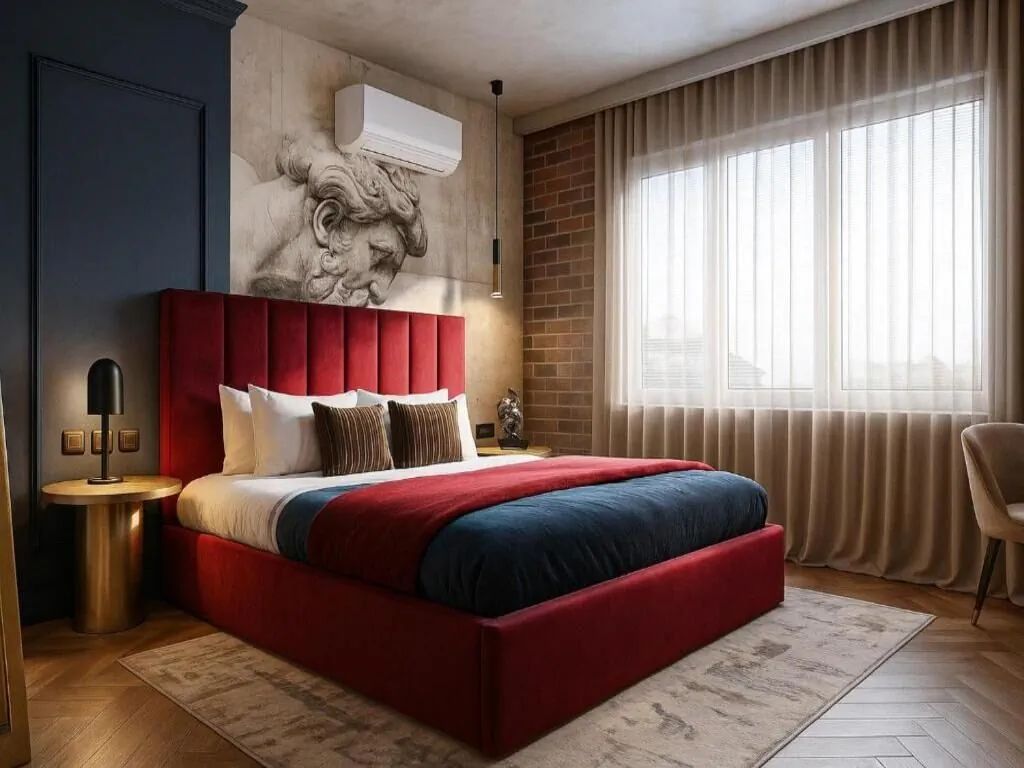
Apartament · 3 stars

București, București County · 0.2 km
Apartament Qult - Modigliani București
Camere, serviciiApartament Qult - Modigliani București București va ofera o camera frumoasa si eleganta. Camerele sunt prevazute cu bai proprii. Daca doriti sa obtineti mai multe informatii despre facilitatile oferite la aceasta unitate de cazare (inclusiv cele contra cost) si despre echiparea camerelor, consultati fisa de mai jos. LocațiaBiserica Stavropoleos este la o distanta de 1.2 km , . Servicii de masăPreturile afisate se refera doar la cazare. PlatăPlata o puteti face cu/prin: transfer bancar, card de vacanță, avans travelminit, voucher travelminit. Se retine un avans de 100% pentru garantarea rezervarii. Sosire, programZiua de cazare incepe la ora 16:00. Eliberarea camerei se face la ora 11:00. La receptie se vorbeste limba română.
FROM
230 RON / night

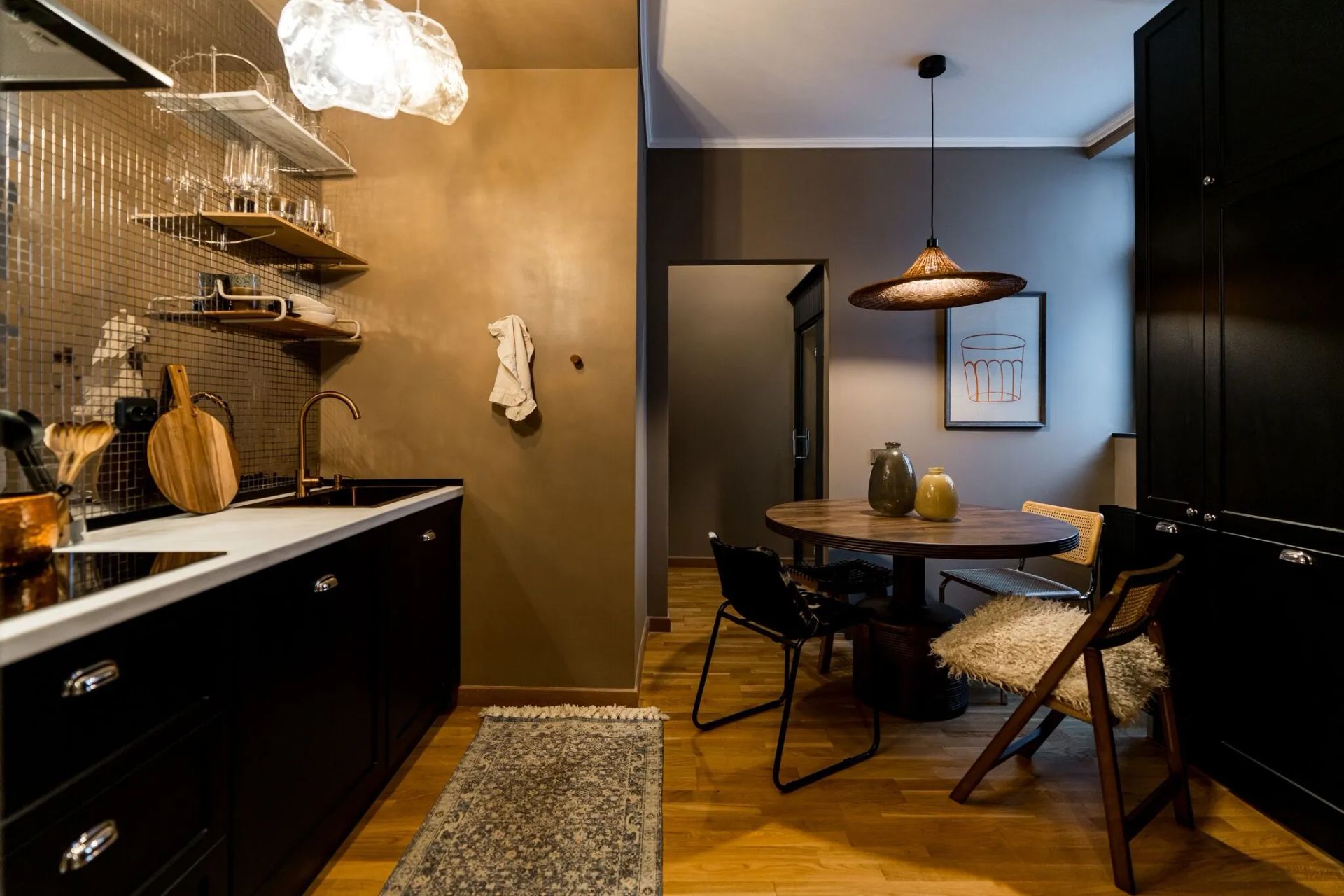
Apartament · 3 stars
București, București County · 0.2 km
Urban Deluxe Apartments București
Apartament SPA privat pe Calea Victoriei, în centrul Bucureștiului. Relaxează-te în saună privată cu infraroșu și jacuzzi privat spațios, apoi ieși pe jos către restaurante de top, muzee și Centrul Vechi. Ideal pentru cupluri, călători solo sau oaspeți business: self check-in, Wi-Fi rapid, spațiu de lucru, Netflix + Smart TV, pat king, lenjerie tip hotel, bucătărie utilată și suport rapid din partea gazdei. Perfect pentru un city break romantic. SPAȚIULLocație excelentă: la câțiva pași de restaurante, cafenele, muzee, Promenada de pe Calea Victoriei și viața de noapte din Centrul Vechi. Transport public și rideshare foarte aproape. Ideal pentru: escapade romantice, sejururi business, aniversări, city break-uri sau relaxare totală. Compartimentare & dotări: * Living cozy cu zonă de relaxare și Smart TV* Dormitor confortabil cu pat king și saltea premium* Bucătărie complet utilată* Jacuzzi privat spațios* Saună privată cu infraroșu* Baie complet echipată* Zonă de duș separată ACCES OASPEȚIAccesul se face prin partea din spate a blocului, imediat lângă cafeneaua Rio Juice. ALTE LUCRURI DE REȚINUT (REGULI) * Fumatul este interzis* Petrecerile sunt interzise* Nu sunt permise persoane în plus față de cele din rezervare* Daunele/degradările se taxează conform situației
FROM
230 RON / night
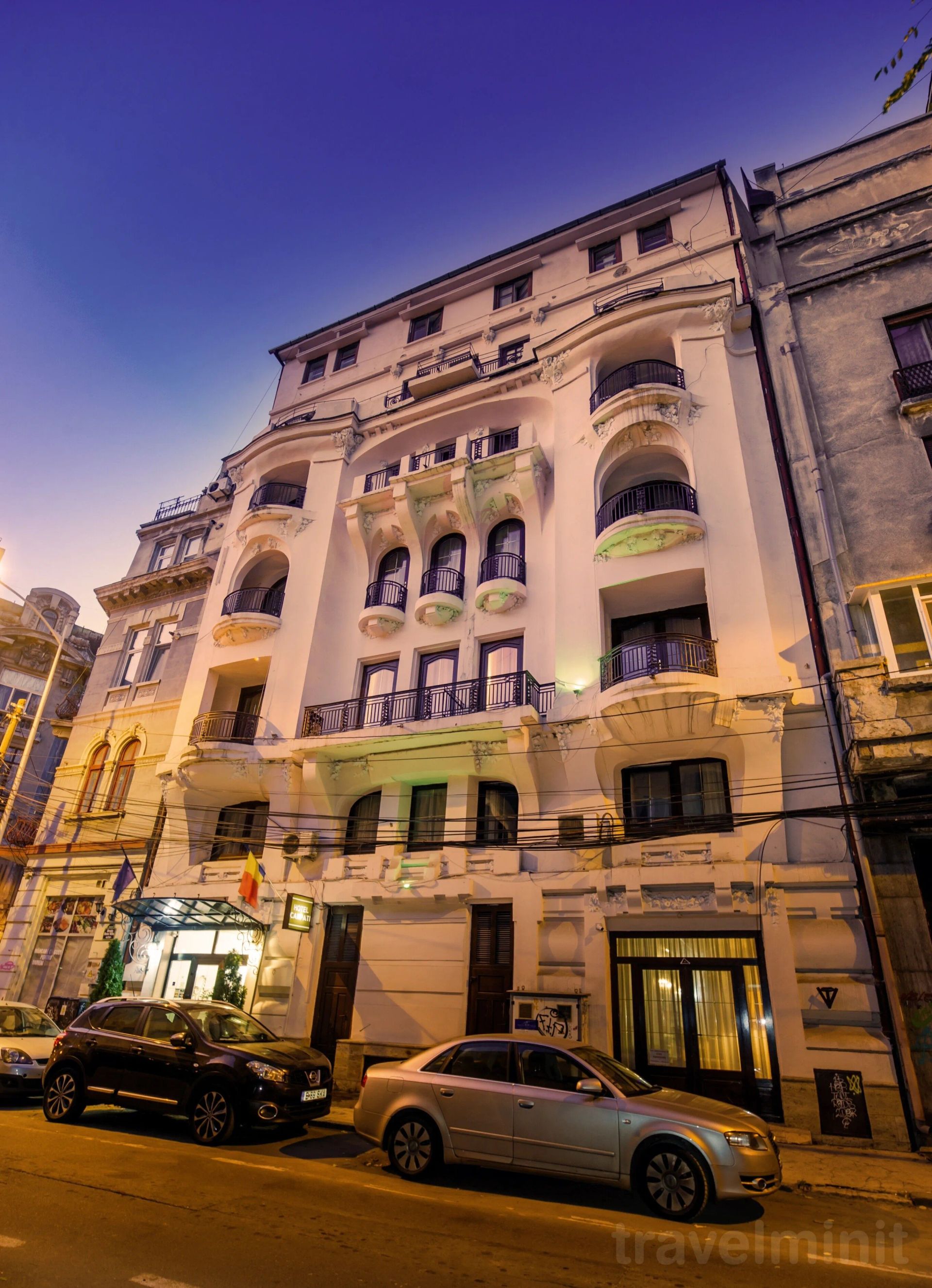
Hotel · 1 star
București, București County · 0.3 km
Hotel Carpati Imparatul Romanilor București
Camere, serviciiHotel Carpati Imparatul Romanilor București București dispune de camere mobilate cu gust. Anumite camere sunt echipate cu aer conditionat, pentru a va asigura tot confortul cuvenit pe perioada sejurului. (Pentru mai multe informatii consultati la fiecare tip de camera rubrica "detalii"). Unitatea este prevazuta cu internet wireless. Mai multe informatii despre serviciile unitatii de cazare (inclusiv cele contra cost) si despre dotarea camerelor gasiti in fisa de mai jos. LocațiaArena Națională se afla la o distanta de 4.6 km , . Servicii de masăPreturile afisate se refera doar la cazare. PlatăPlata rezervarii se poate face cu/prin: numerar, card bancar. Sosire, programCamera poate fi ocupata de la ora 06:00 iar predarea ei se face pana la ora 11:30 . Limbi straine vorbite la receptie: engleză, spaniolă, română.
FROM
210 RON / night
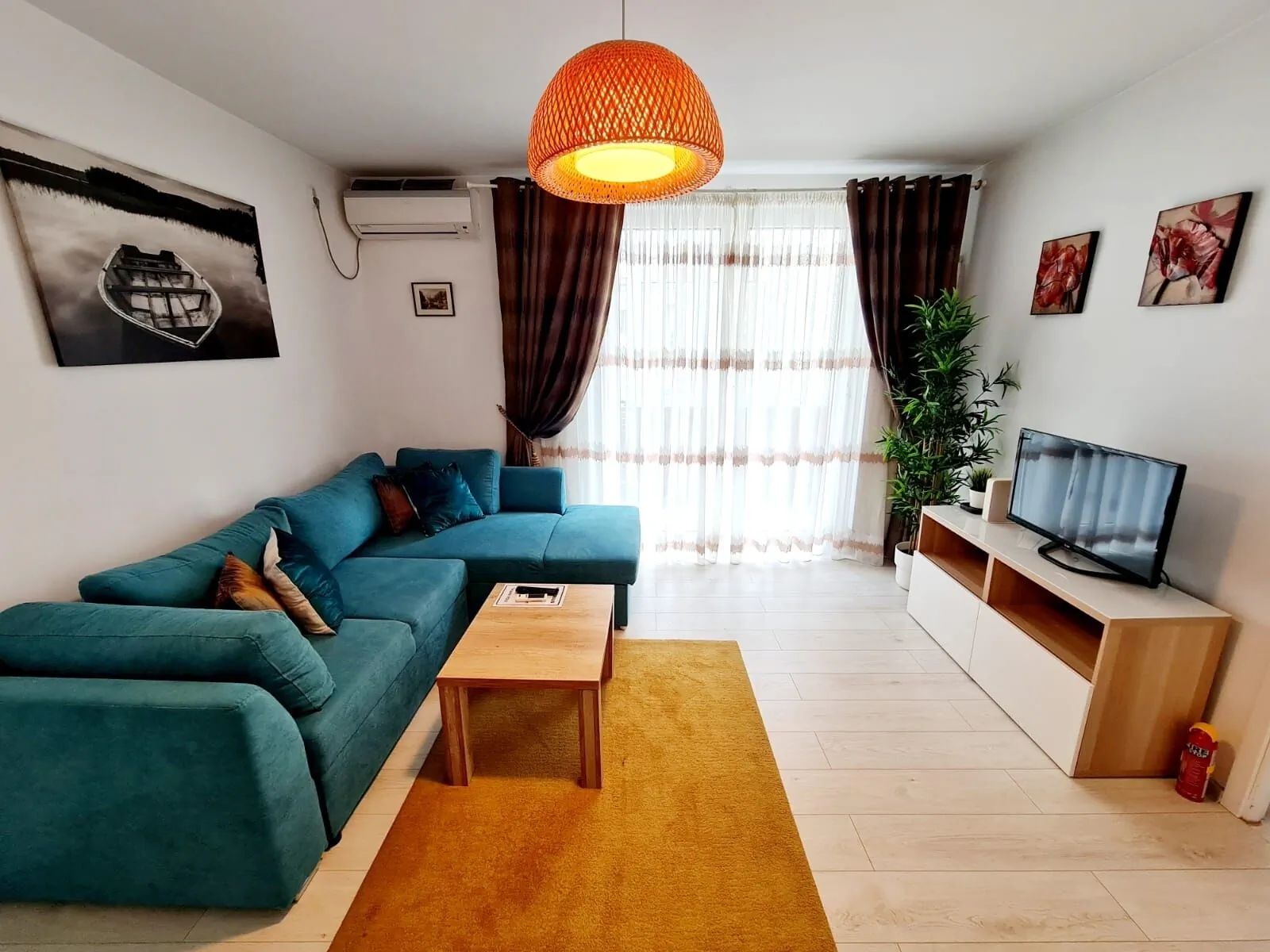
Apartament · 3 stars
București, București County · 0.3 km
Downtown Ideal for Longer stays Apartament București
Apartament Central pentru Familii | Ideal pentru Șederi Lungi ️ Prezentare GeneralăIdeal amplasat în inima Bucureștiului, la doar câțiva pași de Piața Revoluției și Teatrul Național (TNB), acest apartament spațios și elegant este perfect pentru familii, cupluri sau șederi de lungă durată. Oaspeții se bucură de confortul unui cămin, cu facilități moderne și detalii atent alese pentru un sejur plăcut. Locație Centrală ExcelentăSituat în centrul BucureștiuluiPiața Revoluției – la doar câteva minute de mers pe josMuzeul Național de Artă al României – la 800 de metriBiserica Stavropoleos, Ateneul Român și Grădinile Cișmigiu – în apropiereAeroportul Băneasa – la 7 km (transfer disponibil contra cost) ️ Spațiu Generos și Confortabil1 dormitor mare cu lenjerie de calitate și spații de depozitare1 baie modernă cu prosoape curate și articole de toaletă incluseBalcon privat cu vedere liniștită spre grădinăZonă de living cu spațiu de luat masa, canapea și TV cu servicii de streamingBucătărie complet utilată: cuptor, aparat de cafea, frigider, cuptor cu microunde și ustensileMediu fără alergeni și pentru nefumătoriIntrare privată și atenții de bun venit: vin, ciocolată sau biscuiți ️ Facilități și Servicii pentru OaspețiWiFi de mare viteză gratuitAer condiționat, potrivit pentru orice anotimpLift/ascensor pentru acces facilCheck-in/check-out privatTransfer de la/la aeroport disponibil (contra cost)
FROM
230 RON / night
Apartament · 3 stars
București, București County · 0.3 km
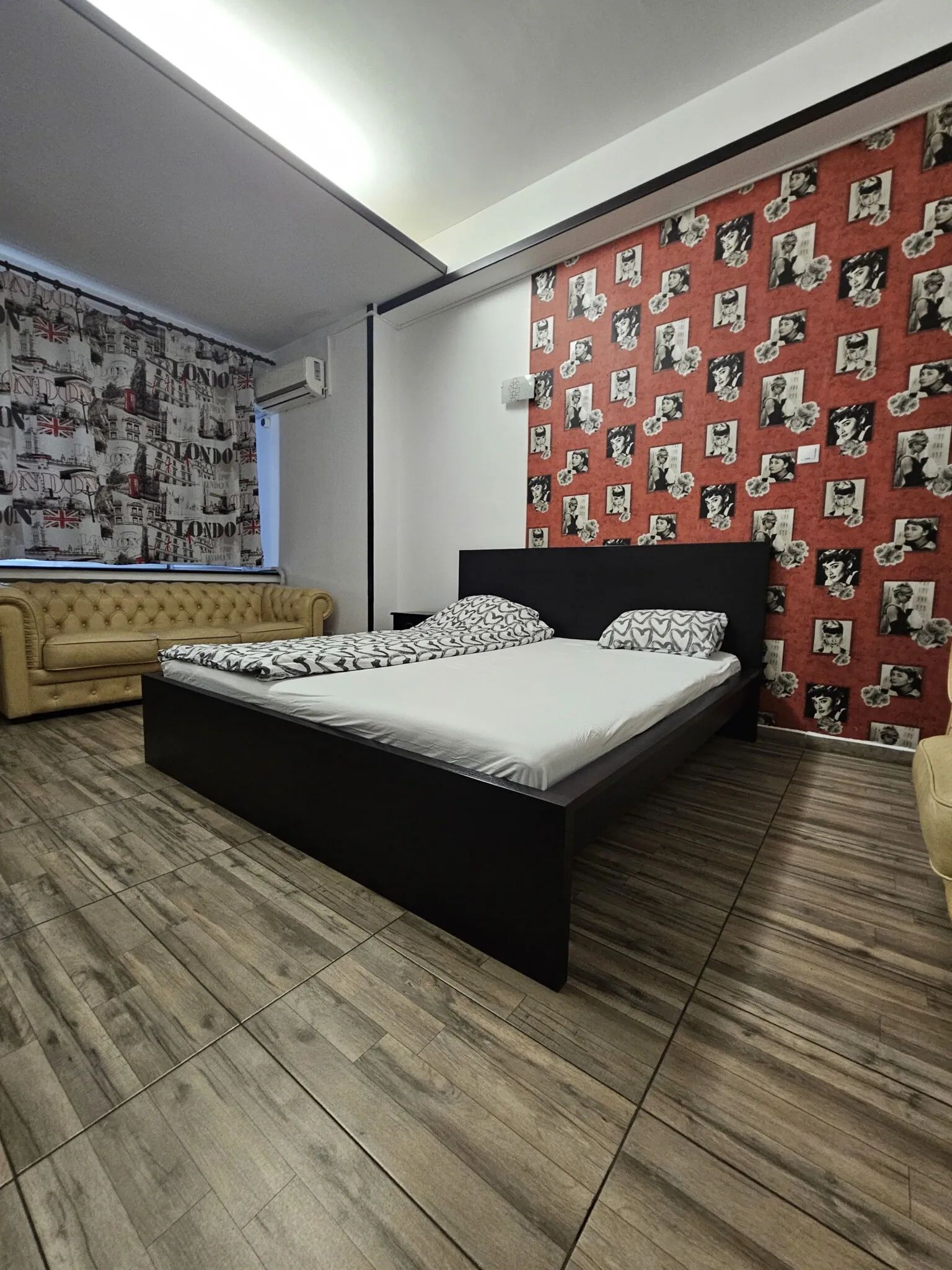
Apartament Central Class București
Buna! Bine ai venit la Central Class Bucharest! Am dori sa iti uram bine ai venit in inima Bucurestiului, intre Piata Universitatii si Piata Romana. Spatiul de cazare optimizat si locat central, transforma proprietatea noastra intr-o alegere excelenta pentru o calatorie atat in interes business cat si in interes de explorare a capitalei noastre. Locatia este usor accesibila atat cu mijloacele de transport in comun cat si cu masina datorita numeroaselor locuri de parcare din apropiere. In cazul in care ajungi cu avionul, cea mai convenabila metoda sa ajungi la noi este cu autobuzul - linia speciala 100, statia aflandu-se la doar cativa metri. De asemenea, pentru o scurta escapada la Therme, statia dautobuzului dedicat este de asemenea in apropiere . Unitatiile noastre complet echipate sunt locate la etajul 4 al unui imobil monument istoric si ofera acces gratuit la internet de mare viteza, TV, kitchineta, AC. Accesul se face pe baza de Self Checking. Prin urmare, in ziua cazarii sau inainte te rugam sa ne dai de veste astfel incat sa iti putem trimite instructiunie detaliate cat si codurile pentru un acces facil atunci cand ai nevoie.
FROM
230 RON / night
Apartament · 3 stars
București, București County · 0.3 km
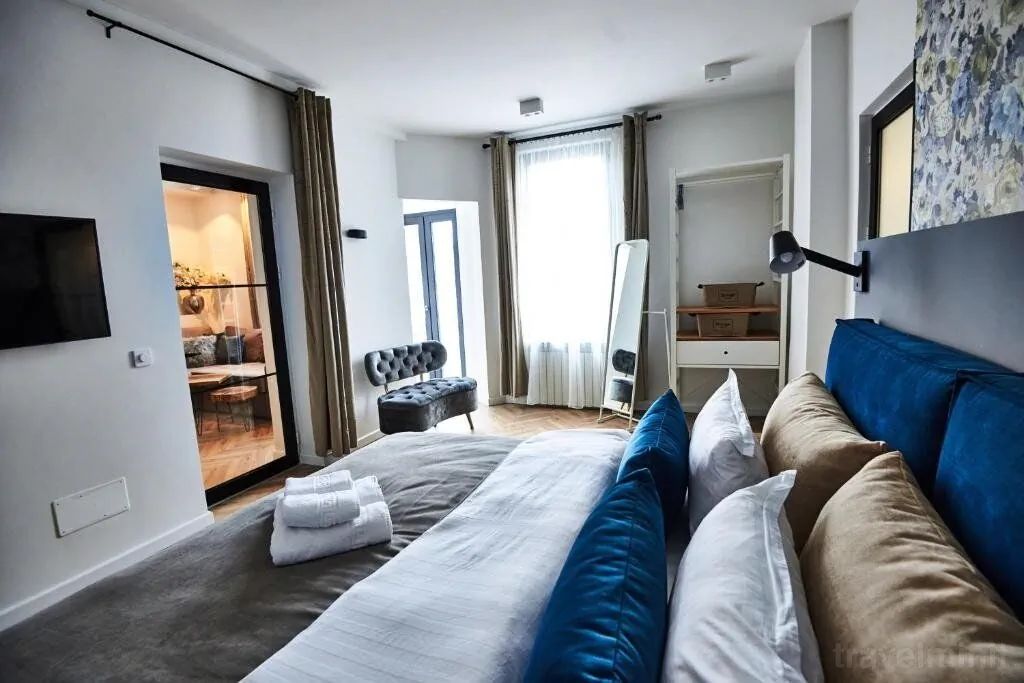
Metropole Apartments Royal Residence București
Camere, serviciiMetropole Apartments Royal Residence București București ofera doua camere confortabile si placut amenajate. Locatia ofera camere echipate cu aer conditionat. Oaspetii pot beneficia de accesul la internet wireless disponibil la apartament. Toate camerele sunt dotate cu grup sanitar propriu. Mai multe informatii despre serviciile unitatii de cazare (inclusiv cele contra cost) si despre dotarea camerelor gasiti in fisa de mai jos. Servicii de masăPreturile afisate nu includ masa. PlatăPlata o puteti face cu/prin: numerar, card bancar, transfer bancar, card de vacanță, avans travelminit, voucher travelminit. Se retine un avans de 100% pentru garantarea rezervarii. Sosire, programZiua de cazare incepe la ora 15:00. Eliberarea camerei se face la ora 11:00. Limbile vorbite la receptie: engleză, română.
FROM
230 RON / night
BEFORE YOU HIT THE ROAD
Weather conditions in Bucuresti
Local forecast for Royal Palace of Bucharest, Bucuresti, București

Real-time updated weather data
Much more to explore in this area
Nearby tourist attractions


Bucuresti, Bucharest
Palace of the Parliament
Situat pe strada Izvor nr.3, sector 5, localitatea Bucuresti; in perioada comunista a fost cunoscut sub numele de "Casa Poporului"; considerata una dintre cele...
1.5 km

București, Bucharest
People's Salvation Cathedral (National Cathedral of Romania)
Catedrală ortodoxă din București
1.8 km

Bucuresti, Bucharest
Dimitrie Gusti National Village Museum
Situat pe Soseaua Kiseleff nr.28-30, sectorul 1; a fost inaugurat in 1936; expozitia permanenta cuprinde 121 de complexe distincte, totalizand 338 de monumente,...
3.9 km

Bucuresti, Bucharest
Romanian Peasant Museum (Muzeul Național al Țăranului Român)
Situat pe soseaua Kiseleff nr.3, sector 1, localitatea Bucuresti; constructia intregului edificiu a durat 29 de ani, fiind finalizat in 1941; cladirea muzeului...
2.0 km

Bucuresti, Bucharest
Cotroceni Palace
Situat pe bulevardul Geniului nr.2, sector 6, localitatea Bucuresti; in anul 1679, domnitorul Serban Cantacuzino incepe constructia unei manastiri; opera sa a...
2.8 km

Bucuresti, Bucharest
Muzeul Național de Istorie Naturală Grigore Antipa
Situat pe soseaua Kiseleff nr. 1, sector 1, localitatea Bucuresti; fondat in 1834 la initiativa lui Mihalache Ghica; are un bogat patrimoniu format din...
0.7 km

Bucuresti, Bucharest
Palatul Patriarhal
Situat pe aleea Dealul Mitropoliei nr.25, sector 4, localitatea Bucuresti; construit de statul roman, la inceputul secolului al XX-lea, pe locul fostei sali a...
1.6 km

Bucuresti, Bucharest
Muzeul Național de Istorie a României
Situat pe Calea Victoriei nr.12, sector 3, localitatea Bucuresti; adapostit de Palatul Postelor; a fost inaugurat in anul 1970 fiind cel dintai muzeu de...
0.9 km

Bucuresti, Bucharest
Muzeul Național de Artă al României
Situat pe Calea Victoriei nr. 49-53, sector 1; deschis in 1948, in vremea lui Alexandru Ioan Cuza;cladirea era pe atunci locuinta domneasca, in timpul lui...
0.0 km
1.5 km

Bucuresti, Bucharest
Palatul Cantacuzino
Situat pe Calea Victoriei nr.141, sector 1, localitatea Bucuresti; construit intre anii 1898-1900, in stil baroc francez al epocii Ludovic al XVI-lea, pentru...
0.3 km

Bucuresti, Bucharest
Biserica Stavropoleos
Situata pe strada Stavropoleos nr.4, localitatea Bucuresti; poarta hramurile: "Sfintii Arhangheli Mihail si Gavriil", "Sfantul Atanasie cel Mare", "Sfantul...
0.9 km
Cultural life and traditions
Events near Royal Palace of Bucharest
Medieval festivals, traditional fairs, concerts and recommended local activities in Muntenia (Wallachia).

Istorie și Arhitectură Regală

Bucuresti, Jud. București
Zilele Regalității și Patrimoniului Văii Prahovei
Conferințe istorice deschise, tururi tematice de arhitectură regală, proiecții documentare și expoziții foto de epocă.
WHEN
10 - 12 Mai 2026


Gastronomie și Oenologie
Dealu Mare, Jud. București
Festivalul Vinului Prahovean pe Drumul Vinului
Degustări ghidate de Fetească Neagră pe faimosul Drum al Vinului, vizite în crame istorice și întâlniri cu oenologi de top.
WHEN
În fiecare weekend (Septembrie - Octombrie)
Drumeții și Aventură
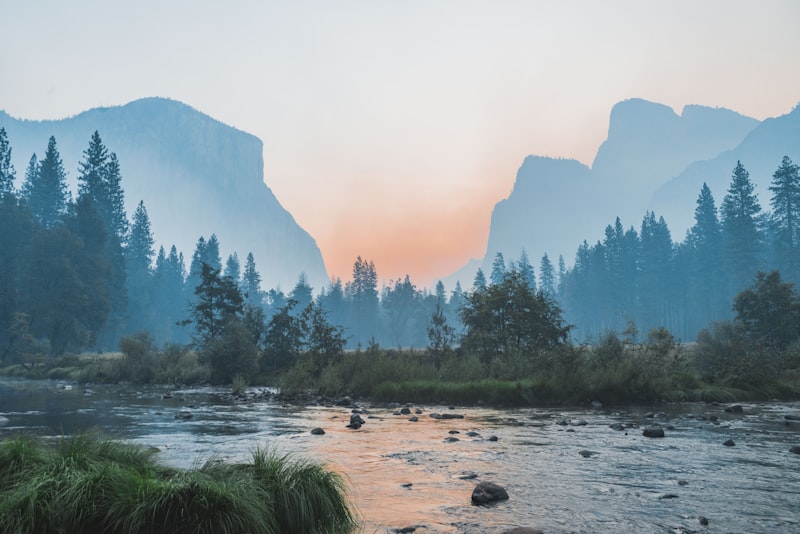
Masivul Bucegi, Jud. București
Tur Ghidat Montan în Masivul Bucegi
Trasee montane ghidate de salvamontiști către punctele panoramice emblematice și cascade alpine spectaculoase.
WHEN
Zilnic în sezon (Iunie - Octombrie)
On foot, exploration gains depth
Discover the surroundings and local geography
Explore trails, terrain and natural landmarks around Royal Palace of Bucharest.

Guides and practical tips
Useful travel articles
Travel guides, practical tips and itineraries for Muntenia (Wallachia).

Travel guide
Top 5 Atracții Turistice și Trasee Montane în Zona Moieciu - Bran
Descoperă cele mai spectaculoase peisaje carstice, chei adânci și cetăți medievale din imediata apropiere a stațiunii Moieciu.

Travel guide
Ghid de Drumeție: Traseul Moieciu de Sus spre Platoul Bucegi
Un itinerariu montan de o frumusețe rară ce urcă din Valea Băngăleasa spre Poiana Guțanu și crestele maiestuoase ale Bucegilor.

Travel guide
Castelul Bran: Istorie, Legende și Secrete Medievale
Află adevărata poveste a fortăreței medievale din Pasul Bran, reședința de suflet a Reginei Maria a României.
THE JOURNEY STARTS WITH AN IDEA
The next story is on the way.
From the first stop to the last stay, make room for a new Romania.
