


MONUMENT · DOBRUJA
Adamclisi Monument (Tropaeum Traiani)

Constanta, Constanța County
Add location to your trip planner.
Practical access information

VISITING HOURS
Monday: 12:00 PM – 5:00 PM · Tuesday–Sunday: 9:00 AM – 5:00 PM (in summer until 8:00 PM)

TICKET PRICE
Adults: 45 RON · Students: 11 RON · Seniors: 23 RON · Guided tour included

RECOMMENDED VISIT DURATION
2-3.5 hours
Visitor information and guide
 Navigate with Google Maps

ABOUT ADAMCLISI MONUMENT (TROPAEUM TRAIANI)
A Stone Sentinel of the Empire at the Gates of Europe
In the endless steppe of Dobrogea, where the sky meets the earth in a vast panorama of wide horizons and golden light, stands proudly a monument that has withstood nearly two millennia of history's storms: Tropaeum Traiani, known today by the moving name of Adamclisi Citadel. Erected in 109 AD by Emperor Trajan, this archaeological ensemble represents far more than a simple ancient ruin; it is a monumental testimony to the expansion of Roman civilization toward the Black Sea basin, an essential landmark on the northern frontier of the greatest empire Europe has ever known. Located in the Urluia Valley, just a few kilometers from the old road that connected the Danube to the Euxine Pontus, this site marks the place where Roman legions halted the advance of migratory tribes and where a new province, Scythia Minor, was born, destined to become one of the most prosperous territories of the ancient world. Looking eastward, toward the distant waters of the Black Sea, the monument seems to still watch over those roads where, once upon a time, caravans laden with goods from the Orient met the classical culture of the Mediterranean.
Historical Roots and Major European Connections
To fully understand the significance of Adamclisi Citadel, we must go back in time over two millennia, to the period when Emperor Trajan, son of Nerva and one of Rome's greatest military leaders, decided to conquer the Dacian kingdom led by the brave Decebalus. The Daco-Roman Wars of 101-102 and 105-106 AD represented a turning point in the history of Southeast Europe, opening the way to the exploitation of the mineral wealth of the Carpathians and to total control of the Danube basin. The final victory in 106, followed by Decebalus's suicide and the transformation of Dacia into a Roman province, was celebrated in the imperial capital through the construction of the famous Trajan's Column in Trajan's Forum, a masterpiece of Roman narrative art attributed to the architect Apollodorus of Damascus, which tells in 155 spiral scenes the entire unfolding of the wars. However, at the same time, at a distance of about a thousand kilometers, on the territory of present-day Dobrogea, the same emperor commissioned the erection of a unique triumphal monument, meant to perpetuate the memory of victory right at the place where his legions had entered the new province, thus marking the physical and symbolic boundary between the Roman world and the barbaricum.
This monument, Tropaeum Traiani, was part of a strategic network of fortifications and control points that made up the Danube Limes, the fortified frontier that stretched from the Black Sea to the North Sea, a defensive system comparable only to the Great Wall of China or Hadrian's fortifications in Britain. By its inclusion on the UNESCO World Heritage list, as part of the Frontiers of the Roman Empire – Danube Limes, alongside sites such as Vindolanda in England, Carnuntum in Austria or Aquincum in Hungary, Adamclisi inscribes itself in the great story of European civilization as a witness to the imperial policy of expansion and integration. In this European perspective, Adamclisi Citadel represents not only a monument to the Roman victory over the Dacians, but also a symbol of the meeting of civilizations: here Roman influences merged with indigenous Getic ones, and later with Byzantine, Slavic and Ottoman ones, creating a unique cultural mosaic in southeastern Europe, similar to that found in other frontier zones of the empire, such as those in Germany or Syria.
Architectural Masterpiece and Construction Mastery
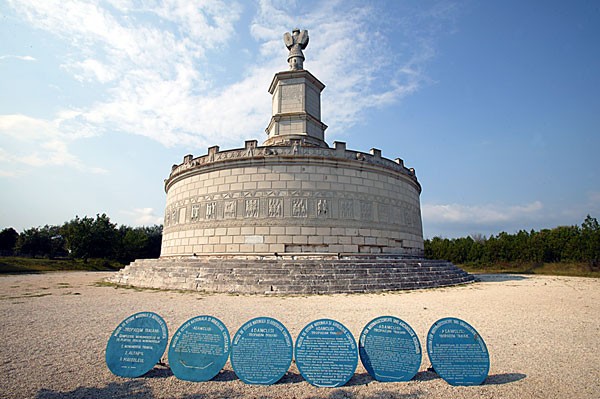
The archaeological complex at Adamclisi impresses through the diversity and grandeur of its architecture, representing a remarkable example of official imperial propaganda art. At the center of the ensemble stands the circular triumphal monument, an impressive structure with a diameter of approximately 31 meters at the base, built of carved stone blocks and decorated with 54 metopes sculpted in relief, arranged in two superimposed registers. These limestone slabs, over a meter high, illustrate dramatic scenes from the Daco-Roman wars with extraordinary narrative force: in the lower registers appear Roman legions marching through rugged terrain, Thracian archers, cavalry in gleaming armor and Dacian prisoners in chains led to military camps, while the upper registers present assaults on Dacian fortresses with siege towers and wooden ladders, culminating in apotheosis scenes where Trajan is crowned by Victory or receives the homage of the vanquished subjects. The sculptural style recalls the relief on Trajan's Column in Rome, but adapted to the specific nature of the circular monument, creating a visual composition of particular dynamism.
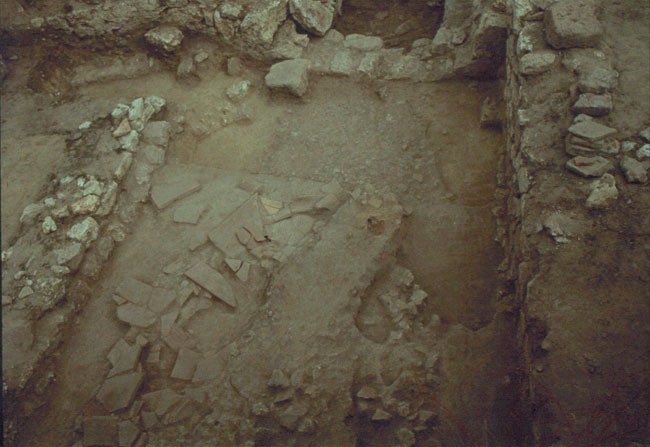
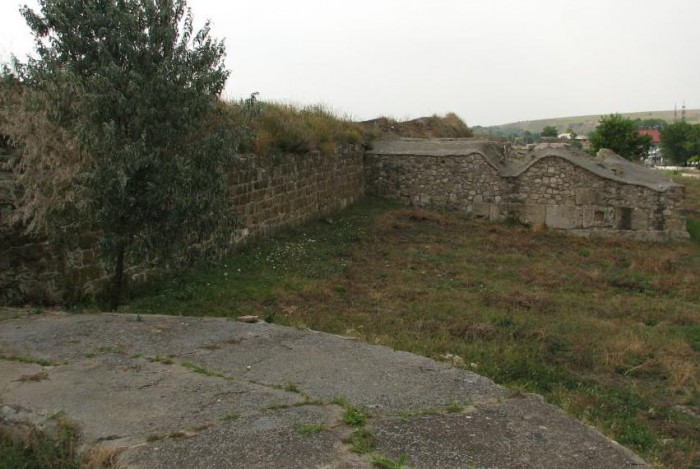
On top of the monument originally rose a monumental trophy – a pyramidal structure wrapped in armor captured from the enemy, decorated with shields and helmets, surrounded by statues of defeated barbarians in humiliating positions – an element that, although disappeared today due to medieval and modern destructions, can be reconstructed based on ancient descriptions and analogies with other Roman tropaea such as that of La Turbie in France. In the immediate vicinity stands the monumental altar, a massive construction measuring approximately 12 by 12 meters, intended for religious sacrifices and victory celebration ceremonies, as well as an impressive funerary tumulus, probably intended for a high-ranking Roman commander fallen in the battles in the area. The walls of the citadel, discovered during systematic research in the 20th century, reveal a fortification built of earth bound with wood, a technique specific to late Roman military architecture, which was later reused and consolidated in the Romano-Byzantine era, between the 4th and 6th centuries AD, demonstrating the strategic continuity of the place over the centuries and its adaptability to the new geopolitical realities of the Byzantine Empire.
The Story of Discoveries and Notable Figures
The modern history of the site begins in 1882, when Grigore Tocilescu, director of the National Museum of Antiquities in Bucharest and an emblematic figure of 19th-century Romanian archaeology, initiated the first systematic excavations at Adamclisi. In an era when Romania was consolidating its national identity after the proclamation of independence in 1877 and after participation in the Russo-Turkish War, the discovery of this Roman monument acquired a special significance, being perceived as material proof of the antiquity and continuity of Latin civilization on the country's territory, an essential argument in the construction of the national narrative of a young nation. Tocilescu brought to light the altar, the triumphal monument and the tumulus, laying the foundations of scientific research at the site and opening the way to understanding the strategic role of Dobrogea in antiquity.
However, true methodological rigor was brought by Grigoriu Murnu, who between 1910 and 1911 resumed the research, sharply criticizing the lack of scientific discipline of previous investigations and establishing a new methodological standard for Romanian archaeology. Throughout the 20th century, until 1993, the site was continuously researched by teams of Romanian and foreign archaeologists, gradually revealing the amazing stratigraphic complexity of the place: from Neolithic levels belonging to the Hamangia culture, one of the most important prehistoric civilizations in Europe, through the Iron Age and the Getic period with its Dacian fortresses, to the dense Roman layers and the Romano-Byzantine ones. These researches brought to light not only the walls of the citadel, but also the remains of a second, smaller triumphal monument, as well as numerous residential structures, pottery workshops and kilns attesting to the existence of a prosperous civil community, the so-called canabae, civilian settlements developed around military fortifications and populated by merchants, craftsmen and war veterans.
Epigraphic Heritage and Spiritual Continuity
Among the most precious discoveries at Adamclisi are the series of inscriptions that offer a direct window into the daily, political and spiritual life of the ancient inhabitants. The oldest inscribed stone, dating from 115-116 AD, represents a dedication by the inhabitants of the city of Tropaeum Traiani to Emperor Trajan, a moving testimony of loyalty to the imperial crown and gratitude for the peace and prosperity brought by the Roman conquest. Other funerary epigraphs mention the names of soldiers and officers of the Legio XI Claudia, stationed at Durostorum (present-day Silistra) or in other auxiliary units, who had found their final resting place here, demonstrating the military mobility and ethnic diversity of the frontier community, formed of Italians, Illyrians, Romanized Thracians and Greeks.
A series of religious inscriptions reflect the cult of official Roman gods – Jupiter Optimus Maximus, Minerva, Mars Gradivus – alongside local and oriental deities such as Mithras or Magna Mater, illustrating the religious syncretism characteristic of the cultural contact zone between the Mediterranean world and the barbarian world. However, the most fascinating and profoundly European testimony is a bilingual inscription, in Latin and Greek, of Christian nature, dating from the 6th century AD, which attests to the profound spiritual transformation of the area in the Byzantine period and the continuity of habitation until the Early Middle Ages. This inscription demonstrates that Adamclisi was not just an ephemeral Roman military outpost, but also a religious center that survived the transition from paganism to Christianity, maintaining a strategic role in the context of the migrations of peoples, the Avar and Slavic invasions, and the formation of new medieval political entities in the Balkans, including the First Bulgarian Empire and the Byzantine Empire in the region.
The Archaeological Museum and Thematic Collections
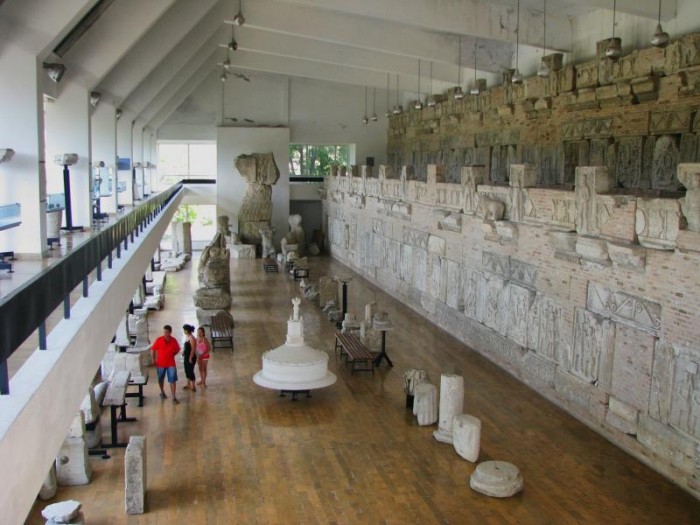
The most significant vestiges discovered on the site's territory can be admired at the Adamclisi Archaeological Museum, a modern space inaugurated in the 1970s and recently renovated, which houses remarkable collections illustrating the evolution of civilization in the region over more than seven millennia. Visitors can examine vessels belonging to the Hamangia culture from the late Neolithic, with their elegant kantharos forms and characteristic geometric spiral decoration, attesting to the existence of sophisticated agricultural communities and a hierarchical society over five thousand years before the coming of the Romans, being considered among the most valuable testimonies of European prehistory. The collections continue with Getic pottery from the La Tène period, with Celtic fibulae and weapons, Greek amphorae from the colonies on the Black Sea coast – Histria, Tomis or Callatis – which demonstrate the intensity of commercial exchanges with the Hellenistic world, and Roman and Byzantine amphorae with stamps illustrating trade in oil, wine and grain on an imperial scale.
The museum also presents fine wheel-made ceramic oil lamps, agricultural and household tools of iron and bronze, gold and silver jewelry – rings, bracelets and earrings – attesting to the prosperity of local craftsmen and the refined taste of the elite, fragments of aqueducts and lead pipes demonstrating the advanced technological level of Roman engineering, stone sculptures representing deities and mythological figures, as well as numerous epigraphic documents on stone and bronze. These collections offer a comprehensive perspective on daily life, commerce, crafts and religious beliefs in this frontier zone of the Roman world, underlining the role of Adamclisi as a strategic commercial and military node that connected the Mediterranean world with the North Pontic steppes and with the trade routes to the Orient.
Practical Visitor Guide and Traveler's Experience
The Adamclisi Citadel archaeological site is located on the territory of Adamclisi commune, Constanța County, near the village of the same name, in the Urluia Valley, approximately 60 kilometers southwest of Constanța municipality and about 40 kilometers from the Bulgarian border. Access is via national road DN2A connecting Constanța to the Vama Veche border crossing or via county roads crossing the Dobrogea plateau, being easily accessible by private car or by public transport connecting Constanța with localities in the south of the county. The complex is open to the public throughout the year, and the attached museum offers a well-organized and illuminated exhibition route, complemented by detailed information panels in Romanian, English and French, as well as specialized guides in certain periods of the year or upon request for organized groups.
The most suitable period for visiting is late spring, when the steppe vegetation blooms and the earth takes on golden hues, or autumn, when the sunset light bathes the monument's relief in a warm light, highlighting the sculptural details of the metopes and creating dramatic shadows that emphasize the artistic depth of the work. Visiting this place means following a profound cultural itinerary that links Daco-Roman history to universal heritage, offering travelers an authentic and moving experience in direct contact with the ruins of a civilization that defined the identity of Southeast Europe. Nearby are other essential sites for understanding the complexity of ancient and medieval Dobrogea: the Histria fortress, the oldest Greek colony on Romanian territory, founded in the 7th century BC, the impressive ruins of the Enisala fortress from the Byzantine and Genoese period, which dominates the lacustrine landscape, as well as the ancient city of Callatis in Mangalia and the ancient port of Tomis in Constanța. A visit to Adamclisi can be complemented by a walk through the unique steppe landscapes of the Dobrogea plateau, where the vast sky and absolute silence evoke the atmosphere of those times when Roman legions watched over the frontiers of the empire, and traveling merchants journeyed on stone-paved roads toward the ports of the Black Sea.
Media gallery
Discover Adamclisi Monument (Tropaeum Traiani) in pictures

5 photos · Architecture, courtyards and captivating details
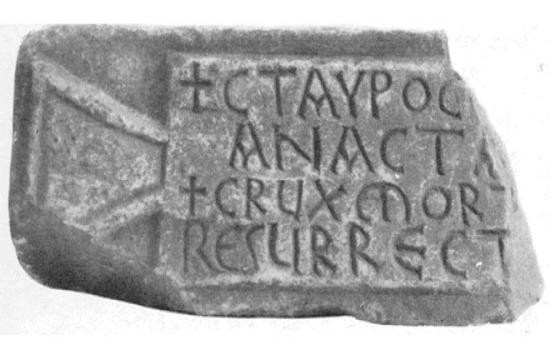


Image source: Wikimedia Commons · Public domain photos · Free license
STAY A FEW DAYS, DISCOVER THE MAGIC
Accommodation in the Adamclisi Monument (Tropaeum Traiani) area

Guesthouse · 3 stars

Culmea, Constanța County · 42.7 km
Pensiunea Black Sea Horses Equestrian Club Culmea
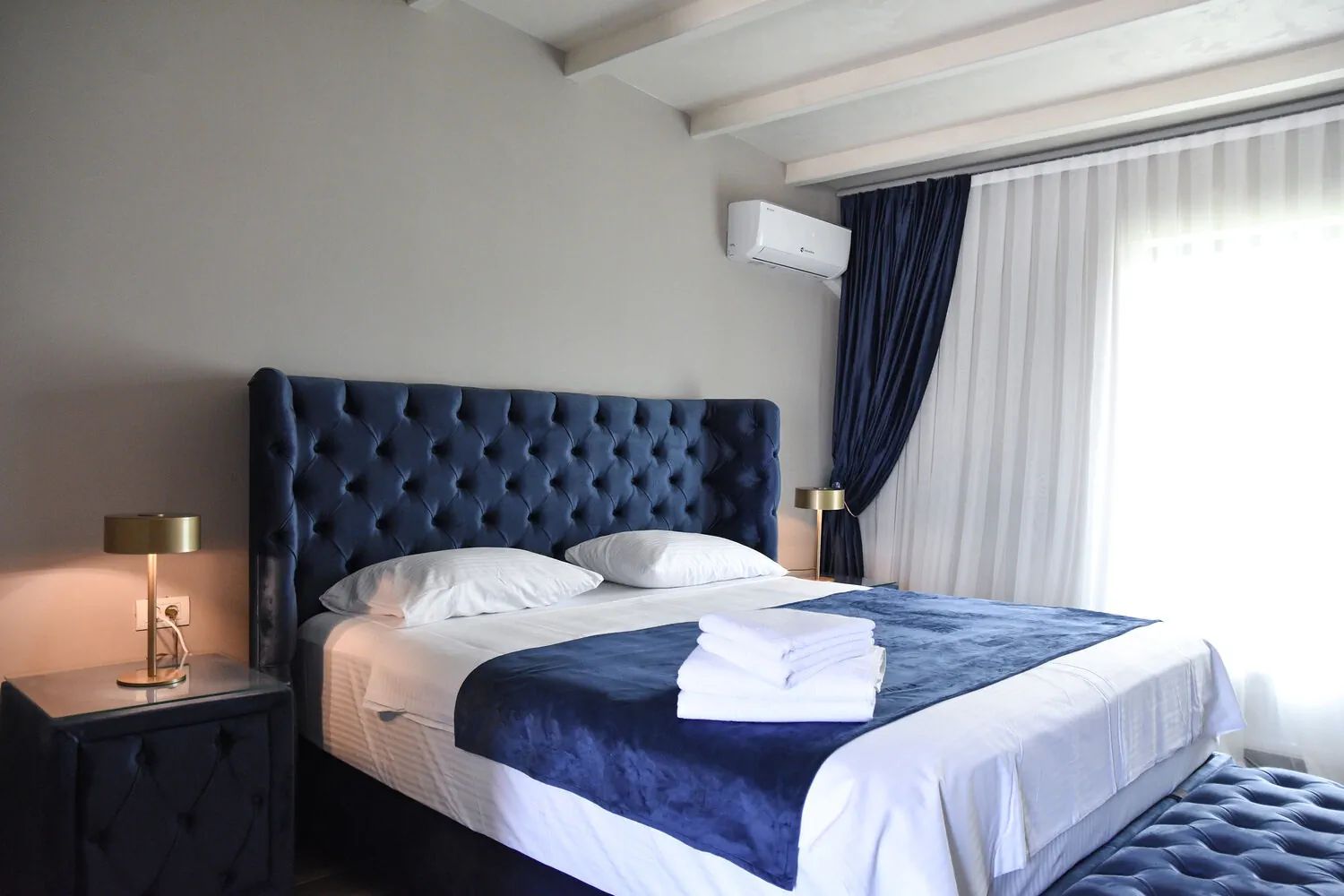
De la Complexul rupestru Basarabi-Murfatlar puteți porni într-o excursie care vă duce până în localitatea Culmea, unde Pensiunea Black Sea Horses Equestrian Club Culmea, o pensiune turistică de 3 stele, vă oferă un punct de plecare excelent pentru a descoperi frumusețile Dobrogei și pentru a vă bucura de activități în aer liber. Aici vă puteți dedica pasiunii pentru cai prin sesiuni de echitație organizate în zonă, într-un cadru natural pitoresc. Restaurantul din incintă prepară bucate delicioase din bucătăria locală și internațională, iar cafeneaua și barul sunt locuri perfecte pentru a vă relaxa după o zi plină de activități. Unitatea beneficiază de o curte mare și o grădină amenajată, ideale pentru momente de liniște și plimbări. Aveți la dispoziție parcare privată gratuită, Wi-Fi gratuit și scaune înalte pentru copii, astfel încât șederea dumneavoastră să fie confortabilă și practică pentru toți membrii familiei. În apropiere puteți vizita Rezervația Naturală Valul lui Traian, Lacul Siutghiol, Stațiunea Mamaia și Mamaia, completând astfel experiența dumneavoastră în această regiune încărcată de istorie. Vă așteptăm la Pensiunea Black Sea Horses Equestrian Club Culmea.
FROM
240 lei per night

Holiday villa · 3 stars
Techirghiol, Constanța County · 52.1 km
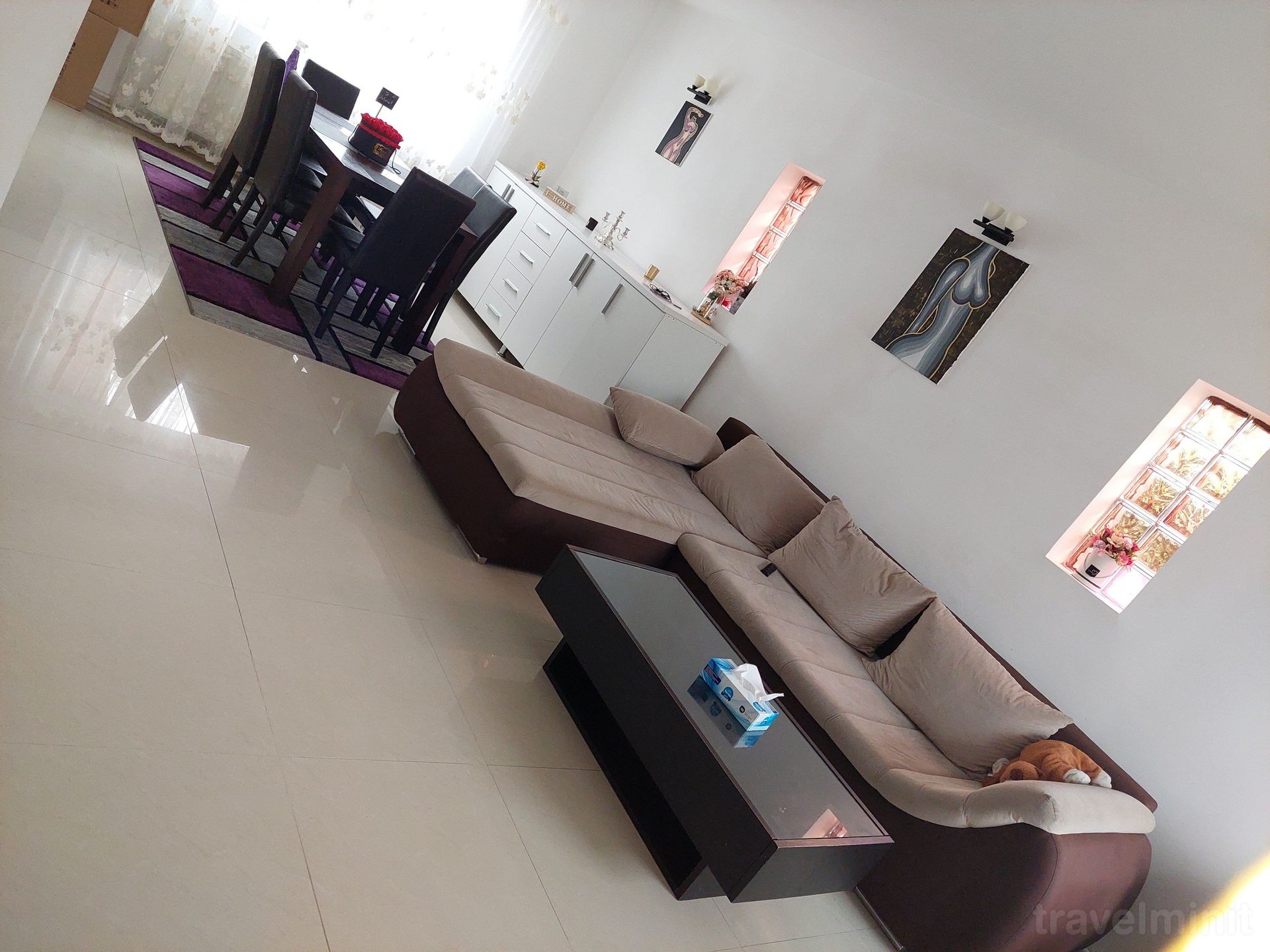
Vila Elena Techirghiol
Comfort, relaxation and stunning views, all just steps away from the main attractions.
FROM
280 lei per night
Guesthouse · 3 stars
Techirghiol, Constanța County · 52.4 km
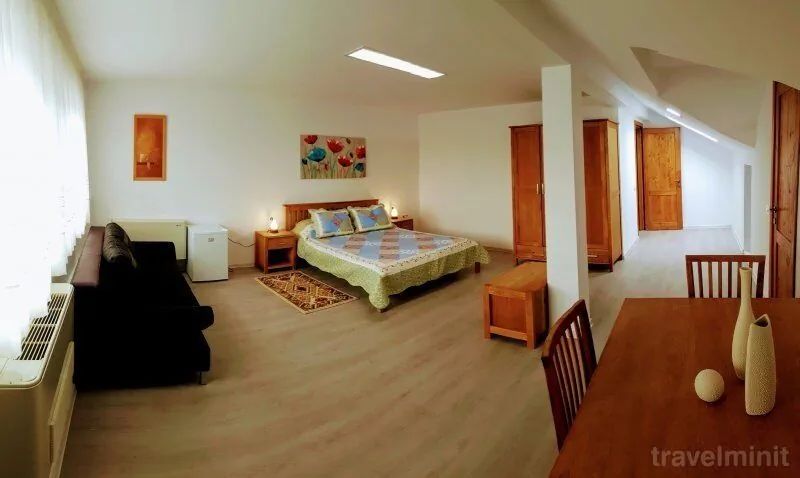
Vila Sanitas Techirghiol
O zi petrecută aici începe cu aerul proaspăt din grădina amenajată și curtea mare, unde puteți lua masa în aer liber la restaurantul din incintă, iar seara se încheie într-o cameră răcoroasă, datorită aerului condiționat. Vila Sanitas Techirghiol, o pensiune turistică de trei stele, vă așteaptă pe dumneavoastră în localitatea Techirghiol, județul Constanța, pentru a vă oferi un sejur confortabil. Unitatea pune la dispoziția dumneavoastră patru camere confortabile și plăcut amenajate, unele dintre ele fiind prevăzute cu aer condiționat pentru zilele călduroase. Conexiunea Wi-Fi gratuită este disponibilă în întreaga proprietate, iar la restaurantul din incintă puteți degusta preparate excelente, servite într-un ambient plăcut și relaxant. În apropiere se află Stațiunea Techirghiol, Lacul Techirghiol, Stațiunea Eforie Nord, Stațiunea Eforie Sud și Cazinoul din Constanța, oferind numeroase opțiuni pentru vizite și momente de relaxare pe litoralul Mării Negre. Check-in-ul se efectuează de la ora 14:00, iar predarea camerei până la ora 10:00, iar la recepție se vorbesc limbile română, germană și spaniolă.
FROM
240 lei per night
Hotel · 3 stars
Techirghiol, Constanța County · 52.5 km
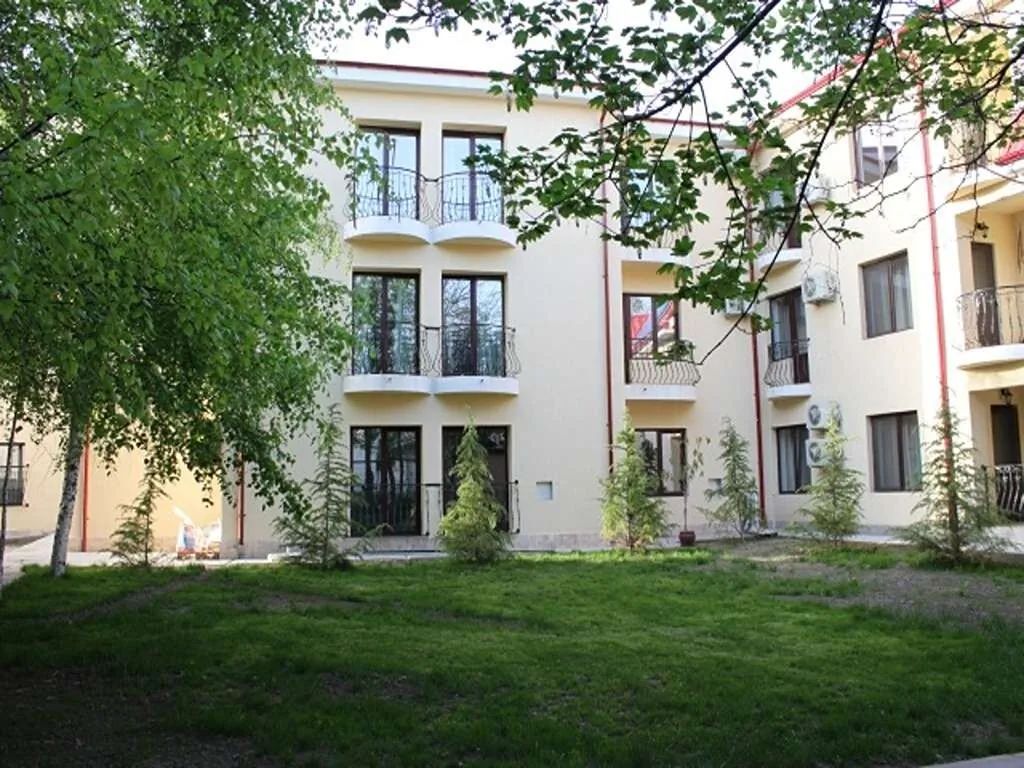
Hotel Anina Techirghiol
Familiile cu copii și călătorii care caută liniște și relaxare se vor simți bine la Hotel Anina din Techirghiol. Unitatea de trei stele, situată pe bulevardul Victoriei, vă oferă un cadru primitor pentru un sejur plăcut în această stațiune balneară de pe litoral. Pentru confortul dumneavoastră, hotelul pune la dispoziție Wi-Fi gratuit, ascensor și seif. Vă puteți relaxa în curtea mare și grădina amenajată, puteți servi masa la restaurantul din incintă sau vă puteți bucura de o băutură la bar. Pentru familiile cu cei mici este disponibil scaun înalt pentru copii, iar serviciile de masaj și depozitul pentru bagaje completează lista de facilități care fac șederea dumneavoastră mai plăcută. În apropiere se află Stațiunea Techirghiol, Stațiunea Eforie Nord, Lacul Techirghiol, Stațiunea Eforie Sud și Stațiunea Costinești. Aceste obiective turistice oferă oportunități variate pentru a explora zona și a vă bucura de atracțiile din vecinătate. Vă așteptăm să vă bucurați de șederea dumneavoastră la Hotel Anina, iar apoi să porniți să descoperiți Lacul Techirghiol.
FROM
290 lei per night
Apartment · 3 stars
Techirghiol, Constanța County · 52.6 km
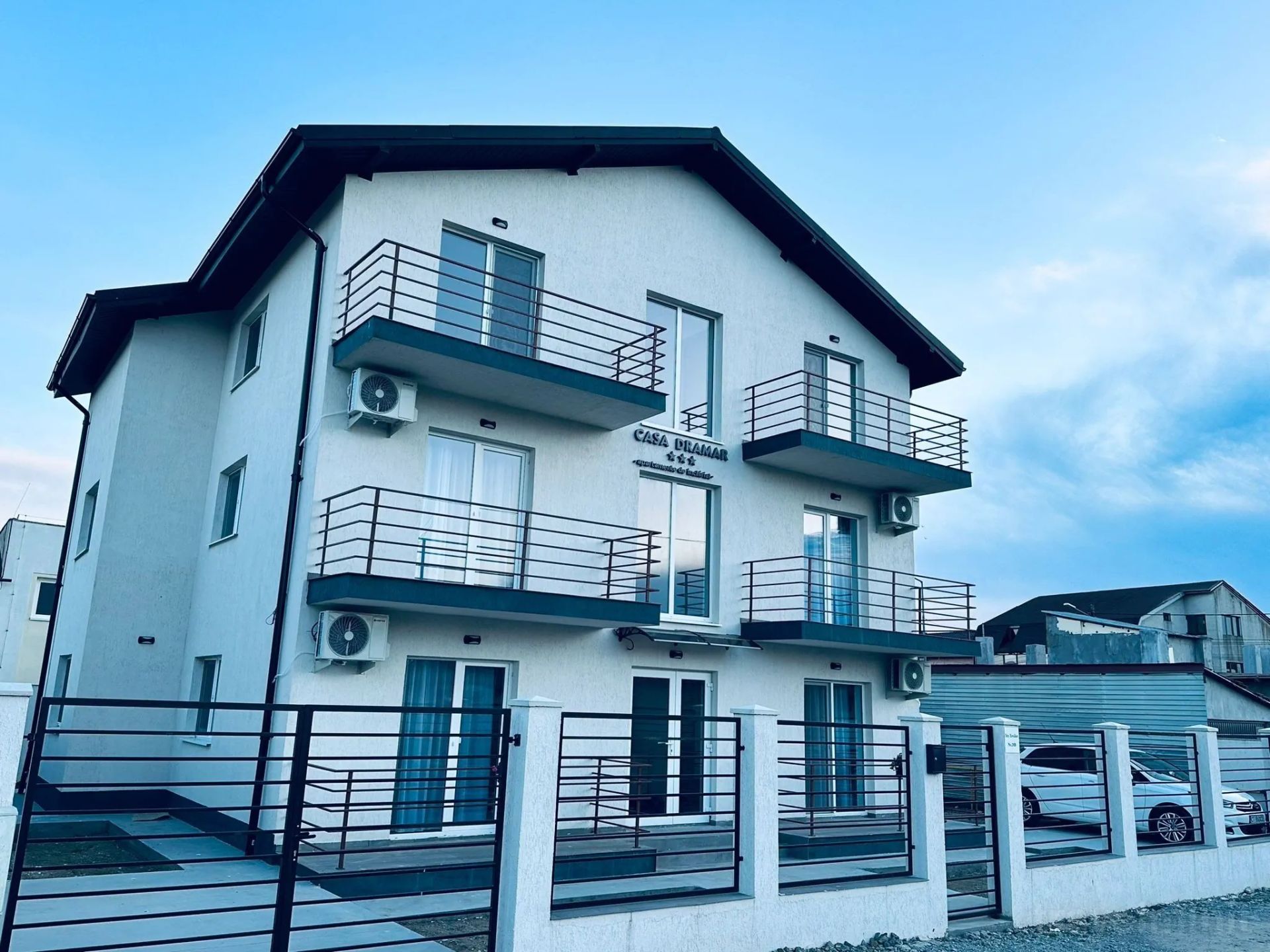
Casa Dramar Techirghiol
Comfort, relaxation and stunning views, all just steps away from the main attractions.
FROM
230 lei per night
Cabin · 3 stars
Techirghiol, Constanța County · 53.0 km
Casa Lacul Sărat Techirghiol
Casa Lacul Sărat Techirghiol este o cabană clasică clasificată cu 3 stele, situată în localitatea Techirghiol din județul Constanța. Unitatea pune la dispoziție șapte camere amenajate cu grijă, într-un cadru liniștit potrivit pentru odihnă. Pentru confortul dumneavoastră, anumite camere sunt dotate cu aer condiționat, iar accesul este facilitat și pentru persoanele cu dizabilități. Familiile cu copii mici beneficiază de un pătuț pentru bebeluș, iar animalele de companie sunt acceptate gratuit. În exterior, cei mici se pot juca în siguranță la locul de joacă amenajat, iar curtea mare și grădina îngrijită oferă un spațiu generos pentru relaxare în aer liber. Grătarul sau barbeque-ul permit organizarea meselor în aer liber, iar conexiunea Wi-Fi gratuită este disponibilă în întreaga incintă. În apropiere puteți vizita Stațiunea Techirghiol, Lacul Techirghiol, Stațiunea Eforie Nord, Stațiunea Eforie Sud și Stațiunea Costinești, fiecare cu specificul său. Vă așteptăm să vă bucurați de sejur și să porniți într-o excursie spre Stațiunea Eforie Nord.
FROM
270 lei per night
BEFORE YOU HIT THE ROAD
Weather conditions in Constanta
Local forecast for Adamclisi Monument (Tropaeum Traiani), Constanta, Constanța

Real-time updated weather data
Much more to explore in this area
Nearby tourist attractions


Constanta, Constanța County
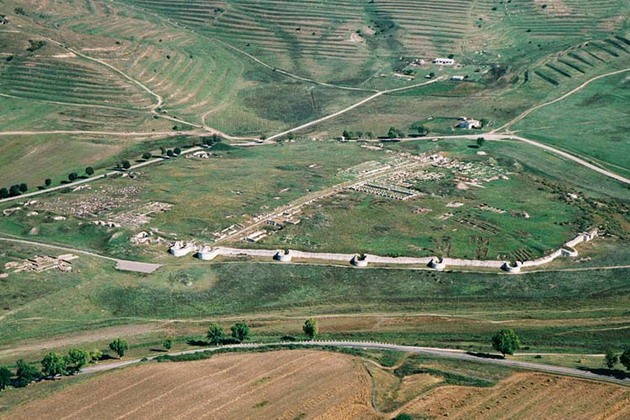
Tropaeum Traiani, Adamclisi
Situata la 400 m nord de satul Adamclisi, pe Valea Urluia; dateaza din secolele II - VII, epoca romana si romano - bizantina; a fost cercetata de Grigore...
0.1 km
Constanta, Constanța County
Tropaeum Traiani Monument at Adamclisi
Situat langa localitate Adamclisi, la 60 km de municipiul Constanta; ridicat din ordinul imparatului Traian intre anii 106 - 109 d. Hr. pentru a comemora o...
1.4 km

Murfatlar, Transylvania
Complexul rupestru Basarabi-Murfatlar
Heritage site in Constanța County, Romania
37.6 km
40.4 km

Constanta, Constanța County
Trajan's Wall Nature Reserve
Situata la nord de comuna Valul lui Traian; rezervatie naturala de tipul botanic si sit arheologic; suprafata totala 5 ha; situl arheologic pastreaza resturi...
46.8 km
Constanta, Constanța County
Adamclisi Archaeological Museum and Tropaeum Traiani
Situat pe strada Muzeului, nr. 15, localitatea Adamclisi; inaugurat in anul 1977, cladirea este ridicata ca un lapidarium; este un complex muzeal format din...
0.9 km

Constanta, Constanța County
Saint Andrew's Cave
Situata in apropierea comunei Ion Corvin, la apoximativ 4 km de soseaua Constanta - Ostrov; se spune ca in aceasta grota a trait si a crestinat Sfantul Apostol...
9.9 km
Constanta, Constanța County
Capidava Fortress
Situata la marginea de vest a satului Capidava, pe soseaua ce leaga Harsova de Cernavoda, teritoriul administrativ al comunei Topalu; ridicata in timpul...
46.2 km

18.2 km
31.0 km
Ialomita, Ialomița County
Situl arheologic Popina Bordușani
Localizat in insula Balta Ialomitei, la circa 2,5 km nord fata de malul drept al bratului Borcea; Balta Ialomitei este o insula formata intre bratele Borcea si...
45.3 km
Constanta, Constanța County
Cetatea bizantină Vicina din Insula Pacuiul lui Soare
Situata pe teritoriul administrativ al localitatii Ostrov, pe insula Pacuiul lui Soare; ridicata intre anii 969 - 976, in timpul imparatului bizantin Ioan...
42.3 km
Cultural life and traditions
Events in the Adamclisi Monument (Tropaeum Traiani) area
Medieval festivals, traditional fairs, concerts and local activities recommended in Dobruja.

Traditions and Crafts

Constanta, County of Constanța
Days of Local Culture and Traditional Tourism
Open workshops featuring pottery, wood carving, and authentic folklore demonstrations by local artisans.
WHEN
May 15-17, 2026


Traditional Cuisine
Constanta, County of Constanța
The Fair of Traditional Products and Local Cuisine
Traditional products, aged cheeses, mountain honey and local delicacies prepared according to ancient recipes.
WHEN
Every weekend

Culture and Photography
Constanta, County of Constanța
Themed and Photographic Guided Tour of Cultural Heritage
A guided tour designed for history buffs, nature lovers, and photography enthusiasts, showcasing the most spectacular views in the area.
WHEN
Daily schedule available upon request
On foot, exploration gains depth
Discover the surroundings and local geography
Explore the trails, terrain, and natural landmarks around Adamclisi Monument (Tropaeum Traiani).

Guides and practical tips
Useful travel articles
Travel guides, practical recommendations and tourist itineraries for Dobruja.

Tourist guide
Top 5 Atracții Turistice și Trasee Montane în Zona Moieciu - Bran
Descoperă cele mai spectaculoase peisaje carstice, chei adânci și cetăți medievale din imediata apropiere a stațiunii Moieciu.

Tourist guide
Ghid de Drumeție: Traseul Moieciu de Sus spre Platoul Bucegi
Un itinerariu montan de o frumusețe rară ce urcă din Valea Băngăleasa spre Poiana Guțanu și crestele maiestuoase ale Bucegilor.

Tourist guide
Castelul Bran: Istorie, Legende și Secrete Medievale
Află adevărata poveste a fortăreței medievale din Pasul Bran, reședința de suflet a Reginei Maria a României.
THE JOURNEY STARTS WITH AN IDEA
The next story is on the way.
From the first stop to the last stay, make room for a new Romania.
