


PLACE OF WORSHIP · MOLDAVIA
Agapia Monastery (New Agapia or Agapia in the Valley)

Neamt, Neamț County
Add location to your trip planner.
Practical access information

VISITING HOURS
Check the local visiting schedule

TICKET PRICE
Information available at the cashier's desk

RECOMMENDED VISIT DURATION
1-2 hours
Sources and external references
Wikipedia Encyclopedia (EN)
Visitor information and guide
 Navigate with Google Maps

ABOUT AGAPIA MONASTERY (NEW AGAPIA OR AGAPIA IN THE VALLEY)
A Spiritual and Artistic Oasis in the Heart of Moldavia
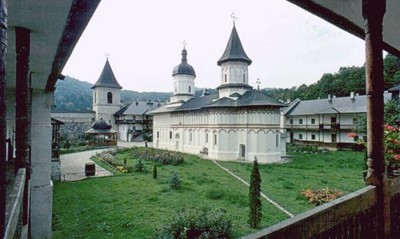
Hidden in a wooded valley, nine kilometers from the town of Târgu Neamț along the gentle flow of the Agapia stream, Agapia Monastery rises as a sanctuary of tranquility amidst ancient forests descending from the peaks of the Eastern Carpathians. This female monastic settlement, also known as Agapia in the Valley or New Agapia, represents one of Romania’s most valuable and vibrant centers of Orthodox spirituality, housing an impressive community of three to four hundred nuns. As the second-largest convent in the country after Văratec Monastery, Agapia is not merely a place of prayer but a true treasure of European cultural heritage, where art, history, and Byzantine tradition intertwine in a symphony of color and light. For the European traveler in search of authenticity, Agapia offers a profound experience where the spirituality of Eastern Christianity meets the artistic refinement of the 19th century within a natural setting of exceptional beauty, spanning over fifty hectares of forested land and orchards.
A Voivode’s Foundation in a European Context: The 17th Century
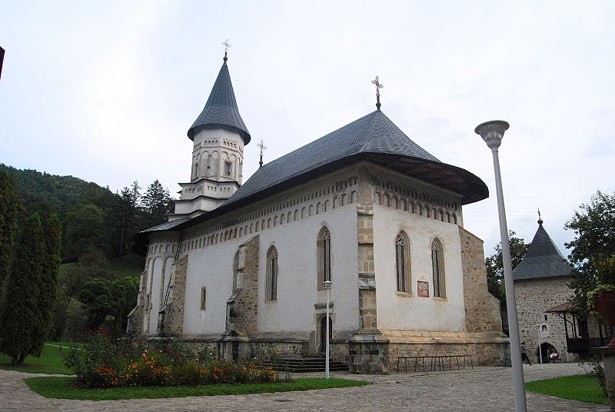
The historical roots of the monastery are deeply anchored in the tumultuous era of the Romanian Principalities, a period when Vasile Lupu’s Moldavia sought to assert its cultural and political identity in a Europe divided between Ottoman, Polish, and Habsburg influences. Between 1641 and 1643, Hetman Gavriil Coci, brother of the powerful ruler Vasile Lupu, erected this monastic complex as an expression of voivodal piety and a desire to consolidate the prestige of the Mușat dynasty in a strategic region. The chosen architect, Enache Ctisi of Constantinople, brought with him the experience of the post-Byzantine school, reflecting the close ties of the Moldavian court with the Orthodox world and the great cultural centers of the Ottoman Empire, much like other Balkan or Caucasian courts that turned to Constantinopolitan masters to build their foundations. The main church, dedicated to the Holy Archangels Michael and Gabriel, was consecrated on September 12, 1646, by Metropolitan Varlaam Moțoc, a remarkable figure in Romanian culture who later became Patriarch of Jerusalem. Through his work as a printer and scholar, Varlaam contributed to the preservation and dissemination of the Slavonic heritage across the Orthodox world, akin to the role played by Greek scholars in exile or Serbian monks in previous centuries. Initially conceived as a monastery for monks, Agapia represented from its inception a meeting point between local monastic tradition and artistic influences from Byzantium, at a time when religious architecture in this part of Europe sought to blend the Byzantine cross plan with decorative elements borrowed from Ottoman art.
Monastic Reform and the Opening to Modernity
A turning point in the history of the settlement came in 1803, when, at the initiative of Metropolitan Veniamin Costache—a reform-minded hierarch influenced by the spirit of the Enlightenment and modernizing trends sweeping across Europe, including the Josephine reforms in the Habsburg Empire and educational innovations in Tsarist Russia—the monastery was transformed from a male monastic settlement into a convent for nuns. This decision was accompanied by the arrival of a community of nuns from Socola Monastery in Iași and, more importantly, the establishment of a school for nuns, a progressive endeavor for its time that offered girls from monastic communities the opportunity to learn psalmody, Greek, embroidery, and weaving. The initiative reflected an unprecedented openness toward female education within an Orthodox context, comparable to convent schools in France or Italy but preserving the specificity of Eastern spirituality. Thus, Agapia became not only a place of prayer but also a center of culture and education, where the Byzantine tradition was passed down to future generations in a structured and accessible manner, at a time when many monasteries in Eastern Europe were undergoing similar processes of reorganization and modernization.
Nicolae Grigorescu and the Frescoes of Agapia: A Dialogue Between European Academicism and Orthodox Spirituality
The absolute exceptional element of the Agapia complex is the interior frescoes of the church, created between 1858 and 1861 by the young Nicolae Grigorescu, brought to the monastery by Abbess Tavefta Ursache, a visionary woman who recognized the value of artistic innovation. Trained in Paris within the atmosphere of European academicism and under the influence of the French realist school, Grigorescu introduced a revolutionary artistic approach to Romanian religious painting. Unlike the hieratic and symbolic Byzantine iconographic tradition, the artist approached sacred themes with profound realism, influenced by the masters of the Parisian academy and the artistic currents dominating the salons of Western Europe, similar to how the Nazarene movement in Germany or the Pre-Raphaelites in England sought to renew the connection between art and spirituality through a faithful representation of reality. His works at Agapia represent a unique phenomenon in the Romanian monastic landscape, transforming the church into a living museum where saints and biblical scenes come to life with an emotional naturalism, in a subtle dialogue with the technique of Italian Renaissance frescoes and the Byzantine pictorial tradition.
During this period of artistic flourishing, the church was expanded and enriched with luxurious furniture commissioned from Vienna and Paris, reflecting the cosmopolitan openness of the Moldavian elite in the 19th century toward Europe’s great capitals, at a time when the Romanian Principalities aspired to international recognition and integration into the concert of civilized nations. The iconostasis was gilded and painted, and the complex was reconsecrated on January 25, 1862, marking the beginning of a new era for this community. After the devastating fire of 1903, which covered the paintings with a thick layer of soot, they underwent a meticulous cleaning process in 1928, and the definitive restoration took place between 1961 and 1970, restoring their original brilliance and allowing today’s visitors to fully admire Grigorescu’s genius, in a restoration reminiscent of similar efforts to preserve artistic heritage in other European countries, such as the restoration of the Sistine Chapel or the works of Giotto.
The Architectural Ensemble: A Synthesis of Byzantium and the West
The monastic complex of Agapia, classified as a national historical monument in 2015 under code NT-II-a-A-10627, represents a veritable encyclopedia of Romanian religious architecture, comprising seven distinct objectives that illustrate stylistic evolution over three centuries. The 17th-century Church of the Holy Archangels retains the Byzantine cross plan, with decorative elements specific to the Moldavian school, similar to the great foundations of Stephen the Great, but also with Ottoman influences visible in the sculptural details. The Chapel of the Nativity of the Mother of God, built in 1847, introduces neoclassical accents, reflecting the era’s taste for symmetry and elegance, while the wooden Church of Saint John the Theologian, dating from 1821, represents the tradition of sacred wooden architecture specific to the region, akin to the wooden churches of Maramureș or Bucovina, though with a more modest character. The 19th- and 20th-century cells, the bell tower from 1823, and the wooden infirmary of the Dormition of the Mother of God from 1780 complete the picture of a living ensemble in continuous transformation, where each historical period has left its architectural imprint, in an organic evolution similar to that of Europe’s great abbeys, such as those in France or Germany, which grew and transformed over the centuries. Outside the main enclosure lies the Alexandru Vlahuță Memorial House, converted into a museum in 1966, a tribute to the writer who found inspiration and tranquility here, part of a generation of Romanian intellectuals who, like their counterparts in other European nations experiencing a national revival, sought to define cultural identity through literature and art.
Resistance and Renaissance: Turning Points in the Settlement’s History
Over the centuries, Agapia has faced dramatic vicissitudes that tested the resilience of its monastic community, in a history that mirrors the fragility and spiritual strength of Eastern Europe in the face of great empires. Tatar and Turkish invasions in the 17th century, as well as the devastating fire of 1821 caused by the Ottomans during the Greek War of Independence and the upheavals in the Ottoman Empire, put the monastery’s physical existence to the test, much like many monasteries in the Balkans or the Caucasus that were destroyed and rebuilt throughout history. Each destruction, however, was followed by meticulous reconstruction, and the monastery retained its role as a spiritual and cultural center of the region, in a process of rebirth reminiscent of post-war restorations of European monuments. Today, Agapia hosts the only theological seminary for girls in Moldavia, continuing the educational tradition begun in 1803, alongside a museum of medieval and religious art and a library with a precious collection of old books that preserve the region’s spiritual memory. Nearby, just two kilometers to the north, lies the Old Agapia Skete, an older and more secluded place of hermitage, while seven kilometers away stands Văratec Monastery, forming together a monastic triangle of profound spirituality unique in the European religious landscape.
The Visitor’s Experience: A Cultural Pilgrimage in Moldavia
For the contemporary European traveler, a visit to Agapia Monastery represents a total immersion in a world where time seems to have stood still, offering an authentic spiritual experience that combines prayer with exceptional artistic heritage. Stepping through the gates of the enclosure, the visitor is enveloped by the profound tranquility of the ancient forests and the atmosphere of contemplation of a community of nuns who keep the Byzantine tradition alive in continuous dialogue with European history. Admiring Grigorescu’s frescoes, with their realistic details and emotional expressiveness, provides a unique perspective on how European academic art penetrated the farthest corners of the continent, transforming an Orthodox church into a world-class art gallery. A stroll through the enclosure reveals the architecture specific to the 17th century, enriched with elements from later periods, where every stone and fresco tells stories of founders, craftsmen, and moments of glory or hardship. For information on visiting hours and admission fees, travelers are invited to consult the monastery’s ticket office or inquire in advance according to the local visiting schedule, ensuring they can fully benefit from this unique experience. Agapia thus remains not only a pilgrimage destination but a living monument of European civilization, where past and present meet under the open sky of Moldavia in a harmony that fascinates and inspires any soul in search of beauty and meaning.
Media gallery
Discover Agapia Monastery (New Agapia or Agapia in the Valley) in pictures

22 photos · Architecture, courtyards and captivating details


Image source: Wikimedia Commons · Public domain photos · Free license
STAY A FEW DAYS, DISCOVER THE MAGIC
Accommodation in the Agapia Monastery (New Agapia or Agapia in the Valley) area

Farm guesthouse · 3 stars

Agapia, Neamț County · 2.6 km
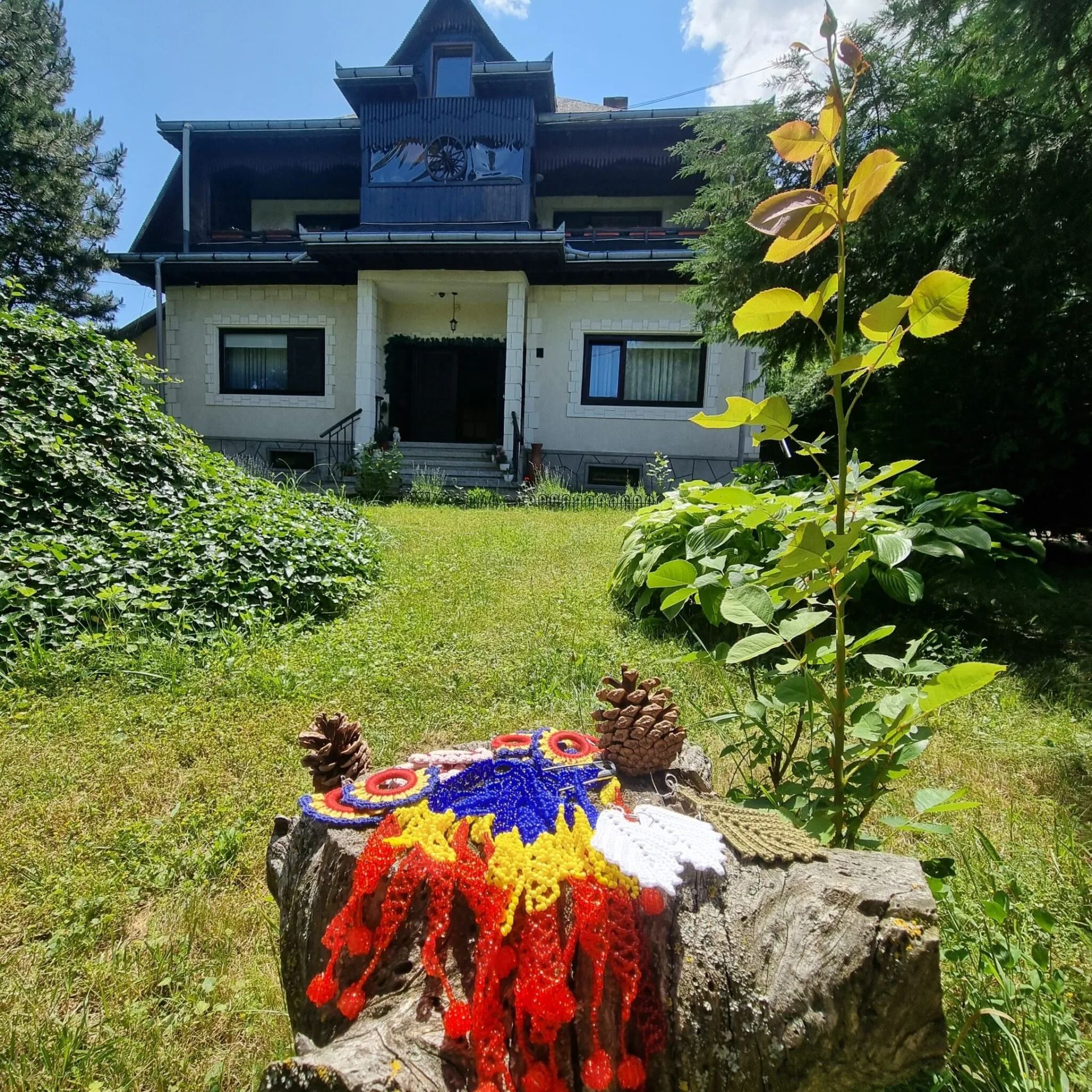
Pensiunea Agroturistica Casa Dintre Pini Agapia
Pensiune agroturistică de 3 stele în Agapia, județul Neamț, vă oferă un sejur autentic în mijlocul naturii, într-un cadru rural liniștit și primitor, departe de aglomerația urbană. Beneficiați de Wi-Fi gratuit, parcare privată gratuită și acces pentru persoane cu dizabilități. Curtea mare și grădina amenajată includ un foișor, teren amenajat de sport sau fotbal, loc de joacă pentru copii la exterior și vatră de foc în aer liber, ideale pentru seri liniștite sub cerul deschis. Pentru confortul familiilor sunt disponibile scaun înalt pentru copii și pătuț pentru bebeluș, iar în interior găsiți fier de călcat și depozit pentru bagaje. Puteți organiza mese în aer liber la grătar sau la ceaun, profitând de spațiul generos al curții pentru momente relaxante împreună cu cei dragi. În apropiere puteți vizita Mănăstirea Agapia, Cetatea Neamț, Mănăstirea Neamț, Muzeul Memorial Ion Creangă din Humulești și Casa Memorială Mihail Sadoveanu, descoperind astfel bogăția culturală și istorică a zonei. Vă așteptăm la Pensiunea Agroturistică Casa Dintre Pini Agapia.
FROM
240 lei per night

Holiday home · 3 stars
Agapia, Neamț County · 3.7 km
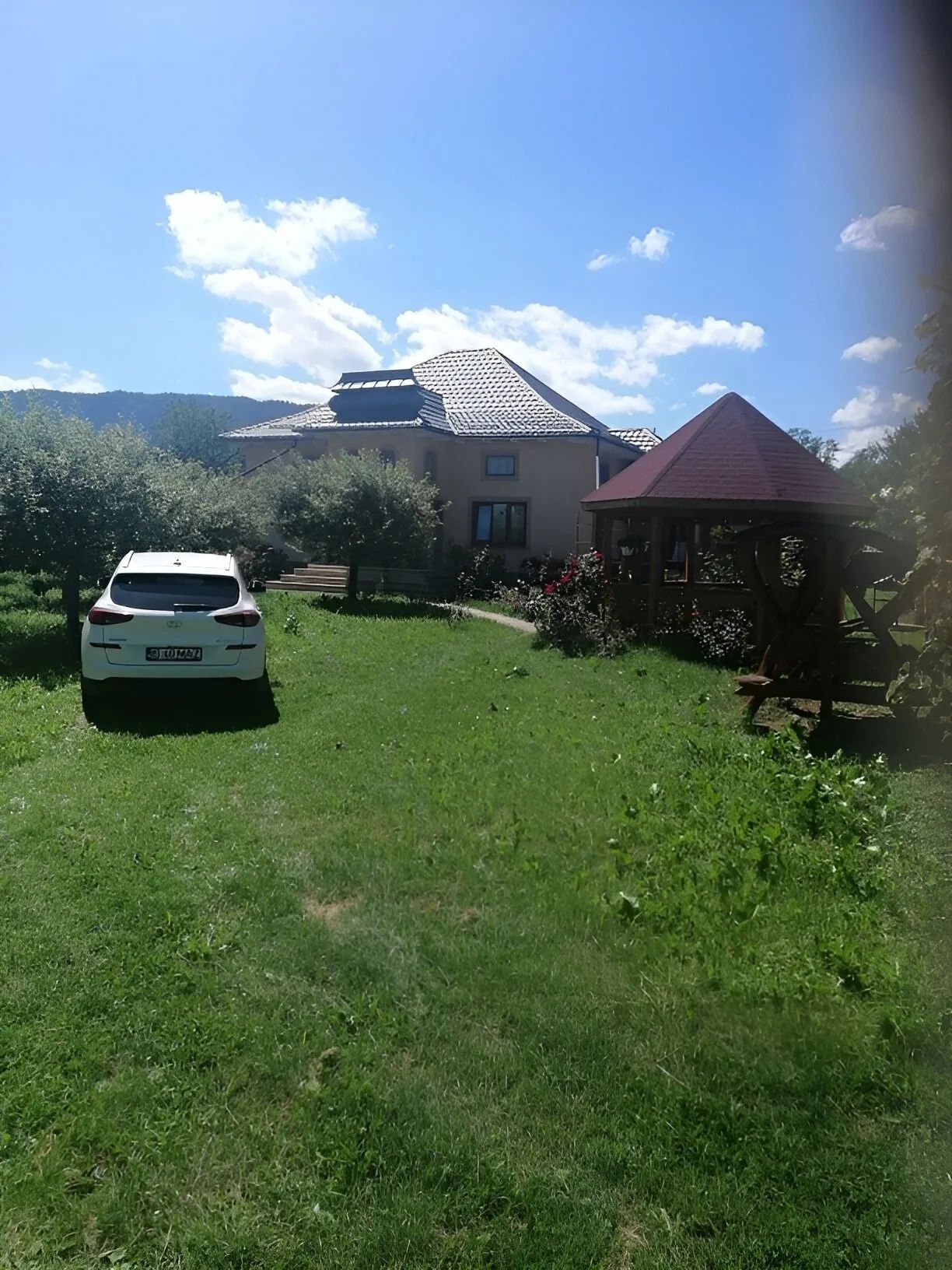
Casa Ilea Agapia
Familiile cu copii și grupurile de prieteni care caută liniște și aer curat se vor simți bine la Casa Ilea din Agapia, județul Neamț. Această vilă integrală, clasificată cu trei stele, oferă intimitate într-un cadru tradițional, departe de aglomerație. Unitatea dispune de o curte mare și o grădină amenajată, cu foișor, grătar, vatră de foc în aer liber și un loc de joacă pentru cei mici. De asemenea, aveți la dispoziție un teren amenajat de sport, parcare privată gratuită și parcare pentru biciclete, iar accesul persoanelor cu dizabilități este asigurat. În interior puteți folosi fierul de călcat și beneficiați de un spațiu pentru depozitarea bagajelor. În imediata apropiere se află Mănăstirea Agapia, Cetatea Neamț, Mănăstirea Neamț, Muzeul Memorial Ion Creangă din Humulești și Casa Memorială Mihail Sadoveanu, oferindu-vă numeroase opțiuni de explorare culturală și spirituală. Vă așteptăm să vă bucurați de sejurul dumneavoastră, iar când doriți să descoperiți zona, porniți într-o vizită la Mănăstirea Agapia.
FROM
280 lei per night
Guesthouse · 3 stars
Agapia, Neamț County · 4.4 km
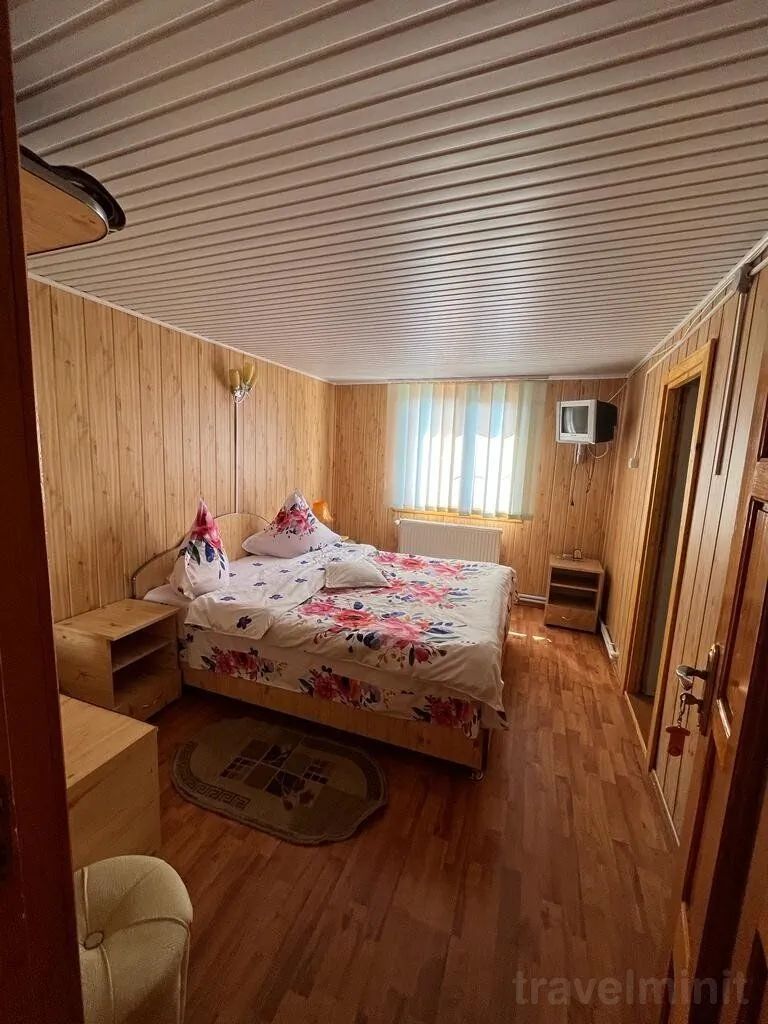
Casa Ana Agapia
Într-o curte largă, împrejmuită de verdeață, Casa Ana Agapia vă întâmpină în Agapia, județul Neamț. Pensiunea de trei stele de pe strada Nicolae Iorga oferă un cadru liniștit și primitor pentru întreaga dumneavoastră familie. Grădina amenajată și foișorul din curte sunt locuri potrivite pentru relaxare după o zi plină. Aveți la dispoziție Wi-Fi gratuit în întreaga proprietate, parcare privată gratuită și room service. Pentru bagaje există un depozit special, iar fierul de călcat vă ajută să vă pregătiți pentru ieșirile în zonă. Familiile cu copii se pot bucura de locul de joacă din exterior și de pătuțul pentru bebeluși. Puteți organiza mese în aer liber la grătar sau barbeque, puteți găti în ceaun în curte sau vă puteți încălzi la vatră de foc ori șemineu în aer liber. Există și parcare pentru biciclete pentru cei care preferă să exploreze împrejurimile pe două roți. În vecinătate puteți vizita Mănăstirea Agapia, Cetatea Neamț, Mănăstirea Neamț, Muzeul Memorial Ion Creangă din Humulești și Casa Memorială „Mihail Sadoveanu”. De asemenea, aveți posibilitatea de a face drumeții montane și de a parcurge trasee în natură. Seara, după o zi de explorare, vă puteți retrage la șemineul din curte pentru a vă bucura de liniștea serii.
FROM
240 lei per night
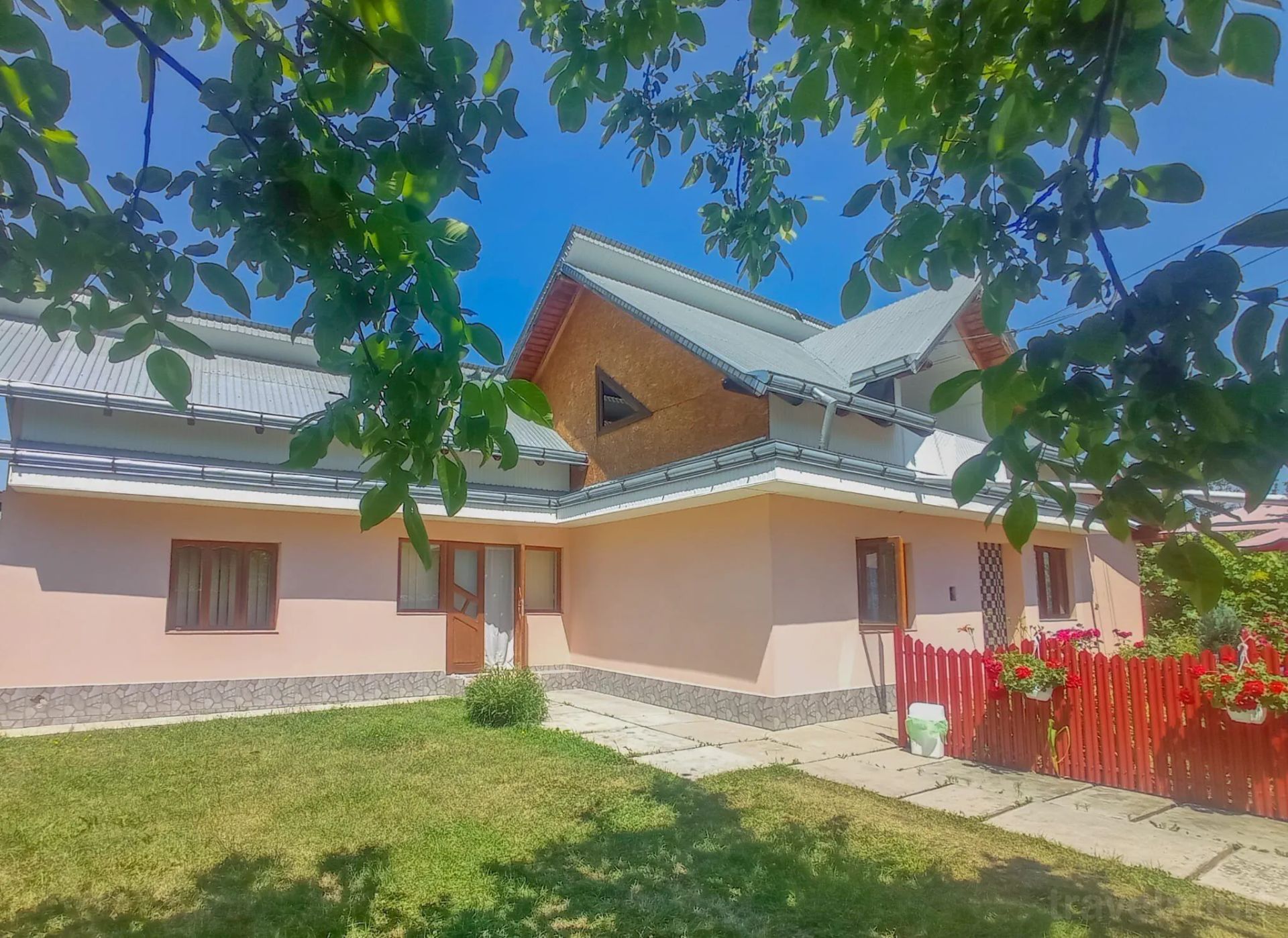
Guesthouse · 3 stars
Agapia, Neamț County · 4.7 km
Casa La Agapia
Pe strada Nicolae Iorga din Agapia, județul Neamț, vă așteaptă Casa La Agapia, o pensiune turistică de trei stele care oferă un cadru liniștit pentru odihnă. Unitatea se află într-o zonă rezidențială plăcută, departe de aglomerația urbană, într-un mediu natural. Pensiunea pune la dispoziție patru camere confortabile și amenajate, fiecare dotată cu baie proprie, iar animalele de companie sunt binevenite fără costuri. Oaspeții beneficiază de Wi-Fi gratuit în întreaga unitate, parcare privată gratuită și acces la o curte mare cu grădină îngrijită, un spațiu ideal pentru relaxare în aer liber. Pentru momentele de socializare în aer liber, aveți la dispoziție un grătar sau barbeque în curte, perfect pentru seri liniștite alături de cei dragi. La recepție se vorbesc limbile română, engleză și italiană, asigurând o comunicare ușoară cu turiștii din diferite țări. În împrejurimi puteți vizita Mănăstirea Agapia, Cetatea Neamț, Mănăstirea Neamț, Muzeul Memorial Ion Creangă din Humulești și Casa Memorială „Mihail Sadoveanu”, obiective care dezvăluie bogata spiritualitate și tradiție culturală a zonei. După zilele petrecute la Casa La Agapia, porniți cu încredere să explorați Mănăstirea Neamț și să descoperiți frumusețile autentice ale județului Neamț.
FROM
240 lei per night

Holiday villa · 3 stars
Nemțișor, Neamț County · 8.0 km
Casa Dintre Brazi Nemțișor
Comfort, relaxation and stunning views, all just steps away from the main attractions.
FROM
280 lei per night
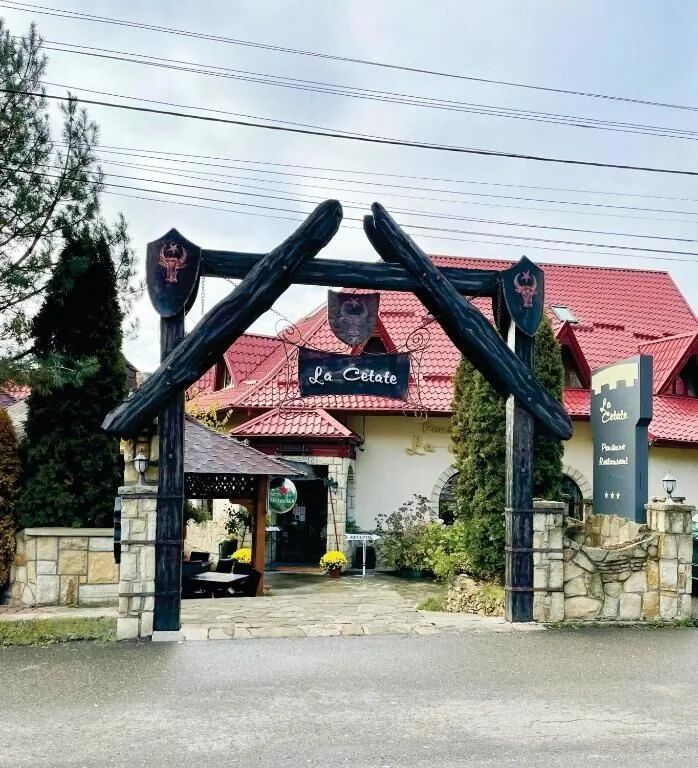
Guesthouse · 3 stars
Târgu Neamţ, Neamț County · 9.8 km
Pensiunea La Cetate Târgu Neamţ
Pensiunea La Cetate Târgu Neamţ este o pensiune turistică situată în orașul Târgu Neamţ, județul Neamț. Vă punem la dispoziție camere confortabile pentru șederea dumneavoastră, împreună cu un restaurant în incintă și un bar unde puteți savura băuturi într-o atmosferă relaxantă. Bucătăria noastră prepară atât mâncare tradițională românească, cât și specialități din bucătăria internațională. De asemenea, oferim Wi-Fi gratuit în întreaga unitate și parcare privată gratuită pentru toți oaspeții. Pentru familiile cu copii mici, punem la dispoziție scaun înalt la cerere. În apropiere puteți vizita Cetatea Neamț, Muzeul Memorial Ion Creangă din Humulești, Mănăstirea Agapia, Mănăstirea Neamț și Casa Memorială „Mihail Sadoveanu”. Zona oferă, de asemenea, acces la drumeții montane și trasee în natură, ideale pentru iubitorii de mișcare în aer liber. Puteți organiza evenimente precum nunți, aniversări sau petreceri, având la dispoziție un restaurant cu 200 de locuri și servicii de cazare și masă pentru grupuri. Vă așteptăm pe strada Cetatii numărul 33, unde veți beneficia de parcare gratuită pe toată durata șederii dumneavoastră.
FROM
240 lei per night
BEFORE YOU HIT THE ROAD
Weather conditions in Neamt
Local forecast for Agapia Monastery (New Agapia or Agapia in the Valley), Neamt, Neamț

Real-time updated weather data
Much more to explore in this area
Nearby tourist attractions

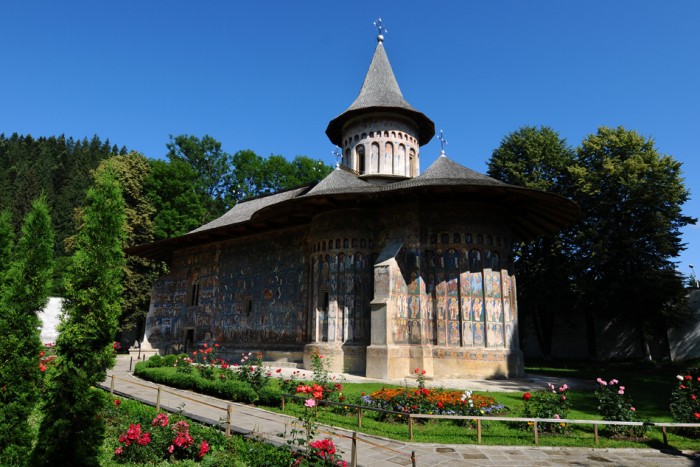

Suceava, Suceava County
Voroneț Monastery
Situata in localitatea Voronet, la cca. 4 km de Gura Humorului si 35 km de Suceava; accesul se face din Gura Humorului, pe DJ177D; ctitorie a lui Stefan cel...
47.9 km
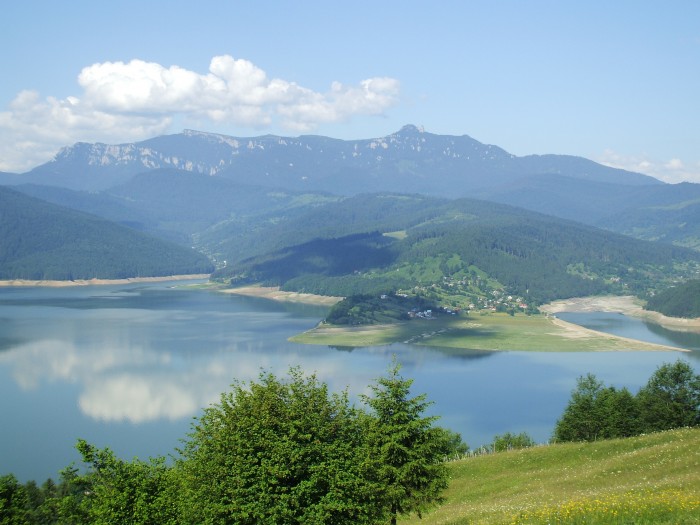
Neamt, Neamț County
Ceahlău National Park
Situat la 10 km de Bicaz, in vestul judetului; incadrat in cuprinsul Masivului Ceahlau, localizat in grupa centrala a Carpatilor Orientali, in partea de sud-est...
30.2 km
Neamt, Neamț County
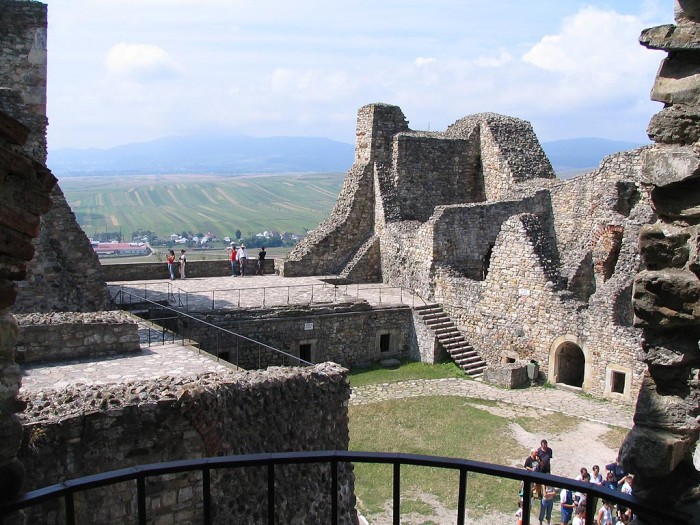
Neamț Fortress
Situata pe strada Arcasului nr. 1, pe un platou al dealului Plesu, la 480 m altitudine, in apropierea orasului Targu Neamt, in partea de nord-est a judetului;...
9.8 km
Neamt, Neamț County
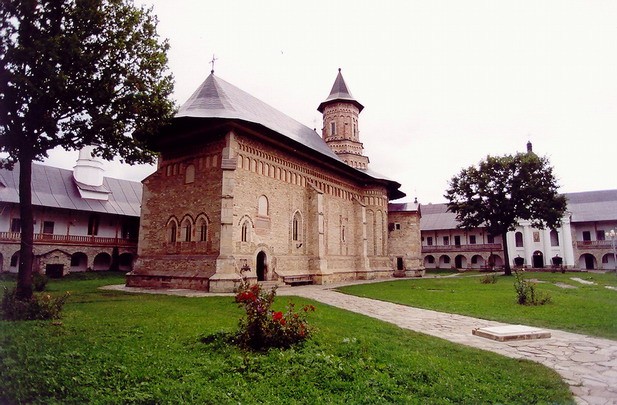
Neamț Monastery
Situata pe raza comunei Vanatori-Neamt, la 15 km nord-vest de Targu Neamt; atestata documentar pentru prima data in 1407, pe vremea lui Alexandru cel Bun; in...
11.6 km

România, Transylvania
Vârful Toaca, Masivul Ceahlău
Vârful Toaca, Masivul Ceahlău (munte sau masiv) în județul România.
27.1 km
România, Transylvania
Vârful Ocolașul Mare, Munții Ceahlău
Vârful Ocolașul Mare, Munții Ceahlău (munte sau masiv) în județul România.
32.2 km
Probota, Suceava County
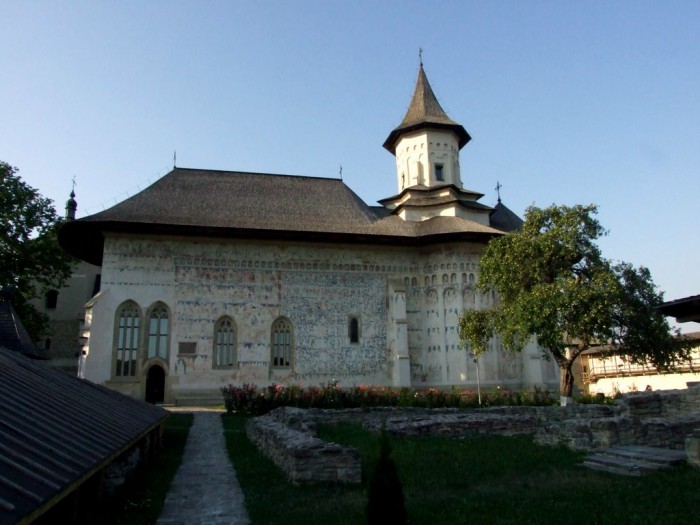
Probota Monastery
Situata in satul Probota, oras Dolhasca, la 27 km sud-est de Falticeni; accesul se face din Falticeni spre Dolhasca, pe DJ208, 25 km, apoi dreapta in Dolhasca...
37.4 km
Neamt, Neamț County
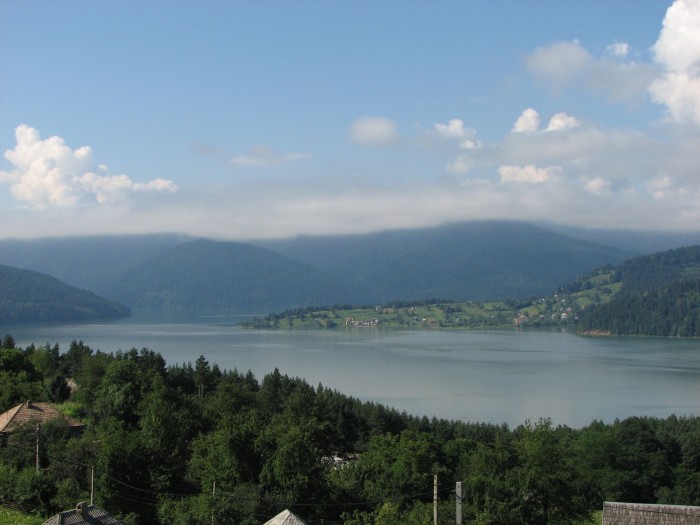
Lake Izvorul Muntelui (Bicaz Lake)
Situat la poalele Ceahlaului, pe cursul superior al raului Bistrita, la 4 km de orasul Bicaz; cunoscut si sub numele de "Lacul Bicaz", este cel mai mare lac...
21.4 km
42.5 km
44.3 km

45.9 km
Neamt, Neamț County
Bistrița Monastery
Situata pe raza satului Bistrita, comuna Alexandru cel Bun, la 8 km vest de municipiul Piatra-Neamt; inceputurile obstei monahale se aseaza in vremea domniei...
23.7 km
Cultural life and traditions
Events in the Agapia Monastery (New Agapia or Agapia in the Valley) area
Medieval festivals, traditional fairs, concerts and local activities recommended in Moldavia.

History and Voivodeship Heritage

Neamt, County of Neamț
The Medieval Festival of Neamț Fortress
Re-enactments of Ștefan’s battles, archery demonstrations with traditional bows, displays of courtly guards, and performances of old court music.
WHEN
July 3-5, 2026


Prehistoric Crafts and Art
Neamt, County of Neamț
The National Pottery Fair “Cucuteni 5000”
The most skilled ceramic artists recreate the spectacular motifs of Europe’s oldest civilisation.
WHEN
June 26-28, 2026

Gastronomy and Wines
Neamt, County of Neamț
The Traditional Festival of Moldovan Wine
A fair featuring wine tastings from the vineyards of Cotnari, Bucium and Panciu, “poale-n brau” pies, and roasted meats cooked on a spit.
WHEN
October 2-4, 2026
On foot, exploration gains depth
Discover the surroundings and local geography
Explore the trails, terrain, and natural landmarks around Agapia Monastery (New Agapia or Agapia in the Valley).

Guides and practical tips
Useful travel articles
Travel guides, practical recommendations and tourist itineraries for Moldavia.

Tourist guide
Top 5 Atracții Turistice și Trasee Montane în Zona Moieciu - Bran
Descoperă cele mai spectaculoase peisaje carstice, chei adânci și cetăți medievale din imediata apropiere a stațiunii Moieciu.

Tourist guide
Ghid de Drumeție: Traseul Moieciu de Sus spre Platoul Bucegi
Un itinerariu montan de o frumusețe rară ce urcă din Valea Băngăleasa spre Poiana Guțanu și crestele maiestuoase ale Bucegilor.

Tourist guide
Castelul Bran: Istorie, Legende și Secrete Medievale
Află adevărata poveste a fortăreței medievale din Pasul Bran, reședința de suflet a Reginei Maria a României.
THE JOURNEY STARTS WITH AN IDEA
The next story is on the way.
From the first stop to the last stay, make room for a new Romania.
