


CASTLE · MOLDAVIA
Neamț Fortress

Neamt, Neamț County
Add location to your trip planner.
Practical access information

VISITING HOURS
Check the local visiting schedule

TICKET PRICE
Information available at the cashier's desk

RECOMMENDED VISIT DURATION
1-2 hours
Sources and external references
Wikipedia Encyclopedia (EN)
Visitor information and guide
 Navigate with Google Maps

ABOUT NEAMȚ FORTRESS
A Fortress on the Frontier of Christian Europe
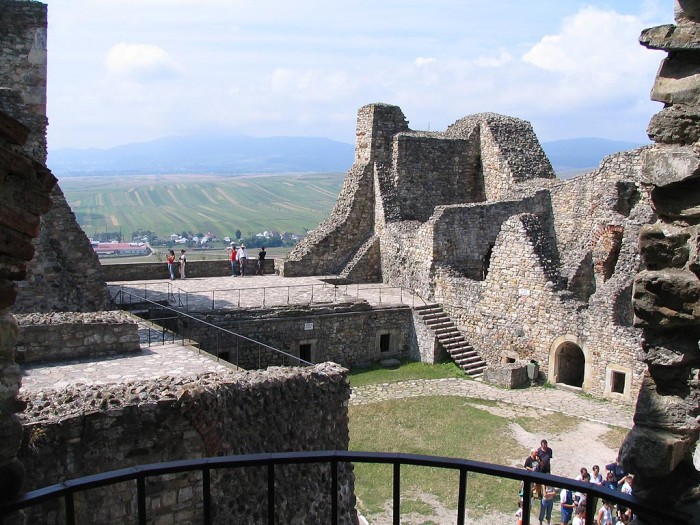
Located on Timuș Rock, on the Pleșul Ridge, at the northwestern edge of Târgu Neamț, Neamț Citadel rises to an altitude of 480 meters, overlooking the rushing waters of the Neamț River from a height of eighty meters. This strategic position, which guarded the intersection of trade routes towards Transylvania and the Siret Valley, places the fortress in a geopolitical context of remarkable complexity, as it was an integral part of the defensive system of the Principality of Moldavia against Ottoman expansion, but also against the ambitions of neighboring Christian kingdoms, the Kingdom of Hungary and Poland. Classified as a historical monument of exceptional value, the citadel represents an essential outpost of Christian Europe on the border with the Islamic world, a place where Western Latin civilization, influenced by Italian Renaissance military architecture and Byzantine tradition, meets the Eastern Orthodox spirit. The view from the ramparts, encompassing the peaks of the Eastern Carpathians and the Târgu Neamț depression, evokes landscapes that have inspired generations of European travelers, from Habsburg diplomats to Romantic poets, transforming the citadel into a point of convergence between the continent's military history and European artistic sensibility.
Historical Roots and the European Context of the 14th Century
Built at the end of the 14th century, during the reign of Peter II Mușat, son of Bogdan I the Founder and nephew of Dragoș, the fortress is first documented on February 2, 1395, at a time of maximum European geopolitical tension. This document, issued in the context of King Sigismund of Luxembourg’s expedition, Holy Roman Emperor and King of Hungary, against Moldavia, marks the principality's entry into the awareness of European chanceries as a distinct political entity, capable of resisting the pressures of major Christian powers. Peter Mușat, continuing his father's policy of consolidating the western borders of the principality, erected this fortification as part of a larger defensive system, similar to that developed concurrently by the Hungarian kings in Transylvania or by the Teutonic Knights in Prussia, adapting, however, local techniques and materials to the standards of European military architecture of the time. Its medieval architecture, made of river stone, greenish sandstone, and quarry stone extracted from local quarries, features a Mușat fortress in the form of a quadrilateral with thick walls three meters wide, supported by eighteen prismatic buttresses and flanked by towers at the corners, a model that recalls the Crusader fortresses in the Holy Land or the fortifications in the Rhine Valley, but transposed into an architectural idiom specific to the Carpathian-Danubian space.
Architectural Masterpiece: From the Mușatin Fortress to the Citadel of Stephen the Great
The period of greatest architectural brilliance and transformation occurs in the 15th century, when Stephen the Great, the most prominent ruler of Moldavia and an emblematic figure of European resistance against the Ottomans, transforms the citadel into an impregnable fortress, comparable to the most advanced citadels in Western Europe during the early Renaissance. The ruler raises the walls by six to seven meters, constructs a new enclosure with four semicircular bastions on the north side, designed according to the principles of the trace italienne developed in Italy and later spread throughout Central Europe, and digs a deep defensive moat crossed by an arched bridge supported by eleven stone pillars. This ingenious system includes a movable bridge and traps for enemies, representing a local adaptation of European military innovations, such as the defense systems of citadels in Bohemia or the fortified palaces in Poland under Casimir the Great. The enclosure walls, with a thickness reaching four meters in certain areas, are equipped with merlons and embrasures for arquebuses and cannons, military technology that enters Moldavia along with Western influences and the need to counter the increasingly powerful Ottoman artillery after the fall of Constantinople in 1453. The corner towers, with heights varying between twenty and thirty meters, offer strategic observation points over the surrounding valleys, while the inner courtyards house buildings with diverse functions, from the residence of the castellan to the chapel dedicated to Saint Nicholas, reflecting the syncretism between military functionality and Orthodox spirituality characteristic of royal courts in the Balkans and Southeastern Europe.
Legendary Sieges and European Diplomacy
The Neamț Fortress witnessed decisive moments in European history, when the fate of great empires was decided within its walls. In 1476, after the defeat at Războieni, also known as Valea Albă, Sultan Mehmed II the Conqueror, who had conquered Constantinople twenty-three years earlier, besieged the fortress for eight days, convinced that Stephen the Great had taken refuge there. This episode represents a crucial moment in the Ottoman expansion towards Central Europe, when the sultan tried to transform Moldavia into a vassal state, similar to Wallachia, but the fortress walls withstood the intense bombardment of Ottoman artillery. According to tradition, a German prisoner from the keep, knowledgeable about siege techniques, suggested using cannons captured from the Ottomans against the attackers, a military innovation that anticipated the artillery strategies in later European wars. More than two centuries later, in 1691, the army of King John III Sobieski of Poland, the famous victor at Vienna in 1683, encountered the heroic resistance of a small group of nineteen plăieși, Moldavian border soldiers. This episode, masterfully described by Costache Negruzzi in the novella "Sobieski and the Romanians," illustrates the direct involvement of the Polish-Lithuanian Commonwealth in Moldavian politics and has entered collective memory as a symbol of Moldavian courage against great Christian powers. The Habsburg intervention in 1717, led by Captain François Ernaut de Lorraine in the context of the wars between the Habsburg Empire and the Ottoman Empire, marks the last chapter of European powers' involvement in Moldavian politics. Concluded with the partial destruction of the fortress in 1718, on the orders of the Ottoman Porte, through Prince Michael Racoviță, a vassal of the sultan, following the Treaty of Karlowitz in 1699, this act symbolizes the final subjugation of Moldavia to the Ottoman Empire and the end of direct Habsburg influence in the region.
The Romantic Revival and the Living Heritage
After a century and a half of ruin, when the abandoned walls of the fortress became a place of pilgrimage for European and Romanian Romantic writers such as Dimitrie Bolintineanu, Mihail Sadoveanu, Alexandru Vlahuță, or historian Nicolae Iorga, who evoked the melancholy of a glorious past, Neamț Fortress experienced a spectacular revival in the 20th century. The interwar period brought the first attempts at conservation, followed by systematic consolidation between 1968 and 1972, when Romanian archaeologists and architects began the process of saving the monument. However, the real transformation came through an extensive rehabilitation project financed by the European Union's Phare 2004-2006 program and carried out between 2007 and 2009, with an investment of 2.5 million euros, which brought the monument back into the international tourist circuit on July 4, 2009. Today, the twenty-one reconstructed rooms offer visitors an authentic immersion in the life of a border garrison from the 15th to 17th centuries. The council and judgment hall, with its carved wooden furniture and the voivode's throne, evokes the atmosphere of princely courts, while the prison, with its chained mannequins and displayed torture instruments, illustrates the harshness of the medieval judicial system. The weapons room presents an impressive collection of swords, halberds, and arquebuses, comparable to those in the military museums of Vienna or Warsaw, and the St. Nicholas chapel, with its restored mural painting, reflects the influence of Byzantine and post-Byzantine art on Moldavian spirituality. The voivode's chamber, with its specific furniture and displayed historical documents, completes the portrait of an era when the border between Western and Eastern civilizations was both permeable and conflictual.
A Practical Guide and the Contemporary Visitor's Experience
Located at number 1 Arcașului Street, in close proximity to the historic center of Târgu Neamț, the fortress is open to the public from Tuesday to Sunday, between 10:00 AM and 6:00 PM, and closed on Mondays. This schedule allows visitors to admire both the morning light on the old stones and the sunset that colors the bastions in shades of bronze. Access is via a picturesque forest road or stone steps leading up to the Pleșului ridge, an experience that prepares the visitor for the exceptional panorama from the ramparts. From here, the view extends over the Neamț Valley, also known as Țara Lemnului (the Land of Wood), and over the peaks of the Eastern Carpathians, offering a vista that has inspired generations of poets and European travelers, from Prince Dimitrie Cantemir, an erudite figure of the European Enlightenment, to Ion Creangă, the great storyteller born near Humulești, whose childhood unfolded in the shadow of these mountains. The fortress's annual celebration, held on July 2nd, honors the memory of Stephen the Great and includes historical reenactments, medieval music concerts, and craft workshops, transforming the monument into a vibrant cultural center. Visiting the fortress fits perfectly into a broader cultural itinerary of the region, including the Neamț Monastery, the oldest and most important Orthodox spiritual center in Moldova, the Secu Monastery, founded by Stephen the Great, or the city of Piatra Neamț, with its modern cable car that provides access to the Cozla massif. For the cultivated European traveler, the Neamț Fortress represents not only a remarkable military monument but also a meeting point between the history of great empires – Ottoman, Habsburg, Polish, and Russian – and the essence of a civilization that knew how to defend its identity on the border between worlds, preserving its uniqueness in a constantly changing continental context.
Media gallery
Discover Neamț Fortress in pictures

55 photos · Architecture, courtyards and captivating details


Image source: Wikimedia Commons · Public domain photos · Free license
STAY A FEW DAYS, DISCOVER THE MAGIC
Accommodation in the Neamț Fortress area

Guesthouse · 3 stars

Târgu Neamţ, Neamț County · 0.4 km
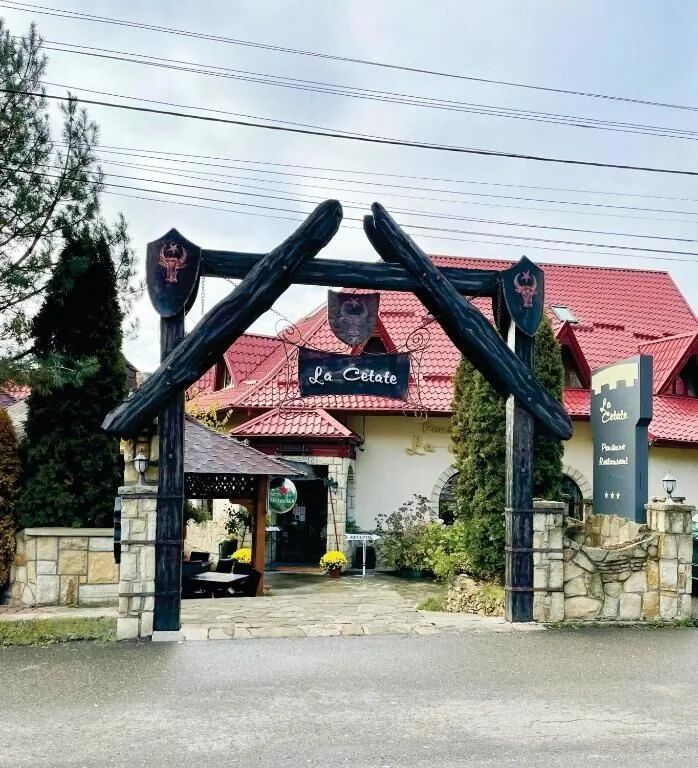
Pensiunea La Cetate Târgu Neamţ
Pensiunea La Cetate Târgu Neamţ este o pensiune turistică situată în orașul Târgu Neamţ, județul Neamț. Vă punem la dispoziție camere confortabile pentru șederea dumneavoastră, împreună cu un restaurant în incintă și un bar unde puteți savura băuturi într-o atmosferă relaxantă. Bucătăria noastră prepară atât mâncare tradițională românească, cât și specialități din bucătăria internațională. De asemenea, oferim Wi-Fi gratuit în întreaga unitate și parcare privată gratuită pentru toți oaspeții. Pentru familiile cu copii mici, punem la dispoziție scaun înalt la cerere. În apropiere puteți vizita Cetatea Neamț, Muzeul Memorial Ion Creangă din Humulești, Mănăstirea Agapia, Mănăstirea Neamț și Casa Memorială „Mihail Sadoveanu”. Zona oferă, de asemenea, acces la drumeții montane și trasee în natură, ideale pentru iubitorii de mișcare în aer liber. Puteți organiza evenimente precum nunți, aniversări sau petreceri, având la dispoziție un restaurant cu 200 de locuri și servicii de cazare și masă pentru grupuri. Vă așteptăm pe strada Cetatii numărul 33, unde veți beneficia de parcare gratuită pe toată durata șederii dumneavoastră.
FROM
240 lei per night

Holiday home · 3 stars
Târgu Neamţ, Neamț County · 1.0 km
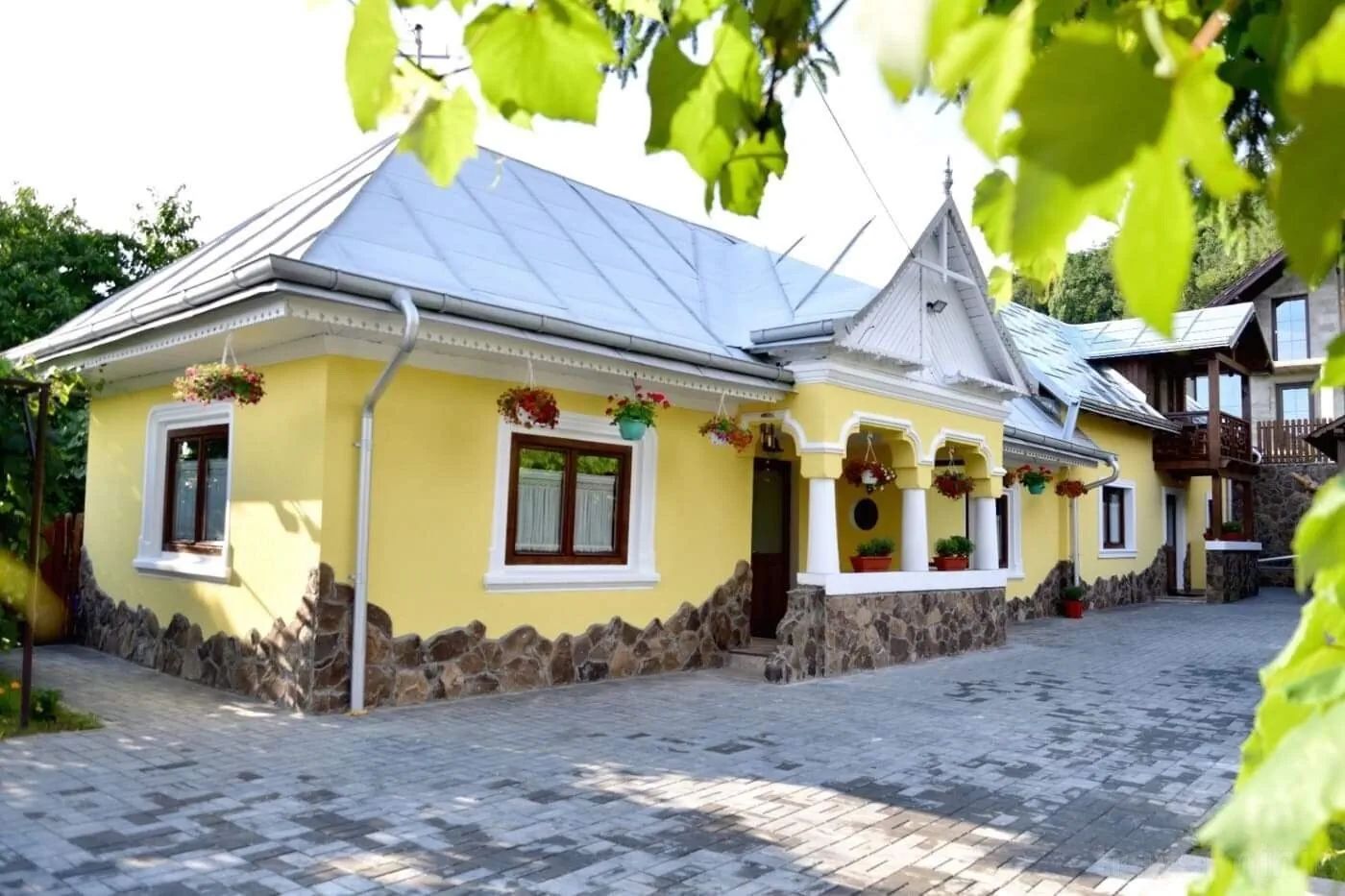
Căsuța de Poveste Târgu Neamț
Într-o curte generoasă, împrejmuită și plină de verdeață, Căsuța de Poveste din Târgu Neamț vă așteaptă într-un cadru liniștit, departe de aglomerația stradală, oferind intimitatea unei locuințe întregi. Unitatea pune la dispoziția dumneavoastră două camere amenajate cu grijă și confort, fiecare dotată cu baie proprie, aer condiționat și conexiune Wi-Fi gratuită. Animalele de companie sunt binevenite fără costuri suplimentare, iar personalul vorbește limba engleză, franceză și italiană pe lângă română. În exterior, grădina amenajată și curtea mare oferă un spațiu generos pentru relaxare și activități în aer liber, iar facilitățile de gătit precum grătarul și ceaunul sunt ideale pentru seri petrecute împreună. Parcare privată gratuită este asigurată în incintă, iar accesul este facilitat pentru persoanele cu dizabilități. În apropiere puteți vizita Cetatea Neamț, Muzeul Memorial Ion Creangă din Humulești, Mănăstirea Agapia, Mănăstirea Neamț și Casa Memorială „Mihail Sadoveanu”. Este alegerea potrivită pentru familiile cu copii sau grupurile de prieteni care doresc să exploreze patrimoniul cultural și spiritual al zonei Neamțului într-un ambient intim, departe de zgomotul orașului.
FROM
280 lei per night
Apartment · 3 stars
Târgu Neamţ, Neamț County · 1.4 km
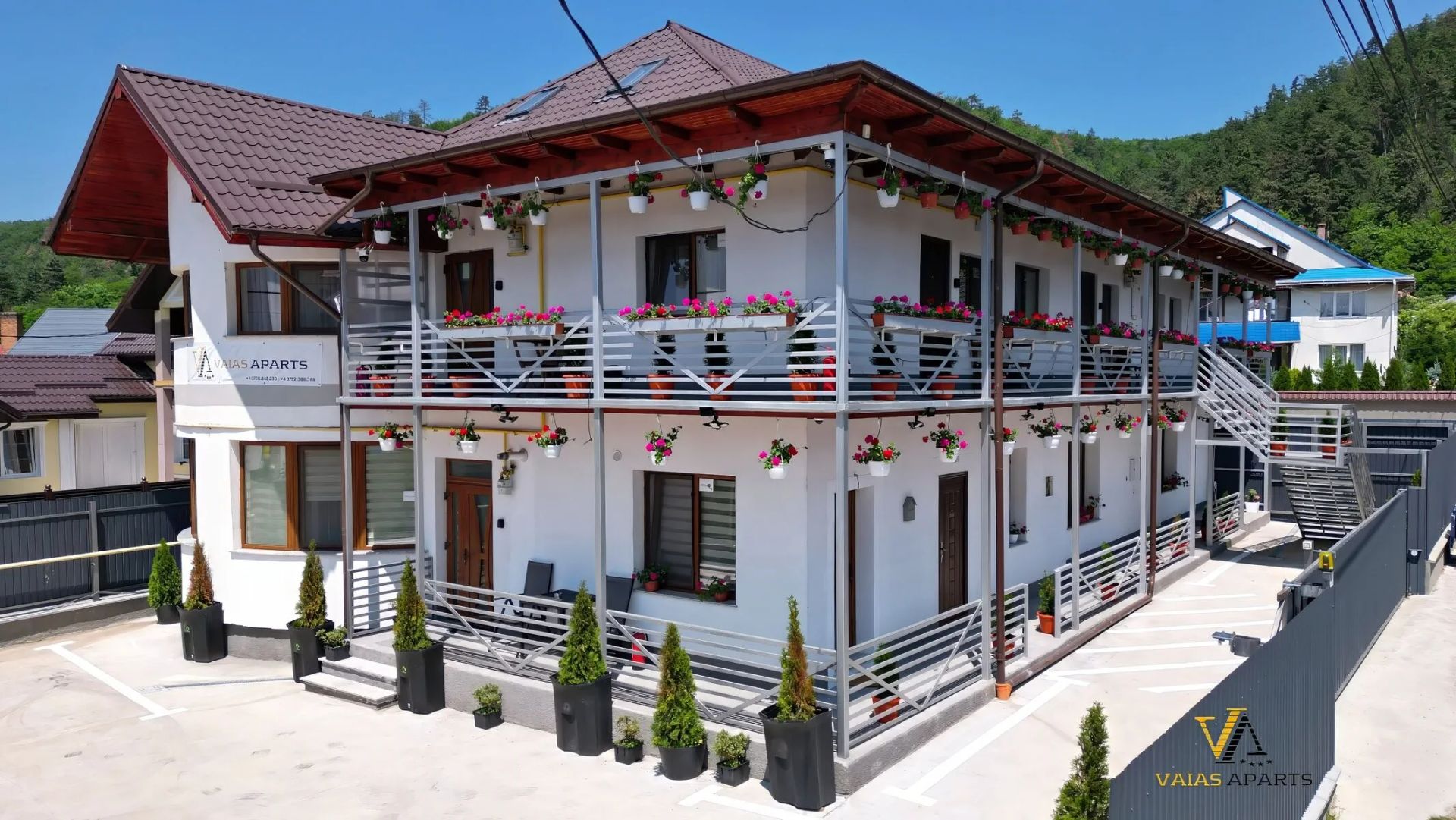
Apartamentele Vaias Târgu Neamț
O zi petrecută aici poate începe cu o sesiune de yoga în aer liber și se poate încheia cu o seară plină de muzică la karaoke, la Apartamentele Vaias din Târgu Neamț. Unitatea oferă numeroase facilități pentru relaxare și activități în aer liber. Vă puteți bucura de un grătar în curtea mare, de un șemineu în aer liber sau de un ceaun pentru gătit, într-o grădină amenajată cu un foișor. Aveți acces direct la lac sau ponton, puteți închiria o barcă sau practica pescuitul, iar pentru mișcare aveți la dispoziție un teren de tenis și un teren de fotbal. Pentru cei mici, există un loc de joacă la exterior, pătuț pentru bebeluși și scaun înalt. De asemenea, sunt disponibile servicii de masaj și room service, stație de încărcare pentru vehicule electrice, parcare privată gratuită și Wi-Fi gratuit în toată proprietatea. Există și facilități precum fier de călcat, depozit pentru bagaje, parcare pentru biciclete și acces pentru persoane cu dizabilități, alături de sesiuni de aerobic. În apropiere puteți vizita Cetatea Neamț, Muzeul Memorial Ion Creangă din Humulești, Mănăstirea Agapia, Mănăstirea Neamț și Casa Memorială „Mihail Sadoveanu”, pentru a descoperi istoria și spiritualitatea zonei. Seara, după o zi de drumeții montane pe traseele din natură, vă puteți relaxa în curte la vatră de foc.
FROM
230 lei per night
Cabin · 3 stars
Oglinzi, Neamț County · 1.6 km
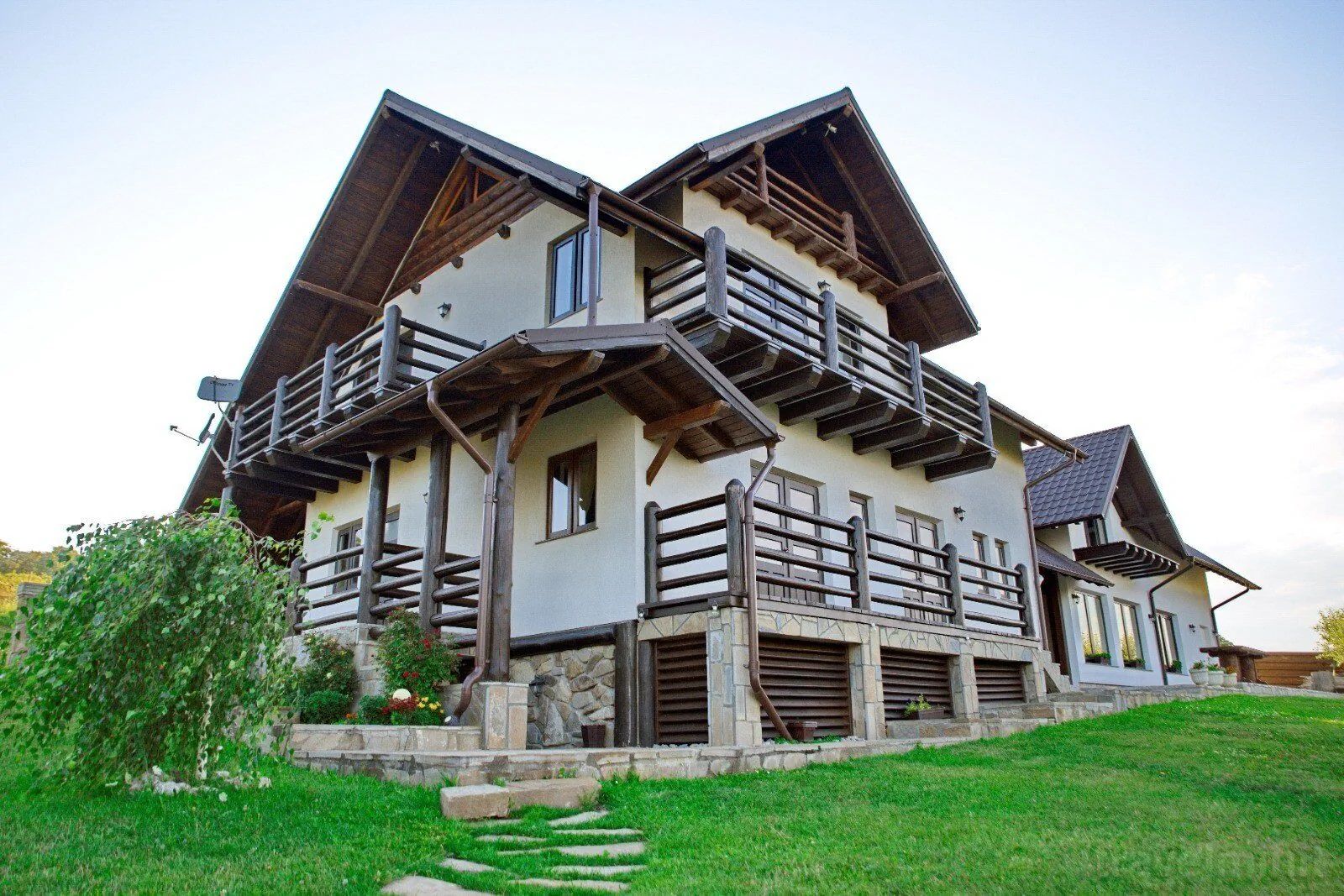
Cabana Plăieșul Oglinzi
Comfort, relaxation and stunning views, all just steps away from the main attractions.
FROM
270 lei per night
Apartment · 3 stars
Târgu Neamţ, Neamț County · 1.7 km
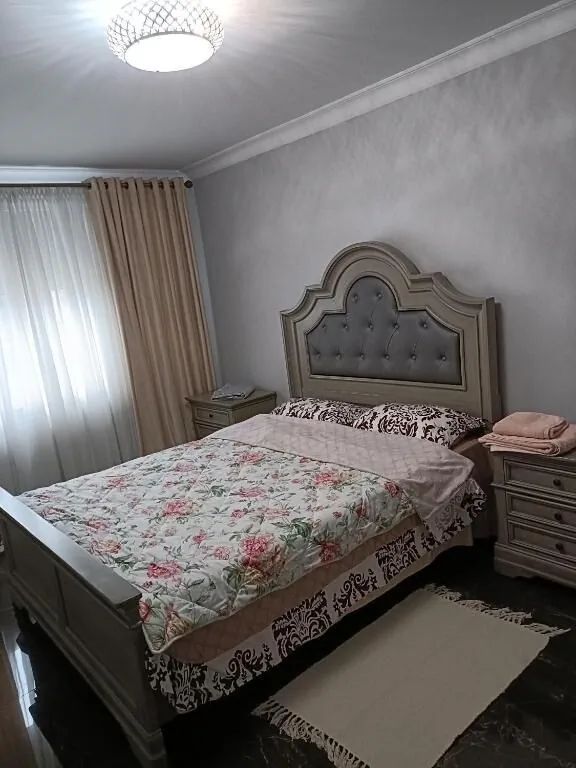
Apartament Residence Manu Târgu Neamț
O zi petrecută aici începe cu acces rapid la internet prin Wi-Fi gratuit și cu liniștea unei parcări private gratuite, după care vă puteți bucura de cele trei camere ale Apartament Residence Manu din Târgu Neamț, situat în județul Neamț. Unitatea pune la dispoziția dumneavoastră o conexiune la internet și un loc de parcare privat, astfel încât să vă simțiți comod încă de la sosire. Check-in-ul se face de la ora 14:30, iar predarea camerei până la ora 10:00, iar plata rezervării se poate realiza prin transfer bancar. În apropiere puteți vizita Cetatea Neamț și Muzeul Memorial Ion Creangă din Humulești, două repere importante care vă oferă ocazia de a descoperi istoria și tradițiile autentice ale zonei. De asemenea, aveți prilejul să descoperiți Mănăstirea Agapia, Mănăstirea Neamț și Casa Memorială „Mihail Sadoveanu”, obiective culturale și spirituale care se află în această regiune și care completează experiența dumneavoastră. Vă așteptăm la Apartament Residence Manu, unde la recepție se vorbește în limba română și adresa de pe strada Cuza Vodă A11 asigură acces facil către toate atracțiile menționate.
FROM
230 lei per night
Guesthouse · 3 stars
Răuceşti, Neamț County · 1.8 km
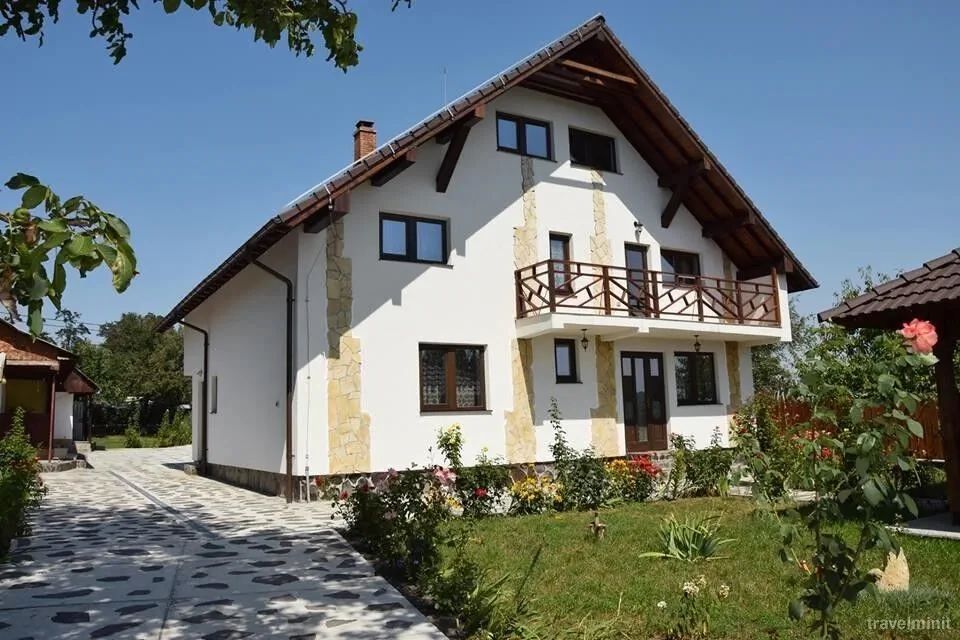
Pensiunea Georgiana Răucești
Pensiunea Georgiana Răucești este o pensiune turistică clasificată cu 3 stele, situată în localitatea Răucești din județul Neamț. Adresa unității este drumul Băile oglinzii 44, iar amplasamentul oferă un cadru liniștit și primitor pentru sejurul dumneavoastră în această zonă. Pentru confortul dumneavoastră, unitatea pune la dispoziție parcare privată gratuită și acces Wi-Fi gratuit în toate zonele. Curtea mare și grădina amenajată reprezintă un spațiu generos pentru relaxare și plimbări, în timp ce copiii se pot juca în siguranță în locul de joacă special amenajat la exterior. Pentru seri plăcute petrecute împreună cu familia sau prietenii, aveți la dispoziție un grătar sau barbeque, precum și un ceaun pentru prepararea mesei în aer liber. În apropiere se află numeroase obiective turistice deosebite care merită vizitate în timpul șederii dumneavoastră: Cetatea Neamț, Muzeul Memorial Ion Creangă din Humulești, Mănăstirea Agapia, Mănăstirea Neamț și Casa Memorială „Mihail Sadoveanu”. Aceste atracții oferă oportunități variate de explorare culturală și istorică în această parte a țării. Vă așteptăm cu drag la Pensiunea Georgiana Răucești.
FROM
240 lei per night
BEFORE YOU HIT THE ROAD
Weather conditions in Neamt
Local forecast for Neamț Fortress, Neamt, Neamț

Real-time updated weather data
Much more to explore in this area
Nearby tourist attractions


Suceava, Suceava County
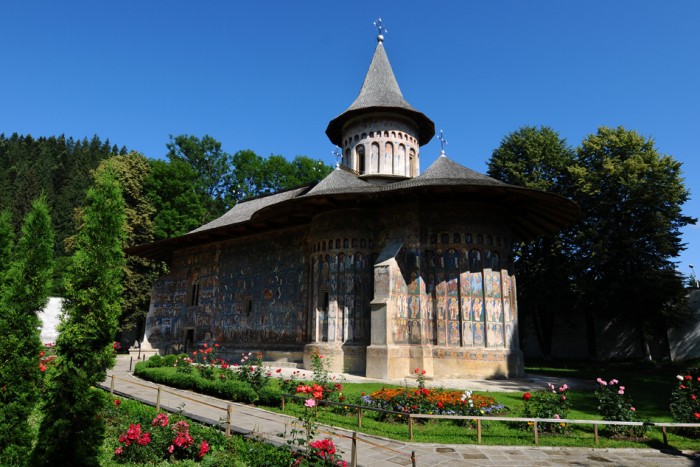
Voroneț Monastery
Situata in localitatea Voronet, la cca. 4 km de Gura Humorului si 35 km de Suceava; accesul se face din Gura Humorului, pe DJ177D; ctitorie a lui Stefan cel...
49.4 km
Neamt, Neamț County
Ceahlău National Park
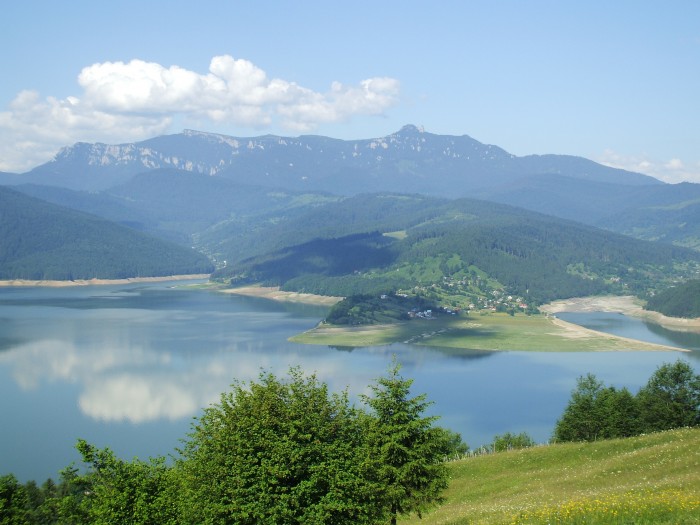
Situat la 10 km de Bicaz, in vestul judetului; incadrat in cuprinsul Masivului Ceahlau, localizat in grupa centrala a Carpatilor Orientali, in partea de sud-est...
40.0 km
Neamt, Neamț County
Neamț Monastery
Situata pe raza comunei Vanatori-Neamt, la 15 km nord-vest de Targu Neamt; atestata documentar pentru prima data in 1407, pe vremea lui Alexandru cel Bun; in...
12.4 km

România, Transylvania
Vârful Toaca, Masivul Ceahlău
Vârful Toaca, Masivul Ceahlău (munte sau masiv) în județul România.
29.1 km
România, Transylvania
Vârful Ocolașul Mare, Munții Ceahlău
Vârful Ocolașul Mare, Munții Ceahlău (munte sau masiv) în județul România.
41.8 km

Suceava, Suceava County
Saint John the New Monastery of Suceava
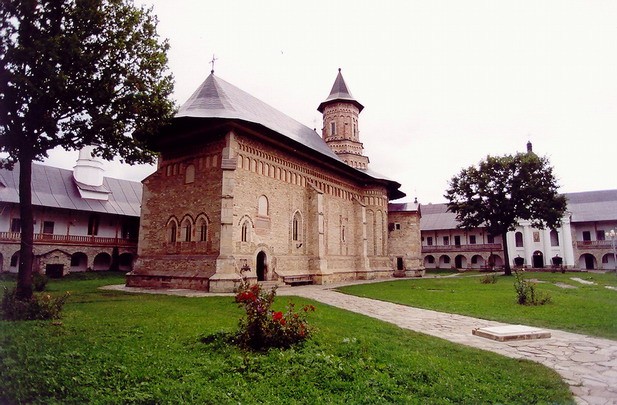
Situata pe strada Ion Voda Viteazul nr. 2, Suceava; inceputa de voievodul Bogdan al III-lea, fiul lui Stefan cel Mare, in 1514, constructia a fost terminata in...
47.9 km
Neamt, Neamț County
Agapia Monastery (New Agapia or Agapia in the Valley)
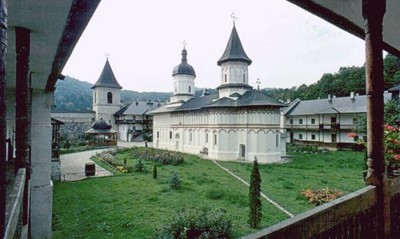
Manastirea Agapia este situata pe valea paraului Agapia, la poalele culmii Magura, pe raza comunei Agapia, localizata la 12 km sud de municipiul Targu Neamt;...
9.8 km
Probota, Suceava County
Probota Monastery
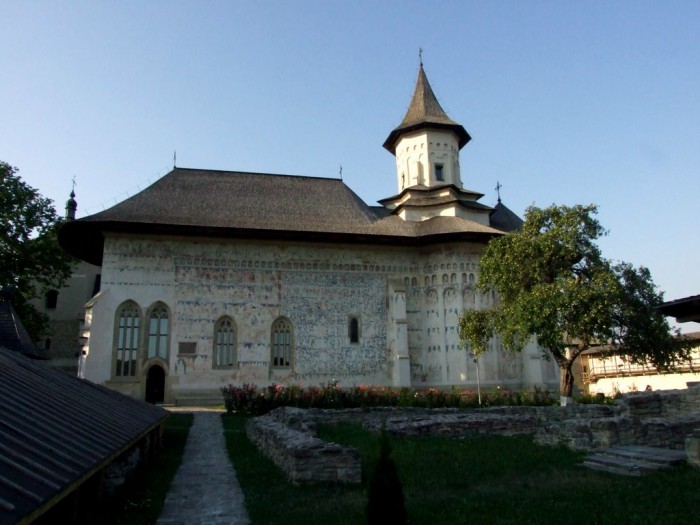
Situata in satul Probota, oras Dolhasca, la 27 km sud-est de Falticeni; accesul se face din Falticeni spre Dolhasca, pe DJ208, 25 km, apoi dreapta in Dolhasca...
27.7 km
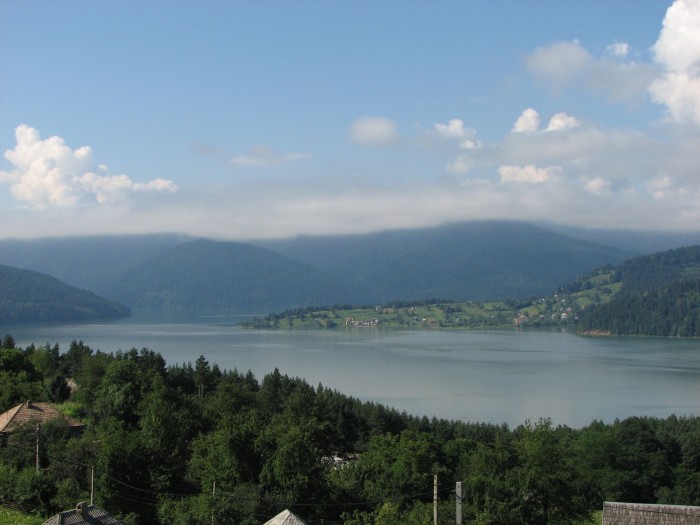
Neamt, Neamț County
Lake Izvorul Muntelui (Bicaz Lake)
Situat la poalele Ceahlaului, pe cursul superior al raului Bistrita, la 4 km de orasul Bicaz; cunoscut si sub numele de "Lacul Bicaz", este cel mai mare lac...
30.9 km
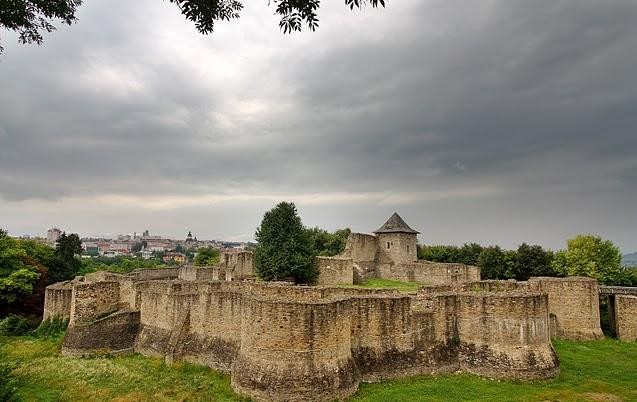
Suceava, Suceava County
Suceava Princely Fortress
Situata la capatul Aleei Cetatii, municipiul Suceava; mentionata pentru prima data la 10 februarie 1388, intr-un document al voievodului Petru I Musat;...
48.2 km

49.6 km
49.7 km
Cultural life and traditions
Events in the Neamț Fortress area
Medieval festivals, traditional fairs, concerts and local activities recommended in Moldavia.

History and Voivodeship Heritage

Neamt, County of Neamț
The Medieval Festival of Neamț Fortress
Re-enactments of Ștefan’s battles, archery demonstrations with traditional bows, displays of courtly guards, and performances of old court music.
WHEN
July 3-5, 2026


Prehistoric Crafts and Art
Neamt, County of Neamț
The National Pottery Fair “Cucuteni 5000”
The most skilled ceramic artists recreate the spectacular motifs of Europe’s oldest civilisation.
WHEN
June 26-28, 2026

Gastronomy and Wines
Neamt, County of Neamț
The Traditional Festival of Moldovan Wine
A fair featuring wine tastings from the vineyards of Cotnari, Bucium and Panciu, “poale-n brau” pies, and roasted meats cooked on a spit.
WHEN
October 2-4, 2026
On foot, exploration gains depth
Discover the surroundings and local geography
Explore the trails, terrain, and natural landmarks around Neamț Fortress.

Guides and practical tips
Useful travel articles
Travel guides, practical recommendations and tourist itineraries for Moldavia.

Tourist guide
Top 5 Atracții Turistice și Trasee Montane în Zona Moieciu - Bran
Descoperă cele mai spectaculoase peisaje carstice, chei adânci și cetăți medievale din imediata apropiere a stațiunii Moieciu.

Tourist guide
Ghid de Drumeție: Traseul Moieciu de Sus spre Platoul Bucegi
Un itinerariu montan de o frumusețe rară ce urcă din Valea Băngăleasa spre Poiana Guțanu și crestele maiestuoase ale Bucegilor.

Tourist guide
Castelul Bran: Istorie, Legende și Secrete Medievale
Află adevărata poveste a fortăreței medievale din Pasul Bran, reședința de suflet a Reginei Maria a României.
THE JOURNEY STARTS WITH AN IDEA
The next story is on the way.
From the first stop to the last stay, make room for a new Romania.
