


PLACE OF WORSHIP · MARAMURES
Bârsana Wooden Church

Maramureș, Maramureș County
Add location to your trip planner.

Practical access information

VISITING HOURS
Check the local visiting schedule

TICKET PRICE
Information available at the cashier's desk

RECOMMENDED VISIT DURATION
30-60 minutes
Sources and external references
Wikipedia Encyclopedia (EN)
Visitor information and guide
 Navigate with Google Maps

ABOUT BÂRSANA WOODEN CHURCH
Captivating Introduction and Heritage Significance
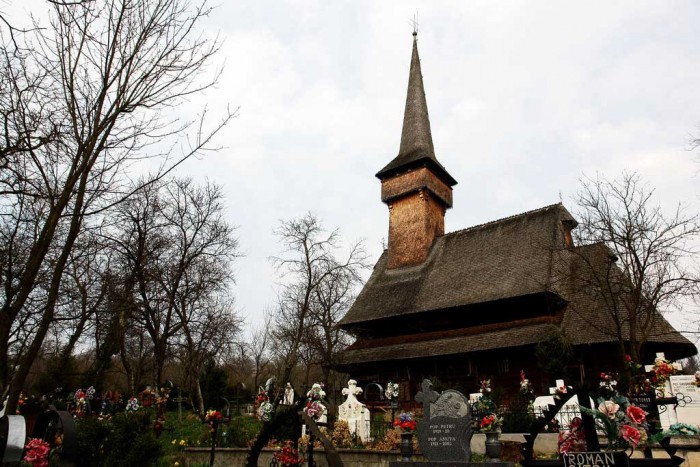
In the heart of historic Maramureș, where the valleys of the Iza and Cosău rivers meet beneath the open skies of the Eastern Carpathians, a wooden tower ascends as if supporting the very vault of the northern heavens. The Bârsana Wooden Church is not merely a religious monument but a vertical axis mundi, a prayer column carved from oak and fir, seamlessly merging Byzantine spirituality with Baroque elegance in a unique architectural symphony found nowhere else in Europe. Built in 1711 during a period when Maramureș was part of the Habsburg Monarchy, this church stands as an act of faith born from profound gratitude for the survival of a community decimated by plague. It later became a symbol of Romanian cultural resilience in the face of historical adversities. In December 1999, UNESCO inscribed it on the World Heritage List alongside seven other wooden churches of Maramureș, recognizing the exceptional universal value of this group of monuments, which exemplify a specific architectural tradition of the Carpathian region, where wood becomes living stone and prayer petrified in verticality. For the sophisticated European traveler, Bârsana offers a journey back in time to the 18th century, when the boundaries between East and West were more permeable than geographical frontiers, and sacred art borrowed generously from the visual libraries of the Byzantine Empire and the Baroque courts of Vienna and Prague.
Historical Roots and Major European Connections
The year 1710 marks a turning point in Central European history, when a devastating plague epidemic swept through the territories of the Habsburg Monarchy, from Vienna to Transylvania. Against this tragic backdrop, the noble priest Ioan Ștefanca—likely united with Rome at the time, reflecting the complex confessional landscape of Transylvania under Habsburg rule after 1691, when the Greek Catholic Church played a crucial role in preserving Romanian identity and shaping the religious policies of the Viennese court—founded this sanctuary together with his sons and the village community. The religious context of the founder mirrors the intricate religious policies of the Habsburgs in Transylvania, who promoted the Union with Rome as a tool to consolidate imperial authority and counter the Orthodox influence supported by the Ottoman Empire and the emerging Tsarist Russia. His act of thanksgiving to God for protecting the community during the terrible epidemic places the church’s foundation within a broader European context, akin to the numerous votive churches built in Bavaria, Austria, and Silesia after the great plague epidemics of the 17th and early 18th centuries.
Over time, the church underwent two significant relocations that connect it to the major dramas of Southeastern Europe. Around 1739, the sanctuary was moved to the Iza Valley, to the site of a cemetery that emerged after the battles with the Tatars in 1717—devastating raids by the Crimean hordes, vassals of the Ottoman Empire, which burned and looted the villages of Maramureș, then part of the Habsburg military frontier. This relocation transformed the church into a sacred cenotaph, consecrating the land where the dead from the Ottoman invasions were buried, much like how medieval European cathedrals were built on battlefields or holy graves. In 1795, a new epidemic—possibly a recurrence of plague or cholera, diseases that frequently ravaged the territories of the Austro-Hungarian Empire—prompted a second move, to the center of the village, on land sanctified by the victims of this new sanitary catastrophe. These successive displacements reflect a practice specific to the Carpathians, also found in southern Poland or the Carpathian Ukraine, but developed in Maramureș in a unique form, where the church becomes a mobile monument, a bearer of collective memory and the sacred.
Architectural Masterpiece: The Noble Wood Tradition and the Echo of the Gothic
The Bârsana Church is constructed from timber logs assembled using the blockbau technique, a construction method originating in the Alpine regions of Central Europe—found in Swiss chalets, Bavarian farms, and Norwegian stave churches—adapted here to the specificities of the high Carpathians. Its rectangular plan with a polygonal apse in retreat and the two-level porch on the western side evoke the silhouettes of Gothic Hallenkirchen from Germany, but executed in wood, a material that lends the structure a dizzying verticality. With a total tower height of approximately 52 meters, it ranks among the tallest wooden sacred structures in Europe, rivaling the towers of Gothic churches in Lübeck or Bruges, yet built entirely from fir and oak, materials that seem to breathe in unison with the community’s prayers. The bell chamber in corbel, open through arcades on pillars, and the high pyramidal roof represent a reinterpretation in wood of Gothic aspirations toward the heavens, while the double eaves highlight the elegance of proportions and add a touch of Baroque refinement, influenced by the architecture of the imperial courts of Vienna and Prague, which permeated 18th-century Transylvania through Austrian and Italian craftsmen. Inside, the vault with a polygonal section on consoles marks a remarkable departure from the Romanesque and Byzantine semicylindrical tradition, approaching the spatial experiments of the Late Baroque, while the exterior porches impress with their arcades on sculpted pillars and tracery parapets, elements reminiscent of Italian Renaissance loggias, but recreated in wood by anonymous local craftsmen. These architectural features, specific to the Land of Maramureș, reflect a unique synthesis between the local building tradition, inherited from centuries of isolation in the mountains, and the Baroque influences that entered the region with the stability brought by Habsburg administration.
Mural Painting: The Dialogue Between Byzantium and the Baroque
The interior of the church was repainted in 1806 by the artist Toader Hodor from Vișeu de Mijloc, who brought to Maramureș the spirit of Western Baroque and Rococo art, at a time when these movements dominated sacred art throughout the Habsburg Empire, from St. Stephen’s Cathedral in Vienna to the churches of Prague and Budapest. Hodor’s style aligns with the Transylvanian Baroque school represented by painters from the courts of the princes of Alba Iulia or Cluj, influenced by Italian and Austrian art through engravings circulating in the libraries of Saxon cities like Sibiu and Brașov. The iconographic program reveals a sophisticated fusion between the post-Byzantine tradition and the European aesthetics of the era: the nave’s vault depicts the Ascension of the Prophet Elijah and the Assembly of the Archangels with allusions to the Last Judgment, themes common in Eastern iconography, but treated with a compositional dynamism and illusionistic perspective specific to Italian and Austrian Baroque. The altar vault presents the Coronation of the Virgin Mary, a theme of Western origin inspired by Catholic art—think of the canvases of Rubens or Murillo—and rarely encountered in strictly Byzantine iconography, a sign that Hodor was influenced by the art of the Counter-Reformation and the circulation of European religious engravings in Transylvania. The nave’s paintings develop in parallel the cycle of Genesis with twenty detailed episodes and the Passion of Christ, narratives reminiscent of the biblical cycles in the medieval Biblia Pauperum, but rendered with Rococo finesse and a chromatic sensitivity akin to the Viennese school of painting. The iconostasis follows a rigorous theological logic, from All Saints’ Sunday to the Crucifixion, preserving the traditional Orthodox structure, while the figurative compositions and ornaments borrow the elegance and theatricality of secular Baroque. This creation represents Hodor’s most coherent decorative ensemble, surpassing the strictly Byzantine iconographic tradition through its compositional dynamism and Baroque ornamentation, placing Bârsana in dialogue with the great mural painting schools of Central Europe.
Movable Heritage and the Sacred Art of Wood
The movable heritage of the church, meticulously restored by Sanda and Pavel Bucur in an exemplary conservation effort, is now preserved at the Bârsana Monastery Museum, while the original place of worship remains unelectrified, offering visitors an authentic experience illuminated by candlelight. The royal doors, crafted using the openwork technique with serpentine vegetal motifs, and the icons framed in Baroque arcades with grapevine clusters illustrate the artistic unity of the sacred space, reminiscent of the sculpted doors of Moldavian monasteries—such as those at Voroneț or Sucevița—but with Rococo ornamentation specific to the 18th century. These pieces of movable heritage bear witness to an era when the sacred art of Maramureș stood at the crossroads between the Byzantine iconographic tradition, inherited through the School of Putna and the monasteries of northern Moldavia, and the Western influences brought by Franciscan and Jesuit monks present in Transylvania. The restoration carried out by the Bucur family reflects European standards for the conservation of wooden heritage, similar to those applied to the UNESCO-listed wooden churches of Poland or Slovakia, highlighting both the material structure and the spiritual value of the liturgical objects.
Legends, Founders, and Turning Points
The figure of the founder, Ioan Ștefanca, remains shrouded in mystery—a noble priest who knew how to unite faith with communal responsibility during a time of hardship. Legend has it that after the plague claimed lives in every household in Bârsana, Ștefanca gathered the surviving villagers and, together, they erected this temple as a pillar of hope. When autumn mist settles over the Iza Valley, the church’s tower seems to float above the clouds, a guiding beacon for lost souls, just as it once guided travelers along the winding roads of Maramureș. The first relocation, in 1739, to the Iza Valley, took place in a time of collective mourning, when the community had to move the church across rivers and hills to place it on land sanctified by the innocent blood of the victims of the Tatars in 1717—those lightning raids by the Crimean cavalry that burned the villages of Maramureș, echoing the Mongol invasions of the 13th century, but within the context of the Habsburg-Ottoman wars. The second relocation, in 1795, to the center of the village, marks the community’s maturation and the transformation of the church into a stable spiritual landmark, after another epidemic once again claimed lives. These two moves were not mere logistical operations but spiritual turning points, during which the church became a sacred archipelago, drifting from one memorial site to another, gathering around it the memory of the departed and the hope of the living.
Practical Visitor’s Guide and Contemporary Experience
To visit the Bârsana Wooden Church, the European traveler must venture into the heart of Maramureș, a region in northern Romania on the border with Ukraine, accessible via the towns of Sighetu Marmației or Baia Mare. UNESCO’s recognition in 1999 placed the church on a prestigious European cultural circuit, alongside the other seven Maramureș wooden monuments—Budești, Desești, Sârbi, Plopiș, Poienile Izei, and Hărnicești—forming a unique itinerary in Europe for lovers of wooden architecture. The visit should be complemented by a stop at the Bârsana Monastery Museum, located nearby, where the restored movable heritage, including the royal doors and icons, is preserved, offering a complete picture of the site’s spirituality. The original, unelectrified church is visited in quiet, by daylight or candlelight, providing an atmosphere of profound contemplation, far from urban crowds. Nearby, the new Bârsana Monastery, an impressive monastic complex built in the traditional style, features the tallest wooden church in the world, further enriching the spiritual experience. For information on visiting hours and fees, visitors are advised to consult the local schedule or inquire at the ticket office. It is recommended to visit the monument on clear days, when sunlight filters through the narrow windows, revealing the brilliance of the Baroque murals on the wooden vaults.
Media gallery
Discover Bârsana Wooden Church in pictures

19 photos · Architecture, courtyards and captivating details


Image source: Wikimedia Commons · Public domain photos · Free license
STAY A FEW DAYS, DISCOVER THE MAGIC
Accommodation in the Bârsana Wooden Church area

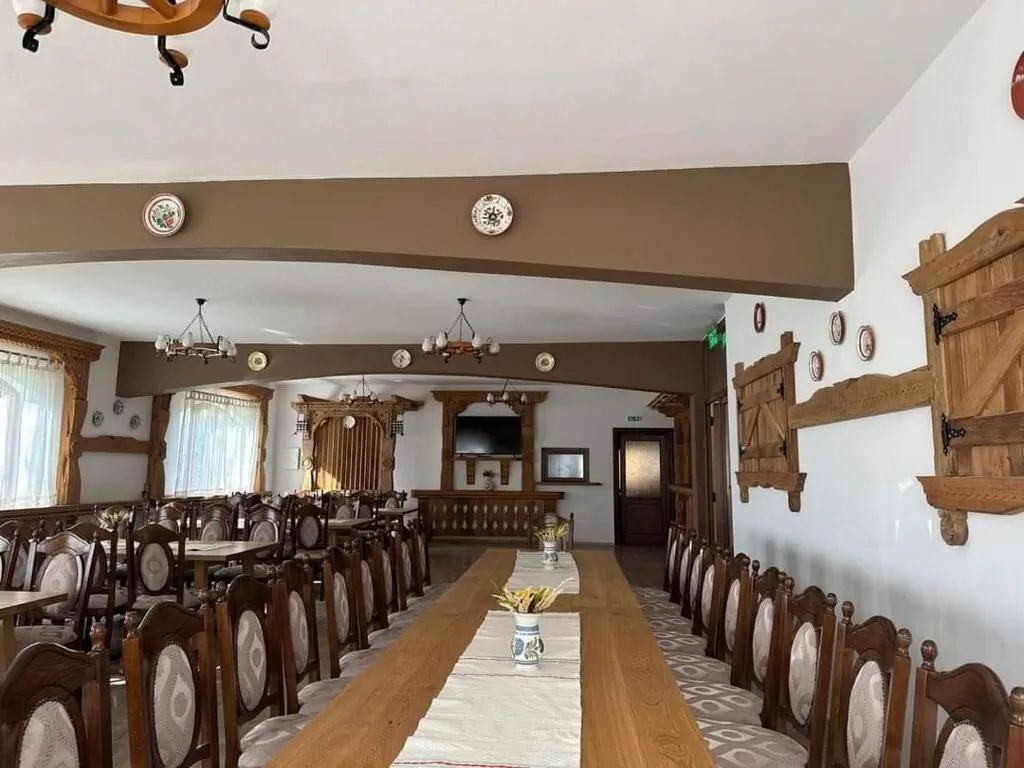
Guesthouse · 3 stars

Bârsana, Maramureș County · 0.5 km
Pensiunea Casa Meșterului Bârsana
Comfort, relaxation and stunning views, all just steps away from the main attractions.
FROM
240 lei per night

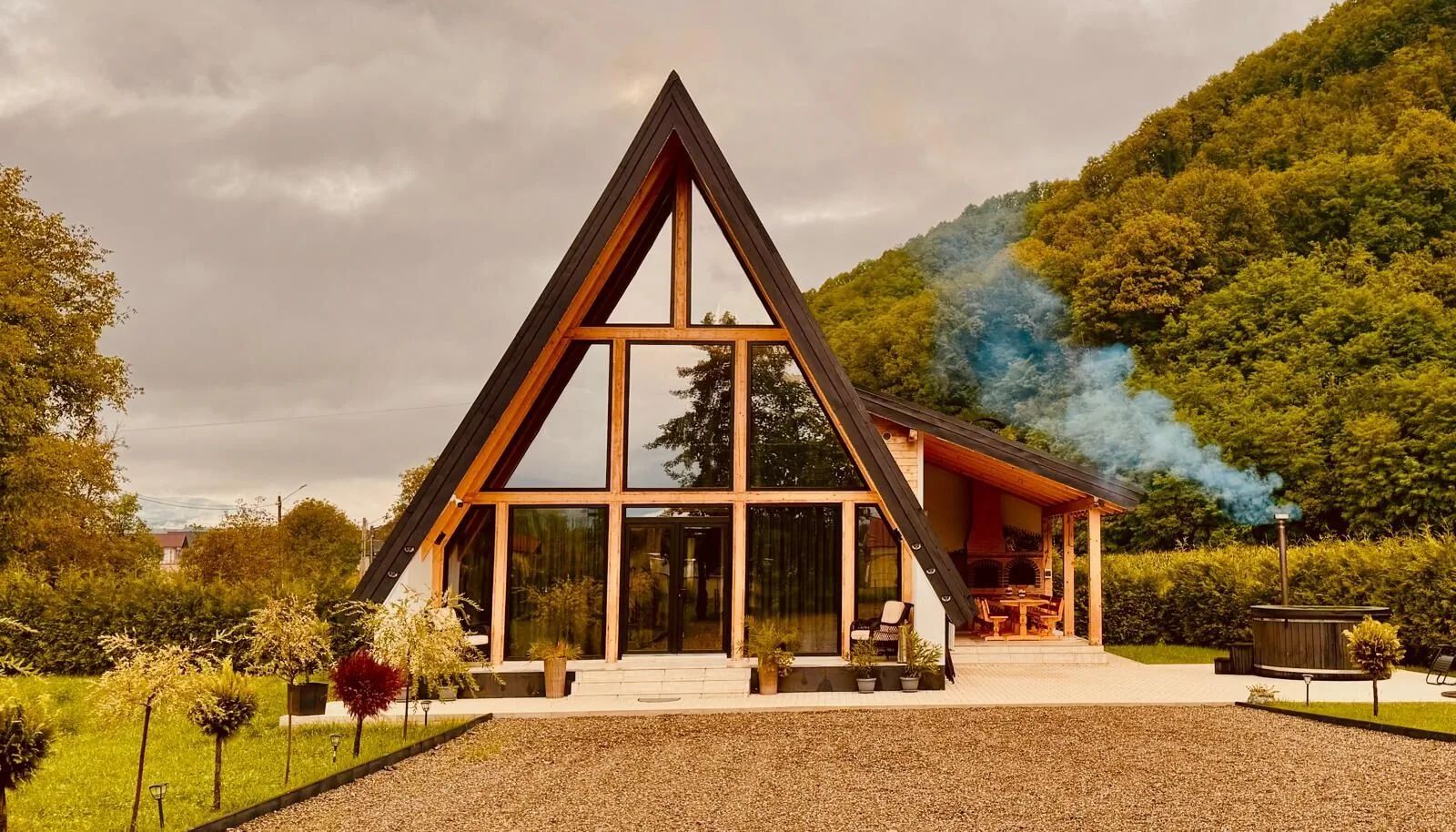
Cabin · 3 stars
Bârsana, Maramureș County · 1.5 km
Cabana Ana Bârsana
Comfort, relaxation and stunning views, all just steps away from the main attractions.
FROM
270 lei per night
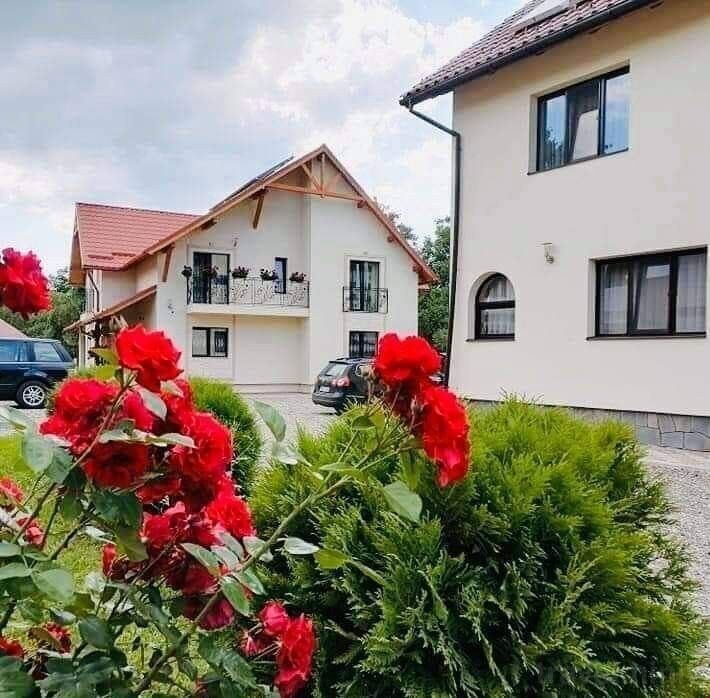
Farm guesthouse · 3 stars
Bârsana, Maramureș County · 1.7 km
Pensiunea Agroturistică Baias Bârsana
Într-o curte mare și îngrijită, cu grădină amenajată și loc de joacă pentru copii, Pensiunea Agroturistică Baias din Bârsana, județul Maramureș, vă întâmpină cu nouă camere modern mobilate într-o atmosferă liniștită, potrivită pentru odihnă departe de aglomerație. Pentru relaxare completă, aveți la dispoziție saună, cadă cu hidromasaj sau jacuzzi, iar în aer liber vă puteți bucura de terasa la soare, de grătar sau de un ceaun tradițional pentru preparate gătite în aer liber. Parcarea privată este gratuită, iar accesul la internet Wi-Fi este disponibil gratuit în întreaga unitate. În zonă puteți vizita Biserica de lemn din Bârsana, Memorialul Sighet, Muzeul Memorial Sighet, Muzeul Satului Maramureșean din Sighetu Marmației și Biserica de lemn din Poienile Izei, obiective care oferă o perspectivă autentică asupra tradițiilor și istoriei Maramureșului. La recepție personalul vorbește limba română și engleză. Puteți solicita diverse opțiuni de masă, de la fără servicii de masă până la demipensiune sau mic dejun, iar plata se poate efectua prin transfer bancar, numerar, card de vacanță sau voucher. Unitatea este potrivită pentru familii cu copii, pentru cei care caută relaxare într-un cadru rural autentic și pentru călătorii interesați să descopere bisericile de lemn și memoria istorică a zonei.
FROM
240 lei per night
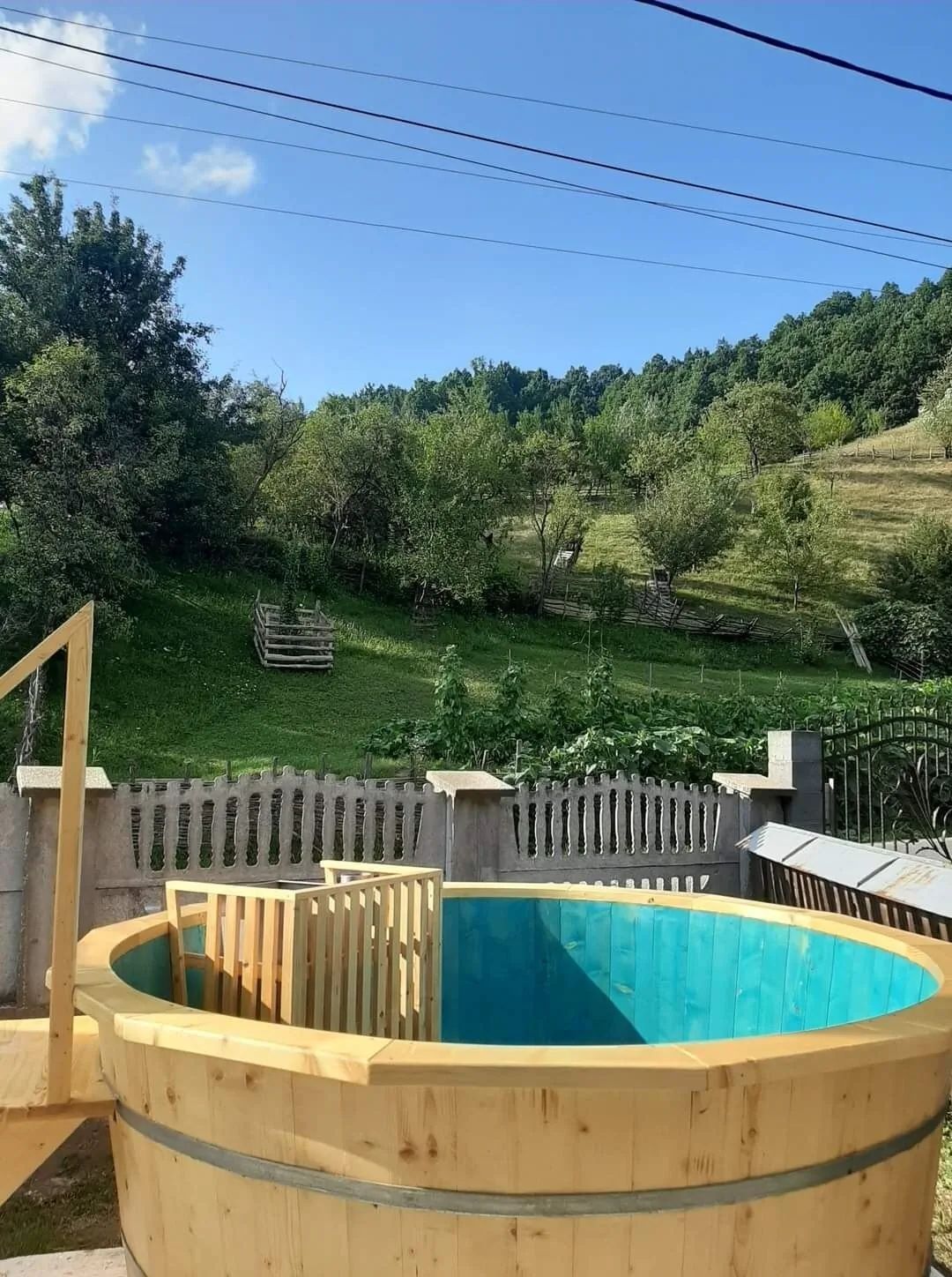
Guesthouse · 3 stars
Bârsana, Maramureș County · 1.7 km
Casa Cezar Bârsana
Pe strada Valea Muntelui din Bârsana, județul Maramureș, se află Casa Cezar Bârsana, o pensiune turistică de trei stele care pune la dispoziție șase camere mobilate confortabil. Unitatea primește cu drag și animale de companie, fără să perceapă taxe suplimentare pentru acestea. Pentru momente de relaxare în aer liber, aveți la dispoziție o curte mare și o grădină amenajată, un foișor, un ciubăr din lemn tradițional, precum și posibilitatea de a pregăti preparate în aer liber cu ajutorul unui ceaun sau al unui grătar. Proprietatea oferă parcare privată gratuită, parcare pentru biciclete și o stație de încărcare pentru vehicule electrice. Conexiunea Wi-Fi este disponibilă gratuit în întreaga unitate, iar accesul persoanelor cu dizabilități este asigurat. În apropiere puteți descoperi Biserica de lemn din Bârsana, Memorialul Sighet, Muzeul Memorial Sighet, Muzeul Satului Maramureșean din Sighetu Marmației și Biserica de lemn din Poienile Izei. La recepție se vorbește limba română, iar ziua de cazare începe la ora 12:00 și se încheie la ora 10:00. La momentul rezervării aveți posibilitatea de a solicita demipensiune contra cost. Vă așteptăm cu drag la Casa Cezar Bârsana.
FROM
240 lei per night
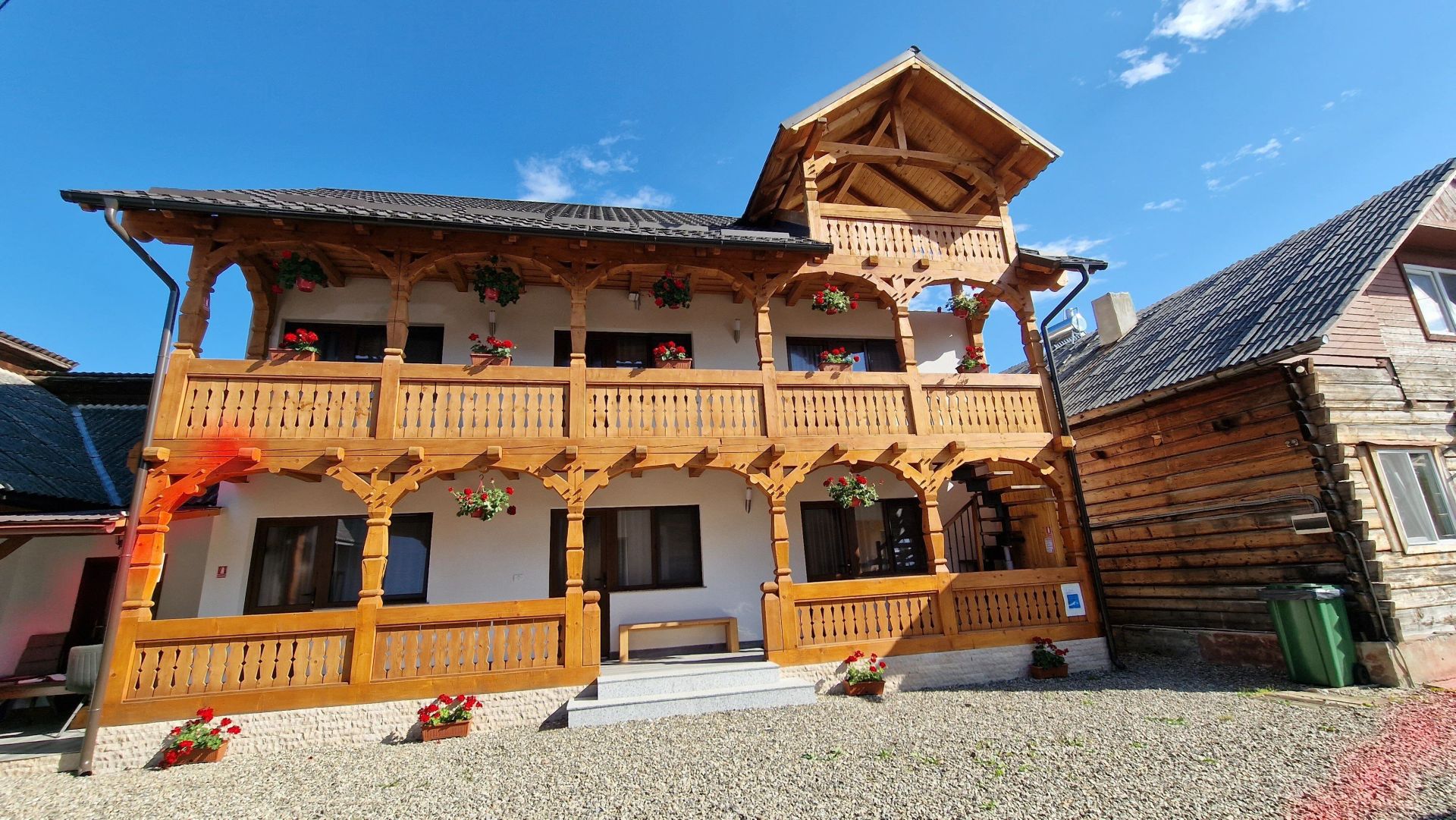
Guesthouse · 3 stars
Bârsana, Maramureș County · 1.9 km
La Mona Bârsana
La Mona Bârsana este o pensiune turistică situată în localitatea Bârsana din județul Maramureș. Unitatea pune la dispoziția dumneavoastră opt camere frumos amenajate, unele dintre acestea fiind dotate cu aer condiționat pentru a vă asigura confortul necesar pe întreaga perioadă a sejurului dumneavoastră. Pentru confortul dumneavoastră, pensiunea oferă acces la Wi-Fi gratuit în întreaga incintă, precum și parcare privată gratuită pentru autoturism. Spațiul exterior cuprinde o curte mare și o grădină amenajată, ideale pentru momente de relaxare în aer liber. De asemenea, aveți la dispoziție un ceaun pentru gătit în aer liber și un grătar sau barbeque pentru prepararea mesei într-un cadru natural plăcut. În apropiere puteți vizita Biserica de lemn din Bârsana, Memorialul Sighet, Muzeul Memorial Sighet, Muzeul Satului Maramureșean din Sighetu Marmației și Biserica de lemn din Poienile Izei, descoperind astfel tradițiile autentice și istoria remarcabilă a acestei zone din Maramureș. Seara, după o zi petrecută în explorarea obiectivelor turistice din zonă, vă puteți bucura de liniștea grădinii amenajate, în timp ce savurați o cină preparată la grătar sub cerul deschis al Maramureșului.
FROM
240 lei per night
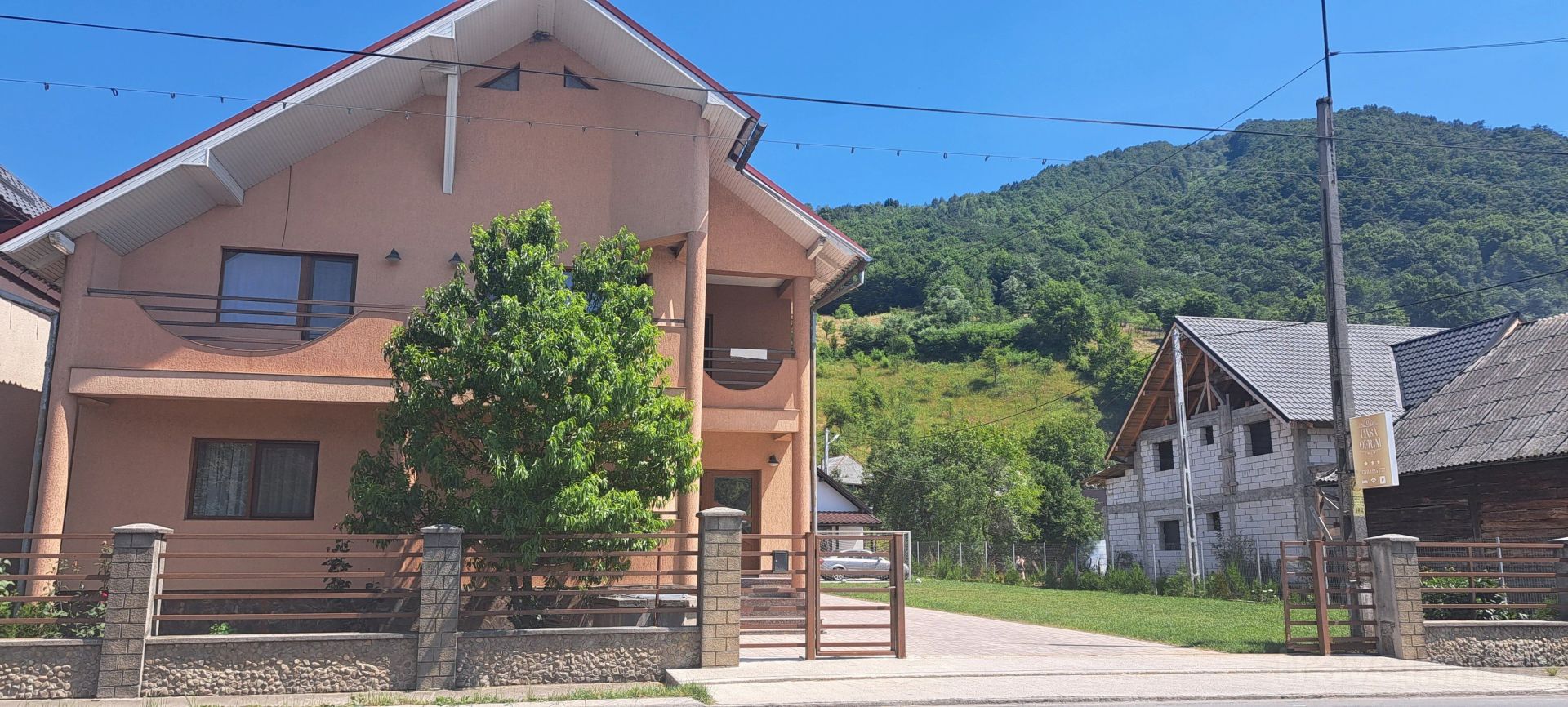
Guesthouse · 3 stars
Bârsana, Maramureș County · 2.0 km
Casa Ofrim Bârsana
Comfort, relaxation and stunning views, all just steps away from the main attractions.
FROM
240 lei per night
BEFORE YOU HIT THE ROAD
Weather conditions in Maramureș
Local forecast for Bârsana Wooden Church, Maramureș, Maramureș

Real-time updated weather data
Much more to explore in this area
Nearby tourist attractions

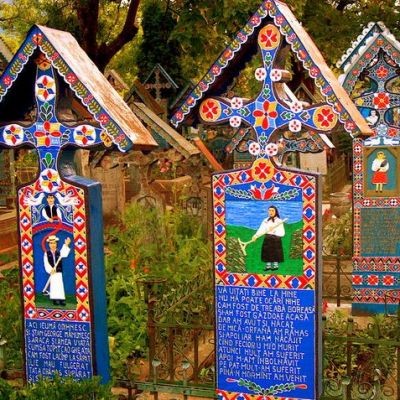

Săpânța, Maramureș County
The Merry Cemetery of Săpânța
Situat in localitatea Sapanta, localizata pe malul drept al Tisei, in dreptul Vaii Tarasaului, aproape de confluenta raurilor Sapanta si Tisa,la aproximativ 18...
31.3 km

16.9 km

Maramures, Maramureș County
Sighet Memorial Museum
Situat pe strada Corneliu Coposu nr. 4, in fosta inchisoare politica din Sighetu Marmatiei; fiecare celula a devenit o sala de muzeu, in care, urmand o ordine...
16.8 km

Maramures, Maramureș County
Maramureș Village Museum in Sighetu Marmației
Situat la intrarea in orasul Sighet, pe drumul dinspre Baia Mare; s-a constituit ca o rezervatie de monumente de arhitectura taraneasca; prin structura,...
14.4 km
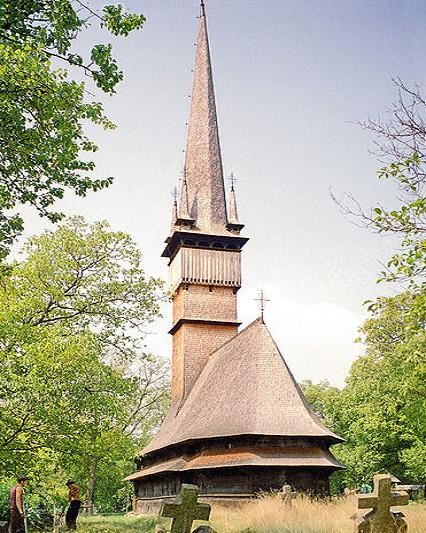
Surdesti, Maramureș County
Șurdești Wooden Church
Situata in satul Surdesti; construita in anul 1766; a fost construita de catre mesterul Ion Macareie, pentru comunitatea greco-catolica din zona; poarta hramul...
33.0 km

17.8 km
21.1 km
36.8 km
Maramureș, Maramureș County
Vârful Pietrosul Rodnei, Munții Rodnei
Highest point in the Rodna Mountains
49.6 km

Maramures, Maramureș County
Ieud Wooden Church
Situata in localitatea Ieud; este cea mai veche biserica din Maramures, fiind construita in anul 1364, de catre familia nobiliara Balea;poarta hramul "Nasterea...
20.8 km

31.9 km
Maramures, Maramureș County
Wooden Church of Desești
Situata in localitatea Desesti; construita in anul 1770; poarta hramul "Sfanta Cuvioasa Paraschiva"; ridicata din barne groase de stejar slefuit; Victor...
15.8 km
Cultural life and traditions
Events in the Bârsana Wooden Church area
Medieval festivals, traditional fairs, concerts and local activities recommended in Maramures.

Traditions and Crafts

Maramureș, County of Maramureș
Days of Local Culture and Traditional Tourism
Open workshops featuring pottery, wood carving, and authentic folklore demonstrations by local artisans.
WHEN
May 15-17, 2026


Traditional Cuisine
Maramureș, County of Maramureș
The Fair of Traditional Products and Local Cuisine
Traditional products, aged cheeses, mountain honey and local delicacies prepared according to ancient recipes.
WHEN
Every weekend

Culture and Photography
Maramureș, County of Maramureș
Themed and Photographic Guided Tour of Cultural Heritage
A guided tour designed for history buffs, nature lovers, and photography enthusiasts, showcasing the most spectacular views in the area.
WHEN
Daily schedule available upon request
On foot, exploration gains depth
Discover the surroundings and local geography
Explore the trails, terrain, and natural landmarks around Bârsana Wooden Church.

Guides and practical tips
Useful travel articles
Travel guides, practical recommendations and tourist itineraries for Maramures.

Tourist guide
Top 5 Atracții Turistice și Trasee Montane în Zona Moieciu - Bran
Descoperă cele mai spectaculoase peisaje carstice, chei adânci și cetăți medievale din imediata apropiere a stațiunii Moieciu.

Tourist guide
Ghid de Drumeție: Traseul Moieciu de Sus spre Platoul Bucegi
Un itinerariu montan de o frumusețe rară ce urcă din Valea Băngăleasa spre Poiana Guțanu și crestele maiestuoase ale Bucegilor.

Tourist guide
Castelul Bran: Istorie, Legende și Secrete Medievale
Află adevărata poveste a fortăreței medievale din Pasul Bran, reședința de suflet a Reginei Maria a României.
THE JOURNEY STARTS WITH AN IDEA
The next story is on the way.
From the first stop to the last stay, make room for a new Romania.
