


PLACE OF WORSHIP · MARAMURES
Șurdești Wooden Church

Surdesti, Maramureș County
Add location to your trip planner.
Practical access information

VISITING HOURS
Monday: 12:00 PM – 5:00 PM · Tuesday–Sunday: 9:00 AM – 5:00 PM (in summer until 8:00 PM)

TICKET PRICE
Adults: 45 RON · Students: 11 RON · Seniors: 23 RON · Guided tour included

RECOMMENDED VISIT DURATION
2-3.5 hours
Visitor information and guide
 Navigate with Google Maps

ABOUT ȘURDEȘTI WOODEN CHURCH
A Vertical Silhouette in the Maramureș Landscape
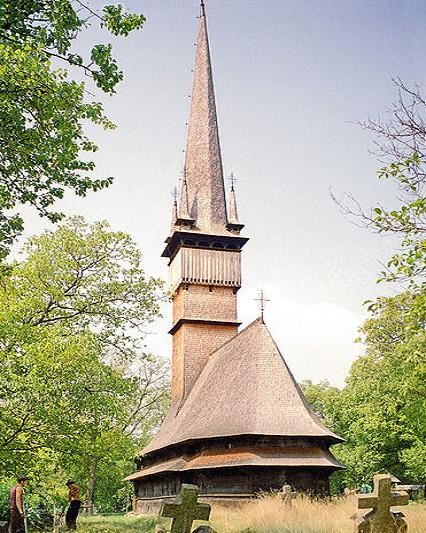
Erected in 1766 in the heart of the village of Șurdești in Maramureș County, the wooden church dedicated to the Holy Archangels Michael and Gabriel represents one of the most impressive achievements of Romania’s traditional sacred architecture and a symbol of the cultural resilience of the Greek Catholic community in northern Transylvania. With a 54-meter-tall tower, this place of worship ranks among the tallest wooden churches in the world, its dizzying verticality dominating the rural landscape of Maramureș. It has drawn international attention since its inclusion in the UNESCO World Heritage List in 1999, alongside seven other wooden churches in the region. This structure is not merely a religious monument but an architectural declaration of spiritual aspiration from an era when wood was the only material capable of reaching the heavens in a mountainous landscape scarce in stone, transforming organic matter into an expression of the sacred comparable—in intention and grandeur—to the great Gothic cathedrals of Western Europe.
Historical Roots and Major European Connections
The historical context of the Șurdești Church’s construction in 1766 places this monument at a pivotal moment in Central European history, during the height of Habsburg domination over Transylvania and the reign of Maria Theresa, when the Viennese Empire was consolidating its administration over provinces conquered from the Ottomans two centuries earlier. The year of its construction coincides with a period of relative stability for the Greek Catholic community, which, after the upheavals of the 16th- and 17th-century Reformation and Counter-Reformation, was asserting its religious identity within an imperial framework that promoted union with Rome while preserving the Byzantine rite. This church thus represents a meeting point between the Eastern Orthodox tradition inherited from the Byzantine Empire and the Baroque influences seeping in from the cultural centers of Central Europe, such as Vienna, Prague, and Kraków.
Historical Maramureș, situated at the crossroads of the Principality of Transylvania, the Kingdom of Hungary, and Poland, functioned as a bastion of Romanian culture in a region subjected to the confessional and political pressures of neighboring empires. The construction of such a monumental church in 1766 demonstrates not only the material prosperity of the community but also its desire to assert its identity in a European context where sacred architecture was a tool of power and prestige. The phenomenon of tall wooden churches in Maramureș is part of a broader European tradition of vertical wooden sacred structures, seen in the stave churches (stavkirke) of medieval Norway, the alpine chapels of Tyrol and Switzerland, and the wooden churches of the Carpathian regions of Poland and Ukraine—all reflecting the ingenious adaptation of construction techniques to the geographical and spiritual conditions of mountainous areas.
An Architectural Masterpiece and Artistic Depth
Built from massive oak beams by master craftsman Ion Macare, an emblematic figure of Maramureș’s traditional woodworking school, the church exemplifies the region’s distinctive woodcraft, an art passed down through generations and perfected over centuries. Its architecture features remarkable particularities: the double-eaved roof provides protection against the harsh mountain weather, while the massive structure, assembled using traditional joinery techniques without visible metal nails, demonstrates exceptional folk engineering. The 54-meter tower is a remarkable engineering achievement for wooden construction, achieved through a system of embedded beams and hidden buttresses that distribute the structure’s weight in a manner akin to Gothic architectural principles, yet adapted to the flexibility and strength of oak.
The architectural style blends late Gothic elements with local vernacular features, creating a unique hybrid that reflects both the spiritual isolation of the community and its subtle openness to the Baroque artistic currents circulating in 18th-century Central Europe. The tower’s verticality evokes the Gothic aspiration toward height as an expression of the sacred, as seen in the cathedrals of Reims or Chartres, but here this aspiration is realized through wood—a living material that breathes and sways with the winds of the Carpathians. A comparison with Norway’s stave churches, such as those at Borgund or Urnes, reveals a shared concern for verticality and durability in wooden sacred constructions, though the cultural and technical contexts differ profoundly. The double-pitched roof, with its wide eaves extending like protective wings over the porch, recalls the tradition of Maramureș houses with their high roofs, adapted to the needs of a place of worship.
Mural Painting: The Dialogue Between Byzantium and Baroque
The church’s interior houses exceptional mural paintings, created in 1783 by the artists Ștefan and Stan, representatives of Maramureș’s school of ecclesiastical painting, which developed a distinct style within the Eastern Byzantine tradition. The frescoes, executed in tempera on wood, depict biblical scenes, figures of archangel saints, and decorative motifs in an artistic language that blends Byzantine influences with Western Baroque accents, reflecting the cultural openness of Transylvania’s Greek Catholic community in the 18th century. The artists worked directly on the rough wooden walls and iconostasis, using natural mineral pigments: yellow and red ochre from local soils, smalt blue likely imported from Venetian or German workshops, and cinnabar red—colors that have withstood the centuries thanks to the tempera technique and the region’s specific climatic conditions.
The iconographic program follows the canons of the Byzantine tradition, with scenes from the life of Christ, representations of the Virgin Mary, and the archangels who protect the church. However, the spatial treatment and certain sartorial details reveal influences from Central European Baroque painting, observable in the depiction of perspective and the richness of ornamentation. The vibrant color palette speaks to the artistic sophistication and spiritual depth of a community that, though geographically isolated in the Carpathian valleys, maintained close ties with the great cultural centers of Central and Eastern Europe. The painting at Șurdești thus participates in a broader artistic dialogue between the Byzantine East and the Catholic West, characteristic of the art of imperial borderlands, where influences meet and transform one another.
Stories, Personalities, and Turning Points
The construction of the church in 1766 by master craftsman Ion Macare represents more than a simple architectural act; it is a turning point in the history of the Șurdești community, a declaration of faith and cultural continuity at a time when Greek Catholic identity was tested by the confessional pressures of the era. Ion Macare, part of a tradition of folk builders who passed down their technical secrets through apprenticeship, succeeded in creating a monument that still stands today, over two and a half centuries later, having withstood the passage of time, the elements, and the multiple restorations required.
The church’s inclusion in the UNESCO World Heritage List in 1999 marked the international recognition of this monument’s exceptional universal value, alongside seven other wooden churches in Maramureș, at a time when Romania was rediscovering and asserting its cultural heritage in the context of European integration. This recognition places the Șurdești Church within a constellation of European sacred monuments that transcend national borders, demonstrating that folk and traditional art can achieve levels of excellence comparable to the great works of high art. Local stories speak of the community’s resilience in the face of fires, wars, and oppressive political regimes, with the church remaining a spiritual refuge and a symbol of Romanian identity in Maramureș throughout the centuries.
Practical Guide and the Contemporary Visitor Experience
The church is located in the village of Șurdești, Șomcuta Mare commune, Maramureș County, and is accessible year-round, though the most intense visitation periods coincide with the summer season and religious holidays, particularly the feast day of the Holy Archangels Michael and Gabriel, celebrated on November 8. Visitors are kindly requested to respect the tranquility and sacredness of the place of worship, avoiding touching the mural paintings to ensure the long-term preservation of this artistic treasure, and to dress modestly in accordance with local traditions. For a complete cultural experience, the visit can be integrated into a broader itinerary that includes other UNESCO-listed wooden churches nearby, such as those in Plopiș, Desești, or Budești, offering a comprehensive perspective on the spiritual depth and artistic mastery of historical Maramureș.
The region also provides opportunities to explore the traditional carved wooden gates characteristic of Maramureș and to experience the authentic rural way of life preserved in this part of the country. For foreign visitors, it is recommended to spend time contemplating the tower’s verticality against the open sky of Maramureș, to listen to the interior silence in which the mural paintings seem to breathe, and to understand that this monument represents a bridge between the Byzantine tradition, the Gothic aspirations of Europe, and the specific Romanian cultural identity—a testament that the great spiritual values of humanity can be expressed even through the humblest of materials: wood.
Media gallery
Discover Șurdești Wooden Church in pictures

7 photos · Architecture, courtyards and captivating details
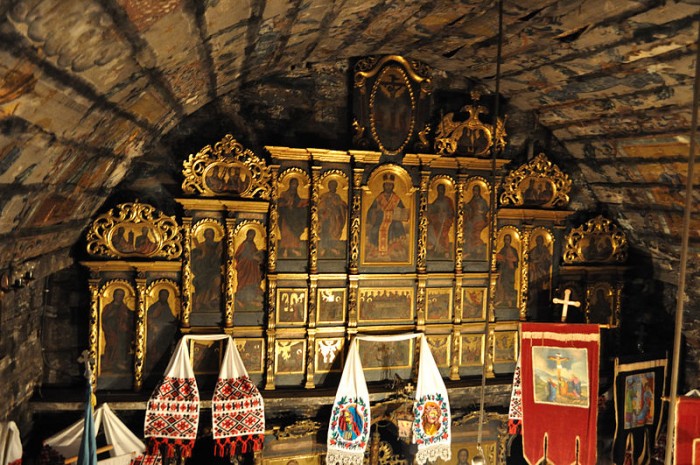
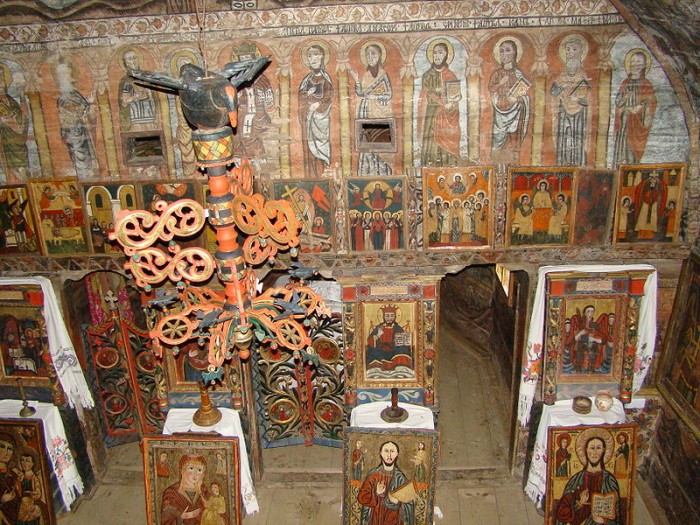


Image source: Wikimedia Commons · Public domain photos · Free license
STAY A FEW DAYS, DISCOVER THE MAGIC
Accommodation in the Șurdești Wooden Church area


Guesthouse · 3 stars

Șurdești, Maramureș County · 1.1 km
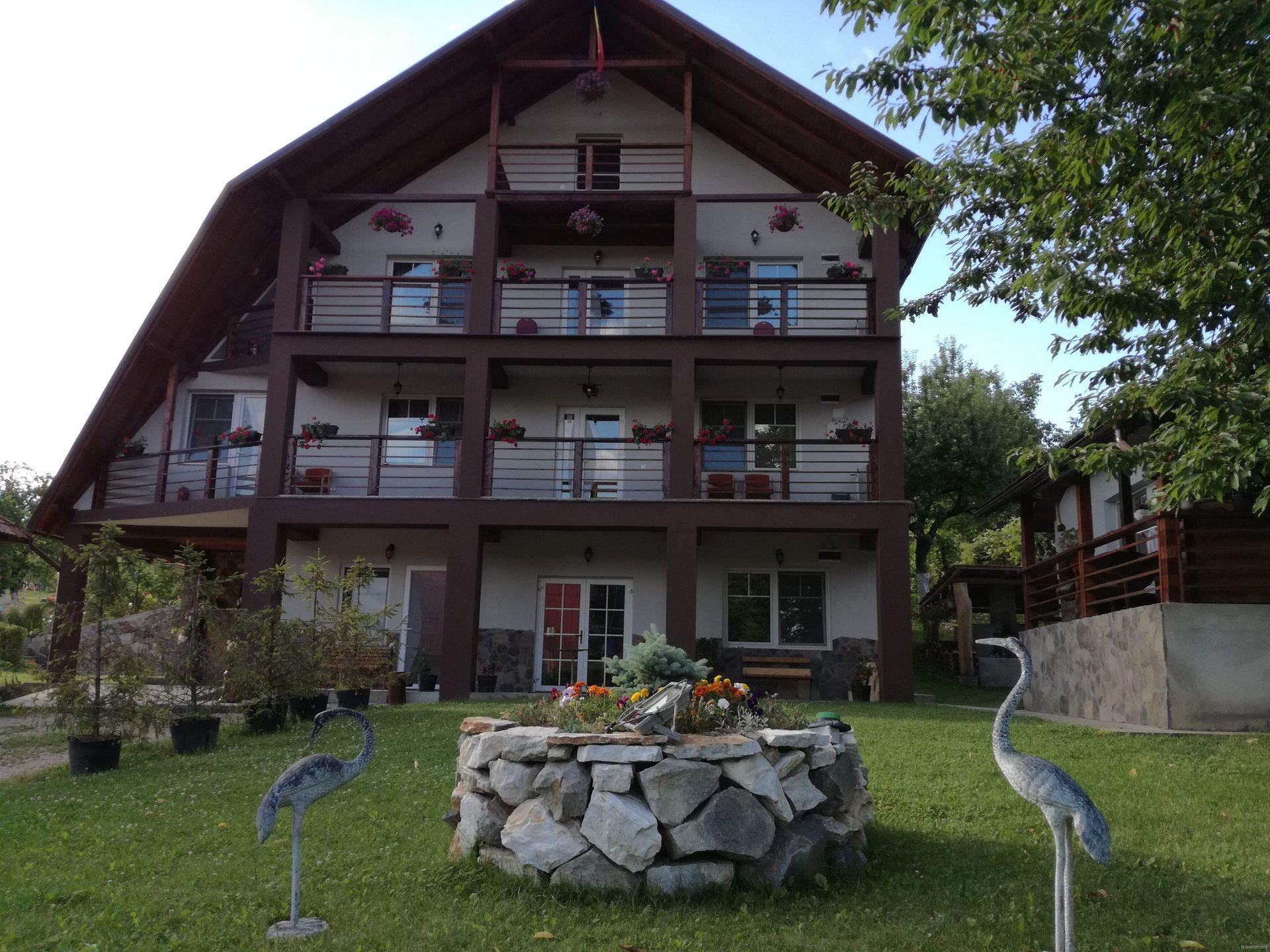
Cavria Sauna House Șurdești
Comfort, relaxation and stunning views, all just steps away from the main attractions.
FROM
240 lei per night

Guesthouse · 3 stars
Dănești, Maramureș County · 3.7 km
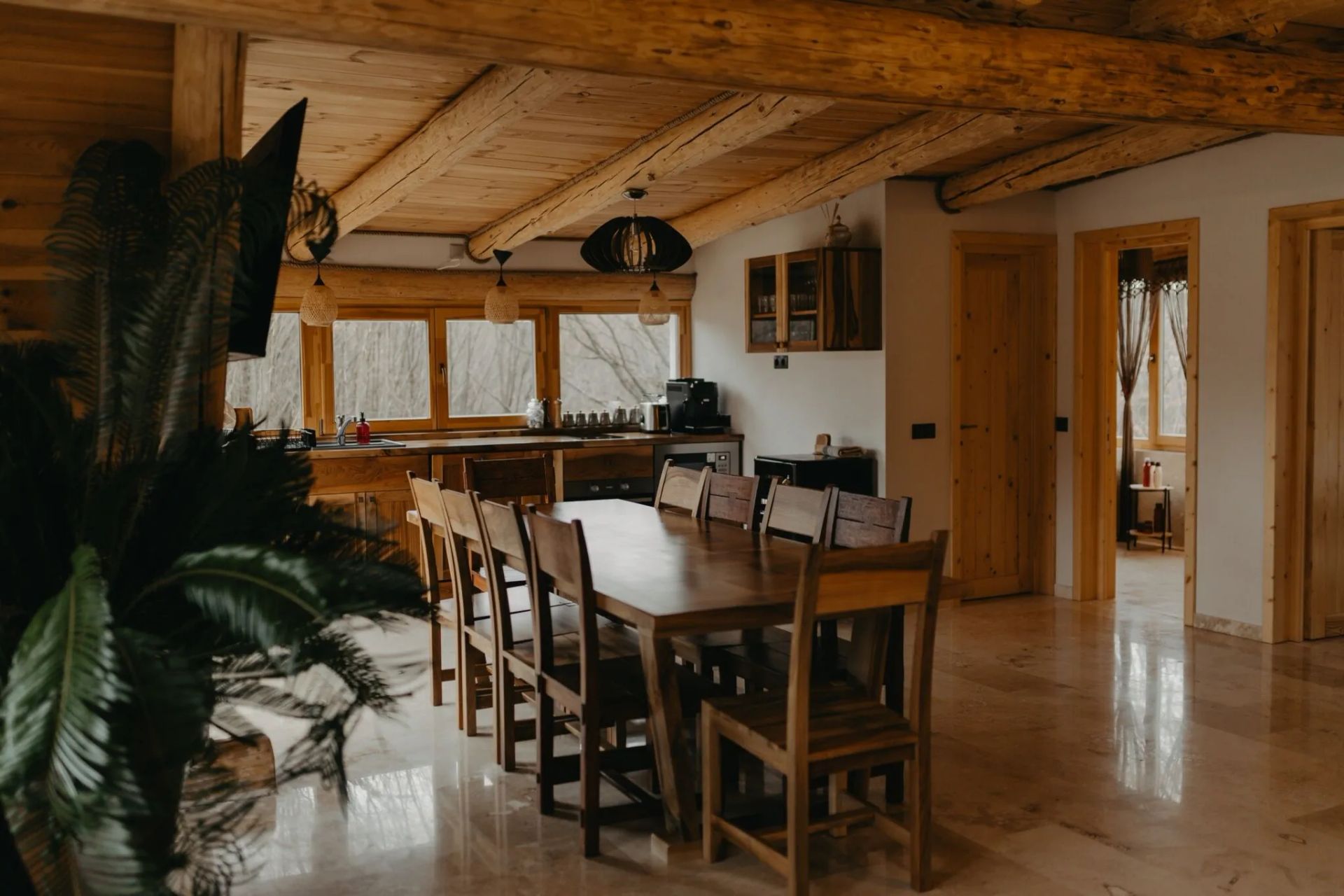
Pensiunea Franc Dănești
Familiile cu copii și iubitorii de natură se vor simți bine la Pensiunea Franc din Dănești, județul Maramureș. Unitatea oferă un cadru retras și liniștit, potrivit pentru concedii și weekenduri departe de aglomerația orașelor, într-un sat tradițional din Maramureș. Pentru relaxare, aveți la dispoziție o terasă la soare, o grădină amenajată și o curte mare, ideale pentru seri liniștite. Ciubărul din lemn tradițional și cada cu hidromasaj vă ajută să vă destindeți după o zi plină. Copiii se pot juca în siguranță pe locul de joacă din exterior, iar pătuțul pentru bebeluș și scaunul înalt asigură confortul celor mici. Pensiunea pune la dispoziție și facilități pentru activități și confort: tenis de masă, trasee pentru drumeții montane în natură, grătar și ceaun pentru gătit în aer liber. De asemenea, beneficiați de parcare privată gratuită, Wi-Fi gratuit și acces pentru persoane cu dizabilități. În apropiere puteți vizita Biserica de lemn din Șurdești, Biserica de lemn din Plopiș, Munții Gutâi, Muzeul Județean de Artă - Centrul Artistic Baia Mare și Muzeul Județean de Istorie și Arheologie Maramureș. Vă așteptăm la Pensiunea Franc Dănești pentru un sejur plăcut în Maramureș.
FROM
240 lei per night
A-frame cabin · 5 stars
Șurdești, Maramureș County · 3.8 km
Cabana Pietrușa A-frame Șurdești
Comfort, relaxation and stunning views, all just steps away from the main attractions.
FROM
450 lei per night
Guesthouse · 3 stars
Baia Sprie, Maramureș County · 7.5 km
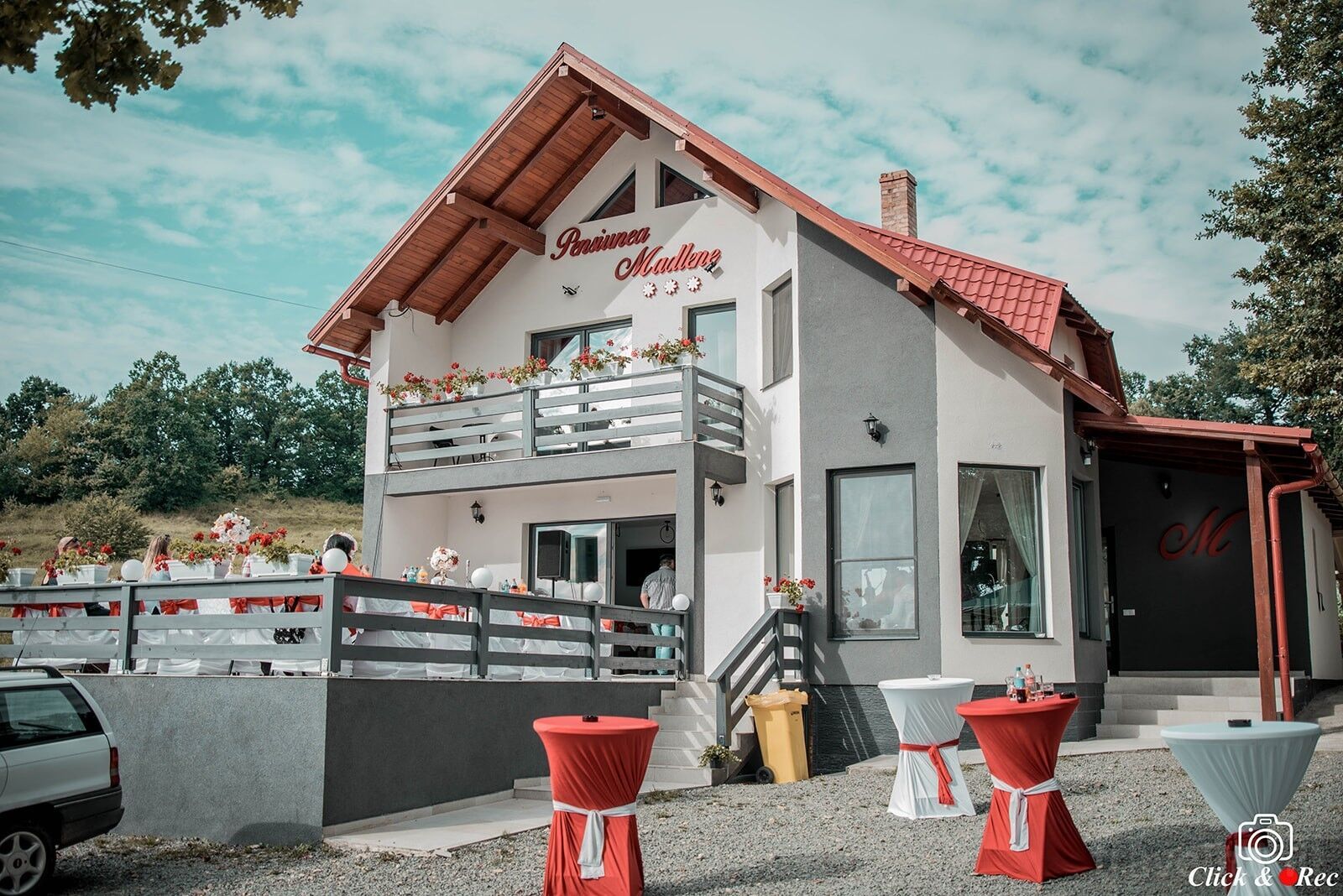
Pensiunea Madlene Baia Sprie
Într-o curte mare și într-o grădină bine îngrijită, Pensiunea Madlene din Baia Sprie vă oferă un loc liniștit pentru odihnă. Clădirea recentă găzduiește trei camere amenajate cu grijă, unde vă puteți simți confortabil după o zi plină de explorări în Maramureș. Unitatea dispune de restaurant și bar în incintă, unde puteți savura preparate delicioase. Beneficiați de Wi-Fi gratuit în toate spațiile, parcare privată gratuită și un ciubăr din lemn tradițional pentru momente de relaxare. În zonă există pârtie de schi, iar vă așteptăm cu drag să vă bucurați de aceste facilități. În apropiere puteți vizita Biserica de lemn din Șurdești, Biserica de lemn din Plopiș și Munții Gutâi. De asemenea, aveți acces la Muzeul Județean de Artă - Centrul Artistic Baia Mare și la Muzeul Județean de Istorie și Arheologie Maramureș. Este permis accesul cu animale de companie, contra cost. Personalul vorbește română, engleză și franceză. Check-in-ul se face începând cu ora 15:00, iar check-out-ul până la ora 11:00. Pensiunea Madlene este potrivită pentru turiști care doresc să descopere tradițiile Maramureșului într-un cadru autentic și primitor.
FROM
240 lei per night
Guesthouse · 3 stars
Baia Sprie, Maramureș County · 8.2 km
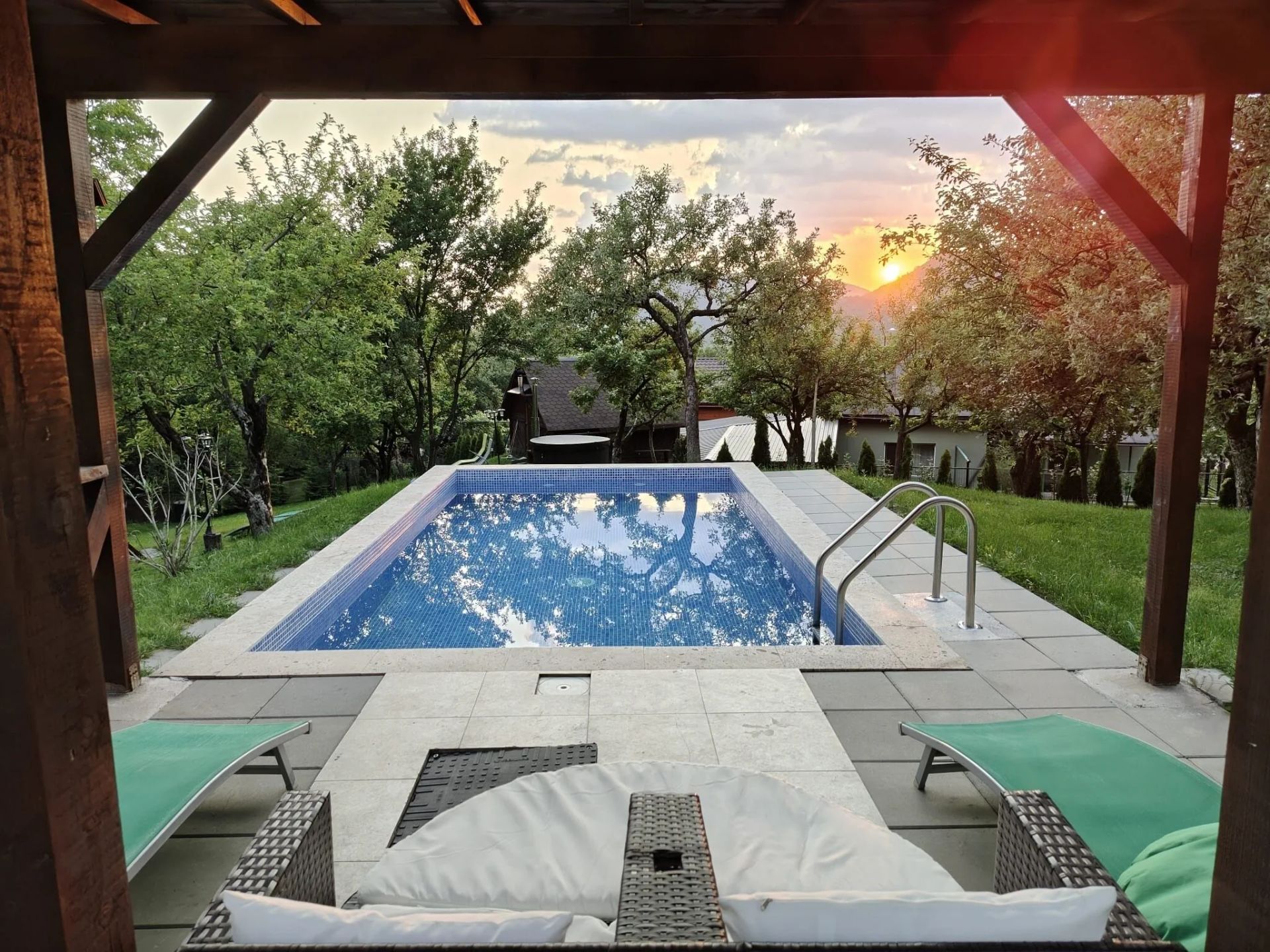
Pensiunea Verde Baia Sprie
Iubitorii de natură, cuplurile și familiile care caută un refugiu liniștit departe de aglomerație se vor simți bine aici. Pensiunea Verde Baia Sprie se află pe strada Mihai Eminescu din Baia Sprie, județul Maramureș, într-o zonă cu priveliște asupra orașului și a împrejurimilor montane, într-un cadru natural plăcut și aerisit. Pentru un sejur confortabil, aveți la dispoziție aer condiționat în camere, Wi-Fi gratuit și parcare privată gratuită. Vă puteți bucura de momente de relaxare în sauna disponibilă sau în ciubărul din lemn tradițional, într-o curte mare și o grădină amenajată care invită la odihnă după o zi petrecută în explorare. Dacă doriți să descoperiți obiectivele din zonă, în apropiere se află Biserica de lemn din Șurdești, Biserica de lemn din Plopiș și Munții Gutâi. De asemenea, puteți vizita Muzeul Județean de Artă - Centrul Artistic Baia Mare și Muzeul Județean de Istorie și Arheologie Maramureș pentru a cunoaște mai bine patrimoniul cultural și istoric al Maramureșului. Vă așteptăm la Pensiunea Verde Baia Sprie.
FROM
240 lei per night
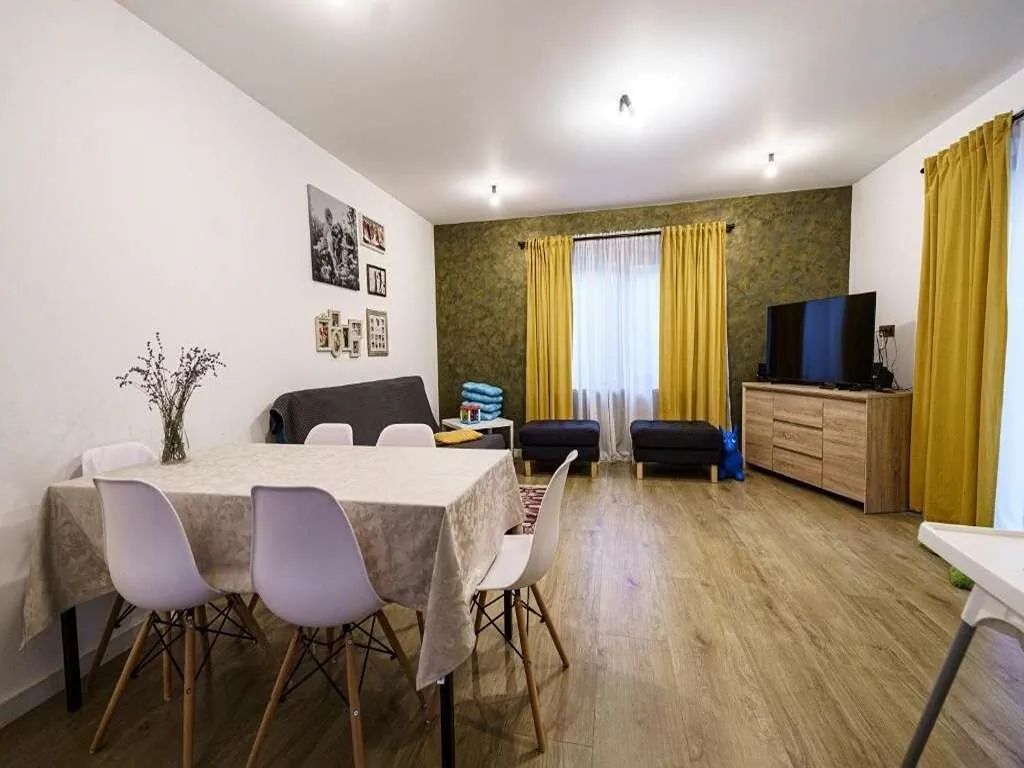
Holiday villa · 3 stars
Baia Sprie, Maramureș County · 8.3 km
Casa Axente Baia Sprie
Comfort, relaxation and stunning views, all just steps away from the main attractions.
FROM
280 lei per night
BEFORE YOU HIT THE ROAD
Weather conditions in Surdesti
Local forecast for Șurdești Wooden Church, Surdesti, Maramureș

Real-time updated weather data
Much more to explore in this area
Nearby tourist attractions

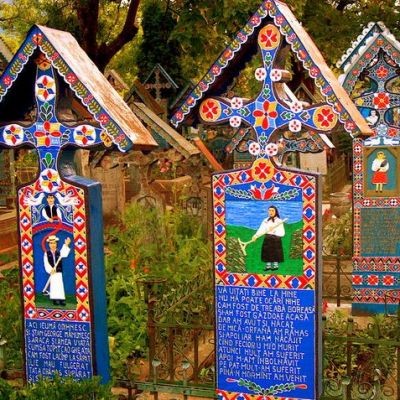

Săpânța, Maramureș County
The Merry Cemetery of Săpânța
Situat in localitatea Sapanta, localizata pe malul drept al Tisei, in dreptul Vaii Tarasaului, aproape de confluenta raurilor Sapanta si Tisa,la aproximativ 18...
42.1 km

37.8 km

Maramures, Maramureș County
Sighet Memorial Museum
Situat pe strada Corneliu Coposu nr. 4, in fosta inchisoare politica din Sighetu Marmatiei; fiecare celula a devenit o sala de muzeu, in care, urmand o ordine...
37.9 km

Maramures, Maramureș County
Maramureș Village Museum in Sighetu Marmației
Situat la intrarea in orasul Sighet, pe drumul dinspre Baia Mare; s-a constituit ca o rezervatie de monumente de arhitectura taraneasca; prin structura,...
37.9 km

12.5 km
21.9 km

33.0 km
38.1 km

Maramures, Maramureș County
Ieud Wooden Church
Situata in localitatea Ieud; este cea mai veche biserica din Maramures, fiind construita in anul 1364, de catre familia nobiliara Balea;poarta hramul "Nasterea...
36.0 km

43.2 km
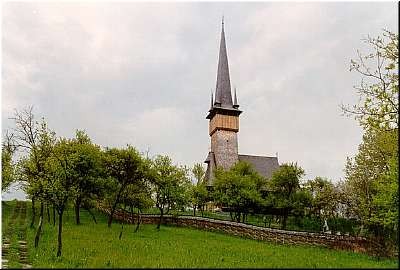
Plopis, Maramureș County
Wooden Church of Plopiș
Situata in satul Plopis, pe teritoriul administrativ al comunei Sisesti; construita in anul 1798; poarta hramul "Sfintii Arhanegheli Mihail si Gavriil"; este...
0.9 km
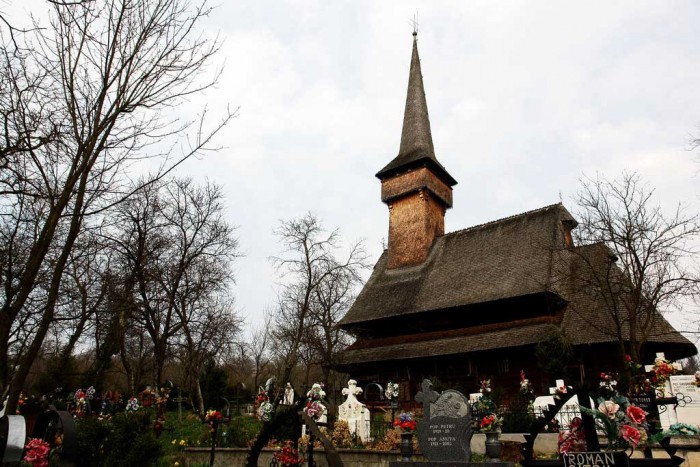
Maramures, Maramureș County
Wooden Church of Desești
Situata in localitatea Desesti; construita in anul 1770; poarta hramul "Sfanta Cuvioasa Paraschiva"; ridicata din barne groase de stejar slefuit; Victor...
20.8 km
Cultural life and traditions
Events in the Șurdești Wooden Church area
Medieval festivals, traditional fairs, concerts and local activities recommended in Maramures.

Traditions and Crafts

Surdesti, County of Maramureș
Days of Local Culture and Traditional Tourism
Open workshops featuring pottery, wood carving, and authentic folklore demonstrations by local artisans.
WHEN
May 15-17, 2026


Traditional Cuisine
Surdesti, County of Maramureș
The Fair of Traditional Products and Local Cuisine
Traditional products, aged cheeses, mountain honey and local delicacies prepared according to ancient recipes.
WHEN
Every weekend

Culture and Photography
Surdesti, County of Maramureș
Themed and Photographic Guided Tour of Cultural Heritage
A guided tour designed for history buffs, nature lovers, and photography enthusiasts, showcasing the most spectacular views in the area.
WHEN
Daily schedule available upon request
On foot, exploration gains depth
Discover the surroundings and local geography
Explore the trails, terrain, and natural landmarks around Șurdești Wooden Church.

Guides and practical tips
Useful travel articles
Travel guides, practical recommendations and tourist itineraries for Maramures.

Tourist guide
Top 5 Atracții Turistice și Trasee Montane în Zona Moieciu - Bran
Descoperă cele mai spectaculoase peisaje carstice, chei adânci și cetăți medievale din imediata apropiere a stațiunii Moieciu.

Tourist guide
Ghid de Drumeție: Traseul Moieciu de Sus spre Platoul Bucegi
Un itinerariu montan de o frumusețe rară ce urcă din Valea Băngăleasa spre Poiana Guțanu și crestele maiestuoase ale Bucegilor.

Tourist guide
Castelul Bran: Istorie, Legende și Secrete Medievale
Află adevărata poveste a fortăreței medievale din Pasul Bran, reședința de suflet a Reginei Maria a României.
THE JOURNEY STARTS WITH AN IDEA
The next story is on the way.
From the first stop to the last stay, make room for a new Romania.
