


PLACE OF WORSHIP · TRANSYLVANIA
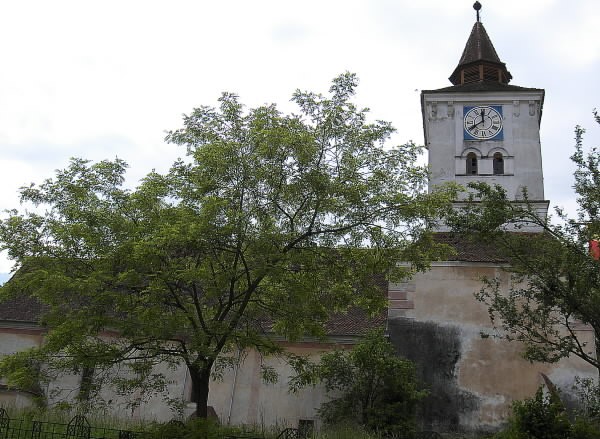
Fortified Church of Maieruș

Brasov, Brașov County
Add location to your trip planner.
Practical access information

VISITING HOURS
Monday: 12:00 PM – 5:00 PM · Tuesday–Sunday: 9:00 AM – 5:00 PM (in summer until 8:00 PM)

TICKET PRICE
Adults: 45 RON · Students: 11 RON · Seniors: 23 RON · Guided tour included

RECOMMENDED VISIT DURATION
2-3.5 hours
Visitor information and guide
 Navigate with Google Maps

ABOUT FORTIFIED CHURCH OF MAIERUȘ
A Fortress of Faith in the Heart of Țara Bârsei
In the village of Maieruș, situated along the Olt River Valley at the foothills of the Făgăraș Mountains, on Morii Street, stands one of Transylvania’s most valuable yet lesser-known fortified churches—a quiet witness to centuries of coexistence, communal defense, and spiritual transformation in the historic heart of Țara Bârsei. Built between the 14th and 15th centuries by the Transylvanian Saxon community of Reussmarkt, this church is not merely a place of worship but a true monument to the resilience of a community positioned at the frontier between the Western Christian world and Ottoman expansion, in a region that for centuries served as an outpost of Central European civilization against invasions from the east. Its original architecture belongs to the Late Gothic style, featuring elements characteristic of Saxon churches in the Brașov area, such as massive towers, thick stone walls, and narrow, slit-like windows designed to withstand sieges and offer protection to the entire community during times of peril, when the Ottomans constantly threatened the eastern edge of Christian Europe.
The cultural significance of this monument far exceeds its status as a mere tourist attraction, representing an essential chapter in the history of sacred architecture in Central Europe. Though not included on the UNESCO World Heritage list of the seven fortified Saxon churches, the church in Maieruș belongs to an extensive network of over one hundred fortified places of worship in Transylvania, bearing witness to an era when sacred architecture had to combine spirituality with the necessity of defense in a borderland region. Its European value lies in illustrating the continent’s confessional and architectural diversity, offering fascinating parallels with fortified churches in other European regions—from Saxony and Thuringia in Germany to Styria in Austria or northern Italy, particularly Friuli, where German and Italian communities developed similar architectural typologies to counter military threats.
Historical Roots and Major European Connections
The history of the Maieruș church is closely tied to the Saxon colonization of Transylvania, initiated in the 12th century under the reigns of Hungarian kings Géza II and Béla III, who brought German settlers from the Rhine and Moselle regions to defend the kingdom’s eastern frontier against Cuman and Tatar invasions. The village of Reussmarkt, the German name for Maieruș, was founded during this period as part of the Saxon settlement system in Țara Bârsei, a region within Brașov County that played a crucial strategic role in defending the Carpathians. The fortified church was constructed in a tense geopolitical context, as the Ottoman Empire began to pose a major threat to Central Europe, and Saxon communities, alongside Hungarian and Romanian populations in the area, had to organize autonomous defensive systems.
The church’s defensive architecture reflects multiple influences from across Europe. Its massive tower and enclosure walls evoke the fortified typologies developed in Saxony and Bavaria during the 14th and 15th centuries, a period when German fortified churches flourished in response to the Hussite Wars and political instability in the Holy Roman Empire. At the same time, the Late Gothic elements show affinities with religious architecture in northern Hungary and present-day Slovakia, regions sharing the same military frontier situation. Later transformations in the 17th and 18th centuries, when Ottoman pressure diminished following the decisive defeat at Vienna in 1683 and the liberation of Transylvania from Ottoman rule, introduced Baroque and Neoclassical influences, reflecting Transylvania’s deeper integration into the Habsburg Monarchy and the cultural currents of Enlightenment-era Western Europe. The Renaissance portal, with its refined ornaments, reveals Italian influences that reached Transylvania through trade with Hanseatic cities and the dynastic connections of Transylvanian princes with Western courts, particularly those of Matthias Corvinus and the Jagiellonian dynasty in Poland.
An Architectural Masterpiece: Style and Constructive Details
The church in Maieruș represents a remarkable architectural palimpsest, where distinct stylistic layers overlap, each reflecting a different stage in the community’s historical and cultural evolution. The original core, built in the 14th and 15th centuries, belongs to Transylvanian Late Gothic, characterized by a tall central nave with pointed arches and a massive bell tower that dominated the rural landscape. The defensive structure included a refuge tower with walls over a meter thick, equipped with battlements and narrow windows, as well as a system of enclosures with parapets and wooden galleries designed to withstand sieges and shelter the entire village population in times of danger. These defensive architectural elements are comparable to those of fortified churches in Silesia or Brandenburg, regions that developed similar community defense typologies in the Late Middle Ages, using local stone and construction techniques adapted to the mountainous terrain.
In the 17th and 18th centuries, as the defensive function became secondary, the place of worship underwent extensive transformations marking the transition from medieval military austerity to Baroque religious representativeness. The interior now reveals a fascinating dialogue between Gothic and Classicism. The altar, created in the 19th century in the Neoclassical style, impresses with its sobriety and elegance, featuring Corinthian columns and a triangular pediment that reflect the influences of the Enlightenment and Austrian art from the Maria Theresa era. This contrasts sharply with the remarkable opulence of the Baroque pulpit, distinguished by a finely carved wooden canopy—a piece of liturgical furniture specific to Central European art of the 17th and 18th centuries, with visible influences from Bavaria and Austria, regions renowned for their exceptional wood sculpture traditions in church furnishings. The entrance portal, a true jewel of Transylvanian Renaissance from the 16th century, displays refined ornamental motifs and relief sculptures that betray Italian and German artistic influences, likely crafted by itinerant masters from workshops in Nuremberg or those influenced by the Mannerist movement in Italy.
Stories, Legends, Personalities, and Turning Points
Over the centuries, the church in Maieruș has witnessed pivotal moments in the history of the Saxon community and the entire region. In the 16th century, with the Protestant Reformation, the community of Reussmarkt embraced Lutheranism, transforming the church into a center of the new faith—a transition that profoundly marked the area’s spiritual identity, contrasting with the Orthodox Romanian and Catholic Hungarian communities in the vicinity. This period also brought liturgical changes, with the altar adapted to Protestant worship, though later Baroque decorative elements suggest a partial return to ornamental splendor under the influence of the Counter-Reformation and Habsburg rule.
Local legends speak of times of hardship when the church tower served as a refuge for the entire village during Ottoman or Tatar raids, with women, children, and the elderly retreating behind the thick walls, storing provisions for weeks. It is said that the church attic concealed treasures and important community documents, while the large bell, cast in the 15th century, not only announced religious services but also imminent danger, its sound carrying to neighboring villages. Notable figures in the church’s history include Lutheran pastors who guided the community through turbulent times, as well as stonemasons and woodcarvers who crafted the sculptures and liturgical furniture—often itinerant artists from larger Saxon towns like Brașov or Sibiu, bringing with them techniques and artistic influences from across Central Europe.
A defining turning point came in the 19th century, when, under Austrian and later Austro-Hungarian administration, the church was renovated and enriched with Neoclassical elements, reflecting the community’s desire to align with the artistic standards of the modern era and assert its cultural identity within a multinational imperial context. This period also marked relative economic prosperity for the Saxon community, enabling investments in the church’s improvement and the education of its clergy, who studied at prestigious universities in Vienna, Prague, or Halle. In the 20th century, the church survived the tumultuous periods of the two World Wars and the communist regime, remaining a symbol of identity and resilience for the Saxon community, even after many of its members emigrated to Germany in the latter half of the century.
Practical Visitor’s Guide and Today’s Tourist Experience
Located in the village of Maieruș, approximately 20 kilometers northeast of Brașov, the church is easily accessible via county road DJ 103, which connects Brașov to the Homorod area and the Făgăraș Land—a picturesque route traversing traditional villages and offering spectacular views of the Carpathians. Visitors wishing to explore this monument should note that access to the interior is only possible in the presence of a local community representative, typically the Lutheran pastor or a member of the church council, as the keys are carefully safeguarded. It is advisable to contact the local town hall or the Lutheran parish in advance to arrange a guided visit, during which detailed explanations about the monument’s history and architecture can be provided.
Visiting the church in Maieruș is a deeply moving experience, offering a unique opportunity to contemplate not just an exceptional historical monument but a living museum of European stylistic evolution—from medieval Gothic austerity to the elegance of 19th-century Neoclassicism. Outside, visitors can admire the massiveness of the tower and enclosure walls, while inside, they can study the sculptural details of the Renaissance portal, the opulence of the Baroque pulpit, and the solemn tranquility of the Neoclassical altar. Nearby, just a few kilometers away, lie other fortified churches from the UNESCO World Heritage network, such as those in Homorod, Viscri, or Biertan, forming an exceptional cultural route through Țara Bârsei. The area also offers opportunities to explore the traditional rural landscape, Saxon architecture in neighboring villages, and the customs of the region’s multiethnic communities. The best time to visit is in spring or summer, when natural light filters through the church’s narrow windows, creating an atmosphere of profound serenity and contemplation within a setting of remarkable natural beauty at the foothills of the Făgăraș Mountains.
Media gallery
Discover Fortified Church of Maieruș in pictures

2 photos · Architecture, courtyards and captivating details

Image source: Wikimedia Commons · Public domain photos · Free license
STAY A FEW DAYS, DISCOVER THE MAGIC
Accommodation in the Fortified Church of Maieruș area

Guesthouse · 3 stars

Micloșoara, Covasna County · 13.0 km
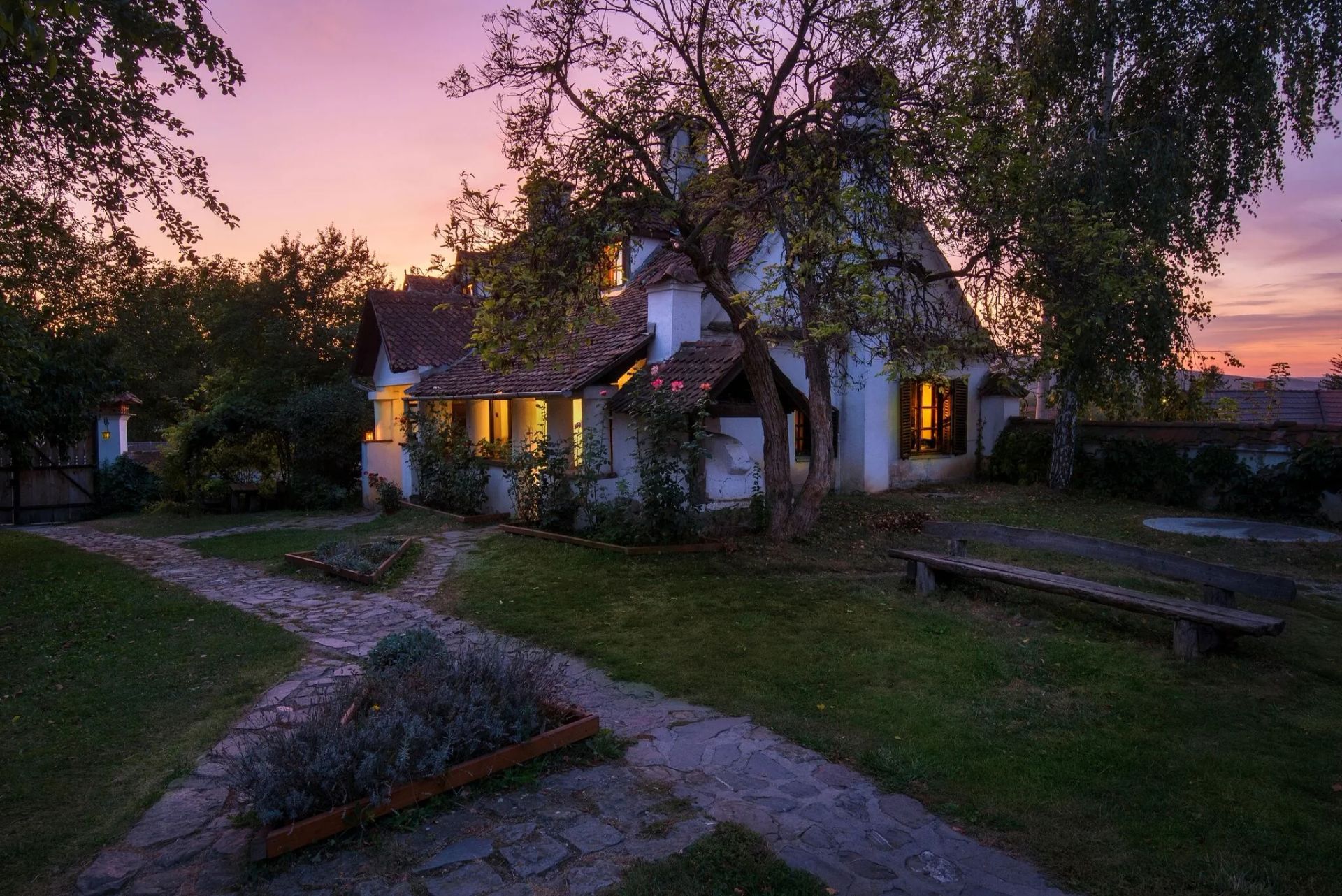
Pensiunea Contele Kalnoky Micloșoara
În imediata apropiere se află Castelul Kálnoky din Micloșoara, un obiectiv care merită vizitat în timpul șederii dumneavoastră. Pensiunea Contele Kalnoky Micloșoara, o pensiune turistică de 3 stele situată în localitatea Micloșoara din județul Covasna, vă oferă un punct de plecare convenabil pentru a descoperi această zonă a Transilvaniei. Proprietatea dispune de o curte mare și o grădină amenajată, spații plăcute pentru a vă bucura de aerul curat și de liniștea satului. Aveți la dispoziție Wi-Fi gratuit, iar pentru familiile care călătoresc cu cei mici este pus la dispoziție un pătuț pentru bebeluș. Căsuțele vechi, restaurate cu grijă, păstrează caracteristicile tradiționale ale satului Micloșoara și oferă o atmosferă autentică. Mobilierul în stil tradițional secuiesc contribuie la crearea unei ambianțe specifice zonei, unde armonia dintre om și natură se reflectă în fiecare detaliu al șederii dumneavoastră. De la această locație puteți explora cu ușurință și alte atracții din împrejurimi: Biserica fortificată din Maieruș, Munții Baraolt, Lacul Sfânta Ana și Biserica fortificată din Rotbav. Fiecare dintre aceste obiective completează experiența unei vacanțe în această parte a țării. Vă așteptăm la Pensiunea Contele Kalnoky Micloșoara.
FROM
240 lei per night

Guesthouse · 3 stars
Bod, Brașov County · 16.4 km
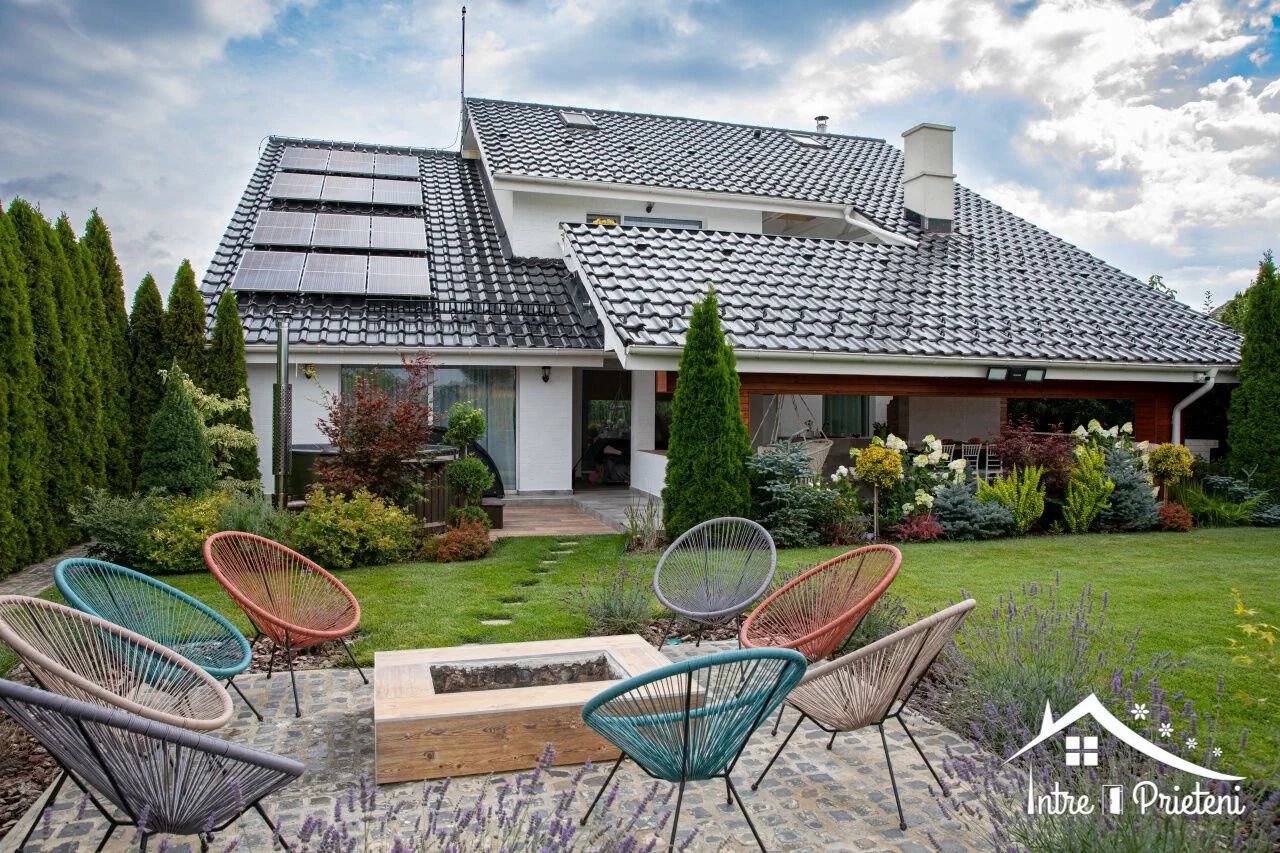
Pensiunea Între Prieteni Bod
Comfort, relaxation and stunning views, all just steps away from the main attractions.
FROM
240 lei per night
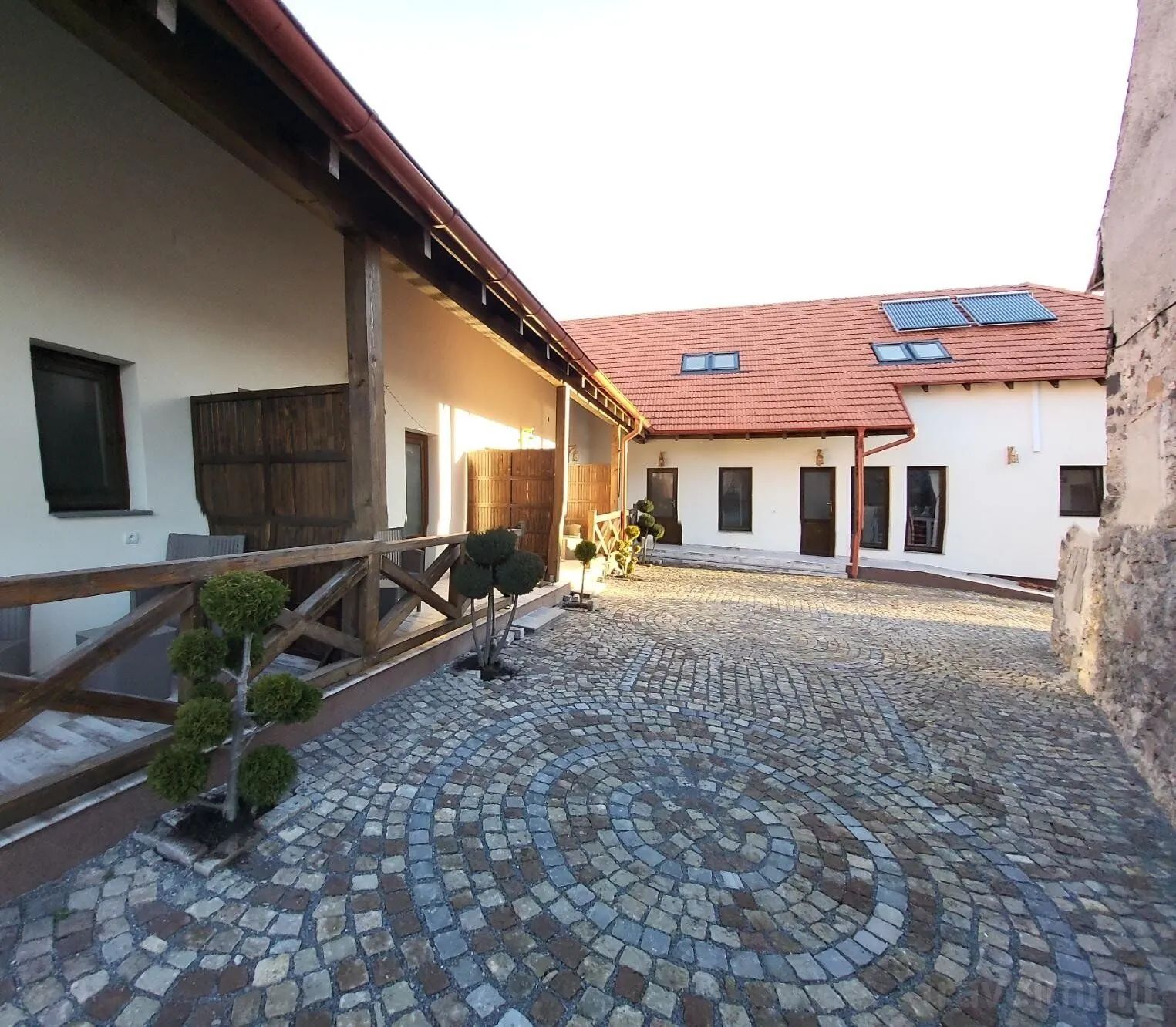
Guesthouse · 3 stars
Racoș, Brașov County · 17.2 km
Pensiunea Castelana Racoș
În apropierea localității Racoș puteți vizita Cetatea Rupea, un obiectiv care merită explorat. Pensiunea Castelana Racoș, o unitate de cazare turistică clasificată cu trei stele situată în Racoș, județul Brașov, reprezintă punctul dumneavoastră de plecare pentru descoperirea acestor locuri. Pensiunea dispune de șapte camere mobilate cu gust, într-un ambient primitor. Beneficiați de conexiune Wi-Fi gratuită în întreaga unitate și de parcare privată gratuită pentru autoturismul dumneavoastră. Curtea mare și grădina amenajată oferă un spațiu generos pentru relaxare în aer liber. Pentru momente de liniște și destindere, aveți la dispoziție un jacuzzi sau o cadă cu hidromasaj. De asemenea, puteți organiza mese în aer liber folosind facilitățile de grătar sau barbeque puse la dispoziție. În apropiere se află și alte obiective turistice de neratat: Biserica fortificată din Homorod, Castelul Sukosd Bethlen din Racoș, Biserica fortificată din Maieruș și Biserica fortificată din Viscri. Toate aceste locuri pot fi vizitate cu ușurință pornind de la pensiune. Vă așteptăm la Pensiunea Castelana Racoș.
FROM
240 lei per night
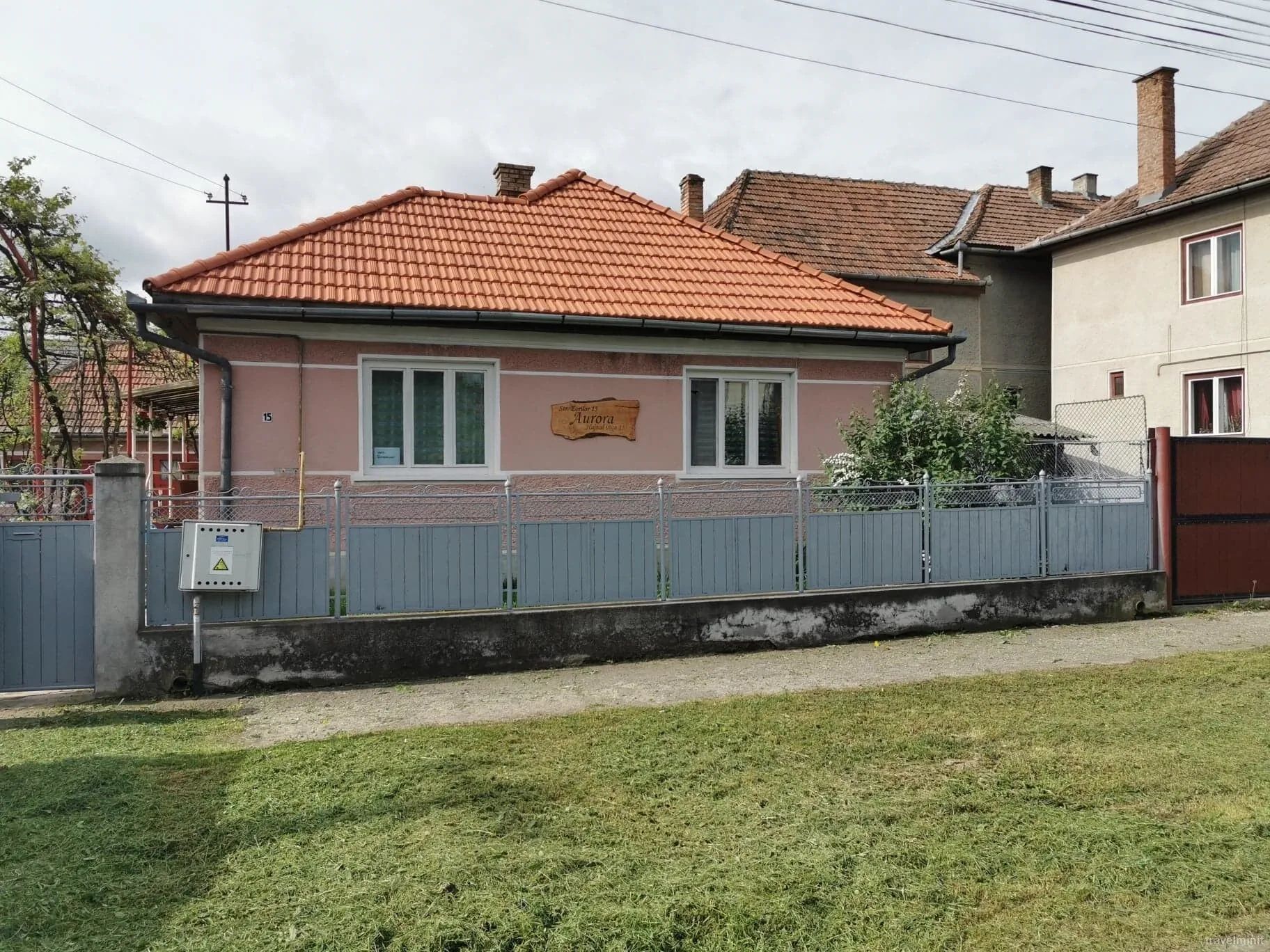
Holiday home · 3 stars
Sfântu Gheorghe, Covasna County · 18.9 km
Casa de oaspeți Sepsi-Szék Sfântu Gheorghe
Comfort, relaxation and stunning views, all just steps away from the main attractions.
FROM
280 lei per night
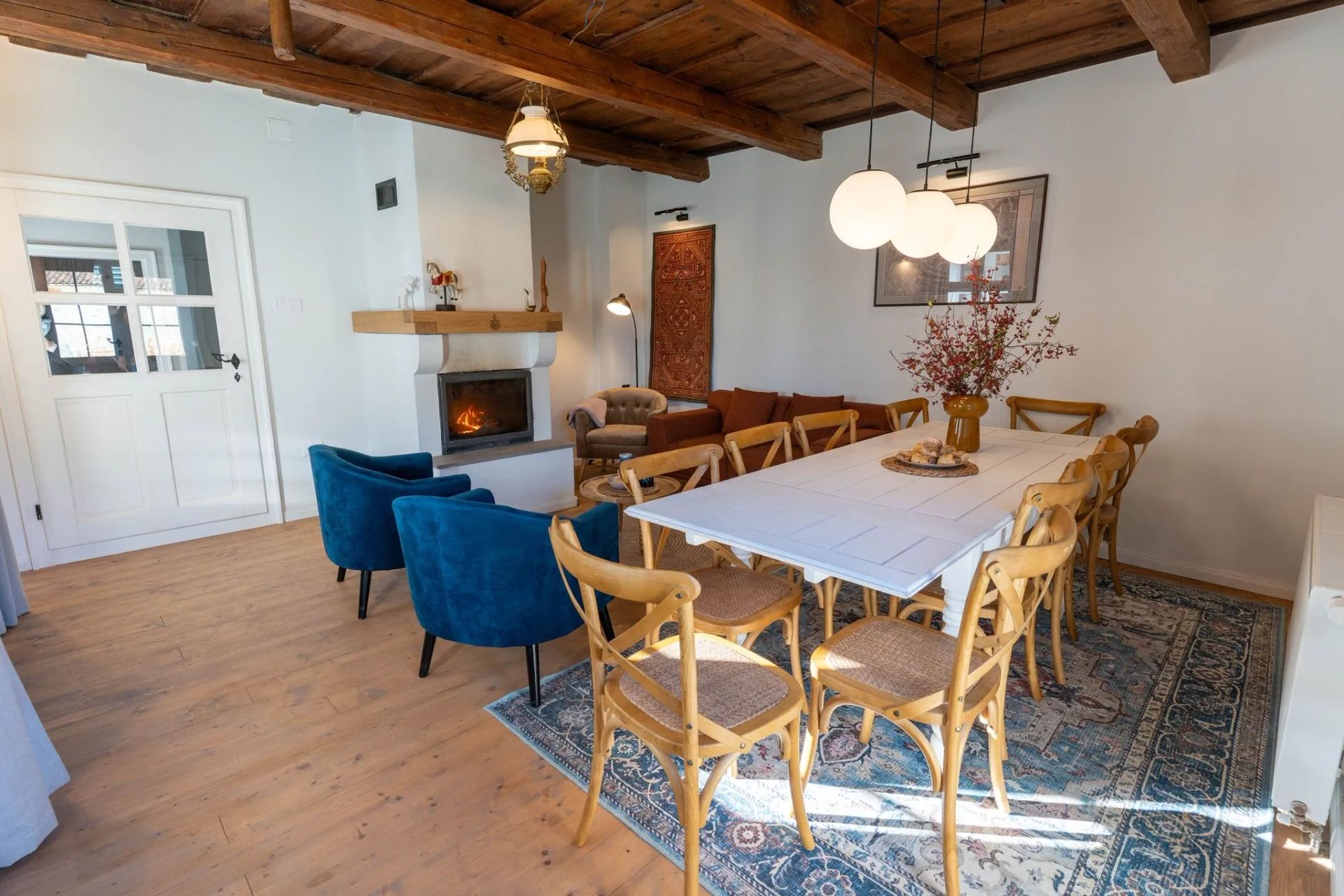
Holiday home · 3 stars
Aita Seacă, Covasna County · 19.0 km
Casa Tradițională Gabri Transylvania Aita Seacă
Comfort, relaxation and stunning views, all just steps away from the main attractions.
FROM
280 lei per night
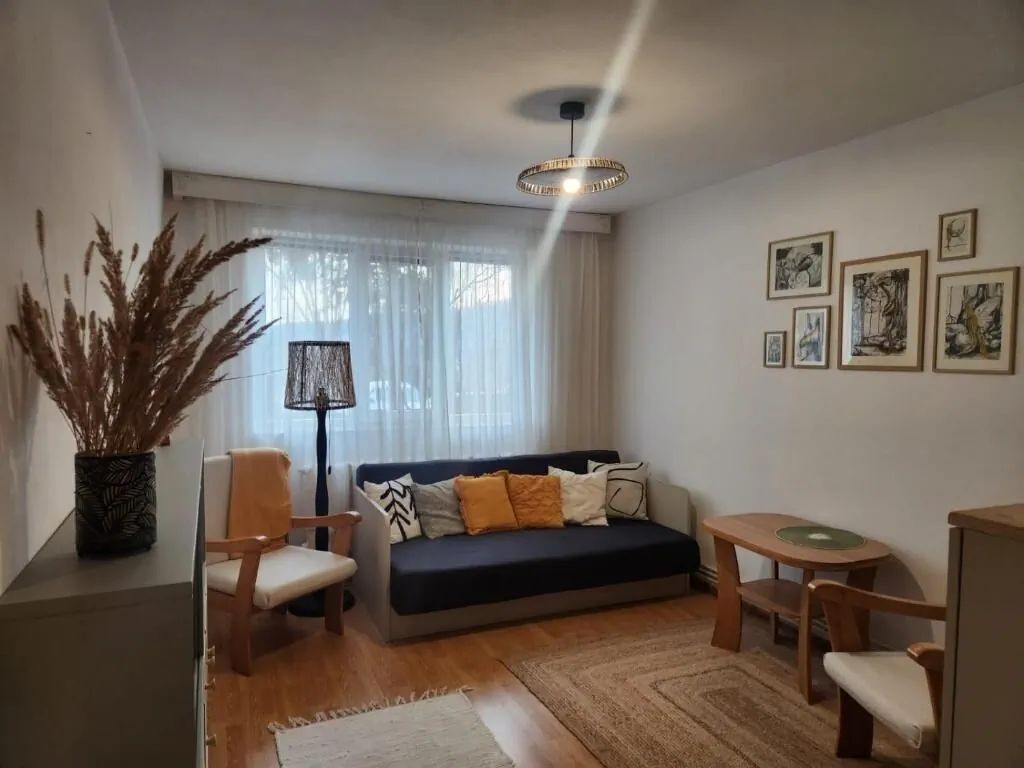
Apartment · 3 stars
Sfântu Gheorghe, Covasna County · 19.1 km
Căsuța de pe deal Sfântu Gheorghe
Comfort, relaxation and stunning views, all just steps away from the main attractions.
FROM
230 lei per night
BEFORE YOU HIT THE ROAD
Weather conditions in Brasov
Local forecast for Fortified Church of Maieruș, Brasov, Brașov

Real-time updated weather data
Much more to explore in this area
Nearby tourist attractions

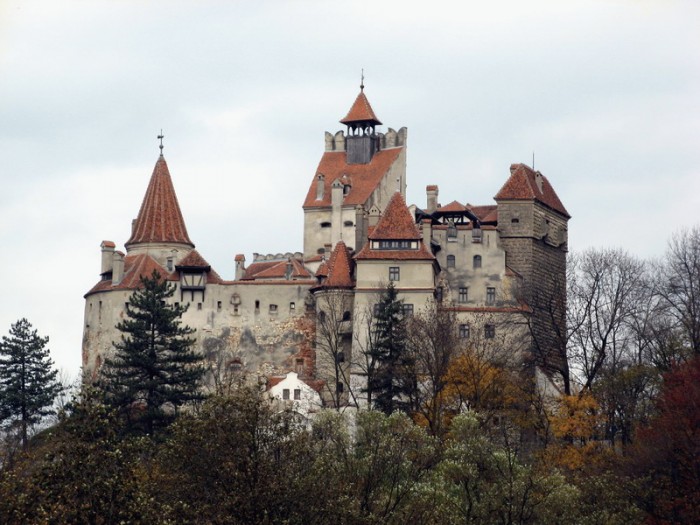

Bran, Brașov County
Bran Castle
Situat pe strada General Traian Mosoiu nr. 28 din localitatea Bran, la 30 km de municipiul Brasov; construit in anul 1377 in scop militar; in anul 1395, este...
44.6 km
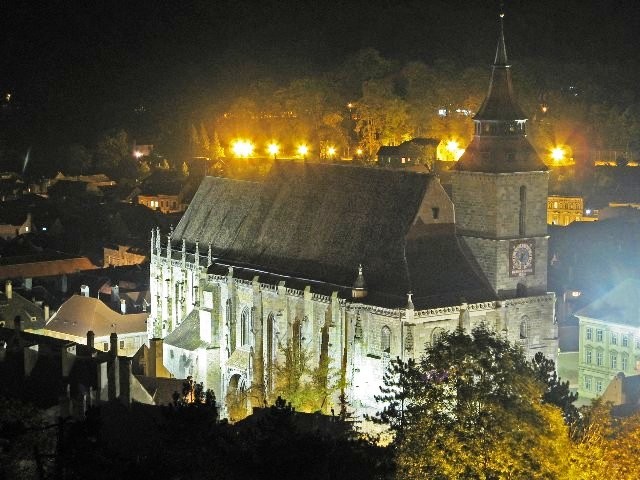
Brasov, Brașov County
Black Church
Situata in curtea Honterus nr. 2 din municipiul Brasov; construita intre secolele XIV - XV; o inscriptie din interior il atesta ca prim ctitor pe Thomas; din...
28.4 km
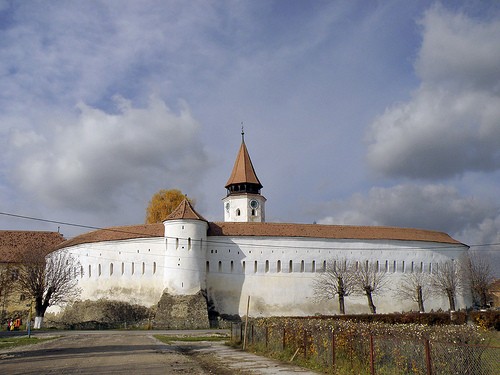
Brasov, Brașov County
Prejmer Fortified Church
Situata in localitatea Prejmer, la 15 km de municipiul Brasov; cea mai mare biserica fortificata din sud-estul Europei; construita in secolul al XIII-lea; are...
26.9 km
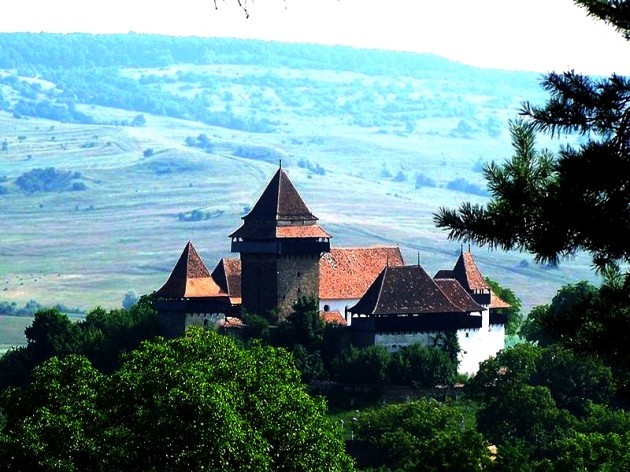
Brasov, Brașov County
Viscri Fortified Church
Situata in localitate Viscri; construita in secolul al XIII-lea; din punct de vedere arhitectural apartine stilului romanic; are un plan de tip sala romanica;...
38.8 km

Harghita, Harghita County
Saint Anne Lake (Lacul Sfânta Ana)
Situat pe teritoriul administrativ al comunei Cozmeni, la 28 km de Baile Tusnad, in zona centrala a masivului vulcanic Ciomatu; rezervatie complexa - naturala,...
37.1 km
Harghita, Harghita County
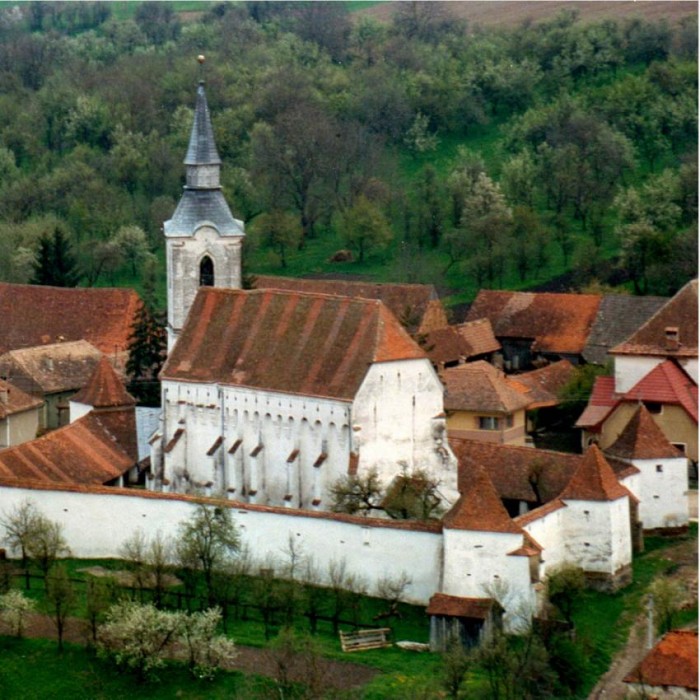
Dârjiu Fortified Church
Situata in localitatea Darjiu; construita intre secolele XIV - XV; initial, a fost ridicata in stil romanic, iar apoi a fost transformata in stil gotic; a...
42.7 km

Brașov, Brașov County
Black Church of Brașov (Evangelical Fortified Church Ensemble)
Heritage site in Braşov County, Romania
49.0 km
Râșnov, Brașov County
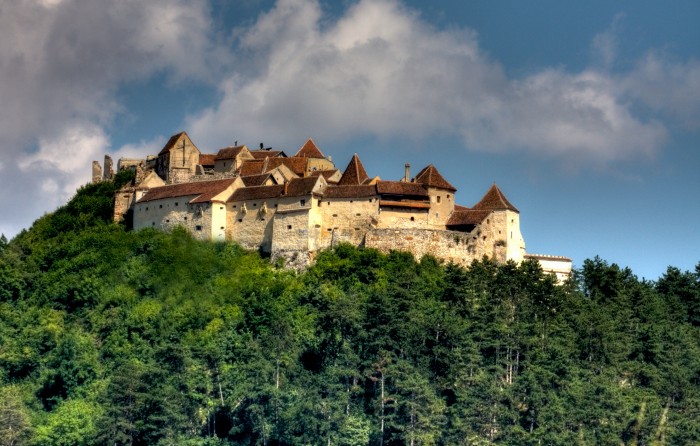
Râșnov Citadel
Situata in orasul Rasnov, la 15 km de municipiul Brasov; construita in secolele XIII - XIV de catre locuitorii zonei, in scopul apararii impotriva atacurilor...
34.6 km
Brasov, Brașov County
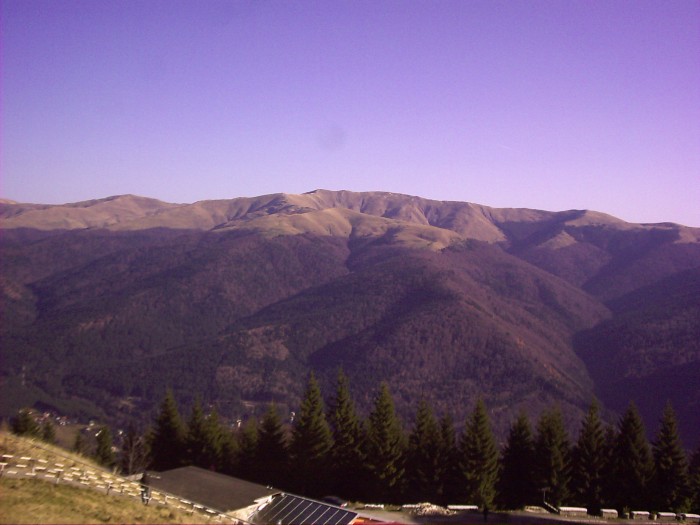
Bucegi Natural Park
Situat in Muntii Bucegi, se intinde pe raza comunelor Rasnov, Bran, Moeciu; zona Muntilor Bucegi a fost propusa pentru protejare in anul 1936, dar initiativa s-...
48.6 km

Brasov, Brașov County
Poiana Brașov resort.
Situata la poalele muntelui Postavaru, la 12 km de municipiul Brasov; amplasata la altitudinea de 1.030 m, statiunea turistica Poiana Brasov a fost infiintata...
33.8 km
Brasov, Brașov County
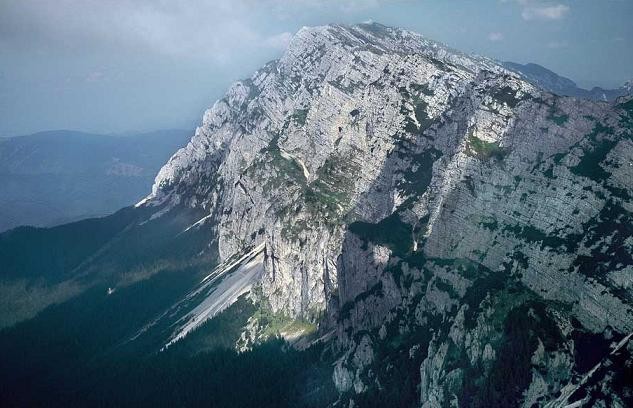
Piatra Craiului National Park
Situat in Carpatii Meridionali;include Creasta Pietrei Craiului in totalitate si spatiile din culoarele intramontane limitrofe, Rucar - Bran si Rucar -...
45.7 km
Brasov, Brașov County
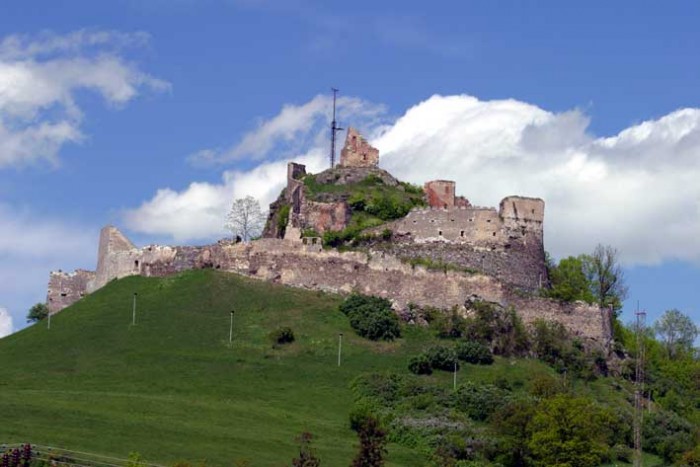
Rupea Fortress
Situata in vestul orasului Rupea, in zona rezervatiei geologice Dealul Cohalm, la 50 km de municipiul Brasov; prima atestare documentara dateaza din anul 1324 -...
29.4 km
Cultural life and traditions
Events in the Fortified Church of Maieruș area
Medieval festivals, traditional fairs, concerts and local activities recommended in Transylvania.

Heritage and History

Brasov, County of Brașov
The Festival of Medieval Fortresses and the Open Doors Days
Guided night tours, traditional crafts workshops and historical re-enactments featuring knights and ladies.
WHEN
May 15-17, 2026


Traditions and Cuisine
Brasov, County of Brașov
The Fair of Saxon Traditions and Local Cuisine
Discover local producers, traditional Saxon pastries baked in a wood-fired oven, artisanal syrups, and rhubarb jam.
WHEN
Every weekend (May - October)

Ecotourism and Nature
The hills of Transylvania, County of Brașov
Guided Hikes on the Transylvanian Hills Trail
Take excursions along unmarked trails through ancient meadows, centuries-old oak trees, and villages with fortified churches that are UNESCO World Heritage sites.
WHEN
Friday – Sunday (Season 2026)
On foot, exploration gains depth
Discover the surroundings and local geography
Explore the trails, terrain, and natural landmarks around Fortified Church of Maieruș.

Guides and practical tips
Useful travel articles
Travel guides, practical recommendations and tourist itineraries for Transylvania.

Tourist guide
Top 5 Atracții Turistice și Trasee Montane în Zona Moieciu - Bran
Descoperă cele mai spectaculoase peisaje carstice, chei adânci și cetăți medievale din imediata apropiere a stațiunii Moieciu.

Tourist guide
Ghid de Drumeție: Traseul Moieciu de Sus spre Platoul Bucegi
Un itinerariu montan de o frumusețe rară ce urcă din Valea Băngăleasa spre Poiana Guțanu și crestele maiestuoase ale Bucegilor.

Tourist guide
Castelul Bran: Istorie, Legende și Secrete Medievale
Află adevărata poveste a fortăreței medievale din Pasul Bran, reședința de suflet a Reginei Maria a României.
THE JOURNEY STARTS WITH AN IDEA
The next story is on the way.
From the first stop to the last stay, make room for a new Romania.
