


PLACE OF WORSHIP · TRANSYLVANIA
Prejmer Fortified Church

Brasov, Brașov County
Add location to your trip planner.
Practical access information

VISITING HOURS
Monday: 12:00 PM – 5:00 PM · Tuesday–Sunday: 9:00 AM – 5:00 PM (in summer until 8:00 PM)

TICKET PRICE
Adults: 45 RON · Students: 11 RON · Seniors: 23 RON · Guided tour included

RECOMMENDED VISIT DURATION
2-3.5 hours
Visitor information and guide
 Navigate with Google Maps

ABOUT PREJMER FORTIFIED CHURCH
A Fortress of Faith on the Edge of Europe
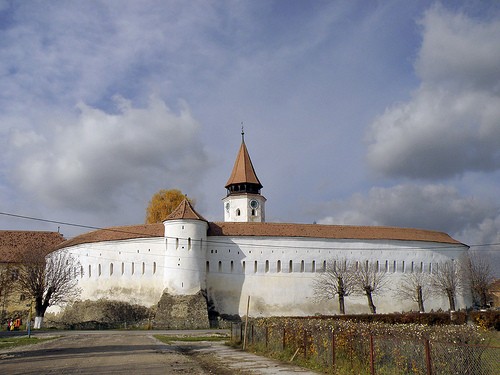
About fifteen kilometres northeast of Brașov, where the road descending toward Wallachia (DN 10, former European route E 574) crosses the Bârsa Land along the Olt River, rises one of medieval Europe's most impressive achievements: the Prejmer Fortified Church, known to old inhabitants as Tartlau and to Hungarians as Prázsmár. It is the largest fortified church in Southeast Europe and, by historical consensus, the best-preserved and strongest medieval church-fortress in the eastern part of the continent. In 1999, the ensemble was inscribed on the UNESCO World Heritage List as part of the extension of the site "Villages with Fortified Churches in Transylvania," and the Michelin Green Guide awarded it three stars — the maximum distinction, "which alone justifies a journey" — the only objective in Romania so honoured. For the European traveller, Prejmer is not a mere architectural curiosity, but an essential chapter of their own history: the place where, for five centuries, a rural community defended, stone by stone, one of the gates of Christendom against the Ottoman world.
Historical Roots and Major European Connections
From the Byzantine Greek Cross to the Teutonic Knights
The story begins around 1211, when King Andrew II of Hungary — the same monarch of the Árpád dynasty who, in 1222, would issue the Golden Bull, the oldest "constitution" of Hungary, and who in 1224 would confirm the privileges granted to the Transylvanian Saxons through the Diploma Andreanum — mentions in a document addressed to the Teutonic Knights the name of the Târlung River and grants them rights over a vast territory in the Bârsa Land, called Burzenland by the German colonists. The Teutonic Knights — the same military order that, in the same era, was building its state in Prussia, with Marienburg Castle (Malbork, today in Poland, also a UNESCO monument) — began in 1218 the construction of a church dedicated to the Holy Cross. Their architectural innovation is astonishing: a Greek cross plan, with apses terminating in hexagons, a type of plan borrowed from Byzantine tradition and from the church architecture of Jerusalem, found in Transylvania only here, with few parallels in northeastern Germany. The church was built on the foundations of an old 12th-century Romanesque basilica, from the time of an older settlement, of Slavic origin, called Dacia.
In 1225, Andrew II expelled the Teutonic Knights, fearing their ambitions of independence, and in 1240, through the donation of King Béla IV, the church and estate passed into the possession of the Cistercian abbey of Cârța (Kerz), whose monks carried the construction to completion.
The Cistercians, Burgundian Gothic and European Kinship
The Cistercian Order, born at Cîteaux in Burgundy, France, was the great bearer of early Gothic in 13th-century Europe. The monks of Cârța introduced this "Burgundian Gothic" into Transylvania, and the church of Prejmer is stylistically related to the abbey church of Cârța and to St. Bartholomew's Church in Brașov, both built after the middle of the 13th century — art historians date Prejmer to the second third of that century. Around the church developed the easternmost settlement of the Transylvanian Saxons, colonists brought by the kings of Hungary beginning in the 12th century, coming from Flanders, from the Moselle valley and from the Rhine valley, in the great movement of German colonization eastward (Ostsiedlung). The church of Prejmer thus stands at the crossroads of European traditions: the Byzantine form of the plan, the French Gothic of the Cistercians, the German craftsmanship of the Saxons — a material map of medieval Europe in a single building.
Sigismund of Luxembourg and the Frontier of Christendom
After the devastating Mongol invasion of 1241–1242 — which also swept through Brașov (Keresd, Corona), after the great defeat of the Hungarians at Mohi — and especially after the first major Ottoman incursion of 1421, coming through the Buzău Pass, the strategic role of Prejmer became clear: it was the first locality to receive the blows of armies penetrating into Transylvania. King Sigismund of Luxembourg — king of Hungary, king of Bohemia, future emperor of the Holy Roman Empire, organizer of the anti-Ottoman crusade that ended in the disaster of Nicopolis in 1396, founder of the Council of Constance — ordered the construction of a defence system in the Bârsa Land. The European context was that of a Europe closed in upon itself, under the pressure of Ottoman expansion after the fall of Constantinople in 1453: the Christian kingdoms of Hungary, Poland and the Romanian Lands functioned as buffer states. In 1395, Sigismund signed at Brașov a treaty of alliance with Mircea the Elder of Wallachia against the Porte. And from 1427, around the church of Prejmer the great curtain walls were raised. The fortress here belongs, therefore, to the same European story as the border fortresses of Hungary (Eger, Szigetvár), as the Habsburg Military Frontier or as the crusader castles of the Levant — a frontier of Christendom, defended this time by peasants.
Architectural Masterpiece and Artistic Heritage
The Holy Cross Church and the 1450 Altarpiece
The place of worship, dedicated to the Holy Cross, was built on a central Greek cross plan, whose equal arms unfold around a square surmounted by an octagonal tower — a conception unique in Transylvania, inspired by the churches of Jerusalem and related to the late Gothic of the Rhine valley. Over the centuries, the building underwent major transformations: in 1461 a bell tower was raised above the intersection of the arms (in place of an older and smaller tower, located in front of the western arm), and between 1512 and 1515 two unequal side aisles were added and the central nave was extended, modifying the initial plan. The interior is sober, with ribbed vaults of restrained elegance, without traces of frescoes. The artistic treasure of the church is the polyptych (triptych) altarpiece dated around 1450 — the oldest altar in Transylvania and one of the oldest in Romania. The theme is the Passion of the Lord: in the central panel, the Crucifixion, four times larger than the other panels, with over half of the surface gilded; on the wings, painted on both sides and in two registers, scenes such as the Washing of the Feet, the Last Supper, the Flagellation, the Judgement of Caiaphas, the Lamentations of Women, the Entombment, the Resurrection and the Holy Women. The figures are simple, reduced to the essential, almost statuesque; the reds, placed on a gilded background, have a special brilliance. The author, unknown, was formed, according to specialists, in the Viennese school of painting — the Danubian art of an era when Vienna was the artistic capital of the Habsburg world. After the 16th-century Reformation — Brașov being one of the centres of the Lutheran Reformation in Transylvania, where Johannes Honterus printed the first books — the community adopted the Augsburg Confession, and the church became Evangelical-Lutheran.
The Peasant Fortress: Border Military Engineering
The fortification is a masterpiece of medieval military engineering. Around the church a nearly circular enclosure was raised, with a diameter of about 72 metres, with walls 3–4 metres thick (in some places up to 5 metres) and 10–12 metres high, reinforced with four horseshoe-shaped bastions (of which two are preserved), with five towers, with a zwinger and with a defensive ditch 18 metres wide and 2–4 metres deep, fed with water — a system comparable to the water castles (Wasserburgen) of Bavaria and Austria or to the moat of Făgăraș Citadel. On the inner face of the curtain wall, on three or four levels, 272 rooms are lined up — each family of the village had its designated room — used in peacetime as storage spaces and, in wartime, as refuge; the cellars stored grain provisions sufficient for approximately six months, and the ensemble could shelter about 1,600 villagers. Above the rooms runs the wall-walk (Wehrgang), about 800 metres long and, in its upper part, up to 4 metres wide, covered with a gabled roof and pierced by numerous arrow slits and pouring holes (machicolations). Entry to the fortress is through a vaulted tunnel 30 metres long, protected by a portcullis (sliding wooden grille reinforced with iron) and by massive oak gates, flanked by a barbican. Among the fire openings fixed in the walls was also an unusual fighting device: the famous "Organ of Death" (Todesorgel) — a thick board, rotating around an iron axle, carrying on each side five firing tubes; while one series was discharged, the other was reloaded, and by rapid rotation one could fire again. A medieval "machine gun," related to the multi-barrelled guns (ribauldequins) of Western Europe, meant to create panic and heavy losses in the enemy camp; today the visitor can see and turn a replica of this unique mechanism. The ensemble of Prejmer belongs to a European family of rural fortified churches — from the fortified churches of the Hussites of Bohemia (Tábor) to the fortified churches of the Waldensians of the Piedmontese valleys (Angrogna, Chanforan) and to the Wehrkirchen of Franconia, Bavaria and Austria — the largest and most complete of them, the easternmost outpost of this continental phenomenon.
Legends, Personalities and Turning Points
Fifty Sieges and a Single Conquest
Between the 13th and 17th centuries, the village of Prejmer was attacked and destroyed more than fifty times — by Mongols, Tatars, Ottomans (the raids of 1421, 1432, 1438, 1508, the Tatar invasion of 1658), by Hungarians, Cossacks and Wallachian and Moldavian voivodes — yet the church-fortress was effectively conquered only once, in 1611, by Gabriel Báthory, Prince of Transylvania. The troubled centuries of the 17th century left deep marks: after the battle of Guruslău (Brașov) of 1600, the troops of Emperor Ferdinand of Habsburg, led by Török Bálint and Majláth István, burned the Saxon lands; Michael the Brave had set up his camp at Prázsmár somewhat earlier, and later Imre Thököly, the last great anti-Habsburg prince, supported by the Sultan, would cross the same lands. In the 18th century, another line of fortification, with five gates, was raised around the village, and the great fire of 23 February 1767 consumed 200 dwellings. And yet the fortress endured — a stone chronicle of the resilience of a border community. Local tradition also speaks of a tunnel that would have connected the church to the outside of the enclosure, a mystery not yet fully unravelled.
The Chronicle of Thomas Tartler and the Memory of Prejmer
The most precious written testimony to the history of Prejmer is the "Tartlauer Chronic" — the chronicle of the commune written in 1750 by the Evangelical pastor Thomas Tartler (1700–1770), born in Brașov; part of this history was translated into Romanian by priest Ioan Ludu. From Tartler's pages come alive the sieges and trials through which the land passed. Also born in Prejmer was the German writer Erwin Neustädter (1897–1992). In the 20th century, the ensemble was restored between 1962 and 1970, under the coordination of architect Mariana Angelescu and engineer Alexandru Dobriceanu, with archaeological research conducted by Radu Heitel — an irony of history that the restoration was financed by Ceaușescu's atheist regime, which also filmed, in the enclosure, several frames from "Buzduganul cu trei peceți" (1977). In 1916, in the midst of the world war, three bells were confiscated for melting; in 1923 they were replaced with bells cast at Apolda, in Thuringia — a German echo that still sounds today above the Bârsa Land. Since 1990, in the old fiscal warehouse of 1793 raised above the entrance gallery, a museum operates — the ethnographic museum of the Saxons — with a reconstructed classroom and a Saxon peasant room with original furniture.
From the Protestant Reformation to the Emigration of the Saxons
The Saxon community, which for centuries had been the guardian of the fortress — the privileged "Saxon nation" of medieval Transylvania, alongside the Hungarian nobility and the Székelys — had embraced in the 16th century the Lutheran faith. After 1989, most Saxons emigrated to Germany; in 2009, only about 125 were still registered in the Evangelical parish of Tartlau. Today the fortress is kept alive by visitors from Romania and from all over the world, as well as by German foundations such as Stiftung Kirchenburgen, which preserve the memory of this community — a European heritage that now belongs to everyone.
UNESCO, World Recognition and Place in Europe's Memory
In 1993, UNESCO inscribed on the World Heritage List the fortified church of Biertan — the former residence of the Lutheran Saxon bishops between 1572 and 1867; in 1999, the site was extended with six more villages — Prejmer, Câlnic, Dârjiu, Saschiz, Valea Viilor and Viscri — under the name "Villages with Fortified Churches in Transylvania." Transylvania preserves over 150 well-conserved fortified churches out of the approximately 300 built between the 13th and 16th centuries — one of the densest concentrations of rural medieval fortifications on the continent. Prejmer is, in this network, the strongest and most complete link. The Michelin Green Guide awarded it three stars — the maximum distinction, "which alone justifies a journey" — the only objective in Romania so honoured. For the European traveller, Prejmer is a chapter of their own civilization: the place where the Latin West (Cîteaux, the Rhine valley, the Teutonic Order), Byzantium (the Greek cross plan), the German colonization of Eastern Europe, the Reformation and the Ottoman frontier meet in stone.
Practical Visiting Guide and the Tourist Experience of Today
Schedule, Tickets and Access
In the summer season (1 April – 15 October), the fortress is open from Monday to Saturday between 09:00 and 17:30 (last entry), and on Sunday between 11:00 and 17:30; the entrance ticket is around 20 lei, with the possibility of online purchase (it is recommended to check the updated schedule and prices on the monument's official website before visiting). Access is via DN 10 / E 574, about 15 kilometres northeast of Brașov (20–25 minutes by car), by bus 520 from Brașov bus station (about 30 minutes) or by train on the Brașov – Sfântu Gheorghe – Târgu Secuiesc main line. Allow between 60 and 90 minutes for the visit.
What You See Step by Step
The natural itinerary begins through the 30-metre entrance tunnel, with the portcullis and barbican, then climbs the wooden stairs among the rooms of the curtain wall — the provision rooms, the reconstructed classroom, the Saxon peasant room of the ethnographic museum — up to the wall-walk at about 10 metres height, between arrow slits and pouring holes, under the gabled roof of the Wehrgang; here is also the replica of the "organ of death," which you can turn by hand. Then descend into the church: the Greek cross plan, the ribbed vaults, the 1450 triptych altarpiece with the gilded Crucifixion in the centre, the 1461 bell tower, the organ, the stalls and the bells cast at Apolda. Outside, look down from above at the oval enclosure, the horseshoe bastions and the water-filled moat. The visit is a journey through eight centuries — from the 12th-century Romanesque basilica to the Lutheran church, from the cross of the Teutonic Knights to the refuge rooms of the Saxons.
In the Heart of the Bârsa Land: Complementary Itineraries
Combine the visit with the fortified church of Hărman, only 5 kilometres away (attested in 1240, never conquered, with a chapel preserving 15th-century mural paintings), with the historic centre of Brașov (the Black Church, Council Square), with Râșnov Citadel, with Bran Castle and, further afield, with the village of Viscri — the Saxon village promoted on an international scale, with its fortified church and the house associated with King Charles III — or with Făgăraș Citadel, one of the few European fortresses surrounded by a water-filled moat and, according to locals, never conquered by siege. Prejmer is the gateway to an entire medieval landscape: the cultural landscape of southern Transylvania that UNESCO has recognized as the heritage of all humanity — and which every European traveller should traverse at least once, with the steps of a pilgrim and with the gaze directed, among the battlements, toward the horizon where, five hundred years ago, at the foot of the Carpathians, the tents of the enemy could be seen.
Media gallery
Discover Prejmer Fortified Church in pictures

9 photos · Architecture, courtyards and captivating details
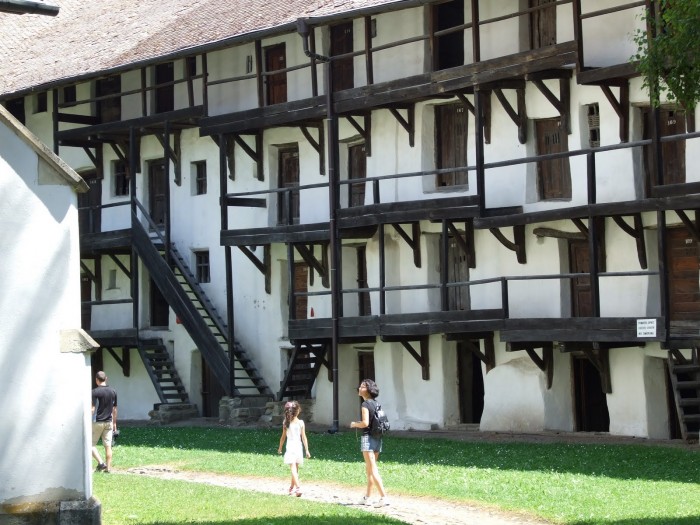
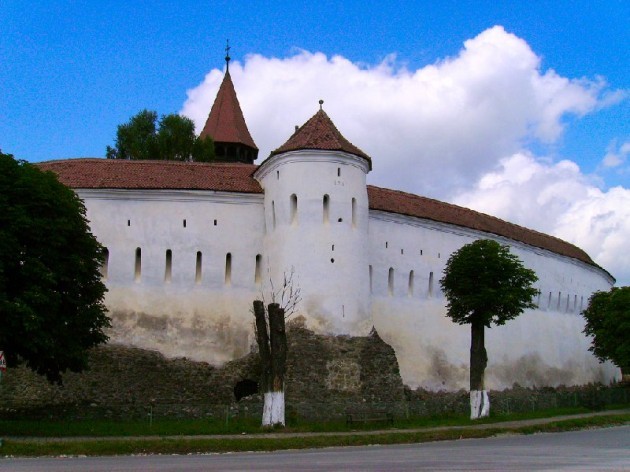
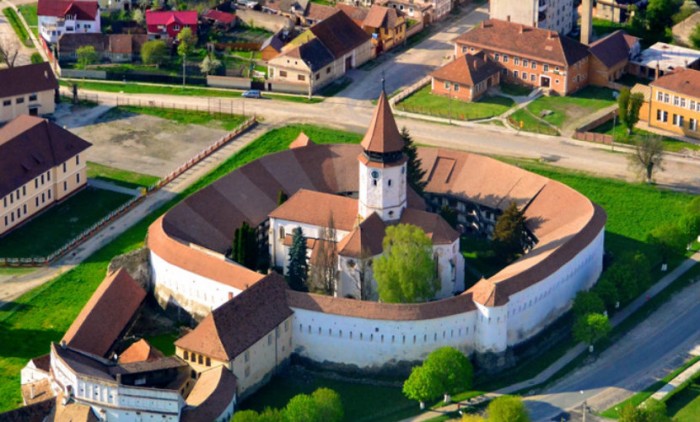
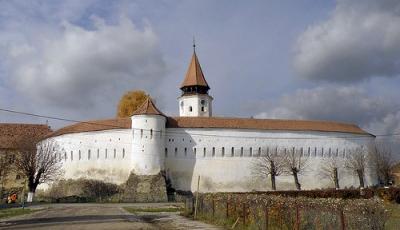


Image source: Wikimedia Commons · Public domain photos · Free license
STAY A FEW DAYS, DISCOVER THE MAGIC
Accommodation in the Prejmer Fortified Church area

Guesthouse · 3 stars

Lancrăm, Alba County · 0.5 km
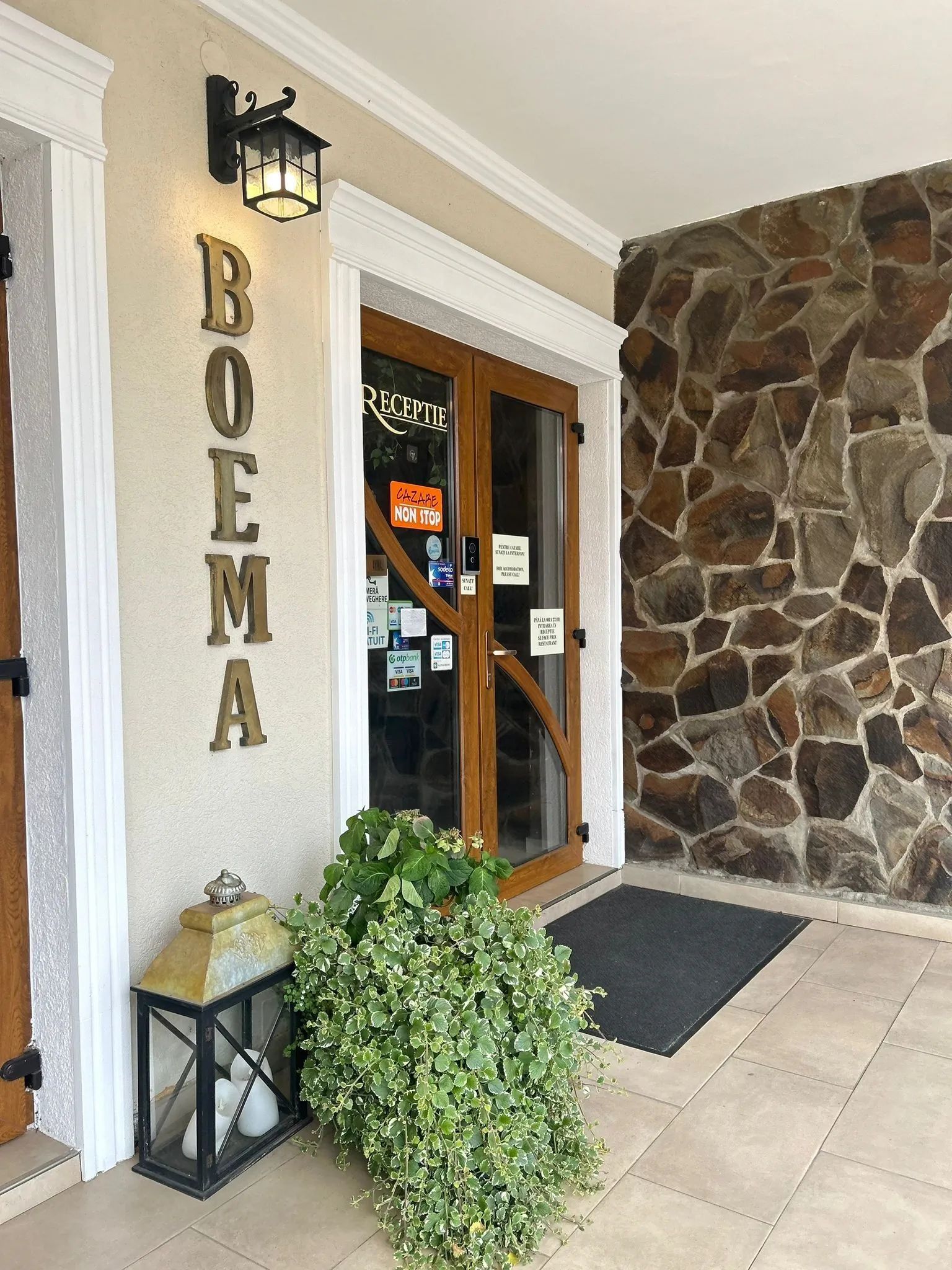
Pensiunea Boema Lancrăm
O dimineață răcoroasă pe terasă și o seară liniștită la vatră de foc în aer liber descriu perfect o zi petrecută aici. Pensiunea Boema Lancrăm din localitatea Lancrăm vă așteaptă să vă bucurați de acest ritm într-un cadru confortabil cu trei stele. Camerele single, duble și triple sunt amenajate cu grijă pentru confortul dumneavoastră, fiecare având baie proprie și dotări complete. Restaurantul din incintă, cafeneaua și barul vă oferă mese gustoase, iar room service-ul aduce preparatele direct în cameră atunci când doriți intimitate. Wi-Fi gratuit este disponibil în întreaga unitate, iar pentru familiile cu copii aveți la dispoziție meniu special și pătuț pentru bebeluș. Curtea mare și grădina amenajată sunt ideale pentru relaxare, iar grătarul și ceaunul vă permit să gătiți în aer liber. De asemenea, puteți practica pescuitul sau puteți explora drumețiile montane și traseele în natură din zonă. Depozitul pentru bagaje și parcarea pentru biciclete completează facilitățile oferite. În apropiere puteți vizita Biserica fortificată din Prejmer, Biserica Neagră, Biserica fortificată din Hărman, Cetatea Râșnov și Stațiunea Poiana Brașov, toate fiind destinații potrivite pentru excursii. Pensiunea beneficiază de parcare privată gratuită, acces pentru persoane cu dizabilități și fier de călcat la nevoie.
FROM
240 lei per night

Hotel · 3 stars
Brașov, Brașov County · 0.6 km
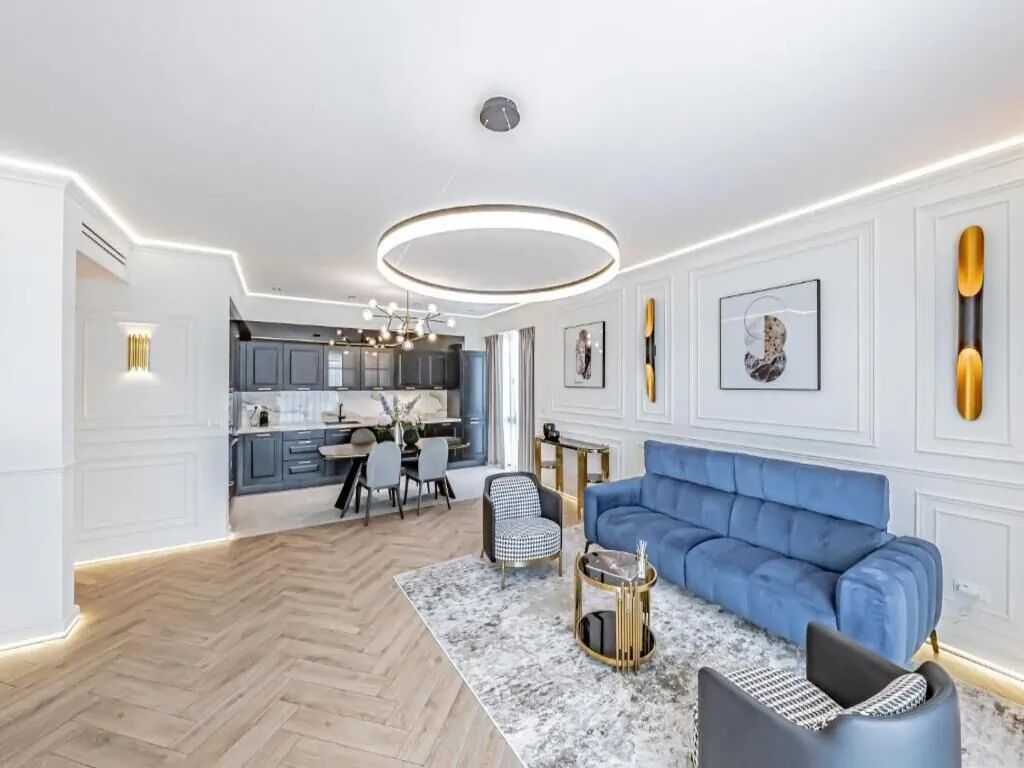
Aparthotel ONE66 Brașov
O curte mare și o grădină amenajată vă așteaptă la Aparthotel ONE66 Brașov din Brașov, oferindu-vă un spațiu generos în care vă puteți relaxa departe de aglomerația străzii. Unitatea oferă 100 de camere confortabile și bine amenajate, acces Wi-Fi gratuit în întreaga proprietate și un lift pentru deplasări ușoare între etaje. Pentru cei care călătoresc cu bicicleta, există parcare dedicată, iar pentru autoturisme este disponibilă parcare privată gratuită. De asemenea, aveți la dispoziție un depozit pentru bagaje și un fier de călcat în cameră. În incintă funcționează un restaurant unde puteți savura preparate excelente, iar un bar vă așteaptă pentru băuturi relaxante după o zi de explorare. Familiile cu copii mici vor aprecia pătuțul pentru bebeluși și scaunul înalt disponibil la cerere. De asemenea, sala de fitness vă permite să vă mențineți rutina sportivă și în timpul șederii. În apropiere puteți vizita Biserica Neagră, Biserica fortificată din Hărman, Biserica fortificată din Prejmer, Cetatea Râșnov și Stațiunea Poiana Brașov, toate reprezentând destinații interesante pentru excursii de o zi. Check-in-ul se efectuează de la ora 15:00, iar check-out-ul până la ora 11:00, iar la recepție personalul vorbește atât română, cât și engleză.
FROM
290 lei per night
Guesthouse · 3 stars
Prejmer, Covasna County · 0.6 km
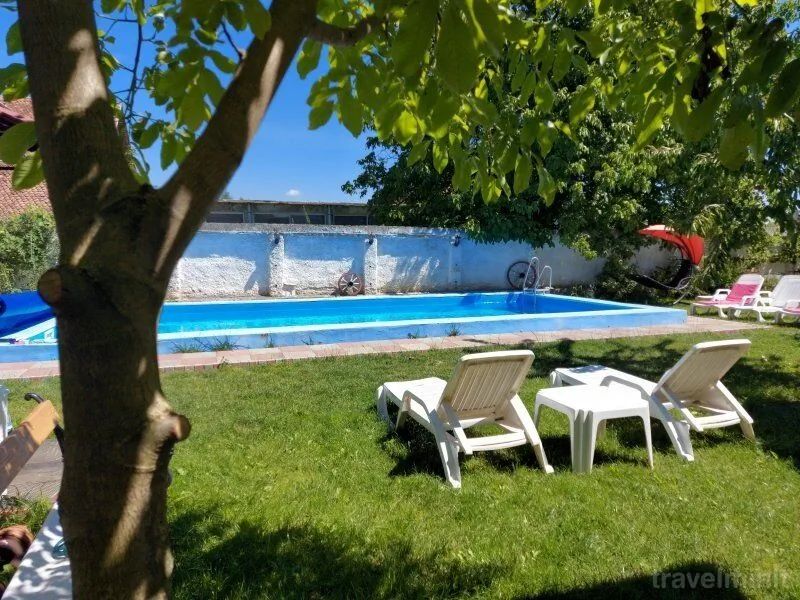
Pensiunea Diana Prejmer
Într-o atmosferă rustică transilvăneană, Pensiunea Diana din localitatea Prejmer vă invită să petreceți momente de liniște și relaxare într-un cadru autentic. Clădirea se integrează armonios în peisajul satului covăsnean, oferind o priveliște plăcută asupra împrejurimilor tradiționale. Pentru confortul dumneavoastră, unitatea pune la dispoziție aer condiționat, Wi-Fi gratuit și parcare privată gratuită. Vă puteți relaxa în ciubărul din lemn tradițional sau vă puteți bucura de spațiul generos al curții mari și al grădinii amenajate, ideale pentru momente de odihnă în aer liber. Familiile cu copii se vor bucura de locul de joacă amenajat la exterior, iar pentru serile plăcute aveți la dispoziție grătar, barbeque și ceaun pentru gătit în aer liber, astfel încât să vă simțiți ca acasă. În apropiere puteți vizita Biserica fortificată din Prejmer, Biserica Neagră, Biserica fortificată din Hărman, Cetatea Râșnov și Stațiunea Poiana Brașov, descoperind astfel comorile istorice și naturale ale zonei. Vă așteptăm la Pensiunea Diana, unde parcare privată gratuită și accesul facil vă asigură un sejur confortabil și lipsit de griji.
FROM
240 lei per night
Guesthouse · 4 stars
Bicfalău, Covasna County · 8.8 km
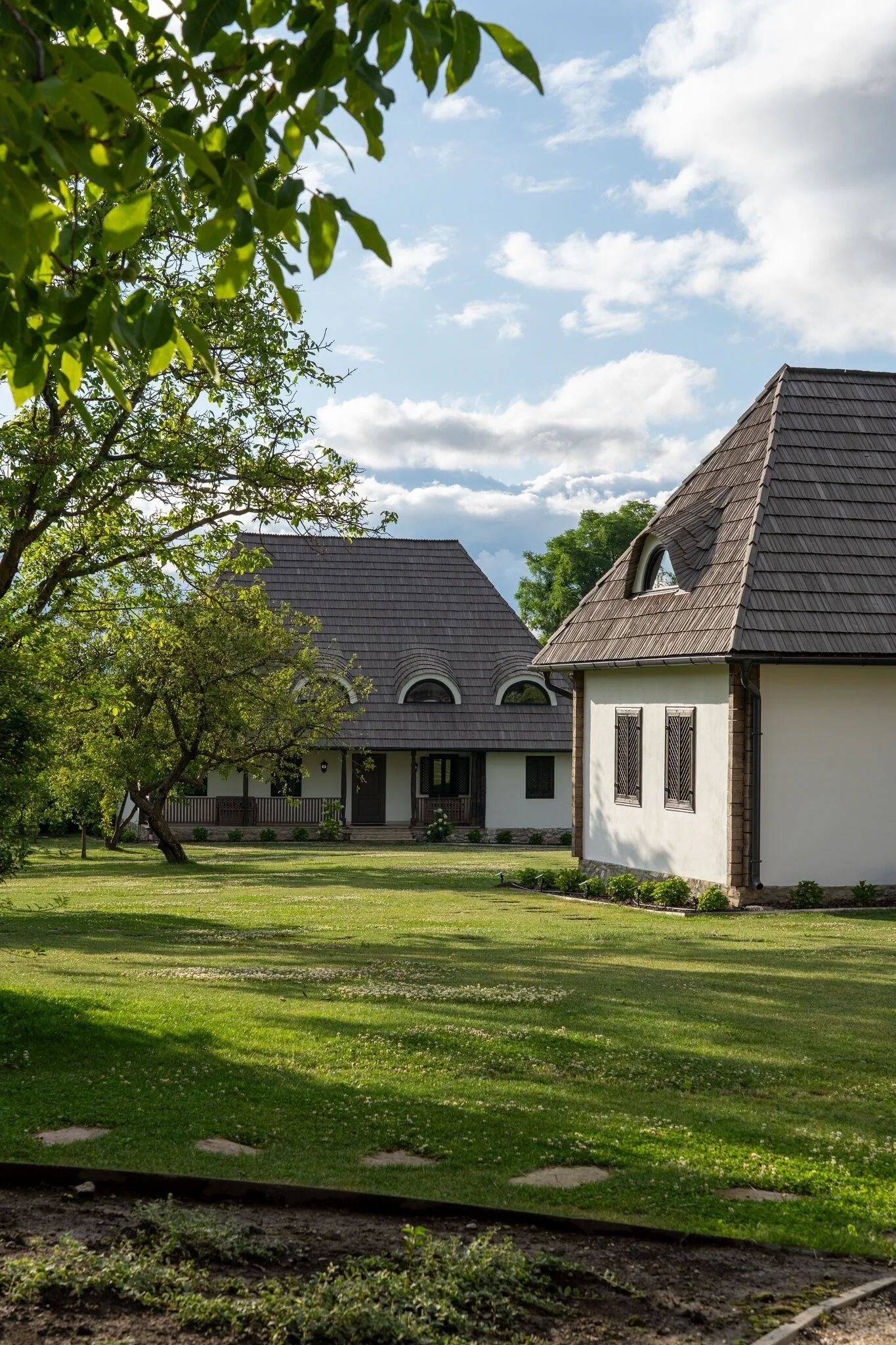
The Szekler Countryside Estate Bicfalău
În apropierea Bisericii fortificate din Prejmer, The Szekler Countryside Estate Bicfalău, o pensiune turistică de patru stele situată în localitatea Bicfalău, reprezintă punctul dumneavoastră de plecare pentru a descoperi patrimoniul cultural și natural al zonei. Unitatea pune la dispoziție o sală de fitness, tenis de masă, saună și servicii de masaj pentru relaxare completă după o zi de explorare. Vă puteți bucura de o curte mare și grădină amenajată, cu foișor și terasă la soare, iar pentru deplasări aveți la dispoziție parcare privată gratuită, parcare pentru biciclete și Wi-Fi gratuit în toate spațiile de cazare. Familiile cu copii găsesc aici cameră de joacă la interior, scaun înalt și pătuț pentru bebeluși, alături de fier de călcat, seif și depozit pentru bagaje, pentru un sejur confortabil și lipsit de griji. Pe lângă Biserica Neagră, Biserica fortificată din Hărman, Muzeul Național Secuiesc și Biserica fortificată unitariană din Arcuș, puteți explora drumeții montane și trasee în natură chiar din apropierea pensiunii, pornind direct din curtea unității. Vă așteptăm să vă bucurați de șederea dumneavoastră la Bicfalău.
FROM
310 lei per night
Guesthouse · 3 stars
Bicfalău, Covasna County · 8.9 km
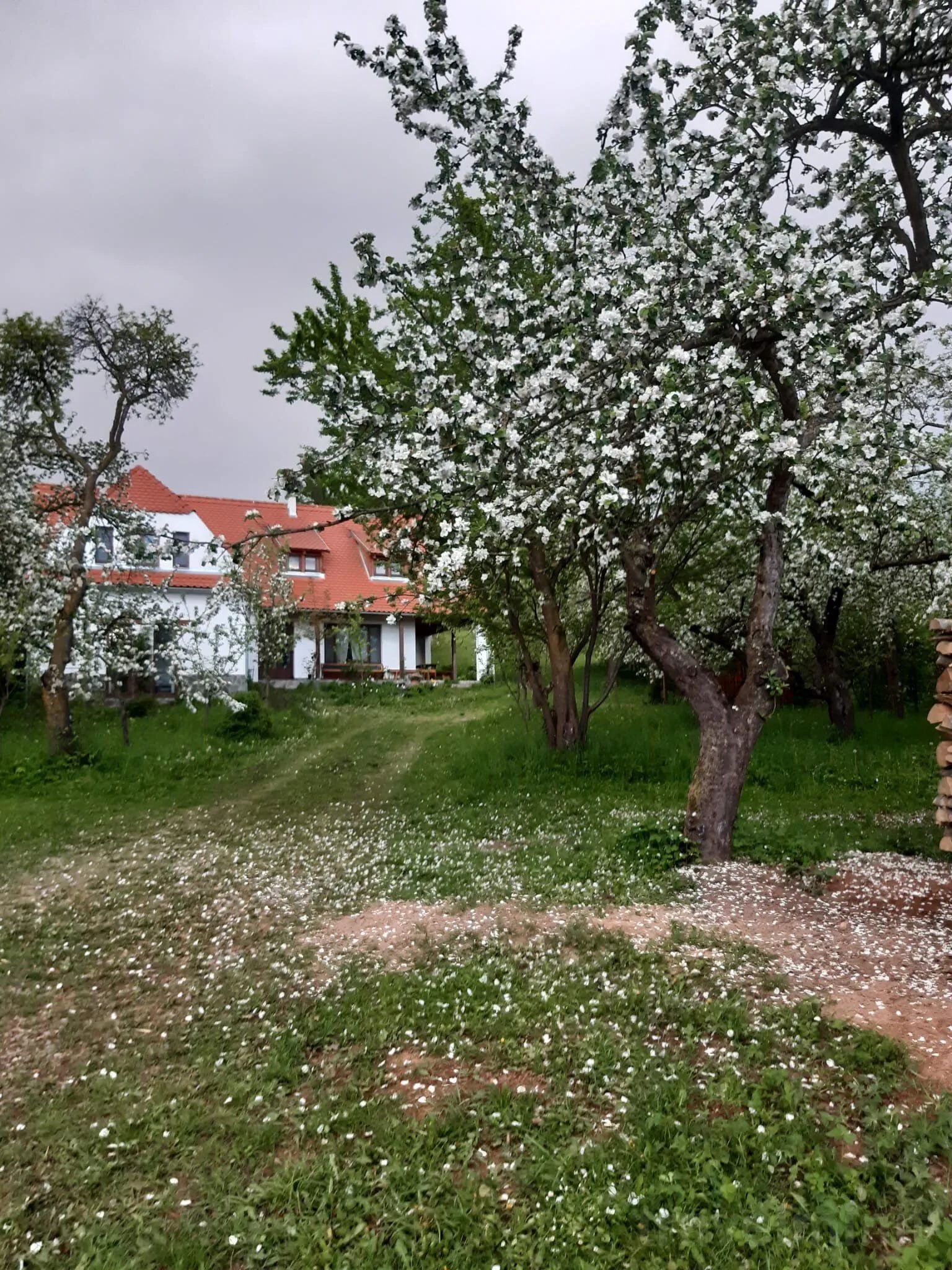
Pensiunea Zöld Diófa Bicfalău
Pensiunea Zöld Diófa Bicfalău este o pensiune turistică situată în localitatea Bicfalău din județul Covasna. Unitatea dispune de două clădiri, dintre care una este un conac istoric construit în anul 1801, iar cealaltă o construcție recentă în același stil. Dumneavoastră aveți la dispoziție saună, ciubăr din lemn tradițional, Wi-Fi gratuit și parcare privată gratuită. Curtea mare și grădina amenajată oferă un cadru plăcut pentru relaxare în aer liber, iar bucătăriile sunt dotate pentru prepararea mesei cu produse naturale din grădina proprie. În apropiere se pot vizita Biserica fortificată din Prejmer, Biserica Neagră, Biserica fortificată din Hărman, Muzeul Național Secuiesc și Biserica fortificată unitariană din Arcuș. Vă punem la dispoziție camere dotate cu mobilier tradițional și paturi confortabile, fiecare având baie proprie cu cabină de duș. Spațiile comune includ șeminee, săli de mese și terase, iar unele camere oferă și bibliotecă. Conexiunea Wi-Fi este disponibilă în întreaga proprietate. Seara, după vizitarea bisericilor fortificate din zonă, sauna și ciubărul din lemn oferă un moment de relaxare binevenit.
FROM
240 lei per night
Holiday villa · 3 stars
Bicfalău, Covasna County · 8.9 km
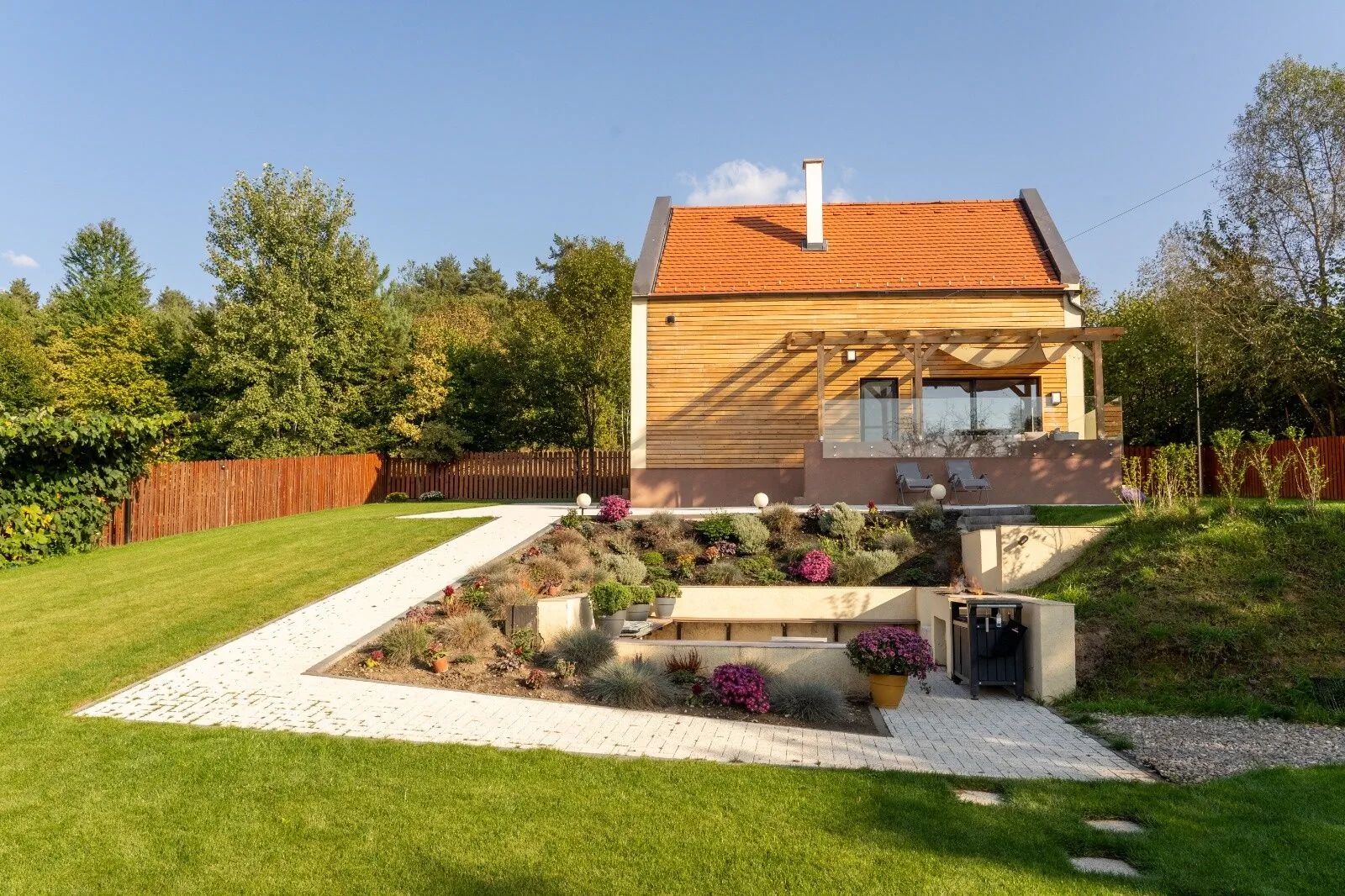
Eleonora Residence Bicfalău
Comfort, relaxation and stunning views, all just steps away from the main attractions.
FROM
280 lei per night
BEFORE YOU HIT THE ROAD
Weather conditions in Brasov
Local forecast for Prejmer Fortified Church, Brasov, Brașov

Real-time updated weather data
Much more to explore in this area
Nearby tourist attractions


Bran, Brașov County
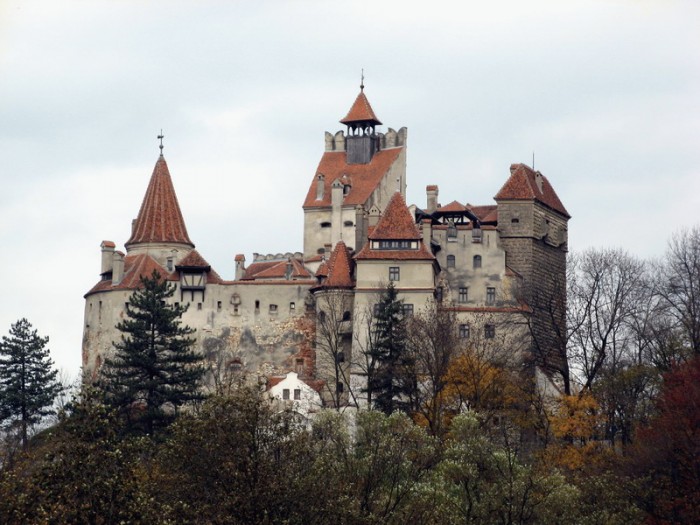
Bran Castle
Situat pe strada General Traian Mosoiu nr. 28 din localitatea Bran, la 30 km de municipiul Brasov; construit in anul 1377 in scop militar; in anul 1395, este...
39.1 km
Sinaia, Prahova County
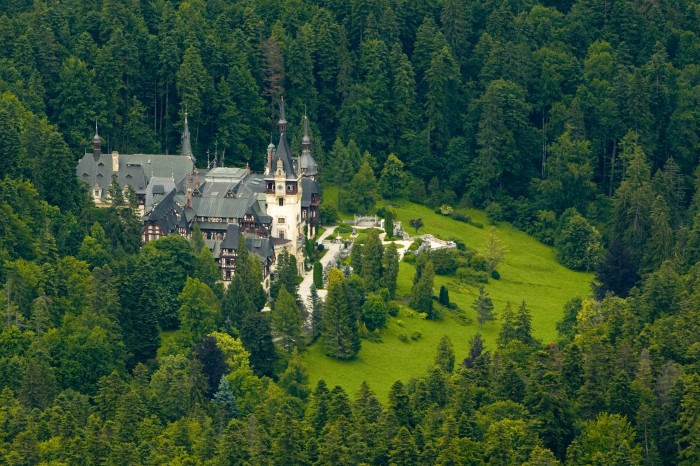
Peleș Castle
Situat pe strada Pelesului din Sinaia; piatra de temelie a castelului se pune in 1873, aici fiind ingropate si cateva zeci de monede de 20 de lei, din aur -...
44.1 km
Prahova, Prahova County
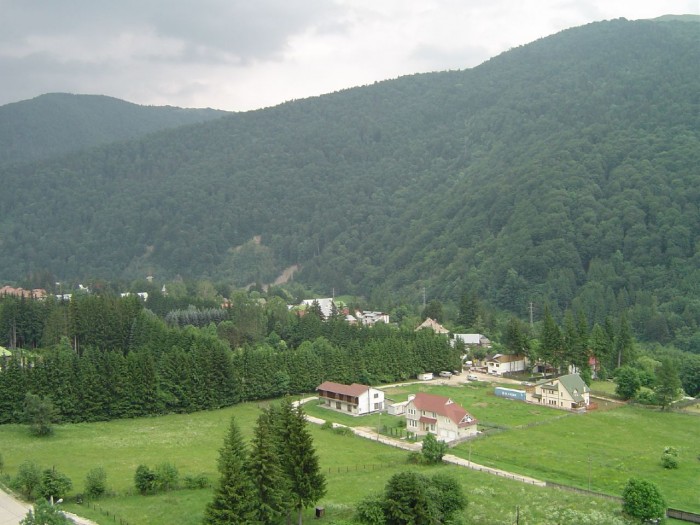
Sinaia Resort
Situata pe valea superioara a Prahovei, la poalele Muntilor Bucegi (Carpatii Meridionali), la o altitudine ce variaza intre 798-971 m; este una din cele mai...
44.7 km
Brasov, Brașov County
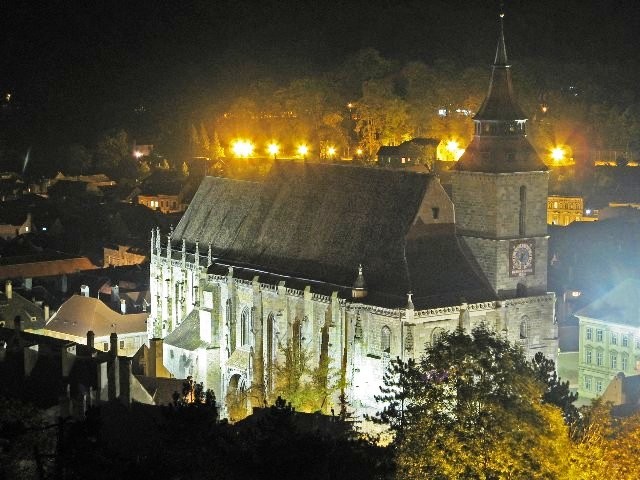
Black Church
Situata in curtea Honterus nr. 2 din municipiul Brasov; construita intre secolele XIV - XV; o inscriptie din interior il atesta ca prim ctitor pe Thomas; din...
16.2 km

Harghita, Harghita County
Saint Anne Lake (Lacul Sfânta Ana)
Situat pe teritoriul administrativ al comunei Cozmeni, la 28 km de Baile Tusnad, in zona centrala a masivului vulcanic Ciomatu; rezervatie complexa - naturala,...
45.9 km
Prahova, Prahova County
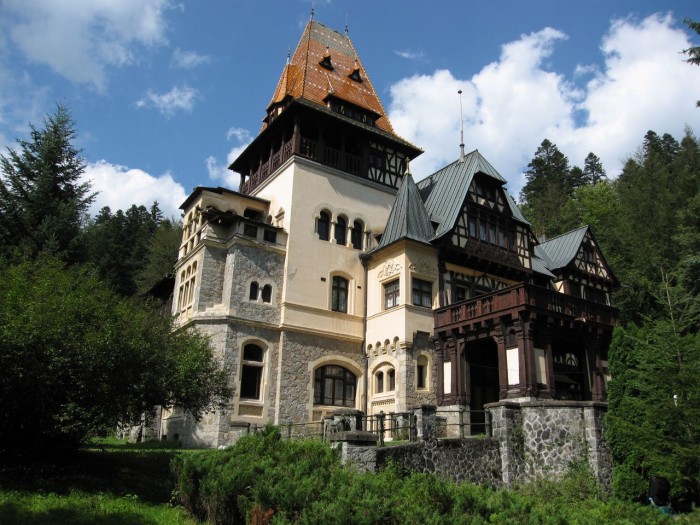
Pelișor Castle
Situat in parcul Castelului Peles, pe Valea Prahovei; ridicat intre anii 1899 si 1902; in 1903 a devenit resedinta de vara a principilor mostenitori;...
44.2 km
Râșnov, Brașov County
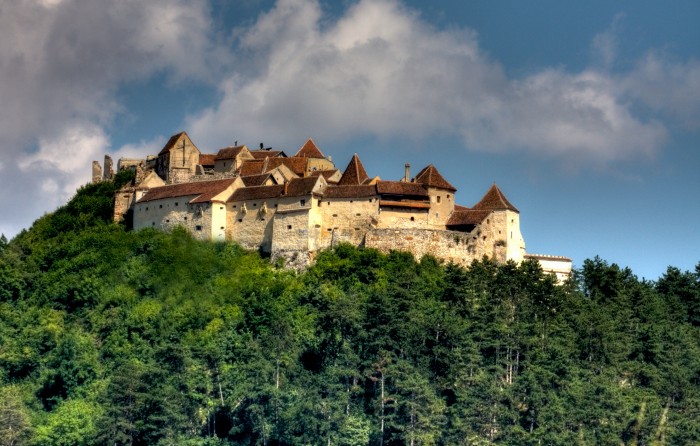
Râșnov Citadel
Situata in orasul Rasnov, la 15 km de municipiul Brasov; construita in secolele XIII - XIV de catre locuitorii zonei, in scopul apararii impotriva atacurilor...
27.8 km
Brasov, Brașov County
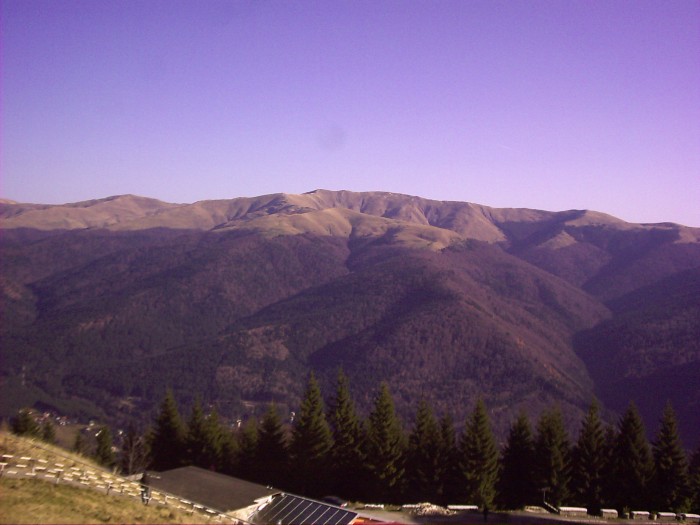
Bucegi Natural Park
Situat in Muntii Bucegi, se intinde pe raza comunelor Rasnov, Bran, Moeciu; zona Muntilor Bucegi a fost propusa pentru protejare in anul 1936, dar initiativa s-...
40.5 km

Brasov, Brașov County
Poiana Brașov resort.
Situata la poalele muntelui Postavaru, la 12 km de municipiul Brasov; amplasata la altitudinea de 1.030 m, statiunea turistica Poiana Brasov a fost infiintata...
22.1 km
Brasov, Brașov County
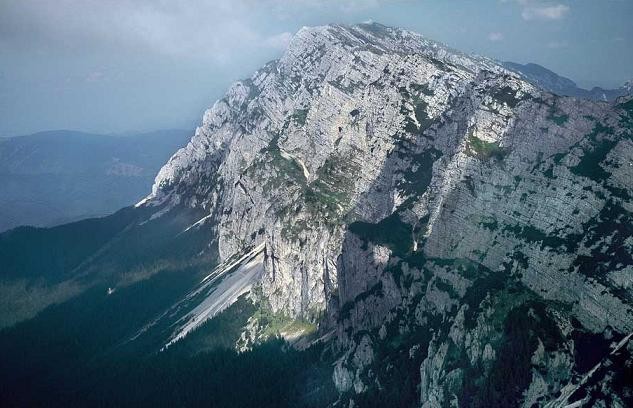
Piatra Craiului National Park
Situat in Carpatii Meridionali;include Creasta Pietrei Craiului in totalitate si spatiile din culoarele intramontane limitrofe, Rucar - Bran si Rucar -...
46.3 km

Brasov, Brașov County
Predeal: Romania's Highest Town and the Carpathian Balcony
Situata pe Valea Prahovei, intre raurile Prahova si Timis, la 25 km de municipiul Brasov; amplasata la 1.100 m, este cea mai inalta asezare urbana din Romania;...
28.5 km
Brasov, Brașov County
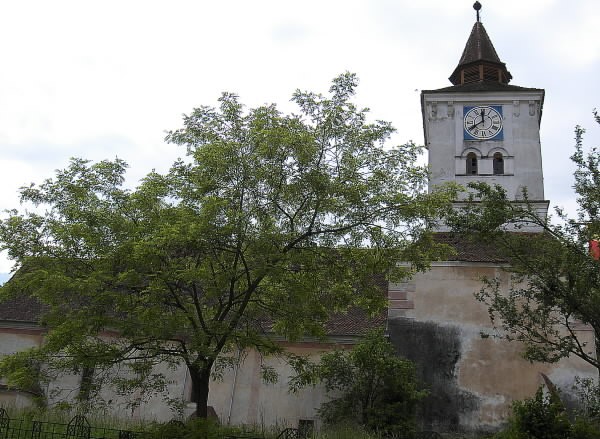
Fortified Church of Maieruș
Situata pe strada Morii, localitatea Maierus, judetul Brasov; construita intre secolele XIV - XV; a fost modificata si marita in secolele XVII - XVIII; din...
26.9 km
Cultural life and traditions
Events in the Prejmer Fortified Church area
Medieval festivals, traditional fairs, concerts and local activities recommended in Transylvania.

Heritage and History

Brasov, County of Brașov
The Festival of Medieval Fortresses and the Open Doors Days
Guided night tours, traditional crafts workshops and historical re-enactments featuring knights and ladies.
WHEN
May 15-17, 2026


Traditions and Cuisine
Brasov, County of Brașov
The Fair of Saxon Traditions and Local Cuisine
Discover local producers, traditional Saxon pastries baked in a wood-fired oven, artisanal syrups, and rhubarb jam.
WHEN
Every weekend (May - October)

Ecotourism and Nature
The hills of Transylvania, County of Brașov
Guided Hikes on the Transylvanian Hills Trail
Take excursions along unmarked trails through ancient meadows, centuries-old oak trees, and villages with fortified churches that are UNESCO World Heritage sites.
WHEN
Friday – Sunday (Season 2026)
On foot, exploration gains depth
Discover the surroundings and local geography
Explore the trails, terrain, and natural landmarks around Prejmer Fortified Church.

Guides and practical tips
Useful travel articles
Travel guides, practical recommendations and tourist itineraries for Transylvania.

Tourist guide
Top 5 Atracții Turistice și Trasee Montane în Zona Moieciu - Bran
Descoperă cele mai spectaculoase peisaje carstice, chei adânci și cetăți medievale din imediata apropiere a stațiunii Moieciu.

Tourist guide
Ghid de Drumeție: Traseul Moieciu de Sus spre Platoul Bucegi
Un itinerariu montan de o frumusețe rară ce urcă din Valea Băngăleasa spre Poiana Guțanu și crestele maiestuoase ale Bucegilor.

Tourist guide
Castelul Bran: Istorie, Legende și Secrete Medievale
Află adevărata poveste a fortăreței medievale din Pasul Bran, reședința de suflet a Reginei Maria a României.
THE JOURNEY STARTS WITH AN IDEA
The next story is on the way.
From the first stop to the last stay, make room for a new Romania.
