


PLACE OF WORSHIP · TRANSYLVANIA
Rotbav Fortified Church

Brasov, Brașov County
Add location to your trip planner.
Practical access information

VISITING HOURS
Monday: 12:00 PM – 5:00 PM · Tuesday–Sunday: 9:00 AM – 5:00 PM (in summer until 8:00 PM)

TICKET PRICE
Adults: 45 RON · Students: 11 RON · Seniors: 23 RON · Guided tour included

RECOMMENDED VISIT DURATION
30-60 minutes
Sources and external references
Wikipedia Encyclopedia (EN)
Visitor information and guide
 Navigate with Google Maps

ABOUT ROTBAV FORTIFIED CHURCH
A Fortress of Faith in the Heart of Țara Bârsei
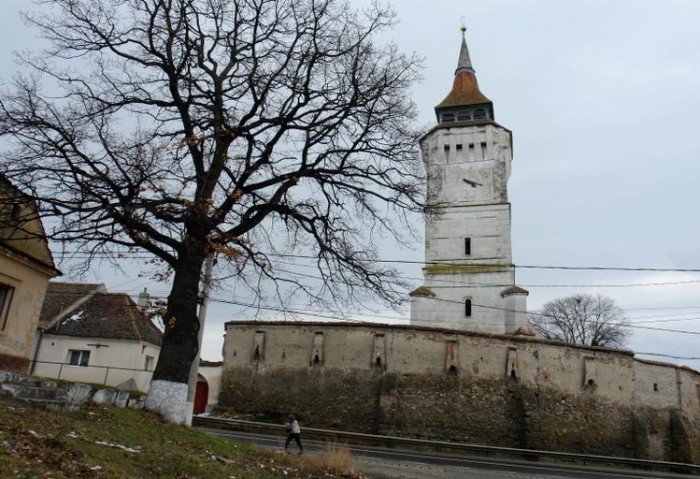
Amidst the undulating landscape of Țara Bârsei, just twenty kilometers east of the city of Brașov, the Rotbav Fortified Church stands as a silent witness to eight centuries of European history. This monument, inscribed on the UNESCO World Heritage List as part of the "Villages with Fortified Churches in Transylvania" ensemble, represents one of the most moving expressions of the synthesis between spirituality and survival in an era marked by geopolitical uncertainty. Initially built as a Romanesque basilica in 1250, on the foundations of a thriving Saxon community under the crown of the Kingdom of Hungary, the church was successively transformed into a Gothic bastion and then into a Baroque masterpiece, reflecting each stage of Central Europe’s historical transformations. Dedicated to Saint Nicholas, the protector of travelers and children, this sacred fortress is not merely a place of worship but a true architectural palimpsest where Rhenish Romanesque tradition, the late Gothic of Christianity’s eastern frontiers, and the elegance of Habsburg Baroque converge. Surrounded by massive walls and watchtowers, the Rotbav church offers contemporary visitors a journey through time, delving into the deepest layers of European civilization—from medieval German colonization to the religious conflicts that shook the continent in the early modern era.
Historical Roots and Major European Connections
The construction of the Rotbav church began around 1250, during a tumultuous period in Central European history, immediately following the great Mongol invasion of 1241–1242, which had devastated the Kingdom of Hungary. King Béla IV, in his efforts to rebuild the country, initiated a systematic policy of colonizing border territories, attracting German settlers from the Rhine, Moselle, and Luxembourg regions—a process known in historiography as Ostsiedlung, parallel to similar migrations in Poland, Bohemia, and the Baltic states. These Saxons, brought in to develop the economy and defend the eastern frontier of Christendom, built at Rotbav a Romanesque basilica with three naves, characteristic of 13th-century sacred architecture, featuring thick stone walls, rounded arches, and narrow windows, akin to those found in the cathedrals of Speyer, Worms, or Esztergom. The Romanesque style of its foundations reflects artistic influences from the Holy Roman Empire and northern Italy, demonstrating Transylvania’s integration into the Western cultural circuit of the Middle Ages.
During the 15th century, with the Ottoman advance into the Balkans following the fall of Constantinople in 1453 and the growing threats to the eastern borders of the Kingdom of Hungary, the local community decided to fortify the church. This decision placed Rotbav within a broader system of defense for Christian Europe, similar to the fortresses on the Croatian or Serbian frontiers, the fortified churches of Languedoc in southern France, or the Wehrkirchen of Franconia and Thuringia in Germany. The surrounding wall, with its watchtowers and battlements, transformed the place of worship into a Kirchenburg—a phenomenon specific to Central and Eastern Europe, where the church became the defensive and communal center of the village. This concept has its roots in the Carolingian tradition of monastic fortifications but was adapted to the realities of frontiers threatened by Ottoman expansion.
An Architectural Masterpiece: From Romanesque Basilica to Baroque Fortress
The architecture of the Rotbav church is a fascinating dialogue between eras and styles, offering a lesson in the history of European sacred art. The initial Romanesque phase, from the 13th century, is characterized by a basilican plan with three naves, separated by massive columns, and the use of semicircular arches, an element borrowed from Lombard and Rhenish architecture. The thick walls, over a meter in width, and the small, slit-like windows were designed to withstand the passage of time and possible sieges, reflecting the spiritual austerity of the era.
In the late medieval period, between the 14th and 15th centuries, the building underwent significant Gothic transformations. Tall windows with pointed arches and tracery were added, allowing light to flood the interior, while the structure was reinforced with buttresses. The Gothic influences are visible in the accentuated verticality and the sculptural decoration of the portals, mirroring trends in late Gothic architecture across Central Europe, from the workshops of the Parler family in Prague to those in Nuremberg or Cologne.
The most dramatic transformation occurred after the devastating fire of 1732, which destroyed much of the construction and the village. Reconstruction began in 1738, under Habsburg administration of Transylvania, giving the ensemble its current Baroque form. Local architects and craftsmen, influenced by Viennese and Prague Baroque currents—from Johann Lukas von Hildebrandt to Johann Bernhard Fischer von Erlach—added an imposing central tower, redecorated the interior with elegant stucco work, and installed a magnificent Baroque altar dedicated to Saint Nicholas. The monumental organ, preserved inside, is a precious example of Baroque musical craftsmanship, with visible metal pipes and a sculpted casing, reminiscent of similar instruments in Bavarian or Austrian churches. The mural paintings, layered over centuries, reveal a complex visual history: medieval fragments beneath Baroque layers, biblical scenes, and representations of saints, in an artistic dialogue between late Gothic and Austrian Rococo sensibilities.
Witness to European Conflicts: The Episode of Giorgio Basta and the Drama of the 17th Century
The year 1602 marks a dramatic episode in the monument’s history, when General Giorgio Basta, a representative of the Habsburg Empire and governor of Transylvania, took refuge within the fortified walls of the Rotbav church while besieged by the troops of Prince Gabriel Báthory. This event illustrates the complexity of power relations in Central and Eastern Europe at the beginning of the 17th century, a period when Transylvania played a crucial role in the balance between the Ottoman Empire, the Habsburg Monarchy, and the Romanian Principalities. Giorgio Basta, known for his cruelty during the wars in the Low Countries—particularly after the sack of Antwerp in 1585—had been appointed to consolidate Habsburg control over the principality, clashing openly with Gabriel Báthory, who sought to emancipate Transylvania from Viennese influence.
Basta’s refuge in the Rotbav church is not merely an anecdote but a symbol of the tensions tearing Europe apart at the time: the confrontation between Catholicism and Protestantism, between Vienna and Constantinople, between imperial strategies and the aspirations for independence of the local nobility. The siege and refuge in the sacred fortress reflect the reality of an era in which fortified churches were not only places of prayer but true strongholds of survival in a continent ravaged by religious wars and Ottoman expansion. After this episode, Basta continued to be a feared figure in Transylvanian history, while the church remained a witness to the passage of centuries through fire and sword, preserving in its stone the memory of these pivotal moments.
Cultural Heritage, Sacred Art, and Saxon Identity
The Rotbav Fortified Church embodies the essence of the cultural heritage of the Transylvanian Saxons, a German community that decisively contributed to the urban, economic, and spiritual development of the region between the 12th and 20th centuries. The architectural ensemble reflects a remarkable synthesis of Central European Romanesque tradition, late Gothic influences, and the elegance of Habsburg Baroque, serving as a unique example of sacred architecture adapted to the security demands of a tumultuous historical era. The church’s interior houses exceptional artistic treasures: the Baroque altar, carved in wood and gilded, with Solomonic columns and vegetal decorations, is framed by mural paintings depicting scenes from the life of Saint Nicholas and the Old Testament, created by local masters influenced by Austrian and Bavarian art.
The monumental organ, with its multiple registers and visible pipes, is an exceptional musical instrument, a testament to an era when sacred music played a central role in the community’s liturgy. Over the centuries, the church underwent confessional transformations: with the Protestant Reformation in the 16th century, the Saxon community adopted Lutheranism, leading to modifications in the interior decor, the removal of certain iconographic elements deemed "papist," and the introduction of simple, austere sermons. Nevertheless, the essential structure and spirituality of the place remained intact.
In the 20th century, with the mass emigration of Transylvanian Saxons to Germany after 1990, the church became a monument to a civilization that had vanished from this part of the continent, though its artistic and spiritual achievements remain as witnesses to an era of multicultural flourishing. As part of the UNESCO site, the monument is recognized for its outstanding universal value, representing a living cultural landscape that preserves the memory of a community that shaped Transylvania’s identity for eight centuries, much like the Waldensians in the Alps, the Huguenots in the Cévennes, or the Sephardic Jews in the Iberian Peninsula.
Practical Visitor’s Guide and the Traveler’s Experience Today
The Rotbav Fortified Church is located in the center of the village of Rotbav, easily accessible from Brașov via county road DJ 103, which traverses the picturesque Țara Bârsei, passing through the villages of Hărman, Bod, and Sânpetru. The journey offers authentic rural landscapes and the opportunity to discover other fortified churches in the region. The twenty-kilometer trip from Brașov takes approximately thirty minutes by car and provides spectacular views of the Carpathian range, particularly the Făgăraș and Piatra Craiului mountains.
Visitors can first admire the impressive exterior of the ensemble: the massive surrounding wall, with its watchtowers rising above the village rooftops, offering an iconic image of medieval defensive architecture. Entering the inner courtyard reveals the church itself, with its dominant Baroque tower and facades that bear the marks of centuries. The church’s interior can be visited during specific hours, depending on the liturgical schedule and the availability of the local guide or custodian. Inside, visitors can contemplate the Baroque altar, the monumental organ, and the mural paintings in an atmosphere of profound tranquility that invites reflection.
A special moment of the visit is the ascent to the church tower, from which a panoramic view unfolds over Țara Bârsei, the distant Carpathian mountains, and the Transylvanian plain. This perspective offers a geographical understanding of the village’s strategic position and the necessity of fortifications in a border region.
For a complete experience, it is recommended to combine the visit to Rotbav with other nearby attractions: Râșnov Fortress, located fifteen kilometers away, offers a similar view of the landscape, while the city of Brașov, with its historic Saxon center and the Black Church, is just twenty kilometers distant. Additionally, the fortified churches of Prejmer (twenty-five kilometers away) and Hărman (ten kilometers away) complete an exceptional cultural itinerary through Țara Bârsei.
Travelers can also savor the local cuisine, which preserves Saxon influences—dishes featuring cabbage, smoked sausages, and traditional pies—offered in the village’s agro-tourism guesthouses. The best time to visit is during spring and summer, when the surrounding vegetation is lush and the sunlight enhances the limestone walls, but autumn is also ideal, when the colors of the Carpathian deciduous forests create a particularly beautiful setting.
Rotbav is an essential destination for travelers interested in the medieval history of Central Europe, defensive architecture, and the cultural heritage of German communities in Eastern Europe. It offers an authentic experience in a remarkable natural setting, where past and present meet in silent harmony beneath the walls of a fortress of faith.
Media gallery
Discover Rotbav Fortified Church in pictures

6 photos · Architecture, courtyards and captivating details
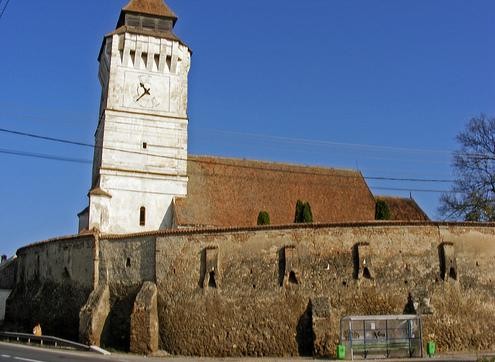


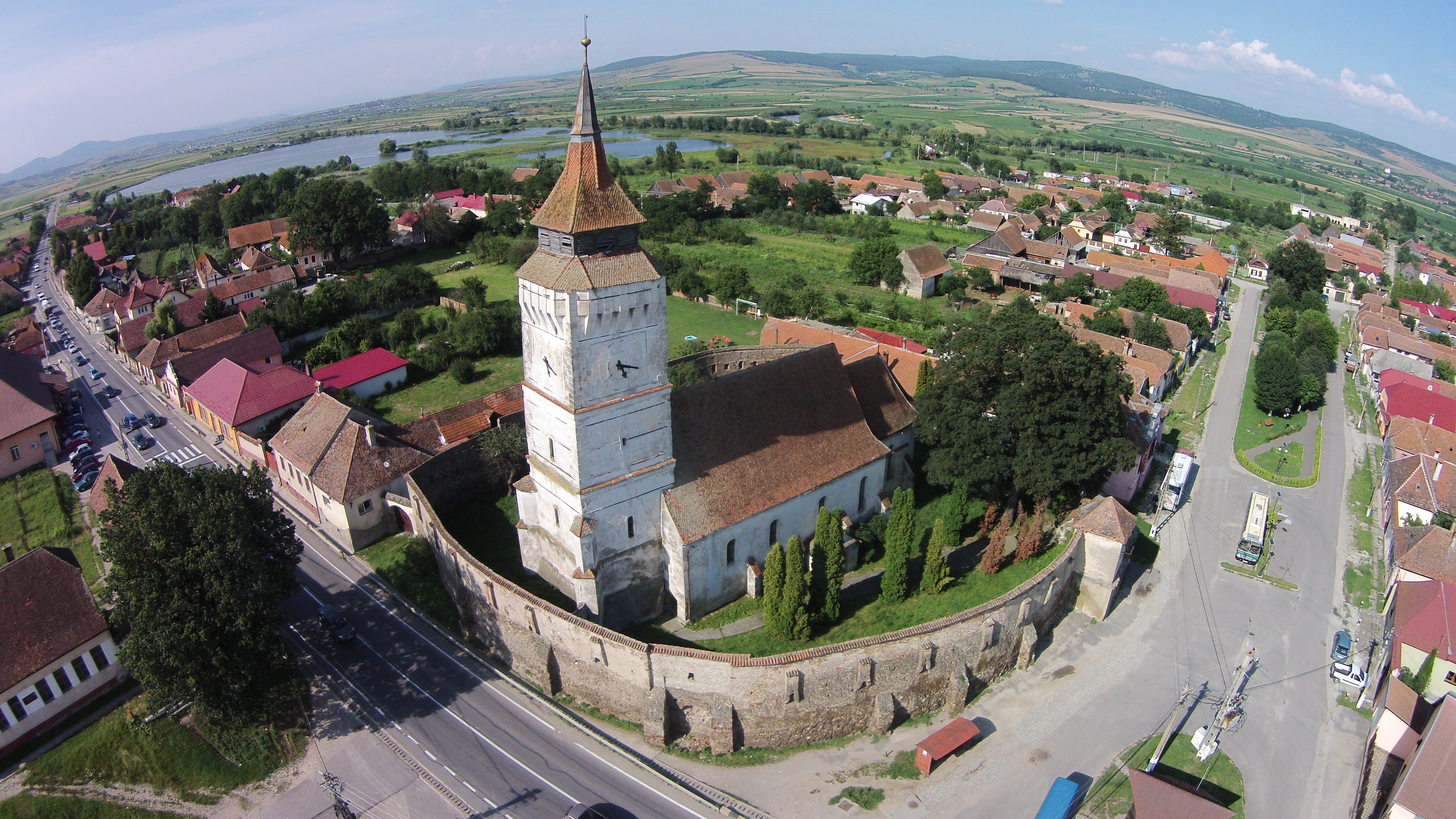

Image source: Wikimedia Commons · Public domain photos · Free license
STAY A FEW DAYS, DISCOVER THE MAGIC
Accommodation in the Rotbav Fortified Church area

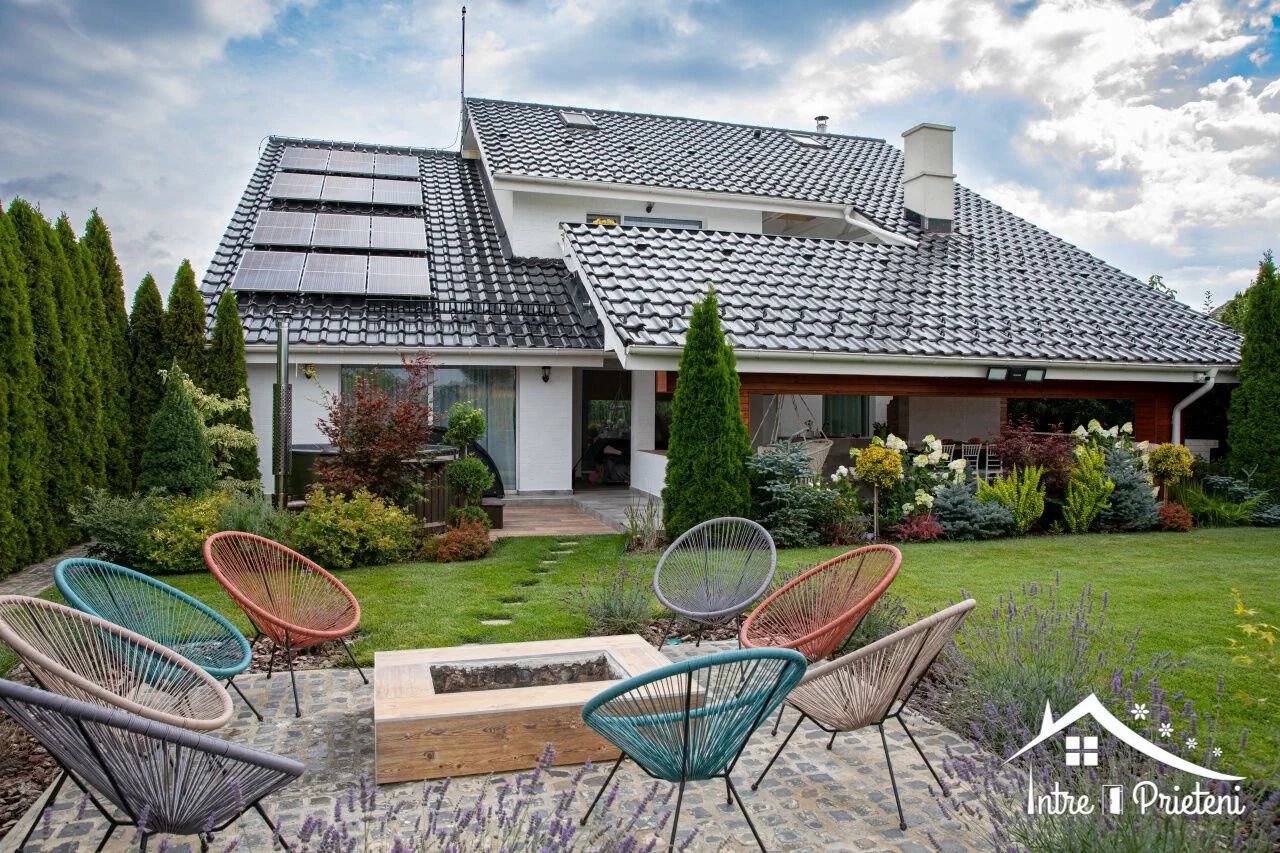
Guesthouse · 3 stars

Bod, Brașov County · 9.5 km
Pensiunea Între Prieteni Bod
Comfort, relaxation and stunning views, all just steps away from the main attractions.
FROM
240 lei per night

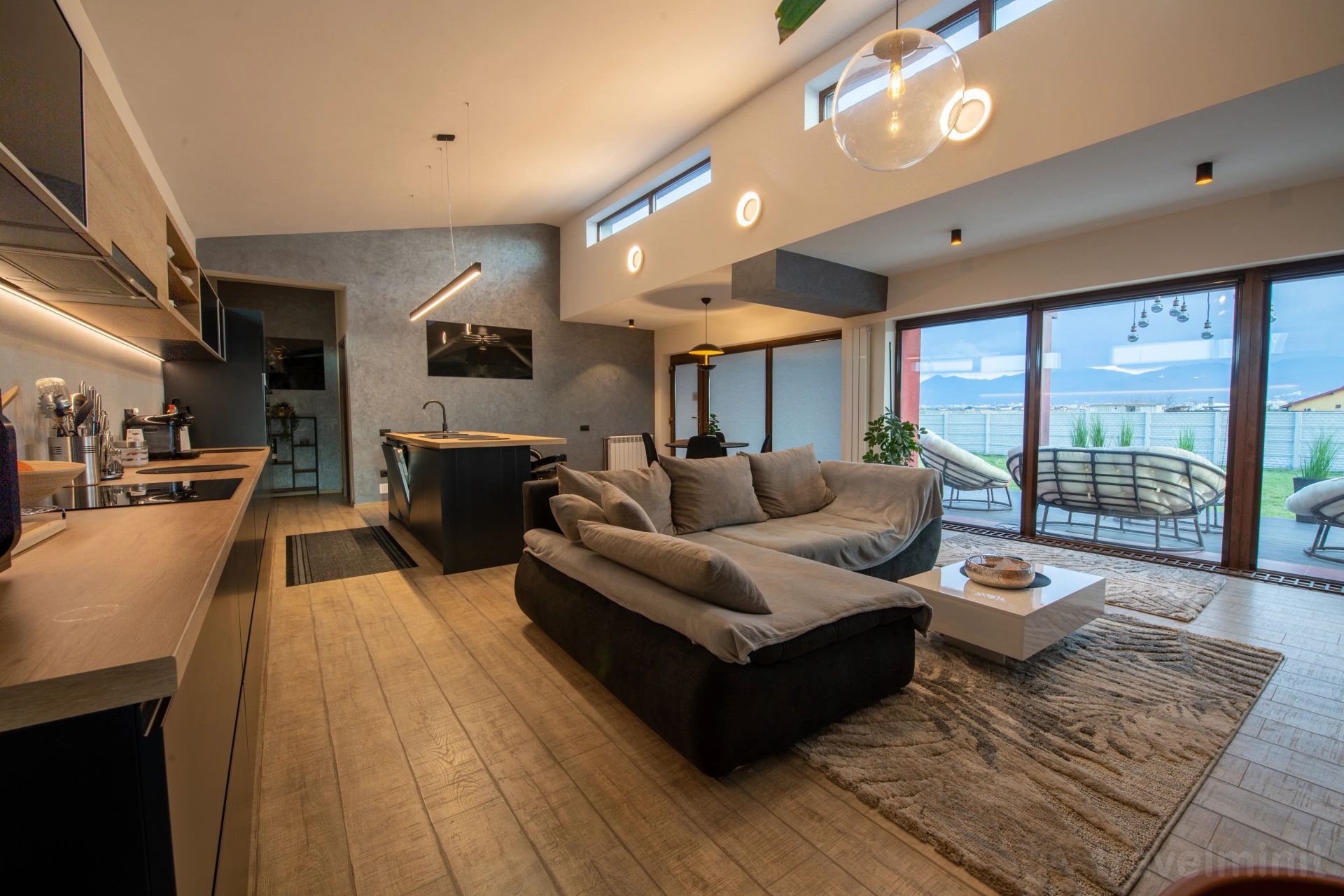
Holiday villa · 3 stars
Brașov, Brașov County · 14.2 km
Casa Florida Brașov
Comfort, relaxation and stunning views, all just steps away from the main attractions.
FROM
280 lei per night
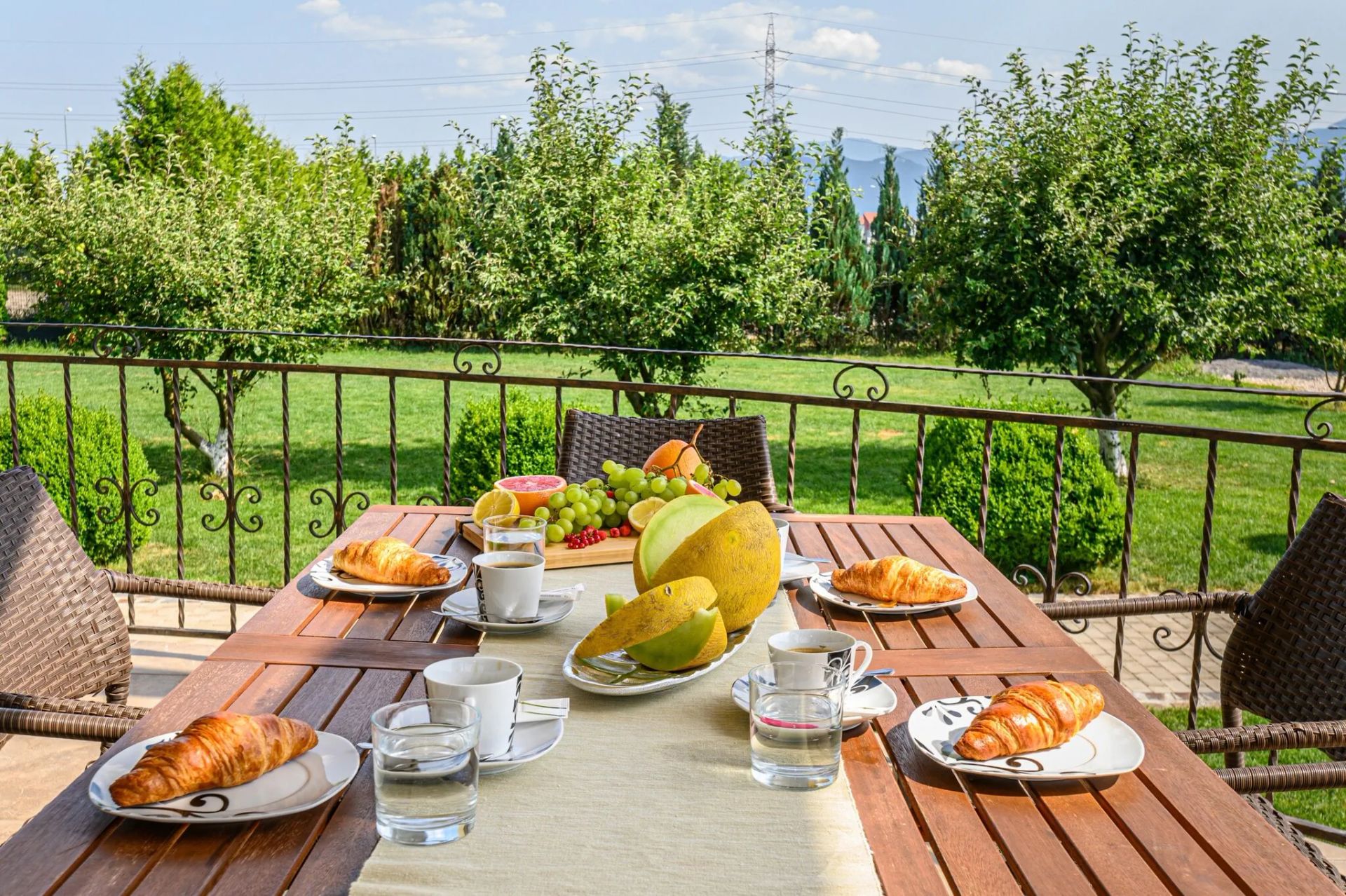
Holiday villa · 3 stars
Brașov, Brașov County · 15.8 km
Orchard Villa Brașov
Comfort, relaxation and stunning views, all just steps away from the main attractions.
FROM
280 lei per night
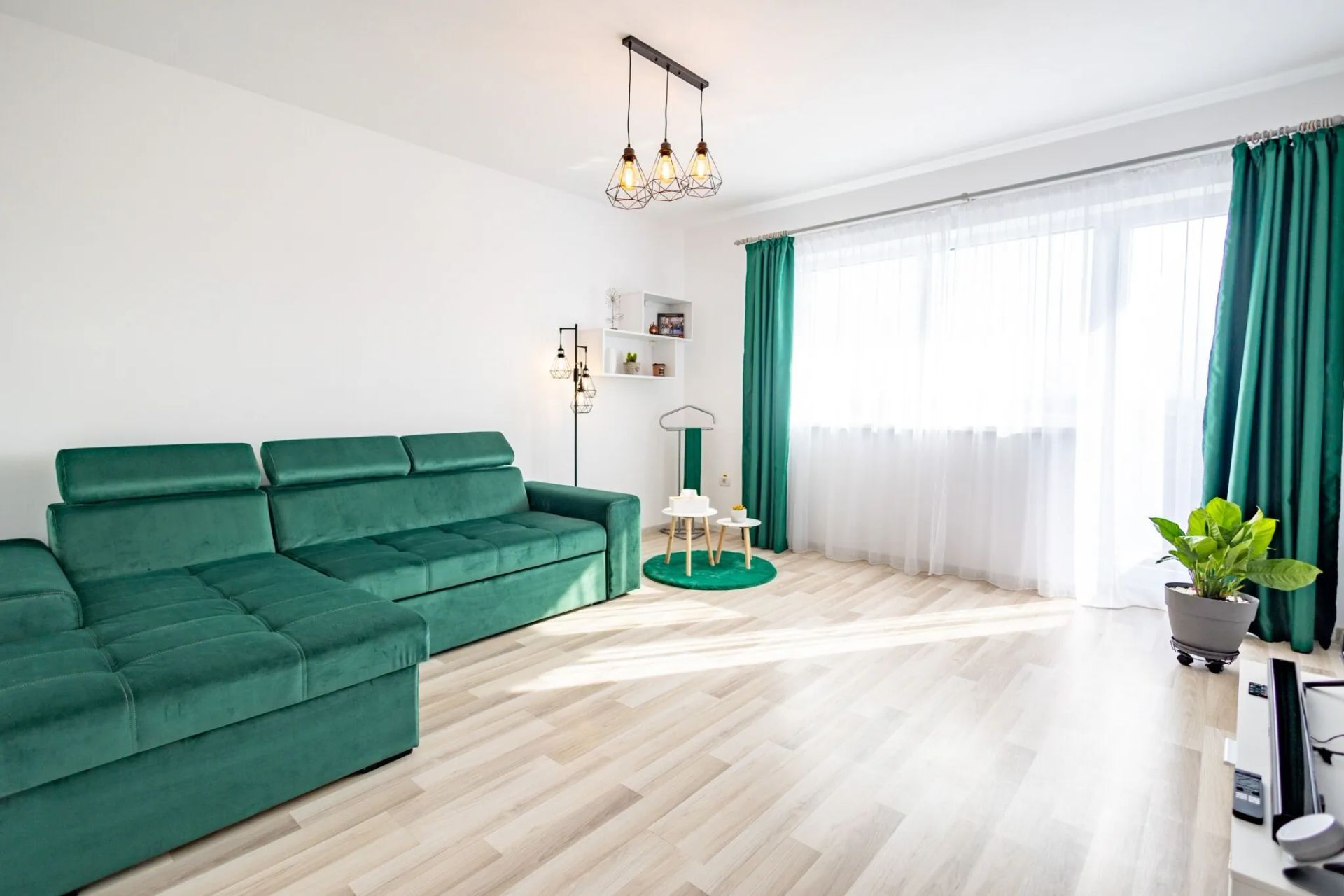
Apartment · 3 stars
Sânpetru, Brașov County · 15.8 km
Apartament MrResidence Sânpetru
Apartament de închiriat clasificat cu 3 stele, situat în localitatea Sânpetru din județul Brașov. Unitatea se află pe strada Marin Preda numărul 1, într-un cartier rezidențial liniștit care oferă un cadru adecvat pentru odihnă și relaxare după zile de călătorie. Spațiul de cazare vă pune la dispoziție facilități esențiale pentru un sejur confortabil. Beneficiați de Wi-Fi gratuit pentru a rămâne conectat, parcare privată gratuită pentru vehiculul dumneavoastră și fier de călcat pentru pregătirea hainelor. Amplasarea în Sânpetru vă oferă acces facil către principalele atracții turistice ale zonei. Puteți vizita Biserica Neagră, Biserica fortificată din Prejmer, Cetatea Râșnov, Biserica fortificată din Hărman și Stațiunea Poiana Brașov, fiecare reprezentând o destinație deosebită pentru explorare. Fiecare dintre aceste obiective oferă o perspectivă unică asupra istoriei și naturii din județul Brașov. De la monumente arhitecturale impresionante până la peisaje montane spectaculoase, zona are multe de oferit vizitatorilor. Vă așteptăm să vă bucurați de șederea dumneavoastră în această unitate și să porniți apoi spre explorarea Cetății Râșnov.
FROM
230 lei per night
Holiday villa · 3 stars
Brașov, Brașov County · 16.1 km
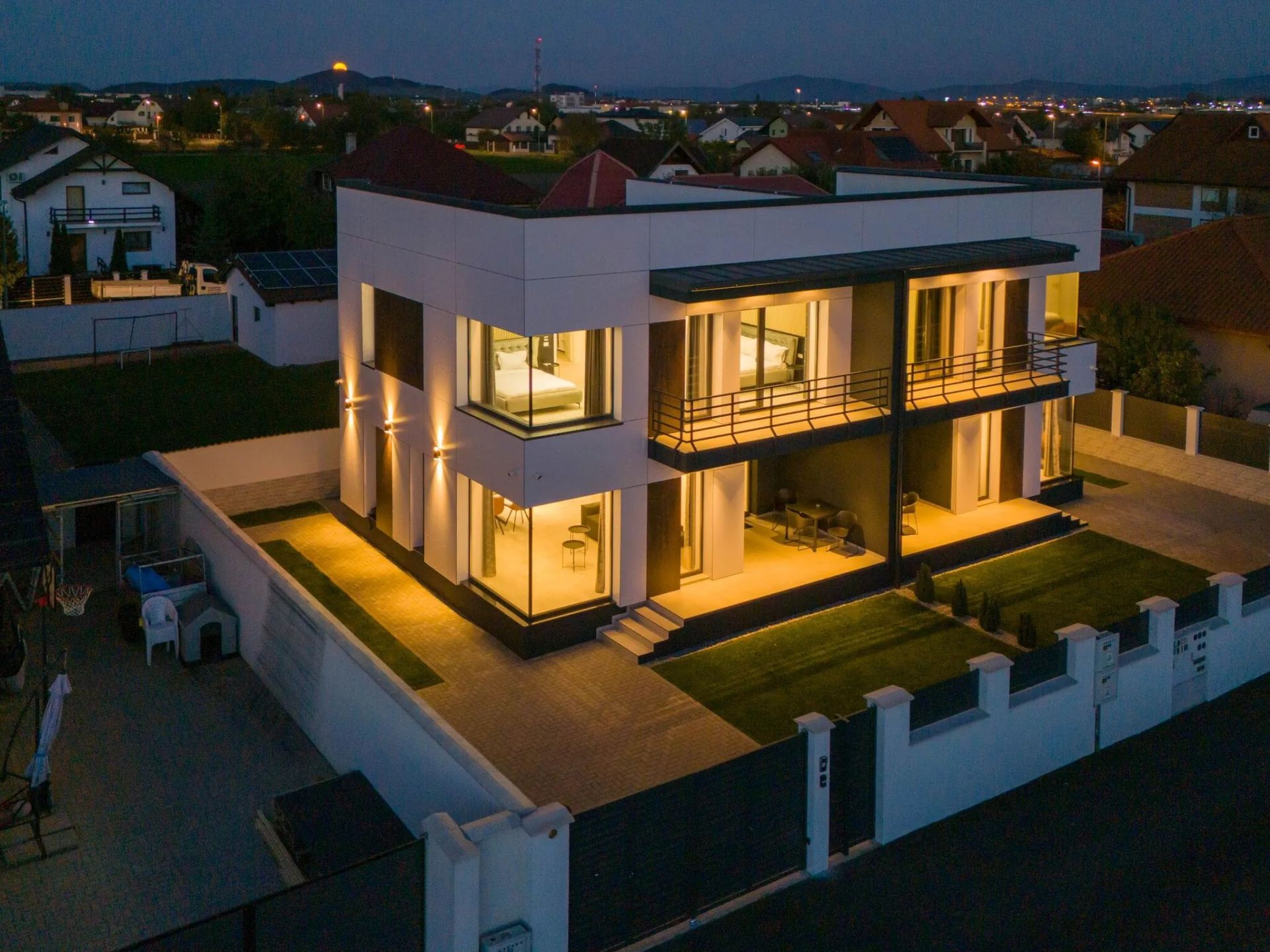
KOA | Nest Brașov
Pe strada Merilor 5B18 din Brașov se află KOA | Nest Brașov, o vilă turistică clasificată cu trei stele, amplasată într-un cadru liniștit care oferă intimitate și relaxare, fiind totodată aproape de centrul istoric al orașului și de principalele puncte de interes. Vila se desfășoară pe două niveluri și poate găzdui confortabil grupuri mai mari de turiști, oferind spațiu generos pentru întreaga familie sau grupul de prieteni. Proprietatea beneficiază de o curte mare și o grădină amenajată, perfecte pentru relaxare în aer liber sau pentru a lua masa la grătar împreună cu cei dragi. Pentru confortul dumneavoastră sunt disponibile parcare privată gratuită, Wi-Fi gratuit în întreaga unitate, fier de călcat și un spațiu dedicat pentru depozitarea bagajelor. Pentru familiile care călătoresc cu copii mici sunt puse la dispoziție pătuț pentru bebeluș și scaun înalt. De la KOA | Nest Brașov puteți porni ușor spre cele mai reprezentative obiective din regiune. Veți putea vizita Biserica Neagră, Cetatea Brașovului, Cetatea Râșnov, Stațiunea Poiana Brașov și Biserica fortificată din Prejmer. Vă așteptăm cu drag la KOA | Nest Brașov pentru un sejur plăcut în Brașov.
FROM
280 lei per night
Holiday home · 3 stars
Sânpetru, Brașov County · 16.1 km
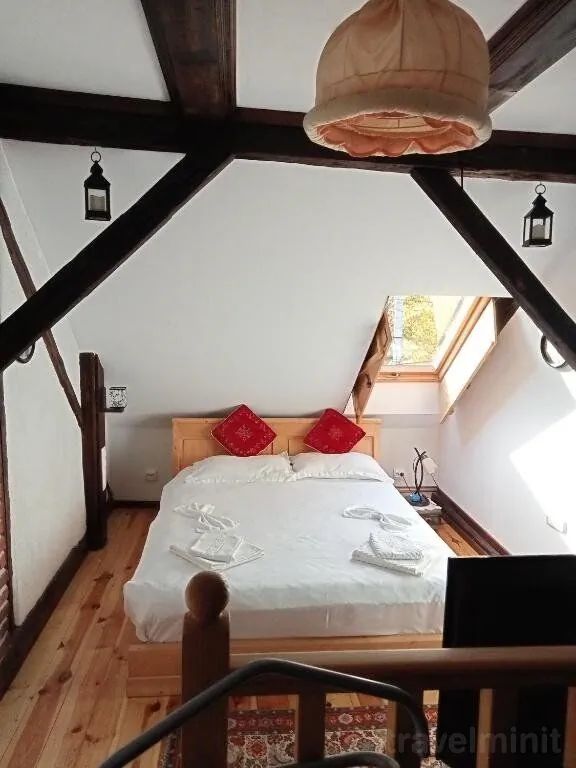
Residence Gölsch 161 Sânpetru
În apropiere puteți vizita Biserica Neagră, un monument impresionant din orașul Brașov. Residence Gölsch 161 Sânpetru, o casă de închiriat clasificată cu trei stele din localitatea Sânpetru, județul Brașov, reprezintă un punct de plecare potrivit pentru a descoperi atracțiile din zonă. Vila integrală vă pune la dispoziție două camere dotate cu bun gust, fiecare având grup sanitar propriu. În exterior, beneficiați de o curte mare și o grădină amenajată, ideale pentru relaxare. Aveți la dispoziție o vatră de foc sau șemineu în aer liber, precum și un grătar pentru prepararea mesei în aer liber. Pentru confortul dumneavoastră pe toată durata șederii, unitatea oferă Wi-Fi gratuit, parcare privată gratuită și posibilitatea de a închiria biciclete pentru a explora împrejurimile. De asemenea, sunt disponibile servicii precum room service, fierul de călcat este pus la dispoziție, iar accesul cu animale de companie este permis contra cost. Când sunteți gata să explorați mai departe, vă așteaptă Biserica fortificată din Prejmer, un obiectiv valoros din apropiere.
FROM
280 lei per night
BEFORE YOU HIT THE ROAD
Weather conditions in Brasov
Local forecast for Rotbav Fortified Church, Brasov, Brașov

Real-time updated weather data
Much more to explore in this area
Nearby tourist attractions


Bran, Brașov County
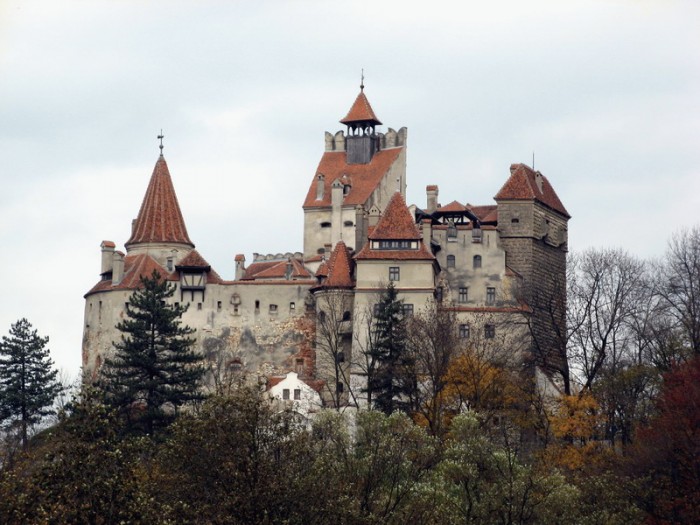
Bran Castle
Situat pe strada General Traian Mosoiu nr. 28 din localitatea Bran, la 30 km de municipiul Brasov; construit in anul 1377 in scop militar; in anul 1395, este...
38.8 km
Brasov, Brașov County
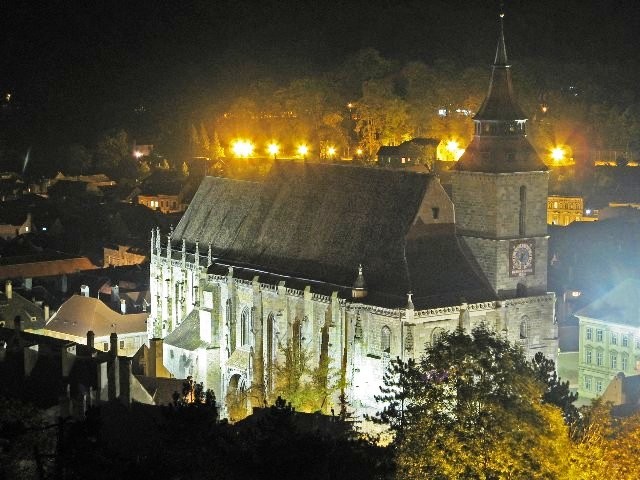
Black Church
Situata in curtea Honterus nr. 2 din municipiul Brasov; construita intre secolele XIV - XV; o inscriptie din interior il atesta ca prim ctitor pe Thomas; din...
21.6 km
Brasov, Brașov County
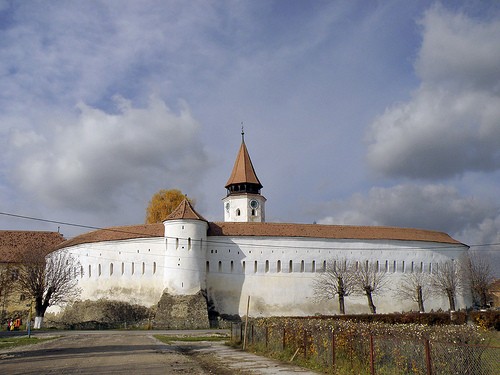
Prejmer Fortified Church
Situata in localitatea Prejmer, la 15 km de municipiul Brasov; cea mai mare biserica fortificata din sud-estul Europei; construita in secolul al XIII-lea; are...
21.2 km
Brasov, Brașov County
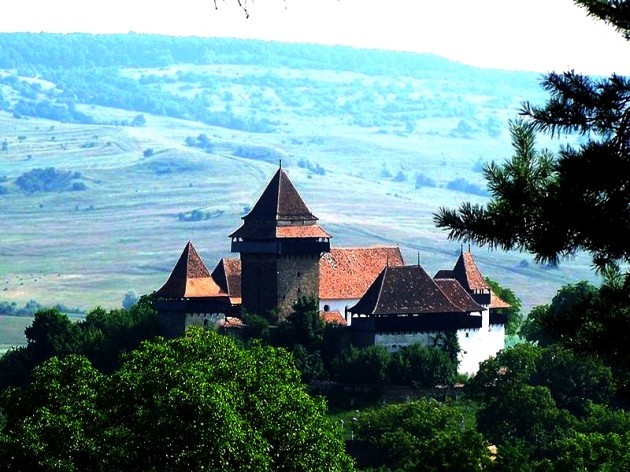
Viscri Fortified Church
Situata in localitate Viscri; construita in secolul al XIII-lea; din punct de vedere arhitectural apartine stilului romanic; are un plan de tip sala romanica;...
43.5 km

Harghita, Harghita County
Saint Anne Lake (Lacul Sfânta Ana)
Situat pe teritoriul administrativ al comunei Cozmeni, la 28 km de Baile Tusnad, in zona centrala a masivului vulcanic Ciomatu; rezervatie complexa - naturala,...
41.1 km
Harghita, Harghita County
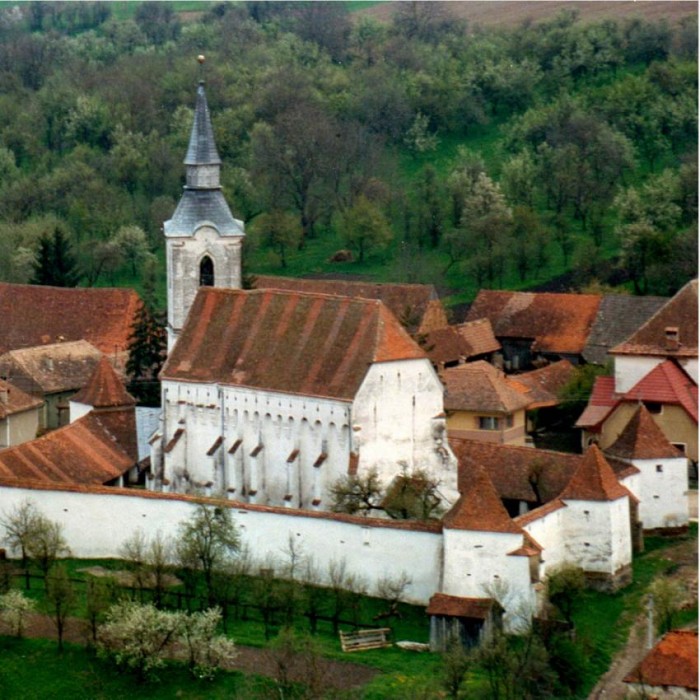
Dârjiu Fortified Church
Situata in localitatea Darjiu; construita intre secolele XIV - XV; initial, a fost ridicata in stil romanic, iar apoi a fost transformata in stil gotic; a...
49.0 km
Râșnov, Brașov County
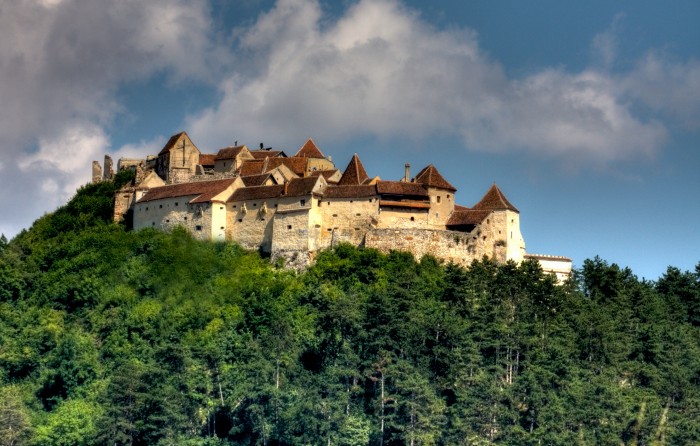
Râșnov Citadel
Situata in orasul Rasnov, la 15 km de municipiul Brasov; construita in secolele XIII - XIV de catre locuitorii zonei, in scopul apararii impotriva atacurilor...
28.3 km
Brasov, Brașov County
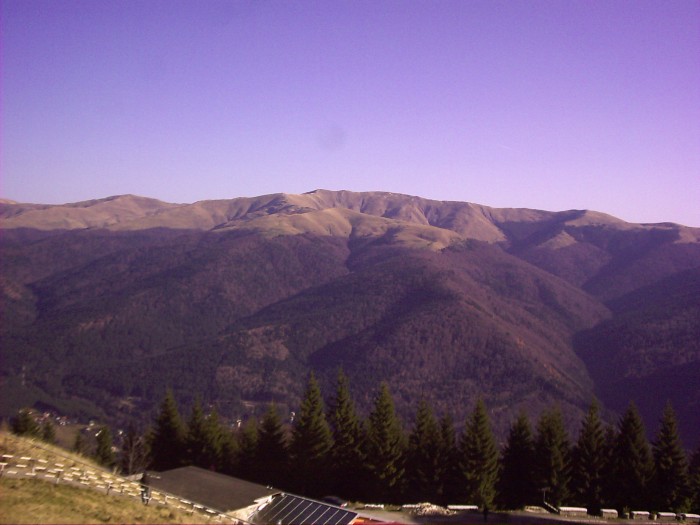
Bucegi Natural Park
Situat in Muntii Bucegi, se intinde pe raza comunelor Rasnov, Bran, Moeciu; zona Muntilor Bucegi a fost propusa pentru protejare in anul 1936, dar initiativa s-...
42.5 km

Brasov, Brașov County
Poiana Brașov resort.
Situata la poalele muntelui Postavaru, la 12 km de municipiul Brasov; amplasata la altitudinea de 1.030 m, statiunea turistica Poiana Brasov a fost infiintata...
27.0 km
Brasov, Brașov County
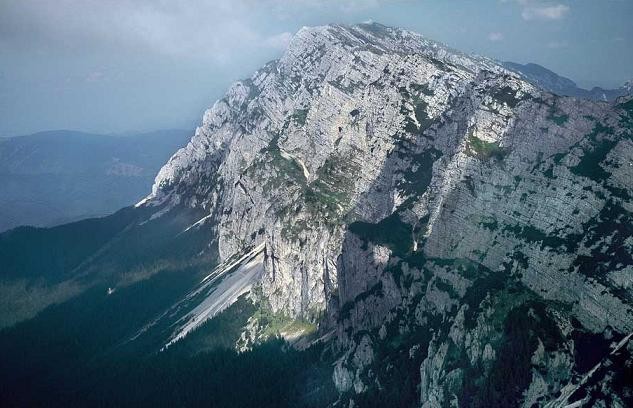
Piatra Craiului National Park
Situat in Carpatii Meridionali;include Creasta Pietrei Craiului in totalitate si spatiile din culoarele intramontane limitrofe, Rucar - Bran si Rucar -...
40.9 km
Brasov, Brașov County
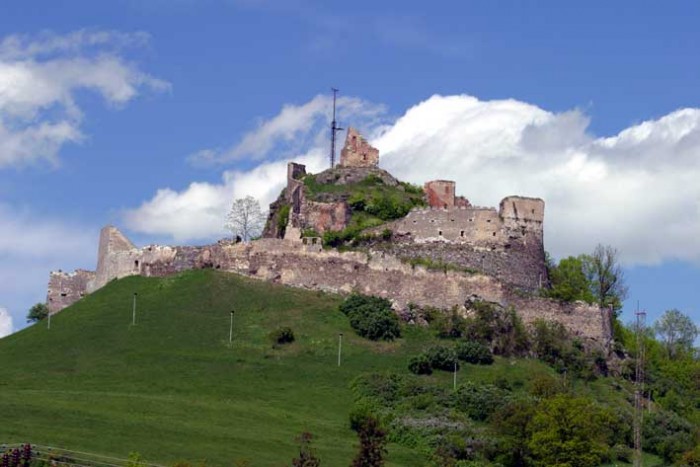
Rupea Fortress
Situata in vestul orasului Rupea, in zona rezervatiei geologice Dealul Cohalm, la 50 km de municipiul Brasov; prima atestare documentara dateaza din anul 1324 -...
34.6 km

Brasov, Brașov County
Predeal: Romania's Highest Town and the Carpathian Balcony
Situata pe Valea Prahovei, intre raurile Prahova si Timis, la 25 km de municipiul Brasov; amplasata la 1.100 m, este cea mai inalta asezare urbana din Romania;...
37.0 km
Cultural life and traditions
Events in the Rotbav Fortified Church area
Medieval festivals, traditional fairs, concerts and local activities recommended in Transylvania.

Heritage and History

Brasov, County of Brașov
The Festival of Medieval Fortresses and the Open Doors Days
Guided night tours, traditional crafts workshops and historical re-enactments featuring knights and ladies.
WHEN
May 15-17, 2026


Traditions and Cuisine
Brasov, County of Brașov
The Fair of Saxon Traditions and Local Cuisine
Discover local producers, traditional Saxon pastries baked in a wood-fired oven, artisanal syrups, and rhubarb jam.
WHEN
Every weekend (May - October)

Ecotourism and Nature
The hills of Transylvania, County of Brașov
Guided Hikes on the Transylvanian Hills Trail
Take excursions along unmarked trails through ancient meadows, centuries-old oak trees, and villages with fortified churches that are UNESCO World Heritage sites.
WHEN
Friday – Sunday (Season 2026)
On foot, exploration gains depth
Discover the surroundings and local geography
Explore the trails, terrain, and natural landmarks around Rotbav Fortified Church.

Guides and practical tips
Useful travel articles
Travel guides, practical recommendations and tourist itineraries for Transylvania.

Tourist guide
Top 5 Atracții Turistice și Trasee Montane în Zona Moieciu - Bran
Descoperă cele mai spectaculoase peisaje carstice, chei adânci și cetăți medievale din imediata apropiere a stațiunii Moieciu.

Tourist guide
Ghid de Drumeție: Traseul Moieciu de Sus spre Platoul Bucegi
Un itinerariu montan de o frumusețe rară ce urcă din Valea Băngăleasa spre Poiana Guțanu și crestele maiestuoase ale Bucegilor.

Tourist guide
Castelul Bran: Istorie, Legende și Secrete Medievale
Află adevărata poveste a fortăreței medievale din Pasul Bran, reședința de suflet a Reginei Maria a României.
THE JOURNEY STARTS WITH AN IDEA
The next story is on the way.
From the first stop to the last stay, make room for a new Romania.
