


CASTLE · CRISANA
Black Eagle Palace

Baile, Bihor County
Add location to your trip planner.

Practical access information

VISITING HOURS
Check the local visiting schedule

TICKET PRICE
Information available at the cashier's desk

RECOMMENDED VISIT DURATION
1-2 hours
Sources and external references
Wikipedia Encyclopedia (EN)
Visitor information and guide
 Navigate with Google Maps

ABOUT BLACK EAGLE PALACE
A Secessionist Jewel on the Banks of the Crișul Repede: Black Eagle Palace
In the historic heart of Oradea, at the intersection of Independenței Street and Unirii Square, the Black Eagle Palace proudly rises as an exceptional architectural monument, marking the pinnacle of urban modernity during the Belle Époque. Constructed between 1907 and 1908 based on the designs of architects Marcell Komor and Dezső Jakab, the building represents the most valuable achievement of the Secession style in all of Transylvania. It enthusiastically aligns with the artistic currents that transformed major European metropolises such as Vienna, Budapest, Prague, and Munich at the beginning of the 20th century. This edifice is not merely a building but a true manifesto of the aspirations of a cosmopolitan era, when Oradea, as part of the vast Austro-Hungarian Empire, asserted its identity as a leading cultural and economic center in the Pannonian region, situated at the confluence of Western and Eastern influences. Entrepreneur Ferenc Sztarill erected this palace on the site of the former "Green Tree" palace, a building that had previously hosted significant cultural and political events, thus marking a decisive transition from traditionalism to a cosmopolitan vision of urban life during a period of unprecedented economic and demographic flourishing in the city's history.
The building is distinguished by its strategic corner location, developing over a high ground floor and four upper levels. It is organized into two asymmetrical wings connected by a glazed passageway that facilitates access to Unirii Square and Vasile Alecsandri Street. The exterior architecture presents a fascinating duality between its two façades: the one facing Unirii Square is asymmetrical, composed of two unequal wings that highlight the innovative and dynamic spirit of Viennese Secession, while the façade oriented toward Independenței Street maintains a more ordered and classical sobriety, reminiscent of the city's Baroque tradition. The central element of the composition is a protruding section, divided into two registers and topped with a trilobed attic that houses an impressive stained-glass window. This window, depicting a black eagle with outstretched wings, was executed in 1909 in the Oradea workshop of Neumann K. and has become the definitive emblem of the ensemble, symbolizing commercial power and the city's identity during an era of unparalleled prosperity. The interior preserves decorative elements specific to the Art Nouveau movement, with floral ornaments, organic curved lines, and wrought-iron details that create an elegant atmosphere similar to those found in Viennese or Budapest palaces of the same period, reflecting the direct influence of the schools of Budapest and Vienna on Transylvanian architecture.
At the time of its inauguration, the palace functioned as a state-of-the-art multifunctional complex, incorporating a casino, luxury hotel, offices, and a restaurant, reflecting Oradea's ambition to position itself as a sophisticated European center comparable to major cities in the western part of the continent such as Trieste, Zagreb, or even Geneva. This mixed vocation as a commercial, cultural, and social space continues today, with the building housing refined restaurants, Belle Époque-style cafés, clubs, and corporate offices, remaining a vital meeting point for the city's contemporary social scene and an indispensable landmark in the urban landscape.
Historical Roots and Connections with the Great European Empires
To fully understand the significance of the Black Eagle Palace, one must travel back in time over a century to the period when Oradea was part of the Austro-Hungarian Monarchy, that vast multinational empire that profoundly shaped the architecture and urban culture of Central and Eastern Europe. The years 1907–1908 marked a period of intense modernization for the city, when the wealthy bourgeoisie and local intellectual elite aspired to transform Oradea into a metropolis à l'européenne, on par with the empire's capitals. In this context, the Secession style, also known as Art Nouveau or Jugendstil, represented the pinnacle of artistic avant-garde, spreading rapidly from Vienna to Budapest, Prague, Zagreb, and, naturally, to the cities of Transylvania that sought to demonstrate their belonging to Western civilization.
Architects Marcell Komor and Dezső Jakab, specially brought in for this project, were already established in the Hungarian capital, where they had designed numerous representative buildings for the Hungarian Secession, including the famous Gresham Palace in Budapest, considered one of the absolute masterpieces of this movement in Europe. They brought with them a radical vision of urban space, influenced by the Viennese school of Otto Wagner, the artistic currents of the Viennese Secession led by Gustav Klimt and Koloman Moser, as well as the innovations of Joseph Maria Olbrich. These masters rejected the historicist eclecticism of the 19th century in favor of organic forms inspired by nature, using modern materials such as wrought iron, colored glass, and decorative ceramics. Thus, the Black Eagle Palace became an authentic fragment of Vienna or Budapest transplanted on the banks of the Crișul Repede, alongside other monuments of Oradea's modernity such as the Moskovits Palace or the Darvas-La Roche House, forming a unique ensemble in Romania that perfectly illustrates the city's integration into the European cultural circuit.
Ferenc Sztarill, the entrepreneur who commissioned the construction, was a visionary businessman, part of that emerging bourgeoisie that had amassed fortunes in trade and industry in the second half of the 19th century, benefiting from the development of railways and the economic expansion of the empire. He wanted to replace the old "Green Tree" palace, a symbol of the aristocratic past, with a building that would proclaim Oradea's entry into the modern era. This decision reflects the spirit of the time, when across Europe, from Paris to Vienna and from Berlin to Saint Petersburg, old medieval quarters were being remodeled through ambitious Art Nouveau interventions, and public and commercial buildings were becoming temples of progress and elegance, comparable to those in the great Western capitals.
Architectural Masterpiece: Constructive and Artistic Details
The architecture of the Black Eagle Palace is a symphony of forms and details that illustrates the technical and aesthetic perfection of the Secession style. The building spans five levels—a high ground floor and four upper floors—with a load-bearing masonry structure incorporating reinforced concrete elements, an avant-garde technology for the time that allowed for wide openings and flexibility in the organization of interior spaces. Its corner location, at the intersection of two major thoroughfares, required an ingenious architectural solution: two asymmetrical wings connected by a glazed passageway that creates visual continuity between the two streets and allows direct pedestrian access to Unirii Square.
The façade facing Unirii Square is the most spectacular, characterized by a dynamic composition with two wings of different heights that intertwine in a play of volumes and voids. Here, the spirit of Viennese Secession is manifested through the free use of ornaments, windows of varying sizes with sculpted frames, and the presence of a trilobed attic that dominates the composition. At the center of this façade is the emblematic element: a protruding section divided into two horizontal registers, crowned by a curved pediment with three lobes. Within this attic is the stained-glass window featuring the black eagle, created in 1909 by the Neumann K. workshop in Oradea. This work of applied art depicts a heraldic eagle with outstretched wings, symbolizing commercial power and vigor, executed in the technique of colored stained glass with vegetal motifs surrounding the central figure. The dominant colors are black, gold, and blue, creating a strong contrast with the white limestone of the façade and the polychrome ceramic elements.
The façade facing Independenței Street presents a more restrained approach, with more sober lines and a more classical organization of the windows, reflecting the influence of the local architectural tradition and the desire to harmoniously integrate the building into the existing urban context. Nevertheless, Secessionist elements are subtly present here as well: balconies with wrought-iron railings featuring floral motifs and undulating lines, geometric ornaments in the upper part, and the use of decorative colored ceramics in medallions. The materials used—Deva limestone, fired brick, hand-wrought iron, and colored glass—reflect the superior quality of execution, characteristic of the great construction sites of the Austro-Hungarian Empire.
The interior of the palace was designed as a multifunctional luxury space. The ground floor initially housed the casino and restaurants, with generous halls decorated with relief stuccowork, Venetian mirrors, crystal and bronze chandeliers in the Art Nouveau style, and polychrome mosaic floors. The upper floors were dedicated to the luxury hotel and offices, offering unprecedented comfort for the time. The interior staircases, with artistically wrought iron railings from local workshops, large mirrors, and floral decorations on the ceilings and walls, create an atmosphere of Viennese elegance, reminiscent of the interiors of luxury hotels in the empire's spa resorts such as Karlsbad or Baden-Baden, or of the private salons in the Viennese palaces on the Ringstraße.
Stories, Personalities, and Turning Points
The history of the Black Eagle Palace is inseparably linked to the destiny of Oradea and the notable personalities of the era. Ferenc Sztarill, the owner and founder, was a true patron of urban modernization, investing not only in this building but also in the development of the city's infrastructure, contributing to its electrification and the modernization of public services. Under his administration, the palace quickly became the center of Oradea's high society, hosting lavish balls in honor of writers and artists of the time, diplomatic receptions, and meetings of the intellectual elite. The casino inside was renowned for its luxury, attracting players and tourists from across the Austro-Hungarian Empire, from Vienna to Cluj and from Budapest to Timișoara, and was considered one of the most modern and well-equipped casinos in the region.
A turning point in the building's history was the interwar period, when Oradea became part of Greater Romania. Although its commercial functions continued, the palace underwent a period of adaptation to the new political and economic realities, reflecting the social and cultural transformations of a new era. During the communist period, the building was nationalized, and the interior spaces were modified to serve the administrative and commercial needs of the socialist state, losing some of its former splendor. Nevertheless, the structure and façades were preserved, and the stained-glass eagle survived as a silent symbol of the resilience of cultural heritage, even if it was partially covered or neglected during certain periods.
After the 1989 Revolution, the Black Eagle Palace experienced a spectacular renaissance. In the 2000s, the building underwent extensive restoration and consolidation work, regaining its original splendor through the cleaning of the façades, the restoration of the emblematic stained-glass window, and the renovation of the interior spaces. Today, the palace houses European-style restaurants, literary cafés, and modern office spaces, while preserving the Belle Époque atmosphere that characterized its early years. Visitors who step inside can feel the echoes of past centuries, when conversations about politics, art, and literature took place here in an ambiance reminiscent of Viennese or Budapest salons, keeping alive the memory of a golden age of European civilization.
Practical Visiting Guide and Contemporary Experience
The Black Eagle Palace is located at 1 Independenței Street, in the immediate vicinity of Unirii Square, benefiting from a central position in the historic area of the city, just a few steps from the Roman Catholic Cathedral, the State Theatre, and other Secessionist monuments of the old center. As an actively used monument, visitors can admire the ornate façades, Secessionist decorations, and the emblematic stained-glass window featuring the black eagle from the exterior, while access to the interior is subject to the operating hours of the commercial spaces, public dining establishments, and offices. It is recommended to visit both during the day, to appreciate the architectural details in natural light, and in the evening, when festive lighting highlights the stained-glass window and façade ornaments in a spectacular display of lights.
For a complete experience, visitors can enjoy a coffee in one of the ground-floor cafés, admiring the restored interiors that preserve the early 20th-century atmosphere, with stuccowork, mirrors, and Art Nouveau-style furniture. Additionally, a visit to the Black Eagle Palace can be combined with a tour of Oradea's historic center, passing by other Secessionist monuments such as the Moskovits Palace, the Darvas-La Roche House, the Apollo Palace, and the Palace of Finance, forming a remarkable architectural circuit that illustrates the city's artistic flourishing during the Belle Époque. For updated information on possible guided tours of the historic interiors, special rates, or cultural events organized within the premises, it is recommended to consult the local visiting schedule available on-site or contact the monument's administration.
Media gallery
Discover Black Eagle Palace in pictures

22 photos · Architecture, courtyards and captivating details


Image source: Wikimedia Commons · Public domain photos · Free license
STAY A FEW DAYS, DISCOVER THE MAGIC
Accommodation in the Black Eagle Palace area

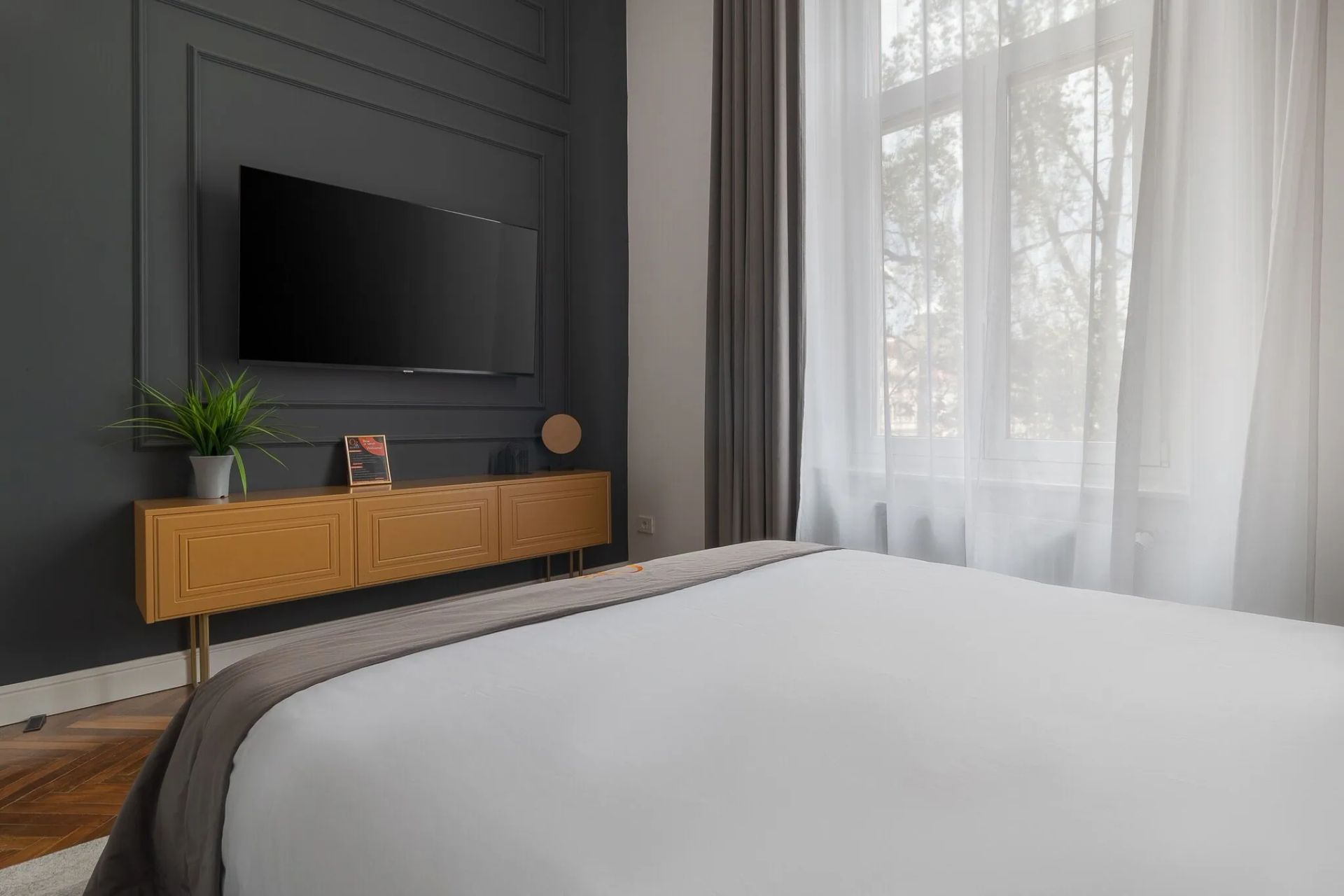
Apartment · 3 stars

Oradea, Bihor County · 0.2 km
Apartament Selah Residence 4 Oradea
Pe strada Independenței din Oradea se află Apartamentul Selah Residence 4, o unitate de cazare clasificată cu trei stele care oferă un spațiu modern, luminos și complet echipat. Poziționat în centrul orașului, apartamentul reprezintă o alegere potrivită pentru călători de afaceri, cupluri sau familii care doresc să exploreze orașul și împrejurimile. Unitatea pune la dispoziția dumneavoastră facilități practice pentru un sejur confortabil și lipsit de griji. Aveți acces la Wi-Fi gratuit în întregul apartament, puteți călca hainele cu ajutorul fierului de călcat disponibil și puteți lua masa la restaurantul din incintă, fără să părăsiți proprietatea. În apropiere puteți vizita Cetatea Oradea, Biserica cu Lună din Oradea, Bazilica Romano-Catolică din Oradea, Palatul Vulturul Negru și Catedrala Învierea Domnului din Oradea. Aceste obiective istorice și culturale se află la îndemână, oferind ocazia de a descoperi patrimoniul arhitectural al orașului. Check-in-ul se realizează în regim self check-in, oferind flexibilitate și independență pe toată durata șederii. Atmosfera este primitoare și vă face să vă simțiți ca acasă, într-un spațiu adaptat atât pentru șederi scurte, cât și pentru perioade mai lungi. Vă așteptăm la Apartamentul Selah Residence 4 din Oradea.
FROM
230 lei per night

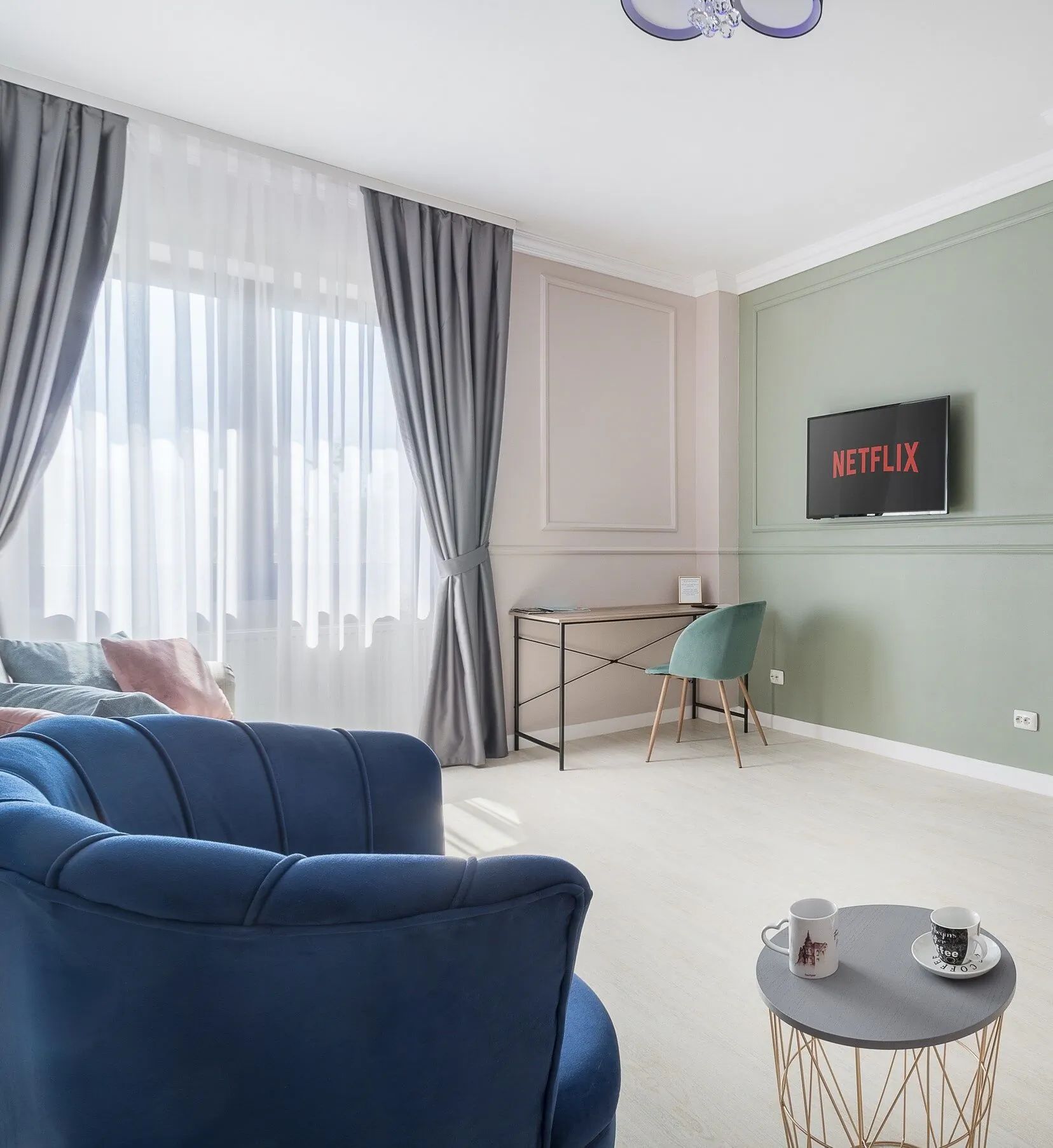
Apartment · 3 stars
Oradea, Bihor County · 0.3 km
Moonlight Central Apartments Oradea
O zi răcoroasă datorită aerului condiționat și mereu conectată prin Wi-Fi gratuit descrie perfect atmosfera unei șederi la Moonlight Central Apartments din Oradea, apartamente clasificate cu trei stele situate pe strada Mihail Kogalniceanu. Fiecare spațiu de cazare pune la dispoziția dumneavoastră facilități practice pentru un sejur confortabil în centrul orașului. Aerul condiționat asigură temperatura plăcută în orice sezon, iar fierul de călcat vă ajută să aveți ținute impecabile pentru întâlniri de afaceri sau ieșiri în oraș. În exterior, curtea mare și grădina amenajată reprezintă un refugiu verde în mijlocul orașului, perfect pentru momente de relaxare departe de aglomerație. Aceste spații exterioare vă permit să vă bucurați de aerul liber în orice moment al zilei. Localizarea centrală vă permite să ajungeți rapid la principalele puncte de interes din Oradea. Puteți vizita Cetatea Oradea, Biserica cu Lună din Oradea, Bazilica Romano-Catolică din Oradea, Palatul Vulturul Negru și Catedrala Învierea Domnului din Oradea, toate situate în apropiere de apartamentele dumneavoastră. Dimineața, după micul dejun, grădina amenajată vă oferă un colț de liniște înainte de a porni spre obiectivele turistice din oraș.
FROM
230 lei per night
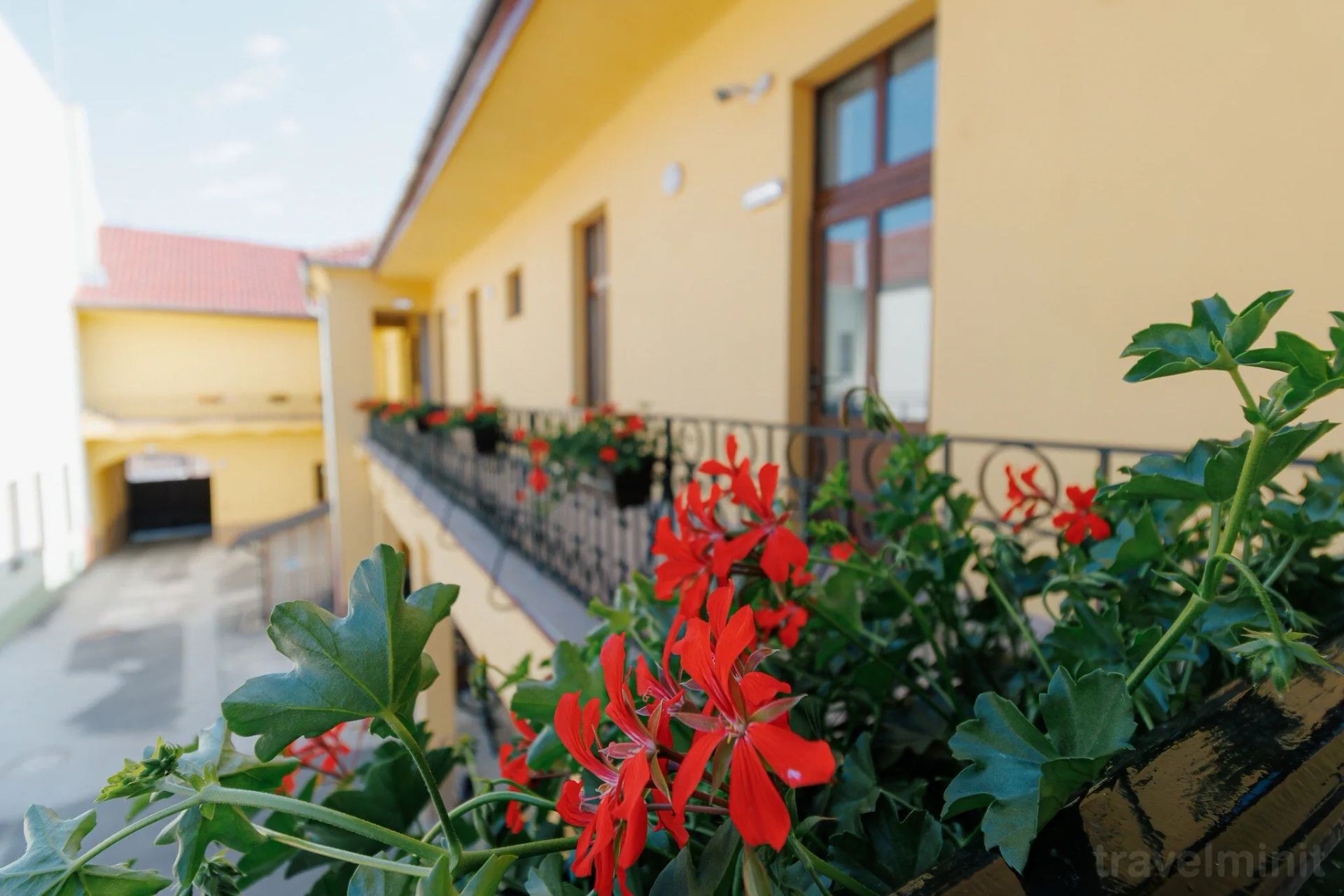
Guesthouse · 1 star
Oradea, Bihor County · 0.3 km
Collegium Varadinum Oradea
Familiile și grupurile de prieteni se vor simți bineveniți la Collegium Varadinum din Oradea, o pensiune turistică situată pe strada Mihai Viteazul. Spațiul generos și atmosfera prietenoasă fac din această locație o alegere potrivită pentru cei care călătoresc împreună și doresc să se bucure de momente de calitate împreună în oraș. Unitatea pune la dispoziție o curte mare și o grădină amenajată, ideale pentru momente de relaxare în aer liber după o zi plină de explorat. Veți găsi aici un loc liniștit și primitor unde vă puteți bucura de aer liber împreună cu cei dragi. Beneficiați de Wi-Fi gratuit în toate zonele proprietății, ceea ce vă permite să rămâneți conectați cu ușurință. De asemenea, puteți închiria biciclete pentru a descoperi străzile Oradiei pe două roți și beneficiați de parcare privată gratuită, astfel încât șederea dumneavoastră să fie cât mai comodă și lipsită de griji. În immediate apropiere se află numeroase obiective de neratat: Cetatea Oradea, Biserica cu Lună din Oradea, Bazilica Romano-Catolică din Oradea, Palatul Vulturul Negru și Catedrala Învierea Domnului din Oradea. Toate aceste puncte de interes pot fi explorate cu ușurință pornind de la unitate. Vă așteptăm la Collegium Varadinum.
FROM
190 lei per night
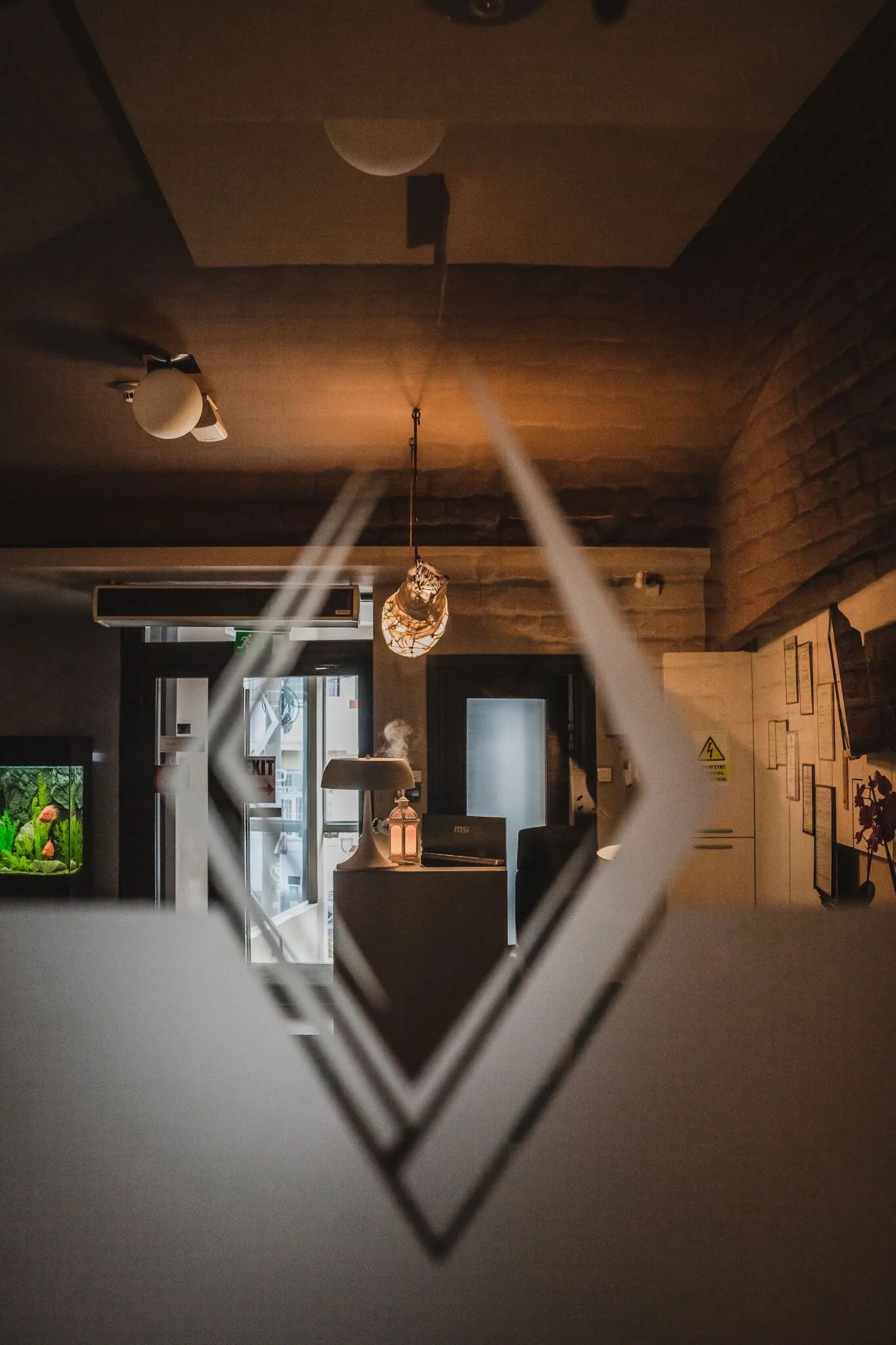
Boutique hotel · 3 stars
Oradea, Bihor County · 0.3 km
Caro Boutique Hotel&Restaurant Oradea
În apropiere puteți vizita Cetatea Oradea, un punct de plecare excelent pentru a descoperi istoria și atmosfera vibrantă a orașului Oradea. Caro Boutique Hotel și Restaurant Oradea reprezintă baza confortabilă de pornire pentru explorare, oferind cazare într-un boutique hotel situat în localitatea Oradea, județul Bihor. Facilitățile unității răspund nevoilor diverse ale oaspeților. Pentru relaxare aveți la dispoziție saună, iar familiile cu copii mici beneficiază de pătuț pentru bebeluș și scaun înalt. Confortul dumneavoastră este asigurat prin Wi-Fi gratuit, parcare privată gratuită, depozit pentru bagaje, seif în cameră, lift sau ascensor și fier de călcat. Restaurantul din incintă vă invită să savurați preparate culinare rafinate, iar la cerere sunt disponibile meniuri pentru diete speciale. Dimineața vă puteți bucura de un mic dejun consistent servit în cadrul unității. Pe lângă cetate, în zonă mai puteți vizita Biserica cu Lună din Oradea, Bazilica Romano-Catolică din Oradea, Palatul Vulturul Negru și Catedrala Sfântul Nicolae din Oradea, fiecare monument oferind experiențe culturale și arhitecturale deosebite. Vă așteptăm la Caro Boutique Hotel și Restaurant Oradea.
FROM
290 lei per night
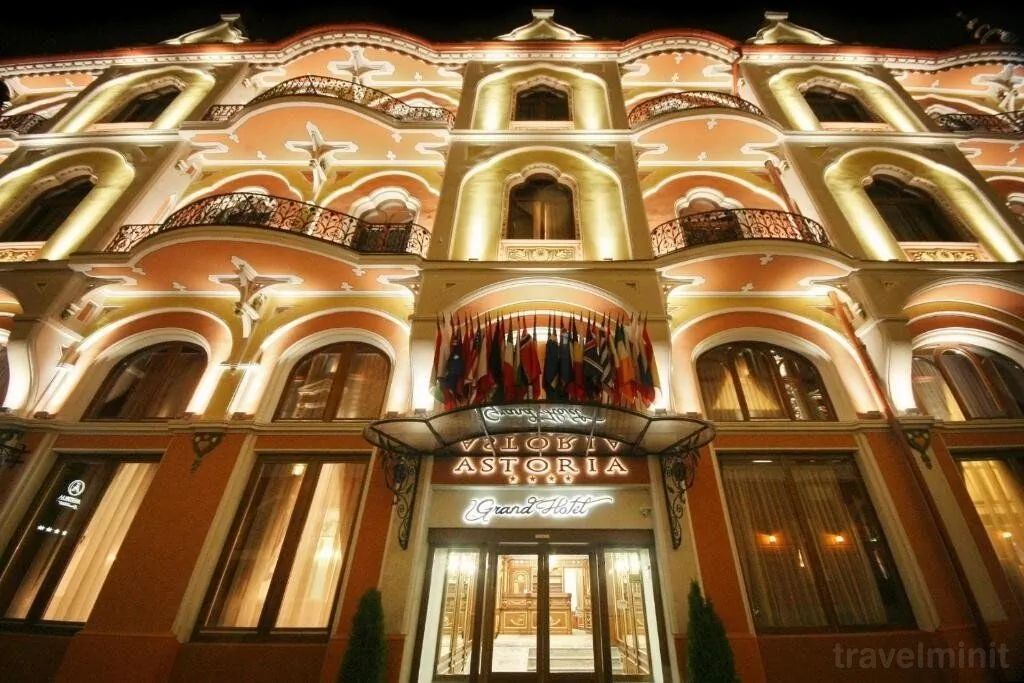
Hotel · 4 stars
Oradea, Bihor County · 0.3 km
Astoria Grand Hotel Oradea
Astoria Grand Hotel Oradea este un hotel de patru stele situat pe strada Teatrului 1-2 din Oradea, județul Bihor. Unitatea oferă cazare într-un cadru urban accesibil din oraș, fiind un punct de plecare potrivit pentru explorarea atracțiilor locale și a împrejurimilor. Pentru confortul dumneavoastră pe toată durata sejurului, hotelul pune la dispoziție Wi-Fi gratuit în toate spațiile comune și în camere, parcare privată gratuită pentru autoturisme și aer condiționat în anumite camere. Dispunem de camere modern mobilate și bine întreținute, iar personalul de la recepție comunică în limba română, engleză și italiană pentru a vă oferi toate informațiile necesare despre facilitățile disponibile și despre serviciile oferite. În imediata apropiere se găsesc numeroase obiective turistice importante: Cetatea Oradea, Biserica cu Lună din Oradea, Bazilica Romano-Catolică din Oradea, Palatul Vulturul Negru și Catedrala Învierea Domnului din Oradea. Aceste monumente și clădiri istorice pot fi explorate pornind direct din hotel, oferindu-vă posibilitatea de a descoperi istoria și arhitectura orașului. Vă așteptăm la Astoria Grand Hotel Oradea.
FROM
420 lei per night
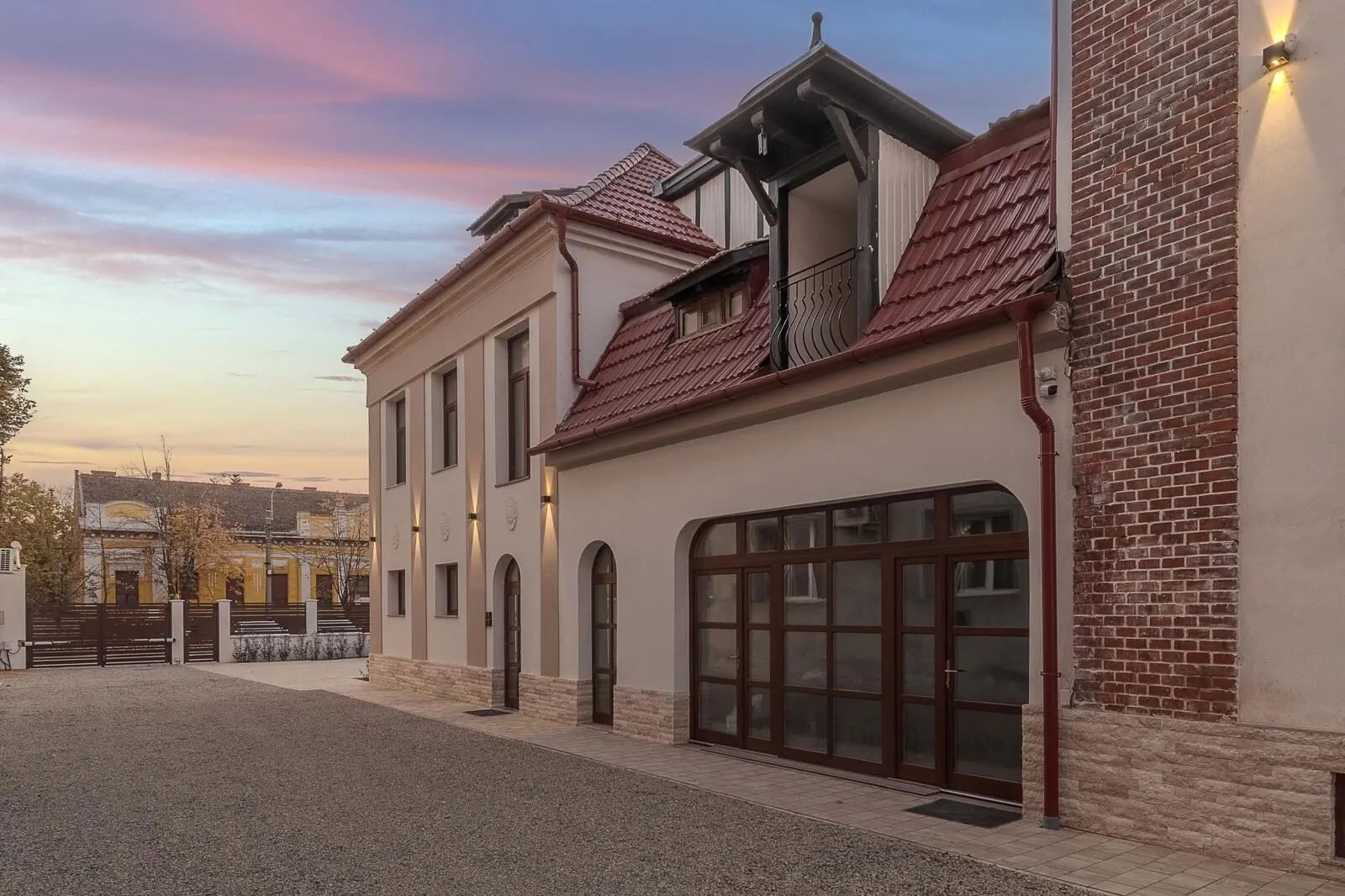
Holiday home · 3 stars
Oradea, Bihor County · 0.4 km
Casa Ullmann Residence Oradea
Casa Ullmann Residence Oradea este o casă de închiriat integrală, clasificată la 3 stele, situată în Oradea, județul Bihor, pe strada Mihail Kogălniceanu numărul 5. Această proprietate oferă cazare într-un cadru liniștit, potrivit atât pentru sejururi de relaxare, cât și pentru vizite în oraș. Vila pune la dispoziția dumneavoastră patru camere confortabile și plăcut amenajate, fiecare dotată cu baie proprie. Aerul condiționat din fiecare cameră asigură un climat plăcut pe tot parcursul șederii dumneavoastră. Pentru confortul dumneavoastră, unitatea oferă Wi-Fi gratuit, parcare privată gratuită, depozit pentru bagaje și fier de călcat. Personalul de la recepție vorbește limba română și engleză și vă poate oferi informații suplimentare despre serviciile disponibile. Camera poate fi ocupată de la ora 15:00, iar predarea se face până la ora 11:00. În apropiere se află principalele obiective turistice ale orașului: Cetatea Oradea, Biserica cu Lună, Bazilica Romano-Catolică, Palatul Vulturul Negru și Catedrala Învierea Domnului. Toate aceste monumente și clădiri istorice pot fi explorate cu ușurință pornind de la această adresă. Vă așteptăm la Casa Ullmann Residence Oradea.
FROM
280 lei per night
BEFORE YOU HIT THE ROAD
Weather conditions in Baile
Local forecast for Black Eagle Palace, Baile, Bihor

Real-time updated weather data
Much more to explore in this area
Nearby tourist attractions


8.2 km

Baile, Bihor County
Oradea Fortress
Situata pe strada Grivitei, municipiul Oradea;reprezinta una dintre putinele cetati utilizate si in prezent;inclusa in patrimoniul UNESCO; se spune despre...
1.0 km
Baile, Bihor County
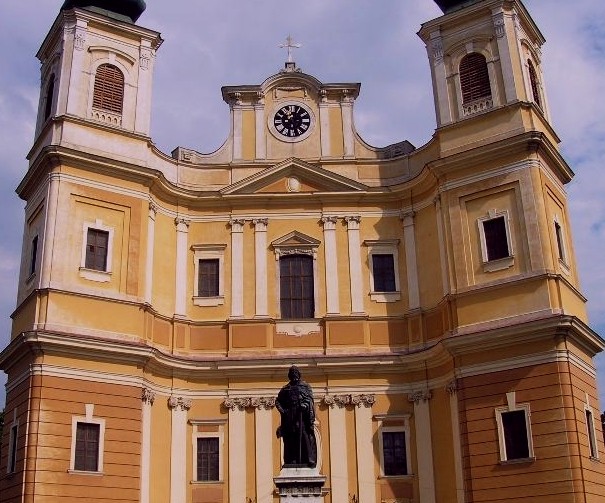
St. Mary's Roman Catholic Basilica of Oradea
Situata pe strada Sirul Canonicilor nr.2, localitatea Oradea;este cel mai mare edificiu baroc de pe teritoriul Romaniei si printre cele mai frumoase bazilici...
1.6 km
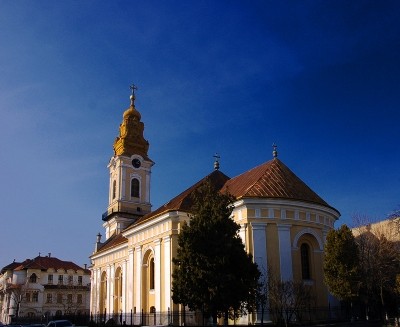
Baile, Bihor County
Moon Church of Oradea
Situata pe strada Iuliu Maniu, localitatea Oradea; constructia sa a inceput in anul 1800, cand episcopul greco-catolic Ignatiu Darabant a demolat biserica...
0.1 km

46.9 km

0.8 km

0.2 km

Baile, Bihor County
Church of the Order of Mercy (Archangel Church) in Oradea
Situata pe strada Independentei nr.1, localitatea Oradea;construita in secolul al- XVIII-lea; sculpturile sale de lemn sunt de o rara frumusete; in cripta...
0.3 km
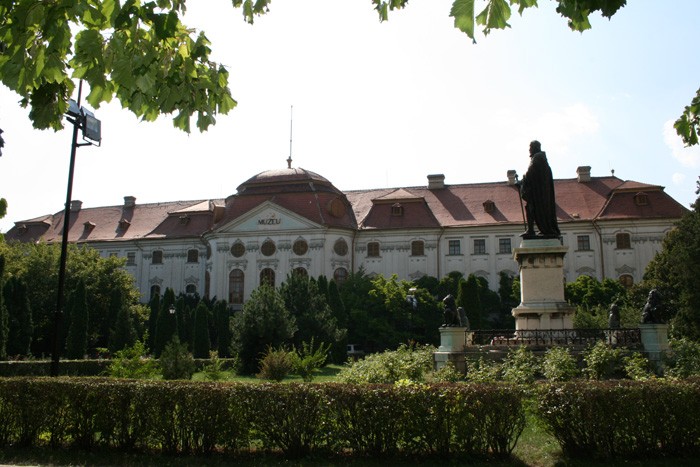
Baile, Bihor County
Criș Country Museum
Situat pe strada Armatei nr.1A, localitatea Oradea; organizat pe 5 sectii: Arheologie, Istorie, Stiintele naturii, Arta si Etnografie; Sectia de Arheologie:...
0.8 km
Baile, Bihor County
Capuchin Church in Oradea
Situata pe strada Traian Mosoiu nr.21, localitatea Oradea;cunoscuta si sub denumirea de biserica manastirii Capucinilor "Vizita Sfantei Fecioare" ; ordinul...
0.2 km
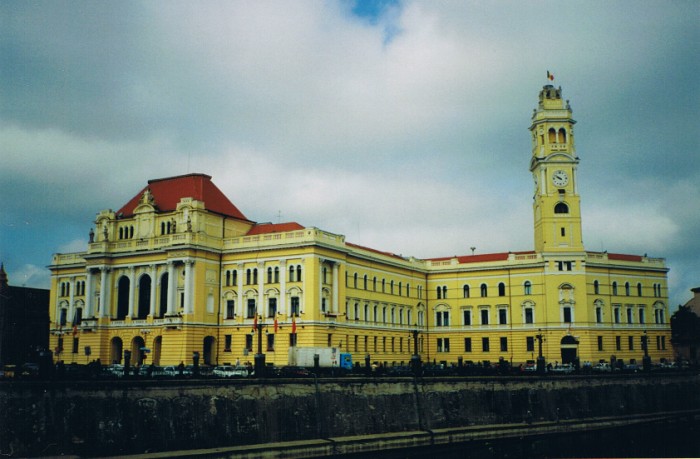
Baile, Bihor County
Oradea City Hall Palace
Amplasat in partea de nord-vest a Pietei Centrale (Unirii) din Oradea;a fost inaltat intre anii 1902-1903; se afla pe fostul amplasament al episcopiei catolice...
0.2 km
Baile, Bihor County
Archangels Michael and Gabriel Orthodox Church in Oradea
Situata in Piata Tineretului, localitatea Oradea;este una dintre cele mai vechi asezari de cult, de religie ortodoxa din oras; a fost construita in perioada...
0.2 km
Cultural life and traditions
Events in the Black Eagle Palace area
Medieval festivals, traditional fairs, concerts and local activities recommended in Crisana.

Traditions and Crafts

Baile, County of Bihor
Days of Local Culture and Traditional Tourism
Open workshops featuring pottery, wood carving, and authentic folklore demonstrations by local artisans.
WHEN
May 15-17, 2026


Traditional Cuisine
Baile, County of Bihor
The Fair of Traditional Products and Local Cuisine
Traditional products, aged cheeses, mountain honey and local delicacies prepared according to ancient recipes.
WHEN
Every weekend

Culture and Photography
Baile, County of Bihor
Themed and Photographic Guided Tour of Cultural Heritage
A guided tour designed for history buffs, nature lovers, and photography enthusiasts, showcasing the most spectacular views in the area.
WHEN
Daily schedule available upon request
On foot, exploration gains depth
Discover the surroundings and local geography
Explore the trails, terrain, and natural landmarks around Black Eagle Palace.

Guides and practical tips
Useful travel articles
Travel guides, practical recommendations and tourist itineraries for Crisana.

Tourist guide
Top 5 Atracții Turistice și Trasee Montane în Zona Moieciu - Bran
Descoperă cele mai spectaculoase peisaje carstice, chei adânci și cetăți medievale din imediata apropiere a stațiunii Moieciu.

Tourist guide
Ghid de Drumeție: Traseul Moieciu de Sus spre Platoul Bucegi
Un itinerariu montan de o frumusețe rară ce urcă din Valea Băngăleasa spre Poiana Guțanu și crestele maiestuoase ale Bucegilor.

Tourist guide
Castelul Bran: Istorie, Legende și Secrete Medievale
Află adevărata poveste a fortăreței medievale din Pasul Bran, reședința de suflet a Reginei Maria a României.
THE JOURNEY STARTS WITH AN IDEA
The next story is on the way.
From the first stop to the last stay, make room for a new Romania.
