


NATURE AND WILDLIFE · TRANSYLVANIA
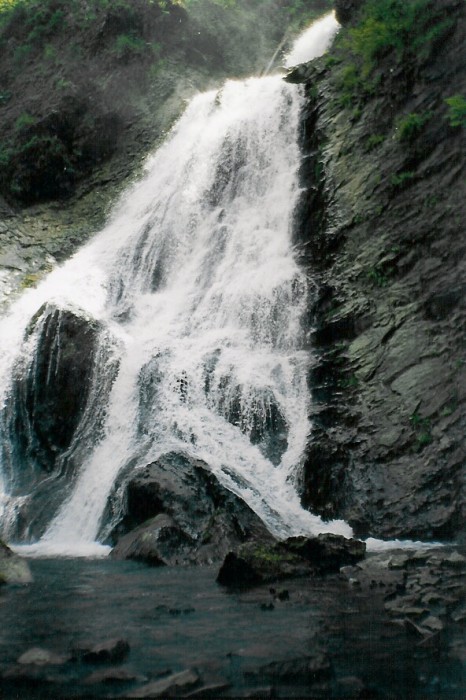
Bride's Veil Waterfall

Margau, Cluj County
Add location to your trip planner.
Practical access information

VISITING HOURS
Monday: 12:00 PM – 5:00 PM · Tuesday–Sunday: 9:00 AM – 5:00 PM (in summer until 8:00 PM)

TICKET PRICE
Adults: 45 RON · Students: 11 RON · Seniors: 23 RON · Guided tour included

RECOMMENDED VISIT DURATION
2-3.5 hours
Visitor information and guide
 Navigate with Google Maps

ABOUT BRIDE'S VEIL WATERFALL
A Liquid Treasure in the Heart of the Carpathians
In the heart of the Apuseni Mountains, where the limestone ridges of the Vlădeasa Massif rise like ancient battlements sculpted by time, flows a spectacle that has captivated travelers since the dawn of romantic tourism in Central Europe. Bride’s Veil Waterfall, locally known as Răchițele Waterfall, plunges from a height of over thirty meters, transforming the wild landscape of the Carpathians into a living tableau of natural grandeur. This aqueous veil, glistening like silver lace in the mountain sunlight, stands as one of Romania’s most impressive natural monuments—a testament to the enduring power of water to shape stone and inspire the human imagination. Located in the commune of Mărgău in Cluj County, within the historic region of Transylvania, this waterfall embodies the sublime beauty that drew 19th-century European romantics to the Carpathians, much as they were drawn to the waterfalls of the Swiss Alps, the fjords of Norway, or the glacial valleys of Austria. Here, in Romania’s Northwest Development Region, the vertical precipice of limestone cliffs meets the persistent force of mountain streams, creating a natural amphitheater that rivals the most celebrated waterfalls of the European continent. For visitors, the experience transcends mere sightseeing, becoming a profound communion with the wild heart of the Carpathians.
Historical Roots and European Context: From the Moți to the Habsburg Empire
The territory surrounding Răchițele Waterfall bears the indelible imprint of a complex history that weaves Transylvanian local traditions with the broader currents of European civilization. For centuries, these mountains were the domain of the Moți, the legendary woodcutters and shepherds of the Apuseni, whose pastoral way of life echoed the sheep-rearing traditions of the Swiss Alps, Austria, and the Tyrol. These communities, living in dispersed high-altitude settlements, developed a sophisticated relationship with the karst landscape, understanding hidden caves, the seasonal rhythms of water, and the medicinal properties of alpine flora in ways that paralleled the traditional ecological knowledge of the Habsburg Empire’s alpine regions. When Transylvania became part of the Austro-Hungarian Empire in the 17th century and later experienced intensive development under Habsburg rule in the 18th and 19th centuries, the region attracted the attention of naturalists, geologists, and European romantic travelers who saw in the Apuseni Mountains a reflection of the alpine wilderness that inspired poets from Goethe to Wordsworth. The waterfall itself, long known to local shepherds, entered the European consciousness during the 19th-century fascination with the picturesque and the sublime, becoming a destination for the emerging middle class of the Dual Monarchy seeking the restorative powers of mountain air and dramatic natural landscapes. This period saw the development of early tourism infrastructure in Transylvania, paralleling the growth of spa resorts and mountain retreats in Austria’s Salzkammergut or the Bavarian Alps, establishing the Apuseni as a region of European cultural significance. Here, the meeting of Romanian, Hungarian, and Germanic traditions created a unique multicultural mountain heritage.
Natural Architecture: Geology as a Cathedral of Stone
Geologically, Bride’s Veil Waterfall is a masterpiece of karst architecture, a natural cathedral sculpted over millennia by the gentle erosion of water on limestone. The Apuseni Mountains are part of the vast karst chain stretching from the Dinaric Alps through Slovenia and Croatia to the Carpathian arc, sharing geological features with the limestone plateaus of the Kras region and the dramatic waterfalls of Plitvice Lakes. The waterfall descends over a vertical wall of Mesozoic limestone, creating a curtain of water that disperses into countless crystalline threads, each droplet catching the light and refracting it into ephemeral rainbows. This geological formation speaks to the deep time of Earth’s history, when these mountains were seabeds and limestone formed from the accumulated shells of marine organisms, later uplifted by the tectonic forces that created the Carpathian arc during the Alpine orogeny. The surrounding karst landscape of the waterfall is punctuated by sinkholes, caves, and underground rivers, creating a three-dimensional architecture of stone and water that geologists compare to the classic karst of the Dinaric Alps or the Jura Mountains of France and Switzerland. For the visitor, this geological theater offers more than picturesque beauty; it provides a tangible connection to the deep history of the European continent, where the same processes that formed the caves of Postojna or the gorges of the Verdon River created this vertical amphitheater of limestone and falling water. The biodiversity of this karst ecosystem, with its endemic plant species adapted to alkaline soils and its fauna of cave-dwelling invertebrates and mountain birds, places the waterfall within the broader context of Europe’s natural heritage, now protected under the Natura 2000 network that safeguards similar karst landscapes from the Pyrenees to the Carpathians.
The Legend of the Bride’s Veil: Mythology and Collective Memory
The poetic name Bride’s Veil originates from a legend passed down through oral tradition in the villages around Mărgău for generations, incorporating the waterfall into the mythological landscape of Transylvanian folklore. According to this narrative, which resonates with similar stories found in Europe’s mountainous regions—from the tragic love tales of the Scottish Highlands to the alpine legends of Switzerland and Austria—a young bride lost her life falling from the cliffs on her wedding day. Her white bridal veil, caught on the jagged edges of the limestone, transformed into the perpetual curtain of water that now descends the rock face, while the tears of the wedding guests became the endless flow of the stream. This legend reflects the deep connection between the local population and the dramatic natural environment, personifying the waterfall as a memorial to human tragedy and a symbol of eternal fidelity. Within the broader context of European Romanticism, such legends reflect the 19th-century fascination with the sublime power of nature and its capacity to evoke profound emotional responses—a sensibility that transformed waterfalls from mere geographical features into sites of spiritual and aesthetic significance. The story of the Bride’s Veil parallels countless folk narratives that have emerged around Europe’s great waterfalls, from the Rhine Falls in Switzerland to the waterfalls of Norway’s fjords, with each culture weaving its own mythology around these dramatic points of encounter between water and stone. For the modern visitor, understanding this legend enriches the experience, turning a geological phenomenon into a cultural palimpsest where human emotion and natural force intertwine.
Seasonal Experiences: A Calendar of Changing Beauty
Bride’s Veil Waterfall offers a kaleidoscope of seasonal experiences that reflect the dynamic character of the Carpathian climate, providing visitors with distinct perspectives throughout the year that parallel the seasonal tourism of Europe’s great alpine destinations. In spring and early summer, when the melting snows of the Vlădeasa Massif swell the mountain streams, the waterfall reaches its peak power, descending with a thunderous roar that echoes through the beech and spruce forests, creating a cool mist microclimate that sustains lush mosses and ferns. This is the period when the waterfall displays its true romantic grandeur, the volume of water transforming the delicate veil into a powerful torrent that speaks of the raw energy of the mountains. Autumn brings a different kind of magic, as the surrounding deciduous forests ignite in hues of gold, amber, and russet, framing the silver waterfall in a chromatic embrace that has inspired painters and photographers since the era of European landscape art. The contrast between the white water and the burning foliage creates a visual symphony reminiscent of the autumnal splendors of the Bavarian forests or the vineyards of the Rhine Valley. Winter transforms the waterfall into a phenomenon unique in Romania and rare in Europe: the limestone wall becomes covered in a massive curtain of ice, a blue-white frozen waterfall over thirty meters high that attracts ice climbers from across the continent. This winter spectacle links the Apuseni Mountains to the ice-climbing traditions of the Alps, the Dolomites, and the Tatra Mountains, where the sport of ascending frozen waterfalls developed into a respected mountain discipline as early as the 19th century. Access to the waterfall begins in the center of Mărgău village, following a well-maintained forest road for approximately five kilometers to the Răchițele area, from where a marked pedestrian trail descends through the ancient beech and spruce forest for twenty to thirty minutes to the base of the waterfall. The route, though accessible to hikers with moderate fitness, requires proper mountain footwear, and in the cold season, crampons are mandatory for safety on the icy approach. Visitors are encouraged to consult the local visitor center for weather conditions and to strictly adhere to the environmental protection rules governing this Natura 2000 site, ensuring that this natural treasure remains preserved for future generations of European travelers.
Guardian of European Heritage
Bride’s Veil Waterfall stands as a monument not only to the geological forces that shaped the Carpathians but also to the cultural heritage of Transylvania and its place within the broader narrative of European civilization. From the pastoral traditions of the Moți to the romantic tourism of the Habsburg era and the contemporary conservation efforts of the European Union, this waterfall has witnessed the unfolding of history while remaining unchanged in its essential beauty. It represents the enduring dialogue between humanity and the natural world that has characterized European culture from the Enlightenment to the present, offering a sanctuary where the modern traveler can experience the sublime power of water and stone. As part of Romania’s commitment to preserving its natural heritage within the Natura 2000 network, Răchițele Waterfall is protected as a site of national and European importance, ensuring that its crystalline waters will continue to cascade over the limestone cliffs for centuries to come—a perpetual Bride’s Veil adorning the crown of the Apuseni Mountains.
Media gallery
Discover Bride's Veil Waterfall in pictures

2 photos · Architecture, courtyards and captivating details

Image source: Wikimedia Commons · Public domain photos · Free license
STAY A FEW DAYS, DISCOVER THE MAGIC
Accommodation in the Bride's Veil Waterfall area

A-frame cabin · 3 stars

Rogojel, Cluj County · 4.0 km
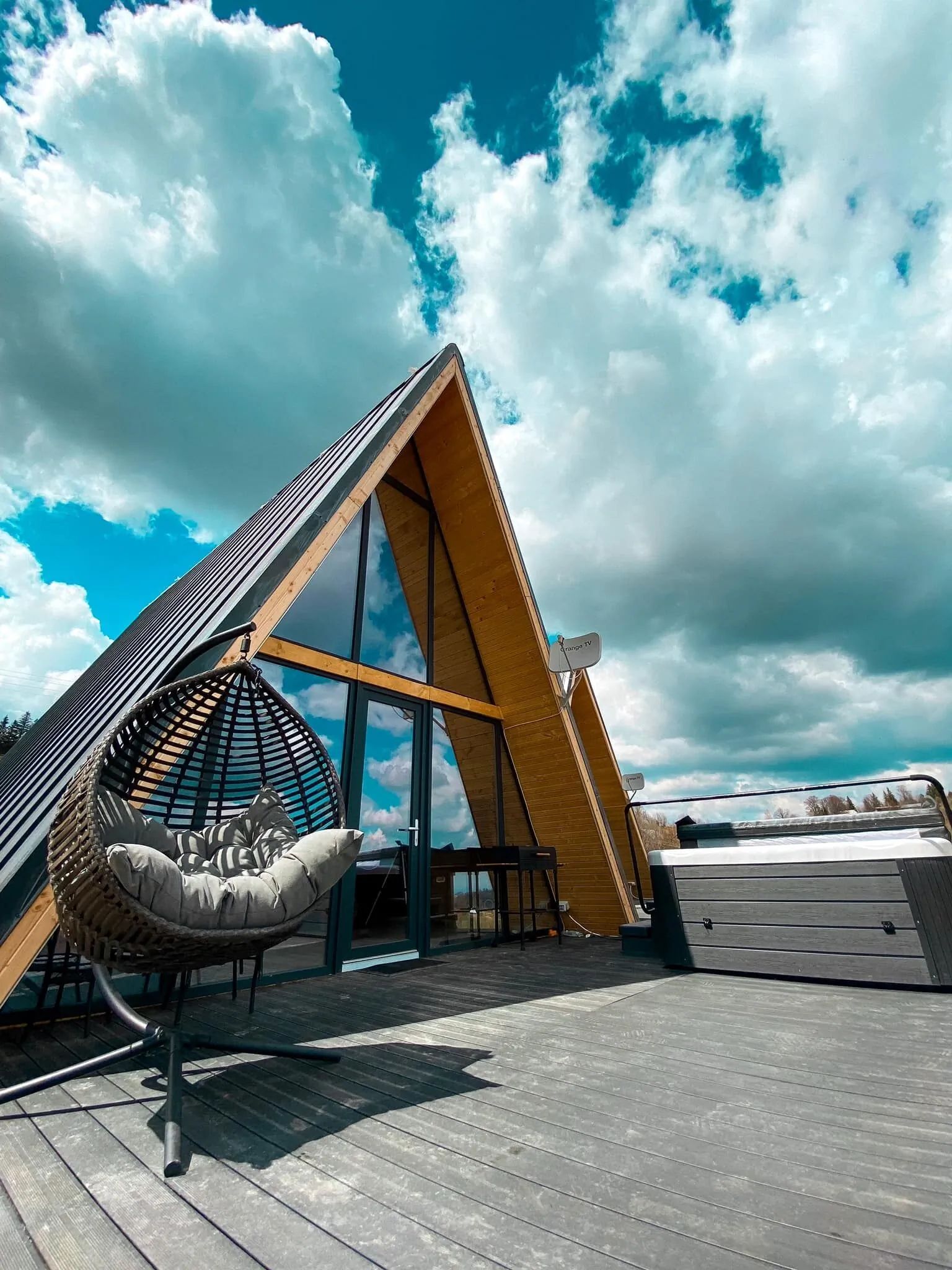
Cabana A frame Naos&Vega Rogojel
În apropierea Cascadei de la Răchițele, cunoscută și ca Cascada Vălul Miresei, vă așteaptă Cabana A frame Naos și Vega din localitatea Rogojel, județul Cluj. Această cabană de tip A frame, clasificată cu trei stele, reprezintă punctul dumneavoastră de plecare pentru a descoperi frumusețile naturale ale Munților Apuseni și pentru a vă bucura de liniștea oferită de această zonă montană. După o zi petrecută în explorare, vă puteți bucura de facilitățile oferite de unitate. Puteți pregăti mese savuroase la grătar sau barbeque, în timp ce ceaunul vă permite să gătiți preparate tradiționale direct în aer liber, într-un cadru natural. Seara, vă puteți relaxa complet în cada cu hidromasaj sau în jacuzzi, lăsând grija și agitația să dispară. În apropiere puteți vizita Biserica fortificată de la Văleni, un monument impresionant cu o istorie bogată, sau vă puteți plimba pe malul Lacului Floroiu, cunoscut și ca Lacul Drăgan. Parcul Natural Apuseni și Cheile Someșului Cald se află la îndemână pentru drumeții și explorări în mijlocul naturii. Când sunteți gata să continuați aventura, porniți din nou în explorarea zonei și descoperiți frumusețea naturală a Cheilor Someșului Cald.
FROM
450 lei per night

Guesthouse · 5 stars
Rogojel, Cluj County · 4.3 km
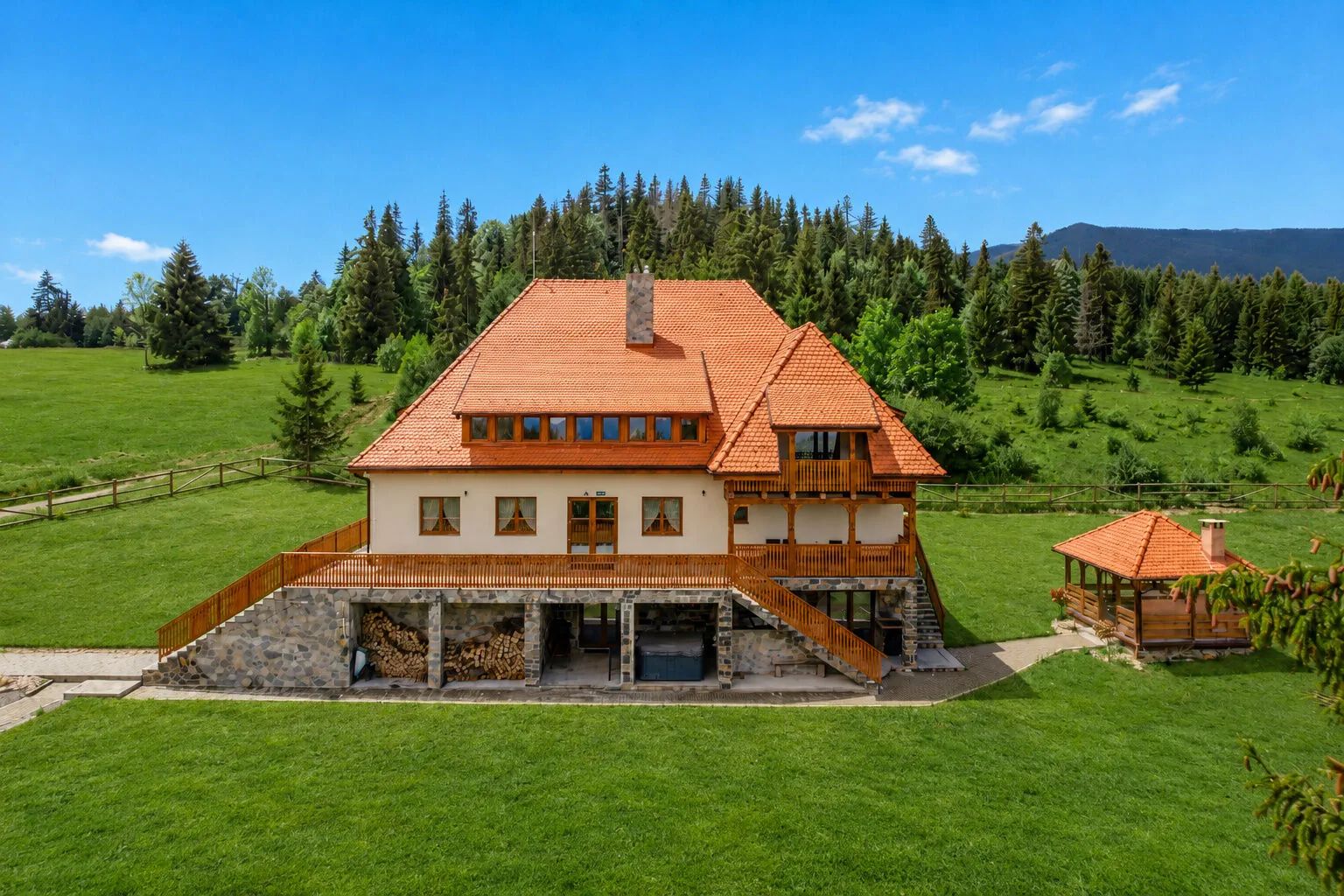
Rogo Chalet Rogojel
La poalele Masivului Vlădeasa, la aproximativ 1200 de metri altitudine, Rogo Chalet Rogojel se ridică într-un sat montan autentic din Rogojel, județul Cluj. Clădirea recent finalizată, situată pe strada Principală, oferă priveliști spectaculoase asupra crestelor acoperite de zăpadă iarna sau a luminișurilor verzi și potecilor vara, într-o zonă cu aer curat și liniște profundă. Unitatea pune la dispoziția dumneavoastră o saună și o cadă cu hidromasaj sau jacuzzi, ideale pentru a vă deconecta după o zi de activități în aer liber. La cerere, puteți beneficia și de opțiuni de masă în colaborare cu un punct gastronomic local, pentru a savura preparate proaspete cu gusturi autentice din Transilvania. În apropiere puteți explora Cascada de la Răchițele, cunoscută și ca Cascada Vălul Miresei, Biserica fortificată de la Văleni, Cheile Someșului Cald, Lacul Floroiu sau Lacul Drăgan, precum și Parcul Natural Apuseni. Aceste obiective se află într-o zonă care oferă numeroase trasee de drumeție și ocazii de fotografie într-un peisaj montan impresionant în orice anotimp. Seara, după ce ați explorat potecile din zonă, vă puteți relaxa în cada cu hidromasaj sau în saună, lăsând liniștea satului Rogojel să vă învăluie.
FROM
310 lei per night
Farm guesthouse · 3 stars
Răchițele, Cluj County · 4.9 km
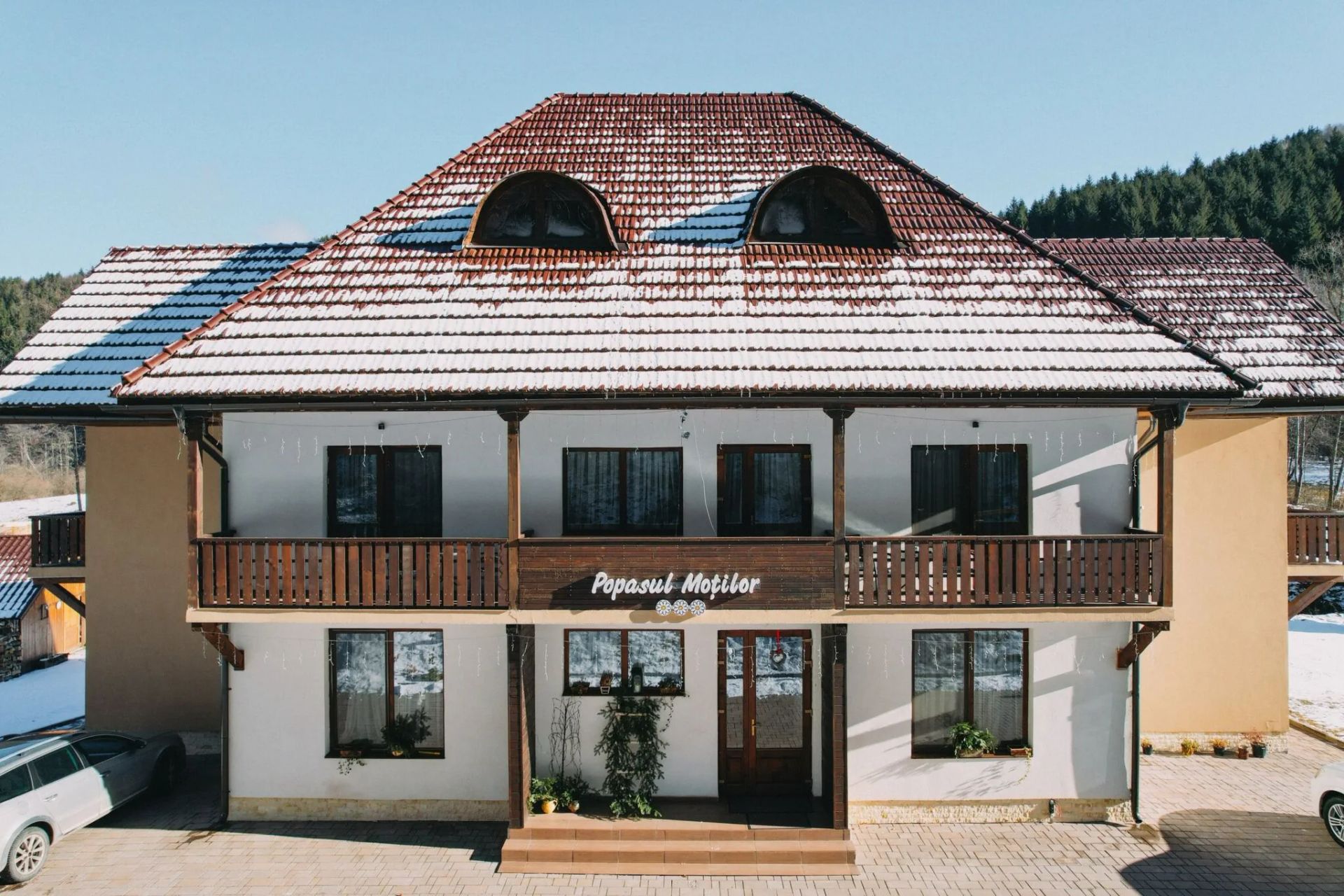
Pensiune Agroturistică Popasul Moților Răchițele
Parcare privată gratuită găsiți la Pensiunea Agroturistică Popasul Moților Răchițele din localitatea Răchițele, astfel încât dumneavoastră să vă bucurați de sejur fără grija mașinii. Unitatea dispune de opt camere primitoare și bine amenajate, într-un cadru specific zonei montane. Pe lângă parcare, beneficiați și de Wi-Fi gratuit în întreaga pensiune, astfel încât dumneavoastră să rămâneți conectați cu ușurință pe toată durata șederii. În apropiere puteți vizita Cascada de la Răchițele, cunoscută și sub numele de Cascada Vălul Miresei, Biserica fortificată de la Văleni, Lacul Beliș-Fântânele, Cheile Someșului Cald și Parcul Natural Apuseni. Aceste obiective oferă numeroase posibilități de explorare a naturii și patrimoniului cultural din zonă. Recepția vă întâmpină în limba română și în limba engleză. Preluarea camerelor se face de la ora 14:00, iar eliberarea acestora până la ora 12:00. Deși prețul camerei nu include masa, la efectuarea rezervării puteți comanda micul dejun, pentru a începe ziua într-un mod plăcut. Această pensiune agroturistică este potrivită pentru călătorii care doresc să descopere zona Apusenilor într-un mediu liniștit, cu facilități esențiale asigurate.
FROM
240 lei per night
Guesthouse · 3 stars
Răchițele, Cluj County · 5.0 km
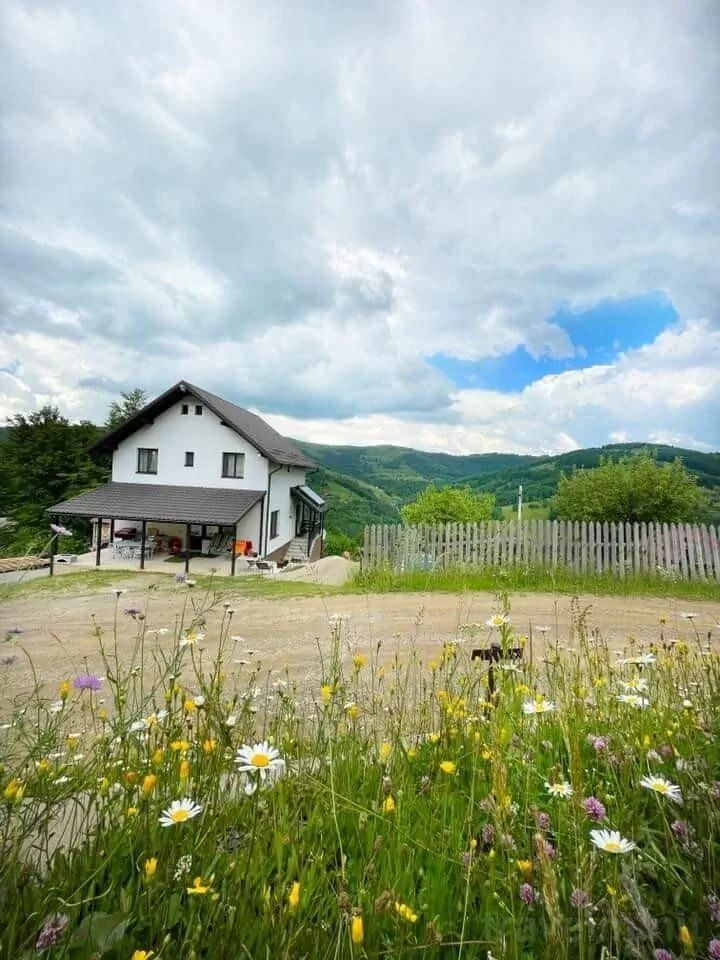
Pensiunea K9 Răchițele
De la Cascada Vălul Miresei pornește una dintre cele mai plăcute experiențe din zonă. Pensiunea K9 Răchițele, o pensiune turistică de 3 stele situată în localitatea Răchițele din județul Cluj, vă oferă un punct de plecare comod pentru a explora această regiune montană. Unitatea pune la dispoziție Wi-Fi gratuit și parcare privată gratuită, astfel încât ajungeți fără griji. În curtea mare și grădina amenajată puteți savura momente de liniște, iar pentru seri răcoroase aveți la dispoziție un grătar sau barbeque și un ceaun pentru gătit în aer liber, ideale pentru preparate tradiționale. Familiile cu copii se vor bucura de locul de joacă de la exterior și de camera de joacă de la interior, astfel încât cei mici au spațiu pentru distracție. Pentru relaxare completă după o zi de drumeții, ciubărul din lemn tradițional completează atmosfera specifică zonei. În apropiere puteți vizita Biserica fortificată de la Văleni, Lacul Beliș-Fântânele, Parcul Natural Apuseni sau Cheile Someșului Cald, alături de Cascada Vălul Miresei. Fiecare dintre aceste obiective oferă ocazia de a descoperi frumusețea naturală și culturală a zonei. Vă așteptăm la Pensiunea K9 Răchițele pentru un sejur plăcut.
FROM
240 lei per night
Cabin · 3 stars
Rogojel, Cluj County · 5.3 km
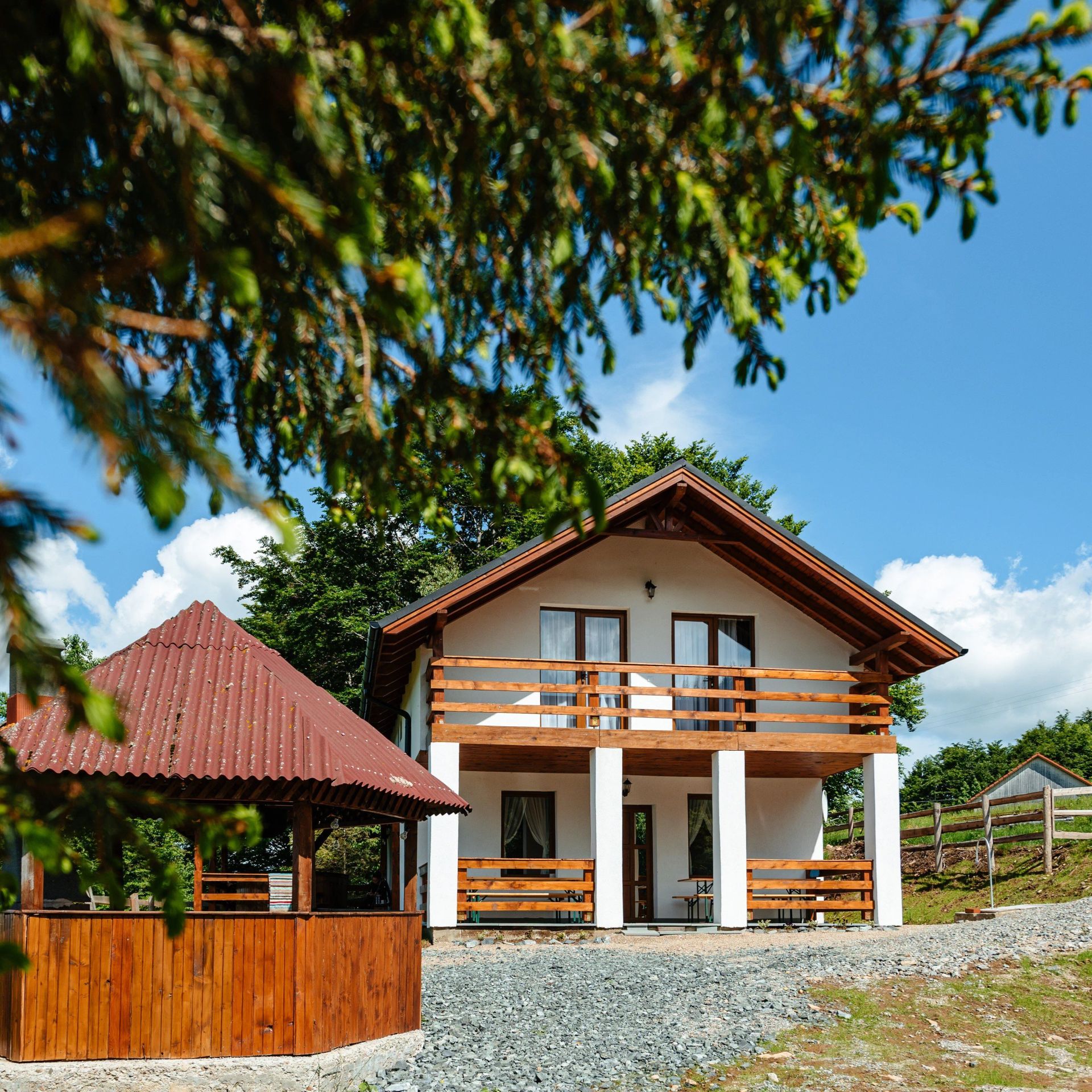
Casa din Munți Rogojel
Comfort, relaxation and stunning views, all just steps away from the main attractions.
FROM
270 lei per night
Guesthouse · 3 stars
Răchițele, Cluj County · 5.4 km
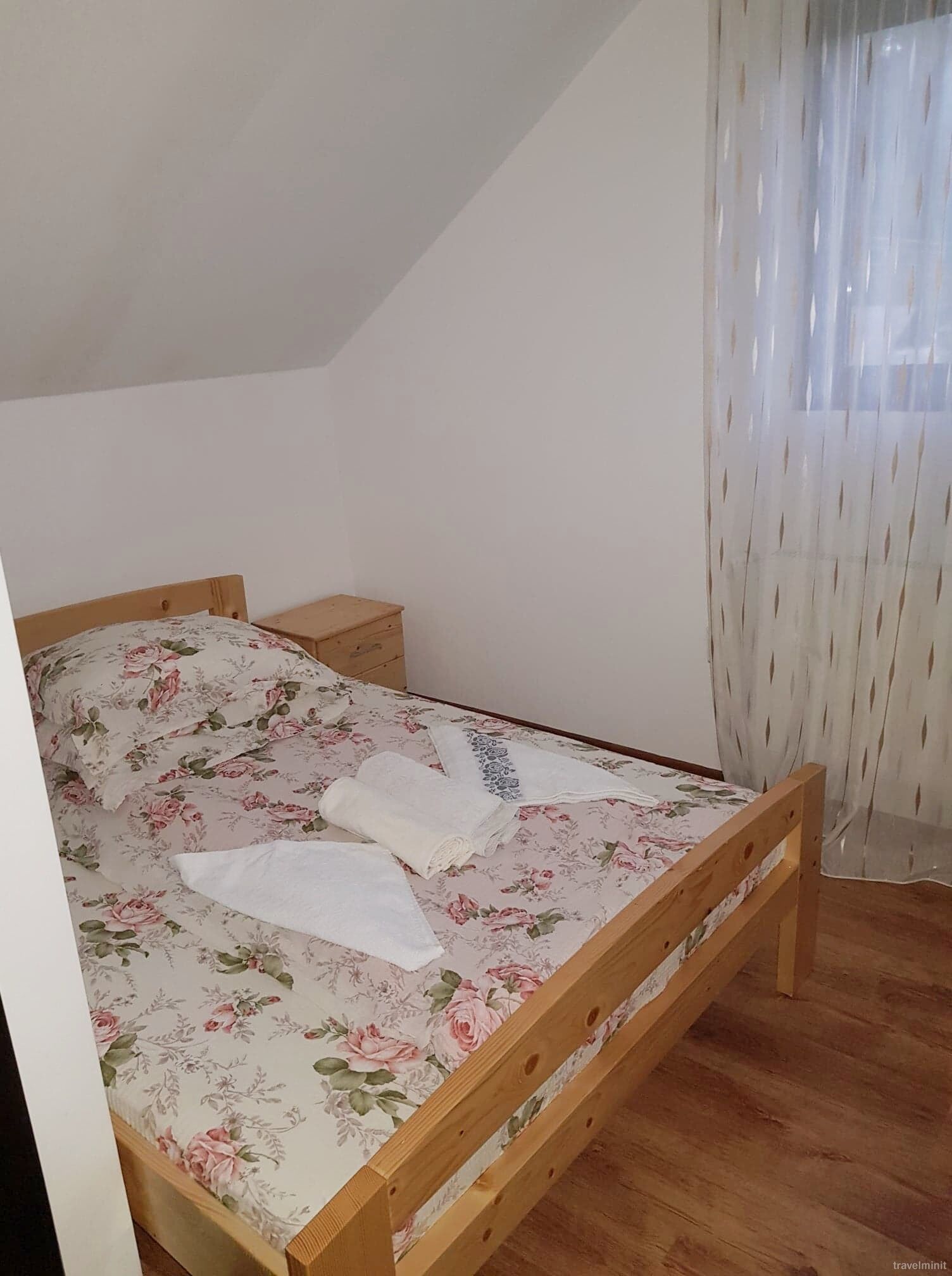
Pensiunea Suciu Răchițele
La doar câțiva pași de Cascada de la Răchițele, cunoscută și ca Cascada Vălul Miresei, Pensiunea Suciu Răchițele din localitatea Răchițele, județul Cluj, reprezintă punctul dumneavoastră de plecare pentru explorarea zonei montane. Această pensiune turistică de trei stele vă oferă un cadru primitor și confortabil pentru a descoperi frumusețile naturale ale Apusenilor și pentru a vă bucura de liniștea specifică zonei. Unitatea dispune de parcare privată gratuită și Wi-Fi gratuit în toate spațiile. În curtea mare și grădina amenajată vă puteți relaxa în aer liber după o zi de explorare, iar pentru momente de socializare aveți la dispoziție un grătar sau barbecue și un ceaun pentru gătit în aer liber. Părinții vor aprecia cu siguranță locul de joacă pentru copii amenajat în exterior, unde cei mici se pot distra în siguranță sub cerul liber. În apropiere puteți vizita Biserica fortificată de la Văleni, Parcul Natural Apuseni, Lacul Beliș-Fântânele și Cheile Someșului Cald. Fiecare dintre aceste obiective oferă oportunități diferite de petrecere a timpului liber, de la drumeții pe poteci montane până la explorarea patrimoniului cultural și istoric al zonei. Vă așteptăm la Pensiunea Suciu Răchițele.
FROM
240 lei per night
BEFORE YOU HIT THE ROAD
Weather conditions in Margau
Local forecast for Bride's Veil Waterfall, Margau, Cluj

Real-time updated weather data
Much more to explore in this area
Nearby tourist attractions


Baile, Bihor County
Apuseni Natural Park
Situat in vestul Romaniei, in partea central-nord-vestica a muntilor Apuseni; se intinde pe teritoriul a trei judete: Bihor (32%), Alba (28%) si Cluj (40%);...
17.1 km
Valeni, Cluj County
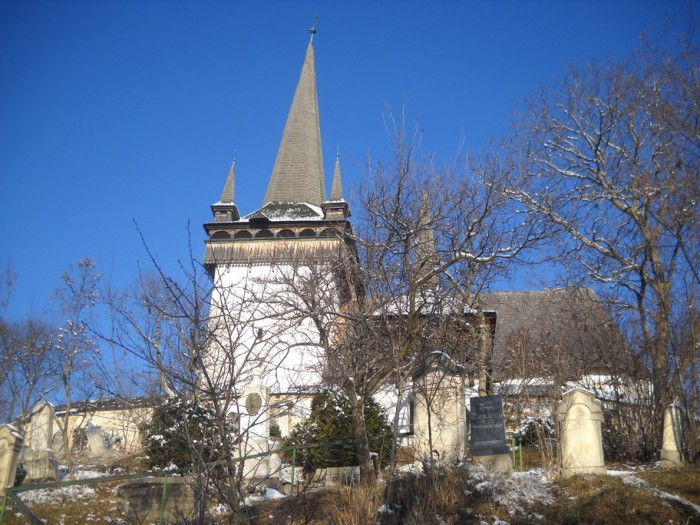
Fortified Church of Văleni
Situata in satul Valeni, judetul Cluj; a fost ridicata in secolul al XIII-lea de calugarii franciscani; este una dintre cele mai frumoase biserici din judetul...
16.4 km
Baile, Bihor County
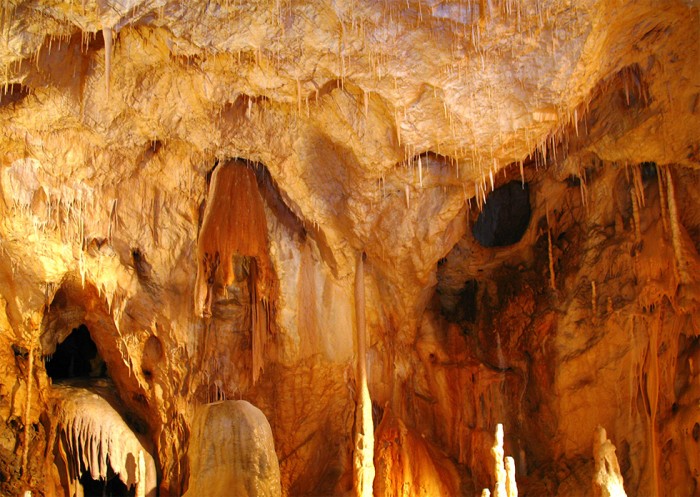
Bears' Cave
Situata in imediata apropiere a localitatii Chiscau, comuna Pietroasa, la o altitudine de 482 m;a fost descoperita in 1975, cu ocazia unei dinamitari executate...
28.5 km

29.2 km
29.2 km
30.3 km
33.7 km
34.5 km
45.3 km
49.9 km
Apahida, Cluj County
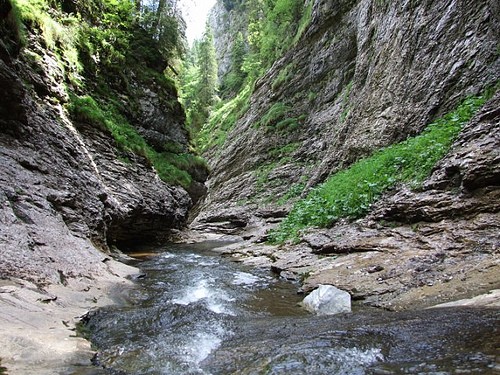
Warm Someș Gorge
Situate pe cursul superior al Somesului Cald; ofera privelisti extrem de pitoresti ale abrupturilor calcaroase de peste 100 m ce coboara pana in patul vaii; au...
7.8 km
Apahida, Cluj County
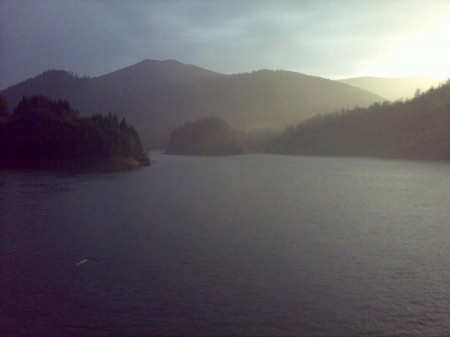
Floroiu Lake (Drăgan Lake)
Situat la intersectia drumurilor forestiere ale localitatilor Poieni, Huedin, Ciucea, Stana de Vale; lac antropic; este unul dintre putinele locuri ramase...
11.3 km
Cultural life and traditions
Events in the Bride's Veil Waterfall area
Medieval festivals, traditional fairs, concerts and local activities recommended in Transylvania.

Heritage and History

Margau, County of Cluj
The Festival of Medieval Fortresses and the Open Doors Days
Guided night tours, traditional crafts workshops and historical re-enactments featuring knights and ladies.
WHEN
May 15-17, 2026


Traditions and Cuisine
Margau, County of Cluj
The Fair of Saxon Traditions and Local Cuisine
Discover local producers, traditional Saxon pastries baked in a wood-fired oven, artisanal syrups, and rhubarb jam.
WHEN
Every weekend (May - October)

Ecotourism and Nature
The hills of Transylvania, County of Cluj
Guided Hikes on the Transylvanian Hills Trail
Take excursions along unmarked trails through ancient meadows, centuries-old oak trees, and villages with fortified churches that are UNESCO World Heritage sites.
WHEN
Friday – Sunday (Season 2026)
On foot, exploration gains depth
Discover the surroundings and local geography
Explore the trails, terrain, and natural landmarks around Bride's Veil Waterfall.

Guides and practical tips
Useful travel articles
Travel guides, practical recommendations and tourist itineraries for Transylvania.

Tourist guide
Top 5 Atracții Turistice și Trasee Montane în Zona Moieciu - Bran
Descoperă cele mai spectaculoase peisaje carstice, chei adânci și cetăți medievale din imediata apropiere a stațiunii Moieciu.

Tourist guide
Ghid de Drumeție: Traseul Moieciu de Sus spre Platoul Bucegi
Un itinerariu montan de o frumusețe rară ce urcă din Valea Băngăleasa spre Poiana Guțanu și crestele maiestuoase ale Bucegilor.

Tourist guide
Castelul Bran: Istorie, Legende și Secrete Medievale
Află adevărata poveste a fortăreței medievale din Pasul Bran, reședința de suflet a Reginei Maria a României.
THE JOURNEY STARTS WITH AN IDEA
The next story is on the way.
From the first stop to the last stay, make room for a new Romania.
