


PLACE OF WORSHIP · TRANSYLVANIA
Fortified Church of Văleni

Valeni, Cluj County
Add location to your trip planner.
Practical access information

VISITING HOURS
Monday: 12:00 PM – 5:00 PM · Tuesday–Sunday: 9:00 AM – 5:00 PM (in summer until 8:00 PM)

TICKET PRICE
Adults: 45 RON · Students: 11 RON · Seniors: 23 RON · Guided tour included

RECOMMENDED VISIT DURATION
2-3.5 hours
Visitor information and guide
 Navigate with Google Maps

ABOUT FORTIFIED CHURCH OF VĂLENI
A Franciscan Foundation in the Heart of Transylvania
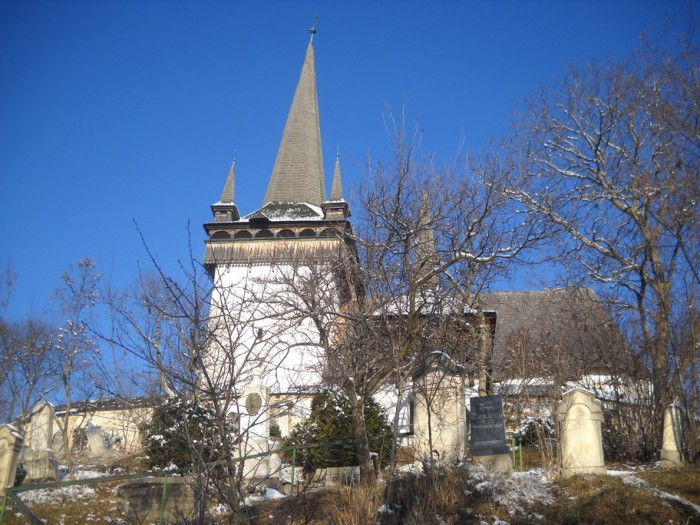
In the village of Văleni, part of the Căianu commune in Cluj County, atop a gentle rise that overlooks the rural landscape of the Transylvanian Plain, stands the Fortified Church of Văleni. This place of worship, with roots deeply embedded in the 13th century, was erected by Franciscan monks during a period of intense missionary expansion in the Carpathian Basin. It represents one of the most precious and lesser-known examples of medieval sacred architecture in Cluj County, a quiet testament to the passage of centuries and the profound confessional transformations that have shaped Central European history. Strategically positioned to offer a picturesque view of the surrounding agricultural expanses, the church rises as a bastion of spirituality in a landscape that, though now serene, was once the stage for violent confrontations and historic migrations that decisively influenced the continent’s destiny. Văleni is not merely a religious monument but a convergence point between deep local tradition and the great artistic and spiritual currents that traversed Europe from the Mediterranean to the heart of the Carpathians.
Historical Roots and Major European Connections
The origins of the church are shrouded in the mists of the 13th century, an era when the Franciscan Order, founded by Saint Francis of Assisi at the beginning of the same century, was extending its influence from the Italian Peninsula to the Christian kingdoms of Central Europe. The presence of the Franciscans in Transylvania must be understood within the broader context of the expansion of the Kingdom of Hungary, which at that time was consolidating its authority over the territories east of the Carpathian Basin. Franciscan missions served as the vanguard of a strategy to Christianize and civilize a region that was still largely pagan or Orthodox. The foundation at Văleni thus became part of a European network of Franciscan monasteries stretching from Prague and Vienna to Kraków and Oradea, reflecting the spiritual unity of medieval Europe before the confessional fractures of the following centuries.
A pivotal moment in the history of this site occurred in 1452, when the church underwent extensive remodeling and expansion in the Late Gothic style. This date was no coincidence: Europe was in the midst of the Flamboyant Gothic era, and Western architectural currents were penetrating deep into the eastern territories of the continent, brought by itinerant craftsmen and the influential Hungarian royal court. The period coincided with the reign of John Hunyadi, the great voivode who defended Christendom against Ottoman expansion, and churches in Transylvania were undergoing intensive fortification in response to the growing threat of the Ottoman Empire. The Church of Văleni was part of a broader network of fortified places of worship in Central Europe, from the Saxon churches of Transylvania and those in the Székely Land to those in Slovakia, southern Poland, and even Saxony in Germany—all expressions of the same urgent need to defend Christian communities against Ottoman and Tatar invasions.
The 16th and 17th centuries brought a radical transformation to the monument’s confessional identity. With the spread of the Protestant Reformation in Transylvania, disseminated through Saxon and Hungarian communities, the church came under the jurisdiction of the Reformed Calvinist faith. This transition, likely occurring in the second half of the 16th century, introduced a wave of iconoclasm characteristic of reformist movements across Europe, from the Netherlands and Scotland to Switzerland and Hungary. The interior walls, once adorned with Catholic frescoes, were stripped of all figurative representations, giving way to a Puritan austerity that reflected the new theology centered on the Word rather than the image. This transformation placed Văleni in a fascinating dialogue with the great Reformed churches of Europe, from the Dutch to the Scottish, all bearing the imprint of the same spiritual revolution that shook the continent.
An Architectural Masterpiece, Art, and Constructive Details
The architecture of the Church of Văleni is of particular interest due to its fusion of Late Gothic elements introduced in 1452 and the older, likely Romanesque, structures from the 13th century. The building retains the character of a fortified church, with thick stone walls and defensive features that recall the need for protection in a region exposed to Ottoman and Tatar raids. The bell tower, visible from afar in the flat landscape of the Transylvanian Plain, served both religious and surveillance functions—a common role for churches in this part of Europe, similar to those in the Burgenland region or certain areas of Slovakia.
The interior of the church, however, offers a surprising contrast to the visitor. While the bare walls betray the Protestant austerity and iconoclastic tradition adopted during the Reformation, the eye is immediately drawn to the coffered ceiling, a wooden structure adorned with polychrome painted motifs. This decorative technique, widespread in Gothic churches of Central Europe, evokes the artistic richness of the late medieval period and the Byzantine and Western influences that converged in Transylvanian art. The painted coffers feature vegetal and geometric patterns, their vibrant colors starkly contrasting with the plain white of the walls, creating a visual dialogue between decorative opulence and theological humility.
The most fascinating and unique element of this site, however, is the buzăkoszorú—giant wreaths woven from wheat stalks that hang from the ceiling, suspended above the liturgical space. These ethnographic decorations, unique in the European religious landscape, are profound symbols of bread, representing the body of Christ in Christian tradition, as well as the agricultural abundance of the community. Handcrafted by the women of the village, these massive wheat weavings embody a living tradition that blends spirituality with ancestral agricultural rites, reflecting a sacred vision of the land’s labor specific to rural communities in Eastern Europe. Alongside these, traditional embroideries, stitched with floral and geometric motifs in the region’s characteristic technique, enrich the sacred interior, giving textiles a central role in the decoration of the worship space—a practice reminiscent of the traditions of Orthodox churches in the Balkans and certain Protestant communities in Northern Europe.
Stories, Personalities, and Turning Points
In the churchyard, a few wooden funerary pillars stand as silent guardians of eternal rest, vertical monuments carved to mark the graves of victims of a Tatar attack in the 17th century. This turbulent period in Transylvanian history, marked by devastating Ottoman invasions and Tatar raids between 1658 and 1661, left deep scars in the collective memory of the villages in the Transylvanian Plain. The funerary pillars, known as stâlpi funerari or carved wooden crosses, represent a tradition widespread among the Romanian population of the region, reflecting a specific vision of death and spiritual continuity, in which wood—a fleeting yet living material—becomes a mediator between earth and heaven.
Interestingly, these funerary pillars inspired the work of Constantin Brâncuși, Romania’s great sculptor, who in his Endless Column at Târgu Jiu transposed into stone the essence of these traditional monuments. Though Brâncuși was born in Oltenia, near the border with Transylvania, the influence of Transylvanian folk art, with its abstract vertical forms and profound spiritual symbolism, permeated the sculptor’s artistic consciousness, creating a dialogue between folk art and the European avant-garde of the 20th century. Thus, the Church of Văleni becomes a node in a cultural network linking the anonymous craftsmanship of the Romanian village to the great works of European modernism.
Over the centuries, the church has experienced both moments of hardship and revival. The communist period, with its militant atheism, posed severe challenges to the community, yet the monument survived as a symbol of cultural resistance. Today, the church remains a living spiritual center for the Reformed community of Văleni, preserving the Calvinist liturgical tradition in a rural landscape that retains its authentic character.
Practical Visitor’s Guide and the Contemporary Travel Experience
Visiting the Fortified Church of Văleni offers a multifaceted experience, inviting reflection on how rural communities in the heart of Europe have preserved and transformed their spiritual and cultural heritage over the centuries. To reach this monument, travelers depart from Cluj-Napoca, covering approximately 45 kilometers eastward on county roads that traverse the picturesque plateau of the Transylvanian Plain—a landscape of rolling fields dotted with historic villages and ancient churches. The village of Văleni is located in the Căianu commune, in an authentic rural area far from urban bustle, offering visitors a profound sense of tranquility and authenticity.
Access to the church is typically arranged with the assistance of a local community representative or the parish priest. It is recommended to contact the local administration or the Cluj tourist information center in advance to schedule a guided visit. Upon crossing the threshold, visitors are invited to admire not only the Gothic architecture and fortification elements but also the unique interior details: the painted coffered ceiling, the giant buzăkoszorú woven from wheat stalks hanging from the ceiling, and the traditional embroideries adorning the interior. Attention should also be paid to the surrounding churchyard, where the wooden funerary pillars, some weathered by centuries of rain and sun, offer an emotional perspective on the passage of time and the bond between the community and its ancestors.
The journey can be complemented by exploring the surrounding area, particularly the villages of the Căianu commune and the rural landscape characteristic of the Transylvanian Plain, with its orchards of apple and pear trees and country roads winding through fields. For those interested in UNESCO heritage, Văleni is relatively close to other fortified churches in Transylvania included in the World Heritage List, forming part of a broader cultural route that reveals the rich diversity of sacred architecture in this region. A visit to the Fortified Church of Văleni is thus not merely an excursion to a historic monument but a journey through time in the history of Central Europe, discovering how a rural community has preserved, transformed, and passed down to future generations a spiritual and artistic heritage of inestimable value.
Media gallery
Discover Fortified Church of Văleni in pictures

2 photos · Architecture, courtyards and captivating details

Image source: Wikimedia Commons · Public domain photos · Free license
STAY A FEW DAYS, DISCOVER THE MAGIC
Accommodation in the Fortified Church of Văleni area

Holiday resort · 3 stars

Călăţele, Cluj County · 3.4 km
Cabana Apusenity Resort Călățele
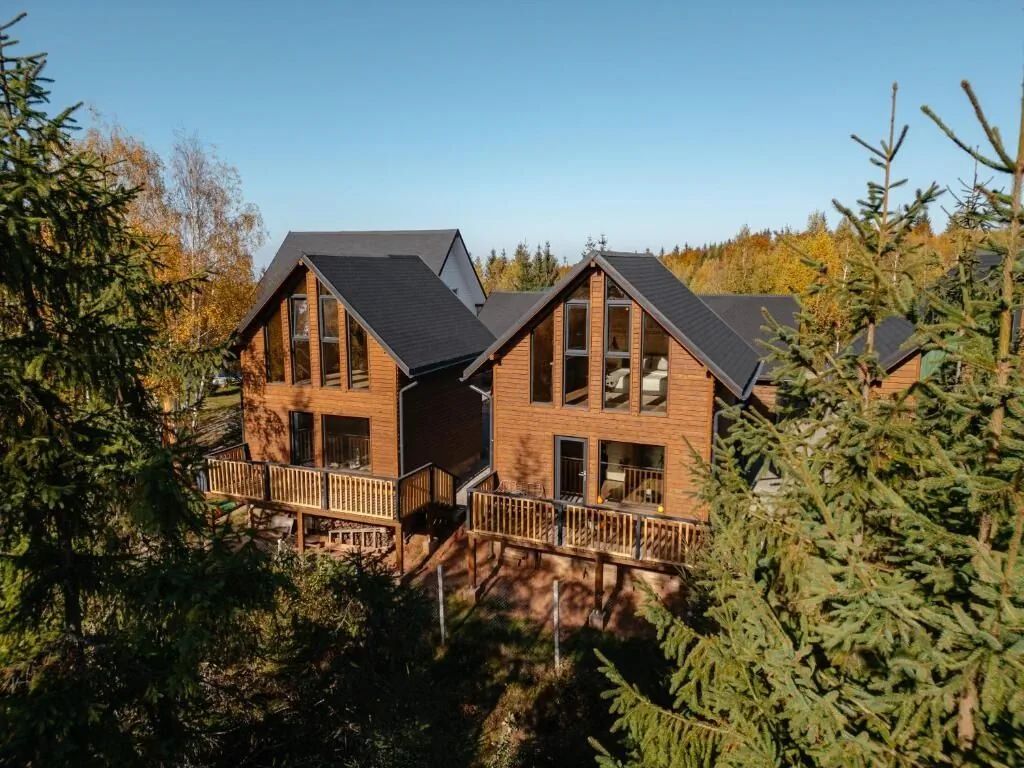
În curtea largă și grădina amenajată a Cabanei Apusenity Resort din Călățele, aerul proaspăt al munților Apuseni vă întâmpină cu liniște și aer curat. Unitatea pune la dispoziția dumneavoastră camere mobilate confortabil, iar oaspeții beneficiază de parcare privată gratuită și de acces la internet wireless. Pentru familii, există un loc de joacă pentru copii în aer liber, pătuț pentru bebeluși și scaun înalt. Vă puteți relaxa în ciubărul din lemn tradițional sau vă puteți bucura de momente liniștite la foișorul din curte. Pentru mese în aer liber, aveți la dispoziție ceaun și grătar, iar fierul de călcat este disponibil în cameră. Iubitorii de activități în natură pot practica pescuitul, pot închiria biciclete sau bărci, pot face călărie în zonă sau pot explora traseele montane și drumețiile din împrejurimi. În zonă se află și o pârtie de schi pentru iubitorii sporturilor de iarnă. În apropiere puteți vizita Biserica fortificată de la Văleni, Mănăstirea Râșca, Lacul Beliș-Fântânele, Cascada Vălul Miresei de la Răchițele și Stațiunea Beliș-Fântânele. Este o destinație potrivită pentru familii cu copii și pentru toți cei care doresc să se relaxeze într-un cadru natural autentic, departe de aglomerație.
FROM
360 lei per night

Farm guesthouse · 3 stars
Călăţele, Cluj County · 4.3 km
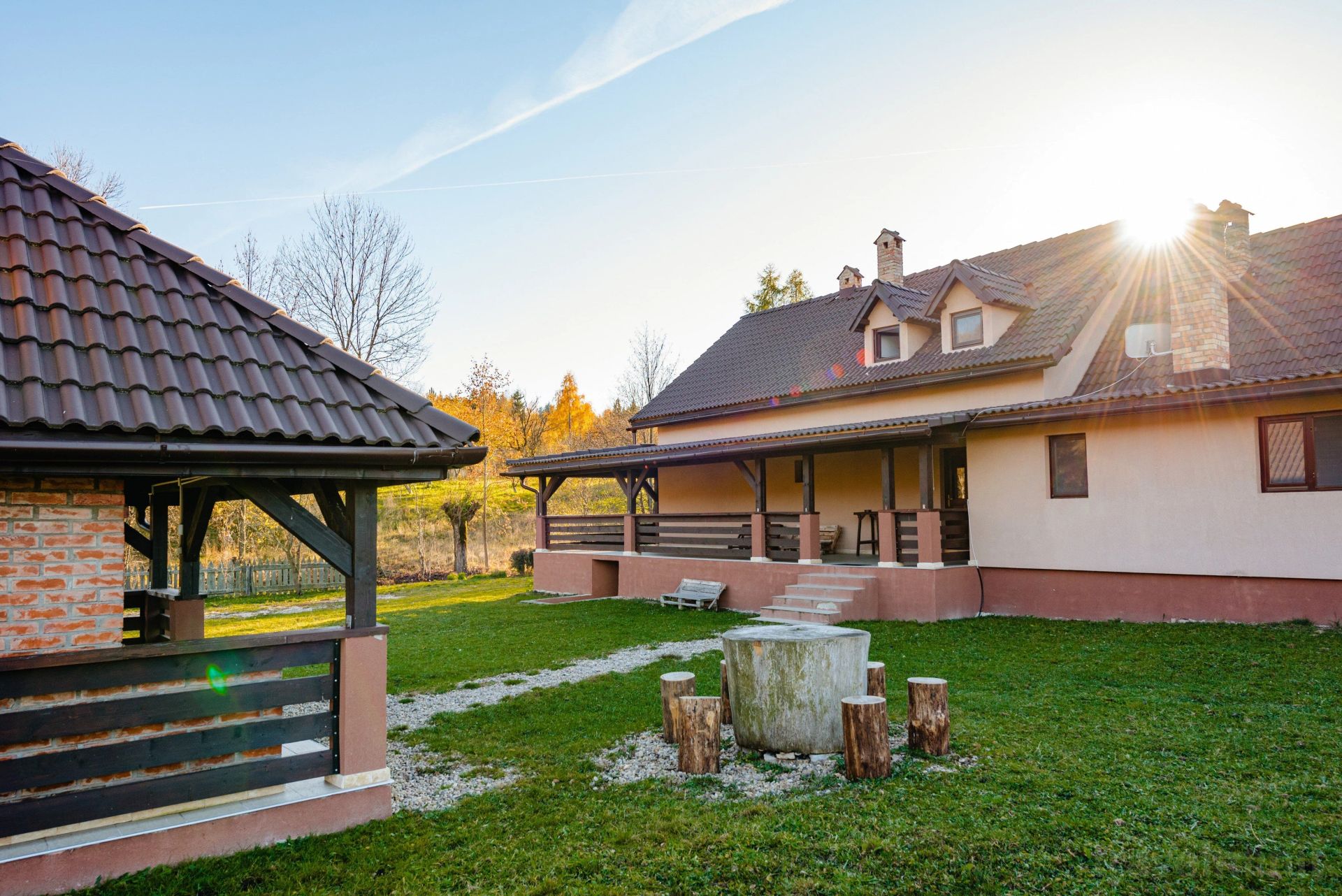
Pensiunea Agroturistica Rareș Călățele
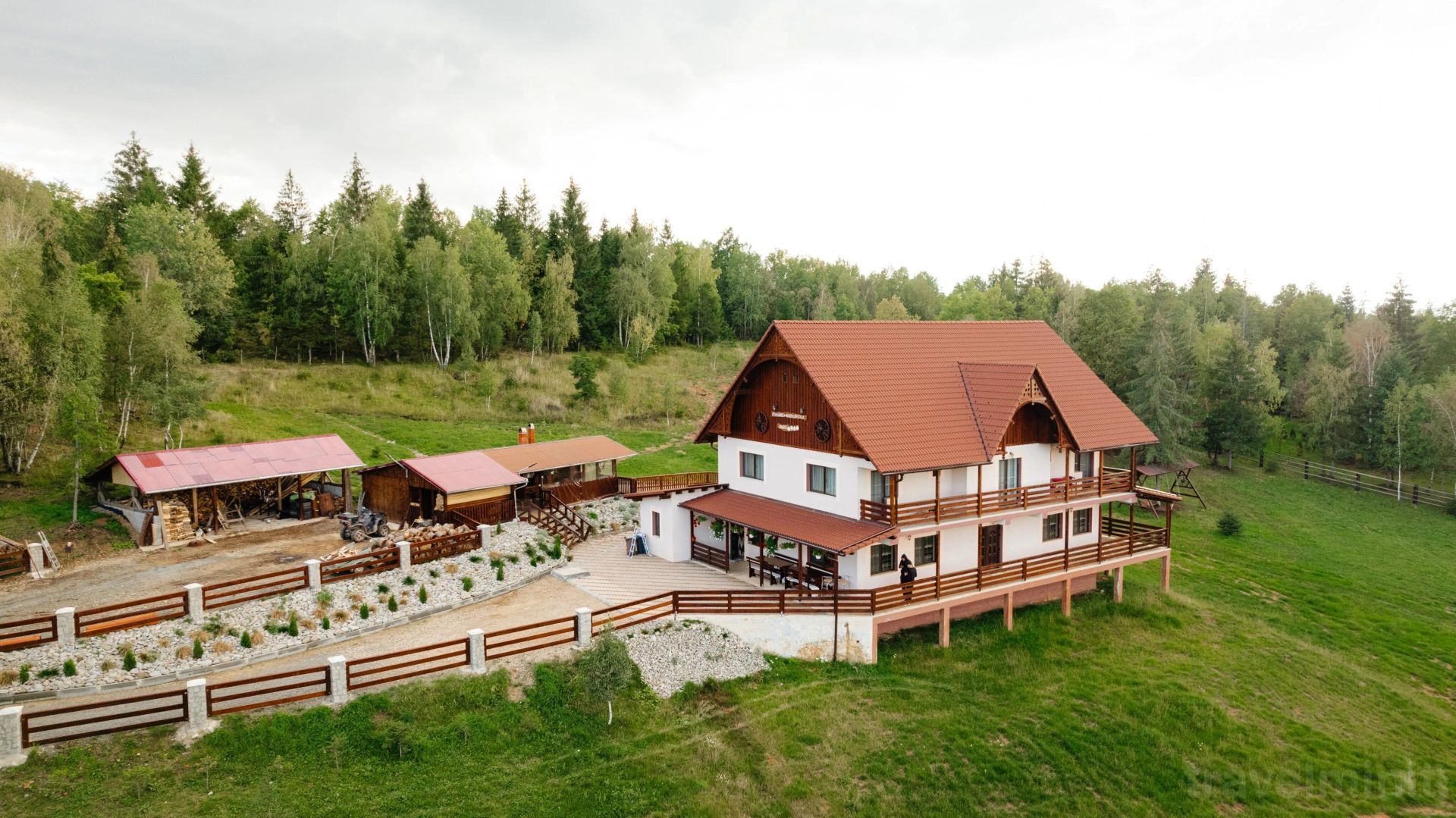
Comfort, relaxation and stunning views, all just steps away from the main attractions.
FROM
240 lei per night
Guesthouse · 3 stars
Călăţele, Cluj County · 5.8 km
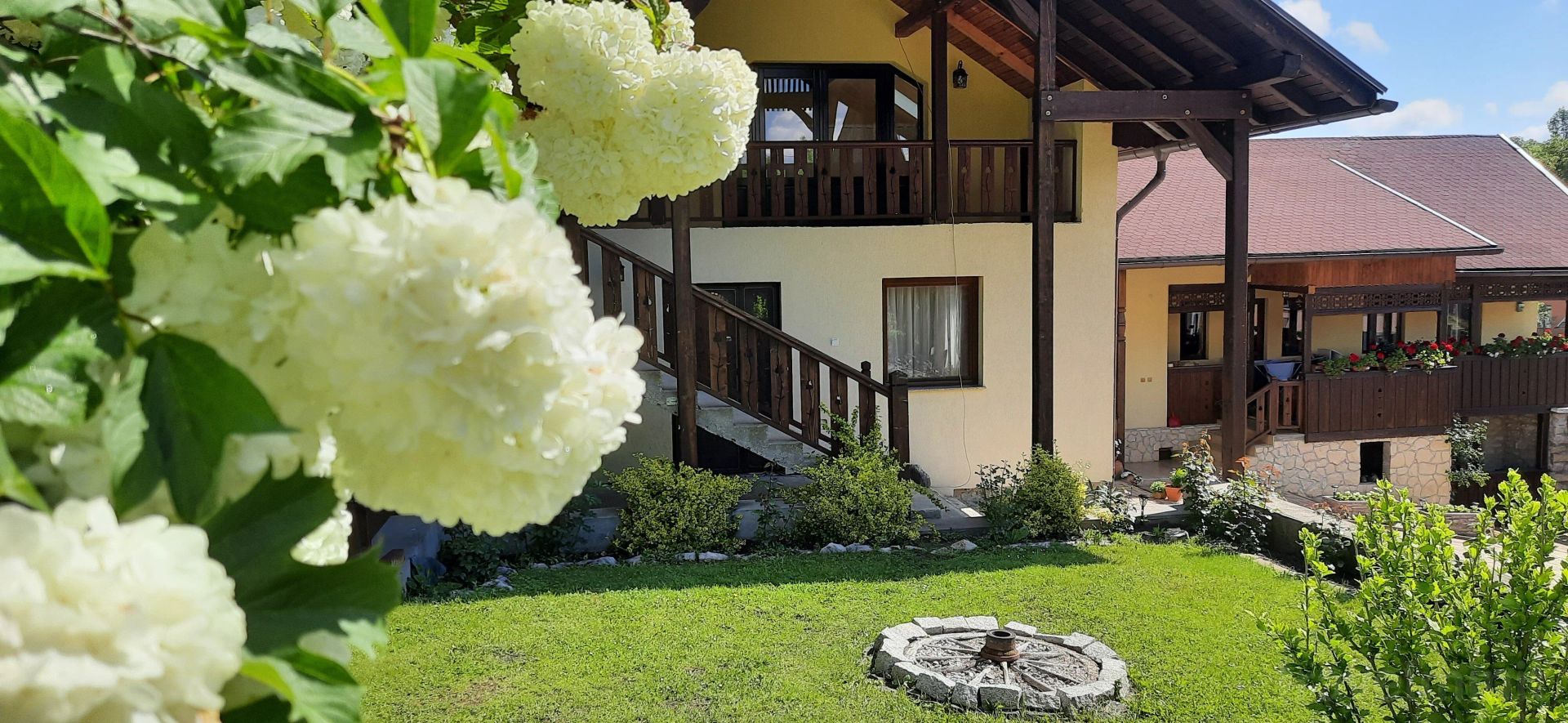
Casa Olivia Călățele
Familiile cu copii și cei care călătoresc împreună cu animalele de companie se vor simți bineveniți la Casa Olivia Călățele din localitatea Călățele, județul Cluj. Pensiunea turistică de trei stele oferă un cadru liniștit și primitor pentru toți cei care caută odihnă într-un mediu natural și relaxant. Dumneavoastră beneficiați de parcare privată gratuită și de Wi-Fi gratuit în întreaga unitate. Copiii se pot juca în siguranță în locul de joacă amenajat în exterior, în timp ce curtea mare și grădina îngrijită oferă spațiu generos pentru plimbări și momente de relaxare. Pentru serile plăcute petrecute în aer liber, sunt puse la dispoziție grătarul, barbeque-ul și ceaunul pentru gătit. Unitatea asigură și accesul persoanelor cu dizabilități. În apropiere puteți vizita Biserica fortificată de la Văleni, Mănăstirea Râșca, Lacul Beliș-Fântânele, Cascada de la Răchițele sau Cascada Vălul Miresei, precum și Stațiunea Beliș-Fântânele, oferind numeroase posibilități de explorare a patrimoniului și naturii din zonă. Vă așteptăm cu drag și vă încurajăm să porniți apoi într-o excursie spre Lacul Beliș-Fântânele.
FROM
240 lei per night
Guesthouse · 3 stars
Sâncraiu, Cluj County · 6.1 km
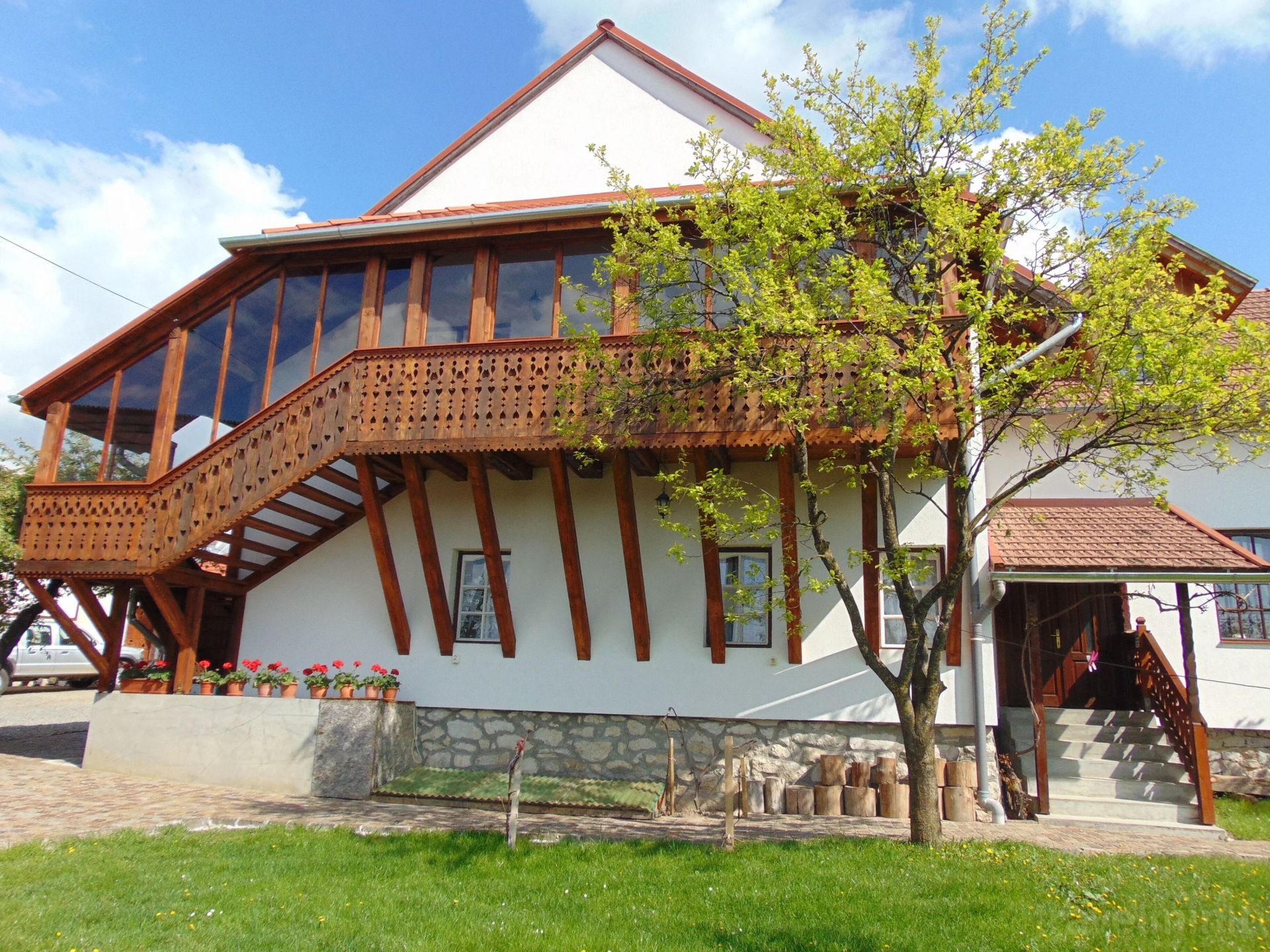
Casa de oaspeți Cifra Sâncraiu
O zi petrecută aici începe cu liniștea unei grădini amenajate unde puteți savura cafeaua de dimineață, iar seara se încheie cu un grătar pregătit în curtea mare a proprietății, păstrând în același timp conexiunea la Wi-Fi gratuit. Casa de oaspeți Cifra Sâncraiu din Sâncraiu vă așteaptă cu cinci camere confortabile și plăcut amenajate pentru un sejur relaxant. Fiecare cameră este îngrijită cu atenție pentru confortul dumneavoastră, iar în exterior vă puteți bucura de un spațiu verde generos, ideal pentru momente de odihnă. Pentru prepararea mesei în aer liber aveți la dispoziție un ceaun, iar pentru vehiculul dumneavoastră există parcare privată gratuită chiar în incinta proprietății. În apropiere puteți vizita Biserica fortificată de la Văleni, Cascada de la Răchițele sau Cascada Vălul Miresei, Mănăstirea Râșca, Lacul Beliș-Fântânele și Cheile Someșului Cald. Aceste obiective naturale și istorice vă oferă ocazia perfectă de a explora frumusețile zonei în timpul șederii dumneavoastră. Parcare privată gratuită este disponibilă în incintă, check-in-ul se efectuează de la ora 14:00, iar check-out-ul până la ora 11:00, la recepție comunicându-se în română și maghiară.
FROM
240 lei per night
Guesthouse · 3 stars
Sâncraiu, Cluj County · 6.2 km
Pensiunea Püspök Sâncraiu
În apropiere puteți vizita Cascada Vălul Miresei, iar Pensiunea Püspök Sâncraiu, o pensiune turistică de 3 stele situată în localitatea Sâncraiu din județul Cluj, reprezintă punctul dumneavoastră de plecare pentru a descoperi frumusețile zonei. Facilitățile unității răspund unei game largi de preferințe. Puteți practica pescuitul, puteți închiria biciclete pentru plimbări prin împrejurimi sau puteți opta pentru călărie în zonă. Pentru iubitorii de natură sunt disponibile drumeții montane și trasee în natură, iar tenisul de masă poate fi jucat în aer liber. Curtea mare și grădina amenajată oferă un cadru plăcut pentru relaxare după o zi de explorare. Pentru serile petrecute împreună cu familia sau prietenii aveți la dispoziție grătar, barbeque și ceaun pentru gătit în aer liber. Parcare privată gratuită și conexiune Wi-Fi gratuită sunt asigurate pentru confortul dumneavoastră. În vecinătate se găsesc și alte obiective de neratat: Biserica fortificată de la Văleni, Mănăstirea Râșca, Lacul Beliș-Fântânele și Cheile Someșului Cald, fiecare oferind experiențe diferite de vizitare. Vă așteptăm să plecați de aici într-o nouă explorare spre Lacul Beliș-Fântânele.
FROM
240 lei per night
Guesthouse · 3 stars
Sâncraiu, Cluj County · 6.2 km
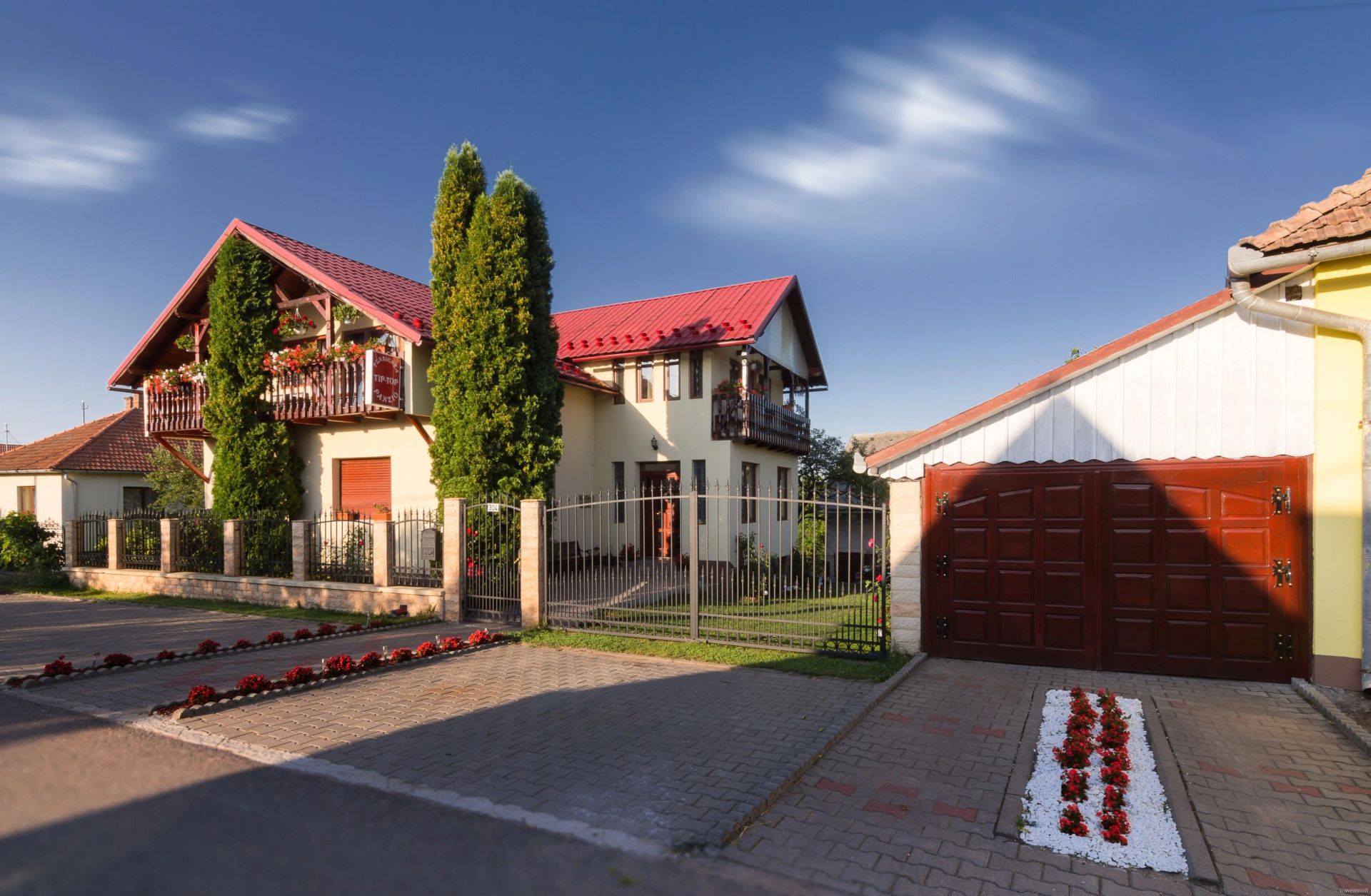
Pensiunea Tip-Top Sâncraiu
Pe strada Templom din Sâncraiu, într-un cadru liniștit din județul Cluj, se află Pensiunea Tip-Top Sâncraiu, o unitate de cazare clasificată cu trei stele care pune la dispoziția dumneavoastră șase camere confortabile, dotate cu patru băi, dintre care două cu baie comună și celelalte cu baie proprie. Spațiul este adaptat pentru toți oaspeții, oferind acces persoanelor cu dizabilități și facilități pentru familii cu copii mici, precum pătuț pentru bebeluș, loc de joacă la exterior și cameră de joacă la interior. Pentru relaxare, aveți la dispoziție saună și un ciubăr din lemn tradițional, iar în curtea mare și grădina amenajată puteți petrece momente plăcute în aer liber. Pentru mese în aer liber, sunt disponibile grătar sau barbeque și ceaun pentru gătit în aer liber. Unității îi completează oferta parcare privată gratuită și Wi-Fi gratuit, astfel încât șederea dumneavoastră să fie cât mai confortabilă și practică. În apropiere puteți vizita Biserica fortificată de la Văleni, Cascada de la Răchițele, Mănăstirea Râșca, Lacul Beliș-Fântânele și Cheile Someșului Cald, obiective care completează perfect o ședere în această zonă. Vă așteptăm la Pensiunea Tip-Top Sâncraiu.
FROM
240 lei per night
BEFORE YOU HIT THE ROAD
Weather conditions in Valeni
Local forecast for Fortified Church of Văleni, Valeni, Cluj

Real-time updated weather data
Much more to explore in this area
Nearby tourist attractions


Apahida, Cluj County
St. Michael's Church, Cluj-Napoca
Situata in Piata Unirii, Cluj-Napoca; istoria bisericii Sfantul Mihail coincide cu inceputurile Clujului ca si oras; biserica a fost inaltata pe un teren care...
42.2 km
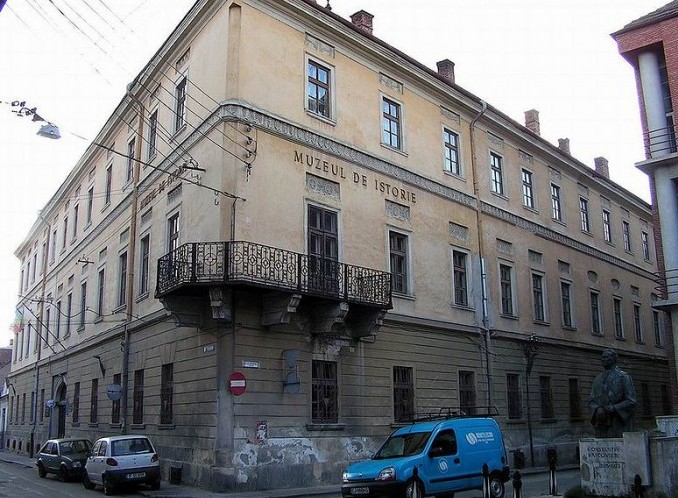
Apahida, Cluj County
National Museum of History of Cluj-Napoca
Situat pe strada Constantin Daicoviciu 2, Cluj-Napoca; cunoscuta si drept Casa Petrechevich-Horvath drept, este continuatorul primei asociatii muzeale din...
42.0 km
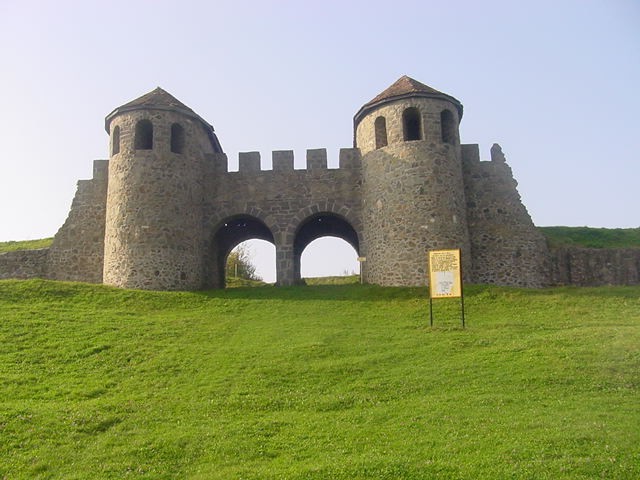
balneo-climaterica, Sălaj County
The Roman city of Porolissum.
Situat pe hotarele mai multor sate: Jac, Brebi - comuna Creaca, Moigrad - comuna Mirsid, Ortelec si Stana - suburbii ale municipiului Zalau; accesul spre...
47.6 km

Apahida, Cluj County
Art Museum of Cluj-Napoca (Bánffy Palace)
Situat in Piata Unirii 30, Cluj Napoca; infiintat ca institutie in anul 1951, muzeul functioneaza din anul 1956 in Palatul Banffy, o cladire baroca construita...
42.4 km

Baile, Bihor County
Apuseni Natural Park
Situat in vestul Romaniei, in partea central-nord-vestica a muntilor Apuseni; se intinde pe teritoriul a trei judete: Bihor (32%), Alba (28%) si Cluj (40%);...
30.9 km
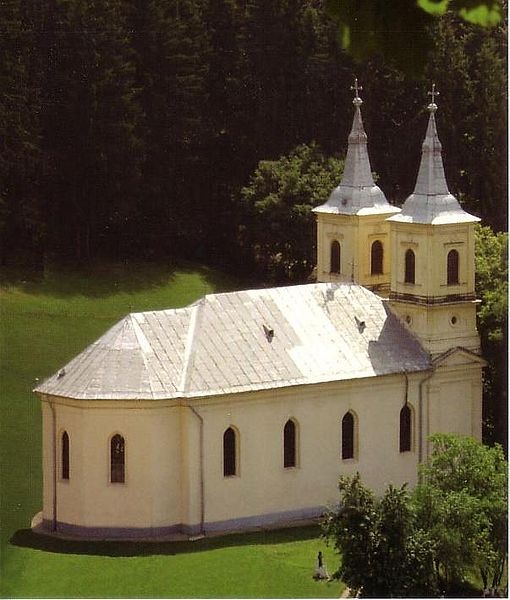
Nicula, Cluj County
Nicula Monastery
Situata in localitatea Nicula, orasul Gherla; manastire de calugari; poarta urmatoarele hramuri: Adormirea Maicii Domnului, Sfantul Nicolae, Buna Vestire;...
41.3 km
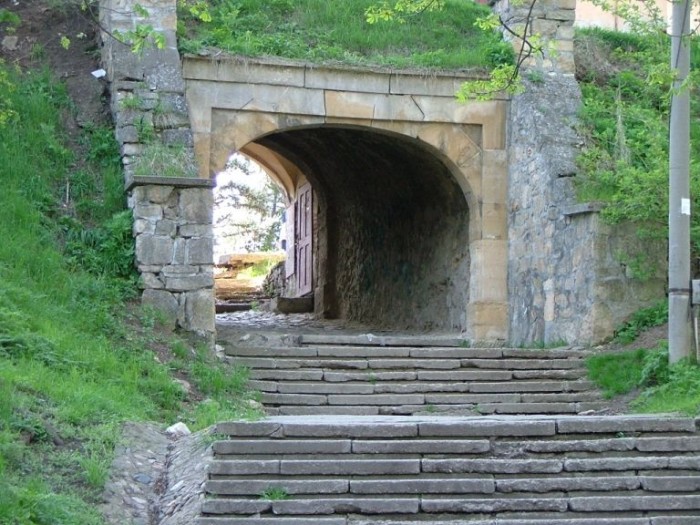
Apahida, Cluj County
Cluj Citadel (Cetățuia)
La fel ca si Cetatea din Alba Iulia, Cetatuia a fost proiectata de arhitectul militar italian Giovanni Morandi Visconti, in timpul guvernarii militare a...
41.7 km
Apahida, Cluj County
Cluj Citadel
Pentru a construi cetatea romanii au folosit ca si hotare ale cetatii in primul rand Canalul Morilor si Paraul Tiganilor, care trece prin Gradina Botanica si...
43.0 km

Apahida, Cluj County
Transylvania Ethnographic Museum
Situat pe strada Memorandului nr. 21 din Cluj-Napoca; infiintat in 1922, detine colectii cu piese extrem de valoroase, achizitionate pe baza unor cercetari de...
42.0 km

42.7 km
Baile, Bihor County
Bears' Cave
Situata in imediata apropiere a localitatii Chiscau, comuna Pietroasa, la o altitudine de 482 m;a fost descoperita in 1975, cu ocazia unei dinamitari executate...
44.0 km

42.0 km
Cultural life and traditions
Events in the Fortified Church of Văleni area
Medieval festivals, traditional fairs, concerts and local activities recommended in Transylvania.

Heritage and History

Valeni, County of Cluj
The Festival of Medieval Fortresses and the Open Doors Days
Guided night tours, traditional crafts workshops and historical re-enactments featuring knights and ladies.
WHEN
May 15-17, 2026


Traditions and Cuisine
Valeni, County of Cluj
The Fair of Saxon Traditions and Local Cuisine
Discover local producers, traditional Saxon pastries baked in a wood-fired oven, artisanal syrups, and rhubarb jam.
WHEN
Every weekend (May - October)

Ecotourism and Nature
The hills of Transylvania, County of Cluj
Guided Hikes on the Transylvanian Hills Trail
Take excursions along unmarked trails through ancient meadows, centuries-old oak trees, and villages with fortified churches that are UNESCO World Heritage sites.
WHEN
Friday – Sunday (Season 2026)
On foot, exploration gains depth
Discover the surroundings and local geography
Explore the trails, terrain, and natural landmarks around Fortified Church of Văleni.

Guides and practical tips
Useful travel articles
Travel guides, practical recommendations and tourist itineraries for Transylvania.

Tourist guide
Top 5 Atracții Turistice și Trasee Montane în Zona Moieciu - Bran
Descoperă cele mai spectaculoase peisaje carstice, chei adânci și cetăți medievale din imediata apropiere a stațiunii Moieciu.

Tourist guide
Ghid de Drumeție: Traseul Moieciu de Sus spre Platoul Bucegi
Un itinerariu montan de o frumusețe rară ce urcă din Valea Băngăleasa spre Poiana Guțanu și crestele maiestuoase ale Bucegilor.

Tourist guide
Castelul Bran: Istorie, Legende și Secrete Medievale
Află adevărata poveste a fortăreței medievale din Pasul Bran, reședința de suflet a Reginei Maria a României.
THE JOURNEY STARTS WITH AN IDEA
The next story is on the way.
From the first stop to the last stay, make room for a new Romania.
