


CASTLE · TRANSYLVANIA
Alba Carolina Citadel

Alba, Alba County
Add location to your trip planner.
Practical access information

VISITING HOURS
Permanent access to the city gates; National Museum of the Union: Tuesday – Sunday, 10:00 AM – 5:00 PM

TICKET PRICE
Free access to the trenches and pedestrian paths; The Three Fortifications Trail: 25 RON for adults, 15 RON for children

RECOMMENDED VISIT DURATION
3-5 hours


Visitor information and guide
 Navigate with Google Maps

ABOUT ALBA CAROLINA CITADEL
Alba Carolina Citadel: The Habsburg Star of Transylvania and the Sanctuary of European Unity
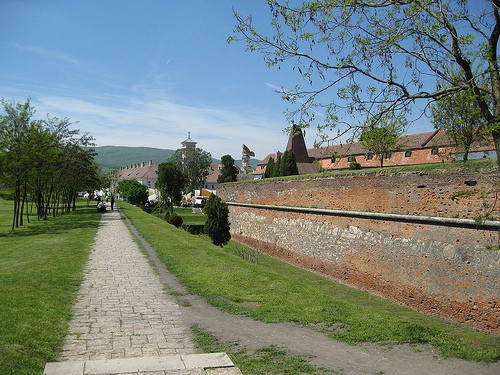
In the heart of the Carpathians, atop the Citadel Hill in the city of Alba Iulia, a star of stone and brick has shone for over three centuries: Alba Carolina Citadel. This imposing bastion fortress, the largest of its kind in Romania and one of the best-preserved in Southeastern Europe, represents far more than a mere military monument. It is a true treasure of European memory, a place where the destinies of empires intertwine, where stone and art have witnessed pivotal moments in the continent’s history. From the Roman legions of Trajan, through the medieval splendor of Transylvanian princes and the Baroque grandeur of Habsburg courts, from the martyrdom of Horea, Cloșca, and Crișan to the coronation of the kings of Greater Romania, Alba Carolina is a citadel of Europe itself—a living symbol of resilience, unity, and the aspiration for freedom. Situated at the crossroads connecting Central and Southeastern Europe, between the Germanic and Ottoman empires, between papal Rome and Constantinople, this fortress represents a Gordian knot of European history, a place where civilizations met, clashed, and wove a common destiny.
Universal Value and European Recognition
Alba Carolina Citadel is not merely a historic monument of national interest but a heritage of universal value that occupies a prominent place on Europe’s cultural map as one of the most significant examples of modern military architecture. In 2012, the municipality of Alba Iulia was designated a European Destination of Excellence (EDEN) by the European Commission, a recognition that attests to the extraordinary efforts in restoring and conserving this architectural ensemble. Although it is not yet part of the UNESCO World Heritage List, the citadel is included on Romania’s indicative list for world cultural heritage, considered one of the most representative examples of Vauban-style military architecture in Europe, alongside fortresses such as Belfort, Neuf-Brisach, and Saarlouis in France, or those in Luxembourg and Belgrade. Covering an area of 110 hectares, with a perimeter of approximately 12 kilometers of walls and seven imposing bastions, Alba Carolina is the largest bastion fortress in Romania and a unique site in Southeastern Europe—a true open-air museum that encompasses three distinct historical eras: the Roman castrum Apulum, the medieval fortress Bălgrad, and the Habsburg bastion fortification. This layering of civilizations in a single location makes the citadel a symbol of European historical continuity, a bridge between classical antiquity and European modernity, much like the citadels of Arad or Timișoara illustrate the same dialogue between epochs.
Historical Roots and Major European Connections
From Roman Legions to Habsburg Bastions
The history of Alba Iulia begins nearly two millennia ago, when, in 106 AD, Emperor Trajan, after conquering Dacia, stationed the Legio XIII Gemina here—the only legion to remain throughout the entire period of Roman occupation in Dacia. The Roman castrum Apulum, built on this hill, was one of the most important strategic points of the imperial Roman frontier, an outpost of Latin civilization in Eastern Europe, comparable to Carnuntum on the Danube or Aquincum in Pannonia. As the capital of the province Dacia Porolissensis, Apulum was a secondary but essential urban center for the military and economic administration of a region rich in gold and salt, similar to other Roman garrison cities such as Vindobona or Mogontiacum. After the Aurelian withdrawal in 271 AD, the ruins of the castrum lay silent for centuries until, in the Middle Ages, the Árpád dynasty erected the medieval fortress Bălgrad on the same site, transforming the old Roman castrum into a Hungarian royal fortification. This medieval citadel, with its white stone walls that gave it the name "Alba" (Bălgrad means "White Fortress" in Slavic languages), served as the administrative and military center of Transylvania for centuries, witnessing the struggles between the Kingdom of Hungary, the Principality of Transylvania, and the Ottoman Empire, much like Buda or Visegrád were centers of Hungarian royal power.
The geopolitical context of the 17th century was decisive for the fate of this place. The Ottoman military expansion toward Central Europe was definitively halted in 1683 beneath the walls of Vienna by the victory of the Austro-Polish armies led by King John III Sobieski, a moment that saved Western Christendom and paved the way for the Habsburg reconquest. Victorious, the Habsburgs advanced eastward, liberating Hungary in 1687 and Transylvania in 1688 from Ottoman rule. However, consolidating imperial power in the newly conquered provinces required a solid military infrastructure. The peace treaties of Karlowitz (1699) and Passarowitz (1718) confirmed the Ottomans' renunciation of their claims to Transylvania, Banat, and Oltenia, opening the way for the construction of major fortifications to secure the eastern frontier of the Habsburg Empire—a strategy similar to that applied in the Netherlands or the Rhineland.
Prince Eugene of Savoy and Vauban’s Genius
The inspiration and supporter of the Alba Carolina project was Prince Eugene of Savoy, one of the most brilliant military figures of Baroque Europe, comparable to the Duke of Marlborough or Count Montecuccoli. Victorious in the battles of Blenheim (1704), Zenta (1697), and Belgrade (1717), Eugene of Savoy was the one who introduced the fortification systems developed by Sébastien Le Prestre de Vauban, the French marshal and military engineer who revolutionized the art of fortifications during the reign of Louis XIV. The Vauban system, characterized by star-shaped bastions, deep moats, ravelins, and counterguards, represented the pinnacle of modern military engineering, designed to withstand siege artillery and allow efficient crossfire, much like Menno van Coehoorn’s system influenced Dutch fortifications. Prince Eugene, who also owned the Belvedere Palaces in Vienna, saw in Alba Carolina not just a fortress but a symbol of imperial power and a center for the dissemination of Baroque culture in Eastern Europe.
The original plan for the citadel was sent to Vienna and approved by Prince Eugene of Savoy on April 18, 1714. The technical design was the work of the Italian architect Giovanni Morando Visconti, a master of the Italian bastion school, who synthesized French innovations with the precision of proportions and complementary elements of the bastion system from the Netherlands and Germany, similar to how Italian architects like Francesco de Marchi influenced fortifications in Malta or Portugal. Preparatory work began in 1711 with the topographical survey of the city, and the necessary land, covering 140 hectares, was cleared between 1713 and 1715 by demolishing the old medieval town, which was relocated to the east, forming the present-day "Lower Town"—an urban operation comparable to those carried out at the fortifications of Luxembourg or Strasbourg.
Construction and the Craftsmen of Europe
The actual construction of the citadel took place between November 4, 1715, when the foundation stone was laid at the Carol Bastion, and 1738, during the reign of Emperor Charles VI. The project was successively led by military engineers Iosif de Quadri (1717–1727) and Konrad Weiss (1727–1738), following the premature death of Visconti in 1717 due to a plague epidemic. The total costs exceeded one million gold guilders, a vast sum for the time, and Habsburg financial resources were prioritized for this fortress, intended to become the main military center of Transylvania, just as considerable funds had been allocated for the citadels of Belgrade or Timișoara.
The heavy labor was performed by over 20,000 Romanian serfs brought from across Transylvania, obliged to work in two-week shifts under a corvée system similar to that in pre-Revolutionary France or Tsarist Russia. For masonry and stonework, Italian craftsmen were brought in, and for the sculpture of the gates and bastions, a Viennese team led by sculptor Johann König was employed, representing an international collaboration reminiscent of the construction sites of Gothic cathedrals in Central Europe. Materials were sourced locally: bricks were made on-site, rough stone was brought from Șard, dressed stone from Ighiu, sand from the Mureș River, and limestone from Meteș. This international collaboration, which united Romanian labor with Italian craftsmanship and Viennese art, embodies the cosmopolitan spirit of the Habsburg Empire and demonstrates that Alba Carolina is, in essence, a European work, much like the palaces of Schönbrunn or Versailles.
The initial project, which envisioned four lines of fortifications and a fort on Furcilor Hill, was not fully realized due to a lack of funds, with resources redirected to other fortifications closer to the Ottoman border. Thus, after 1738, the final construction included only three lines of defense, and approximately 10% of the originally planned system remained unbuilt—a situation similar to other imperial fortifications that were partially completed due to budget constraints.
Architectural Masterpiece and Artistic Heritage
The Bastion System and the Seven Stone Giants
The Alba Carolina complex features characteristics specific to the first and second Vauban systems, representing a remarkable synthesis between the Italian bastion school and the French system, much like the citadels of Belgrade or Luxembourg represent a fusion of Italian and French influences. The main body of the citadel has the shape of an irregular heptagon, with its seven bastions giving it the star-like appearance typical of modern fortifications. These bastions, standing 12 meters high and ranging in length from 106 to 142 meters, bear names evoking Christian saints, military figures, and members of the Habsburg dynasty: Trinity (the largest, with a crowned coat of arms featuring multiple fields and acanthus leaves), Saint Stephen, Eugene of Savoy, Saint Michael, Saint Charles, Saint Capistrano, and Saint Elizabeth. The long faces of the bastions are arranged at varying angles (75°–120°), adapted to the terrain, while the short, concave flanks measure between 42 and 48 meters. The curtain walls connecting the bastions extend over distances of 116–135 meters, providing efficient fields of fire.
Between the main bastions and the second line of curtain walls lies the inner moat, 27 meters wide. The second line consists of six ravelins (half-moons) defending the curtain walls, named after the nearby bastions except for the one on the southern flank, called Francis of Paola. The outer line is made up of counterguards protecting the faces of the bastions and ravelins, with a thickness of 22 meters and long faces measuring 120–144 meters. All these elements, together with the tenaille (cleft) placed between the bastions, form a complex and ingenious defensive system designed to withstand any siege, similar to those in Luxembourg or the citadel of Arad.
The Baroque Gates and Monumental Sculpture
A unique feature of Alba Carolina Citadel is the succession of its six monumental gates, arranged along the east-west axis, which form a true Baroque art trail, much like the triumphal arches of Rome (the Arch of Titus, the Arch of Constantine) or Paris (the Arc de Triomphe) mark the entrances to imperial cities. These gates, true 18th-century triumphal arches, are adorned with statues and reliefs inspired by Greco-Roman mythology and the Austro-Turkish wars, perfectly embodying the European Baroque style. Statues of Venus and Mars frame the coat of arms of the House of Austria on Gate I, while mythological scenes such as Hercules’ fight with Antaeus, Perseus slaying Medusa, Hercules’ battle with the Nemean lion, and Aeneas rescuing his father adorn the façades. Gate III, the most important and imposing, is crowned with an equestrian statue of Emperor Charles VI, and its inner façade features allegorical statues of the four cardinal virtues: Abundance, Wisdom, Temperance, and Strength. The four main panels depict scenes of political and military inspiration: the investiture of Eugene of Savoy as commander, the goddess Victory presenting the citadel’s model, the charge of the Christian cavalry, and the imperial infantry’s assault on Ottoman artillery. This rich sculptural ensemble makes Alba Carolina the most significant collection of Baroque figurative art in Transylvania and a unique site in European military architecture—a fortress that speaks through art of the power and glory of the Habsburg Empire, much like the iconographic program of the Belvedere Palace in Vienna or Schönbrunn Castle.
Interior Buildings and Cultural Treasures
Within the citadel’s walls lie numerous buildings of exceptional historical and artistic value. The Batthyaneum Library, housed in the former church of the Trinitarian Order built in 1719, holds a cultural treasure of European importance, comparable to the Ambrosian Library in Milan, the Vatican Library, or the Bodleian Library in Oxford. Founded in 1798 by the Roman Catholic bishop Ignatius Batthyány, the library contains over 63,000 volumes, 19,000 documents, more than 1,000 manuscripts, and approximately 600 incunabula, representing about 70% of the incunabula in Romania. Among its treasures are the famous Codex Aureus, a manuscript written in gold letters around 800 AD, comparable to the Lorsch Gospels or the Book of Kells; the 13th-century Sacra Biblia; and the New Testament of Bălgrad, printed in 1648. The Aula Magna, set in the former nave of the Trinitarian church, impresses with its towering shelves of ancient books and its centuries-old atmosphere, reminiscent of monastic libraries such as those at Melk or Sankt Gallen.
The Palace of the Princes of Transylvania, located near the Roman Catholic Cathedral, is a monumental building erected in the 15th century and expanded in the 16th and 17th centuries, representing an example of Renaissance and Baroque architecture in Transylvania, similar to the palaces of the princes of Kraków or Vilnius. Beneath its thick plaster, the walls conceal fragments of the Roman castrum Apulum and the medieval fortress. This palace served as the residence of the princes of Transylvania between 1542 and 1699, and from 1599 to 1600, it was the residence of Voivode Michael the Brave. Today, it houses the Museum of the Palace of the Princes, an interactive exhibition space that reconstructs court life in different eras.
The Principia Museum, located in the Citadel Square, is set in the building of the Legio XIII Gemina’s command, offering a fascinating journey into the Roman world. Visitors can see the rooms where the legion’s treasury was kept, where standards were stored, and where officers were trained. Outside, bronze replicas of important Roman emperors for Apulum’s history are displayed: Trajan, Hadrian, Marcus Aurelius, Septimius Severus, and Caracalla.
The two cathedrals facing each other in the heart of the citadel represent a unique dialogue between confessions and eras, similar to those in Toledo or Córdoba, where Christian and Islamic heritage coexist. The Roman Catholic Cathedral of Saint Michael, the oldest building in Alba Iulia (construction began in the 11th century and was completed in the 13th), is a Romanesque and Gothic monument that houses the tombs of historical figures, including that of John Hunyadi, representing an example of medieval religious architecture in Central Europe. Opposite it stands the Coronation Cathedral, also known as the Cathedral of the Reunion, built in Neo-Romanian style with Byzantine elements between 1921 and 1922, specifically for the coronation ceremony of King Ferdinand and Queen Marie, representing an example of ecclesiastical architecture from the interwar period.
Legends, Personalities, and Turning Points
Michael the Brave and the First Union (1599–1600)
Before Alba Iulia became the symbol of the Great Union of 1918, it had been, over three centuries earlier, the first capital of united Romanians. On November 1, 1599, after his decisive victory at Șelimbăr against Prince Andrew Báthory, Michael the Brave entered Alba Iulia triumphantly, receiving the keys to the citadel from the Roman Catholic bishop Demetrius Napragy. For nearly a year, the Palace of the Princes served as the residence of the voivode, who styled himself "Lord of Wallachia, Transylvania, and Moldavia," achieving for the first time in history the political union of the three Romanian provinces. This moment, which took place in the medieval fortress of Bălgrad, represented a precursor to the Romanian national ideal, demonstrating that unity was possible and that Alba Iulia could be the center of a united country, much like Piedmont was the nucleus of Italian unification or Prussia of Germany. Michael the Brave, an ally of Emperor Rudolf II and an adversary of Ottoman and Polish domination, was a European figure of the late Renaissance, a condottiero who understood that the survival of Christendom in this part of Europe depended on unity. The equestrian statue of Michael the Brave, the work of sculptor Oscar Han and inaugurated in 1968, still watches over this historic site today.
The Martyrdom of Horea, Cloșca, and Crișan (1784–1785)
In the 18th century, under Habsburg rule, Alba Iulia witnessed one of the most dramatic episodes in the social history of Southeastern Europe. The peasant uprising of 1784–1785, led by Horea, Cloșca, and Crișan, erupted in the Apuseni Mountains as a protest against feudal oppression and the lack of rights for the Romanian population in Transylvania, in a European context of Enlightenment and the reforms of Joseph II, similar to the peasant uprisings in pre-revolutionary France or Pugachev’s Rebellion in Russia. After the uprising was suppressed, the three leaders were brought to Alba Iulia and imprisoned in the citadel. Horea was confined in a cell built into the pedestal of Emperor Charles VI’s equestrian statue on Gate III, a cell measuring only four to five square meters, with two small windows and a metal door. On February 28, 1785, Horea and Cloșca were publicly executed on Furcilor Hill, on the outskirts of the city, by "breaking on the wheel," the most brutal punishment under the Theresian Criminal Code, while Crișan, sentenced to the same punishment, committed suicide in prison a few days earlier.
In memory of these martyrs, the Obelisk of Horea, Cloșca, and Crișan was erected in 1937 in front of Gate III, an impressive 20-meter-high Art Deco structure designed by sculptor Iosif Fekete-Negrulea and architect Octavian Mihălțan. The obelisk’s pedestal contains a symbolic cell, and on its eastern façade stands a statue of a winged Victory holding a laurel wreath. This monument, inaugurated in the presence of King Carol II, symbolizes resistance and the struggle for justice and freedom, a turning point in the Romanian national consciousness, comparable to the monument of Jan Hus in Prague or that of William Wallace in Scotland.
The Siege of 1849 and the Garrison’s Resistance
Although built to withstand major military confrontations, Alba Carolina Citadel was besieged only once in its entire military history—and it was never conquered. In the spring of 1849, during the Hungarian Revolution and the war of independence against the Habsburgs, part of the Springtime of Nations that shook Europe in 1848, the Hungarian revolutionary troops led by the Polish general Józef Bem (who later took refuge in the Ottoman Empire and converted to Islam, becoming Osman Pasha) besieged the citadel for four months, from March 25 to July 27. The Austrian garrison, consisting of approximately 2,500 soldiers, many of them Romanians, resisted heroically, supported by the Moți troops led by Avram Iancu. Thanks to the superiority of Austrian artillery and efficient supply lines, the besiegers failed to capture the fortress, suffering far greater losses than the defenders. The siege left 354 casualties among the garrison, most due to diseases such as scurvy, cholera, and typhus, with only 18 deaths in direct combat.
This episode represents a crucial moment in 19th-century European history, illustrating the resistance of an imperial-loyal garrison against a national revolution, in a context where the revolutions of 1848 overthrew monarchies in France, Austria, Hungary, and the Italian and German states. The Russian intervention led by Field Marshal Paskevich suppressed the Hungarian revolution, and the citadel remained a bastion of Habsburg conservatism. The building that now houses the National Union Museum was constructed between 1851 and 1853, immediately after the siege, to serve as housing and shelter for the garrison’s personnel.
The Great Union of December 1, 1918
If Michael the Brave was the first to unite the three Romanian provinces, on December 1, 1918, Alba Iulia was the place where this dream was definitively fulfilled, democratically and peacefully, in the context of the Austro-Hungarian Empire’s collapse after World War I and the Paris Peace Conference. In the Union Hall, a modest building within the citadel, the 1,228 delegates of the Romanians from Transylvania, Banat, Crișana, and Maramureș, gathered in the Great National Assembly, adopted the Union Resolution, proclaiming the unconditional and eternal union of these territories with the Kingdom of Romania. Over 100,000 people gathered on Horea’s Field, in front of the citadel, to cheer this historic decision, transforming Alba Iulia into the "Capital of the Great Union."
This moment represented not only the birth of Greater Romania but also a triumph of the principle of national self-determination in post-war Europe, a principle enunciated by U.S. President Woodrow Wilson in his Fourteen Points, similar to the unification of Germany in 1871 or Italy’s Risorgimento. The Union Hall, preserved in its historic form, is today a sanctuary of Romanian democracy and a site of civic pilgrimage, much like St. Paul’s Church in Frankfurt for Germany or Westminster Hall for Great Britain.
The Coronation at Alba Iulia (1922)
On October 15, 1922, four years after the Great Union, Alba Iulia hosted another moment of spiritual and political elevation: the coronation of King Ferdinand I and Queen Marie as sovereigns of Greater Romania. For this solemn event, the Coronation Cathedral was built in record time, between March 1921 and September 1922, a jewel of Neo-Romanian architecture with Byzantine elements, designed by architect Victor Ștefănescu and painted by Costin Petrescu. The ceremony, attended by representatives of royal and imperial houses from across Europe, as well as prominent political and cultural figures, symbolically sealed national unity and consecrated Alba Iulia as the royal city of Romania. The steel crown of King Ferdinand, forged from the barrel of an Ottoman cannon captured in the War of Independence of 1877–1878, symbolized victory and sacrifice for unity.
Queen Marie, of British origin (a granddaughter of Queen Victoria and cousin to German Emperor Wilhelm II and Russian Tsar Nicholas II), brought an additional European dimension to this moment, strengthening Romania’s dynastic and diplomatic ties with the great Western powers, in the context of the formation of the Little Entente and the Balkan Pact. Her presence in Alba Iulia was an act of European solidarity and a recognition of Romania’s crucial role in the stability of post-World War I Europe, at a time when the new nation-states emerging from the Treaty of Versailles were redefining the continent’s map.
Practical Visitor’s Guide and Today’s Tourist Experience
Access and Visiting Hours
Alba Carolina Citadel is a public space open permanently, accessible 24 hours a day, 7 days a week. The walls, moats, and exterior pedestrian paths can be explored free of charge at any time, and the architectural lighting at night transforms the citadel into a spectacular light show, similar to the illumination of the Colosseum in Rome or the Tower of London. For a complete experience, a full day is recommended, as the vast area and multitude of attractions require time.
The museums within the citadel have separate opening hours. The National Union Museum is open from Tuesday to Sunday, between 10:00 AM and 5:00 PM in the winter season, and until 6:00 PM in the summer season (May–September). The Union Hall has similar hours. The Palace of the Princes and the Principia Museum are open daily, with the last entry at 4:30 PM. The Three Fortifications Trail, a route highlighting the three historical construction levels (Roman castrum, medieval fortress, and bastion citadel), has a fee of 25 RON for adults and 15 RON for children and students, similar to the rates at other European heritage sites such as the citadel of Salzburg or Luxembourg.
The Essential Route Through the Citadel’s Heart
A visit to the citadel should begin at Gate III, the true symbol of the city and the most imposing of the citadel’s gates, located between the Eugene of Savoy and Saint Capistrano bastions. Here stands the equestrian statue of Emperor Charles VI and, in its pedestal, the cell where Horea was imprisoned. In front of the gate rises the Obelisk of Horea, Cloșca, and Crișan, an emotional monument commemorating the martyrdom of the 1784 uprising’s leaders.
From Gate III, visitors can follow the Gates Trail, passing through Gate IV (decorated with mythological elements and war scenes on the inner façade), Gate V, and Gate VI, each offering distinct architectural and historical perspectives. Gate I, located at the eastern end, impresses with its triumphal arch featuring three openings and statues of Venus and Mars.
Inside the citadel, the two cathedrals are not to be missed. The Roman Catholic Cathedral of Saint Michael, with its princely tombs and Romanesque-Gothic architecture, and the Coronation Cathedral, with its commemorative plaques in the narthex and impressive mural paintings, offer a unique spiritual and artistic experience. The Union Hall, where the act of the Great Union was signed, is a mandatory civic sanctuary to visit.
The Batthyaneum Library, though requiring prior approval from the National Library of Romania for visits, is worth the effort to admire the Aula Magna and its collections of rare books, including the Codex Aureus. The Palace of the Princes and the Principia Museum offer fascinating insights into the medieval and Roman worlds, completing the story of the three successive fortifications.
The Changing of the Guard Ceremony and Cultural Experiences
One of the most captivating spectacles for visitors is the Changing of the Guard Ceremony, held during the tourist season (May 1–October 15). Every Friday, Saturday, and Sunday at 12:00 PM, the Alba Carolina Citadel Guard, dressed in authentic 18th-century Austrian uniforms, parades along the route between Gate IV and Gate III, offering a show with cannon salutes, horses, drums, and a brass band, similar to the Changing of the Guard at Buckingham Palace in London or Trooping the Colour. On Fridays, it is the Small Guard (13 soldiers and 3 horses), while on Saturdays and Sundays, it is the Grand Guard (25 soldiers and 4 horses), with the ceremony including interactive moments for tourists.
Throughout the year, the citadel hosts numerous cultural events: the Roman Festival Apulum, which opens the tourist season in May, historical reenactments, concerts, art exhibitions, and traditional fairs, similar to the Roman festivals at Carnuntum in Austria or Xanten in Germany. The architectural lighting at night, created with modern technology, transforms the walls and bastions into a stunning visual spectacle, especially on summer evenings.
Practical Recommendations for Visitors
For a successful visit, comfortable footwear is recommended, as the distances between attractions are long and the paths are paved with cobblestones. In summer, sun protection and hydration are essential, as the citadel offers few shaded areas. The visit can be combined with walks in the Lower Town, with its Baroque architecture and narrow streets, or with a visit to the nearby Astra Museum, similar to exploring the old towns of Sibiu or Brașov.
Alba Carolina Citadel is accessible by car (with parking available near Gate III and in the Lower Town), by train (Alba Iulia train station is approximately a 20–25 minute walk away), or by local buses that ascend to the Upper Town. For international tourists, Alba Iulia is located on the European route E81, about 70 kilometers from Cluj-Napoca and 100 kilometers from Sibiu, making it easily accessible from Transylvania’s main airports, similar to the strategic position of other historic cities in Central Europe such as Bratislava or Ljubljana.
Conclusion: A Place Where Europe Reclaims Its Memory
Alba Carolina Citadel is, in essence, a living lesson in European history. From the legions of Trajan that laid the foundations of civilization in Dacia, through the splendor of Transylvanian princes and the Baroque grandeur of the Habsburg court, to the pivotal moments of Romanian and European history, every stone of this citadel speaks of the continent’s shared past. It is a monument to resilience, the struggle for freedom and unity, and the dialogue between cultures and confessions, much like the citadels of Carcassonne in France or Rothenburg ob der Tauber in Germany represent Europe’s collective memory.
Visiting Alba Carolina, the European traveler discovers not just an impressive military fortress but a place where the destinies of empires meet, where Baroque art encounters Orthodox spirituality, and where the Roman past intertwines with the European present. It is a place that belongs not only to Romania but to all of Europe—a shared heritage that deserves to be known, appreciated, and protected for future generations. Over 300 years after its construction, Alba Carolina remains a shining star on Europe’s cultural map, a sanctuary of memory and a symbol of hope for a world united in diversity, just as other European citadels like those in Gdańsk, Tallinn, or Dubrovnik preserve the memory of a continent in constant transformation.
Media gallery
Discover Alba Carolina Citadel in pictures

19 photos · Architecture, courtyards and captivating details
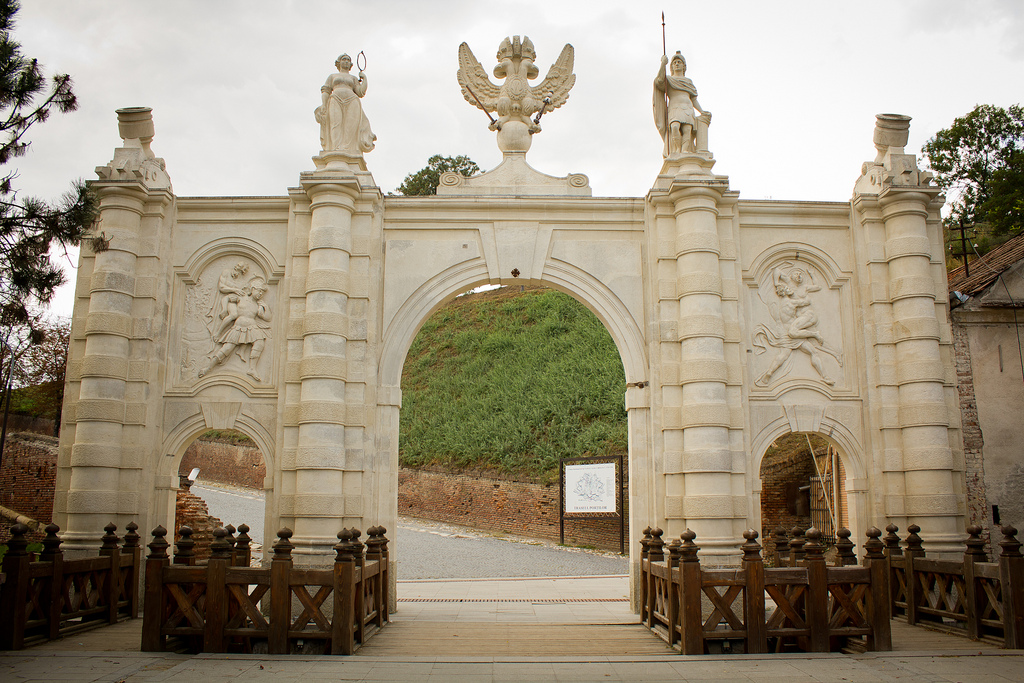


Image source: Wikimedia Commons · Public domain photos · Free license
STAY A FEW DAYS, DISCOVER THE MAGIC
Accommodation in the Alba Carolina Citadel area

Apartment · 3 stars

Alba Iulia, Alba County · 0.3 km
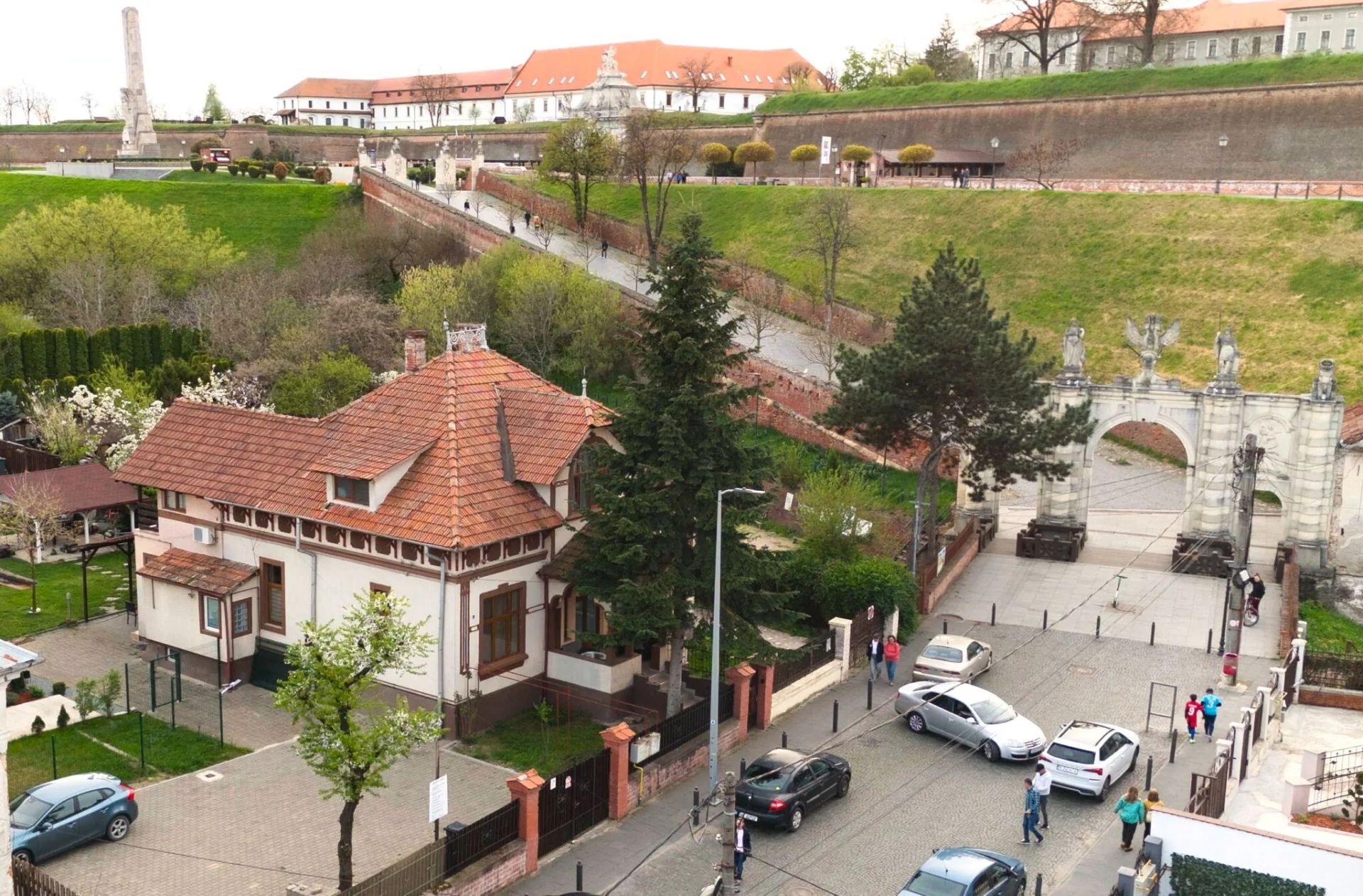
La Poarta Cetății Alba Iulia
La Poarta Cetății Alba Iulia este un apartament de închiriat clasificat cu 3 stele, situat în municipiul Alba Iulia, pe strada Mihai Viteazul. Apartamentul oferă acces gratuit la internet Wi-Fi și parcare privată gratuită, fiind potrivit pentru cei care călătoresc cu mașina. Oaspeții beneficiază de un teren amenajat de sport pentru fotbal, de un teren de tenis și de posibilitatea de a închiria biciclete pentru a explora împrejurimile. Pentru confort și siguranță, proprietatea dispune de seif, depozit pentru bagaje și fier de călcat, iar familiile cu copii mici găsesc un pătuț pentru bebeluș. Există și parcare pentru biciclete, iar drumețiile montane și traseele în natură pornesc chiar din această zonă, oferind ocazii de relaxare în aer liber. În apropiere se află principalele obiective turistice ale orașului: Cetatea Alba Carolina, Palatul Principi, Catedrala Romano-Catolică Sfântul Mihail, Muzeul Național al Unirii și Catedrala Reîntregirii. Toate aceste monumente istorice sunt accesibile ușor pe jos din locația apartamentului. Seara, după o zi de vizitat monumente istorice, vă puteți relaxa pe terenul de tenis sau puteți organiza un meci de fotbal pe terenul amenajat, profitând de aerul curat al serii și de liniștea zonei.
FROM
230 lei per night

Hotel · 3 stars
Alba Iulia, Alba County · 0.6 km
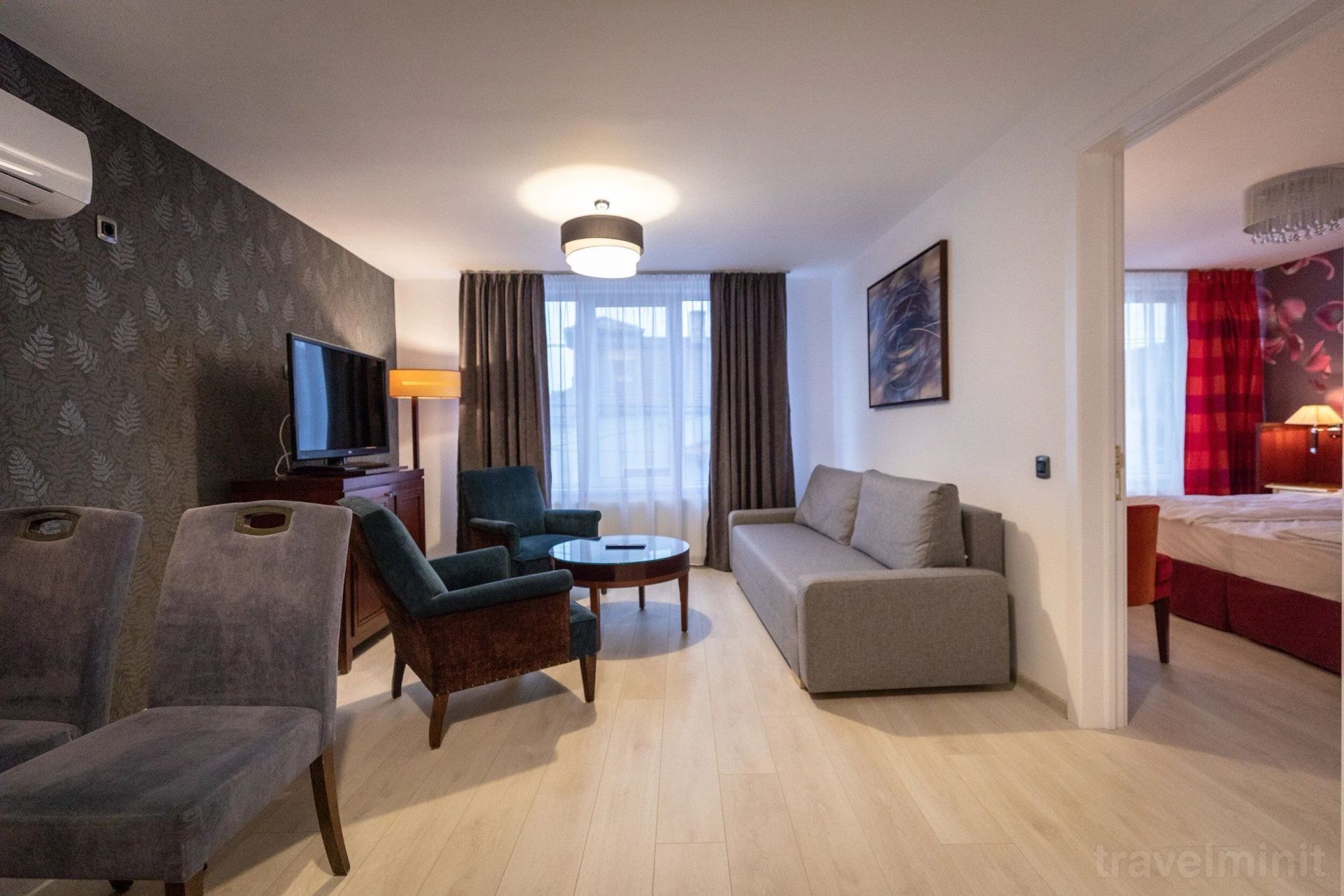
Derby ApartHotel Alba Iulia
Parcarea privată gratuită reprezintă un avantaj real pentru Derby ApartHotel Alba Iulia din Alba Iulia, mai ales pentru dumneavoastră dacă veniți cu mașina. Unitatea se află pe bulevardul Octavian Goga și oferă cazare într-un cadru modern și primitor. Pe lângă parcare, aveți la dispoziție Wi-Fi gratuit în toate spațiile. Hotelul pune la dispoziție cinci camere mobilate modern, fiecare dotată cu baie privată, iar unele dintre ele beneficiază și de aer condiționat pentru a vă asigura confortul necesar pe tot parcursul șederii. În apropiere puteți vizita Cetatea Alba Carolina, Catedrala Romano-Catolică Sfântul Mihail din Alba Iulia, Palatul Principi, Muzeul Național al Unirii din Alba Iulia și Catedrala Reîntregirii. Aceste obiective istorice și culturale fac din șederea dumneavoastră una bogată în experiențe. Check-in-ul se efectuează de la ora 14:00, iar check-out-ul până la ora 12:00. Personalul vorbește numeroase limbi străine, inclusiv engleză, germană, franceză și maghiară, iar plata cazării se poate realiza prin numerar, card bancar sau transfer bancar. Vă așteptăm la Derby ApartHotel Alba Iulia, unde parcarea privată gratuită și accesul facil pe bulevardul Octavian Goga vă asigură un sejur confortabil.
FROM
290 lei per night
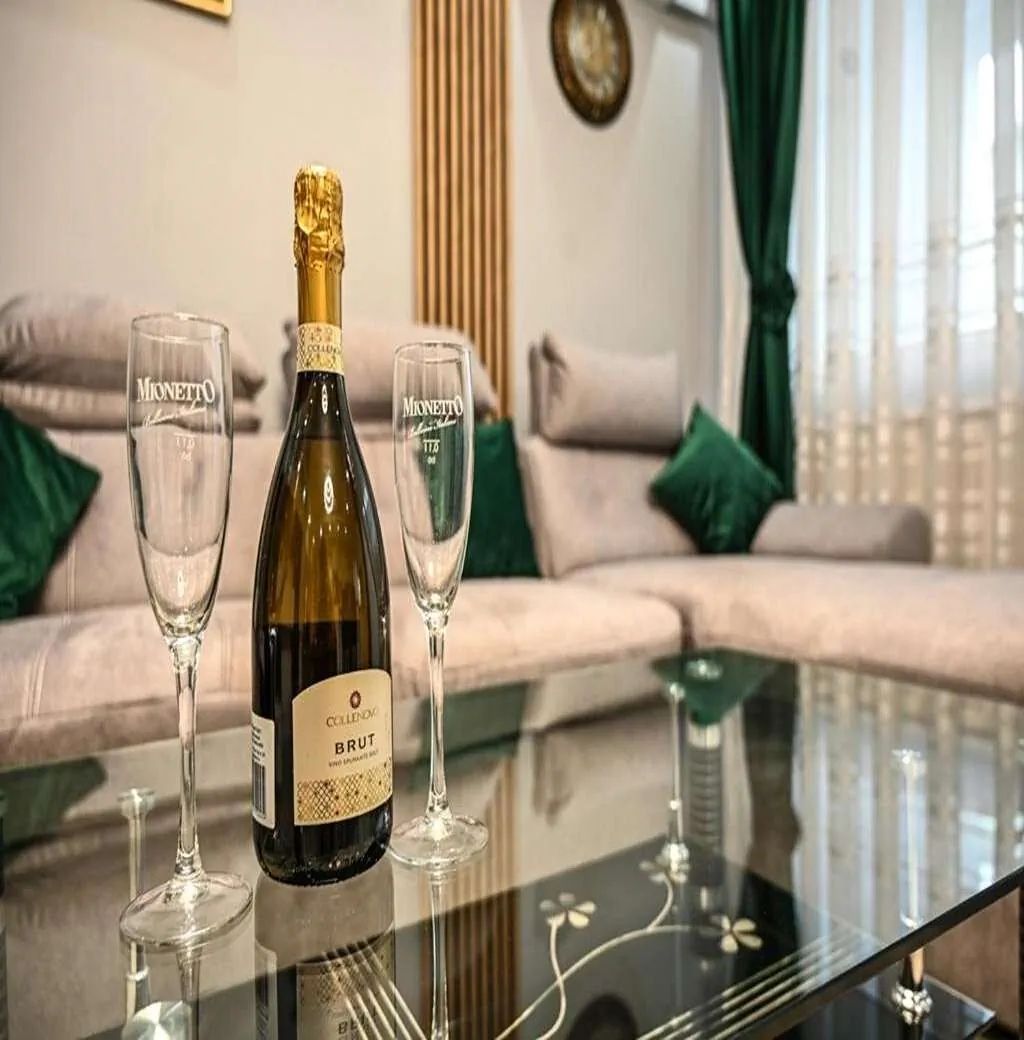
Apartment · 3 stars
Alba Iulia, Alba County · 0.7 km
Apartament Domus Regis Cetate Alba Iulia
Comfort, relaxation and stunning views, all just steps away from the main attractions.
FROM
230 lei per night
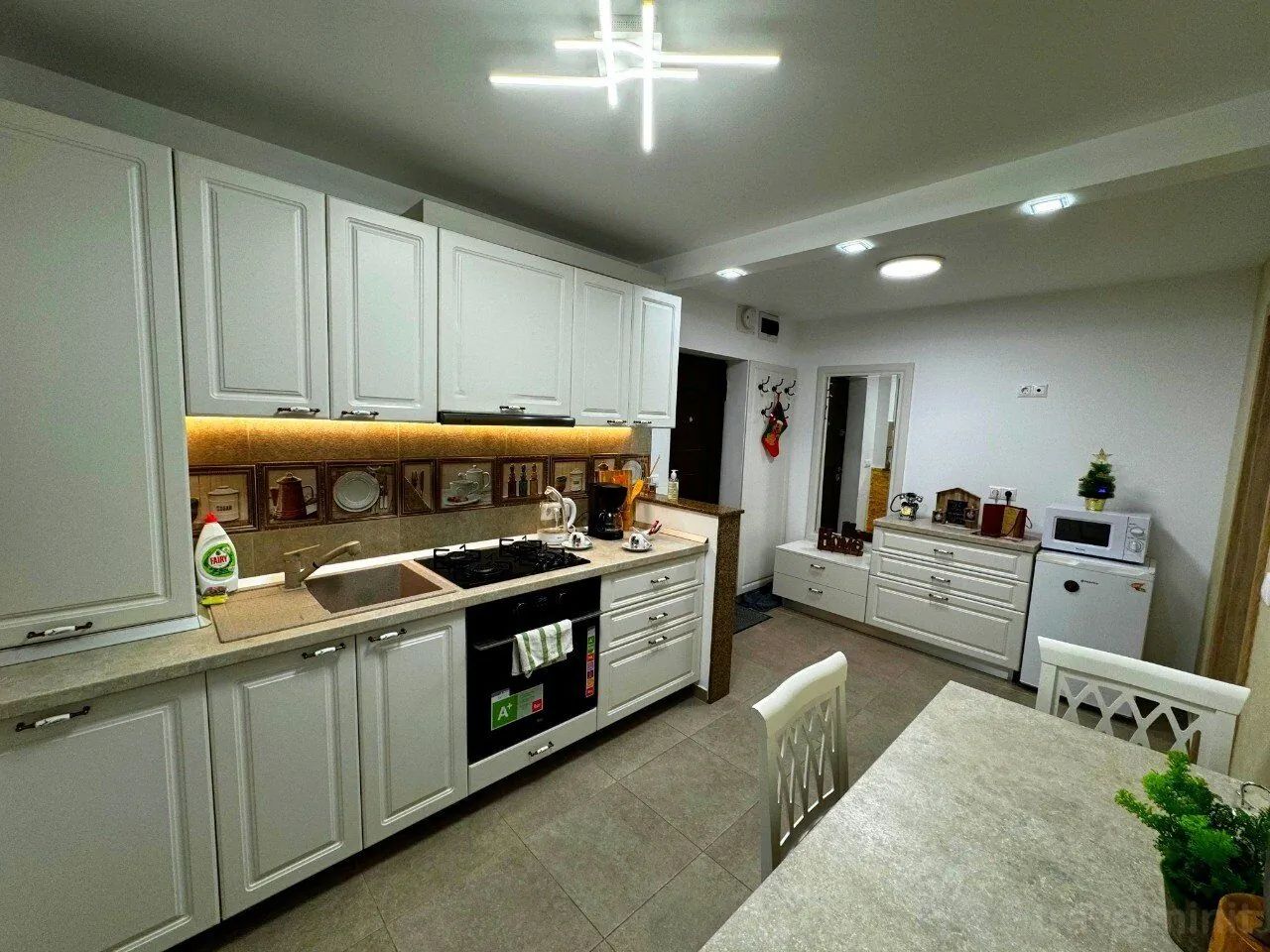
Apartment · 3 stars
Alba Iulia, Alba County · 0.8 km
Boulevard Flat Alba Iulia
Renovat recent și modernizat cu grijă, apartamentul se află pe strada Arnsberg din Alba Iulia, în apropierea Bulevardului Transilvania. Boulevard Flat Alba Iulia vă întâmpină cu un spațiu luminos, modern și primitor, potrivit pentru un sejur confortabil în oraș. Interiorul oferă o bucătărie complet echipată pentru prepararea meselor zilnice, un dormitor matrimonial confortabil și o baie dotată cu prosoape, săpun și hârtie igienică. Aveți la dispoziție și produse de curățenie pentru întreținere, iar conexiunea Wi-Fi gratuit asigură acces rapid la internet pe toată durata șederii. Pentru serile liniștite petrecute acasă, puteți alege dintre cărți, rezolvarea de puzzle-uri sau vizionarea de filme pe Netflix. Este un spațiu călduros și primitor unde vă puteți simți bine după o zi plină de descoperiri în oraș. În apropiere se află principalele obiective turistice ale zonei: Cetatea Alba Carolina, Catedrala Romano-Catolică Sfântul Mihail, Palatul Principi, Muzeul Național al Unirii și Catedrala Reîntregirii, toate ușor de vizitat. Vă așteptăm cu drag la Boulevard Flat Alba Iulia, cu loc de parcare dedicat pentru mașina dumneavoastră.
FROM
230 lei per night
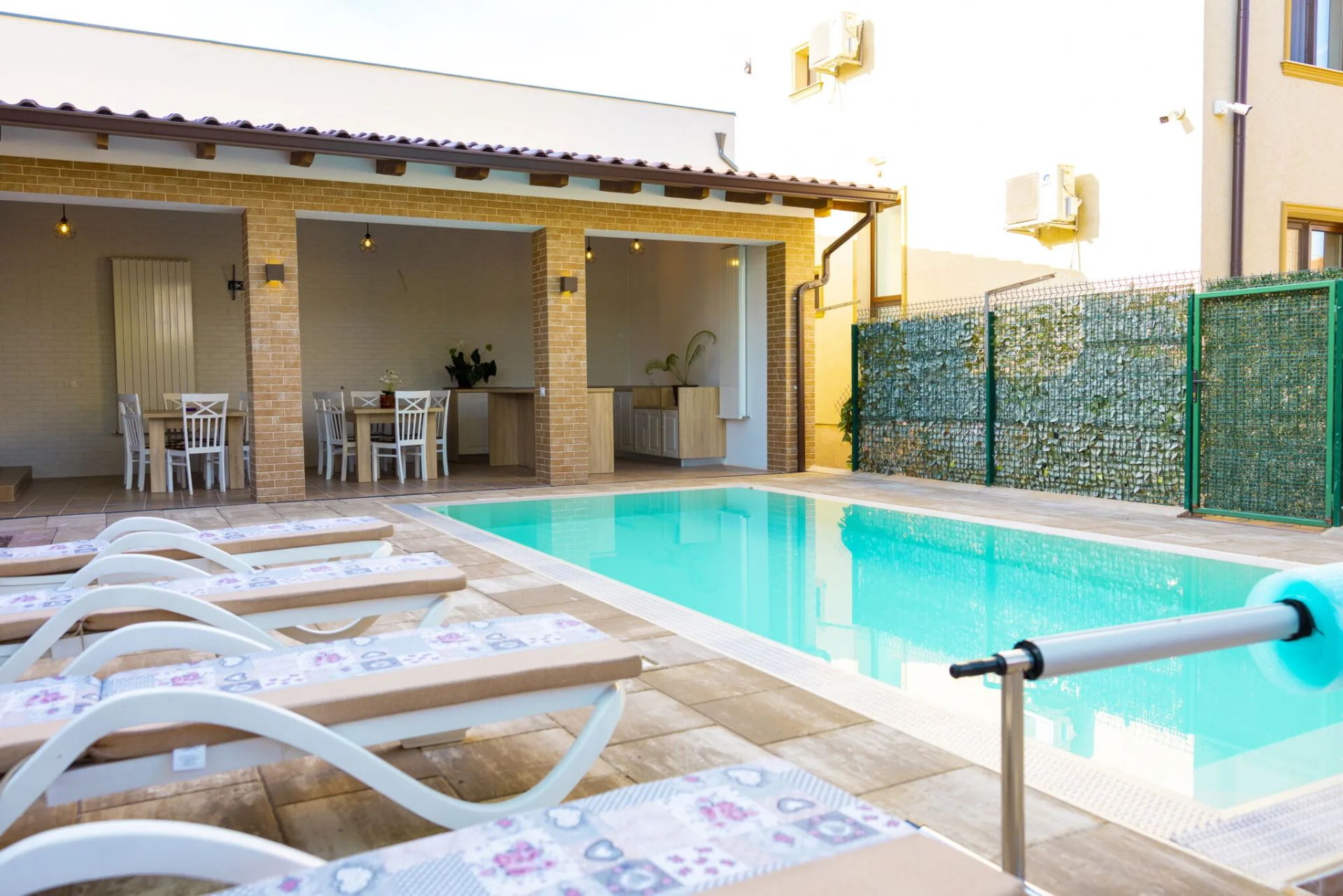
Guesthouse · 3 stars
Alba Iulia, Alba County · 0.8 km
Pensiunea Casa cu Nuc Alba Iulia
La Pensiunea Casa cu Nuc din Alba Iulia aveți la dispoziție un grătar sau barbeque pentru seri plăcute în aer liber. Unitatea de cazare se află în localitatea Alba Iulia și oferă un mediu primitor, cu camere și apartamente complet mobilate și utilate, gândite pentru confortul dumneavoastră pe toată durata sejurului. Unitățile de cazare sunt prevăzute cu aer condiționat, televizoare smart cu canale prin satelit și baie privată, iar bucătăria este încăpătoare și bine echipată. De asemenea, aveți la dispoziție fier de călcat, fierbător electric, Wi-Fi gratuit, parcare privată gratuită, parcare pentru biciclete și un spațiu dedicat pentru depozitarea bagajelor. În apropiere puteți vizita Cetatea Alba Carolina, Palatul Principi, Catedrala Romano-Catolică Sfântul Mihail din Alba Iulia, Muzeul Național al Unirii și Catedrala Reîntregirii. Aceste obiective istorice și culturale completează experiența dumneavoastră în oraș și vă așteaptă să le descoperiți. Seara, după o zi petrecută printre monumentele orașului, puteți folosi grătarul pentru a pregăti cina în aer liber.
FROM
240 lei per night
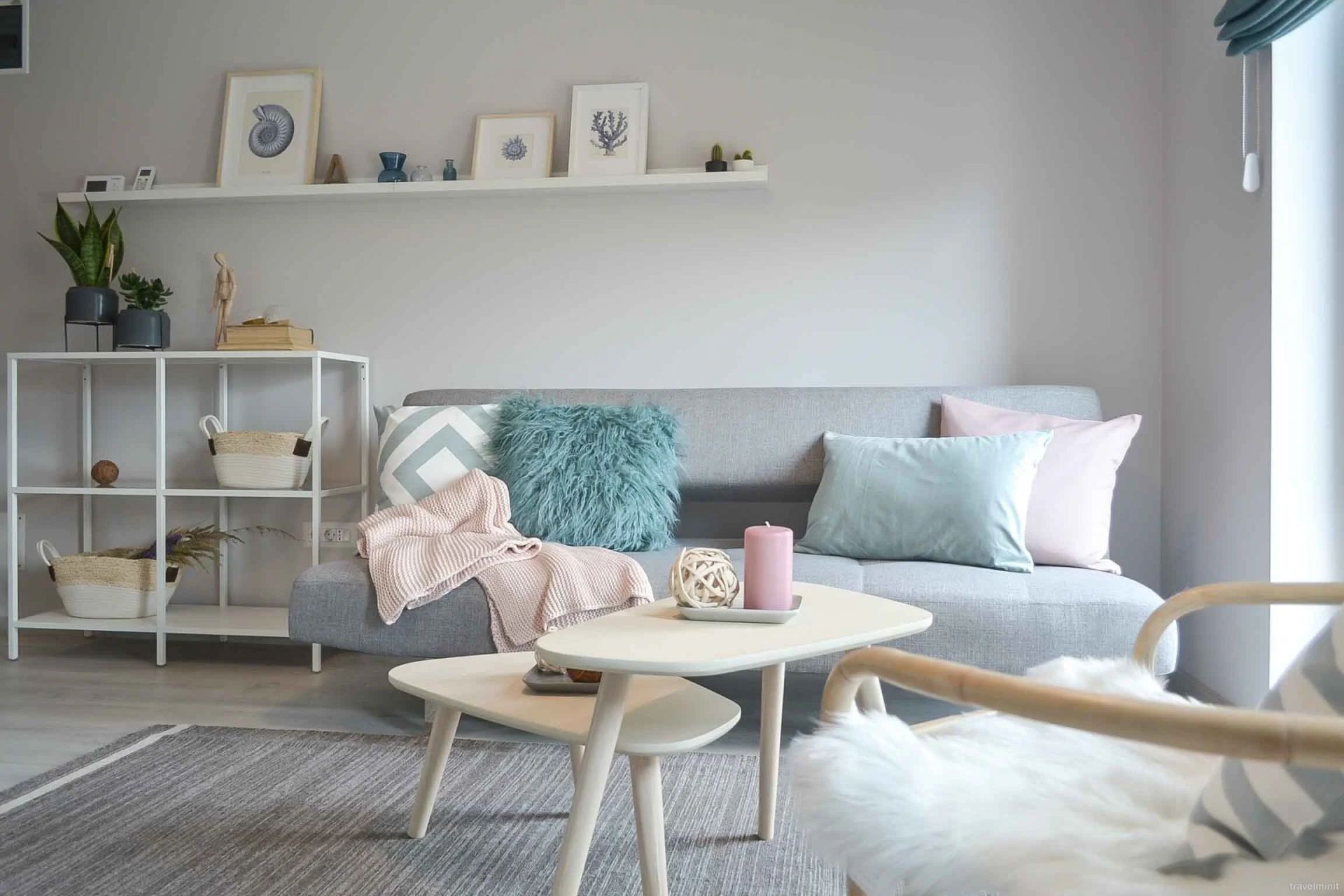
Holiday villa · 3 stars
Alba Iulia, Alba County · 1.0 km
Vila White Tulip Alba Iulia
Vila White Tulip este o vilă turistică situată în Alba Iulia. Vă punem la dispoziție patru camere confortabile și plăcut amenajate, fiecare dotată cu baie proprie. Aerul condiționat asigură un climat plăcut în orice sezon, iar conexiunea Wi-Fi gratuită vă permite să rămâneți conectați pe toată durata șederii dumneavoastră. De asemenea, beneficiați de parcare privată gratuită, astfel încât mașina dumneavoastră rămâne în siguranță pe întreaga perioadă a cazării. În apropiere puteți vizita Cetatea Alba Carolina, Catedrala Romano-Catolică Sfântul Mihail din Alba-Iulia, Palatul Principi, Muzeul Național al Unirii din Alba Iulia și Catedrala Reîntregirii. Aceste monumente istorice și lăcașuri de cult importante completează experiența culturală pe care orașul o oferă fiecărui vizitator. La recepție veți fi întâmpinați în limba română, engleză sau italiană. Ziua de cazare începe la ora 15:00, iar eliberarea camerei se face până la ora 11:00. Plata se poate efectua prin numerar, card bancar, transfer bancar, card de vacanță, avans travelminit sau voucher travelminit. Seara, după o zi petrecută printre obiectivele orașului, vă puteți relaxa în cameră beneficiind de răcoarea aerului condiționat și de accesul la internet prin Wi-Fi.
FROM
280 lei per night
BEFORE YOU HIT THE ROAD
Weather conditions in Alba
Local forecast for Alba Carolina Citadel, Alba, Alba

Real-time updated weather data
Much more to explore in this area
Nearby tourist attractions

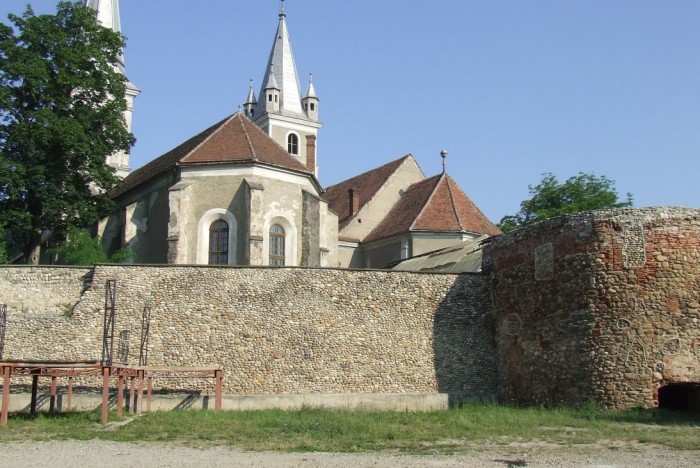

Hunedoara, Hunedoara County
Orăștie Citadel
Situata pe strada N. Balcescu, municipiul Orastie, judetul Hunedoara; construita in preajma anului 1300; atestata documentar in 1544 de catre Sebastian Munster,...
38.9 km
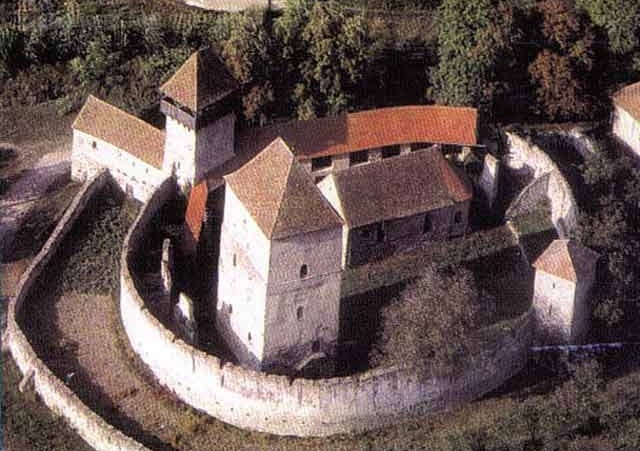
Alba, Alba County
Călnic Citadel
Se gaseste in satul cu acelasi nume, pe drumul dintre Sibiu si Sebes;este unul dintre monumentele de arhitectura cele mai interesante din Romania, ocupand un...
21.2 km
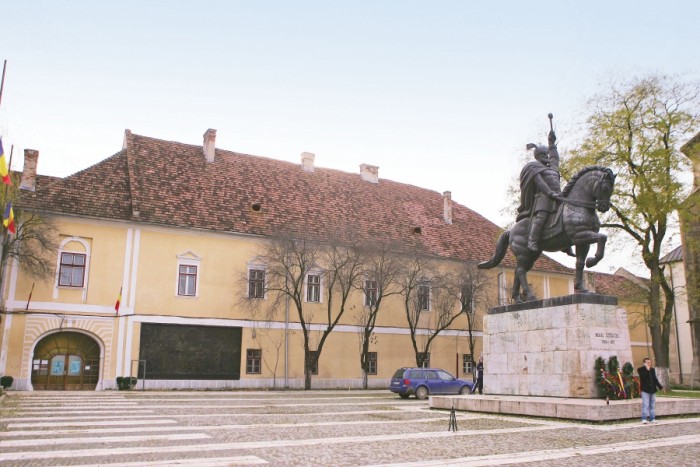
Alba, Alba County
Princely Palace (Voivodal Palace of Alba Iulia)
Este situat in vecinatatea Catedralei Romano-Catolice, localitatea Alba-Iulia, a fost construit in secolul al XV-lea, avand rolul de resedinta a principilor...
0.2 km
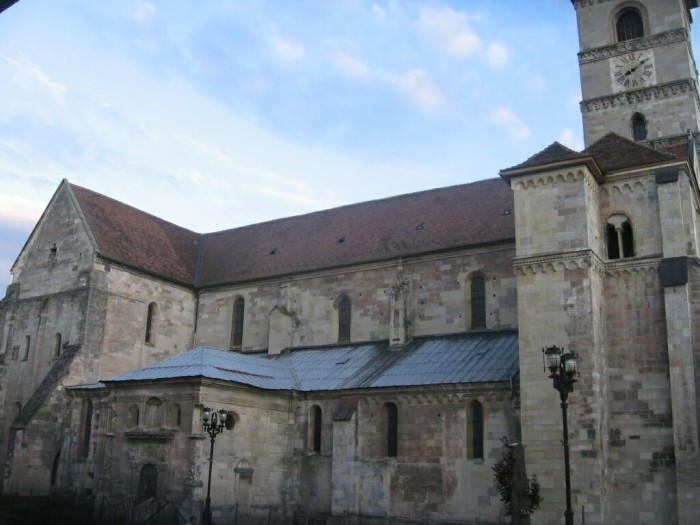
Alba, Alba County
St. Michael's Roman Catholic Cathedral in Alba Iulia
Situata in interiorul cetatii Alba Iulia;a fost ridicata in secolul al-XIII-lea si a suferit mai multe lucrari de-a lungul timpului; este unul din cele mai...
0.3 km
Alba, Alba County
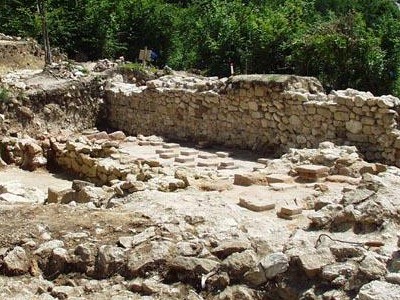
Alburnus Maior Fortress
Situata in localitatea Rosia Montana, pe Dealul Cetatii, in apropierea fostelor exploatari romane;a reprezentat punctul de aparare al localitatii si al...
43.0 km

30.0 km
31.9 km
43.8 km

Alba, Alba County
National Union Museum in Alba Iulia
Situat pe strada Mihai Viteazul, nr. 12 - 14, municipiul Alba Iulia; se numara printre cele mai importante institutii muzeale din Romania, atat din punct de...
0.2 km
Alba, Alba County
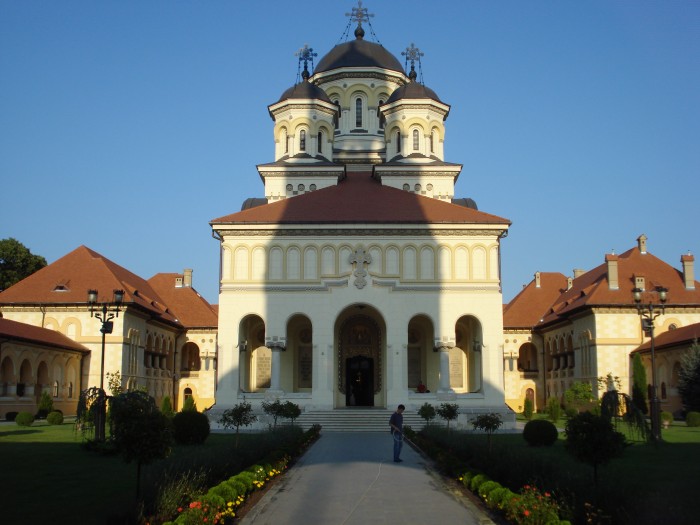
Coronation Cathedral
Situata pe strada Mihai Viteazul, localitatea Alba Iulia;constituie simbolul unitatii noastre nationale realizata prin actul din 1918; arhitectura sa este...
0.4 km
Alba, Alba County
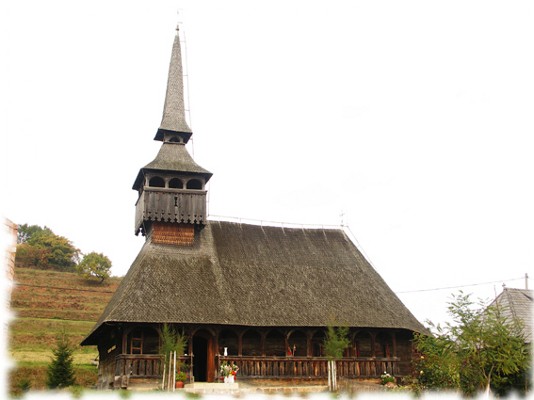
Saint John the Baptist Monastery in Alba Iulia
Situata in zona Valea Popii, municipiul Alba Iulia; construita in anul 1937; poarta hramul "Nasterea Sfantului Ioan Botezatorul"; in anul 1966 a fost...
0.5 km
Alba, Alba County
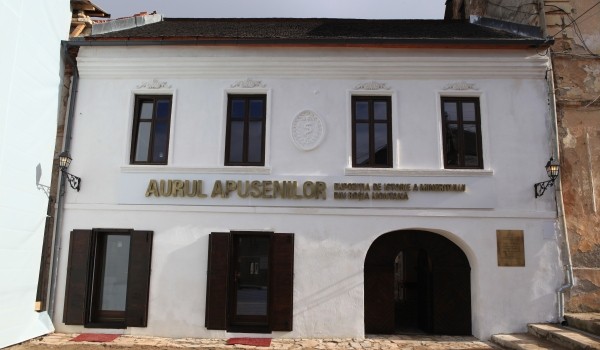
Roșia Montană Gold Mining Museum
Situat pe strada Principala nr.178 din localitatea Rosia Montana; este poate cel mai autentic document de ilustrare a activitatii mineresti in Muntii Apuseni,...
43.2 km
Cultural life and traditions
Events in the Alba Carolina Citadel area
Medieval festivals, traditional fairs, concerts and local activities recommended in Transylvania.

Heritage and History

Alba, County of Alba
The Festival of Medieval Fortresses and the Open Doors Days
Guided night tours, traditional crafts workshops and historical re-enactments featuring knights and ladies.
WHEN
May 15-17, 2026


Traditions and Cuisine
Alba, County of Alba
The Fair of Saxon Traditions and Local Cuisine
Discover local producers, traditional Saxon pastries baked in a wood-fired oven, artisanal syrups, and rhubarb jam.
WHEN
Every weekend (May - October)

Ecotourism and Nature
The hills of Transylvania, County of Alba
Guided Hikes on the Transylvanian Hills Trail
Take excursions along unmarked trails through ancient meadows, centuries-old oak trees, and villages with fortified churches that are UNESCO World Heritage sites.
WHEN
Friday – Sunday (Season 2026)
On foot, exploration gains depth
Discover the surroundings and local geography
Explore the trails, terrain, and natural landmarks around Alba Carolina Citadel.

Guides and practical tips
Useful travel articles
Travel guides, practical recommendations and tourist itineraries for Transylvania.

Tourist guide
Top 5 Atracții Turistice și Trasee Montane în Zona Moieciu - Bran
Descoperă cele mai spectaculoase peisaje carstice, chei adânci și cetăți medievale din imediata apropiere a stațiunii Moieciu.

Tourist guide
Ghid de Drumeție: Traseul Moieciu de Sus spre Platoul Bucegi
Un itinerariu montan de o frumusețe rară ce urcă din Valea Băngăleasa spre Poiana Guțanu și crestele maiestuoase ale Bucegilor.

Tourist guide
Castelul Bran: Istorie, Legende și Secrete Medievale
Află adevărata poveste a fortăreței medievale din Pasul Bran, reședința de suflet a Reginei Maria a României.
THE JOURNEY STARTS WITH AN IDEA
The next story is on the way.
From the first stop to the last stay, make room for a new Romania.
