


CASTLE · TRANSYLVANIA
Alburnus Maior Fortress

Alba, Alba County
Add location to your trip planner.
Practical access information

VISITING HOURS
Monday: 12:00 PM – 5:00 PM · Tuesday–Sunday: 9:00 AM – 5:00 PM (in summer until 8:00 PM)

TICKET PRICE
Adults: 45 RON · Students: 11 RON · Seniors: 23 RON · Guided tour included

RECOMMENDED VISIT DURATION
2-3.5 hours
Visitor information and guide
 Navigate with Google Maps

ABOUT ALBURNUS MAIOR FORTRESS
A Captivating Introduction and European Heritage Significance
On the summit of Dealul Cetății, where the winds of the Carpathians meet the silence of ancient ruins, lies a fortress that once guarded one of antiquity’s most spectacular economic achievements for two centuries. Alburnus Maior Fortress is not merely a military structure but a stone testament to how the Roman Empire transformed Europe’s peripheral resources into a driving force of imperial civilization. Built between the 2nd and 3rd centuries AD, this fortress in the present-day locality of Roșia Montană, Alba County, represents the pinnacle of a cosmopolitan settlement, Alburnus Maior, elevated to the status of municipium and home to thousands of colonists from Italy, Greece, the eastern provinces, and the local Dacian population.
The heritage significance of this site extends far beyond national borders, recognized in 2021 with its inclusion on the UNESCO World Heritage List as part of the Roșia Montană Mining Cultural Landscape. This distinction places the fortress within an exceptional European constellation, alongside other Roman mining sites such as Las Médulas in Spain or the gold mines of Portugal and Britain, forming a network that illustrates Rome’s economic and administrative strategy across the continent. Alburnus Maior Fortress is, in essence, a symbol of an expanding Europe, capable of bringing law, advanced technology, and urban organization to the farthest corners of the empire, creating settlements that functioned on principles akin to those of the capital on the Tiber.
Historical Roots and Major European Connections
The history of the fortress begins with Emperor Trajan’s conquest of Dacia in 106 AD, a moment that opened the gates to an unprecedented systematic colonization in European history. The Apuseni Mountains, rich in gold veins, attracted the attention of an imperial administration determined to exploit the resources of this newly conquered province to the fullest. Alburnus Maior, named after the Alburnus River, was founded as a mining settlement and experienced rapid development, soon becoming a Roman municipium—a privileged legal status granting administrative autonomy and extensive civic rights. This status was likely conferred during the reigns of Hadrian or Marcus Aurelius, reflecting the area’s vital strategic and economic importance to the imperial treasury.
The population of the fortress was a remarkable ethnic mosaic, mirroring Rome’s colonization policy, which brought families from Italy—particularly Campania and Venetia—Greek merchants from the Aegean islands, craftsmen and engineers from eastern provinces such as Syria, Palestine, and Egypt, and, not least, local Dacian elements gradually integrated into Roman urban structures. This cultural diversity created a unique cosmopolitan society where Latin and Greek coexisted, and temples dedicated to Roman gods like Jupiter, Minerva, or Mithras stood alongside sanctuaries of eastern deities. This cultural fusion recalls other frontier urban centers of the empire, such as Carnuntum in present-day Austria or Aquincum in Hungary, demonstrating Rome’s ability to create small civilizing hubs across Europe.
Roman Administration and the Status of *Municipium*
The fortress was governed by a procurator Augusti, a high-ranking imperial official who answered directly to the emperor for the financial and military administration of the region. This sophisticated bureaucratic system, similar to those found in other gold-producing provinces like Hispania Tarraconensis (home to Las Médulas) or Britannia (with the Dolaucothi mines in Wales), ensured efficient and controlled exploitation of the subsoil’s riches. The gold extracted from Roșia Montană, estimated at over 300 tons during the Roman period, significantly contributed to the empire’s monetary stability, funding the mint in Rome and supporting the alimenta system for the capital’s poor.
A Link in the Empire’s Mining Network
Alburnus Maior is part of a complex European network of mining operations that defined the continent’s ancient economy. The parallels with Las Médulas in northwestern Spain are striking: both sites feature landscapes radically transformed by human activity, with hills riddled by subterranean galleries and sophisticated hydraulic drainage systems. Similarly, the resemblance to gold mines in Portugal, such as those at Tresminas, or in Britain illustrates the empire’s unified policy of exploiting colonial resources. Together, these sites form a shared European industrial heritage, demonstrating how the Roman Empire created the continent’s first integrated economy, based on systematic metal extraction and long-distance trade linking the Mediterranean to the northern frontiers.
An Architectural Masterpiece: Style and Constructive Details
The architecture of Alburnus Maior Fortress reflects Roman engineering genius adapted to mountainous terrain and the imperative need to protect vital economic resources for the empire. The fortification on Dealul Cetății, also known as the Fortress on Dealul Cetății or Piatra Corbului, was built in a dominant strategic position, offering visibility over the entire Roșia Valley and controlling access to the mining galleries in Orlea, Carpeni, and Cătălina Monuleșt. The fortress walls, constructed using opus quadratum (perfectly hewn stone blocks) and dry stone techniques, still stand imposingly today, testaments to the exceptional durability of Roman constructions.
The Fortress on Dealul Cetății
The archaeological site reveals the foundations of a castellum, a military fortress of impressive dimensions covering approximately three hectares. Within the enclosure, traces of administrative buildings, the principia (where imperial officials and priests worked), horrea (granaries for provisions), and thermae (public baths serving both soldiers and civilians) can be identified. The structures were built using advanced techniques for the time: foundations of Roman concrete (opus caementicium), walls of local limestone, and roofs of shingles or Roman tiles (tegulae and imbrices). This sophisticated urban infrastructure places Alburnus Maior among the most developed settlements in the province of Dacia, comparable to cities on the Rhine or Danube.
Mining Engineering and Ancient Galleries
The military architecture cannot be separated from the industrial, as the fortress protected not only a civilian community but also a vast industrial complex represented by the mining galleries that traverse the surrounding mountains. Roman engineers developed revolutionary extraction techniques, using fire to fracture rock (fire-setting) and constructing complex drainage systems with wooden channels and hydraulic pumps, such as bucket wheels. The galleries at Cătălina Monuleșt and Orlea, some of the best-preserved in the world, feature trapezoidal sections and traces of staircases and work platforms, offering a vivid image of ancient miners’ labor. These subterranean structures represent a masterpiece of Roman industrial architecture, paralleling the hydraulic systems of the Hallstatt salt mine in Austria or the aqueducts feeding the Las Médulas exploitations.
The Necropolis and Cultural Stratigraphy
Archaeological excavations have uncovered an impressive necropolis, with cremation and inhumation graves illustrating the transition from Dacian funerary traditions to Roman ones. Funerary stelae inscribed in Latin and Greek, along with grave goods consisting of pottery, tools, and jewelry, attest to the presence of a prosperous urban elite connected to Mediterranean culture. The site’s stratigraphy reveals astonishing continuity: from the Roman level of the 2nd–3rd centuries, through the Migration Period and the Middle Ages, when the area experienced a mining revival under the Kingdom of Hungary and later the Habsburg Monarchy, to the modern industrial exploitations of the 20th century. This layering of historical strata makes Alburnus Maior a true palimpsest of European history, where each era has left visible and tangible traces on the cultural landscape.
Stories, Personalities, and Turning Points
If the fortress’s stones could speak, they would tell of hundreds of lives lived within its walls—of business contracts signed by lamplight, of wills written on wax tablets, and of prayers offered to gods in a now-lost language. The very existence of the wax tablets, tabulae ceratae—25 documents discovered in the mining galleries and dating from 131–167 AD—represents a turning point in the history of European archaeology and law. These tablets, preserved in exceptional conditions by the earth’s humidity for nearly two millennia, contain sales contracts, mortgages, wills, and official correspondence, making them the oldest written documents ever discovered in Romania.
The Wax Documents and Hidden Lives
Among these documents are contracts signed by Roman citizens like Caius Iulius Alexander, who lent money at interest, or wills of miners bequeathing houses and shares in the mining galleries to their wives. Written in Latin and Greek, these texts reveal a sophisticated society where Roman law, ius civile, was fully applied, and imperial officials ensured strict contract enforcement. The tablets from Roșia Montană are the only ones of their kind in Europe from a mining area, offering a unique perspective on frontier economics and the law applied in the provinces. They evoke the famous military tablets from Vindolanda in northern England but are nearly a century older and reflect a more complex legal reality, specific to a recently conquered and colonized province where Roman law interacted with local traditions.
The year 167 AD marks the abrupt end of this well-documented era. Historians debate the causes: it could have been the Marcomannic invasion during Marcus Aurelius’ wars, a devastating epidemic, or an imperial administrative reorganization shifting the economic center of gravity. What is certain is that after this date, activity in Alburnus Maior gradually declined, and the fortress was abandoned in the 3rd–4th centuries, coinciding with the Roman administration’s withdrawal from Dacia and the increasing pressure of migrating peoples.
From Oblivion to World Heritage
After the fall of the Western Roman Empire, the fortress faded into relative obscurity, though the area continued to be mined over the centuries. Scientific interest in the site revived in the 18th century, when Austrian and Hungarian scholars, under Habsburg rule in Transylvania, began systematically documenting the ruins and studying ancient mining techniques. In the 19th century, archaeologists like Karl Gooss conducted the first systematic excavations, uncovering the fortress’s foundations and part of the necropolis. However, the true renaissance and salvation came in the 21st century, when a proposal to mine using cyanide by a foreign company sparked an unprecedented civic movement in Europe, "Save Roșia Montană."
This movement, supported by intellectuals, artists, and cultural organizations across Europe—from London to Vienna and from Paris to Bucharest—transformed the fortress into a symbol of the struggle to preserve European cultural heritage against industrial destruction. The European Parliament adopted resolutions in support of the site’s conservation, and organizations like Europa Nostra included Roșia Montană on the list of Europe’s most endangered heritage sites. The culmination came in 2021, when UNESCO inscribed the Roșia Montană Mining Cultural Landscape on the World Heritage List, recognizing the site’s outstanding universal value. This decision was a victory for all of Europe, demonstrating that ancient industrial heritage can be saved and valorized for the benefit of humanity. The Habsburg legacy is also present in the Baroque and Neoclassical architecture of Roșia Montană’s buildings, constructed in the 18th–19th centuries by the Austrian administration, which developed one of Europe’s most modern mining schools here, complete with libraries, theaters, and scientific institutions.
Practical Visitor’s Guide and Today’s Tourist Experience
Visiting Alburnus Maior Fortress and the entire Roșia Montană heritage complex offers a profound and educational experience, combining archaeology, the wild beauty of the Carpathians, and European history in a unique way. For travelers coming from Europe or beyond, the easiest access is through Alba Iulia, the former capital of Transylvania and one of Central and Eastern Europe’s best-preserved fortified cities, home to Alba Carolina Fortress—a stunning Vauban-style bastion built by the Habsburgs in the 18th century. From Alba Iulia, the 45-kilometer journey to Roșia Montană winds through the spectacular mountain landscapes of the Apuseni Mountains, passing through villages with traditional Saxon and Romanian architecture.
Route and Access
Upon arriving in Roșia Montană, visitors can embark on the marked trail leading up to Dealul Cetății. The hike, taking approximately one to two hours on foot, traverses beech and spruce forests and offers breathtaking views of the cultural landscape, often described as a "lunar landscape" created by ancient and modern quarries. Once at the summit, the fortress ruins unfold in an impressive natural setting, with deep valleys and rocky ridges reminiscent of Roman frontier fortifications in Germany or Britain. Informational panels detail the site’s history, and on clear days, the distant ridges of the Metaliferi Mountains are visible. Sturdy hiking gear and sufficient water are recommended, as the area is less commercially developed than other tourist sites, preserving its authenticity and contemplative tranquility.
Museum and Gallery Circuit
The experience should be complemented by a visit to the Mining Museum in Roșia Montană, housed in a former 19th-century mining administrative building. The museum showcases the evolution of extraction techniques from antiquity to the present, including Victorian industrial machinery and ethnographic exhibits. To see the original wax tablets—the most precious historical documents in Romania—visitors must travel to the National Union Museum in Alba Iulia, just a few kilometers away, or the National History Museum in Bucharest, where these documentary treasures are displayed under maximum security.
Another essential stop is the Roman galleries at Cătălina Monuleșt, where daily guided tours allow exploration deep into the mountain, revealing structures nearly 1,900 years old. The constant temperature of 10–12°C makes the visit pleasant even on scorching summer days. The sites in Orlea and Carpeni are also worth exploring, where traces of auxiliary fortifications, civilian settlements, and ancient drainage systems demonstrate the technical genius of Roman engineers.
Surroundings and Cultural Combinations
Nearby, visitors can explore the Dacian Fortress of Ardeu, a partially reconstructed Geto-Dacian fortification, or continue to Sarmizegetusa Regia, the spiritual capital of the Dacian kingdom, to understand the context of the indigenous civilization with which the Romans interacted and integrated. An ideal combination for a complete cultural stay includes visits to the fortified churches of Transylvania, another UNESCO World Heritage site, such as those in Șeica Mare, Biertan, or Viscri, located about an hour’s drive away through picturesque rural landscapes.
The local gastronomy reflects the robust tradition of miners: bean soup with smoked meat, polenta with sheep’s cheese and sour cream, cabbage or apple pies—all prepared according to recipes passed down through generations. Accommodation is available in traditional guesthouses in Roșia Montană or neighboring villages like Bucium or Gârda, offering an authentic immersion in a place where time seems to have stood still, preserving the memory of an ancient, medieval, and modern Europe in continuous dialogue with the continent’s great stories.
Media gallery
Discover Alburnus Maior Fortress in pictures

2 photos · Architecture, courtyards and captivating details

Image source: Wikimedia Commons · Public domain photos · Free license
STAY A FEW DAYS, DISCOVER THE MAGIC
Accommodation in the Alburnus Maior Fortress area

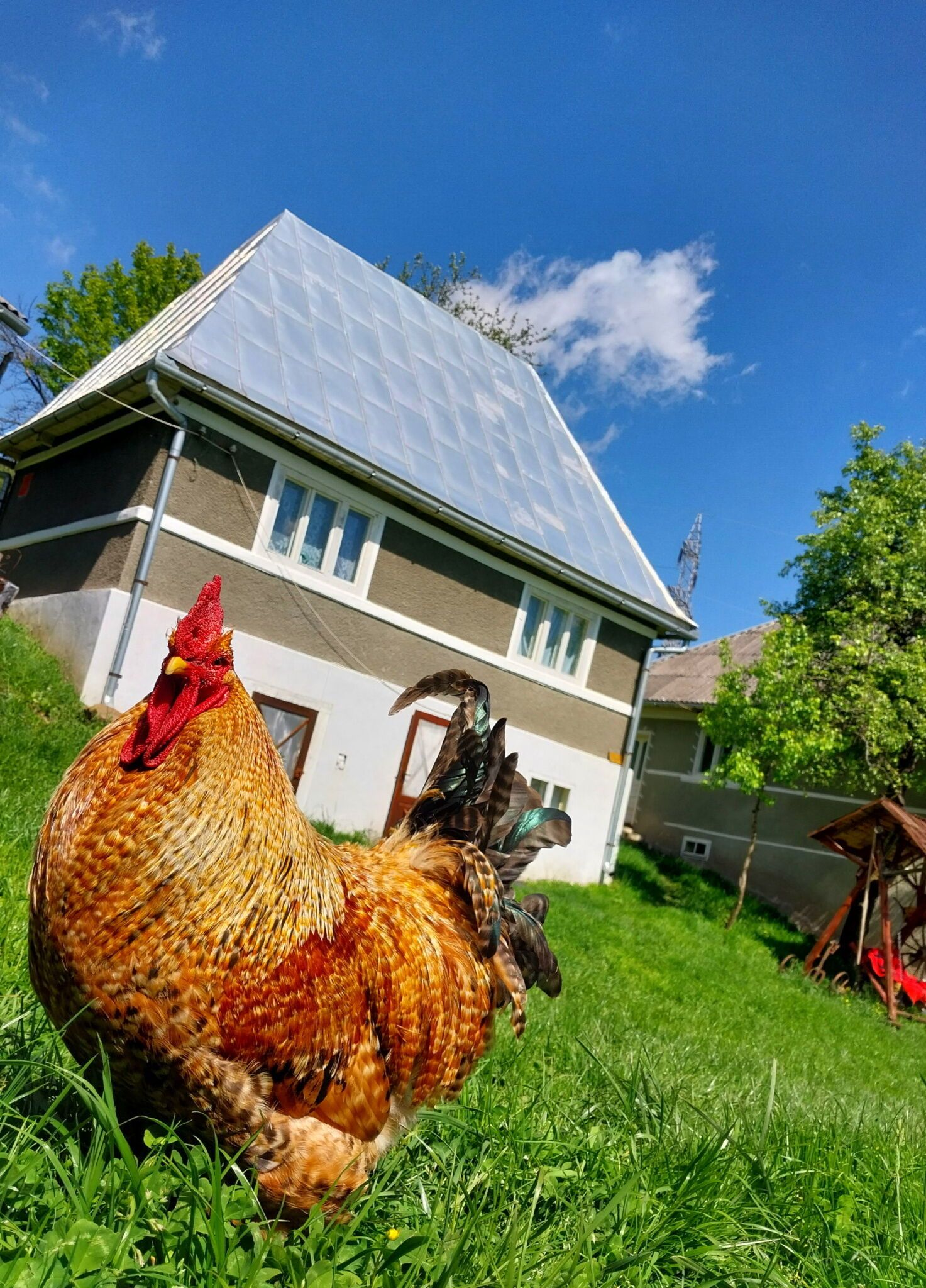
Cabin · 3 stars

Comuna Roșia Montană, Alba County · 1.3 km
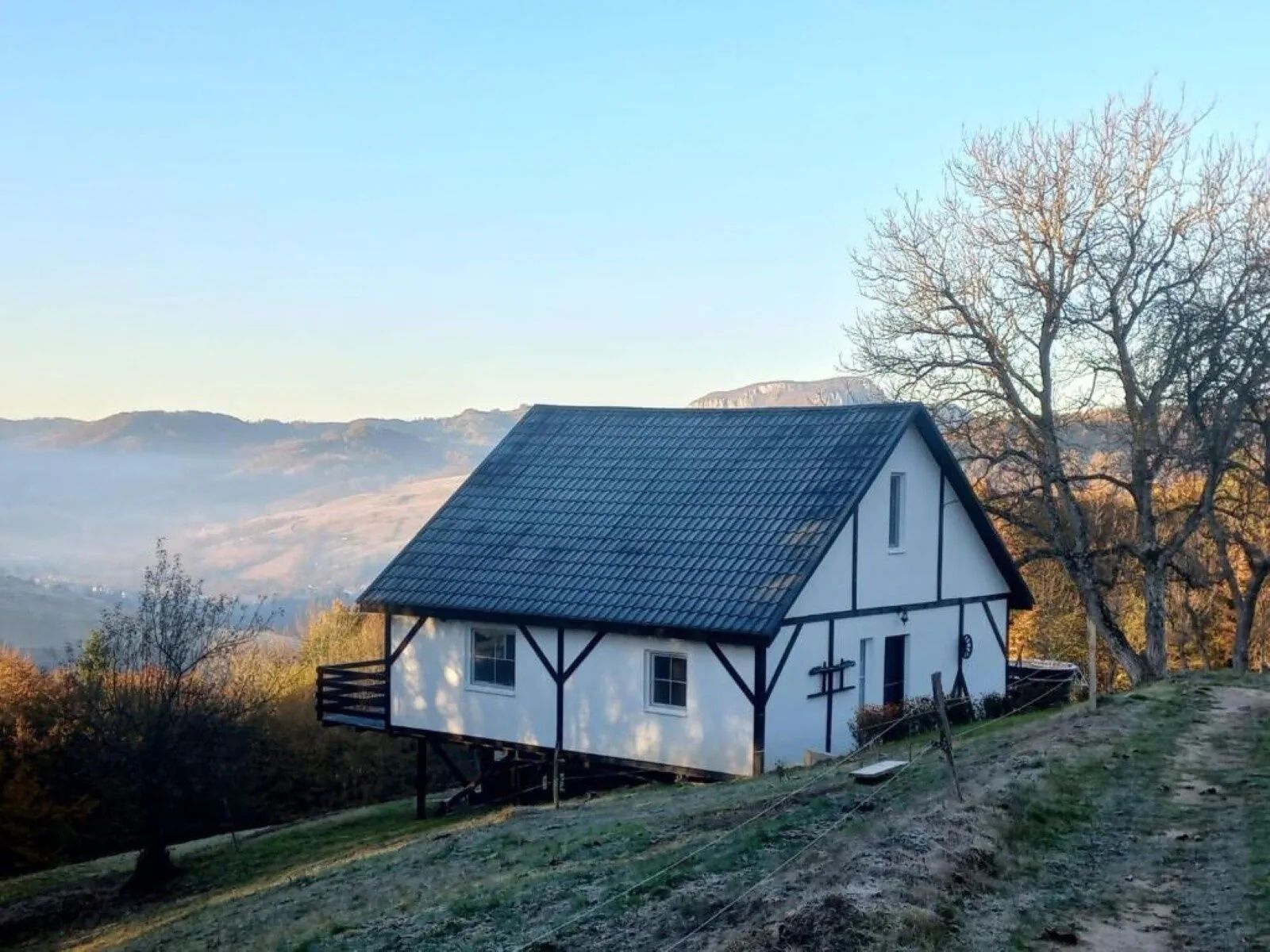
Cabana Mountain Sanctuary Holiday Roșia Montană
De la Cetatea Alburnus Maior puteți porni într-o călătorie prin istoria și natura zonei Roșia Montană. Cabana Mountain Sanctuary Holiday, o cabană clasică situată în Comuna Roșia Montană, reprezintă punctul dumneavoastră de plecare pentru explorarea acestor locuri încărcate de semnificație. Vă punem la dispoziție facilități care fac șederea plăcută și relaxantă. Beneficiați de Wi-Fi gratuit și parcare privată gratuită, iar în curtea mare și grădina amenajată vă puteți bucura de aer liber și liniște. Pentru cei mici există un loc de joacă la exterior, astfel încât întreaga familie să se simtă bine. Activitățile în aer liber sunt la îndemână în fiecare zi. Puteți practica pescuitul în apropiere, puteți urma drumeții montane și trasee în natură prin Munții Metaliferi sau Carpații Apuseni. După o zi de explorare, vă relaxați în ciubărul din lemn tradițional, într-un cadru autentic. Pentru momente de socializare în aer liber, aveți la dispoziție grătar sau barbeque și un ceaun pentru gătit în aer liber. De asemenea, puteți vizita Muzeul Mineritului Aurifer Roșia Montană și Casa memorială Avram Iancu, descoperind astfel patrimoniul cultural al zonei. Vă așteptăm la Cabana Mountain Sanctuary Holiday Roșia Montană.
FROM
270 lei per night

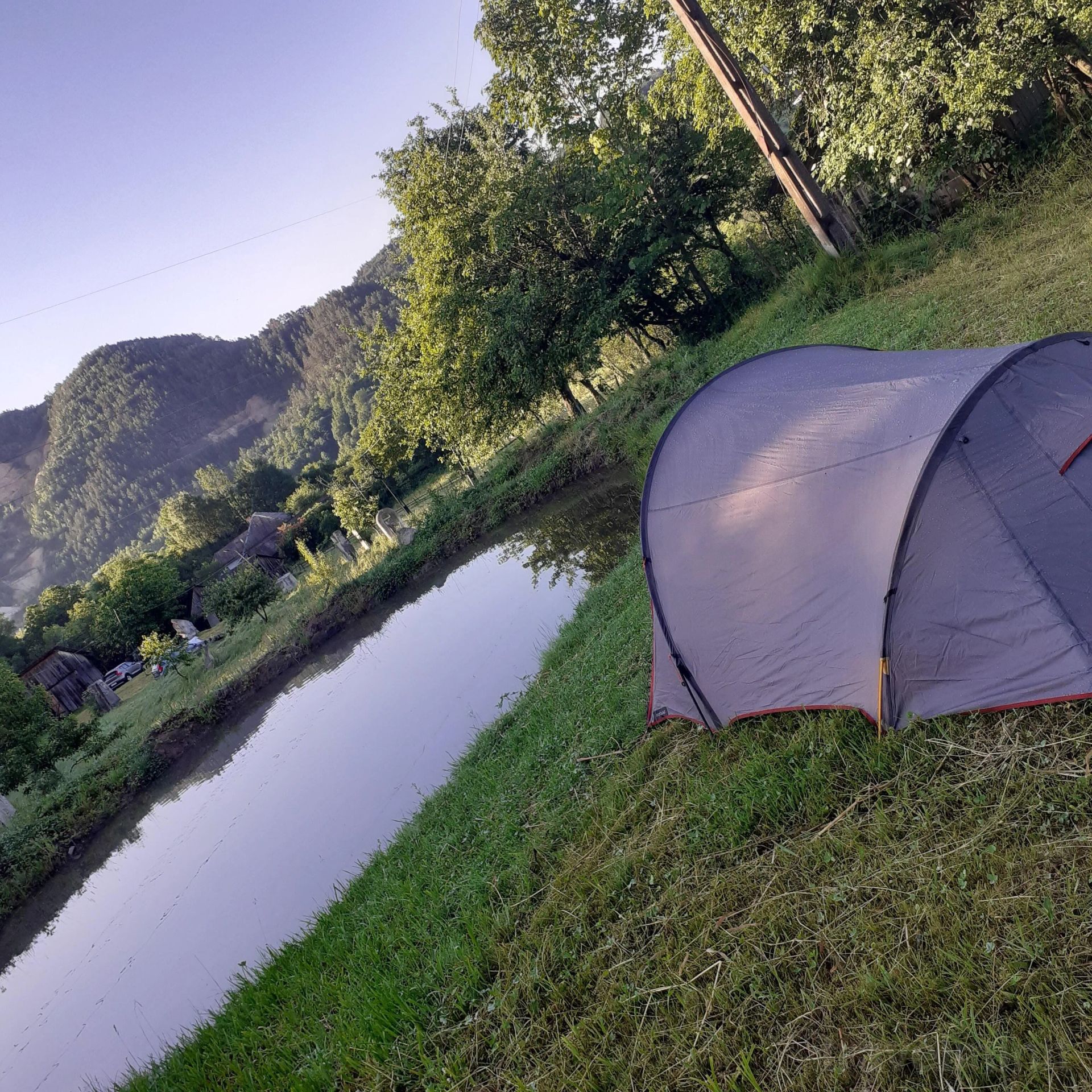
Holiday home · 3 stars
Comuna Roșia Montană, Alba County · 1.3 km
Rural Romanian Camping Roșia Montană
Comfort, relaxation and stunning views, all just steps away from the main attractions.
FROM
280 lei per night
Cabin · 3 stars
Abrud, Alba County · 3.1 km
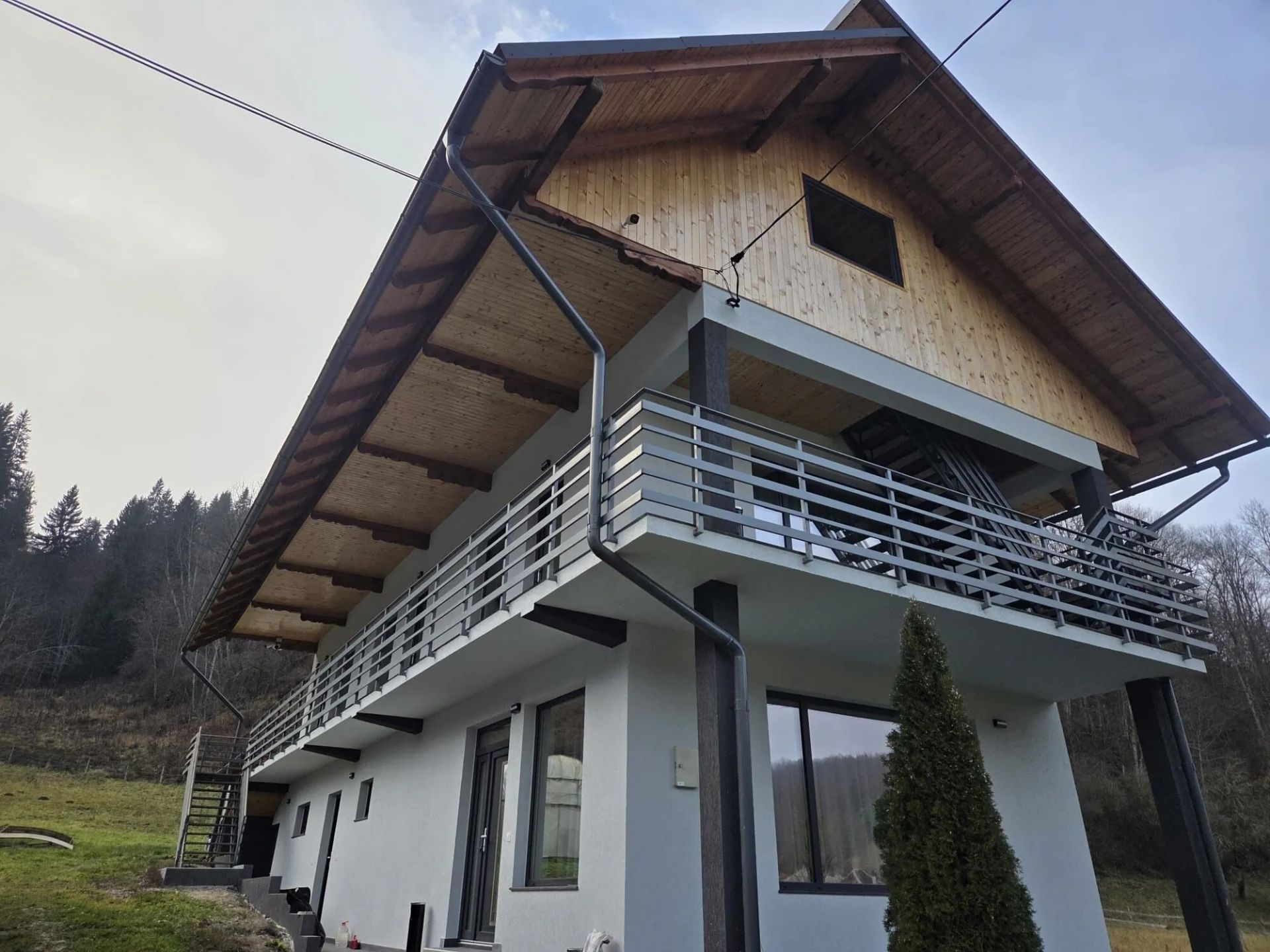
Cabana Ferma Grozea Abrud
Comfort, relaxation and stunning views, all just steps away from the main attractions.
FROM
270 lei per night
Guesthouse · 3 stars
Bucium-Sat, Alba County · 4.2 km
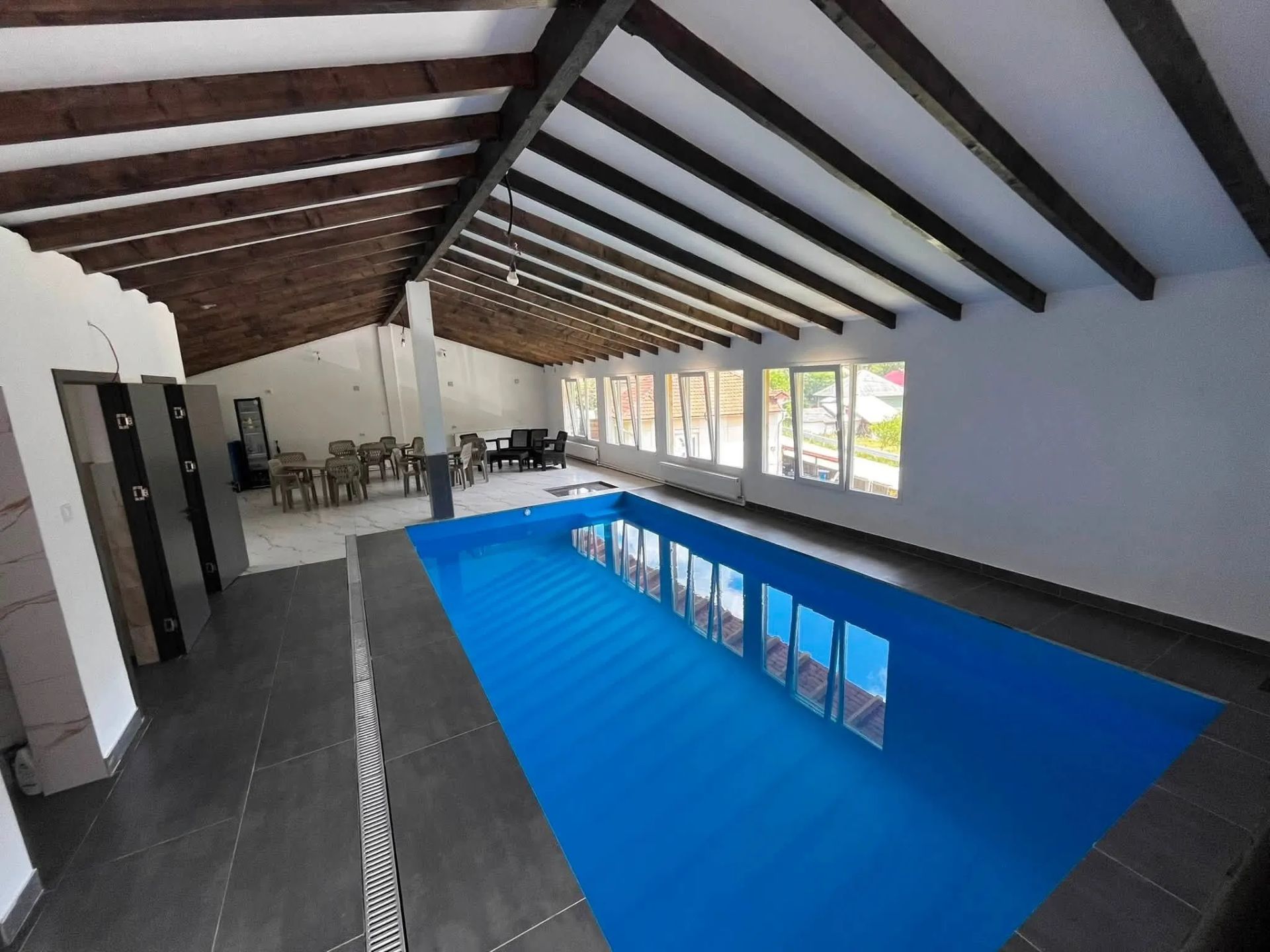
Pensiunea Dariana Bucium-Sat
O dimineață petrecută pe terasa la soare și o seară în jurul vetrei de foc în aer liber descriu perfect o zi la Pensiunea Dariana din Bucium-Sat, județul Alba. Pensiunea pune la dispoziția dumneavoastră Wi-Fi gratuit, parcare privată gratuită și un depozit pentru bagaje, astfel încât să vă simțiți confortabil de la sosire. Curtea mare și grădina amenajată oferă un spațiu generos pentru relaxare, iar foișorul, grătarul și ceaunul pentru gătit în aer liber sunt ideale pentru seri petrecute împreună cu cei dragi. Pentru momente de destindere după o zi activă, aveți la dispoziție un ciubăr din lemn tradițional și o cadă cu hidromasaj. Cei mici se pot distra în siguranță la locul de joacă amenajat în exterior, iar fiecare cameră beneficiază de baie proprie. În apropiere puteți vizita Cetatea Alburnus Maior, Muzeul Mineritului Aurifer Roșia Montană și Casa memorială Avram Iancu, puteți explora Munții Metaliferi sau vă puteți bucura de peisajele spectaculoase ale Carpaților Apuseni. Această unitate este potrivită pentru familiile cu copii, grupurile de prieteni și toți cei care caută liniște, aer curat și natură într-o zonă montană autentică, departe de aglomerația urbană.
FROM
240 lei per night
Guesthouse · 3 stars
Bucium, Brașov County · 5.4 km
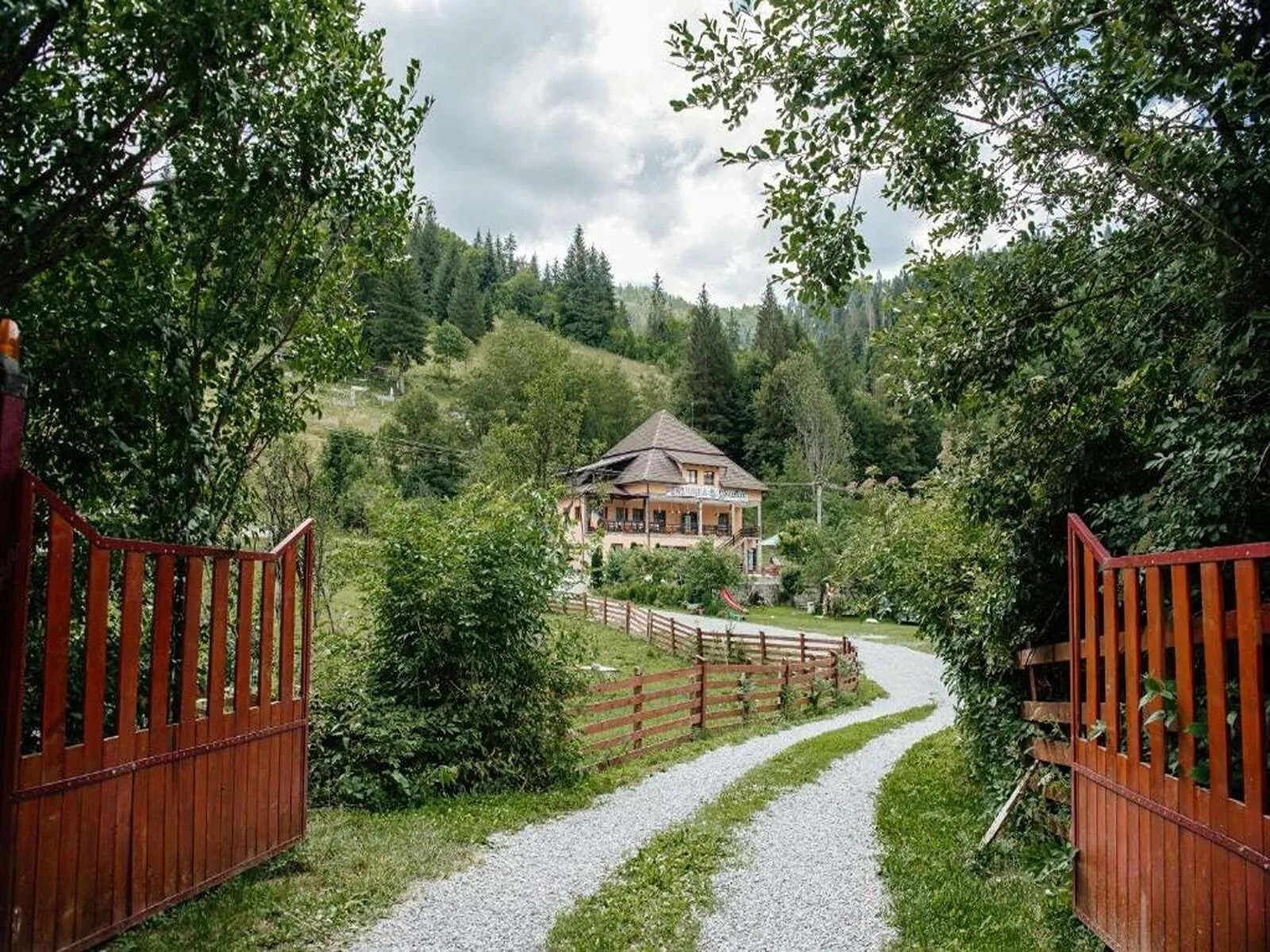
Pensiunea Casa Motilor Bucium
Restaurantul în incintă al Pensiunii Casa Motilor Bucium, o pensiune turistică de 3 stele din localitatea Bucium, reprezintă un punct forte pentru oaspeți, oferind mese preparate în propria bucătărie. Pe lângă restaurant, aveți la dispoziție un grătar pentru preparate la foc deschis, Wi-Fi gratuit în toate zonele și parcare privată gratuită pentru vehiculul dumneavoastră. În exterior, o grădină, o terasă și un lounge comun vă invită să vă relaxați, iar fiecare cameră este echipată cu televizor cu ecran plat, baie privată cu articole de toaletă incluse, dulap pentru haine, lenjerie de pat și prosoape proaspete. Toate unitățile oferă vedere spre munte și dispun de o zonă de relaxare confortabilă, iar în fiecare dimineață vă așteaptă un mic dejun continental servit zilnic. În împrejurimile pensiunii puteți explora Cetatea Alburnus Maior, Munții Metaliferi, Muzeul Mineritului Aurifer Roșia Montană, Munții Trascăului și Casa memorială Avram Iancu. În Bucium și în zonă puteți desfășura diverse activități, printre care hiking. Accesul la Pensiunea Casa Motilor Bucium se realizează prin Transapuseana, iar parcarea privată gratuită vă așteaptă direct în incintă.
FROM
240 lei per night
Guesthouse · 3 stars
Gura Izbitei, Alba County · 6.8 km
Pensiunea Giulia Gura Izbitei
În curtea mare și grădina amenajată a Pensiunii Giulia din Gura Izbitei, județul Alba, vă așteaptă un refugiu liniștit, cu fiecare cameră oferind balcon și vedere spre împrejurimile pitorești ale zonei. Toate unitățile de cazare dispun de baie privată cu duș sau cadă și TV prin cablu, iar accesul Wi-Fi este gratuit în întreaga clădire. Pentru momente de relaxare în aer liber, aveți la dispoziție o vatră de foc sau șemineu, grătar, barbeque și ceaun pentru gătit în curtea largă. Parcare privată gratuită este disponibilă, iar pentru cei mici există un loc de joacă în exterior, scaun înalt și pătuț pentru bebeluș. În vecinătate puteți descoperi Cetatea Alburnus Maior, Muzeul Mineritului Aurifer Roșia Montană și Casa memorială Avram Iancu, iar Munții Metaliferi și Munții Trascăului oferă peisaje spectaculoase pentru drumeții, explorare și descoperirea naturii sălbatice. Seara, după o zi petrecută vizitând atracțiile din zonă, vă puteți retrage în grădină pentru a savura liniștea serii lângă șemineul în aer liber, într-un cadru natural deosebit.
FROM
240 lei per night
BEFORE YOU HIT THE ROAD
Weather conditions in Alba
Local forecast for Alburnus Maior Fortress, Alba, Alba

Real-time updated weather data
Much more to explore in this area
Nearby tourist attractions


Alba, Alba County
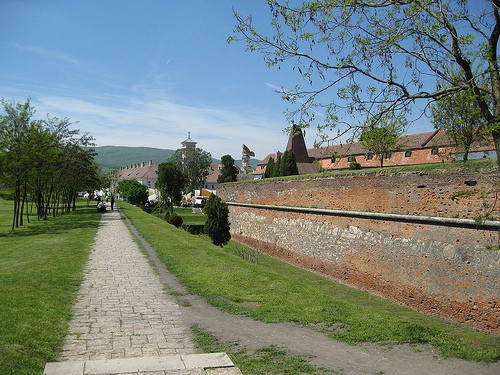
Alba Carolina Citadel
Aflata in partea de sud-vest a cetatii Alba Iulia; se numara printre cele sapte minuni ale Romaniei;considerata cea mai reprezentativa fortificatie bastionara...
43.0 km

Baile, Bihor County
Apuseni Natural Park
Situat in vestul Romaniei, in partea central-nord-vestica a muntilor Apuseni; se intinde pe teritoriul a trei judete: Bihor (32%), Alba (28%) si Cluj (40%);...
44.7 km
Alba, Alba County
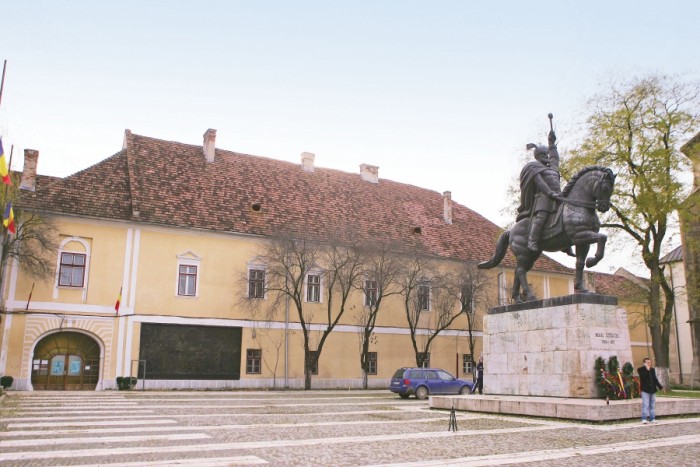
Princely Palace (Voivodal Palace of Alba Iulia)
Este situat in vecinatatea Catedralei Romano-Catolice, localitatea Alba-Iulia, a fost construit in secolul al XV-lea, avand rolul de resedinta a principilor...
42.8 km
Alba, Alba County
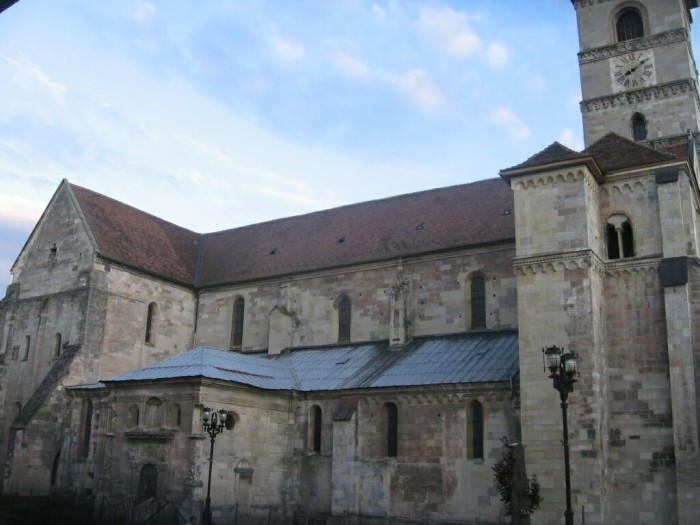
St. Michael's Roman Catholic Cathedral in Alba Iulia
Situata in interiorul cetatii Alba Iulia;a fost ridicata in secolul al-XIII-lea si a suferit mai multe lucrari de-a lungul timpului; este unul din cele mai...
42.9 km
Hunedoara, Hunedoara County
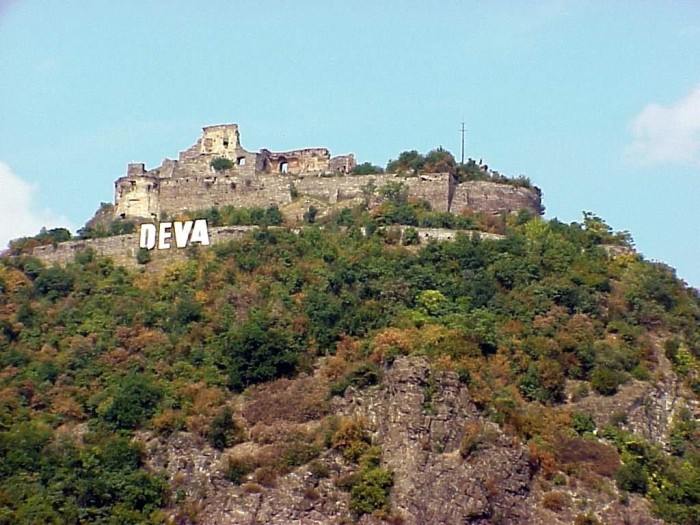
Deva Fortress
Situata pe Dealul Cetatii, municipiul Deva; construita in secolul al XIII-lea, pe locul unei locuinte dacice de tip oppidium; a fost mentionata documentar sub...
48.8 km

11.1 km
24.3 km
24.3 km
29.1 km
36.9 km
37.8 km

Alba, Alba County
National Union Museum in Alba Iulia
Situat pe strada Mihai Viteazul, nr. 12 - 14, municipiul Alba Iulia; se numara printre cele mai importante institutii muzeale din Romania, atat din punct de...
42.9 km
Cultural life and traditions
Events in the Alburnus Maior Fortress area
Medieval festivals, traditional fairs, concerts and local activities recommended in Transylvania.

Heritage and History

Alba, County of Alba
The Festival of Medieval Fortresses and the Open Doors Days
Guided night tours, traditional crafts workshops and historical re-enactments featuring knights and ladies.
WHEN
May 15-17, 2026


Traditions and Cuisine
Alba, County of Alba
The Fair of Saxon Traditions and Local Cuisine
Discover local producers, traditional Saxon pastries baked in a wood-fired oven, artisanal syrups, and rhubarb jam.
WHEN
Every weekend (May - October)

Ecotourism and Nature
The hills of Transylvania, County of Alba
Guided Hikes on the Transylvanian Hills Trail
Take excursions along unmarked trails through ancient meadows, centuries-old oak trees, and villages with fortified churches that are UNESCO World Heritage sites.
WHEN
Friday – Sunday (Season 2026)
On foot, exploration gains depth
Discover the surroundings and local geography
Explore the trails, terrain, and natural landmarks around Alburnus Maior Fortress.

Guides and practical tips
Useful travel articles
Travel guides, practical recommendations and tourist itineraries for Transylvania.

Tourist guide
Top 5 Atracții Turistice și Trasee Montane în Zona Moieciu - Bran
Descoperă cele mai spectaculoase peisaje carstice, chei adânci și cetăți medievale din imediata apropiere a stațiunii Moieciu.

Tourist guide
Ghid de Drumeție: Traseul Moieciu de Sus spre Platoul Bucegi
Un itinerariu montan de o frumusețe rară ce urcă din Valea Băngăleasa spre Poiana Guțanu și crestele maiestuoase ale Bucegilor.

Tourist guide
Castelul Bran: Istorie, Legende și Secrete Medievale
Află adevărata poveste a fortăreței medievale din Pasul Bran, reședința de suflet a Reginei Maria a României.
THE JOURNEY STARTS WITH AN IDEA
The next story is on the way.
From the first stop to the last stay, make room for a new Romania.
