


CASTLE · BUKOVINA
Suceava Princely Fortress

Suceava, Suceava County
Add location to your trip planner.
Practical access information

VISITING HOURS
Check the local visiting schedule

TICKET PRICE
Information available at the cashier's desk

RECOMMENDED VISIT DURATION
1-2 hours
Sources and external references
Wikipedia Encyclopedia (EN)
Visitor information and guide
 Navigate with Google Maps

ABOUT SUCEAVA PRINCELY FORTRESS
Captivating Introduction and Universal Heritage Significance
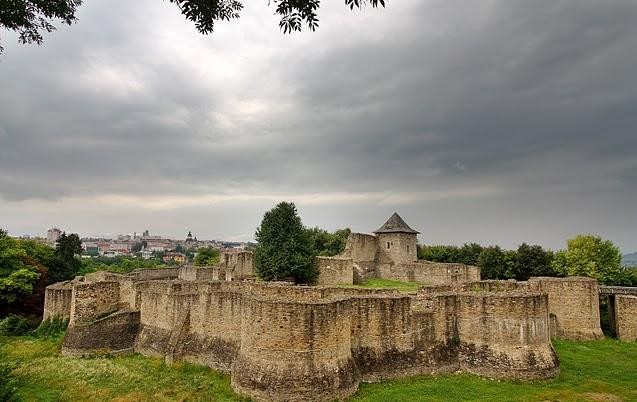
Built in the late 14th century on a hill spur that majestically dominates the Suceava River valley, on the eastern edge of the city of Suceava in northeastern Romania, the Suceava Princely Fortress represents one of the most impressive achievements of medieval military architecture in Eastern Europe. Situated approximately 70 meters above the river floodplain, at coordinates 47°38′27″ north latitude and 26°16′21″ east longitude, this fortification served for nearly two centuries as the primary residence of the rulers of Moldavia, witnessing pivotal moments in European history and symbolizing the resistance of a nation positioned at the frontier between the Christian world and the expanding Ottoman Empire.
The name Princely Fortress (Cetatea de Scaun) derives from the medieval term scaun, meaning throne or princely residence, and was preferred over Suceava Fortress to distinguish it from the Western Fortress (Cetatea Șcheia), the second fortification built by the same founder in the city. In foreign languages, the monument is known by various names reflecting its international perception: in English as Suceava Princely Fortress or Medieval Seat Fortress of Suceava, in German as Der Fürstensitz von Suceava, Die Fürstenburg von Suceava, or Festung Suczawa, and in Polish as Suczawa twierdza. This linguistic diversity already suggests the monument’s European significance, having attracted the attention of travelers, diplomats, and historians from across Europe over the centuries.
The universal value of the Suceava Princely Fortress lies not only in its impressive dimensions and remarkable state of preservation but, above all, in the fact that it represents the only fortification in Romanian history never conquered by force of arms. For nearly 300 years, between 1388 and 1675, its walls withstood Ottoman sieges led by sultans themselves, Polish attacks by kings such as John Albert, and numerous conquest attempts by neighboring powers. This invincibility transformed the fortress into a symbol of national resistance and dignity, as well as a fundamental landmark of European cultural heritage, placing it alongside other bastions of Christendom such as Belgrade, Vienna, or Rhodes in the grand narrative of medieval Europe’s defense.
Historical Roots and Connections with Europe’s Great Empires
The history of the Suceava Princely Fortress is deeply rooted in the geopolitical context of the late Middle Ages, bearing witness to dynastic alliances, imperial conflicts, and high-level diplomacy that shaped the destiny of the entire continent. The fortress’s construction is inseparably linked to the figure of Voivode Petru II Mușat (1375–1391), one of the most visionary founders in Moldavia’s history, who decided to move the principality’s capital from Siret to Suceava in 1388. This strategic decision was accompanied by a marriage alliance of European significance: Petru Mușat was married to the sister of King Władysław II Jagiełło of Poland (1386–1434), founder of the Jagiellonian dynasty, which ruled Poland and the Grand Duchy of Lithuania for two centuries, forming one of the most powerful dynastic unions in Central European history.
The first documentary mention of the fortress dates to February 10, 1388, when Petru Mușat issued a document requesting a loan of 3,000 silver rubles from the King of Poland, offering the province of Pokuttya as collateral. The document concludes with the text: "...And the charter was written in the Fortress of Suceava, on Monday, in the first week of Lent, under our seal, in the year of our Lord 1388." This mention demonstrates not only the existence of a solid fortification but also its role as a center of princely administration and international diplomacy, reflecting the practices of European chanceries of the time. In 1387, Petru Mușat paid homage to King Władysław Jagiełło in Lviv, entering the system of alliances of Central Europe, and in 1390, in Radom, Lublin, and Suceava, a military alliance was concluded between Poland, Moldavia, and Wallachia against the King of Hungary, Sigismund of Luxembourg, representative of the Luxembourg dynasty that controlled the Holy Roman Empire. This positioning places the Suceava Princely Fortress at the center of a complex network of European interests, at the intersection of Byzantine influences, Western Latin influences, and the growing pressure of the Ottoman Empire.
Modern archaeological research has confirmed that the first fortified construction dates to the reign of Petru Mușat, with no earlier fortifications on the site. The voivode cleared a patch of forest by burning to build the castle, which took the form of a regular quadrilateral with east and west sides of 40 meters and south and north sides of 36 meters. The walls were approximately 2 meters thick, built of rough stone with a filling of stone bound with mortar, crushed brick, and oak beams to prevent cracking, techniques similar to those used in Crusader fortifications in Central Europe. At each corner and in the middle of each side stood square defensive towers (bastions) with 4-meter sides. On the eastern side, 4 meters from the walls, a defensive ditch approximately 10 meters deep was dug. The entrance was through a semicircular gate on the southern side, and inside were the guardroom, vaulted cellars, the voivode’s chamber, the lady’s chamber, the princely bath, a food storage room, a chapel, and a prison.
The Era of Stephen the Great and the Revolution in European Military Architecture
The period of greatest splendor and importance for the Suceava Princely Fortress coincides with the reign of one of the greatest voivodes of medieval Europe: Stephen the Great (1457–1504). He understood better than any other ruler the necessity of building fortified structures to defend the Principality of Moldavia from attacks by the Turks, Tatars, Hungarians, and Poles, transforming the Suceava Fortress into one of the most impressive defensive systems of its time, comparable to the royal fortifications of Hungary under Matthias Corvinus or the Crusader fortresses in Poland.
The construction of the enclosure wall by Stephen the Great took place in two distinct stages, reflecting the evolution of European military techniques. In the first stage, before 1476, a 1.5-meter-wide enclosure wall was built 20–25 meters from the Mușat fortress wall, reinforced with three square towers at the northwest, southwest, and southeast corners. The wall stood 15 meters high from the bottom of the defensive ditch and was equipped with crenellations for firing. On the eastern side, a counterscarp was built to prevent the ditch from collapsing.
The decisive moment in the fortress’s history came in the summer of 1476, when Ottoman forces led by Sultan Mehmed II, the conqueror of Constantinople in 1453, besieged the Suceava Fortress. After the Battle of Războieni (Valea Albă) on July 26, 1476, where Stephen the Great suffered a tactical defeat, the Ottoman army advanced toward the Moldavian capital. However, the fortress garrison, led by Hetman Șendrea, Stephen’s brother-in-law, defended itself heroically, and according to the Polish chronicler Jan Długosz, the Ottoman forces were forced to retreat. This siege demonstrated the vulnerability of square walls and towers to iron cannonballs, prompting Stephen the Great to undertake extensive modernization works inspired by the Italian military architecture of the Renaissance, known as trace italienne, which had revolutionized fortifications in Urbino, Ferrara, and the Papal States.
In the second stage, after 1476, the voivode added a second enclosure wall 2 meters thick, which merged with the Mușat fortification wall on the northern side. The new enclosure wall, at least 3.5 meters thick, was equipped with seven semicircular bastions: one each on the northwest, southwest, south, southeast, and northeast sides, and two on the eastern side. These semicircular bastions represented innovations in European military architecture, designed to withstand artillery fire and allow firing positions for cannons, resembling fortifications in northern Italy or Renaissance France. The three square bastions from the first stage were retained and doubled with semicircular walls. In September 1477, Stephen the Great placed an inscription with the Moldavian coat of arms to commemorate the restoration works, fragments of which were found in 1971. The defensive ditch was significantly widened and extended on the southern and western sides, and the entrance to the fortress was moved to the northeast side, where a bridge with fixed and movable sections was built, supported by two pillars, followed by a trap for enemies and two guardrooms.
Stephen the Great’s European connections were also reflected in his sophisticated diplomacy. In 1476, the first permanent diplomatic representative of a major European power arrived at the court of a Romanian voivode in Suceava: Emanuele Gerrardo, envoy of the Republic of Venice. Venice, at war with the Ottomans since 1463, considered Stephen its main ally in the anti-Ottoman struggle. After the victory at Vaslui on January 10, 1475, Pope Sixtus IV (1471–1484) named Stephen the Great Athleta Christi (Champion of Christ), an honorary title previously awarded to John Hunyadi and his son, Matthias Corvinus, King of Hungary. This papal title placed Moldavia and its voivode in the front line of the Christian struggle against Ottoman expansion, recognizing him as a defender of Christian Europe, akin to the Teutonic Knights or the Knights of the Order of St. John.
Stephen the Great maintained intense diplomatic relations with the Kingdom of Hungary, concluding an alliance treaty with King Matthias Corvinus in 1475, as well as with Poland, the Papal States, and even the Grand Duchy of Moscow under Ivan III. In the Hall of Voivodes at the Suceava History Museum, a symbolic reconstruction of a diplomatic meeting is preserved, where representatives of six states with which Moldavia had the closest ties are gathered before Stephen the Great: Wallachia, Poland, Hungary, Venice, Kievan Rus’, and the Ottoman Empire. This image perfectly illustrates Moldavia’s position as a first-rank geopolitical actor in Eastern Europe.
The fortress successfully withstood another Ottoman siege in 1485 and the most dangerous attack by the Kingdom of Poland between September 26 and October 19, 1497, when King John Albert (Jan Olbracht) led an army of approximately 60,000–80,000 soldiers, including 5,000–10,000 fully armored nobles. The defense of the fortress was entrusted to Hetman Luca Arbore, who resisted heroically for three weeks until Stephen the Great’s army encircled the Polish forces. In the Battle of the Cosmin Forest on October 26, 1497, the Moldavians nearly annihilated the Polish army, considered one of Stephen the Great’s greatest victories and a turning point in Moldo-Polish relations, comparable to the battles of Grunwald or Mohács in terms of their impact on the balance of power in Central Europe. After this victory, Stephen was referred to by foreign chroniclers as the King of Moldavia and Captain of Venice, while the French writer Blaise de Vigenère described him as "the bravest and most renowned military commander of his time."
An Architectural Masterpiece and European Cultural Synthesis
The Suceava Princely Fortress represents a remarkable example of medieval military architecture, blending Gothic, Renaissance, and Byzantine influences with elements specific to the Ottoman tradition, reflecting Moldavia’s geographical and cultural position at the crossroads of major trade routes and empires of the time. The complex consists of two concentric enclosures: the inner Mușat fortress, with a rectangular plan, and the outer enclosure wall built by Stephen the Great, forming a complex defensive system comparable to the royal fortresses of Kraków or Buda.
The Mușat fortress, with sides of 36–40 meters and walls approximately 1.5–2 meters thick, features a wide inner courtyard surrounded by rooms with various functions. On the eastern side, which had three stories, were the princely apartments of the voivode and his family, a food storage room, and a chapel with Byzantine-style frescoes, accessible via a spiral stone staircase. The windows of the princely chambers were larger, with stone frames sculpted in the late Gothic style, similar to those at the Old Princely Court in Bucharest or the Wawel Castle in Kraków. On the western side, at basement level, was an extensive cellar in the form of a hall, divided into two naves by massive rectangular pillars connected by semicircular arches, while on the ground floor extended the Princely Council Hall, with Gothic and Renaissance-style consoles, including keystones bearing the Moldavian coat of arms (the aurochs head with a five-pointed star between its horns, framed by a rosette and a crescent). On the southern side were the princely bath, designed with Byzantine and Ottoman influences, and a prison in the tower at the middle of the southern wall. The northern side had no rooms, featuring only the enclosure wall and the fortress wall with square bastions.
The outer enclosure wall, built by Stephen the Great in two stages, features seven semicircular bastions, representing an adaptation to the European military techniques of the time, inspired by Italian and French Renaissance fortifications known as trace italienne. On the eastern side of the walls, a gunpowder storage room (powder magazine) was built during Stephen’s reign, and on the southern side, an execution site was established. The defensive system was completed by a wide and deep defensive ditch, an access bridge with fixed and movable sections, a counterscarp on the eastern side, and an artificial defensive embankment on the western and southwestern sides.
The architectural decoration of the fortress reflects the European cultural synthesis: the rooms had tiled stoves decorated with geometric motifs, Moldavian coats of arms, fantastical animals, and mythological figures, combining local decorative motifs with those from Central Europe. Externally, the walls were decorated with rows of ornamental discs and buttons. During the restorations by Vasile Lupu in the 17th century, the stoves were clad with Iznik tiles (imported from the Ottoman Empire through Levantine trade) and stove tiles of Lithuanian and Polish influence, demonstrating the cultural openness of the Moldavian court toward the great artistic centers of Europe and reflecting the Baroque era’s fashion for luxury and Oriental exoticism.
Decline, Destruction, and Revival under Habsburg Rule
After the death of Stephen the Great in 1504, the history of the fortress experienced a period of dramatic fluctuations, reflecting the political instability of Moldavia and the increasing pressure of the Ottoman Empire, similar to the decline of other fortifications in the Balkans, such as those in Serbia or Bulgaria. In 1538, an impressive Ottoman army of 150,000–200,000 soldiers led by Sultan Suleiman the Magnificent invaded Moldavia. Although the fortress garrison initially resisted, Moldavian boyars dissatisfied with the authoritarian policies of Voivode Petru Rareș decided to surrender the fortress to the sultan. On September 14, 1538, Suleiman the Magnificent entered the fortress with great pomp, without encountering resistance, and appointed Ștefan Lăcustă, a nephew of Stephen the Great, as voivode. As the chronicler Macarie noted: "The barbarian army waged cruel war against Moldavia, plundering homes and rejoicing in spoils. Then even the most beautiful fortress of Suceava submitted to the Turks and, like a decorated bride, was shamed as a slave..."
In 1565, at the request of the Turks who had placed him on the throne, Voivode Alexandru Lăpușneanu moved Moldavia’s capital from Suceava to Iași and was forced to demolish all fortresses so that the country would be unable to defend itself. As the chronicler Grigore Ureche recounted: "fulfilling the emperor’s command, he filled the fortresses with wood and set them ablaze, so they burned and crumbled." Although the Princely Fortress survived this fire, it entered a long period of decline, similar to the ruins of other medieval castles abandoned in Europe after the emergence of permanent national armies.
The fortress experienced a final period of splendor during the reign of Vasile Lupu (1634–1653), who undertook extensive restoration works in the Baroque style, influenced by the Italian and Polish architecture of the time. The brick walls were rebuilt, the inner courtyard was surrounded by a loggia supported by brick pilasters, the cellars on the western side were renovated, and the fortress stoves were clad with Iznik tiles (high-quality Ottoman ceramics) and stove tiles of Lithuanian influence, reflecting the cultural openness of the Moldavian court toward Europe’s great artistic centers. On the southern side, a chamber for the voivode’s bathing was built, and a prison was established in the tower at the middle of the southern side of the Mușat fortress.
In 1653, the fortress was defended by the Cossacks of Timuș Khmelnytsky, son-in-law of Vasile Lupu, during the struggles for the throne between the forces of Voivode Vasile Lupu and those of Logothete Gheorghe Ștefan. The fortress suffered severe damage, and the Cossack hetman was mortally wounded beneath its walls on September 15, 1653. Eustratie Dabija (1661–1665) installed a mint in the fortress, which operated between 1662 and 1668, issuing the last Moldavian coins and reflecting the principality’s economic autonomy before the increasing Ottoman domination.
The fortress’s definitive destruction came in 1675, when, by order of the Ottoman Porte, Voivode Dumitrașcu Cantacuzino (1673, 1674–1675) was forced to demolish the fortification. As the chronicler Nicolae Costin recounted: "...and placing gunpowder beneath the fortress walls, they blew them up from their foundations. Only the Suceava Fortress, unable to be destroyed with gunpowder, was filled with wood and straw, then set ablaze. And thus, weakened by the great heat, the fortress walls crumbled." In 1684, the entire northern side of the fortress collapsed in a powerful earthquake, including "the great tower of Suceava Fortress, called the Nebuisa Tower." For over two centuries, the fortress remained in ruins until the late 17th century, when Polish troops under King John III Sobieski occupied Suceava in 1691, establishing their headquarters at Zamca Monastery. In 1700, the Polish envoy Rafał Leszczyński noted that only the ruins of the Princely Palace remained in Suceava.
The fortress’s revival is linked to Bukovina’s incorporation into the Habsburg Empire in 1775, following the Treaty of Küçük Kaynarca (1774) between Russia and the Ottoman Empire. On May 7, 1775, through the Austro-Ottoman Convention of Istanbul, northern Moldavia, including Suceava with the former capital of Moldavia, was ceded to the Habsburg Monarchy, becoming the Duchy of Bukovina (Herzogtum Bukowina). In this European context of the Enlightenment and Habsburg administrative modernization, at the beginning of the 20th century, the Austrian architect Karl Adolf Romstorfer (1854–1916), born in Salzburg and trained at the Vienna University of Technology, carried out the first systematic restoration works on the Suceava Princely Fortress, part of a broader European movement for the conservation of medieval heritage, similar to the restorations by Viollet-le-Duc in France or those in the German Empire. Between 1895 and 1904, Romstorfer conducted the first archaeological excavations, cleared the ruins, and consolidated parts threatened with collapse (1897–1903). He is the author of the first scientific monograph on the fortress, a fundamental work for the history of Central European military architecture.
Contemporary Revival and the Valorization of Living Heritage
In 1951, at the initiative of the Romanian Academy, the first school of medieval archaeology in Romania was organized, led by Professor Ion Nestor. These investigations definitively established the stages of the fortress’s construction and brought to light new information about daily life within its walls. Between 1961 and 1970, extensive works of protection, consolidation, and partial restoration were undertaken, preserving the chapel rebuilt by Stephen the Great and raising some walls by a few meters. A white line drawn on the exterior of the walls clearly demarcates the original ruins from those raised by restorers, an ethical practice in the conservation of historical monuments.
In 2004, on the occasion of the 500th anniversary of Stephen the Great’s death, new partial restoration works were carried out, and between 2011 and 2015, the entire complex was consolidated and completed as part of a vast project with European funding worth approximately 17 million euros, integrating modern conservation and presentation technologies similar to those used in the restoration of other UNESCO monuments in Europe. The fortress was reopened to the public on July 31, 2016, along with the History Museum in the city center, featuring an exceptional permanent exhibition that includes the most comprehensive collection of medieval weapons in Moldavia, the coats of arms of Moldavian voivodes and boyars from the 14th to 17th centuries, the medieval treasure of Moldavia, and a lapidarium that reconstructs the most complete image of the Princely Fortress. The exhibition features multimedia systems with medieval historical themes, video projections, the interactive medieval history book "Foreigners About Us," and the video projection "Chronicle of Suceava Fortress," offering visitors an immersive experience in the medieval European world.
Legends, Personalities, and Turning Points
Over the centuries, the Suceava Princely Fortress has inspired numerous legends and stories that enrich the perception of the monument, in the tradition of great European castles such as Bran Castle, Prague Castle, or Edinburgh Castle. One of the most famous legends tells of a secret tunnel built by Stephen the Great, which allegedly connected the fortress to the Princely Court or other fortifications in the area, allowing the voivode to escape in case of siege. According to tradition, when Stephen the Great exited through this tunnel, he placed a curse that anyone who entered after him would never leave alive. The legend says that in 1675, the servants of Dumitrașcu Cantacuzino, sent to verify if the curse was real, released cats into the tunnel for "inspection," but the animals never emerged alive. Modern archaeological research, including boreholes up to 22 meters deep conducted during recent restorations, has not confirmed the existence of extensive tunnels, but the discovery of overlapping stone cellars has fueled the collective imagination, similar to discoveries of secret passages at other European medieval fortresses.
The personalities who marked the fortress’s destiny form an impressive gallery of European historical figures. In addition to its founder, Petru Mușat, and its fortifier, Stephen the Great, the fortress hosted voivodes such as Alexandru cel Bun, Petru Rareș (who fled to Transylvania at Ciceu Fortress in 1538), Despot Vodă, Aron Vodă, Ștefan Răzvan, Ieremia Movilă, Vasile Lupu, Ștefan Petriceicu, and Dumitrașcu Cantacuzino. In May 1600, the fortress’s defenders opened its gates to Michael the Brave, achieving the first union of the Romanian Principalities. One of Michael’s captains, Ioan Kapturi, was appointed castellan of the fortress and swore allegiance to the new ruler on May 29, 1600. The fortress garrison was led over time by castellans (pârcălabi) such as Șendrea (Stephen the Great’s brother-in-law), Luca Arbore (who heroically defended the fortress in 1497), Iliaș, and Ponici.
A particularly tragic moment was the siege of 1653, when the Cossacks of Timuș Khmelnytsky, son-in-law of Vasile Lupu, defended the fortress against the forces of Gheorghe Ștefan. The Cossack hetman died mortally wounded beneath the fortress walls on September 15, 1653, and following this siege, mass graves containing 15 and 8 skeletons, respectively, were discovered, along with a coin dating the burials to that period, providing a poignant archaeological testimony to the violence of dynastic conflicts in Eastern Europe.
Practical Visitor’s Guide and the Contemporary Traveler’s Experience
The Suceava Princely Fortress is located at the end of Cetății Alley, in the eastern part of Suceava municipality, approximately 3–4 kilometers from the city center, on a hill spur overlooking the Suceava River valley. Access is easy by personal car, with parking available near the entrance, or by public transport to the fortress area, followed by a paved pedestrian path. The exact geographical coordinates are 47°38′27″ north latitude and 26°16′21″ east longitude.
The fortress is administered by the National Museum of Bukovina, headquartered at 33 Ștefan cel Mare Street, Suceava, phone +40 230 216 439, email [email protected]. The visiting schedule varies by season: from March to April, the fortress is open Tuesday to Sunday between 09:00 and 20:00 or 21:00; from May to August, the schedule extends to 22:00, and it is open seven days a week during the summer season; from October to February, the schedule is Tuesday to Sunday 09:00–17:00, with Monday closed. Guided tours are available daily between 10:00 and 18:00, with the last tour at 17:30, and evening video projections require separate booking. The audio guide is available through the Discover Romania app in Romanian, English, German, and Hungarian.
Admission fees for the fortress alone are: adults 21 RON, students with valid ID 5.3 RON, and seniors 10.5 RON. There are advantageous combined tickets: the Princely Fortress together with the History Museum or the Bukovina Village Museum costs 33.6 RON for adults, 16.8 RON for seniors, and 8.4 RON for students. A single ticket for all National Museum of Bukovina sites costs 72 RON for adults, 36 RON for seniors, and 18 RON for students. Tickets can be purchased on-site or online via the booktes.com platform, with all fees including the processing commission for online payments.
It is important to note that starting October 12, 2026, the Suceava Princely Fortress will temporarily close for visitation to carry out the specific works of the fourth restoration phase, an ambitious project approved by the Ministry of Culture and the Technical-Economic Council on February 10, 2026, which will radically transform how visitors perceive this fortress in the coming years. The reopening date will be announced in due course, depending on the progress of the works. While the fortress is closed, museum education projects and workshops for children and students will continue at the Custodian’s House.
A complete visit to the fortress requires a minimum of 2 hours to explore the permanent exhibition in the 15 thematic halls and the enclosure, extending to 3 hours if the nearby Bukovina Village Museum is included. This open-air museum, spread over 6 hectares, presents over 30 representative objectives of authentic Bukovinian rural architecture and life: traditional houses, farm annexes, craft workshops, and the wooden church from Vama. Two sites included in the single ticket are located in central Suceava: the History Museum, with rich collections of archaeology, numismatics, and medieval documents, and the Natural Sciences Museum.
The best time to visit is in summer (June–August), when the fortress is open until 22:00 and hosts evening video projection shows on its walls. Every year in August, the Stephen the Great Medieval Art Festival takes place at the Princely Fortress, the largest event of its kind in Romania, featuring medieval troops and orders from the country and abroad, offering knightly combat demonstrations, pyrotechnic and laser shows, medieval music and dance, archery, horseback stunts, and interactive activities for children. Between 2011 and 2019, nine editions of the Bucovina Rock Castle International Festival were held in the defensive ditch near the fortress walls, continuing since 2022 with a new festival, Suceava Rock Fortress, demonstrating the versatility of this historical space as a venue for contemporary cultural events.
A visit to the Princely Fortress can be complemented by exploring other major attractions in the area. Nearby is Zamca Monastery, fortified by King John III Sobieski in 1691. Within a one-and-a-half-hour radius of Suceava are the painted monasteries of Bukovina, included in the UNESCO World Heritage List: Voroneț (famous for its Voroneț Blue), Sucevița, Moldovița, and Humor, alongside Putna Monastery, the necropolis of Moldavia’s voivodes, and St. John the New Monastery, where the relics of Saint Voivode Stephen the Great are kept. Together with the Princely Fortress, these monuments form an ensemble of universal value that illustrates the remarkable contribution of Romanian culture to Europe’s heritage.
For foreign tourists, Suceava is accessible via Ștefan cel Mare International Airport (IATA code: SCV), located 12 kilometers east of the city, with regular flights to Bucharest and various European destinations, as well as by rail, being an important node on the Bucharest–Suceava–Chernivtsi line. The city offers accommodation facilities of various categories, from four-star hotels to traditional Bukovinian guesthouses, and local restaurants serve regional cuisine with influences from Polish, German, Ukrainian, and Ottoman gastronomy.
The experience of visiting the Suceava Princely Fortress goes beyond merely contemplating a historical monument. When you step onto the access bridge with its movable section, pass through the gates of the Mușat fortress, and enter the inner courtyard, you stand in the same space where voivodes, Venetian and Polish diplomats, Ottoman army captains, and sultans once walked, witnesses to moments that changed European history. The view from the fortress walls over the Suceava Valley, the Suceava Plateau, and the distant mountains evokes the strategic position of this fortification at the frontier between the Christian and Ottoman worlds, between Western and Eastern civilizations.
The Suceava Princely Fortress thus remains not only a monument of the past but a living place of European memory, where history continues to be written through conservation and valorization efforts, cultural festivals, and the presence of millions of visitors who, year after year, discover here an essential chapter in the continent’s history. It is a place where Europe’s past comes to life, inviting travelers to reflect on the resilience, diplomacy, and culture that defined the destiny of a nation at the edge of Europe.
Media gallery
Discover Suceava Princely Fortress in pictures

38 photos · Architecture, courtyards and captivating details


Image source: Wikimedia Commons · Public domain photos · Free license
STAY A FEW DAYS, DISCOVER THE MAGIC
Accommodation in the Suceava Princely Fortress area

Hotel · 4 stars

Suceava, Suceava County · 0.8 km
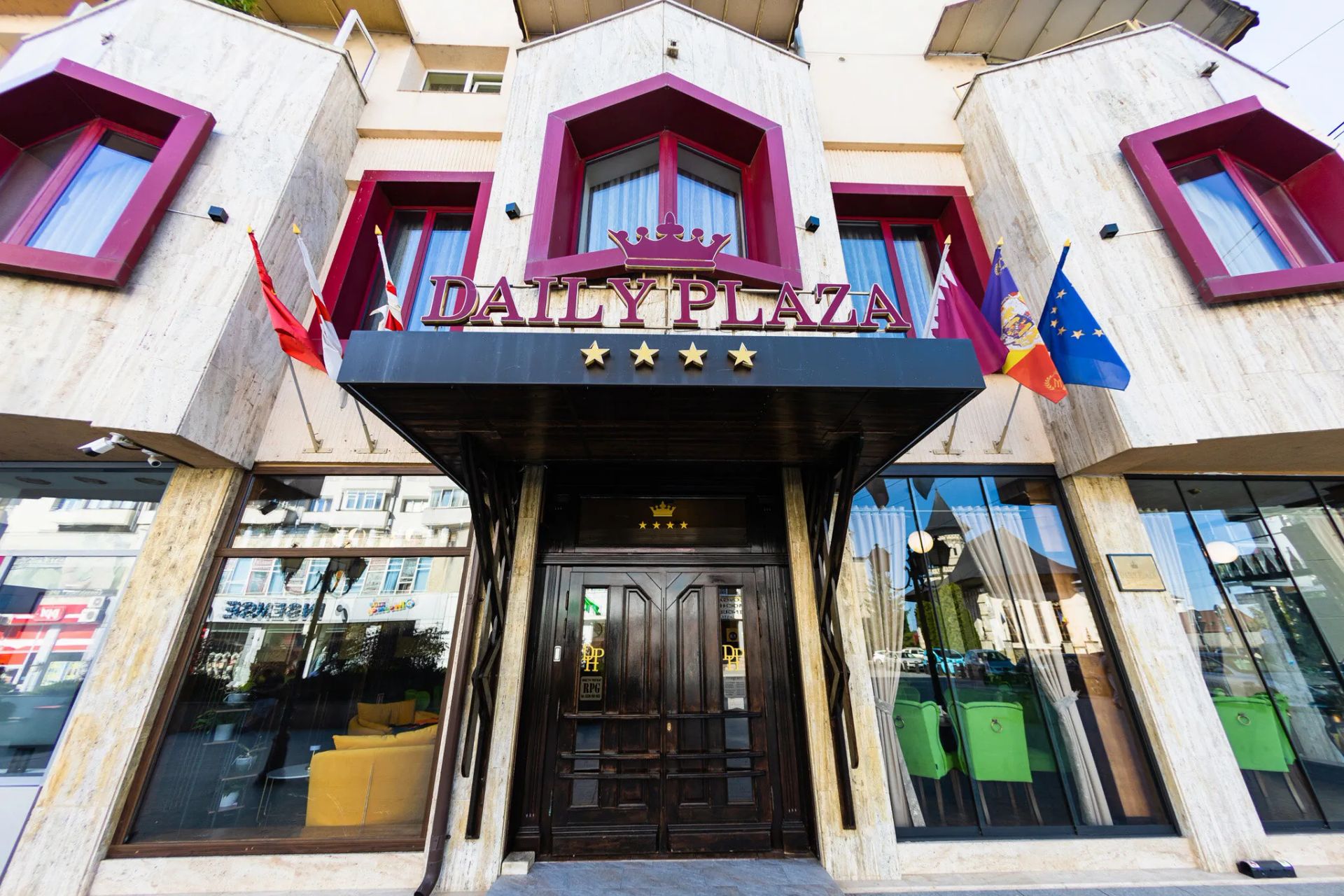
Daily Plaza Hotel Suceava
Clădirea în stil boutique din centrul Sucevei îmbină armonios istoria cu modernismul. Daily Plaza Hotel Suceava vă așteaptă într-un spațiu unde eleganța camerelor decorate cu grijă se completează cu ospitalitatea autentică, oferindu-vă un punct de plecare excelent pentru explorarea orașului. Beneficiați de Wi-Fi gratuit în toate spațiile, aer condiționat, minibar și televizoare cu ecran plat în fiecare cameră. De asemenea, aveți la dispoziție și transfer la și de la aeroport, precum și o sală de conferințe pentru întâlniri de afaceri. Restaurantul, cafeneaua și barul din incintă sunt locuri plăcute pentru relaxare, iar serviciul room service vă asigură confortul direct în camera dumneavoastră. Poziționarea în centrul orașului vă permite accesul facil către principalele atracții turistice. În apropiere se află Mănăstirea Sfântul Ioan cel Nou din Suceava, Cetatea de Scaun a Sucevei, Complexul muzeal Bucovina din Suceava, Muzeul Bucovinei din Suceava și Catedrala Nașterea Domnului din Suceava, astfel încât puteți explora cu ușurință toate aceste obiective pornind direct din hotel. Este alegerea potrivită pentru călătorii care doresc să viziteze monumentele istorice ale Sucevei și să se bucure de facilități moderne într-o locație centrală.
FROM
420 lei per night

Holiday villa · 4 stars
Suceava, Suceava County · 1.2 km
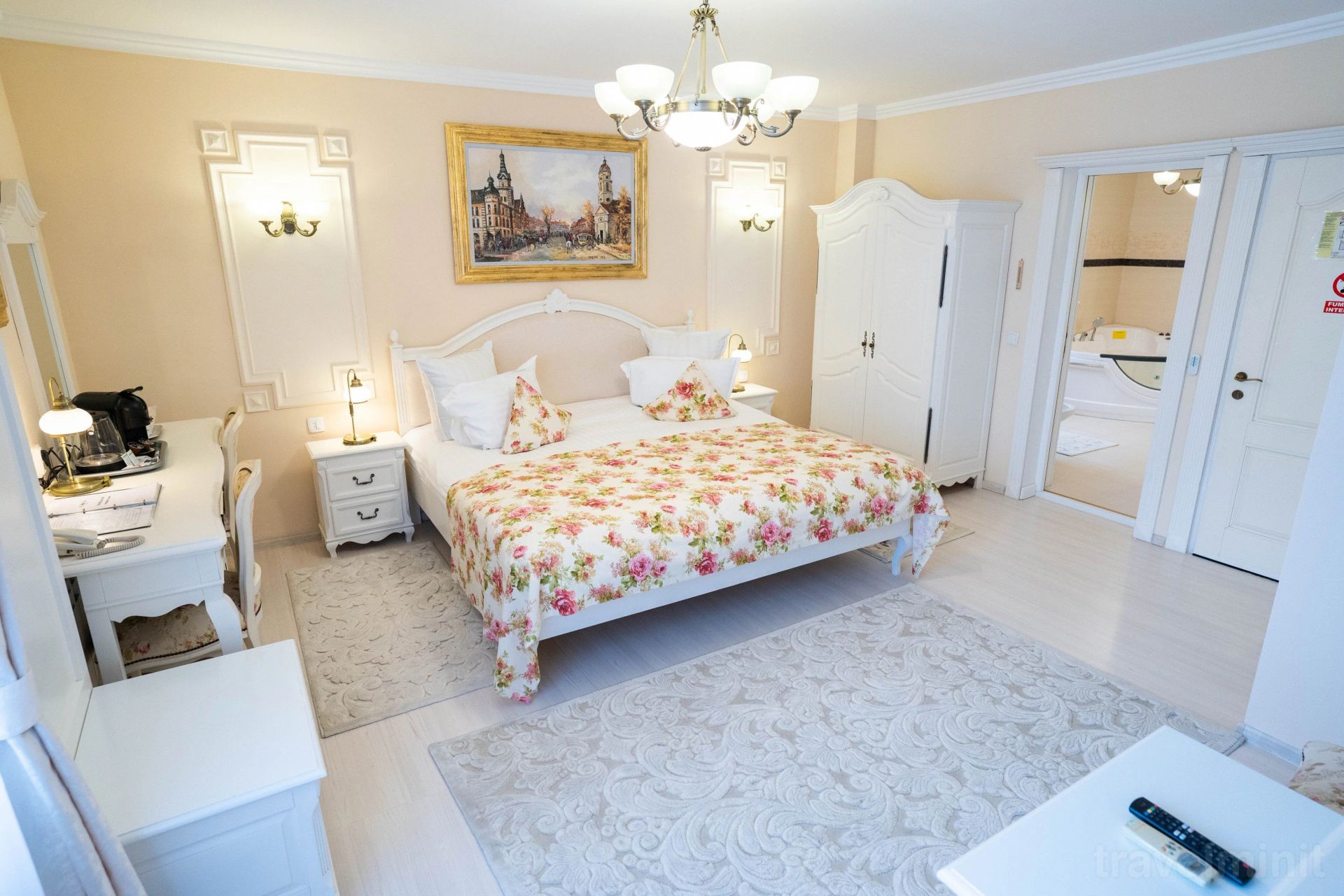
Villa Alice Suceava
Vilă turistică de 4 stele în Suceava, Villa Alice Suceava vă oferă cazare pe strada Simion Florea Marian, într-o zonă liniștită a centrului orașului, într-un ambient plăcut și relaxant, departe de aglomerația urbană, într-un cadru care îmbină confortul modern cu liniștea și natura înconjurătoare. Unitatea pune la dispoziție Wi-Fi gratuit în toate spațiile și room service pentru a vă asigura confortul pe toată durata șederii dumneavoastră. Fiecare cameră este dotată cu seif pentru obiectele dumneavoastră de valoare, iar la recepție aveți la dispoziție un depozit pentru bagaje, astfel încât să vă simțiți în siguranță și liniștit pe toată perioada cazării. De asemenea, beneficiați de parcare privată gratuită, o curte mare și o grădină amenajată unde vă puteți bucura de liniște, aer curat și momente de relaxare în aer liber, într-un spațiu generos și primitor. În apropiere puteți vizita Mănăstirea Sfântul Ioan cel Nou din Suceava, Cetatea de Scaun a Sucevei, Complexul muzeal Bucovina din Suceava, Muzeul Bucovinei din Suceava și Catedrala Nașterea Domnului din Suceava, obiective care oferă o perspectivă amplă asupra patrimoniului cultural și istoric al zonei. Vă așteptăm la Villa Alice Suceava.
FROM
390 lei per night
Guesthouse · 3 stars
Suceava, Suceava County · 2.8 km
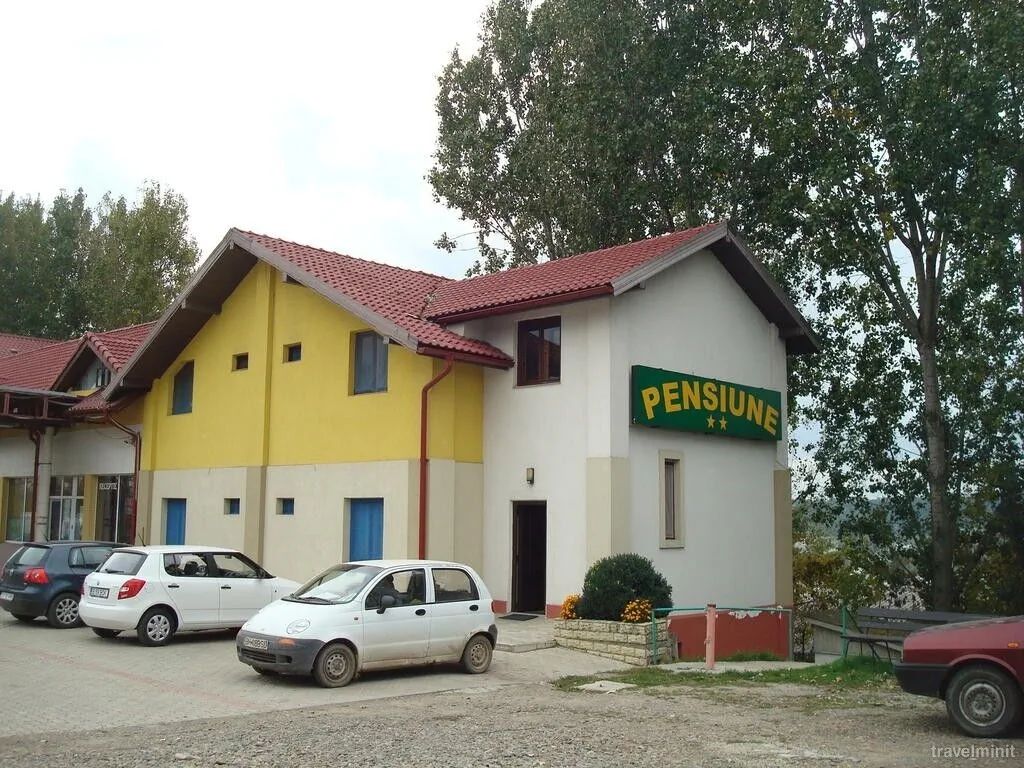
Pensiunea Marc Suceava
Familiile și grupurile de prieteni se vor simți bine la Pensiunea Marc din Suceava, o pensiune turistică de 3 stele situată pe strada L.t Nicolae Cătănescu 1, într-un cadru liniștit și primitor, potrivit pentru odihnă după zile pline de descoperiri în oraș și împrejurimi. Beneficiați de Wi-Fi gratuit în întreaga unitate, parcare privată gratuită și parcare pentru biciclete, facilități care vă ajută să vă organizați mai ușor șederea și deplasările prin oraș. De asemenea, aveți la dispoziție un depozit pentru bagaje și un fier de călcat pentru a vă pregăti ținutele înainte de ieșiri. În curte se află un foișor unde puteți lua masa în aer liber sau pur și simplu să vă relaxați într-un colț plăcut al grădinii, profitând de liniștea și aerul curat al zonei. În apropiere puteți vizita Mănăstirea Sfântul Ioan cel Nou din Suceava, Cetatea de Scaun a Sucevei, Complexul muzeal Bucovina din Suceava, Muzeul Bucovinei din Suceava și Catedrala Nașterea Domnului din Suceava, obiective care oferă o imagine completă asupra patrimoniului spiritual și cultural al zonei. Vă așteptăm la Pensiunea Marc Suceava.
FROM
240 lei per night
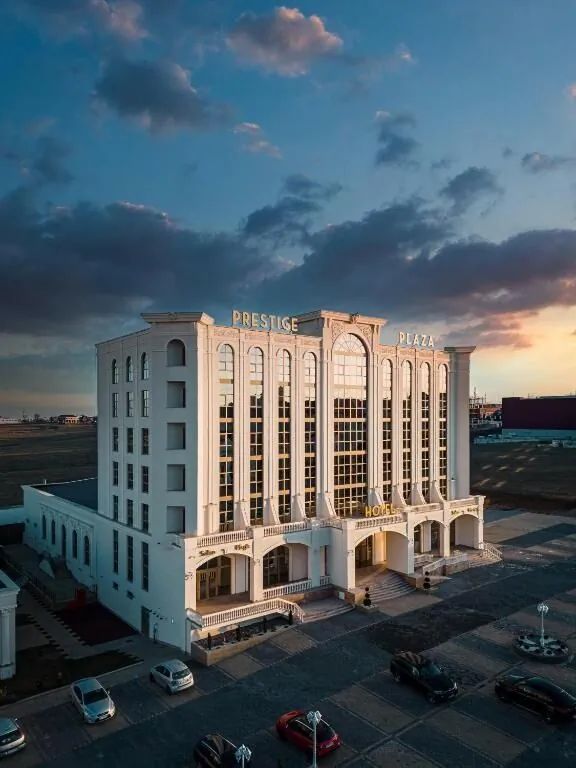
Hotel · 4 stars
Suceava, Suceava County · 3.2 km
Hotel Prestige Plaza Suceava
O zi petrecută aici poate începe cu un mic dejun servit direct în cameră prin room service și se poate încheia cu o băutură relaxantă la barul din incintă. Hotel Prestige Plaza Suceava se află în localitatea Suceava și oferă cazare confortabilă la standarde de patru stele, într-un ambient primitor și bine întreținut. Vă punem la dispoziție Wi-Fi gratuit în toate spațiile și în camere, parcare privată gratuită pentru autoturisme și acces facilitat pentru persoanele cu dizabilități. Liftul vă transportă rapid între etaje, iar seiful din fiecare cameră păstrează în siguranță obiectele dumneavoastră de valoare. Aveți la dispoziție și depozit pentru bagaje, fier de călcat, restaurant și cafenea în incintă. Toate aceste servicii sunt disponibile pentru a vă asigura un sejur plăcut și fără griji. În apropiere puteți vizita Mănăstirea Sfântul Ioan cel Nou din Suceava, Cetatea de Scaun a Sucevei, Complexul muzeal Bucovina din Suceava, Muzeul Bucovinei din Suceava și Catedrala Nașterea Domnului din Suceava. Aceste obiective se află la îndemână și pot fi explorate cu ușurință pornind de la hotel, între vizite putând servi masa la restaurantul din incintă. Seara, după ce vă întoarceți de la obiectivele turistice, vă puteți relaxa la barul din incintă.
FROM
420 lei per night
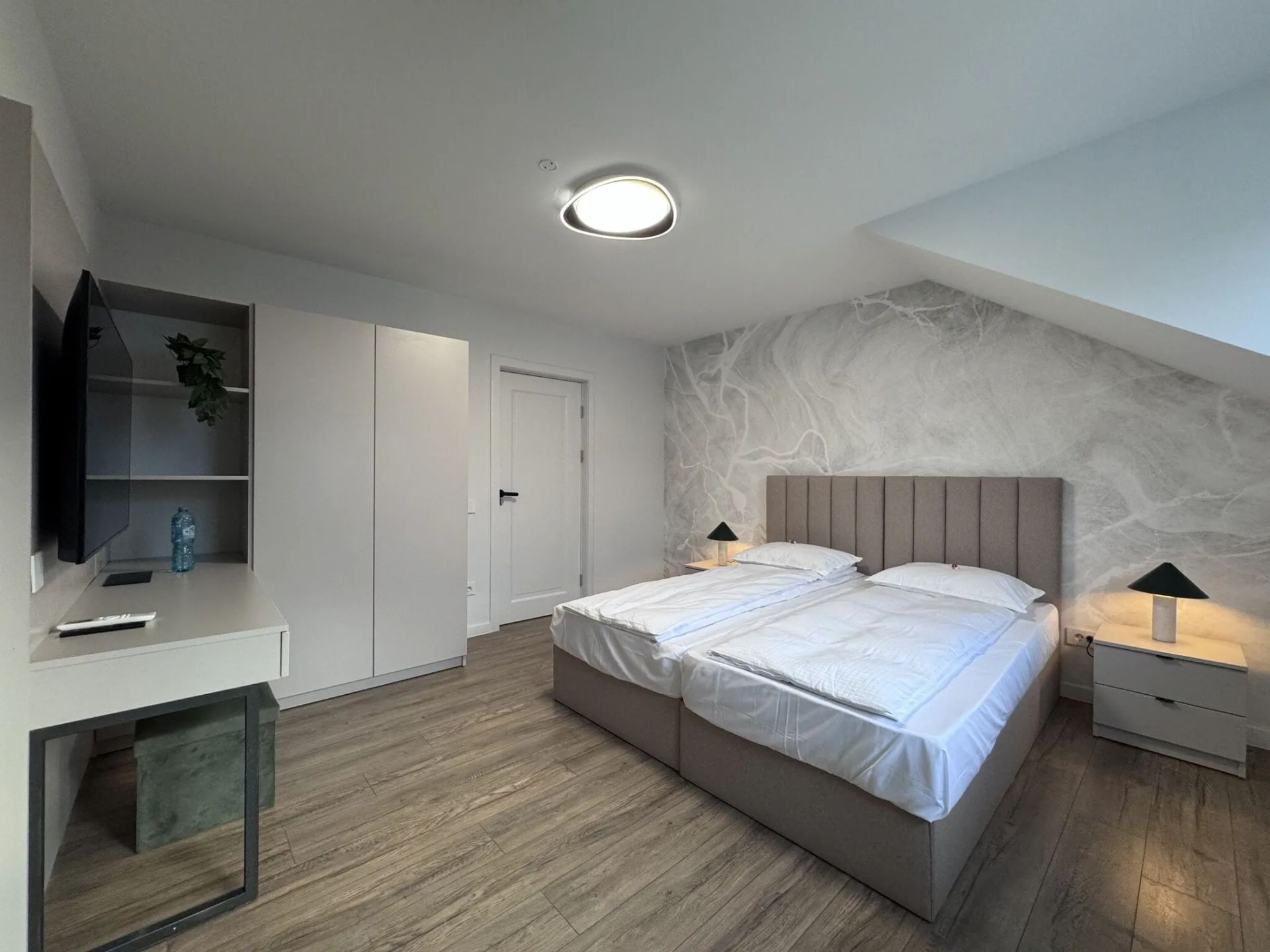
Apartment · 3 stars
Suceava, Suceava County · 3.3 km
Afi Apartments Suceava
Pe bulevardul Pref. Gavril Tudoras din Suceava se află Afi Apartments Suceava, o unitate de cazare clasificată cu trei stele care oferă apartamente moderne pentru închiriat. Fiecare spațiu de cazare este dotat cu facilități practice pentru un sejur confortabil: Wi-Fi gratuit, seif, fier de călcat și pătuț pentru bebeluș. În exterior, curtea mare și grădina amenajată oferă un loc liniștit de relaxare, iar parcarea privată gratuită și parcarea pentru biciclete asigură libertatea de deplasare. De asemenea, aveți la dispoziție sală de fitness sau gimnastică, depozit pentru bagaje și posibilitatea de a practica călărie în zonă. Pentru iubitorii de mișcare în aer liber, zona oferă acces la drumeții montane și trasee în natură, ideale pentru explorarea peisajelor din apropiere. În apropiere puteți vizita Mănăstirea Sfântul Ioan cel Nou din Suceava, Cetatea de Scaun a Sucevei, Complexul muzeal Bucovina din Suceava, Muzeul Bucovinei din Suceava sau Catedrala Nașterea Domnului din Suceava, obiective care îmbogățesc fiecare zi petrecută aici. Vă așteptăm să descoperiți Suceava și să porniți într-o vizită la Mănăstirea Sfântul Ioan cel Nou din Suceava.
FROM
230 lei per night
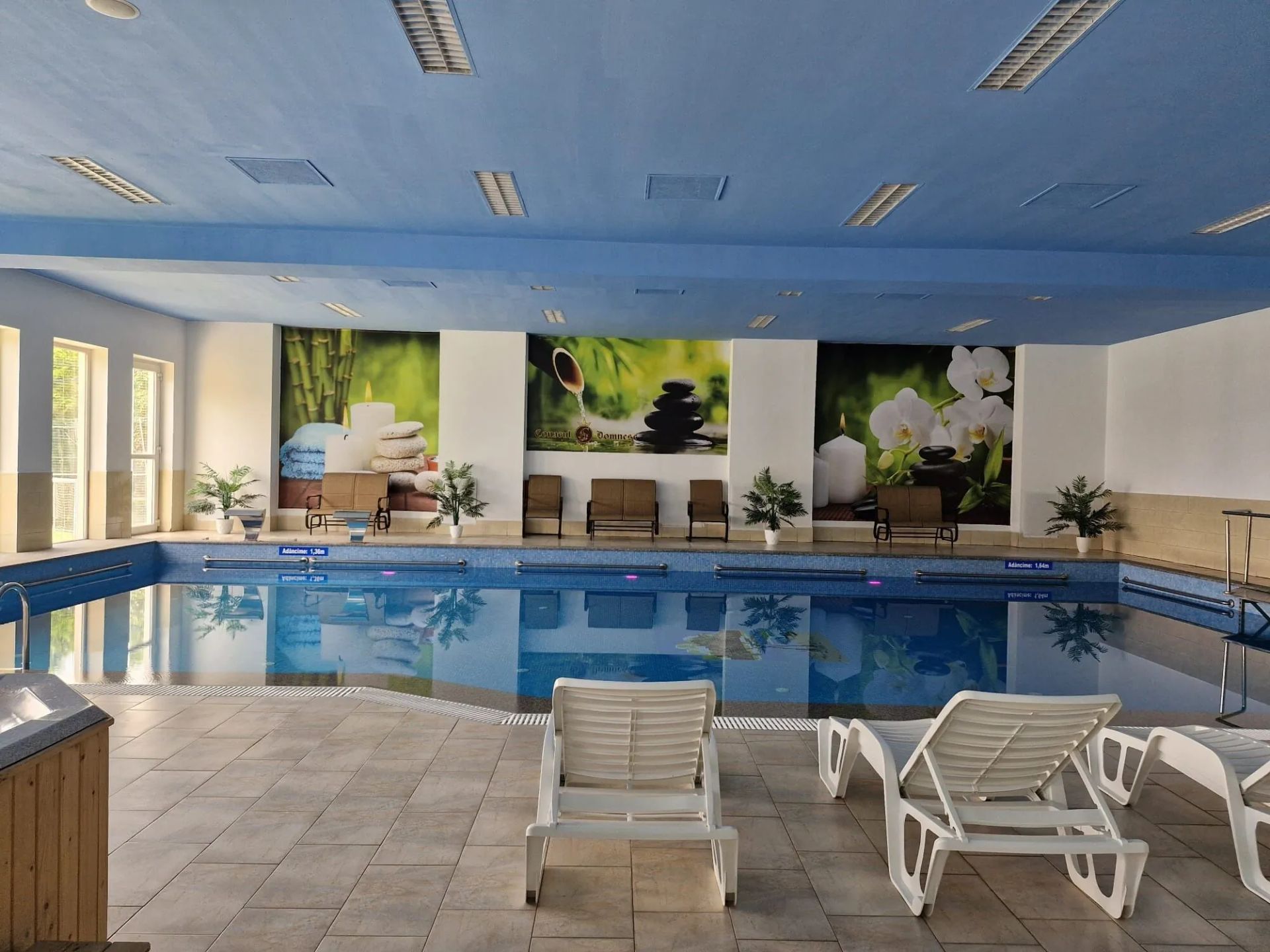
Hotel · 3 stars
Scheia, Suceava County · 3.3 km
Hotel Conacul Domnesc Șcheia
O zi începe cu mișcare pe terenul amenajat de sport și se încheie cu relaxare în ciubărul din lemn tradițional. Hotel Conacul Domnesc Șcheia vă așteaptă în localitatea Scheia, județul Suceava, într-un cadru plăcut și liniștit. Camerele oferă confort pentru toți oaspeții, inclusiv pătuț pentru bebeluș și scaun înalt pentru copii. Beneficiați de Wi-Fi gratuit, parcare privată gratuită, room service, seif și depozit pentru bagaje. Pentru cei mici există și un loc de joacă la exterior, iar curtea mare și grădina amenajată oferă spațiu generos pentru plimbări și joc. După-amiezile pot fi petrecute pe terasa la soare sau în grădină. Aveți la dispoziție sală de fitness și gimnastică, saună, saună umedă și cadă cu hidromasaj pentru momente de destindere. Fierul de călcat este disponibil pentru pregătirea hainelor înainte de ieșiri. În apropiere puteți vizita Mănăstirea Sfântul Ioan cel Nou din Suceava, Cetatea de Scaun a Sucevei, Mănăstirea Zamca, Complexul muzeal Bucovina din Suceava și Muzeul Bucovinei din Suceava. Seara, cada cu hidromasaj vă ajută să vă relaxați după o zi de explorare în zonă.
FROM
290 lei per night
BEFORE YOU HIT THE ROAD
Weather conditions in Suceava
Local forecast for Suceava Princely Fortress, Suceava, Suceava

Real-time updated weather data
Much more to explore in this area
Nearby tourist attractions

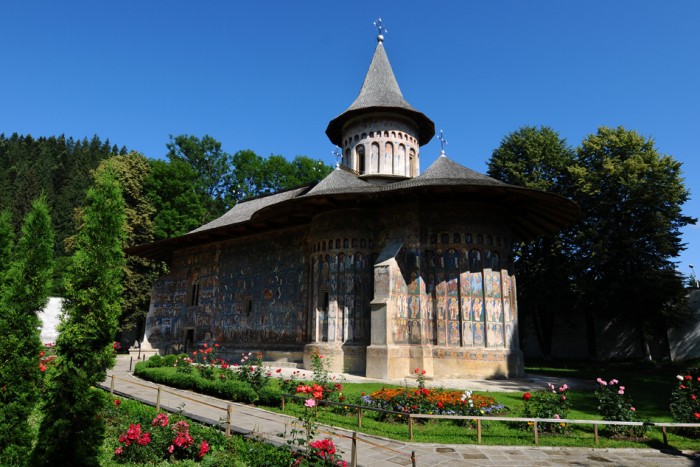

Suceava, Suceava County
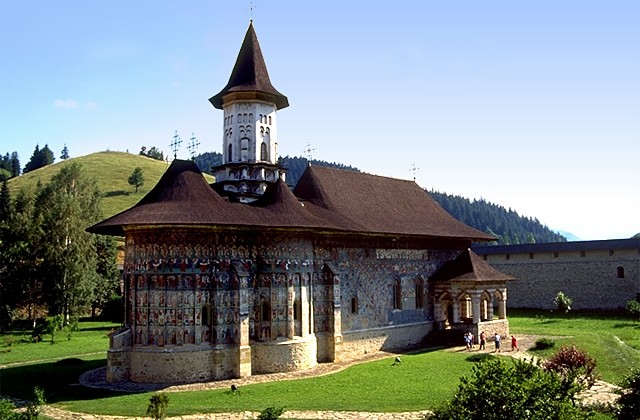
Voroneț Monastery
Situata in localitatea Voronet, la cca. 4 km de Gura Humorului si 35 km de Suceava; accesul se face din Gura Humorului, pe DJ177D; ctitorie a lui Stefan cel...
33.6 km
Sucevita, Suceava County
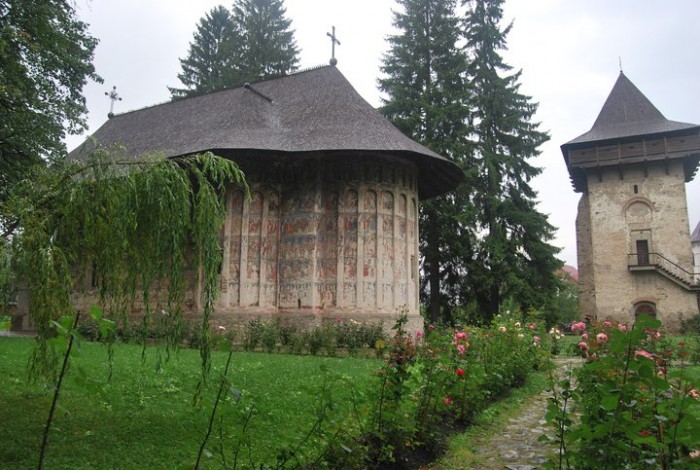
Sucevița Monastery
Situata in comuna Sucevita, la 19 km sud-vest de Radauti si 37 km nord-vest de Suceava; accesul se poate face din Suceava, spre Radauti, pe DN2/E85, 35 km,...
44.4 km
Suceava, Suceava County
Humor Monastery.
Situata in localitatea Manastirea Humorului, la aproximativ 5 km de orasul Gura Humorului, pe DJ177; prima biserica a Manastirii a fost constuita in timpul lui...
31.7 km

Suceava, Suceava County
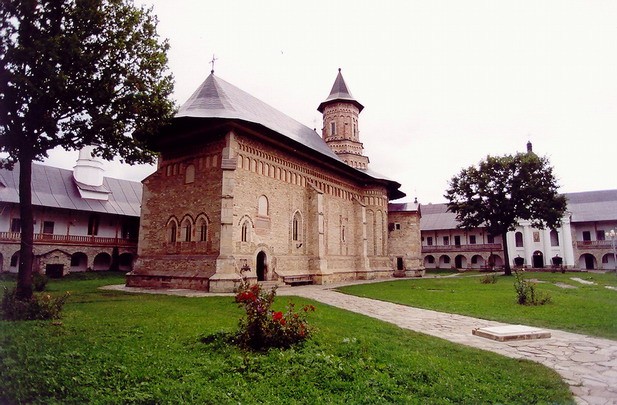
Saint John the New Monastery of Suceava
Situata pe strada Ion Voda Viteazul nr. 2, Suceava; inceputa de voievodul Bogdan al III-lea, fiul lui Stefan cel Mare, in 1514, constructia a fost terminata in...
0.7 km
Neamt, Neamț County
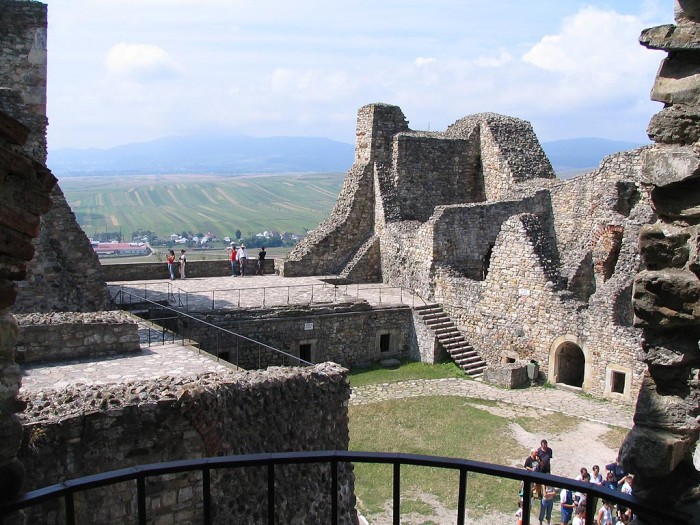
Neamț Monastery
Situata pe raza comunei Vanatori-Neamt, la 15 km nord-vest de Targu Neamt; atestata documentar pentru prima data in 1407, pe vremea lui Alexandru cel Bun; in...
42.0 km
Neamt, Neamț County
Neamț Fortress
Situata pe strada Arcasului nr. 1, pe un platou al dealului Plesu, la 480 m altitudine, in apropierea orasului Targu Neamt, in partea de nord-est a judetului;...
48.2 km
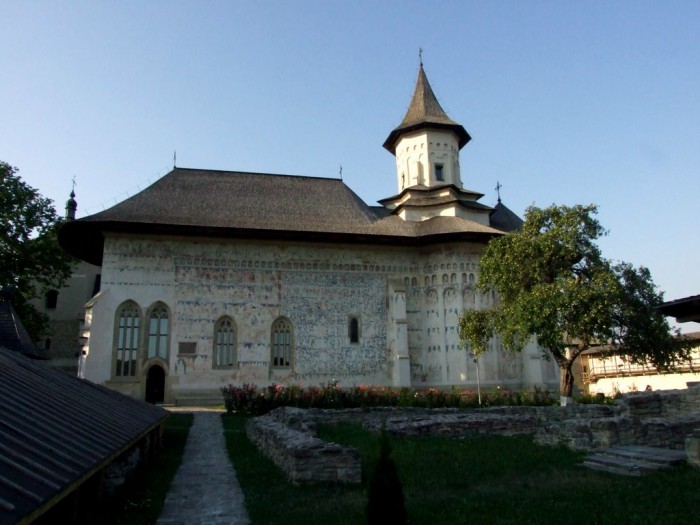
Probota, Suceava County
Probota Monastery
Situata in satul Probota, oras Dolhasca, la 27 km sud-est de Falticeni; accesul se face din Falticeni spre Dolhasca, pe DJ208, 25 km, apoi dreapta in Dolhasca...
40.0 km
Botosani, Botoșani County
Eminescu Memorial House - National Study Centre
Situat in Ipotesti;acesta cuprinde: Casa memoriala "Mihai Eminescu", locul unde s-a nascut genialul poet, bisericuta familiei, langa care se afla mormintele...
25.8 km
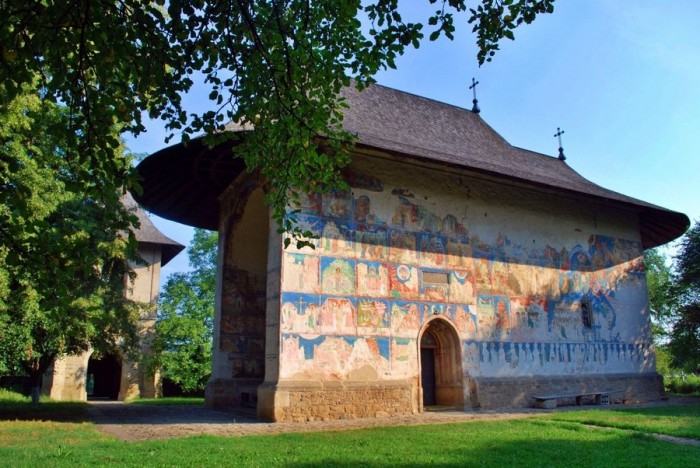
Arbore, Suceava County
Arbore Church
Situata in comuna Arbore; ridicata in anul 1503, de catre Hatmanul Luca Arbore, unul dintre marii boieri ai lui Stefan cel Mare, sfetnicul lui Bogdan al III-lea...
27.2 km

Suceava, Suceava County
Gura Humorului Resort
Situata in partea estica a Obcinilor Bucovinei, in depresiunea cu acelasi nume; amplasata la altitudinea de 470 m; prima mentionare documentara dateaza din 26...
30.3 km
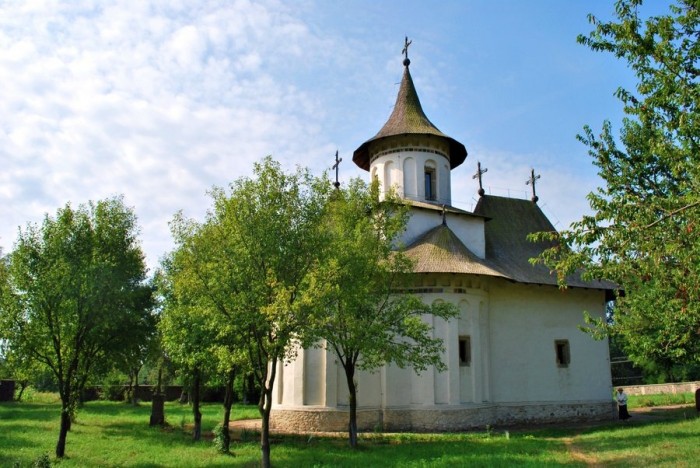
Patrauti, Suceava County
Church of the Former Patrauti Monastery
Situata in comuna Patrauti; inaltata in 1487, a fost prima ctitorie a lui Stefan cel Mare; este cea mai redusa ca dimensiune dintre ctitoriile domnitorului si...
10.4 km

Suceava, Suceava County
Bucovina Museum Complex in Suceava
Situat pe strada Stefan cel Mare nr. 33 din municipiul Suceava; a fost infiintat la 7 noiembrie 1899, sub forma unei asociatii numite "Muzeul" si era filiala a...
1.0 km
Cultural life and traditions
Events in the Suceava Princely Fortress area
Medieval festivals, traditional fairs, concerts and local activities recommended in Bukovina.

History and Voivodeship Heritage

Suceava, County of Suceava
The Medieval Festival of Neamț Fortress
Re-enactments of Ștefan’s battles, archery demonstrations with traditional bows, displays of courtly guards, and performances of old court music.
WHEN
July 3-5, 2026


Prehistoric Crafts and Art
Suceava, County of Suceava
The National Pottery Fair “Cucuteni 5000”
The most skilled ceramic artists recreate the spectacular motifs of Europe’s oldest civilisation.
WHEN
June 26-28, 2026

Gastronomy and Wines
Suceava, County of Suceava
The Traditional Festival of Moldovan Wine
A fair featuring wine tastings from the vineyards of Cotnari, Bucium and Panciu, “poale-n brau” pies, and roasted meats cooked on a spit.
WHEN
October 2-4, 2026
On foot, exploration gains depth
Discover the surroundings and local geography
Explore the trails, terrain, and natural landmarks around Suceava Princely Fortress.

Guides and practical tips
Useful travel articles
Travel guides, practical recommendations and tourist itineraries for Bukovina.

Tourist guide
Top 5 Atracții Turistice și Trasee Montane în Zona Moieciu - Bran
Descoperă cele mai spectaculoase peisaje carstice, chei adânci și cetăți medievale din imediata apropiere a stațiunii Moieciu.

Tourist guide
Ghid de Drumeție: Traseul Moieciu de Sus spre Platoul Bucegi
Un itinerariu montan de o frumusețe rară ce urcă din Valea Băngăleasa spre Poiana Guțanu și crestele maiestuoase ale Bucegilor.

Tourist guide
Castelul Bran: Istorie, Legende și Secrete Medievale
Află adevărata poveste a fortăreței medievale din Pasul Bran, reședința de suflet a Reginei Maria a României.
THE JOURNEY STARTS WITH AN IDEA
The next story is on the way.
From the first stop to the last stay, make room for a new Romania.
