


NATURE AND WILDLIFE · TRANSYLVANIA
Bicaz Gorge

Harghita, Harghita County
Add location to your trip planner.
Practical access information

VISITING HOURS
Check the local visiting schedule

TICKET PRICE
Information available at the cashier's desk

RECOMMENDED VISIT DURATION
1-2 hours
Sources and external references
Wikipedia Encyclopedia (EN)
Visitor information and guide
 Navigate with Google Maps

ABOUT BICAZ GORGE
Captivating Introduction and Heritage Significance
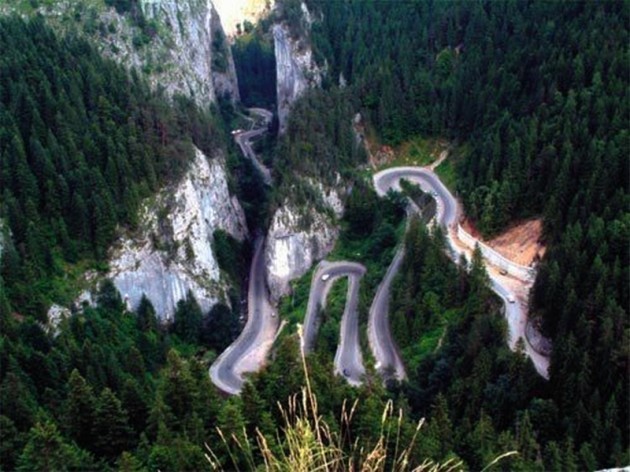
In the heart of the Eastern Carpathians, where the Hășmaș massif stretches its high peaks between the historic borders of Transylvania and Moldavia, one of the most dramatic spectacles of European nature unfolds: Bicaz Gorge. This magnificent defile, stretching approximately eight kilometers along the Bicaz River, represents a geological monument of continental importance, carved into Jurassic limestone by the turbulent waters of a watercourse that had millions of years at its disposal to pierce the rock. Declared a natural monument and included within the perimeter of the Bicaz Gorge-Hășmaș National Park, these gorges constitute a protected area of 6,575 hectares, a sanctuary where geological time and human time meet in a landscape of rare wild beauty. Viewed from the perspective of Europe's great canyons, Bicaz Gorge stands alongside the Gorges du Verdon in Provence, the Vikos Canyon in Greece, or the Tara River canyon in Montenegro, offering the modern traveler that sense of awe before the brute force of nature that characterized the explorations of 19th-century mountaineers and geographers.
The significance of this place transcends simple tourist value, reaching deep cultural and historical dimensions. Located on the border between Neamț and Harghita counties, the gorges represent a natural bridge between two regions with distinct but deeply interconnected identities through centuries of coexistence and commercial exchange. Here, deep in the mountains, the spruce and beech forest, the vertical cliffs and hidden waterfalls create an ecosystem of remarkable biodiversity, a refuge for the emblematic species of the Carpathians that recalls the primary forests of Europe before the industrial era. For the cultivated traveler, traversing these gorges is equivalent to a journey through the geological history of the continent, from the bottom of the Tethys Ocean to the current peaks of the Carpathians, in a natural setting that has inspired poets, painters and scientists alike.
Historical Roots and Major European Connections
The formation of Bicaz Gorge has its roots in distant geological eras, when this region was part of the bottom of the Tethys Ocean, and calcareous sediments were slowly deposited, layer by layer, during the Jurassic period, now over 150 million years ago. The tectonic processes of the Alpine orogeny, the same forces that raised the Alps and shaped the Pyrenees, pushed these layers to the surface, while the fluvial erosion of the Bicaz River began its meticulous work of sculpting, gradually creating this narrow corridor that separates the Tulgheș-Valea Rece ridge into two major portions: the northern ridge and the imposing Dămuc Peak from the south. This geological dynamic places Bicaz Gorge in a select category of European karst formations, comparable to landscapes in Slovenia, Croatia or the Italian Dolomites region, all results of the same continental geological history.
From a historical perspective, the national road DN12C that crosses these gorges in their entirety represents much more than a simple modern traffic artery. It continues a millennial tradition of trans-Carpathian connections between Transylvania and Moldavia, similar to the Alpine passes that facilitated trade and migrations in Central Europe since the medieval era. Like the Brenner Pass or Mont Cenis Pass that connect Italy to Central Europe, this route represented a true bridge between two cultural worlds, allowing the exchange of goods, ideas and traditions between the medieval Kingdom of Hungary, the Principality of Transylvania and the Land of Moldavia. During the period when Transylvania was part of the Habsburg Monarchy, this region benefited from Austrian administration that developed infrastructure and systematically mapped the mountain territories, contributing to the scientific knowledge of these places in Viennese and Budapest academic circles. The ethnic mosaic of the area, with Szekler, Romanian and Hungarian communities that have coexisted for centuries in the Bicaz Valley, reflects the cultural complexity specific to Eastern and Central Europe, similar to the ethnic diversity in Tyrol, Bohemia or the Balkans, being a living testimony to the way imperial borders shaped local identities.
Geological Morphology and Masterpieces of Nature
The geological structure of Bicaz Gorge presents remarkable complexity, a true petrographic mosaic that attests to millions of years of geological transformations. Although the foundation consists predominantly of Jurassic limestone, along the axis of the gorges one also encounters formations of red and green jaspers, volcanic ashes resulting from ancient eruptions, as well as sedimentary conglomerates, all of which create a chromatic and textural tableau of rare beauty. The mountaineer and researcher Emilian Cristea, a prominent figure in Romanian mountain explorations of the 20th century, precisely identified four distinct sectors that define the unique character of this defile. The first sector, called \"Between the Gorges\", unfolds between the eastern limit of the Lacu Roșu resort and the impressive Stone Gate, a natural rock arch that marks the solemn entrance to the canyon, similar to the natural gates at the entrance to caves in the Slovenian Karst or the French Jura region.
The second sector, \"Bardos's Shelves\", is dominated by the Altar Stone massif, an imposing rock formation that rises vertically above the road, and by a tunnel dug through the mountain spur, an engineering achievement that recalls the alpine roads in Switzerland or Austria, where man had to submit to the mountain in order to cross it. Here, the limestone walls reach dizzying heights, and sunlight penetrates only at certain hours of the day, creating dramatic plays of shadow and light on the stone surface. The third sector, known by the evocative name \"Hell's Throat\", represents the culminating point of the visual experience, an extremely narrow portion where the rock walls seem to meet above the road, forming a veritable miniature canyon with the appearance of vertical gorges. This dramatic narrowing, with almost vertical walls and rapid waters at the base, offers an emotional experience comparable to traversing the Vikos Canyon in Greece or the defiles of the Caucasus. The last sector, \"The End of the Gorges\", gradually opens toward the Bicaz-Chei commune, with gentler slopes and a widening of the riverbed, offering a perspective of respite after the intensity of the previous portions, similar to the exit from the Verdon Canyon toward the Provençal plateau.
Biodiversity and European Ecological Heritage
The protected area of Bicaz Gorge harbors exceptional biodiversity that places this site in a category of natural areas comparable to the most valuable reserves in Europe. The spruce and fir forests, the mixtures of conifers with beech, together with the extensive mountain meadows and cliffs with subalpine vegetation, constitute a complex habitat that hosts numerous rare and protected species. The flora declared a natural monument includes the lady's slipper orchid, edelweiss, the blood of the warrior, and yew, species that define the botanical value of the Carpathians and which are also found in other protected mountain areas of Central Europe, such as the Tatra National Park in Poland and Slovakia or the Bavarian Biosphere Reserve. These plants, adapted to the extreme conditions of limestone cliffs and steep slopes, represent relics of a glacial era that shaped the entire continent.
The fauna of the area is equally impressive, comprising emblematic species of the Carpathians such as the brown bear, the Eurasian lynx, the gray wolf, the chamois and the golden eagle, along with rare amphibians such as the yellow-bellied toad and the Carpathian newt. The presence of these large predators and wild herbivores places Bicaz Gorge in a category of protected areas that contribute essentially to the conservation of continental biodiversity, being included in the Natura 2000 network, similar to protected areas in the Pyrenees, Alps or the Balkans. The forest ecosystems represent fragments of the primary forests that once covered Central Europe, before the expansion of agriculture and urbanization, offering a vital refuge for species that have disappeared from other regions of the continent. This biological wealth makes Bicaz Gorge a natural laboratory for study for ecologists and biologists from all over Europe, a place where natural processes still unfold according to the old laws of nature.
Stories, Personalities and Turning Points
The history of exploration and knowledge of Bicaz Gorge is marked by personalities who contributed to revealing this natural treasure. The mountaineer Emilian Cristea, through his systematic research in the first half of the 20th century, provided the first detailed scientific description of the four distinct sectors of the gorges, contributing to the understanding of the morphology of this territory. His work fits into the tradition of the great European alpine explorers who, starting with the 18th century, systematically mapped and described the mountain ranges of the continent, paving the way for modern mountain tourism and the protection of these unique landscapes.
A turning point in the contemporary history of the area is represented by the construction and modernization of the national road DN12C, an engineering achievement that had to face the challenges of an extremely difficult terrain. Similar to the alpine roads built in the 19th century in Switzerland, Austria or Italy, this artery had to cut through rock, build bridges over precipices and create tunnels through mountains, transforming a dangerous cart track into a modern access road, while preserving the wild character of the landscape. The local legends associated with \"Hell's Throat\" speak of the passage of travelers through this narrow portion, of the mysteries of the night in the canyon and of the voices of the wind sounding through the cracks of the rock, contributing to the mythical aura of this place. The tradition of transhumant pastoralism, with flocks of sheep that climbed in summer to the alpine pastures and descended in autumn to the valleys, has shaped for centuries the cultural landscape of the area, leaving behind sheepfolds, paths and a way of life in harmony with mountain nature, similar to the alpine traditions in the Alps or the Balkans.
Visitor Experience and Practical Guide
Traversing Bicaz Gorge on DN12C offers an unforgettable visual experience, a continuous spectacle that gradually reveals itself over the approximately 7.5 kilometers between the Lacu Roșu resort and the exit toward Bicaz-Chei. The traveler starts from the Stone Gate, an impressive natural arch that marks the entrance to the canyon, and continues among the stone towers of Bardos, where Altar Stone rises majestically above the road. Each bend of the road offers a new perspective on the vertical limestone walls, the waterfalls cascading over the rocks and the coniferous forests that frame the defile. The dramatic narrowing of Hell's Throat represents the culminating moment of the crossing, where the rock walls seem to meet above one's head, creating an atmosphere of wild intimacy and profound emotion.
For those who wish to explore deeper, the side gorges of Lapoș, Bicăjel and Șugău each offer their own spectacle of rocks, waterfalls and hidden caves, hiking trails that allow the discovery of the geological and ecological subtleties of the area. Guided trails offer detailed information about karst formations, rare plant and animal species and the cultural history of the area, including the traditions of the local Szekler and Romanian communities. The season profoundly influences the visitor's experience: in autumn, the beech forests ignite in copper and gold colors, in winter, the gorges are dressed in ice and snow transforming into a fairy-tale realm, and in spring, the melting snows swell the Bicaz River and the waterfalls become more turbulent than ever. For details regarding the visiting schedule, entrance fees to the protected area and current weather conditions, it is recommended to consult the information available at the local ticket office or the official visiting program. Nearby, the Lacu Roșu resort offers a fascinating complement through its unique lake formed following a landslide, a geological phenomenon that completes the complex story of this corner of Romania located at the intersection of nature, history and European culture.
Media gallery
Discover Bicaz Gorge in pictures

24 photos · Architecture, courtyards and captivating details


Image source: Wikimedia Commons · Public domain photos · Free license
STAY A FEW DAYS, DISCOVER THE MAGIC
Accommodation in the Bicaz Gorge area

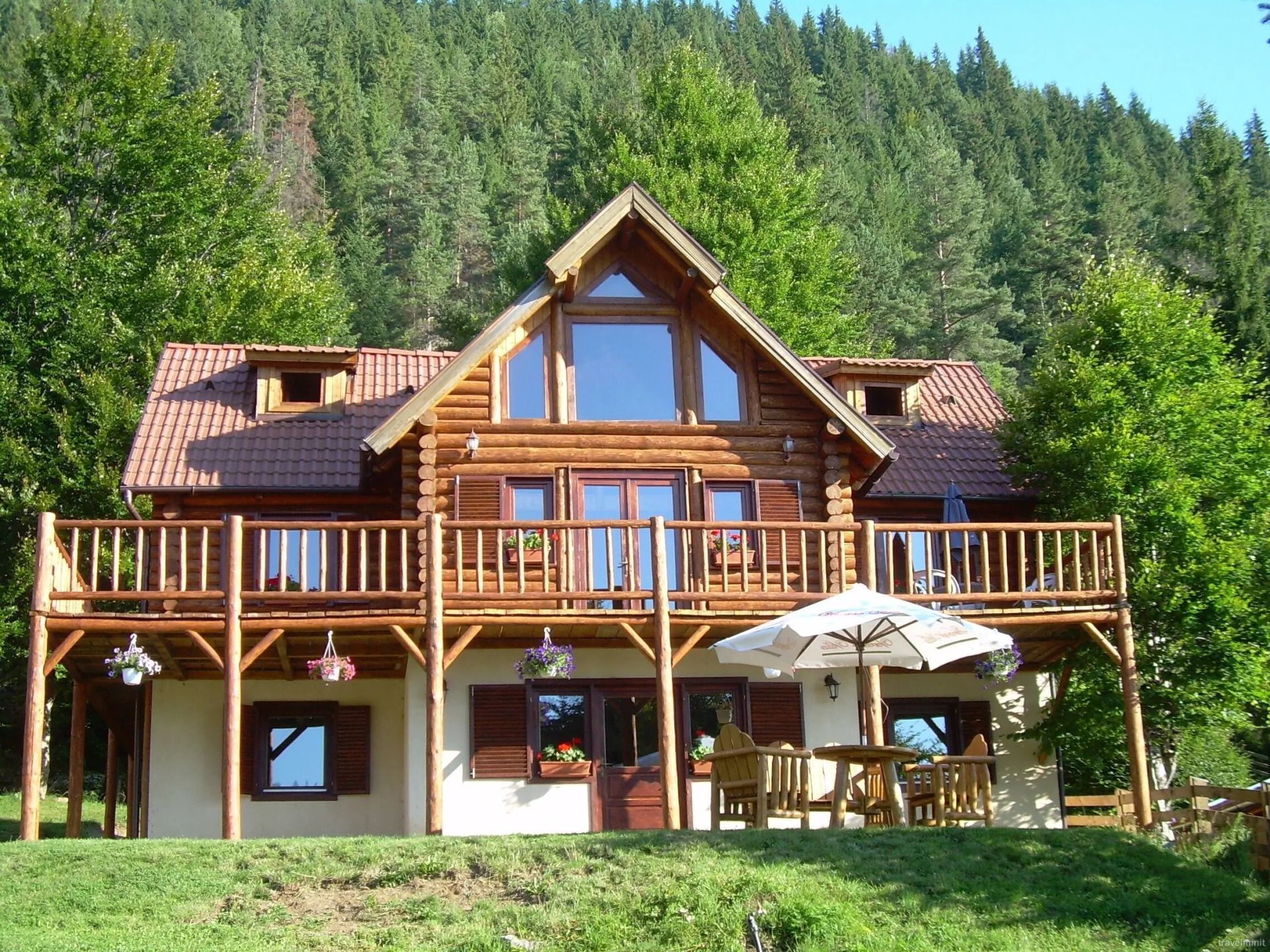
Holiday villa · 3 stars

Lacu Roşu, Neamț County · 1.7 km
Vila Vereskő Lacu Roșu
Comfort, relaxation and stunning views, all just steps away from the main attractions.
FROM
280 lei per night

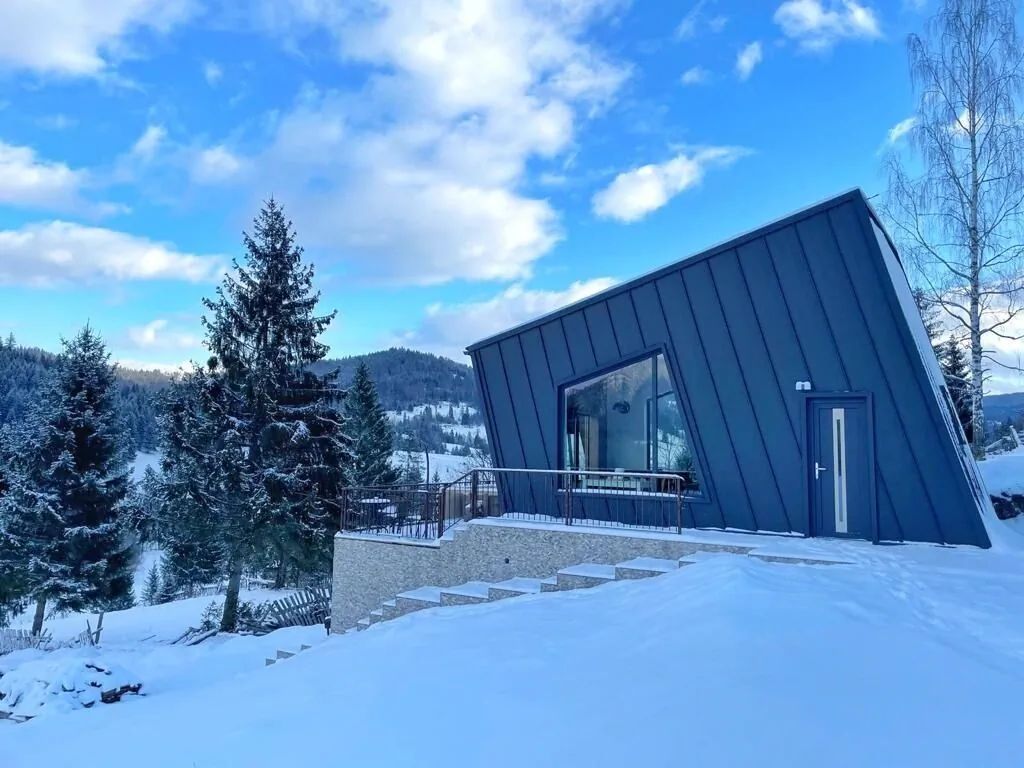
Cabin · 3 stars
Lacu Roşu, Neamț County · 2.9 km
Tiny One cu Jacuzzi Lacu Roşu
Comfort, relaxation and stunning views, all just steps away from the main attractions.
FROM
270 lei per night
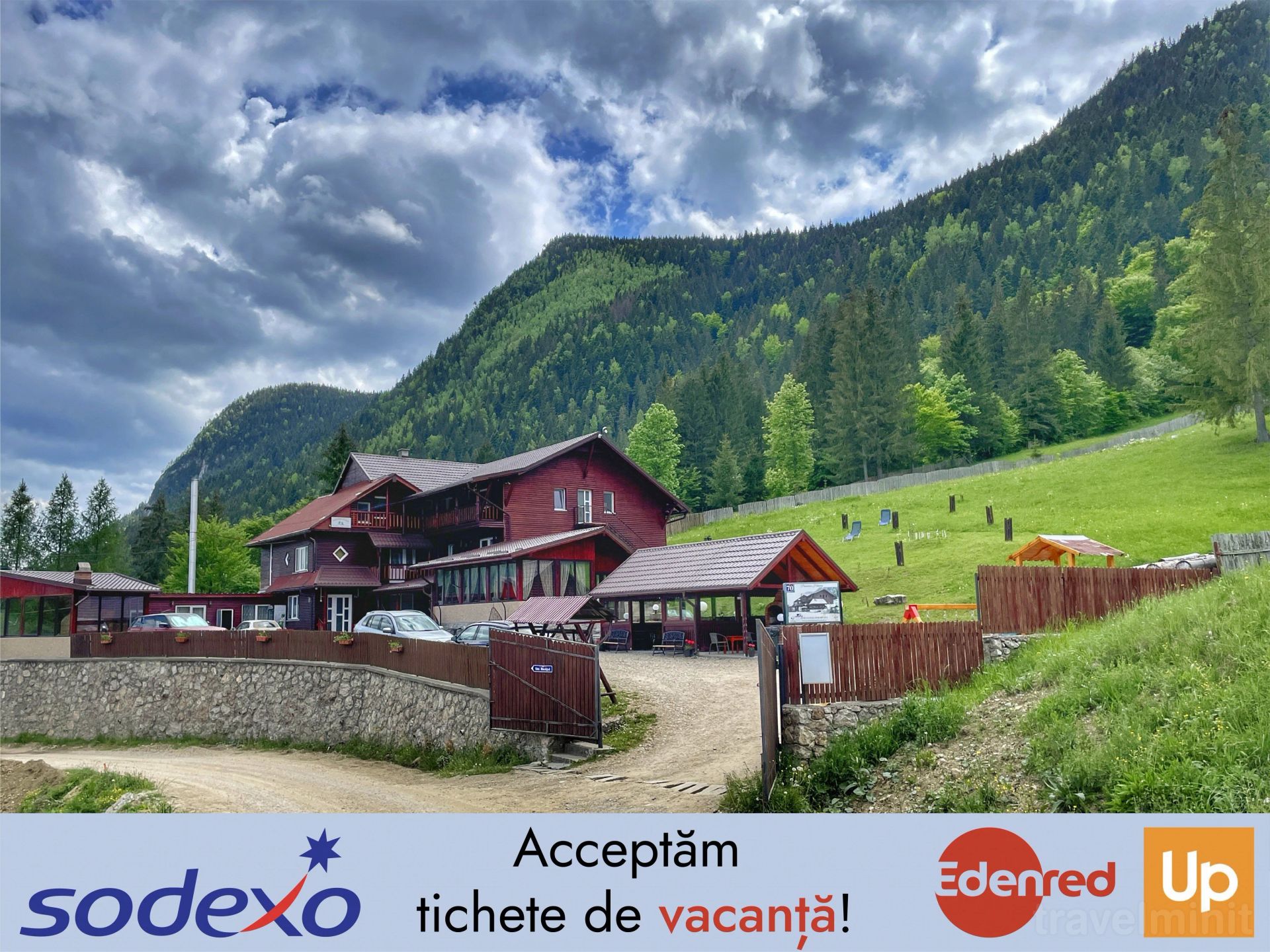
Guesthouse · 3 stars
Lacu Roşu, Neamț County · 2.9 km
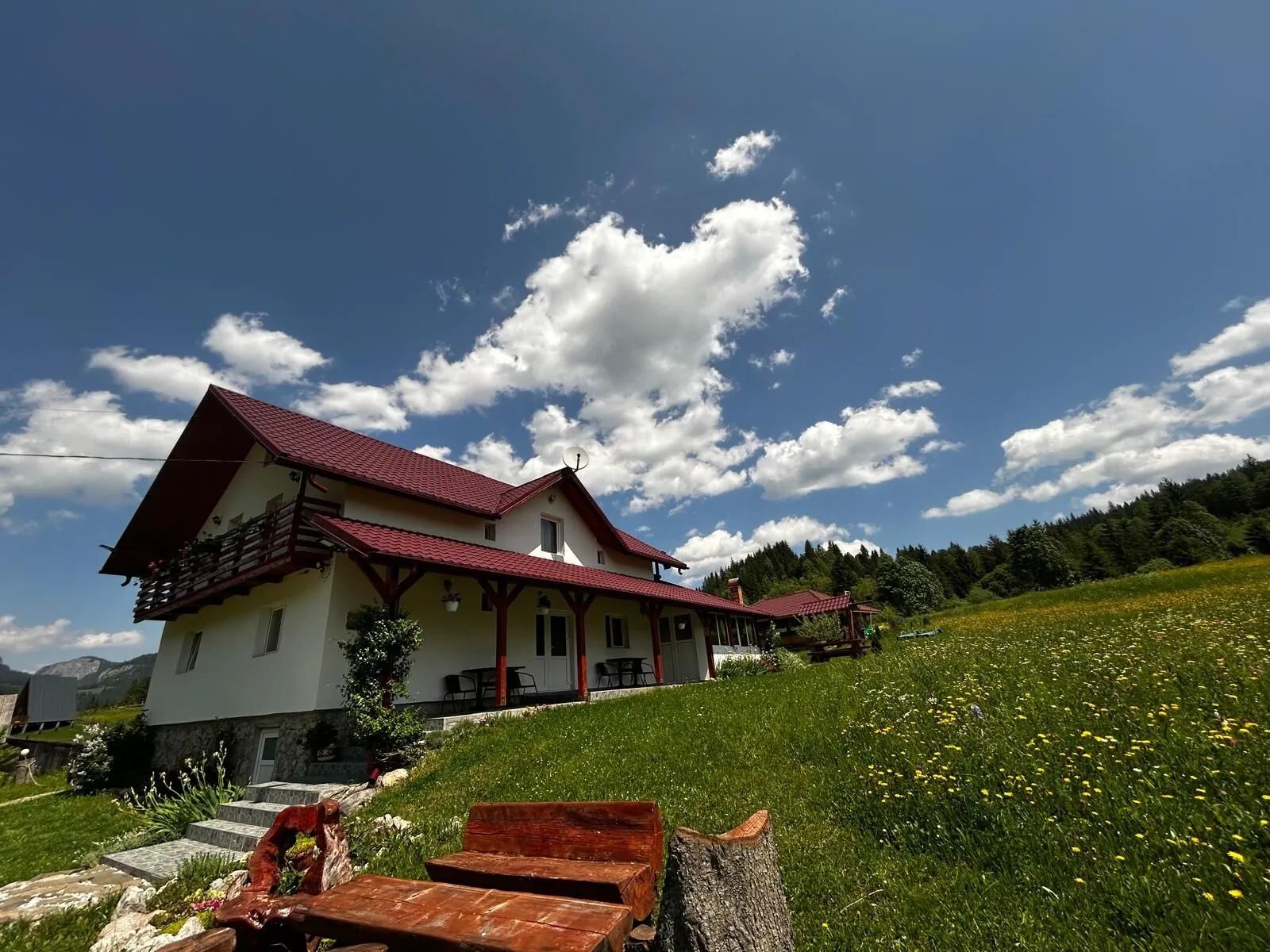
Pensiunea Hășmaș Lacu Roșu
O zi petrecută aici poate începe cu cafeaua de la cafeneaua din incintă și se poate încheia cu un grătar preparat în curtea mare. Pensiunea Hășmaș din Lacu Roșu oferă condiții confortabile pentru turiștii care ajung în această zonă montană din județul Neamț. Pensiunea pune la dispoziția dumneavoastră Wi-Fi gratuit, parcare privată gratuită și parcare pentru biciclete. În curtea mare și grădina amenajată veți găsi un foișor, un loc de joacă pentru copii la exterior și un bar unde vă puteți relaxa după o zi de explorare. De asemenea, aveți la dispoziție fier de călcat și depozit pentru bagaje. În apropiere se află Lacul Roșu, Cheile Bicazului, Munții Hășmaș, Lacu Roșu și Cheile Șugăului. De la unitate puteți porni în drumeții montane sau pe trasee în natură, explorând peisajele spectaculoase ale zonei și bucurându-vă de aerul curat al munților. Această pensiune este potrivită pentru familii cu copii, grupuri de prieteni și iubitori de natură care doresc să descopere frumusețea Munților Hășmaș într-un cadru liniștit și primitor.
FROM
240 lei per night
Cabin · 3 stars
Lacu Roşu, Neamț County · 3.5 km
Casa Chindea Lacul Roșu
Comfort, relaxation and stunning views, all just steps away from the main attractions.
FROM
270 lei per night
Holiday home · 3 stars
Bicaz-Chei, Neamț County · 3.7 km
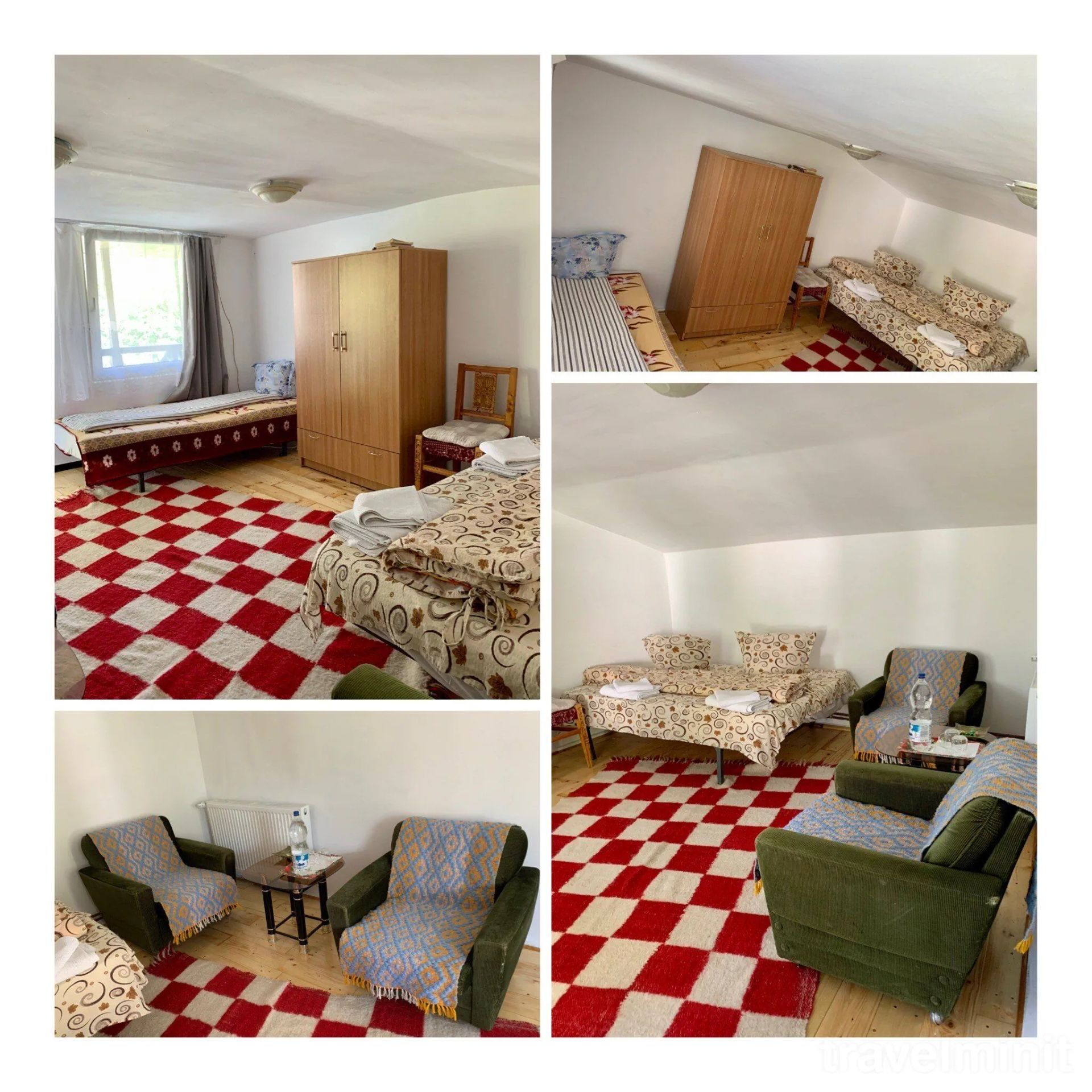
Acasa in Bicaz-Chei
Acasa in Bicaz-Chei este o casă de închiriat integrală, clasificată cu 3 stele, situată pe strada Speranței numărul 3 în localitatea Bicaz-Chei din județul Neamț, într-un peisaj montan liniștit. Vă așteptăm să vă bucurați de atmosfera autentică a zonei. Pentru confortul dumneavoastră pe toată durata șederii, unitatea pune la dispoziție Wi-Fi gratuit, parcare privată gratuită și parcare pentru biciclete. De asemenea, aveți la dispoziție un fier de călcat pentru a vă simți cu adevărat ca acasă. În exterior, curtea mare și grădina amenajată oferă un foișor primitor și un spațiu echipat cu grătar, ideale pentru momente petrecute în aer liber împreună cu cei dragi sau pentru seri liniștite sub cerul deschis. În apropiere se află Lacul Roșu, Cheile Bicazului, Cheile Șugăului, Vârful Ocolașul Mare din Munții Ceahlău și Munții Hășmaș. De asemenea, aveți acces direct la drumeții montane și trasee în natură, iar proprietarii vă pot oferi informații detaliate despre rutele din împrejurimi. După o zi petrecută explorând traseele montane din zonă, seara vă puteți relaxa în liniștea foișorului din curtea mare.
FROM
280 lei per night
Cabin · 3 stars
Lacu Roșu, Neamț County · 6.3 km
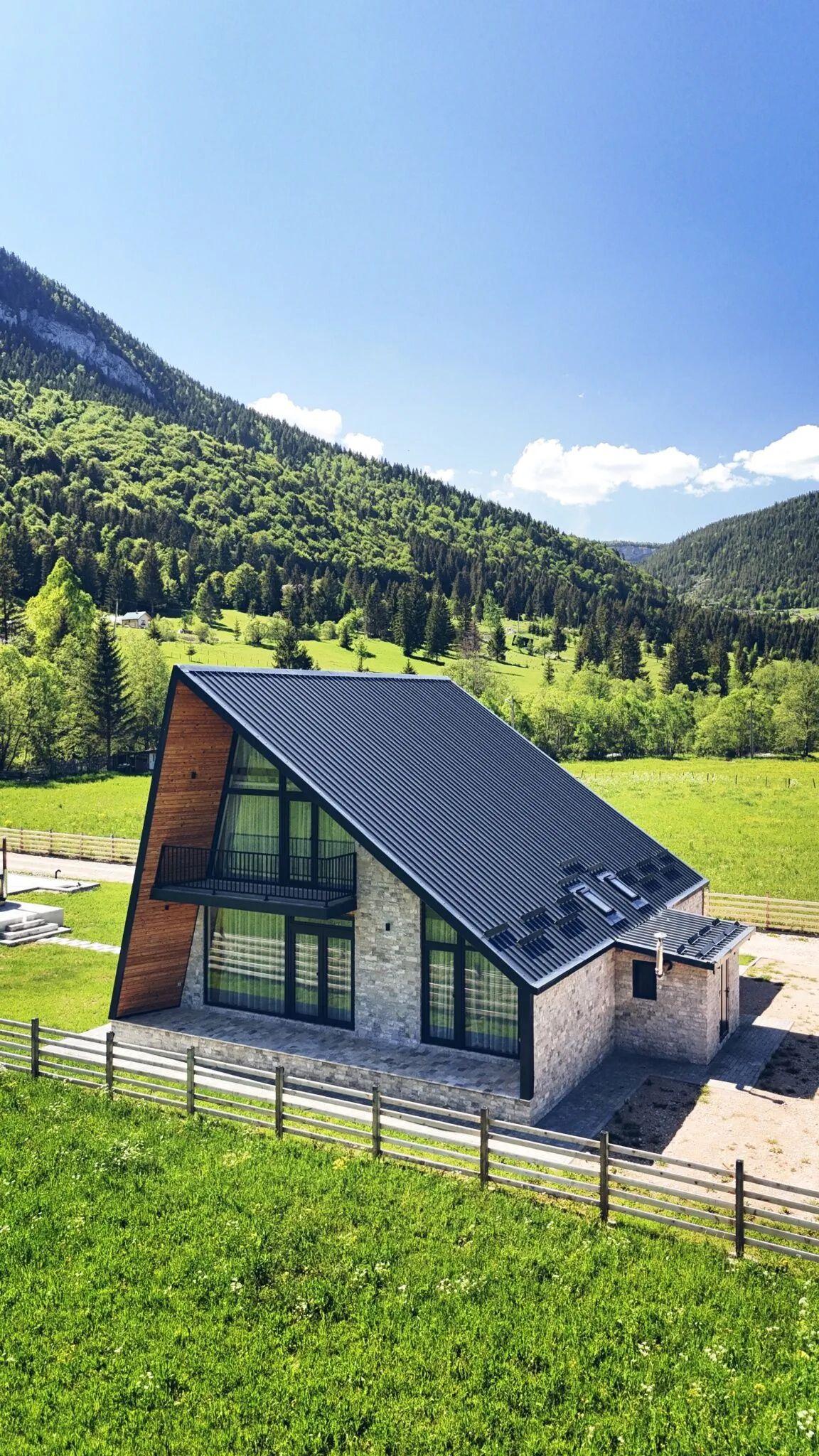
Cabana Elviu Lacu Roșu
Comfort, relaxation and stunning views, all just steps away from the main attractions.
FROM
270 lei per night
BEFORE YOU HIT THE ROAD
Weather conditions in Harghita
Local forecast for Bicaz Gorge, Harghita, Harghita

Real-time updated weather data
Much more to explore in this area
Nearby tourist attractions


3.5 km

Harghita, Harghita County
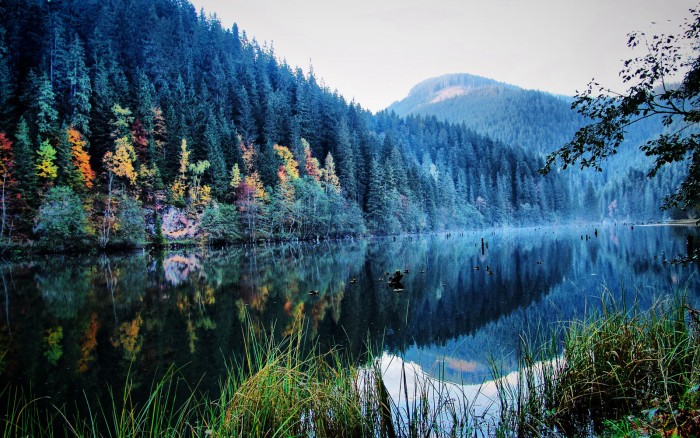
Red Lake Nature Reserve
Situat in apropierea statiunii Lacul Rosu si a orasului Gheorgheni, langa Cheile Bicazului, la poalele Hasmasului Mare; amplasat la altitudinea de 983 m; s-a...
3.7 km

Harghita, Harghita County
Borsec Spa Resort
Situata in depresiunea Borsec, la 26 km de orasul Toplita, pe DN Toplita - Piatra Neamt; amplasata la altitudinea de 900 m; efectele terapeutice ale apelor din...
25.6 km
Neamt, Neamț County
Ceahlău National Park
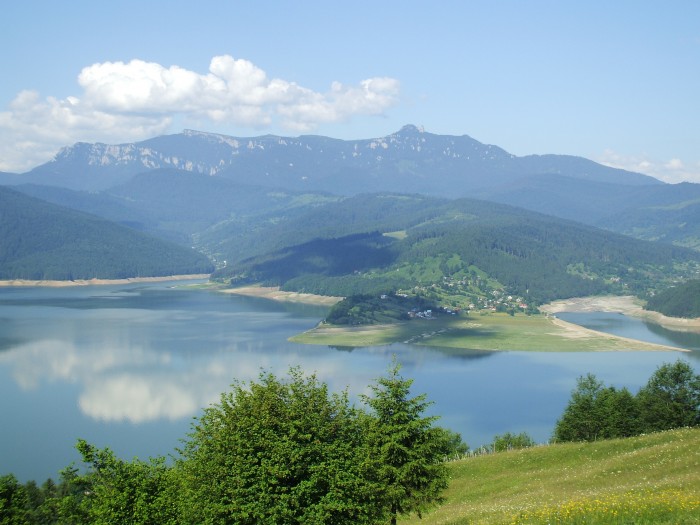
Situat la 10 km de Bicaz, in vestul judetului; incadrat in cuprinsul Masivului Ceahlau, localizat in grupa centrala a Carpatilor Orientali, in partea de sud-est...
21.6 km
Harghita, Harghita County
Bicaz Gorge National Park - Hășmaș Mountains
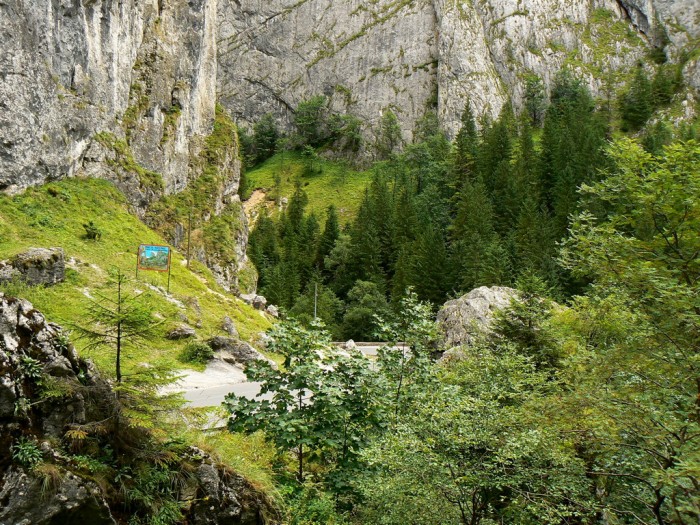
Situat la 27 km sud-vest de orasul Bicaz, in Muntii Hasmas/Haghimas (grupa centrala a Carpatilor Orientali), in zona central-nord-estica a Romaniei, pe raza...
0.0 km

Harghita, Harghita County
Șumuleu Ciuc Franciscan Monastery
Situata pe strada Szek, municipiul Miercurea Ciuc; construita in cea de a doua jumatate a secolului al XVIII - lea; la inceout avea o singura aripa, cu coridor...
48.2 km

Harghita, Harghita County
The church within the Baroque complex of Şumuleu Ciuc.
Situata in nord - estul municipiului Miercurea Ciuc, la poalele dealului Sumuleul Mic; construita intre anii 1804 - 1834, este cel mai imprtant loc de...
48.2 km

România, Transylvania
Vârful Ocolașul Mare, Munții Ceahlău
Vârful Ocolașul Mare, Munții Ceahlău (munte sau masiv) în județul România.
18.5 km
România, Transylvania
Vârful Toaca, Masivul Ceahlău
Vârful Toaca, Masivul Ceahlău (munte sau masiv) în județul România.
47.8 km
Neamt, Neamț County
Lake Izvorul Muntelui (Bicaz Lake)
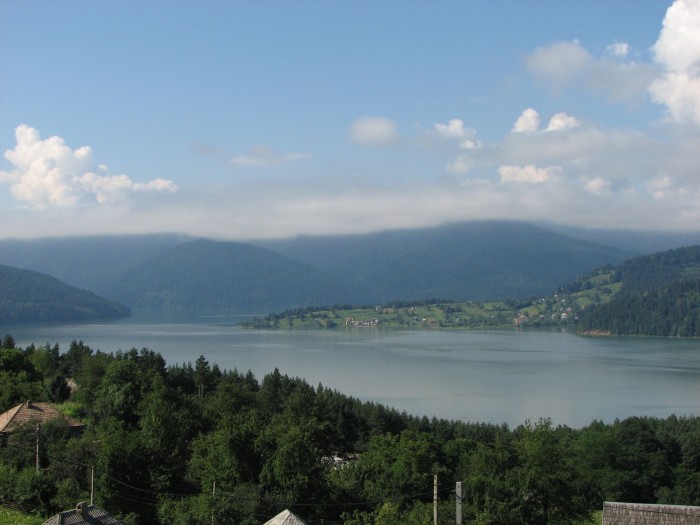
Situat la poalele Ceahlaului, pe cursul superior al raului Bistrita, la 4 km de orasul Bicaz; cunoscut si sub numele de "Lacul Bicaz", este cel mai mare lac...
29.1 km
8.6 km
32.0 km
Cultural life and traditions
Events in the Bicaz Gorge area
Medieval festivals, traditional fairs, concerts and local activities recommended in Transylvania.

Heritage and History

Harghita, County of Harghita
The Festival of Medieval Fortresses and the Open Doors Days
Guided night tours, traditional crafts workshops and historical re-enactments featuring knights and ladies.
WHEN
May 15-17, 2026


Traditions and Cuisine
Harghita, County of Harghita
The Fair of Saxon Traditions and Local Cuisine
Discover local producers, traditional Saxon pastries baked in a wood-fired oven, artisanal syrups, and rhubarb jam.
WHEN
Every weekend (May - October)

Ecotourism and Nature
The hills of Transylvania, County of Harghita
Guided Hikes on the Transylvanian Hills Trail
Take excursions along unmarked trails through ancient meadows, centuries-old oak trees, and villages with fortified churches that are UNESCO World Heritage sites.
WHEN
Friday – Sunday (Season 2026)
On foot, exploration gains depth
Discover the surroundings and local geography
Explore the trails, terrain, and natural landmarks around Bicaz Gorge.

Guides and practical tips
Useful travel articles
Travel guides, practical recommendations and tourist itineraries for Transylvania.

Tourist guide
Top 5 Atracții Turistice și Trasee Montane în Zona Moieciu - Bran
Descoperă cele mai spectaculoase peisaje carstice, chei adânci și cetăți medievale din imediata apropiere a stațiunii Moieciu.

Tourist guide
Ghid de Drumeție: Traseul Moieciu de Sus spre Platoul Bucegi
Un itinerariu montan de o frumusețe rară ce urcă din Valea Băngăleasa spre Poiana Guțanu și crestele maiestuoase ale Bucegilor.

Tourist guide
Castelul Bran: Istorie, Legende și Secrete Medievale
Află adevărata poveste a fortăreței medievale din Pasul Bran, reședința de suflet a Reginei Maria a României.
THE JOURNEY STARTS WITH AN IDEA
The next story is on the way.
From the first stop to the last stay, make room for a new Romania.
