


NATURE AND WILDLIFE · TRANSYLVANIA
Bicaz Gorge National Park - Hășmaș Mountains

Harghita, Harghita County
Add location to your trip planner.
Practical access information

VISITING HOURS
Check the local visiting schedule

TICKET PRICE
Information available at the cashier's desk

RECOMMENDED VISIT DURATION
1-2 hours
Sources and external references
Wikipedia Encyclopedia (EN)
Visitor information and guide
 Navigate with Google Maps

ABOUT BICAZ GORGE NATIONAL PARK - HĂȘMAȘ MOUNTAINS
Between Two Worlds: The Stone Gateway Between Transylvania and Moldavia
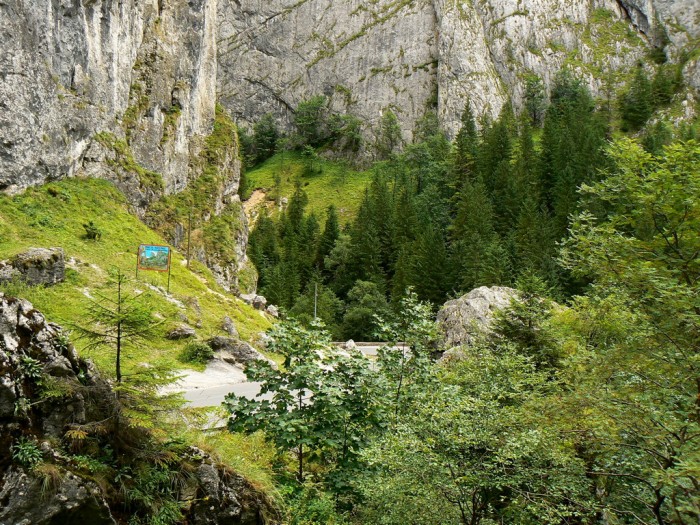
In the heart of the Eastern Carpathians, where the historic border between Transylvania and Moldavia meets the majesty of nature, lies Bicaz Gorge National Park – Hășmaș Mountains, a Category II IUCN sanctuary spanning 6,575 hectares of geological and biological splendor. Situated across Harghita and Neamț counties, this protected area is a true monument of nature of European significance, integrated into the Natura 2000 ecological network and recognized as an Important Bird Area. Established by ministerial order in 1990, consolidated by Law No. 5 of March 6, 2000, and definitively demarcated by Government Decision No. 230 of March 4, 2003, the park stretches like a natural fortress between two worlds, offering travelers an experience of discovery in a landscape that evokes the Italian Dolomites, the gorges of Slovenia, and the alpine massifs of Central Europe, while retaining a distinct and unmistakable Carpathian identity.
A Cathedral of Limestone and Time: Geology as European Architecture
The park’s territory coincides with the syncline of the Hășmaș Massif, a geological structure of continental scale where the crystalline basement from the Proterozoic and Cambrian eras—witness to Europe’s earliest geological epochs—is covered by an impressive stack of Mesozoic sediments. During the Jurassic and Cretaceous periods, approximately 200–100 million years ago, the warm waters of the Tethys Ocean—that vast tropical sea which once separated the continents of Europe from those of Africa and Asia—deposited massive layers of hard limestone and conglomerates. Meanwhile, volcanic activity in the late Lower Cretaceous introduced eruptive rocks into the sediment, creating a complex lithological mosaic. Subsequent erosion, acting over millions of years on these materials, sculpted a karst landscape of rare architectural beauty, with monumental vertical walls reminiscent of the Gothic structures of medieval European cathedrals, rocky towers such as the Altar Stone and the Lonely Stone rising like natural buttresses, deep dolines like inverted bell towers, and impressive shafts such as the one at Licaș.
The petrifying springs with spectacular travertine deposits at Șugău Gorge constitute a remarkable geological phenomenon, similar to those found in the caves of Plitvice in Croatia or the limestone formations of Pamukkale in Turkey, offering a spectacle of colors and textures that illustrate nature’s creative power. This geological wealth is complemented by paleontological sites of European importance, where researchers such as Franz Herbich, as early as 1866, followed by scientific figures like Melchior Neumayr, Elemér Vadász, and Emil Jekelius, discovered fossils of ammonites, bivalves, brachiopods, belemnites, and fossilized reefs attesting to the existence of tropical marine ecosystems millions of years ago. These discoveries place the Hășmaș Mountains among Europe’s great paleontological sites, alongside the Jurassic formations of the French and Swiss Jura or those of Bavaria, offering an authentic window into the continent’s geological past and the era when the sea covered what are now the highest peaks of the Carpathians.
A Sanctuary of Carpathian Biodiversity
The park harbors remarkable biodiversity, with over 1,050 taxa of higher plants, a diversity that rivals that of the alpine regions of Austria, Switzerland, or Slovenia. Among these, numerous Carpathian endemics such as Astragalus pseudopurpureus, Centaurea carpatica, and Dianthus spiculifolius represent true botanical jewels, species found nowhere else but in this mountain range, reflecting the ecological isolation and distinct evolution of the flora of the Eastern Carpathians. Among the natural monuments are the lady’s slipper orchid (Cypripedium calceolus), an emblematic species also found in the Alps, the edelweiss (Leontopodium alpinum)—the symbol of European highlands found from the Pyrenees to the Carpathians—and Nigritella rubra, alongside rare species such as Pinus cembra and Daphne cneorum, which enrich the forest’s vegetative tapestry.
The park’s fauna is equally impressive, preserving the character of a once-wild Europe. Here live protected species such as the brown bear, wolf, and lynx—these great predators that once roamed the forests of all Central Europe, from Bavaria to Poland, and which today survive in only a few sanctuaries like this one. The chamois, golden eagle, capercaillie, and raven complete the tableau of a fauna reminiscent of that found in the Bavarian Mountains, the Pyrenees, or the massifs of the Balkans, alongside more discreet species such as the yellow-bellied toad and the Carpathian newt. The peaks covered with subalpine meadows intertwine with dense forests of spruce, beech, fir, and larch, forming an ecological mosaic that reflects the diversity of habitats found throughout the European Alpine chain, while the deep gorges—Bicaz, Șugău, Bicăjel, and Duruitoarea—offer dramatic views with crystalline waterfalls and erosion potholes sculpted by rushing waters, culminating in Red Lake and the majestic Hășmașul Mare peak at 1,792 meters altitude.
Traces on Stone: History, Communication Routes, and European Memory
The area attracted travelers as early as the 19th century, when explorer and photographer Balázs Orbán took the first photograph—a daguerreotype—of Red Lake in 1864, laying the foundation for the development of the tourist resort and entering the history of European landscape photography alongside pioneers such as the Alinari brothers from Italy or Braun from France, who documented the continent’s great landscapes during the same period. Between 1920 and 1928, a mocăniță—a narrow-gauge forest railway characteristic of the Austro-Hungarian Empire—traversed the valley, facilitating access to the area and representing an example of the industrial infrastructure developed by the Habsburg Monarchy in its mountainous territories, similar to the forest railway networks in Austria, Slovenia, or Bosnia and Herzegovina.
The crucial historical moment came in 1937, when the road connecting Transylvania to Moldavia was built, an artery of European strategic importance in the interwar period, comparable to the great alpine passes constructed during the same era—such as Stelvio or Brenner—or the later Romanian trans-Carpathian roads. This road, now designated as national road DN12C between Gheorgheni and Bicaz, required spectacular blasting of the vertical walls of Bicaz Gorge to allow passage, an engineering feat that partially altered the original natural landscape but opened access to one of Central Europe’s most impressive vistas. The road represents a true bridge between two historic regions, crossing the border between the former Principality of Transylvania and the Principality of Moldavia, and reflects the European geopolitics of the interwar period, when road infrastructure became an essential tool of national sovereignty and continental connectivity.
Legends and Mystery in the Gorges
Beyond its scientific value, the landscape of the Hășmaș Mountains is shrouded in the aura of legends and popular myths that enrich the visitor’s experience. Red Lake, with its deep red waters contrasting against the green of the spruce forests, is surrounded by a tragic legend of a Roma girl and a shepherd’s axe, a tale of love and death that gave the lake its color, similar to the myths of bloody lakes found in the folklore of other European mountain regions. The Lonely Stone, that isolated rocky tower dominating the landscape, has inspired generations of poets and painters of the European Romantic movement, considered a symbol of sublime solitude and the power of untamed nature, akin to the solitary rocks of Switzerland or Scotland. The Altar Stone, with its shape suggesting a prehistoric place of worship, evokes the sacred traditions of ancient peoples who revered mountains, reminiscent of cult sites in ancient Greece or the megaliths of Western Europe, suggesting that these rocks have always been perceived as gateways between the earthly and divine worlds.
The Traveler’s Guide: Exploring the Heart of the Hășmaș Mountains
Visitors entering this natural sanctuary can explore a network of marked hiking trails, benefiting from the services of specialized guides who provide detailed information about the geology, flora, fauna, and local communities of the area. Access is via national road DN12C between Gheorgheni and Bicaz, a panoramic route offering stunning views of the gorges, or via DN12 from Bălan, each path revealing new facets of this ever-changing landscape. The main points of interest include Red Lake, with its mysterious waters and submerged spruce forests, Bicaz Gorge with its vertical walls and narrow straits, Șugău Gorge with its travertine formations and waterfalls, the Hășmașul Mare peak offering a 360-degree panorama of the Carpathians, and the enigmatic Lonely Stone.
At the Izvoru Mureșului Resort, the park’s administrative headquarters, visitors can explore a museum with paleontological exhibits showcasing fossils discovered in the area, providing scientific context to the visit and illustrating the massif’s geological wealth. Admission fees and visiting hours are available at the ticket office, and consulting the local schedule before visiting is recommended to ensure the best exploration conditions. Each season offers a different facet of this landscape: in autumn, the explosive colors of the beech and larch forests create a fiery carpet above the valleys; in winter, the silence of the snow transforms the gorges into a fairy-tale realm; and in spring, the thawing waterfalls and blooming endemics fill the air with freshness. Bicaz Gorge National Park – Hășmaș Mountains thus remains a remarkable example of European natural heritage conservation, a place where the continent’s millennia-old geological history meets the present in a setting of wild and unforgettable beauty, offering the modern traveler the chance to follow in the footsteps of those 19th-century explorers who revealed Europe’s splendor in these mountains.
Media gallery
Discover Bicaz Gorge National Park - Hășmaș Mountains in pictures

17 photos · Architecture, courtyards and captivating details


Image source: Wikimedia Commons · Public domain photos · Free license
STAY A FEW DAYS, DISCOVER THE MAGIC
Accommodation in the Bicaz Gorge National Park - Hășmaș Mountains area

Holiday villa · 3 stars

Lacu Roşu, Neamț County · 1.7 km
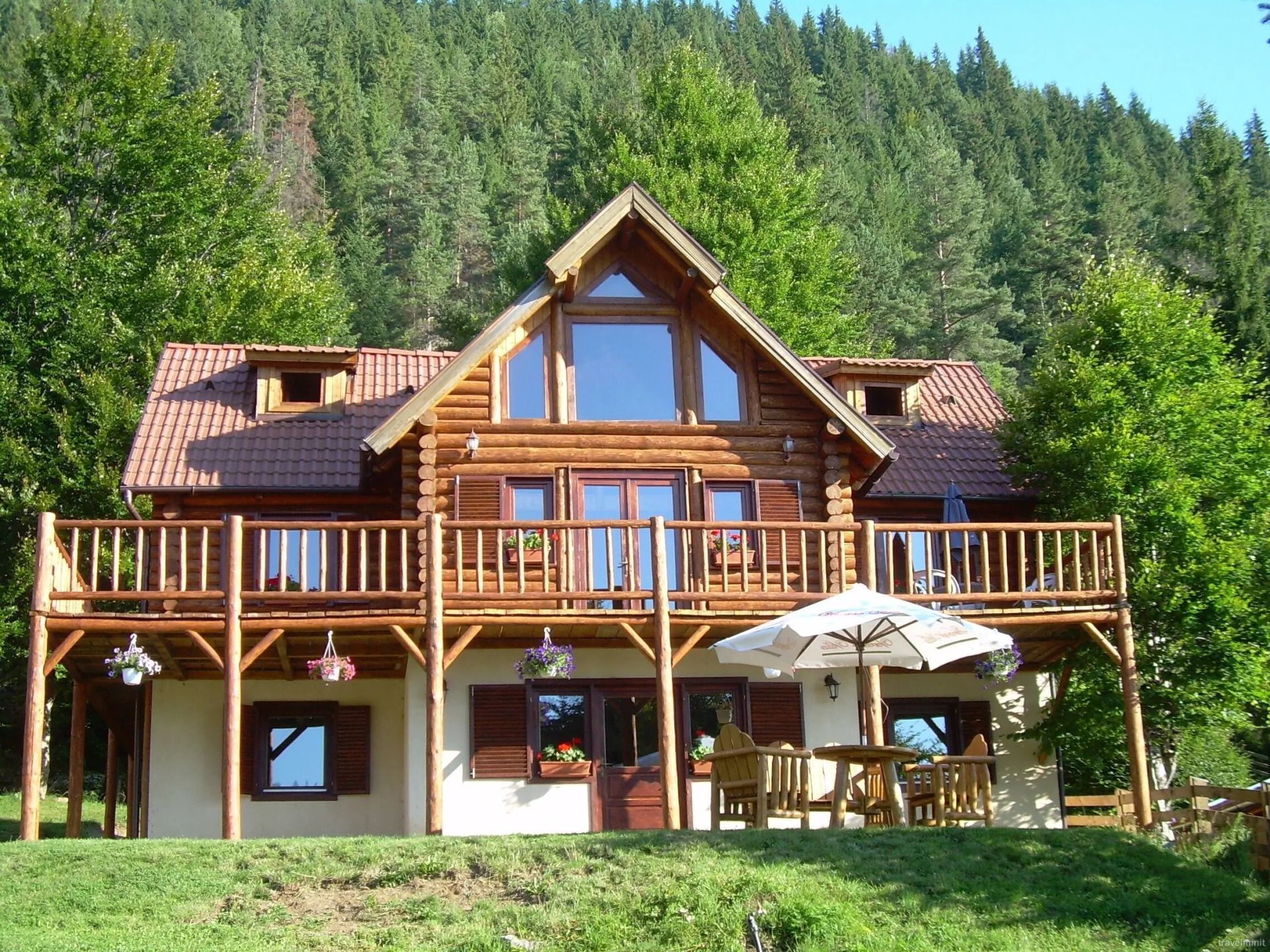
Vila Vereskő Lacu Roșu
Comfort, relaxation and stunning views, all just steps away from the main attractions.
FROM
280 lei per night

Cabin · 3 stars
Lacu Roşu, Neamț County · 2.9 km
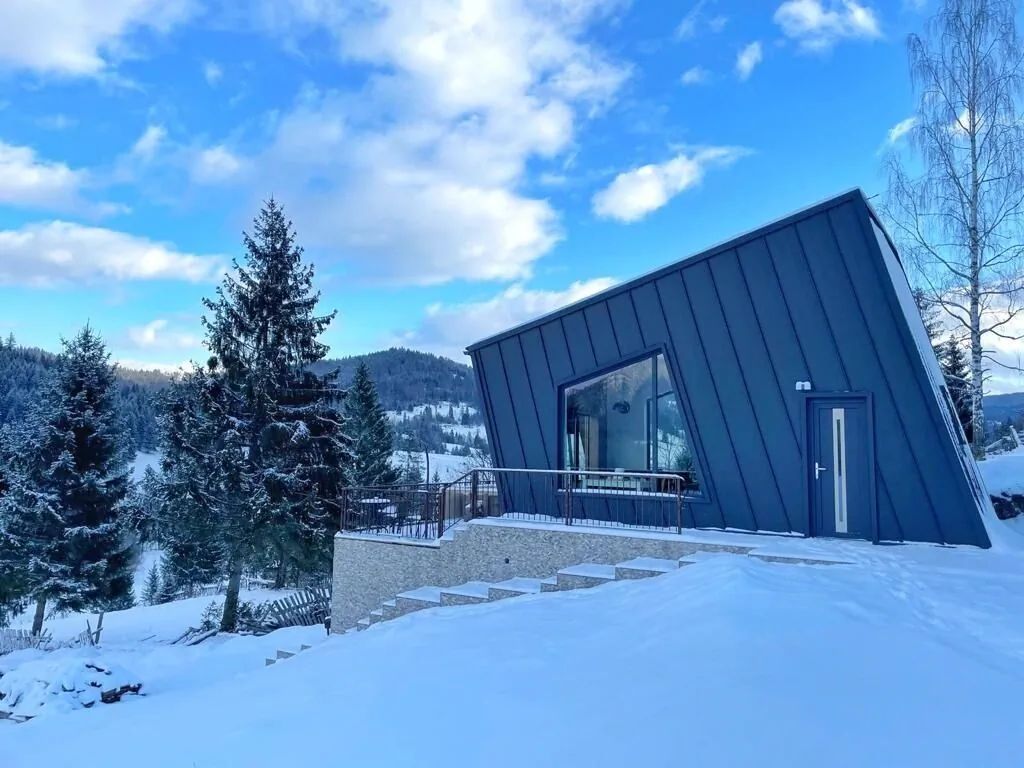
Tiny One cu Jacuzzi Lacu Roşu
Comfort, relaxation and stunning views, all just steps away from the main attractions.
FROM
270 lei per night
Guesthouse · 3 stars
Lacu Roşu, Neamț County · 2.9 km
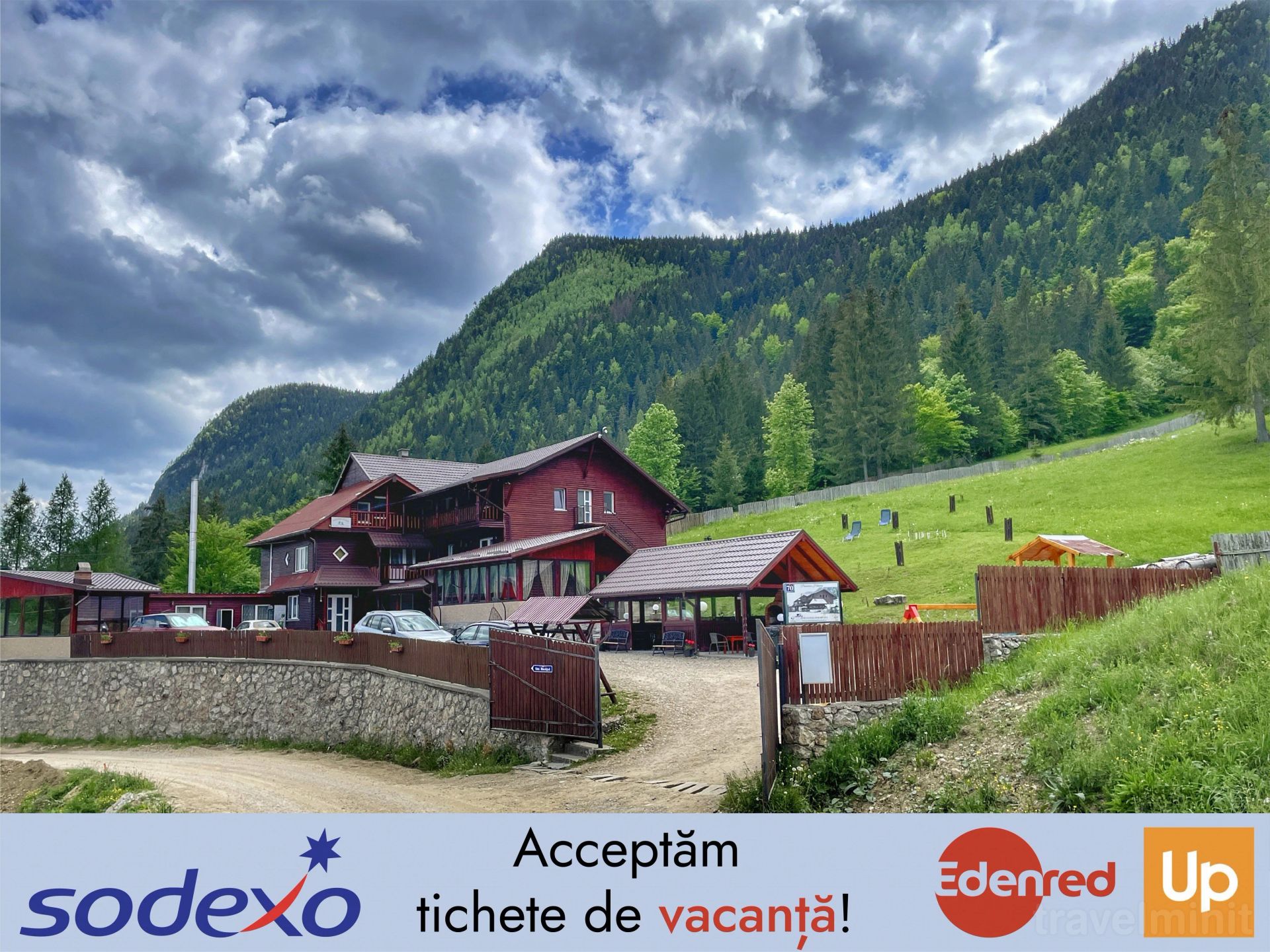
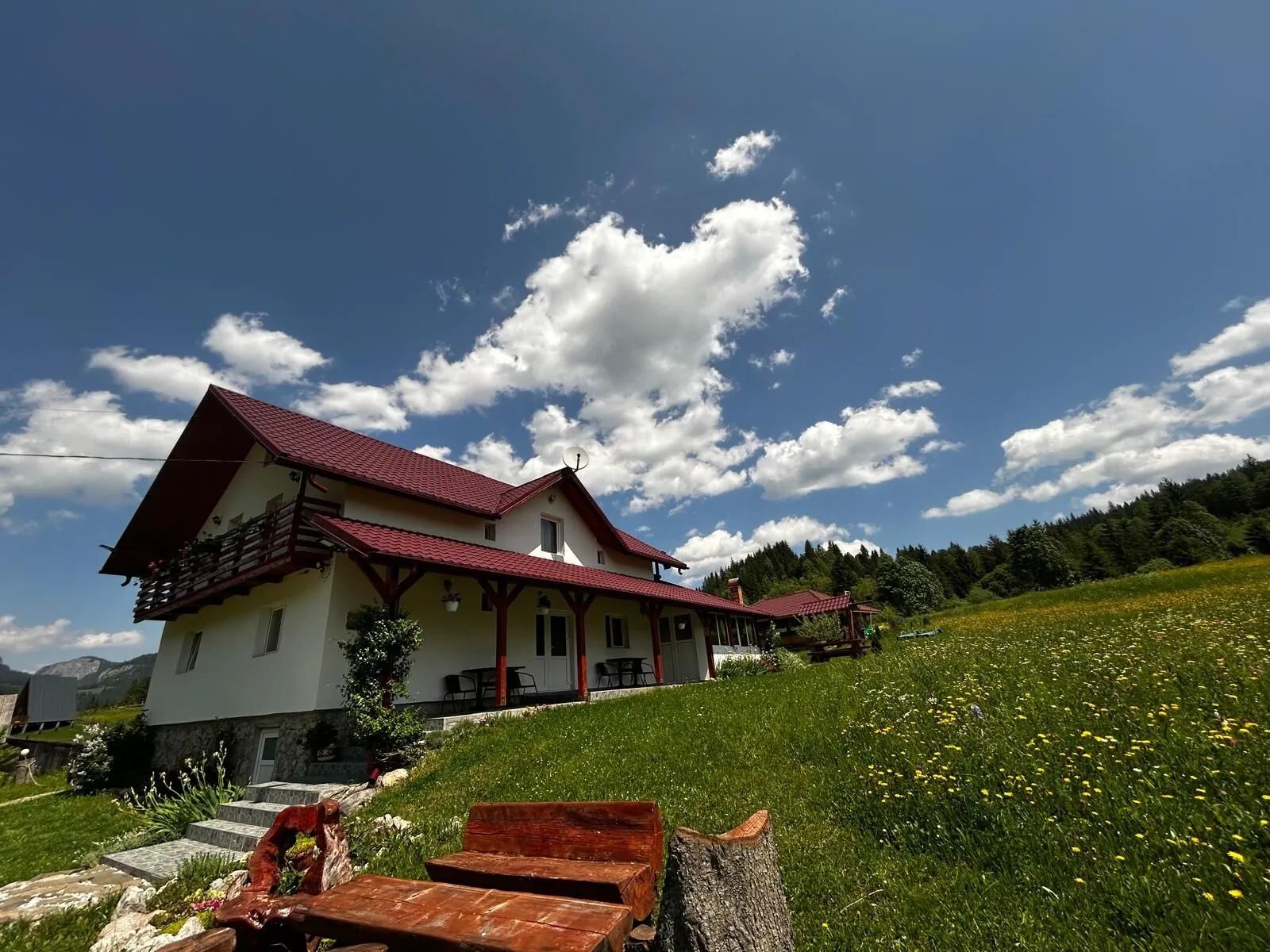
Pensiunea Hășmaș Lacu Roșu
O zi petrecută aici poate începe cu cafeaua de la cafeneaua din incintă și se poate încheia cu un grătar preparat în curtea mare. Pensiunea Hășmaș din Lacu Roșu oferă condiții confortabile pentru turiștii care ajung în această zonă montană din județul Neamț. Pensiunea pune la dispoziția dumneavoastră Wi-Fi gratuit, parcare privată gratuită și parcare pentru biciclete. În curtea mare și grădina amenajată veți găsi un foișor, un loc de joacă pentru copii la exterior și un bar unde vă puteți relaxa după o zi de explorare. De asemenea, aveți la dispoziție fier de călcat și depozit pentru bagaje. În apropiere se află Lacul Roșu, Cheile Bicazului, Munții Hășmaș, Lacu Roșu și Cheile Șugăului. De la unitate puteți porni în drumeții montane sau pe trasee în natură, explorând peisajele spectaculoase ale zonei și bucurându-vă de aerul curat al munților. Această pensiune este potrivită pentru familii cu copii, grupuri de prieteni și iubitori de natură care doresc să descopere frumusețea Munților Hășmaș într-un cadru liniștit și primitor.
FROM
240 lei per night
Cabin · 3 stars
Lacu Roşu, Neamț County · 3.5 km
Casa Chindea Lacul Roșu
Comfort, relaxation and stunning views, all just steps away from the main attractions.
FROM
270 lei per night
Holiday home · 3 stars
Bicaz-Chei, Neamț County · 3.7 km
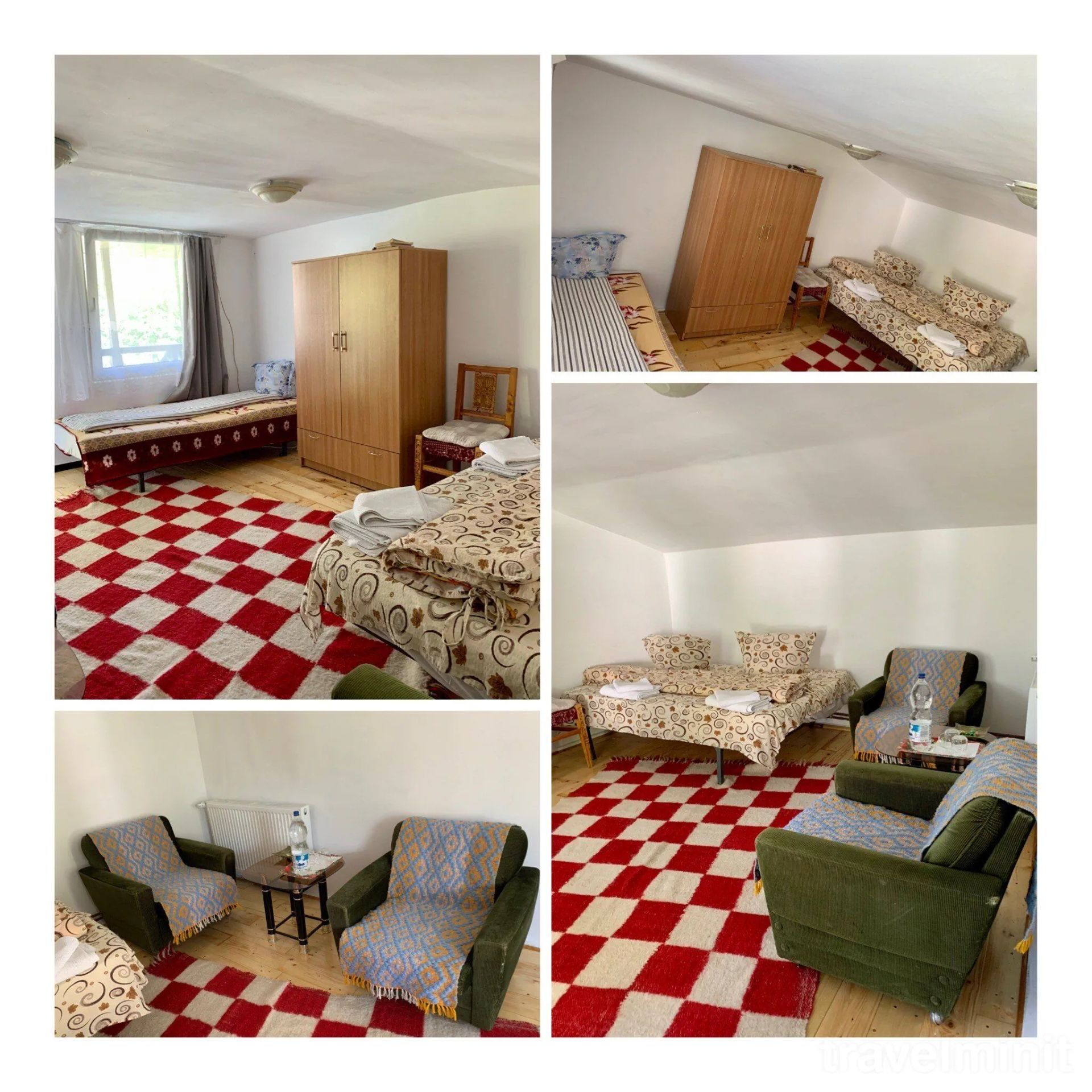
Acasa in Bicaz-Chei
Acasa in Bicaz-Chei este o casă de închiriat integrală, clasificată cu 3 stele, situată pe strada Speranței numărul 3 în localitatea Bicaz-Chei din județul Neamț, într-un peisaj montan liniștit. Vă așteptăm să vă bucurați de atmosfera autentică a zonei. Pentru confortul dumneavoastră pe toată durata șederii, unitatea pune la dispoziție Wi-Fi gratuit, parcare privată gratuită și parcare pentru biciclete. De asemenea, aveți la dispoziție un fier de călcat pentru a vă simți cu adevărat ca acasă. În exterior, curtea mare și grădina amenajată oferă un foișor primitor și un spațiu echipat cu grătar, ideale pentru momente petrecute în aer liber împreună cu cei dragi sau pentru seri liniștite sub cerul deschis. În apropiere se află Lacul Roșu, Cheile Bicazului, Cheile Șugăului, Vârful Ocolașul Mare din Munții Ceahlău și Munții Hășmaș. De asemenea, aveți acces direct la drumeții montane și trasee în natură, iar proprietarii vă pot oferi informații detaliate despre rutele din împrejurimi. După o zi petrecută explorând traseele montane din zonă, seara vă puteți relaxa în liniștea foișorului din curtea mare.
FROM
280 lei per night
Cabin · 3 stars
Lacu Roșu, Neamț County · 6.3 km
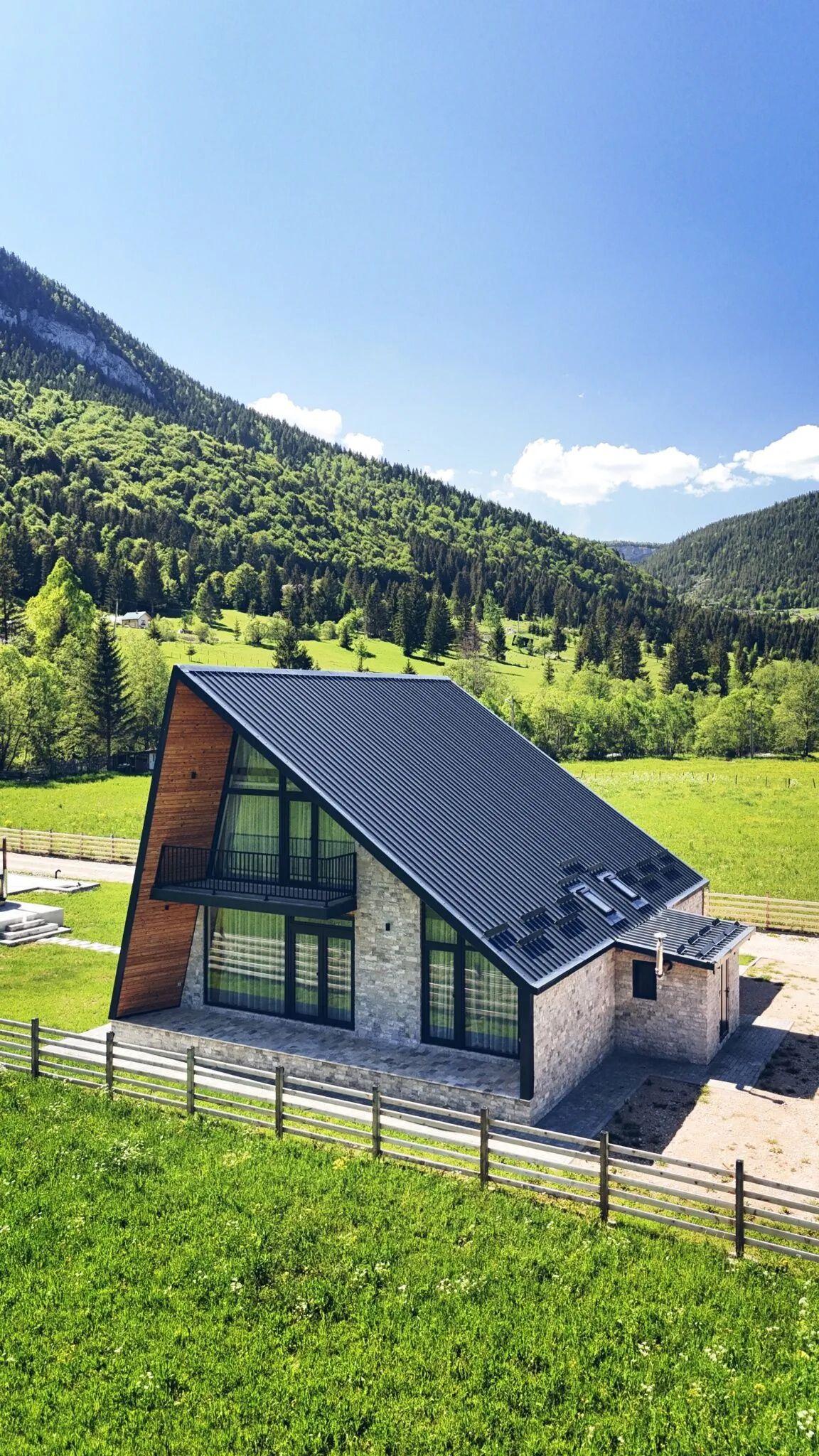
Cabana Elviu Lacu Roșu
Comfort, relaxation and stunning views, all just steps away from the main attractions.
FROM
270 lei per night
BEFORE YOU HIT THE ROAD
Weather conditions in Harghita
Local forecast for Bicaz Gorge National Park - Hășmaș Mountains, Harghita, Harghita

Real-time updated weather data
Much more to explore in this area
Nearby tourist attractions


3.5 km

Harghita, Harghita County
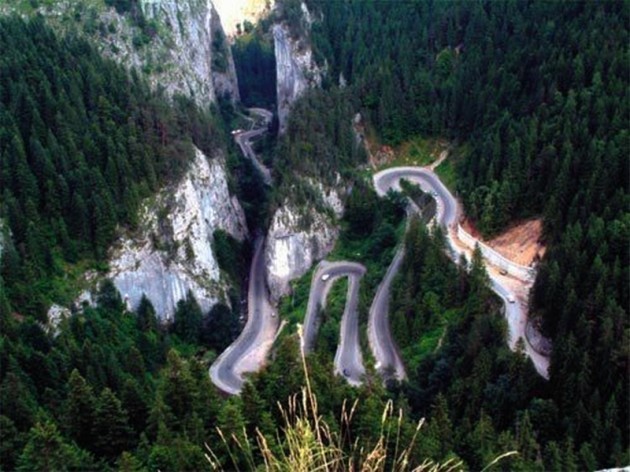
Bicaz Gorge
Cheile Bicazului sunt situate la 27 km sud-vest de orasul Bicaz, in Muntii Hasmas/Haghimas (grupa centrala a Carpatilor Orientali), in zona central-nord-estica...
0.0 km
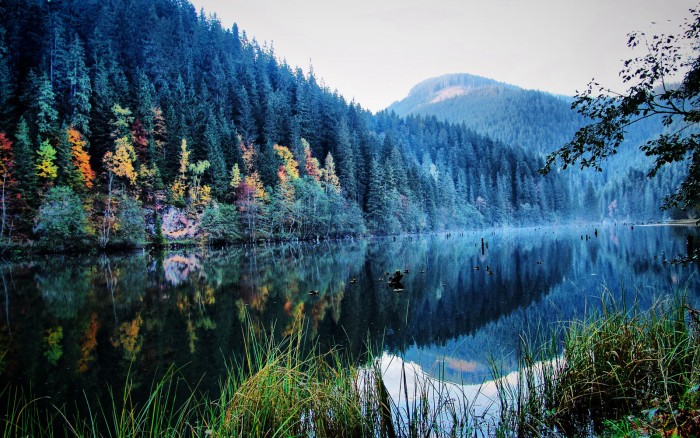
Harghita, Harghita County
Red Lake Nature Reserve
Situat in apropierea statiunii Lacul Rosu si a orasului Gheorgheni, langa Cheile Bicazului, la poalele Hasmasului Mare; amplasat la altitudinea de 983 m; s-a...
3.8 km

Harghita, Harghita County
Borsec Spa Resort
Situata in depresiunea Borsec, la 26 km de orasul Toplita, pe DN Toplita - Piatra Neamt; amplasata la altitudinea de 900 m; efectele terapeutice ale apelor din...
25.6 km
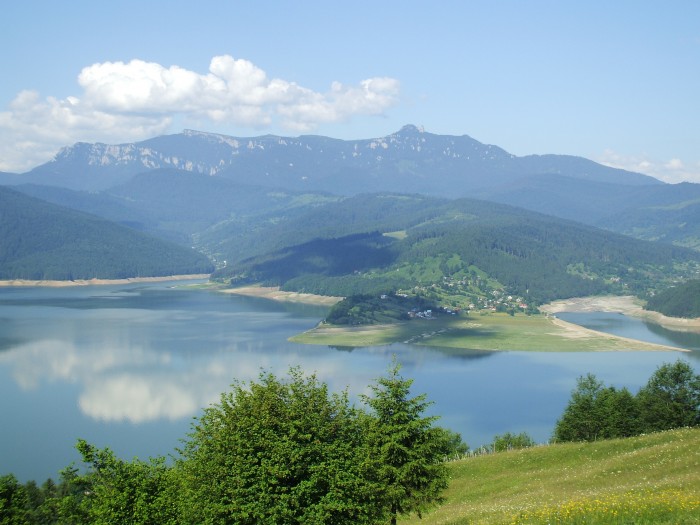
Neamt, Neamț County
Ceahlău National Park
Situat la 10 km de Bicaz, in vestul judetului; incadrat in cuprinsul Masivului Ceahlau, localizat in grupa centrala a Carpatilor Orientali, in partea de sud-est...
21.6 km

Harghita, Harghita County
Șumuleu Ciuc Franciscan Monastery
Situata pe strada Szek, municipiul Miercurea Ciuc; construita in cea de a doua jumatate a secolului al XVIII - lea; la inceout avea o singura aripa, cu coridor...
48.2 km

Harghita, Harghita County
The church within the Baroque complex of Şumuleu Ciuc.
Situata in nord - estul municipiului Miercurea Ciuc, la poalele dealului Sumuleul Mic; construita intre anii 1804 - 1834, este cel mai imprtant loc de...
48.2 km

România, Transylvania
Vârful Ocolașul Mare, Munții Ceahlău
Vârful Ocolașul Mare, Munții Ceahlău (munte sau masiv) în județul România.
18.5 km
România, Transylvania
Vârful Toaca, Masivul Ceahlău
Vârful Toaca, Masivul Ceahlău (munte sau masiv) în județul România.
47.8 km
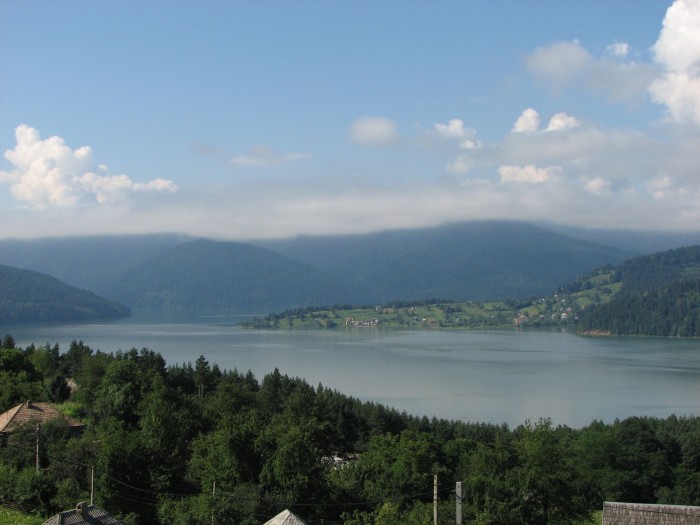
Neamt, Neamț County
Lake Izvorul Muntelui (Bicaz Lake)
Situat la poalele Ceahlaului, pe cursul superior al raului Bistrita, la 4 km de orasul Bicaz; cunoscut si sub numele de "Lacul Bicaz", este cel mai mare lac...
29.1 km
8.7 km
32.0 km
Cultural life and traditions
Events in the Bicaz Gorge National Park - Hășmaș Mountains area
Medieval festivals, traditional fairs, concerts and local activities recommended in Transylvania.

Heritage and History

Harghita, County of Harghita
The Festival of Medieval Fortresses and the Open Doors Days
Guided night tours, traditional crafts workshops and historical re-enactments featuring knights and ladies.
WHEN
May 15-17, 2026


Traditions and Cuisine
Harghita, County of Harghita
The Fair of Saxon Traditions and Local Cuisine
Discover local producers, traditional Saxon pastries baked in a wood-fired oven, artisanal syrups, and rhubarb jam.
WHEN
Every weekend (May - October)

Ecotourism and Nature
The hills of Transylvania, County of Harghita
Guided Hikes on the Transylvanian Hills Trail
Take excursions along unmarked trails through ancient meadows, centuries-old oak trees, and villages with fortified churches that are UNESCO World Heritage sites.
WHEN
Friday – Sunday (Season 2026)
On foot, exploration gains depth
Discover the surroundings and local geography
Explore the trails, terrain, and natural landmarks around Bicaz Gorge National Park - Hășmaș Mountains.

Guides and practical tips
Useful travel articles
Travel guides, practical recommendations and tourist itineraries for Transylvania.

Tourist guide
Top 5 Atracții Turistice și Trasee Montane în Zona Moieciu - Bran
Descoperă cele mai spectaculoase peisaje carstice, chei adânci și cetăți medievale din imediata apropiere a stațiunii Moieciu.

Tourist guide
Ghid de Drumeție: Traseul Moieciu de Sus spre Platoul Bucegi
Un itinerariu montan de o frumusețe rară ce urcă din Valea Băngăleasa spre Poiana Guțanu și crestele maiestuoase ale Bucegilor.

Tourist guide
Castelul Bran: Istorie, Legende și Secrete Medievale
Află adevărata poveste a fortăreței medievale din Pasul Bran, reședința de suflet a Reginei Maria a României.
THE JOURNEY STARTS WITH AN IDEA
The next story is on the way.
From the first stop to the last stay, make room for a new Romania.
