


NATURE AND WILDLIFE · BANAT
Iron Gates Natural Park

Caras Severin, Caraș-Severin County
Add location to your trip planner.
Practical access information

VISITING HOURS
Monday: 12:00 PM – 5:00 PM · Tuesday–Sunday: 9:00 AM – 5:00 PM (in summer until 8:00 PM)

TICKET PRICE
Adults: 45 RON · Students: 11 RON · Seniors: 23 RON · Guided tour included

RECOMMENDED VISIT DURATION
2-3.5 hours
Visitor information and guide
 Navigate with Google Maps

ABOUT IRON GATES NATURAL PARK
Captivating Introduction and Heritage Significance
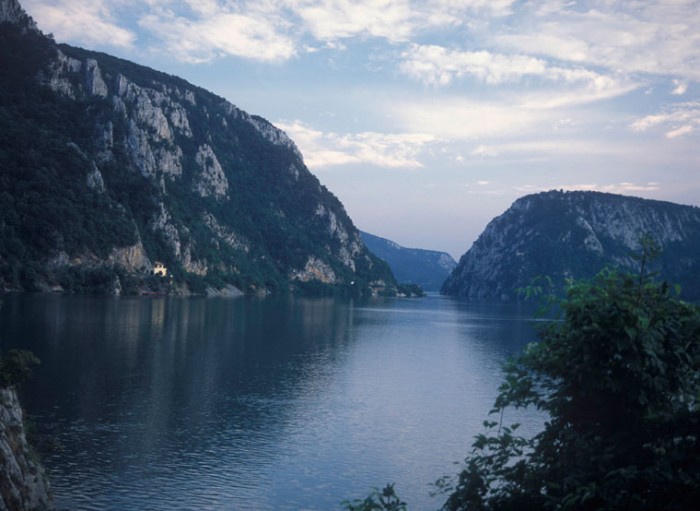
In southwestern Romania, where the Danube forges its way through mountains toward the Black Sea, one of the continent’s most spectacular river landscapes unfolds—a geological theater where time seems to pause in a moment of cosmic stillness. Spanning 115,655 hectares across Caraș-Severin and Mehedinți counties, Iron Gates Natural Park safeguards Europe’s most impressive river gorge, a natural monument of international significance where limestone cliffs, deep emerald waters, and lush vegetation converge in a millennia-old spectacle. This territory is not merely a nationally important protected area but also a vital ecological corridor for Europe, forming part of the Danube’s green belt and the Natura 2000 network—a chain of biodiversity linking the Alps to the Black Sea.
The significance of this place transcends simple geographical boundaries. Here, the Danube, the river of kings that once connected Vienna to Constantinople, encounters a formidable natural barrier—a stone gateway that has shaped the destinies of civilizations for two millennia. The park harbors a unique ecosystem at the intersection of Central European and sub-Mediterranean climatic influences, creating a microclimate that sustains rare endemic species, a true natural laboratory of Southeastern Europe. For the discerning traveler, the Iron Gates offer an experience comparable to Germany’s Rhine Gorge, France’s Verdon Gorge, or Montenegro’s Tara River Canyon, yet with an added historical depth, given its position at the frontier of empires, cultures, and epochs.
Historical Roots and Major European Connections
The history of this territory is inseparable from the grand narrative of Europe, bearing silent witness to pivotal moments that have defined the continent. In antiquity, the gorge was part of the Roman limes, the northern frontier of the Roman Empire in Dacia. Emperor Trajan, after conquering Dacia in 106 AD, used this strategic corridor to transport legions and supplies, with Roman roads following the left bank of the Danube to the fortifications at Drobeta. Trajan’s Column in Rome depicts scenes from these campaigns, and archaeologists have uncovered traces of Roman civilization in the Băziaș and Drencova areas, including bridges and paved roads that linked the provincial capital of Dacia, Ulpia Traiana Sarmizegetusa, to the heart of the empire.
During the Middle Ages, the Iron Gates became a shifting border between two worlds: the Kingdom of Hungary and the Ottoman Empire. After 1526, when the Ottomans conquered Hungary, these mountains represented the defensive line of Christian Europe against Ottoman expansion westward. The fortress of Orșova, initially built by the Romans and later reconstructed by the Hungarians, controlled passage along the Danube, serving as a vital strategic point for river trade between Central Europe and the Balkans. In the 18th century, the Habsburg Monarchy established the Military Frontier here, a system of fortifications and settlements designed to defend the empire against the Ottomans. Frontier guard communities—Romanians, Serbs, and Germans—populated these valleys, leaving their mark on rural architecture and local traditions.
The modern era brought new challenges and transformations. In the 19th century, the regulation of the Danube in the Iron Gates area represented one of Europe’s most ambitious engineering projects of the time, aimed at making this treacherous stretch navigable for commercial vessels linking Danube ports to the sea. Later, during the communist period, the construction of the Iron Gates I and II hydroelectric dams, built in collaboration with Yugoslavia between 1964 and 1984, permanently altered the landscape, flooding entire villages and creating reservoirs that reshaped the region’s morphology. Though ecologically controversial, these projects opened new perspectives on the interaction between humans and nature. Today, the park strives to balance conservation with sustainable development, serving as a model for the management of transboundary protected areas alongside Serbia’s Đerdap National Park.
Architectural Masterpiece, Style, and Constructive Details
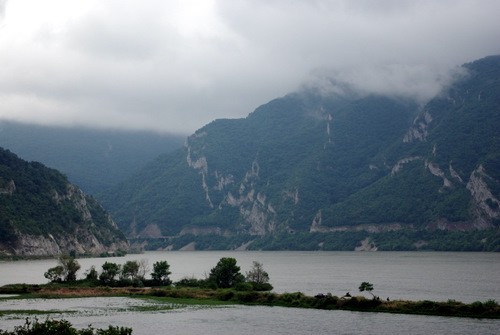
Viewed through the lens of architecture, Iron Gates Natural Park is a masterpiece of nature—a cathedral carved by water and time into the massive limestone of the Locva and Banat Mountains. Its defining feature is the alternating wide and narrow stretches of the Danube, the most dramatic being the Great and Small Kazan Gorges, where the river cuts through cliffs up to 500 meters deep, flanked by vertical walls that seem to touch the sky. These geological formations, shaped by fluvial erosion over millions of years, create a landscape of breathtaking verticality, comparable to the Gothic architecture of Europe’s cathedrals, where stone columns support celestial vaults.
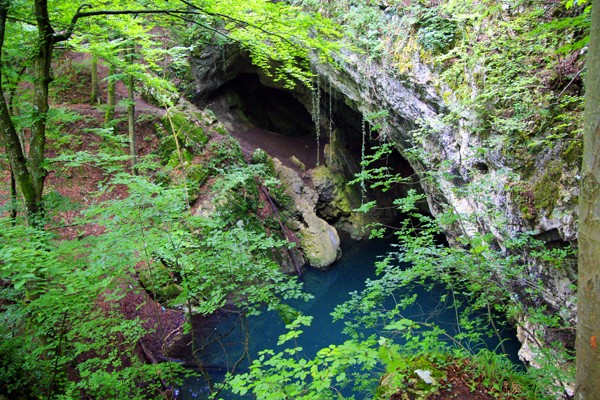
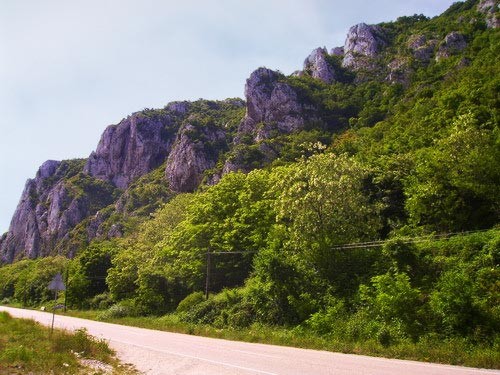
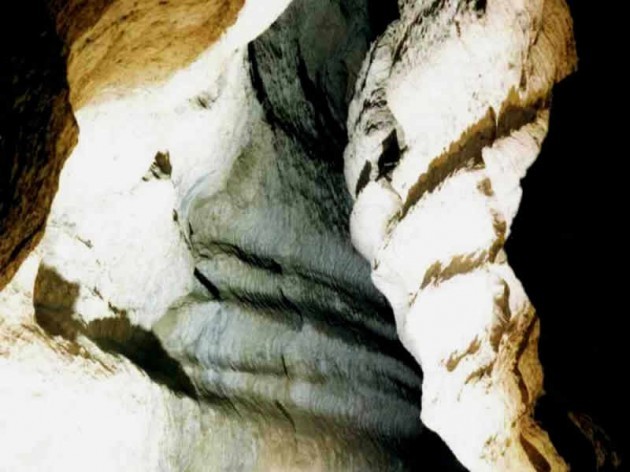
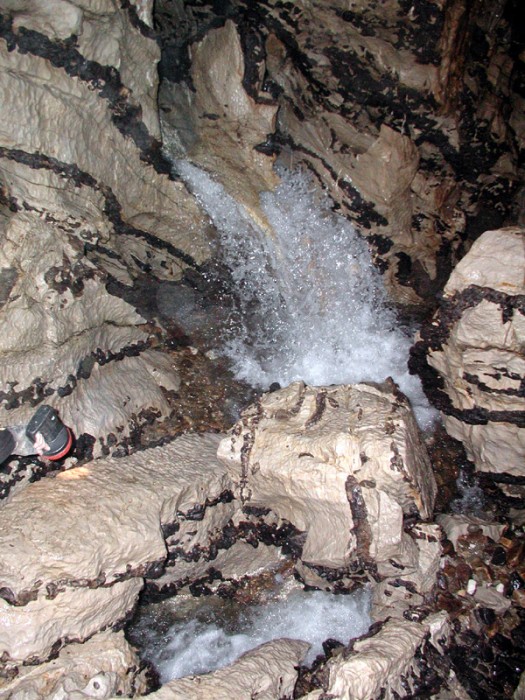
Beneath the park’s surface lies an impressive network of caves and karst formations that complete this three-dimensional landscape. Gaura Haiducească Cave, with a length of 1,370 meters and a chamber 100 meters long, is a space of cathedral-like dimensions, where stalactites and stalagmites form rare mineral structures of extraordinary beauty. Nearby, caves such as Gaura cu Muscă, Alibeg, Pădina Matei, Gaura Cornii, La Pisatoare, and Zămonița conceal travertine formations and rare crystals, offering a glimpse into how water, over geological eras, constructs subterranean architectures of astonishing complexity. The vegetation adds to this tableau, with ancient beech forests—trees over 100 years old—clothing the slopes in an emerald-green mantle that contrasts with the grayish-white of the limestone cliffs, creating a chromatic interplay characteristic of the temperate-continental zone with sub-Mediterranean influences.
Stories, Legends, Personalities, and Turning Points
Every rock and bend of the Danube in this region holds stories that have traversed centuries, blending documented history with local mythology. The name Iron Gates evokes the image of a narrow, treacherous passage for navigation—a true iron corner between the Locva Mountains and those of Serbia, likely derived from the Hungarian Vaskapu, used by medieval travelers to describe the difficulty of passing through this strait. Legend has it that deep within these waters lies the treasure of the Dacians, and old fishermen spoke of the ghosts of Decebalus’s archers guarding the banks before the Roman conquest.
Another fascinating tale is that of the ethnic communities that have populated these lands. In the 19th century, under Emperor Franz I of Austria, groups of Czech colonists from Bohemia were brought to Banat, founding the village of Sfânta Elena, the only predominantly Czech village in Romania. These settlers brought with them agricultural traditions, distinctive architecture, and the Czech language, creating a Central European cultural outpost in the heart of the Balkans. Alongside them, Serbian communities in Gârnic and Socol preserved Orthodox customs and traditional music, forming a cultural mosaic that reflects the diversity of Southeastern Europe. In the 20th century, the construction of the dams forced the relocation of entire villages, and Ada Kaleh Island, famous for its Ottoman fortress and unique Turkish community, was submerged beneath the reservoir’s waters, becoming a Danube Atlantis—a symbol of the irreversible passage of time.
Practical Visitor’s Guide and Today’s Traveler Experience
For the contemporary traveler eager to explore this exceptional destination, Iron Gates Natural Park offers multiple access points and experiences, each revealing a different facet of this fascinating territory. The main entrances are through the villages of Socol, Naidaș, Cărbunari, and Topoleț, where a network of marked hiking trails opens paths to landscapes of rare beauty, with elevations ranging from 80 to 1,000 meters. The towns of Orșova and Drobeta-Turnu Severin serve as gateways to the region, providing tourist facilities and the opportunity to visit Trajan’s Bridge, the longest Roman bridge ever built across the Danube.
The most spectacular way to discover the park is by taking a river cruise from Băziaș to Moldova Nouă, a journey of approximately four hours that offers direct views of the Great and Small Kazan Gorges, allowing travelers to observe the vertical limestone walls and caves carved into the cliffs. For hiking enthusiasts, the terrain is ideal for exploration on foot, with trails leading to the peaks of the Locva Mountains, offering belvederes where the panorama of the Danube unfolds like a silver ribbon between the mountains. Amateur and professional spelunkers can explore uncharted caves, such as Gaura Haiducească, with proper equipment, discovering underground chambers where time seems suspended. The wetlands of Moldova Nouă Island, Calinovăț Island, and Divič host colonies of aquatic birds, making them a paradise for ornithologists and nature photographers.
The cultural experience is enriched by visits to ethnographic villages. In Sfânta Elena, tourists can discover traditional Czech houses, the Roman Catholic church, and customs preserved since the 19th century, while in Gârnic and Socol, they can sample Serbian and Romanian traditional cuisine. The Reșița-Danube tourist route, currently under development, connects to the north with Nera Gorge-Beușnița National Park, offering a unique ecological continuity in the Banat Mountains and linking the natural heritage of the Iron Gates to Europe’s network of protected areas. For thrill-seekers, paragliding over the gorge provides dizzying aerial perspectives, while the Danube’s waters allow for kayaking, canoeing, or water skiing. Every visit to this park is an immersion into the heart of a Europe that holds its breath, where nature and history dance together along the banks of the continent’s greatest river.
Media gallery
Discover Iron Gates Natural Park in pictures

2 photos · Architecture, courtyards and captivating details

Image source: Wikimedia Commons · Public domain photos · Free license
STAY A FEW DAYS, DISCOVER THE MAGIC
Accommodation in the Iron Gates Natural Park area

Holiday home · 3 stars

Sasca Montană, Caraș-Severin County · 5.7 km
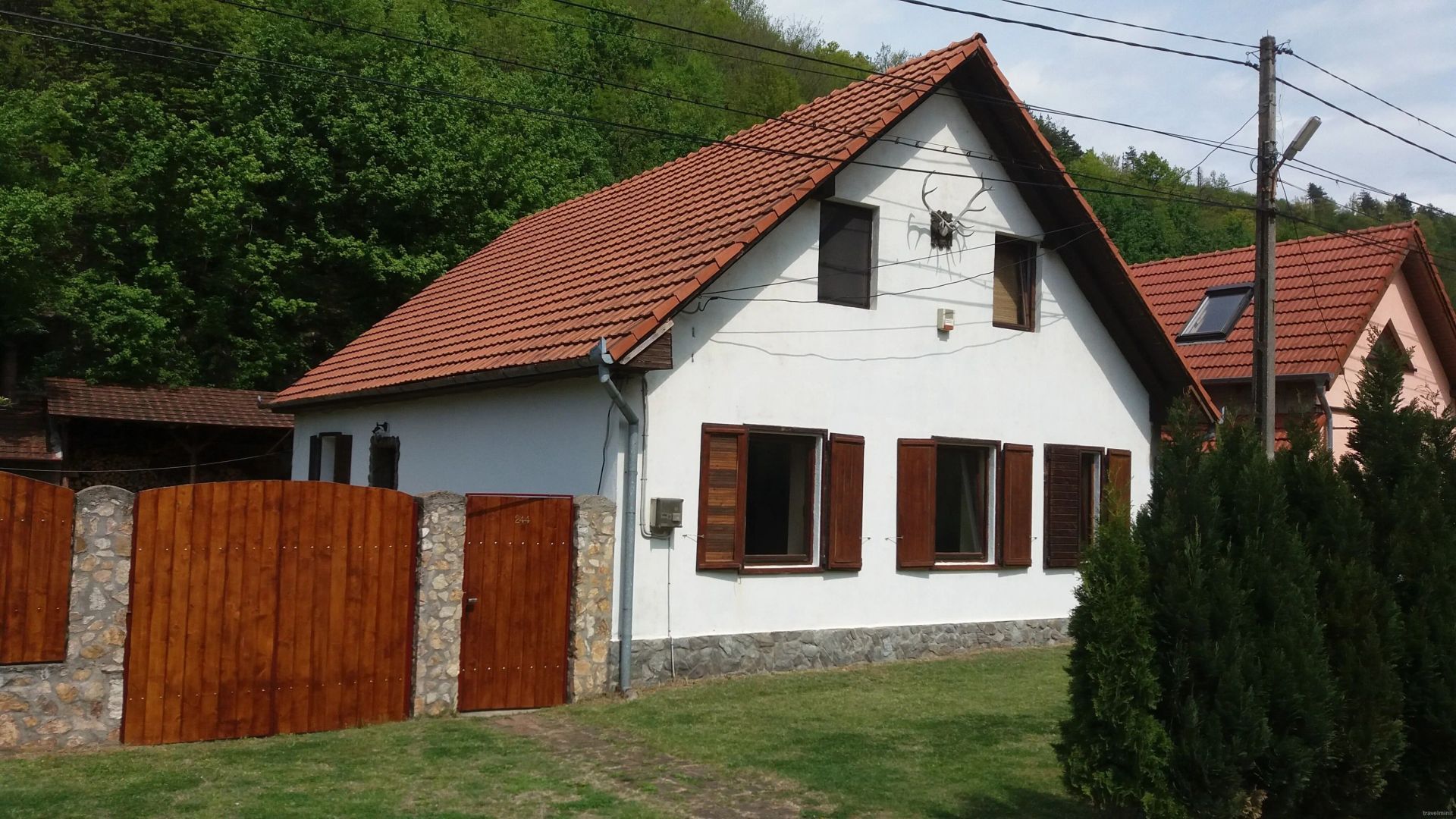
Casa de vacanță Nagy Sándor Sasca Montană
Comfort, relaxation and stunning views, all just steps away from the main attractions.
FROM
280 lei per night

Guesthouse · 3 stars
Sasca Română, Caraș-Severin County · 5.9 km
Casa Dolly Sasca Română
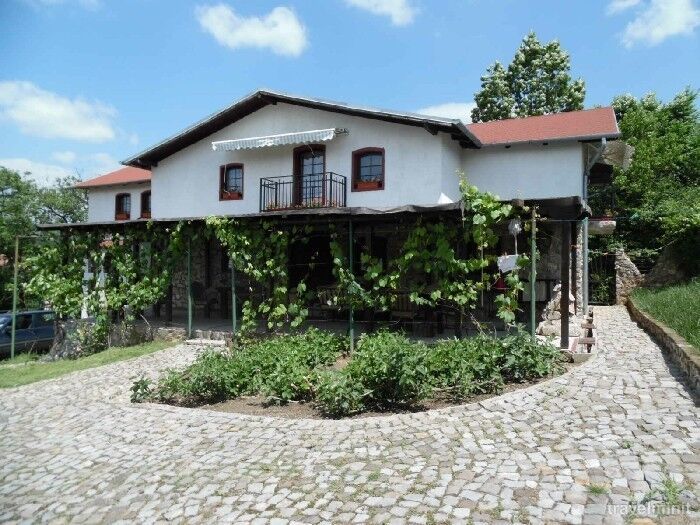
Cheile Nerei, Parcul Natural Porțile de Fier sau Cascadele Beușniței sunt doar câteva dintre obiectivele naturale pe care le puteți vizita pornind de la Casa Dolly Sasca Română. Situată în localitatea Sasca Română din județul Caraș-Severin, această pensiune turistică de 3 stele reprezintă punctul de plecare pentru explorarea acestor locuri. Proprietatea vă pune la dispoziție facilități practice pentru un sejur relaxant: parcare privată gratuită, acces Wi-Fi gratuit în toată unitatea și o curte mare cu grădină amenajată unde vă puteți bucura de aer curat și liniște. Pentru momentele de relaxare în aer liber, aveți la dispoziție grătar sau barbeque, dar și un ceaun tradițional pentru preparate gătite direct în natură. Cele șase camere modern mobilate asigură condiții bune de odihnă după zilele de explorare. La momentul efectuării rezervării puteți alege între mai multe opțiuni de masă, inclusiv mic dejun, demipensiune sau pensiune completă, în funcție de preferințele dumneavoastră. Personalul de la recepție comunică fluent în română, germană și sârbă, fiind pregătit să vă sprijine cu orice informație pe toată durata șederii. Vă așteptăm la Casa Dolly Sasca Română.
FROM
240 lei per night
Holiday home · 2 stars
Dubova, Mehedinți County · 6.4 km
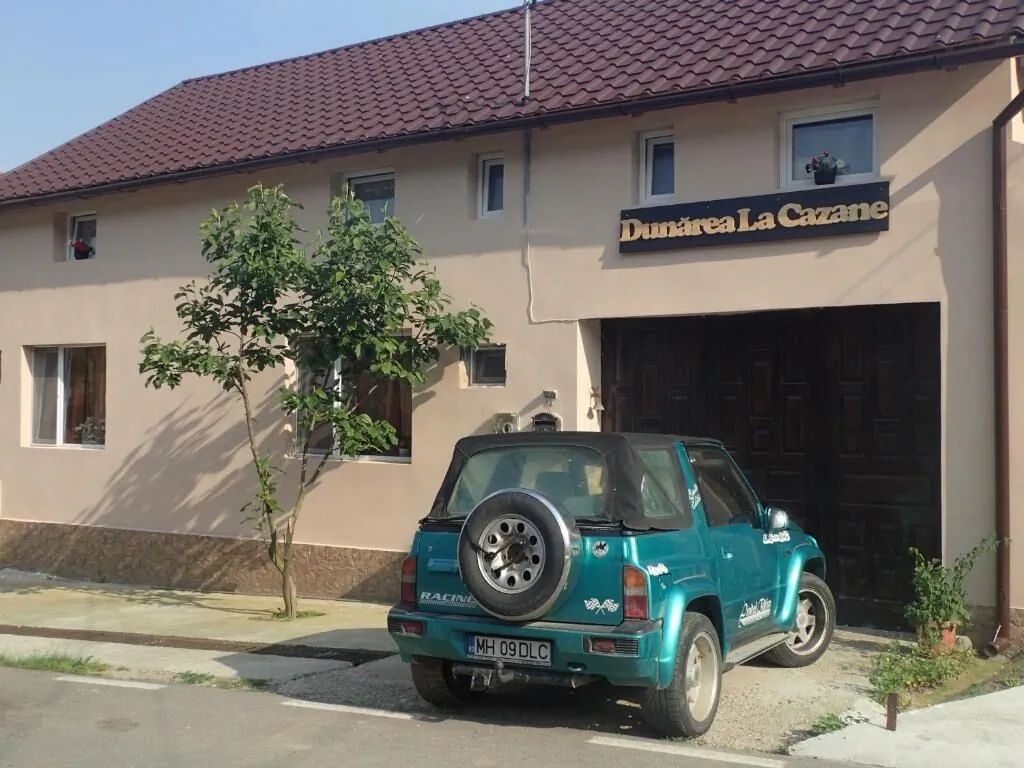
Casa de oaspeți Dunarea la Cazane Dubova
Familiile numeroase și grupurile de prieteni se vor simți bine la Casa de oaspeți Dunarea la Cazane din Dubova, județul Mehedinți. Această vilă integrală, clasificată cu două stele, oferă șapte camere confortabile și plăcut amenajate într-un cadru natural liniștit, departe de aglomerația urbană, fiind potrivită pentru un sejur relaxant în mijlocul naturii. Unitatea pune la dispoziția dumneavoastră Wi-Fi gratuit, parcare privată gratuită și acces facilitat pentru persoane cu dizabilități. Unele camere sunt prevăzute cu aer condiționat pentru confortul dumneavoastră pe tot parcursul șederii. În curtea mare și grădina amenajată puteți organiza mese în aer liber, folosind grătarul sau ceaunul pus la dispoziție pentru gătit. Foișorul din curte reprezintă locul perfect pentru relaxare și conversații după o zi plină de activități în natură. În apropiere puteți vizita Lacul Ochiul Beiului, Parcul Natural Porțile de Fier, Cheile Nerei, Lacul Dracului din Caraș-Severin și Izbucul Bigăr. Traseele montane și drumețiile în natură disponibile în zonă sunt ideale pentru iubitorii de activități în aer liber și explorare a peisajelor sălbatice din această regiune unică. Vă așteptăm la Casa de oaspeți Dunarea la Cazane Dubova.
FROM
280 lei per night
Guesthouse · 3 stars
Socolari, Caraș-Severin County · 11.6 km
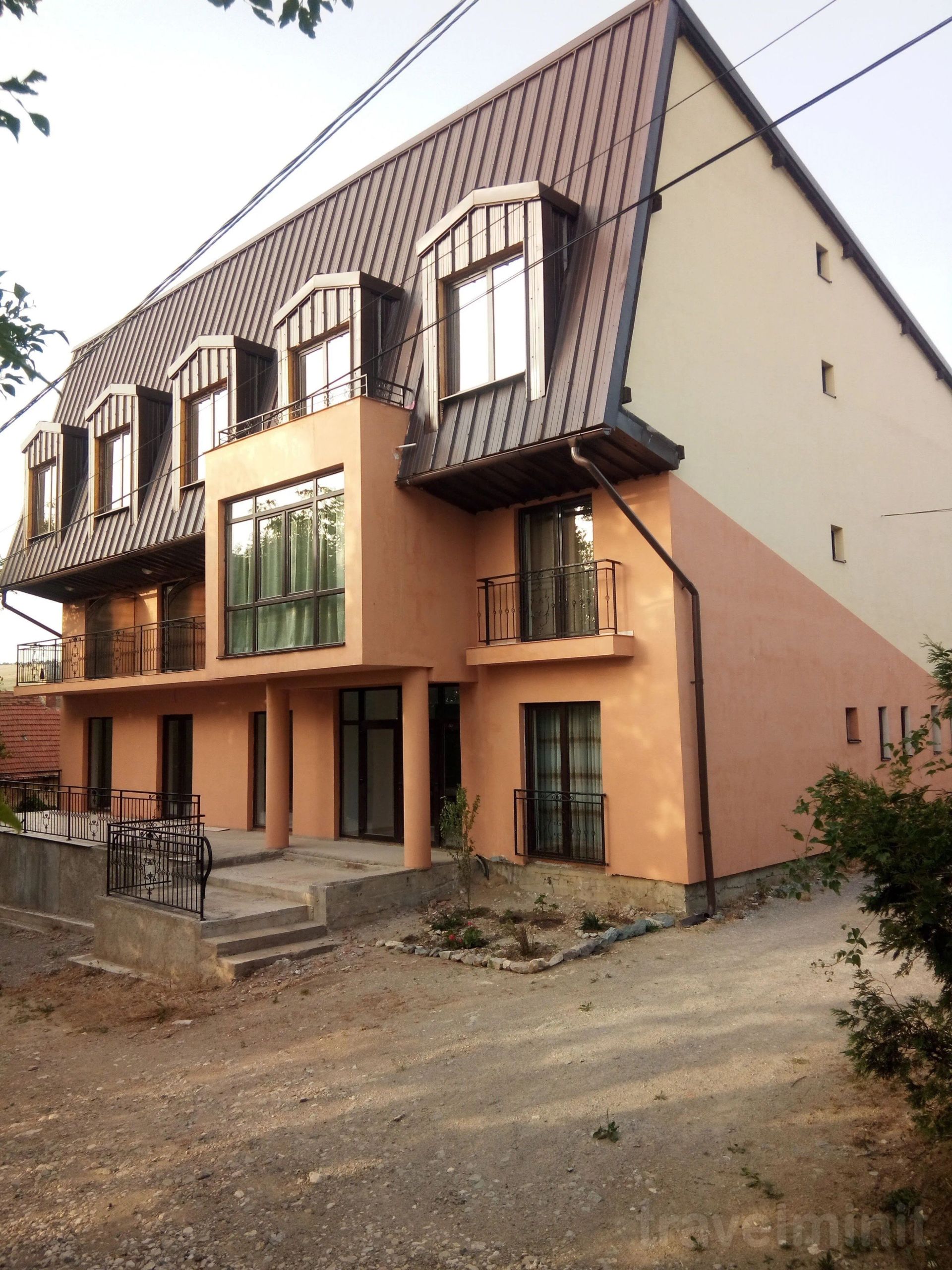
Pensiunea Valea Beiului Socolari
O zi petrecută aici poate începe cu drumeții pe traseele montane și în natură și se poate încheia cu un grătar în curtea mare amenajată. Pensiunea Valea Beiului din Socolari oferă nouă camere frumos amenajate într-un cadru liniștit din județul Caraș-Severin. Pentru confortul dumneavoastră, punem la dispoziție Wi-Fi gratuit în întreaga proprietate și parcare privată gratuită. Grădina amenajată și curtea spațioasă sunt perfecte pentru relaxare după o zi plină de activități în aer liber, oferindu-vă un spațiu generos pentru a vă bucura de aerul curat. În apropiere puteți vizita Lacul Ochiul Beiului, Parcul Natural Porțile de Fier, Cascadele Beușniței, Cheile Nerei și Lacul Dracului din Caraș-Severin. Aceste obiective naturale oferă numeroase posibilități de explorare și relaxare în mijlocul naturii, fiind potrivite pentru iubitorii de drumeții. Check-in-ul se efectuează de la ora 16:00, iar check-out-ul până la ora 11:00, iar personalul de la recepție comunică în limba română. Vă așteptăm să vă bucurați de șederea dumneavoastră în această locație.
FROM
240 lei per night
Holiday home · 3 stars
Socolari, Caraș-Severin County · 11.7 km
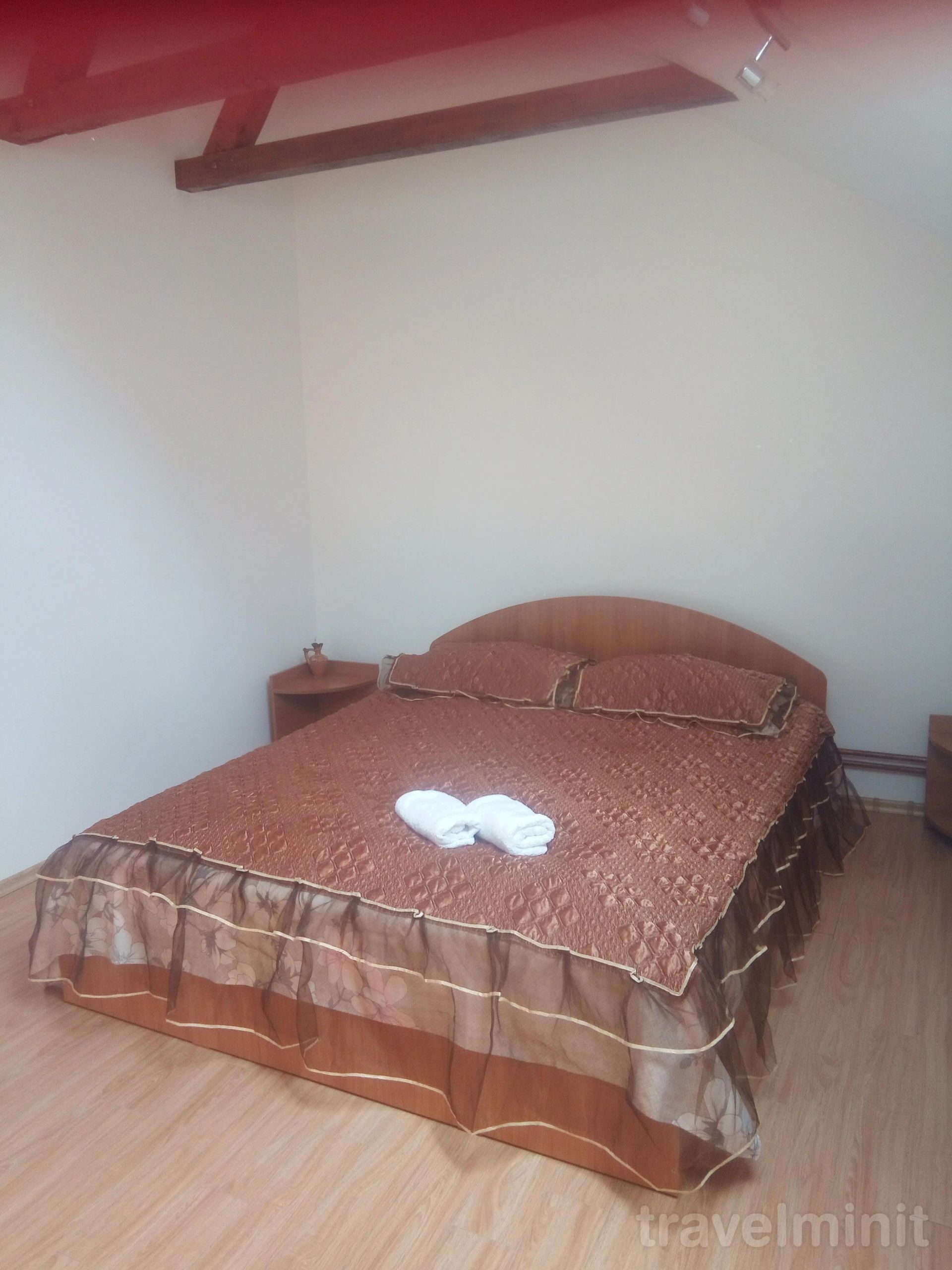
Casa de vacanță Violeta Socolari
Comfort, relaxation and stunning views, all just steps away from the main attractions.
FROM
280 lei per night
Guesthouse · 3 stars
Gornea, Caraș-Severin County · 15.0 km
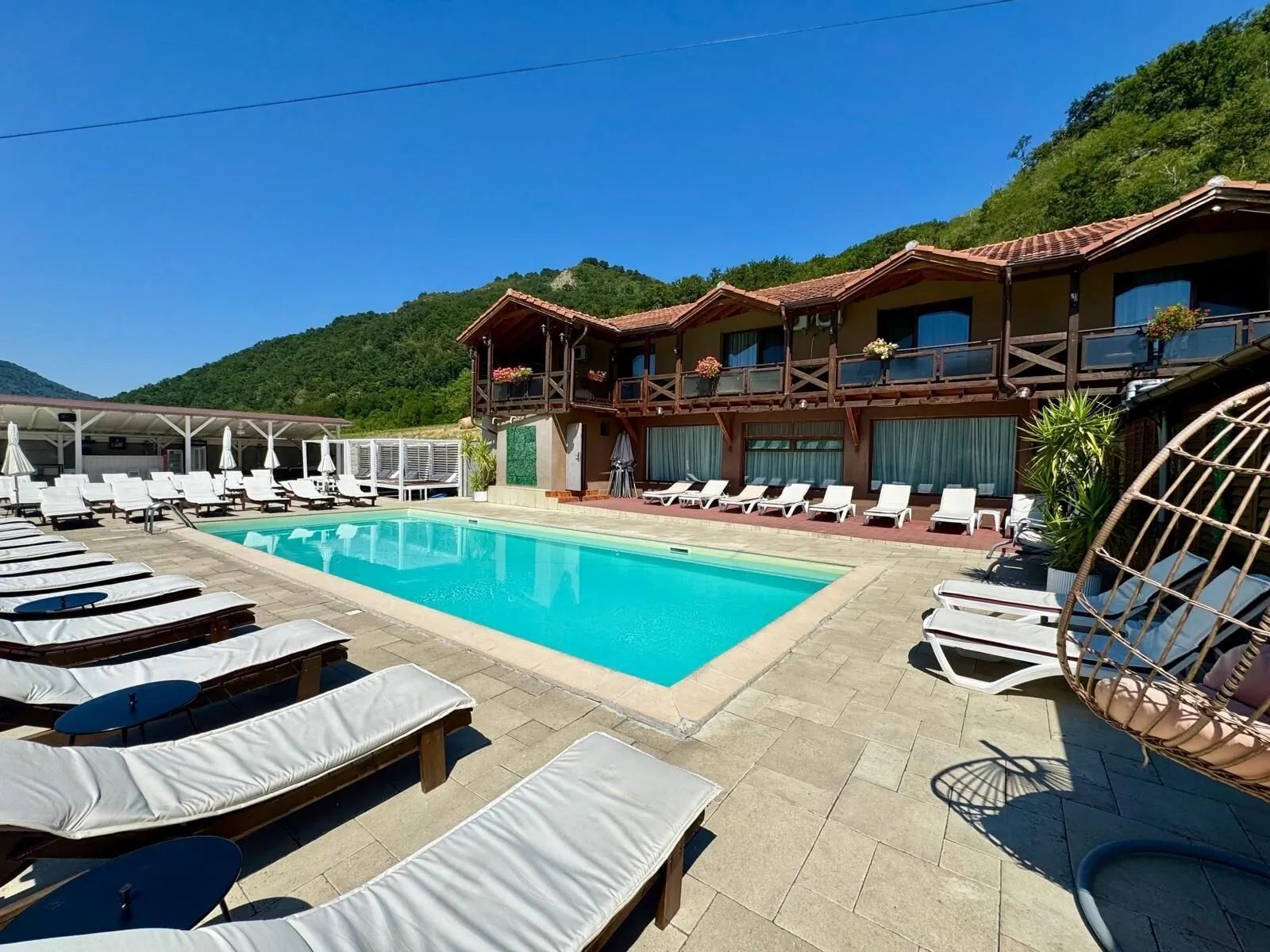
Pensiunea Deian-Clisura Dunarii
Accesul direct la lac sau ponton face din Pensiunea Deian-Clisura Dunarii din Gornea un punct de plecare privilegiat pentru explorarea zonei. Situată pe drumul principal DN57A, în județul Caraș-Severin, unitatea oferă o bază confortabilă pentru cei care doresc să descopere peisajele spectaculoase din Clisura Dunării. În incinta pensiunii vă așteaptă o curte mare și o grădină amenajată, terasă la soare, bar și cafenea, precum și restaurant în incintă unde puteți savura preparate tradiționale. Pentru activități în aer liber aveți la dispoziție grătar, barbeque, ceaun pentru gătit, posibilități de pescuit și închiriere de biciclete pentru explorarea împrejurimilor. Parcare privată gratuită și parcare pentru biciclete sunt disponibile, iar Wi-Fi gratuit, fier de călcat și depozit pentru bagaje completează confortul șederii dumneavoastră. De aici porniți în drumeții montane și pe trasee în natură, explorând Parcul Natural Porțile de Fier, Cheile Nerei, Defileul Porțile de Fier, Lacul Dracului sau Lacul Ochiul Beiului. Accesul se face ușor pe drumul principal DN57A, iar parcarea privată gratuită vă asigură liniștea necesară unei odihne complete.
FROM
240 lei per night
BEFORE YOU HIT THE ROAD
Weather conditions in Caras Severin
Local forecast for Iron Gates Natural Park, Caras Severin, Caraș-Severin

Real-time updated weather data
Much more to explore in this area
Nearby tourist attractions


Caras Severin, Caraș-Severin County
Bigăr Waterfall
Situat pe Valea Minisului, in Muntii Aninei; izvor puternic alimentat de un curs de apa subteran care strabate pestera cu acelasi nume; la aproximativ 200 m...
24.8 km
Dubova, Mehedinți County
The Iron Gates Gorges and the Face of Decebalus
Se afla intre Valea Ogradena si Paraul Ogasul Turcului, in perimetrul localitatii Dubova, intre versantii abrupti pe care ii desparte Dunarea, formand niste...
46.8 km
Caras Severin, Caraș-Severin County
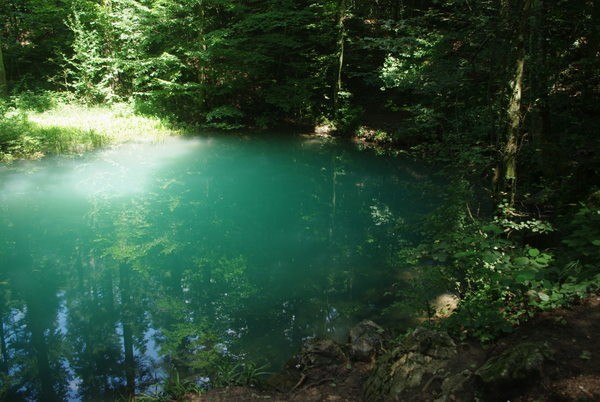
Blue Eye Lake
Se afla in Parcul National Cheile Nerei Beusnita, protejat de muntii Aninei si Locvei; se spune ca aceste locuri au fost stapanite de un pasa hain care avea un...
11.4 km
Caras Severin, Caraș-Severin County
Nera Gorge
Cheile Nerei sunt situate de-a lungul raului Nera, intre localitatile Sopotul Nou si Sasca Montana;Cheile Nerei sunt cele mai lungi din tara, intinzandu-se pe...
4.4 km
Caras Severin, Caraș-Severin County
Rudăria Gorge and Water Mills
Situate in zona muntoasa a judetului Caras Severin, pe raza localitatii Eftimie Murgu (fosta Rudaria);accesul se face de pe drumul E70 Caransebes - Oravita, pe...
29.4 km
Caras Severin, Caraș-Severin County
Nera Gorge-Beușnița National Park
Este situat in sud-vestul tarii in judetul Caras-Severin acoperind intreaga zona sudica a Muntilor Aninei si o parte din zona nordica a Muntilor Locvei; in...
19.5 km

22.4 km
Caras Severin, Caraș-Severin County
Rudăria Water Mill Reserve
Situata pe Valea Rudariei, din satul Eftimie Murgu; cuprinde un numar de 22 de mori cu ciutura, asezate de-a lungul cursului apei, pe o lungime de 3 km, o...
27.7 km
Caras Severin, Caraș-Severin County
Semenic-Caraș Gorge National Park
Este situat in centrul judetului Caras - Severin, in sud-vestul Romaniei; principalele intrari in parc sunt in localitatile Resita, Iabalcea, Carasova, Anina,...
29.8 km
Caras Severin, Caraș-Severin County
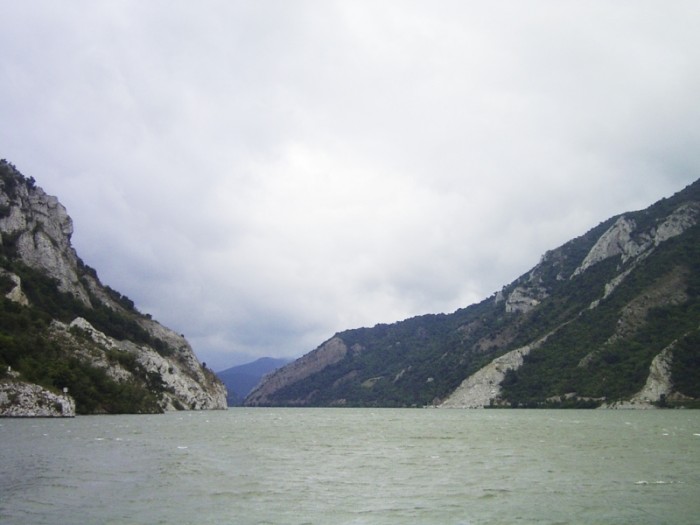
Iron Gates Gorge
Defileul ocupa partial teritorii apartinand judetelor Caras-Severin si Mehedinti, in partea sudica a Muntilor Locvei si Almajului si in sud-vestul Podisului...
21.9 km
Caras Severin, Caraș-Severin County
Racoviță Cave
Se afla situata in Cheile Carasului din Muntii Aninei, judetul Caras-Severin; pestera are doua intrari, cea mai vizibila dintre ele, se poate zari din chei...
40.3 km
Caras Severin, Caraș-Severin County
Comarnic Cave
Situata la circa 7 km de satul Iabalcea;se poate ajunge la Pestera Comarnic si pe traseele turistice marcate banda albastra, triunghi albastru si cruce rosie;...
44.2 km
Cultural life and traditions
Events in the Iron Gates Natural Park area
Medieval festivals, traditional fairs, concerts and local activities recommended in Banat.

Traditions and Crafts

Caras Severin, County of Caraș-Severin
Days of Local Culture and Traditional Tourism
Open workshops featuring pottery, wood carving, and authentic folklore demonstrations by local artisans.
WHEN
May 15-17, 2026


Traditional Cuisine
Caras Severin, County of Caraș-Severin
The Fair of Traditional Products and Local Cuisine
Traditional products, aged cheeses, mountain honey and local delicacies prepared according to ancient recipes.
WHEN
Every weekend

Culture and Photography
Caras Severin, County of Caraș-Severin
Themed and Photographic Guided Tour of Cultural Heritage
A guided tour designed for history buffs, nature lovers, and photography enthusiasts, showcasing the most spectacular views in the area.
WHEN
Daily schedule available upon request
On foot, exploration gains depth
Discover the surroundings and local geography
Explore the trails, terrain, and natural landmarks around Iron Gates Natural Park.

Guides and practical tips
Useful travel articles
Travel guides, practical recommendations and tourist itineraries for Banat.

Tourist guide
Castelul Bran: Istorie, Legende și Secrete Medievale
Află adevărata poveste a fortăreței medievale din Pasul Bran, reședința de suflet a Reginei Maria a României.

Tourist guide
Top 5 Atracții Turistice și Trasee Montane în Zona Moieciu - Bran
Descoperă cele mai spectaculoase peisaje carstice, chei adânci și cetăți medievale din imediata apropiere a stațiunii Moieciu.

Tourist guide
Ghid de Drumeție: Traseul Moieciu de Sus spre Platoul Bucegi
Un itinerariu montan de o frumusețe rară ce urcă din Valea Băngăleasa spre Poiana Guțanu și crestele maiestuoase ale Bucegilor.
THE JOURNEY STARTS WITH AN IDEA
The next story is on the way.
From the first stop to the last stay, make room for a new Romania.
