


NATURE AND WILDLIFE · BANAT
Nera Gorge-Beușnița National Park

Caras Severin, Caraș-Severin County
Add location to your trip planner.
Practical access information

VISITING HOURS
Check the local visiting schedule

TICKET PRICE
Information available at the cashier's desk

RECOMMENDED VISIT DURATION
1-2 hours
Sources and external references
Wikipedia Encyclopedia (EN)
Visitor information and guide
 Navigate with Google Maps

ABOUT NERA GORGE-BEUȘNIȚA NATIONAL PARK
Captivating Introduction and Universal Heritage Significance
Deep in the heart of historic Banat, where the Anina Mountains meet the Almăj Depression and the forested slopes of the Semenic Mountains, the Nera River has sculpted over millennia one of Central Europe’s most spectacular and well-preserved karst landscapes. Nera Gorge-Beușnița National Park is not merely a protected area spanning 36,758 hectares at Romania’s southwestern border; it is a sanctuary of untamed nature that safeguards ancient beech ecosystems, recognized in July 2017 by the UNESCO World Heritage Committee in Kraków through its inclusion in the prestigious transnational series Ancient and Primeval Beech Forests of the Carpathians and Other Regions of Europe. This exceptional distinction places the region in an elite league alongside virgin forests in Germany, Slovakia, Ukraine, Slovenia, and Italy, forming an invaluable ecological chain for continental biodiversity conservation and offering a model of sustainability for all of Europe.
What makes this park unique is the remarkable fusion of authentic wilderness, preserved almost intact due to its geographical isolation, and a deep cultural layer inherited from centuries of multicultural coexistence among Romanians, Swabian Germans, Czechs, Hungarians, Serbs, and Croats in this strategic border region. From the oldest human skeletal remains in Europe, discovered in nearby caves and dating back over 40,000 years, to the industrial ruins of the country’s first modern ironworks, Nera Gorge-Beușnița offers a fascinating journey through time—from the Upper Paleolithic to the industrial era—within a natural setting of rare beauty and ecological complexity.
Deep Historical Roots and Connections to Europe’s Great Empires
The profound history of this region begins over 40,000 years ago, when the Peștera cu Oase (Cave of Bones) in the Anina Mountains, located near the national park, revealed in 2002 the oldest known skeletal remains of Homo sapiens in Europe. The discovery, made by a team of Romanian speleologists led by Emil Silvestru and published in 2004 in the prestigious journal Nature by researchers such as Erik Trinkaus and João Zilhão, revolutionized our understanding of human migrations on the continent. Genetic analyses showed that these early modern Europeans carried between 4% and 9% Neanderthal DNA, demonstrating that these karst valleys witnessed the encounter and intermingling of the two human species at a time when Europe was still a wild, unconquered territory.
In antiquity, the region was part of the Roman province Dacia Felix, renowned for its mineral wealth. The Romans exploited gold, silver, and copper deposits here, building roads and infrastructure that connected the Carpathians to the heart of the Roman Empire. Traces of this civilization remain in local toponymy and the foundations of ancient structures. After Emperor Aurelian’s withdrawal in 271 AD, the area entered the medieval era as part of the Kingdom of Hungary, with Banat serving as a fortified border region contested between the Hungarian crown and the expanding Ottoman Empire. The fortified church of Ilidia, built between the 13th and 14th centuries, stands as a testament to this turbulent era, when Orthodox Romanian communities fortified their places of worship with defensive towers against Ottoman invasions, much like the Saxon churches of Transylvania or the fortresses of the Balkans.
A radical and decisive transformation occurred in 1718 with the Treaty of Passarowitz, when Banat became a province of the Habsburg Monarchy, administered directly from Vienna as a Kronland (crown land). Empress Maria Theresa initiated an aggressive policy of colonization and economic development, bringing German settlers (later known as Danube Swabians), Czechs from the Kutná Hora region, and Serbs to develop mining and forestry. Oravița, founded in 1673 as the oldest mining settlement in present-day Romania, became a unique multicultural center in Southeastern Europe, where Austrian Baroque architecture and Empire style blended with Romanian Orthodox traditions. This period marked the beginning of early industrialization in the region, with Banat becoming an outpost of the Habsburg industrial revolution, featuring ironworks and forest railways reminiscent of similar developments in Styria, Silesia, or the Austrian crown lands.
A Natural Masterpiece: Karst Architecture and Ancient Ecosystems
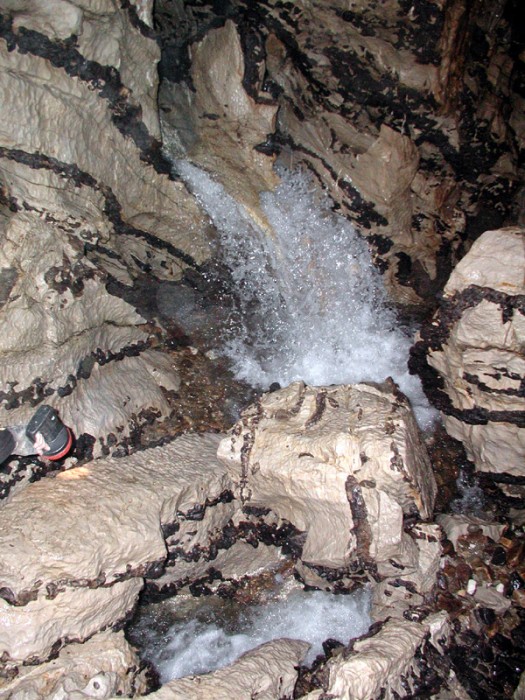
The park’s landscape is dominated by an impressive karst system developed in Jurassic and Triassic limestone, where the Nera River and its tributaries, Beu and Șușara, have carved deep and spectacular gorges through millions of years of erosion and chemical dissolution. The karstification process has created a complex labyrinth of unique geomorphological formations in Central Europe: towering vertical limestone cliffs rising dramatically above the water, deep sinkholes that open suddenly in the forest, lapies sculpted by acidic waters, caves such as Lenuța and Bijuteria with their stalactite and stalagmite formations, and mysterious shafts descending dozens of meters into darkness.
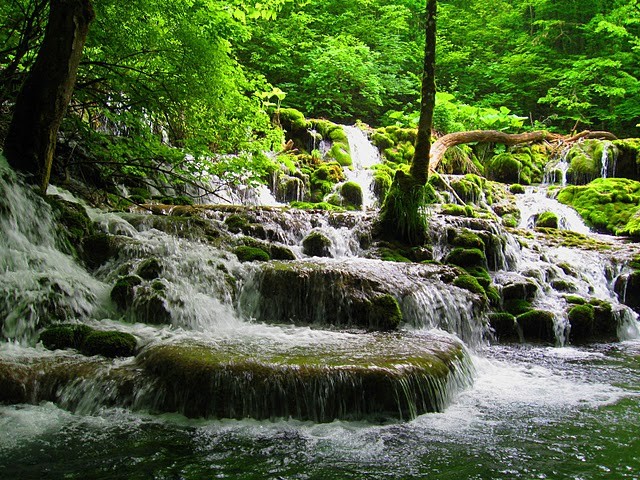
Among the hydrological wonders, Bigăr Waterfall stands out as a rare geological phenomenon in Europe, where the river cascades over a natural travertine ledge formed by calcareous deposits and the accumulation of moss and algae, creating a permanent rainbow through the refraction of light in the fine water spray. This natural spectacle, set in a rocky amphitheater, evokes the famous karst waterfalls of Croatia’s Plitvice Lakes National Park or Slovenia’s formations but retains a unique authenticity due to its isolation and exceptional state of conservation. Alongside Bigăr, Devil’s Lake—a flooded shaft with deep, mysterious blue waters—Beușnița Waterfall, the Ochiul Beului Lake formed by a karst spring, and the Șușara and Moceriș waterfalls complete a tableau of untamed wilderness that rivals the natural reserves of the Balkans or the Dinaric Alps.
The ancient beech forests covering over 4,200 hectares represent the park’s crowning glory and the justification for its inclusion in the UNESCO World Heritage List. These Luzulo-Fagetum and Asperulo-Fagetum ecosystems, along with Dacian oak and hornbeam forests and Illyrian beech forests, constitute a biological treasure reflecting uninterrupted natural ecological processes over thousands of years. The emblematic fauna includes the brown bear, wolf, and Eurasian lynx—species that symbolize Europe’s lost wilderness—alongside the European otter and numerous bat species protected at the EU level, such as Barbastella barbastellus. In the crystal-clear waters of the Nera, endemic species like the Romanichthys valsanicola (asprete) and the blue chub thrive, while the flora includes wild orchids, the Banat peony (endemic to this region), and rare species like Himantoglossum caprinum, placing the park within a vital ecological network for biodiversity conservation in the Balkans and the entire Danube basin.
Cultural Heritage: Architecture, Industry, and Spirituality in Historic Banat
Beyond its natural splendor, the area impresses with a stratified, multicultural heritage reflecting Banat’s complex history as a crossroads of civilizations. Oravița, the country’s oldest mining town, preserves a historic center with Baroque and Empire-style buildings influenced by Viennese and Budapest architecture, alongside the Roman Catholic Chapel built in 1707—the first church constructed for the mining community—and the Assumption of the Virgin Mary Church from 1778, a remarkable example of post-Theresian religious architecture with neoclassical elements. Towns like Ciclova Montană and Ilidia house 18th- and 19th-century Orthodox and Roman Catholic churches, while Ilidia features a medieval fortified church from the 13th–14th centuries, unique for its massive defensive tower and interior mural paintings with Byzantine influences, a testament to the era of defense against Ottoman expansion, comparable to the fortified churches of Transylvania or Kosovo.
The industrial heritage is equally impressive and offers unique insights into the beginnings of the industrial revolution in Southeastern Europe. The Anina Ironworks complex, active between 1858 and 1927, represents one of the region’s first modern metallurgical initiatives, developed within the context of Habsburg industrial policy and Austrian investments. The old tunnels, terraces, and ruins of the blast furnaces, along with the narrow-gauge forest railways (CFF) built by the Reșița Iron Domains between 1890 and 1910, evoke the mountain railway networks of the Alps, Harz, or the Czech Republic. Today, they form part of a rare technical heritage illustrating the transfer of industrial technology from Central Europe to its periphery. These industrial vestiges are closely linked to the city of Reșița, where in 1884 the first hydroelectric power plant in Romania was commissioned, ushering in the country’s modern energy era and connecting Banat to Europe’s industrial network.
Legends, Stories, and Personalities: Turning Points
The park’s story is marked by groundbreaking scientific discoveries, local legends that enrich the visitor experience, and personalities who changed perceptions of this territory. In 2002, speleologist Emil Silvestru and his team entered the Peștera cu Oase, discovering the jawbone of a modern human dating back 40,000 years—the oldest physical evidence of Homo sapiens in Europe. This discovery, which also revealed traces of genetic mixing with Neanderthals, fundamentally altered perceptions of human migrations on the continent and placed Banat at the center of international scientific attention, demonstrating that this region was a vital corridor for the peopling of Europe.
Local legends shroud Devil’s Lake in an aura of mystery and sacred fear, with locals telling stories for centuries about bottomless depths, waters that vanish underground, and spirits guarding the mountain’s treasures. Bigăr Waterfall, with its permanent rainbow appearing even on cloudy days, has inspired poets and foreign travelers since the 19th century, considered a divine gift to this border region. In the field of conservation, the 1990s were decisive, when biologists, geographers, and NGOs like WWF and the Environmental Protection Foundation successfully campaigned to protect the area from intensive logging and hydroelectric projects, culminating in the park’s designation as a national park in 2000 under Law No. 5 and its definitive delimitation by Government Decision No. 230 in 2003. The crowning moment came in July 2017 in Kraków, when UNESCO included the region’s beech forests in the World Heritage List, officially recognizing the exceptional universal value of this ecosystem for all humanity.
Practical Visitor Guide and the European Traveler’s Experience
Nera Gorge-Beușnița National Park is accessible via National Road DN57B on the Oravița-Anina route, a picturesque mountain road traversing spectacular landscapes and offering panoramic views of the gorges, as well as via county roads connecting Bozovici, Șopotu Nou, Sasca Montană, or Prilipeț to the protected area. Travelers can reach Oravița by train on the historic Timișoara-Oravița line, which crosses the Banat plains, or by air to Timișoara International Airport, approximately 120 kilometers away, from where the drive takes about two hours through an authentic rural landscape.
The network of marked hiking trails, with red, blue, and yellow stripes, offers routes for all levels of difficulty and physical endurance, from easy two-to-three-hour walks to Bigăr Waterfall or Devil’s Lake to challenging full-day hikes to caves, shafts, or high vantage points like Piatra Goznei Peak. Sturdy hiking boots with non-slip soles, sufficient water, and provisions are highly recommended, as the area is wild, isolated, and lacks commercial facilities along the trails. Accommodation is available in agro-tourism guesthouses and lodges in Sasca Română, Sasca Montană, Bozovici, Prigor, or Anina, offering visitors the chance to savor the authenticity of traditional Banat cuisine, with dishes such as Banat-style pork and vegetable soup, cabbage rolls with polenta, cheese and apple pies, and local wines from the region’s vineyards.
The best time to visit is late spring and early summer, when waterfalls are at their peak flow after the snowmelt and forests are lush, or autumn, when the ancient beech forests turn spectacular shades of copper, orange, and gold, offering a chromatic spectacle comparable to the forests of New England or Bavaria. Updated information on entry fees and visiting hours is available at the park’s ticket offices at the main entrances and at visitor centers in Oravița and Anina, where thematic exhibitions on biodiversity and geology are also on display. Visitors are kindly asked to strictly adhere to nature protection rules, stay on marked trails, avoid littering, and observe wildlife from a distance, thereby contributing to the preservation of this UNESCO sanctuary. Nearby, travelers can complement their visit with the Caraș Gorge, the Semenic Resort, or the Iron Gates Natural Park on the Danube, forming an exceptional cultural and natural circuit in western Romania.
Media gallery
Discover Nera Gorge-Beușnița National Park in pictures

17 photos · Architecture, courtyards and captivating details


Image source: Wikimedia Commons · Public domain photos · Free license
STAY A FEW DAYS, DISCOVER THE MAGIC
Accommodation in the Nera Gorge-Beușnița National Park area

Holiday home · 3 stars

Anina, Caraș-Severin County · 10.1 km
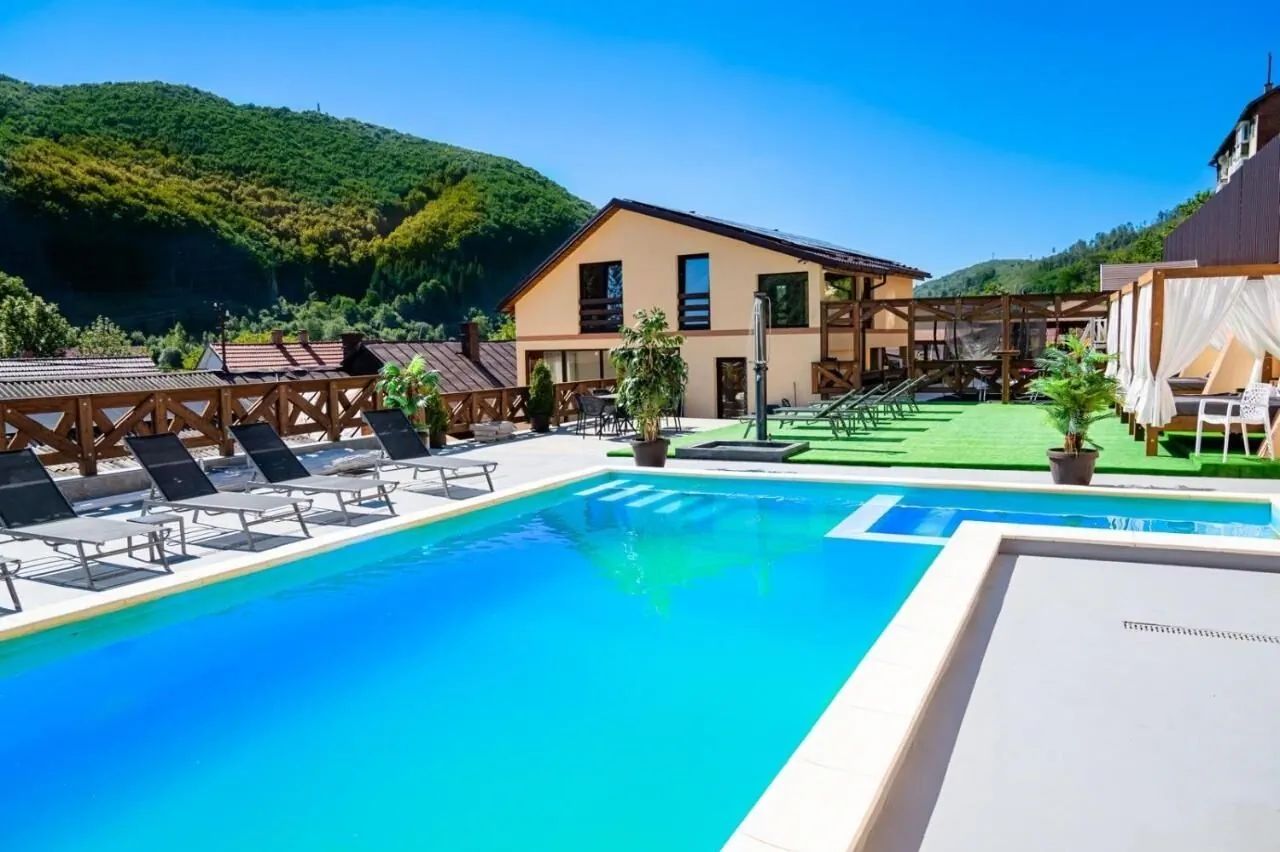
Casa de oaspeți Clim Anina
Pe strada Sfânta Varvara din Anina, într-un cadru liniștit din județul Caraș-Severin, se află Casa de oaspeți Clim Anina. Această vilă integrală, clasificată cu trei stele, oferă cazare într-un spațiu generos, potrivit pentru familii sau grupuri de prieteni. Unitatea pune la dispoziție camere individuale cu baie proprie, iar în interior există o cameră de joacă pentru copii. Oaspeții beneficiază de Wi-Fi gratuit, seif și depozit pentru bagaje, plus facilități pentru relaxare precum jacuzzi sau cadă cu hidromasaj și fier de călcat. În curtea mare și grădina amenajată veți găsi terasă, terasă la soare, foișor, grătar sau barbeque și un ceaun pentru gătit în aer liber. În incintă funcționează și un bar, o cafenea și un restaurant, astfel încât nu va trebui să căutați în altă parte pentru mese sau băuturi. Din Anina aveți acces facil către Parcul Național Semenic-Cheile Carașului, Izbucul Bigăr, Parcul Național Cheile Nerei - Beușnița, Munții Banatului și Lacul Ochiul Beiului, destinații naturale care completează perfect șederea dumneavoastră. Vă așteptăm la Casa de oaspeți Clim Anina pentru a vă bucura de liniștea zonei.
FROM
280 lei per night

Holiday home · 3 stars
Socolari, Caraș-Severin County · 11.5 km
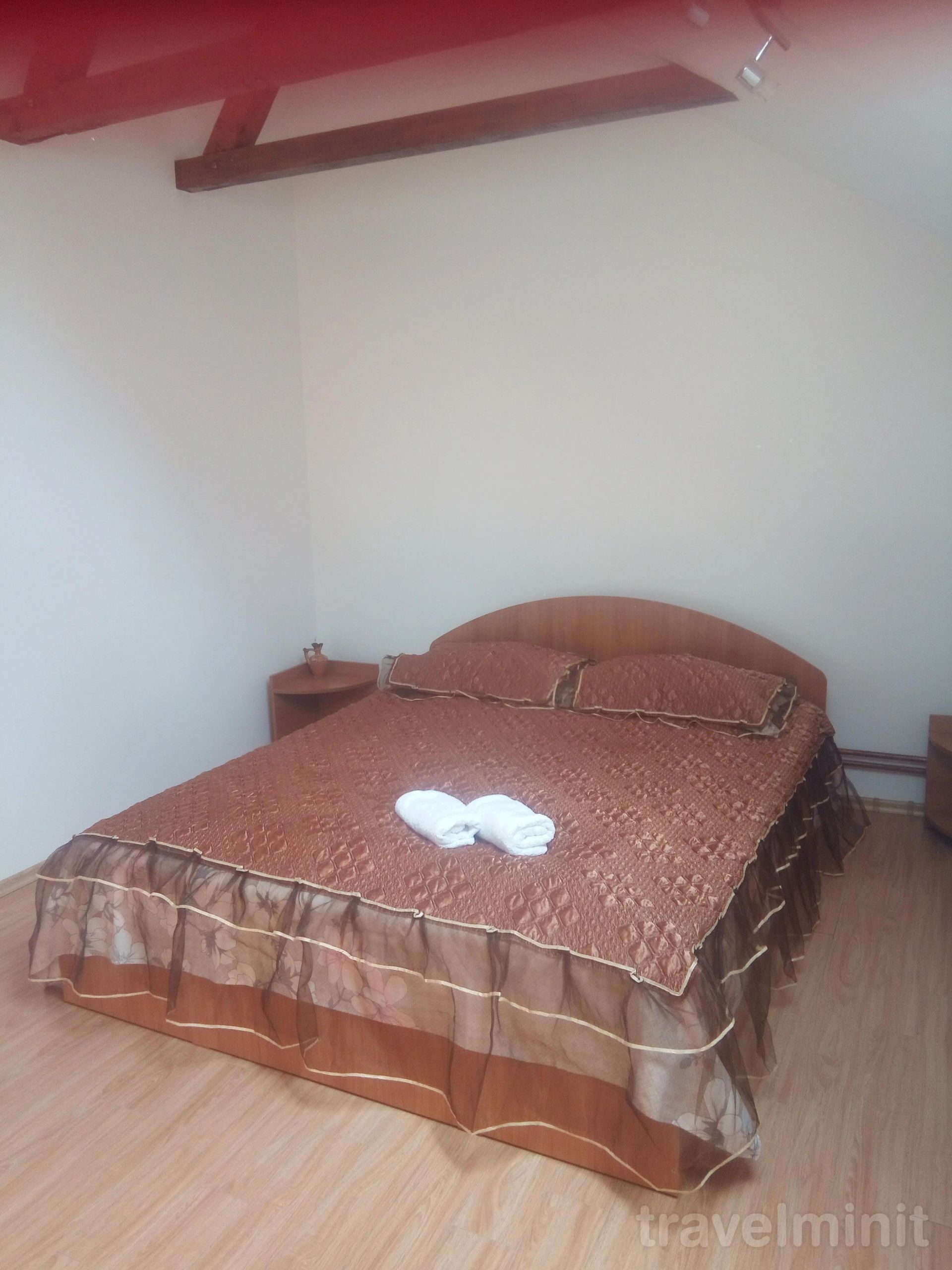
Casa de vacanță Violeta Socolari
Comfort, relaxation and stunning views, all just steps away from the main attractions.
FROM
280 lei per night
Guesthouse · 3 stars
Socolari, Caraș-Severin County · 11.7 km
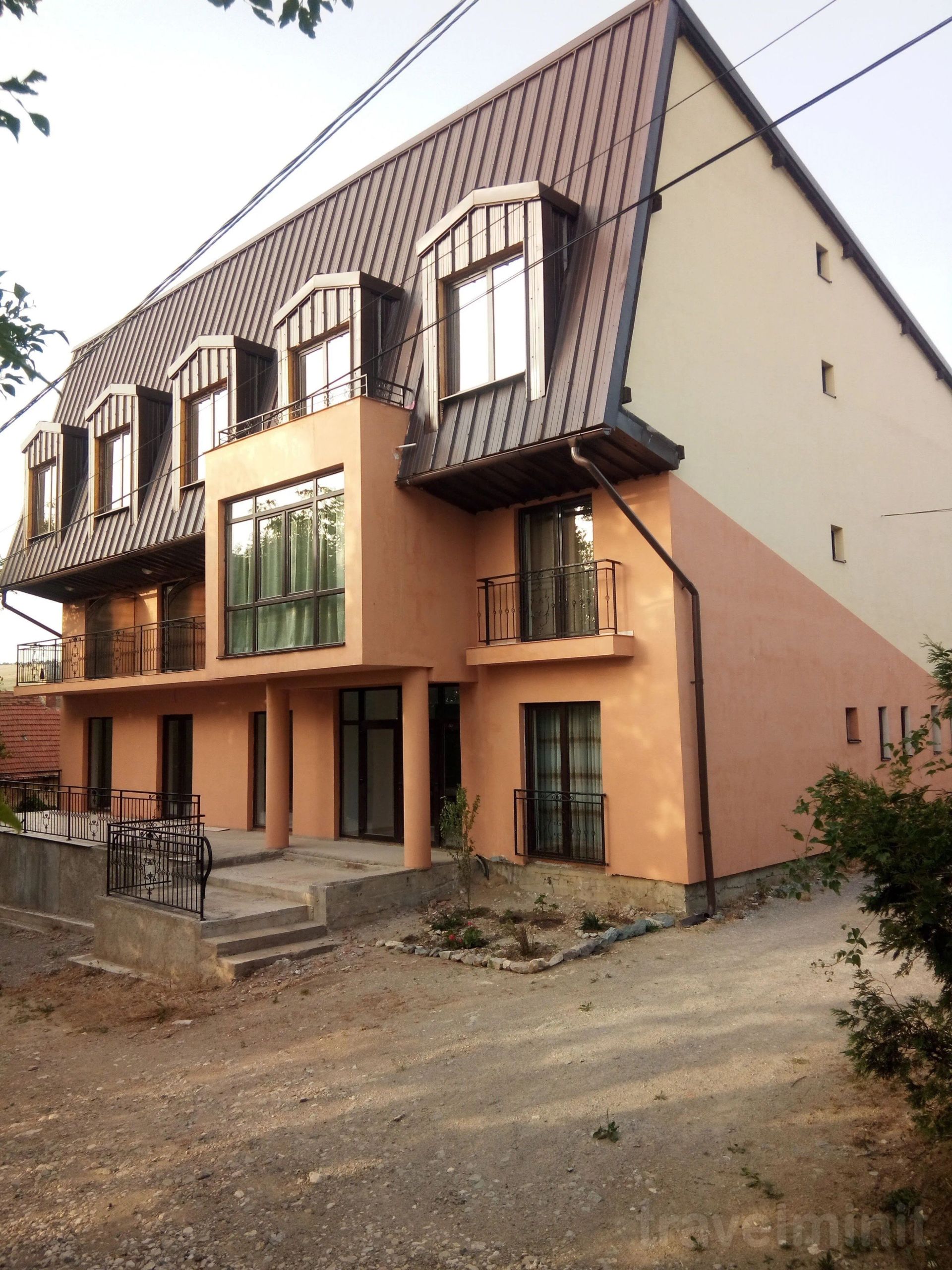
Pensiunea Valea Beiului Socolari
O zi petrecută aici poate începe cu drumeții pe traseele montane și în natură și se poate încheia cu un grătar în curtea mare amenajată. Pensiunea Valea Beiului din Socolari oferă nouă camere frumos amenajate într-un cadru liniștit din județul Caraș-Severin. Pentru confortul dumneavoastră, punem la dispoziție Wi-Fi gratuit în întreaga proprietate și parcare privată gratuită. Grădina amenajată și curtea spațioasă sunt perfecte pentru relaxare după o zi plină de activități în aer liber, oferindu-vă un spațiu generos pentru a vă bucura de aerul curat. În apropiere puteți vizita Lacul Ochiul Beiului, Parcul Natural Porțile de Fier, Cascadele Beușniței, Cheile Nerei și Lacul Dracului din Caraș-Severin. Aceste obiective naturale oferă numeroase posibilități de explorare și relaxare în mijlocul naturii, fiind potrivite pentru iubitorii de drumeții. Check-in-ul se efectuează de la ora 16:00, iar check-out-ul până la ora 11:00, iar personalul de la recepție comunică în limba română. Vă așteptăm să vă bucurați de șederea dumneavoastră în această locație.
FROM
240 lei per night
Holiday home · 2 stars
Dubova, Mehedinți County · 13.1 km
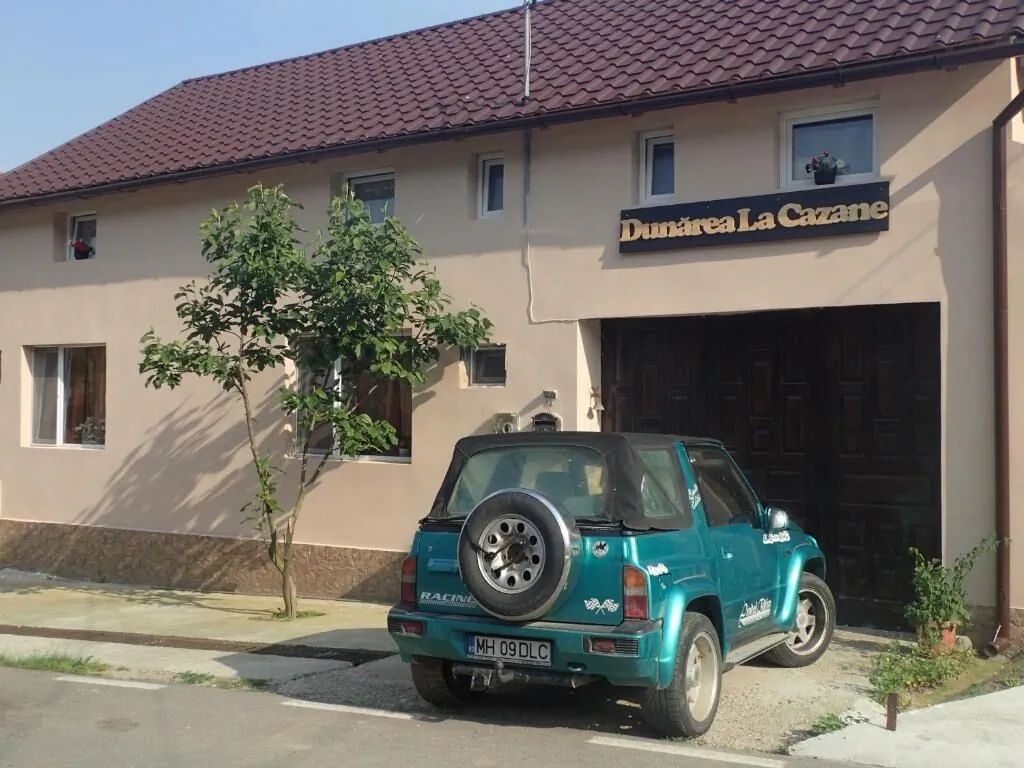
Casa de oaspeți Dunarea la Cazane Dubova
Familiile numeroase și grupurile de prieteni se vor simți bine la Casa de oaspeți Dunarea la Cazane din Dubova, județul Mehedinți. Această vilă integrală, clasificată cu două stele, oferă șapte camere confortabile și plăcut amenajate într-un cadru natural liniștit, departe de aglomerația urbană, fiind potrivită pentru un sejur relaxant în mijlocul naturii. Unitatea pune la dispoziția dumneavoastră Wi-Fi gratuit, parcare privată gratuită și acces facilitat pentru persoane cu dizabilități. Unele camere sunt prevăzute cu aer condiționat pentru confortul dumneavoastră pe tot parcursul șederii. În curtea mare și grădina amenajată puteți organiza mese în aer liber, folosind grătarul sau ceaunul pus la dispoziție pentru gătit. Foișorul din curte reprezintă locul perfect pentru relaxare și conversații după o zi plină de activități în natură. În apropiere puteți vizita Lacul Ochiul Beiului, Parcul Natural Porțile de Fier, Cheile Nerei, Lacul Dracului din Caraș-Severin și Izbucul Bigăr. Traseele montane și drumețiile în natură disponibile în zonă sunt ideale pentru iubitorii de activități în aer liber și explorare a peisajelor sălbatice din această regiune unică. Vă așteptăm la Casa de oaspeți Dunarea la Cazane Dubova.
FROM
280 lei per night
Hotel · 3 stars
Oraviţa, Caraș-Severin County · 14.2 km
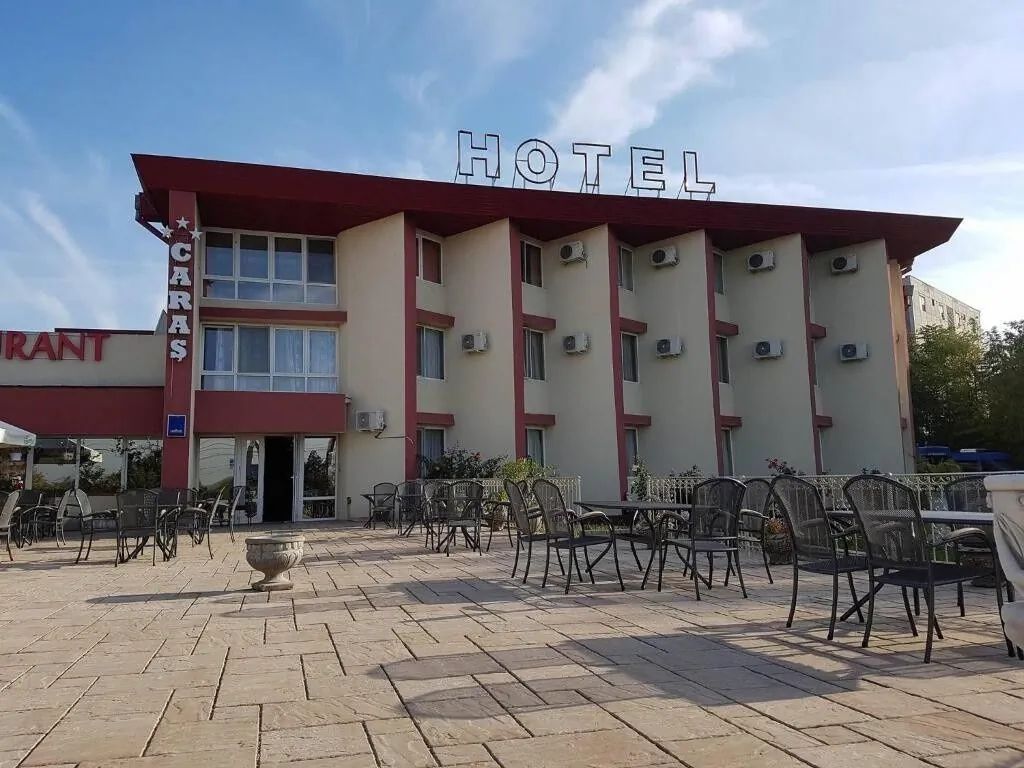
Hotel Caraș Oraviţa
Hotelul se află într-o zonă liniștită din Oravița, aproape de gară, înconjurat de o curte mare și o grădină amenajată. Hotel Caraș Oravița oferă cazare la trei stele în orașul Oravița din județul Caraș-Severin. Facilitățile includ acces pentru persoane cu dizabilități, parcare privată gratuită și Wi-Fi gratuit în toată proprietatea. Restaurantul și barul din incintă creează un spațiu primitor, iar room service aduce confortul direct în cameră. Pentru familiile cu copii sunt disponibile pătuț pentru bebeluș și scaun înalt, iar terasa oferă un loc de relaxare în aer liber. Toate aceste servicii sunt disponibile pentru dumneavoastră pe toată durata șederii. În apropiere puteți descoperi peisaje și monumente precum Lacul Ochiul Beiului, Teatrul Vechi „Mihai Eminescu” și Muzeul de Istoria Culturii Cărășene, Izbucul Bigăr, Parcul Național Cheile Nerei-Beușnița și Mănăstirea Maria Ciclova. Camerele dispun de birou, dulap pentru haine, televizor cu ecran plat, baie privată cu duș, uscător de păr, lenjerie de pat, prosoape și articole de toaletă gratuite. Un fier de călcat este pus la dispoziția dumneavoastră pentru confortul personal. Dimineața, vă puteți bucura de micul dejun tip bufet servit în restaurantul hotelului.
FROM
290 lei per night
Guesthouse · 2 stars
Bozovici, Caraș-Severin County · 14.4 km
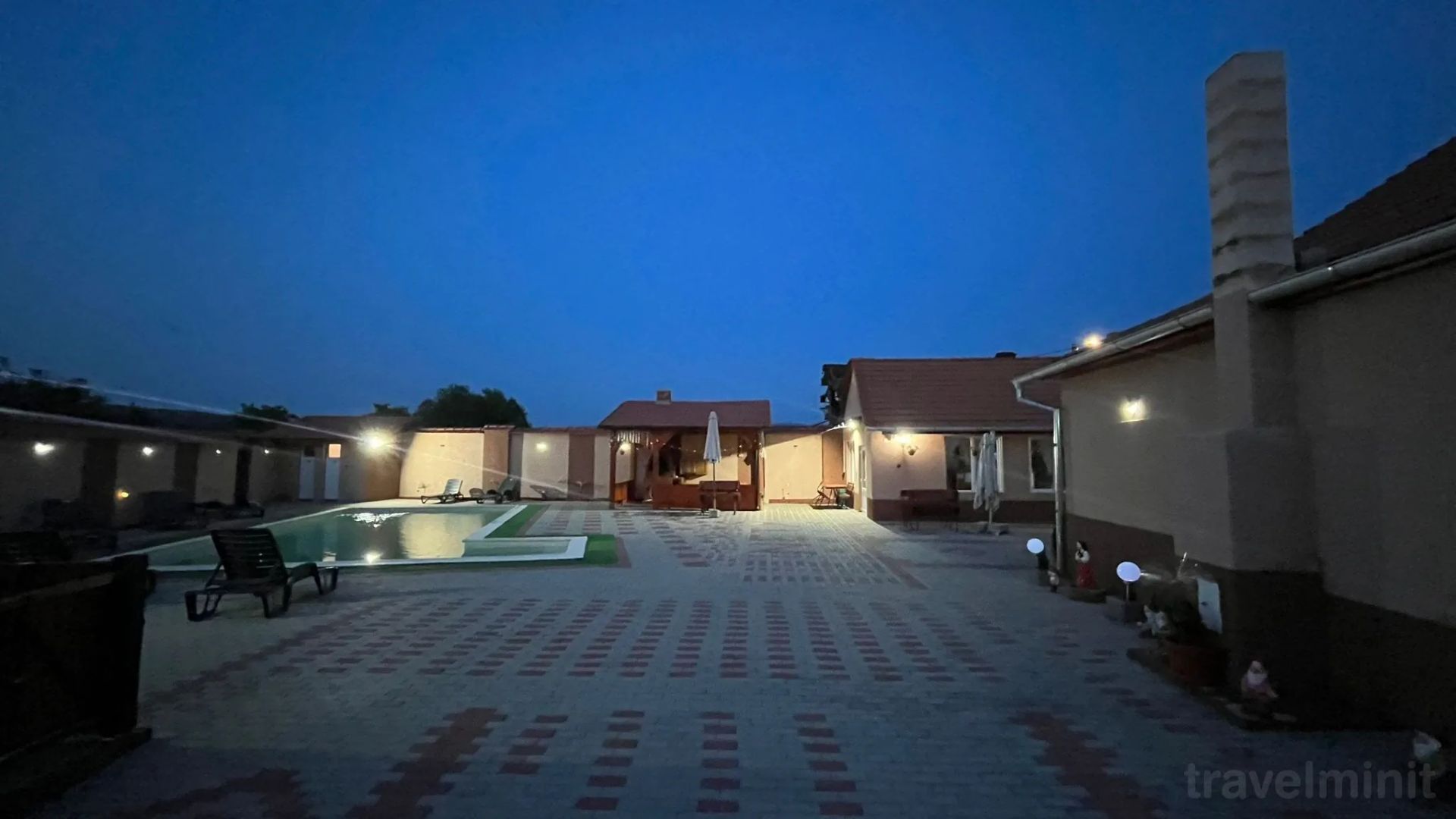
Pensiunea La Nety Bozovici
O zi petrecută aici începe pe terasa la soare, savurând cafeaua dimineața în timp ce priviți spre grădina amenajată, și continuă cu momente relaxante la grătar seara. Pensiunea La Nety Bozovici din Bozovici vă așteaptă cu șase camere pregătite cu atenție pentru dumneavoastră. Beneficiați de Wi-Fi gratuit în întreaga incintă, parcare privată gratuită și acces facilitat pentru persoanele cu dizabilități. Copiii se distrează în siguranță la locul de joacă de la exterior, iar barul din incintă vă oferă băuturi răcoritoare după activități în aer liber. Curtea mare și grădina amenajată creează un cadru plăcut pentru relaxare și socializare. În apropiere puteți descoperi Izbucul Bigăr, Rezervația mulinologică Rudăria, Munții Banatului, Cheile Rudăriei și Lacul Ochiul Beiului. Aceste atracții naturale și culturale transformă fiecare ieșire într-o experiență memorabilă în județul Caraș-Severin, oferindu-vă ocazia de a explora peisaje spectaculoase. Vă așteptăm la Pensiunea La Nety Bozovici, unde parcare privată gratuită și accesul pentru persoane cu dizabilități asigură un sejur confortabil și fără griji pentru toți oaspeții.
FROM
190 lei per night
BEFORE YOU HIT THE ROAD
Weather conditions in Caras Severin
Local forecast for Nera Gorge-Beușnița National Park, Caras Severin, Caraș-Severin

Real-time updated weather data
Much more to explore in this area
Nearby tourist attractions


Caras Severin, Caraș-Severin County
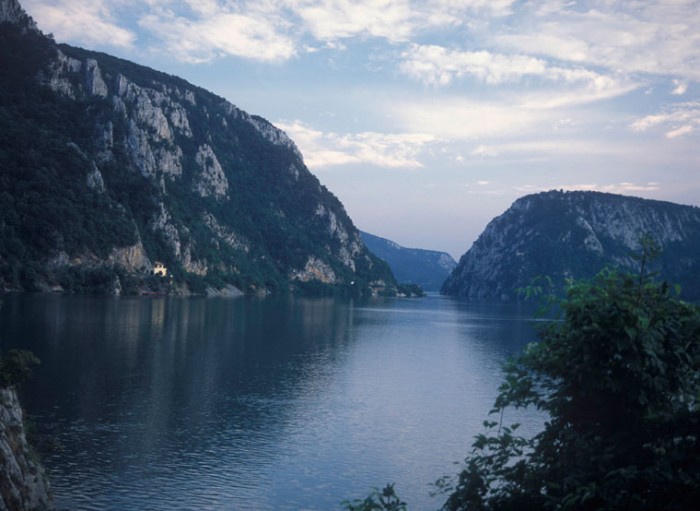
Bigăr Waterfall
Situat pe Valea Minisului, in Muntii Aninei; izvor puternic alimentat de un curs de apa subteran care strabate pestera cu acelasi nume; la aproximativ 200 m...
8.8 km
Caras Severin, Caraș-Severin County
Iron Gates Natural Park
Este situat in judetele Caras-Severin si Mehedinti, ocupand partial teritorii apartinand judetelor Caras-Severin si Mehedinti in partea sudica a Muntilor...
19.5 km
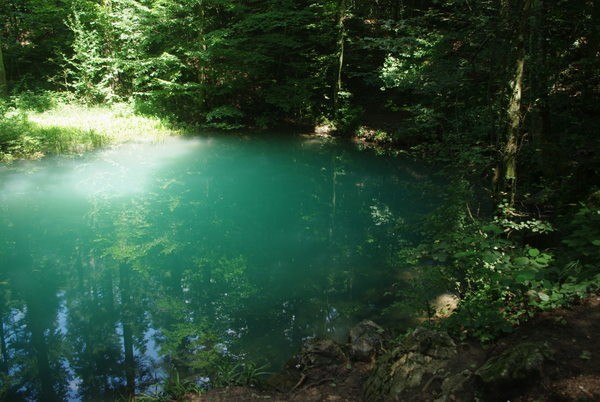
Caras Severin, Caraș-Severin County
Blue Eye Lake
Se afla in Parcul National Cheile Nerei Beusnita, protejat de muntii Aninei si Locvei; se spune ca aceste locuri au fost stapanite de un pasa hain care avea un...
8.4 km
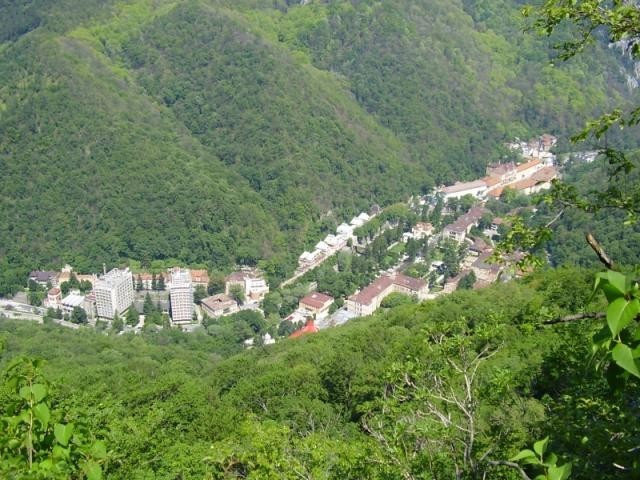
Caras Severin, Caraș-Severin County
Herculane Baths
Situata pe Valea Cernei, la 5 km de principala artera rutiera ce leaga vestul tarii de Bucuresti si calea ferata internationala Bucuresti - Timisoara -...
46.3 km
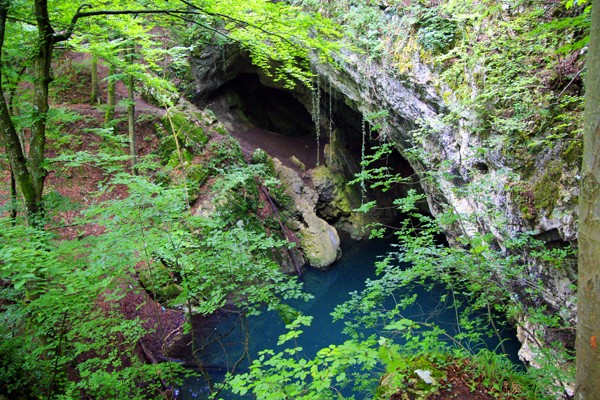
Caras Severin, Caraș-Severin County
Nera Gorge
Cheile Nerei sunt situate de-a lungul raului Nera, intre localitatile Sopotul Nou si Sasca Montana;Cheile Nerei sunt cele mai lungi din tara, intinzandu-se pe...
16.9 km
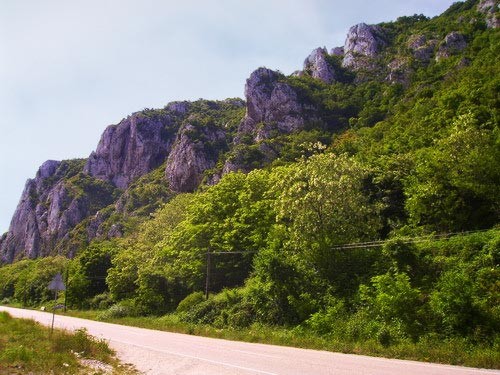
Caras Severin, Caraș-Severin County
Rudăria Gorge and Water Mills
Situate in zona muntoasa a judetului Caras Severin, pe raza localitatii Eftimie Murgu (fosta Rudaria);accesul se face de pe drumul E70 Caransebes - Oravita, pe...
25.9 km

5.2 km
Caras Severin, Caraș-Severin County
Rudăria Water Mill Reserve
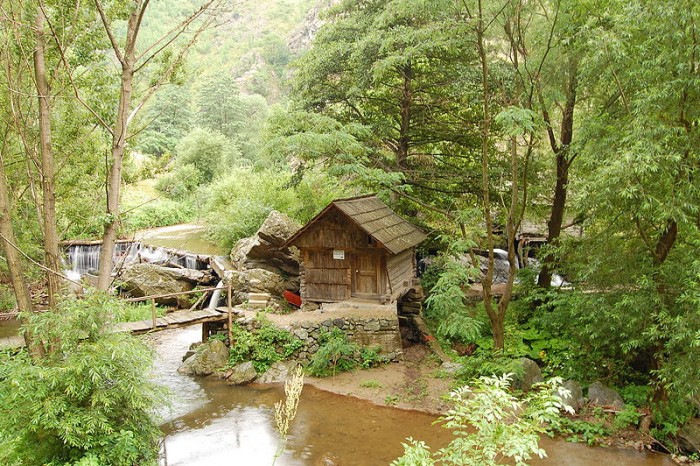
Situata pe Valea Rudariei, din satul Eftimie Murgu; cuprinde un numar de 22 de mori cu ciutura, asezate de-a lungul cursului apei, pe o lungime de 3 km, o...
23.3 km
Caras Severin, Caraș-Severin County
Semenic-Caraș Gorge National Park
Este situat in centrul judetului Caras - Severin, in sud-vestul Romaniei; principalele intrari in parc sunt in localitatile Resita, Iabalcea, Carasova, Anina,...
10.7 km
Caras Severin, Caraș-Severin County
Iron Gates Gorge
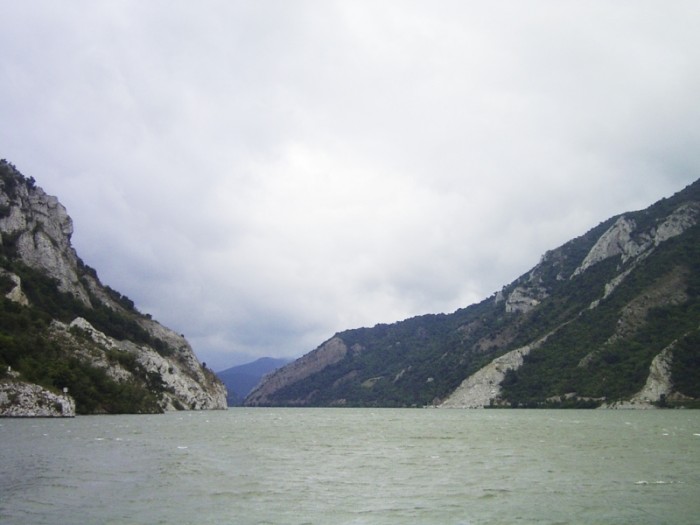
Defileul ocupa partial teritorii apartinand judetelor Caras-Severin si Mehedinti, in partea sudica a Muntilor Locvei si Almajului si in sud-vestul Podisului...
35.9 km
Caras Severin, Caraș-Severin County
Racoviță Cave
Se afla situata in Cheile Carasului din Muntii Aninei, judetul Caras-Severin; pestera are doua intrari, cea mai vizibila dintre ele, se poate zari din chei...
21.5 km
Caras Severin, Caraș-Severin County
Comarnic Cave
Situata la circa 7 km de satul Iabalcea;se poate ajunge la Pestera Comarnic si pe traseele turistice marcate banda albastra, triunghi albastru si cruce rosie;...
24.9 km
Cultural life and traditions
Events in the Nera Gorge-Beușnița National Park area
Medieval festivals, traditional fairs, concerts and local activities recommended in Banat.

Traditions and Crafts

Caras Severin, County of Caraș-Severin
Days of Local Culture and Traditional Tourism
Open workshops featuring pottery, wood carving, and authentic folklore demonstrations by local artisans.
WHEN
May 15-17, 2026


Traditional Cuisine
Caras Severin, County of Caraș-Severin
The Fair of Traditional Products and Local Cuisine
Traditional products, aged cheeses, mountain honey and local delicacies prepared according to ancient recipes.
WHEN
Every weekend

Culture and Photography
Caras Severin, County of Caraș-Severin
Themed and Photographic Guided Tour of Cultural Heritage
A guided tour designed for history buffs, nature lovers, and photography enthusiasts, showcasing the most spectacular views in the area.
WHEN
Daily schedule available upon request
On foot, exploration gains depth
Discover the surroundings and local geography
Explore the trails, terrain, and natural landmarks around Nera Gorge-Beușnița National Park.

Guides and practical tips
Useful travel articles
Travel guides, practical recommendations and tourist itineraries for Banat.

Tourist guide
Castelul Bran: Istorie, Legende și Secrete Medievale
Află adevărata poveste a fortăreței medievale din Pasul Bran, reședința de suflet a Reginei Maria a României.

Tourist guide
Top 5 Atracții Turistice și Trasee Montane în Zona Moieciu - Bran
Descoperă cele mai spectaculoase peisaje carstice, chei adânci și cetăți medievale din imediata apropiere a stațiunii Moieciu.

Tourist guide
Ghid de Drumeție: Traseul Moieciu de Sus spre Platoul Bucegi
Un itinerariu montan de o frumusețe rară ce urcă din Valea Băngăleasa spre Poiana Guțanu și crestele maiestuoase ale Bucegilor.
THE JOURNEY STARTS WITH AN IDEA
The next story is on the way.
From the first stop to the last stay, make room for a new Romania.
