


PLACE OF WORSHIP · BUKOVINA
Putna Monastery

Putna, Suceava County
Add location to your trip planner.

Practical access information

VISITING HOURS
Daily: 06:00 - 21:00

TICKET PRICE
Free access to the monastery; Putna Monastery Museum: 10 RON

RECOMMENDED VISIT DURATION
1. 5 - 2 hours


Visitor information and guide
 Navigate with Google Maps

ABOUT PUTNA MONASTERY
The Sacred Sanctuary at the Northern Frontier
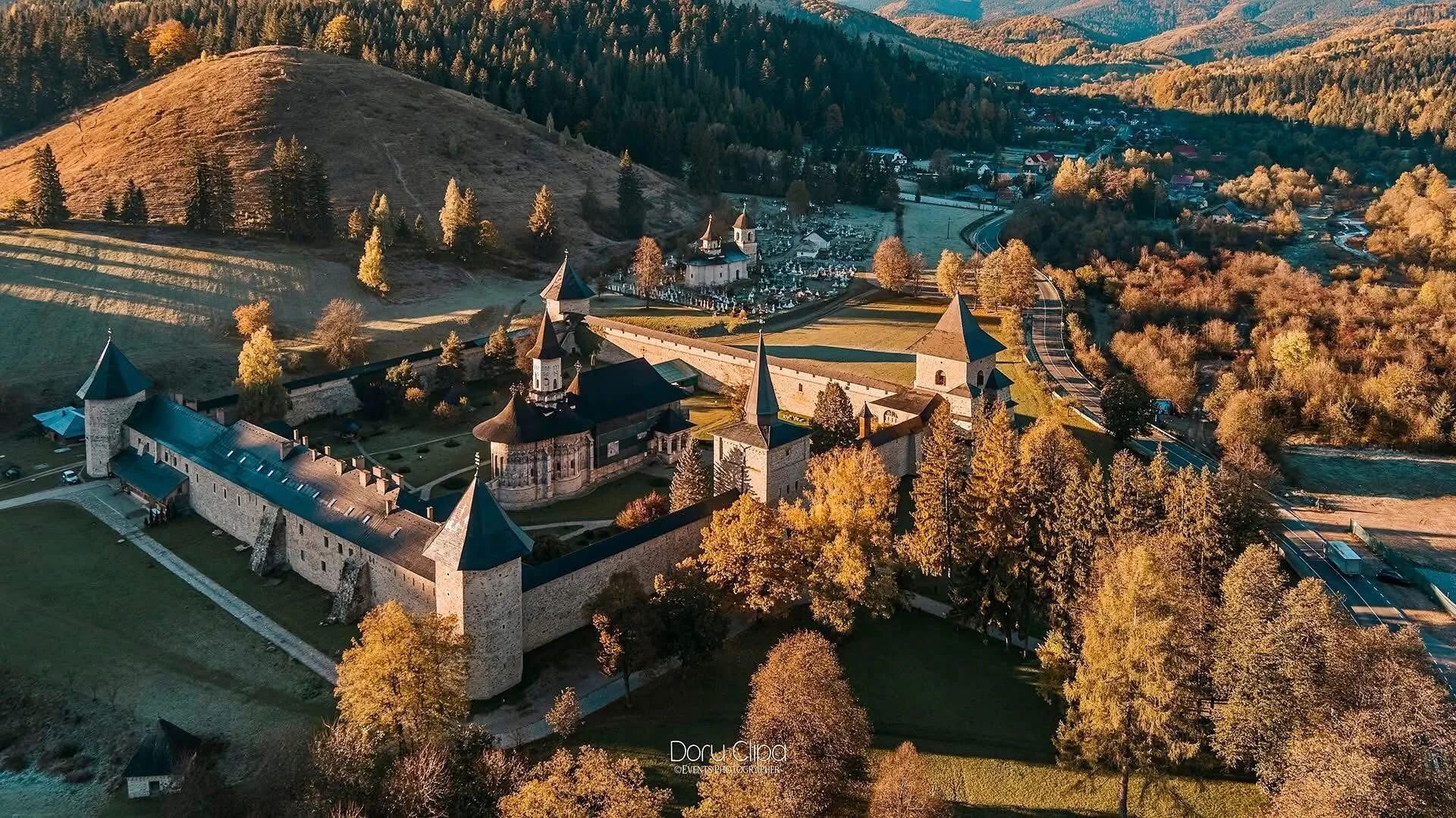
Deep in the valley of the Putna River, where the mountains of Bucovina rise like stone walls toward the sky, stands Putna Monastery, a foundation of Saint Voivode Stephen the Great and a spiritual symbol of Romanian national unity. Located 33 kilometers northwest of Rădăuți and 72 kilometers from Suceava, in a landscape of almost mystical tranquility, this monastery is not merely a religious monument but a true bastion of European identity in the continent’s east. Dedicated to the Dormition of the Mother of God and Saint Stephen the Great, the Orthodox sanctuary was, in the 15th and 16th centuries, one of the most brilliant cultural and artistic centers of Southeastern Europe, a bridge between Byzantine tradition and Western artistic innovations. In 1993, the monastic ensemble was included in the UNESCO World Heritage List, alongside the other painted churches of Bucovina, recognizing the universal value of this site. Like the great European sanctuaries such as Santiago de Compostela in Spain, Mont-Saint-Michel in France, or Monte Cassino in Italy, Putna serves as a spiritual magnet, drawing pilgrims and travelers from around the world and offering a profound experience of reconnection with the Christian roots of the continent.
Historical Roots and Major European Connections
The construction of the monastery began in 1466, immediately after the conquest of the Chilia Fortress on the Black Sea, on an ancient hermitage site that had existed here since the 14th century, and was completed in 1469, in a tumultuous European context. Voivode Stephen the Great, at the height of his power, recognized the potential of this place not only as a princely necropolis but as a spiritual center capable of rivaling the great monastic foundations of the time. The historical context of its founding must be understood alongside the major political movements of Europe: while Louis XI consolidated France, the Medici family illuminated Florence, and Matthias Corvinus built a Renaissance court in Buda, Stephen was constructing in Moldavia a state capable of resisting Ottoman pressures and asserting itself as a major player in European diplomacy. The choice of Putna reflects the voivode’s strategy to anchor the Moldavian state in the Byzantine Orthodox tradition, especially after the fall of Constantinople in 1453, offering refuge and spiritual continuity to Christian Hellenism.
The solemn consecration took place on September 3, 1469, in the presence of the entire Moldavian clergy, officiated by Metropolitan Teoctist, in a ceremony reminiscent of the grandeur of Gothic cathedral inaugurations in Western Europe. By 1481, the ensemble was completed with fortified walls, the entrance tower, and the Treasury Tower, the only structure fully preserved from the founder’s time, a testament to the voivode’s vision of creating a fortress of the spirit, similar to the fortified monasteries of the Teutonic Order in Prussia or the fortified abbeys of southern France. The history of the monastery, however, has known dramatic moments that reflect the turbulence of the era: in the 17th century, the Cossack armies of Timuș Hmelnytsky, involved in wars against the Polish-Lithuanian Commonwealth, devastated the monastery, even stealing the lead from the roof to make bullets, an episode reminiscent of the destruction suffered by English abbeys during the Reformation or the looting of monasteries during the French Wars of Religion. Reconstruction began in 1653 under Vasile Lupu, continued under Gheorghe Ștefan, and was completed in 1662 under Eustatie Dabija, a period during which Polish-Lithuanian and Transylvanian Baroque architecture profoundly influenced the Moldavian style. Later, during the Habsburg occupation after 1775, when Bucovina was annexed by the Austrian Empire, the monastery underwent significant transformations, and the extensive restorations of 1902–1904, led by the Viennese architect Karl Romstorfer, align with the European movement for the restoration of historical monuments, similar to the interventions of Viollet-le-Duc in France or those in imperial Germany. The period from 1961 to 1975 brought new restorations under the communist regime, reflecting the tension between state atheism and religious heritage, a common theme for all places of worship in Eastern Europe under Soviet domination.
An Architectural Masterpiece: Style and Constructive Details
The monastery church, rebuilt in the 17th century but preserving the original lines of the foundation, represents a unique and fascinating synthesis of Byzantine, Gothic, and Renaissance elements, a testament to Moldavia’s cultural openness to the major artistic currents of Europe. The Greek cross plan with domes, specific to Byzantine architecture such as those on Mount Athos or in continental Greece, blends here with Gothic influences visible in the pointed arches and vertical proportions, reminiscent of the cathedrals of northern Europe, while the decorative details reflect the spirit of the Italian Renaissance that had penetrated Central Europe through the Hungarian and Polish courts. The enclosed porch, which first appeared in Moldavia at Putna, constitutes a revolutionary architectural innovation, a transitional space between the profane and the sacred, similar to the Renaissance loggias of Italy or the Spanish cloisters, but adapted to Orthodox liturgy. The twisted rope frieze on the exterior, a unique decorative element in European religious architecture, symbolizes the Holy Trinity through the continuous twisting of the thread, a profound visual metaphor that enriches the façade in a way unseen elsewhere in Christendom.
The entrance tower, built in 1757 and later named the Eminescu Tower, rises as a Baroque watchtower, similar to those of Austrian abbeys such as Melk or Sankt Florian, housing within its walls the room where the poet Mihai Eminescu and participants in the Great Celebration of 1871 spent their nights of vigil. On the western side of the ensemble stands the Chapel of the Holy Apostles Peter and Paul, built in 1759 and painted in fresco technique by the brothers Mihail and Gavril Moroșan, representatives of the Moldavian school of mural painting, which developed a distinct aesthetic, blending Byzantine tradition with Western Baroque elements, similar to the Cretan school of painting under Venetian rule or the religious art of 18th-century Poland. The iconostasis, carved in 1773 from linden and yew wood in the late Baroque style, crowns the liturgical space with exceptional craftsmanship, reminiscent of the splendor of Baroque altars in Austria and southern Germany, with twisted columns and elaborate vegetal ornaments that filter light in a sacred dance of shadows and gold.
A Treasury of Faith and Culture
The Putna Monastery Museum, one of the richest and most important ecclesiastical museums in Romania and all of Southeastern Europe, preserves priceless treasures that illustrate the cultural continuity of this place over the centuries. Among the exceptional exhibits are the reliquary and battle flag of Moldavia, symbols of state sovereignty reminiscent of the vexillum of the Roman legions or the standards of the Templar knights; illuminated manuscripts from the monastery’s scriptorium, created by monk copyists with a skill that rivaled the best workshops of Constantinople or Kiev; embroideries made in its own workshops with gold thread and silk; silverware and ceramics from the time of Stephen the Great, reflecting the artistic refinement of the era. Among the sacred treasures is a miracle-working icon of the Mother of God, brought in 1472 from Constantinople by Lady Maria of Mangop, the voivode’s wife, a piece that directly links Putna to the Byzantine heritage and the spirituality of the former imperial capital, as well as the relics of the Three Holy Hierarchs, Saint Anne, and Saint George, venerated in a manner similar to those at Reims, Cologne, or Santiago de Compostela. The church houses fifteen tombs, including three princely ones, forming a dynastic necropolis comparable to Saint-Denis in France, El Escorial in Spain, or Westminster Abbey in London, and in the altar is preserved the finger of Saint Daniel the Hermit, who, according to tradition, showed Voivode Stephen the sacred place where the monastery was to be built, a relic that recalls the cult of the desert hermits of Egypt or Syria.
The Jerusalem of the Romanian People
On August 15, 1871, Putna hosted the Great National Celebration, marking the 400th anniversary of the monastery’s consecration, an event that brought together the intellectual elite of the time in a moment of national fervor comparable to the great romantic gatherings of Central Europe, such as those of the Czech Sokol movement or the Hungarian national revival. Among the participants were Mihai Eminescu, Ioan Slavici, Ciprian Porumbescu, Mihail Kogălniceanu, and A. D. Xenopol, figures who transformed the monastery into a symbol of Romanian cultural unity, much like how national poets such as Adam Mickiewicz for Poland or Sándor Petőfi for Hungary used literature to consolidate national consciousness. On this occasion, Eminescu delivered the memorable words that have remained in history: "Let us make Putna the Jerusalem of the Romanian people and Stephen’s tomb the altar of national consciousness," a vision that places the monastery on the same level as the great holy sites of Europe, such as Jerusalem, Rome, or Santiago. In 1966, at the recommendation of UNESCO, the 500th anniversary of its founding was celebrated worldwide, and in 2021, the county authorities marked the pilgrimage route Via Mariae to this holy site, integrating Putna into the European network of Marian pilgrimage routes, alongside Fatima, Lourdes, and Częstochowa. A dramatic turning point in the monastery’s recent history occurred in 1940, when Soviet troops attempted to occupy the monastery to annex it to the Ukrainian SSR, in a geopolitical context similar to the Soviet occupations elsewhere in Eastern Europe. However, the attack was repelled by the Romanian Army, preserving the spiritual and territorial integrity of this symbol, an act of resistance comparable to the defense of Monte Cassino during World War II, though in this case, the defenders were Romanians facing Soviet expansion.
Practical Visitor’s Guide and Today’s Tourist Experience
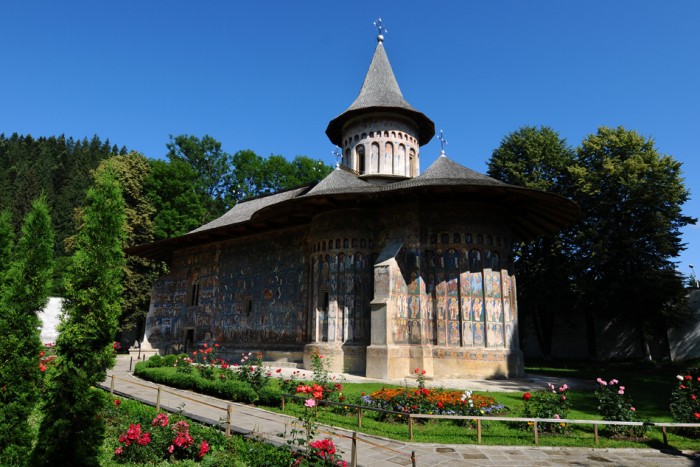
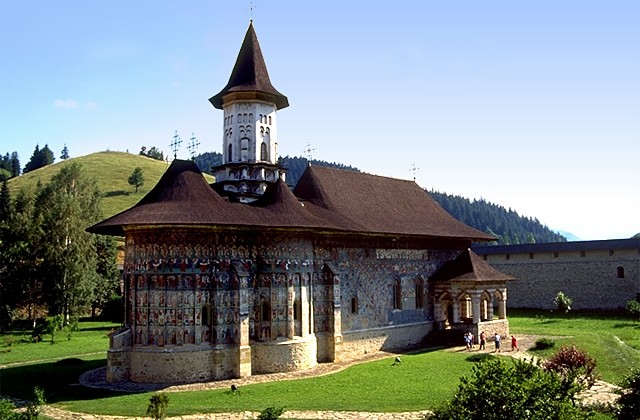
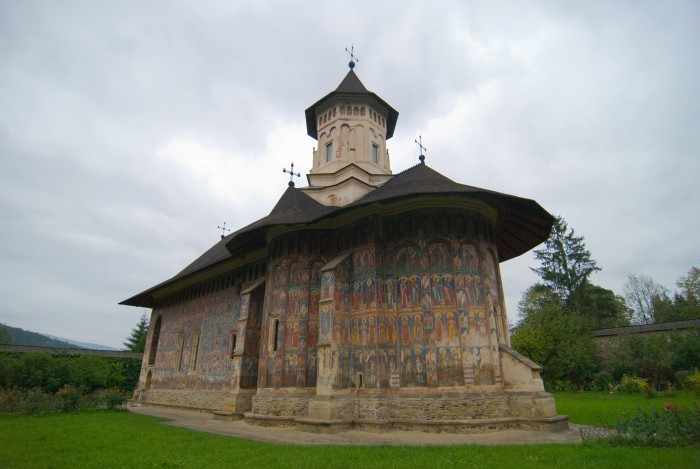
Visiting Putna Monastery is a profound experience that combines spirituality with the discovery of an exceptional cultural heritage. The monastery welcomes visitors daily between 6:00 AM and 9:00 PM, with free access to the grounds, allowing everyone to enjoy the tranquility of the inner garden and the majestic view of the church in the light of dawn or dusk. To explore the artistic and historical treasures of the monastery in depth, the Putna Monastery Museum can be visited for a modest fee of 10 lei, offering the opportunity to admire up close the illuminated manuscripts, silver treasures, and collection of embroideries that tell the story of a flourishing civilization. For additional information and to plan your visit according to religious holidays or seasonal cultural events, consult the official website [putna.ro](http://putna.ro). Nearby, just a few hundred meters away, you can visit the Cell of Daniel the Hermit, a sacred cave that completes the spiritual pilgrimage, as well as the Wooden Church of the Entry of the Mother of God into the Temple, the oldest preserved medieval wooden church in Romania, dating from the 14th century, a true architectural gem that speaks of the spiritual continuity of these lands. For those wishing to explore the entire UNESCO heritage circuit of Bucovina, Putna is the ideal starting point for visiting other painted monasteries such as Voroneț, Sucevița, Moldovița, or Humor, each offering a unique palette of colors and spirituality in a mountainous landscape of overwhelming beauty, similar to the cultural routes of Tuscany in Italy or Andalusia in Spain.
Media gallery
Discover Putna Monastery in pictures

41 photos · Architecture, courtyards and captivating details


Image source: Wikimedia Commons · Public domain photos · Free license
STAY A FEW DAYS, DISCOVER THE MAGIC
Accommodation in the Putna Monastery area


Guesthouse · 3 stars

Putna, Suceava County · 1.4 km
Pensiunea Mușatinii Putna
În apropiere puteți vizita Mănăstirea Putna, unul dintre cele mai importante lăcașuri de cult din zonă. Pensiunea Mușatinii Putna, o pensiune turistică situată în localitatea Putna, reprezintă punctul dumneavoastră de plecare către Mănăstirea Sucevița, Mănăstirea Moldovița, Biserica fostei Mănăstiri Arbore și Chilia Sfântului Daniil Sihastrul. Cazarea se realizează în camere confortabile, dotate cu baie proprie, televizor și facilități moderne. Accesul la internet Wi-Fi este gratuit în întreaga unitate, iar pentru confortul dumneavoastră sunt disponibile fier de călcat și scaun înalt pentru copii. Pentru relaxare, aveți la dispoziție saună, jacuzzi sau cadă cu hidromasaj, precum și tenis de masă și o cameră de joacă pentru copii la interior. Restaurantul din incintă prepară diverse feluri de mâncare, inclusiv meniuri pentru copii și opțiuni pentru diete speciale, iar barul și cafeneaua completează oferta. În curtea mare și grădina amenajată puteți folosi foișorul, grătarul sau ceaunul pentru momente petrecute în aer liber. Pensiunea oferă parcare privată gratuită, parcare pentru biciclete, depozit pentru bagaje și acces pentru persoane cu dizabilități. De asemenea, puteți beneficia de servicii de masaj, stație de încărcare pentru vehicule electrice și puteți parcurge trasee pentru drumeții montane în natură. Vă așteptăm la Pensiunea Mușatinii Putna.
FROM
240 lei per night

Guesthouse · 3 stars
Putna, Suceava County · 2.3 km
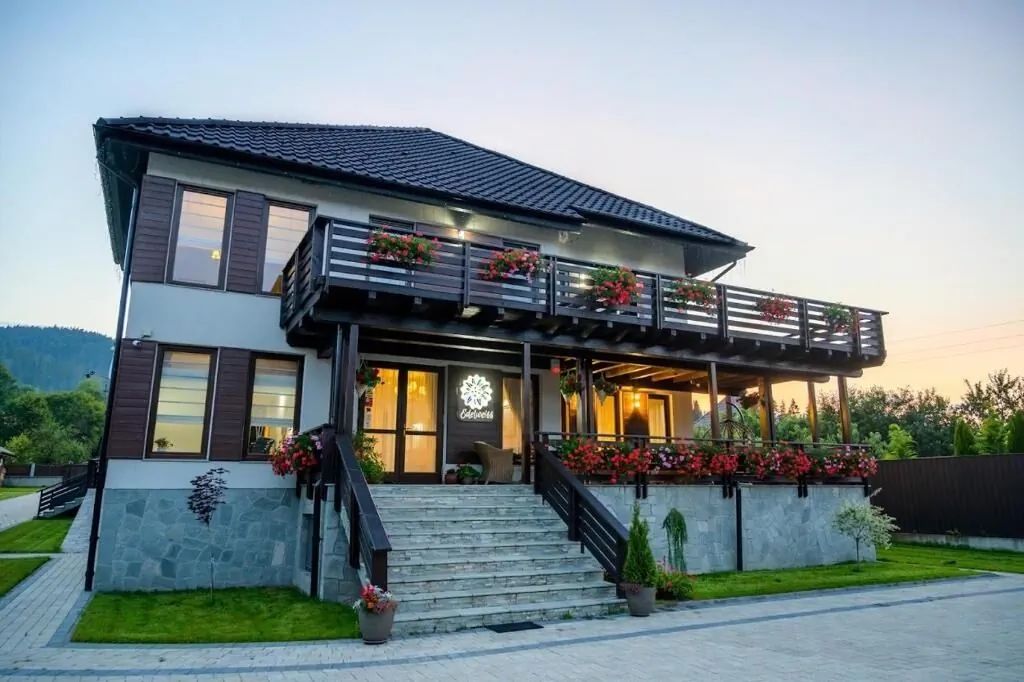
Pensiunea Edelweiss Putna
Comfort, relaxation and stunning views, all just steps away from the main attractions.
FROM
240 lei per night
Guesthouse · 3 stars
Putna, Suceava County · 4.2 km
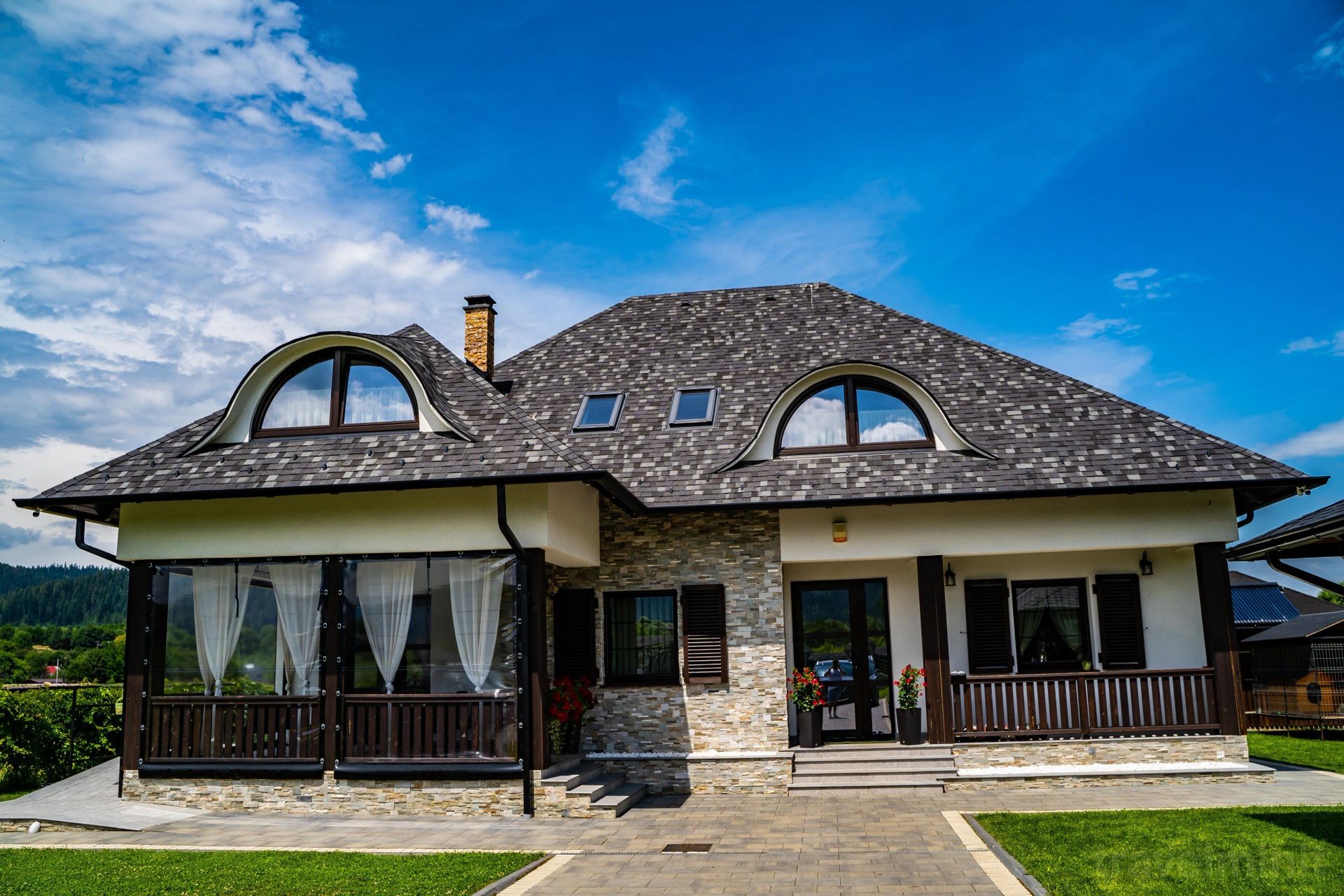
Pensiunea Casa Românească Putna
Într-o curte mare și într-o grădină amenajată din localitatea Putna, județul Suceava, vă așteaptă Pensiunea Casa Românească Putna. Această pensiune turistică de trei stele vă pune la dispoziție patru camere confortabile și primitoare, într-un cadru liniștit și autentic. Pentru momente de relaxare deplină, beneficiați de saună, de o cadă cu hidromasaj și de un ciubăr tradițional din lemn, perfecte după o zi petrecută în aer liber. Unitatea asigură acces persoanelor cu dizabilități, oferă Wi-Fi gratuit în toate spațiile și pune la dispoziție parcare privată gratuită, astfel încât fiecare detaliu al șederii dumneavoastră să fie cât mai confortabil. În vecinătate puteți descoperi Mănăstirea Putna, Mănăstirea Sucevița, Chilia Sfântului Daniil Sihastrul, Mănăstirea Moldovița și Biserica fostei Mănăstiri Arbore, monumente care vă vor completa experiența culturală în această regiune. Mic dejunul este inclus, iar la recepție puteți comunica în limba română, engleză sau spaniolă. Vă așteptăm cu drag la Pensiunea Casa Românească Putna, unde accesul cu mașina este facil, parcare privată gratuită fiind disponibilă direct în incinta proprietății.
FROM
240 lei per night
Hotel · 3 stars
Vicovu de Sus, Suceava County · 7.1 km
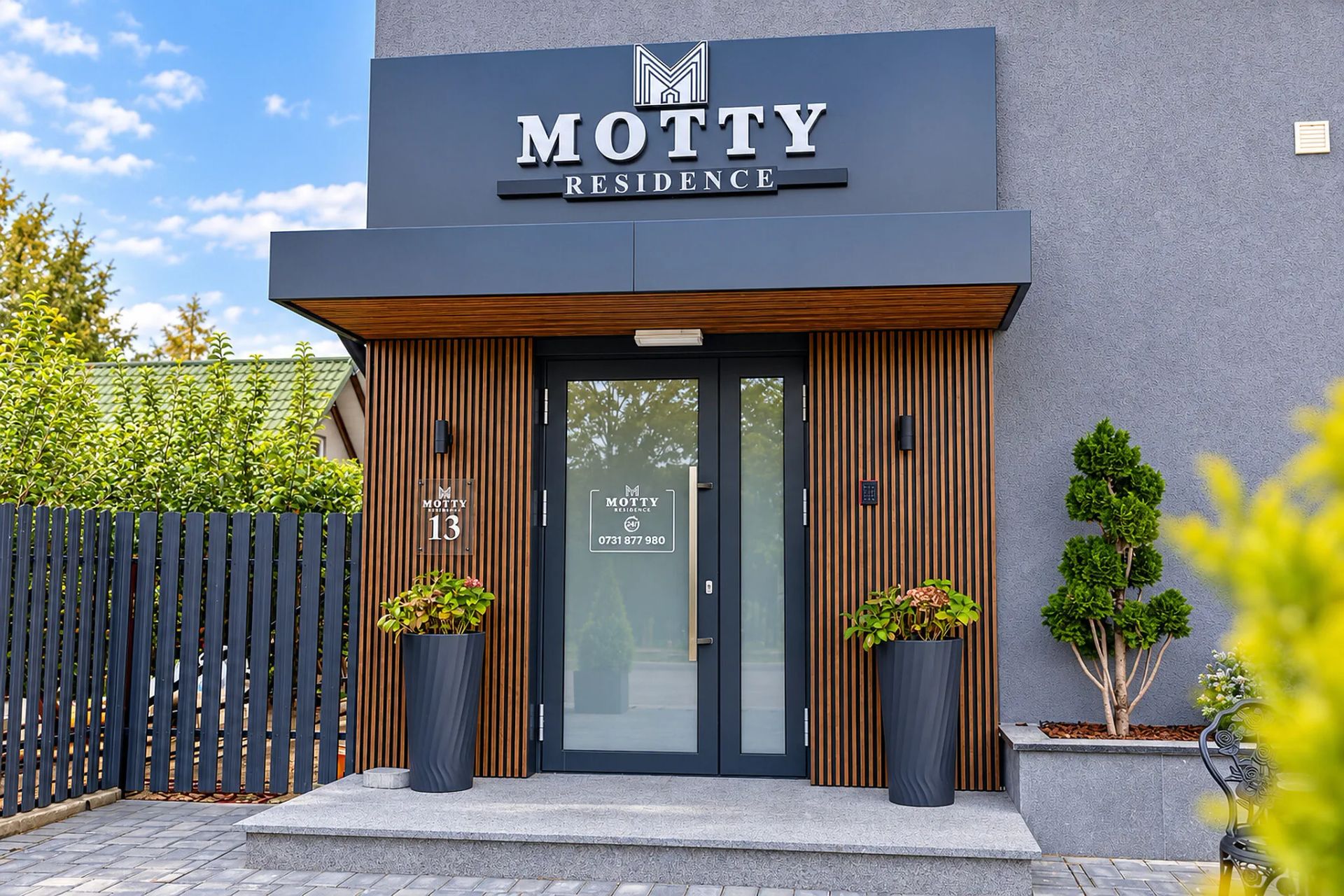
Motty Residence Apartments Vicovu de Sus
Motty Residence Apartments Vicovu de Sus este un hotel de 3 stele situat în localitatea Vicovu de Sus din județul Suceava. Adresa unității este strada Nicolae Bălcescu numărul 13. Hotelul oferă cazare în șapte camere amenajate cu grijă pentru confortul oaspeților. Facilitățile includ parcare privată gratuită, conexiune Wi-Fi gratuită și o cafenea în incintă, potrivită pentru momente de relaxare. Pentru confortul dumneavoastră, unitatea dispune de lift, acces pentru persoane cu dizabilități, seif în camere, fier de călcat și pătuț pentru bebeluși. De asemenea, aveți la dispoziție posibilitatea de a parcurge drumeții montane și trasee în natură. Camerele sunt mobilate și oferă un ambient plăcut. Anumite camere sunt dotate cu aer condiționat pentru un plus de confort. În zonă puteți descoperi importante obiective culturale și religioase: Mănăstirea Putna, Mănăstirea Sucevița, Chilia Sfântului Daniil Sihastrul, Mănăstirea Moldovița și Biserica fostei Mănăstiri Arbore. Vă așteptăm să vă bucurați de șederea dumneavoastră la Motty Residence Apartments Vicovu de Sus.
FROM
290 lei per night
Guesthouse · 3 stars
Vicovu de Jos, Suceava County · 10.4 km
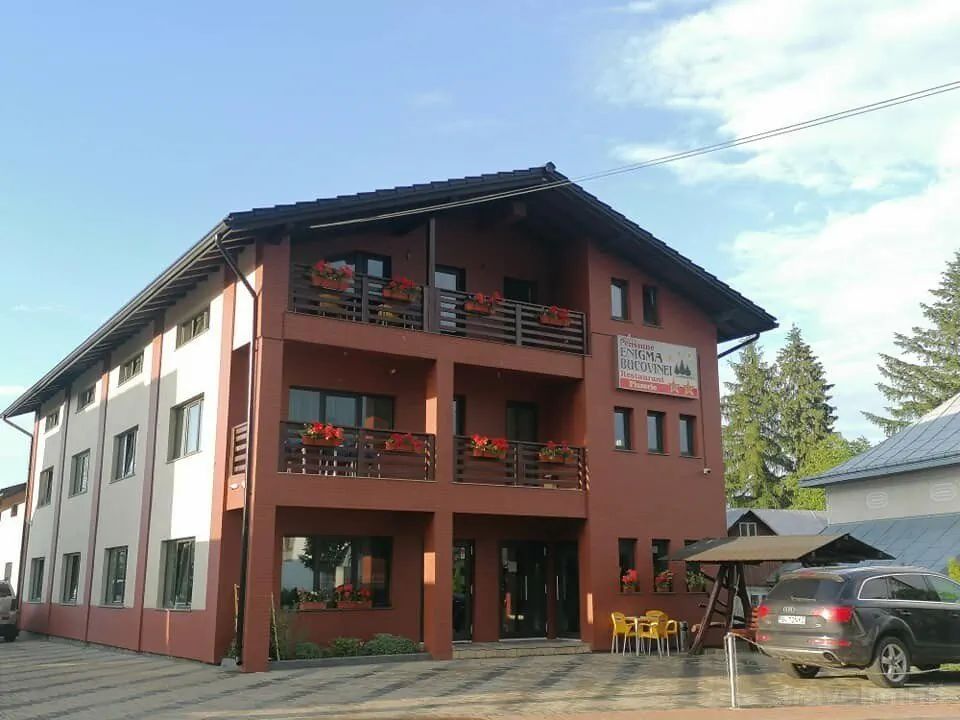
Pensiunea Enigma Bucovinei Vicovu de Jos
Într-o curte mare și îngrijită, înconjurată de o grădină bine amenajată, Pensiunea Enigma Bucovinei din Vicovu de Jos, județul Suceava, vă așteaptă cu patru camere mobilate cu gust și o atmosferă primitoare, potrivită pentru odihnă. Fiecare cameră este pregătită cu atenție pentru confortul dumneavoastră, iar animalele de companie sunt binevenite în mod gratuit. Beneficiați de Wi-Fi gratuit în întreaga unitate, parcare privată gratuită, pătuț pentru bebeluși și acces facilitat pentru persoane cu dizabilități. În exterior, curtea largă oferă posibilitatea de a găti la ceaun sau de a pregăti un grătar, într-un spațiu relaxant. Dacă doriți să luați masa la pensiune, la momentul rezervării puteți solicita mic dejun, prânz, cină, demipensiune sau pensiune completă. Din punct de vedere turistic, în apropiere puteți vizita Mănăstirea Sucevița, Mănăstirea Putna, Chilia Sfântului Daniil Sihastrul, Biserica fostei Mănăstiri Arbore și Mănăstirea Bogdana din Rădăuți. Sosirea se poate face începând cu ora 16:00, iar plecarea până la ora 11:00, personalul comunicând în română, engleză, spaniolă și italiană.
FROM
240 lei per night
Holiday home · 3 stars
Suceviţa, Suceava County · 12.9 km
Casa Adi Sucevița
Comfort, relaxation and stunning views, all just steps away from the main attractions.
FROM
280 lei per night
BEFORE YOU HIT THE ROAD
Weather conditions in Putna
Local forecast for Putna Monastery, Putna, Suceava

Real-time updated weather data
Much more to explore in this area
Nearby tourist attractions


Suceava, Suceava County
Voroneț Monastery
Situata in localitatea Voronet, la cca. 4 km de Gura Humorului si 35 km de Suceava; accesul se face din Gura Humorului, pe DJ177D; ctitorie a lui Stefan cel...
43.6 km
Sucevita, Suceava County
Sucevița Monastery
Situata in comuna Sucevita, la 19 km sud-vest de Radauti si 37 km nord-vest de Suceava; accesul se poate face din Suceava, spre Radauti, pe DN2/E85, 35 km,...
13.0 km
Suceava, Suceava County
Moldovița Monastery
Situata in localitatea Vatra Moldovitei, la 27 km nord de Campulung Moldovenesc; accesul se poate face din Campulung Moldovenesc, pe DN17A, 23km, sau din...
23.3 km
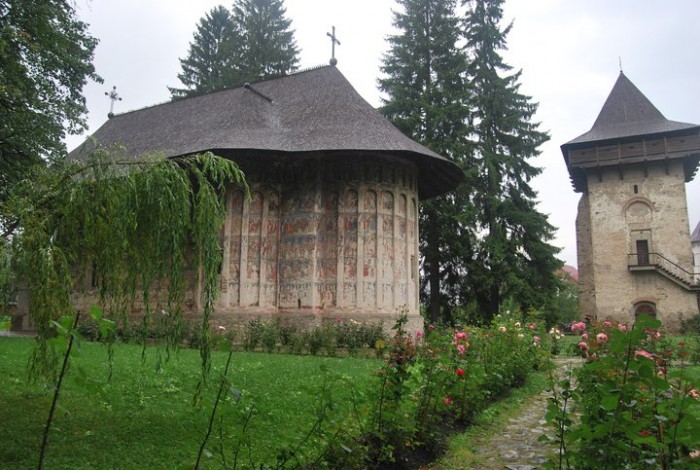
Suceava, Suceava County
Humor Monastery.
Situata in localitatea Manastirea Humorului, la aproximativ 5 km de orasul Gura Humorului, pe DJ177; prima biserica a Manastirii a fost constuita in timpul lui...
35.9 km
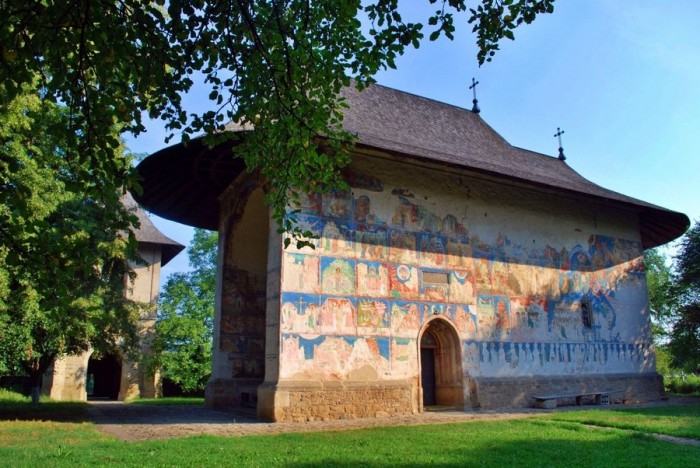
Arbore, Suceava County
Arbore Church
Situata in comuna Arbore; ridicata in anul 1503, de catre Hatmanul Luca Arbore, unul dintre marii boieri ai lui Stefan cel Mare, sfetnicul lui Bogdan al III-lea...
29.0 km

Suceava, Suceava County
Gura Humorului Resort
Situata in partea estica a Obcinilor Bucovinei, in depresiunea cu acelasi nume; amplasata la altitudinea de 470 m; prima mentionare documentara dateaza din 26...
41.0 km
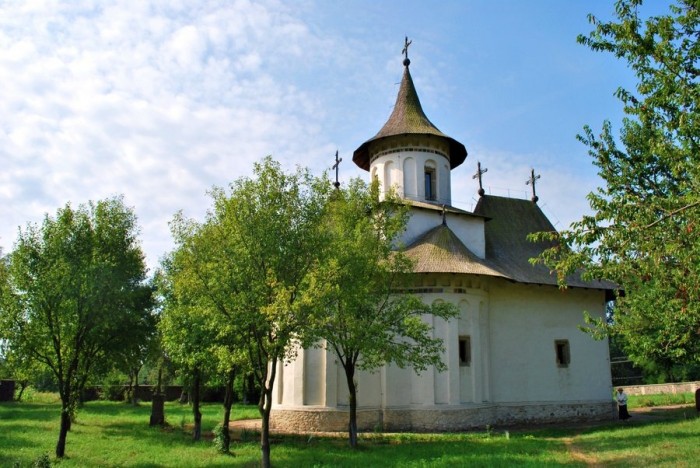
Patrauti, Suceava County
Church of the Former Patrauti Monastery
Situata in comuna Patrauti; inaltata in 1487, a fost prima ctitorie a lui Stefan cel Mare; este cea mai redusa ca dimensiune dintre ctitoriile domnitorului si...
47.1 km

31.8 km
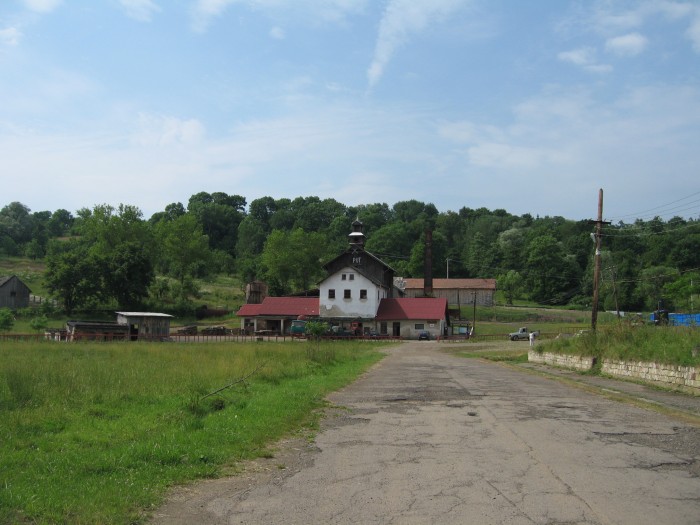
Suceava, Suceava County
Cacica Salt Mine
Situata in localitatea Cacica, la 18 km de localitatea Gura Humorului si la 40 km de municipiul Suceava; primele zacaminte de sare au fost descoperite in anul...
36.2 km

Mitocul, Suceava County
Dragomirna Monastery
Manastirea Dragomirna este situata in comuna Mitocul Dragomimei, la 12 km de Suceava; accesul se face din Suceava, pe E85, spre Cernauti, 1 km, apoi dreapta pe...
48.8 km
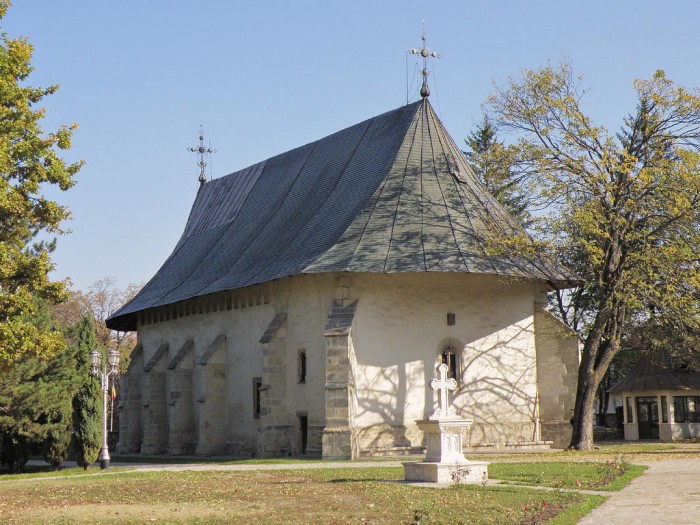
Suceava, Suceava County
Bogdana Monastery
Situata pe strada Bogdan Voda nr. 6, Radauti; ridicata intre 1359-1364 de catre voievodul Bogdan I, biserica este prima constructie religioasa de piatra din...
24.1 km

Suceava, Suceava County
Bucovina Museum of Popular Customs
Situat in Piata Republicii nr. 2 din orasul Gura Humorului; functioneaza intr-o cladire construita la sfarsitul secolului al XIX-lea; infiintat in anul 1958;...
41.0 km
Cultural life and traditions
Events in the Putna Monastery area
Medieval festivals, traditional fairs, concerts and local activities recommended in Bukovina.

History and Voivodeship Heritage

Putna, County of Suceava
The Medieval Festival of Neamț Fortress
Re-enactments of Ștefan’s battles, archery demonstrations with traditional bows, displays of courtly guards, and performances of old court music.
WHEN
July 3-5, 2026


Prehistoric Crafts and Art
Putna, County of Suceava
The National Pottery Fair “Cucuteni 5000”
The most skilled ceramic artists recreate the spectacular motifs of Europe’s oldest civilisation.
WHEN
June 26-28, 2026

Gastronomy and Wines
Putna, County of Suceava
The Traditional Festival of Moldovan Wine
A fair featuring wine tastings from the vineyards of Cotnari, Bucium and Panciu, “poale-n brau” pies, and roasted meats cooked on a spit.
WHEN
October 2-4, 2026
On foot, exploration gains depth
Discover the surroundings and local geography
Explore the trails, terrain, and natural landmarks around Putna Monastery.

Guides and practical tips
Useful travel articles
Travel guides, practical recommendations and tourist itineraries for Bukovina.

Tourist guide
Top 5 Atracții Turistice și Trasee Montane în Zona Moieciu - Bran
Descoperă cele mai spectaculoase peisaje carstice, chei adânci și cetăți medievale din imediata apropiere a stațiunii Moieciu.

Tourist guide
Ghid de Drumeție: Traseul Moieciu de Sus spre Platoul Bucegi
Un itinerariu montan de o frumusețe rară ce urcă din Valea Băngăleasa spre Poiana Guțanu și crestele maiestuoase ale Bucegilor.

Tourist guide
Castelul Bran: Istorie, Legende și Secrete Medievale
Află adevărata poveste a fortăreței medievale din Pasul Bran, reședința de suflet a Reginei Maria a României.
THE JOURNEY STARTS WITH AN IDEA
The next story is on the way.
From the first stop to the last stay, make room for a new Romania.
