


PLACE OF WORSHIP · BUKOVINA
Church of the Former Patrauti Monastery

Patrauti, Suceava County
Add location to your trip planner.
Practical access information

VISITING HOURS
Monday: 12:00 PM – 5:00 PM · Tuesday–Sunday: 9:00 AM – 5:00 PM (in summer until 8:00 PM)

TICKET PRICE
Adults: 45 RON · Students: 11 RON · Seniors: 23 RON · Guided tour included

RECOMMENDED VISIT DURATION
2-3.5 hours
Visitor information and guide
 Navigate with Google Maps

ABOUT CHURCH OF THE FORMER PATRAUTI MONASTERY
A Milestone of Moldavian Spirituality
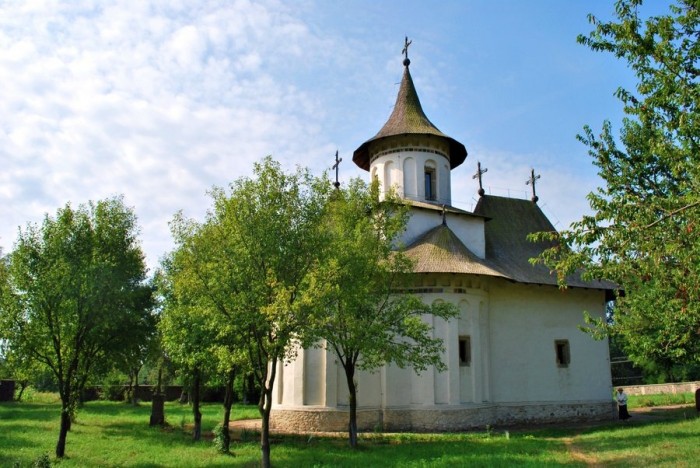
In the heart of Bucovina, in Patrauti, stands the Church of the Former Patrauti Monastery, the first foundation of Stephen the Great, erected in 1487. This place of worship represents not only the beginning of an era of artistic brilliance for Moldavia but also the first manifestation of the Moldavian architectural style, born from the rough stone of the Bucovinian hills. Built during a period of consolidation for the Moldavian state, the church marks the moment when Romanian religious art found its own identity, distinct from direct foreign influences yet deeply rooted in the Byzantine tradition. In the European landscape of the late 15th century, as the great artistic currents of the Italian Renaissance began to conquer the north of the Alps and the Ottoman Empire solidified its dominance in the Balkans, this modest church in northern Moldavia heralded the emergence of a distinct artistic school, capable of assimilating and transforming Byzantine, Latin, and Oriental influences into a unique expression of Orthodox spirituality in Southeastern Europe.
The cultural significance of this monument far exceeds its relatively modest physical dimensions. As Stephen the Great’s first monastic foundation, the church at Patrauti represents the birth of an architectural tradition that would define the visual identity of the entire region for two centuries. While other European states were constructing cathedrals in the Flamboyant Gothic style or Renaissance palaces, Moldavia, situated at the frontier between Orthodox Christianity and the Islamic world, developed its own architectural language. Here, the rough stone of the Eastern Carpathians became a medium for expressing an austere yet profoundly human spirituality. The monument is inscribed on the UNESCO World Heritage List not only for its intrinsic artistic value but also because it stands as an exceptional witness to Byzantine civilization adapted to the Moldavian context, during a period when Europe was seeking new forms of cultural expression at the borders between empires.
Historical Roots and the European Context of the 15th Century
The year 1487, when Stephen the Great laid the foundation stone of the church at Patrauti, marks a turning point in the history of Southeastern Europe. The Moldavian voivode, who had already ruled for over twenty years over a territory constantly threatened by Ottoman expansion, the ambitions of the Kingdom of Hungary, and rivalry with Poland, consolidated his state through an ambitious program of ecclesiastical constructions. This strategy was not isolated in the European context of the time. In France, Louis XI was building fortresses and royal residences to assert his authority, while in the Iberian Peninsula, the Catholic Monarchs Ferdinand and Isabella completed the Reconquista and began constructing a new monarchical order. In the Byzantine Empire, the last bastion of Eastern Christianity in Constantinople prepared for the inevitable Ottoman siege, and Byzantine artists, refugees in Italy and the Balkans, spread the technique and spirituality of Paleologan art.
In this tense geopolitical context, the foundation at Patrauti takes on an additional dimension. Unlike the great Western cathedrals or the Ottoman mosques that dominated the urban skyline of the time, the Moldavian church at Patrauti was intended to be a convent for nuns, a sanctuary dedicated to caring for the wounded from battles fought near the Seat Fortress of Suceava. Thus, within its rough stone walls, a medieval European vision of monastic charity is reflected, blending spirituality with the physical care of the suffering. This hospital function recalls the Western tradition of hospitaller knightly orders, such as the Order of Saint John (the Hospitallers) or the Templars, who administered hospitals for pilgrims and the wounded in the Holy Land and Europe, as well as Byzantine charitable institutions like the xenodochia founded by emperors such as John II Komnenos. In an era when monasteries served as medical centers, schools, and shelters for the poor across Europe—from Benedictine monasteries in France and Germany to Orthodox ones in Greece and Russia—the foundation at Patrauti represents a specifically Moldavian contribution to this pan-European tradition of religious social assistance.
The church’s architecture reflects this unique cultural synthesis. Its plan, based on the Byzantine tradition of the Greek-cross church with a narthex and lateral apses, nevertheless presents elements reminiscent of Latin and Gothic influences, visible in the vertical proportions and the treatment of the windows. This stylistic fusion places the monument in dialogue with medieval European architecture: like the Romanesque churches of Lombardy or the Rhineland, it uses rough stone as an expressive element, and like the Gothic cathedrals of northern Europe, it seeks verticality and light, albeit in a more austere key. The Moldavian style, born here in 1487, would evolve into more elaborate forms in the following centuries, culminating in the famous painted monasteries of the 16th century, such as Voroneț or Sucevița, but its roots lie in this first modest foundation, built out of the practical need to care for the bodies and souls of those wounded in the wars to defend Christianity.
An Architectural Masterpiece and Byzantine Artistic Treasure
The church’s interior houses the oldest preserved mural painting in Moldavia, partly executed immediately after construction and partly in the last decade of the 15th century, a period when mural art experienced unprecedented flourishing across Christian Europe. This period coincides with the apogee of the Paleologan Renaissance in Byzantine art, when masters such as Manuel Panselinos of Mount Athos or the Constantinople School developed an artistic language that blended Byzantine iconographic tradition with humanist influences. The frescoes at Patrauti, likely created by masters brought from artistic centers such as Constantinople, Mount Athos, or the medieval Serbian schools (the Morava School), offer a rare window into this vanished artistic world, providing insights into the technique and spirituality of 15th-century Byzantine art.
The exterior painting, added in 1550, has largely survived to this day, offering a rare glimpse into Byzantine and post-Byzantine art in this part of Europe. This 16th-century painting campaign marks the maturation of the Moldavian School of mural painting, which would reach its peak in the following decades. The dry fresco technique used, along with a color palette dominated by ochre, smalt blue, and cinnabar red, recalls the Italian Renaissance fresco tradition, but the themes and composition remain profoundly Byzantine. On the western wall of the narthex unfolds a fresco of rare spiritual intensity: the Cavalcade of the Holy Cross, a unique iconographic representation in Romanian religious heritage. This scene, depicting a solemn procession in which biblical figures and saints accompany the Holy Cross, reflects both Balkan and Western influences. While in Western Europe, religious processions during Holy Week were represented in sculpture and painting in Gothic cathedrals in Spain, Italy, or France, in Orthodoxy, this theme was less common in monumental art. Its presence at Patrauti suggests intense artistic contacts with the Catholic world, possibly through Italian or Dalmatian masters working in the Balkans or through the influence of humanist currents that crossed confessional boundaries.
Dedicated to the Exaltation of the Holy Cross, the monument is inscribed on the UNESCO World Heritage List, recognizing its exceptional universal value as a witness to Byzantine civilization adapted to the Moldavian context. This recognition places the church at Patrauti alongside a series of European monuments that illustrate the diversity of Christian heritage, including the wooden churches of Maramureș, the monasteries of Meteora in Greece, those of Ohrid in North Macedonia, and the Orthodox cathedrals of Russia. The monument’s universal value lies in its ability to illustrate the process of cultural adaptation: how a Byzantine religious tradition, rooted in the Eastern Roman Empire, was reinterpreted in a different geographical and political context, on the margins of Europe, under the pressure of new imperial powers.
Stories, Legends, and Turning Points
Near the church, popular tradition preserves tangible memories of the past, wrapped in the mythical aura of the great voivode. A round stone slab, known as Stephen’s Table, bears witness to the ruler’s physical presence in this place. This stone, strategically placed near the place of worship, evokes the image of the sovereign dining with his soldiers or nuns after services, recalling the tradition of communal meals in medieval European monasteries, from Benedictine to Orthodox. Legend associates this table with the moment when Stephen the Great decided to build the church after witnessing the suffering of the wounded brought from the battlefield. Throughout medieval Europe, round tables associated with mythical or historical sovereigns symbolized equality before the law and the chivalric community, from King Arthur’s Round Table in British mythology to the ceremonial tables of the Holy Roman Emperors in Aachen. The table at Patrauti participates in this European tradition of sacralizing communal meeting spaces.
Beside the church stands a bell whose legend attributes the power to disperse hail-bearing clouds, adding to the sacred aura of the place. In European tradition, church bells had multiple magical and practical functions: from announcing the hours and danger to warding off evil spirits and influencing the weather. In medieval France and Italy, consecrated bells were believed to stop storms, and in England, the tradition of "ringing out the devil" was widespread. The bell at Patrauti, with its attributed meteorological properties, fits into this European map of the sacred linked to sound and control over unpredictable nature. It recalls famous bells of Europe, such as those of Notre-Dame in Paris or Cologne Cathedral, but retains a local dimension, deeply tied to the agricultural life of the Bucovinian community.
The monastery’s history also includes dramatic moments over the centuries. After Stephen the Great’s death in 1504, the foundation continued to function as a convent for nuns, contributing to the spiritual and cultural life of the area. In the 16th century, when the Moldavian School of mural painting reached its glory, the church benefited from the exterior painting campaign of 1550, likely executed by masters trained in the Athonite tradition. In the following centuries, under foreign occupations and wars, the monastery went through periods of decline and restoration. In the 19th century, when Bucovina was part of the Habsburg Empire, the complex was reorganized, and within the Parish House built at the beginning of that century, an ethnographic museum now operates. The transformation of a former monastery into a museum space reflects the 19th-century European trend of preserving popular and religious heritage in an era of accelerated industrialization and secularization, similar to ethnographic museums founded in Scandinavia, Germany, or Austria-Hungary.
Practical Visitor’s Guide and Contemporary Cultural Experience
The Church of the Former Patrauti Monastery remains an essential reference point for understanding the evolution of sacred architecture in medieval Moldavia and the role of monasteries as centers of culture and social assistance in Southeastern Europe. Located in the village of Patrauti, approximately 18 kilometers northwest of the city of Suceava, the church lies on the classic route of the Painted Monasteries of Bucovina, often the first stop for visitors traveling north from Suceava toward Humor, Voroneț, or Moldovița. Access is via the county road connecting Suceava to Rădăuți, through a landscape of rolling hills covered with beech and fir forests, characteristic of this region at the foothills of the Eastern Carpathians.
Visiting this monument allows for the discovery of the artistic roots of Romanian art and the historical context in which a unique civilization developed at the intersection of Byzantine and Western influences, during a crucial period for the cultural identity of the entire Balkan region. To fully appreciate the value of the interior and exterior frescoes, it is recommended to visit on days with abundant natural light, preferably in the morning, when the sun’s rays penetrate through the narrow windows and highlight the pigments over five centuries old. Interior photography is permitted under certain conditions, but the use of flash is strictly prohibited to protect the fragile paint layer. Visitors are asked to respect the tranquility of the place, as the church remains an active place of worship where regular services are held, especially on the feast day of the Exaltation of the Holy Cross, celebrated on September 14.
Opposite the place of worship, within the Parish House built in the early 19th century, an ethnographic museum operates, recreating the atmosphere of a priest’s house from the pre-industrial era. Its collection, dedicated to Easter celebrations in Bucovina, offers visitors an authentic insight into the rituals and customs of a community deeply rooted in Orthodox tradition, preserving the memory of a pre-industrial era. This museum complements the church visit, providing the domestic and communal context of religious life in past centuries, similar to museums of religious ethnography in other parts of Europe, such as those in Bavaria or the Tyrol.
For a complete experience, visitors can combine a trip to Patrauti with a visit to the Seat Fortress of Suceava, located nearby, which was Stephen the Great’s administrative and military center, or with hikes in the Vânători-Neamț Natural Park. The optimal season for visiting is late spring and summer, when the surrounding nature is in full bloom, but also autumn, when the colors of the Bucovinian forests create a spectacular contrast with the church’s exterior frescoes. Regardless of the season, the church at Patrauti offers a profound cultural pilgrimage experience, inviting reflection on how spirituality, art, and charity intertwined in the heart of Southeastern Europe, at the border between worlds and empires, over five centuries ago.
Media gallery
Discover Church of the Former Patrauti Monastery in pictures

7 photos · Architecture, courtyards and captivating details
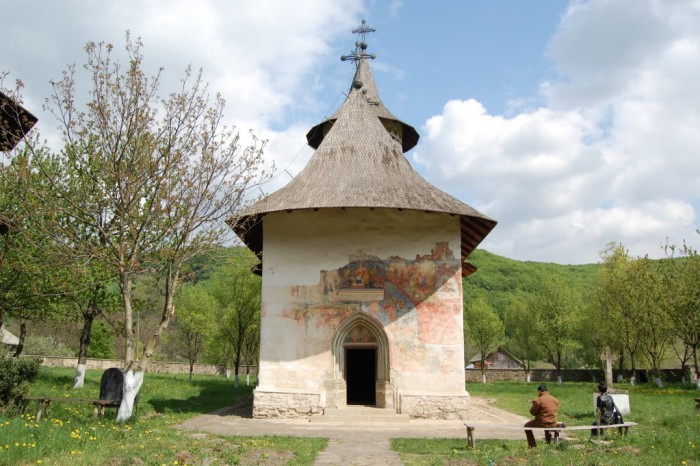
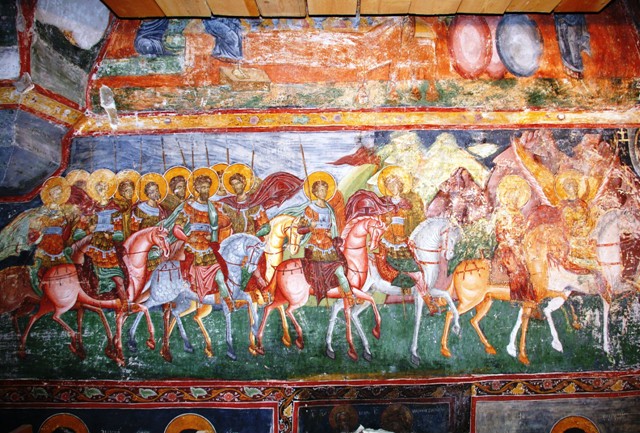


Image source: Wikimedia Commons · Public domain photos · Free license
STAY A FEW DAYS, DISCOVER THE MAGIC
Accommodation in the Church of the Former Patrauti Monastery area

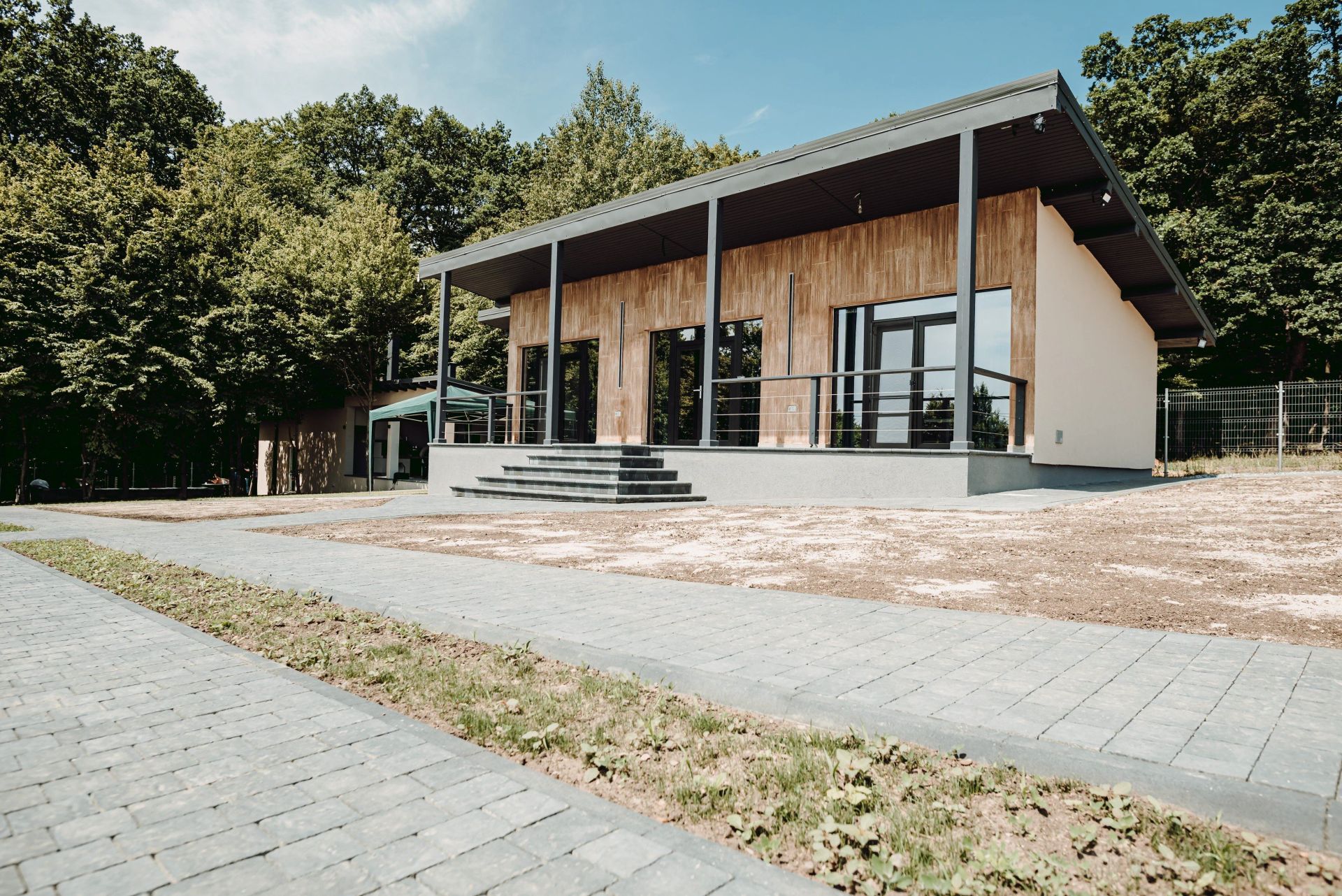
Holiday home · 3 stars

Dragomirna, Suceava County · 5.1 km
Famous Chalet Dragomirna
Comfort, relaxation and stunning views, all just steps away from the main attractions.
FROM
280 lei per night

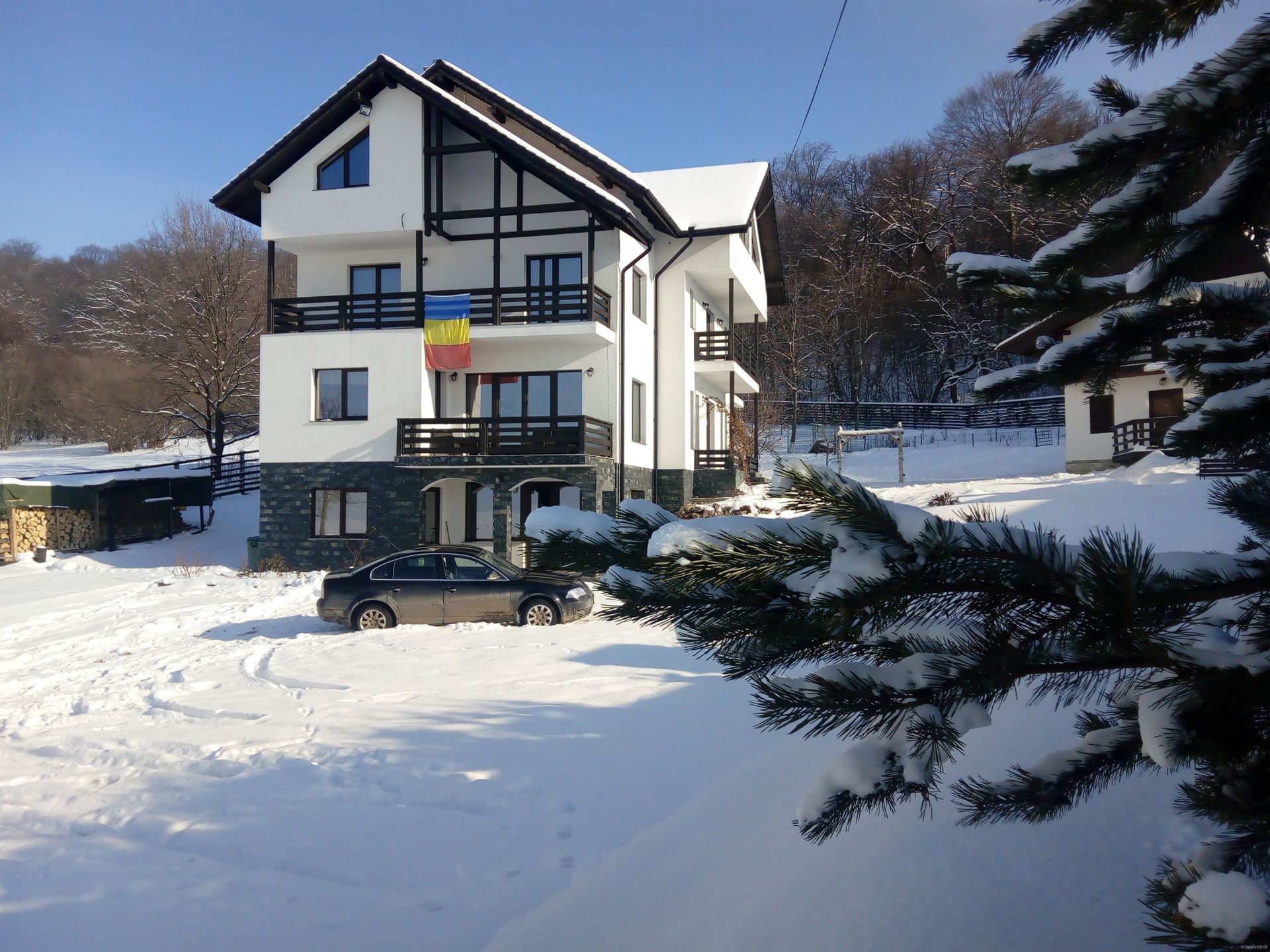
Guesthouse · 3 stars
Mitocu Dragomirnei, Suceava County · 5.8 km
Pensiunea Dragomirna Sunset Mitocu Dragomirnei
În apropiere puteți vizita Mănăstirea Sfântul Ioan cel Nou din Suceava, un important reper spiritual și cultural al Bucovinei. Pensiunea Dragomirna Sunset din Mitocu Dragomirnei, județul Suceava, reprezintă un punct de plecare potrivit pentru a descoperi aceste obiective. Unitatea pune la dispoziție facilități de relaxare precum sauna, baia de aburi și un ciubăr din lemn tradițional, ideale după o zi de explorare. De asemenea, aveți la dispoziție tenis de masă pentru momente de destindere în aer liber. Familiile cu copii se vor bucura de locul de joacă de la exterior, de camera de joacă de la interior și de pătuțul pentru bebeluș pus la dispoziție. Curtea mare și grădina amenajată oferă spațiu generos pentru plimbări, iar grătarul și ceaunul vă permit să preparați mese în aer liber. Pensiunea asigură Wi-Fi gratuit și parcare privată gratuită, iar accesul persoanelor cu dizabilități este facilitat. Vă așteptăm în cele trei camere confortabile pentru odihnă după zilele petrecute în zonă. De aici puteți porni într-o excursie spre Cetatea de Scaun a Sucevei pentru a descoperi istoria și atmosfera medievală a locului.
FROM
240 lei per night
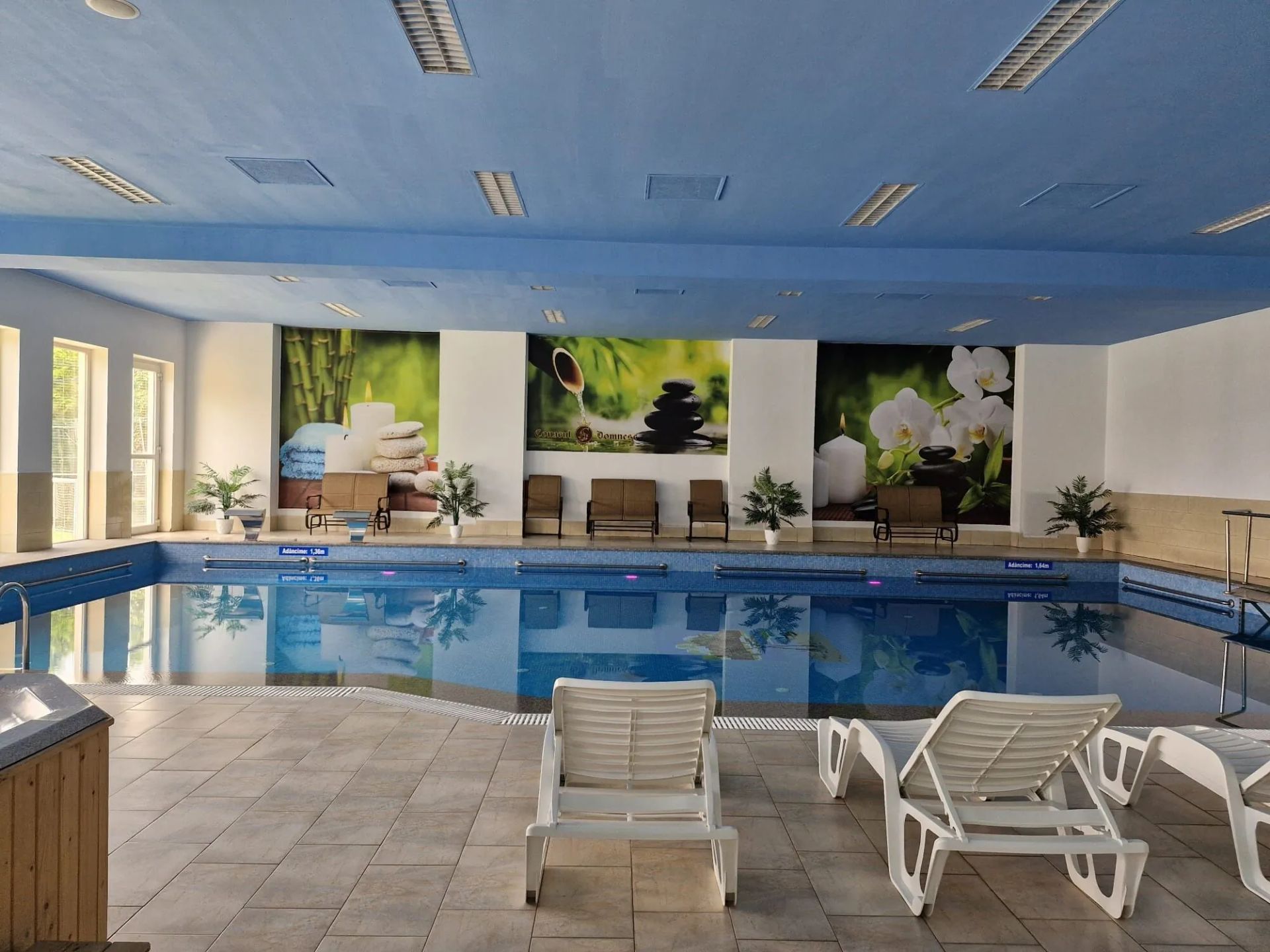
Hotel · 3 stars
Scheia, Suceava County · 7.5 km
Hotel Conacul Domnesc Șcheia
O zi începe cu mișcare pe terenul amenajat de sport și se încheie cu relaxare în ciubărul din lemn tradițional. Hotel Conacul Domnesc Șcheia vă așteaptă în localitatea Scheia, județul Suceava, într-un cadru plăcut și liniștit. Camerele oferă confort pentru toți oaspeții, inclusiv pătuț pentru bebeluș și scaun înalt pentru copii. Beneficiați de Wi-Fi gratuit, parcare privată gratuită, room service, seif și depozit pentru bagaje. Pentru cei mici există și un loc de joacă la exterior, iar curtea mare și grădina amenajată oferă spațiu generos pentru plimbări și joc. După-amiezile pot fi petrecute pe terasa la soare sau în grădină. Aveți la dispoziție sală de fitness și gimnastică, saună, saună umedă și cadă cu hidromasaj pentru momente de destindere. Fierul de călcat este disponibil pentru pregătirea hainelor înainte de ieșiri. În apropiere puteți vizita Mănăstirea Sfântul Ioan cel Nou din Suceava, Cetatea de Scaun a Sucevei, Mănăstirea Zamca, Complexul muzeal Bucovina din Suceava și Muzeul Bucovinei din Suceava. Seara, cada cu hidromasaj vă ajută să vă relaxați după o zi de explorare în zonă.
FROM
290 lei per night
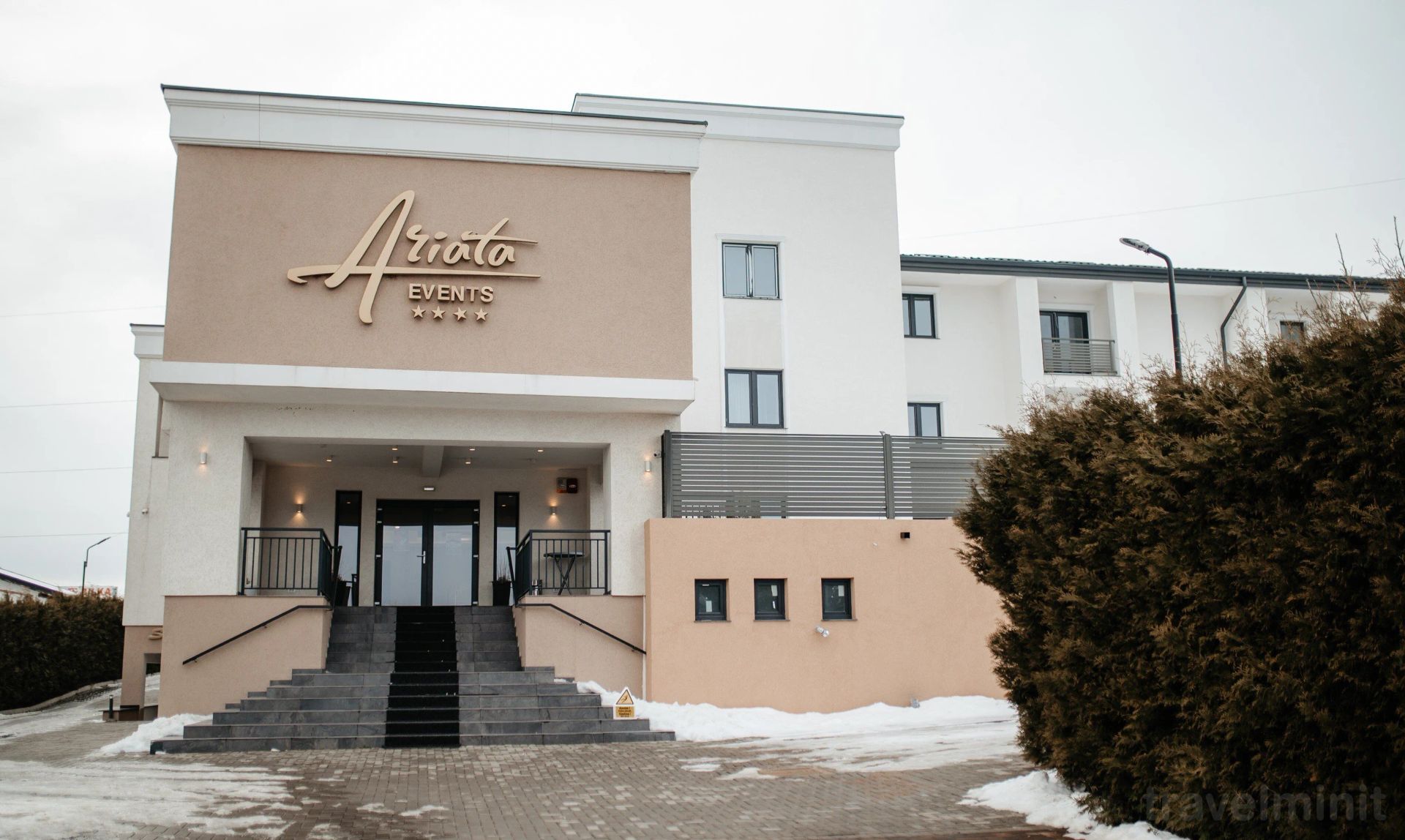
Hotel · 3 stars
Scheia, Suceava County · 7.6 km
Ariata Hotel Șcheia
Cu o curte mare, grădină amenajată și foișor în care puteți petrece momente relaxante în aer liber, Ariata Hotel Șcheia din localitatea Scheia, județul Suceava, vă primește într-un cadru natural și liniștit. Restaurantul din incintă pune la dispoziția dumneavoastră preparate pentru toate gusturile, inclusiv meniu pentru copii și opțiuni pentru diete speciale. Parcarea privată este gratuită, iar accesul în clădire este facilitat de lift și de facilități dedicate persoanelor cu dizabilități. Conexiunea Wi-Fi este disponibilă gratuit în toate spațiile hotelului. Fiecare cameră oferă balcon, birou, televizor cu ecran plat și baie proprie echipată cu duș și uscător de păr. Lenjeriile de pat și prosoapele sunt incluse în dotare, iar seiful din fiecare cameră vă permite păstrarea în siguranță a obiectelor de valoare pe toată durata șederii. În vecinătate se află Mănăstirea Sfântul Ioan cel Nou din Suceava, Cetatea de Scaun a Sucevei, Biserica fostei Mănăstiri Pătrăuți, Complexul muzeal Bucovina din Suceava și Muzeul Bucovinei din Suceava, toate deschise pentru vizitare. Vă așteptăm la Ariata Hotel Șcheia, unde parcare privată gratuită este pusă la dispoziția fiecărui oaspete.
FROM
290 lei per night
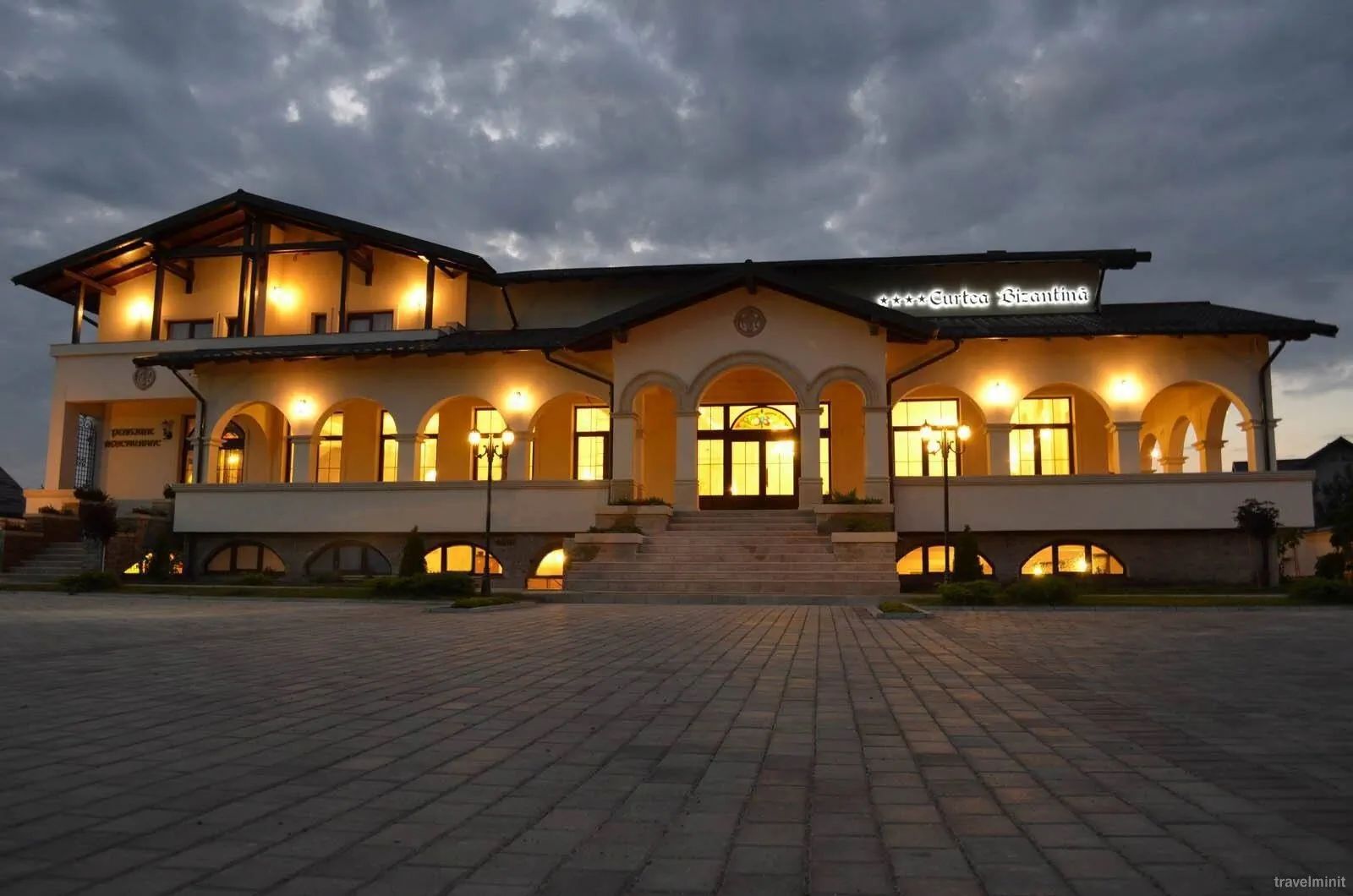
Guesthouse · 3 stars
Scheia, Suceava County · 7.6 km
Pensiunea Curtea Bizantina Șcheia
În curtea interioară a unei clădiri cu aer istoric din localitatea Scheia, Pensiunea Curtea Bizantina Șcheia vă primește cu 14 camere modern mobilate. Situată în județul Suceava, unitatea de 3 stele oferă un refugiu liniștit pentru călătorii care doresc să exploreze comorile Bucovinei. La restaurantul din incintă puteți savura preparate culinare alese, iar la bar puteți petrece momente de relaxare după o zi de vizitat. Pentru confortul dumneavoastră, aveți la dispoziție Wi-Fi gratuit, parcare privată gratuită și o stație de încărcare pentru vehicule electrice. Serviciul de room service și meniurile pentru diete speciale completează oferta pentru toate preferințele. Camerele sunt mobilate modern și bine întreținute, iar anumite încăperi dispun de aer condiționat pentru a asigura temperatura potrivită pe tot parcursul șederii dumneavoastră. Personalul de la recepție comunică în română și engleză, fiind pregătit să vă ajute cu informații. În apropiere puteți vizita Mănăstirea Sfântul Ioan cel Nou din Suceava, Cetatea de Scaun a Sucevei, Mănăstirea Zamca, Complexul muzeal Bucovina din Suceava și Muzeul Bucovinei din Suceava, obiective care îmbogățesc fiecare zi petrecută în zonă. Pensiunea este potrivită pentru turiști care caută cazare confortabilă într-o zonă bogată în monumente istorice, muzee și spiritualitate.
FROM
240 lei per night
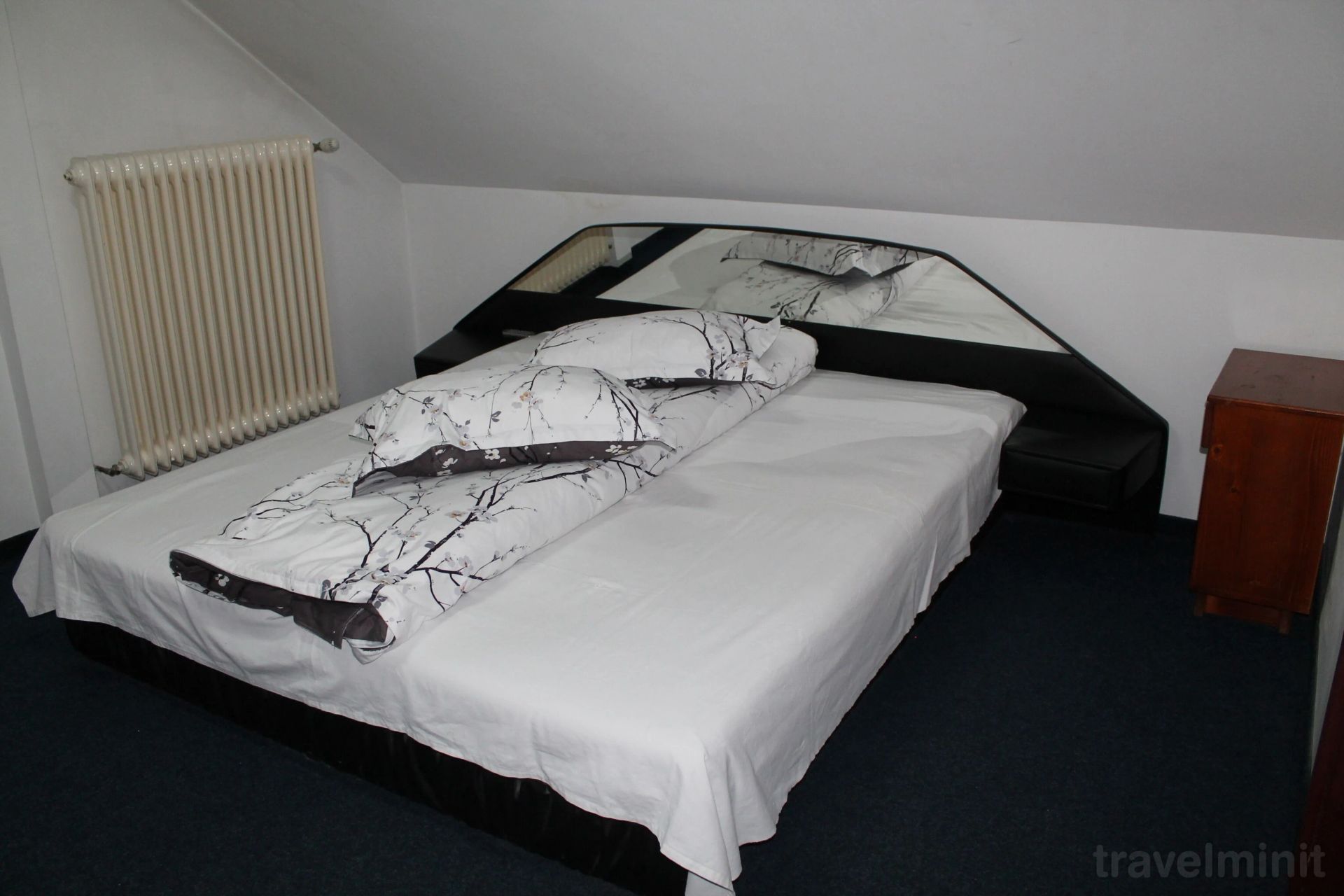
Hotel · 2 stars
Scheia, Suceava County · 8.1 km
Hotel Bavaria Șcheia
Cele treisprezece camere mobilate cu grijă oferă Hotelului Bavaria Șcheia din localitatea Scheia, județul Suceava, un cadru primitor pentru odihnă și relaxare. Clădirea se află pe strada Humorului și pune la dispoziția dumneavoastră condiții practice pentru un sejur confortabil în această zonă. Parcarea privată gratuită elimină grija găsirii unui loc de parcare, iar conexiunea Wi-Fi gratuită vă permite să rămâneți conectați în orice moment al zilei. Aceste facilități sunt disponibile pentru toți oaspeții pe întreaga durată a șederii. În apropiere puteți vizita Mănăstirea Sfântul Ioan cel Nou din Suceava, Cetatea de Scaun a Sucevei, Complexul muzeal Bucovina din Suceava, Muzeul Bucovinei din Suceava și Mănăstirea Zamca, obiective care îmbogățesc experiența culturală a vizitei dumneavoastră. Check-in-ul se realizează începând cu ora 11:00, iar predarea camerei se face până la ora 11:00. Personalul hotelului vorbește limba română și vă poate oferi informații utile despre facilitățile și atracțiile din zonă. Seara, după ce ați parcat mașina în parcarea privată gratuită, vă puteți retrage în camera dumneavoastră pentru a vă odihni după o zi plină de vizite.
FROM
210 lei per night
BEFORE YOU HIT THE ROAD
Weather conditions in Patrauti
Local forecast for Church of the Former Patrauti Monastery, Patrauti, Suceava

Real-time updated weather data
Much more to explore in this area
Nearby tourist attractions

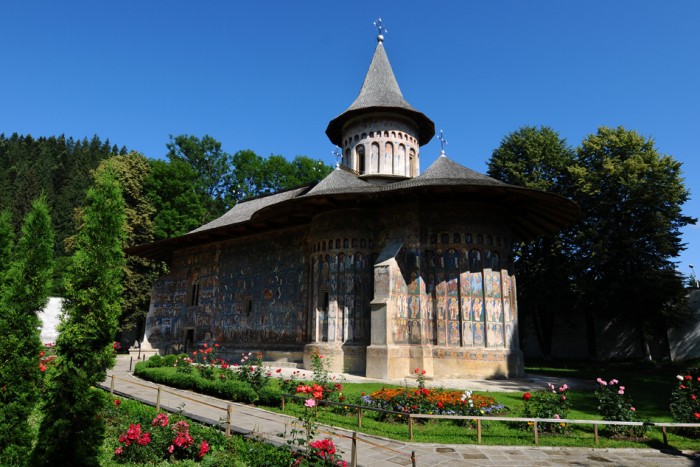

Suceava, Suceava County
Voroneț Monastery
Situata in localitatea Voronet, la cca. 4 km de Gura Humorului si 35 km de Suceava; accesul se face din Gura Humorului, pe DJ177D; ctitorie a lui Stefan cel...
33.0 km
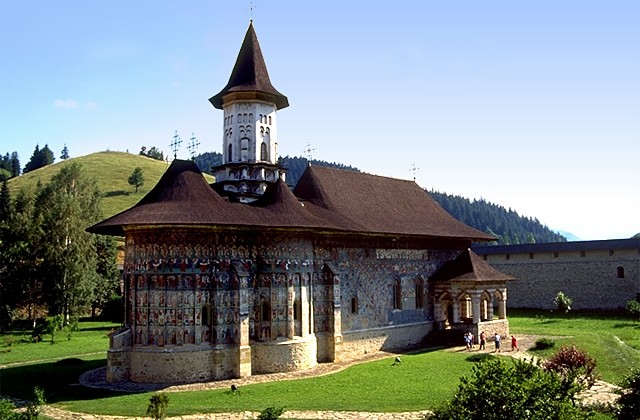
Sucevita, Suceava County
Sucevița Monastery
Situata in comuna Sucevita, la 19 km sud-vest de Radauti si 37 km nord-vest de Suceava; accesul se poate face din Suceava, spre Radauti, pe DN2/E85, 35 km,...
36.2 km
Suceava, Suceava County
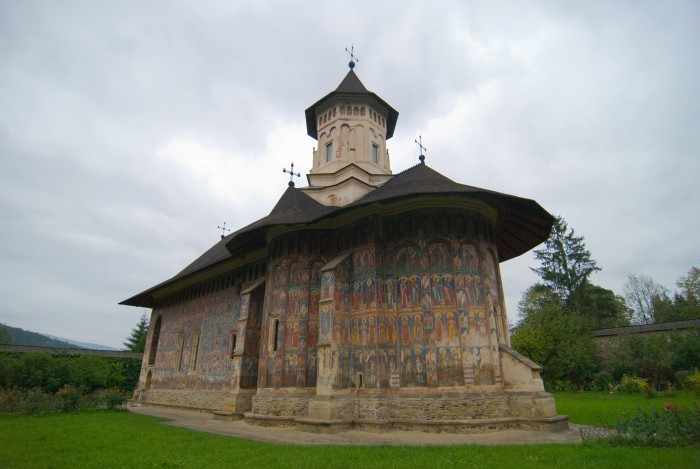
Moldovița Monastery
Situata in localitatea Vatra Moldovitei, la 27 km nord de Campulung Moldovenesc; accesul se poate face din Campulung Moldovenesc, pe DN17A, 23km, sau din...
46.7 km
Suceava, Suceava County
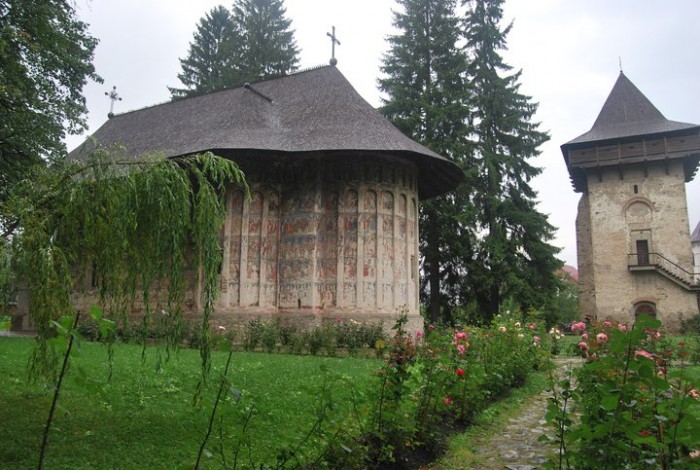
Humor Monastery.
Situata in localitatea Manastirea Humorului, la aproximativ 5 km de orasul Gura Humorului, pe DJ177; prima biserica a Manastirii a fost constuita in timpul lui...
28.6 km

Suceava, Suceava County
Saint John the New Monastery of Suceava
Situata pe strada Ion Voda Viteazul nr. 2, Suceava; inceputa de voievodul Bogdan al III-lea, fiul lui Stefan cel Mare, in 1514, constructia a fost terminata in...
10.3 km

Putna, Suceava County
Putna Monastery
Situata in comuna Putna, la 72 km de Suceava; accesul se face din Radauti, pe DJ178C, spre nord, 24 km, stanga in Vicovul de Sus, pe DN2H, 12 km, pana in Putna;...
47.1 km
Suceava, Suceava County
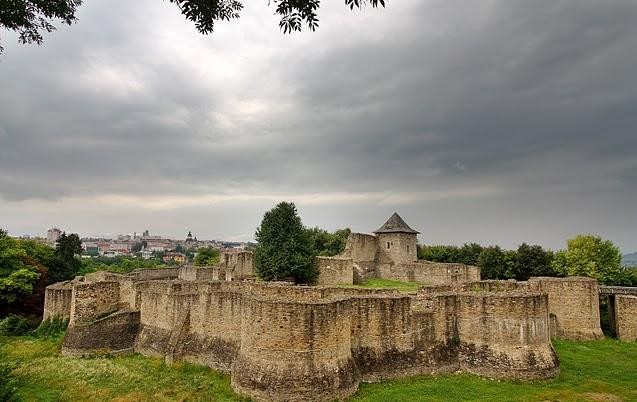
Suceava Princely Fortress
Situata la capatul Aleei Cetatii, municipiul Suceava; mentionata pentru prima data la 10 februarie 1388, intr-un document al voievodului Petru I Musat;...
10.4 km
Arbore, Suceava County
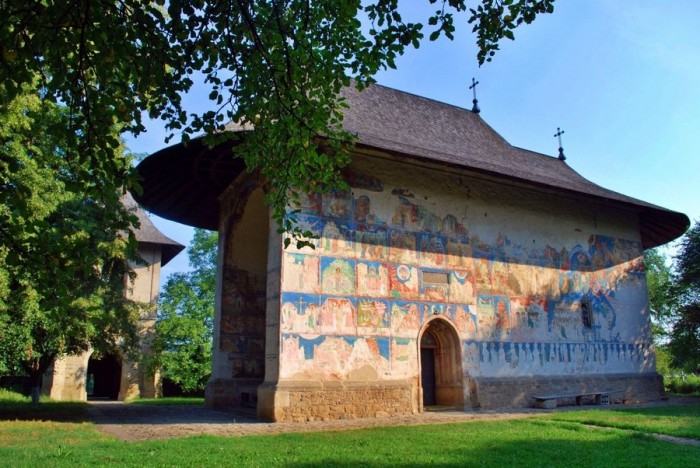
Arbore Church
Situata in comuna Arbore; ridicata in anul 1503, de catre Hatmanul Luca Arbore, unul dintre marii boieri ai lui Stefan cel Mare, sfetnicul lui Bogdan al III-lea...
19.1 km
Botosani, Botoșani County
Eminescu Memorial House - National Study Centre
Situat in Ipotesti;acesta cuprinde: Casa memoriala "Mihai Eminescu", locul unde s-a nascut genialul poet, bisericuta familiei, langa care se afla mormintele...
28.5 km

Suceava, Suceava County
Gura Humorului Resort
Situata in partea estica a Obcinilor Bucovinei, in depresiunea cu acelasi nume; amplasata la altitudinea de 470 m; prima mentionare documentara dateaza din 26...
29.0 km

Suceava, Suceava County
Bucovina Museum Complex in Suceava
Situat pe strada Stefan cel Mare nr. 33 din municipiul Suceava; a fost infiintat la 7 noiembrie 1899, sub forma unei asociatii numite "Muzeul" si era filiala a...
10.2 km

Suceava, Suceava County
Bukovina Museum in Suceava
Situat pe strada Stefan cel Mare, nr. 33, municipiul Suceava; construita intre anii 1902 -1903; planurile au fost realizate de catre arhitecul J. Bochner; din...
10.2 km
Cultural life and traditions
Events in the Church of the Former Patrauti Monastery area
Medieval festivals, traditional fairs, concerts and local activities recommended in Bukovina.

History and Voivodeship Heritage

Patrauti, County of Suceava
The Medieval Festival of Neamț Fortress
Re-enactments of Ștefan’s battles, archery demonstrations with traditional bows, displays of courtly guards, and performances of old court music.
WHEN
July 3-5, 2026


Prehistoric Crafts and Art
Patrauti, County of Suceava
The National Pottery Fair “Cucuteni 5000”
The most skilled ceramic artists recreate the spectacular motifs of Europe’s oldest civilisation.
WHEN
June 26-28, 2026

Gastronomy and Wines
Patrauti, County of Suceava
The Traditional Festival of Moldovan Wine
A fair featuring wine tastings from the vineyards of Cotnari, Bucium and Panciu, “poale-n brau” pies, and roasted meats cooked on a spit.
WHEN
October 2-4, 2026
On foot, exploration gains depth
Discover the surroundings and local geography
Explore the trails, terrain, and natural landmarks around Church of the Former Patrauti Monastery.

Guides and practical tips
Useful travel articles
Travel guides, practical recommendations and tourist itineraries for Bukovina.

Tourist guide
Top 5 Atracții Turistice și Trasee Montane în Zona Moieciu - Bran
Descoperă cele mai spectaculoase peisaje carstice, chei adânci și cetăți medievale din imediata apropiere a stațiunii Moieciu.

Tourist guide
Ghid de Drumeție: Traseul Moieciu de Sus spre Platoul Bucegi
Un itinerariu montan de o frumusețe rară ce urcă din Valea Băngăleasa spre Poiana Guțanu și crestele maiestuoase ale Bucegilor.

Tourist guide
Castelul Bran: Istorie, Legende și Secrete Medievale
Află adevărata poveste a fortăreței medievale din Pasul Bran, reședința de suflet a Reginei Maria a României.
THE JOURNEY STARTS WITH AN IDEA
The next story is on the way.
From the first stop to the last stay, make room for a new Romania.
