


PLACE OF WORSHIP · CRISANA
Moon Church of Oradea

Baile, Bihor County
Add location to your trip planner.
Practical access information

VISITING HOURS
Monday: 12:00 PM – 5:00 PM · Tuesday–Sunday: 9:00 AM – 5:00 PM (in summer until 8:00 PM)

TICKET PRICE
Adults: 45 RON · Students: 11 RON · Seniors: 23 RON · Guided tour included

RECOMMENDED VISIT DURATION
2-3.5 hours
Visitor information and guide
 Navigate with Google Maps

ABOUT MOON CHURCH OF ORADEA
A Baroque Jewel in the Heart of Oradea
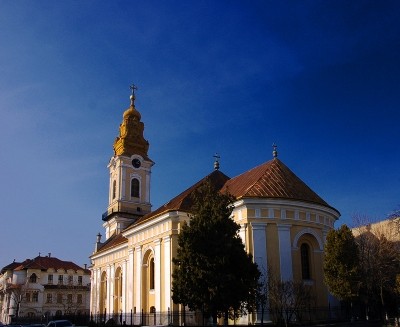
On Iuliu Maniu Street, in the historic center of Oradea, stands the Moon Church, an emblematic monument of the Greek-Catholic religious heritage in Romania and a distinctive architectural landmark of Transylvania. This structure, with its imposing silhouette dominated by the tower featuring a lunar dial, represents far more than a simple place of worship; it is a declaration of cultural identity, a meeting point between Byzantine tradition and Western modernity, in a city that has witnessed profound political and spiritual transformations over the centuries. Built during a period of urban effervescence in the Habsburg Empire, the church stands out through its fusion of late Baroque opulence and the discreet elegance of the Secession style, offering visitors an aesthetic experience that blends sacred solemnity with the artistic refinement of Central Europe at the beginning of the 20th century.
Historical Roots and the Cultural Context of Habsburg Crișana
The construction of the Moon Church began in 1800 at the initiative of Greek-Catholic Bishop Ignatius Darabant, a central figure in the Romanian cultural renaissance during the Habsburg period. Darabant was not only a spiritual hierarch but also a true Enlightenment thinker, passionate about education and the promotion of the Romanian language in Transylvanian schools. He was connected to the Transylvanian School movement and the cultural ambitions of Romanians within the Austrian Empire. His decision to demolish the old Greek-Catholic church on the site and erect a more imposing one reflected the growing status of the Romanian Greek-Catholic community, which sought to assert its presence in an urban landscape dominated by Roman Catholic and Protestant architecture. This initiative aligned perfectly with the urban modernization policy promoted by the Viennese court in its eastern territories, where Baroque churches became symbols of confessional prosperity and loyalty to the monarchy, forming part of a broader network of similar sacred edifices in Salzburg, Prague, Kraków, and even the imperial capital itself.
The historical context of this monument’s construction is essential for understanding its European significance. Oradea, known in that era as Nagyvárad or Großwardein, was a frontier city undergoing rapid development under Habsburg administration. The Greek-Catholic community, composed of Romanians united with Rome following the model of Eastern Catholic Churches, played a strategic role in the confessional balance of the Crișana region. The erection of an impressive cathedral aimed to counterbalance the strong presence of the Roman Catholic and Reformed Churches, affirming the spiritual dignity of a community seeking its place between Western Latin influence and Eastern Byzantine tradition. This dynamic was common across Central Europe, from Galicia and Bukovina to Transylvania, where the Greek-Catholic Church represented an outpost of Catholicism in territories dominated by Orthodoxy or Protestantism, similar to the role played by the Ruthenian Greek-Catholic Church in the Kingdom of Hungary or the Ukrainian Greek-Catholic Church in the Russian Empire.
Sacred Architecture and the Genius of the Lunar Mechanism
The church’s plan follows the shape of a Latin cross, an architectural choice that underscores the Western orientation of Greek-Catholic liturgy, though the interior retains essential elements of Byzantine tradition. The impressive vaulted ceiling, with sculpted ribs and remarkably rich mural paintings, creates a theatrical space characteristic of late Baroque, influenced by artistic workshops in Vienna and Salzburg, where the interplay of light and shadow was designed to induce a state of spiritual transcendence. The central dome, magnificently painted with biblical scenes and figures of saints, dominates the interior with a grace reminiscent of Baroque churches in Bavaria or Bohemia, while the harmonious proportions of the nave reflect the principles of classicism that began to emerge at the end of the 18th century.
The roof was completed in 1803, but the construction’s fate was marked by two devastating fires that destroyed part of the original structure. The current form of the tower was rebuilt between 1910 and 1912, during a period when the Secession style—known in Hungary and Austria as Art Nouveau or Jugendstil—was sweeping across Central Europe. This reconstruction gave the tower elegant proportions and ornamental details specific to the movement, with curved lines and stylized vegetal motifs that subtly contrast with the Baroque massiveness of the church’s body, creating a fascinating dialogue between two artistic eras. The distinctive feature that gave the church its popular name is the lunar clock mechanism on the tower’s façade, a sophisticated astronomical symbol indicating the phases of the moon, evoking the tradition of European clockmakers from Prague, with its famous Orloj, or the intricate mechanisms of cathedrals in Strasbourg or Vienna.
This mechanism is not merely a technical curiosity but a monument to the dialogue between science and faith characteristic of the Enlightenment, when astronomical knowledge was celebrated in sacred architecture as an expression of divine wisdom. The lunar dial, with its silver disc that rotates to show the moon’s phases, transforms the church into a permanent cosmic observatory, linking the liturgical rhythm of daily prayer to celestial cycles. The interior houses Baroque mural paintings of exceptional artistic value, created by anonymous masters influenced by the Viennese school, as well as an iconostasis that, though smaller in size than in traditional Orthodox churches, preserves the spiritual essence of the Eastern tradition, illustrating the unique fusion between East and West that defines Greek-Catholic identity.
Spiritual Renaissance and European Resilience
Over the centuries, the Moon Church has experienced moments of glory and dramatic restrictions that reflect the tumultuous journey of Eastern Christianity in Eastern Europe. In 1948, amid systematic communist repression of the Greek-Catholic Church in Romania, the church was brutally stripped of its status as an episcopal cathedral and converted into an Orthodox parish church, losing its role as a major spiritual center for the Greek-Catholic community. This confiscation was part of a broader policy of liquidating Eastern Catholic Churches united with Rome across the Soviet bloc, similar to the dissolution of the Ukrainian Greek-Catholic Church in 1946 under Stalin, its prohibition in Czechoslovakia in 1950, or the persecutions in communist Poland. Bishop Ioan Suciu, who led the diocese at the time, was arrested and died in prison, becoming a martyr of the faith, while priests and believers were forced to convert to Orthodoxy or practice their religion in secret, in private homes or underground.
Only in 2005, after 57 years of interrupted Greek-Catholic worship in this space and following numerous legal battles and diplomatic efforts, was the church returned to the Oradea Mare Greek-Catholic Diocese. The first Greek-Catholic liturgy celebrated here after more than half a century marked the return to its original tradition and represented a moment of profound spiritual emotion for the local community and the entire Greek-Catholic Church in Romania. This restitution was part of a broader process of religious reconciliation and justice in the post-communist era, paralleling similar efforts in Ukraine, Poland, and the Czech Republic, where Greek-Catholic communities regained their properties and the right to practice their faith publicly. The Moon Church thus became a symbol of religious identity’s resilience in the face of totalitarianism, a living witness to the struggle for confessional freedom in a cultural borderland at the intersection of Western Catholic and Eastern Byzantine influences.
Visitor’s Guide and Contemporary Cultural Experience
The Moon Church is located in the center of Oradea, on Iuliu Maniu Street, easily accessible to both pilgrims and tourists interested in Transylvanian Baroque heritage and the history of religious communities in Central Europe. Visitors will discover a complex cultural experience that blends spirituality, art, and music. The interior, with its restored Baroque mural paintings and atmosphere steeped in history, can be admired during specific visiting hours, while the tower with its lunar mechanism is a particular attraction for those passionate about technical history and sacred architecture. It is recommended to visit during hours when sunlight streams through the high windows, illuminating the mural paintings and creating striking plays of shadow on the decorated vaults, offering a remarkable visual experience.
The building periodically hosts concerts of sacred and chamber music, cultural events that highlight the space’s exceptional acoustics, comparable to those of Baroque churches in Salzburg or Prague transformed into concert halls. These musical evenings, often organized in collaboration with regional philharmonics, provide an opportunity to listen to Byzantine or Latin-Catholic sacred repertoire in an exceptional architectural setting. Nearby, in Union Square, visitors can explore one of the most impressive Secessionist ensembles in Eastern Europe, with the Moskovits Palace, Apollo Palace, and other ornate buildings that transform Oradea’s center into a true "Little Vienna" at the foot of the Carpathians. This cultural itinerary can be complemented by visits to the Darvas-La Roche House, the Oradea City Museum, or the impressive Oradea Fortress, offering a complete picture of the historical multiculturalism of the Crișana region, where Romanian, Hungarian, Jewish, and German communities coexisted and created a unique urban heritage together. For those interested in the history of religions, the Moon Church is a must-visit stop on a European route linking Vienna to Lviv, from imperial Baroque to the spiritual resilience of the 20th century.
Media gallery
Discover Moon Church of Oradea in pictures

2 photos · Architecture, courtyards and captivating details
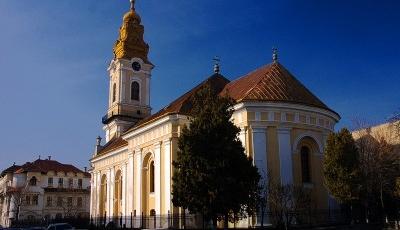

Image source: Wikimedia Commons · Public domain photos · Free license
STAY A FEW DAYS, DISCOVER THE MAGIC
Accommodation in the Moon Church of Oradea area

Apartment · 3 stars

Oradea, Bihor County · 0.2 km
Moonlight Central Apartments Oradea
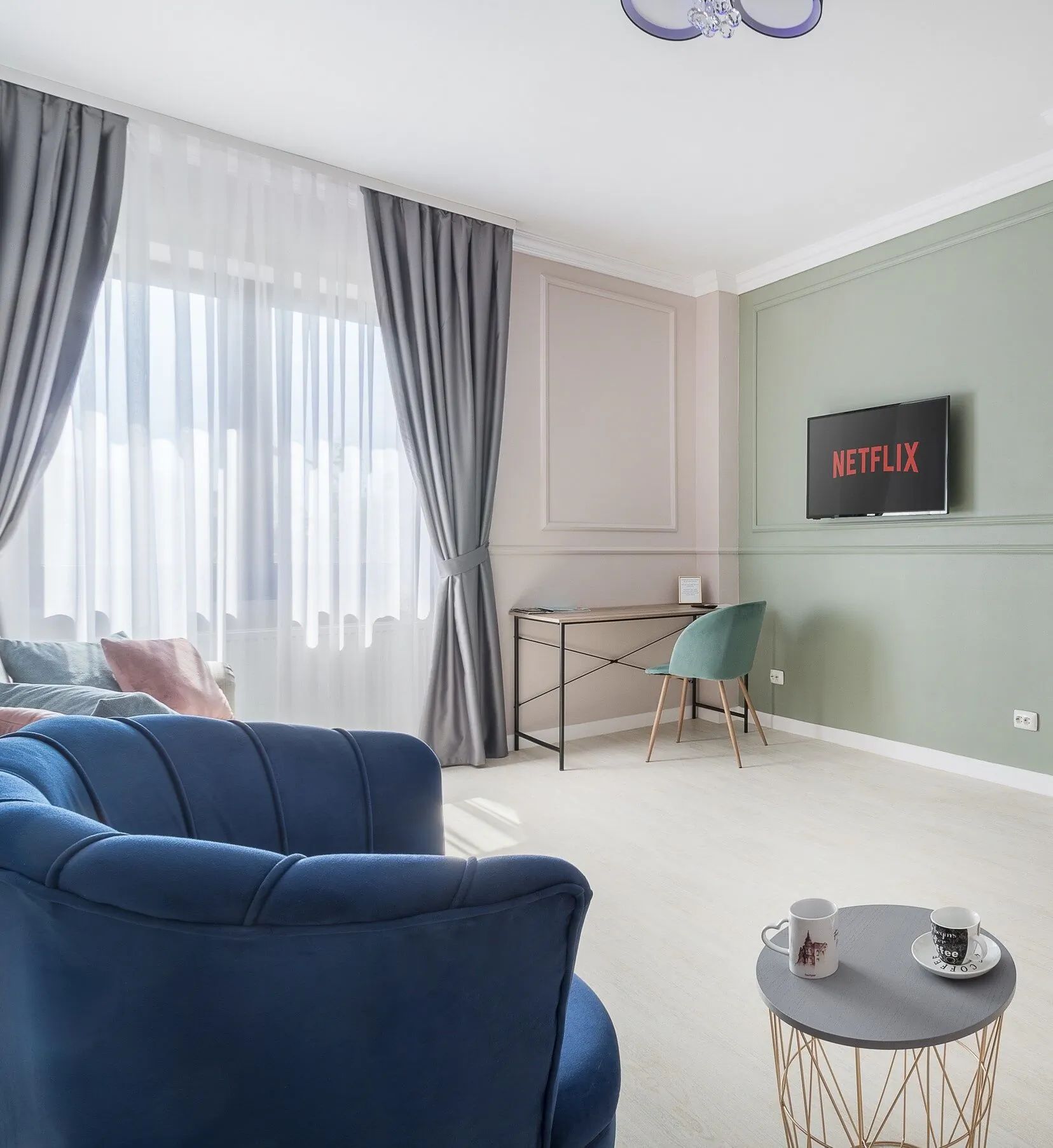
O zi răcoroasă datorită aerului condiționat și mereu conectată prin Wi-Fi gratuit descrie perfect atmosfera unei șederi la Moonlight Central Apartments din Oradea, apartamente clasificate cu trei stele situate pe strada Mihail Kogalniceanu. Fiecare spațiu de cazare pune la dispoziția dumneavoastră facilități practice pentru un sejur confortabil în centrul orașului. Aerul condiționat asigură temperatura plăcută în orice sezon, iar fierul de călcat vă ajută să aveți ținute impecabile pentru întâlniri de afaceri sau ieșiri în oraș. În exterior, curtea mare și grădina amenajată reprezintă un refugiu verde în mijlocul orașului, perfect pentru momente de relaxare departe de aglomerație. Aceste spații exterioare vă permit să vă bucurați de aerul liber în orice moment al zilei. Localizarea centrală vă permite să ajungeți rapid la principalele puncte de interes din Oradea. Puteți vizita Cetatea Oradea, Biserica cu Lună din Oradea, Bazilica Romano-Catolică din Oradea, Palatul Vulturul Negru și Catedrala Învierea Domnului din Oradea, toate situate în apropiere de apartamentele dumneavoastră. Dimineața, după micul dejun, grădina amenajată vă oferă un colț de liniște înainte de a porni spre obiectivele turistice din oraș.
FROM
230 lei per night

Boutique hotel · 3 stars
Oradea, Bihor County · 0.2 km
Caro Boutique Hotel&Restaurant Oradea
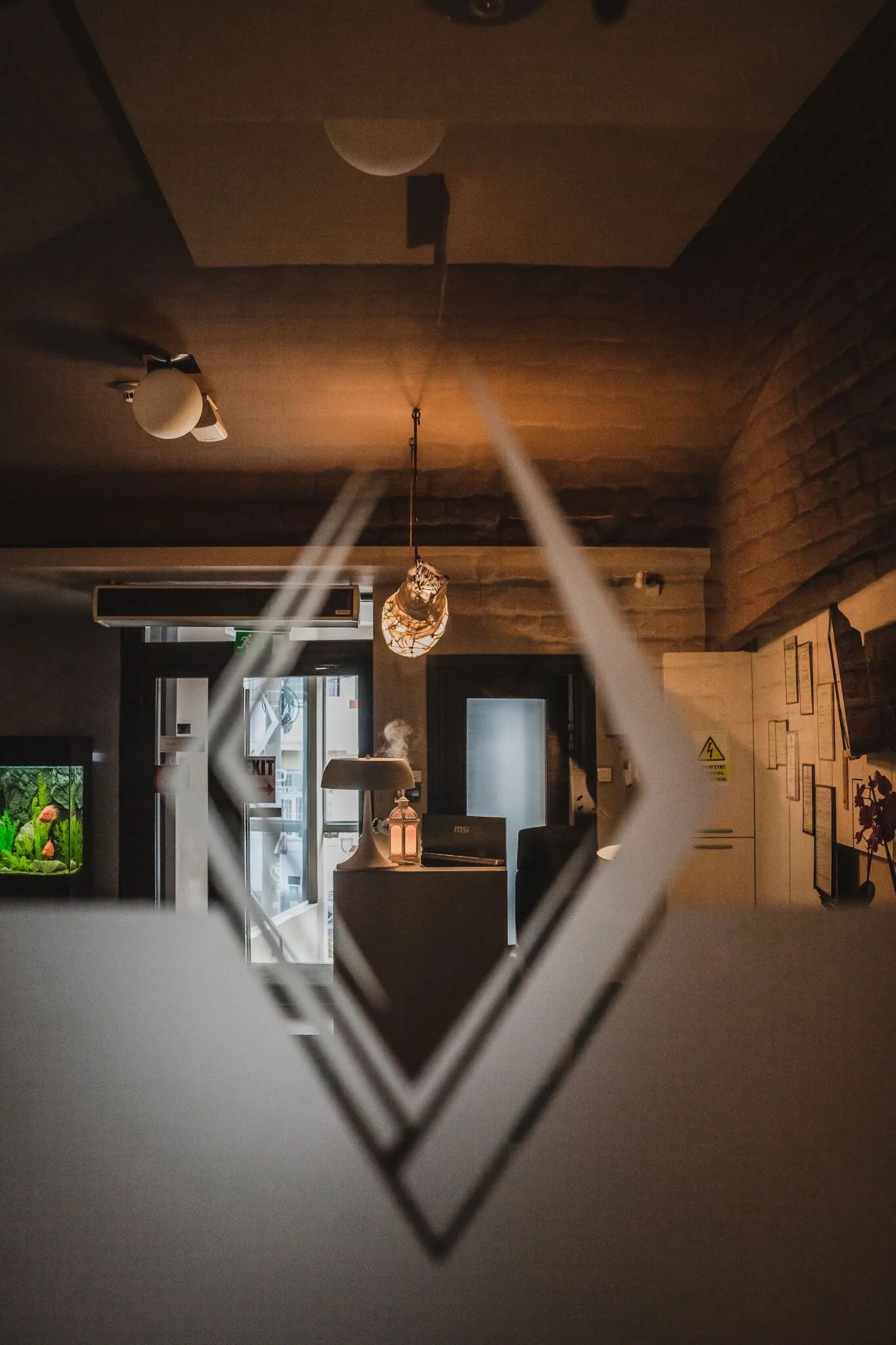
În apropiere puteți vizita Cetatea Oradea, un punct de plecare excelent pentru a descoperi istoria și atmosfera vibrantă a orașului Oradea. Caro Boutique Hotel și Restaurant Oradea reprezintă baza confortabilă de pornire pentru explorare, oferind cazare într-un boutique hotel situat în localitatea Oradea, județul Bihor. Facilitățile unității răspund nevoilor diverse ale oaspeților. Pentru relaxare aveți la dispoziție saună, iar familiile cu copii mici beneficiază de pătuț pentru bebeluș și scaun înalt. Confortul dumneavoastră este asigurat prin Wi-Fi gratuit, parcare privată gratuită, depozit pentru bagaje, seif în cameră, lift sau ascensor și fier de călcat. Restaurantul din incintă vă invită să savurați preparate culinare rafinate, iar la cerere sunt disponibile meniuri pentru diete speciale. Dimineața vă puteți bucura de un mic dejun consistent servit în cadrul unității. Pe lângă cetate, în zonă mai puteți vizita Biserica cu Lună din Oradea, Bazilica Romano-Catolică din Oradea, Palatul Vulturul Negru și Catedrala Sfântul Nicolae din Oradea, fiecare monument oferind experiențe culturale și arhitecturale deosebite. Vă așteptăm la Caro Boutique Hotel și Restaurant Oradea.
FROM
290 lei per night
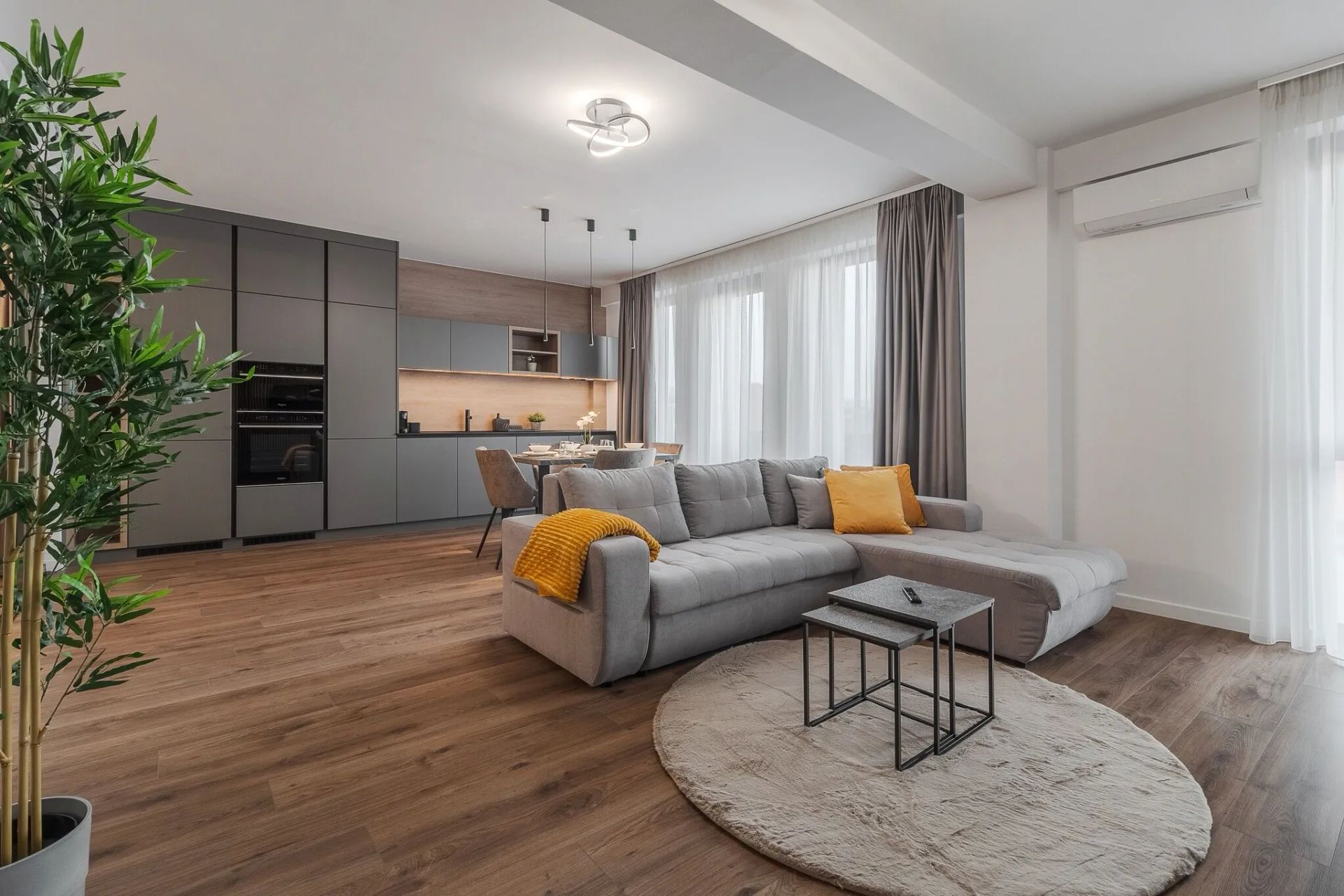
Apartment · 1 star
Oradea, Bihor County · 0.3 km
Apartament The Grey Oasis Oradea
Comfort, relaxation and stunning views, all just steps away from the main attractions.
FROM
230 lei per night
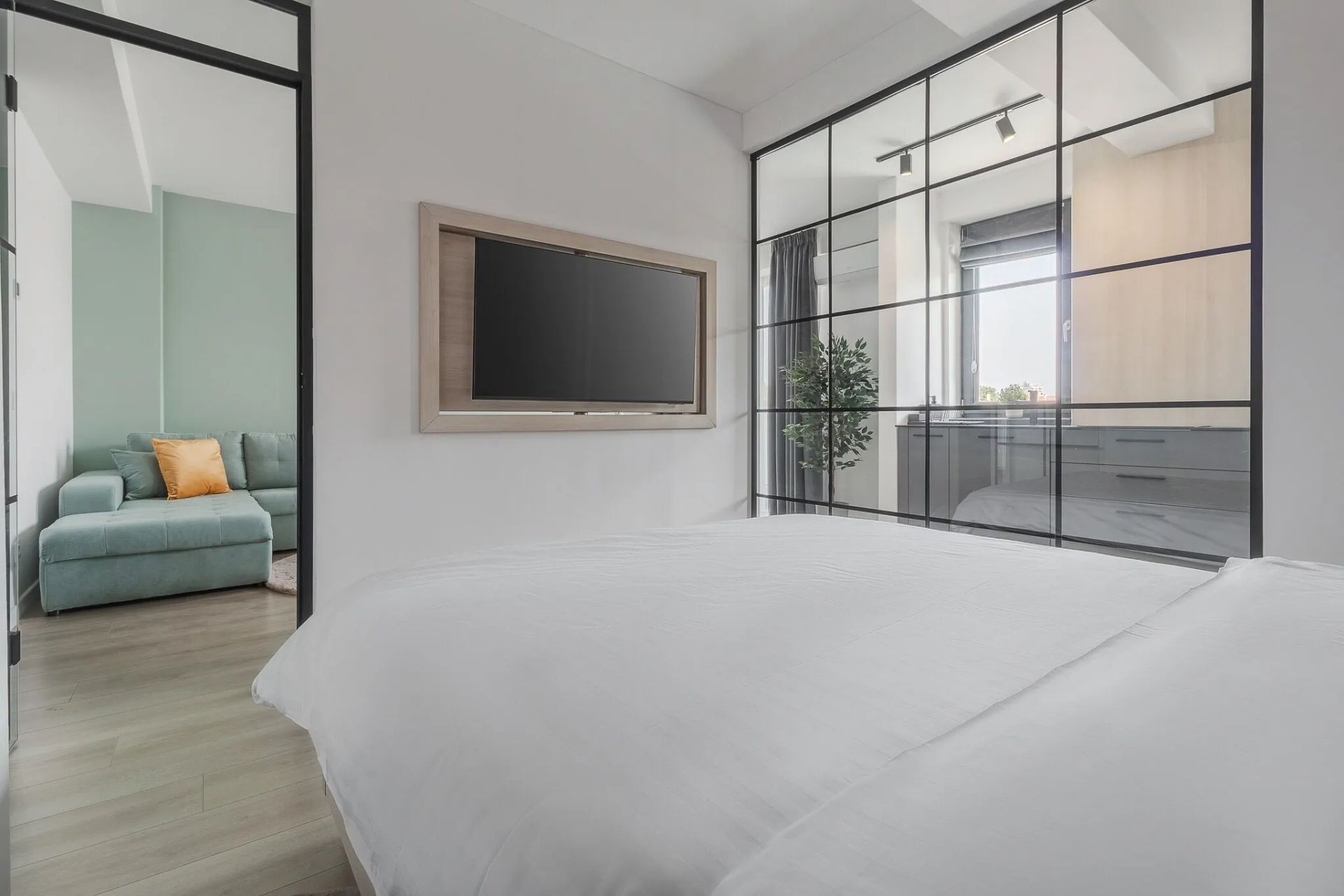
Apartment · 1 star
Oradea, Bihor County · 0.3 km
Apartament The Grey Nest Oradea
Apartament de închiriat cu clasificare de 1 stea, situat în Oradea, pe strada Avram Iancu 11. Spațiul găzduiește până la patru persoane într-un cadru modern, cu design interior distinctiv și soluții inteligente de locuit, potrivit atât pentru sejururi de relaxare, cât și pentru călătorii în interes de serviciu. Beneficiați de Wi-Fi gratuit, parcare privată gratuită și acces cu lift. Apartamentul dispune de fier de călcat, bucătărie open-space complet utilată, canapea extensibilă și baie modernă cu duș. Peretele de sticlă separă dormitorul cu pat matrimonial de zona de zi, oferind lumină și un sentiment de spațiu deschis, iar televizorul rotativ poate fi privit atât din living, cât și direct din pat. Balconul privat completează confortul locuinței, fiind un loc potrivit pentru momente de liniște. În apropiere se află Cetatea Oradea, Biserica cu Lună din Oradea, Bazilica Romano-Catolică din Oradea, Palatul Vulturul Negru și Catedrala Sfântul Nicolae din Oradea, oferind numeroase opțiuni de vizitare și explorare a orașului. Vă așteptăm la Apartament The Grey Nest Oradea.
FROM
230 lei per night
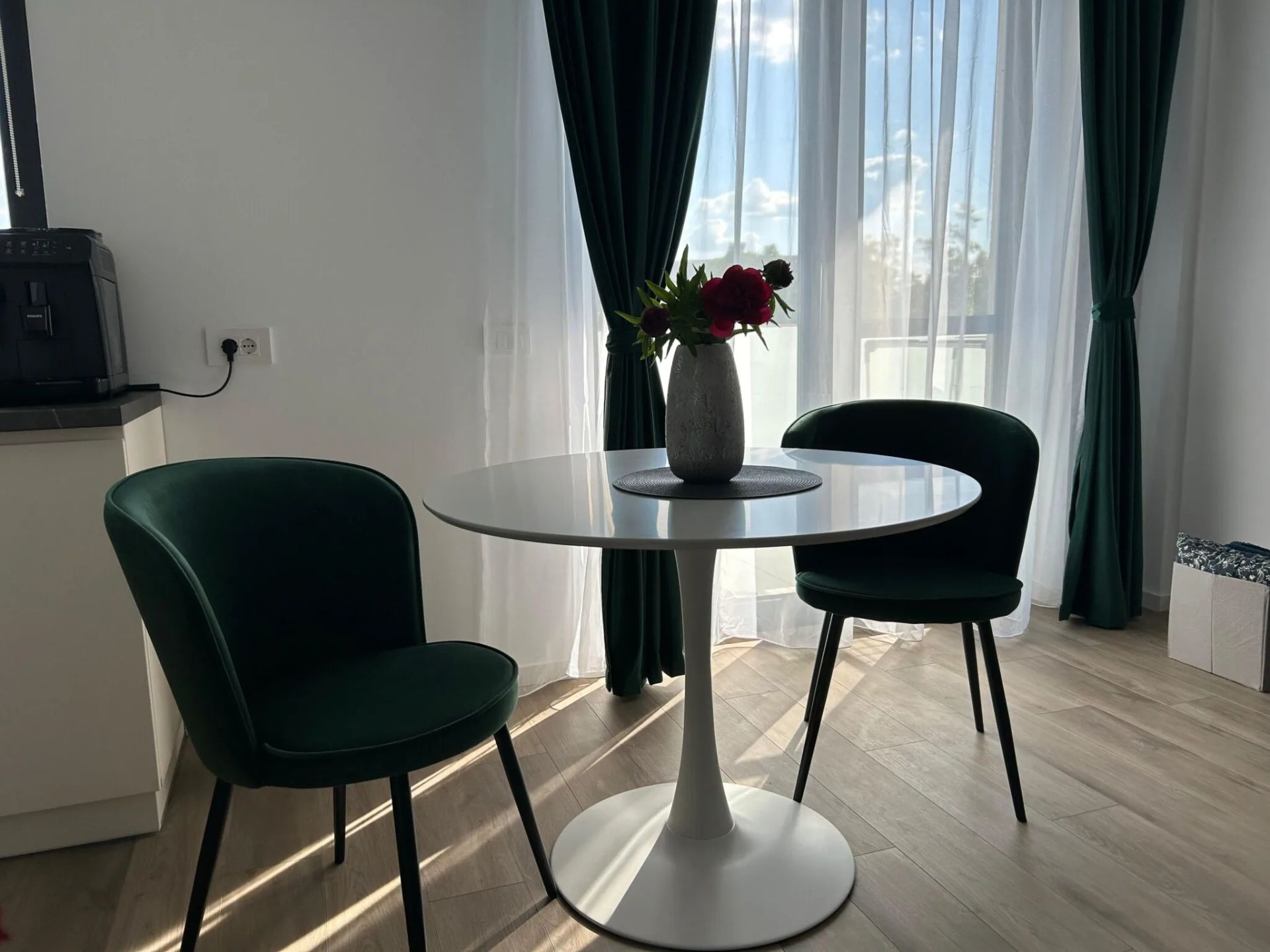
Apartment · 1 star
Oradea, Bihor County · 0.3 km
Coquette Studio Central Oradea
În apropierea Cetății Oradea, Coquette Studio Central Oradea reprezintă punctul dumneavoastră de plecare pentru a descoperi acest oraș din județul Bihor. Acest apartament de închiriat, clasificat cu o stea, vă oferă un spațiu confortabil și bine organizat, potrivit pentru șederea dumneavoastră în municipiul Oradea, situat pe strada Avram Iancu. Spațiul cuprinde două camere și poate găzdui două persoane, iar la nevoie până la patru, datorită unei canapele extensibile în living. Clădirea are patru etaje și beneficiază de lift pentru acces facil, în timp ce parcarea privată gratuită, situată în subteran, vă asigură un loc de parcare liniștit pe toată durata șederii dumneavoastră. Interiorul este mobilat și utilat cu echipamente noi, oferindu-vă două televizoare, mașină de spălat rufe, frigider, cuptor pentru gătit, cuptor cu microunde, prăjitor de pâine și aparat de cafea. Pentru confortul dumneavoastră zilnic, aveți la dispoziție și Wi-Fi gratuit, fier de călcat, o terasă plăcută și un loc de joacă pentru copii amenajat în exteriorul clădirii. De aici puteți porni în fiecare zi să explorați orașul, iar Bazilica Romano-Catolică din Oradea vă așteaptă să o vizitați.
FROM
230 lei per night
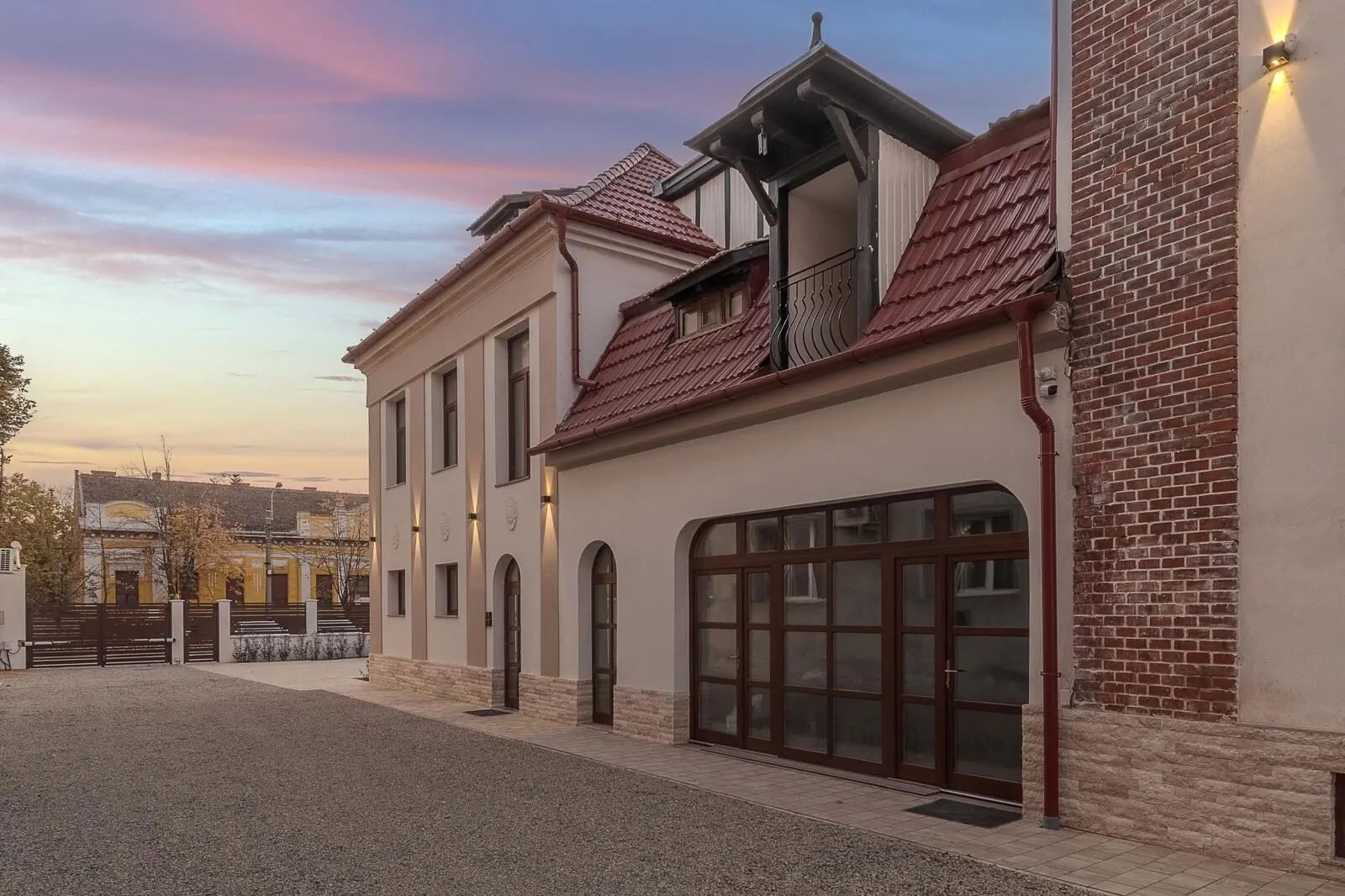
Holiday home · 3 stars
Oradea, Bihor County · 0.3 km
Casa Ullmann Residence Oradea
Casa Ullmann Residence Oradea este o casă de închiriat integrală, clasificată la 3 stele, situată în Oradea, județul Bihor, pe strada Mihail Kogălniceanu numărul 5. Această proprietate oferă cazare într-un cadru liniștit, potrivit atât pentru sejururi de relaxare, cât și pentru vizite în oraș. Vila pune la dispoziția dumneavoastră patru camere confortabile și plăcut amenajate, fiecare dotată cu baie proprie. Aerul condiționat din fiecare cameră asigură un climat plăcut pe tot parcursul șederii dumneavoastră. Pentru confortul dumneavoastră, unitatea oferă Wi-Fi gratuit, parcare privată gratuită, depozit pentru bagaje și fier de călcat. Personalul de la recepție vorbește limba română și engleză și vă poate oferi informații suplimentare despre serviciile disponibile. Camera poate fi ocupată de la ora 15:00, iar predarea se face până la ora 11:00. În apropiere se află principalele obiective turistice ale orașului: Cetatea Oradea, Biserica cu Lună, Bazilica Romano-Catolică, Palatul Vulturul Negru și Catedrala Învierea Domnului. Toate aceste monumente și clădiri istorice pot fi explorate cu ușurință pornind de la această adresă. Vă așteptăm la Casa Ullmann Residence Oradea.
FROM
280 lei per night
BEFORE YOU HIT THE ROAD
Weather conditions in Baile
Local forecast for Moon Church of Oradea, Baile, Bihor

Real-time updated weather data
Much more to explore in this area
Nearby tourist attractions


8.1 km

Baile, Bihor County
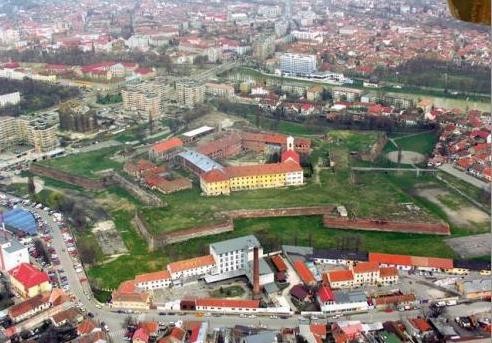
Oradea Fortress
Situata pe strada Grivitei, municipiul Oradea;reprezinta una dintre putinele cetati utilizate si in prezent;inclusa in patrimoniul UNESCO; se spune despre...
1.0 km
Baile, Bihor County
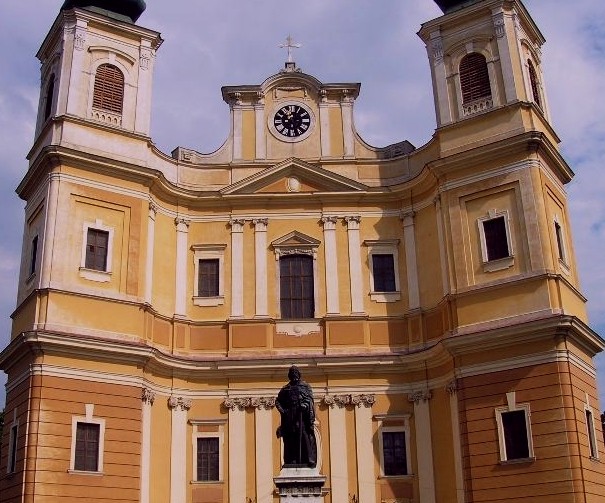
St. Mary's Roman Catholic Basilica of Oradea
Situata pe strada Sirul Canonicilor nr.2, localitatea Oradea;este cel mai mare edificiu baroc de pe teritoriul Romaniei si printre cele mai frumoase bazilici...
1.7 km

46.9 km

Baile, Bihor County
Black Eagle Palace
Situat pe strada Independentei nr.1, municipiul Oradea;este un monument arhitectonic reprezentativ al orasului; a fost construit intre 1907-1908; pe locul...
0.1 km

0.8 km

0.1 km

Baile, Bihor County
Church of the Order of Mercy (Archangel Church) in Oradea
Situata pe strada Independentei nr.1, localitatea Oradea;construita in secolul al- XVIII-lea; sculpturile sale de lemn sunt de o rara frumusete; in cripta...
0.4 km
Baile, Bihor County
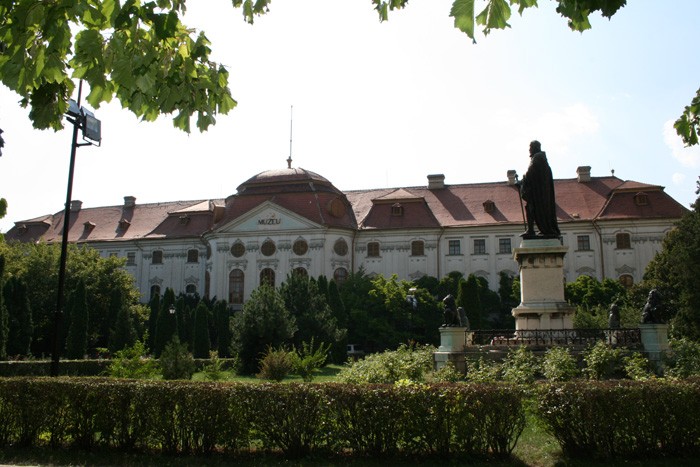
Criș Country Museum
Situat pe strada Armatei nr.1A, localitatea Oradea; organizat pe 5 sectii: Arheologie, Istorie, Stiintele naturii, Arta si Etnografie; Sectia de Arheologie:...
0.6 km
Baile, Bihor County
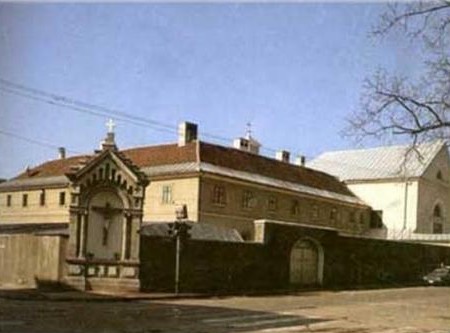
Capuchin Church in Oradea
Situata pe strada Traian Mosoiu nr.21, localitatea Oradea;cunoscuta si sub denumirea de biserica manastirii Capucinilor "Vizita Sfantei Fecioare" ; ordinul...
0.1 km
Baile, Bihor County
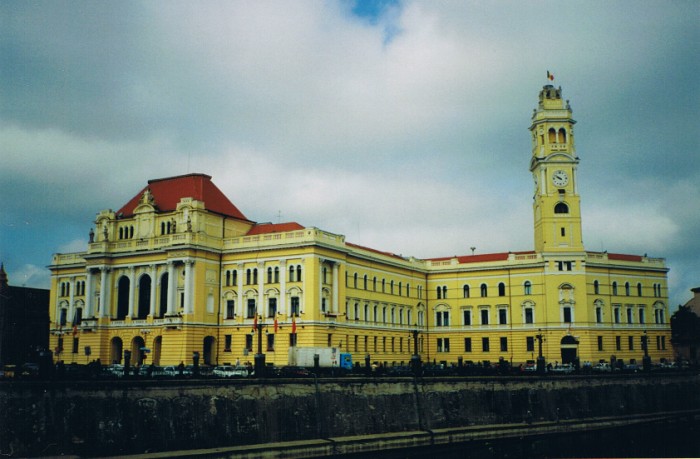
Oradea City Hall Palace
Amplasat in partea de nord-vest a Pietei Centrale (Unirii) din Oradea;a fost inaltat intre anii 1902-1903; se afla pe fostul amplasament al episcopiei catolice...
0.3 km
Baile, Bihor County
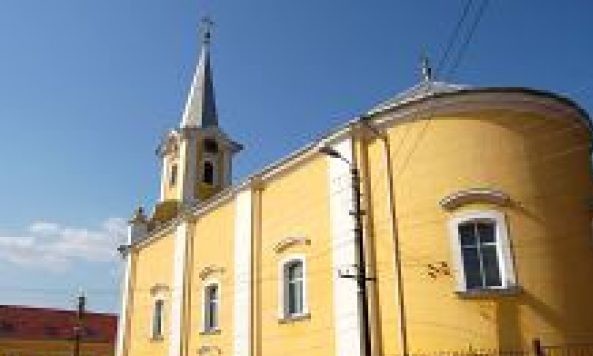
Archangels Michael and Gabriel Orthodox Church in Oradea
Situata in Piata Tineretului, localitatea Oradea;este una dintre cele mai vechi asezari de cult, de religie ortodoxa din oras; a fost construita in perioada...
0.4 km
Cultural life and traditions
Events in the Moon Church of Oradea area
Medieval festivals, traditional fairs, concerts and local activities recommended in Crisana.

Traditions and Crafts

Baile, County of Bihor
Days of Local Culture and Traditional Tourism
Open workshops featuring pottery, wood carving, and authentic folklore demonstrations by local artisans.
WHEN
May 15-17, 2026


Traditional Cuisine
Baile, County of Bihor
The Fair of Traditional Products and Local Cuisine
Traditional products, aged cheeses, mountain honey and local delicacies prepared according to ancient recipes.
WHEN
Every weekend

Culture and Photography
Baile, County of Bihor
Themed and Photographic Guided Tour of Cultural Heritage
A guided tour designed for history buffs, nature lovers, and photography enthusiasts, showcasing the most spectacular views in the area.
WHEN
Daily schedule available upon request
On foot, exploration gains depth
Discover the surroundings and local geography
Explore the trails, terrain, and natural landmarks around Moon Church of Oradea.

Guides and practical tips
Useful travel articles
Travel guides, practical recommendations and tourist itineraries for Crisana.

Tourist guide
Top 5 Atracții Turistice și Trasee Montane în Zona Moieciu - Bran
Descoperă cele mai spectaculoase peisaje carstice, chei adânci și cetăți medievale din imediata apropiere a stațiunii Moieciu.

Tourist guide
Ghid de Drumeție: Traseul Moieciu de Sus spre Platoul Bucegi
Un itinerariu montan de o frumusețe rară ce urcă din Valea Băngăleasa spre Poiana Guțanu și crestele maiestuoase ale Bucegilor.

Tourist guide
Castelul Bran: Istorie, Legende și Secrete Medievale
Află adevărata poveste a fortăreței medievale din Pasul Bran, reședința de suflet a Reginei Maria a României.
THE JOURNEY STARTS WITH AN IDEA
The next story is on the way.
From the first stop to the last stay, make room for a new Romania.
