


MUSEUM · MUNTENIA (WALLACHIA)
National Museum of Art of Romania

Bucuresti, Bucharest
Add location to your trip planner.
Practical access information

VISITING HOURS
Check the local visiting schedule

TICKET PRICE
Information available at the cashier's desk

RECOMMENDED VISIT DURATION
1-2 hours
Sources and external references
Wikipedia Encyclopedia (EN)
Visitor information and guide
 Navigate with Google Maps

ABOUT NATIONAL MUSEUM OF ART OF ROMANIA
A Royal Residence Transformed into a Temple of Art
On Calea Victoriei, the artery that was once the pride of Bucharest as the "Little Paris of Eastern Europe," stands majestically the National Museum of Art of Romania, a building that embodies the very metamorphosis of a nation from principality to modern kingdom, from cultural periphery to the artistic center of South-Eastern Europe. The building, the former winter royal residence of the dynasty, represents today not just a container of masterpieces, but a living symbol of Romanian cultural resilience, a space where the destinies of the great continental empires meet – from the Byzantine and Ottoman influences that shaped the Romanian Lands, to the artistic refinement of the courts of Versailles, Vienna, or St. Petersburg. Here, beneath the neoclassical vaults and in the salons decorated with gilded stucco, the visitor steps into an uninterrupted dialogue with European civilization, discovering how Romanian art was born from the confrontation between the Eastern tradition of Byzantium and the Western aspiration toward modernity.
Historical Roots and Major European Connections
The history of this palace begins in 1862, when Prince Alexandru Ioan Cuza, educated in France and fascinated by the Western model of the nation-state, commissioned the construction of a princely residence that would reflect the modernizing ambitions of the new united Romanian state. The initial architecture, realized by French and Italian masters, borrows elements from French imperial neoclassicism, evoking the palaces on the banks of the Seine, while its placement on Calea Victoriei – named thus in memory of the 1877 victory against the Ottoman Empire – underlines the country's strategic orientation toward Western Europe. When in 1866 Carol of Hohenzollern-Sigmaringen ascended the throne, bringing with him the Prussian military tradition and taste for German architecture, the palace underwent significant transformations under the guidance of German architects, gaining new wings and a sumptuousness reminiscent of the royal residences in Berlin or Vienna. Ferdinand and Carol II continued to enrich the artistic collections of the Crown, acquiring works from the great European galleries – from the Flemish school to the Italian – transforming the palace into a cultural center comparable to those in Budapest, Prague, or Warsaw, in a period when Bucharest aspired to become a first-rank cultural capital of Central Europe.
Architectural Masterpiece and Construction Details
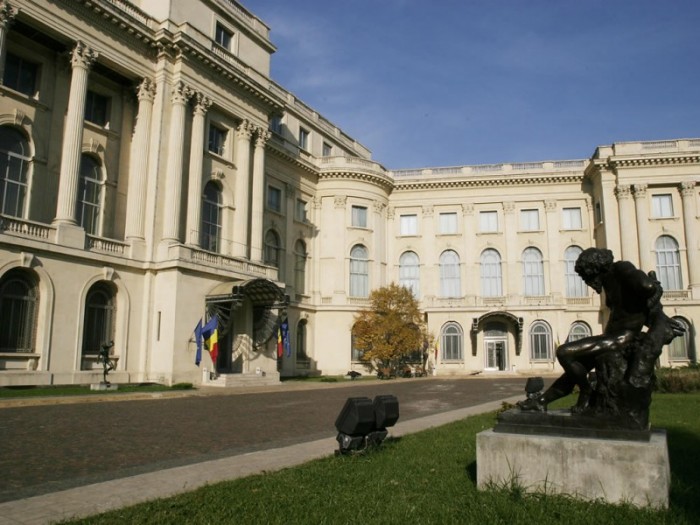
The building presents itself today as a heterogeneous architectural complex, the result of successive stages of construction and renovation that reflect the evolution of artistic tastes over more than 150 years. The central body, built in neoclassical style with baroque influences, is distinguished by its monumental facade, Corinthian columns, and pediment decorated with allegorical sculptures, reminiscent of the Royal Palace in Turin or Peleș Castle, though more urban in conception. The Kretzulescu Wing, added in the second half of the 19th century, presents characteristics of the eclectic architecture specific to the era, with tall windows, wrought-iron balconies, and sumptuous interiors decorated with oak paneling and rococo-style stucco, evoking the aristocratic salons of Vienna or Munich. The grand staircase, with Carrara marble steps and bronze balustrade, constitutes an axis mundi of the building, leading the visitor through rooms that preserve the sumptuous atmosphere of the Royal Court, while the basements and attics, transformed into modern exhibition spaces, allow for controlled lighting of the artworks, similar to the techniques used at the Louvre or the Hermitage Museum in St. Petersburg.
Three Galleries and Dialogue with the Great European Schools
The museum is structured around three distinct thematic areas, each offering a comprehensive panorama of the evolution of art on the continent, in a continuous dialogue with the great European cultural institutions. The European Art Gallery, housed in the Kretzulescu Wing, brings together approximately 300 works belonging to the main artistic schools of Europe between the 14th and 20th centuries, from the Italian primitives and the Flemish school – with masters such as Jan van Eyck or Rogier van der Weyden – to the French Impressionists and the avant-gardes of the 20th century. The collection presents works from the Italian Renaissance school, comparable to those in the Uffizi Gallery in Florence, baroque works from the Spanish and Flemish schools, as well as creations by 19th-century French masters, offering visitors the possibility to trace the evolution of Western art in a manner similar to the great museums of Paris, Madrid, or Amsterdam. In parallel, the Old Romanian Art Gallery presents, through its 900 exhibited pieces, a unified image of cultural life in the historical provinces – Wallachia, Moldavia, and Transylvania – between the 14th and 18th centuries, highlighting fragments of frescoes, icons, embroideries, illuminated manuscripts, wood and stone sculpture, in constant dialogue with Byzantine art from Mount Athos, with Gothic art in Transylvania influenced by the Kingdom of Hungary and the Holy Roman Empire, as well as with post-Byzantine art from Russia and Serbia. This gallery illustrates how Romanian art developed at the intersection between the Eastern Orthodox tradition and Western influences, creating a unique style that blends Byzantine spirituality with Western techniques.
From Brâncuși to Geometric Abstraction and the European Avant-Garde
The Modern Romanian Art Gallery reconstructs, through its 700 paintings and sculptures, the path of Romanian art from the beginning of the 19th century to the present day, illustrating the process of synchronization with European art. The classical period of the Romanian school of painting, represented by Nicolae Grigorescu, Theodor Aman, or Ion Andreescu, is presented in the context of European Impressionism and Realism, highlighting the influences of the Munich and Paris Schools, while the interwar period brings to the forefront masters such as Camil Ressu, Francisc Șirato, or Nicolae Tonitza, whose works dialogue with German Expressionism, French Fauvism, and Picasso's Cubism. An entire room is dedicated to the sculptor Constantin Brâncuși, whose work represents the bridge between Romanian spirituality – with roots in folk art and the Orthodox tradition – and the European avant-garde of the early 20th century. Brâncuși, who worked in Paris alongside Rodin and influenced world modern sculpture, is presented here through studies, drawings, and small sculptures that reveal his genius in simplifying forms, anticipating minimalism and conceptual art. The museum also houses works signed by masters of geometric abstraction such as Ștefan Sevastre, professor at the "Nicolae Tonitza" High School and representative of Romanian concrete art, who exhibited in significant group exhibitions such as "25 Years of Romanian Plastic Art" in 1973 or "Concrete Art" in 1997, demonstrating the continuity and diversity of indigenous creation in the context of European movements such as De Stijl from the Netherlands, Bauhaus from Germany, or Russian Constructivism.
The Treasury and the European Aristocratic Dimension
A special place, of rare beauty and historical value, is occupied by the Treasury, spread across three sumptuous halls, which houses secular and religious pieces made of precious metals and stones, jewelry, and costume accessories from the 14th-19th centuries. This collection reflects the luxury and refinement of the Romanian princely courts, closely linked to the European aristocracy through matrimonial alliances and cultural exchanges, being comparable to the royal treasuries of Vienna, Dresden, Turin, or St. Petersburg. The gold and silver pieces, with baroque, rococo, and neoclassical influences, come from the workshops of the great European centers such as Paris, Vienna, or Augsburg, but also from indigenous ones, illustrating how the Romanian elites participated in the artistic and economic circuit of Europe. The gold and silk embroideries, the jewelry with precious stones, and the ceremonial tableware reflect the fashion and customs of the Courts of Versailles or Schönbrunn, while the Orthodox religious pieces highlight the spiritual connections with the Byzantine world and with the monasteries of Greece, Serbia, and Russia. The Treasury thus constitutes a bridge between the material civilization of Western Europe and the spiritual tradition of the East, offering a complete image of how the Romanian aristocracy participated in the great cultural currents of the continent.
Stories, Personalities, and Turning Points
The history of the museum is marked by dramatic moments that illustrate the fragility of heritage in the face of turbulent history. During World War II, in 1944, the palace suffered bombings that damaged the structure and collections, being subsequently carefully restored. However, the supreme turning point was the December 1989 Revolution, when the street battles around the building, located in the very center of the events, caused 80% destruction. Over a thousand works of art were degraded, destroyed, or looted, and the building itself was severely damaged. On those fateful days, the museum staff showed extraordinary courage, hiding and protecting the most valuable works, some even being walled into walls or transported to safe places, thus saving the national heritage from total destruction. After the fall of the communist regime, which in 1948 transformed the palace into a national museum through nationalization, the institution entered an extensive restoration process, reopening its doors in 1990 as a symbol of cultural continuity and democratic rebirth. The restoration lasted for years, involving teams of Romanian and foreign restorers, architects, and art historians who brought the destroyed halls back to life, redoing the stuccoes, murals, and installations, in an effort comparable to the post-war reconstruction of great European monuments such as Dresden or Warsaw. Personalities such as the art historians who led the institution in the post-communist period, dedicated curators, and private donors contributed to the reconstruction and enrichment of the collections, transforming the museum into a modern institution, member of international museum networks.
Practical Visitor Guide and Today's Tourist Experience
Located on Calea Victoriei at numbers 49-53, in Sector 1, the museum is surrounded by other historical monuments that complete the cultural experience: from the Romanian Athenaeum and the Central University Library to the CEC Palace or the Stavropoleos Monastery. Calea Victoriei itself, with its Art Nouveau and neoclassical buildings, evokes the boulevards of the great European capitals such as the Champs-Élysées in Paris or Unter den Linden in Berlin, offering an exceptional urban setting for visiting the museum. Today's visitor steps into a space that combines royal architectural elegance with modern museography, benefiting from naturally and artificially lit halls, climate control systems that protect the works, and facilities for people with disabilities. The visiting hours and admission fees are available at the ticket office and on the official website, the institution offering thematic guided tours, educational workshops, and temporary exhibitions that dialogue with major European cultural events. A complete visit requires several hours, allowing for a chronological journey through art history from the 14th-century Byzantine frescoes, through the splendor of the 18th-century baroque, to the 20th-century avant-gardes and contemporary art. For the cultivated visitor, the museum represents an essential experience for understanding Romanian cultural identity in its European context, offering a journey through time that illustrates how this nation, situated at the border between East and West, Orthodoxy and Catholicism, the Ottoman Empire and Central Europe, managed to create a unique art capable of dialoguing on equal terms with the great cultures of the continent, from the Italian Renaissance to the Parisian avant-garde and from the splendor of the Habsburg Courts to the Byzantine spirituality of Mount Athos.
Media gallery
Discover National Museum of Art of Romania in pictures

17 photos · Architecture, courtyards and captivating details

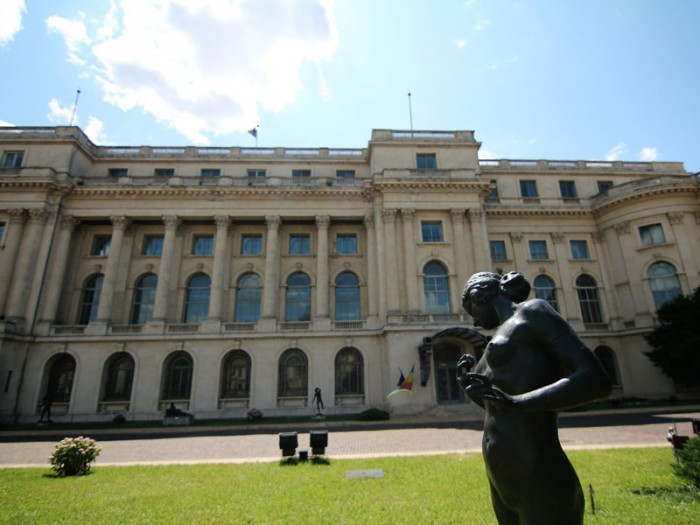
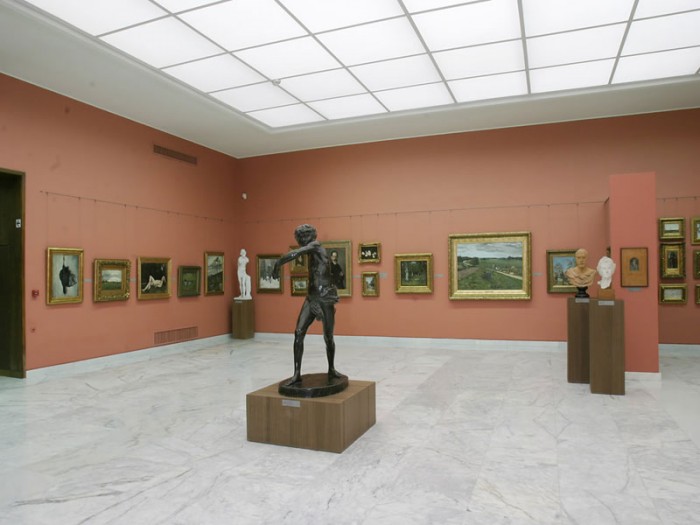
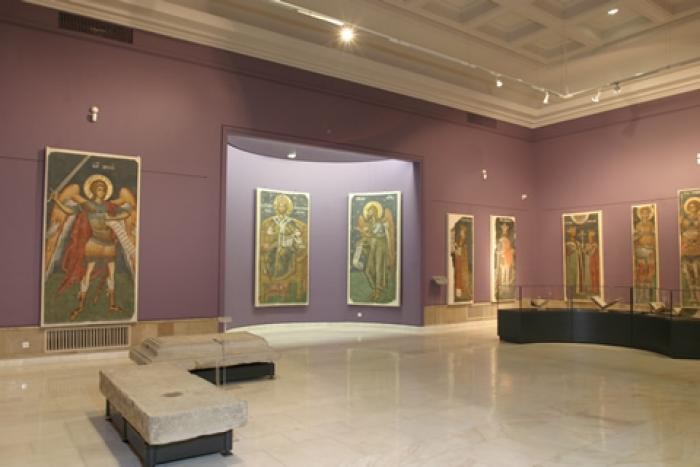
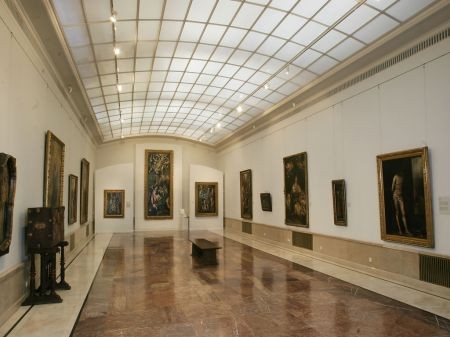
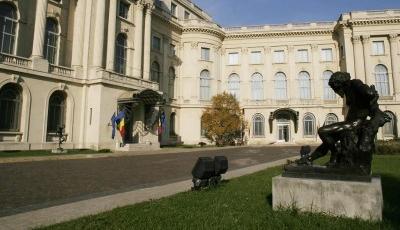

Image source: Wikimedia Commons · Public domain photos · Free license
STAY A FEW DAYS, DISCOVER THE MAGIC
Accommodation in the National Museum of Art of Romania area

Hotel · 1 star

București, Bucharest · 0.3 km
Hotel Carpati Imparatul Romanilor București
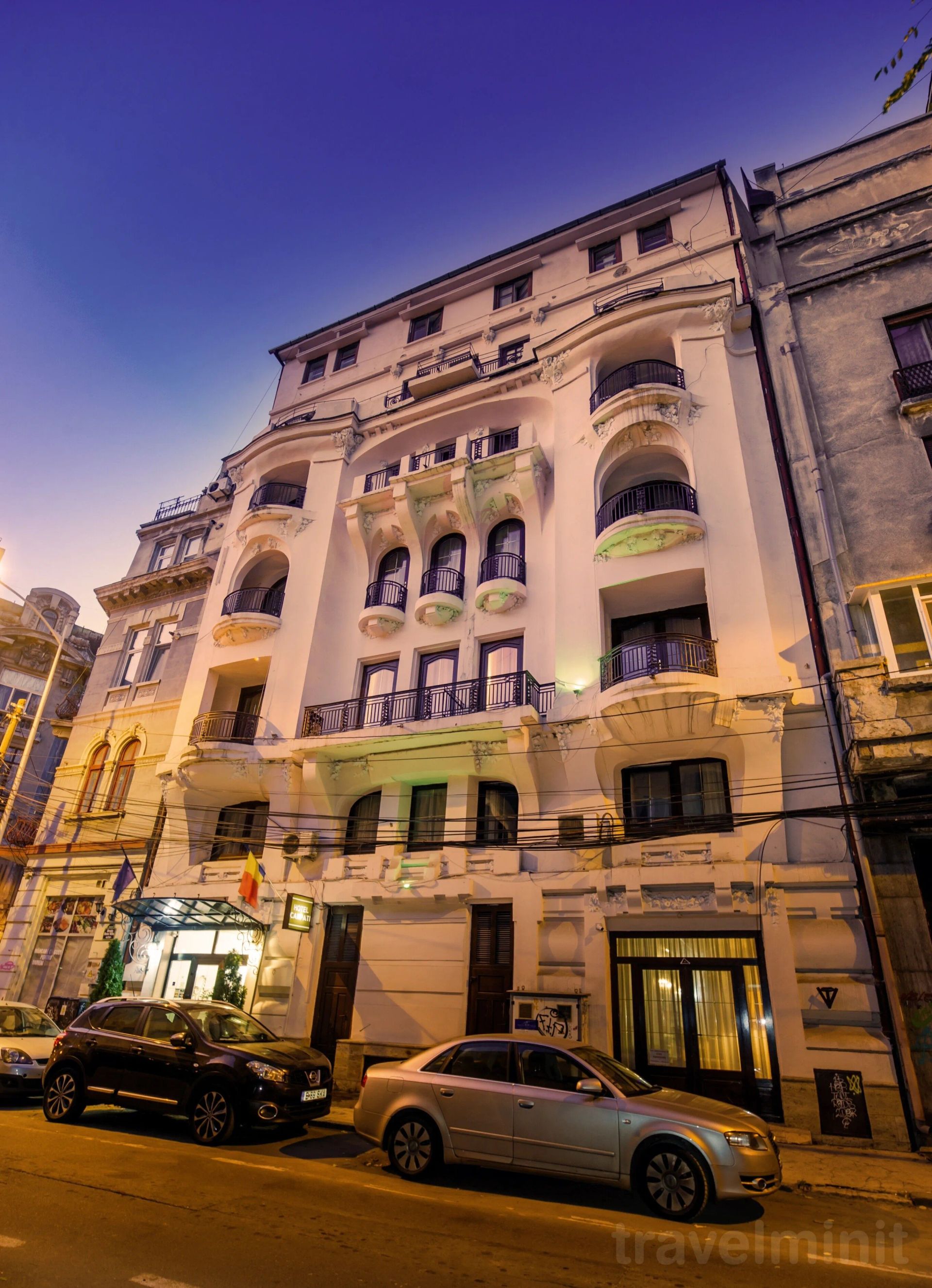
Hotel Carpati Imparatul Romanilor din București vă așteaptă pe strada Matei Millo, într-o poziție avantajoasă pentru explorarea capitalei. Călătorii găsesc aici o unitate de cazare practică, cu camere mobilate și anumite încăperi dotate cu aer condiționat pentru un plus de confort în zilele călduroase. Printre facilitățile oferite se numără Wi-Fi gratuit în toate zonele unității, lift pentru deplasare comodă între etaje, seif în cameră pentru păstrarea în siguranță a obiectelor de valoare, fier de călcat, parcare pentru biciclete și un spațiu special amenajat pentru depozitarea bagajelor. Programul de primire începe de la ora 06:00, iar predarea camerelor se face până la ora 11:30. Personalul de la recepție comunică în limbile română, engleză și spaniolă, iar plata rezervării se poate efectua atât cu numerar, cât și cu card bancar. Din această locație centrală puteți ajunge rapid la cele mai importante obiective turistice ale Bucureștiului: Palatul Parlamentului, Catedrala Mântuirii Neamului, Palatul Regal, Muzeul Țăranului Român și Muzeul Național de Istorie Naturală Grigore Antipa. Vă așteptăm să vă cazați aici și să ieșiți apoi să descoperiți Palatul Parlamentului.
FROM
210 lei per night

Apartment · 3 stars
București, Bucharest · 0.3 km
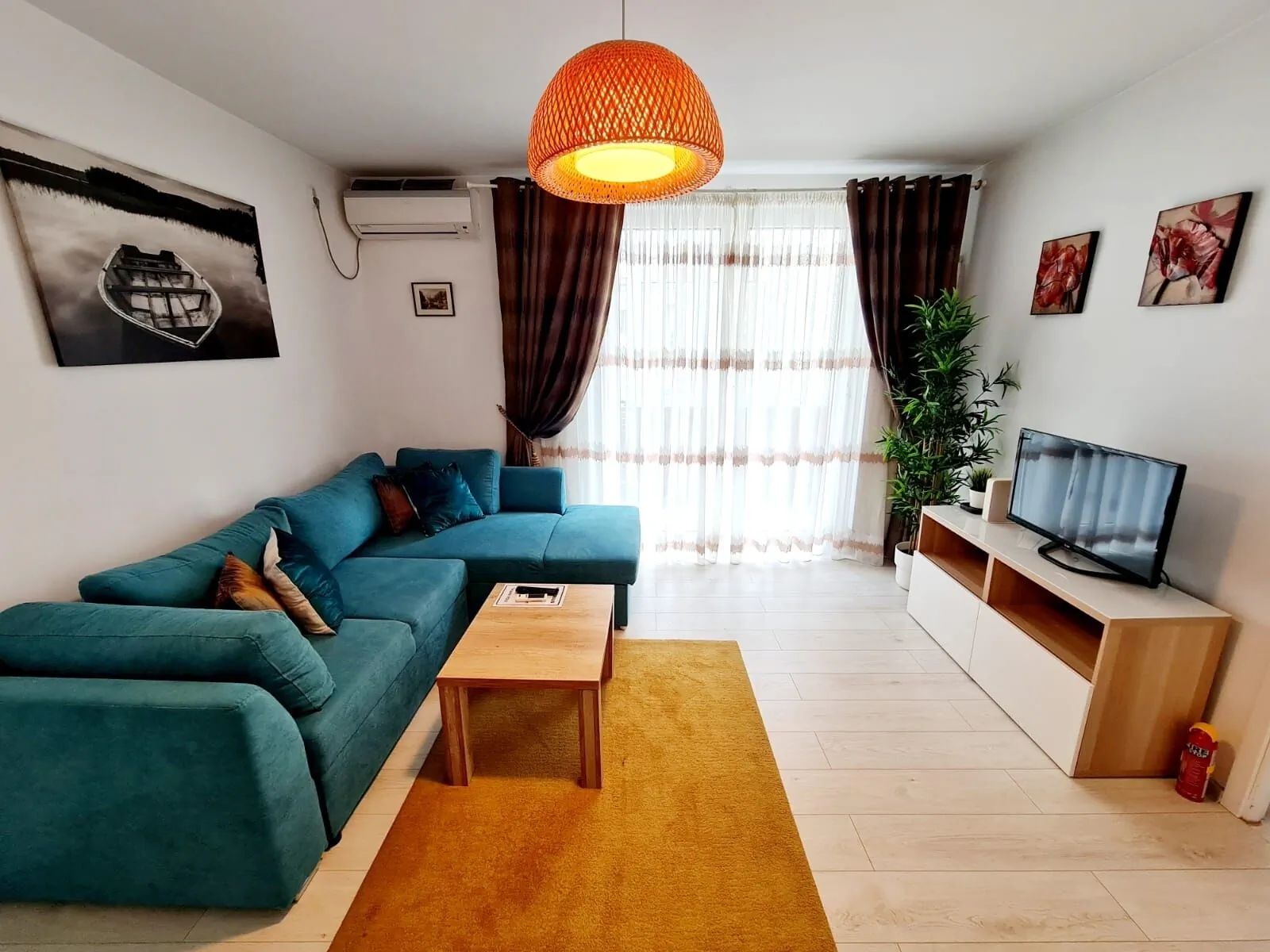
Apartament My Cozy Place București
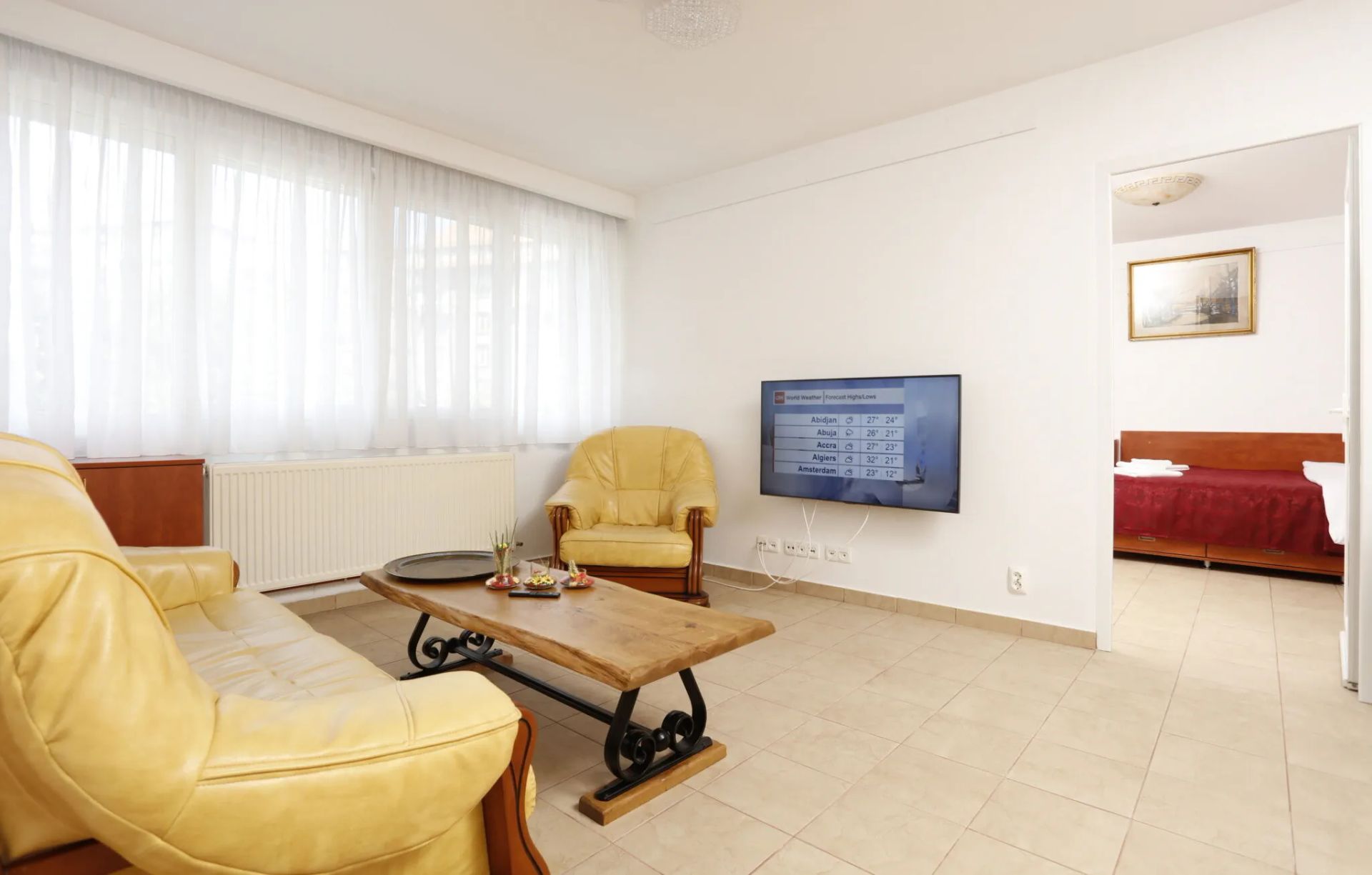
Comfort, relaxation and stunning views, all just steps away from the main attractions.
FROM
230 lei per night
Apartment · 3 stars
București, Bucharest · 0.3 km
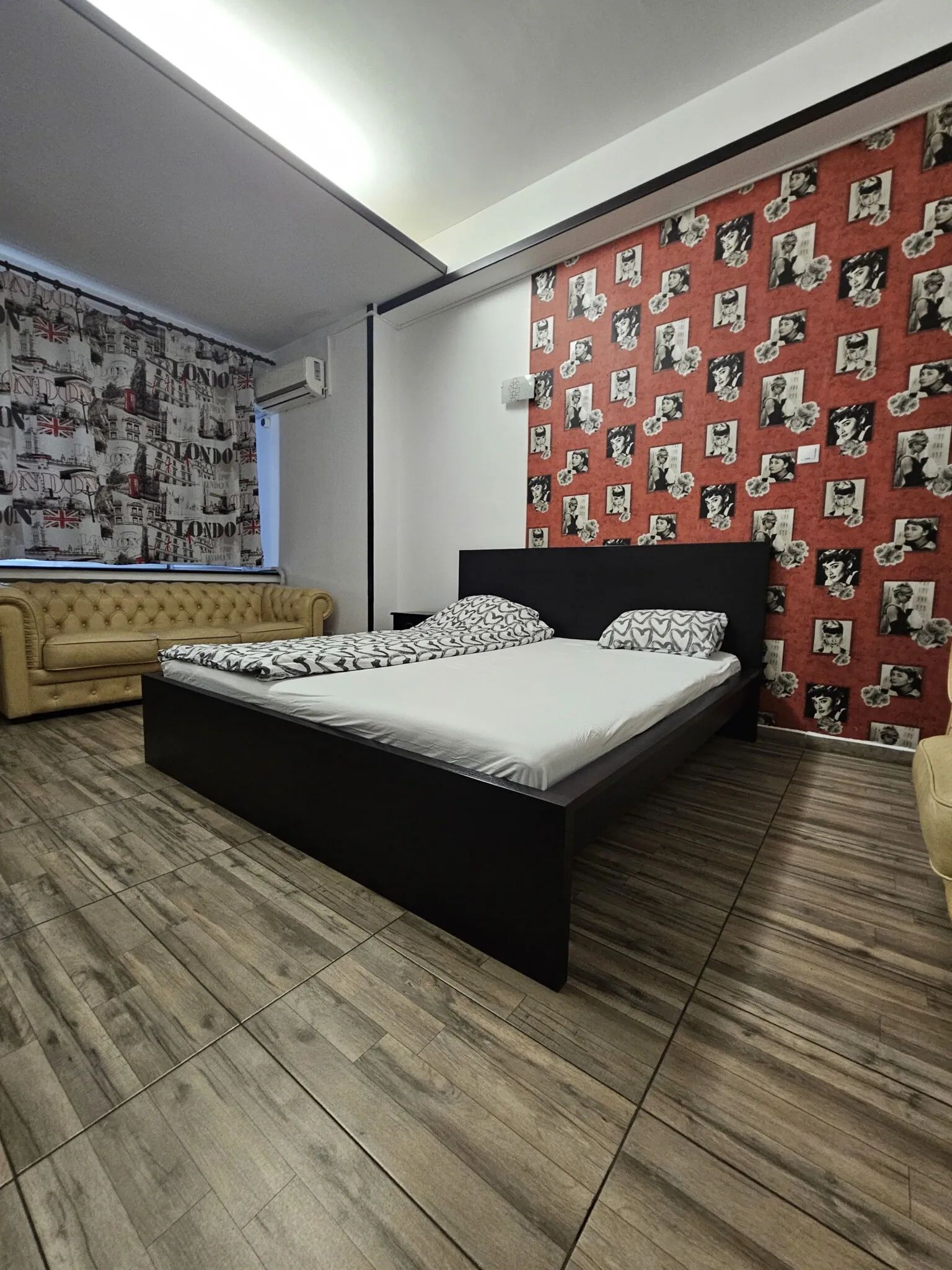
Downtown Ideal for Longer stays Apartament București
Downtown Ideal for Longer stays Apartament București este un apartament de închiriat clasificat cu 3 stele, situat în București pe strada Nicolae Balcescu 33, într-o zonă centrală potrivită pentru șederi prelungite și cu acces rapid către cele mai importante obiective turistice ale orașului. Unitatea oferă condiții confortabile, fiind dotată cu Wi-Fi gratuit, lift sau ascensor și fier de călcat. Restaurantul din incintă pune la dispoziție meniuri pentru copii și meniuri pentru diete speciale, astfel încât dumneavoastră și familia dumneavoastră să aveți parte de mese adaptate nevoilor fiecăruia într-un ambient plăcut și primitor. În apropiere puteți vizita Palatul Parlamentului, Palatul Regal, Catedrala Mântuirii Neamului, Muzeul Țăranului Român și Muzeul Național de Istorie Naturală Grigore Antipa. Aceste atracții culturale și istorice transformă fiecare plimbare prin centrul Bucureștiului într-o experiență interesantă și diversă, aflată la doar câteva minute de mers pe jos de apartament. Apartamentul beneficiază de acces facil prin lift și de o adresă bine conectată în centrul orașului, care vă permite să ajungeți ușor la toate punctele de interes menționate. Vă așteptăm să vă bucurați de un sejur plăcut în capitală.
FROM
230 lei per night
Apartment · 3 stars
București, Bucharest · 0.3 km
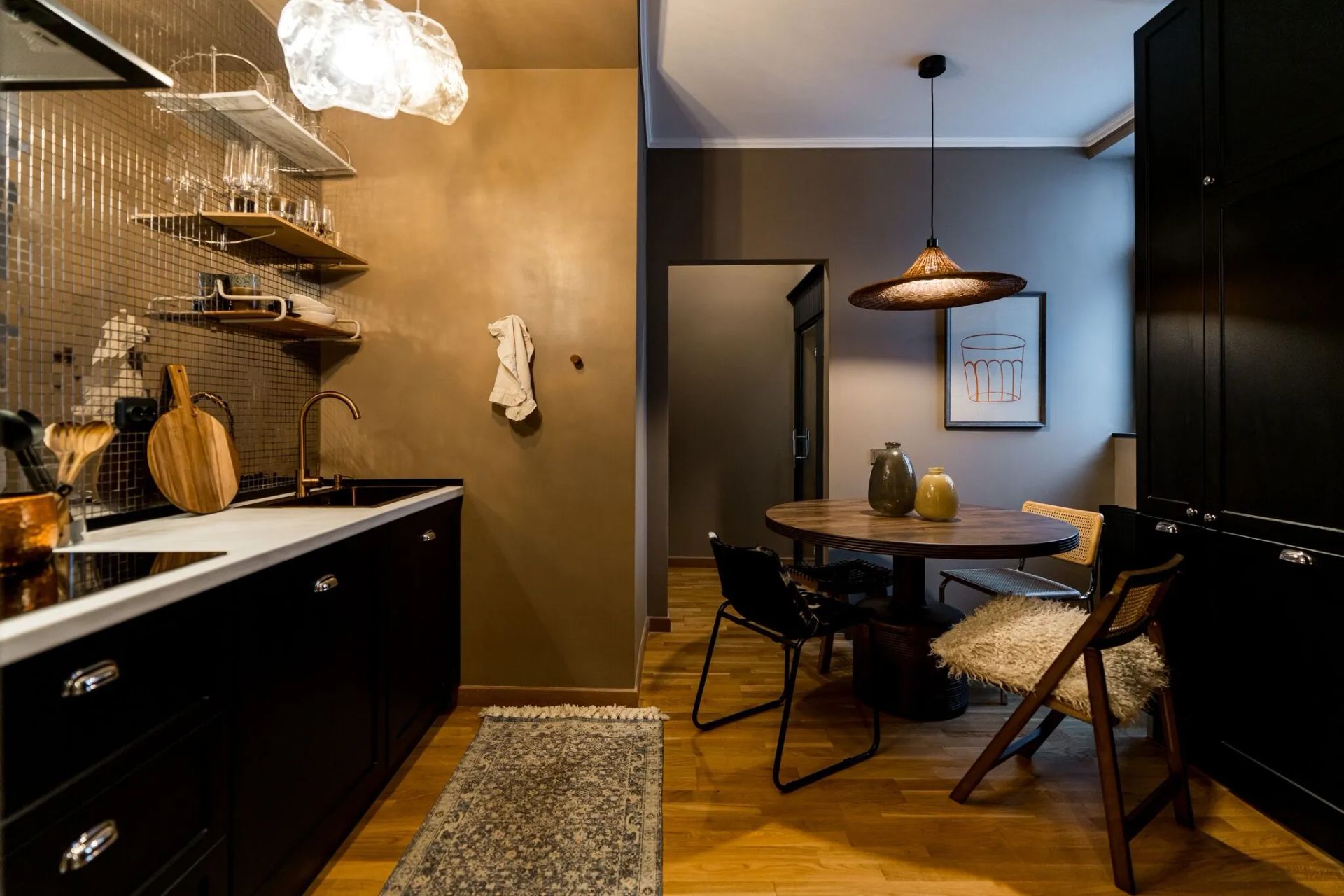
Apartament Central Class București
Pe bulevardul Nicolae Bălcescu din București se află Apartament Central Class București, o unitate de cazare clasificată cu trei stele, situată la etajul patru al unui imobil. Spațiul oferă condiții potrivite atât pentru călătoriile de afaceri, cât și pentru explorarea capitalei, fiind amplasat într-o zonă centrală care facilitează deplasările în oraș și accesul rapid la principalele puncte de interes. Apartamentul beneficiază de Wi-Fi gratuit, lift, fier de călcat și un depozit pentru bagaje. În incintă funcționează o cafenea, iar accesul se realizează prin self-checking, ceea ce oferă flexibilitate la sosire și plecare, fără restricții de program, astfel încât dumneavoastră vă puteți organiza șederea după propriul program. În apropiere se pot vizita Palatul Parlamentului, Palatul Regal, Catedrala Mântuirii Neamului, Muzeul Țăranului Român și Muzeul Național de Istorie Naturală Grigore Antipa. Aceste obiective culturale și istorice importante din capitală sunt ușor accesibile, astfel încât dumneavoastră aveți la dispoziție numeroase opțiuni pentru timpul liber. Vă așteptăm să vă bucurați de șederea dumneavoastră în București.
FROM
230 lei per night
Apartment · 3 stars
București, Bucharest · 0.3 km
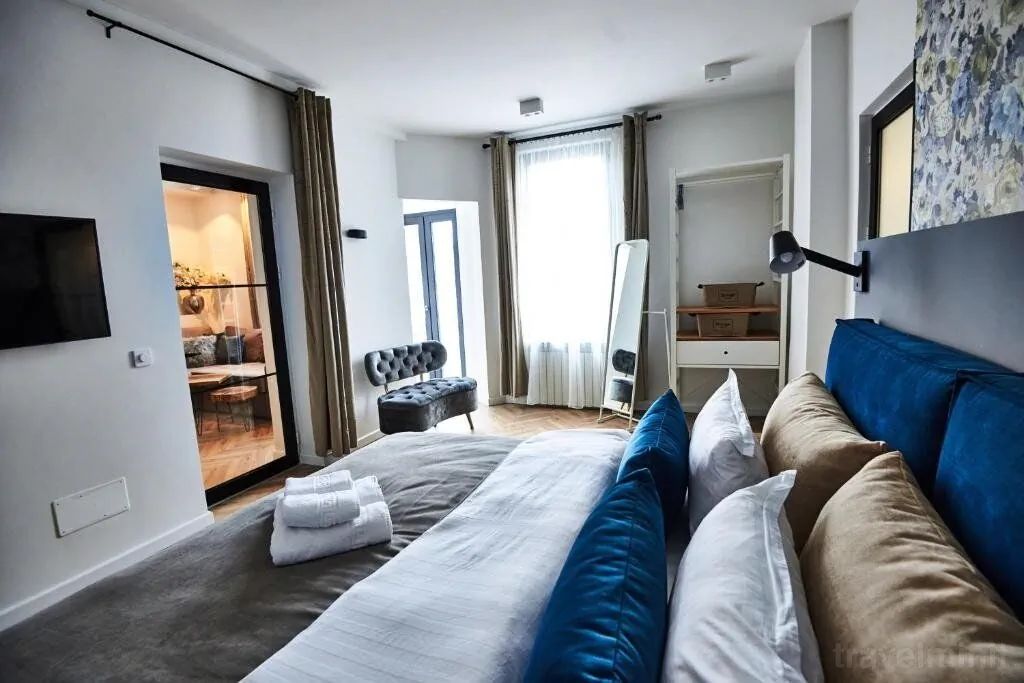
Urban Deluxe Apartments București
Cuplurile și călătorii în interes de serviciu se vor simți bine la Urban Deluxe Apartments București, situat pe strada Calea Victoriei din capitală. Acest apartament de trei stele oferă saună și cadă cu hidromasaj pentru momente de relaxare profundă, alături de Wi-Fi gratuit, lift și fier de călcat. Spațiul este dotat cu pat matrimonial, lenjerie fină, bucătărie dotată complet și zonă dedicată pentru lucru, iar accesul se face autonom pentru confortul dumneavoastră. Curtea mare și grădina amenajată aduc un plus de liniște în mijlocul aglomerației urbane, oferind un spațiu generos pentru odihnă în aer liber. Televizorul smart cu servicii de streaming este disponibil pentru serile relaxante, iar asistența rapidă din partea gazdei asigură o experiență fără griji pe toată durata șederii. În vecinătate puteți vizita Palatul Parlamentului, Palatul Regal, Catedrala Mântuirii Neamului, Muzeul Țăranului Român și Muzeul Național de Istorie Naturală Grigore Antipa. Locația de pe Calea Victoriei vă permite să ajungeți ușor la aceste obiective turistice și să explorați centrul orașului. Vă așteptăm la Urban Deluxe Apartments București.
FROM
230 lei per night
Apartment · 3 stars
București, Bucharest · 0.3 km
Metropole Apartments Royal Residence București
Familiile și grupurile de prieteni se vor simți bine în Metropole Apartments Royal Residence București, un apartament clasificat cu trei stele situat în centrul capitalei. Cele două camere confortabile și bine amenajate oferă un spațiu potrivit pentru un sejur relaxant împreună, într-un mediu primitor și funcțional. Unitatea pune la dispoziție aer condiționat și Wi-Fi gratuit, facilități esențiale pentru confortul dumneavoastră zilnic. De asemenea, aveți la dispoziție fier de călcat, ascensor și seif pentru păstrarea în siguranță a obiectelor de valoare. Fiecare cameră include grup sanitar propriu, iar plata se poate realiza prin numerar, card bancar, transfer bancar sau voucher de vacanță. În vecinătate puteți descoperi atracții deosebite precum Palatul Parlamentului, Palatul Regal, Catedrala Mântuirii Neamului, Muzeul Țăranului Român și Muzeul Național de Istorie Naturală Grigore Antipa. Aceste obiective culturale și istorice importante completează perfect șederea dumneavoastră în București și vă invită la plimbări pline de descoperiri prin oraș. Vă așteptăm să vă cazați aici și să porniți apoi spre explorarea Palatului Parlamentului.
FROM
230 lei per night
BEFORE YOU HIT THE ROAD
Weather conditions in Bucuresti
Local forecast for National Museum of Art of Romania, Bucuresti, București

Real-time updated weather data
Much more to explore in this area
Nearby tourist attractions


Bucuresti, Bucharest
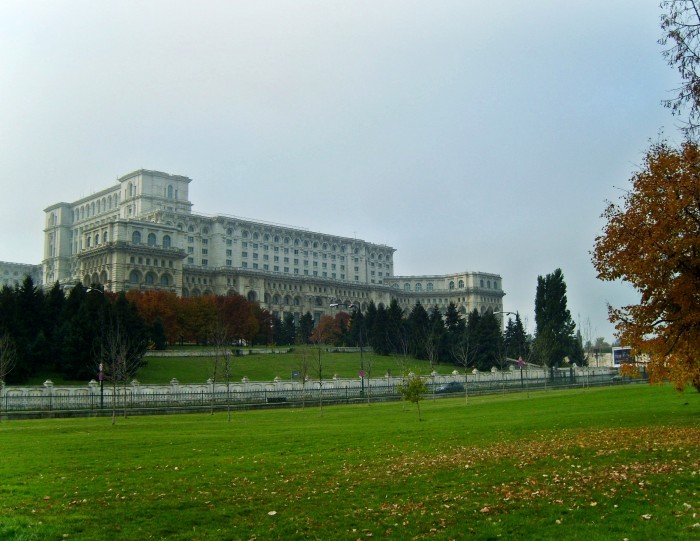
Palace of the Parliament
Situat pe strada Izvor nr.3, sector 5, localitatea Bucuresti; in perioada comunista a fost cunoscut sub numele de "Casa Poporului"; considerata una dintre cele...
1.5 km

București, Bucharest
People's Salvation Cathedral (National Cathedral of Romania)
Catedrală ortodoxă din București
1.8 km
Bucuresti, Bucharest
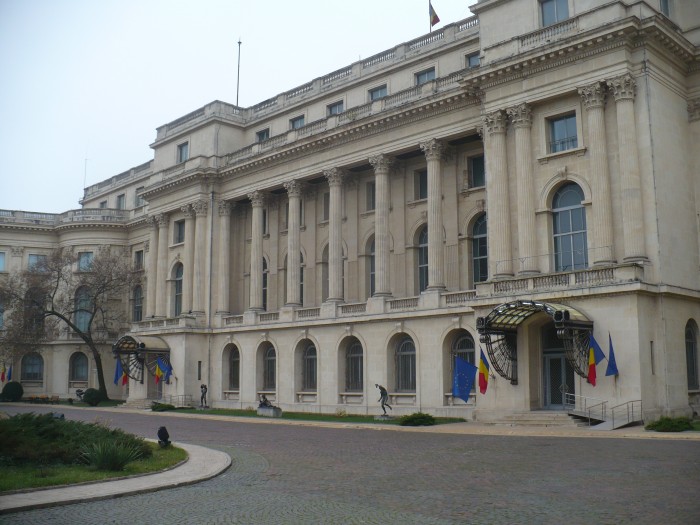
Royal Palace of Bucharest
Situat pe Calea Victoriei nr. 49-53, sector 1, localitatea Bucuresti; construit intre anii 1812-1815 a apartinut marelui logofat Dinicu Golescu, dar a fost...
0.0 km
Bucuresti, Bucharest
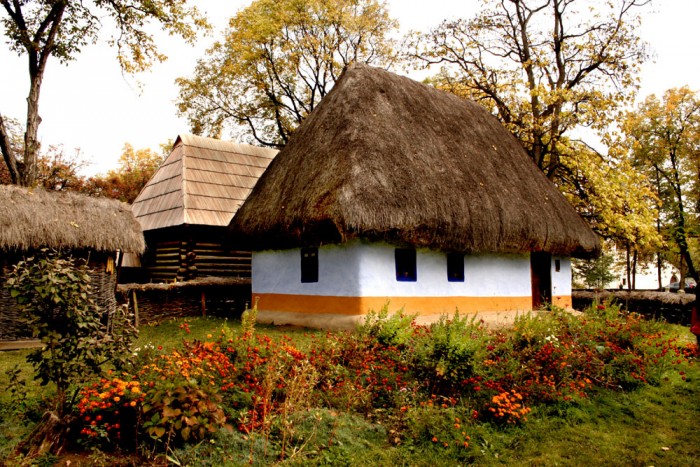
Dimitrie Gusti National Village Museum
Situat pe Soseaua Kiseleff nr.28-30, sectorul 1; a fost inaugurat in 1936; expozitia permanenta cuprinde 121 de complexe distincte, totalizand 338 de monumente,...
3.9 km

Bucuresti, Bucharest
Romanian Peasant Museum (Muzeul Național al Țăranului Român)
Situat pe soseaua Kiseleff nr.3, sector 1, localitatea Bucuresti; constructia intregului edificiu a durat 29 de ani, fiind finalizat in 1941; cladirea muzeului...
2.0 km

Bucuresti, Bucharest
Cotroceni Palace
Situat pe bulevardul Geniului nr.2, sector 6, localitatea Bucuresti; in anul 1679, domnitorul Serban Cantacuzino incepe constructia unei manastiri; opera sa a...
2.8 km

Bucuresti, Bucharest
Grigore Antipa National Museum of Natural History
Situat pe soseaua Kiseleff nr. 1, sector 1, localitatea Bucuresti; fondat in 1834 la initiativa lui Mihalache Ghica; are un bogat patrimoniu format din...
0.7 km
Bucuresti, Bucharest
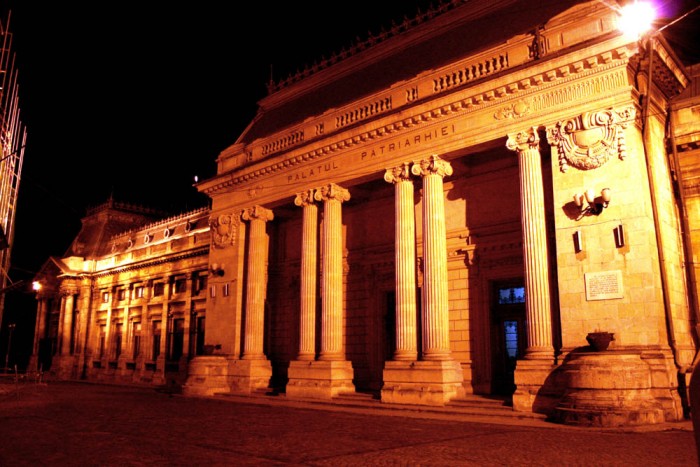
Patriarchal Palace
Situat pe aleea Dealul Mitropoliei nr.25, sector 4, localitatea Bucuresti; construit de statul roman, la inceputul secolului al XX-lea, pe locul fostei sali a...
1.6 km

Bucuresti, Bucharest
National Museum of Romanian History
Situat pe Calea Victoriei nr.12, sector 3, localitatea Bucuresti; adapostit de Palatul Postelor; a fost inaugurat in anul 1970 fiind cel dintai muzeu de...
0.9 km

1.5 km
Bucuresti, Bucharest
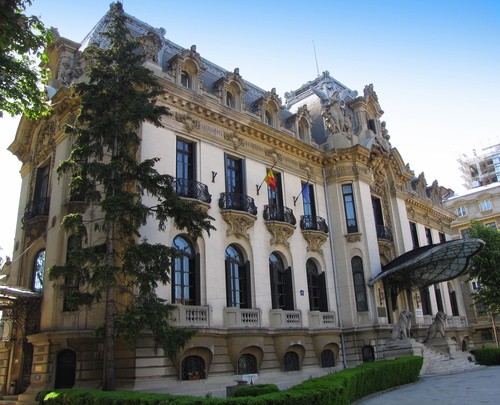
Cantacuzino Palace
Situat pe Calea Victoriei nr.141, sector 1, localitatea Bucuresti; construit intre anii 1898-1900, in stil baroc francez al epocii Ludovic al XVI-lea, pentru...
0.3 km
Bucuresti, Bucharest
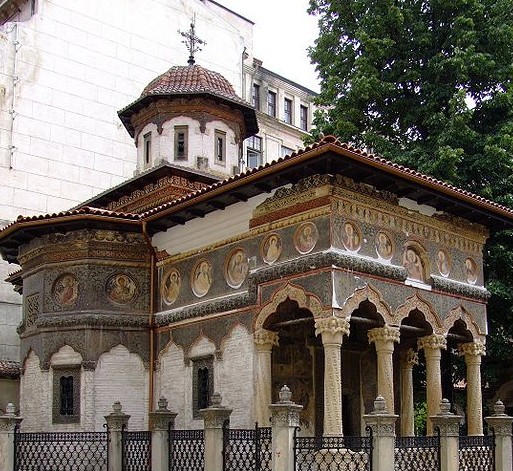
Stavropoleos Monastery Church
Situata pe strada Stavropoleos nr.4, localitatea Bucuresti; poarta hramurile: "Sfintii Arhangheli Mihail si Gavriil", "Sfantul Atanasie cel Mare", "Sfantul...
0.8 km
Cultural life and traditions
Events in the National Museum of Art of Romania area
Medieval festivals, traditional fairs, concerts and local activities recommended in Muntenia (Wallachia).

History and Royal Architecture

Bucuresti, County of București
Days of Royalty and Heritage in the Prahova Valley
Historical conferences open to the public, themed tours of royal architecture, documentary screenings and exhibitions of vintage photographs.
WHEN
May 10-12, 2026


Gastronomy and Oenology
Dealu Mare, County of București
The Prahova Wine Festival on the Wine Route
Guided tastings of Fetească Neagră along the famous Wine Route, visits to historic wineries, and meetings with leading winemakers.
WHEN
Every weekend (September - October)
Hiking and Adventure
Bucegi Mountains, București County
Guided Mountain Tour in the Bucegi Mountains
Guided mountain tours led by mountain rescue personnel to iconic panoramic viewpoints and spectacular alpine waterfalls.
WHEN
Daily during the season (June - October)
On foot, exploration gains depth
Discover the surroundings and local geography
Explore the trails, terrain, and natural landmarks around National Museum of Art of Romania.

Guides and practical tips
Useful travel articles
Travel guides, practical recommendations and tourist itineraries for Muntenia (Wallachia).

Tourist guide
Top 5 Atracții Turistice și Trasee Montane în Zona Moieciu - Bran
Descoperă cele mai spectaculoase peisaje carstice, chei adânci și cetăți medievale din imediata apropiere a stațiunii Moieciu.

Tourist guide
Ghid de Drumeție: Traseul Moieciu de Sus spre Platoul Bucegi
Un itinerariu montan de o frumusețe rară ce urcă din Valea Băngăleasa spre Poiana Guțanu și crestele maiestuoase ale Bucegilor.

Tourist guide
Castelul Bran: Istorie, Legende și Secrete Medievale
Află adevărata poveste a fortăreței medievale din Pasul Bran, reședința de suflet a Reginei Maria a României.
THE JOURNEY STARTS WITH AN IDEA
The next story is on the way.
From the first stop to the last stay, make room for a new Romania.
