


CASTLE · MUNTENIA (WALLACHIA)
Palace of the Parliament

Bucuresti, Bucharest
Add location to your trip planner.
Practical access information

VISITING HOURS
Daily: 09:00 - 17:00 (last tour at 16:30)

TICKET PRICE
Standard Tour: Adults 60 RON, Students (19-26 years old): 30 RON, Pupils (7-18 years old): 20 RON; Children under 7 years old: free

RECOMMENDED VISIT DURATION
1. 5 - 2 hours (guided tour required)


Visitor information and guide
For group bookings or access verification, you can call this number.

PHONE NUMBER
+40 21 316 0300 Navigate with Google Maps

ABOUT PALACE OF THE PARLIAMENT
Captivating Introduction and Universal Value
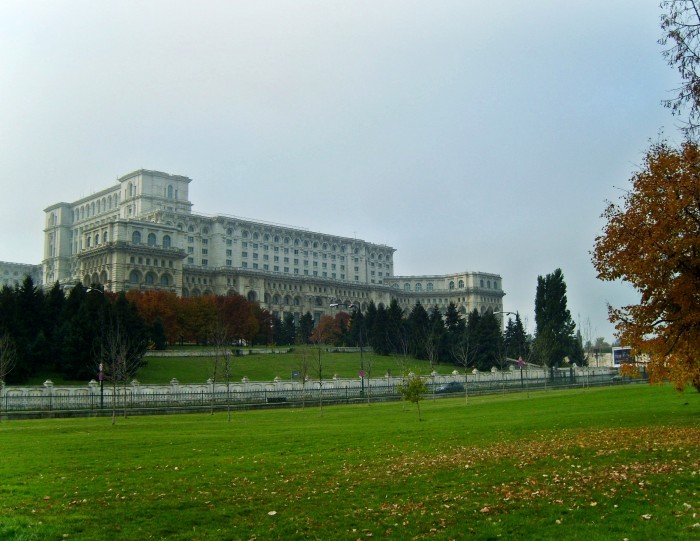
In the heart of Bucharest, where the old historic center meets the aggressive ambitions of modernity, rises a presence that defies all comparison: the Palace of the Parliament, still known by many under the emotional name of the "People's House." This massive construction, which occupies a central place in the collective memory of Eastern Europe as a symbol of the last decade of communist dictatorship, today represents one of the most controversial and, paradoxically, most visited monuments on the continent. For the European traveler familiar with the Versailles grandeur of France, the parliamentary solidity of Britain, or the verticality of the Vatican, the Palace of the Parliament offers a disturbing experience: a direct encounter with architectural megalomania in its purest form, embodied in a building that exceeds the volume of the Great Pyramid of Khufu by 2% and which was, until recently, the largest civilian administrative building in the world.
What makes this monument truly European is not only its extraordinary size, but the way it incorporates, in condensed form, the entire history of the totalitarian ambitions of the 20th century. From Stalin's Palace of the Soviets – a project never completed that was supposed to surpass the Empire State Building – to Hitler's plan to transform Berlin into a monumental "Germania," from the imperial axes of Mussolini's Rome to Kim Il Sung's Pyongyang, the architecture of absolute power followed the same principles: the domination of urban space through inhuman scale, the use of noble materials to proclaim the eternity of the regime, and the creation of a built environment meant to intimidate and subordinate the individual before the state. The Palace of the Parliament is, in this sense, a three-dimensional historical document, a time capsule that allows the visitor to understand, through direct contact, the psychology of European and global political megalomania.
With a floor area of 330,000 square meters – the equivalent of over 40 football fields – and a volume of 2.55 million cubic meters, the building ranks second in the world in the "Administrative Buildings" category after the Pentagon in Washington, being at the same time the heaviest and most expensive administrative building ever constructed. These figures, however impressive, fail to convey the full sensory experience of physical presence before this construction: the sense of human proportion dissolving before an architecture explicitly designed to diminish and subjugate.
Historical Roots and Major European Connections
The genesis of the Palace of the Parliament must be sought in a series of urban planning ambitions that traverse the entire modern European history. As early as 1935, King Carol II of Romania, under the strong influence of fascist architectural models from Italy and Germany – Mussolini dreamed of a new imperial center in Rome, while Hitler planned the transformation of Berlin into a world capital – conceived a grandiose project for Arsenal Hill in Bucharest. This project, elaborated by the greatest architects of the time, provided for the construction of the Chamber of Deputies in a monumental neoclassical style, in dialogue with the Habsburg architectural tradition that had profoundly influenced Bucharest in the 19th century. However, the king's abdication in 1940 and the outbreak of the Second World War buried these plans, leaving them only on paper until 1977.
The devastating earthquake of March 4, 1977, which shook Bucharest and destroyed thousands of buildings, offered Nicolae Ceaușescu the perfect pretext to resume and radicalize the royal vision. The European context of the 1970s was one of confrontation between Western democracies and communist regimes, and Ceaușescu, seeking to assert his autonomy from Moscow and consolidate his personal power, appealed to an unprecedented model: that of North Korea. His visit in June 1971 to Pyongyang, where he was greeted by Kim Il Sung with grandiose spectacles at Moranbong Stadium attended by 120,000 people, deeply marked him. "Little Pyongyang," as Bucharest was called in his intentions, was to become a replica of the North Korean capital, a city rebuilt according to the principles of socialist realism and the cult of personality.
This Asian inspiration is however inscribed in a broader European tradition of totalitarian architecture. In the Soviet Union, Stalin had launched in the 1930s the Palace of the Soviets project, a construction that was supposed to reach 415 meters in height and house a gigantic statue of Lenin – a project abandoned only because of the Nazi invasion. In Nazi Germany, Albert Speer elaborated the plans for "Germania," the new capital of the Reich, with boulevards 120 meters wide and buildings of pharaonic dimensions. In Italy, Mussolini developed the EUR district in Rome, an ensemble of fascist architecture that combined elements of imperial Rome with monumental modernism. All these projects shared with the Palace of the Parliament the same logic: the use of architecture as an instrument of propaganda and intimidation, the creation of public spaces that would glorify state power to the detriment of the individual, and the use of traditional materials – marble, bronze, crystal – in a manner that would proclaim the eternity of the regime.
In 1978-1979, in the full "Golden Age" – a period that communist propaganda presented as the apogee of socialist development – a national competition was held for the reconstruction of Bucharest. The winner was Anca Petrescu, a young architect of only 28 years, graduate of the "Ion Mincu" Faculty of Architecture in Bucharest and of the German High School "Joseph Haltrich" in Sighișoara, whose European training – influenced by the tradition of the German school of architecture – allowed her to elaborate a project that would combine modernism with Romanian historical elements. Appointed chief architect of the project, Petrescu led a team of over 700 architects and had to face the megalomaniac demands of Ceaușescu, who constantly modified the plans, requesting 1:1000 scale models of the entire city and "beating" the architectural details with a stick.
The official foundation stone laying ceremony took place on June 25, 1984, and the construction lasted seven years, involving 20,000 civilian workers, 5,000 conscript soldiers, and an army of "volunteers," working in three shifts, 24 hours a day. For the realization of this edifice, over 7 square kilometers of the old center of the capital were demolished – approximately one sixth of the city – and over 40,000 people were forcibly relocated. Among the disappeared buildings were the Văcărești Monastery – an important 18th-century monastic complex, comparable in value to the monasteries of Moldova – the Brâncovenesc Hospital, the first medico-legal institute in the world, the National Archives, the Republic Stadium, and numerous churches and boyar houses. This systematic destruction of Bucharest's historical heritage was compared by historians with the "urban cleansing" operations undertaken by Haussmann in Paris in the 19th century, but also with the destruction caused by the bombings of the Second World War, with the essential difference that, this time, the destruction was willed and programmatic.
The project was not limited to the central building, but encompassed the entire civic ensemble: Unirii Boulevard – initially named "Victory of Socialism," a 3.5-kilometer axis inspired by the Champs-Élysées in Paris but on a much larger scale – Constitution Square, Izvor Park, the Marriott Hotel (former Guest House), the Romanian Academy House, and the Ministry of National Defense. All these constructions formed a coherent ensemble meant to transform Bucharest into a "self-sufficient" capital, severed from its historical tradition and anchored in the ideological present of communism.
Architectural Masterpiece and Artistic Heritage
From a stylistic point of view, the Palace of the Parliament represents a unique example of monumental eclecticism, an architectural "collage" that combines elements from European neoclassicism, Transylvanian baroque, the Brâncovenesc style – specific to Romanian architecture of the 17th-18th centuries – and socialist modernism. Anca Petrescu herself compared her project to Buckingham Palace in London and to the French Versailles, while the architects of the time called it "Little Pyongyang." The building extends 270 meters in length and 240 meters in width, reaching 84-86 meters in height above ground and descending 92 meters underground, with 9-12 levels at the surface and 8-9 underground levels, totaling approximately 1,000-5,000 rooms (sources vary), of which 440 offices, over 30 ceremonial halls and salons, four restaurants, three libraries, two underground parking lots, and a concert hall.
The materials used define the pharaonic character of the construction. For its realization, one million cubic meters of marble were used – coming mainly from the quarries of Rușchița (white and pink marble, famous since the Habsburg era for its quality), Moneasa, Căprioara, and Alun – 5,500 tons of cement, 7,000 tons of steel, 700,000 tons of combined steel and bronze, 20,000 tons of sand, 1,000 tons of basalt, 900,000 cubic meters of noble wood essences (oak, beech, cherry, walnut, mahogany), 3,500 tons of crystal, 200,000 cubic meters of glass, 3,500 square meters of leather, and 220,000 square meters of wool carpets. All the carpets were handmade at Cisnădie – the largest carpet factory in Romania at that time – from small pieces later assembled in each hall, and for the huge dimensions of some of them, even the swimming pool in Sibiu was emptied to allow assembly. The chandeliers – between 2,800 and 15,000, depending on the source – were executed by visual artists in Mediaș, being true works of art in crystal that recall the Bohemian and Austrian tradition of luxury glassmaking.
The interior of the Palace is organized around ceremonial halls that evoke, through their names chosen after 1989, crucial moments in Romanian history and personalities of European culture. The Union Hall, the largest room, with an area of over 2,200 square meters and a height that allows a helicopter to land, is dominated by a central three-ton chandelier with 7,000 bulbs, made of Mediaș crystal. The hall's decor, influenced by French architecture and Art Deco style, features columns of white Rușchița marble with Romanian-style fluting and Corinthian capitals, walls with plaster mirrors framed in marble, and a pink brocade carpet woven in Sighișoara. This hall, initially intended for state-level receptions – the "Banquet Hall," as it was called in the communist period – hosted filming for international productions, including scenes from Costa-Gavras's film "Amen."
The Nicolae Bălcescu Hall impresses through its columns with Greek Doric capitals made of bronze, a material associated in the European tradition with eternity and power – from Trajan's Column to Napoleonic monuments – and through the pink Rușchița marble that covers the shafts of the columns. The monumental doors of this hall are made of African mahogany wood, a gift received by Ceaușescu from President Mobutu Sese Seko of Zaire, in a gesture that illustrates the alliances between the dictatorial regimes of the Third World. The chandeliers and wall sconces of this hall were designed by architects and executed by visual artists in Mediaș, continuing the tradition of the Transylvanian school of decorative art.
The Alexandru Ioan Cuza Hall, one of the few completed before 1989, is the tallest room in the palace, with 20 meters in height, and the second largest in area. Its ceiling is covered with gold leaf, and the natural ventilation system – Ceaușescu, fearing poisoning, refused air conditioning – is integrated into its structure. The columns are of white Rușchița marble, and the sculpted monumental doors are framed in marble frames and radiator masks cast in brass, richly ornamented.
Other important halls include the Human Rights Hall – initially intended for the meetings of the Political Executive Committee of the Communist Party – the Nicolae Iorga Hall (with oak paneling), the I.C. Brătianu Hall, the C.A. Rosetti Hall (with a two-ton chandelier, the second largest in the building), and the Nicolae Titulescu Hall (round, 625 square meters). The Hall of Honor stands out through its 34 octagonal columns of white and pink Rușchița marble, 14 tall windows, 67 crystal chandeliers, and silk curtains that weigh 250 kilograms and are hand-washed.
The basement of the Palace of the Parliament represents a world apart, a "fortress in the depths" that mirrors the paranoia and survival ambition of the communist regime. At 92 meters below ground level extend 8-9 underground levels, including an anti-nuclear bunker with 1.5-meter-thick concrete walls, covered with a radiation blast plate, designed to withstand a 9-degree earthquake on the Richter scale and two atomic bombs. A network of approximately 20 kilometers of tunnels – some wide enough to allow the circulation of electric cars – connects the Palace of the Parliament to Cotroceni Palace, the Ministry of National Defense, the former building of the Central Committee of the PCR, and other strategic institutions. There is also talk of a private metro line, intended for Ceaușescu's evacuation to Otopeni Airport in case of emergency, similar to the secret systems existing under the Kremlin or under the Nazi headquarters in Berlin.
Legends, Personalities, and Turning Points
The story of the Palace of the Parliament is inseparable from the figure of Nicolae Ceaușescu, the last communist dictator of Europe, whose megalomania and paranoia gave birth to this monument. Although the project had been initially conceived by Carol II, Ceaușescu transformed it into an expression of the cult of personality, demanding constant modifications and imposing ever larger dimensions. Legend says that, not understanding the architectural plans, the Ceaușescu couple requested 1:1000 scale models of the entire Bucharest, built of polystyrene, over which they walked on an overhead crane to give indications. Another story, partially confirmed by architect Anca Petrescu, speaks of a presidential armchair upholstered with gold and silver threads, intended to dominate the 60 identical oak chairs in the meeting hall, symbol of the supremacy of the leader.
Anca Petrescu (1949-2013), the "mother" of the People's House, remained attached to this creation until her death, publicly defending it against criticism and resuming coordination of the project after 1989, when the building was renamed the Palace of the Parliament. Her training at the German school in Sighișoara and at the "Ion Mincu" faculty in Bucharest gave her a European vision of architecture, which she had to adapt to political pressures. After the Revolution, she continued to work on the completion of the interiors until 2013, when she died in a road accident.
The Revolution of December 1989 found the building almost completed, but with approximately 70% of the space unused and unusable for normal parliamentary functions. After the fall of the communist regime, the building went through a period of uncertainty, being proposed for demolition – an idea supported by some Bucharest intellectuals who saw in it a symbol of oppression – or for transformation into a mall or casino. In 1991, by government decision, it was decided to continue the works and adapt the building to house the Romanian Parliament. Since 1994, the Chamber of Deputies has functioned here, and since 2004 the Romanian Senate has also moved to this headquarters, after the former Central Committee building was restituted. In 1997, the building definitively received the name Palace of the Parliament, and today it also houses the National Museum of Contemporary Art, temporary exhibitions, concerts – in 1995, Yehudi Menuhin conducted the "George Enescu" Philharmonic Orchestra here – and numerous international diplomatic events.
A mysterious figure in the history of the construction is Colonel Nicolae Kovacs, who led the most secret part of the works, being responsible for the tunnel system and bunker. After 1989, he revealed the existence of the 20-kilometer underground network and the anti-nuclear bunker, information that fueled numerous conspiracy theories about the "floating city" under Bucharest – which Anca Petrescu denied, specifying that it was only escape tunnels and standard shelters for such a construction.
International critics had polarized reactions. Catherine Lalumière, Secretary General of the Council of Europe, called the palace "a palace of the megalomaniac, but also a masterpiece of the Romanians," while the British daily The Independent described it as "the third best building in the world – hideous, but at the same time impressive in its way." The architecture website ArchDaily ranked the Palace of the Parliament second in the world in the top of "the most expensive architecture projects ever made," underlining the paradox of a construction that costs billions and still requires enormous annual maintenance, while 70% of the space remains unused.
Practical Visitor Guide and Today's Tourist Experience
Visiting the Palace of the Parliament in 2026 offers an experience that combines fascination with monumental architecture and awareness of recent European history. Access is daily, between 09:00 and 17:00, the last tour starting at 16:30. The visitor entrance is on Izvor Street number 2-4, sector 5, within the "Constantin Brâncuși" Exhibition Hall, on the side facing Izvor Park. It is mandatory to have an original identity document with you – identity card, ID card, or passport – the driving license not being accepted. Security control is similar to that in airports, entry with liquids being prohibited within the palace grounds.
The rates for 2026 are as follows: adults – 60 RON, students aged between 19 and 26 – 30 RON, pupils aged between 7 and 18 – 20 RON, and children under 7 benefit from free entry. Persons with disabilities and their companion, as well as accompanying guides of organized groups, also benefit from free entry. Tickets are purchased only on site, on the day of the visit, from the ticket office in the "Constantin Brâncuși" hall – the Palace of the Parliament does not sell tickets online, and the institution does not assume responsibility for tickets purchased from third parties.
Reservations are mandatory and are made only by phone for groups of 1-9 people, with a minimum of 24 hours before the visit, in the time interval 09:00-16:00, at the numbers +40 733 558 102 or +40 733 558 103. For groups of minimum 10 people, reservations are made exclusively by e-mail at [email protected], with at least 3 days in advance. Attention: for Mondays, reservations are made on Friday. The number of halls available for visiting may vary depending on the day, due to parliamentary or diplomatic events taking place in the building.
The standard tour lasts approximately one hour and is available in several internationally spoken languages. Visitors are led through a route that includes the Union Hall with its impressive three-ton chandelier, the Hall of Honor, the Nicolae Bălcescu Hall with its Greek bronze columns, the Alexandru Ioan Cuza Hall, and other ceremonial halls, offering a perspective on the architectural splendor and the materials used. For professional photography and filming, a special authorization is required, which is obtained by sending a request to [email protected] or fax +40 21 312 09 02, the cost being 5,000 euros per hour.
Access to the Palace can be made by metro – Izvor station, lines M1 and M3, followed by a 10-minute walk through Izvor Park – or by buses 136, 385 (Calea 13 Septembrie station) and 123 (Piața Unirii station). For travelers coming from Henri Coandă Airport, the express line 780 to Gara de Nord, followed by bus 123, offers a convenient route. The palace's panoramic terrace, which offers a spectacular view of Bucharest, is again open to the public after a period of closure.
Visiting the Palace of the Parliament represents more than a simple architectural tour; it is a journey through time through the history of 20th-century Europe, an encounter with the ambitions and excesses of an era that profoundly marked the continent. Before this construction that swallowed the resources of an entire nation and destroyed a centuries-old urban heritage, today's European visitor can reflect on the way architecture serves as an instrument of power, on the resilience of democracy that managed to transform a symbol of oppression into a seat of parliamentarianism, and on the collective memory that must be kept alive so that history does not repeat itself. The Palace of the Parliament thus remains a monument to the contradictions of modern Europe: magnificent and monstrous, historical and contemporary, national and universal, a lesson in architecture and history that every traveler must experience personally.
Media gallery
Discover Palace of the Parliament in pictures

22 photos · Architecture, courtyards and captivating details


Image source: Wikimedia Commons · Public domain photos · Free license
STAY A FEW DAYS, DISCOVER THE MAGIC
Accommodation in the Palace of the Parliament area

Holiday home · 3 stars

București, Bucharest · 0.6 km
Parliament Square București
Parliament Square București este o casă de închiriat integrală clasificată cu 3 stele, situată în București, pe strada Lantului 3A. Această vilă oferă un spațiu generos și intim, potrivit pentru grupuri sau familii care doresc să exploreze capitala într-un cadru liniștit și privat, departe de aglomerația stradală. Unitatea pune la dispoziția dumneavoastră parcare privată gratuită, Wi-Fi gratuit în toate încăperile și o curte mare cu grădină amenajată, unde vă puteți relaxa în aer liber după o zi plină de vizite. De asemenea, aveți la dispoziție un fier de călcat și un spațiu dedicat pentru depozitarea bagajelor, astfel încât să vă simțiți confortabil pe toată durata șederii dumneavoastră. În imediata apropiere se află cele mai importante obiective turistice ale orașului: Palatul Parlamentului, Catedrala Mântuirii Neamului, Palatul Regal, Palatul Cotroceni și Muzeul Țăranului Român. Poziția avantajoasă vă permite să vizitați rapid aceste monumente emblematice și să descoperiți atmosfera autentică a Bucureștiului, fără să aveți nevoie de deplasări lungi. Vă așteptăm la Parliament Square București.
FROM
280 lei per night

Hotel · 4 stars
București, Bucharest · 0.8 km
Avenue Parliament București
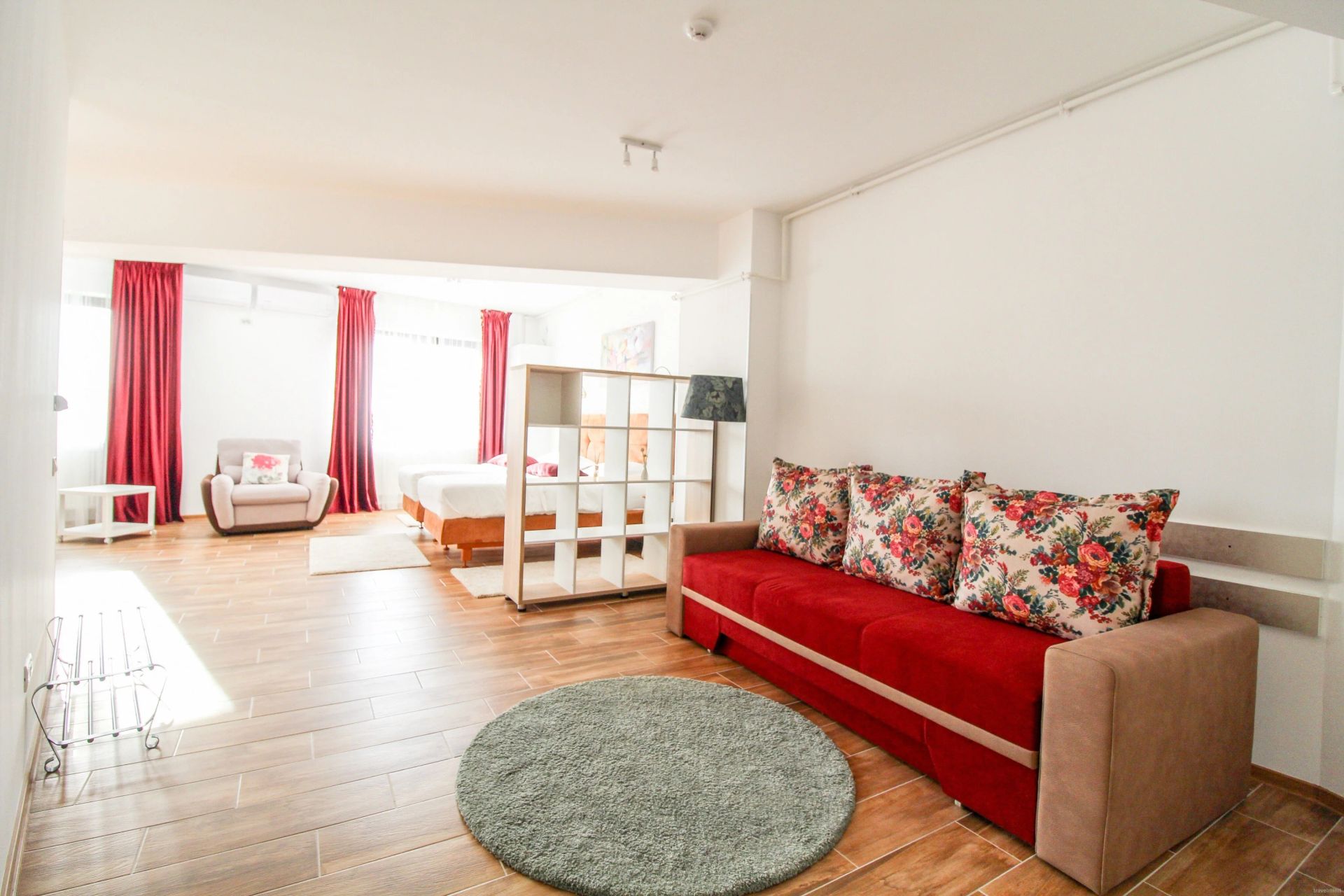
Avenue Parliament București este un hotel de patru stele situat pe Calea Rahovei 178, în București. Poziția sa centrală vă oferă acces facil către cele mai importante atracții ale capitalei. Camerele beneficiază de aer condiționat și Wi-Fi gratuit, iar în exterior veți descoperi o curte mare cu grădină amenajată, un loc plăcut pentru relaxare. Pentru familiile cu copii sunt disponibile un loc de joacă la exterior și pătuț pentru bebeluș, iar depozitul pentru bagaje vă permite să călătoriți fără griji. Toate aceste facilități sunt gândite pentru confortul dumneavoastră pe toată durata sejurului. Unitatea oferă și recepție non-stop, sală de conferințe, serviciu de trezire, precum și spălătorie și călcat contra cost. Toate camerele sunt pentru nefumători și includ televizor smart, baie proprie și încălzire centrală. Plata cu cardul este acceptată. În apropiere se află Palatul Parlamentului, Catedrala Mântuirii Neamului, Palatul Regal, Palatul Cotroceni și Palatul Patriarhal, obiective pe care le puteți vizita cu ușurință. Vă așteptăm să vă bucurați de șederea dumneavoastră, iar apoi să porniți să descoperiți Palatul Parlamentului.
FROM
420 lei per night
Apartment · 3 stars
București, Bucharest · 0.8 km
Apartament Tower Old City București
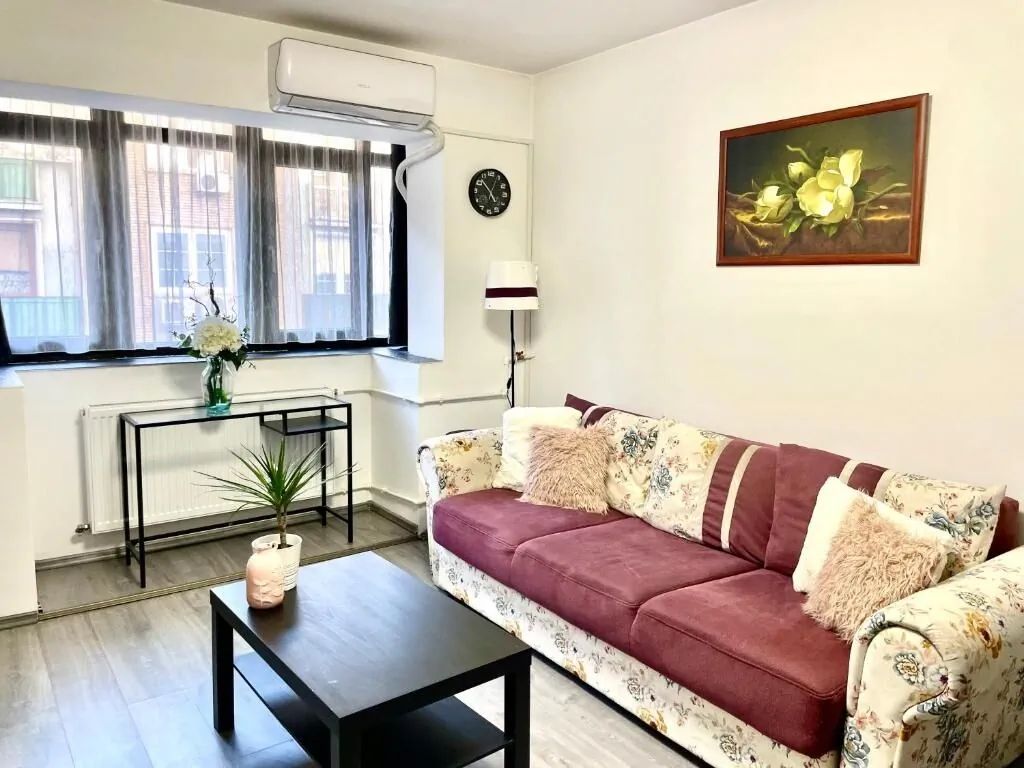
Comfort, relaxation and stunning views, all just steps away from the main attractions.
FROM
230 lei per night
Hotel · 4 stars
Sector 5, Bucharest · 0.8 km
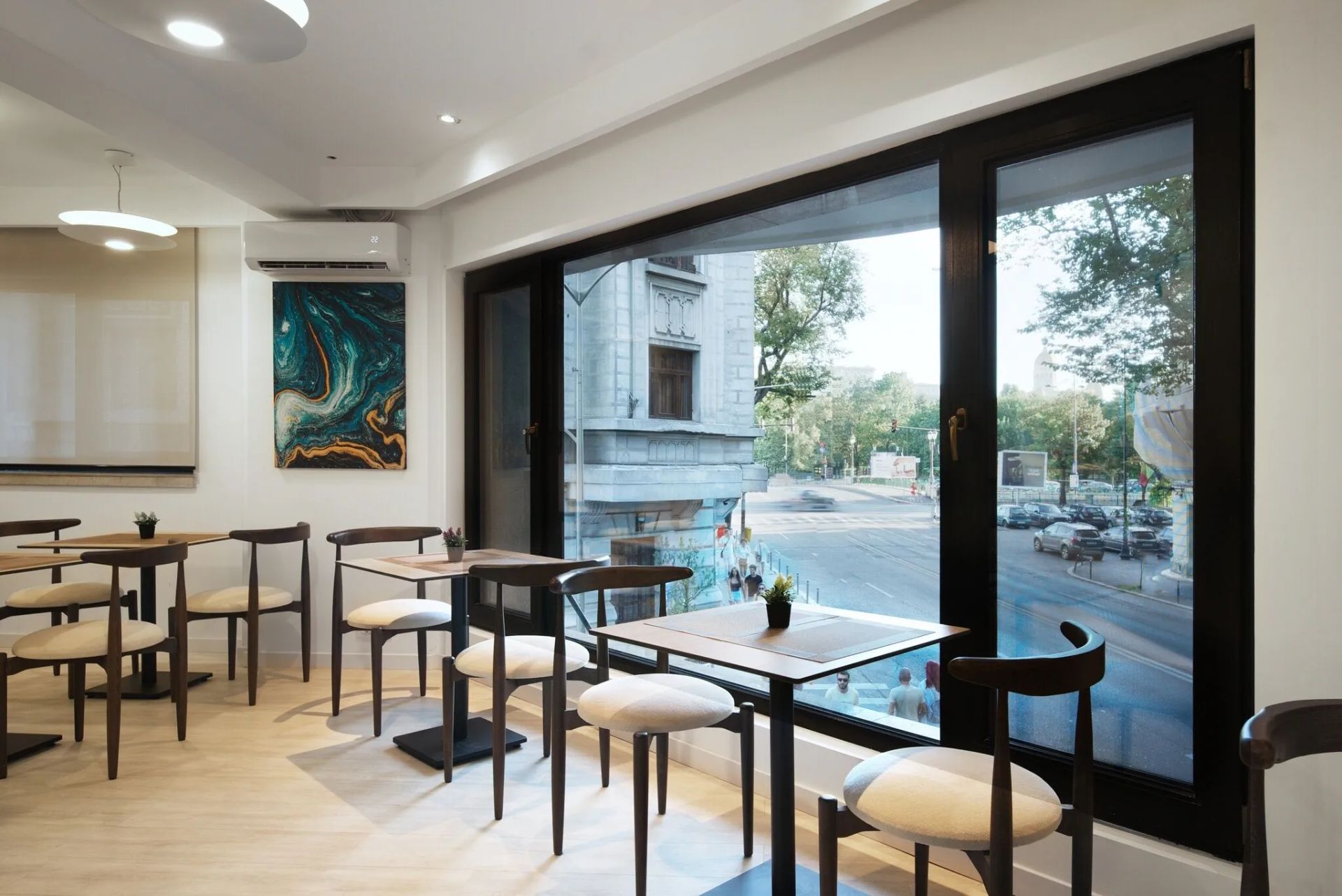
Hotel Riviera Palace București
Hotel Riviera Palace București este un hotel de patru stele situat în Sector 5, pe bulevardul Schitu Magureanu 6. Unitatea vă pune la dispoziție facilități moderne și utile pentru un sejur plăcut: Wi-Fi gratuit în toate spațiile, lift, seif în cameră și fier de călcat. În incintă funcționează un bar și un restaurant, iar pentru bagaje există un depozit special amenajat și securizat, astfel încât să vă bucurați de libertate de mișcare pe toată durata șederii dumneavoastră. Datorită poziției sale centrale în București, aveți acces facil către cele mai reprezentative obiective turistice din apropiere: Palatul Parlamentului, Catedrala Mântuirii Neamului, Palatul Regal, Muzeul Țăranului Român și Palatul Cotroceni, toate situate la mică distanță de hotel. Vă așteptăm într-un mediu confortabil, cu camere amenajate într-un stil elegant, potrivit atât pentru sejururi de relaxare, cât și pentru călătorii de afaceri. Recepția este disponibilă non-stop, iar serviciile sunt adaptate pentru a vă oferi tot confortul necesar pe întreaga durată a șederii dumneavoastră. Pentru dumneavoastră care sosiți cu autoturismul, în zonă există posibilități de parcare cu plată, în limita locurilor disponibile.
FROM
420 lei per night
Apartment · 3 stars
București, Bucharest · 0.8 km
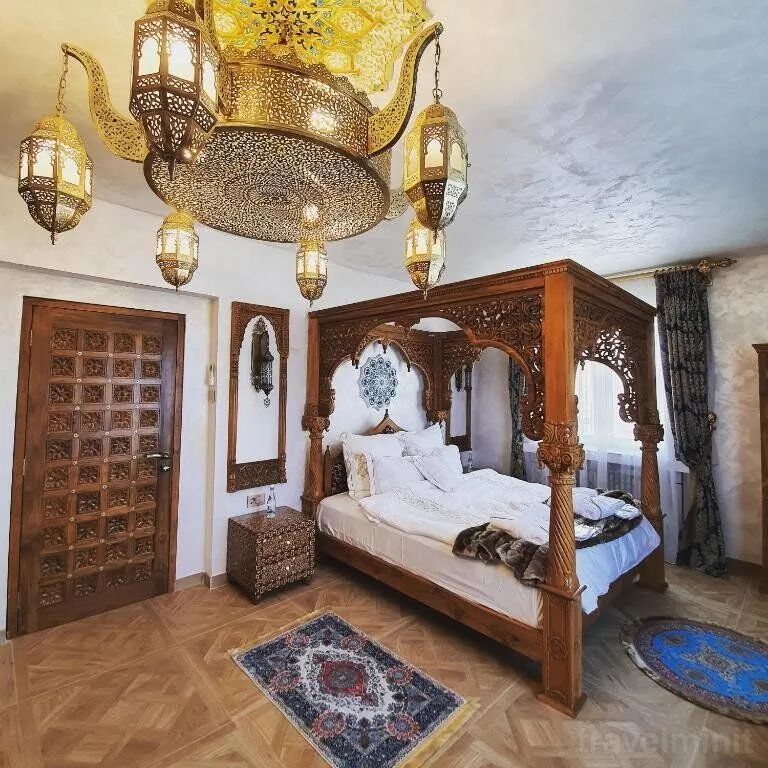
Apartament Taj Royal București
Comfort, relaxation and stunning views, all just steps away from the main attractions.
FROM
230 lei per night
Hotel · 3 stars
București, Bucharest · 0.8 km
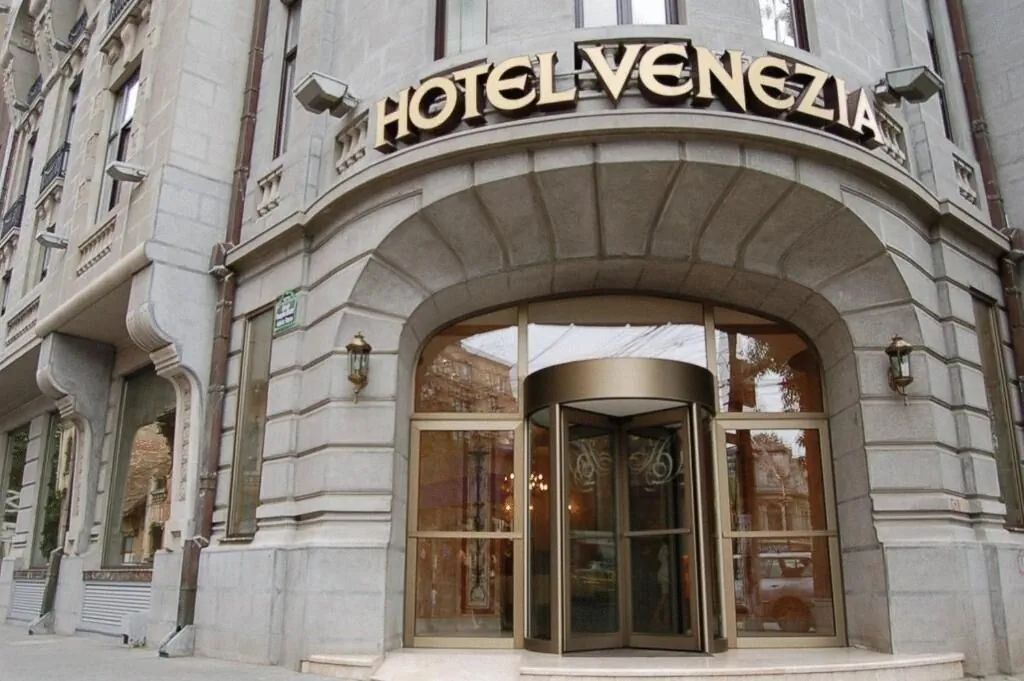
Hotel Zeus Essence Venezia
Familiile cu copii se vor simți binevenite la Hotel Zeus Essence Venezia din București, un loc unde confortul și atenția la detalii fac diferența între un sejur obișnuit și unul memorabil. Hotelul de trei stele oferă un mediu primitor, adaptat în special nevoilor celor care călătoresc împreună cu cei mici, într-o atmosferă relaxată. Unitatea pune la dispoziția dumneavoastră facilități practice pentru un sejur fără griji: Wi-Fi gratuit în întreaga incintă, cafenea unde vă puteți savura cafeaua de dimineață, fier de călcat și seif în fiecare cameră. Accesul este facilitat pentru persoanele cu dizabilități, iar liftul asigură deplasarea comodă între etaje. Pentru familiile cu bebeluși sunt disponibile pătuțuri și scaune înalte pentru copii, iar bagajele dumneavoastră pot fi păstrate în siguranță în depozitul special amenajat. Situat în centrul Bucureștiului, hotelul oferă acces rapid către cele mai reprezentative obiective turistice ale capitalei. În apropiere veți găsi Palatul Parlamentului, Catedrala Mântuirii Neamului, Palatul Regal, Muzeul Țăranului Român și Palatul Cotroceni, toate ușor de explorat pornind de aici și ideale pentru a descoperi istoria și cultura orașului. Vă așteptăm la Hotel Zeus Essence Venezia.
FROM
290 lei per night
BEFORE YOU HIT THE ROAD
Weather conditions in Bucuresti
Local forecast for Palace of the Parliament, Bucuresti, București

Real-time updated weather data
Much more to explore in this area
Nearby tourist attractions


București, Bucharest
People's Salvation Cathedral (National Cathedral of Romania)
Catedrală ortodoxă din București
0.4 km
Bucuresti, Bucharest
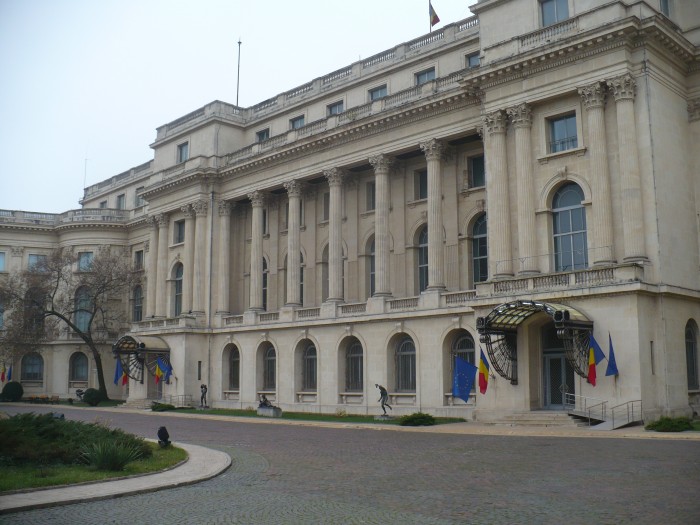
Royal Palace of Bucharest
Situat pe Calea Victoriei nr. 49-53, sector 1, localitatea Bucuresti; construit intre anii 1812-1815 a apartinut marelui logofat Dinicu Golescu, dar a fost...
1.5 km
Bucuresti, Bucharest
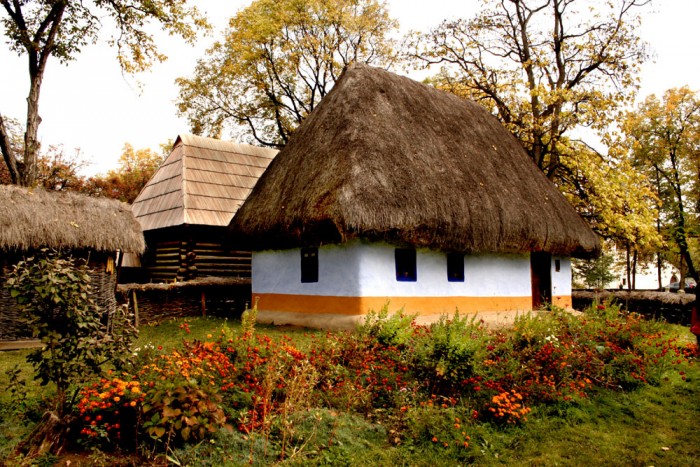
Dimitrie Gusti National Village Museum
Situat pe Soseaua Kiseleff nr.28-30, sectorul 1; a fost inaugurat in 1936; expozitia permanenta cuprinde 121 de complexe distincte, totalizand 338 de monumente,...
5.0 km

Bucuresti, Bucharest
Romanian Peasant Museum (Muzeul Național al Țăranului Român)
Situat pe soseaua Kiseleff nr.3, sector 1, localitatea Bucuresti; constructia intregului edificiu a durat 29 de ani, fiind finalizat in 1941; cladirea muzeului...
3.1 km

Bucuresti, Bucharest
Cotroceni Palace
Situat pe bulevardul Geniului nr.2, sector 6, localitatea Bucuresti; in anul 1679, domnitorul Serban Cantacuzino incepe constructia unei manastiri; opera sa a...
2.1 km

Bucuresti, Bucharest
Grigore Antipa National Museum of Natural History
Situat pe soseaua Kiseleff nr. 1, sector 1, localitatea Bucuresti; fondat in 1834 la initiativa lui Mihalache Ghica; are un bogat patrimoniu format din...
1.3 km
Bucuresti, Bucharest
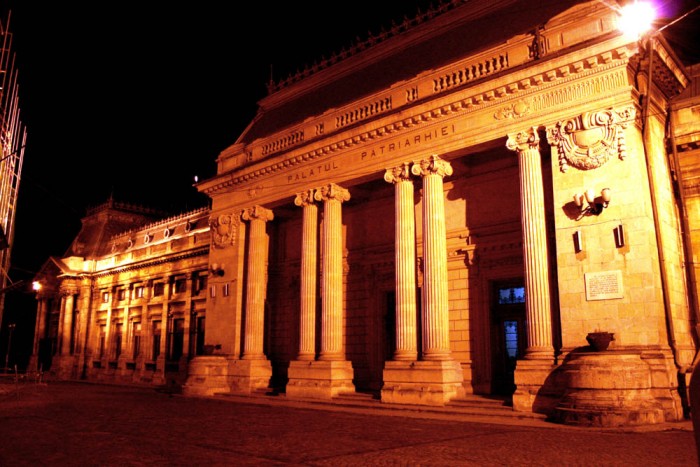
Patriarchal Palace
Situat pe aleea Dealul Mitropoliei nr.25, sector 4, localitatea Bucuresti; construit de statul roman, la inceputul secolului al XX-lea, pe locul fostei sali a...
1.0 km

Bucuresti, Bucharest
National Museum of Romanian History
Situat pe Calea Victoriei nr.12, sector 3, localitatea Bucuresti; adapostit de Palatul Postelor; a fost inaugurat in anul 1970 fiind cel dintai muzeu de...
1.0 km
Bucuresti, Bucharest
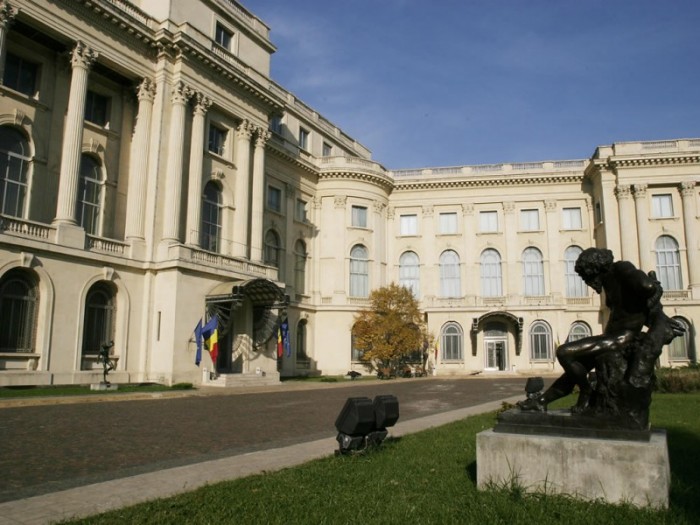
National Museum of Art of Romania
Situat pe Calea Victoriei nr. 49-53, sector 1; deschis in 1948, in vremea lui Alexandru Ioan Cuza;cladirea era pe atunci locuinta domneasca, in timpul lui...
1.5 km

2.4 km
Bucuresti, Bucharest
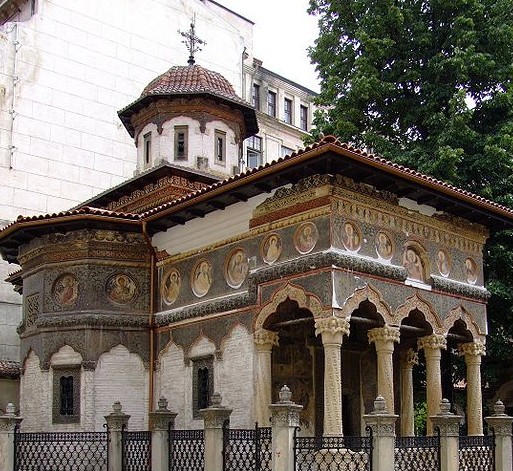
Stavropoleos Monastery Church
Situata pe strada Stavropoleos nr.4, localitatea Bucuresti; poarta hramurile: "Sfintii Arhangheli Mihail si Gavriil", "Sfantul Atanasie cel Mare", "Sfantul...
1.1 km
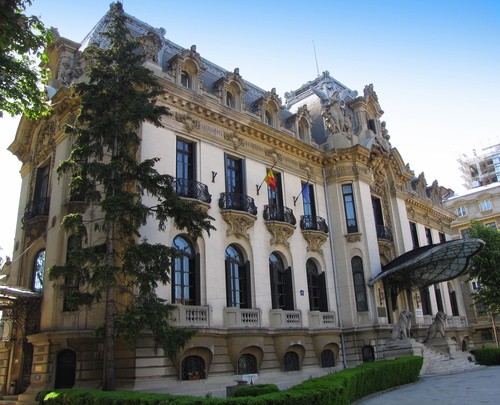
Bucuresti, Bucharest
Cantacuzino Palace
Situat pe Calea Victoriei nr.141, sector 1, localitatea Bucuresti; construit intre anii 1898-1900, in stil baroc francez al epocii Ludovic al XVI-lea, pentru...
1.7 km
Cultural life and traditions
Events in the Palace of the Parliament area
Medieval festivals, traditional fairs, concerts and local activities recommended in Muntenia (Wallachia).

History and Royal Architecture

Bucuresti, County of București
Days of Royalty and Heritage in the Prahova Valley
Historical conferences open to the public, themed tours of royal architecture, documentary screenings and exhibitions of vintage photographs.
WHEN
May 10-12, 2026


Gastronomy and Oenology
Dealu Mare, County of București
The Prahova Wine Festival on the Wine Route
Guided tastings of Fetească Neagră along the famous Wine Route, visits to historic wineries, and meetings with leading winemakers.
WHEN
Every weekend (September - October)
Hiking and Adventure
Bucegi Mountains, București County
Guided Mountain Tour in the Bucegi Mountains
Guided mountain tours led by mountain rescue personnel to iconic panoramic viewpoints and spectacular alpine waterfalls.
WHEN
Daily during the season (June - October)
On foot, exploration gains depth
Discover the surroundings and local geography
Explore the trails, terrain, and natural landmarks around Palace of the Parliament.

Guides and practical tips
Useful travel articles
Travel guides, practical recommendations and tourist itineraries for Muntenia (Wallachia).

Tourist guide
Top 5 Atracții Turistice și Trasee Montane în Zona Moieciu - Bran
Descoperă cele mai spectaculoase peisaje carstice, chei adânci și cetăți medievale din imediata apropiere a stațiunii Moieciu.

Tourist guide
Ghid de Drumeție: Traseul Moieciu de Sus spre Platoul Bucegi
Un itinerariu montan de o frumusețe rară ce urcă din Valea Băngăleasa spre Poiana Guțanu și crestele maiestuoase ale Bucegilor.

Tourist guide
Castelul Bran: Istorie, Legende și Secrete Medievale
Află adevărata poveste a fortăreței medievale din Pasul Bran, reședința de suflet a Reginei Maria a României.
THE JOURNEY STARTS WITH AN IDEA
The next story is on the way.
From the first stop to the last stay, make room for a new Romania.
