


CASTLE · CRISANA
Oradea Fortress

Baile, Bihor County
Add location to your trip planner.
Practical access information

VISITING HOURS
Check the local visiting schedule

TICKET PRICE
Information available at the cashier's desk

RECOMMENDED VISIT DURATION
1-2 hours


Visitor information and guide
 Navigate with Google Maps

ABOUT ORADEA FORTRESS
A Renaissance Fortress on Europe’s Frontier
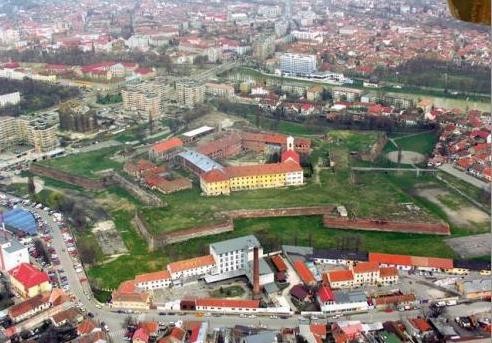
Oradea Fortress rises majestically in the heart of Bihor County, representing one of the most impressive and well-preserved examples of Renaissance military architecture in Romania and Central Europe. Initially constructed in the 11th century as a royal fortification and ecclesiastical center, the fortress underwent multiple transformations over the centuries, reaching its definitive pentagonal bastion form during the Habsburg era. Designed in the trace italienne style with direct influences from Italian Renaissance military architecture, it was strategically positioned at the border between the Kingdom of Hungary and the Ottoman Empire. For centuries, this fortress served as a bastion of Western Christianity, a cultural bridge between Central and Southeastern Europe, and a silent witness to the great conflicts that shaped the continent—from Tatar invasions to Habsburg expansion.
The fortress’s heritage significance extends far beyond national borders, recognized as a premier European monument illustrating the evolution of fortification art from the late Middle Ages to the early modern period. Like other great Central European fortresses in Prague, Vienna, or Budapest, Oradea represents an architectural palimpsest where Romanesque, Gothic, Renaissance, and Baroque layers overlap in impressive harmony, offering visitors a journey through the military, religious, and artistic history of the continent.
Historical Roots and Medieval Legacy
The founding of the fortress is closely tied to King Ladislaus I of Hungary, later canonized as Saint Ladislaus, who around 1083 ordered the establishment of the Bishopric of Oradea and the construction of a royal fortification to defend the eastern frontier of the Kingdom of Hungary. During this period, Central Europe was consolidating its Christian states, and Oradea stood at the intersection of major trade routes linking Western kingdoms to the Byzantine world and the Black Sea basin. The fortified complex served simultaneously as a royal residence, spiritual center, and defensive stronghold against the growing Ottoman threat at Europe’s gates.
After the devastating Tatar invasion of 1241, which ravaged Central Europe from Kiev to the Adriatic Sea, the complex was rebuilt in a more robust Gothic style, reflecting new military realities and defensive techniques developed in response to the Mongol trauma. This Gothic period left behind an impressive royal necropolis, unique in the region for its European stature, where figures of continental significance were interred, including Emperor Sigismund of Luxembourg, Holy Roman Emperor and King of Hungary, alongside his wife Maria, their daughter, and saints Ladislaus and Emeric. The presence of these historical figures places Oradea on the map of Europe’s great royal necropolises, alongside cathedrals in Prague, Vienna, and Westminster, underscoring the city’s strategic importance in medieval Central European politics.
Transition to Baroque and Habsburg Reconstruction
The Protestant Reformation and 17th-century military conflicts marked a radical transformation for the fortress. The old Romanesque cathedral, a witness to centuries of Christian spirituality, was demolished during religious confrontations between Catholics and Protestants, with its materials ingeniously repurposed to strengthen fortifications against the increasingly pressing Ottoman threat. This reuse of materials, a common practice in European military architecture from the Renaissance onward, illustrates the adaptability and pragmatism of the era’s military engineers.
The major and definitive reconstruction took place under Empress Maria Theresa in the second half of the 18th century, when the fortress acquired its pentagonal shape with five imposing bastions, surrounded by wide moats and massive stone walls. This trace italienne military architecture reflects the sophisticated defensive strategies of the Habsburg Empire and the direct influence of Italian engineers summoned to the Viennese court, comparable to fortified systems in Palmanova, northern Italy, or those in Transylvania built under Austrian architects. The fortress thus represents a crucial point on the Christian frontier against the Ottoman Empire, a true boundary between two worlds that clashed militarily and culturally for centuries.
Baroque Masterpiece: The Basilica and Ecclesiastical Ensemble
At the heart of the fortress lies the largest Baroque ensemble in Romania, a unique complex comprising the Roman Catholic Basilica of the Assumption of Mary, the Episcopal Palace, and the Canons’ Row. The present basilica, constructed between 1752 and 1780 based on designs by Italian architect Giovanni Battista Ricca and completed by Franz Anton Hillebrandt, the Habsburg court’s master architect (also responsible for the eastern wing of Schönbrunn Palace), stands as a reference monument of Central European Austrian Baroque. Its imposing style, with two massive towers and a monumental façade, evokes the great Baroque basilicas of Bavaria and Austria, conceived as a symbol of the Habsburg Empire’s spiritual and temporal power in this border region.
The impressive interior houses exceptional works of art attesting to direct links with major European artistic schools. The main altar, carved from Carrara marble by Italian master Triscornia in 1897, boasts ornamental richness comparable to the altars of Italy’s great cathedrals. Frescoes in the style of Correggio, painted by Austrian artist Johann Schopf in 1778, bring the illusionistic air of Emilia-Romagna’s great painting schools into the sacred space. A monumental organ from 1780, the work of master Fridolin Festl and personally donated by Empress Maria Theresa, completes the artistic landscape as an instrument of rare historical value. The main altar painting, The Assumption of the Virgin Mary, is the work of Austrian painter Vincent Fischer, a disciple of Tiepolo’s style, bringing the echo of 18th-century Venetian artistic currents to the fortress. In 1991, Pope John Paul II granted it the rank of basilica minor, recognizing its spiritual and artistic importance on a European scale.
Musical Connections and European Personalities
A fascinating chapter in the fortress’s history is the period from 1757 to 1763, when musician Michael Haydn, younger brother of Joseph Haydn and close friend of Wolfgang Amadeus Mozart, served as organist and Kapellmeister of Oradea’s cathedral. This presence directly links the fortress to the great musical currents of the Viennese Enlightenment, the musical salons of Central Europe, and Mozart’s intimate circle. Michael Haydn composed numerous religious works during this time, and his presence illustrates Oradea’s role as a cosmopolitan cultural center, an integral part of the artistic networks connecting Vienna, Salzburg, and Prague to the empire’s more distant regions.
Additionally, the fortress preserves the memory of King Stephen II of Hungary, one of the great founders of the medieval Hungarian kingdom, whose presence underscores the historical continuity between the Árpád and Habsburg eras. The reliquary containing the relics of Saint Ladislaus, housed within the fortress, remains an important pilgrimage site for Catholics across the region, recalling the royal cult developed around this saint-king, venerated throughout Central Europe from Kraków to Zagreb.
Museums and Layers of Military Memory
The fortified complex houses the Military Museum, inaugurated in a Viennese Secession-style building constructed in 1895 for the Hungarian army within the Austro-Hungarian Empire. This structure, with its floral Art Nouveau decorations, offers an interesting contrast to the fortress’s medieval and Baroque walls, illustrating architectural evolution from the 11th to the late 19th century. The museum presents documents and exhibits related to the 11th Infantry Division and its veterans, offering insight into the period when Oradea was part of the Dual Monarchy’s military structure, alongside garrisons in Vienna, Prague, and Budapest. Alongside it, the Bihor County History Museum completes the cultural offering, showcasing artifacts that illustrate the continuity of human civilization in this region from prehistory to the present.
Visitor’s Guide and Contemporary Experience
Today, the fortress functions as a dynamic cultural center, hosting classical music concerts inside the basilica, theater festivals in the inner courtyards, and events that revive the site’s historical atmosphere, bringing it closer to contemporary European and international audiences. Visitors can explore the defensive moats, climb the massive walls for panoramic views of the city and the Crișul Repede River, visit the royal crypt, and discover the museum collections along a route that blends military history with sacred art.
Admission fees and opening hours are available at the complex’s ticket office or on the official website [https://varad.org/](https://varad.org/). The fortress is open year-round, except on certain religious holidays when access to the basilica may be restricted for services. It is recommended to allocate at least two to three hours to fully appreciate the architectural complexity and rich heritage of the ensemble. Access to the inner precinct and monuments allows visitors to discover a unique heritage where military history, sacred art, and cultural life intertwine in an architectural landscape of rare beauty—a witness to centuries of European history, from the crown of the Holy Roman Empire to the Baroque splendor of the Viennese court.
Media gallery
Discover Oradea Fortress in pictures

24 photos · Architecture, courtyards and captivating details


Image source: Wikimedia Commons · Public domain photos · Free license
STAY A FEW DAYS, DISCOVER THE MAGIC
Accommodation in the Oradea Fortress area

Holiday home · 3 stars

Oradea, Bihor County · 0.1 km
Guesthouse Cetate Oradea
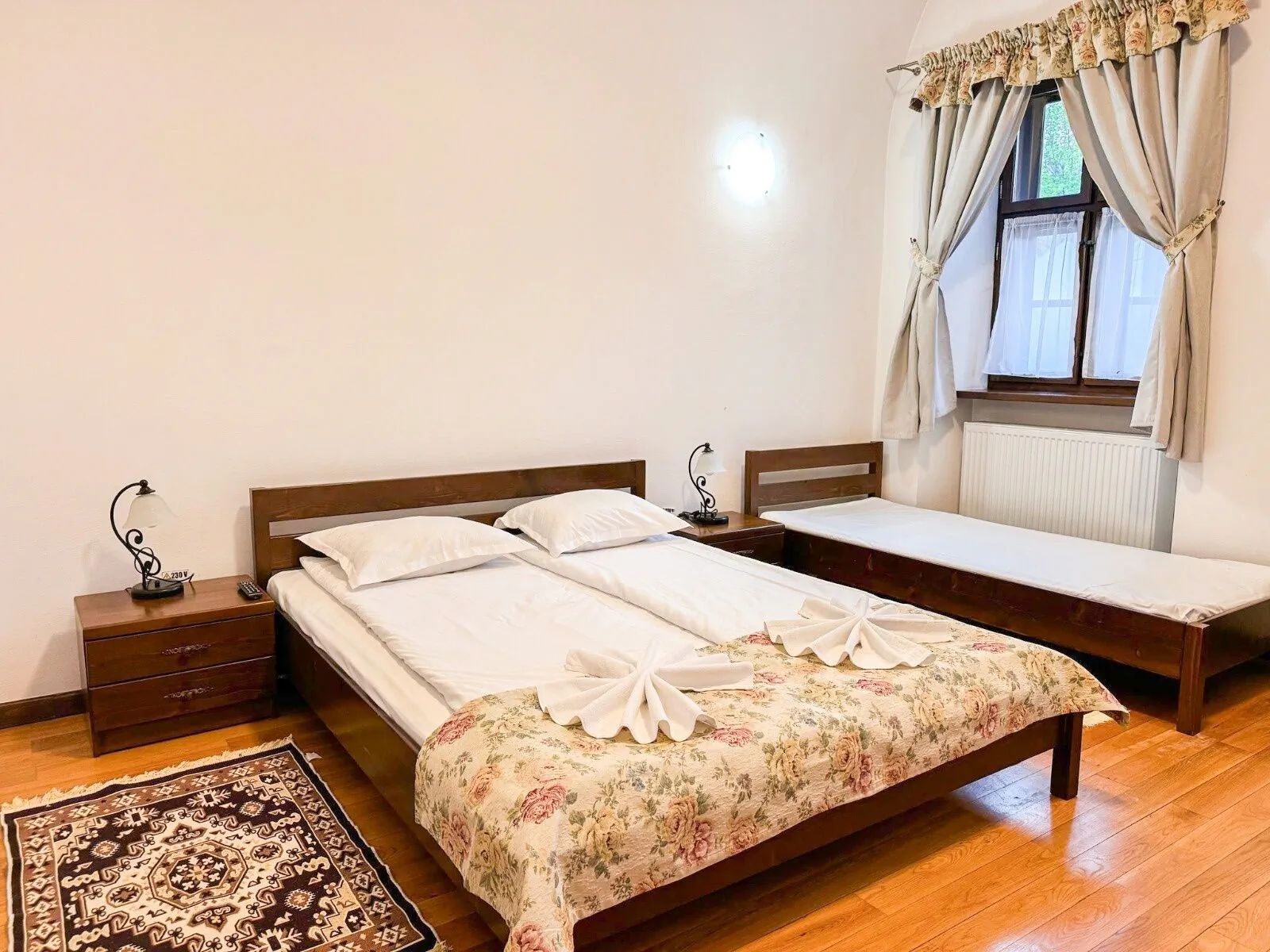
Parcarea privată gratuită reprezintă un avantaj semnificativ pentru Guesthouse Cetate Oradea, situată în orașul Oradea, județul Bihor. Această casă de închiriat integral, clasificată cu trei stele, pune la dispoziția dumneavoastră și accesul facil pentru persoanele cu dizabilități, precum și conexiune Wi-Fi gratuită în toate încăperile, asigurând un sejur confortabil din prima clipă. Amplasată în incinta impresionantei Cetăți Oradea, unitatea oferă 16 camere spațioase și un apartament dedicat, creând un mediu primitor și relaxant pentru toți oaspeții. Fiecare spațiu este amenajat cu atenție pentru a vă oferi intimitatea și confortul necesare după o zi plină de explorare a orașului, într-un cadru care îmbină armonios tradiția istorică cu facilitățile moderne. Din această locație centrală, puteți vizita cu ușurință Cetatea Oradea, Biserica cu Lună din Oradea, Bazilica Romano-Catolică din Oradea, Catedrala Învierea Domnului din Oradea și Palatul Vulturul Negru. Străduțele pietruite ale zonei istorice și atmosfera vibrantă a Pieței Emanuil Gojdu completează experiența unui sejur în centrul orașului. Guesthouse Cetate Oradea este alegerea potrivită pentru călătorii care doresc să descopere centrul istoric al Oradei într-un cadru autentic, beneficiind de intimitatea unei vile întregi și de acces facil la principalele atracții turistice ale orașului.
FROM
280 lei per night

Hotel · 3 stars
Oradea, Bihor County · 0.2 km
Alive Hotel Oradea
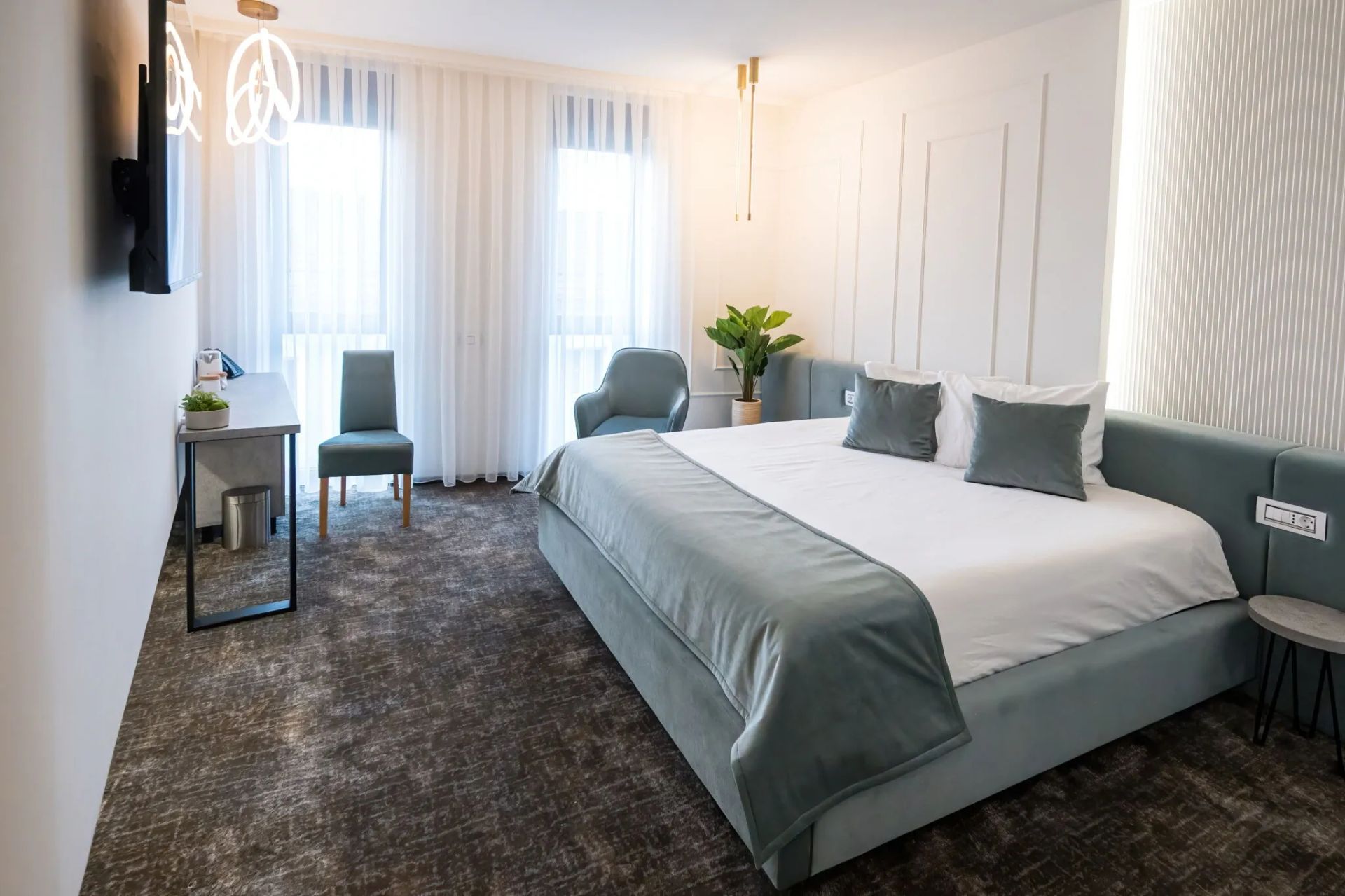
Pe strada Calea Clujului din Oradea, într-o zonă bine conectată a orașului, se află Alive Hotel Oradea, un hotel clasificat cu trei stele care oferă cazare plăcută într-un mediu urban dinamic din județul Bihor. Pentru confortul dumneavoastră, unitatea oferă facilități practice pe toată durata șederii. Aveți acces la Wi-Fi gratuit în întregul hotel, parcare privată gratuită și o stație de încărcare pentru vehicule electrice. În camere găsiți seif pentru obiectele de valoare, iar la recepție puteți folosi depozitul pentru bagaje. Există lift pentru deplasare ușoară între etaje, iar familiile cu bebeluși pot solicita un pătuț special. De asemenea, fierul de călcat este disponibil pentru a vă aranja hainele înainte de ieșirile în oraș. Poziția din strada Calea Clujului vă permite să ajungeți ușor la principalele obiective turistice. În apropiere se află Cetatea Oradea, Biserica cu Lună din Oradea, Bazilica Romano-Catolică din Oradea, Catedrala Învierea Domnului din Oradea și Palatul Vulturul Negru, astfel încât puteți explora cu ușurință centrul istoric al orașului. Vă așteptăm să vă bucurați de șederea la Alive Hotel Oradea și să porniți apoi într-o plimbare spre Biserica cu Lună din Oradea.
FROM
290 lei per night
Guesthouse · 3 stars
Oradea, Bihor County · 0.4 km
Camere de închiriat Paula Apartment & Rooms Oradea
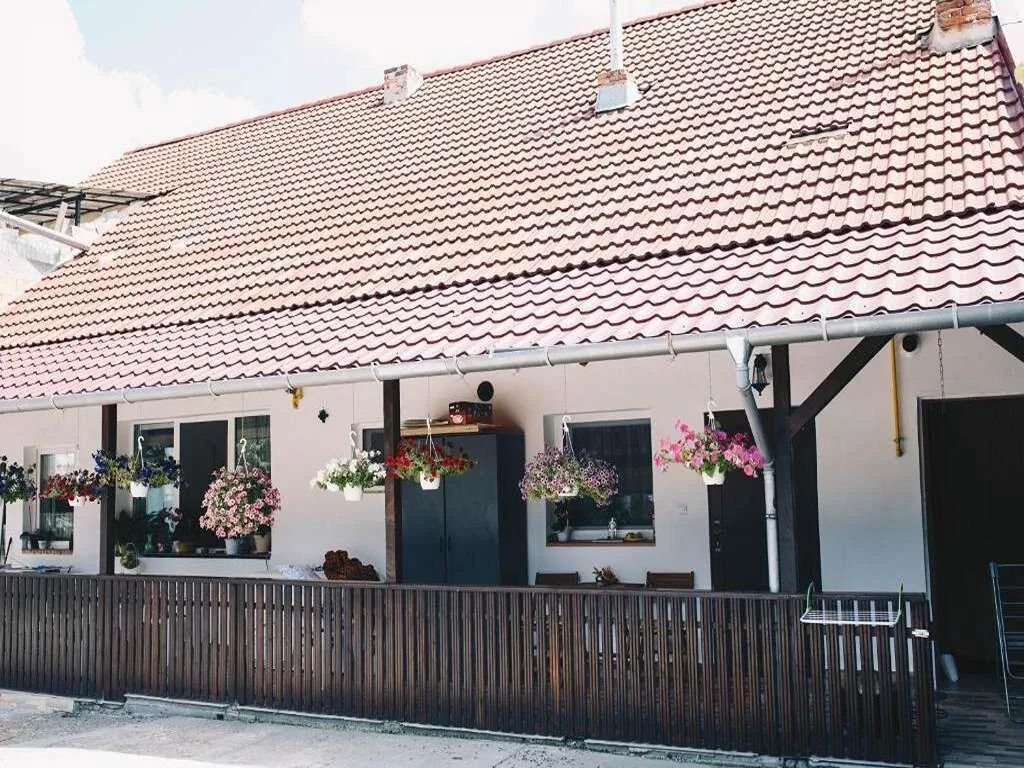
Puteți începe explorarea orașului cu o vizită la Cetatea Oradea, unul dintre cele mai importante monumente din zonă. Pensiunea turistică de trei stele din Oradea reprezintă un punct de plecare comod pentru a descoperi istoria și atmosfera acestui oraș din județul Bihor. Cele patru camere sunt mobilate confortabil și dotate cu aer condiționat și grup sanitar propriu. Aveți la dispoziție Wi-Fi gratuit, parcare privată gratuită și fier de călcat. În exterior, curtea mare și grădina amenajată oferă un spațiu plăcut pentru relaxare, iar grătarul sau barbeque-ul vă permit să organizați mese în aer liber. Preluarea camerelor se face de la ora 15:00, iar eliberarea acestora până la ora 11:00. La recepție se vorbește atât română, cât și engleză. Plata rezervării se poate realiza prin numerar, card bancar, transfer bancar, card de vacanță sau voucher. În apropiere puteți vizita și Biserica cu Lună din Oradea, Bazilica Romano-Catolică din Oradea, Catedrala Învierea Domnului din Oradea și Palatul Vulturul Negru, fiecare cu propria sa poveste arhitecturală. Vă așteptăm să porniți de aici într-o plimbare spre Biserica cu Lună din Oradea și să vă bucurați de fiecare colț al acestui oraș.
FROM
240 lei per night
Guesthouse · 3 stars
Oradea, Bihor County · 0.4 km
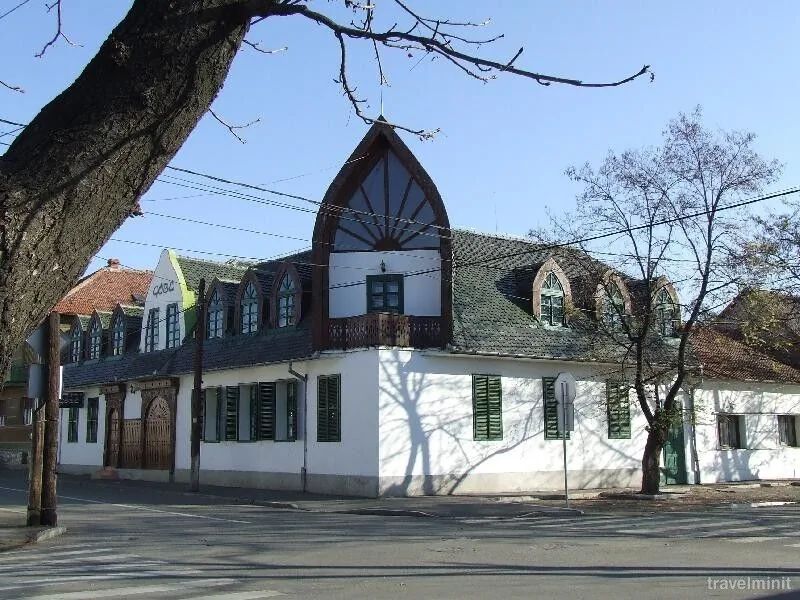
Pensiunea Góbé Csárda Oradea
Pe strada Constantin Dobrogeanu Gherea din Oradea se află Pensiunea Góbé Csárda Oradea, o unitate de cazare de 3 stele care îmbină tradiția secuiească cu un confort modern într-un cadru primitor. Pentru confortul dumneavoastră sunt disponibile facilități precum Wi-Fi gratuit, parcare privată gratuită, o curte mare și o grădină amenajată pentru relaxare, iar pentru familiile cu copii mici un pătuț pentru bebeluș. Pensiunea este formată din mai multe clădiri care înconjoară o curte interioară. Spațiile de cazare includ camere cu două și trei paturi, alături de trei apartamente. Fiecare cameră este mobilată în stilul tradițional al unei microregiuni secuiești, cu mobilier pictat manual, interior lambrisat și tavane cu grinzi în stilul caselor țărănești. Toate camerele dispun de baie privată și televizor, iar unele beneficiază și de aer condiționat. În apropiere puteți descoperi Cetatea Oradea, Biserica cu Lună din Oradea, Bazilica Romano-Catolică din Oradea, Catedrala Învierea Domnului din Oradea și Palatul Vulturul Negru. Restaurantul unității găzduiește mese festive, botezuri și banchete, oferind mâncăruri clasice tradiționale într-o ambianță rustică. Vă așteptăm la Pensiunea Góbé Csárda Oradea.
FROM
240 lei per night
Apartment · 3 stars
Oradea, Bihor County · 0.4 km
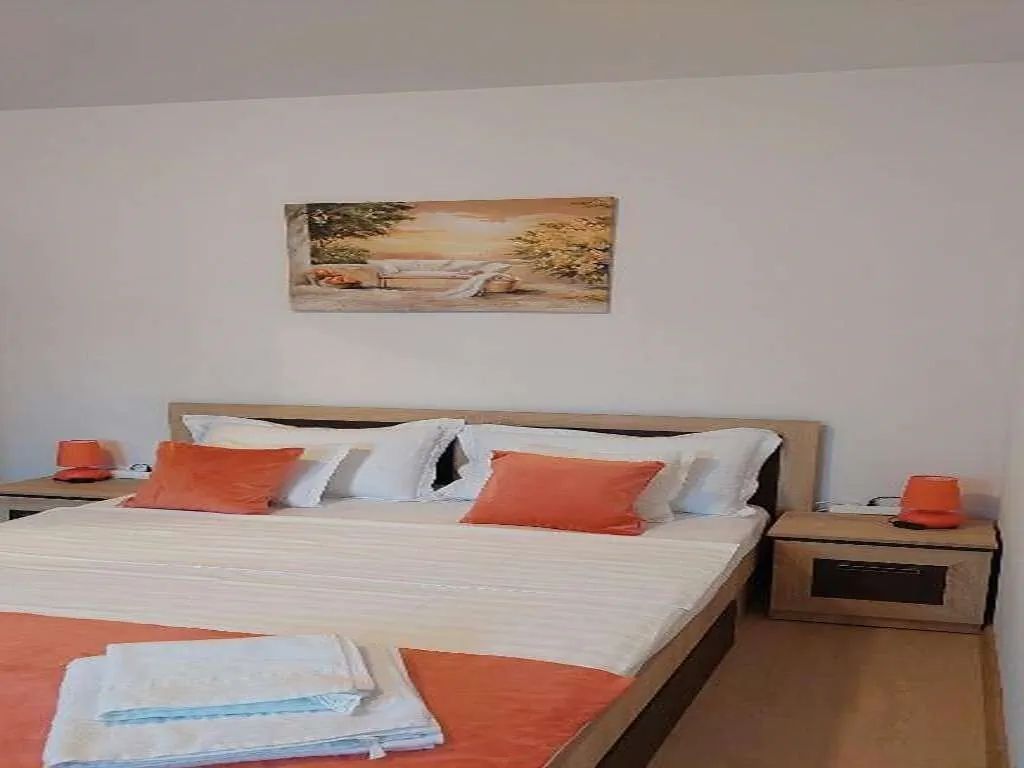
Apartament La Rascu 2 Oradea
Comfort, relaxation and stunning views, all just steps away from the main attractions.
FROM
230 lei per night
Apartment · 3 stars
Oradea, Bihor County · 0.4 km
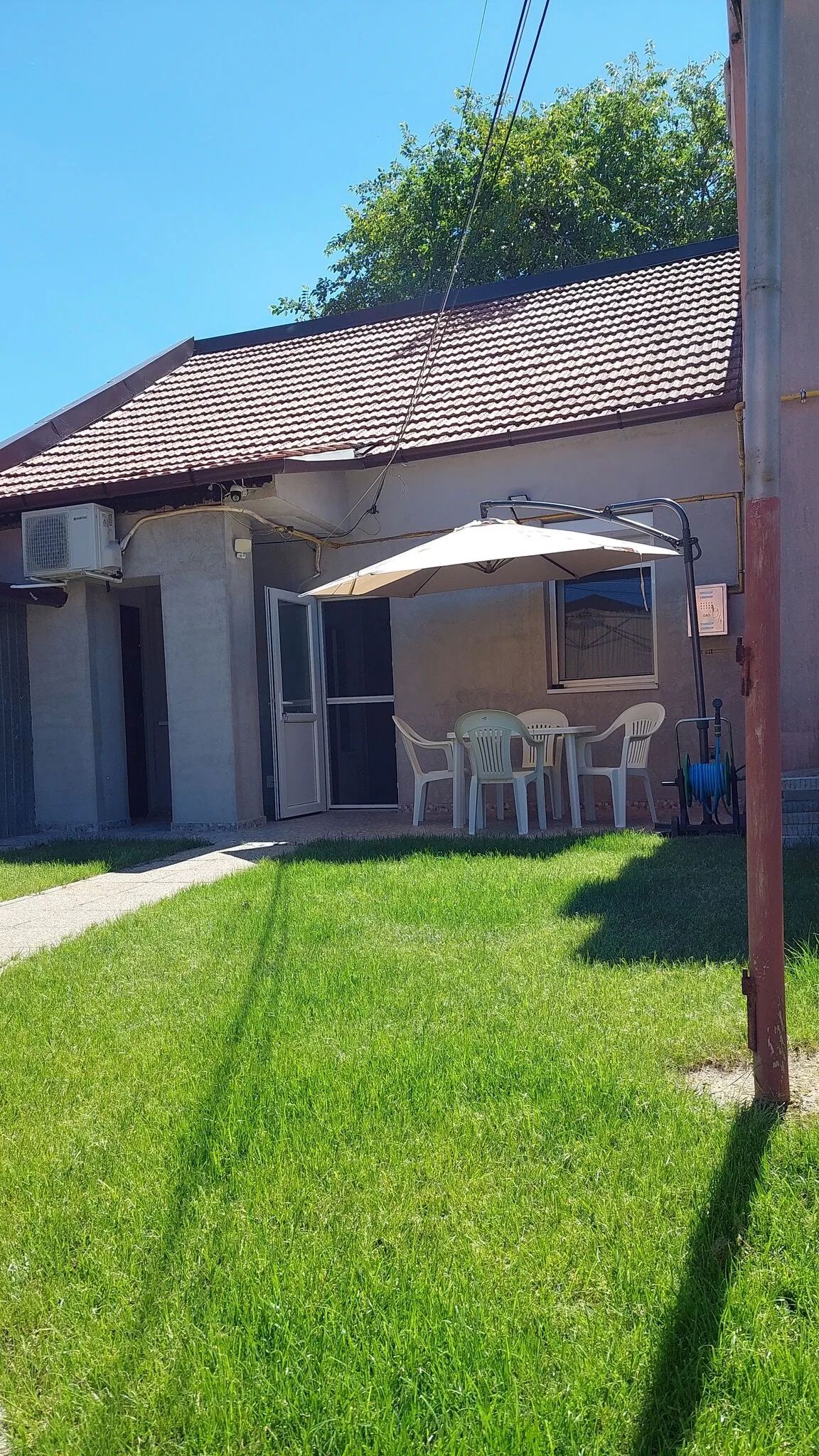
Apartament La Rascu 1 Oradea
Apartament de închiriat cu trei stele în Oradea, județul Bihor, situat pe strada Constantin Dobrogeanu Gherea numărul 16. Unitatea oferă un dormitor cu pat matrimonial și un living cu bucătărie open, complet dotată cu tot ce este necesar pentru un sejur confortabil. Beneficiați de Wi-Fi gratuit în întregul apartament, seif pentru păstrarea obiectelor de valoare și acces facilitat pentru persoanele cu dizabilități. Check-in-ul se realizează în regim self-check-in, iar gazda comunică fluent în română, maghiară, engleză și franceză. În exterior, curtea mare și grădina amenajată oferă un spațiu generos de relaxare, iar grătarul sau barbeque-ul vă permit să organizați mese plăcute în aer liber. Aveți la dispoziție și parcare pentru biciclete, precum și un depozit pentru bagaje. În apropiere se află Cetatea Oradea, Biserica cu Lună din Oradea, Bazilica Romano-Catolică din Oradea, Catedrala Învierea Domnului din Oradea și Palatul Vulturul Negru, obiective pe care le puteți vizita cu ușurință. Vă așteptăm la Apartament La Rascu 1 Oradea.
FROM
230 lei per night
BEFORE YOU HIT THE ROAD
Weather conditions in Baile
Local forecast for Oradea Fortress, Baile, Bihor

Real-time updated weather data
Much more to explore in this area
Nearby tourist attractions


7.4 km

Baile, Bihor County
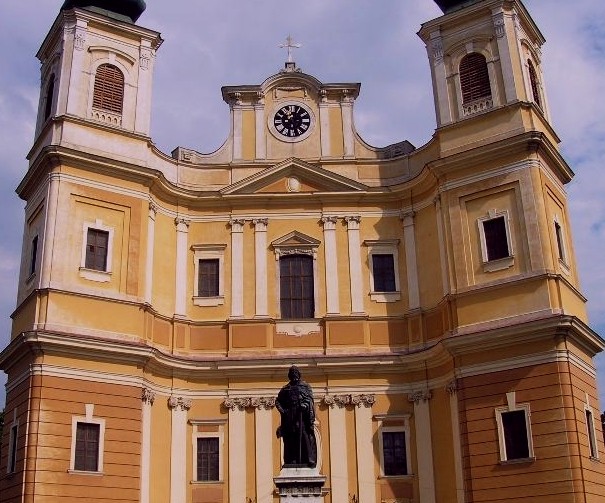
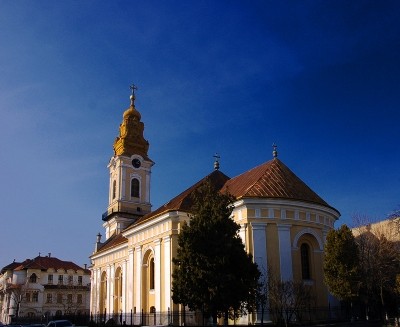
St. Mary's Roman Catholic Basilica of Oradea
Situata pe strada Sirul Canonicilor nr.2, localitatea Oradea;este cel mai mare edificiu baroc de pe teritoriul Romaniei si printre cele mai frumoase bazilici...
2.1 km
Baile, Bihor County
Moon Church of Oradea
Situata pe strada Iuliu Maniu, localitatea Oradea; constructia sa a inceput in anul 1800, cand episcopul greco-catolic Ignatiu Darabant a demolat biserica...
1.0 km

45.9 km

0.2 km

Baile, Bihor County
Black Eagle Palace
Situat pe strada Independentei nr.1, municipiul Oradea;este un monument arhitectonic reprezentativ al orasului; a fost construit intre 1907-1908; pe locul...
1.0 km

1.2 km

Baile, Bihor County
Church of the Order of Mercy (Archangel Church) in Oradea
Situata pe strada Independentei nr.1, localitatea Oradea;construita in secolul al- XVIII-lea; sculpturile sale de lemn sunt de o rara frumusete; in cripta...
0.7 km
Baile, Bihor County
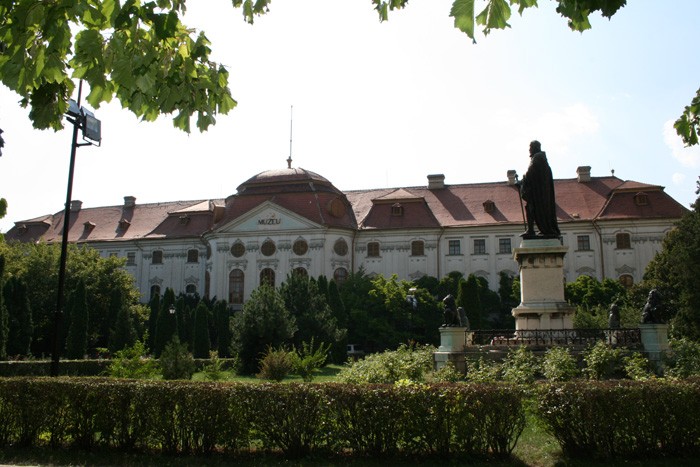
Criș Country Museum
Situat pe strada Armatei nr.1A, localitatea Oradea; organizat pe 5 sectii: Arheologie, Istorie, Stiintele naturii, Arta si Etnografie; Sectia de Arheologie:...
1.5 km
Baile, Bihor County
Capuchin Church in Oradea
Situata pe strada Traian Mosoiu nr.21, localitatea Oradea;cunoscuta si sub denumirea de biserica manastirii Capucinilor "Vizita Sfantei Fecioare" ; ordinul...
0.9 km
Baile, Bihor County
Archangels Michael and Gabriel Orthodox Church in Oradea
Situata in Piata Tineretului, localitatea Oradea;este una dintre cele mai vechi asezari de cult, de religie ortodoxa din oras; a fost construita in perioada...
1.1 km
Baile, Bihor County
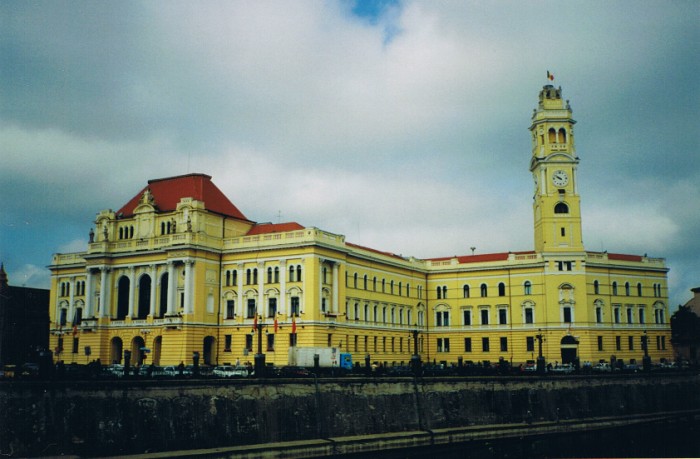
Oradea City Hall Palace
Amplasat in partea de nord-vest a Pietei Centrale (Unirii) din Oradea;a fost inaltat intre anii 1902-1903; se afla pe fostul amplasament al episcopiei catolice...
1.2 km
Cultural life and traditions
Events in the Oradea Fortress area
Medieval festivals, traditional fairs, concerts and local activities recommended in Crisana.

Traditions and Crafts

Baile, County of Bihor
Days of Local Culture and Traditional Tourism
Open workshops featuring pottery, wood carving, and authentic folklore demonstrations by local artisans.
WHEN
May 15-17, 2026


Traditional Cuisine
Baile, County of Bihor
The Fair of Traditional Products and Local Cuisine
Traditional products, aged cheeses, mountain honey and local delicacies prepared according to ancient recipes.
WHEN
Every weekend

Culture and Photography
Baile, County of Bihor
Themed and Photographic Guided Tour of Cultural Heritage
A guided tour designed for history buffs, nature lovers, and photography enthusiasts, showcasing the most spectacular views in the area.
WHEN
Daily schedule available upon request
On foot, exploration gains depth
Discover the surroundings and local geography
Explore the trails, terrain, and natural landmarks around Oradea Fortress.

Guides and practical tips
Useful travel articles
Travel guides, practical recommendations and tourist itineraries for Crisana.

Tourist guide
Top 5 Atracții Turistice și Trasee Montane în Zona Moieciu - Bran
Descoperă cele mai spectaculoase peisaje carstice, chei adânci și cetăți medievale din imediata apropiere a stațiunii Moieciu.

Tourist guide
Ghid de Drumeție: Traseul Moieciu de Sus spre Platoul Bucegi
Un itinerariu montan de o frumusețe rară ce urcă din Valea Băngăleasa spre Poiana Guțanu și crestele maiestuoase ale Bucegilor.

Tourist guide
Castelul Bran: Istorie, Legende și Secrete Medievale
Află adevărata poveste a fortăreței medievale din Pasul Bran, reședința de suflet a Reginei Maria a României.
THE JOURNEY STARTS WITH AN IDEA
The next story is on the way.
From the first stop to the last stay, make room for a new Romania.
