


CASTLE · TRANSYLVANIA
Orăștie Citadel

Hunedoara, Hunedoara County
Add location to your trip planner.
Practical access information

VISITING HOURS
Monday: 12:00 PM – 5:00 PM · Tuesday–Sunday: 9:00 AM – 5:00 PM (in summer until 8:00 PM)

TICKET PRICE
Adults: 45 RON · Students: 11 RON · Seniors: 23 RON · Guided tour included

RECOMMENDED VISIT DURATION
2-3.5 hours
Visitor information and guide
 Navigate with Google Maps

ABOUT ORĂȘTIE CITADEL
A Stone Witness of Transylvania: A Citadel at the Crossroads of Empires
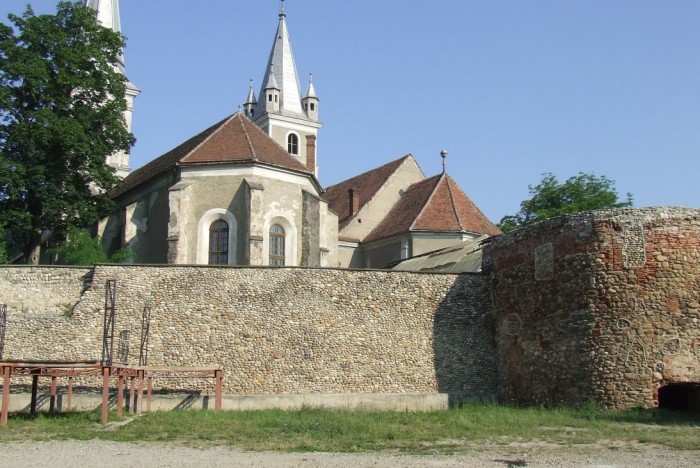
In the heart of Orăștie municipality, where Nicolae Bălcescu Street meets the tranquility of the historic center, stands Orăștie Citadel, a fortified ensemble whose roots delve deep into the 14th century, around the year 1300. This fortification represents one of the most authentic and least altered examples of civic military architecture in Transylvania, a silent witness to centuries of confrontations between Christian powers and Ottoman expansion in Central Europe. Unlike the opulent citadels of Sibiu, Brașov, or Sighișoara, which underwent significant Baroque or modern transformations, Orăștie Citadel retains a remarkable authenticity, offering visitors an unaltered journey into the atmosphere of late medieval fortified towns.
Strategically positioned near the old trade route connecting Sibiu to Alba Iulia, the fortification was part of the defensive network of the free Saxon towns, reflecting the communal organization characteristic of Central European burghers during the late medieval period. This affiliation places it within a vast European context, alongside the Hanseatic cities of northern Germany, the Italian maritime republics, or the free communes of the Netherlands, all defined by civic autonomy and collective responsibility in the face of external threats. Orăștie Citadel is not merely an isolated monument but an essential fragment of a defensive urban system stretching from the Rhine to the Carpathians, a testament to a Europe where the boundaries between civilization and barbarism were drawn in stone and vigilance.
Historical Roots and European Connections: From Saxon Settlers to Renaissance Maps
The history of Orăștie Citadel is inseparable from that of Saxon colonization in Transylvania, a process that began in the 12th century under the auspices of Hungarian kings Géza II and Béla III. These German settlers, brought in to defend the eastern frontier of the Kingdom of Hungary and to develop urban economies, founded a network of free towns with special privileges, known as the Universitas Saxonum. Orăștie, alongside Sibiu, Sebeș, Mediaș, and Bistrița, represented a crucial node in this constellation, benefiting from administrative autonomy, the right to fortify and bear arms, and the direct protection of the Hungarian crown.
The first documented mention of the citadel appears in 1544, when the Swiss cartographer Sebastian Münster, a prominent figure of the Renaissance and author of the famous Cosmographia, recorded the fortification in his geographical atlases. This reference placed Orăștie on the mental map of cultured Europe, alongside centers such as Florence, Venice, Vienna, or Kraków, demonstrating the international recognition of its strategic importance. Around 1560, the Italian Giovanandrea Gromo, a representative of the Italian cartographic and engineering tradition, added his observations, suggesting Italian influences in the fortification techniques used—a period when Italian Renaissance military art was revolutionizing defensive systems across Europe.
The historical context of these records is marked by the growing threat of the Ottoman Empire, which, after the fall of Constantinople in 1453 and the victory at Mohács in 1526, directed its expansion toward the heart of Europe. Transylvania, as an Ottoman vassal principality but also a territory claimed by the Habsburg Monarchy, became a battleground for supremacy in Central Europe. Orăștie Citadel, situated on the old trade route connecting Sibiu to Alba Iulia, controlled a vital strategic point, witnessing the repeated incursions of Ottoman and Tatar armies that devastated the towns of the Transylvanian Plain. Throughout the 15th and 16th centuries, the fortification suffered repeated destruction, being rebuilt and reinforced multiple times by the Saxon community in a continuous effort of resilience against waves of invasion.
A pivotal moment in its history occurred in 1572, when Transylvanian Prince Ștefan Báthory entrusted the care and guardianship of the citadel to the Saxon University of Sibiu, lamenting its advanced state of decay. This decision illustrates not only the strategic role of Orăștie within the collective defense system of the Saxon nation but also its importance in the context of rivalries between the Habsburg Empire and the Ottoman Empire for control over Transylvania. Báthory, who would later become King of Poland and Grand Duke of Lithuania under the name Stephen Báthory, was a key figure in European politics, and his concern for this citadel reflects the awareness of the strategic value of Transylvanian fortifications in the confrontation with Ottoman expansion.
An Architectural Masterpiece: Renaissance Military Engineering and Sacred Metamorphosis
The architecture of Orăștie Citadel remarkably reflects the tradition of Central European military engineering from the Renaissance period, with visible Italian influences in its fortification techniques. While classical medieval citadels relied on high walls and round towers, Orăștie Citadel incorporated the principles of early modern military art, known as trace italienne, developed in Italy at the end of the 15th and beginning of the 16th centuries in response to siege artillery. The enclosures were delimited by a massive stone wall, reinforced on the inside with elegant arcades supporting the defensive galleries, an architectural element reminiscent of the Renaissance galleries of Italian palaces or the cloisters of Benedictine monasteries, but adapted for military function.
The fortification was surrounded by a wide moat, a wet ditch that constituted the first line of defense against sieges, a technical solution borrowed from the Netherlands and northern Italy, where water served as an effective natural obstacle against siege cannons and cavalry attacks. The towers and bastions, arranged outside the enclosure according to the geometric principles of bastion fortification, had multiple and complex functions. These structures were not mere watchtowers but true star-shaped bastions, designed to eliminate blind spots and allow fan-shaped firing with firearms, an innovation that would revolutionize European military art, from the citadels of Poland such as those in Kraków or Zamość to those in France designed by Vauban and the Netherlands.
The functionality of these bastions was remarkable: they served as storage for gunpowder and essential food supplies for prolonged resistance during sieges, as well as spaces for interrogating prisoners and punishing wrongdoers, reflecting the dual repressive and protective nature of medieval civic authority. One of the bastions even housed a bread oven, highlighting the complete logistical autonomy of the garrison during extended sieges, a feature also found in citadels such as Eger or Szigetvár in Hungary or those in northern Italy like the fortress of Ferrara. This self-sufficiency was essential for the survival of a community enclosed within walls, isolated from the outside world for weeks or even months.
The last major restoration took place in 1735, a moment that marks the end of the citadel’s military era and the beginning of a new phase in its existence. During this period, the fortification definitively lost its defensive role, gradually transforming into a civil and religious space. Today, the central part of the ensemble is occupied by two denominational churches that illustrate the profound religious diversity of the area and the spiritual evolution of Central Europe. The Calvinist Reformed Church, the oldest still-functioning religious building in the town, preserves late Gothic architectural elements, with tall windows and an austere interior reminiscent of the Reformed temples of Switzerland or the Netherlands, reflecting the influence of the Protestant Reformation propagated by John Calvin. Adjacent to it stands the Lutheran Church, a witness to the presence of the Evangelical Lutheran community, with musical and liturgical traditions akin to those of northern Germany.
These places of worship, framed by the old defensive walls and the now-quiet bastions, create a unique dialogue between military and sacred architecture, reflecting the historical evolution of the Saxon community in this part of Europe. The transformation of spaces of conflict into places of spirituality is not unique in Europe: the phenomenon can be found in the conversion of fortifications in Spain, such as the Alcázar of Segovia becoming a royal residence, in the transformation of Edinburgh Castle, or in the reuse of fortifications in Italy like Castel Sant'Angelo in Rome. However, in Orăștie, this metamorphosis takes on a particular dimension through the coexistence of two Protestant denominations within the same walls, a symbol of religious tolerance and the civic maturity of a community that transitioned from physical defense to spiritual communion.
Stories, Personalities, and Turning Points: From Báthory to the Anonymous Stonemasons
The history of Orăștie Citadel is populated by historical figures who shaped its destiny, as well as the anonymous contributions of generations of craftsmen, merchants, and priests who maintained and rebuilt these walls over the centuries. Among the illustrious personalities linked to the fortification is Prince Ștefan Báthory, whose 1572 decision to entrust the citadel to the Saxon University of Sibiu marks a moment of recognition for the value of Transylvanian military heritage. Báthory, who would become one of the most powerful monarchs of Eastern Europe, King of Poland and Grand Duke of Lithuania, a fierce adversary of Tsar Ivan the Terrible of Russia, and a defender of Christendom against Ottoman expansion, saw Orăștie as a vital strategic point in his principality’s defense system.
In addition to political figures, the citadel witnessed the presence of prominent European intellectuals. Sebastian Münster, the Swiss cartographer whose maps defined the European vision of the world in the 16th century, included Orăștie in his atlases, contributing to the integration of this Transylvanian town into the geographical consciousness of Renaissance Europe. Giovanandrea Gromo, the Italian whose observations around 1560 documented the fortification’s existence, represents the link between Italian engineering tradition and that of Central Europe, illustrating the circulation of military ideas and techniques between the Italian peninsula and the Carpathian Basin.
Yet the true heroes of the citadel remain the Saxon stonemasons, members of the builders' guilds who, generation after generation, raised and rebuilt the walls in the face of Ottoman destruction. These Steinmetzen, brought from the Rhineland and Saxony, brought with them solid construction techniques based on local stone and the principles of late Gothic architecture, later adapting them to the demands of warfare with cannons. Local legend speaks of the oven in the bastion, that oven which, lit during sieges, ensured bread for the defenders, a symbol of the resilience of a community that refused to surrender. Each stone in these walls bears the imprint of the sweat and skill of anonymous people whose labor allowed the survival of a civilization in the face of the storms of history.
The year 1735 marks a definitive turning point: with the Baroque restoration, the citadel ceased to be an instrument of war and became a sanctuary for the community. This transformation reflects the major political changes in Central Europe, with the consolidation of Habsburg domination and the reduction of the Ottoman threat following the Peace of Karlowitz in 1699 and the Treaty of Passarowitz in 1718. The walls that once repelled cannonballs now frame prayers and meditation, and the bastions that housed cannons and war supplies now shelter the spiritual tranquility of two Christian denominations.
Practical Visitor’s Guide and the Contemporary Traveler’s Experience
Visiting Orăștie Citadel offers an authentic and profound immersion into the atmosphere of Transylvanian fortified towns, with evident parallels to the citadels of Sibiu, Brașov, or Sighișoara, yet retaining a distinctive authenticity due to its dual military and religious structure and the lack of crowds that characterize more famous destinations. Located in the historic center of the municipality, on Nicolae Bălcescu Street, the citadel is accessible to the public and represents an essential reference point for understanding the urban history of southern Transylvania, the Saxon influences, and the resilience of local communities in the face of historical vicissitudes.
The traveler who steps through the citadel’s gates is invited to follow a route that reveals successive layers of history. First, the enclosure wall and the arcaded galleries offer a unique perspective on medieval construction techniques, allowing visitors to grasp the defensive logic of an era when the town was a fortress. Next, the two denominational churches open their doors to the community’s spirituality: the Calvinist Reformed Church, with its late Gothic elements, and the Lutheran Church, each preserving a distinct yet complementary atmosphere, reflecting the religious diversity that has characterized Transylvania over the centuries. The ruins of the bastions, including the one that once housed the bread oven, allow visitors to imagine the daily life of a garrison in a state of permanent alert, with its provisions, weapons, and hopes of survival.
For travelers interested in European heritage, Orăștie Citadel is a destination that combines historical rigor with the contemplative charm of living medieval ruins. Nearby, just a few dozen kilometers away, lies the Dacian complex of Sarmizegetusa Regia, the spiritual capital of Dacia and a UNESCO World Heritage site, offering a fascinating historical continuity from Dacian antiquity to the medieval period. Additionally, nearby towns such as Sebeș, Alba Iulia, or Sibiu complete an exceptional cultural circuit through historic Transylvania.
The best time to visit is late spring or autumn, when the gentle light enhances the texture of the stone and the tranquility of the site can be fully savored, away from the summer crowds. In the evening, when the walls are subtly illuminated, the citadel takes on a magical aura, evoking centuries of vigil and prayer that have unfolded within these stones. For the discerning visitor, Orăștie Citadel is not merely a monument to see but a place for reflection on human resilience, the transformation of conflict into communion, and how Europe has survived and reinvented itself over the centuries while preserving its deep roots in stone and faith.
Media gallery
Discover Orăștie Citadel in pictures

5 photos · Architecture, courtyards and captivating details
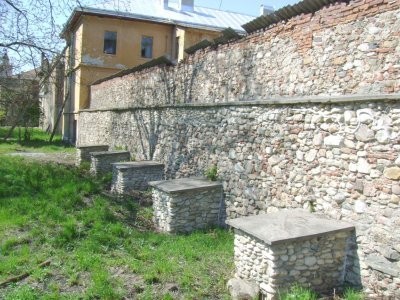


Image source: Wikimedia Commons · Public domain photos · Free license
STAY A FEW DAYS, DISCOVER THE MAGIC
Accommodation in the Orăștie Citadel area

Guesthouse · 3 stars

Orăştie, Hunedoara County · 0.4 km
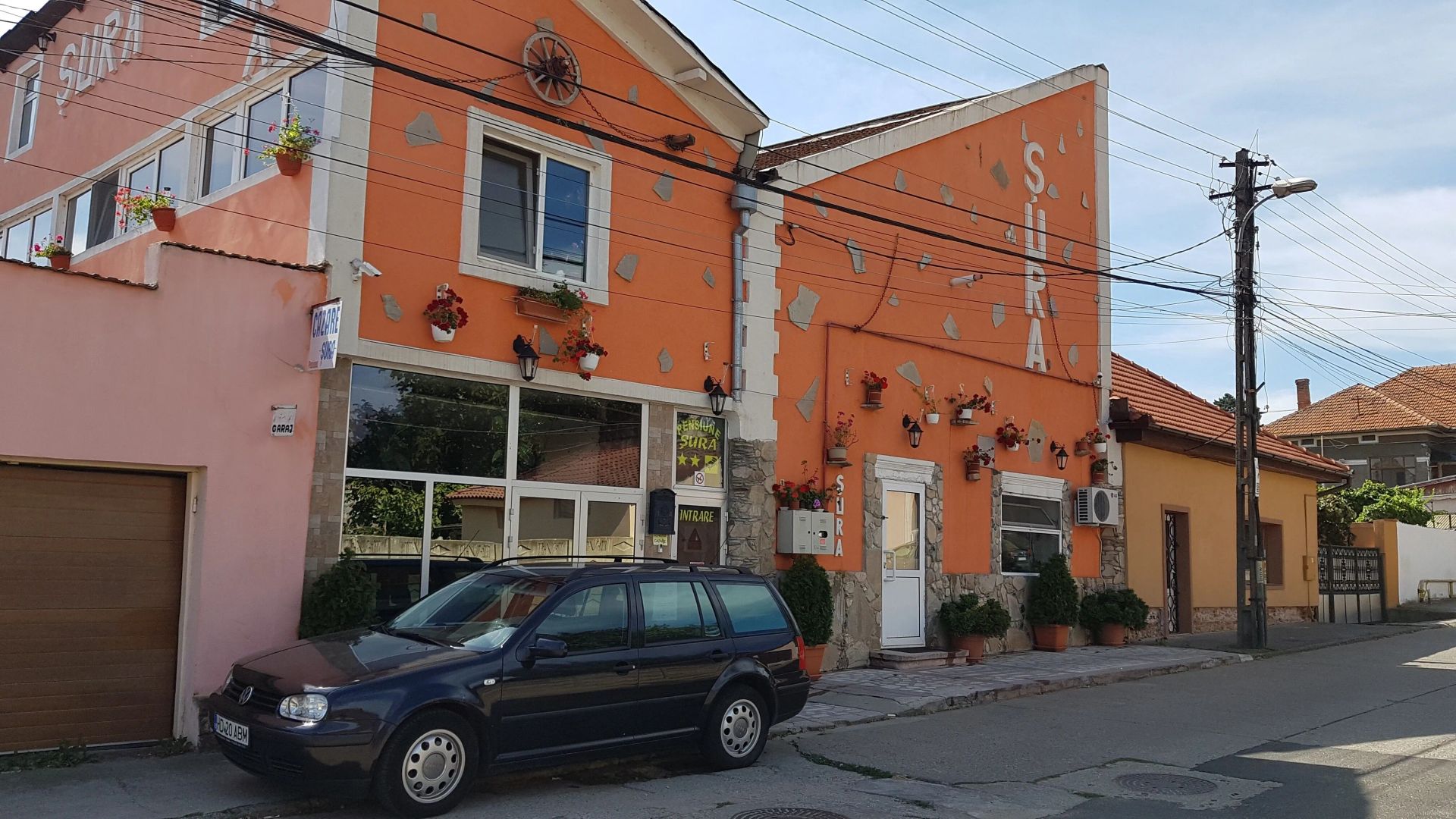
Pensiunea Șura Orăștie
Pensiunea Șura Orăștie este o pensiune turistică de 3 stele situată în centrul municipiului Orăștie din județul Hunedoara. Unitatea pune la dispoziția dumneavoastră cinci camere matrimoniale echipate cu aer condiționat, televizor și frigider, asigurând un sejur confortabil și relaxant pentru toți oaspeții. Fiecare cameră este amenajată cu grijă pentru a vă oferi condițiile necesare unei odihne odihnitoare după o zi plină de vizite în zonă. Beneficiați de Wi-Fi gratuit în întreaga unitate și de parcare privată gratuită, astfel încât deplasările cu mașina personală devin foarte comode. Poziționarea în centrul orașului Orăștie vă oferă acces facil la magazine, restaurante și baruri, iar vă așteptăm să vă bucurați de șederea dumneavoastră. În apropiere puteți vizita Cetatea Orăștiei, Castelul Corvinilor, Muzeul de Etnografie și Artă Populară, Centrul istoric al orașului Orăștie și Cetatea Sarmizegetusa Regia. Aceste obiective turistice deosebite vă permit să descoperiți istoria dacică și medievală a zonei, într-un peisaj încărcat de tradiție. Pensiunea reprezintă o alegere potrivită pentru călătorii care doresc să exploreze patrimoniul istoric și cultural al regiunii Hunedoara, beneficiind de facilități moderne și de o poziție avantajoasă în oraș.
FROM
240 lei per night

Apartment · 3 stars
Orăştie, Hunedoara County · 0.5 km
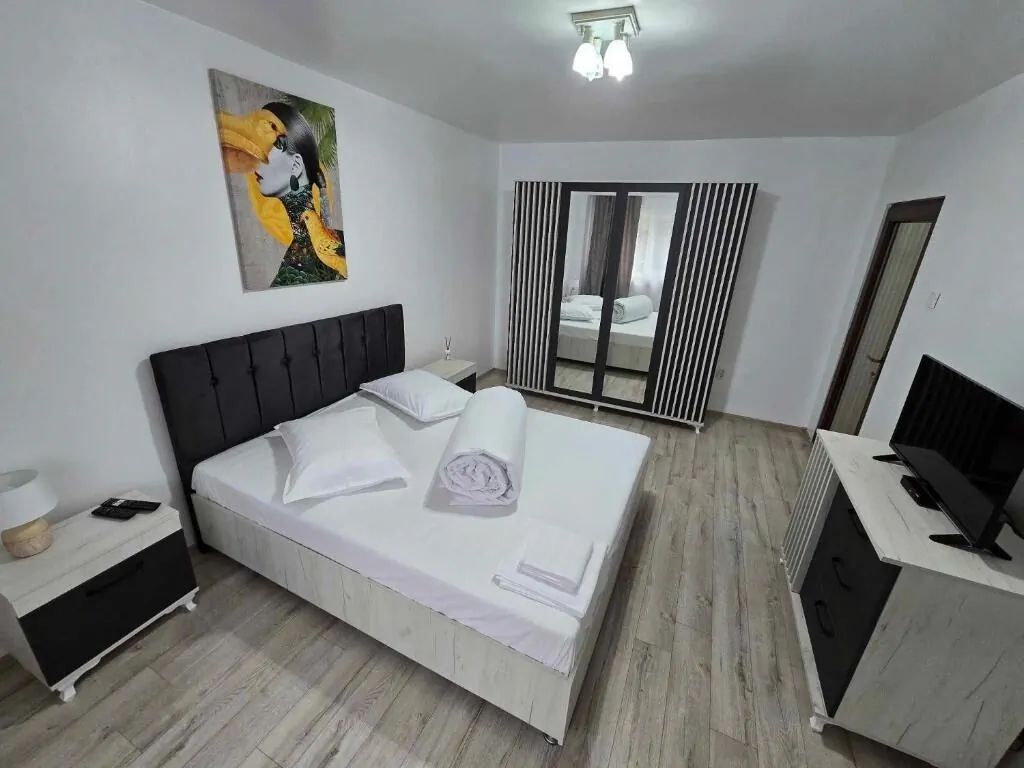
Bluebee Apartment Orăştie
Familiile și grupurile mici de prieteni se vor simți bine la Bluebee Apartment Orăştie, un apartament de închiriat clasificat cu trei stele situat în orașul Orăștie din județul Hunedoara. Spațiul este amenajat pentru a oferi confort într-un mediu liniștit, potrivit pentru șederi relaxante. Unitatea dispune de două camere modern mobilate, fiecare dotată cu baie proprie, astfel încât fiecare oaspete beneficiază de intimitate și liniște. Conexiunea la internet prin rețeaua Wi-Fi gratuită este disponibilă în întregul apartament pentru a vă menține conectați pe durata șederii. Primirea camerei se realizează începând cu ora 15:00, iar eliberarea se face până la ora 11:00. La recepție puteți comunica în limba română sau în limba engleză. În apropiere se află numeroase obiective turistice care merită explorate în timpul șederii dumneavoastră: Cetatea Orăștiei, Castelul Corvinilor, Muzeul de Etnografie și Artă Populară, Centrul istoric al orașului Orăștie și Cetatea Sarmizegetusa Regia. Vă așteptăm la Bluebee Apartment Orăştie.
FROM
230 lei per night
Hotel · 2 stars
Orăştie, Hunedoara County · 0.6 km
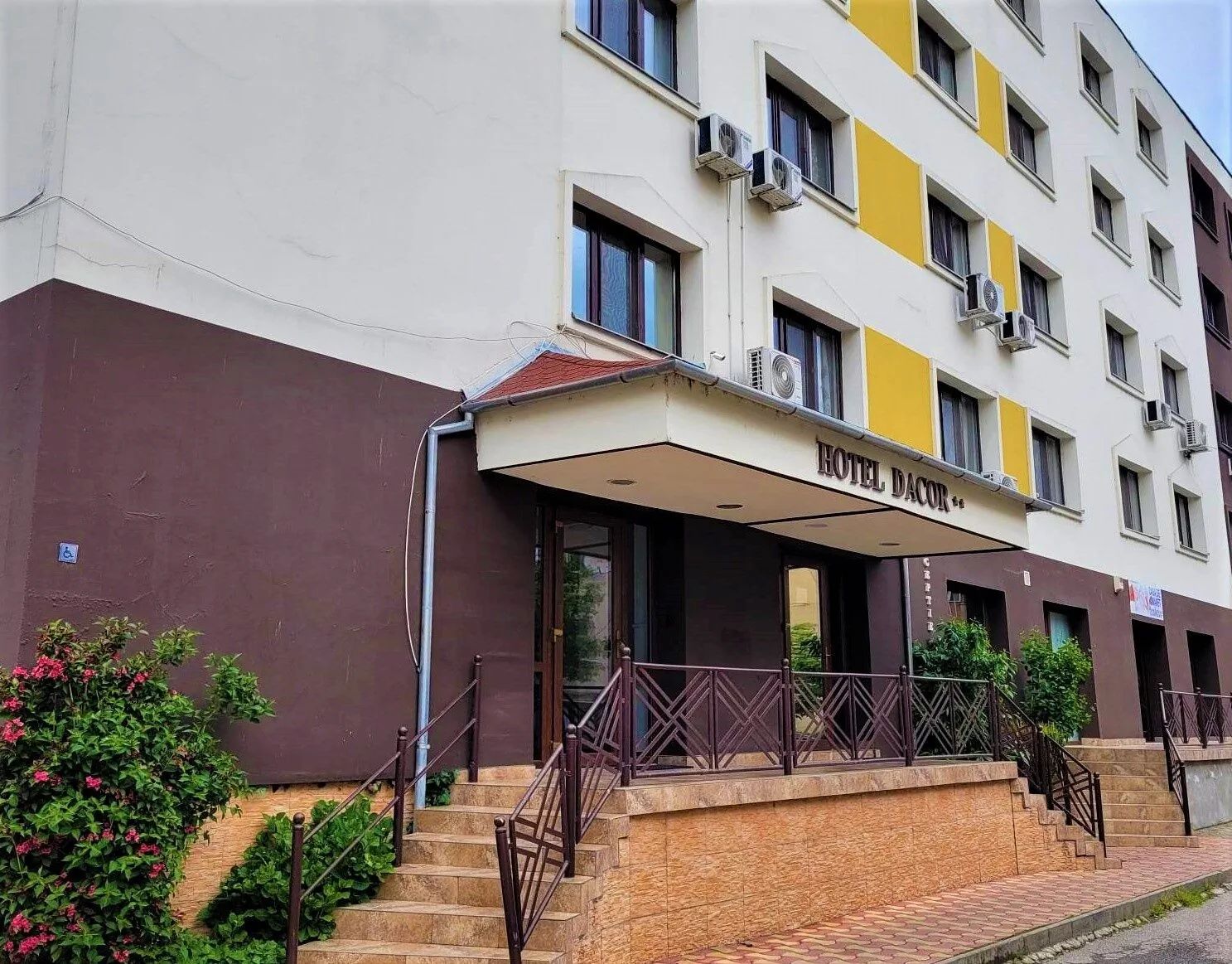
Hotel Dacor Orăștie
Stația de încărcare pentru vehicule electrice este disponibilă la Hotel Dacor Orăștie din Orăștie, alături de alte facilități care fac șederea mai comodă. Unitatea oferă opt camere confortabile și plăcut amenajate, primind cu drag și oaspeți însoțiți de animale de companie, fără taxe suplimentare. Pentru confortul dumneavoastră sunt disponibile Wi-Fi gratuit în toate spațiile, parcare privată gratuită, acces pentru persoane cu dizabilități și un pătuț pentru bebeluși. Curtea mare și grădina amenajată oferă un spațiu verde generos unde vă puteți relaxa după plimbările prin oraș. Unele camere sunt dotate cu aer condiționat pentru a asigura temperatura potrivită indiferent de anotimp. La rezervare puteți solicita și micul dejun contra cost. Recepția comunică în română și engleză, iar programul de check-in începe la ora 15:00, în timp ce check-out se face până la ora 12:00. În apropiere puteți vizita Cetatea Orăștiei, Castelul Corvinilor, Centrul istoric al orașului Orăștie, Muzeul de Etnografie și Artă Populară și Cetatea Sarmizegetusa Regia, fiecare oferind o perspectivă unică asupra istoriei și culturii zonei. Parcarea privată gratuită vă permite să lăsați mașina în siguranță pe toată perioada cazării.
FROM
210 lei per night
Hotel · 3 stars
Orăştie, Hunedoara County · 2.5 km
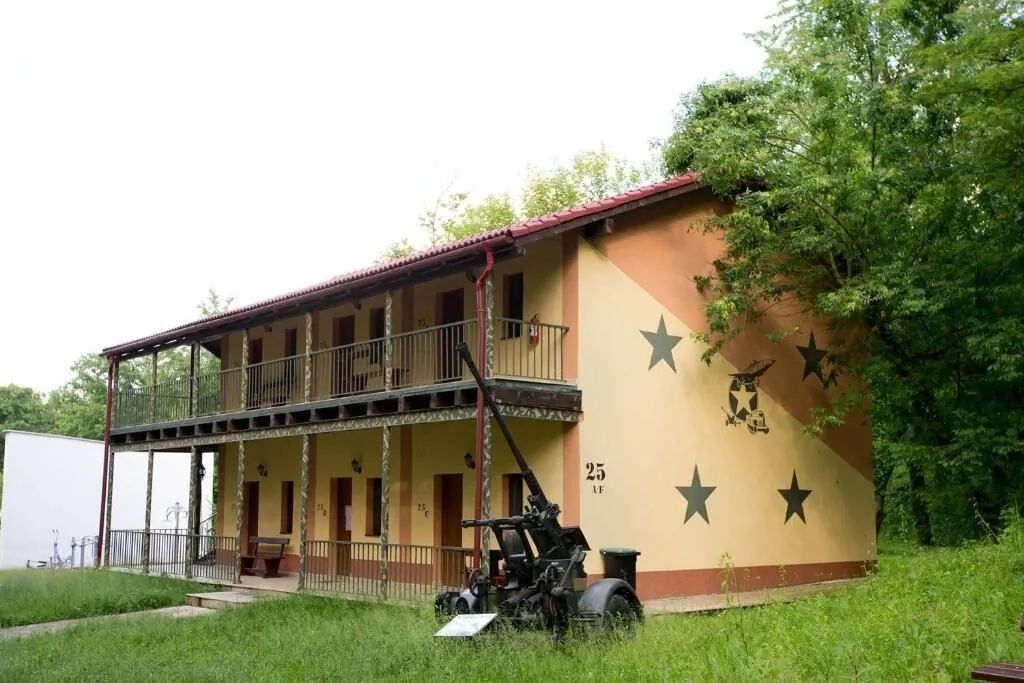
Arsenal Park Transilvania Orăștie
Pe strada Codrului din Orăștie, Arsenal Park Transilvania Orăștie vă oferă cazare într-un cadru natural generos. Hotelul de trei stele se întinde pe o proprietate cu curte mare și grădină amenajată, un spațiu potrivit pentru relaxare în aer liber împreună cu familia sau prietenii. În incintă găsiți restaurant, cafenea și bar, iar bucătăria pregătește atât preparate tradiționale, cât și internaționale. Sunt disponibile meniuri pentru diete speciale și opțiuni dedicate copiilor. Unitățile de cazare beneficiază de Wi-Fi gratuit, baie privată și sistem de încălzire, iar parcarea privată este oferită gratuit tuturor oaspeților. Pentru timpul liber activ, aveți la dispoziție tir cu arcul, mini-golf, închiriere de biciclete și trasee pentru drumeții montane în natură. Copiii se pot bucura de locul de joacă exterior, iar în curte există foișor pentru momente de relaxare, iar scaune înalte sunt disponibile pentru cei mici. În apropiere puteți vizita Cetatea Orăștiei, Castelul Corvinilor, Cetatea Sarmizegetusa Regia, Muzeul de Etnografie și Artă Populară sau Centrul istoric al orașului Orăștie. Vă așteptăm să descoperiți această destinație din județul Hunedoara.
FROM
290 lei per night
Guesthouse · 3 stars
Orăştioara de Jos, Hunedoara County · 9.1 km
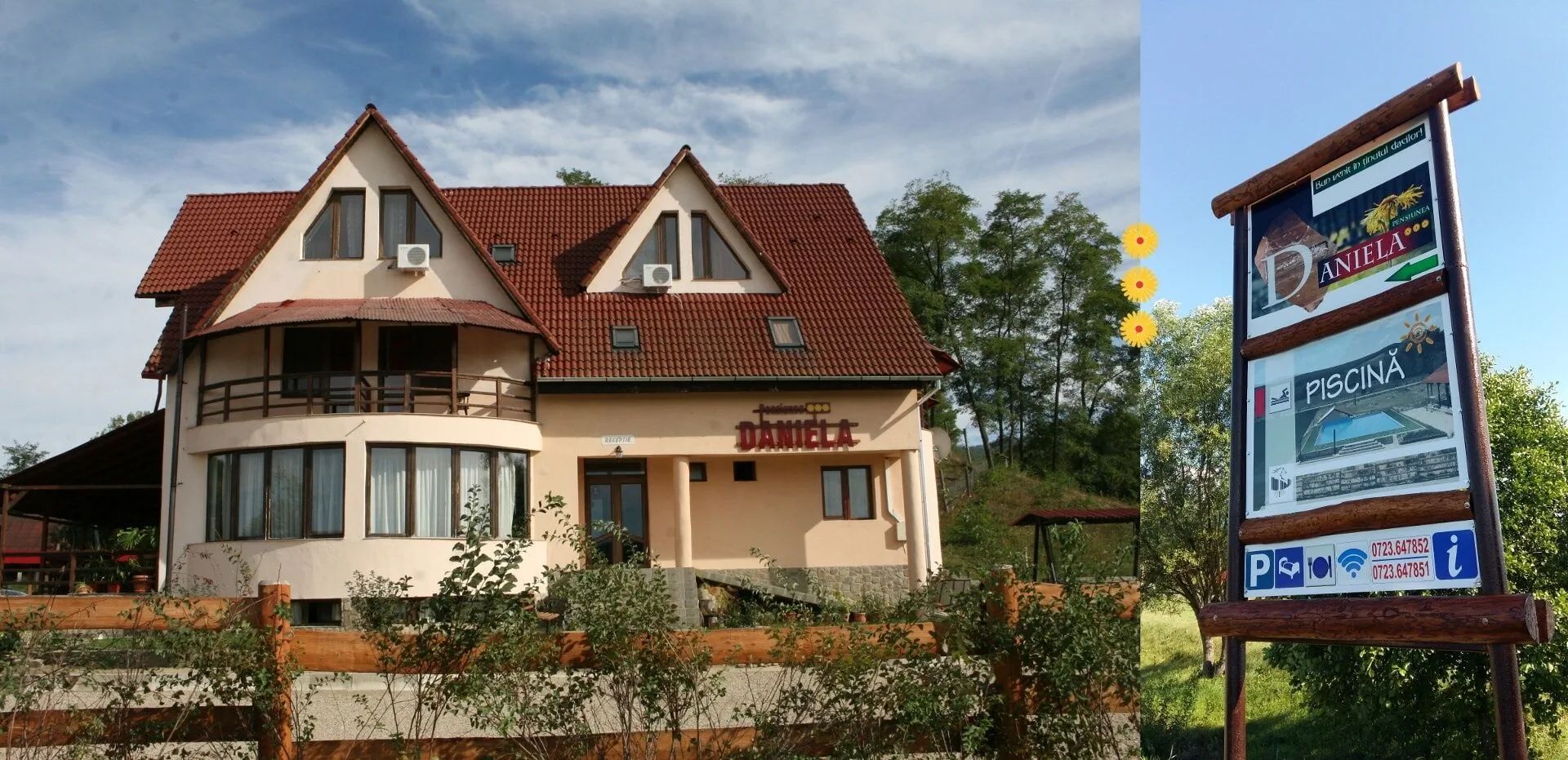
Pensiunea Daniela Orăștioara de Jos
Pe strada Principală din Orăștioara de Jos, județul Hunedoara, se află Pensiunea Daniela Orăștioara de Jos, o unitate de cazare clasificată cu trei stele care oferă un cadru liniștit și primitor pentru șederea dumneavoastră în această localitate cu tradiție istorică profundă. Pensiunea pune la dispoziție șase camere amenajate cu bun gust, confortabile și bine întreținute, ideale pentru odihnă după zile petrecute în explorarea zonei. În incintă funcționează un restaurant unde puteți servi preparate delicioase, astfel încât nu trebuie să plecați departe pentru a lua masa într-un ambient plăcut. În apropiere se găsesc mai multe obiective istorice de mare valoare: Cetatea Orăștiei, Cetatea Sarmizegetusa Regia, Castelul Corvinilor, Situl arheologic Sarmizegetusa și Cetatea Blidaru. Aceste monumente antice și medievale pot fi vizitate ușor pornind de la pensiune, oferind oportunități excelente pentru a descoperi istoria bogată și patrimoniul cultural al zonei. Intrarea se face începând cu ora 14:00, iar ieșirea până la ora 12:00. Personalul vorbește limba română și vă stă la dispoziție cu informațiile necesare pe tot parcursul șederii dumneavoastră. Vă așteptăm la Pensiunea Daniela Orăștioara de Jos.
FROM
240 lei per night
Hotel · 2 stars
Geoagiu-Băi, Hunedoara County · 11.3 km
Hotel Parc Geoagiu-Băi
Hotel Parc Geoagiu-Băi este un hotel de două stele situat în localitatea Geoagiu-Băi din județul Hunedoara, într-un cadru natural care invită la relaxare. Unitatea oferă Wi-Fi gratuit în toate spațiile, iar pentru servirea mesei aveți la dispoziție restaurant, cafenea și bar în incintă, astfel încât să nu fie necesar să părăsiți hotelul. Familiile cu copii beneficiază de un loc de joacă la exterior și de scaune înalte disponibile în unitate. Pentru confortul dumneavoastră există lift, acces pentru persoane cu dizabilități și un spațiu de depozitare pentru bagaje. În exterior, curtea mare și grădina amenajată constituie un spațiu generos pentru plimbări și relaxare în aer liber, iar terenul de sport amenajat permite desfășurarea de activități fizice precum fotbalul. În apropiere puteți vizita Cetatea Orăștiei, Castelul Corvinilor, Casa Memorială Aurel Vlaicu, Cetatea Devei și puteți explora stațiunea Geoagiu-Băi. Vă așteptăm la Hotel Parc Geoagiu-Băi, unde parcare privată gratuită este pusă la dispoziția dumneavoastră, iar accesul este facilitat de lift și de infrastructura destinată persoanelor cu dizabilități.
FROM
210 lei per night
BEFORE YOU HIT THE ROAD
Weather conditions in Hunedoara
Local forecast for Orăștie Citadel, Hunedoara, Hunedoara

Real-time updated weather data
Much more to explore in this area
Nearby tourist attractions


Hunedoara, Hunedoara County
Corvin Castle
Situat pe strada Castelului nr. 1 - 3 din municipiul Hunedoara; ridicat in secolul al XV-lea, de Ioan de Hunedoara, pe locul unei vechi intarituri; din punct...
25.8 km
Hunedoara, Hunedoara County
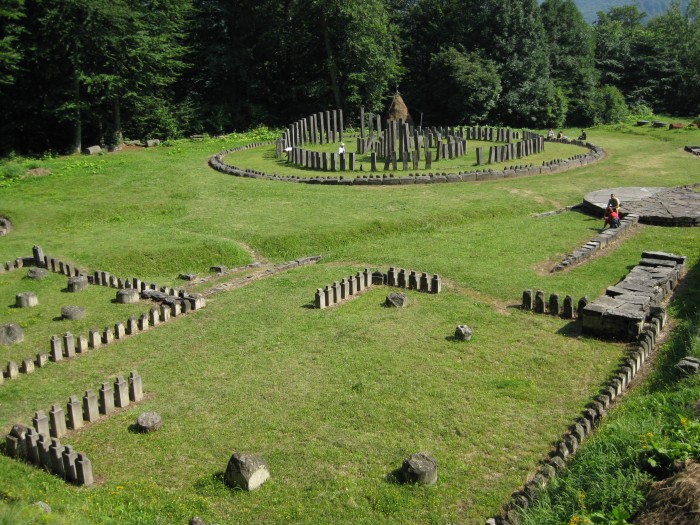
Sarmizegetusa Regia Fortress
Situata pe raza localitatii Gradistea Muncelului; amplasata la altitudinea de 1.200 m; inclusa pe lista patrimoniului cultural mondial UNESCO; a fost capitala...
25.4 km
Hunedoara, Hunedoara County
Hațeg Country Dinosaur Geopark
Situat in Tara Hategului, din depresiunea Hategului, invecinandu-se cu Parcul National Retezat la sud si cu Parcul natural Cioclovina Gradistea Muncelului la...
45.0 km

Hunedoara, Hunedoara County
Sarmizegetusa Regia Fortress
Situat pe teritoriul administrativ al satului Gradistea de Munte, comuna Orastioara de Sus; punctul sitului se numeste "Dealul Gradistii"; se intinde pe o...
25.5 km

47.7 km
Alba, Alba County
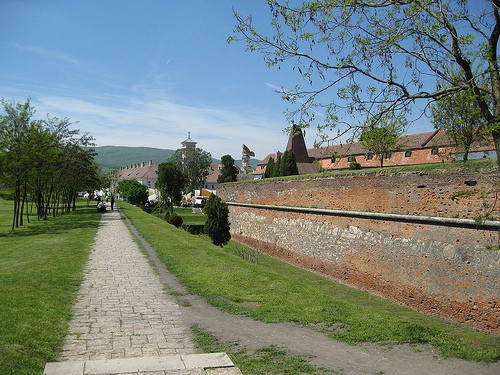
Alba Carolina Citadel
Aflata in partea de sud-vest a cetatii Alba Iulia; se numara printre cele sapte minuni ale Romaniei;considerata cea mai reprezentativa fortificatie bastionara...
38.9 km
Alba, Alba County
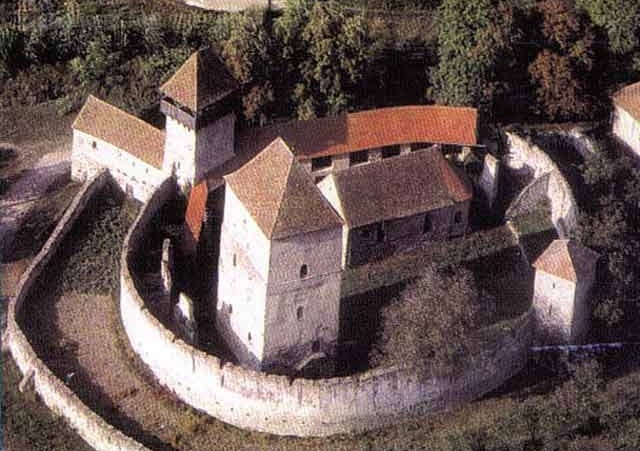
Călnic Citadel
Se gaseste in satul cu acelasi nume, pe drumul dintre Sibiu si Sebes;este unul dintre monumentele de arhitectura cele mai interesante din Romania, ocupand un...
36.4 km
Hunedoara, Hunedoara County
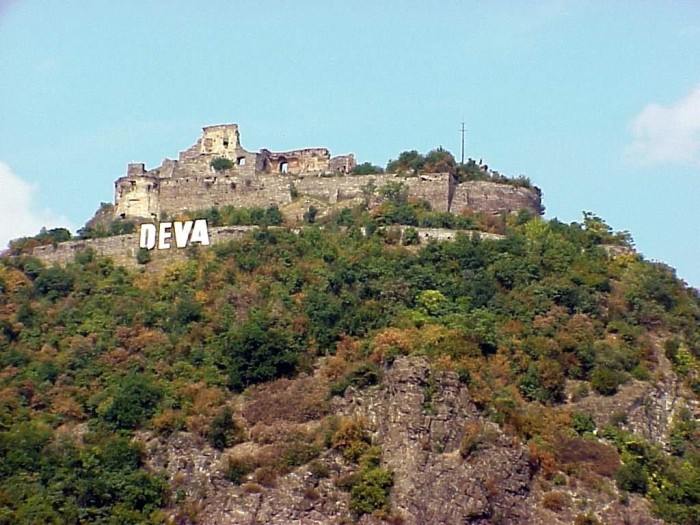
Deva Fortress
Situata pe Dealul Cetatii, municipiul Deva; construita in secolul al XIII-lea, pe locul unei locuinte dacice de tip oppidium; a fost mentionata documentar sub...
23.8 km
Alba, Alba County
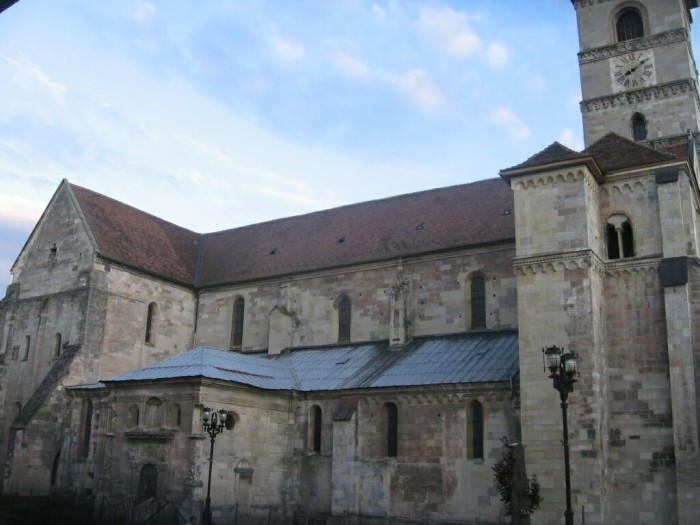
St. Michael's Roman Catholic Cathedral in Alba Iulia
Situata in interiorul cetatii Alba Iulia;a fost ridicata in secolul al-XIII-lea si a suferit mai multe lucrari de-a lungul timpului; este unul din cele mai...
38.6 km
Alba, Alba County
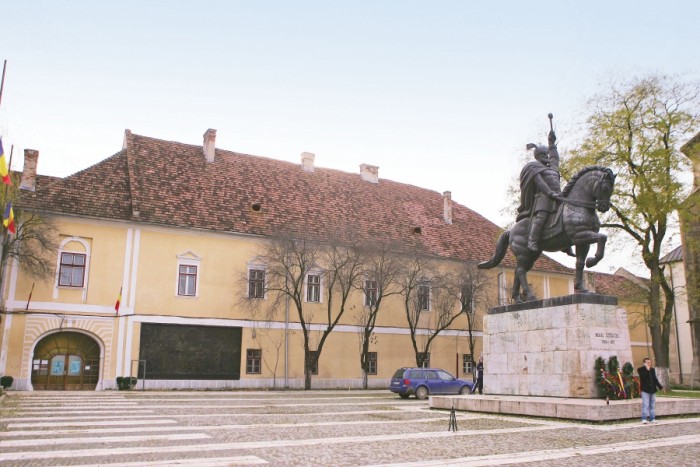
Princely Palace (Voivodal Palace of Alba Iulia)
Este situat in vecinatatea Catedralei Romano-Catolice, localitatea Alba-Iulia, a fost construit in secolul al XV-lea, avand rolul de resedinta a principilor...
38.9 km

41.5 km
44.1 km
Cultural life and traditions
Events in the Orăștie Citadel area
Medieval festivals, traditional fairs, concerts and local activities recommended in Transylvania.

Heritage and History

Hunedoara, County of Hunedoara
The Festival of Medieval Fortresses and the Open Doors Days
Guided night tours, traditional crafts workshops and historical re-enactments featuring knights and ladies.
WHEN
May 15-17, 2026


Traditions and Cuisine
Hunedoara, County of Hunedoara
The Fair of Saxon Traditions and Local Cuisine
Discover local producers, traditional Saxon pastries baked in a wood-fired oven, artisanal syrups, and rhubarb jam.
WHEN
Every weekend (May - October)

Ecotourism and Nature
The hills of Transylvania, County of Hunedoara
Guided Hikes on the Transylvanian Hills Trail
Take excursions along unmarked trails through ancient meadows, centuries-old oak trees, and villages with fortified churches that are UNESCO World Heritage sites.
WHEN
Friday – Sunday (Season 2026)
On foot, exploration gains depth
Discover the surroundings and local geography
Explore the trails, terrain, and natural landmarks around Orăștie Citadel.

Guides and practical tips
Useful travel articles
Travel guides, practical recommendations and tourist itineraries for Transylvania.

Tourist guide
Castelul Bran: Istorie, Legende și Secrete Medievale
Află adevărata poveste a fortăreței medievale din Pasul Bran, reședința de suflet a Reginei Maria a României.

Tourist guide
Top 5 Atracții Turistice și Trasee Montane în Zona Moieciu - Bran
Descoperă cele mai spectaculoase peisaje carstice, chei adânci și cetăți medievale din imediata apropiere a stațiunii Moieciu.

Tourist guide
Ghid de Drumeție: Traseul Moieciu de Sus spre Platoul Bucegi
Un itinerariu montan de o frumusețe rară ce urcă din Valea Băngăleasa spre Poiana Guțanu și crestele maiestuoase ale Bucegilor.
THE JOURNEY STARTS WITH AN IDEA
The next story is on the way.
From the first stop to the last stay, make room for a new Romania.
