


MONUMENT · BANAT
Herculane Baths

Caras Severin, Caraș-Severin County
Add location to your trip planner.
Practical access information

VISITING HOURS
Monday: 12:00 PM – 5:00 PM · Tuesday–Sunday: 9:00 AM – 5:00 PM (in summer until 8:00 PM)

TICKET PRICE
Adults: 45 RON · Students: 11 RON · Seniors: 23 RON · Guided tour included

RECOMMENDED VISIT DURATION
2-3.5 hours
Visitor information and guide
 Navigate with Google Maps

ABOUT HERCULANE BATHS
A citadel of waters in the heart of the Banat Mountains
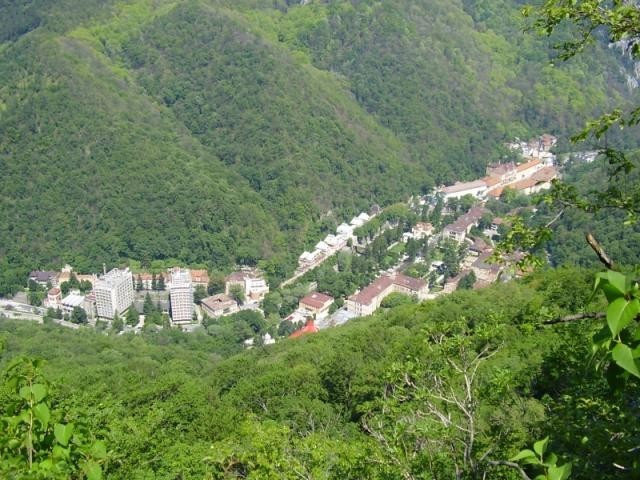
Nestled in a natural amphitheater carved by the Cerna Valley, at the confluence of the Banat Mountains and the Danube floodplain, Herculane Baths stands as one of Southeast Europe’s most remarkable examples of cultural continuity. Located just five kilometers from the European route E70, which connects Romania’s capital to its western border, and traversed by the international railway linking Bucharest, Timișoara, Vršac, and Belgrade, the resort sits at an altitude of 160 meters, sharing the same latitude as the Mediterranean cities of Nice and Venice. This privileged geographical position, at the crossroads of ancient Roman trade routes and modern highways, has transformed it over the centuries into a true meeting point of civilizations—a thermal "axis mundi" where entire epochs of European history have unfolded without interruption.
Accessibility is further enhanced by the Danube’s waterways, connecting the resort to the east via the ports of Sulina, Galați, and Drobeta-Turnu Severin, and to Western Europe through Vienna, Budapest, and Belgrade. The mild climate, with pronounced Mediterranean influences, is shaped by the sheltering forested slopes of the Cerna and Domogled Mountains, which shield it from northern winds, creating a unique microclimate in this part of the continent—akin to the famed resorts of the French Riviera or Italy’s Ligurian coast. This alchemy of geography and history has made Herculane Baths not just a balneological destination but a symbol of the dialogue between East and West, antiquity and modernity.
Imperial roots and the paths of sacred waters
The history of Herculane Baths is inseparable from that of the Roman Empire, which discovered and harnessed the therapeutic properties of the valley’s thermal springs as early as the 2nd century AD. The first official documentation dates to 153 AD, during the reign of Emperor Antoninus Pius, when the settlement known by its Latin name Ad Aquas or Aquae Herculis was elevated to the status of a municipium, becoming a key urban center of the province of Dacia. Situated on the strategic route linking the Danube fortifications to the Dacian capital, Sarmizegetusa Regia, via the road ascending the Cerna Valley from the fortress of Dierna (modern-day Drobeta-Turnu Severin), the resort benefited from an impressive Roman infrastructure. It was an integral part of the network of thermal settlements stretching from Aquincum (present-day Budapest) to Sirmium (Sremska Mitrovica) and Carnuntum.
The Romans, unparalleled masters of hydraulic engineering, constructed here a thermal complex of imperial proportions, comparable to those at Aquincum or Baden bei Wien. Archaeological remains discovered on the Roman Plateau and in the central area attest to the existence of elaborate baths, sophisticated aqueducts transporting hot water over considerable distances, temples dedicated to Hercules and Hygieia, and numerous statues, coins, and votive tablets in bronze and stone. These votive inscriptions, erected by Roman soldiers, merchants, and aristocrats as tokens of gratitude to the gods for miraculous healings, stand as poignant testimonies to a balneological cult that transformed this valley into a sanctuary of health, frequented by the elites of the Empire from Rome to Constantinople, where the Byzantine tradition preserved the Roman thermal legacy.
Following the Aurelian withdrawal from Dacia in 271 AD and the turbulent period of migrations, the thermal tradition endured, adapted and carried forward by the peoples who passed through the region. In the Middle Ages, the Cerna Valley was part of the Caraș County, contested between the Kingdom of Hungary and emerging Romanian state formations. By the 14th century, Hungarian sources already mentioned the existence of a settlement with baths under the name Herkulesfürdő, indicating the continued use of the sacred springs during a period when Western Europe experienced a renaissance of balneological culture inspired by antiquity. The Ottoman period (16th–17th centuries), though marked by frequent military conflicts and the transformation of the Banat into a frontier region, did not interrupt the use of the thermal waters. The Ottomans, too, valued their curative properties, even as the Roman infrastructure fell into decline.
The decisive turning point came with the Habsburg conquest of the Banat following the Treaty of Passarowitz in 1718. Under Austrian administration, Herculane Baths entered the modern era, reorganized as part of the Banat Military Frontier—a sophisticated defensive system stretching along the border with the Ottoman Empire. Beginning in 1736, under the guidance of the Austrian military authorities and the Banat’s governor, Count Claudius Florimond de Mercy, a systematic and ambitious reconstruction of the resort commenced. Banat frontier guards—soldier-settlers brought from various parts of the empire—erected the first solid buildings in the Austrian Baroque style, gradually transforming the locality into an elite center of Central Europe, destined to rival the established resorts of Karlovy Vary, Marienbad, or Baden-Baden.
Baroque elegance and the splendor of the Viennese Court
The architecture of Herculane Baths during the Habsburg period represents a distinct chapter in the history of 18th- and 19th-century European urbanism, reflecting Vienna’s ambition to export its Baroque civilization to the imperial provinces. The resort’s urban plan, conceived with Enlightenment rigor, adheres to the principles of symmetry and centralized perspective, evoking the grand urban ensembles of Vienna or the Italian cities of the late Baroque period. Public buildings and private villas were constructed in a robust Austrian Baroque style, characterized by monumental facades, elaborate stucco decorations, and high roofs with dormer windows, influenced by the Viennese architectural school led by Johann Bernhard Fischer von Erlach.
In the second half of the 19th century, the resort reached its architectural zenith, becoming a magnet for Europe’s aristocracy. The luxurious hotels Traian, Ferdinand, and Roman, built between 1850 and 1910, impress with their eclectic elegance, blending Neo-Renaissance, Neo-Baroque, and Swiss chalet elements—a synthesis emblematic of the Belle Époque spirit. These edifices, with their opulent reception halls, salons adorned with Venetian mirrors and crystal chandeliers, hanging gardens, and panoramic terraces, evoked the atmosphere of continental luxury found in Monte Carlo or Baden-Baden. In 1907, the Casino was inaugurated—a masterpiece of the Viennese Secession style, its facade decorated with stylized floral motifs, colored stained glass, and delicate metalwork, directly inspired by the creations of Josef Hoffmann and the Wiener Werkstätte association, bringing the revolutionary artistic spirit of early 20th-century Vienna to the heart of the Banat.
The urban landscape is complemented by places of worship reflecting the empire’s confessional diversity: the Roman Catholic Church of the Holy Trinity, built in the 18th century for the German and Austrian community, and the Orthodox Church of Saint Nicholas, constructed in a Neoclassical style with Baroque influences. Both stand as architectural landmarks enriching the resort’s cultural tapestry. This stylistic diversity—from Austrian military Baroque to Viennese Secessionism and the eclecticism of the 1900s—transforms Herculane Baths into an open-air museum of Central European architecture, a place where the evolution of artistic tastes from the Enlightenment to modernism can be traced.
Royal personalities and moments of European splendor
Over two centuries of Habsburg administration, Herculane Baths hosted high-level gatherings of Europe’s political and cultural elite, becoming a venue where destinies were decided and alliances forged, all while the thermal waters worked their healing magic on sovereigns and aristocrats. Emperor Joseph II, the great Enlightenment reformer of the Austrian Empire, visited the resort on multiple occasions (1765, 1769, 1773), deeply impressed by its potential and personally contributing to the modernization of its infrastructure. His travel journals record his admiration for the "miraculous springs" and the possibility of transforming this place into a jewel of the imperial crown.
Emperor Francis I and his wife, Empress Charlotte, were frequent guests in the first half of the 19th century, helping to consolidate the resort’s international reputation. However, the period of greatest splendor was marked by the presence of Emperor Franz Joseph and his legendary wife, Elisabeth—"Sissi." Fascinated by the wild beauty of the Cerna Valley and the intimate, aristocratic atmosphere of the resort, Sissi visited Herculane Baths on several occasions (1856, 1865, 1872), noting in her personal journal her enthusiasm for the "wonderfully pure air" and the "distinct grace" of this corner of paradise. Her presence drew the attention of Europe’s entire aristocracy, transforming the resort into a social hub comparable to those at Ischl or Baden bei Wien.
In 1852, Emperor Franz Joseph declared Herculane Baths "the most beautiful resort on the continent," a remark that has echoed through history and reflects its status as a destination of luxury. Alongside the imperial court, the resort hosted figures such as Count Klemens von Metternich, the Austrian chancellor, Russian grand dukes, French and English diplomats, and a plethora of writers, musicians, and artists. In the 19th century, Romania’s national poet, Mihai Eminescu, stayed here for balneological treatments, finding inspiration in the valley’s tranquility for his verses. Later, during the interwar period, the resort continued to attract intellectuals and cultural figures from across Europe, maintaining its aura as a sanctuary of the spirit and health.
Ancient myths and the science of healing
The legends surrounding the springs of Herculane Baths are rooted in Greco-Roman mythology, closely tied to the figure of the hero Hercules. According to tradition, after completing his twelve labors—including the capture of Cerberus from the underworld—the weary hero sought refuge in this valley to restore his strength. He drank from the thermal waters and bathed in the natural pools, rediscovering the vigor of youth, hence the resort’s name—Herculis or Herculane. The springs were considered sacred, dedicated to Hygieia, the daughter of Asclepius, the god of medicine, and Roman priests performed rituals of purification and healing around them, continuing traditions similar to those of the sanctuaries at Epidaurus or Pergamum.
Beyond mythology, modern science has confirmed the remarkable properties of these waters. The thermal springs, with temperatures ranging from 27 to 60 degrees Celsius, contain a rich concentration of minerals—sulfur, chlorides, sodium, calcium, magnesium, and therapeutic doses of radioactive trace elements—resulting from the circulation of water through the geological layers of the mountains, heated by geothermal activity. Among the most renowned springs are the Hygeea Spring, Hercules Spring, Apollo Spring, Diana Spring, and Neptune Spring, each with specific chemical compositions and therapeutic indications.
Over the centuries, European balneology developed sophisticated treatment protocols based on these waters. In the 19th century, Viennese and Budapest physicians devised complex therapies for rheumatic, neurological, dermatological, and cardiovascular conditions, establishing Herculane Baths as a reference center for balneology, alongside Vichy in France or Montecatini Terme in Italy. Even today, the resort retains this therapeutic vocation, offering modern treatments within a historic setting where the Roman tradition of salus per aquam (health through water) meets contemporary medical technologies.
Natural heritage and integration into the landscape
Herculane Baths is unique in that its exceptional cultural heritage is seamlessly integrated into a landscape of rare wild beauty. Surrounded by the Domogled-Valea Cernei National Park—the oldest protected area in Romania (established in 1982, with roots in the reserves of the 1950s)—the resort lies at the foot of the Domogled Massif, whose peak reaches 2,080 meters. The scenery is dominated by impressive limestone cliffs, deep gorges carved by the Cerna River, and forests of beech, spruce, and pine, some of them centuries old, creating an atmosphere of profound mystery and tranquility.
The Roman Plateau, situated above the resort, offers spectacular views of the valley and preserves the archaeological remains of the ancient baths, serving as a starting point for numerous mountain trails. The nearby Thieves’ Cave, with its karst galleries and formations of stalactites and stalagmites, adds a fascinating speleological dimension to the visit. The Cerna River, with its crystal-clear waters and picturesque rapids, flows through the resort, offering romantic promenades along its banks, while marked paths lead to hidden springs, waterfalls, and belvederes revealing the impressive panorama of the Banat Mountains.
A contemporary traveler’s guide: Between history and nature
Visiting Herculane Baths today is a multifaceted experience, blending the discovery of a remarkable historical heritage with relaxation in a protected natural environment. The resort can be explored year-round, with each season offering its own unique charm: spring, when the forests bloom and the thermal springs steam in the cool air; summer, with its lush greenery and hiking opportunities; autumn, when the colors of the Cerna Mountains become spectacular; and winter, when the resort takes on a contemplative atmosphere under a blanket of snow, and outdoor bathing offers a unique thermal experience.
For the contemporary traveler, the ideal itinerary begins at the Roman Plateau, where the ruins of the ancient baths, columns, and architectural fragments offer a glimpse into the ancient world, followed by a stroll through the historic center to admire the Baroque and Secessionist architecture of the hotels and the Casino. A promenade along the Cerna River, with its shady alleys and historic cafés, provides moments of relaxation, while visits to the Orthodox and Catholic churches reveal the spiritual diversity of the place.
For those interested in balneological treatments, the resort offers modern facilities within renovated historic hotels, where natural thermal waters are used in therapeutic baths, kinesiotherapy, physiotherapy, and other specialized medical procedures. The marked mountain trails in the Domogled-Valea Cernei National Park, including routes to Domogled Peak, the Roman Plateau, or the Cerna Gorges, provide excellent opportunities for hikes of varying difficulty, allowing exploration of the wild nature of the Southern Carpathians and the discovery of the area’s unique biodiversity, including rare endemic plant species and protected wildlife.
Access to the resort is easily achieved via the European route E70 (DN6), connecting Bucharest to the Serbian border, or by the international railway linking Bucharest to Timișoara and onward to Belgrade. Additionally, the proximity to Timișoara’s "Traian Vuia" International Airport (approximately 120 km) facilitates the arrival of international tourists. Whether drawn by its millennia-old history, European architecture, or the therapeutic virtues of its sacred waters, visitors to Herculane Baths discover a place where the imperial past meets the present, set within a landscape of overwhelming beauty, preserving the memory of a Europe united in its cultural diversity.
Media gallery
Discover Herculane Baths in pictures

2 photos · Architecture, courtyards and captivating details

Image source: Wikimedia Commons · Public domain photos · Free license
STAY A FEW DAYS, DISCOVER THE MAGIC
Accommodation in the Herculane Baths area

Hostel · 3 stars

Băile Herculane, Caraș-Severin County · 0.1 km
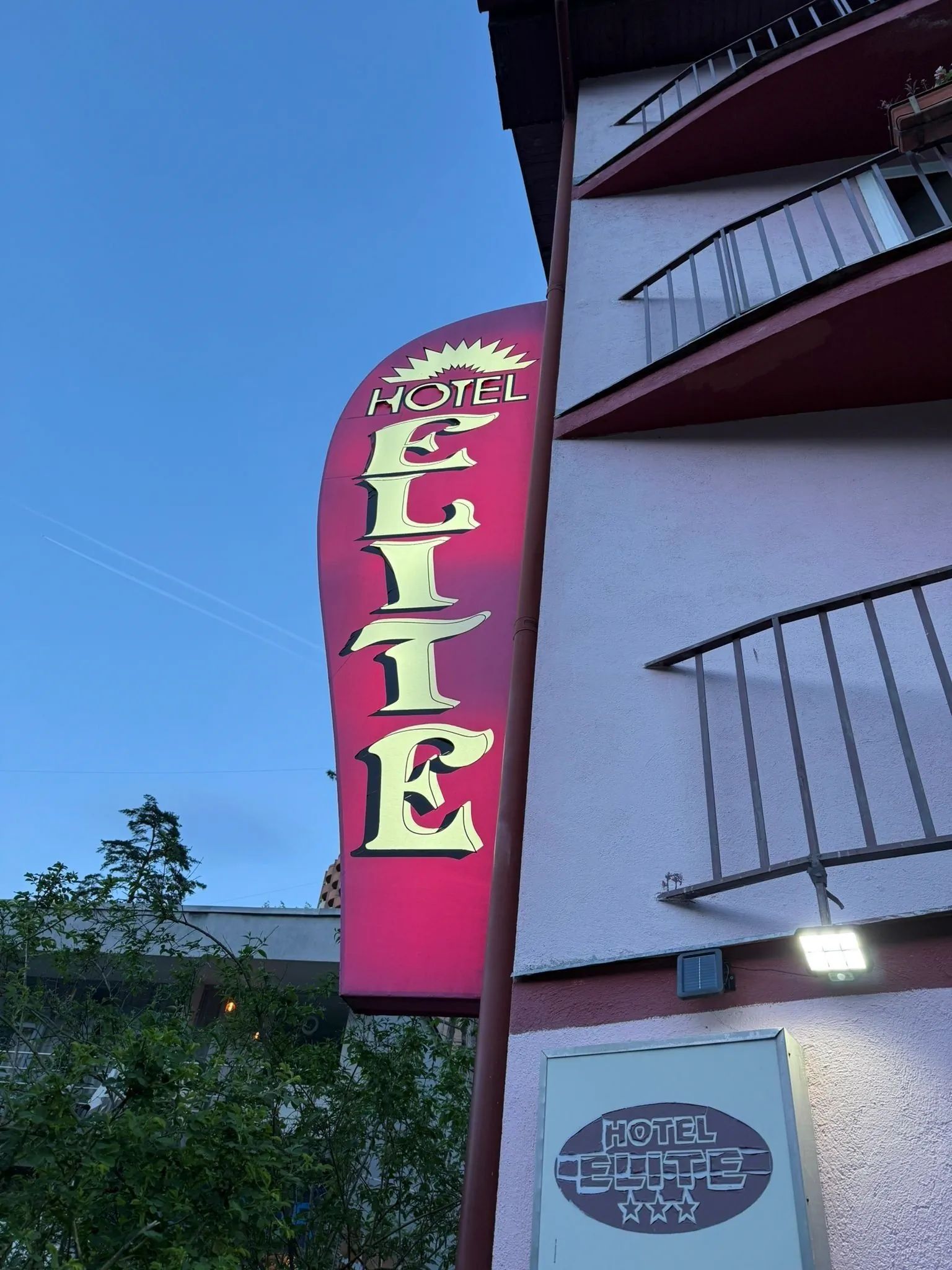
Hostel Elite Băile Herculane
O dimineață începe cu o plimbare călare prin împrejurimile pitorești, iar seara se încheie cu un masaj relaxant și o cină savuroasă la restaurantul din incintă, la Hostel Elite din Băile Herculane. Aici găsiți un echilibru între activități în aer liber și momente de odihnă într-un mediu primitor. Vă punem la dispoziție Wi-Fi gratuit, parcare privată gratuită și fier de călcat pentru un sejur confortabil și fără griji. Puteți practica pescuitul în zonă, închiria o barcă pentru plimbări liniștite pe apă sau porni în drumeții montane pe traseele naturale care înconjoară stațiunea și oferă priveliști spectaculoase. În apropiere puteți explora Stațiunea Băile Herculane, Parcul Național Domogled Valea Cernei, Ruinele Podului lui Traian, Cazanele Dunării și Chipul lui Decebal, precum și impresionantele peisaje ale Munților Mehedinți. Toate aceste obiective se află la îndemână pentru a fi descoperite în timpul șederii dumneavoastră. Această unitate este potrivită pentru călătorii care doresc să combine relaxarea cu explorarea naturii și a obiectivelor istorice într-un cadru montan autentic.
FROM
170 lei per night

Hotel · 3 stars
Băile Herculane, Caraș-Severin County · 0.1 km
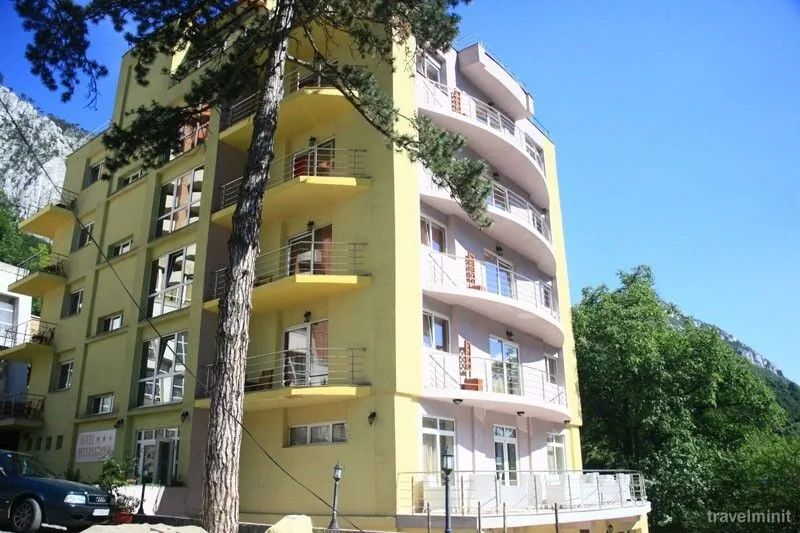
Hotel International Băile Herculane
Hotel cu trei stele situat în stațiunea Băile Herculane din județul Caraș-Severin, pe strada Aleea Florilor. Unitatea oferă cazare confortabilă în 12 camere duble și 7 apartamente, distribuite pe patru niveluri. Toate spațiile de cazare sunt dotate cu aer condiționat, conexiune Wi-Fi gratuită, televizor prin cablu, telefon, minibar, baie privată, uscător de păr și halat de baie. Oaspeții beneficiază de parcare privată gratuită supravegheată video și de acces la o piscină interioară deschisă pe tot parcursul anului. Hotelul pune la dispoziția dumneavoastră un restaurant cu 40 de locuri și terasă, bar, sală de conferințe, precum și o bază modernă de tratament și relaxare cu servicii de wellness. De asemenea, sunt disponibile servicii de coafură, manichiură-pedichiură, spălătorie și ascensor pentru confortul dumneavoastră. Plățile cu cardul de credit sunt acceptate. În vecinătate puteți explora stațiunea Băile Herculane, Parcul Național Domogled Valea Cernei, Ruinele Podului lui Traian, Cazanele Dunării și Chipul lui Decebal, precum și Munții Mehedinți. Vă așteptăm la Hotel International Băile Herculane.
FROM
290 lei per night
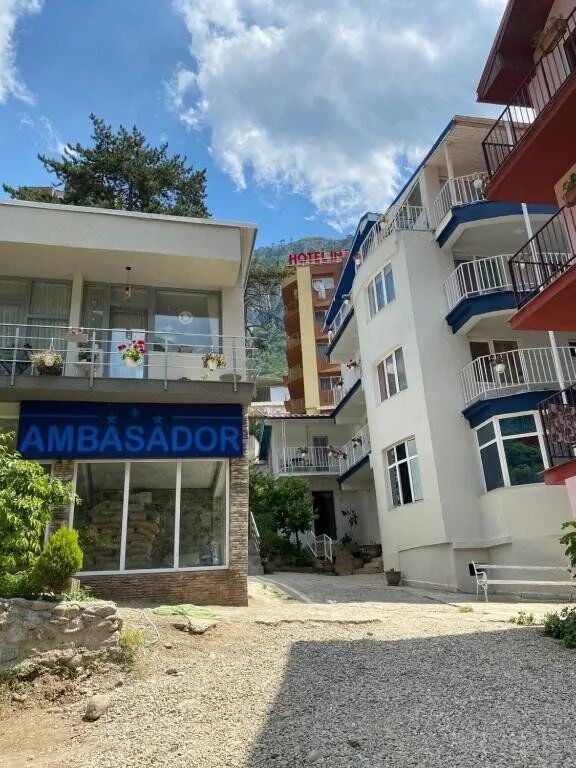
Guesthouse · 3 stars
Băile Herculane, Caraș-Severin County · 0.1 km
Pensiunea Ambasador Băile Herculane
Pe strada Vicol din Băile Herculane, într-o zonă liniștită a stațiunii, se află Pensiunea Ambasador Băile Herculane. Unitatea pune la dispoziție cinci camere confortabile și plăcut amenajate, potrivite pentru un sejur relaxant în această localitate din județul Caraș-Severin. Camerele sunt pregătite pentru a vă oferi confortul necesar după o zi de explorare. Dumneavoastră beneficiați de conexiune Wi-Fi gratuită în întreaga proprietate, iar familiile care călătoresc cu bebeluși pot solicita un pătuț special pentru cei mici. Unele dintre camere sunt dotate cu aer condiționat, iar animalele de companie sunt acceptate contra unei taxe suplimentare. Personalul pensiunii vorbește atât română, cât și engleză. În imediata apropiere se află Stațiunea Băile Herculane, Parcul Național Domogled Valea Cernei și Munții Mehedinți, zone perfecte pentru drumeții și explorarea naturii. De asemenea, puteți descoperi Ruinele Podului lui Traian, Cazanele Dunării și Chipul lui Decebal, monumente și peisaje impresionante care oferă o perspectivă unică asupra istoriei și frumuseții naturale ale acestei regiuni. Vă așteptăm la Pensiunea Ambasador Băile Herculane.
FROM
240 lei per night
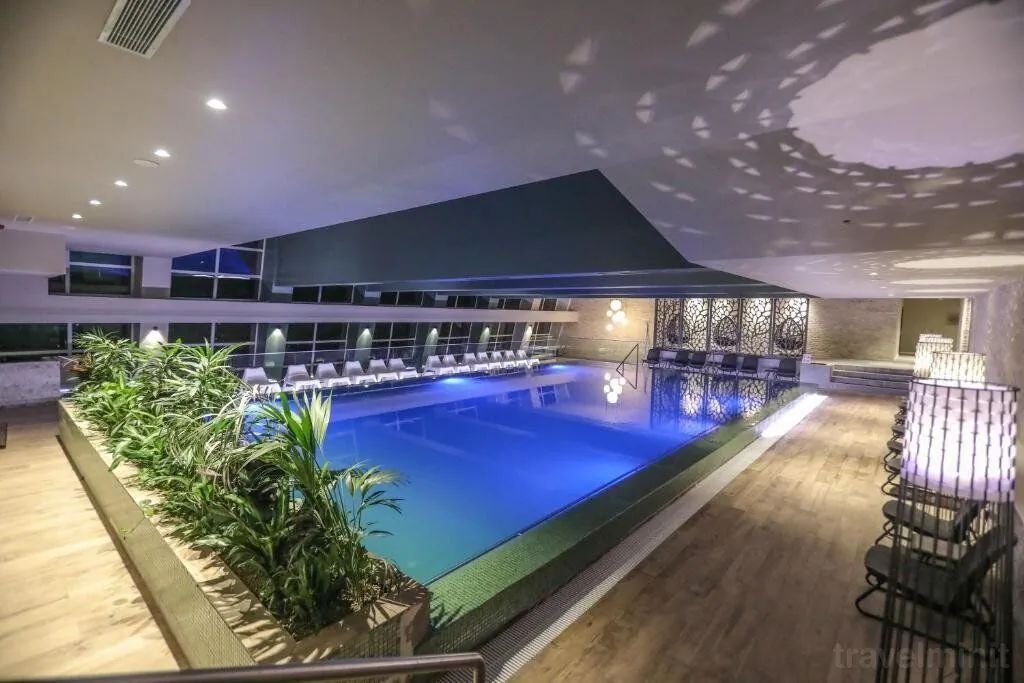
Hotel · 4 stars
Băile Herculane, Caraș-Severin County · 0.2 km
Bacolux Afrodita Herculane
Familiile, cuplurile și grupurile de prieteni se vor simți bine la Bacolux Afrodita Herculane, hotel de patru stele din Băile Herculane, și vă invită să descoperiți facilitățile sale moderne. Unitatea oferă 220 de camere pe paisprezece niveluri, cu vedere spre munți, într-un cadru modernizat cu atenție la detalii. Pentru relaxare și întreținere, aveți acces la jacuzzi sau cadă cu hidromasaj, saună, sală de fitness și Wi-Fi gratuit în întreaga unitate. Puteți servi masa în sălile de restaurant cu capacitate mare, puteți organiza conferințe, nunți sau alte evenimente în spațiile dedicate, iar lounge barul oferă un loc plăcut pentru întâlniri. De asemenea, beneficiați de parcare și puteți solicita transport de la aeroport. La cerere, se pot organiza plimbări pe Dunăre și drumeții în zonă. În vecinătate se află Stațiunea Băile Herculane, Parcul Național Domogled Valea Cernei, Ruinele Podului lui Traian, Cazanele Dunării și Chipul lui Decebal, precum și Munții Mehedinți, toate aceste obiective fiind ușor de accesat. Vă așteptăm la Bacolux Afrodita pentru un sejur relaxant în Băile Herculane.
FROM
420 lei per night
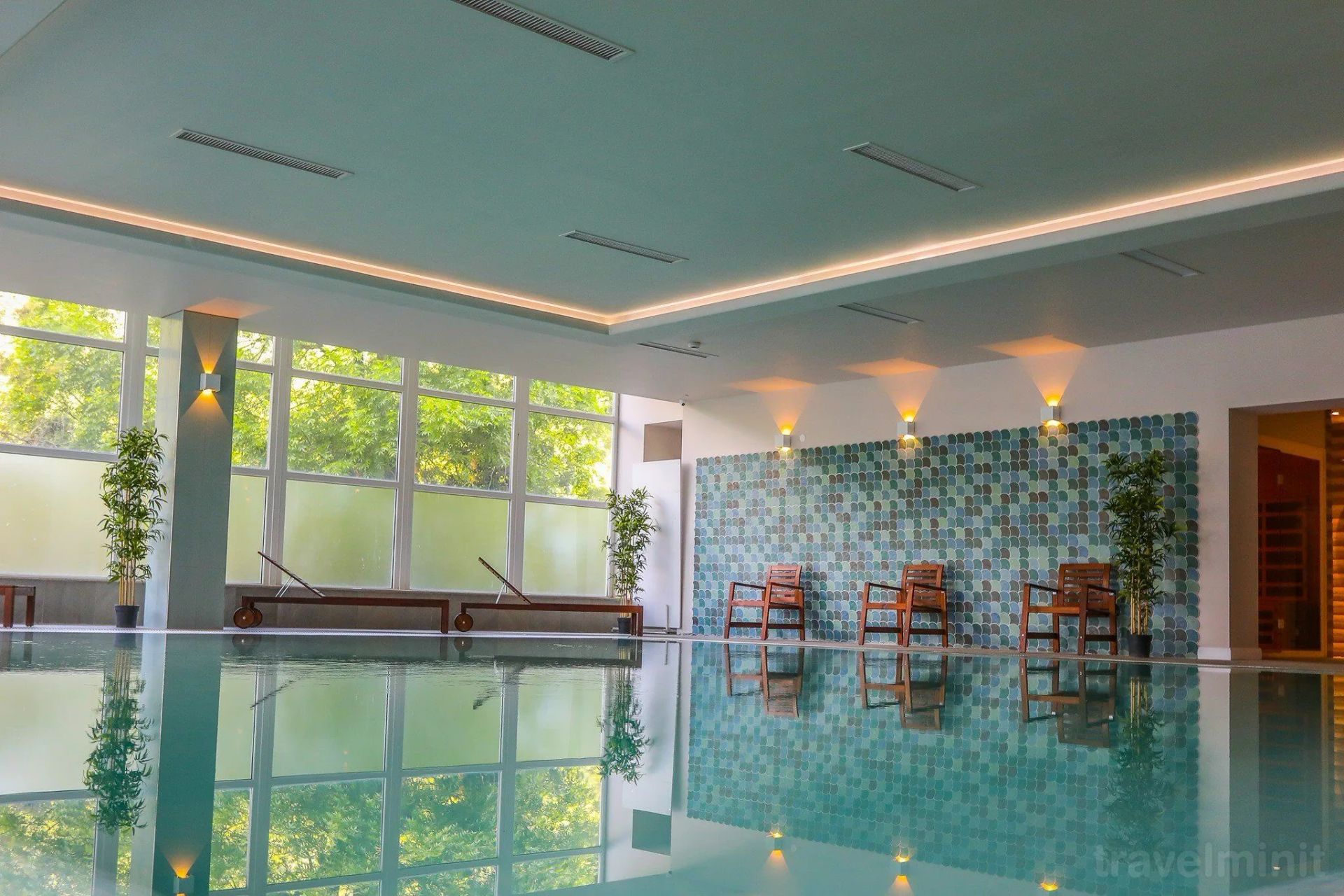
Hotel · 3 stars
Băile Herculane, Caraș-Severin County · 0.2 km
Bacolux Diana Herculane
Bacolux Diana Herculane este un hotel de trei stele situat în stațiunea Băile Herculane din județul Caraș-Severin. Unitatea pune la dispoziția dumneavoastră facilități variate pentru relaxare și bunăstare într-un cadru natural împădurit. Aveți acces la cadă cu hidromasaj sau jacuzzi, saună, sală de fitness și piscină interioară pentru a vă menține tonusul. Conexiunea Wi-Fi este gratuită în întreaga proprietate, iar parcarea privată este disponibilă fără costuri suplimentare. De asemenea, hotelul asigură facilități pentru accesul persoanelor cu dizabilități. În vecinătate se află numeroase obiective interesante de vizitat. Puteți explora Stațiunea Băile Herculane, Parcul Național Domogled Valea Cernei, Ruinele Podului lui Traian, Cazanele Dunării și Chipul lui Decebal, sau puteți vizita Munții Mehedinți. Camerele sunt spațioase și bine amenajate, oferind baie privată, zonă de relaxare și televizor. Restaurantul servește preparate din bucătăria regională și internațională, iar dumneavoastră puteți lua masa în sala de mese sau pe terasă. Bacolux Diana Herculane este potrivit pentru turiștii care doresc să îmbine relaxarea la spa cu explorarea naturii și a monumentelor istorice din această zonă a Banatului.
FROM
290 lei per night
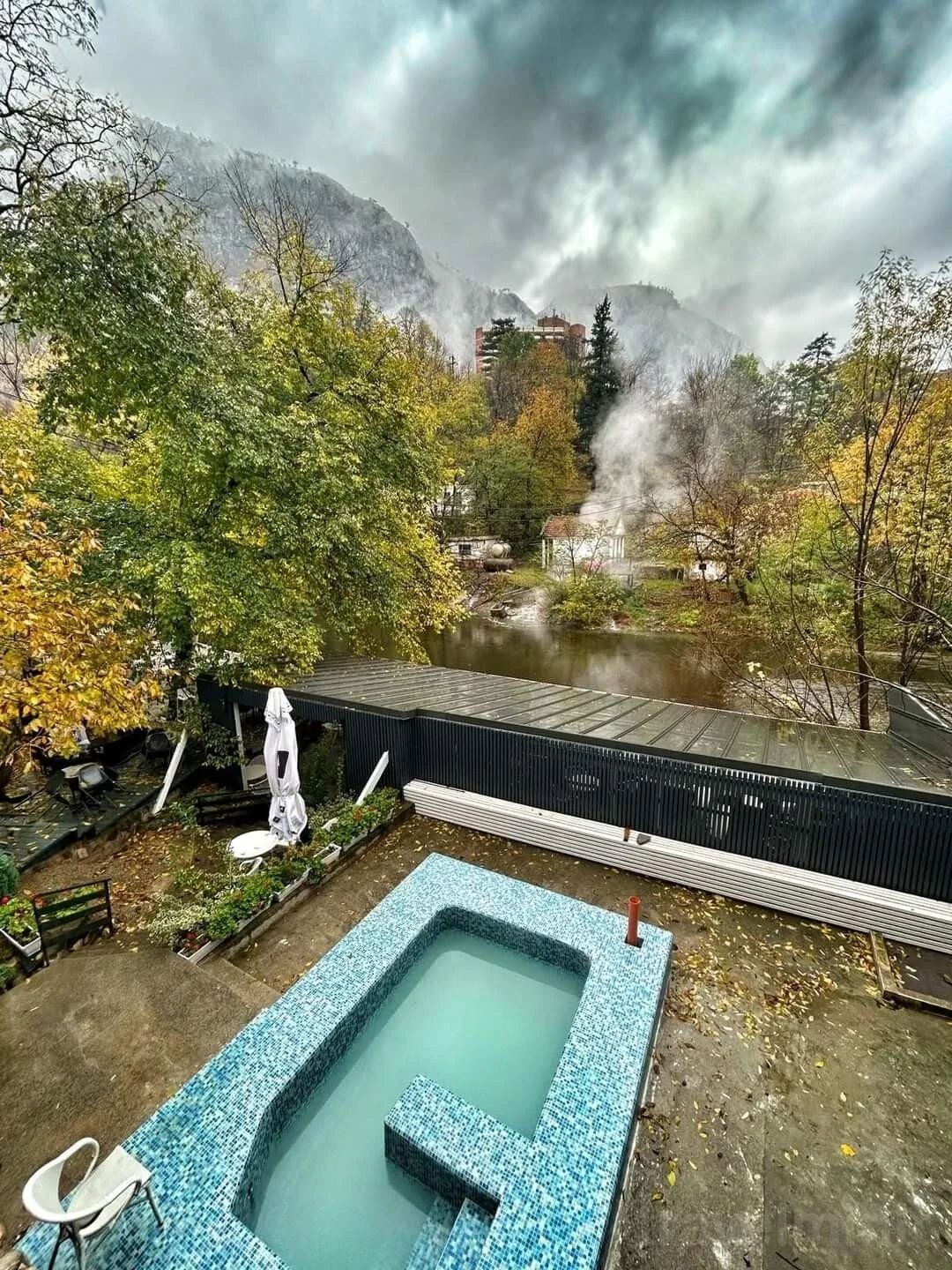
Guesthouse · 3 stars
Băile Herculane, Caraș-Severin County · 0.2 km
Pensiunea Casa Dimitrios Băile Herculane
O zi petrecută aici începe pe terasa la soare și se încheie cu un masaj relaxant, la Pensiunea Casa Dimitrios din Băile Herculane. Unitatea pune la dispoziție șase camere amenajate cu grijă, iar dumneavoastră beneficiați de Wi-Fi gratuit și parcare privată fără cost. În curtea mare cu grădină amenajată vă puteți bucura de aer liber într-un cadru primitor și relaxant. În apropiere puteți explora Stațiunea Băile Herculane, Parcul Național Domogled Valea Cernei, Ruinele Podului lui Traian, Cazanele Dunării și Chipul lui Decebal, precum și Munții Mehedinți, oferind numeroase posibilități de drumeții și descoperiri interesante în natură. Sunt acceptați și oaspeții însoțiți de animale de companie, fără taxe suplimentare. La cerere, puteți opta pentru diverse servicii de masă, de la mic dejun până la pensiune completă, adaptate preferințelor dumneavoastră zilnice. Intrarea se face de la ora 14:00, iar ieșirea până la ora 12:00. Este potrivită pentru cei care caută o atmosferă liniștită într-o stațiune cu tradiție balneară, departe de aglomerație.
FROM
240 lei per night
BEFORE YOU HIT THE ROAD
Weather conditions in Caras Severin
Local forecast for Herculane Baths, Caras Severin, Caraș-Severin

Real-time updated weather data
Much more to explore in this area
Nearby tourist attractions


Mehedinti, Mehedinți County
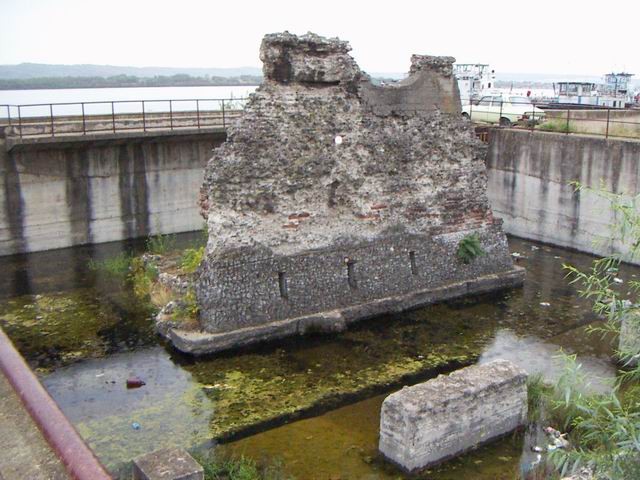
Trajan's Bridge Ruins
Se afla in apropierea orasului Drobeta Turnu Severin, pe Dunarea de jos, la est de Portile de Fier;constructia, capodopera a tehnicii si arhitecturii, a fost...
24.2 km

Caras Severin, Caraș-Severin County
Bigăr Waterfall
Situat pe Valea Minisului, in Muntii Aninei; izvor puternic alimentat de un curs de apa subteran care strabate pestera cu acelasi nume; la aproximativ 200 m...
38.1 km
Dubova, Mehedinți County
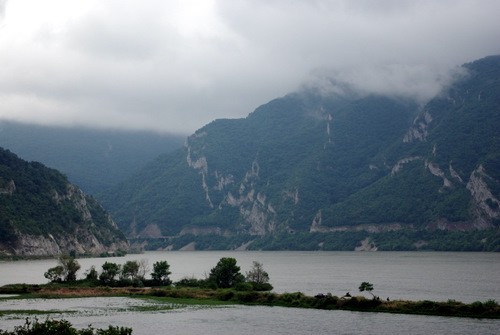
The Iron Gates Gorges and the Face of Decebalus
Se afla intre Valea Ogradena si Paraul Ogasul Turcului, in perimetrul localitatii Dubova, intre versantii abrupti pe care ii desparte Dunarea, formand niste...
30.9 km
Caras Severin, Caraș-Severin County
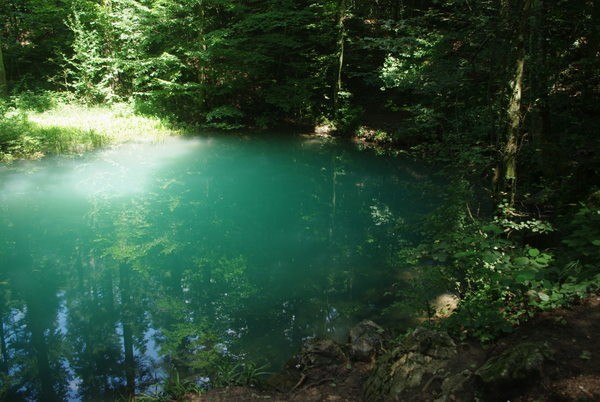
Blue Eye Lake
Se afla in Parcul National Cheile Nerei Beusnita, protejat de muntii Aninei si Locvei; se spune ca aceste locuri au fost stapanite de un pasa hain care avea un...
49.5 km
Caras Severin, Caraș-Severin County
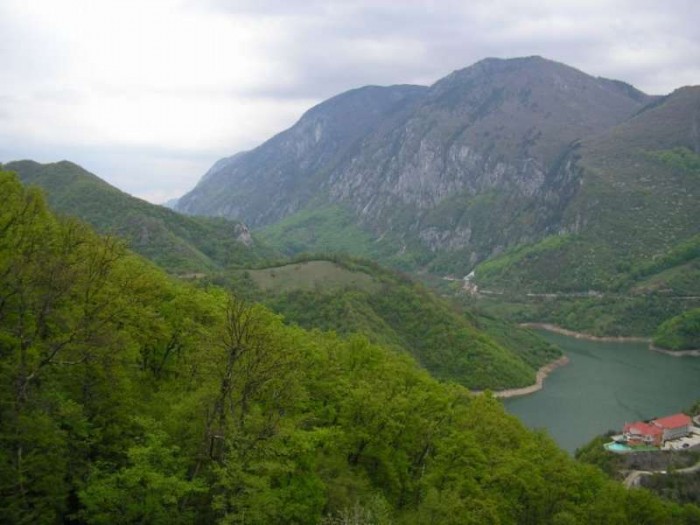
Domogled-Valea Cernei National Park
Se intinde pe suprafata a 3 judete - Caras-Severin, Mehedinti si Gorj, peste bazinul raului Cerna, de la obarsie pana la confluenta cu raul Belareca, peste...
15.3 km

Mehedinti, Mehedinți County
Iron Gates Natural Park
Se afla pe malul stang al Dunarii, intre localitatile Buzias si Gura Vaii, judetul Mehedinti, intinzandu-se si pe teritoriul judetului Caras-Severin;din...
25.1 km

46.1 km
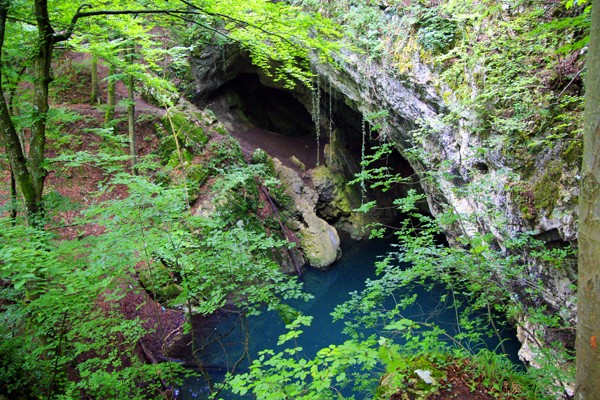
Caras Severin, Caraș-Severin County
Nera Gorge
Cheile Nerei sunt situate de-a lungul raului Nera, intre localitatile Sopotul Nou si Sasca Montana;Cheile Nerei sunt cele mai lungi din tara, intinzandu-se pe...
48.5 km
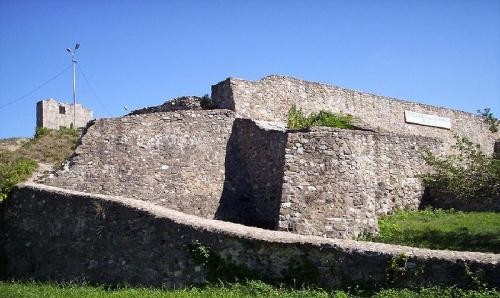
Mehedinti, Mehedinți County
Severin Medieval Fortress
Situata in Parcul Dragalina, Bulevardul Carol I, orasul Drobeta Turnu-Severin;in anul 1233 s-a inceput constructia noii Cetatii a Severinului, peste ruinele...
34.3 km
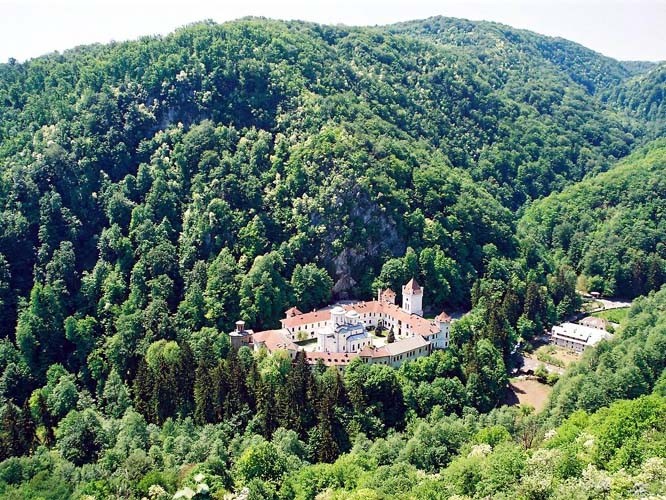
Gorj, Gorj County
Tismana Monastery
Situata la 36 de km de orasul Targu Jiu; pornind din Targu Jiu pe DN67, la km 82 se face ramifica?ia spre Tismana si Baia de Arama; monument de arhitectura...
46.2 km
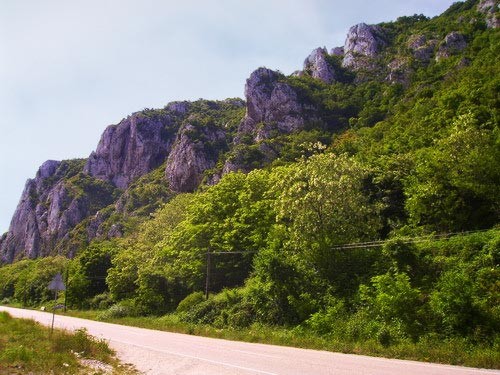
Caras Severin, Caraș-Severin County
Rudăria Gorge and Water Mills
Situate in zona muntoasa a judetului Caras Severin, pe raza localitatii Eftimie Murgu (fosta Rudaria);accesul se face de pe drumul E70 Caransebes - Oravita, pe...
23.4 km

18.9 km
Cultural life and traditions
Events in the Herculane Baths area
Medieval festivals, traditional fairs, concerts and local activities recommended in Banat.

Traditions and Crafts

Caras Severin, County of Caraș-Severin
Days of Local Culture and Traditional Tourism
Open workshops featuring pottery, wood carving, and authentic folklore demonstrations by local artisans.
WHEN
May 15-17, 2026


Traditional Cuisine
Caras Severin, County of Caraș-Severin
The Fair of Traditional Products and Local Cuisine
Traditional products, aged cheeses, mountain honey and local delicacies prepared according to ancient recipes.
WHEN
Every weekend

Culture and Photography
Caras Severin, County of Caraș-Severin
Themed and Photographic Guided Tour of Cultural Heritage
A guided tour designed for history buffs, nature lovers, and photography enthusiasts, showcasing the most spectacular views in the area.
WHEN
Daily schedule available upon request
On foot, exploration gains depth
Discover the surroundings and local geography
Explore the trails, terrain, and natural landmarks around Herculane Baths.

Guides and practical tips
Useful travel articles
Travel guides, practical recommendations and tourist itineraries for Banat.

Tourist guide
Castelul Bran: Istorie, Legende și Secrete Medievale
Află adevărata poveste a fortăreței medievale din Pasul Bran, reședința de suflet a Reginei Maria a României.

Tourist guide
Top 5 Atracții Turistice și Trasee Montane în Zona Moieciu - Bran
Descoperă cele mai spectaculoase peisaje carstice, chei adânci și cetăți medievale din imediata apropiere a stațiunii Moieciu.

Tourist guide
Ghid de Drumeție: Traseul Moieciu de Sus spre Platoul Bucegi
Un itinerariu montan de o frumusețe rară ce urcă din Valea Băngăleasa spre Poiana Guțanu și crestele maiestuoase ale Bucegilor.
THE JOURNEY STARTS WITH AN IDEA
The next story is on the way.
From the first stop to the last stay, make room for a new Romania.
