


MONUMENT · OLTENIA (LESSER WALLACHIA)
Rânca Ski Resort

Gorj, Gorj County
Add location to your trip planner.
Practical access information

VISITING HOURS
Monday: 12:00 PM – 5:00 PM · Tuesday–Sunday: 9:00 AM – 5:00 PM (in summer until 8:00 PM)

TICKET PRICE
Adults: 45 RON · Students: 11 RON · Seniors: 23 RON · Guided tour included

RECOMMENDED VISIT DURATION
2-3.5 hours
Visitor information and guide
 Navigate with Google Maps

ABOUT RÂNCA SKI RESORT
A Winter Sanctuary in the Heart of the Southern Carpathians
Perched at over 1,600 meters above sea level in the Parâng Massif, Rânca Ski Resort stands as one of Romania’s highest and most spectacular gateways to winter sports. This alpine sanctuary, located in the southwestern part of the country in Gorj County, distinguishes itself through its rare wilderness landscapes and an atmosphere that harmoniously blends millennia-old pastoral traditions with contemporary comfort. Rânca is not merely a ski resort; it is a true meeting point between modern civilization and the unspoiled nature of the Southern Carpathians, offering visitors an authentic experience within a protected setting, near the Parâng Natural Reserve and the glacial lakes that adorn the mountain crests. Here, at the boundary between sky and stone, where the rarefied air of the heights meets the absolute silence of the snow, one rediscovers the sacred dimension of the mountain, as known by the ancient Dacians, Vlach shepherds, and travelers who crossed the Carpathians along centuries-old paths.
The cultural significance of this place extends far beyond its tourist function. Rânca represents a monument of transformation, a space where the ancient transhumance trails of Oltenian shepherds intersect with 21st-century technology, creating a hybrid cultural landscape characteristic of late European modernity. Its impressive altitude places the resort among the highest ski destinations in the entire Carpathian range, offering exceptional snow conditions and vistas that stretch as far as the border with Transylvania. In this landscape, snow is not merely a meteorological element but a protagonist in a story that has unfolded over millennia, from the glacial eras to the present, when modern chairlifts carry tourists to peaks that were once the domain of wild goats and eagles.
Deep Historical Roots and Major European Connections
The profound history of these mountains predates modern skiing by centuries, beginning when the Parâng was part of the strategic network of the Roman Empire following Trajan’s conquest of Dacia in the 2nd century. Roman roads that traversed these mountains—some traces of which can still be identified nearby—served as vital arteries of a civilization that dominated Europe, connecting fortresses north of the Danube with those in the Balkans. Later, during the medieval period, these routes became paths of transhumance, a pan-European pastoral phenomenon linking the Carpathians to the Alps and the Balkans. The Vlach shepherds of Rânca, much like their counterparts in the Swiss, Austrian, or French Alps, practiced a mobile economy based on the seasonal movement of flocks between summer pastures in the mountains and winter valleys, a way of life that defined the cultural identity of these mountainous regions.
In the 18th and 19th centuries, the Oltenia region came under the growing influence of the Habsburg Monarchy and later the Austro-Hungarian Empire, which administered neighboring territories and exerted cultural and economic pressure on Wallachia. Austrian administrative reforms, inspired by the Enlightenment, introduced new concepts of territorial organization, including the exploitation of mountain resources. Miners and engineers brought from the empire developed infrastructure in Gorj County, and the entrepreneurial spirit of Vienna influenced how local communities began to harness the tourist potential of the mountains. This period marked the beginning of an awareness of the Carpathians’ scenic value, akin to the development of alpine tourism in Switzerland and Austria, where the first mountain hotels and cogwheel railways emerged in the 19th century.
The development of skiing in Romania, and implicitly at Rânca, followed a trajectory parallel to that of Central and Eastern Europe. While resorts in the French, Austrian, and Swiss Alps evolved as aristocratic destinations as early as the 19th century, and those in Czechoslovakia and Poland (such as Zakopane in the Tatra Mountains) became winter sports hubs in the interwar period, Romania lagged behind due to geographical and political isolation. The communist era brought a new phase of development, as the socialist state invested in winter sports infrastructure as part of its mass tourism policy for workers, similar to the Soviet and Eastern European model. The first facilities at Rânca date from this period, when slopes were designed for "union holidays," and rudimentary ski lifts served thousands of tourists from across the country. The transformations of the last two decades have integrated Rânca into the European circuit, with private investments inspired by Austrian and Swiss models, bringing technical standards that place the resort among competitive destinations on the Alpine map.
A Technical Masterpiece and Contemporary Alpine Architecture
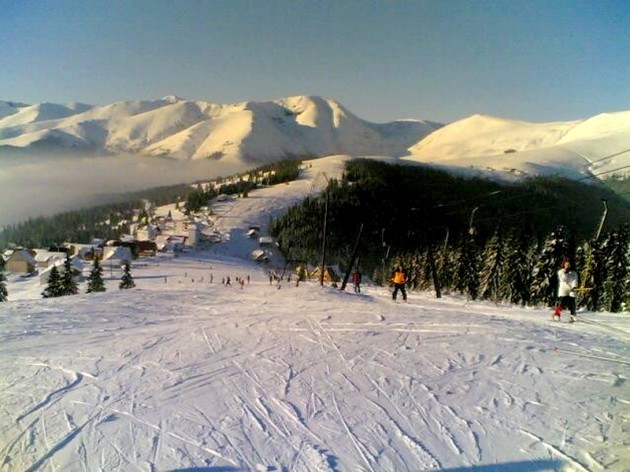
The ski infrastructure at Rânca Ski Resort is a masterpiece of mountain engineering, blending European technical precision with the unique geomorphology of the Southern Carpathians. The four distinct slopes form a hierarchical system, each designed to offer a different experience, catering to both enthusiastic beginners and advanced skiers seeking technical challenges. The Rânca 1 slope, with a length of 610 meters and a moderate gradient of 23 percent, is ideal for those taking their first steps on snow, featuring modern facilities such as a ski lift and a beginner’s area. This slope, certified by the Ministry of Tourism in accordance with International Ski Federation standards, is equipped with a sound system, state-of-the-art LED night lighting, and snow cannons, ensuring optimal conditions throughout the season.
The Rânca 2 slope, classified as intermediate, stretches 510 meters with a steeper gradient of 30 percent, served by a single-seat ski lift and benefiting from the same rigorous ministerial certification. For those seeking a gentler experience at altitude, the Rânca 3 slope offers 350 meters of easy descent starting at 2,000 meters, currently undergoing certification to meet European standards, demonstrating a continued commitment to excellence. However, the true jewel of the complex is the Rânca 4 slope, an impressive 1,000-meter run with a significant elevation drop of 239 meters, an average width of 60 meters, and a capacity of up to 2,100 people per hour, served by a modern four-seat chairlift that provides panoramic views of the entire mountain range and the snow-covered glacial cirques.
The architecture and design of the infrastructure reflect a contemporary approach that respects the landscape, avoiding the visual aggression of industrial constructions from the communist era. Service buildings and equipment rental points are constructed from natural materials such as wood and stone, integrating organically into the alpine environment, in a spirit reminiscent of mountain architecture in the Austrian Tyrol or Switzerland, where the tradition of chalets meets modern design. The advanced snowmaking system, featuring state-of-the-art cannons produced in Austria and Italy, ensures optimal skiing conditions even during periods of low natural precipitation—a technology that revolutionized the ski industry in the Alps beginning in the 1980s and has been adopted at Rânca to guarantee the reliability of the season. Night lighting extends the skiing schedule, offering a magical atmosphere under the starry skies of the Carpathians, an experience comparable to that of luxury resorts like Val d'Isère or St. Moritz, yet preserving the authenticity and tranquility unique to this lesser-known corner of Europe.
Stories, Personalities, and Turning Points
The story of Rânca is closely tied to that of the shepherds who, for centuries, brought their flocks to these high pastures, building wooden and stone huts that still stand nearby. These people, with their white shirts and sheepskin hats, represented a deeply European mountain civilization, spiritually akin to shepherds in the Bavarian Alps or the Pyrenees. Until the 1980s, Rânca was merely a point on the transhumance map, a place where shepherds came in the summer, while in winter, the mountains remained empty and silent, guarded only by brown bears and gray wolves.
The turning point came during the communist era, when the state decided to develop winter tourism in the Southern Carpathians. The first skiers appeared in the Parâng Mountains in the 1970s, and the initial ski lifts were installed with great logistical difficulty, their parts transported along narrow forest roads. The engineers and workers who built these early facilities laid the foundation for what would later become a European destination. After 1989, the resort experienced a period of decline, with old facilities becoming nonfunctional, until the 2000s, when private investors recognized the extraordinary potential of the location. For years, local entrepreneurs and technical consultants from Austria worked on modernizing the infrastructure, introducing four-seat chairlifts, computerized snowmaking systems, and safety equipment meeting European standards.
Among the personalities who have shaped Rânca’s evolution are local ski instructors, individuals who grew up with skis on their feet and passed on their passion for the mountains to younger generations. These instructors, trained in Austrian or Swiss schools, brought modern teaching methodologies. Additionally, mayors and administrators who managed the transition from a state-run resort to a private destination, navigating complex bureaucracy and securing funding for development, played crucial roles. A famous anecdote among locals tells of the first installation of the four-seat chairlift on the Rânca 4 slope, when the pylons had to be transported by helicopter to the narrow crests—a spectacular operation that symbolized Rânca’s entry into the modern era of alpine tourism. Other stories speak of unexpected encounters between tourists and bears that still roam the Parâng forests, or of nights spent in isolated cabins by the light of oil lamps before electricity reached every corner of the resort.
Practical Visitor’s Guide and the Modern Tourist Experience
Access to Rânca begins in Târgu Jiu, the capital of Gorj County, via one of Europe’s most spectacular roads, the Transalpina (DN67C). This high-altitude highway climbs toward the sky, offering views that rival those of Italy’s Stelvio Pass or Romania’s Transfăgărășan. The journey through these mountains reveals a landscape of untamed beauty, with beech and spruce forests, steep cliffs, and deep valleys, passing near the Parâng Natural Reserve and offering opportunities to observe the region’s alpine flora and fauna. Upon arrival at the resort, visitors are greeted by a diverse range of accommodation options, from modern hotels with spas and wellness centers to traditional guesthouses featuring local architecture—houses with sloping roofs, carved wooden balconies, and interiors decorated with traditional Oltenian textiles.
The gastronomic experience at Rânca reflects the richness of Oltenian cuisine, renowned throughout Romania for its authentic flavors. Visitors can savor traditional dishes such as cabbage rolls, polenta with sheep’s cheese and sour cream, tripe soup, or lamb stew, accompanied by plum brandy or apple pálinka, spirits that warm the soul after a day on the slopes. Oltenian hospitality, characterized by warmth and openness, turns every meal into a celebration of conviviality, reminiscent of the traditions found in villages of the French Alps or Tyrol, where meeting the host is as important as the view.
Beyond skiing, Rânca offers opportunities to explore the region’s cultural heritage. Nearby are historic monasteries of great spiritual and historical value, such as Tismana Monastery, the oldest in Wallachia, founded in the 14th century, and Polovragi Monastery, set in a remarkable natural landscape. The city of Târgu Jiu, just a few kilometers away, is home to the "Heroes’ Path" monumental ensemble by Constantin Brâncuși, a UNESCO-listed masterpiece of modern European art that offers a fascinating contrast to Rânca’s mountainous setting. Hiking trails starting from the resort reveal the history of ancient shepherding paths and traditional huts, offering the chance to still encounter shepherds guiding their flocks on these pastures, keeping alive a millennia-old way of life.
Visiting Rânca means experiencing a complete journey where sport, culture, and nature come together in a rare balance. Whether it’s descending the Rânca 4 slope at sunset, when the sun dips behind the snow-covered crests of the Parâng, strolling through snow-laden spruce forests, or spending evenings by the fireplace in a traditional guesthouse, every moment spent here leaves a lasting impression. The resort is not just a place for winter sports but a meeting point between past and future, tradition and modernity, Romania and Europe, offering visitors an authentic experience in a natural setting of overwhelming beauty, over 1,600 meters above sea level, in the heart of the wildest and most impressive massif of the Southern Carpathians.
Media gallery
Discover Rânca Ski Resort in pictures

5 photos · Architecture, courtyards and captivating details
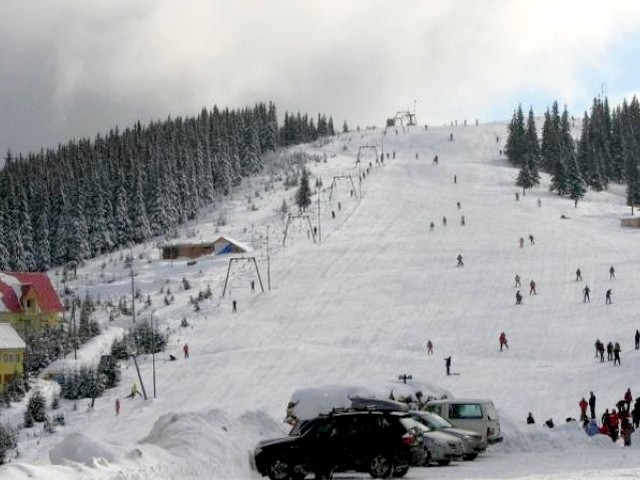


Image source: Wikimedia Commons · Public domain photos · Free license
STAY A FEW DAYS, DISCOVER THE MAGIC
Accommodation in the Rânca Ski Resort area

Cabin · 3 stars

Rânca, Gorj County · 0.0 km
Cabana Rareş Rânca
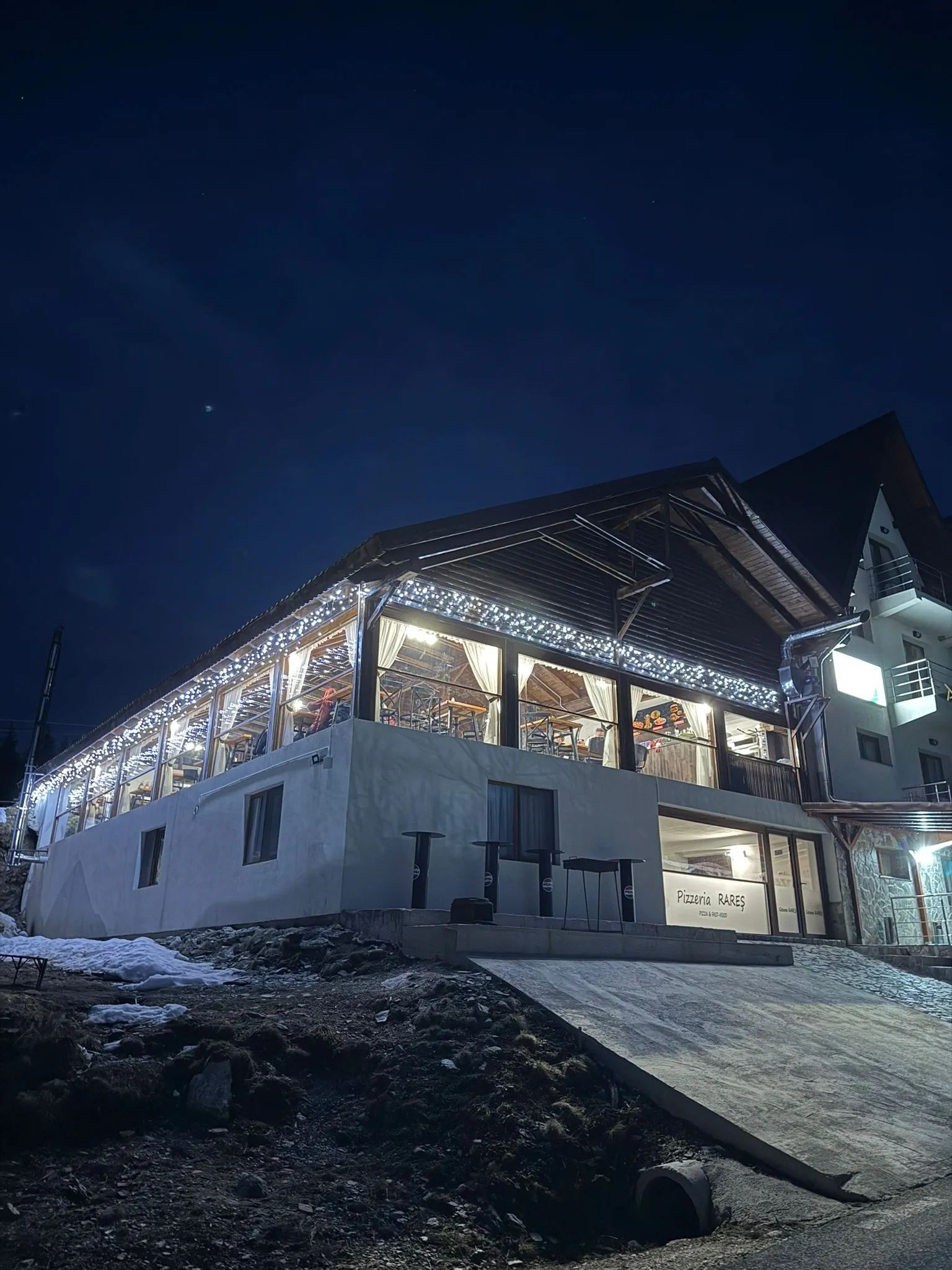
Cabana Rareş Rânca este o cabană clasică de trei stele situată în localitatea Rânca din județul Gorj, la adresa strada Plopului numărul 3. Unitatea pune la dispoziție șapte camere mobilate confortabil, ideale pentru un sejur relaxant în mijlocul naturii. Beneficiați de Wi-Fi gratuit în toate spațiile, fier de călcat și parcare privată gratuită. Accesul cu animale de companie este permis fără costuri suplimentare, iar personalul de la recepție vorbește atât română, cât și engleză. Pentru servirea mesei aveți la dispoziție un restaurant în incintă care prepară bucate tradiționale, alături de o cafenea și un bar. În aer liber vă puteți bucura de grătar sau barbeque, vatră de foc ori șemineu, iar pentru gătit în aer liber aveți la dispoziție un ceaun. Există masă de tenis de masă, meniu special pentru copii, precum și o curte mare cu grădină amenajată unde vă puteți relaxa. În apropiere puteți explora Transalpina, pârtiile din Rânca, stațiunea Rânca și peisajele din Munții Parâng. O pârtie de schi se află chiar în zonă, fiind ideală pentru iubitorii sporturilor de iarnă. Cabana Rareş Rânca este potrivită pentru familii cu copii, grupuri de prieteni și turiști care doresc să descopere frumusețile zonei Rânca într-un ambient tradițional.
FROM
270 lei per night

Cabin · 3 stars
Rânca, Gorj County · 0.1 km
Cabana & Restaurant Terra Rânca
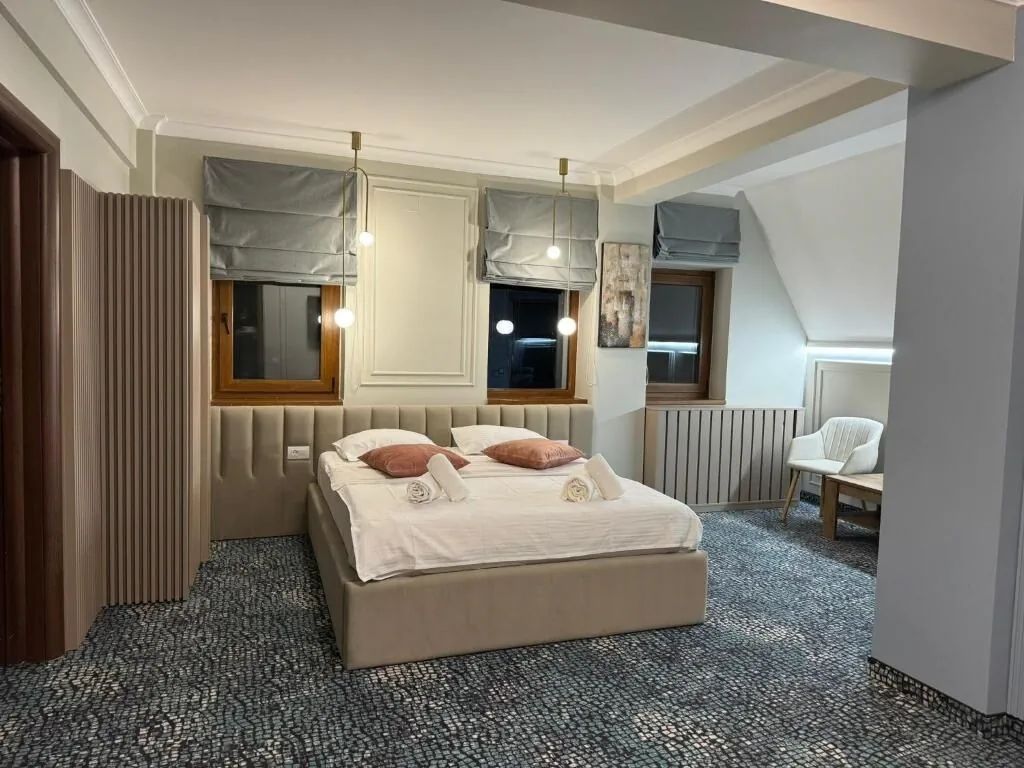
Familiile cu copii se vor simți bine la Cabana și Restaurant Terra Rânca din Rânca. Unitatea oferă șapte camere amenajate cu grijă, într-un cadru potrivit pentru relaxare împreună cu cei mici, într-o cabană clasică cu trei stele. Proprietatea pune la dispoziția dumneavoastră parcare privată gratuită și internet wireless gratuit. Veți găsi o curte mare și o grădină amenajată, plus un loc de joacă pentru copii în aer liber. Pentru confortul celor mai mici sunt disponibile pătuțul pentru bebeluș și scaunul înalt la masă. În apropiere puteți explora Transalpina, pârtiile din Rânca, stațiunea Rânca și Munții Parâng. Aceste obiective oferă oportunități variate de petrecere a timpului liber în natură. Restaurantul vă așteaptă cu preparate, iar la rezervare puteți solicita și micul dejun. Ziua hotelieră începe la ora 14:00 și se încheie la ora 11:00. La recepție se vorbesc română, engleză, spaniolă și italiană. Vă așteptăm la Cabana și Restaurant Terra Rânca pentru un sejur plăcut în Rânca.
FROM
270 lei per night
Guesthouse · 3 stars
Rânca, Gorj County · 0.3 km
Pensiunea Royal Rânca
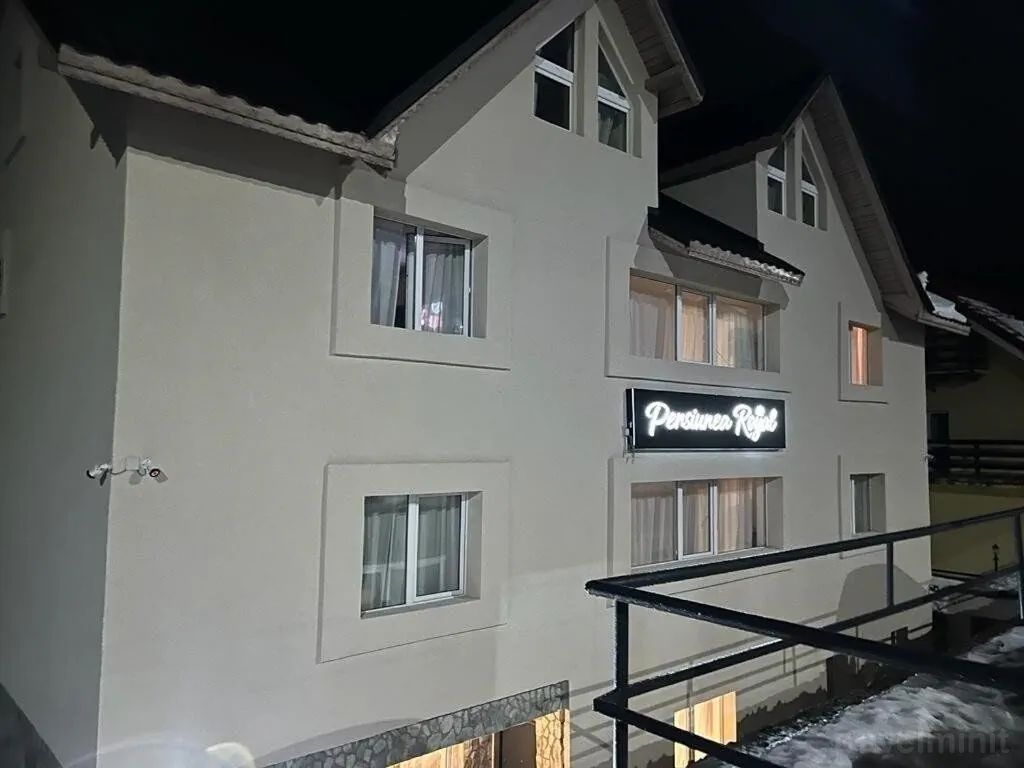
O curte mare și o grădină amenajată constituie cartea de vizită a Pensiunii Royal Rânca din Rânca, județul Gorj. În acest cadru natural plăcut vă așteaptă opt camere frumos amenajate, pregătite să vă ofere odihnă după zile petrecute în aer liber pe potecile din zonă. Pentru confortul dumneavoastră, pensiunea pune la dispoziție Wi-Fi gratuit în întreaga proprietate, parcare privată gratuită și acces facilitat pentru persoane cu dizabilități. Pentru seri liniștite în aer liber, aveți la dispoziție un grătar, barbecue și un ceaun pentru gătit, chiar în grădina amenajată. În apropiere se află Transalpina, pârtiile din Rânca și stațiunea Rânca, iar Munții Parâng oferă trasee montane și priveliști deosebite, toate la doar câțiva pași de locul dumneavoastră de cazare. Programul de cazare prevede sosirea de la ora 14:00 și plecarea până la ora 10:00. La recepție veți putea comunica în română, engleză sau germană. Vă așteptăm cu parcare privată gratuită direct la unitate, iar plata serviciilor se poate efectua în numerar, cu cardul bancar, prin transfer bancar sau cu card de vacanță.
FROM
240 lei per night
Holiday villa · 3 stars
Rânca, Gorj County · 0.3 km
Vila Alex și Tedi Rânca
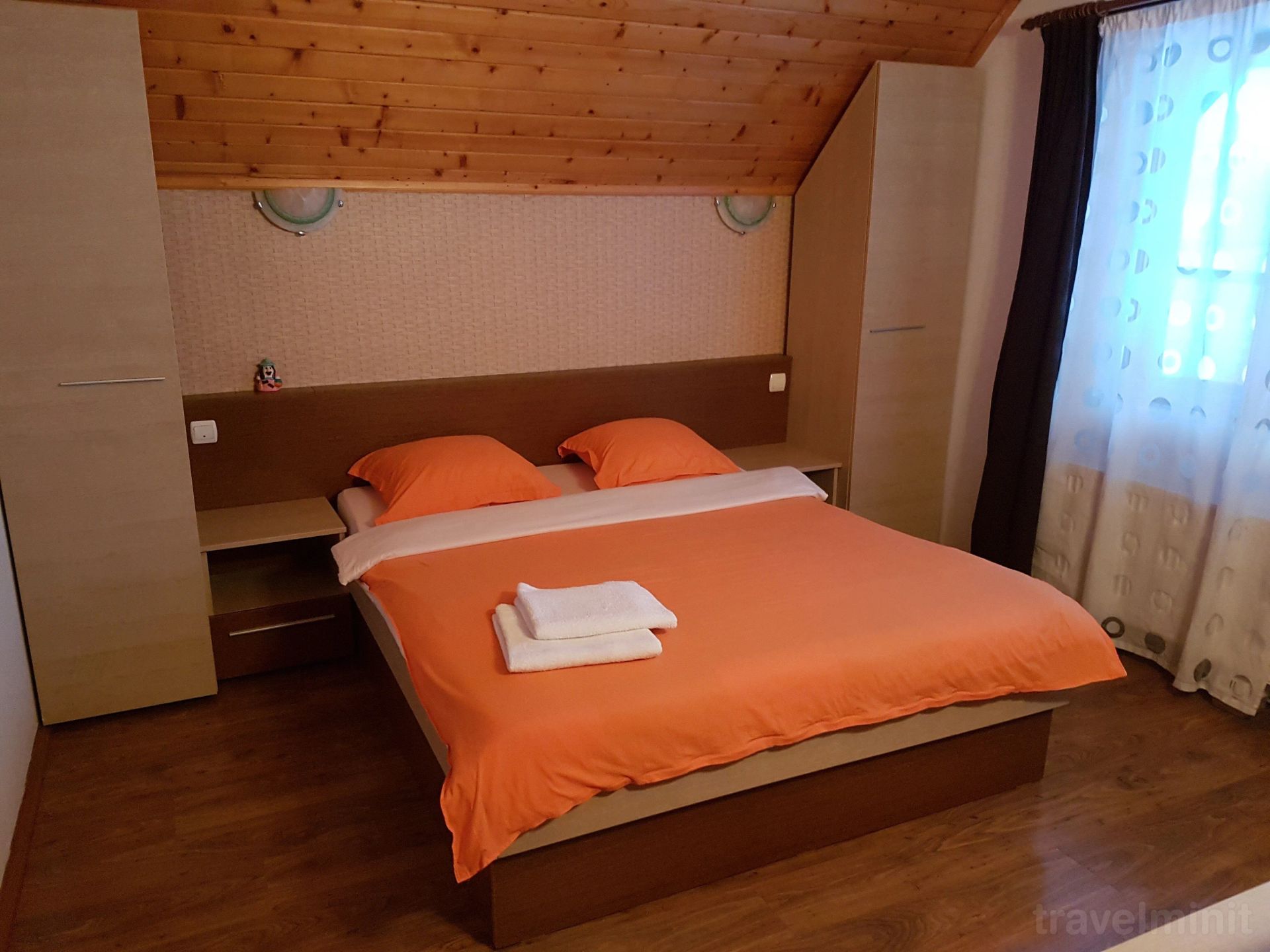
Comfort, relaxation and stunning views, all just steps away from the main attractions.
FROM
280 lei per night
Guesthouse · 3 stars
Rânca, Gorj County · 0.4 km
Pensiunea Rânca Ski
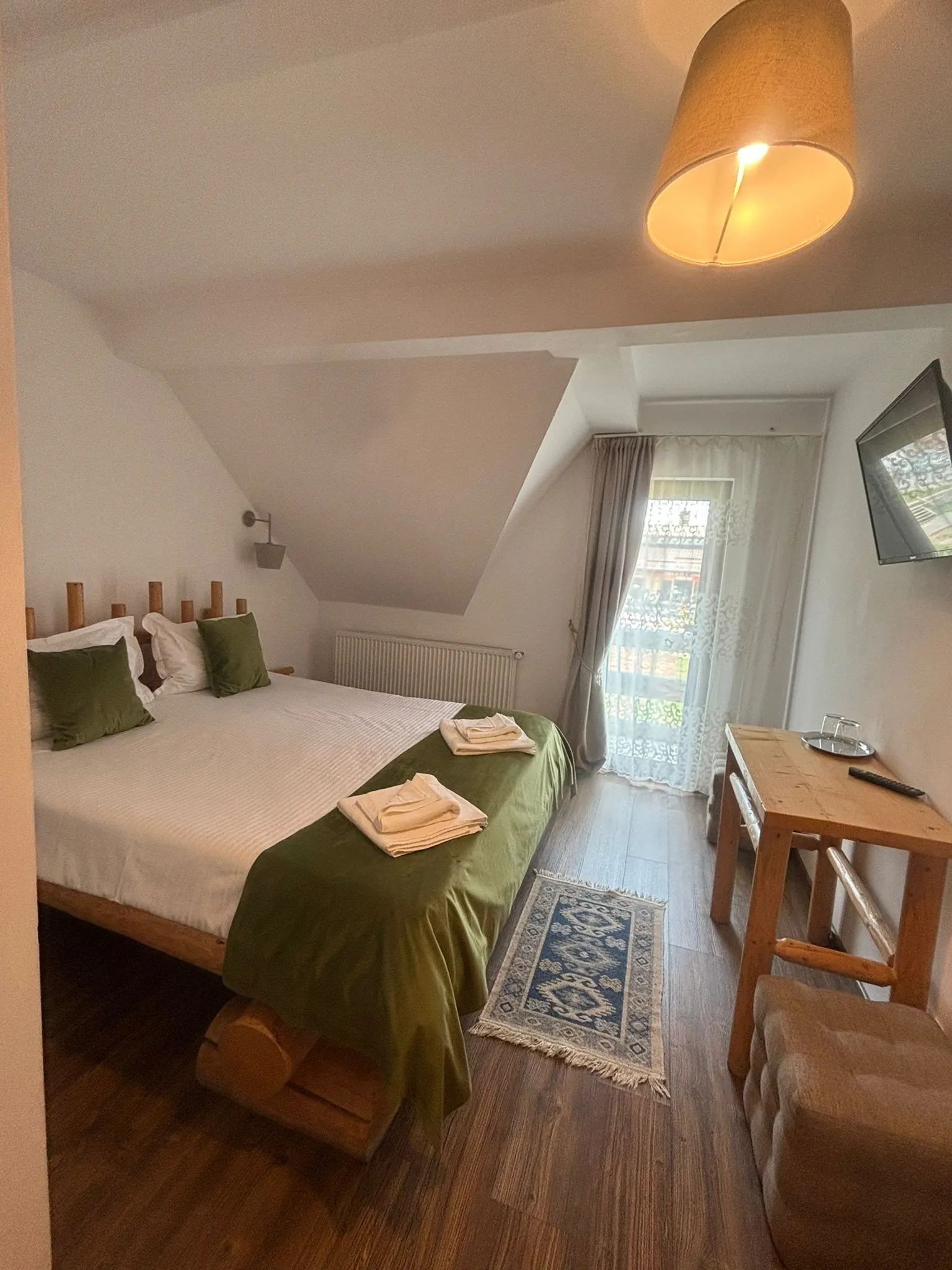
Iubitorii de natură, pasionații de schi și familiile care caută un refugiu liniștit în munți se vor simți bine la Pensiunea Rânca Ski din Rânca, județul Gorj. Această pensiune de trei stele oferă cinci camere mobilate cu gust, într-un cadru primitor, potrivit atât pentru odihnă, cât și pentru activități în aer liber. Unitatea pune la dispoziția dumneavoastră Wi-Fi gratuit, parcare privată gratuită și acces la o curte mare cu grădină amenajată, un loc plăcut unde vă puteți relaxa după o zi plină. Restaurantul din incintă servește preparate delicioase, pregătite cu grijă pentru a satisface diverse preferințe culinare și pentru a completa experiența dumneavoastră. În apropiere se află Transalpina, Pârtiile din Rânca, Rânca, Stațiunea Rânca și Munții Parâng, oferind numeroase posibilități de explorare și relaxare în mijlocul naturii. Fie că doriți să parcurgeți trasee montane, să practicați schiul sau să vă bucurați de peisaje spectaculoase, zona oferă activități variate pentru toate vârstele. Vă așteptăm la Pensiunea Rânca Ski.
FROM
240 lei per night
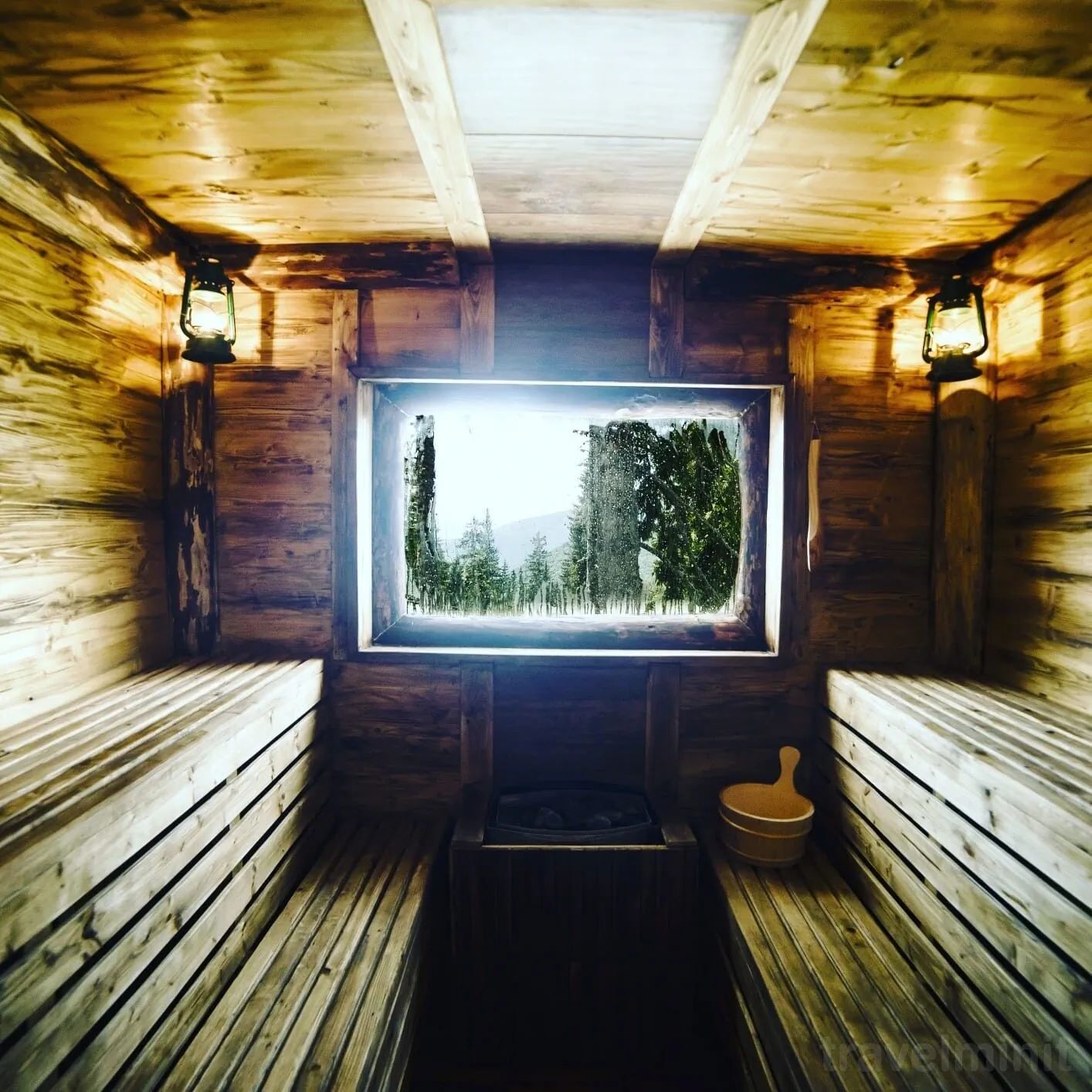
Apartment · 3 stars
Rânca, Gorj County · 0.8 km
Transalpina Spa & Lounge Rânca
Comfort, relaxation and stunning views, all just steps away from the main attractions.
FROM
230 lei per night
BEFORE YOU HIT THE ROAD
Weather conditions in Gorj
Local forecast for Rânca Ski Resort, Gorj, Gorj

Real-time updated weather data
Much more to explore in this area
Nearby tourist attractions

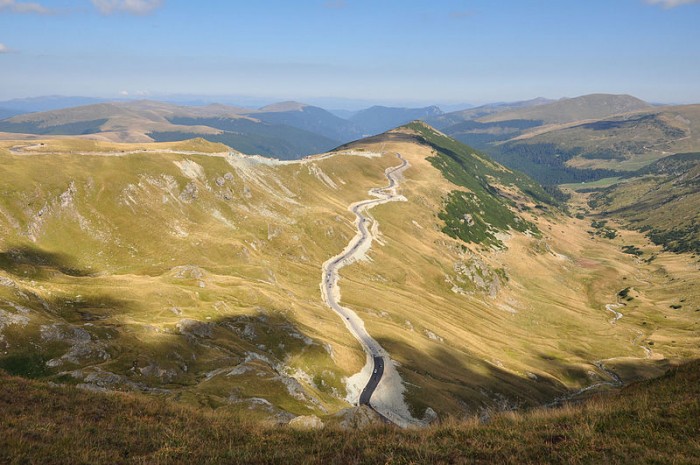

Alba, Alba County
Transalpina (Transalpina Highway / King's Road)
Este o sosea (DN 67C) din Muntii Parang, in Carpatii Meridionali, ce face legatura intre Oltenia si Transilvania (orasele Novaci din judetul Gorj si Sebes din...
0.8 km

Gorj, Gorj County
Endless Column (Coloana Infinitului)
Sculptură a artistului român Constantin Brâncuși, parte a trilogiei Ansamblului Monumental din Târgu Jiu, UNESCO
42.5 km
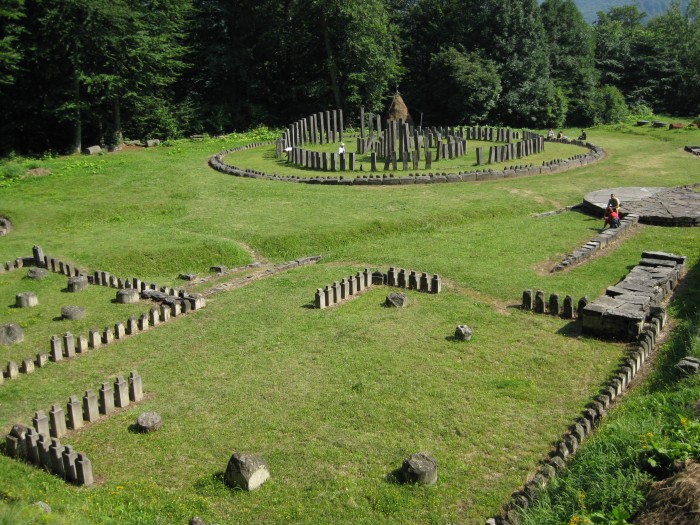
Hunedoara, Hunedoara County
Sarmizegetusa Regia Fortress
Situata pe raza localitatii Gradistea Muncelului; amplasata la altitudinea de 1.200 m; inclusa pe lista patrimoniului cultural mondial UNESCO; a fost capitala...
47.8 km
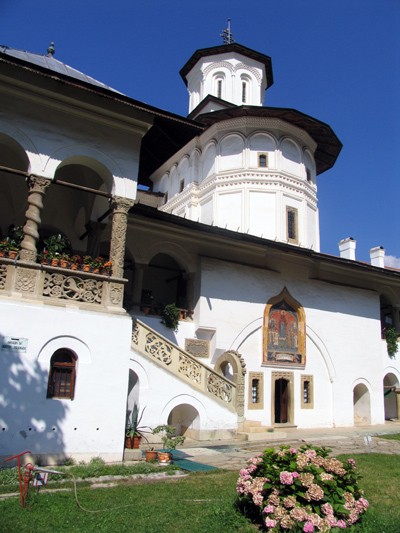
Valcea, Vâlcea County
Horezu Monastery
Se afla in satul Romanii de Jos, la poalele muntilor Capatanii, pe drumul national Ramnicu Valcea-Targu Jiu, judetul Valcea;ctitorita de Constantin Brancoveanu...
27.8 km

Hunedoara, Hunedoara County
Sarmizegetusa Regia Fortress
Situat pe teritoriul administrativ al satului Gradistea de Munte, comuna Orastioara de Sus; punctul sitului se numeste "Dealul Gradistii"; se intinde pe o...
47.7 km
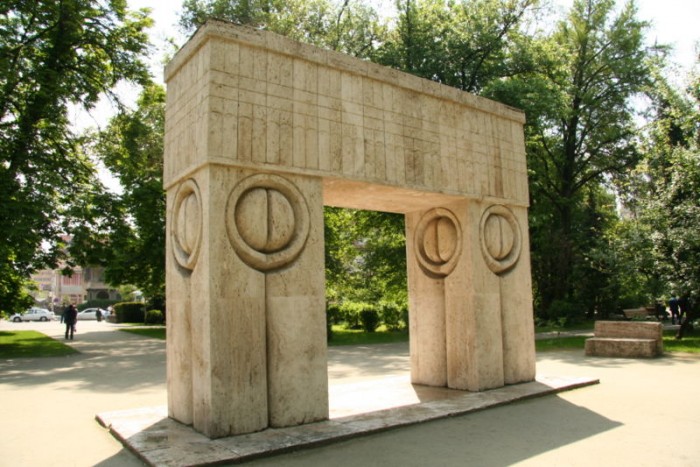
Gorj, Gorj County
The Heroes' Way Monumental Ensemble
Situat in centrul orasului Targu Jiu;realizat de Constantin Brancusi, este un complex sculptural cuprins in patrimoniul UNESCO; ansamblul este alcatuit dintr-o...
42.5 km

Valcea, Vâlcea County
Govora Spa
Situata in nord-estul Olteniei, intr-o depresiune subcarpatica, la 21 de km de Ramnicu Valcea;este traversata de raul Hinta si inconjurata de dealuri acoperite...
44.6 km

13.3 km
27.1 km
31.5 km
33.5 km
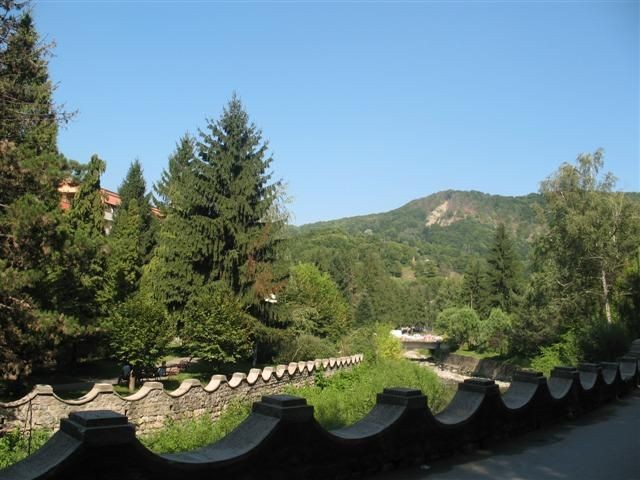
Valcea, Vâlcea County
Olănești Spa
Se afla in partea de nord-est a Olteniei, pe Valea raului Olanesti, la 18 km de Ramnicu Valcea, in zona subcarpatica a Muntilor Capatanii, judetul Valcea;locali...
44.0 km
Cultural life and traditions
Events in the Rânca Ski Resort area
Medieval festivals, traditional fairs, concerts and local activities recommended in Oltenia (Lesser Wallachia).

Traditions and Crafts

Gorj, County of Gorj
Days of Local Culture and Traditional Tourism
Open workshops featuring pottery, wood carving, and authentic folklore demonstrations by local artisans.
WHEN
May 15-17, 2026


Traditional Cuisine
Gorj, County of Gorj
The Fair of Traditional Products and Local Cuisine
Traditional products, aged cheeses, mountain honey and local delicacies prepared according to ancient recipes.
WHEN
Every weekend

Culture and Photography
Gorj, County of Gorj
Themed and Photographic Guided Tour of Cultural Heritage
A guided tour designed for history buffs, nature lovers, and photography enthusiasts, showcasing the most spectacular views in the area.
WHEN
Daily schedule available upon request
On foot, exploration gains depth
Discover the surroundings and local geography
Explore the trails, terrain, and natural landmarks around Rânca Ski Resort.

Guides and practical tips
Useful travel articles
Travel guides, practical recommendations and tourist itineraries for Oltenia (Lesser Wallachia).

Tourist guide
Top 5 Atracții Turistice și Trasee Montane în Zona Moieciu - Bran
Descoperă cele mai spectaculoase peisaje carstice, chei adânci și cetăți medievale din imediata apropiere a stațiunii Moieciu.

Tourist guide
Ghid de Drumeție: Traseul Moieciu de Sus spre Platoul Bucegi
Un itinerariu montan de o frumusețe rară ce urcă din Valea Băngăleasa spre Poiana Guțanu și crestele maiestuoase ale Bucegilor.

Tourist guide
Castelul Bran: Istorie, Legende și Secrete Medievale
Află adevărata poveste a fortăreței medievale din Pasul Bran, reședința de suflet a Reginei Maria a României.
THE JOURNEY STARTS WITH AN IDEA
The next story is on the way.
From the first stop to the last stay, make room for a new Romania.
